


It’s been a few years since Indie has popped in to say hello on the blog. Today, she wanted to invite you to breakfast. Or more accurately, to invite you to look at her breakfast.
In 2018, we published a post on the history of dog food and how you could easily make your own. This was and still is a daunting notion for some pet owners. But back then we were on a mission to dispel the myth that feeding your dog was a difficult, complicated ordeal. In that year, Indie was six and had strictly eaten a homemade diet since the moment she bounded into our yard during a Fourth of July barbeque four years earlier.
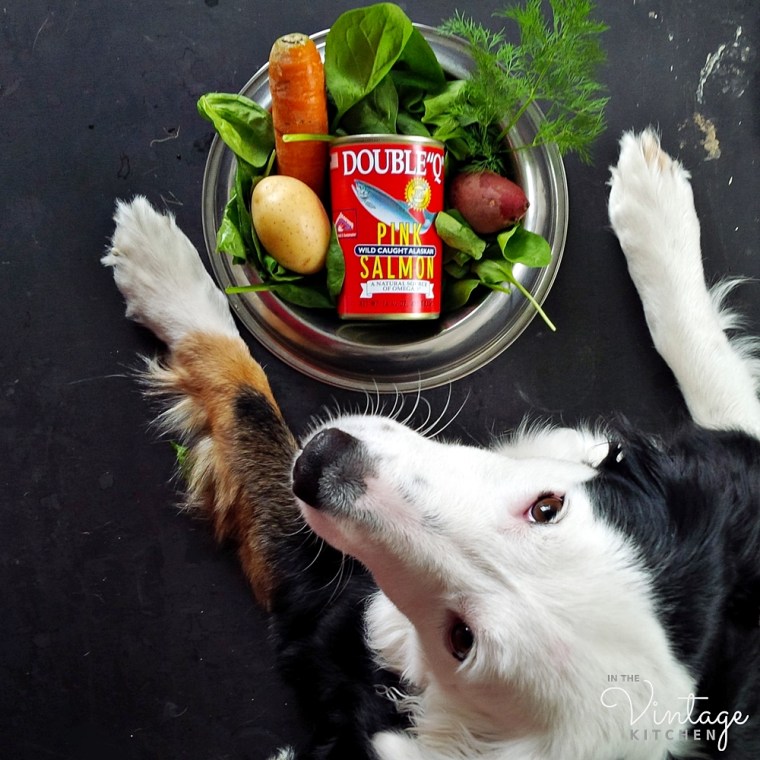
Now Indie is nine, considered a senior dog, and still eating that same homemade diet. Over the years, that post has sparked a lot of conversation. It connected us with a batch of fellow homemade dog food comrades who championed this from-scratch form of feeding and eating, and it also spurned a lot of questions about portion sizes and nutrition and what-if-I-do it-wrong worries. I totally understand. Feeding your pet from scratch can feel like a big responsibility. But Indie and I confidently declare, if you can feed yourself, you can feed your dog.
Today’s post is just one of several coming out this year regarding nutrition, aging, and balanced meals based on vintage dietary wisdom. In an effort to explore the ways our parents, grandparents, and great-grandparents lived, ate, and gardened back in the 20th century, we are tackling nutrition in 2023 from a variety of angles that don’t necessarily receive so much attention. This dietary dive begins with our four-legged friends, our best pals, our constant companions. Since their overall health affects our overall health and vice versa, and since our food is also suited to be their food, this is a copacetic cooking arrangement that benefits both pets and people.
Indie is so pleased to be your food guide today through the delicious land we (and she!) call breakfast. For the past eight years now, these are the types of foods that have kept her healthy and happy.

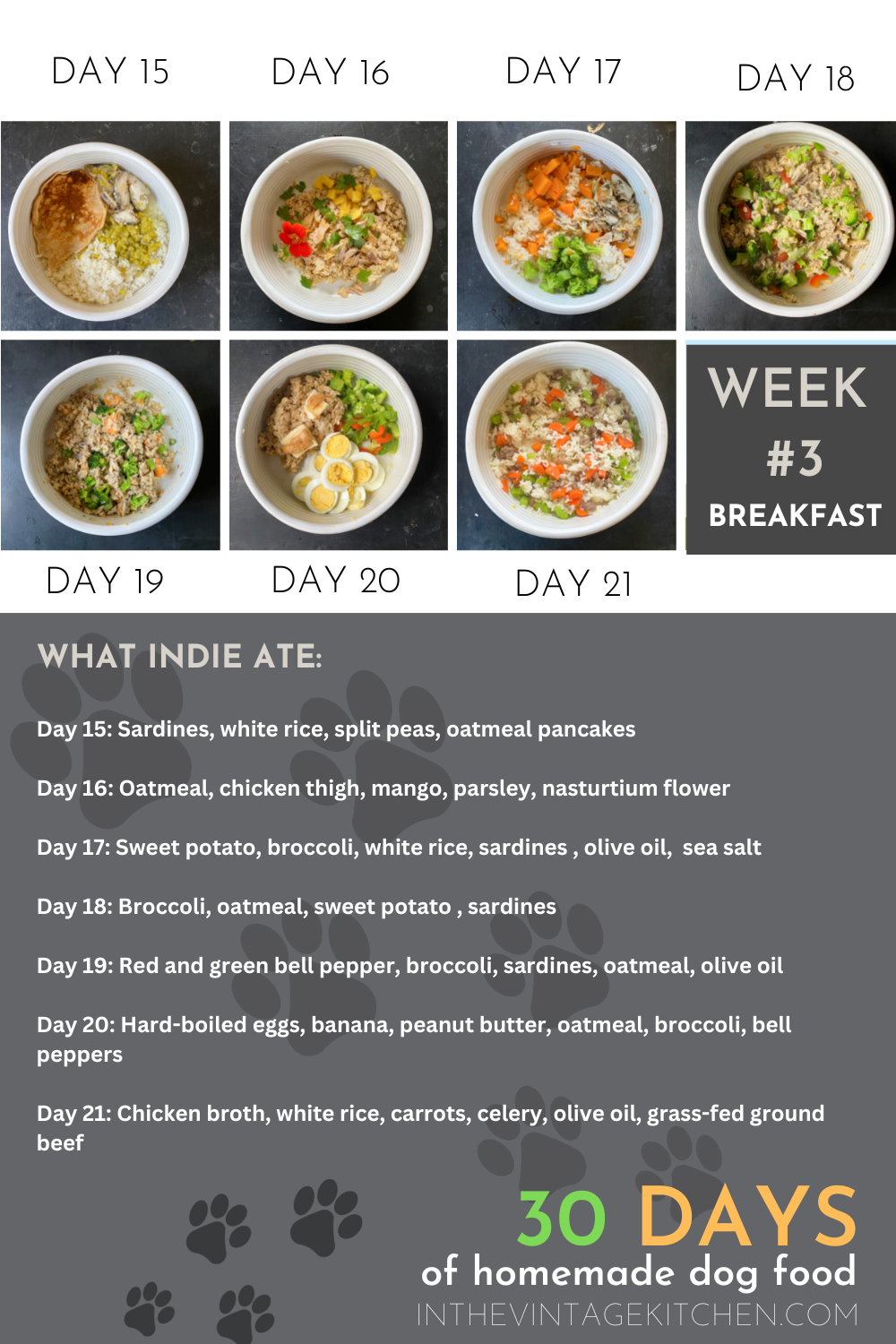
Each morning, throughout the entire month of December 2022, I photographed Indie’s breakfast. By sharing what she ate each day, I thought this might help show fellow home cooks how fun, easy, inexpensive, and healthy it can be to make your pup’s food from scratch. Albeit, it is not as easy as opening a can of condensed dog food or a bag of ready-made kibble pulled off the grocery store shelf, but for those of you that are interested in embarking on such a culinary adventure, with your dog’s overall health in mind, this glimpse will give you a good example of the types of foods that dogs can eat.
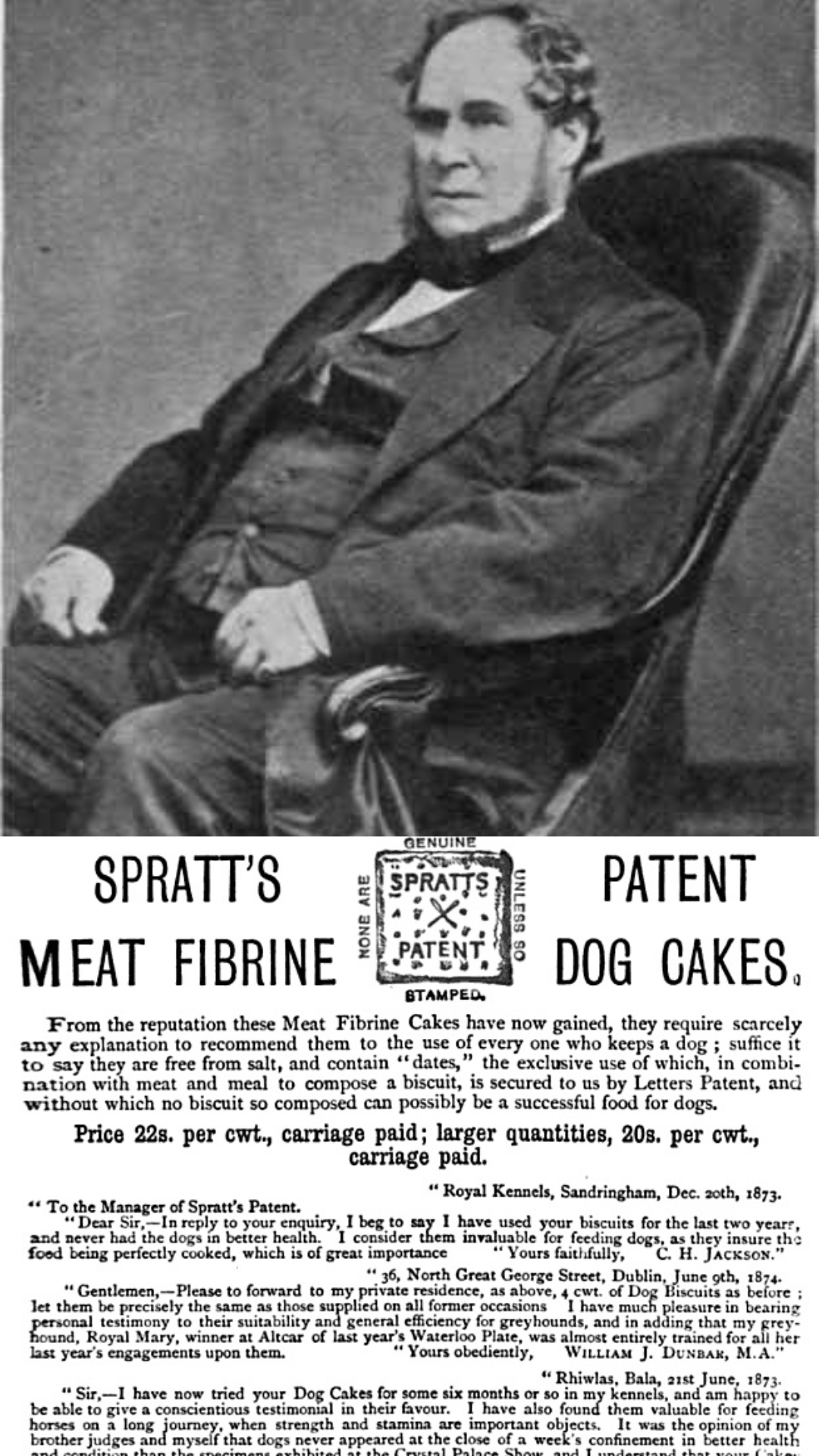
Ever since the commercialization of pet food in the United States, beginning in the 1860s, there have been debates about what to feed dogs, how much, and for what reasons. Motives have not always been scrupulous in the industry. And our pets have not always been considered worthy of high-quality ingredients. When mass farming and feed lots came into play in the mid-20th century, pet food manufacturers turned their focus towards cheaper ingredients and filler products rather than wholesome, natural foods. Even today when consumers are more educated than ever on balanced nutrition, this area of the food industry still remains complicated, obtuse, and not altogether transparent. Luckily, beginning in the 1970s small rumblings of a grass-roots movement began to emerge among pet owners – those who were concerned that their pets were not getting the nutritional attention they deserved. A focus towards more thoughtful diets that were less processed, less traveled and more custom to individual dogs began to take shape. Slowly across many decades, this passion has bloomed into a food love affair between people and pets.
So what exactly did Indie eat for breakfast last month? Let’s look…

In our 2018 post, we went through the basics of cooking for canines and how their diets have changed since the days of James Spratt and his meat fibrine biscuits in the 1860s. Refer to that post for specific information as to foods to embrace and foods to avoid, as well as notes on ratios and serving sizes. Below, we break down Indie’s breakfast bowls week by week, ingredient by ingredient, to show the simple combinations that make up a healthy dog’s diet.

Indie is an English shepherd by breed and a gourmand by heart. She weighs 55 pounds and is considered a medium-sized dog. We feed her twice a day – morning and night. She gets a fair amount of exercise every day and she is always (always!) excited to see what’s in her bowl.

We stay away from anything that contains soy, wheat, and corn, as they are known allergens which affect most dogs in one way or another. Also, we stay clear of dried fruit, beer, bones, wine, citrus, onions, garlic, seeds, cores and fruit/vegetable pits when it comes to feeding Indie, as they contain toxic elements and/or possible choking hazards. Other than that, a bounty of edible options and combinations await every day.

Primarily Indie eats what is in season, so her breakfast is never the same month by month but does follow a typical consistent pattern of one to two proteins. one to two grains, and one to three vegetables at each serving. A great deal of what we feed her is influenced by what I’m making for our human meals each week as well. Since this record was kept during the month of December, many of Indie’s breakfasts were planned around holiday meals. But you’ll notice the throughlines that stayed the same each day. Protein, vegetable, grain.
In trying to care for Indie’s health and the environment as best we can, we only feed her food that we want to consume ourselves – organic vegetables, humanely raised chicken, grass-fed beef, wild-caught fish, and eggs from pasture-raised chickens. All of her meat proteins are always cooked, never raw, and we generally buy bone-in chicken with the skin on since the bones can work double-duty as a flavor enhancer while cooking and the basis of a broth once the meat is chopped up for her meal. For dinner, Indie eats in the same fashion as breakfast, but we tend to change up her vegetables so that she has a little variation between day and night. We serve all of her meals warm to the touch but not hot and never cold from the fridge.
Rice and/or oatmeal are generally daily staples and she tends to cycle through a round of vegetables every three days or so. On days that she gets extra exercise, like going for a hike, or spending a great deal of time running around the yard, then we’ll feed her larger portions. On days, when she is more sedentary or housebound due to inclement weather, she’ll receive a little less food since she’s not exercising as much. So far this balance between portion size and activity level has worked out really well. We’ve managed to keep her at her wealthy weight of 55 lbs for all eight years following this same routine.

These days, her most favorite foods are chicken, carrots, sardines, potatoes, pancakes, cheese, and oatmeal, but every year she seems to enjoy a new love only to move on to something else the next year. One year she was all about green beans. The next year it was mackerel. Then came a love affair with roasted pumpkins. Every once in a while, she’ll boycott a vegetable at breakfast or decide to only eat some of it, leaving the rest in her bowl skillfully arranged, like she’s creating some sort of art. Note the lone brussels sprout and grain of rice here…

These left-behinds are always short-lived. As rare occurrences, if a few pieces happen to sit in her bowl after she’s walked away, we just scoop up what’s remaining, and refrigerate it until dinnertime. Then it gets thrown back into the mix with her nightly meal, never to be seen again.

So how do we know that Indie is meeting all her nutritional requirements?
First off, we can see it. Her eyes are bright, her hearing excellent, her mobility flexible, her coat ultra-soft and shiny and her responsiveness quick and intuitive. She greets each day with energy, enthusiasm and an infectious amount of joy. And most importantly, her appetite is very, very healthy.
We also have assurance from the vet community as well. When we moved to New England this past spring, we got Indie all set up with a new vet so that she could get her flea and trick program started. As part of the vet’s welcome program, all new pup patients need to have an exam before they are administered the flea and tick medicine. This once-over by a vet is always a great opportunity to see how Indie’s homemade diet is holding up. Will she get a good report? Will she be deficient in some areas? Will they tell us we’ve been doing it wrong all along? Par for the course, these worries never come to light. Every vet visit she has ever had ends with flying colors in the general overall health department. This last time, she was greeted with good news on all fronts – eyes, ears, teeth, coat, mobility, energy, and responsiveness. The vet said she was in fantastic shape and couldn’t believe she was nine years old. I attribute this continual good news about her health to her homemade diet.
So feeding your pup can be as simple as that. If you make oatmeal for breakfast, cook your dog some oats too. If you’re making a big pot of chicken noodle soup for dinner, chop up some extra chicken, celery and carrots for your pal. If you are serving watermelon in the summer or roasting pumpkin wedges in the winter, toss a few extra pieces into the pup’s bowl too. All you need is protein, vegetables, and grain and then you are on your way.

Since we moved to New England, Indie’s been expanding her palate to include more homegrown garden vegetables and regional foods including slow-cooked beans, crab, cod, blueberries, apples, and the occasional bite or two of lobster roll. Just like Katharine Hepburn, she’s also decided that swimming in the Long Island Sound is her new favorite form of exercise.

With so many pet food recalls today, expensive vet visits, and food product companies importing unregulated dog food from other countries, making your own dog food from whole ingredients is one way to ensure a healthy, nutritious and fulfilling life for your pup. A gourmet world awaits once you get past the cans and the kibble.
If you are thinking about starting your pup out on a homemade diet this year, I hope this post helps your canine culinary adventures take shape. If you are already a fellow dog foodie, Indie would love to know what’s on the menu at your house.
Cheers to our pups and to healthy, homemade breakfasts! Bone Appetit!

July 2023 UPDATE!
Find a recipe for Indie’s favorite dinner food, Steamed Chicken with Carrots & Sweet Potatoes here. It’s an easy one-pot, stove-top meal that takes just 5 minutes to prep and an hour to cook.


 In the Vintage Kitchen: Where History Comes To Eat
What is considered “a package” of chicken? What weight or quantity would that be?
LikeLike
Hello Danielle! Thanks for your question! Generally, a “package” of chicken (depending on cut) is anywhere from 1lb. to 2.5 lbs. Boneless,/skinless chicken tenders usually tend to be on the 1 lb size with about 6 pieces in a package where as heavier cuts like breasts or bone-in thighs tend to be closer to 2 or 2.5 lbs with four pieces in a package. Hope that answers your question! If not, please let us know!
LikeLike
Thank you so much for including us in your post! We are so glad that you are helping spread the word about the joys of a homemade diet for pups. Indie sends a tail wag your way along with a big cheers from all us for a happy (and delicious) holiday season. Thanks again! – Katherine
LikeLike
Hi! Have you ever spoken with a vet dietician to figure out all the ratios of proteins/fats and vitamins your dog needs or do you just go by the general principals of providing a grain, protein and veggie? I want to do this but my vet scared me that if it’s not really specifically done I could cause my dog to have deficiencies. Love that you put in this effort to feed your pup real food 🙂 thanks!
LikeLiked by 1 person
Hello Jen! Thank you so much for your great question.
Initially, I researched the general balance of protein to fat to vitamin ratio just via researching foods themselves and dog diet requirements and did not consult a vet. All of the good foods for dogs that I listed in the post provide the necessary vitamins and minerals that a typical dog would need to ensure a healthy life. The only things missing from homemade dog food as opposed to commercial dog food are the preservatives, animal by-products, shelf-stable additives and allergy-causing grains (corn, wheat and soy).
Before Indie came along, I shared life with a border collie who I fed commercial dog food for 12 of her 15 years of life, before learning about the benefits and possibilities of homemade dog food. She suffered from skin allergies, ear infections, seizures, a lackluster appetite during feeding times, and separation anxiety for most of her life, all of which multiple vets said were just part of her chemical makeup. They were happy to recommend medications to solve each issue but the medications never seemed to fix her problems.
It wasn’t until I met a vet tech in my dog’s 12th year of life who attributed many of her health issues to the commercial dog food I was feeding her. Once learning that insight, I threw out the commercial dog food and immediately started feeding her local grass-fed beef with homemade vegetables and dived into a lot of research on healthy foods for dogs. Almost immediately she became a different dog. Her coat cleared up, her ear infections never came back, her appetite returned with vigor, the seizures were less frequent and she had an extra pep in her step for her last 3 years of life.
Knowing the beneficial change with my border collie, when Indie joined my family, I was determined to make her own dog food from scratch every day. Now going on her 10th year, homemade food is all she has ever known and as I shared in the blog post – she couldn’t be healthier – as verified by her vet, who is aware and very encouraging of her homemade diet.
I’m sorry to hear that your vet scared you about supplements. One thing that I have found about vets (and not to assume this about your own vet) is that they tend to fall into two camps – ones that encourage a homemade dog food diet and ones that do not. The ones that do not sometimes have other motives at play – whether they carry an expensive commercial dog food that they want to sell to you as added revenue for their practice, or they view it as a threat to fu potential future loss to their business since you will not need to make appointments dealing with food-caused issues. It’s unfortunate, but many dog food companies and some vets do not always have the general health and well-being of their canine customers in mind. The dog food industry is still very unregulated. Profits still remain the goal for many pet companies and veterinarian practices – not the health of dogs.
All that being said, if you are nervous about the nutrient topic still, there are good-quality supplements (think about it like a general overall muti-vitamin of sorts made just for dogs) that you can add to your dog’s homemade food as extra assurance that they are receiving all the vitamins they need. But again if you stay with a balanced ratio of fats to protein to grain and vegetables, your pup should be getting everything she/he needs from the food itself.
I can understand your hesitancy to begin a homemade diet for your dog based on your vet’s response. I was a bit nervous too when I started making food for my border collie, but the benefits far outweighed any concern. Making homemade food means that you know exactly what food you are putting in your dog’s belly, where it came and how it was made. There are so many unknown variables in commercial dog food (where it was made, how it was made, what the actual ingredients are, the quality of ingredients and where they were sourced, who handled it, how it was stored, etc). You really can’t make your dog’s diet any healthier than by feeding them whole foods that you gathered and prepared yourself.
I’m sorry to hear that your vet was not more encouraging. Yours is the most common fear among new homemade dog food adapters, so rest assured you are not alone. What I would recommend for you is to start making your dog’s food with a trial-and-error mindset for the first month and see how it goes. As I shared in the post, you will learn many interesting (and fun!) things about your dog’s appetite and her/his preference for certain foods. A new side to their personality will emerge – the gourmand in them will shine:)
If you did decide to use a supplement, I recommend Cosequin for dogs, but again, I feel like that might be more reassurance for you than actual necessity for your pup if you stick with the approved dog-friendly foods and ratios mentioned in the blog posts. Hope this information helps. and if you have any questions please do not hesitate to reach out. You have both indie and I’s full support in your new cooking adventures for your pup. Cheers and good luck! – – Katherine
LikeLike
I started giving this to my now 14 years old Chihuahua mix and she’s never been so “alive” !!! I use Dyne as well so it gives her whatever vitamins she might be missing. Katherine’s recipes here are amazing!!
LikeLike
Julie! I’m so glad your pup loves our recipes! Cheers to hearty appetites and happy eaters:)
LikeLike
Hello, we have a 22 lb petite Golden Doddle named Sassy. You might guess why that name, and we love her. But she is a picky eater. No kibbles for her. We have started using your one pot dinner and it has been working great for her! We are starting add grains like the white rice and oatmeal. But then I see most sites say we should limit the white rice to a couple of times a week and to use well cooked brown rice instead. Diabetes concerns? Just want to do right by our little one. Your thoughts?
LikeLike
Hello Jim — so glad to hear that Sassy is enjoying the recipe!
That’s a great question regarding white rice. Both white and brown rice offer their own unique set of nutrients.
I do know that white rice can cause inflammation in dogs and should be avoided during the healing process of a muscle injury or surgery, but I’m not aware of any diabetes risk that white rice could cause. So you may want to check with your vet in case that is a concern for Sassy’s breed. Having said that, Indie has eaten quite a bit of white rice in her 10 years of life and hasn’t presented any diabetic or pre-diabetic symptoms.
The main key for a healthy dog diet is variety. Speaking from my overall experience with Indie throughout these past 10 years, I tend to change things up every day or every other day to ensure that she is getting a well-rounded assortment of nutrients via proteins, grains and vegetables. For example, as far as the grain portion goes, if I make Indie’s food fresh daily I follow a schedule like this… white rice on Monday, oatmeal on Tuesday, brown rice on Wednesday, lentils on Thursday, quinoa on Friday, etc…
Or if I make her food in bulk for the week, I change her grains up every seven days. So the first week of the month Indie eats white rice, the second week of the month she eats oatmeal, the third week, brown, rice, the fourth, lentils, etc.
Also – another grain source you may like to experiment with is purple rice and wild rice. Although they can be more expensive, they are packed full of good nutrients. Indie loves both, so we’ll splurge on special occasions or stock up if they are on sale.
So far this feeding system has worked out great for Indie with really positive reviews and health checkups from the vet. I hope Sassy experiences the same! And thanks again for stopping by with your question. If we can help with anything else, please let me know. My best – Katherine
LikeLike
Hello we have a 3 year old yorkie and 4.5 to 5 pounds. We have had him on Just Food for Dogs frozen food. I really like your recipes and would like to make this for our little guy. I am just wondering if you know how much we would feed him. Really appreciate the type you took to share your recipes and dedication.
LikeLiked by 1 person
Hello Krystal! Thank you so much for your kind words. I hope your little pup loves this recipe just as much as Indie! Food portion size can be a bit tricky to determine without knowing your pup specifically, since exercise, lifestyle and energy level all factor in, so we always recommend checking with your vet on this question. Having said that I would start with an equal portion size of what you were already feeding your pup – like a 1 to 1 swap and see how that goes. If you feel like he’s hungrier and needs more food than you can add a bit more. The goal is to have him finish his bowl completely and feel energetic – not lethargic from eating too much. Hope this info helps. Please keep us posted on how things go.
LikeLike
If only I had found your blog and recipes when we got Bruno in August, 2023!! My first instinct was to make food for him for all the obvious reasons, but our vet discouraged this as “insufficient in nutrients.” I have persevered but it’s been hard—he’s a Portuguese Water Dog, so he’s super smart and definitely has a mind of his own—a bit like Indie showing her dislike of raw kale. I just made Indie’s favorite—chicken, carrots, and sweet potatoes and will try it out on Bruno tonight. I think he’s going to love it! I have made similar recipes for him and now realize what was wrong and why he always seemed so picky—he doesn’t like his food puréed! He prefers bite-sized pieces….fortunately, he is in excellent health despite my failures; he weighs 45 lbs, is lean, muscular, sleeps well at night, and is very active…even though all he’s been eating is rotisserie chicken with potatoes and veggies, hamburgers, eggs, oatmeal and home-made granola, and a bit of cheese here and there. I have a freezer drawer full of plastic bags packed with one of the new “fresh, human food” for dogs company’s high-priced and absolutely tasteless (yes, I tried it!) recommended by our vet…Bruno hated it—and I tried 3 of the varieties offered. I am ashamed of the amount of food I’ve thrown away this past year…..so thank you!
LikeLiked by 1 person
Oh Judy! I’m so glad you found our recipes too. First, I’d like to commend you on trusting your instincts and persevering despite help from your vet. Good job you!
Secondly, I’m glad that Bruno is experimenting with a variety of foods and finding his favorites. He sounds like a great eater – which is lots of fun when it comes to home cooking for your pup.
I have a friend who had a Portuguese Water dog named Mason. He was an absolute delight, so I can imagine what your Bruno is like. Mason, on his own accord, loved to walk around in the swimming pool on his hind legs on hot summer evenings in the south, looking very much like a person wading around the shallow end. He was a farm dog on an organic cattle farm and ate grass-fed beef for his whole long-life. It was actually his mom who introduced me to the benefits of grass-fed beef for both people and pups, So he’s another great example of the benefits of healthy, homemade eating.
Although it wasn’t to your liking I’m so glad that you tried Bruno’s pre-made, pre-packaged food from the commercial company too. That’s such a good reminder that the foods you feed your dog, should be of the same appeal, quality, freshness level, and variety of foods that you would feed yourself.
I’m so glad you reached out. You are doing so great in exploring the world of homemade dog food. I hope that Bruno loves the chicken one-pot recipe. Please keep us posted on how it goes. – Katherine
LikeLike
Do you have any advice on portion sizes? I have a 75 pound Victorian Bulldog that would all food in the house if given the opportunity.
I love the recipes you provided!
LikeLike
Hello Carole! You may want to check with your vet, but my instinct for your big pup would be to double the portion size. Indie weighed between 45 and 55 lbs and was a medium-sized dog, so that gives you a general size/weight guide. Your dog’s activity level and lifestyle factors into portion size so a vet check might be a good place to start. So glad you are trying the recipes! Keep us posted on how your pup likes them! Cheers!
LikeLike