Cleared For Strange Ports: Traveling Abroad with the Roosevelt’s in the 1920s

The Roosevelt's Cleared for Strange Ports
The Roosevelt’s Cleared for Strange Ports

Nepal! Kashmir! Siberia! Kenai! Travel in the early days of the 20th century was fraught with drama, romance and the unknown. No other American family traveled with such gusto to the most magical of places quite like the Roosevelts. Pursuers of big-game hunting, scouts for museum science collections and recordings of natural history carried both male and female members of the family around the world seeking exotic experience.

Theodore & Edith Roosevelt
Theodore & Edith Roosevelt 

Following the death of Theodore Roosevelt in 1919, his wife, Edith, escaped her grief and memories wafting around their Sagamore Hill house on Long Island, NY by traveling abroad to the most exotic of destinations. A collection of her travel experiences along with the equally thrilling escapades of other family members dating between 1920 and 1926 were collected in this now rare book…
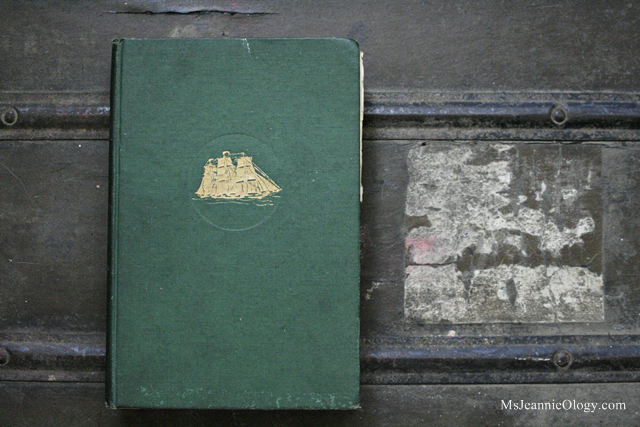
Cleared For Strange Ports published in 1927.

Today we are going to take an intimate look into the journal-style writings of four members of the Roosevelt family who dared to travel to the farthest of far-off places. So grab your pith helmets and your binoculars dear readers, as we head back 90 years to see first-hand what it was like to ride an elephant in India, chase a tiger in Bhadravati and travel across frozen ground in Siberia.

“There was so much to see and think about – so many impressions to seize and try to hold forever, as the minutes raced by, all crammed with new sights. I prayed that passing years would not blur the brightness of memory, and that this wayside magic would remain with me a treasure-store, vivid and keen, for the years ‘when we are old and gray and full of sleep.’ “ – Belle Willard Roosevelt, 1926

Belle Wyatt Willard and Kermit Roosevelt

Heiress Belle Wyatt Willard married Theodore and Edith’s son, Kermit. In 1926, she traveled to Kashmir with Kermit, her sister-in-law Ethel and Ethel’s husband Richard Derby. She wrote Ms. Jeannie’s most favorite entry in the book entitled: The Land Where The Elephants Are

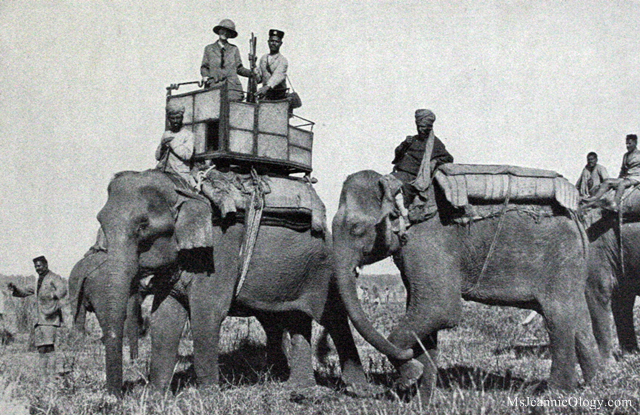
Belle Wyatt Roosevelt on her Howdah Elephant

” The long-line of elephants in solemn procession were a source of never-failing joy. There was always their preposterous conformation to ponder over; the enormous flapping ears and the ridiculous minute inquiring eyes; the strange toothless leer of the tusk-less ones; the great loose knees which turned outward with a baggy shuffle and the delightful incredible toe-nails. The whole massive gray bulk finished off by a spindle-tail with a thorny end gave such an inconsequential air to an otherwise dignified creature. The huge lumbered beasts stepped ever so carefully, a long trunk poked and felt about investigating every propitious spot before each foot was placed gently, softly with exact precision.” – B. W. Roosevelt, 1926

Crossing the river on the way to a tiger kill.

“Silently, alert and rigid, in anticipation we started off in single file, elephant behind elephant, in long line. The giant jungle grasses in many places waved some eight to ten feet above our heads as we stood upright in the howdahs. Below was a dense mass of lineas and thicket through which the elephants mowed their way, uprooting and tearing aside with their trunks any serious obstruction.” B.W. Roosevelt, 1926

Kermit Roosevelt (1889-1943)

Tragically Belle’s husband Kermit committed suicide in 1943, seventeen years after they traveled by the elephant train pictured above. An explorer from the very beginning, Kermit was a passionate hunter determined to understand the natural movements and motivations of animals, the environments they existed in and the impact they had upon culture. Nowadays, with conservation hot and heavy on everyone’s mind, it seems almost impossible to understand how anyone could shoot a tiger or a bear, chase down a wild pig or hunt game birds but thanks to the explorations of men (and women!) like the Roosevelts our knowledge of the natural world grew far beyond our own backyards.

hunting

“We were eager to get for the Field Museum as a representative a collection of Indian fauna as the limited time of our disposal would permit….These early morning stalks, although they netted us but little for the collection, were always a delight. You never knew what you might come across, as you slipped through the underbrush to pause at the edge of some forest-glade. The dewfall was heavy and in a half-hour you were drenched to the waist. We wore shorts so that there were no soggy trousers to cling to your knees and impede your going.” – Kermit Roosevelt, Balharshah, India 1925

The Roosevelts collected specimens for the Field Museum in Chicago which were incorporated into many exhibits within the museum including dioramas, many of which can still be seen on display today.
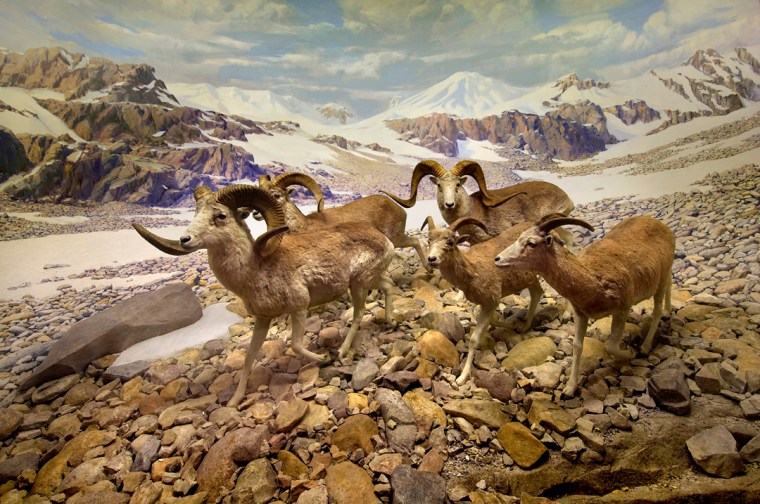
The Field Museum of Chicago's Ovis Poli diorama currently on display at the museum.  These specimens were  brought back by Theodore Roosevelt Jr. diorama. Photo via the Field Museum.
The Field Museum of Chicago’s Ovis Poli diorama currently on display at the museum. These specimens were brought back by Theodore Roosevelt Jr. Photo via the Field Museum.

Its important to note that all the animals hunted during these trips were killed for scientific collections and studies. Nothing was wasted or killed in vain and if hides were all that were needed to take home than meat of the animals was given to local villagers as food source.

“To a student of “The Jungle Books,” the native nomenclature of the animals offered no difficulties, and we all felt at home chatting about Baloo the bear and bandars that swung through the trees ahead of the beaters; even Ming the bat was among those present.” – K. Roosevelt, India 1925

The Roosevelts were as well-read as they were well-traveled. Book references are mentioned over a dozen times within Cleared For Strange Ports showcasing how a good book can be just as thrilling an adventure as travel itself. Books even served as travel companions. Among the belongings of one Roosevelt safari was a 60 volume set of leather skinned classics that the Roosevelts were hoping would acquire a little bit of weathered patina upon their journey!

Safari camp set-up was explained by Belle…

“Our quarters were luxurious, a large double tent: two bathrooms for each couple; a dining tent, and a living-tent opening onto the great log fire, around which we sat after dinner under the stars.” – B. Roosevelt, India 1926

Ethel Carow Roosevelt & Richard Derby

Surgeon Richard Derby married Ethel Carow Roosevelt (Kermit’s sister). When Richard traveled he not only took time to write down his thoughts on his surroundings but he also spent equal time photographing the landscape. One of the cameras he used during his travels was an Akeley motion picture camera, developed by Carl Akeley who traveled with Richard’s father-in-law Theodore Roosevelt in Africa. Richard contributed a gorgeous piece of writing in Cleared For Strange Ports about seeing Alaska in 1925…

Mountain range and moose sightings by Richard Derby

“…and I saw the real Alaska – a country which lays its iron hand upon strong willed men and holds them in everlasting fealty, a country whose beauty and natural resources are so stupendous that man obeys its beckon and becomes its slave. Not a slavery of the soul, however, for Alaska only attracts the high-spirited romantic, developing his individuality and self reliance, and cultivating those traits which are only born of an eternal matching of wits with nature.” – Richard Derby, 1925 written on an Alaskan liner bound for Seward

Of course transportation wasn’t without its trials in these remote places. Kermit writes of his experience aboard the Trans-Siberian in 1925…
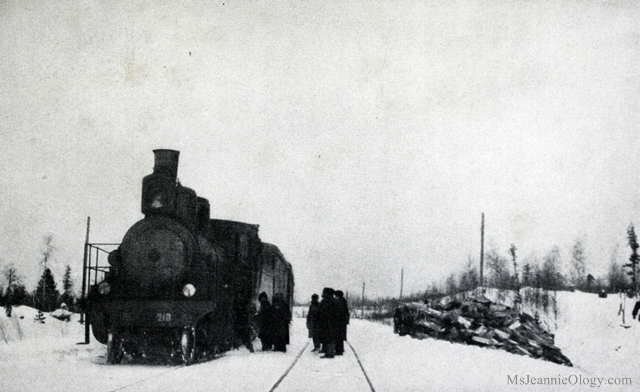
In Siberia
The Roosevelts in Siberia

“The wash room was frozen solid, but our porter was well used to such conditions, and came in brandishing a four-foot iron poker, with its end-heated red hot. This he rammed down the pipes and circulation was temporarily restored.” – K. Roosevelt, 1923, aboard the Trans-Siberian Railway

The weather in Siberia in the winter often times reaches in the -minus 60’s to 80′ s. Indeed it was a cold January when Kermit was there…

Edith Roosevelt in Harbin

“It is true that the Russian bundles himself up well in furs, but even so it made us shiver to see the men and women sitting chattering on the benches along the streets, apparently as comfortably and unconcernedly as if they were enjoying a bock in front of Cafe de la Pain in July.” – K. Roosevelt, Harbin, 1924

In warmer climates like India it was the locals as much as the wildlife that made quite an impression…

Water Carriers in India

“The women from near-by villages came swinging along with their brass water-bowls on their heads; when they had filled these and departed, the monkeys trooped down to drink, chasing away the lean pariah dogs who retired snarling. In the trees the gaudy peacocks screamed.” – K. Roosevelt, 1925

Paraguyan Market Posados, 1926

“And we stepped into a new life which I supposed was not to be found outside of books or cinema…” – Edith, Posados, Buenos Aires, 1927

In her passage about elephants Belle described riding through jungle as mythical, extraordinary and startling. There was no telling all at once what was scurrying, slithering or silently sitting in all that lush vegetation. The jungle unfolded around her scent by scent, step by step and sight by sight.

This is exactly what Ms. Jeannie experienced reading Cleared For Strange Ports. Endlessly fascinating her Roosevelt writers explained it all – the exotic travel experience unfolded page by page in poetic prose and incredible imagery.

book1

The Roosevelts being fellow book lovers themselves would approve of this volume in particular. It contains the best of weathered patina – loose pages, foxing, an errant ink stain, that wonderful old book smell and various smudge stained paper. It’s lived a thrilling life – just like the Roosevelts!

book2

If you are interested in reading Cleared For Strange Ports, please visit Ms. Jeannie’s shop here. And if any readers have visited the Field Museum in Chicago, we’d love to hear your thoughts on the Roosevelt collections!

On This Day in 1915: A Writer Travels the Sea of History

justusmilesforman

On this day, May 7th, exactly 100 years ago a handsome American writer was traveling by boat to London for what he hoped to be a successful theater run of his first play. The writer was 39 year-old Justus Miles Forman and the play was The Hyphen which had just debuted at the Knickerbocker Theatre on Broadway one month earlier.

The Knickerbocker Theater 1893-1930

Already a successful short story writer and novelist, Justus was ready to jump into the performing arts with both feet and believed he had a winning ticket with his WWI melodrama centered around German-Americans and the very big subject of the little hyphen in between. It was funny, it was dramatic, it was poignant and Justus was proud.

But New York reviewers were not quite so smitten. A total of sixteen performances were presented before the box office was shuttered and signage taken off the marquis.  Justus’ friends and the general public loved The Hyphen more than the critics but if Justus wanted to make an impressive splash as a new playwright he was going to have to drum up some interest across the pond.

Influential American theater producer Charles Frohman

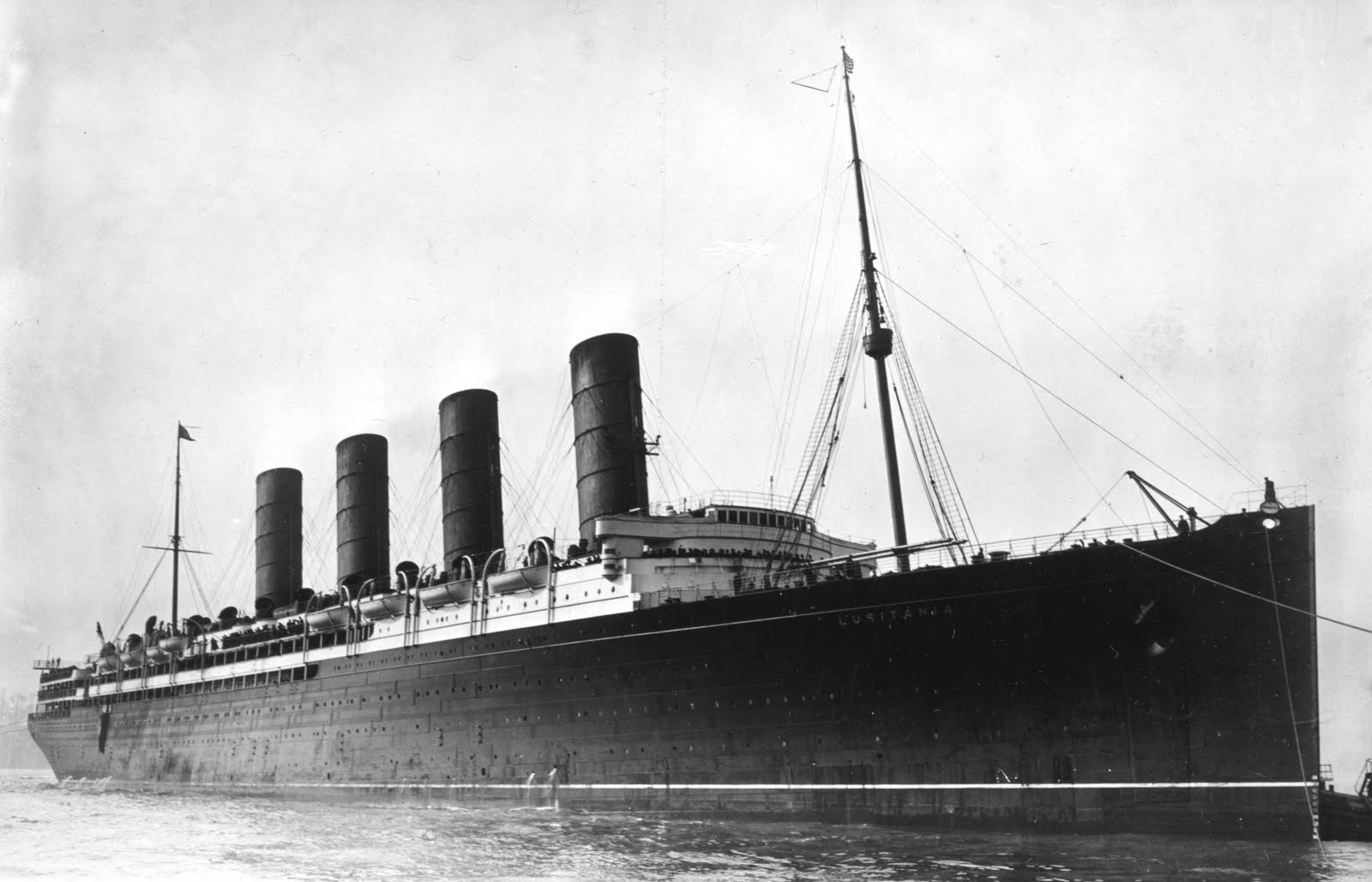
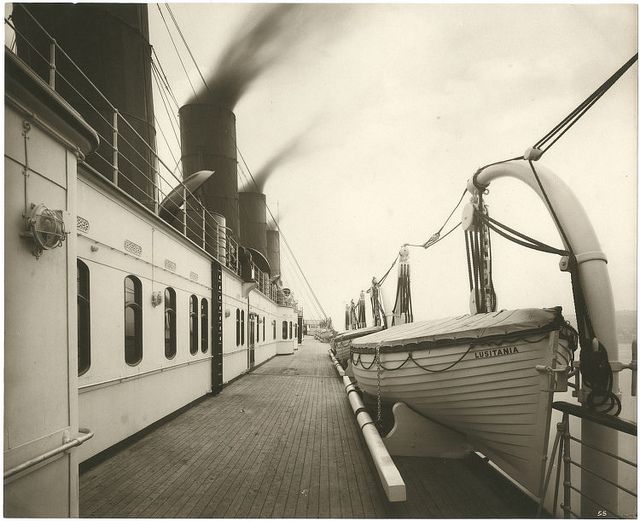
So on May 1st, 1915, Justus left New York Harbor with the play’s producer Charles Frohman traveling on the world’s largest passenger ship. A seven day crossing, with the ultimate destination being Liverpool,  the trip was to be an exciting adventure full of glamorous potential just like the writer himself.

RMS Lusitania 05

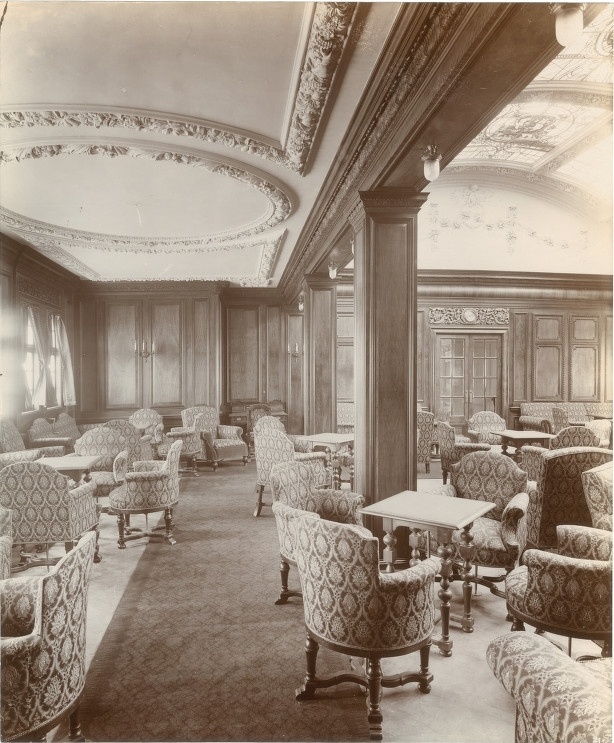
On board, Justus mingled with fellow writers and actors and party-hopped around the ship in first class style.

lusitania2

lusitania6

lusitania3

lusitania4

lusitania5

With the chiseled good looks of a movie star, Justus was one of the most eligible bachelors aboard the 1200 passenger boat. Charming women with both his winsome personality and his words, he enjoyed the ideal lifestyle for a novelist at that time.  He was well-paid and well-received on both continents, living six months out of the year in New York City (where he did a majority of his writing) and the rest of the year was spent traveling to locations near and far, international and domestic, drumming up story ideas, writing travel pieces and occasionally acting as a news correspondent.

By the time of this 1915 trans-Atlantic crossing, Justus was the the author of nine successful novels. Writing what was mostly categorized as romance adventures, his work was as much elegant as it was dramatic. He had a flair for combining intriguing story plots with glamorous characters like his 1909 novel Jason…

j1

which was  a love story and a detective novel all in one about the disappearance of a rich young American and the two men in love with his sister who went in search for him.

Ironically in a strange twist of fate, the life of Justus Miles Forman would mirror his writing. The ship that Justus and his producer friend Charles Frohman were traveling on was the Lusitania. Just hours before reaching Liverpool, on May 7th, 1915 the ship was torpedoed by a German U-boat and sunk off the coast of Ireland. Justus was among the 1100 casualities, his body never recovered.

lusitania7

Unlike his character in Jason, there was no happy ending for our enigmatic hero. No men came in swashbuckling search for the return of his live body. He was not married, he left no wife or children behind. But what he did leave behind was a collection of work that marks the beauty of literature which in turn marks the beauty of a life.

On this day 100 years ago the world felt a terrible loss. And in remembering the lives that were sent to the sea and the great ship that sunk below the surface, we are reminded how fragile life is and how truly important it is to appreciate every moment as we live and breathe it.

Ms. Jeannie feels privileged to be able to help keep the work of Justus Miles Forman circulating in our contemporary world with the offering of a first edition volume of Jason published in 1909.

j3

This volume, in addition to bearing wonderful illustration plates throughout bears a beautiful inscription on the inside front endpapers…

j2

which reads: May blessings be upon the head of Caxton – or whoever it was that invented books – and gave us dear friends to enjoy them – To Emmalyn – July 18-09

It is a beautiful story, presented in a beautiful book, written by a beautiful writer. A piece of history.

And peace to the history of the life of dear Justus Miles Forman and all those that perished in the sinking of the Lusitania.

*all ship photos via pinterest

A Sea Coast Holiday: In Pictures

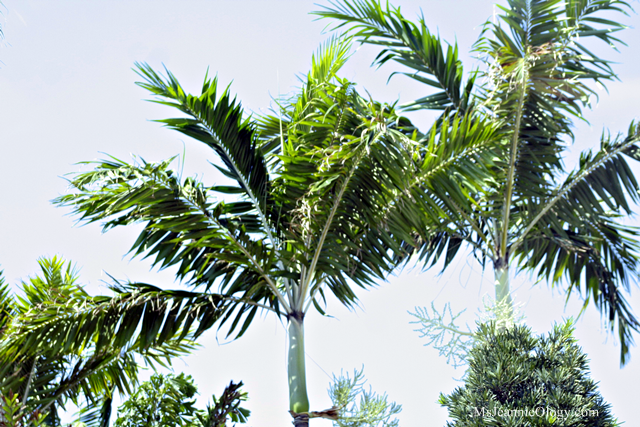
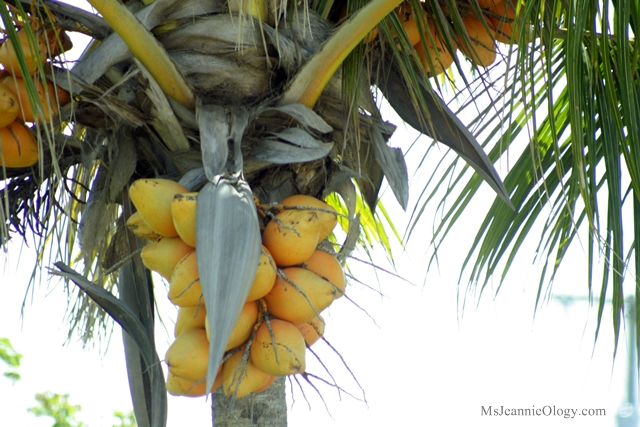
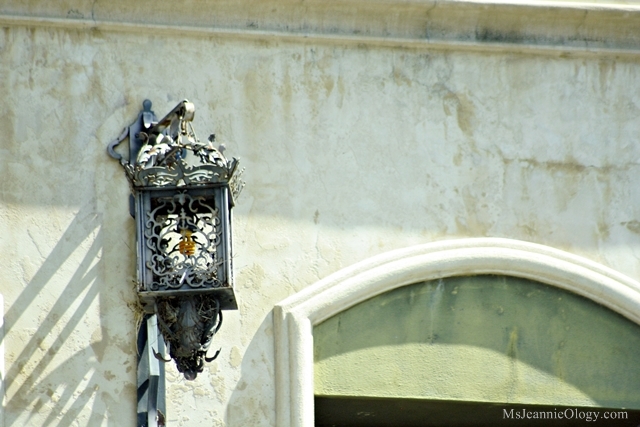
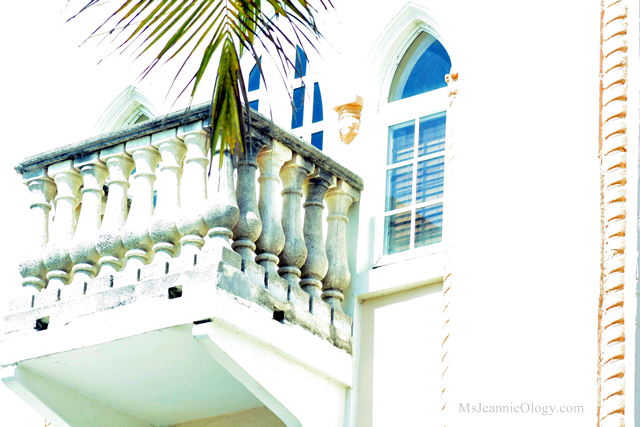
In April, Ms. Jeannie went on a little getaway to the shore. Her destination was the southern east coast of Florida which contained the most lovely balance between city life and wild tropics. Here’s her photo scrapbook… a blog post not in words but pictures…


s25

s24


s19

s21


s1


s29


s40

s6


s20

s38

s26


s11

s22


s18


s37

s13


s28

s32


s23


s43

s42


s3


s31


s39

Cheers to the start of summer travels, dear readers! Are you going any place fun in the next few months?


Fernbank in Autumn: A Trip to the Rose Garden

A magical visit to the rose garden at Fernbank.

The award-winning writer and gardener Sydney Eddison once said that gardens were a form of autobiography. How true! You pick your favorite plants and flowers, you prune and pluck or you let it go and grow, you decide neatly clipped and ordered or wild and whimsical, you choose colors, height, dimensions, you choose careful maintenance or natural ease. Essentially you write a love story with your landscape.

Ms. Jeannie was thinking about all this the other day when she finally (after many months of waylaid attempts) managed to visit the rose garden at Fernbank,  Atlanta’s natural history museum.

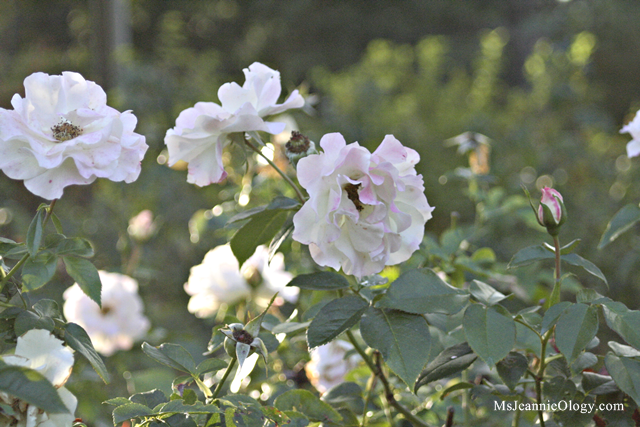
Blooms aflutter in all directions.

What a gorgeous marvel this site was! Named in honor of Robert L. Staton, a local gardening enthusiast,  Robert built this story of a garden in the 1980s to not only explore his own passion of cultivating an incredible flower but also to provide an educational tool for rose enthusiasts around the world. Autobiography is right, dear readers!

r43_l

The Fernbank rose garden is one of only three gardens in the United States that serves as a testing ground for rose varietals in accordance with the American Rose Society, which makes it an intriguing platform for experts and novice hobbyists as well as a place of beauty for the community.

r46_l

Laid out on two sides of a big lawn joined by a paved walkway, over 1,300 rose bushes live in long raised beds, bordered by bricks and grass alleyways.  Being that it is now mid-October, Ms Jeannie didn’t know what she was in for in the bloom department. She thought she might be missing the season entirely, but was so happy to be proven wrong. At every turn there was something lovely to look at…

r44_u

r47_u

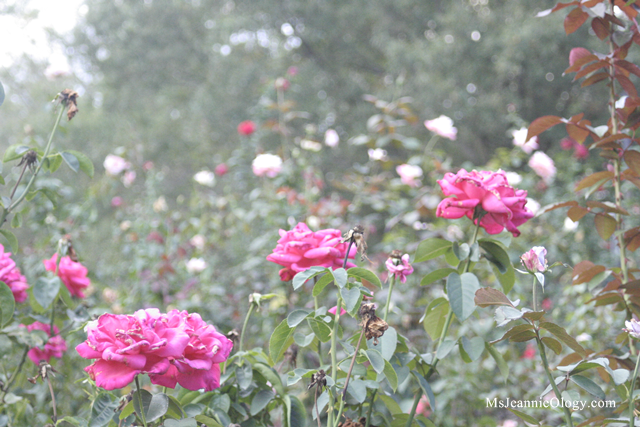
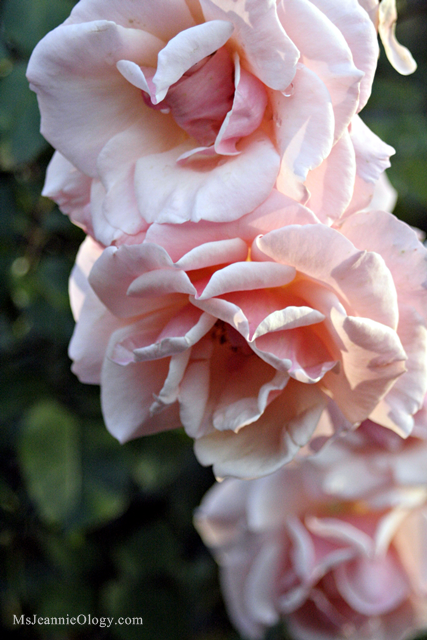
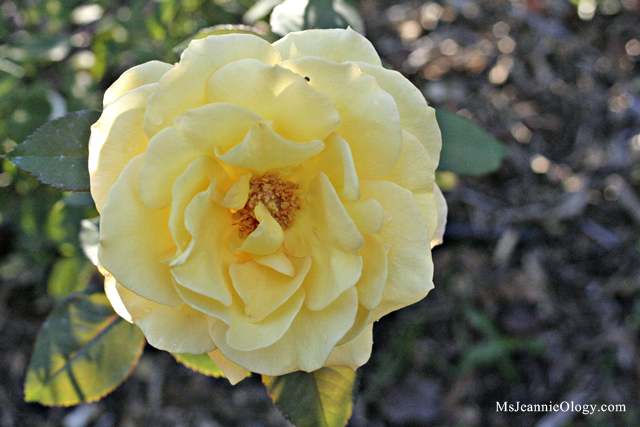
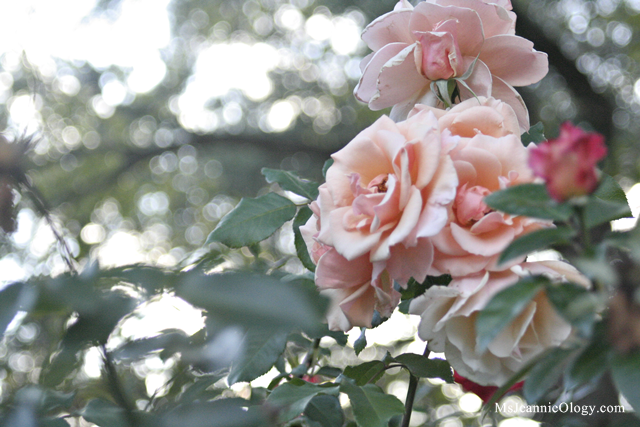
Roses came in a rainbow of colors and caught the light in all sorts of dramatic ways…

r6_u

r16_u

r45_u

r29_u-pumpkin

r49_u

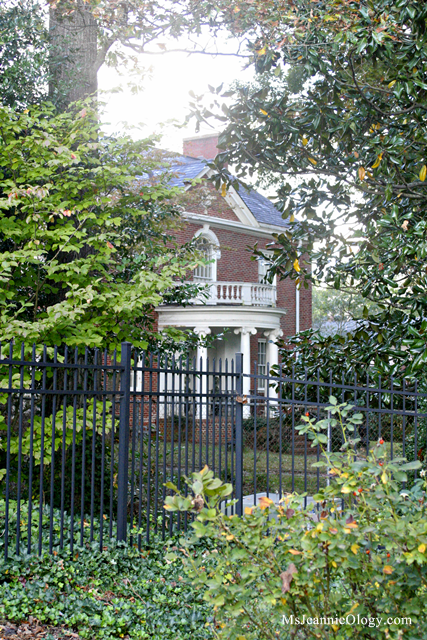
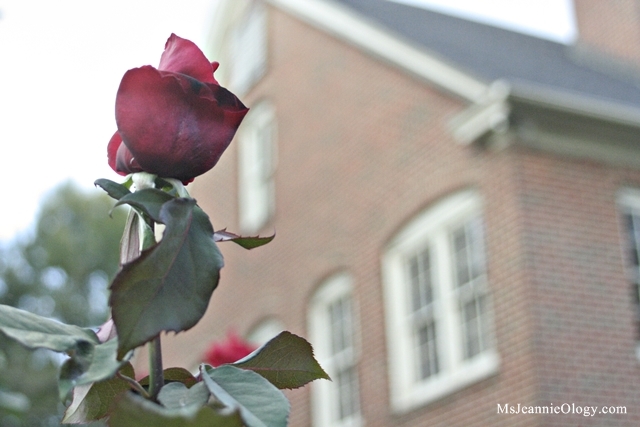
Such a visual feast for the eyes!  Stately buildings belonging to the museum and a view of the neighbor’s house next-door were tucked into the landscape and lent a fairy tale magic to the whole setting.

r9_b

r8_b

Even Indie, Ms. Jeannie’s travel companion, was overwhelmed with the spectacle of it all.  Not only was this her first walk-around trip in Atlanta but it was also an exercise on how to behave in a city environment.  She was a good little pup through it all despite the enticing distractions (so many squirrels!) and the fast moving cars.  But it also was a trip not without its perils…

Dog down. Thorn in the paw!
Thorn in the paw!

Oh poor thing! Some quick attention and one freshly dug hole later…

(Oops! Sorry Fernbank!)

and she was back on the trail again.

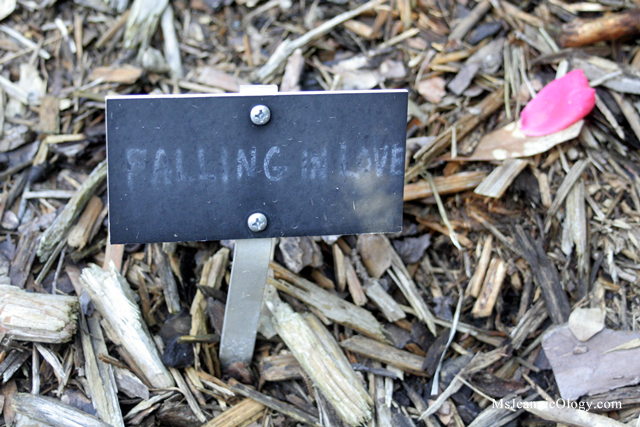
Rumor has it that many a marriage proposal has occurred in the garden, and Ms. Jeannie can definitely understand why.  Clearly Robert Staton was a romantic on a mission.  The garden seduces you at every chance.  From varietal signs…

r13_s

to traditional symbolism…

r41_u_png

petals pull at your heart from all directions.

r48_u

And now Ms. Jeannie is so thoroughly inspired to start her own assorted rose garden she can barely stop daydreaming about it all. More to come on that front soon!

In the meantime, in honor of such a magical place Ms. Jeannie is having a little sale just for her blog readers on anything floral (including all things photographed with flowers!) in her Etsy shop. Stop by and have a look here. Use coupon code FLOWERSFORALL to receive a 25% off discount.

Southern Settlers and How They Started

The South has a way with architecture that is both storied and sentimental. From the massive columned plantation houses all the way down the line to the smallest cabins and cottages, there is penetrable emotion that can be felt in every crack in the plaster wall, every creak in the wide pine floor board and every cobweb rooming in a quiet corner.

Built before the Civil War
Antebellum means built before the Civil War

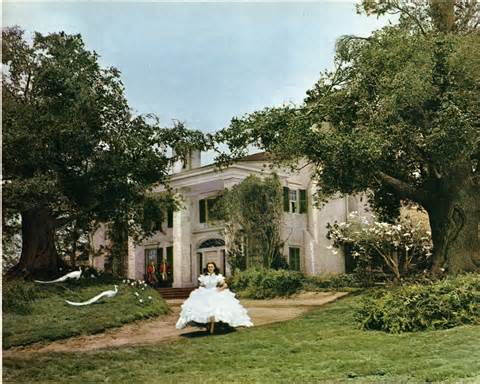
Most people when they think of a distinct type of Southern architecture think of Scarlett O’Hara’s beloved Tara…

Tara Plantation
Tara Plantation

or Ashley Wilkes’ stately Twelve Oaks…

Twelve Oaks Plantation

… big, white columned affairs that boasted the capacity to house a family of fifty and stretched dignified and elegant  for miles and miles.

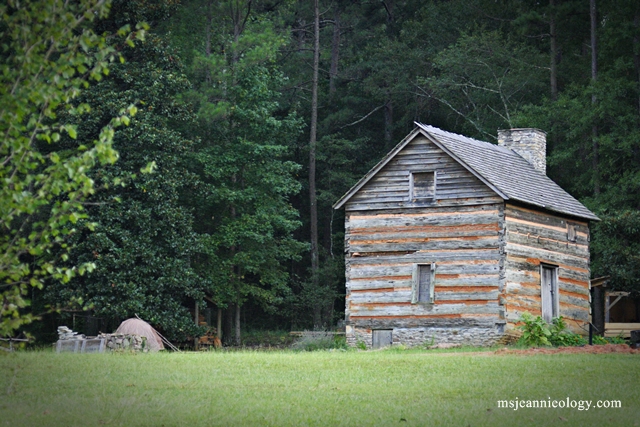
But when Ms. Jeannie first moved south she was surprised to learn that the first type of houses in Georgia were not these massive cotton boom-era wonders ( those didn’t come about until the mid-1800’s). Instead houses in the South started out much more humble with materials and design that seemed more suited to the cold, snowy climates of Maine or Vermont than the hot and humid sub-tropics of the deep South.  This, dear readers, is what the first houses in Georgia looked like…

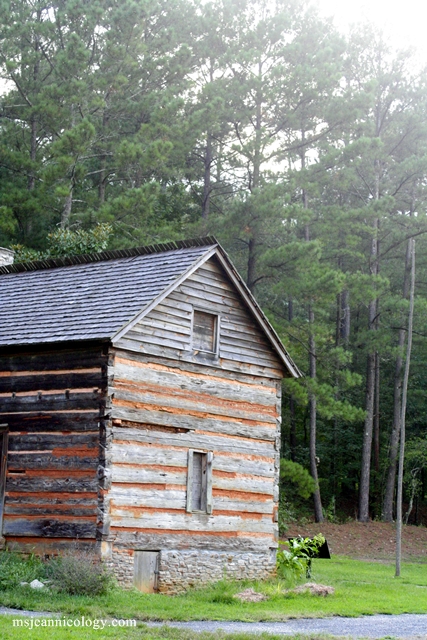
Log Cabin built in 1798
Log blockhouse fort built in 1793. Fort Yargo Park, Georgia

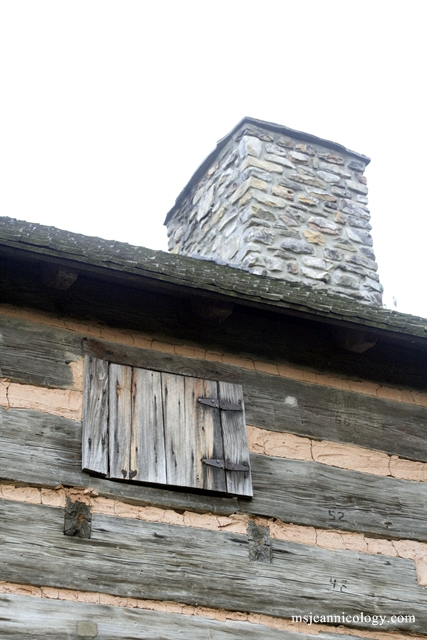
Descended from the landscapes of German and Scotch-Irish emigrants who made up the first gene pool in Georgia, log cabins and log blockhouses were erected out of familiarity of  what was left behind in the old country. Made from local pine so prevalent in this part of the country, this type of housing also offered super strong  protection  from the elements, from wildlife and from raids by local Native American tribes.

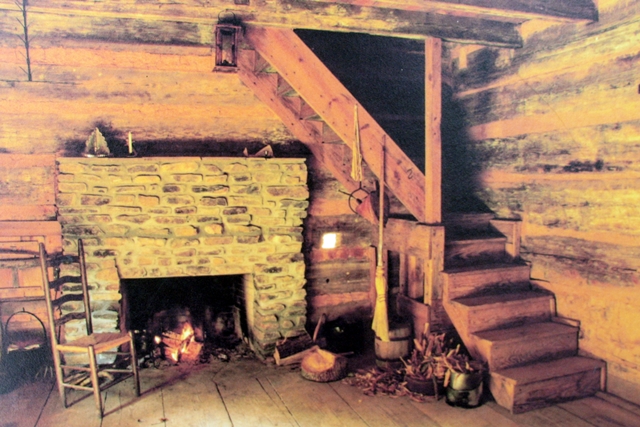
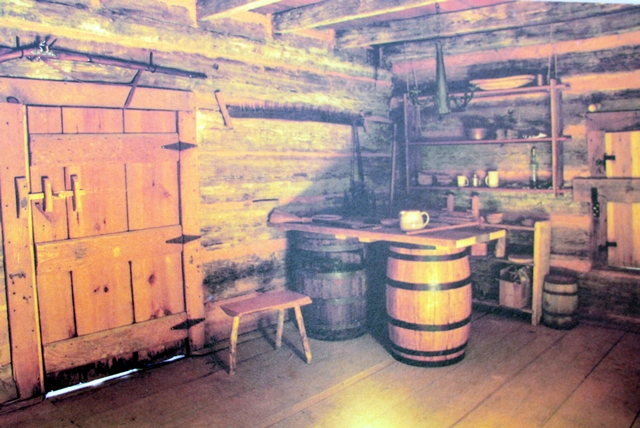
It was plain. It was sensible. There were few conveniences and absolutely no frivolities inside – everything that belonged was basic and functional. Families were large, even in those small confines, and to say that quarters were close may be the just about the biggest understatement. Most often, log houses were made of just one room with a fireplace that would serve as heater and partial cookstove. Luxury meant two rooms in a  straightforward room-over-room style. Imagine 14 family members of varying ages in just two small rooms.  Could we survive such feats today?

These are interior photos of the blockhouse…

--
Main floor fireplace on one side…
--
…functional utility on the other other side.
second floor sleeping quarters or storage
Second floor sleeping quarters or storage

Windows were scarce and small, none bigger than 2′ feet x 2′ feet, which is stifling to think about in the hottest days of summer.

fort16

window1

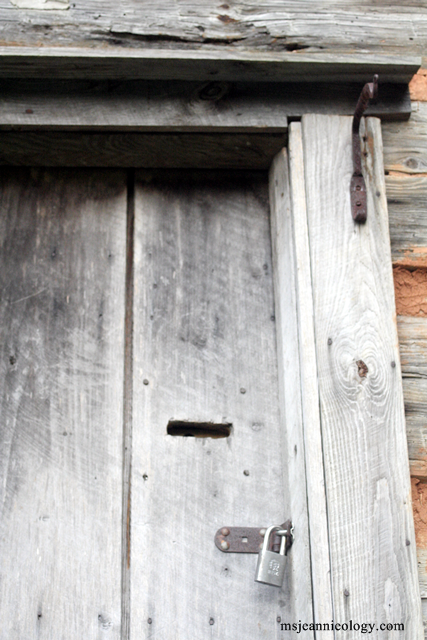
And firing holes were strategically placed throughout in case the home front needed defending…

The precursor to the front door fisheye lens!

But in the long run,  it didn’t matter so much about all the cramped spacing and the lack of amenity, because hardly anyone stayed inside in the rural South in the late 1700’s.  Life was lived outside…working, eating, cooking, caring for livestock and tending to gardens.

The block house that Ms. Jeannie visited sat directly across from a beautiful swampy lake, which made it seem like an ideal and promising setting for a pioneer spirit.

fort11

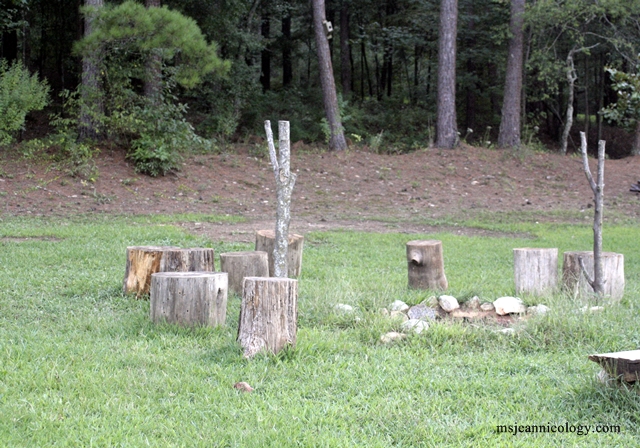
A fire pit, complete with roasting spit and log stools took full advantage of the view and Ms. Jeannie could hear the whisperings of centuries old stories in the trees as they swayed in the breeze.

out1

Ms. Jeannie would like her own set of stools just like this!

The vegetable and flower gardens were kept close to the house…

fort3

The last of the season's watermelons...
The last of the season’s watermelons…

And a smoke house where meats like venison, wild boar, turkey and dove were cured sat just behind the cabin.

fort9

fort15

The surrounding natural woodlands provided fodder, food and fun as well as danger and disease.

forest

fort14

Walking around this historic home-site Ms. Jeannie couldn’t help but get the sense that things happened here. The hands of hard work could be felt on her skin as she walked between the buildings and sat for a minute on the stumps at the fire pit.  She could imagine babies being born, and chickens walking the grass, she could imagine weddings on the lawn and burials out back. She peered into the woods that surrounded the site and looked for eyes to peer back at her. She imagined the glow of the camp-fire at night and could hear the cicadas sing dreamers to sleep in the loft upstairs.  She could also feel the fright of being exposed and vulnerable to a forest of  darkness dangers – the shrill cry of the bobcat and the ruddy hiccup of  the wild boar.  And she could imagine how this lifestyle must have been thrilling, and scary, tiring and gratifying, heartbreaking and hard. In short she could imagine life as it is for almost every person  – the highs and the lows, the joy and the pain. Not much has changed in that department in over 225 years.

Nurtured within the primitive confines of this simple  log cabin, thoughts, ideas and off-spring grew up and grew out into a region that eventually redefined the very meaning of home and the purpose of house. With future generations, Southern dwellings would grow larger and more refined. They would become status symbols of wealth and industry, keepers of history and reminders of how the nation has changed both mentally, physically and emotionally over the course of 200 years.

fort1

And here it still stands, the lone  little log cabin that has survived centuries and wars, dozens of families and thousands of visitors. Here it is the noble log cabin that started the South. Aren’t we lucky to be able to visit and learn from such a site?!