Mid-June in the Vegetable Garden

Lily

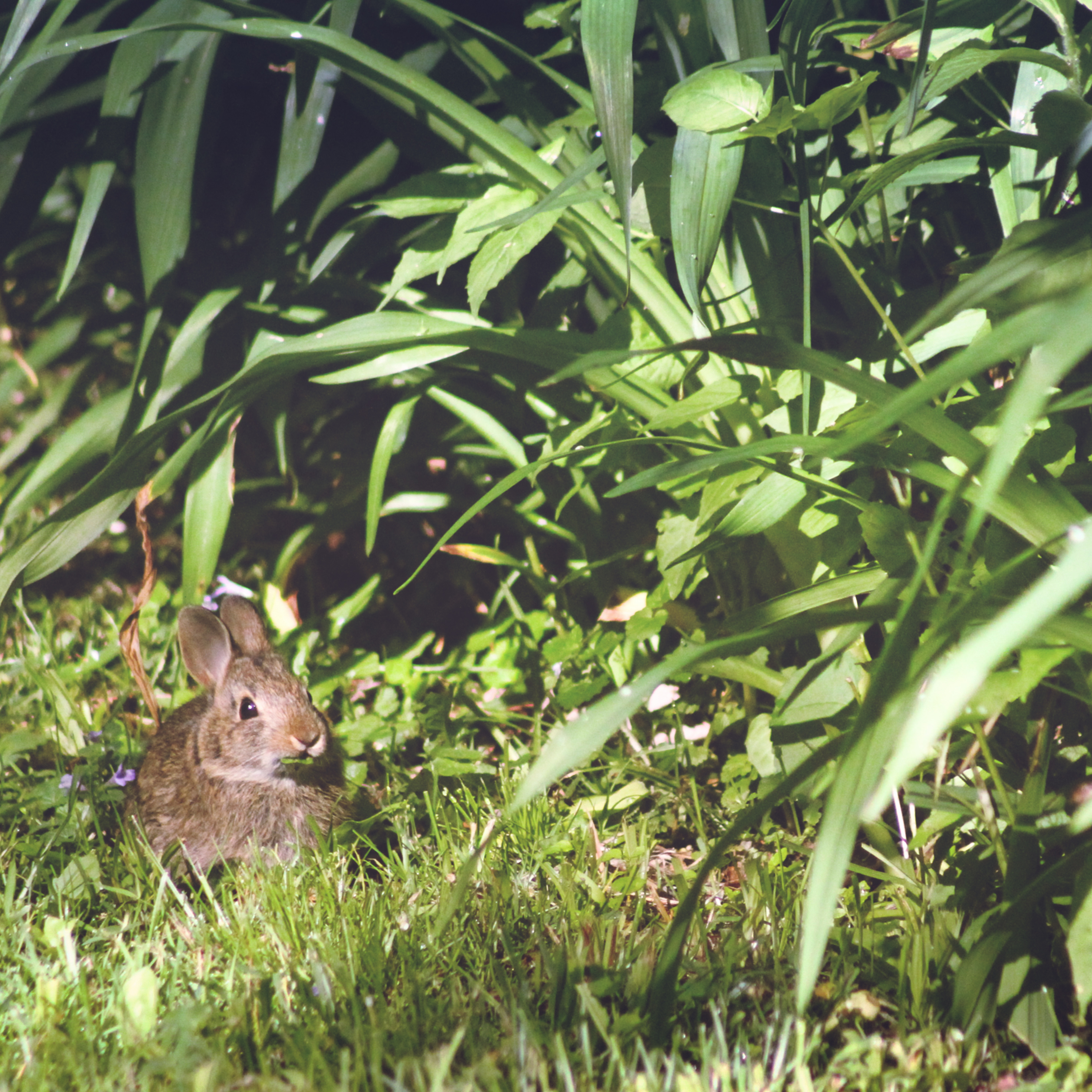
If I walk out of the back door very quietly on these early, almost-summer mornings, I can usually spot Lily eating grass at the edge of a way too overgrown decades-old daylily bed. Lily, as we came to call her due to her preference for this area of the yard, is a baby rabbit about the size of a teacup. She was born to Lefty, a wild cottontail that lives in our woods.
Lefty

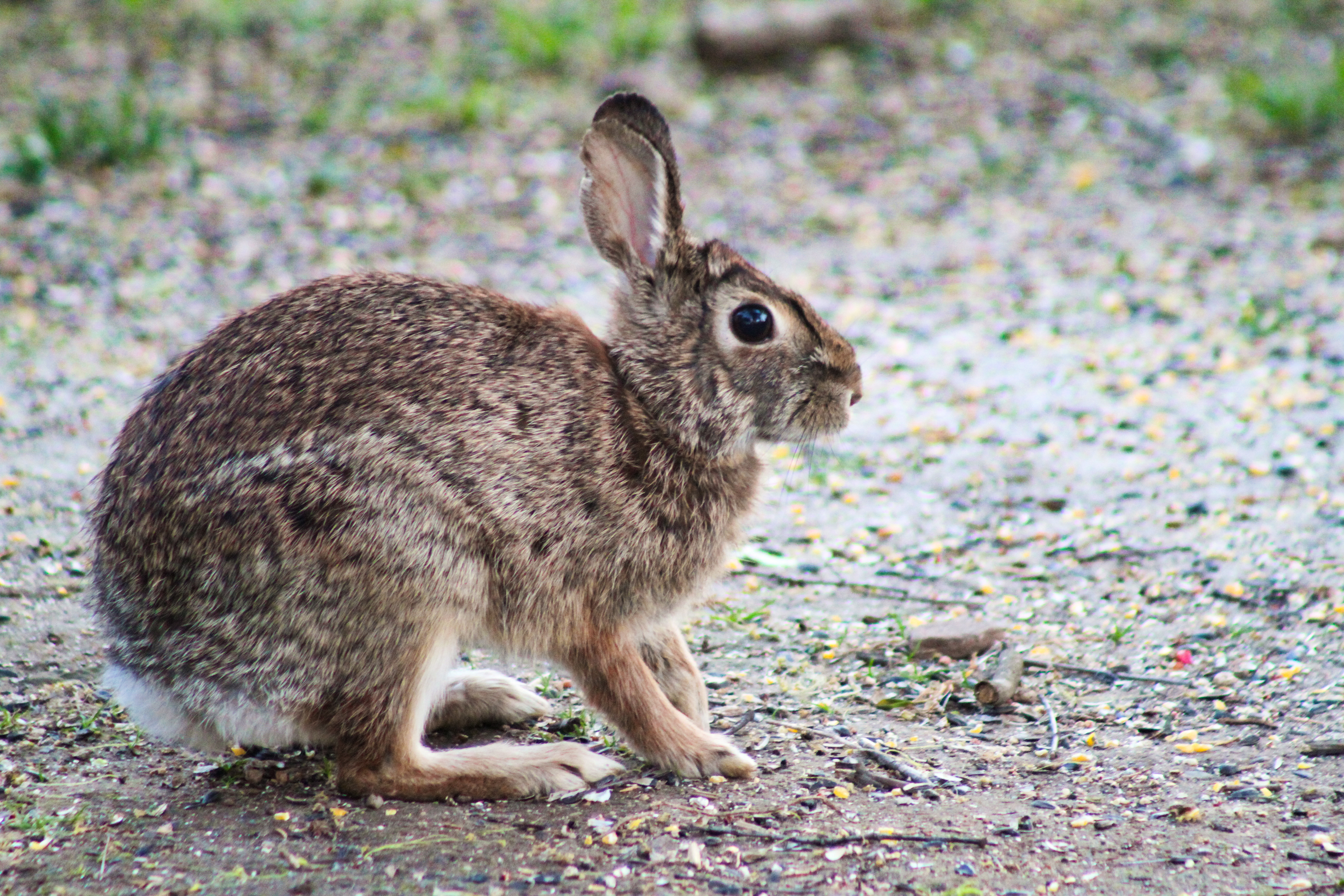
Lefty came by her name because she holds her left paw in the air whenever she is at rest. Whether that is some sort of injury or just her natural proclivity, we don’t really know, but she gets around great regardless, seemingly unfazed by what, if anything, troubles that part of her leg. Originally, we thought Lefty was a boy bunny because of her big size, but once we realized that Lefty made Lily, we started calling her Lefty Lucy after that sing-song mechanical phrase, righty tighty lefty loosey about tightening screws and bolts. Obviously, Lefty Lucy is not running around the yard with carpentry tools, but she is an important component and a key contributor to the natural health, vitality, and inner workings of the woodlands that back up to our property, so Lefty Lucy seemed fitting in more than one way.

A mix of mid-June salad greens

Every year, spring seems to bring on a new set of circumstances and situations to be considered when it comes to how, what, where, and why we are growing food here at 1750 House. Year one, it was learning the capabilities of the greenhouse. Year two, it was tackling the slugs. Year three, it was increasing perennials. Year four, we are learning the wilds.

This is our first spring without Indie chasing all the squirrels, corraling all the chipmunks, and defending us from turkeys and deer, coyotes and foxes, and that one time glimpse of a bear. Indie was not a classically trained working dog, but she had the super smart instincts of her collie/shepherd breeding and was pretty skilled at keeping everything wild at the far perimeter of the property and away from all the garden beds.

Indie!

When we first moved to 1750 House, in an effort to co-exist in happy harmony with the surrounding wildlife, we taught Indie some loose boundaries. We established an imaginary border for her that separated the yard from the woods and it took her no time at all to understand that the yard was her territory and the woods belonged to the wild animals. This worked pretty well, on both the wild creatures’ side and Indie’s. During the day, the wildlife mostly kept to the woods and the treetops and Indie mostly kept to the yard. At night though, our garden camera showed a different story. While Indie was asleep in the house, the yard was full of critter traffic. This proved both Indie’s effectiveness at day patrol and also nature’s clever way of working around our silly ideas about confined borders. Now, without Indie this spring, I wondered how our property would change when there was no presence of a pup. What would happen to the imaginary boundary? Would the wild creatures reclaim the yard as their own?

Our parade of deer.

As it turns out, wholeheartedly yes. To say that the backyard bloomed with critters and creatures is an understatement. Our woodland deer sightings have tripled in size from two to seven. A pheasant, which in the past was just a one-day-a-year passer-through, spent days in early spring wandering the woods. Last month, a female turkey took up residence in the long grass near the bird feeder for a week. A pair of hawks has chosen a nest spot midway through the woods. Lefty and Lily set up home. And a veritable city of chipmunks and squirrels now keep the yard in a continuous state of rustle and bustle from treetop to underbrush, morning to night.

Turkey sighting to the left of the tree trunk

Not realizing how impactful something is until after it’s no longer there, Indie’s absence raised a question. How exactly will her not being here affect the garden this spring? Will the deer feel free to eat every last tomato? Every last flower? Will the squirrels and the chippies destroy the plantings? Will all of our hard work and time spent seed-starting and sowing, building, and bed designing be in vain?

The vegetable garden, almost fully planted out by the first of May, stopped and started, struggled and rallied, round and round again as temperatures jumped between the low 40s and the high 50s in seesaw fashion all the way into early June. Almost everything that we planted was cool-weather hardy and tolerated the damp, sunless days. But my optimism in planting out the tomato, cantaloupe, and squash seedlings proved to be a bit too ambitious. Not fans of cold, wet weather, all three vegetables succumbed to early blight, root rot and/or a general overall malaise that caused yellowing leaves and drooping stems.

The wildlife didn’t seem to mind the wet weather at all, nor the absence of Indie. Whipping up their own kind of fun, a particularly rambunctious set of squirrel siblings made joyful use of the yard unencumbered by a patrol pup. They chased each other through the canna beds, knocking off fragile tips of newly emerging sprouts. They dug holes all over the garden looking for nuts. They upset roots in the pea patch, the corn plot, the bean bed. With their acrobatic leaps and bounds, dangles and dives, they beheaded sunflower starts, dropped tree limbs onto fragile seedlings from overhead, romped through the wildflower bed, and knocked over many a wire cage protecting nerbs and flowers, fruits and vegetables.

The chipmunks celebrated spring in the garden in their own way. Keen on building subterranean housing, they endeavored to make entry and exit tunnels all over the yard and the garden beds. So far they’ve dug golf-ball-sized holes by the Mediterranean herbs, by the witch hazel tree, by the evergreen saplings, by the Hosta plants.

All this energetic play and home building aside though, surprisingly, so far at least, the deer, the squirrels, the chippies, and the bunnies have been very respectful of the actual garden plantings themselves. The deer win the award for best behaviour and for keeping within their boundaries. But the squirrels and the chippies can’t be scolded simply for playing andf home building. Apart from the antics that uprooted the corn and topped off some of the cannas, I’m happy to say that none of our wildlife neighbors have nibbled or rearranged or broken any of the plants or emerging fruits and vegetables in the garden. As it turns out, Indie might have trained them just enough. Either that or it’s the daily birdseed buffet that keeps everyone full and satisfied enough to leave the vegetables alone.

Despite all the cold, rainy weather and the spirited playground, the late spring garden, although not quite as grown up as last year, is starting to finally make some headway. Here are some photos taken in the last few days…

Oregon Sugar Pod Snow Peas

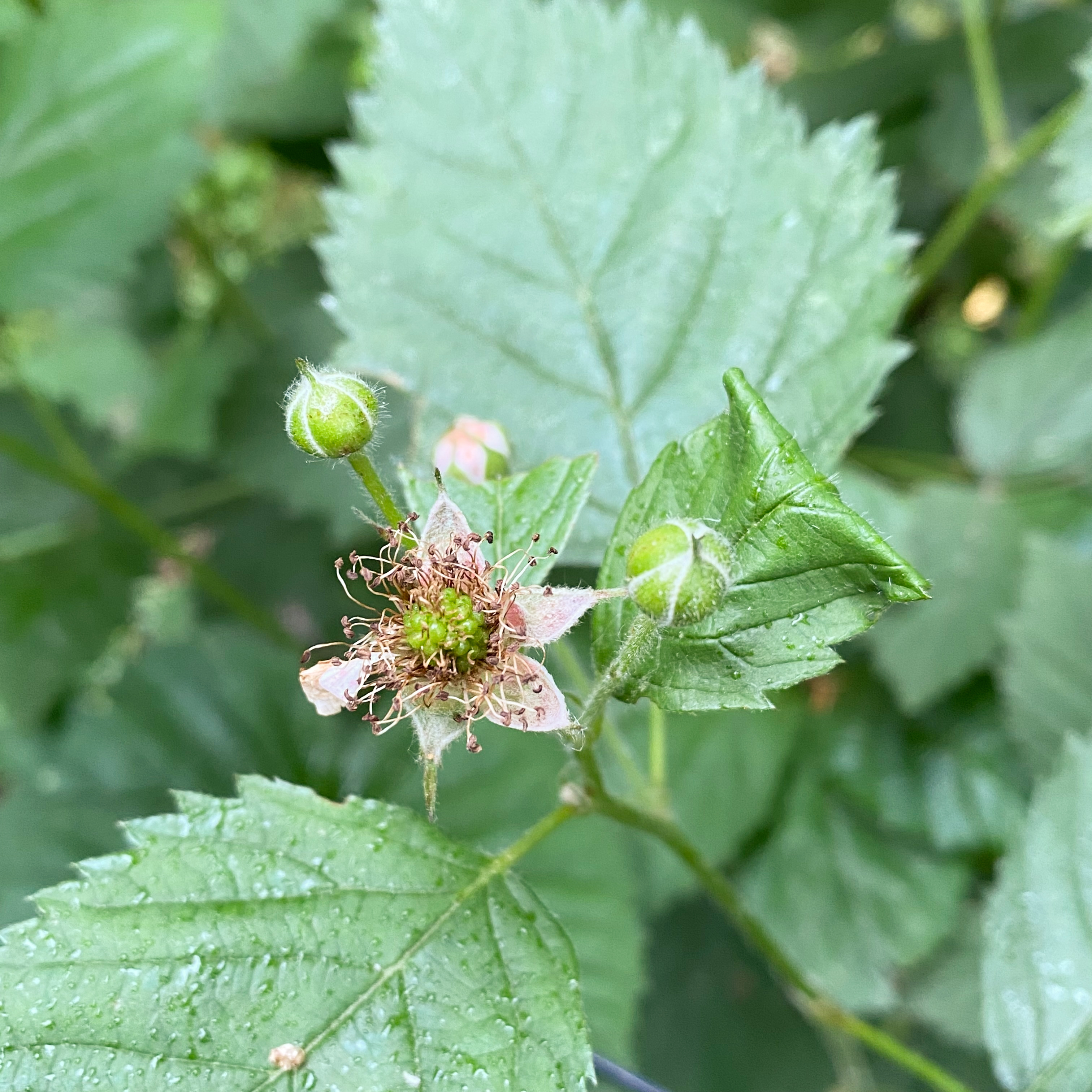
Blackberry bush…

…with blackberries emerging!

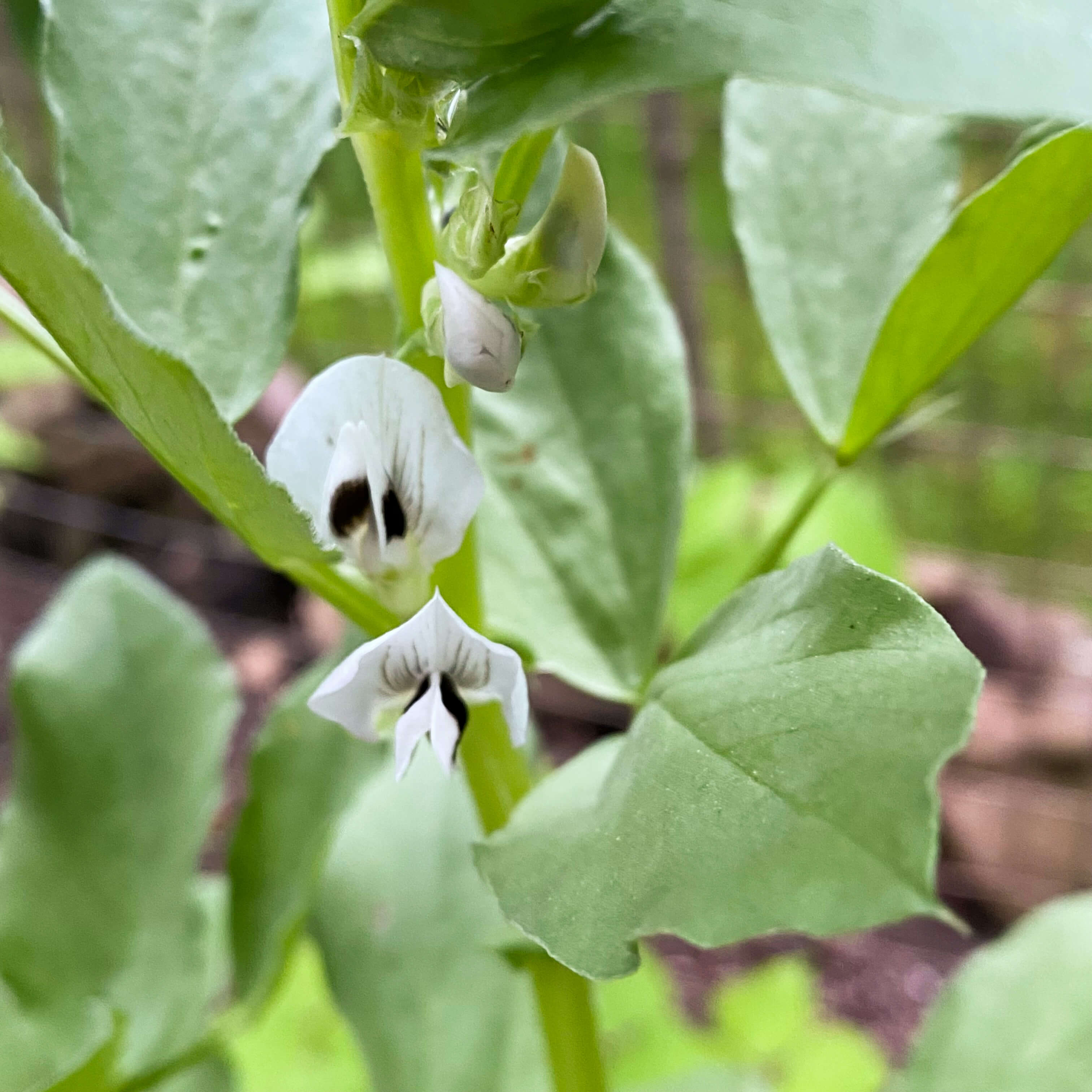
Windsor fava beans in front and Scarlet Emperor pole beans climbing the wire panel in back.

Fava bean flowers

Fava beans!

Buttercrunch lettuce in front and dandelion greens in back.

First pea flower

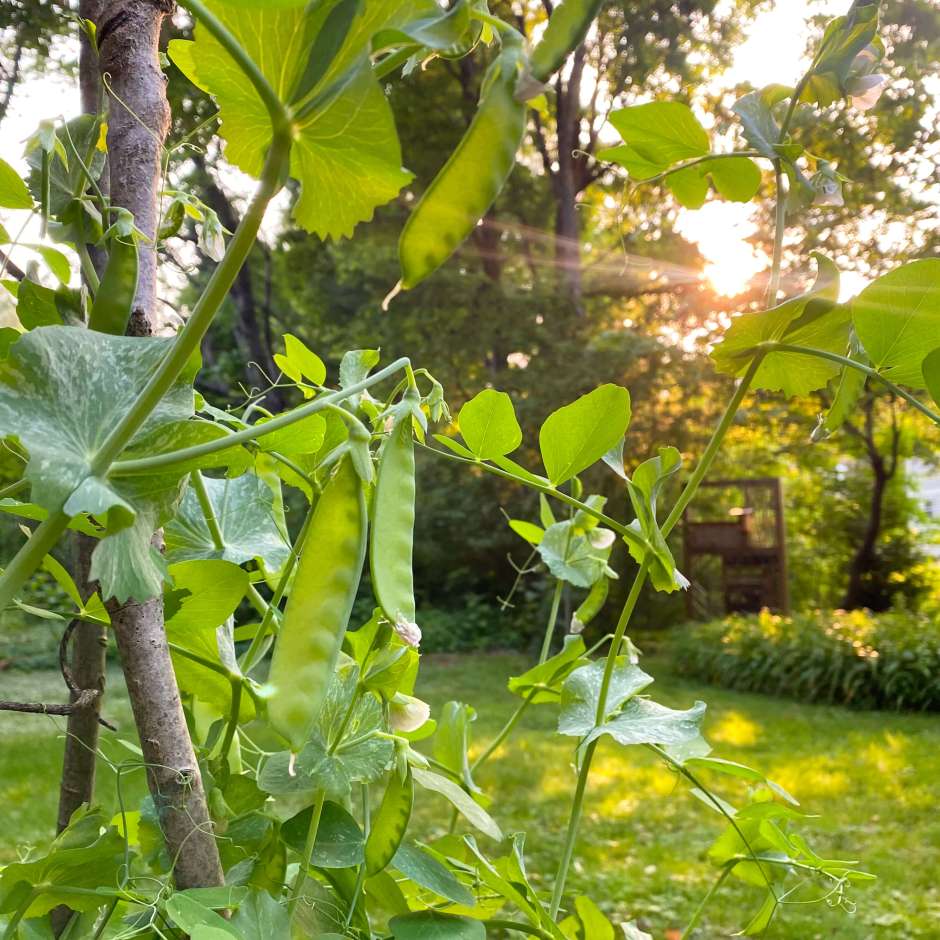
First pea pod!

Onions & leeks

Silver Queen corn – 2nd sewing. This time in pots to sidestep the squirrels.

Dinosaur kale. Currently at 18″ inches in height, this is the tallest kale plant we have ever been able to grow so far.

Overhead view of the tall kale. Also, the first kale plant that has ever escaped caterpillar and slug damage.

Shin Kuroda carrots

Green Globe Artichokes – currently 23″ inches tall.

Provider Beans

Nasturtiums grown from seed harvested from last year’s flowers

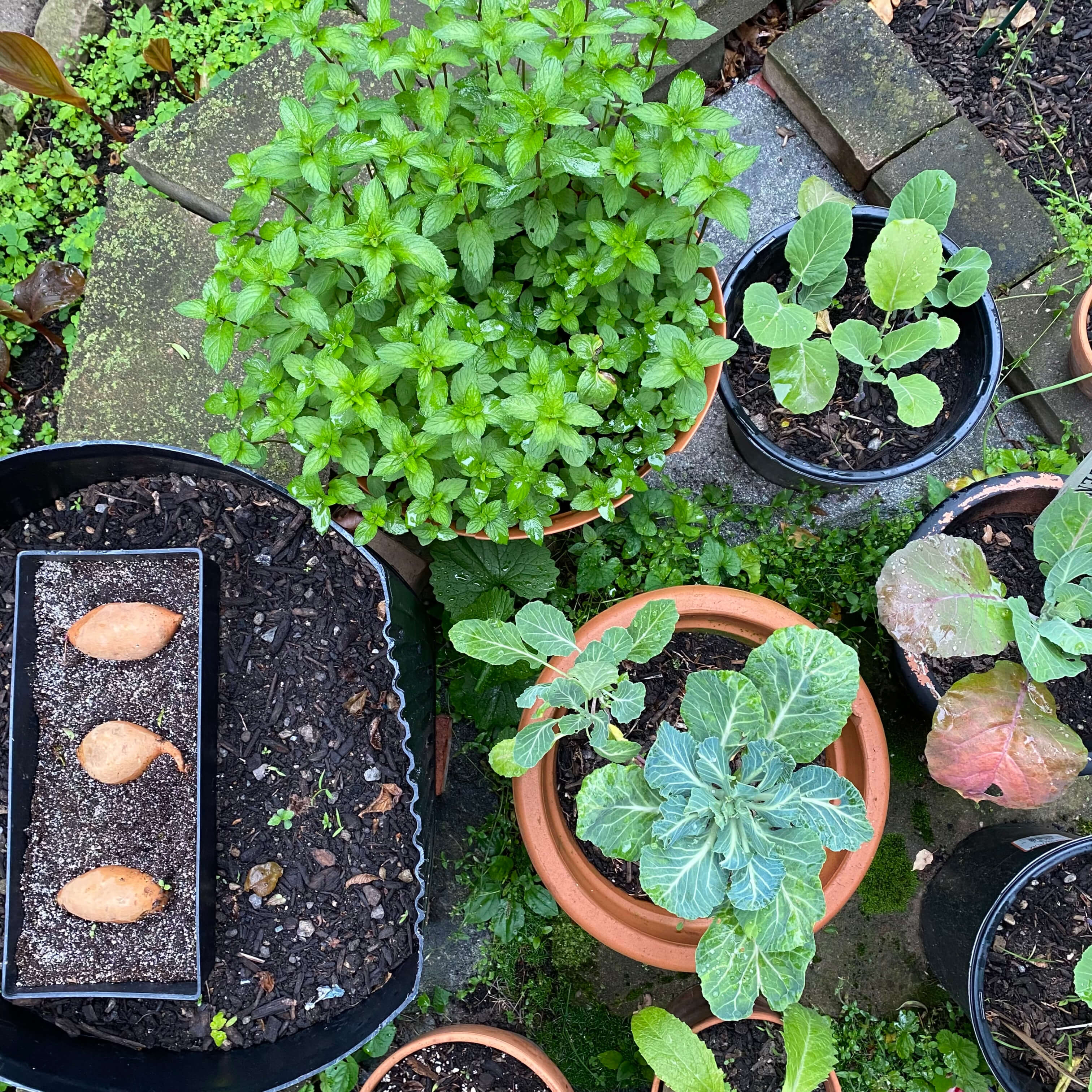
Experimental porch pots – mint, sweet potato slips, collard greens and artichokes. The collard green leaves on the right are turning pink from too much rain.

Foxglove – these four self-seeded from last year’s blooms.

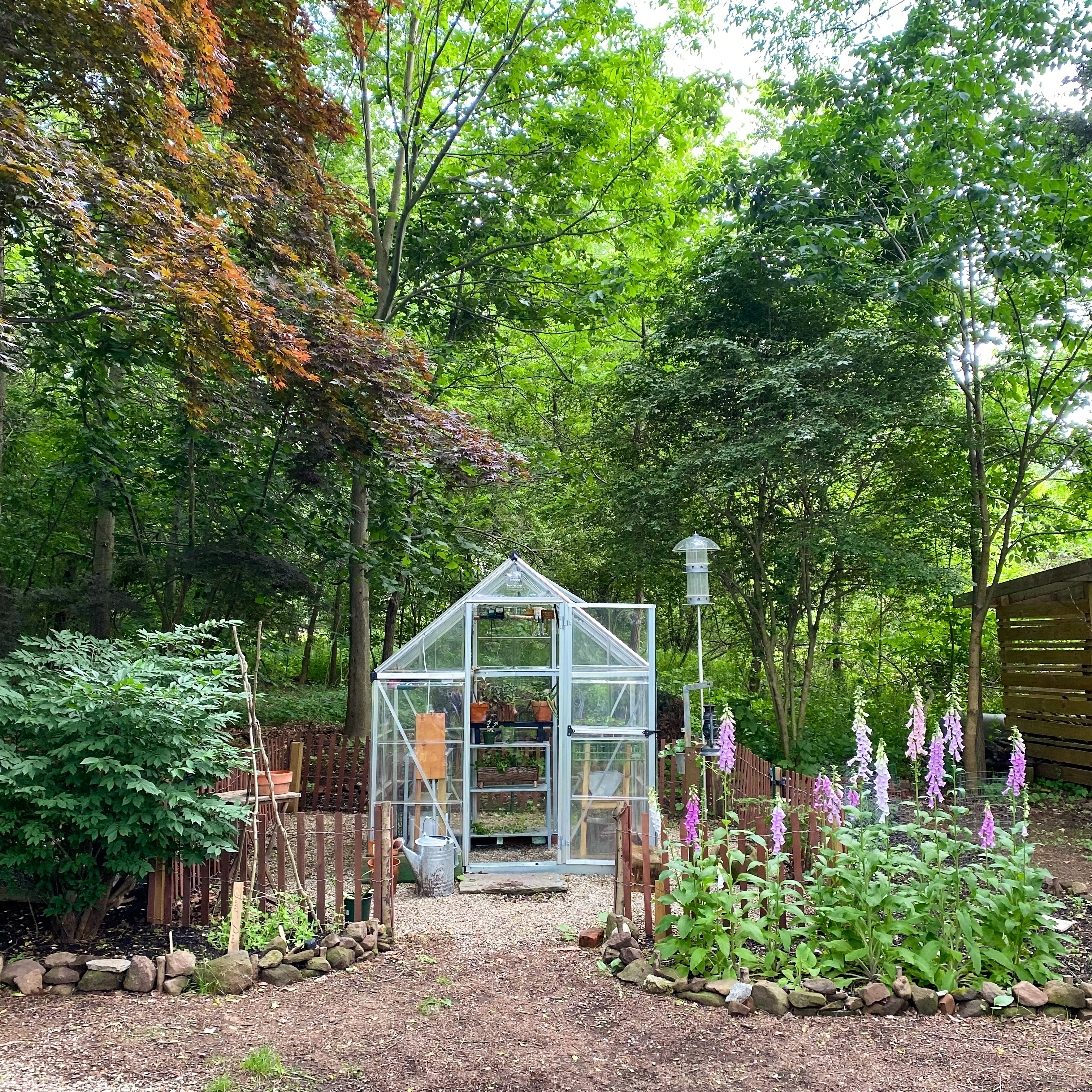
More foxglove by the greenhouse.

The tallest foxglove this year reached 4′ feet 5″inches, about a foot shorter than last year. Maybe the lack of sun and heat made them a little smaller.

Foxglove at the greenhouse.

Other veggies not yet quite photo-ready include eggplant, pepper plants and the second sowings of tomatoes, honeynut squash, cucumbers, and cantalope. There is lots of information to share about the herb garden growing up too, but in order not to make this post a million miles long, details on that project will come in a separate post later this month.
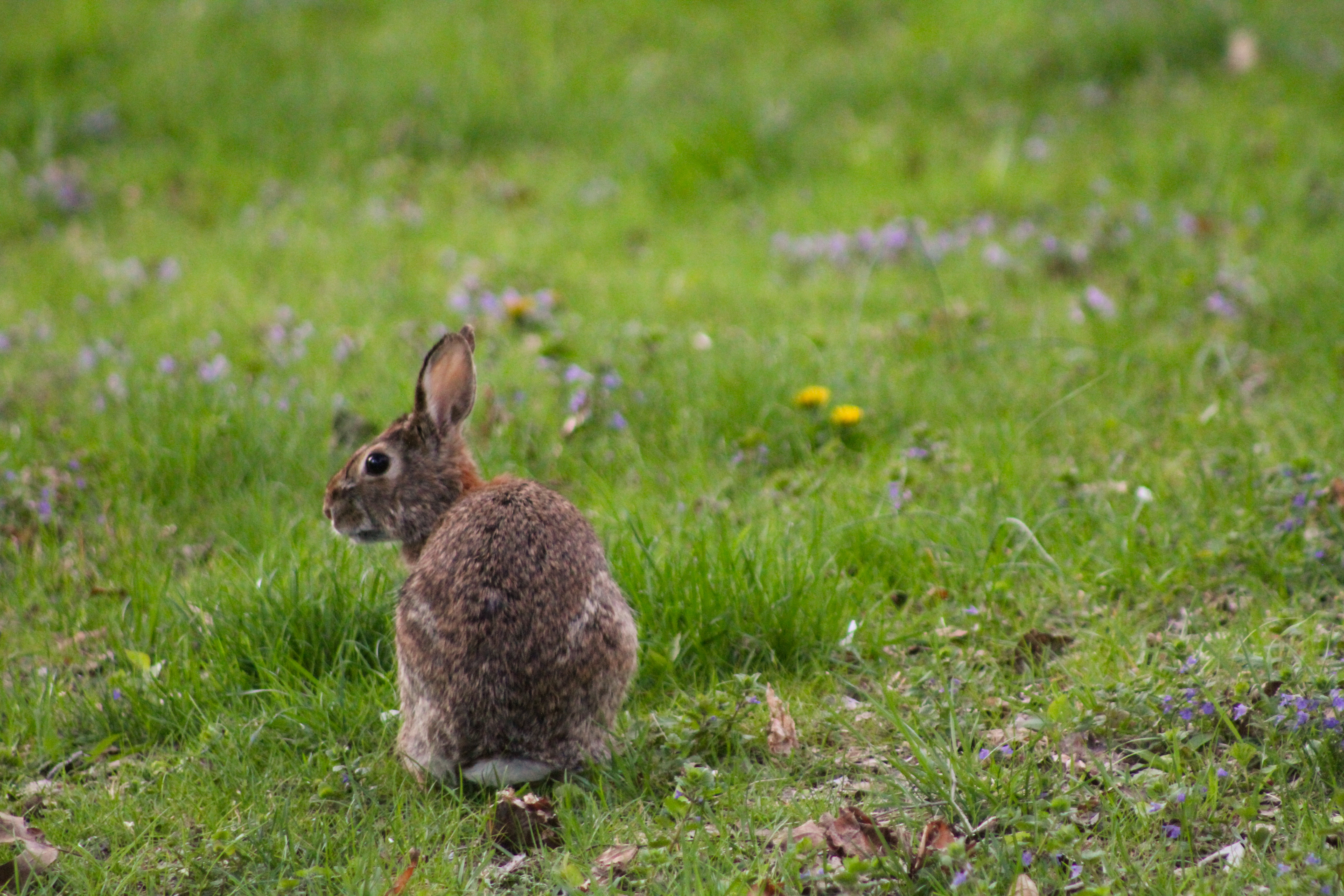
Lefty

Even though it is a bittersweet spring due to the absence of Indie, it is lovely to be surrounded by our new menagerie of wild animals. They each bring such personality and interest to the day and to the garden. Nature is a remarkable healer.

From all of us at 1750 House, cheers to the growing season and all the surprises it brings.

Summer Shop Sale!

This weekend, there’s a big 35% off summer whites sale going on in the shop. Any item that contains the color white is automatically eligible for the discount, which means almost everything is on sale! From linens…

Vintage Children’s Apron made from a re-purposed cotton tea towel. Regular price $10 Sale: $7.50

to dishes…

Set of Two 1940’s Crown Pottery Floral Berry Bowls Regular Price $8.00 Sale Price $5.20

to cookbooks…

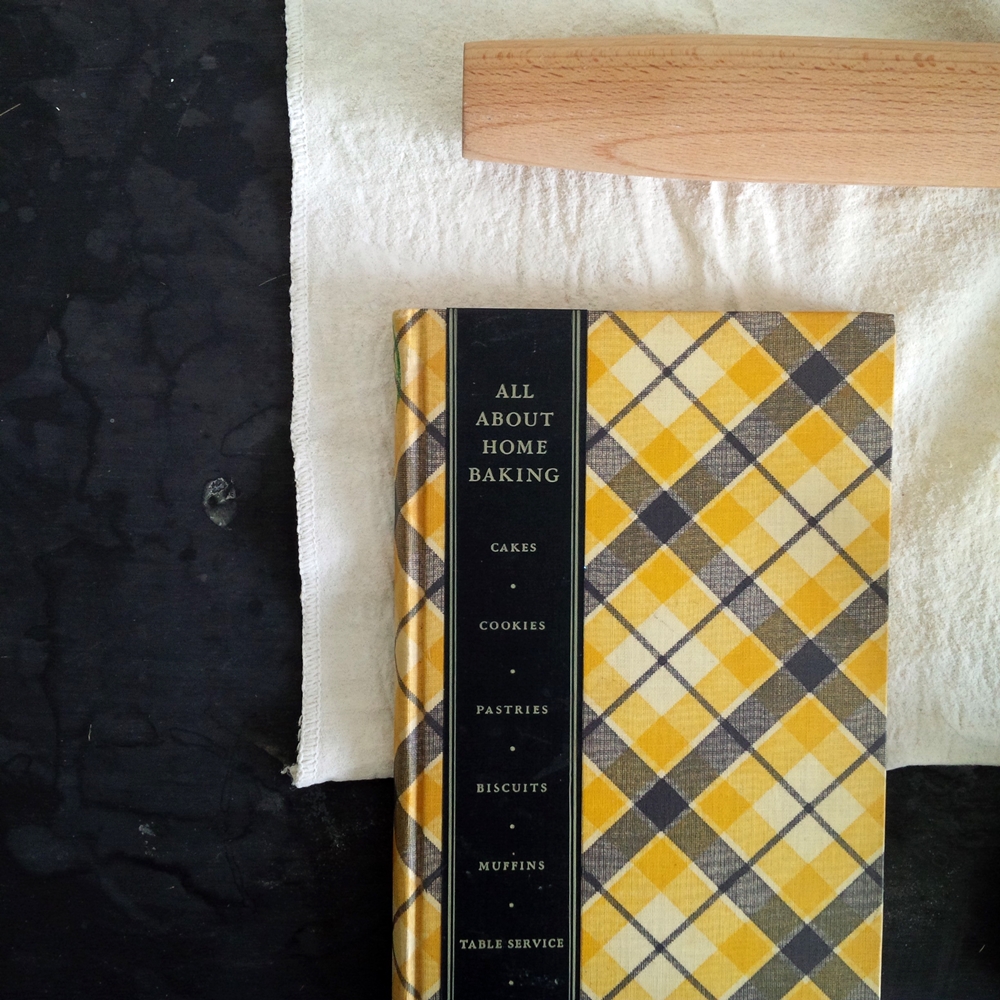
General Food’s All About Home Baking Cookbook published in 1937. Regular price $17 Sale price $11.05

to wall art…

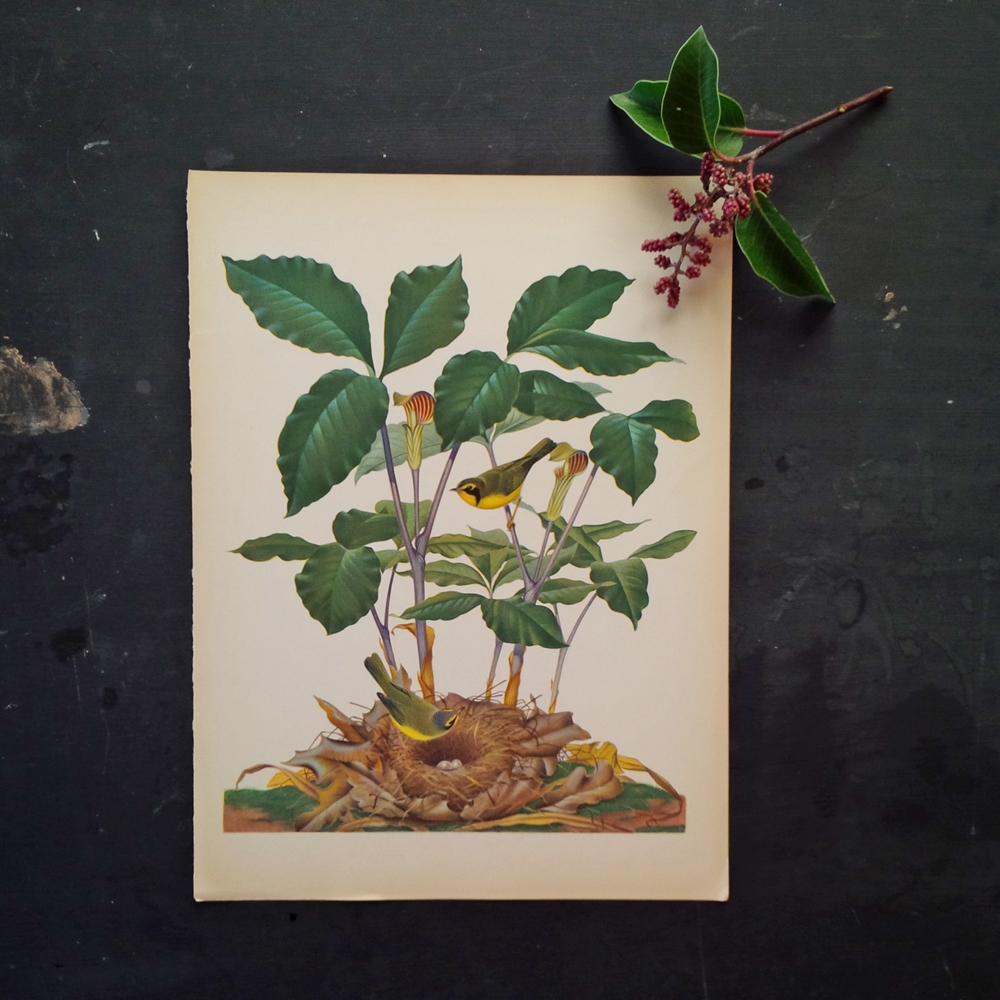
Vintage 1950’s Kentucky Warbler Bird Print Regular price $8 Sale Price: $5.20

and everything in between, including these…

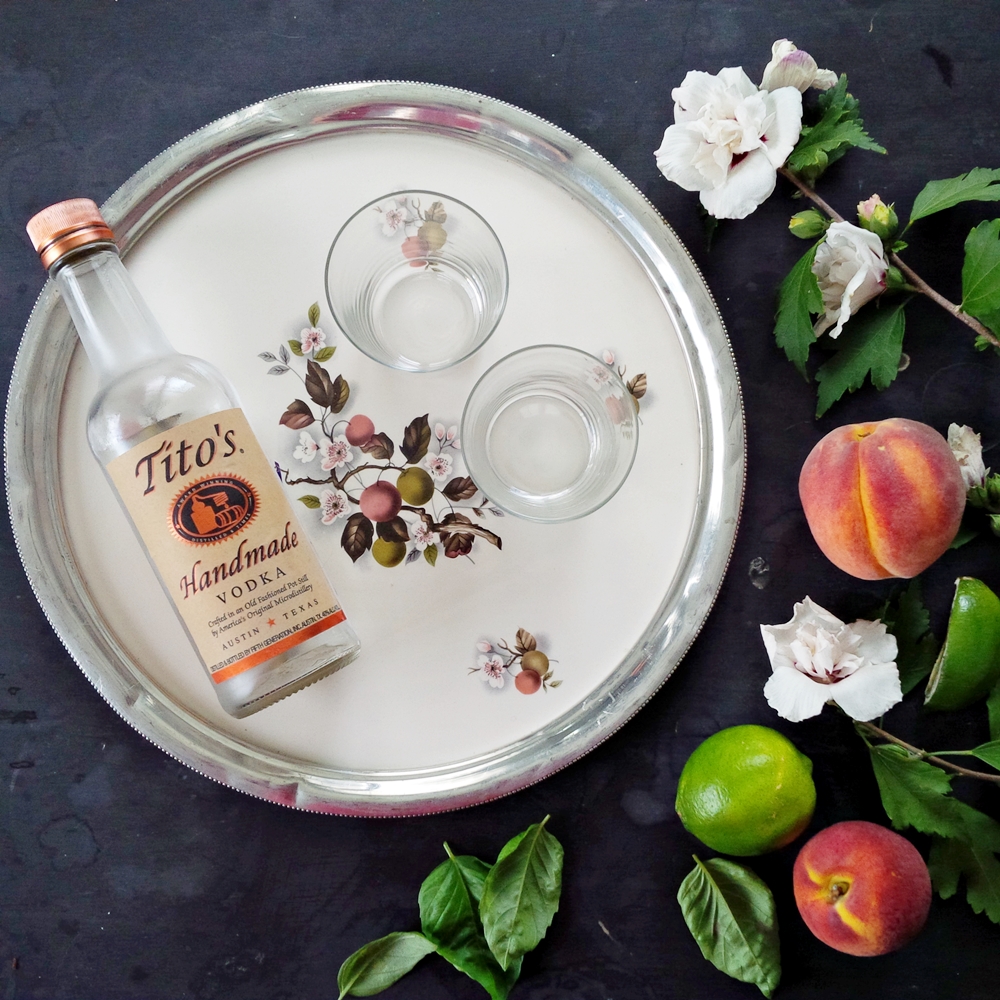
Vintage 1940’s Revere Cherry Blossom Petwer and Porcelain Serving Tray Reg. $32 Sale Price: $20.80

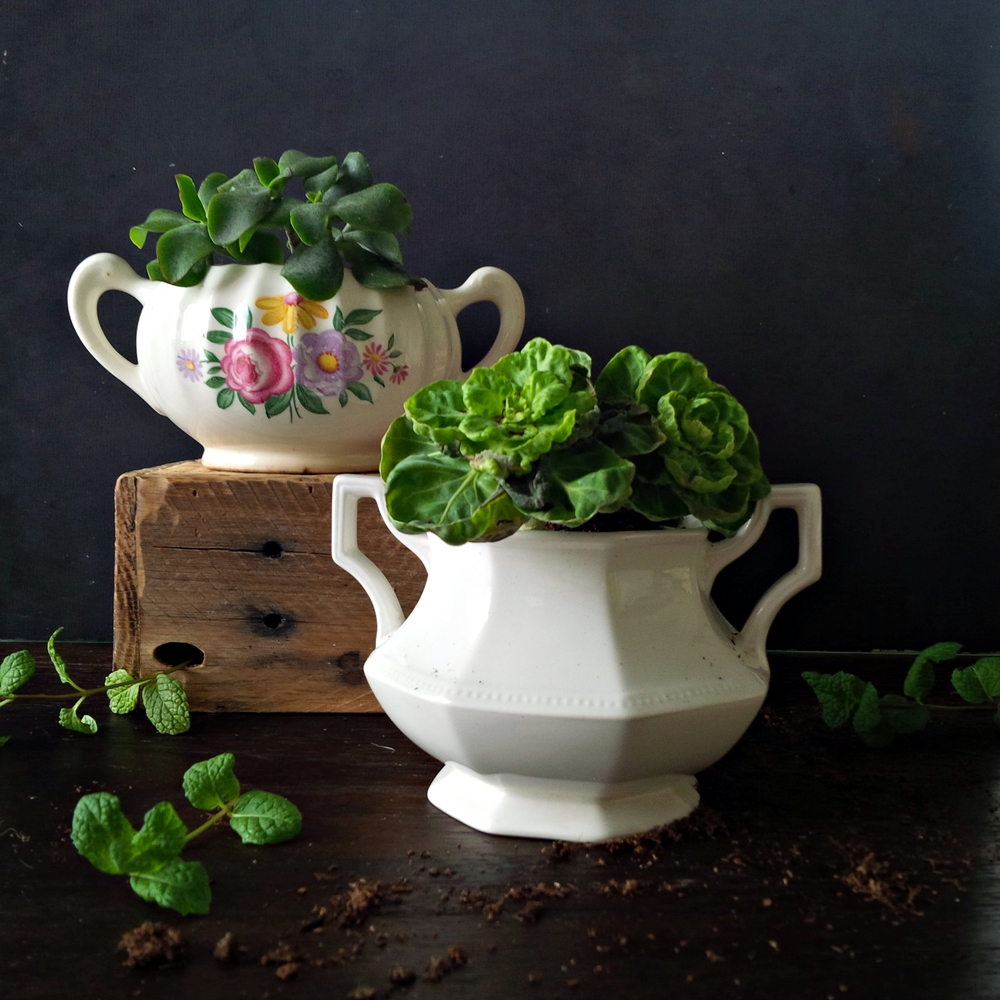
Vintage sugar bowls turned into planters. Each regularly $12-$14. Sale price: $7.80-$9.10

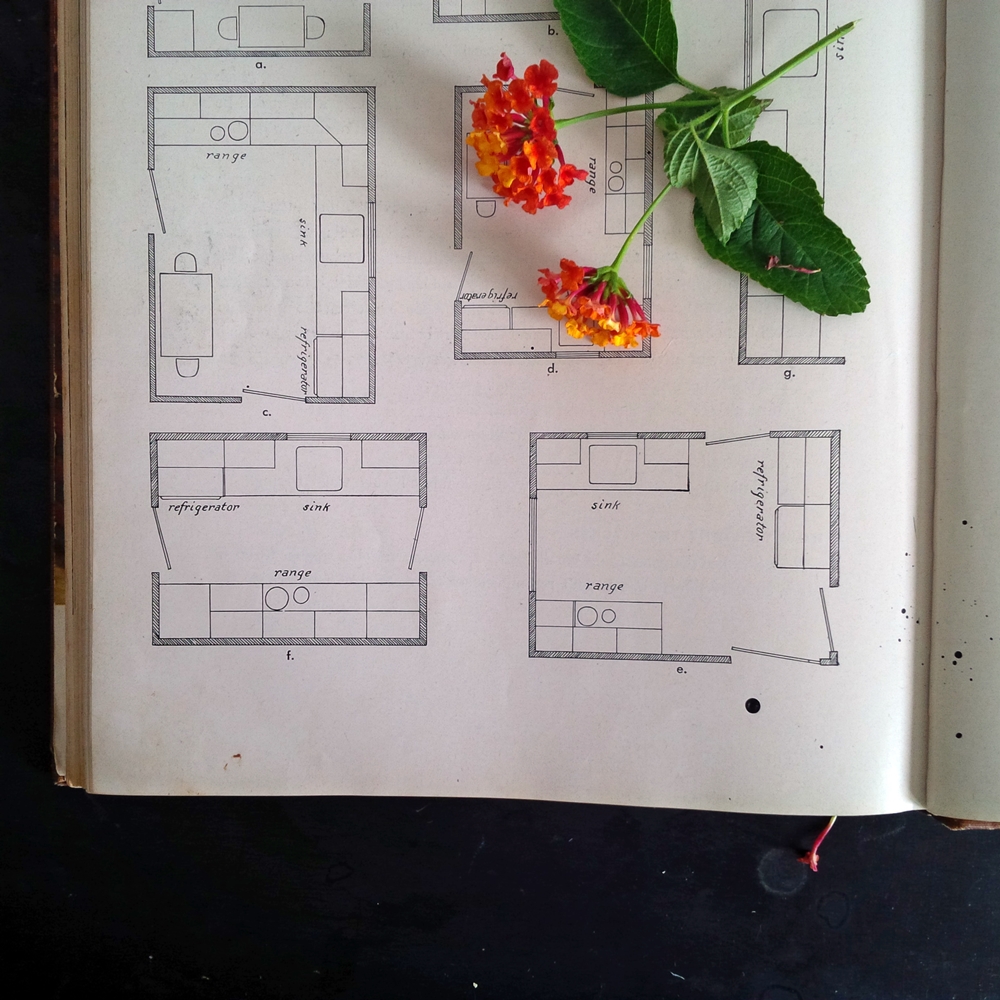
1940’s Interior Design book. Regular Price $13 Sale price: $8.45

Ceramic Italian Fish Mold – Regular Price $24 Sale Price: $15.60

Vintage Ceramic Quiche, Tart, Pie Dish Made in England. Regular price: $25 Sale Price: $16.25

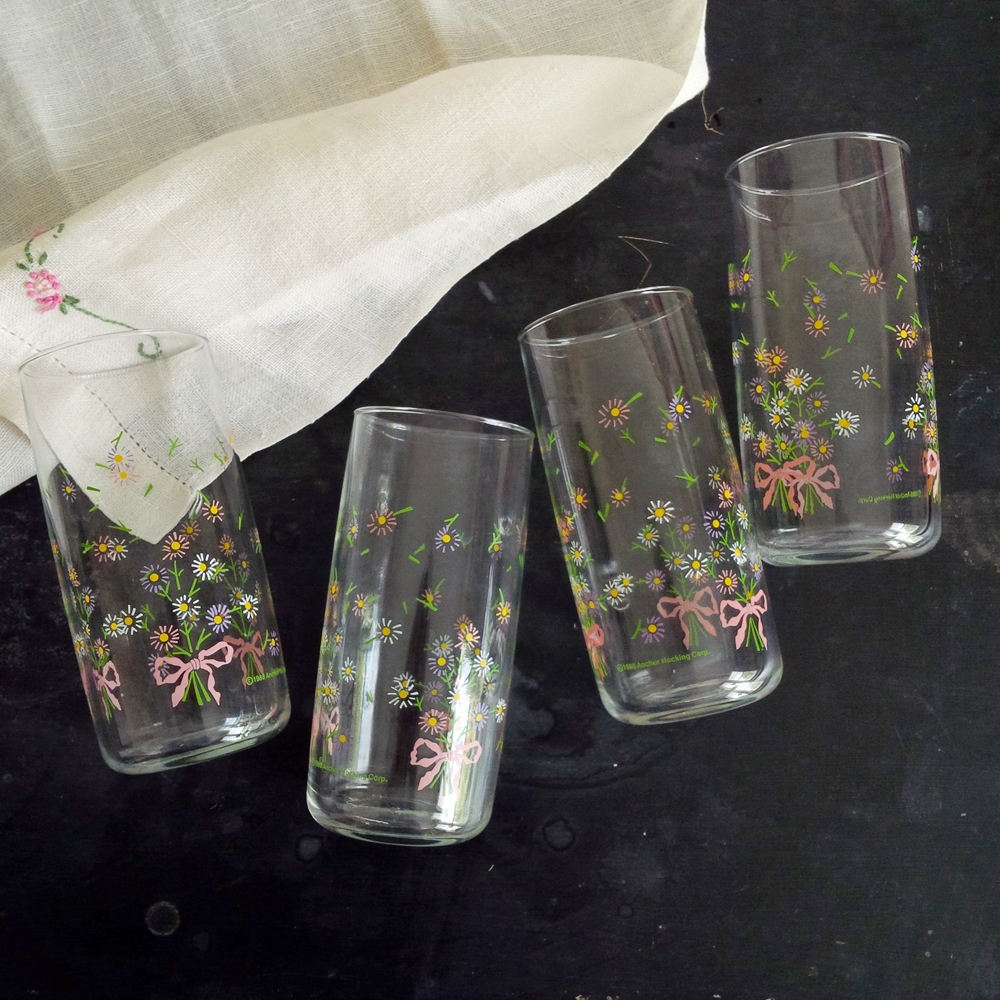
Vintage Set of 4 Anchor Hocking 16oz Lemonade Glasses Regular Price: $16 Sale Price: $10.40

Vintage Midcentury Myott Staffordshire Dinner Plates Regular Price$24 Sale Price: $15.60

Vintage Embroidered Linen Tablecloth 48×48 Regular price $45 Sale Price $29.25

and much more! There will only be two big shop sales like this a year, so if you have a treasure you’ve been eyeing now’s your chance to treat yourself to a little piece of history.  The sale runs through tomorrow night (Sunday, July 29th).  Use coupon code: SUMMERSALE18 upon checkout to receive 35% off your order.

Happy shopping!

British Occupied, India Fed: 1930’s Dinner and a Binge Watch {Summer Style}


There’s something to be said about dramas that unfold slowly. Whether it be of the kitchen cooking kind or the visual arts kind,  storytelling that marinates in its surroundings for awhile always proves worth the wait.  In today’s post, we are kicking off the start of lazy summer weekends with a masterpiece of both food and television… the two season BBC drama Indian Summers and the two-days-to-prepare recipe, Tandoori Chicken. Both are steeped in the colorful, cultural land of India in the 1930’s and both do a big number on your senses.

Just like the beautiful bouquet that was Downton Abbey, Indian Summers is stunning in cinematography, costumes and casting.  Taking place over several 1930’s summers in the Himalayan Mountains of British occupied India, the story centers around a brother and sister trying to navigate the political and polite terrains of affluent society.

Alice and Ralph

Alice comes with baggage to the exotic land she left long ago, escaping an unhappy marriage and an uncertain future.  Her brother, Ralph sets up house in a gorgeous mountain-side estate while pursuing a career in the British government that is vying for ultimate control over India.  Romance, mystery, intrigue, murder and scandal surround both characters as their stories intertwine with local residents and visitors.

The premise sounds simple enough, but the story gets more complicated with each new episode. A murder occurs right at the very beginning but it takes more than half a season to even begin to understand how the characters are connected to the crime and why it is significant to the broader story. It is such a subtle, sophisticated form of writing that by episode four I thought I missed something completely and had to go back to episode three to find an explanation. But as it turns I didn’t miss anything. Explanations unfold gradually as all the characters try to figure out for themselves the details and the reasonings behind the mysterious death. This leaves plenty of time for your own theories about what happened and why which makes the whole show really engaging. Plus there are plot turns and twists that you’d never see coming.

Here’s the trailer from Season 1…

http://www.youtube.com/watch?v=qPcFoV6ktdA

Unfortunately, Indian Summers only had a 2 season run before being canceled so there are just 20 episodes in total. But this actually turns out to be the perfect amount of viewing time if you find yourself in need of a break over a long weekend. No seven season stretches that require months (or more!) here. Indian Summers is one tidy, compact easily digested show that will hook you from the opening scene and have you sailing your way straight through to the end.

To complement this marathon of mini-series viewing is the perfect, low-maintenance Indian dinner that takes two days to make and results in a  feast enough for six. Which means that you can binge-watch with friends AND feed them a fun dinner. Two days of cooking anything may not sound like it is low-maintenance to you at all, but even easier than a crock-pot recipe, all this chicken dish requires is ten minutes of preparation.

Tandoori Chicken, 1960’s style!

Introducing effortlessly easy Tandoori Chicken… the exotic entree that captured the appetites of mid-century eaters world-wide. Straight from Craig Claiborne’s 1963 Herb and Spice Cook Book, this recipe features simple ingredients, a slow marinade and a slow bake. As you fill your head with the dramatic experience of Indian Summers you’ll fill your space with an aromatic blanket of Indian spices. It’s a well-rounded sensory experience of a most magnificent kind!

The origins of this style of slow roasted chicken have their beginnings with Kundan Lal Gujral  who experimented with tandoori (a method of clay oven cooking) in a restaurant in Peshawar, British India during the 1920’s and 1930’s.

Kundan Lal Gujral

By 1947 he perfected his methods and started serving it in his own restaurant in Delhi where it turned into a favorite signature dish. By the 1960’s it was all the rage being offered everywhere from humble houses to luxury hotels, restaurants and even on-board airplanes.  Craig Claiborne loved it for its feature of the spice coriander, which symbolizes hidden worth.

There are many variations of Tandoori chicken featuring different spice combinations – some turning the chicken a bright fiery red, others turning it a deep orangey brown. This recipe lies somewhere in the middle. Dark upon exit from the oven and infused with a tangy warmth encouraged by the citrus and vinegar, it practically falls off the bone once it is out of the  oven.  Ideally you’d have your own tandoori to cook it in, but if not, then a regular roasting dish works just fine.

Tandoori Chicken, 1960’s style!

Tandoori Chicken

Serves 6

1 5-6lb. chicken

2 cups yogurt

1 clove garlic, minced

2 teaspoons coriander

1/2 teaspoon crushed red pepper

1/2 teaspoon freshly ground black pepper

1/2 teaspoon dry mustard

1/2 teaspoon cardamom

1/2 teaspoon ginger

1/2 teaspoon cumin

1/3 cup cider vinegar

2 table spoons fresh lime or lemon juice

2 teaspoons salt

  1. Wash the chicken and place in a close fitting bowl. In a seperate bowl, combine the yogurt, garlic, spices, vinegar, lime juice and salt. Mix well and pour over the chicken. Turn to coat well with the marinade. Place in the refrigerator and marinate at least 12 hours or overnight.
  2. Preheat the oven to 325 degrees.

Just about to go in the oven.

3. Remove the chicken from the mixture and place it on a rack in a shallow baking dish or roaster. Save aside the marinade mixture for future basting.

4. Bake until tender, about 3 and a half hours. During the first hour and a half baste the chicken once with the yogurt marinade (at about the 45 minute mark). At the hour and a half mark  baste again with olive oil. And then repeat the olive oil paste two more times within the remaining baking period (about every 45 minutes).  You might need to tent the chicken for the last 45 minutes with aluminum foil to keep from over browning.

Tandoori Chicken, 1960’s style!

You’ll see in the photo above that the chicken does turn out quite dark – it was not burnt, as it sort of looks here – just very brown (similiar to the color of espresso) from the spices.

Once you remove the chicken from the oven let it rest for 20-30 minutes before carving. Serve it platter-style alongside warm naan bread and a simple salad of mixed greens and you have authentic Indian cuisine to pair with your Indian entertainment.

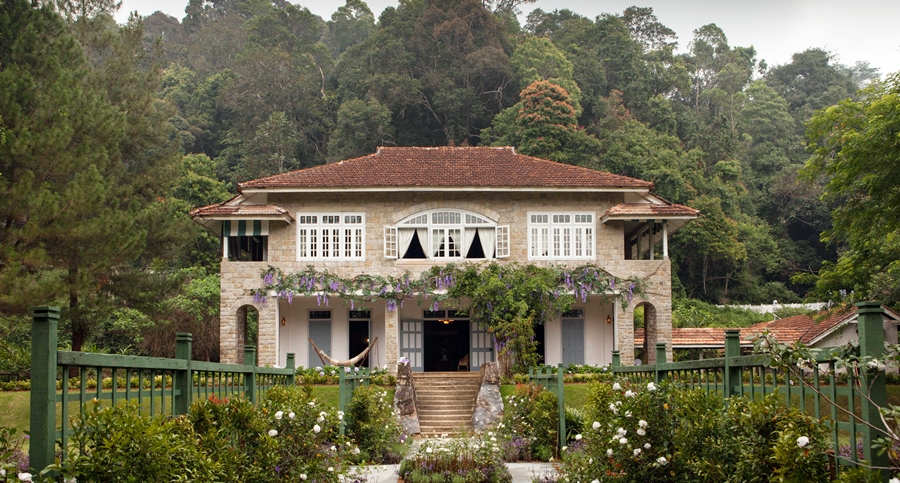
The house where Alice and Ralph live.

I hope the flavors and the film production transport you back to another era. If you have your own way of making Tandoori Chicken please share your recipe below. It would be fun to experiment with different herb and spice combinations!

Retro Swimmers: The Beauty of Water Ballet

Dear readers, Ms. Jeannie has found a new love!

While catching up on her magazine reading this week, Ms. Jeannie was flipping through the pages of the April 2012 issue of Vogue Magazine and came upon an article about the Aqualillies

In Sync – April 2012 Vogue Issue pg. 218 – Beauty Fitness

If you are unfamiliar with them – they are an L.A. based synchronized swim team that performs at parties and private events. They have held special “performances” at fashion shows, celebrity parties, hotel openings and they also made an appearence  on the tv show, Glee.

Aqualillies impressive water ballet. Photo courtesy of Erin Hearts Court

The all-girl team carry the retro theme of their sport through classic swim costumes, 1940s makeup and nostalgic song choices but also combine modern acrobatics and dance movements to their routine, which makes it seem both timeless and contemporary all at the same time.

Here’s a quick clip of the ‘Lillies performing…

Doesn’t this look completely fun? Ms. Jeannie could definitively see this being the next big Vegas act!

In addition to performing the girls also teach classes at the Annenberg Community Beach House in Santa Monica.  Ms. Jeannie is going to be in L.A. for a friend’s wedding next April so she’s going to take a class while she’s there! She’ll keep you posted on how it goes.

The origins of synchronized swimming are traced back to Berlin, Germany in the the late 1800’s but it wasn’t until the Chicago World’s Fair in the 1930’s that the sport gleamed international attention.


Chicago World Fair Poster – 1933

There Kathryn Curtis organized her show, The Modern Mermaids, which she referred to as rhythmetic swimming. In the 1940’s Esther Williams, a trained swimmer,  brought water ballet to the big screen starring in such films as Bathing Beauty, Million Dollar Mermaids and On An Island with You.

Here’s the trailer for Bathing Beauty, which came out in 1944.  You can see where the Aqualillies got their inspiration!

Synchronized swimming  became an Olympic sport in 1984 and is only open to female qualifiers – no men allowed in this arena (or pool, as the case may be!) yet. With the Olympics scheduled to start in London in just a few days, Ms. Jeannie is excited to see how the US will fare in this category. Here’s a picture of the 2012 team.

2012 US Snychro National Team 1

One of the things Ms. Jeannie loves most about the Aqualillies is their style. They scour old magazine ads, newspapers and movie footage for fun swimsuit ideas and makeup trends. Retro bathing suits are very popular this year too – so if you need to spruce up your beach attire, click on each of the photos below to learn more…

The Natalie – One Piece Bathing Suit from Anthropologie

1940s/1950s Pinup Bathing Suite from MetricMod

Luxe Tortoise Keyhole Tank from JCrew

Vintage 1940s/1950s Swim Suit from SHESABETTIEBoutique

1930s Swimsuit from brerrabbitvintage

Swim caps became popular in the 1920’s as a way for women to protect their hair from the chlorinated water and to keep stray hairs from clogging pool filters. Aviator styles like this one below dominated the 1920’s:

Vintage 1920s Swim Cap from lactoseintolerart

The 1950’s and 60’s brought about more colorful, stylized swim caps adorned with flowers and frillies like these…

Vintage Swim Cap with Flowers from MommaBeeCollections

Vintage 1960s Swim Cap from plattermatter

Vintage 1960s Feathered Swim Cap

Pair any of these with some red lipstick and a classic hair style and you have one spectacular bathing beauty!

Happy swimming:)

Movie Poster for the 1944 film Bathing Beauty starring Esther Williams

If You Build It…They Will Grow

Well, Ms. Jeannie has done it. She has finally planted all the garden seeds that she  had ordered from Botanical Interests three weeks ago.

The just completed final garden patch.

She has been working on this goal bit by bit every few days, but Monday’s gorgeous weather really got her motivated to finish up.

At market last weekend, she bought some pre-started herbs for her garden (dill, rosemary, basil and mint) and wouldn’t you know, a few extra plantlings just happened to jump into her basket during that shopping trip too. So 4  jalapenos, 1 red bell pepper  and two tomato plants  round out the garden complete.

So in addition to her six containers full of sunflowers,  a 4′ x 5′ sunflower patch and her newly finished 10″x 12″ vegetable, flowers and herb garden, Ms. Jeannie is well on her way to being a farmer!

In the 10′ x12′ patch, she mounded the herbs in the center of the patch to give the garden a little interest as everything starts growing out. She lined the base of the herb mound with rocks and lined her pathway in old bricks that she had lying about in the garage.

Mound of herbs!

Brick pathway

Until she gets a fence up she has blocked off the sections in her garden with fallen sticks from woods behind her house.

Garden sections. Jalapeno plants down front. Tomato plant in back.

Ms. Jeannie likes to halfhazardly organize her garden thoughts on paper before she plants, so she can keep her seed plans organized while she’s planting. On paper the garden plan looks like this:

Rough sketch of garden plan

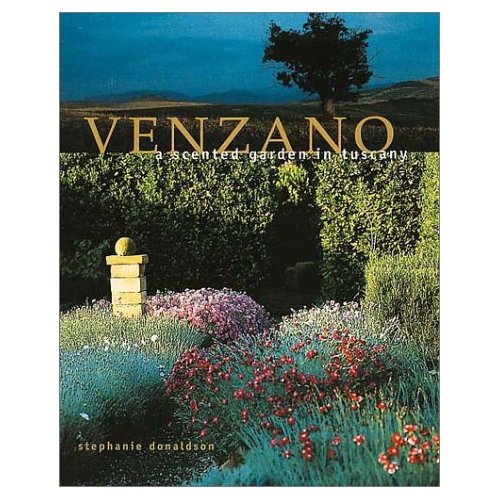
As Ms. Jeannie was planting, she started thinking about the garden of her dreams and what all that would/could include. Years ago, she read a beautiful garden coffee table book called Venzano: A Scented Garden in Tuscany about a couple who bought a 12th century monastery in Italy and turned part of it into a nursery.

Venzano: A Scented Garden in Tuscany by Stephanie Donaldson

It is a gorgeous book and a gorgeous story.

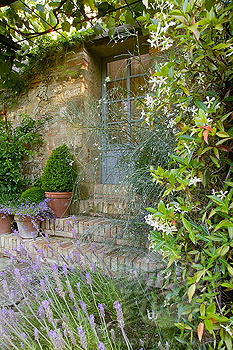
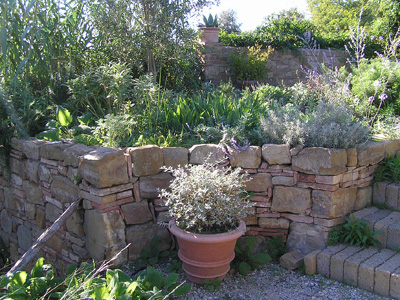
View from Venzano

Courtyard at Venzano

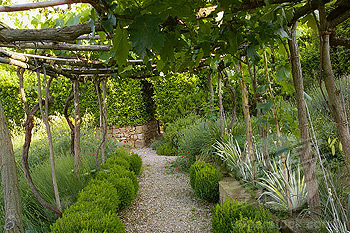
Ms Jeannie is in love with the rustic pergola above. She has spent many a daydream trying to incorporate something similar into her own garden plan. At Venzano, it is used to shelter the herb garden.

Sadly, due to financial issues, the couple had to sell Venzano. It was bought by someone but the nursery is no longer in operation and the residence is private.

But thanks to the book, Ms. Jeannie can recreate the look of Venzano in her own garden. In addition to the splendid pergola above, Ms. Jeannie would also incorporate these dreamy elements that are available through Etsy.com

Wrought Iron Garden Trellis from VanMadroneMetalworks

Pea Gravel from BluffCreekNaturals

Antique Iron Wire Garden Gate by beep3

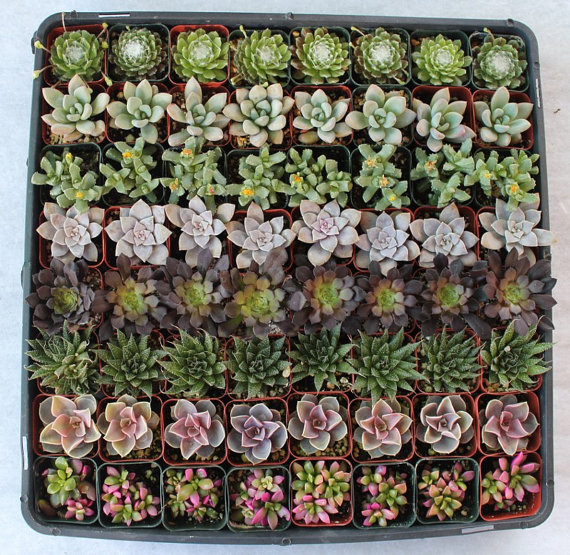
100 Succulents from SanPedroCactus

Stepping Stone Paver Moulds from KapCreations

French Style Garden Bench from SusanVaillant

Wood Garden Markers from AndrewsReclaimed

Solar Powered Mason Jar Lights from BootsNGus

Antique Large Copper Wash Tub from RustedandWrought

White Cotton Ball String Lights by CottonLight

Garden Bench Made from Reclaimed Wood by SauteeWoodWorks

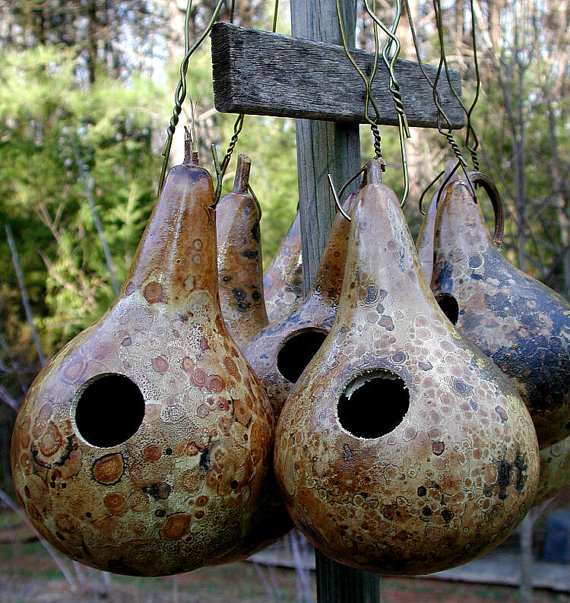
Birdhouse Gourds by MizzTizzysWeedSeeds

Ms. Jeannie is also in love with the twig style  fences. In almost all the how-to guides on building a twig fence you can find the follwing verbage: challenging, impractical, un-sturdy, purely decorative, non-functional.  Perfect!  Ms. Jeannie’s  on a mission to change all these negatives into positives and makes the world’s first easy, durable, functional twig fence!

She just loves the look of them, so maybe her passion alone will navigate her the tough parts. This is the kind of look she aspires to:

Twig Fencing

Wish her luck! Projects updates to follow soon!