
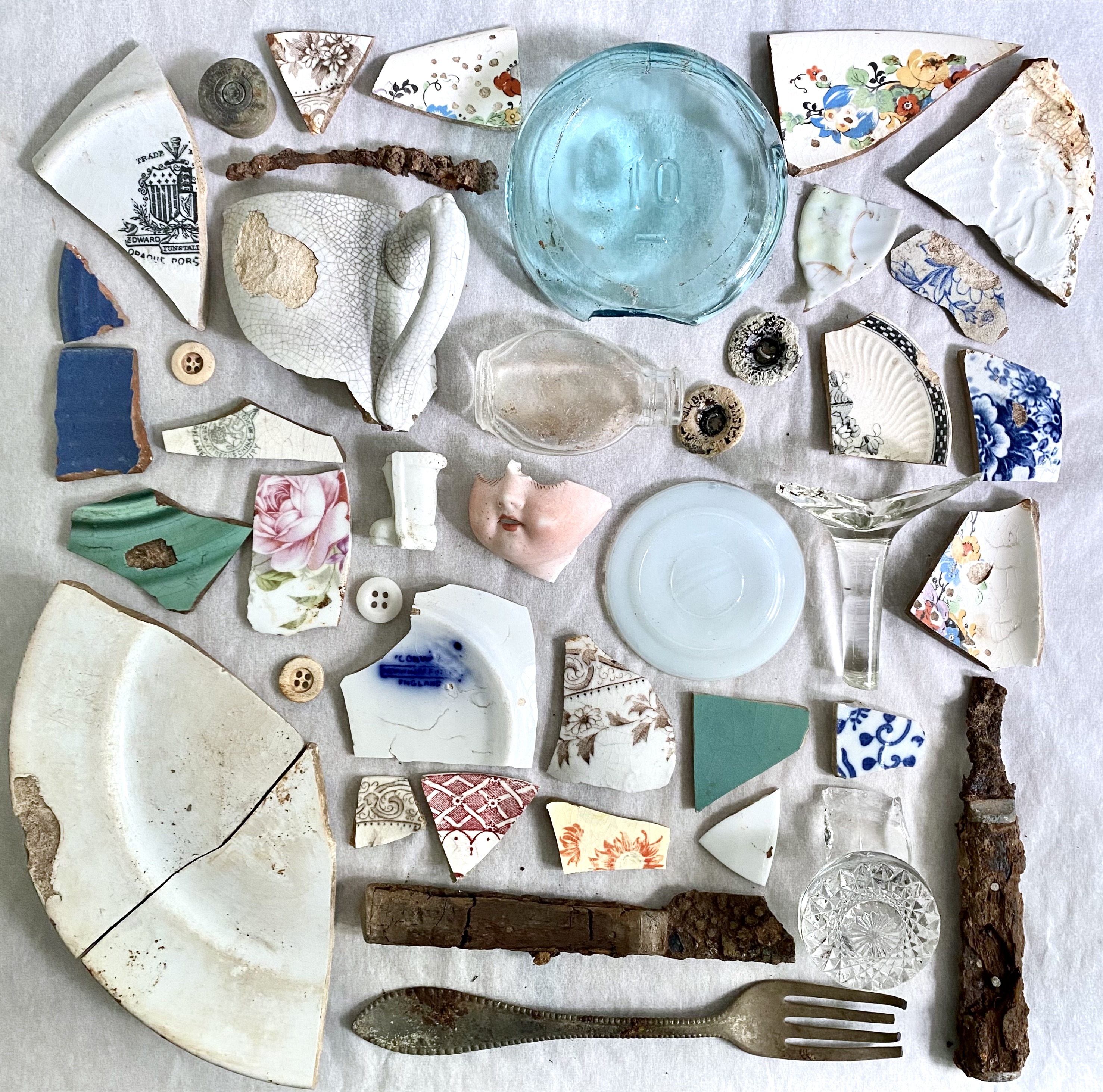
New Wharf Pottery dinner plate, 1878. Poison bottle, 1920s. Clay pipe, mid-1800s. Japanese teacup, 1940s. Had I known that the overgrown lily bed would turn out to be such a storyteller, I would have started transplanting the bulbs the first year we moved in.
In our ongoing attempt to find out more about the past lives of previous residents who have lived at 1750 House over the past two hundred and seventy-six years, the garden bed lying just forty feet from the back door has become our greatest historical resource yet. As it turns out, nothing offers up more details about the intimacies of domestic life than an old trash pit covered by flowers.
The first spring we moved in, it was April. The trees were bare. The grass, a tawny blanket. Hard rains made mud puddles of dirt pathways, and the ground floor of the woodlands was packed down with layers of faded fall foliage from the previous autumn. As the weather warmed, each passing day magically transformed the landscape. New delights and discoveries turned up everywhere. We learned that the azalea bushes out front would bloom with bright purple puffed flowers. That daffodils would shoot up in a big clump next to the driveway. We learned that the spindly tree next to the garage was a lilac. That just beyond the grass’s edge in back small clusters of white, vanilla-scented wild roses would climb to the sky on thorny stalks. We learned that the leaf-littered woods would fill with wild, unmanaged growth so dense that it would eventually create a private cocoon around the house. And we learned that the chunky green spikes shooting up through the soil next to a dogwood tree at the side of the back property would become a large, lush garden bed waving vermillion colored day lilies like festive flags.
That first spring in the garden, it was surprise after surprise. We had no idea what sort of garden we were working with when we moved in, but once the season turned to summer and the landscape grew up around us, we could see everything that we were working with. Or so we thought.
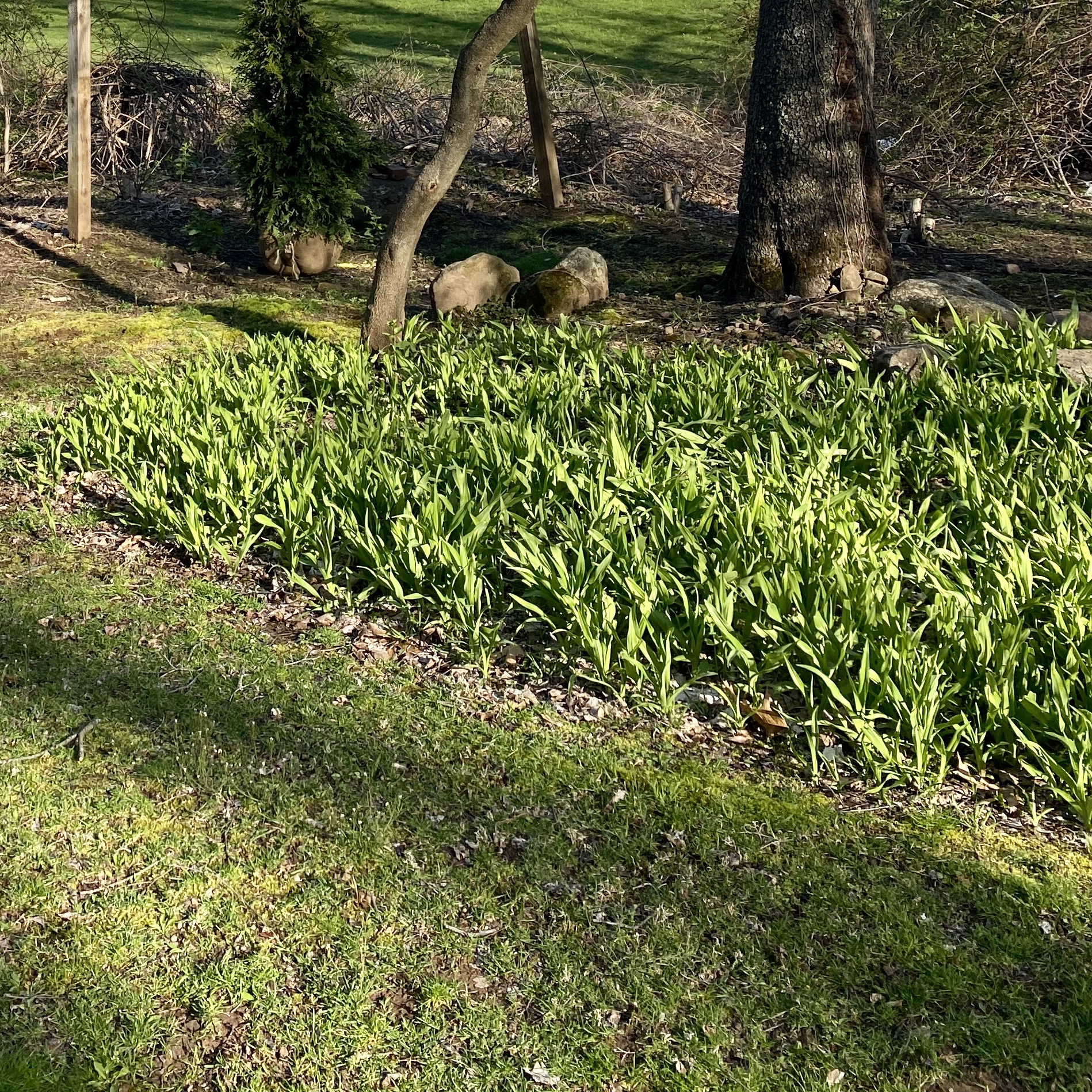
As the spring passed to summer and the lily bed turned from small shoots to a fully filled out bed, lush like sea grass, it began sending up the lilies. One lily, two lilies, seven lilies, twelve. As true daylilies, petals unfolded in the morning and withered by nightfall, only to be replenished by a new set of blooms from other stalks the next day. Only we had one problem in this magnificent bed of many. The next day, no lilies bloomed, and none thereafter. A giant bed, kidney-shaped and measuring roughly 26 feet in length x 17 feet in width, should have produced dozens of daylilies, not just one. Realizing that they were probably overcrowded and in need of some dividing, it was added to the project list for fall transplant time. For the rest of the summer, the lily bed sat in wavy, long-leaved sea grass fashion and acted as a refuge for rabbit families, chipmunks, baby birds just learning to fly, and a nut storage facility for the squirrels.
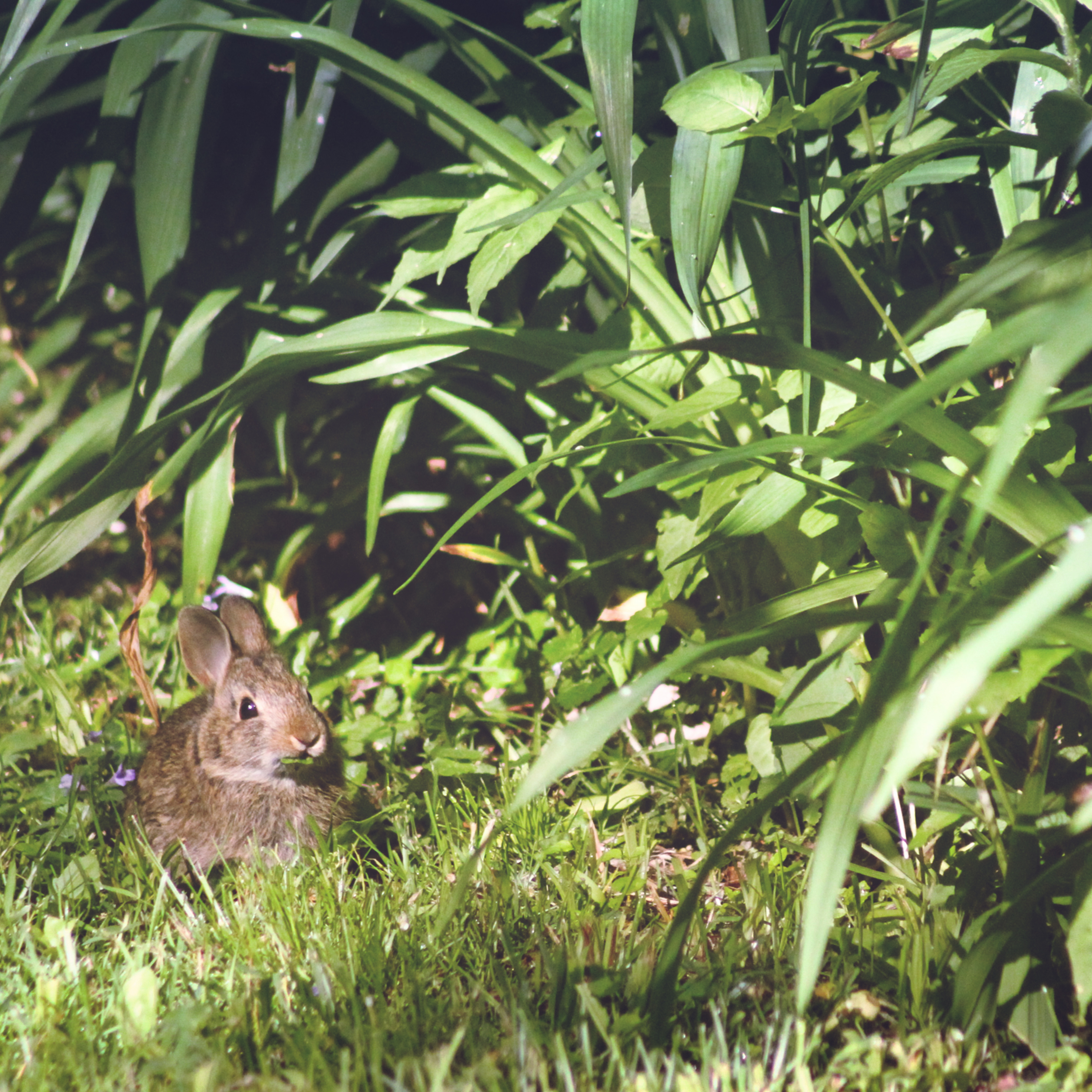
Fast-forward two more years, and the lily bed dividing project was still on the to-do list. The thing I’m learning about renovating an old house and establishing a permanent garden is that there is always a small window of second-guessing a first decision. No matter how big or how small the task, and how confident we are at going about it, a new creative idea always seems to zip in at the last minute and propose a question that causes a rethink of the entire project. And then we find ourselves sitting with these thoughts for quite some time while the project waits. Since the butterfly effect takes full effect in the garden, I’m always trying to think through how changes will alter the rhythm of the landscape and upset the natural order. In the case of the lilies… what if by moving them, we uproot the rabbits’ safety zone that they have relied upon for years?
Last fall on a beautiful, cool, crisp Saturday morning, as a hawk flew overhead, I spotted a big rabbit, maybe Lily’s mom, dive into a hole under the woodshed that we had built the summer before. The shed sits far away on the opposite side of the yard, far away from the lily bed. In that moment, I realized that bunnies were quite resourceful all on their own and that they could find plenty of places to hide. Flowers didn’t need to be sacrificed at their expense. The choking lilies had to wait no longer. Decision made, shovel in hand, I started at the end of the lily bed closest to the house and furthest from a poison ivy patch creeping along the far edge.
The first shovelful brought up what I suspected, a dense mass of tangled tubers. The next shovelful brought a second mass, but also something else…. a dozen pieces of broken pottery shards stuck in a clump of dirt. Had it been one piece of pottery, I wouldn’t have thought much of it. But the fact that there were 12 pieces all stuck in one softball-sized clump was intriguing, especially because daylilies sit very close to the top of the soil, only about 2-3 inches below the surface. An easy discovery practically begging to be found. On close inspection of the pieces, some had patterns – florals and stripes similar to styles on the antique dish patterns available in the shop. A couple of the pieces were double-glazed… old crookery, thick-walled and heavy. The next shovel-ful brought up more daylilies and more pottery shards, along with a fully intact glass bottle and the barrel of a clay pipe. Twenty minutes later, the wheelbarrow looked like this…
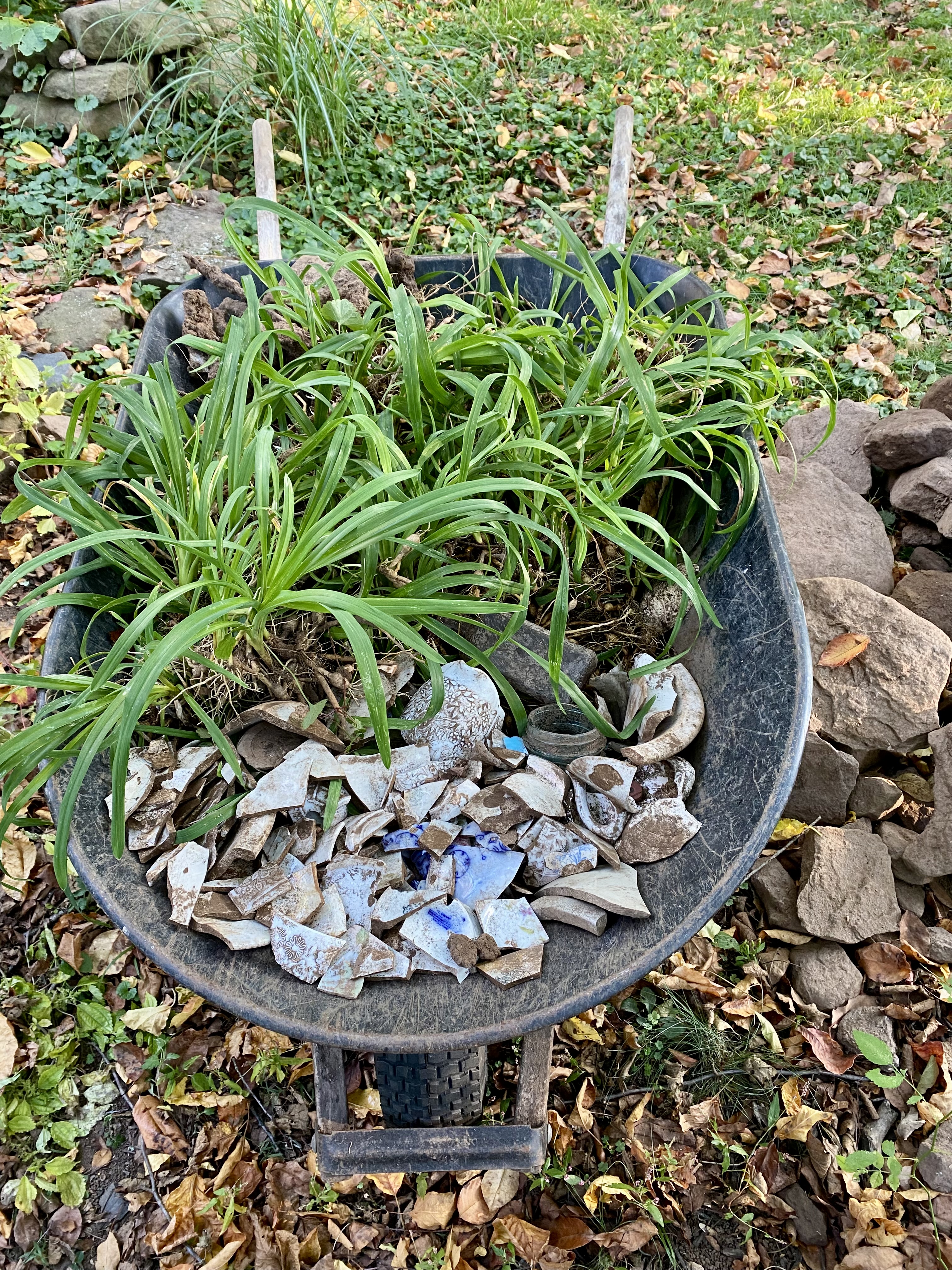
Uncovering such a wealth of man-made artifacts in under an hour was all the fuel I needed to continue with gusto on this transplant project. The more I dug out daylilies, the more objects I found underground. Bottles, whole bowls, flatware, a doll’s head, mason jars, glass fragments, unidentifiable metal objects, bumpy and bulbous with rust, horseshoes, nails, pieces of leather footwear, buttons, stone crocks.
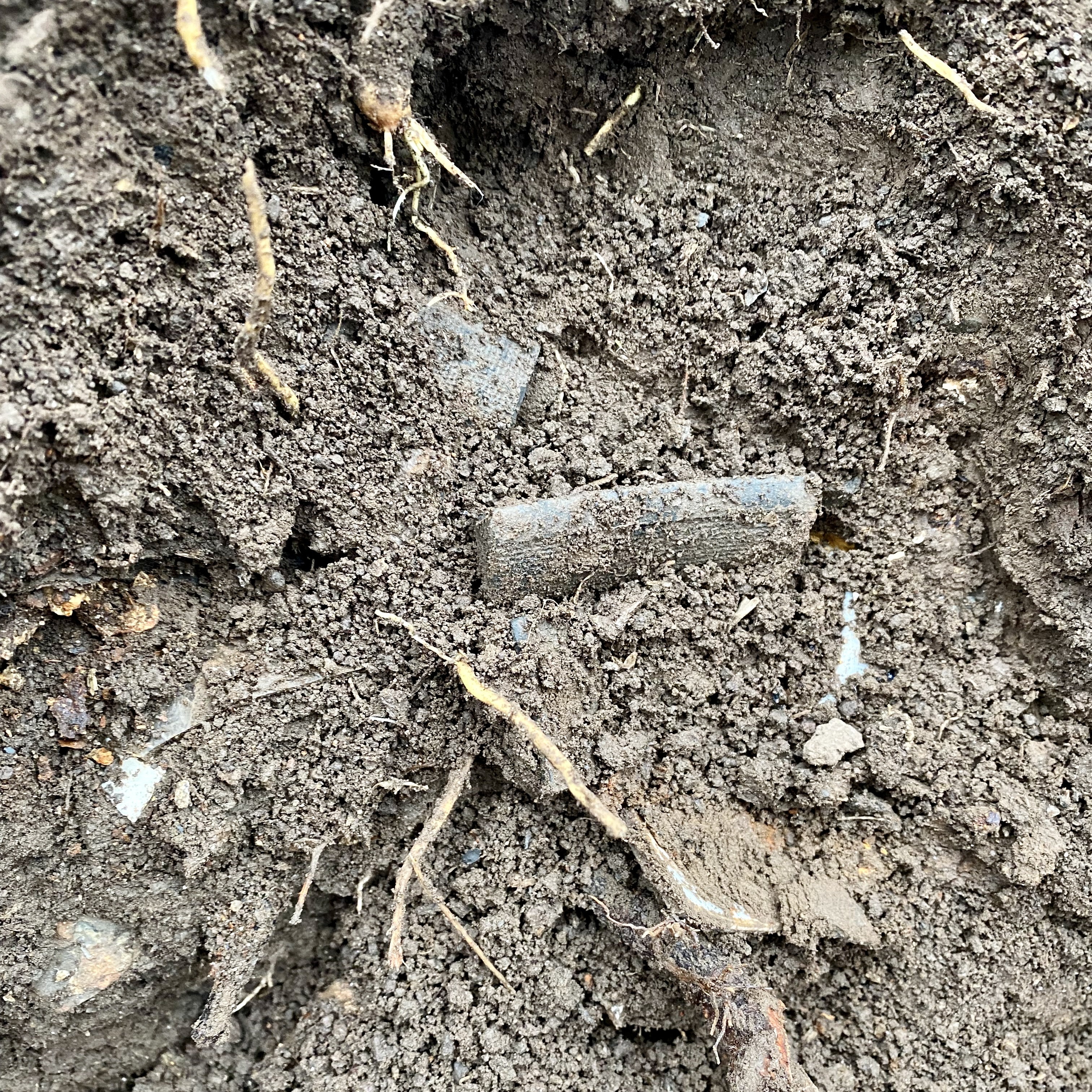
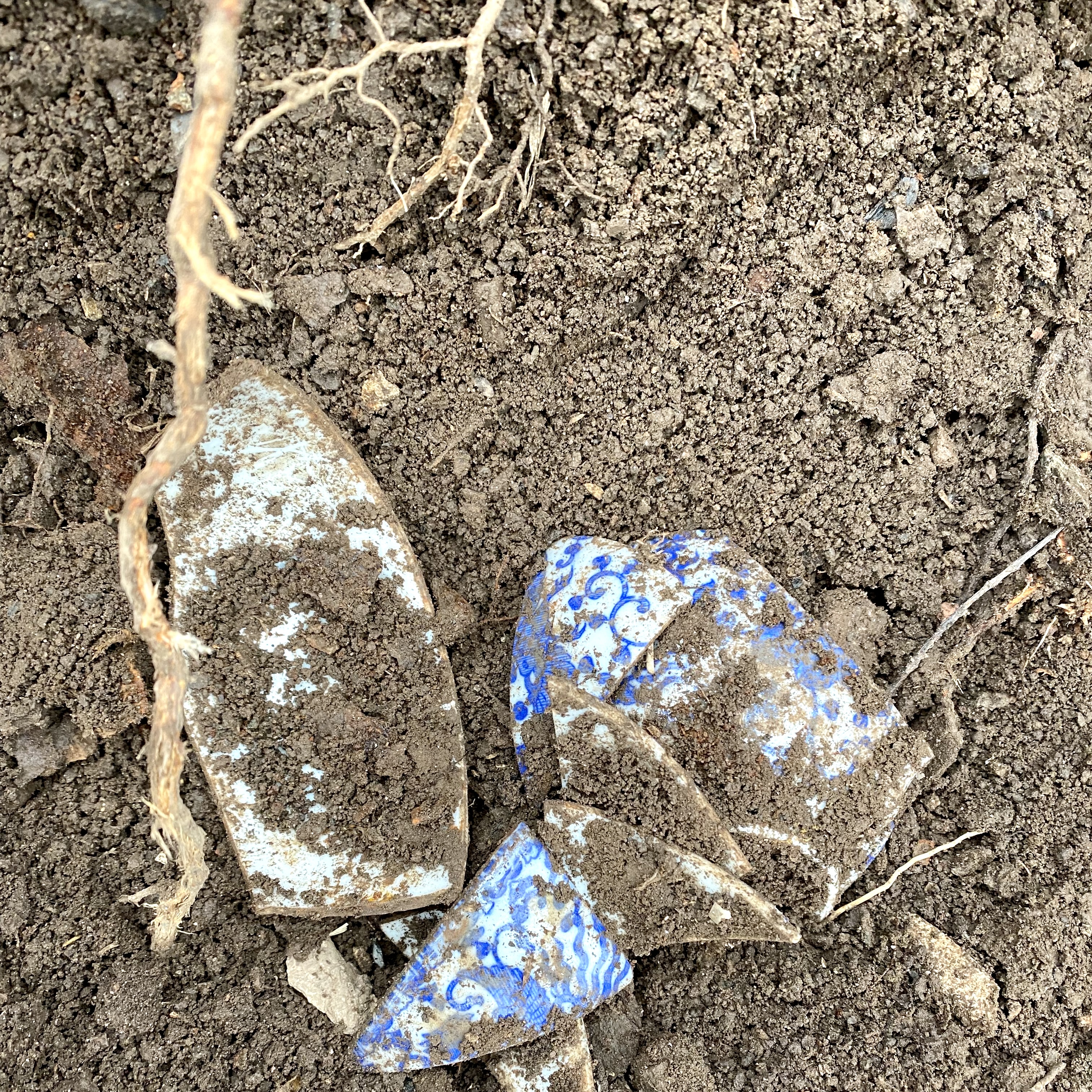
That is when I realized I had found an archive… that the lilies were covering over an old privy or trash pit for 1750 House, which made complete sense given the location and the distance from the house. The project then turned two-fold. Instead of simply spending an autumn weekend transplanting lily bulbs, I was embarking on an amateur archeology dig, uncovering hints and clues about life lived at 1750 House decades and maybe even centuries ago.
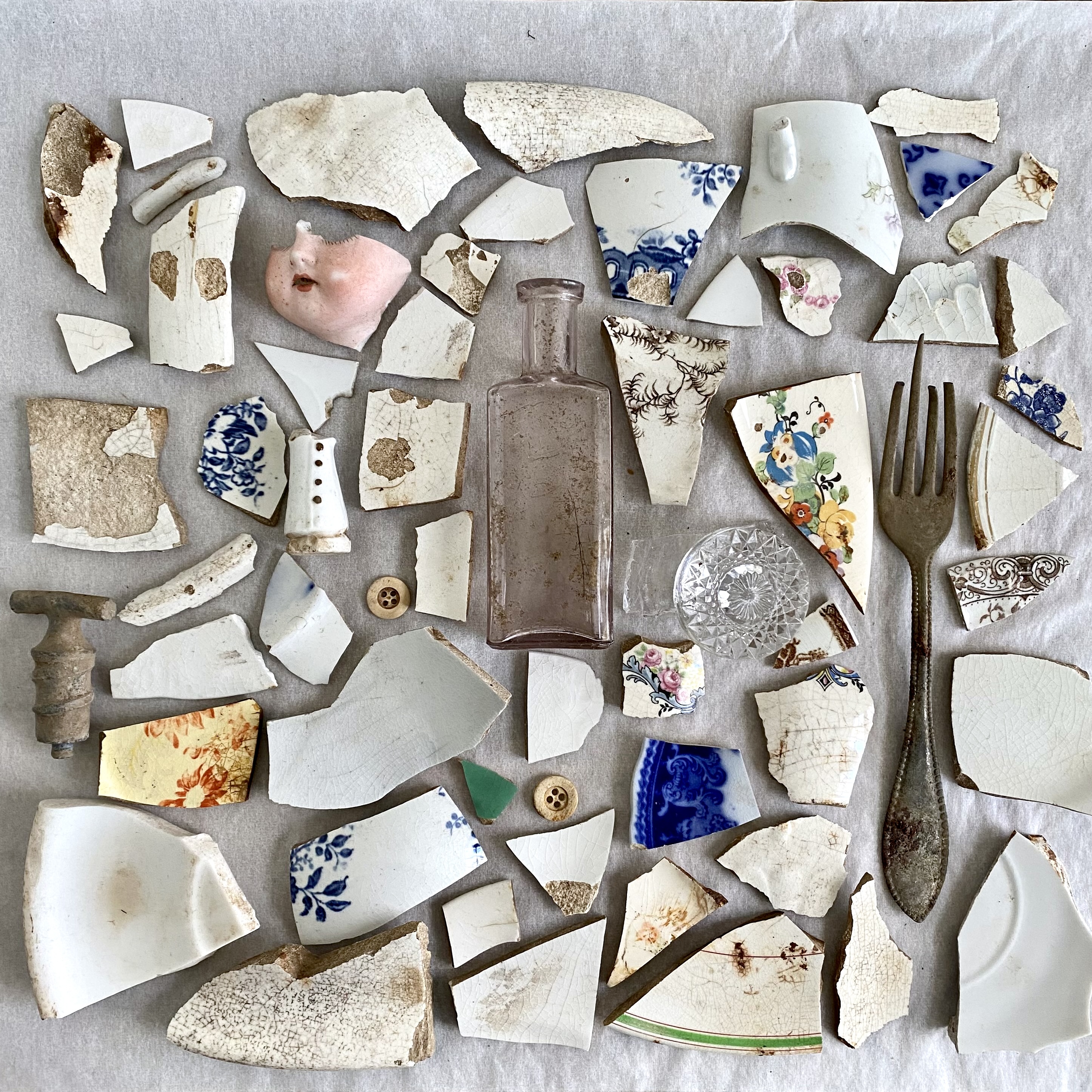
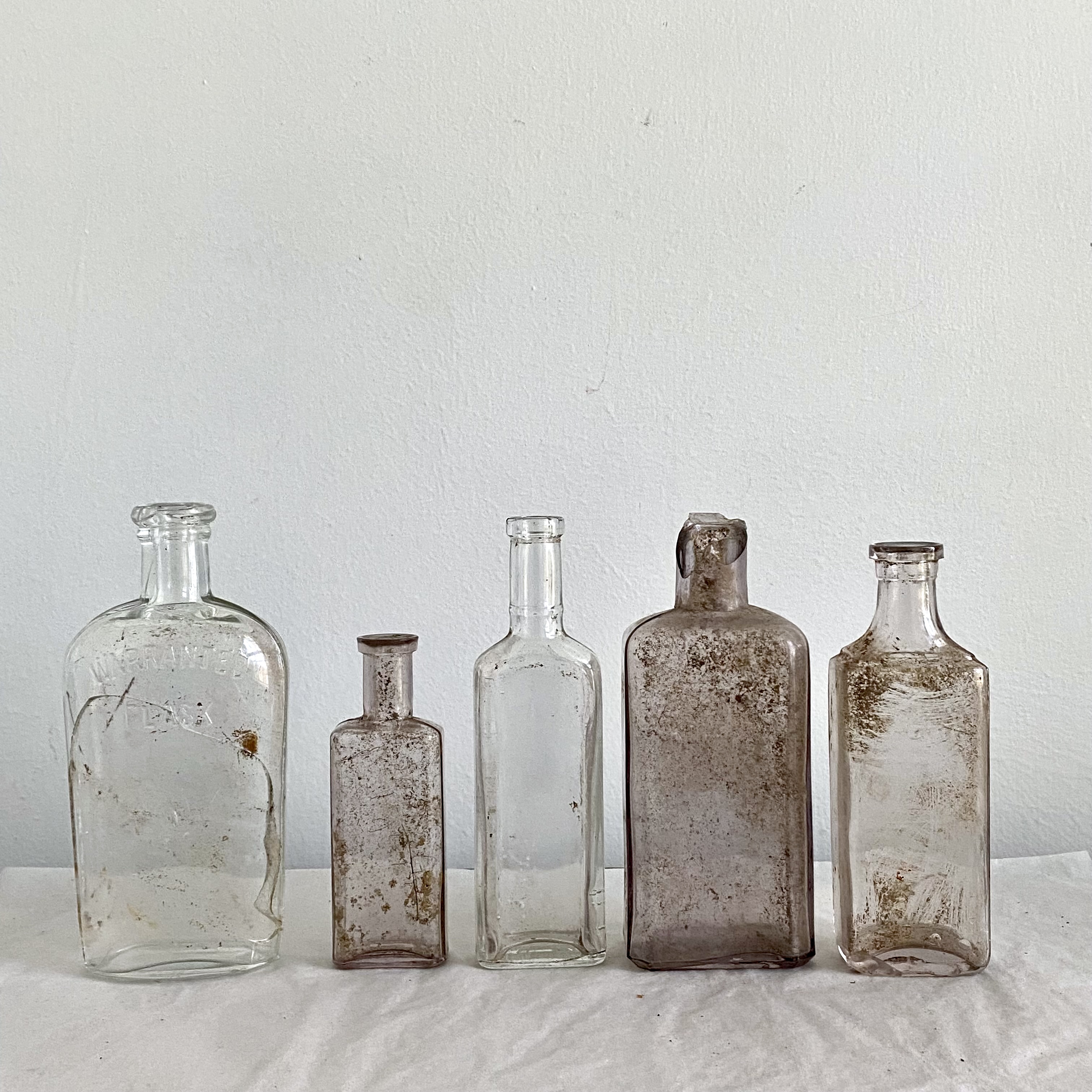
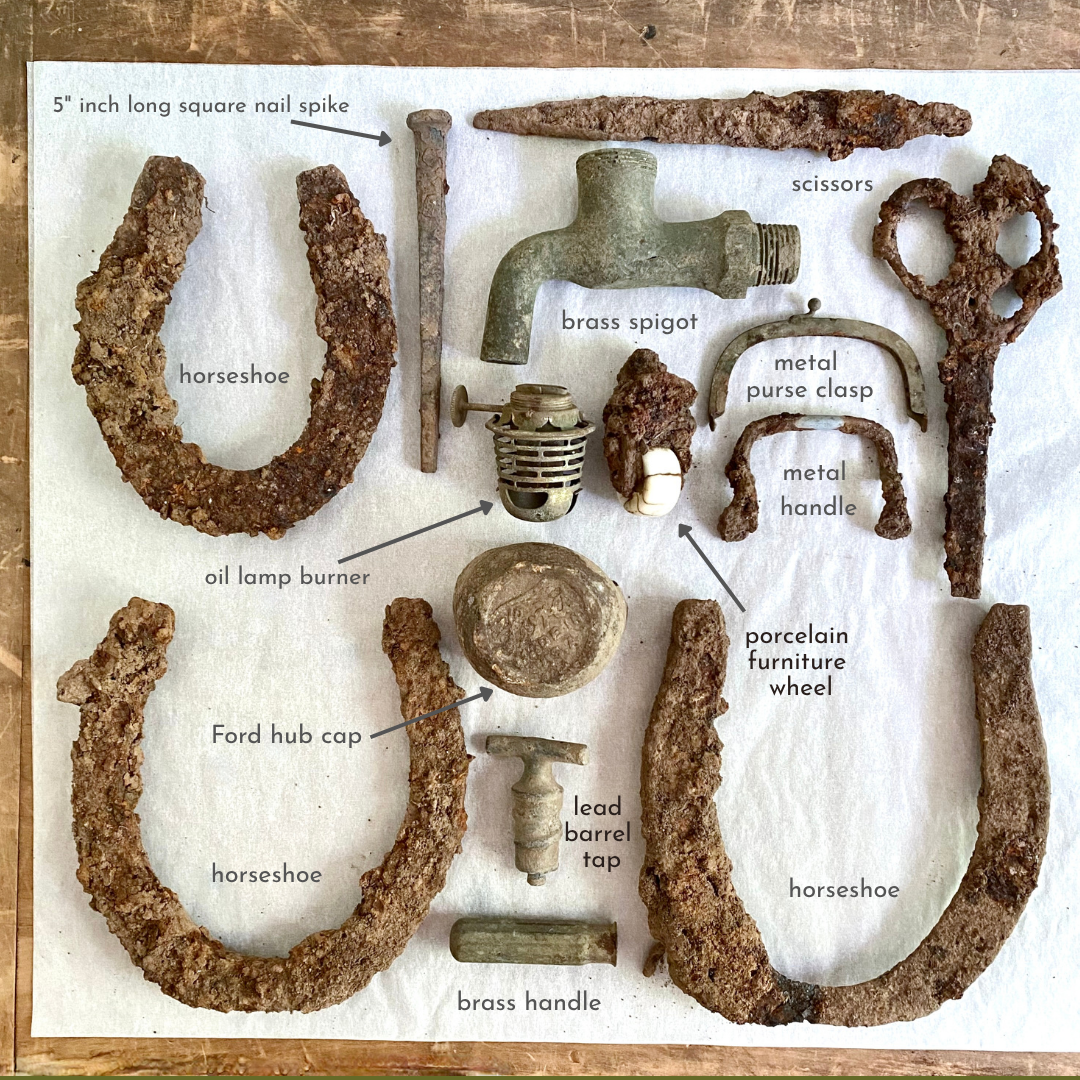
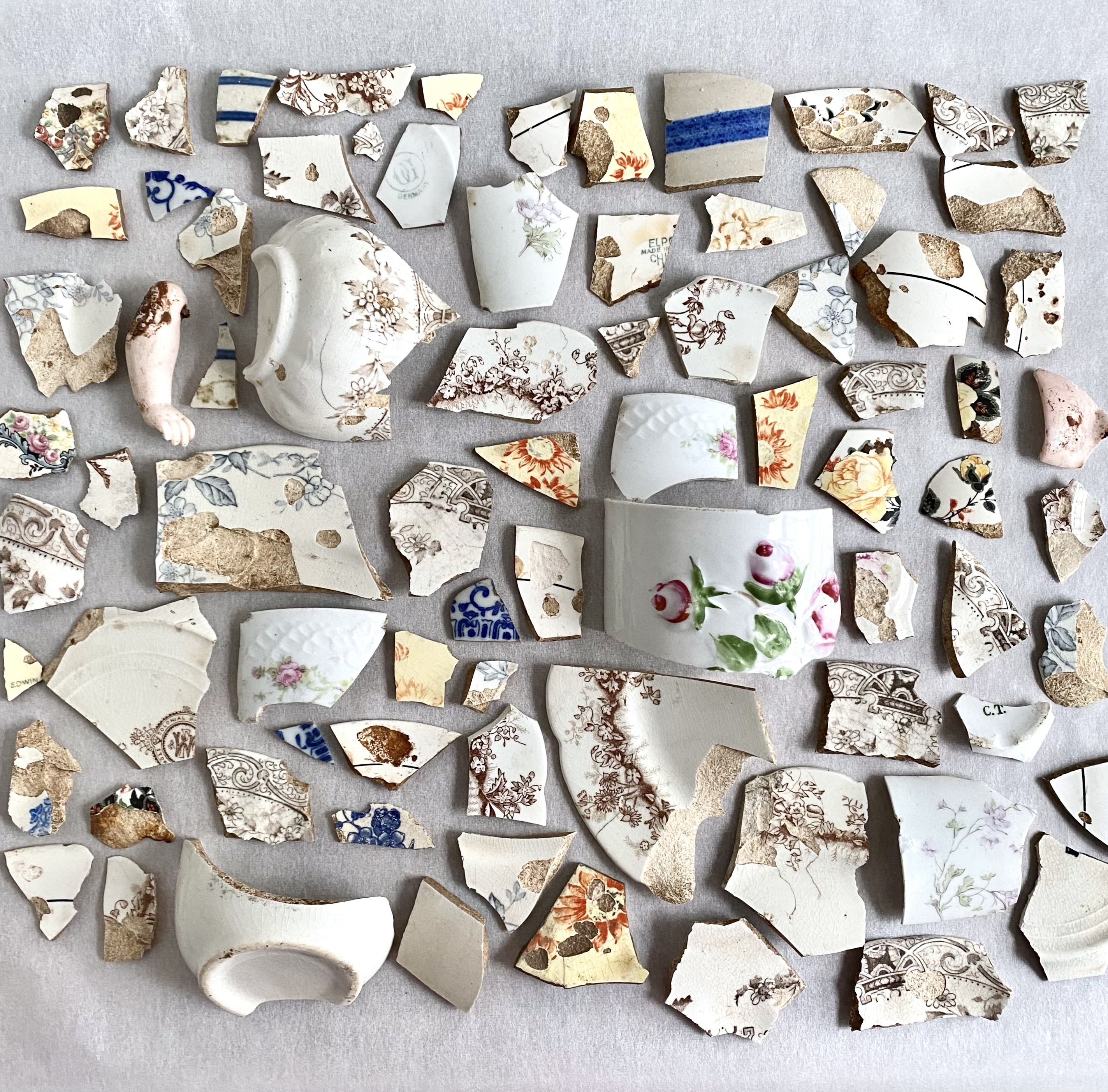
Excited to share all these finds with you here on the blog, I’m creating a new series detailing all that is discovered in this artifact-revealing project. By sharing the history of the pieces found, I’m hoping that by the transplant project’s end, we’ll be able to piece together (no pun intended) some real character sketches of the people who lived in the house long before my husband and I ever moved in. Already, I’ve learned a slew of interesting information.
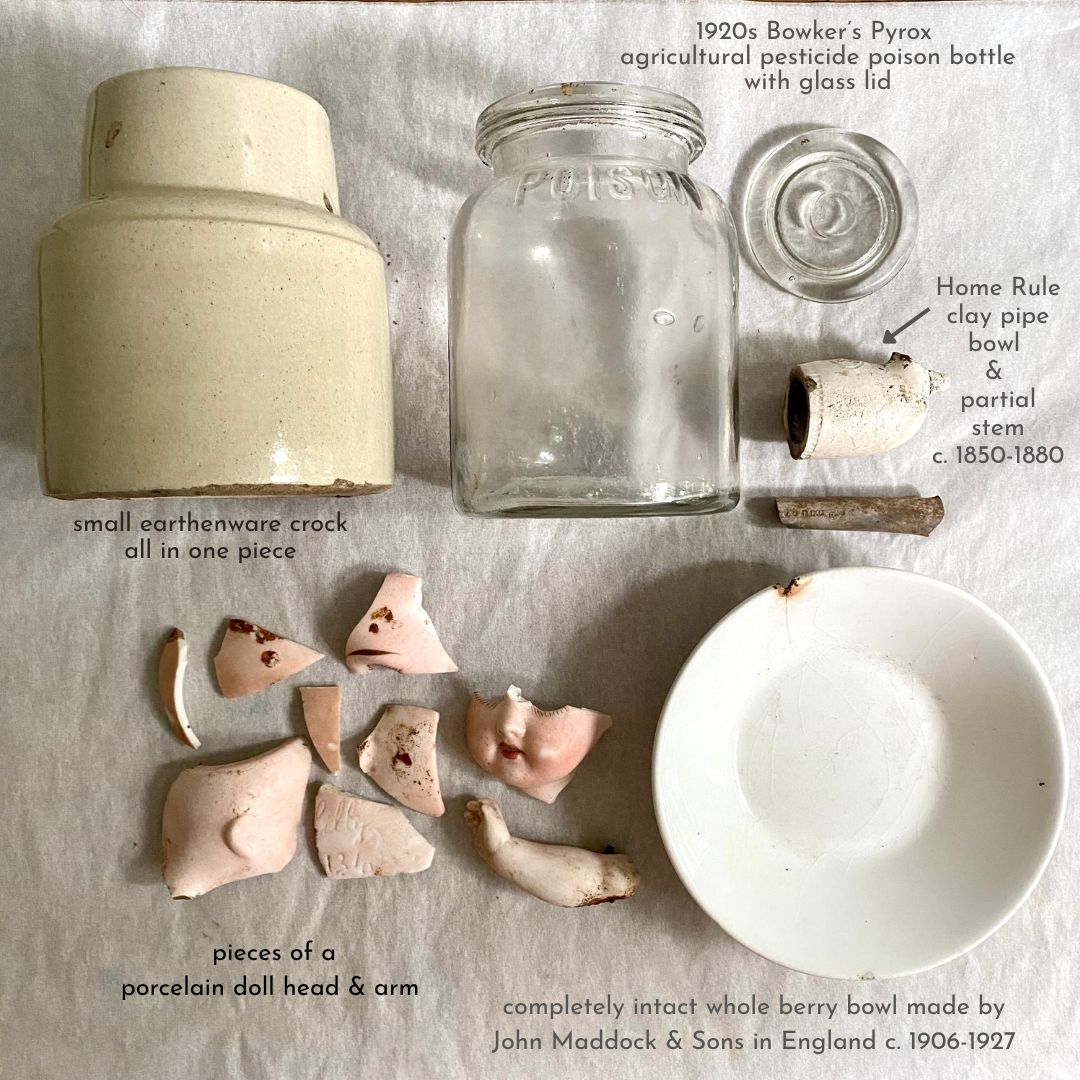
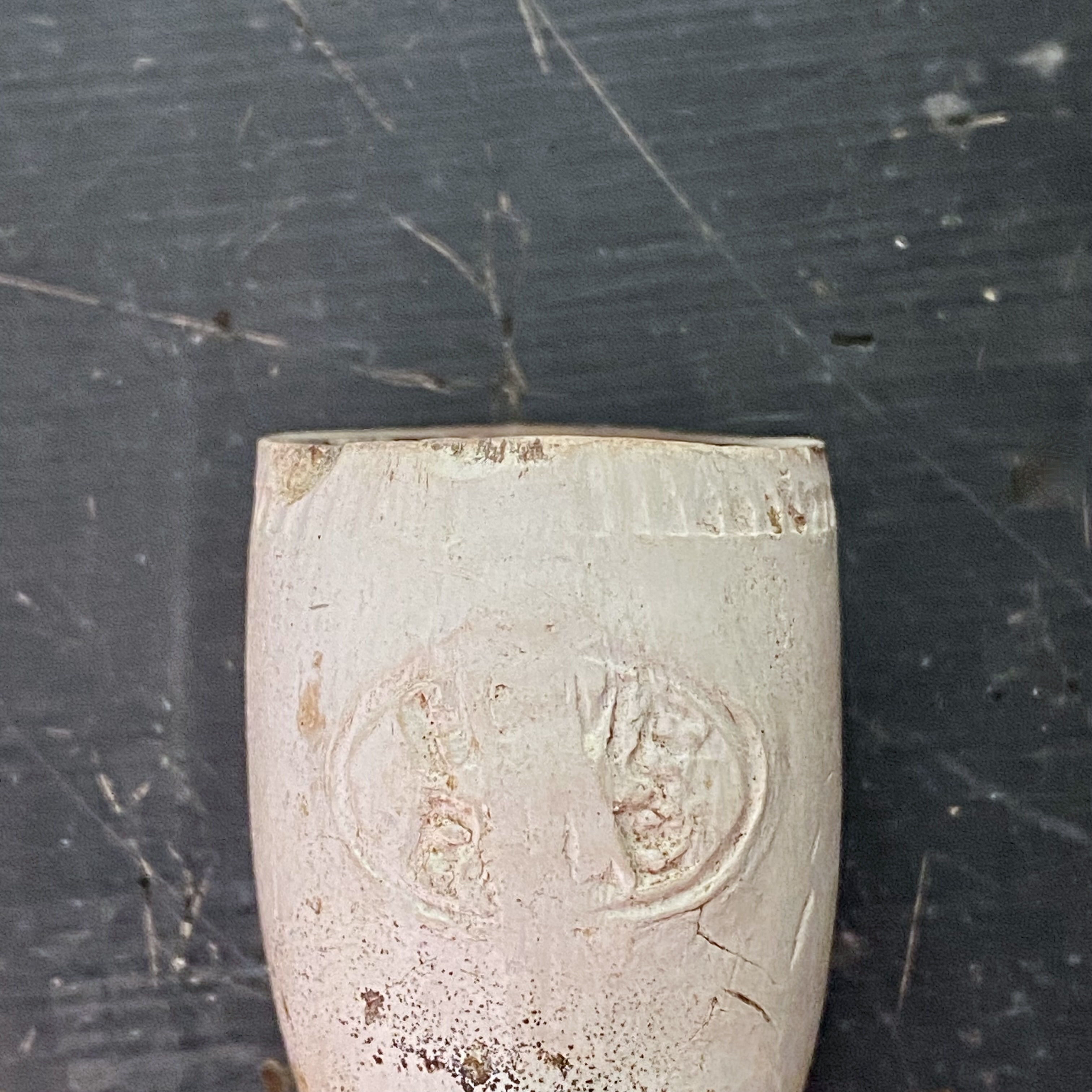
The Home Rule clay pipe (pictured above) dates to 1850 and was used for tobacco. Made in Scotland and exported to America, it was a political propaganda tool that Irish immigrants used to show support for Ireland’s independence from British rule. Home Rule stood for home government and a separation from the British in regard to religion, secession, and land reform. Equivalent to wearing an activist t-shirt today, smokers who chose Home Rule pipes were making a statement about Irish solidarity. I recently learned that in 1850, 1/4th of my town’s population was of Irish descent. The pipe offers a clue that perhaps an Irish family once lived here at 1750 House around the mid-19th century.
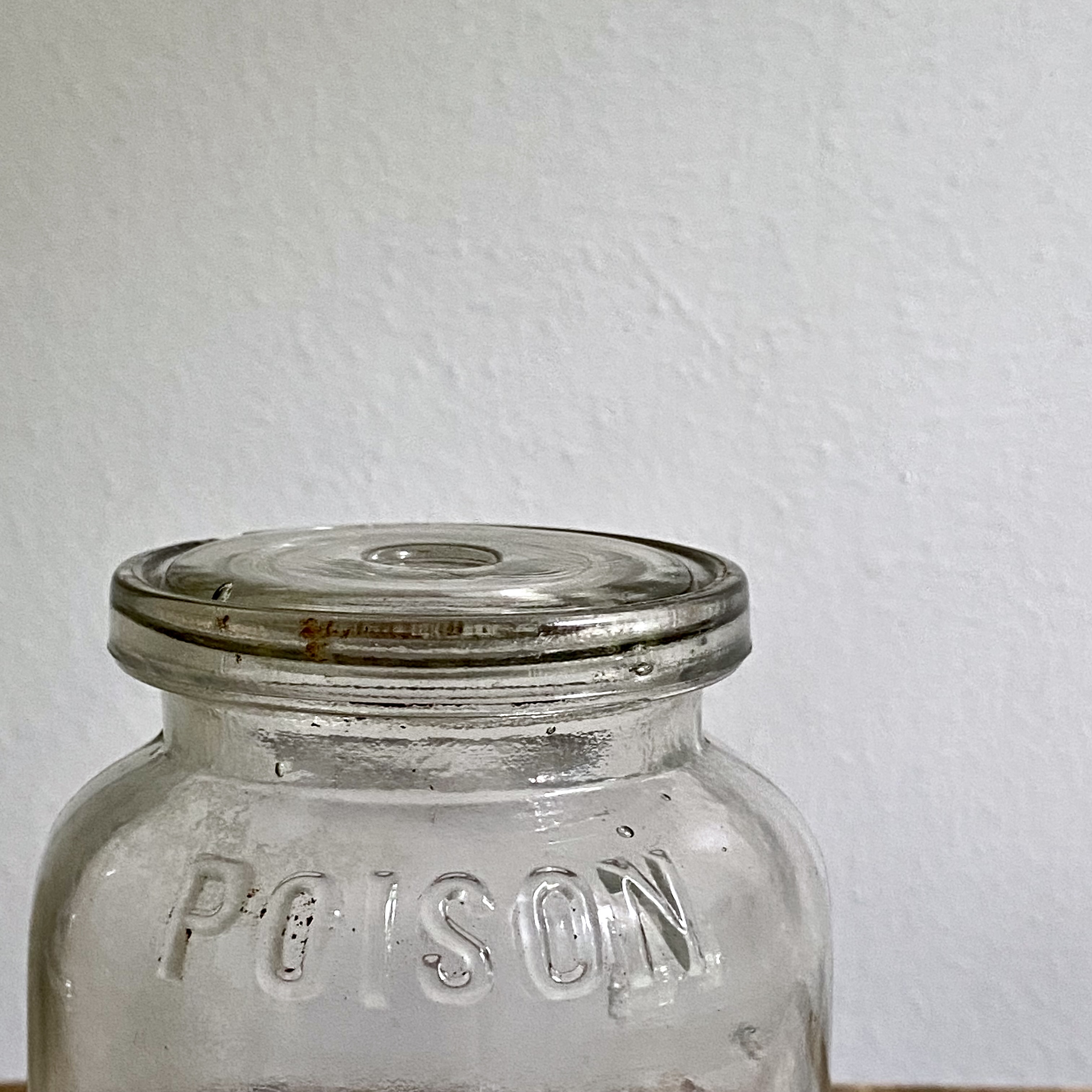
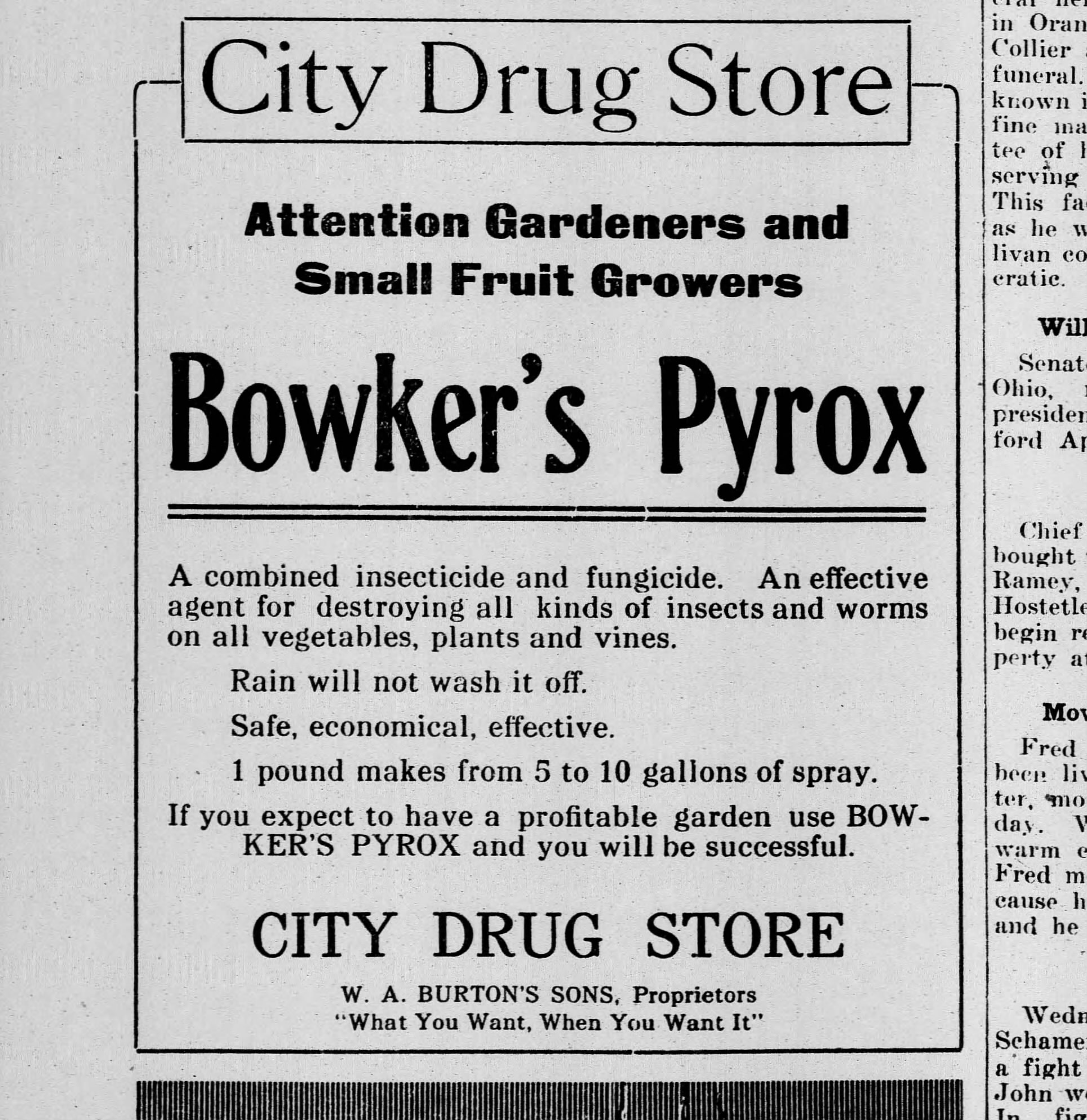
Likewise, the 1920s poison bottle once held Bowker’s Pyrox, a popular agricultural pesticide and fungacide containing lead and copper sulfate. It was used on potato crops and orchard fruit trees as a way to ward off coddling moths and blight. This bottle offers another clue as to past gardening endeavors here at 1750 House.
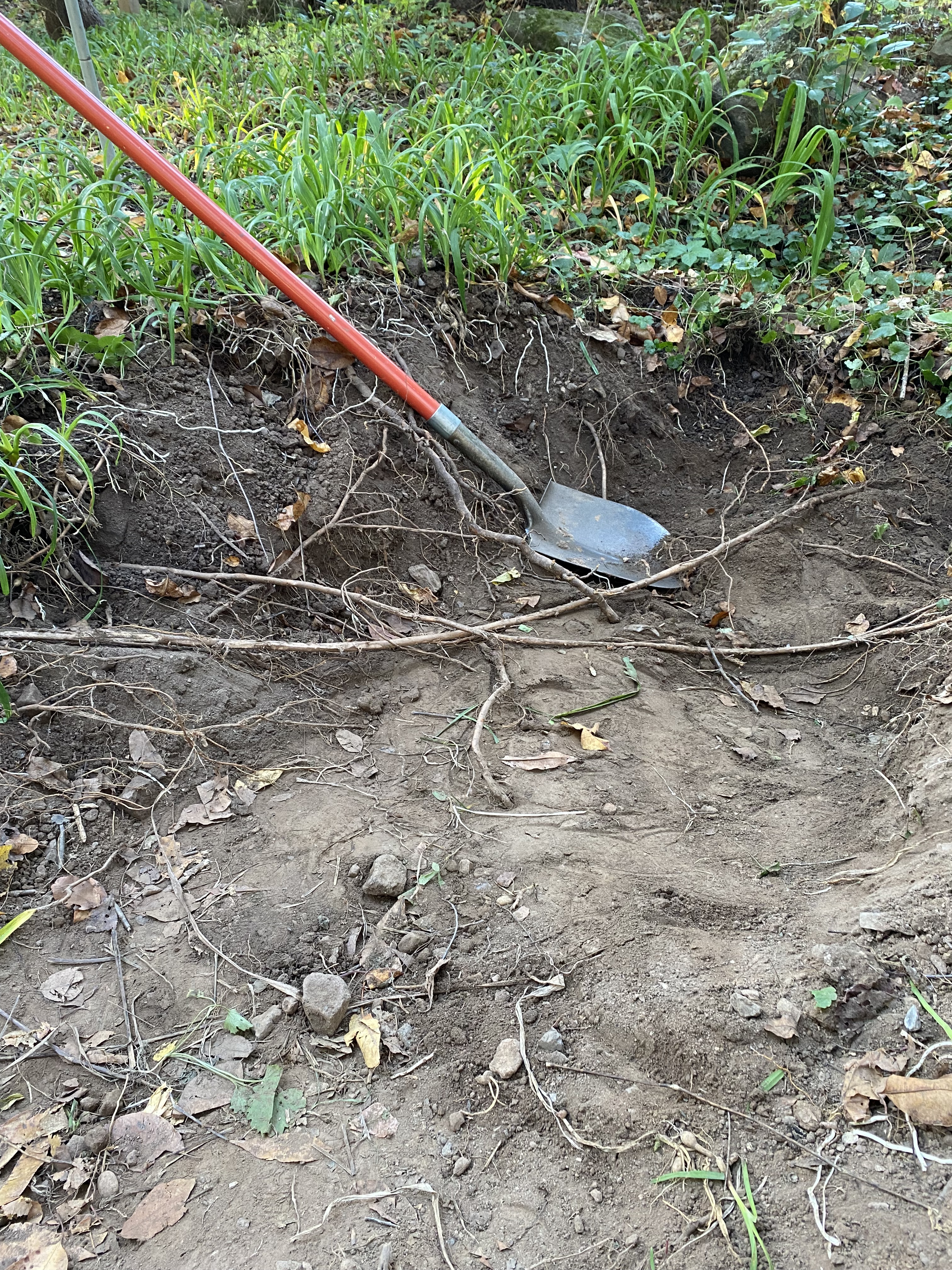
All of the pieces unearthed so far are just the tip of the iceberg. About a third of the lily bulb population was moved before the first fall frost came, but once the winter weather set in and the ground froze, the dig had to be put on hold until this spring’s thaw.
Over the winter holidays, I cleaned all the pottery pieces I had found thus far and organized them in separate bins and baskets according to like relationships. There was a bin for ceramic pieces with backstamp marks, a bin for cup handles and knobs, one for decorative glass shards, one for pottery pieces with patterns, and a much bigger basket for all-white pieces.
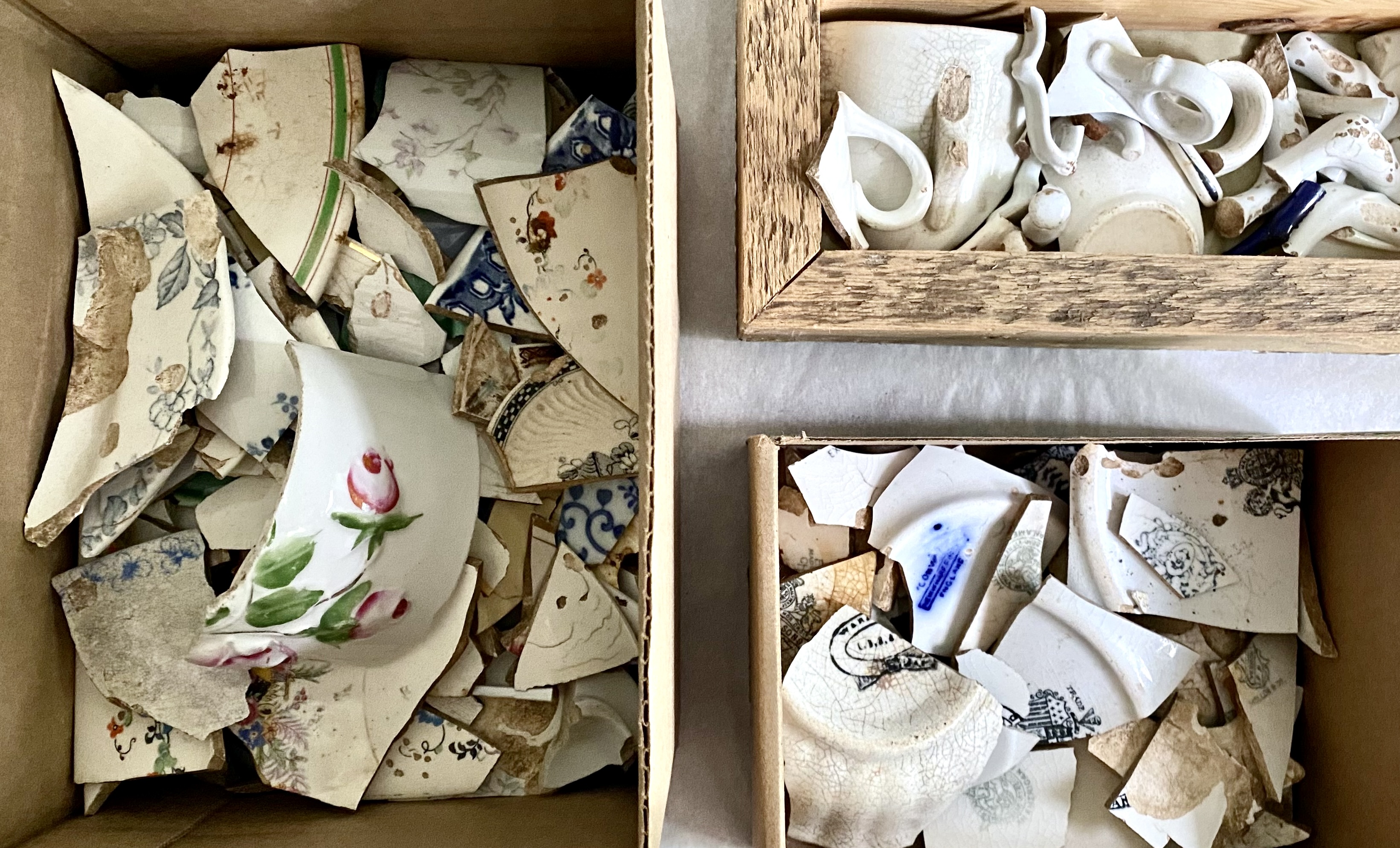
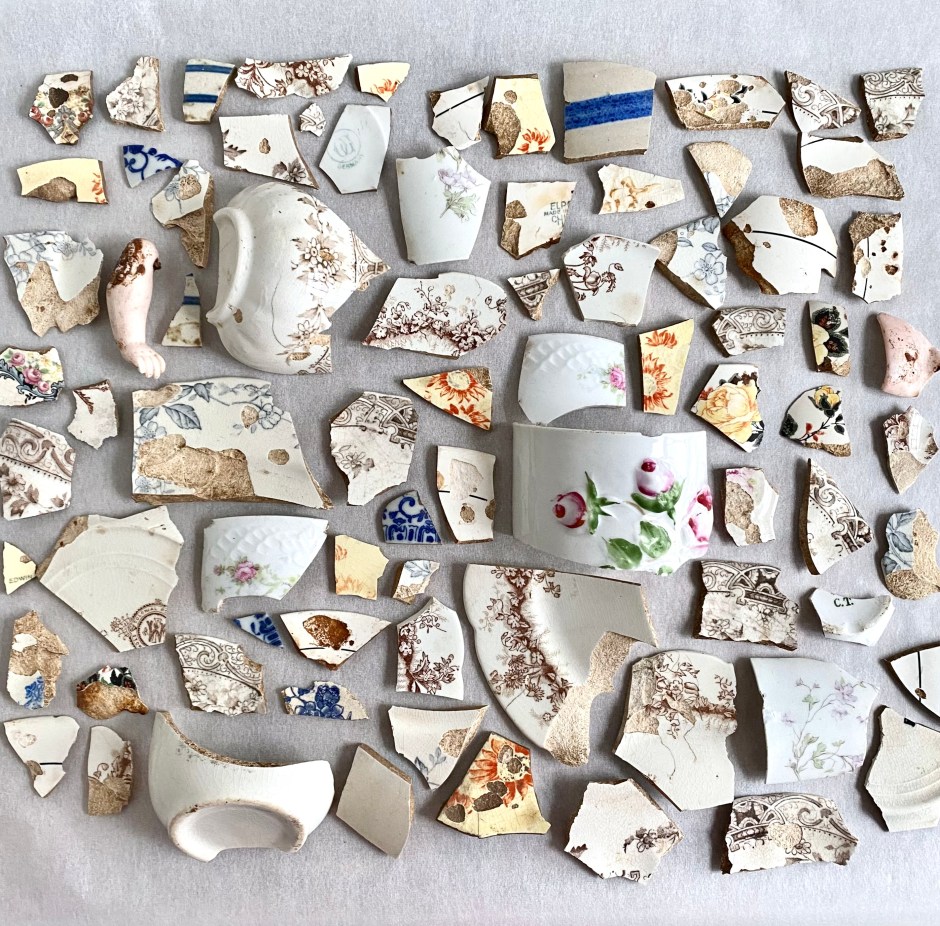
The majority of the ceramic pieces found so far have been all-white and exist in various stages of wear. Some are stained red from iron, others are just thinly sliced flakes or pockmarked pieces artistically worn by weather and time. To give you an idea of just how many shards I have found so far, the basket containing only the all-white pieces currently weighs 27 lbs.
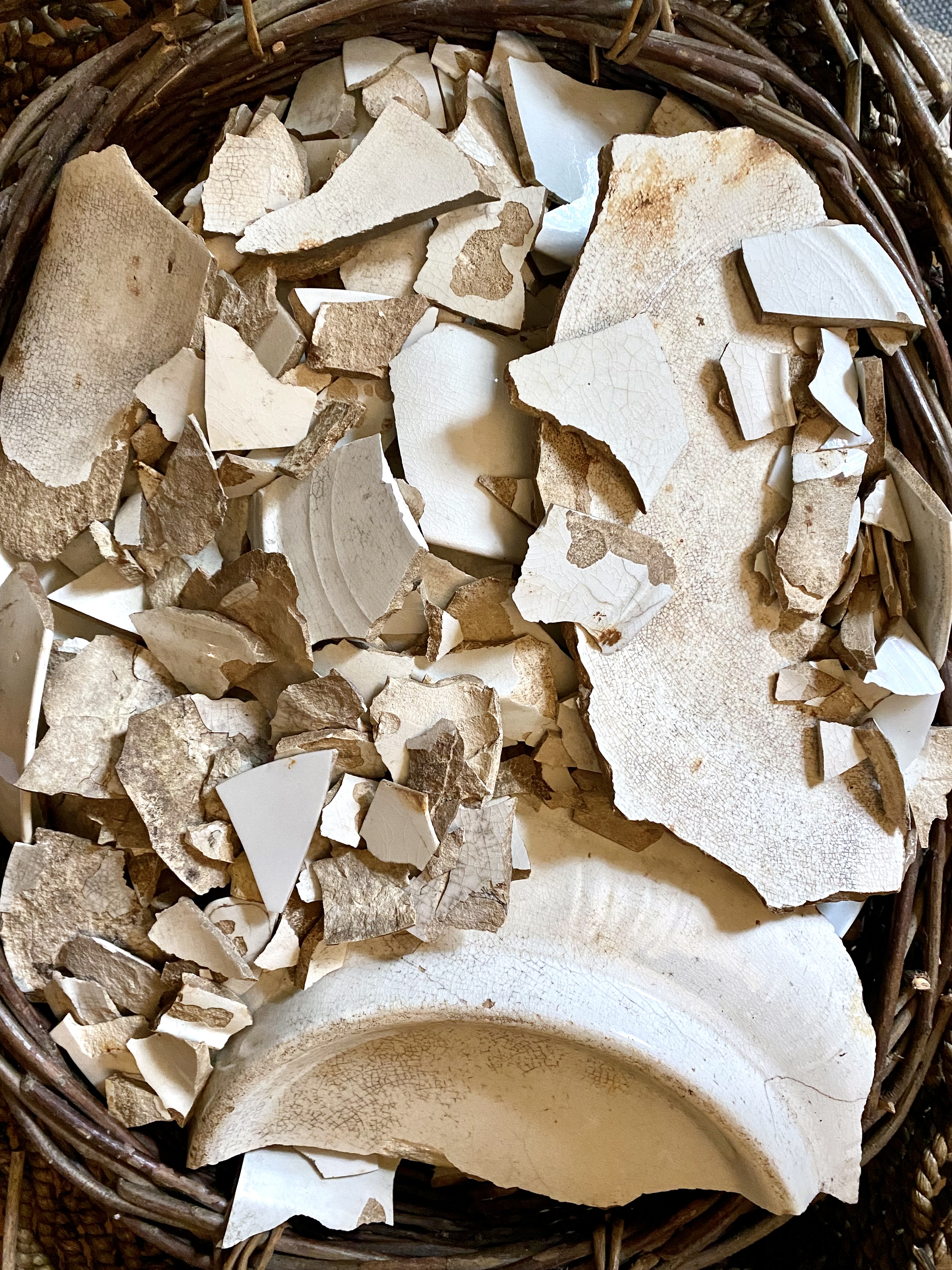
In comparison, the box with the patterned pieces only weighs 4.6 lbs, so you can imagine the excitement when a bit of color pops up in the dirt. In organizing all the ceramic pieces in this way, I could see that many of the patterned pieces matched. Below is an assortment of brown and white florals. If you look closely, many pieces contain the same pattern, but not all.
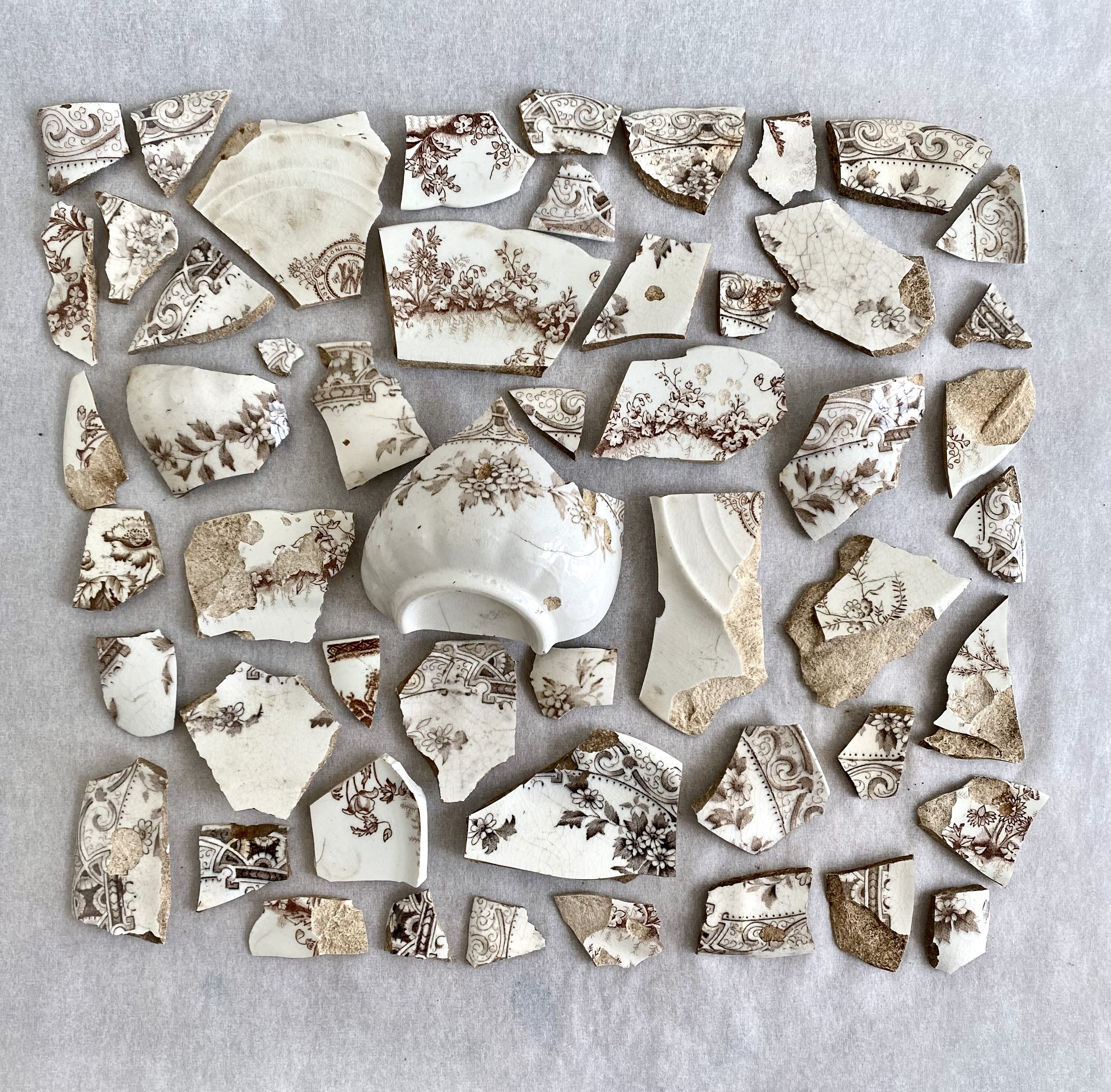
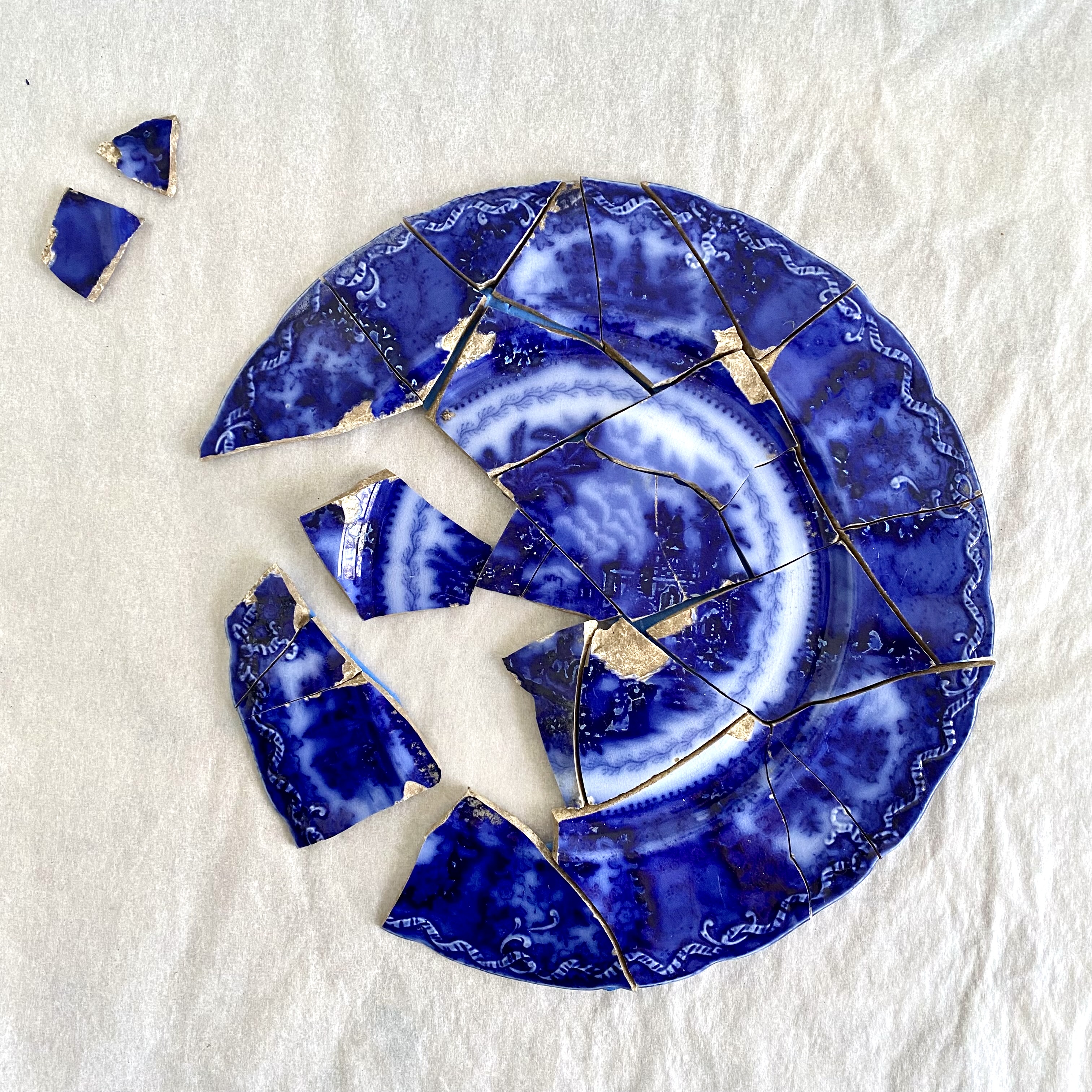
I then further sorted all the pieces not only by color but by specific pattern too, just to see if I would be able to fit any of them back together like a puzzle in the hopes that they might form whole objects. I was in luck twice with the blue pieces. What started as a pile of flow blue…
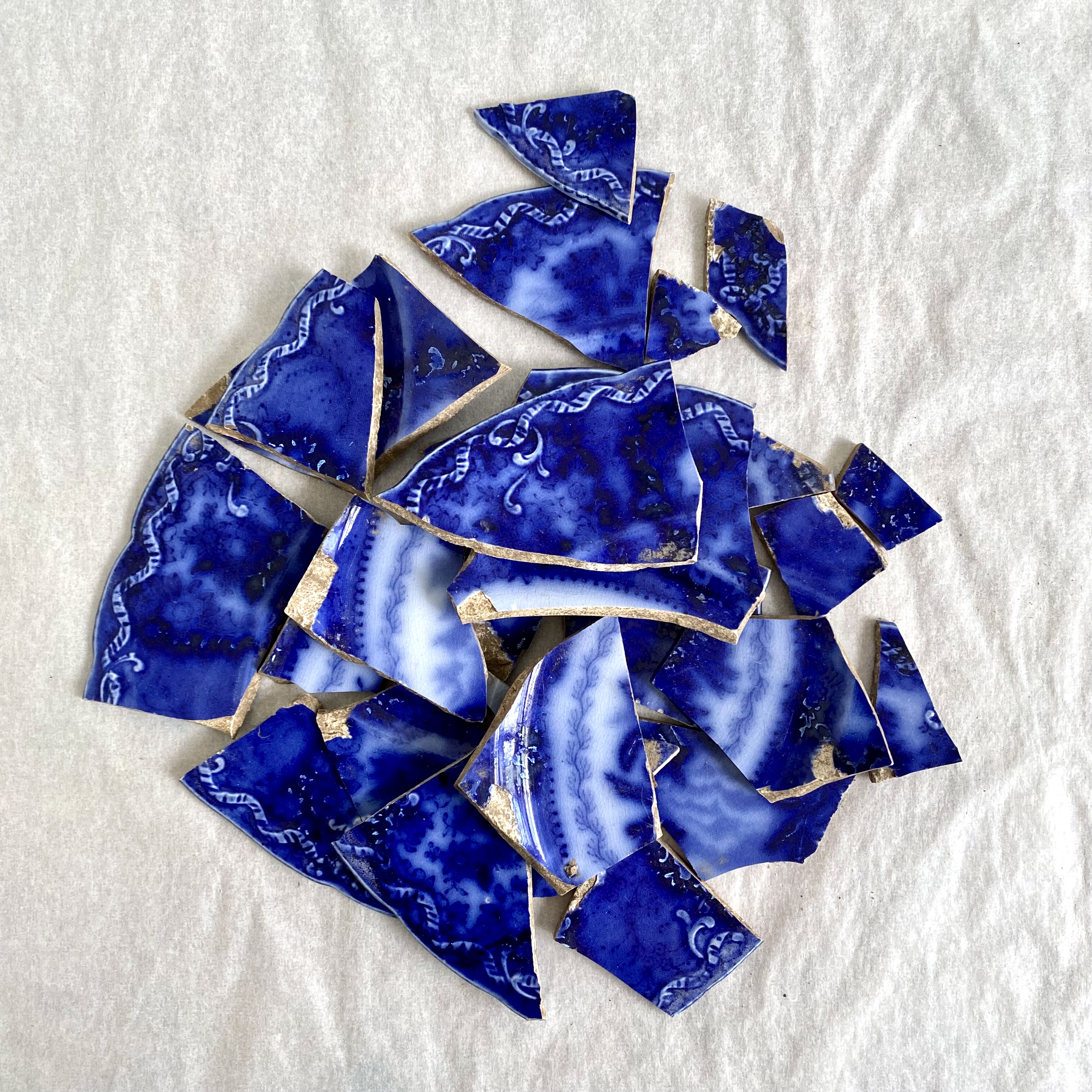
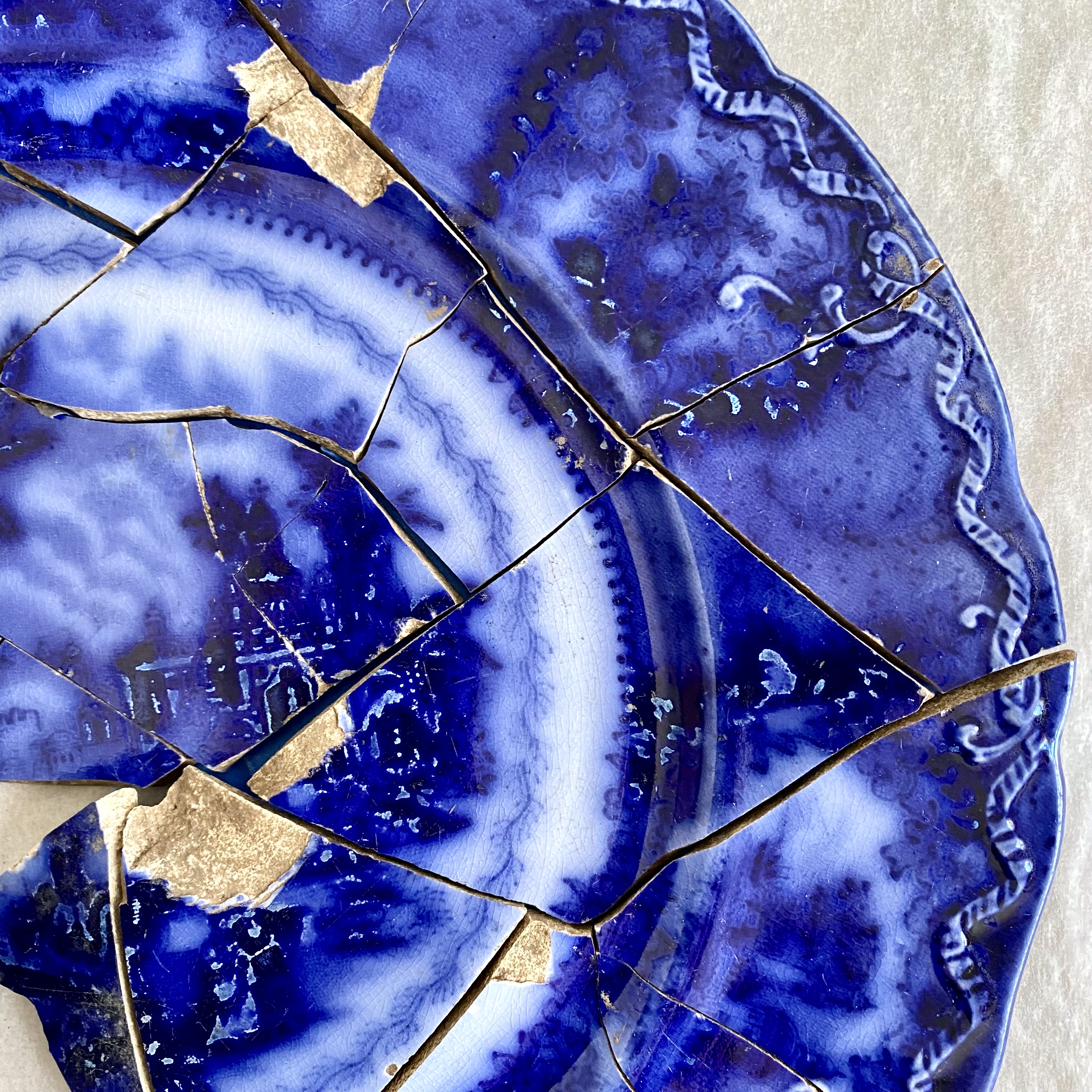
turned into an almost complete dinner plate. It was made by New Wharf Pottery in England in 1878. I’m really hoping I’ll be able to find the rest of the pieces of this plate so that I can glue the whole assembly back together and frame it in a shadow box for display in the house.
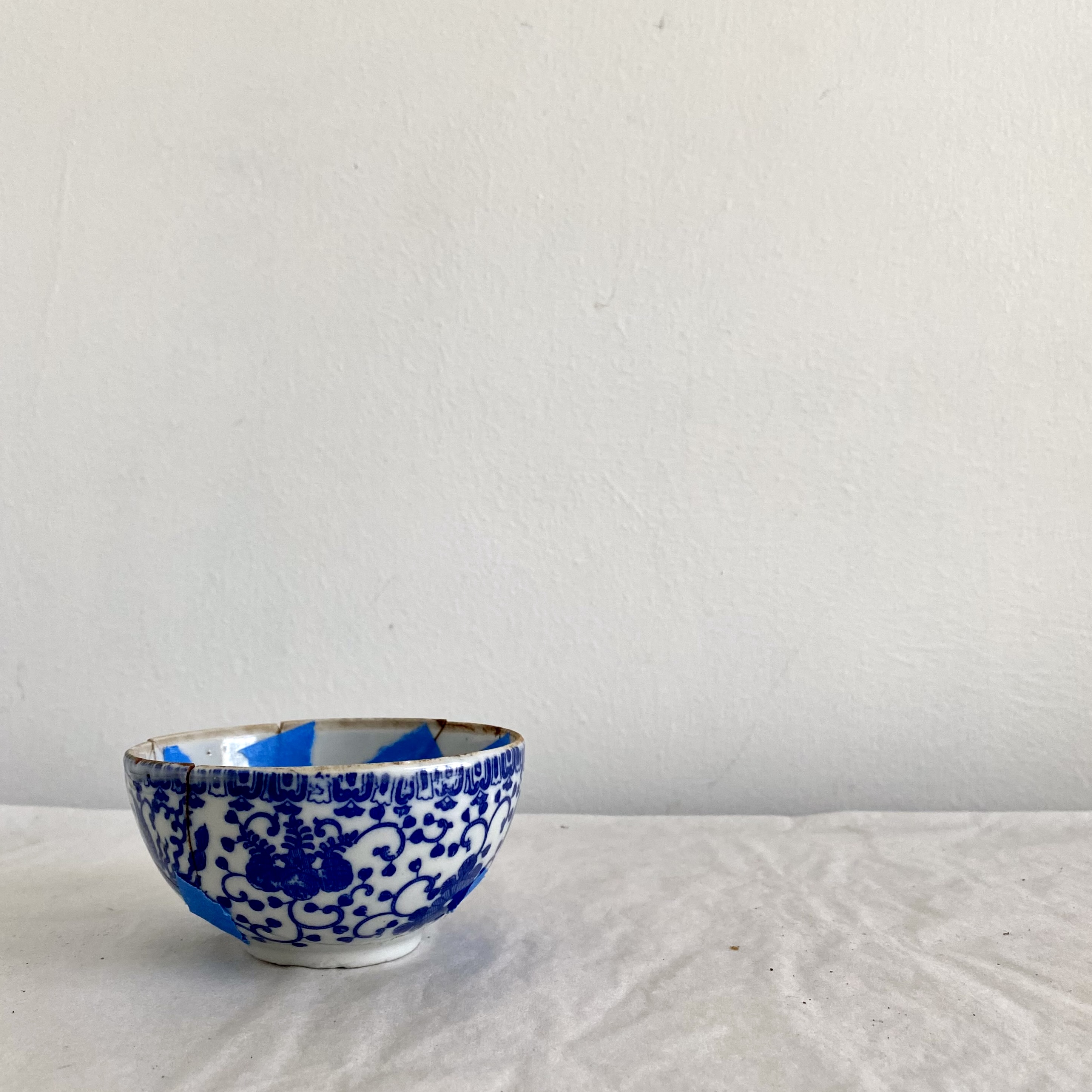
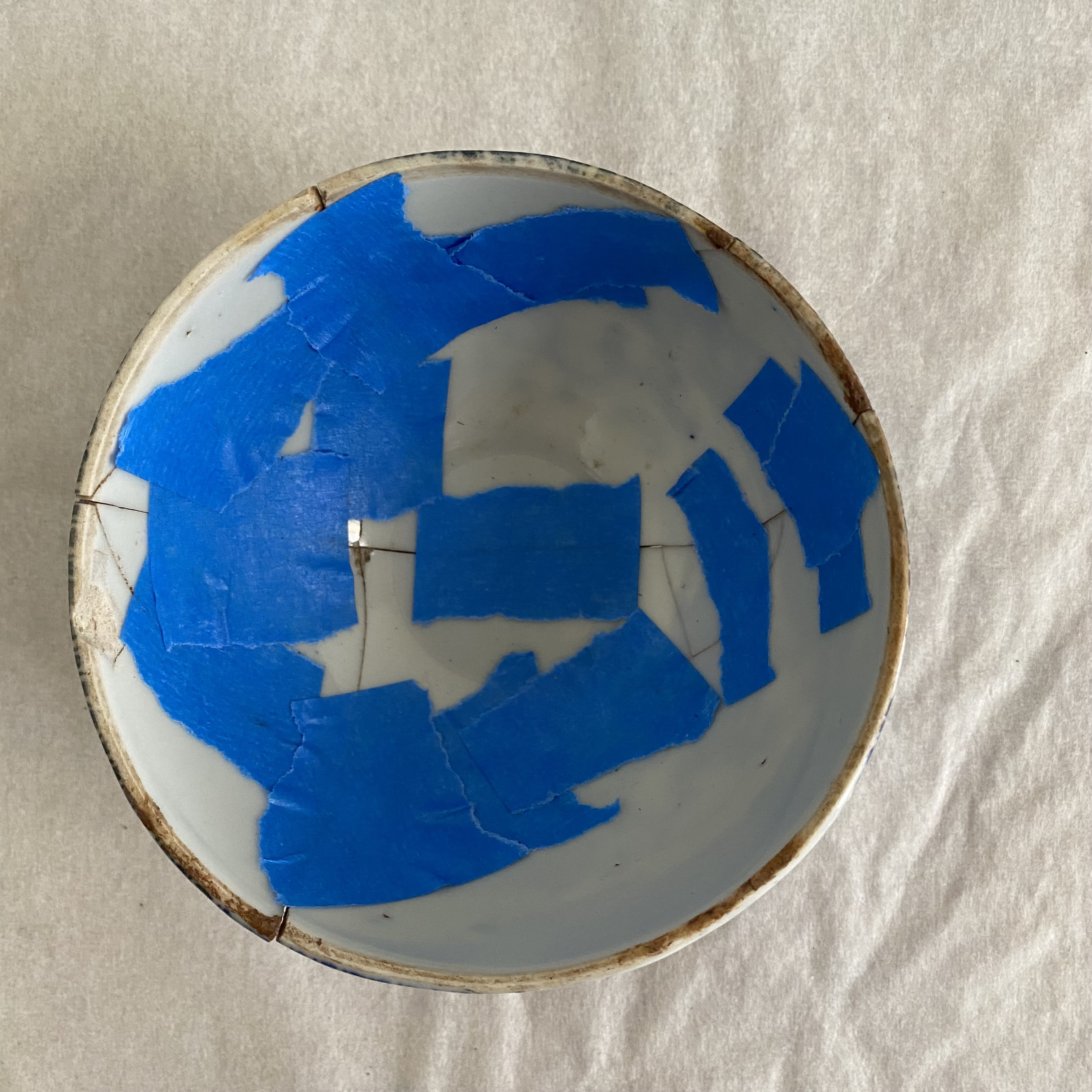
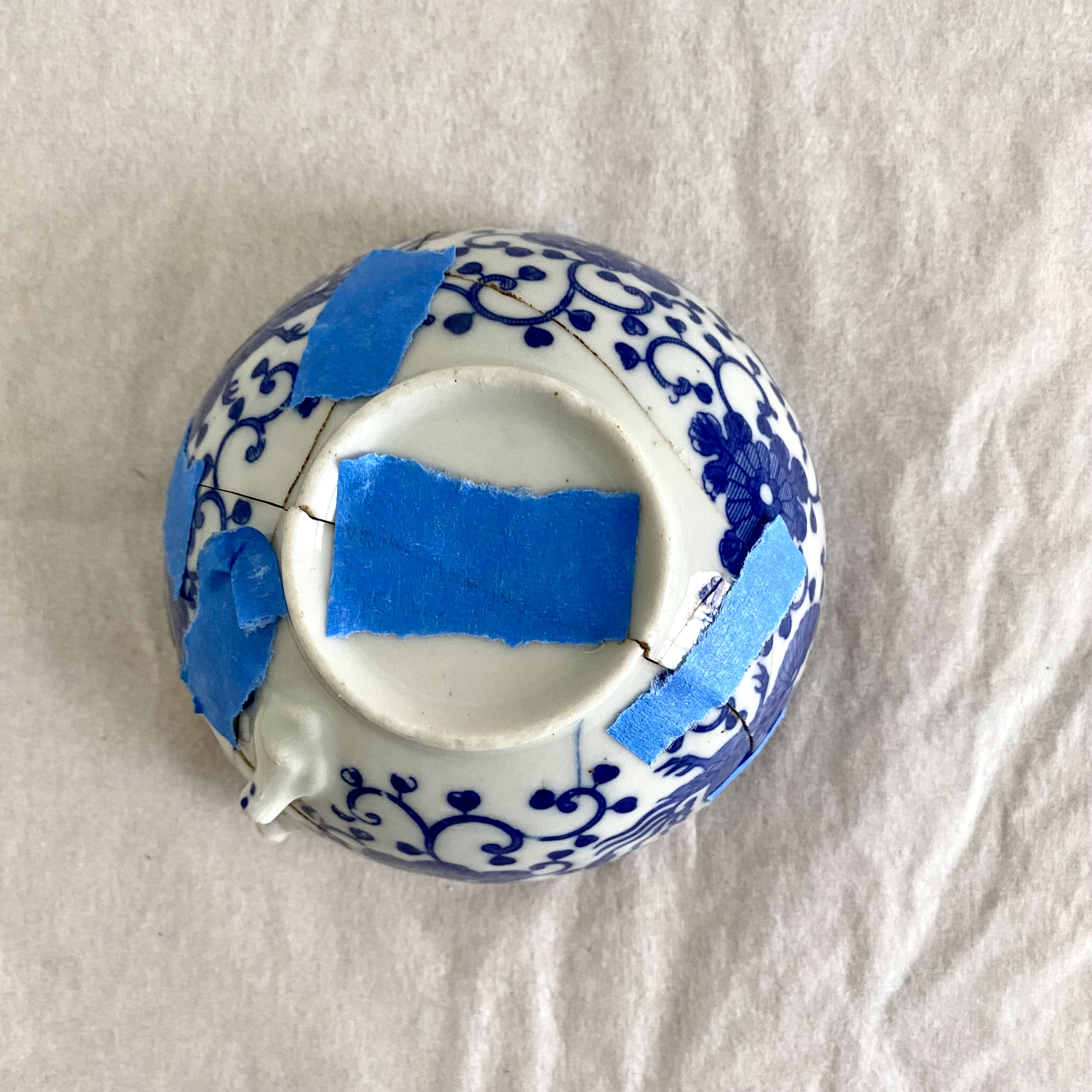
Here’s another example of a vintage 1940s Japanese teacup that also had a lot of matching pieces. You can see some of them in the dirt photo shown above, just as they appeared in the ground. Piecing them back together, I was so excited that it actually formed a whole cup minus the handle. To hold each piece in place while fashioning the fit, I used blue painter’s tape, but like the dinner plate, this will eventually be glued together as well.
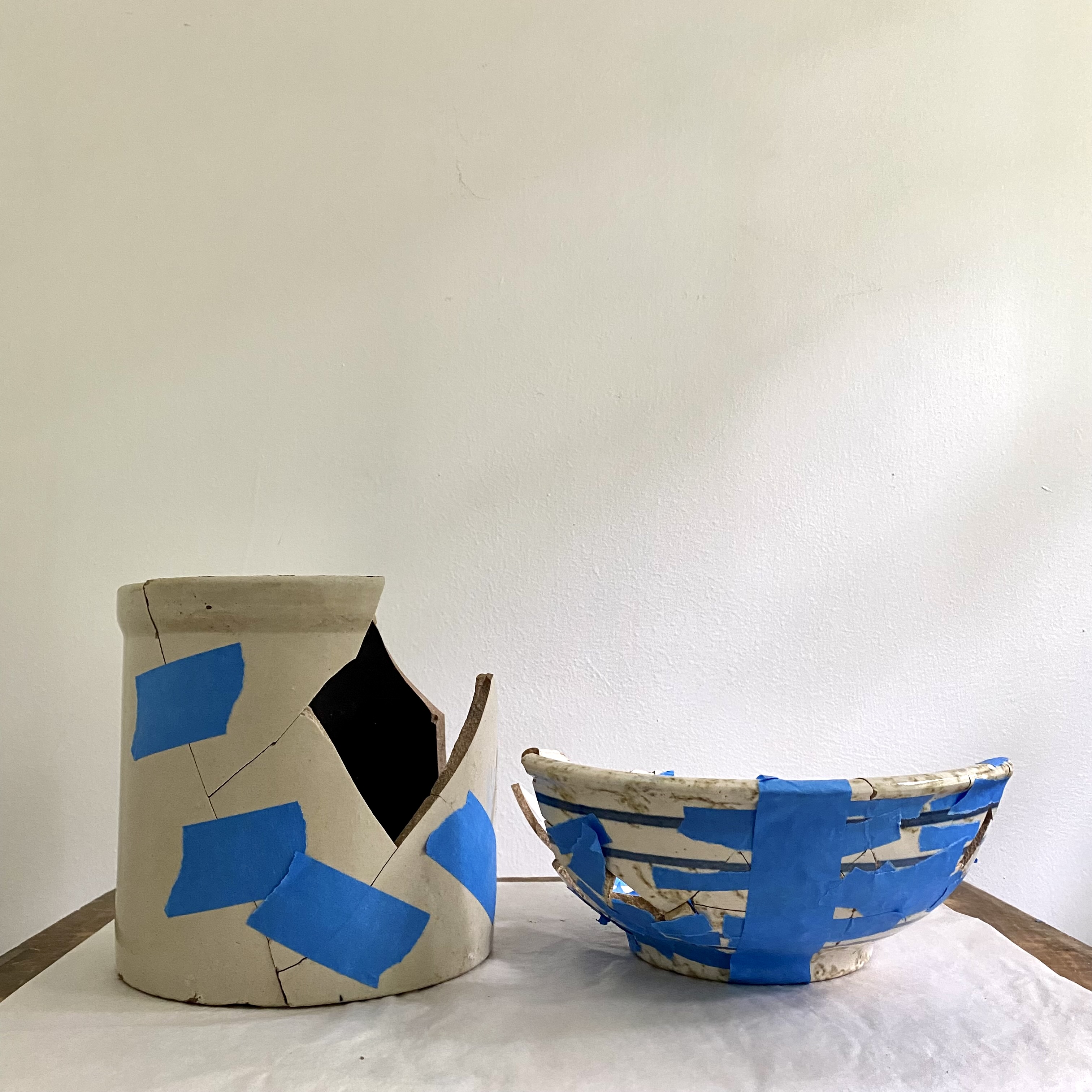
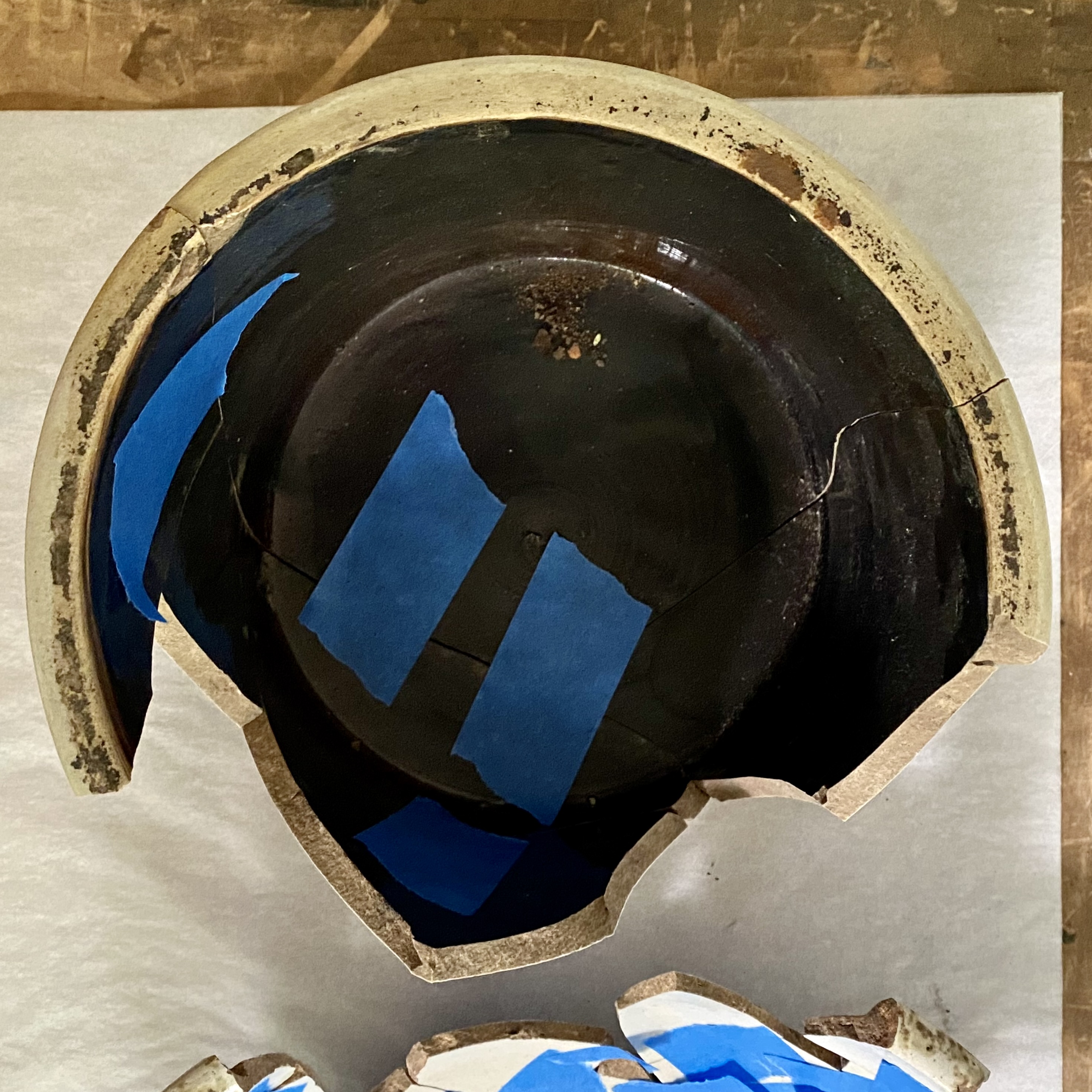
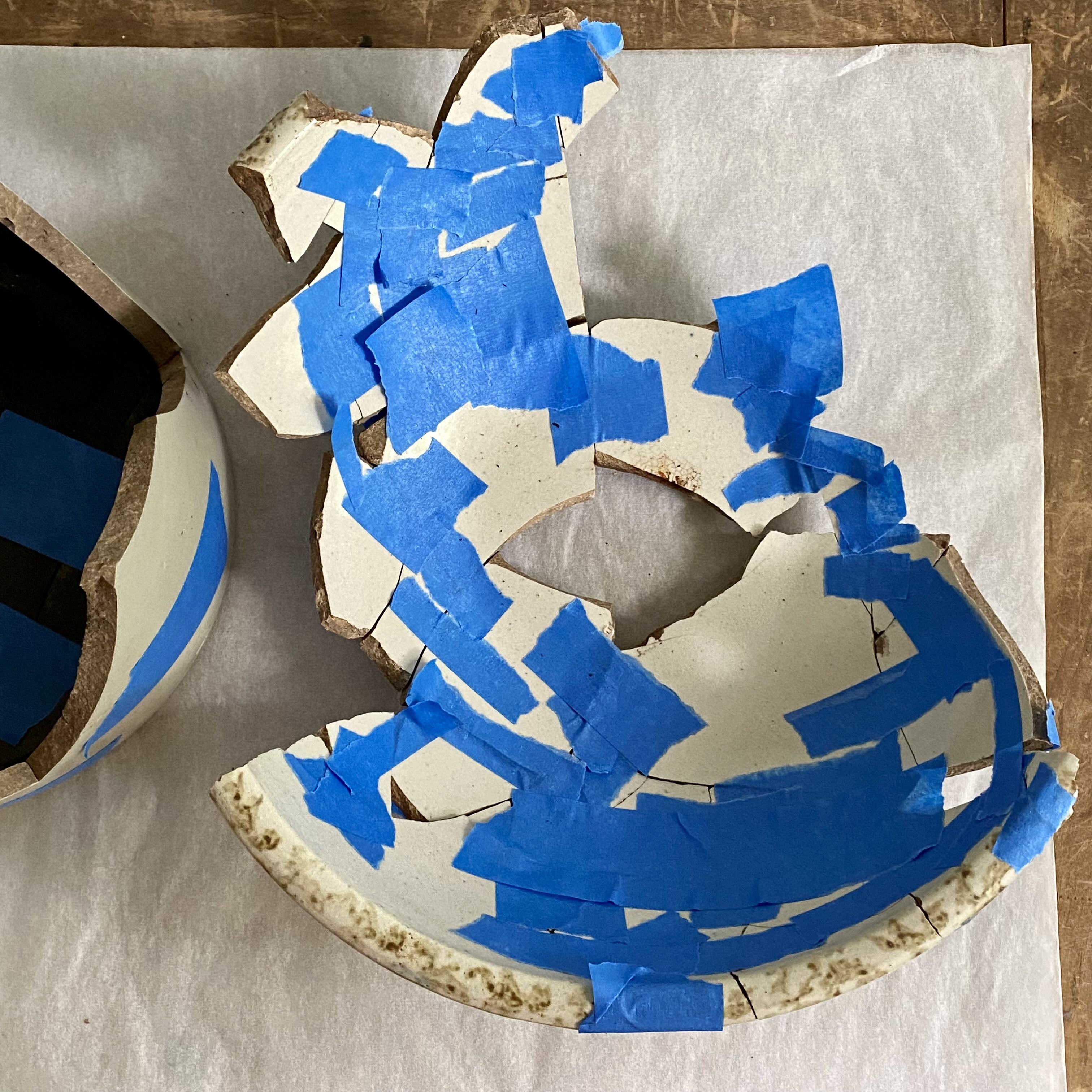
Other pieces I’m working on puzzling back together are a double-glazed brown and grey stoneware crock, a blue and white striped and sponge-painted mixing bowl, a tall blue and white striped stoneware pitcher, and a floral-embossed cream and sugar set made of milk glass. These are slow going as pieces of each have been found very randomly here and there during the digging process.
Depending on the original length and diameter of the privy pit or the trash pit, you can understand how some things, like a teacup, could be tossed in and broken into pieces while remaining relatively in the same spot, which is why I may have had more success with finding almost all the shards of the dinner plate and the teacup in the same area.
Trash pits were more sprawling in shape, more like a depression in the ground where items were tossed rather than the traditional privy pit, which had defined edges, a distinct round, square, or rectangular shape, and was usually lined with brick, wood, or stone. Based on the size of this dig-site and that I found pieces of the mixing bowl and the large pottery crock several feet away from each other, I suspect that this area has the appearance of a trash pit as opposed to a privy. Although the two can intermingle, it will take more and deeper digging to find out for certain.
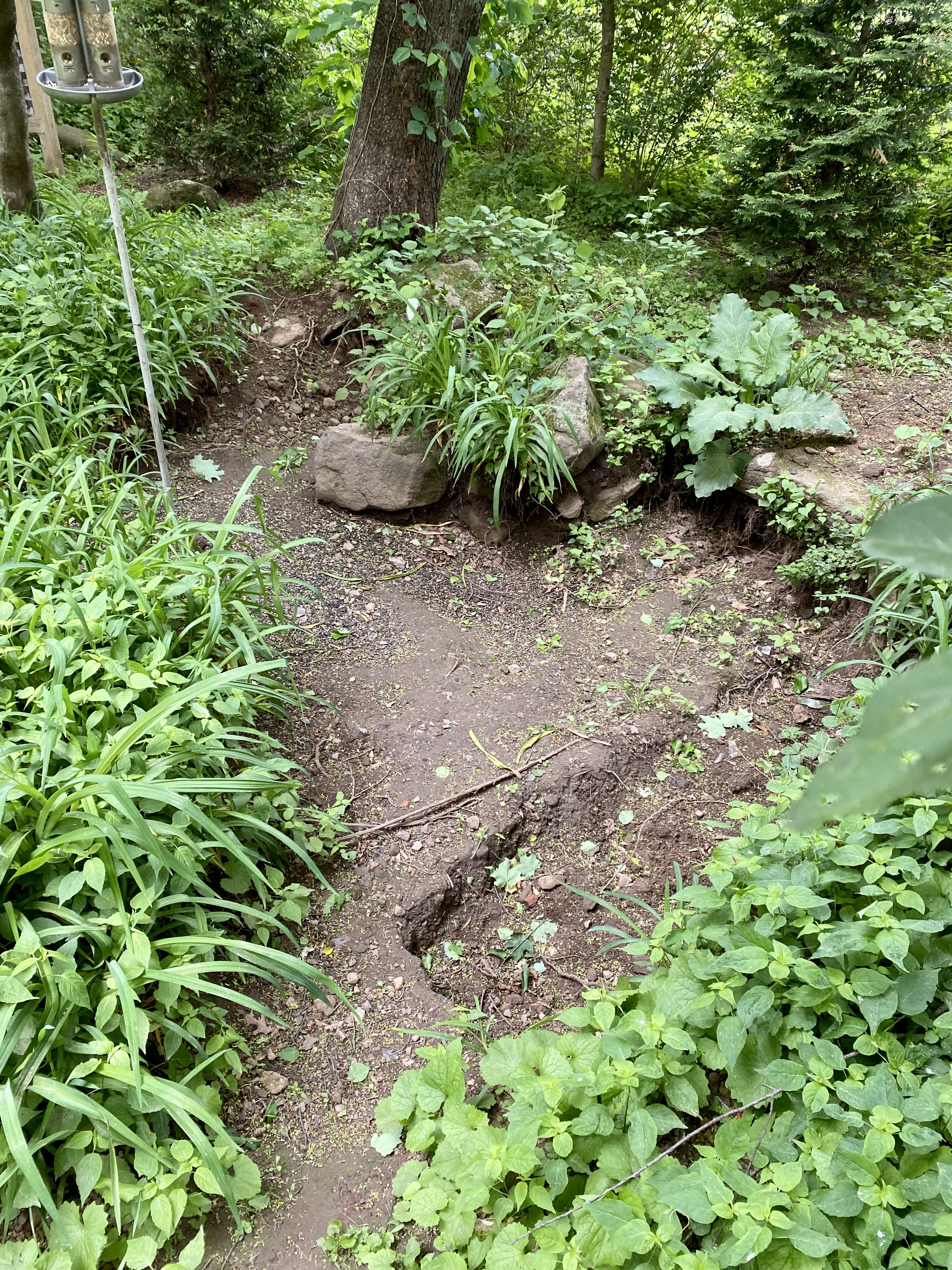
As of this last day of May 2026, the project is still ongoing. About half of the daylilies have now been transplanted, and what my husband and I now affectionately refer to as “The Pit” has become a substantial hole in the ground. Every time I get a spare 30 minutes, I send the shovel into the dirt and still come up with new finds.
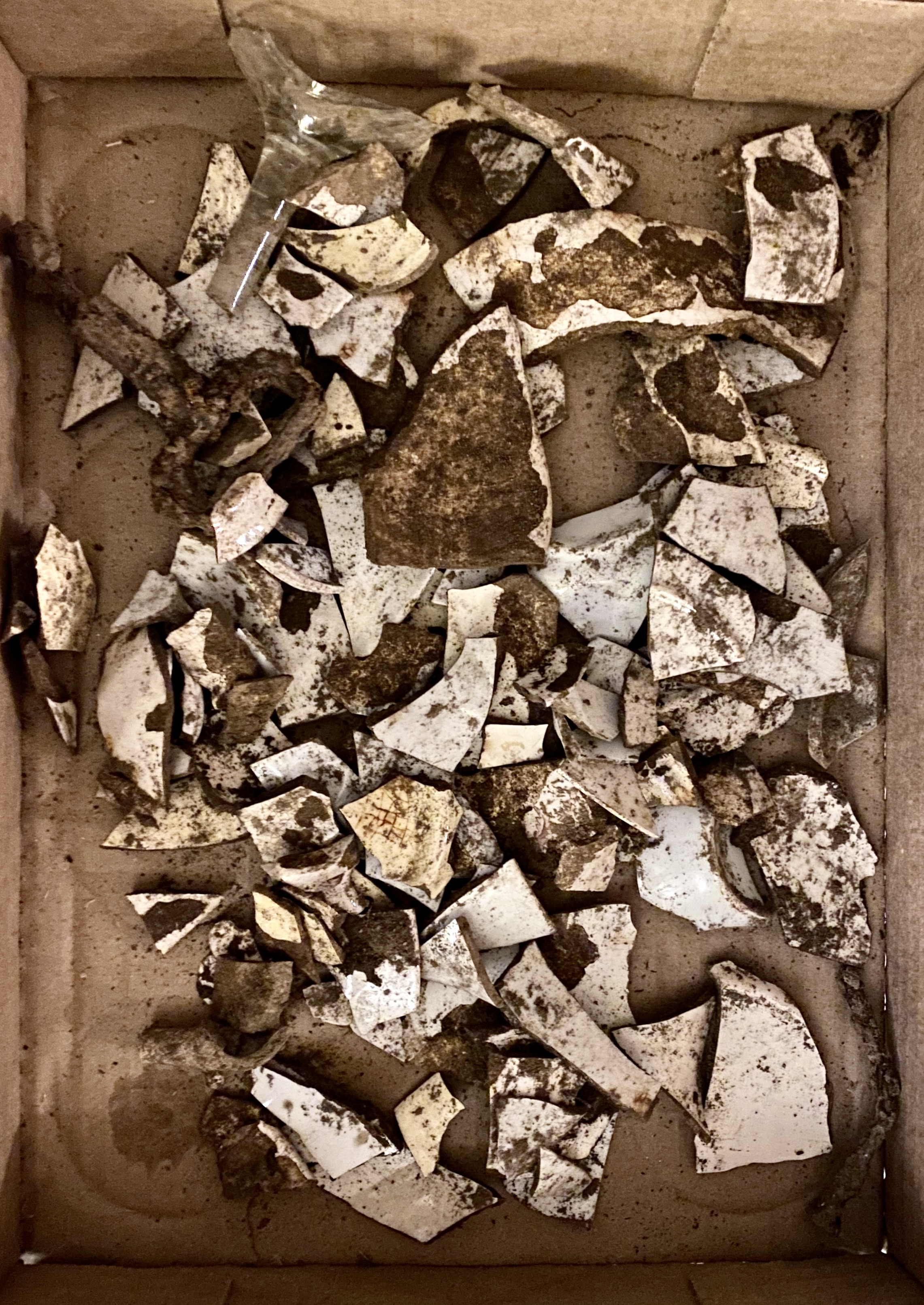
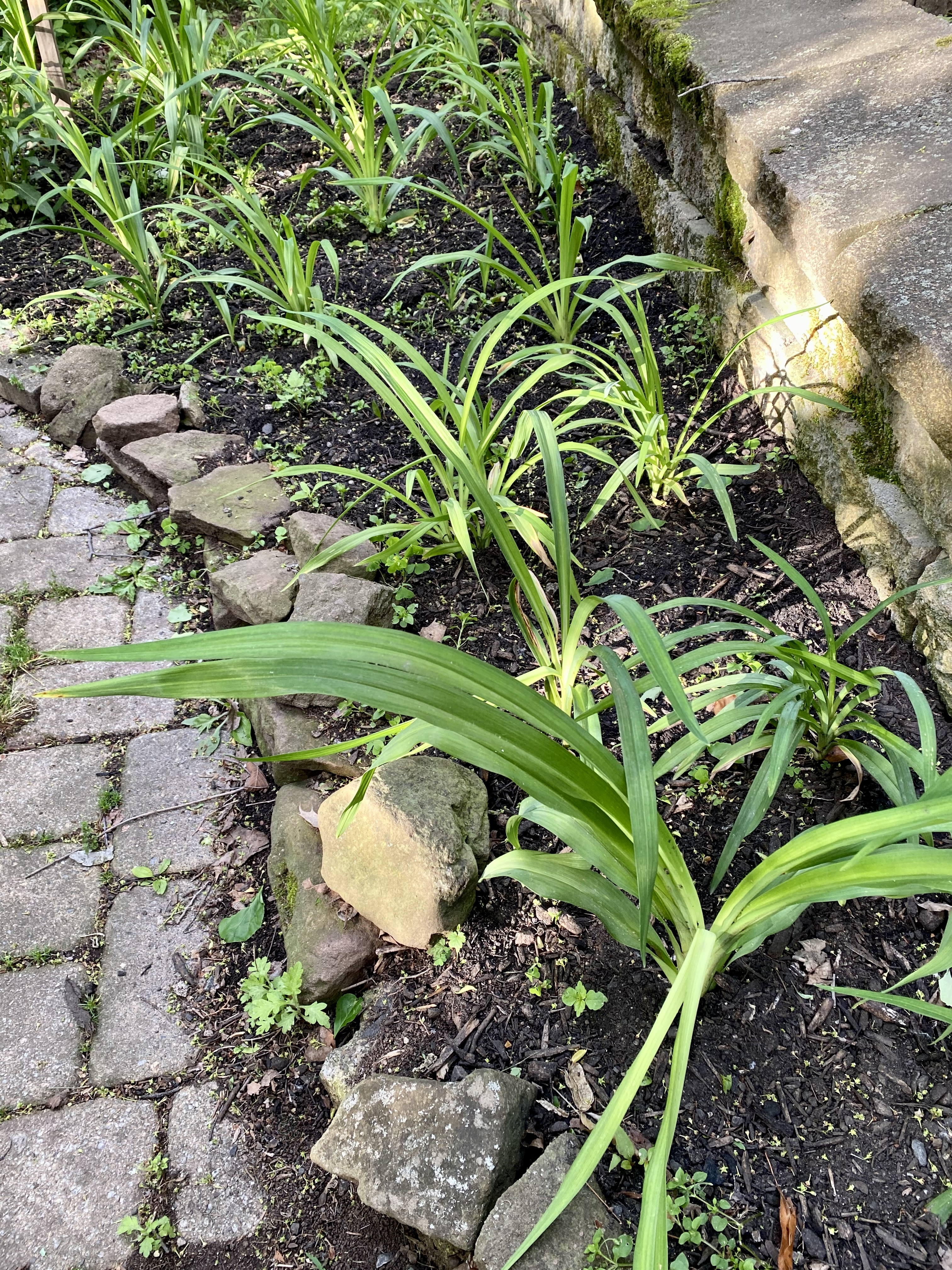
While the size of the hole is now at officially intimidating proportions, history and curiosity propel this project past any of those second-guessing “what if ” questions that have plagued progress in the past. After all this unearthing of domestic life, most likely when the archaeology project is complete, we will transform the Pit into a small pond or water feature that will aid wildlife and create a peaceful resting spot in the yard. As for the transplanted lilies, they are all settling in nicely to their new areas around the property. No blooms yet, but maybe next year, once they are established.
I can’t wait to share more finds with you from the Pit! In the meantime, if you have any thoughts or questions about this project, or if you’ve had a similar experience, please share your story in the comments section.
Cheers to new discoveries, to the Pit for providing us with a wealth of real-life stories, and to the bunnies for understanding that history has a hiding place too.


Oh my goodness! You’ve found real treasure! How fun.
LikeLike
For sure, Nina! It’s been a really fun adventure so far!
LikeLike
We bought our old Wisconsin farmstead in 1976 and have been here ever since. Surprises like you found would often pop up in the garden. When my daughter was in first grade she decided to do an archeology project for the science fair at school. We found many items in an area that would have been behind a small garage. She dug up everything from railroad lanterns to license plates to bottles and pottery pieces which she put together much like you did. She won Best of Show! Many years later, we still have the items in a box in the attic as part of the farm’s history. You brought back a memory we still talk about with fondness.
LikeLiked by 1 person
Oh this is so wonderful to hear, Lisa! Thank you so much for sharing your archeology project. Isn’t it amazing what insights lie underground? How cool to have found lanterns and license plates on your property. So glad that they are still treasured memories and a valuable part of your home’s history.
LikeLike
Oh these little treasurers! Gifts from the garden gods.
LikeLiked by 1 person
For sure, Dorothy! It’s been so fun finding all these artifacts.
LikeLiked by 1 person