When I pulled up a bone with teeth, the Pit project shut down for a few days.
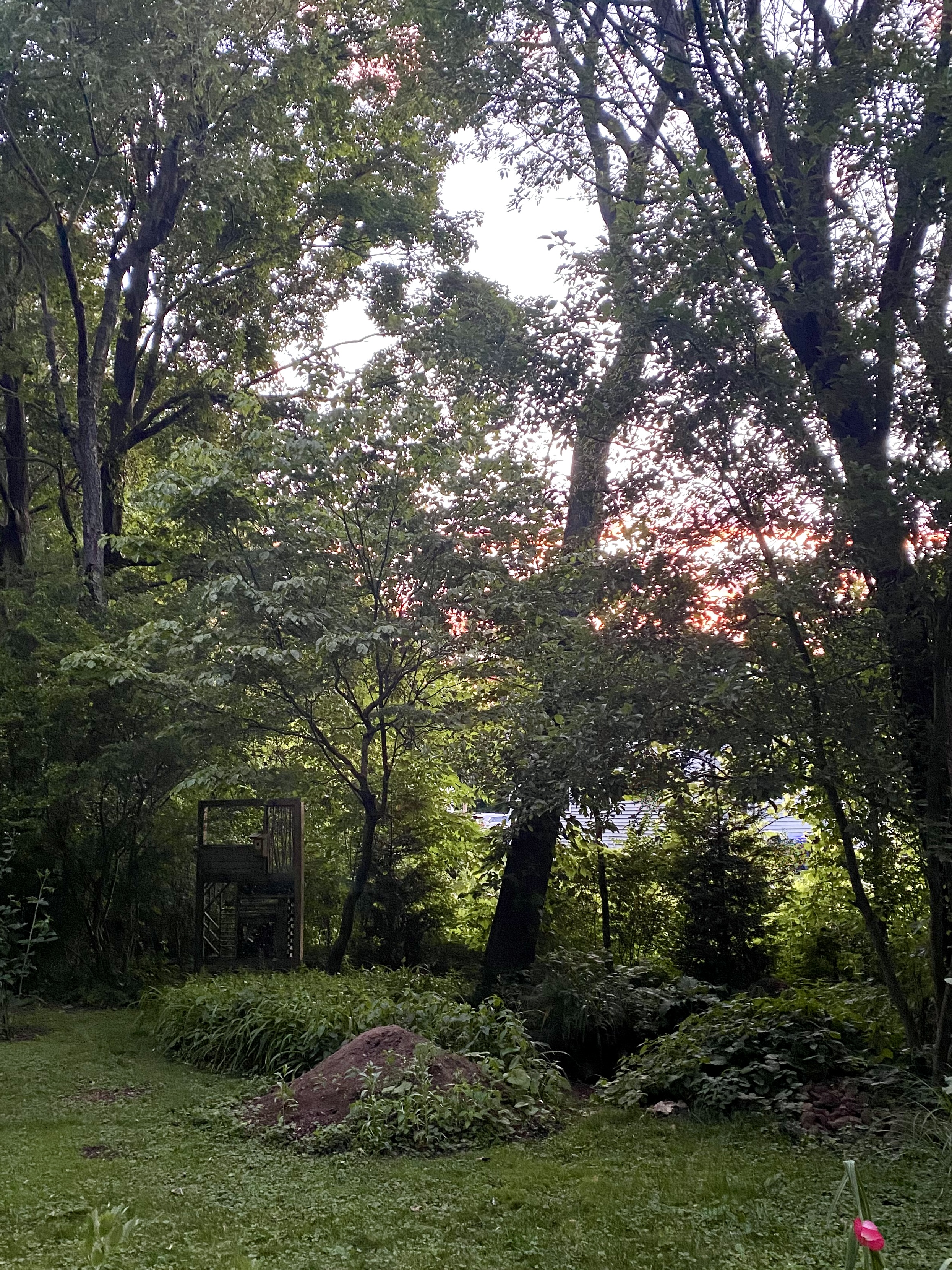
Between the last post about finds in the Pit and this post, I’ve learned a lot more about trash pits vs. privy pits and the meaning of each in the local landscape as it relates to 1750 House. One surprising fact was that municipal city trash pick-up did not begin in my town until 1972, which means burying household trash in the backyard was still one of the most utilized ways to get rid of waste in the mid-to-late 20th century here in Connecticut. Learning as much, I’m fairly confident now that what I’ve unearthed in the lily bed is a trash pit, also known as a midden, that seems to date, based on objects found so far, to somewhere around the early 19th century, if not before.
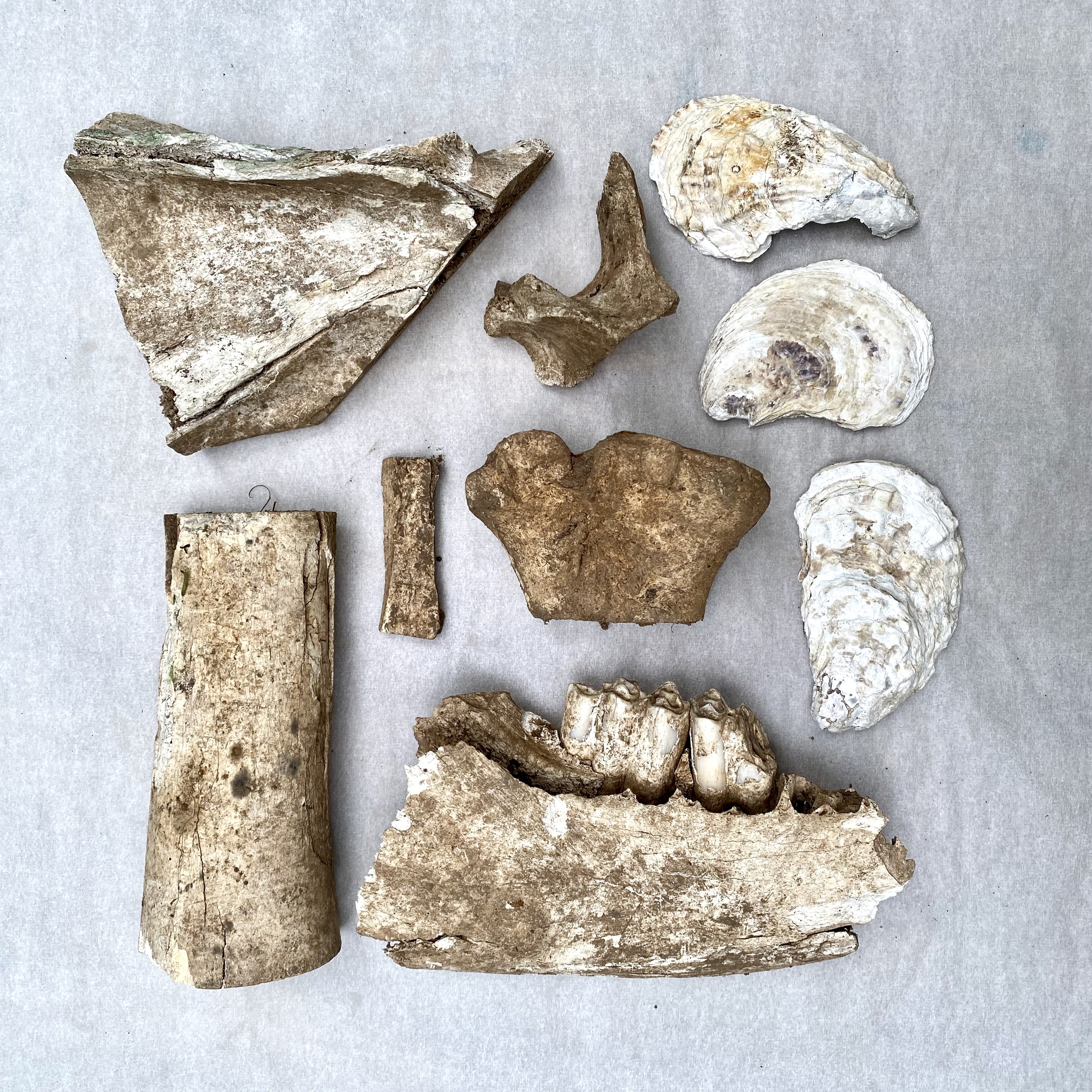
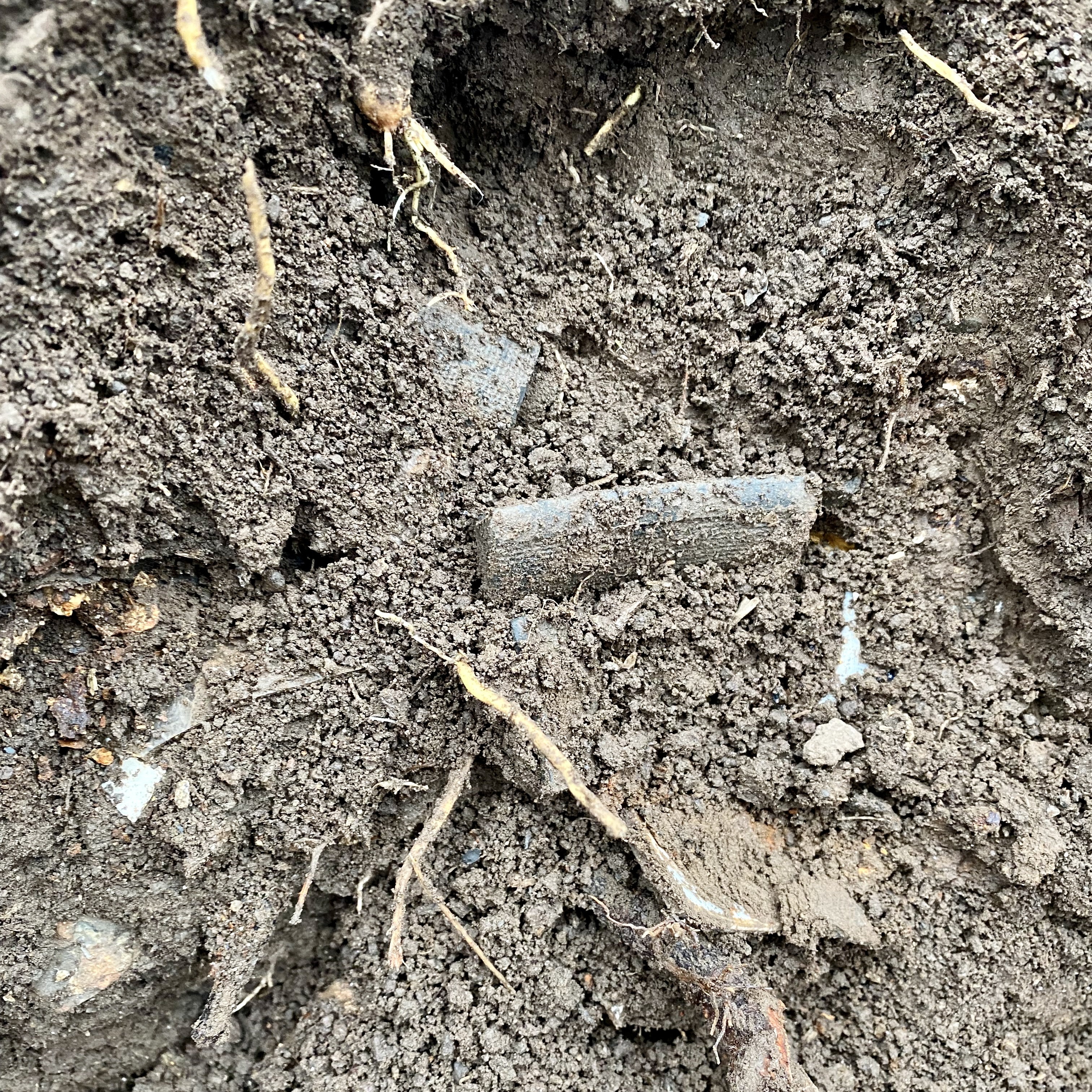
Picking up where I left off at the end of May, the Pit in June, continues to offer up interesting items in all shapes and forms, but pulling up a bone with teeth was one of the more startling finds. Discovered one day after finding three horseshoes, the moment the teeth slipped from a sidewall of dirt, I immediately connected the shoes and the bone. And then I began analyzing the situation. If I found a horseshoe over here, and a horseshoe over there, and a set of teeth across the way on this side, would that then potentially form the shape and size of a horse? It was an unnerving series of calculations. Had I unknowingly uncovered the burial site of someone’s beloved pet or stalwart farm animal?
Anything is plausible when it comes to life lived at an 18th-century house and the grounds that surround it. With a property of this age, one that has been mostly untouched by modern redevelopment, an assumption that love and death must surely have embraced each other across centuries prevails in more ways than one. When my husband and I first moved into 1750 House and were still getting used to the property, we discovered a large stone near a giant elm tree at the edge of the woods. The name Aslan was etched into one side, and the name Hilda was etched into the other side. Both were etched in the same primitive style writing and both were etched near similar spots in the rock, just on opposite sides. There were no dates or any other indication of who (or what) Aslan or Hilda might be, but it was our first introduction into the reality that lives long before us lived and breathed and were remembered here. And that tradition continues. In the four years since, we moved in, my husband and I have buried two poisoned wild crows who spiraled down from the sky one summer afternoon. We buried a wild baby rabbit that had perished after a fight with another animal. We buried an old squirrel that fell from a tree limb and an owl that fell into our chimney only to be discovered a year later. And most sentimentally, we buried our very dearly loved dog and cat in the garden a year apart over Labor Day weekend. How many other cherished creatures were laid to rest here in flower-lined pockets across two hundred and seventy-six years?
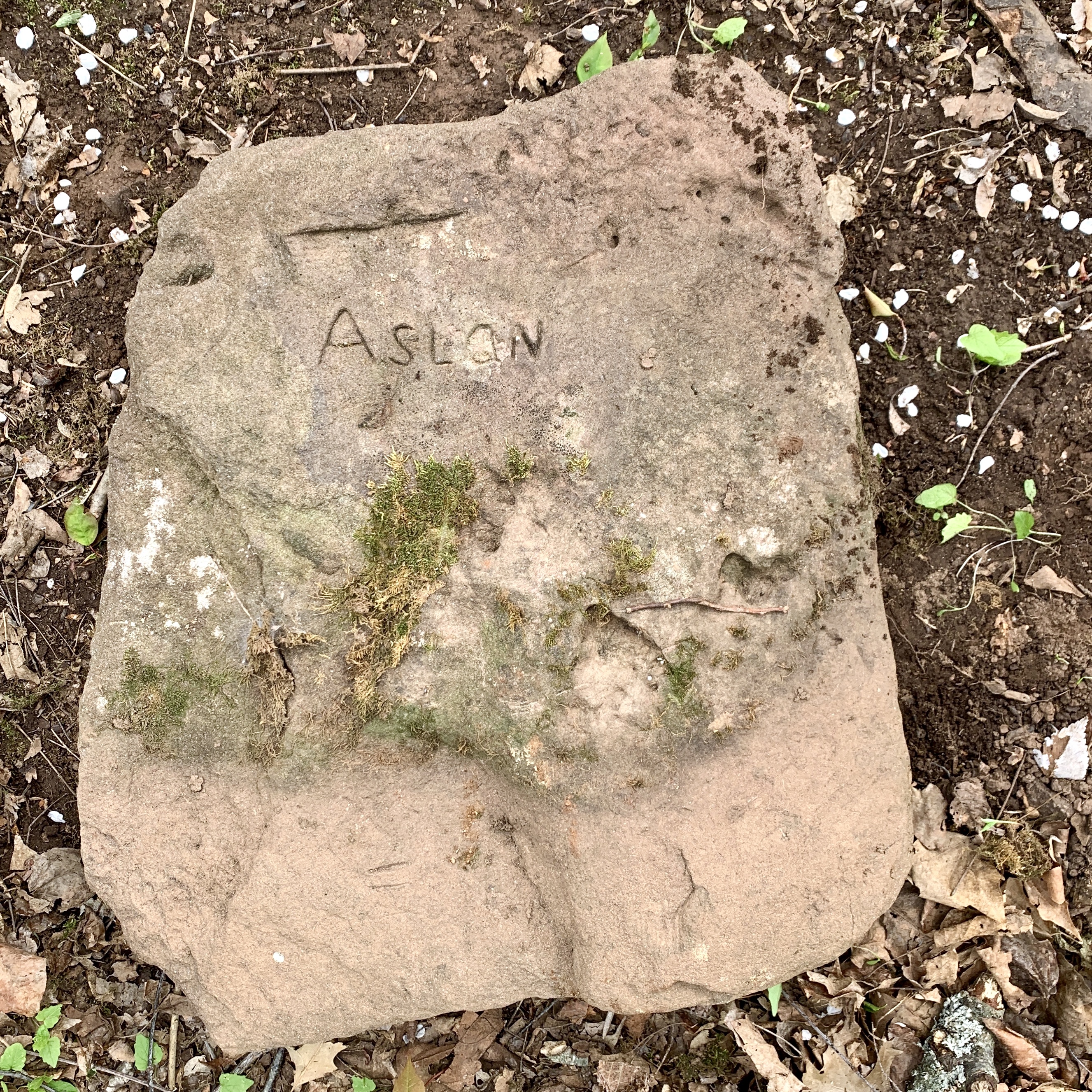
Out of respect for whatever the situation was, the Aslan and Hilda rock remains in the same place we found it, but I still always wonder about the story behind them. The bone with teeth was found far from where their rock lays, so it’s probably safe to assume it’s not associated with one of them. But then who else?
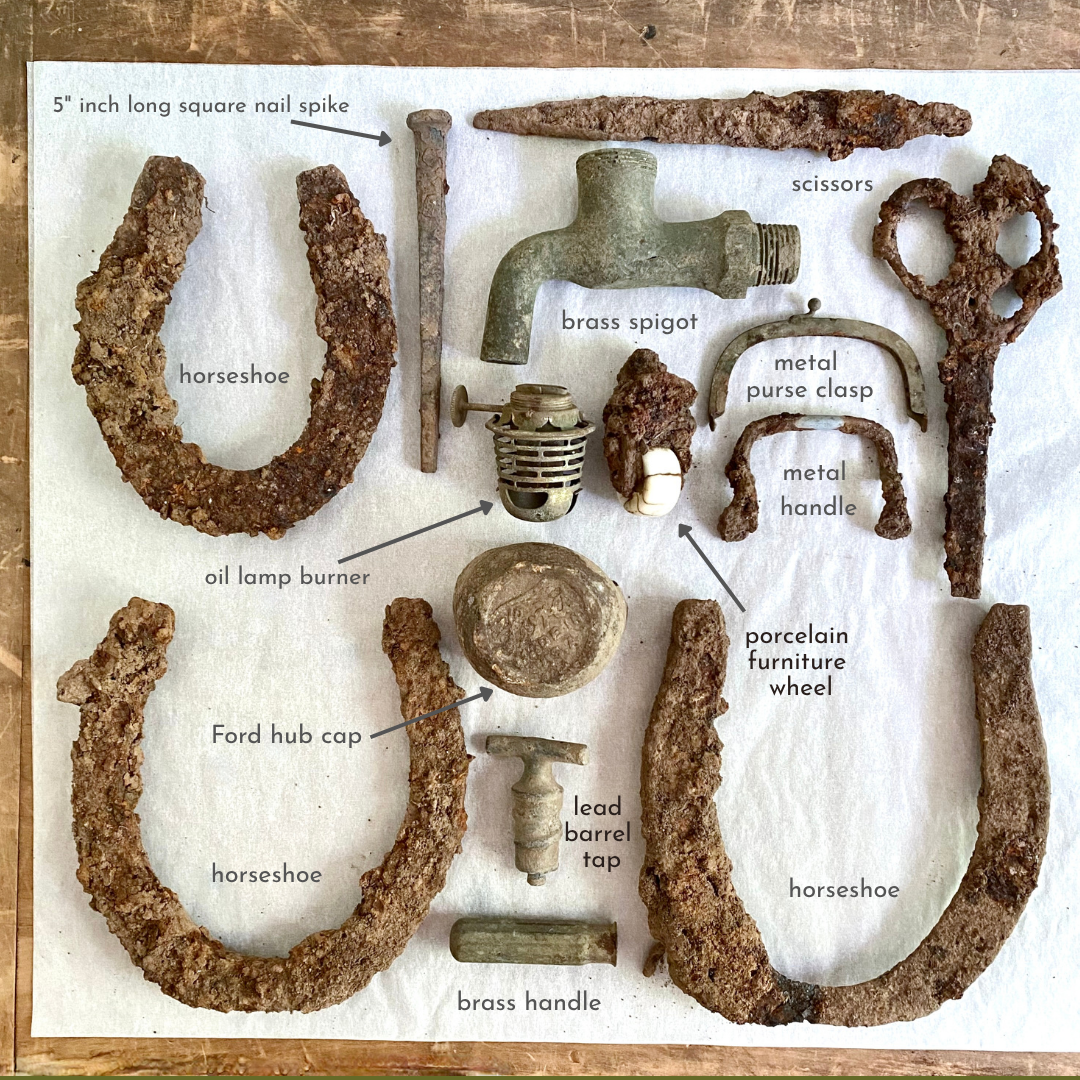
After carefully setting the bone aside in a temporary resting spot in the garden, and after consulting many animal anatomy diagrams and charts, I’ve come to the conclusion that these teeth most likely belonged to the jaw of a cow, not a horse, and were most likely the remnants of food waste tossed into the trash pit. For centuries, head cheese has been a delicacy throughout Europe and England. And traditional leather tanning involves utilizing certain parts of an animal to dress the fibers. So it’s relatively easy to understand how a jawbone and teeth could wind up in the Pit along with other evidence of food consumption – mainly oyster shells and other professionally clean-cut animal bones that have been found also. Having said that, this grisly side of farm and rural food life helps illustrate the vast variety of refuse added to the earth long before a city garbage truck rumbled down the lane. There in the Pit, among the cast-asides… the broken dishes, the flatware, the glass lamps, the iron farm equipment, the shoes, the car parts, the buttons, and the kids’ toys would naturally be leftovers from meals prepared and foods consumed. Today, if we had to record all the chicken bones, the fish skins, the beef ribs, the lobster claws, and the shellfish shells consumed over a month or a season or a year, we might be surprised to see what our modern-day garbage pit would look like, too.
Having decided that the teeth situation was one of sustenance or utility and not a burial site, recording of the dig resumed, and a new round of interesting objects came forth from the ground. This past week, I’m excited to share two of the oldest finds so far. Both are pastel-shaded glass jar tops and both were used for canning fruits and vegetables…
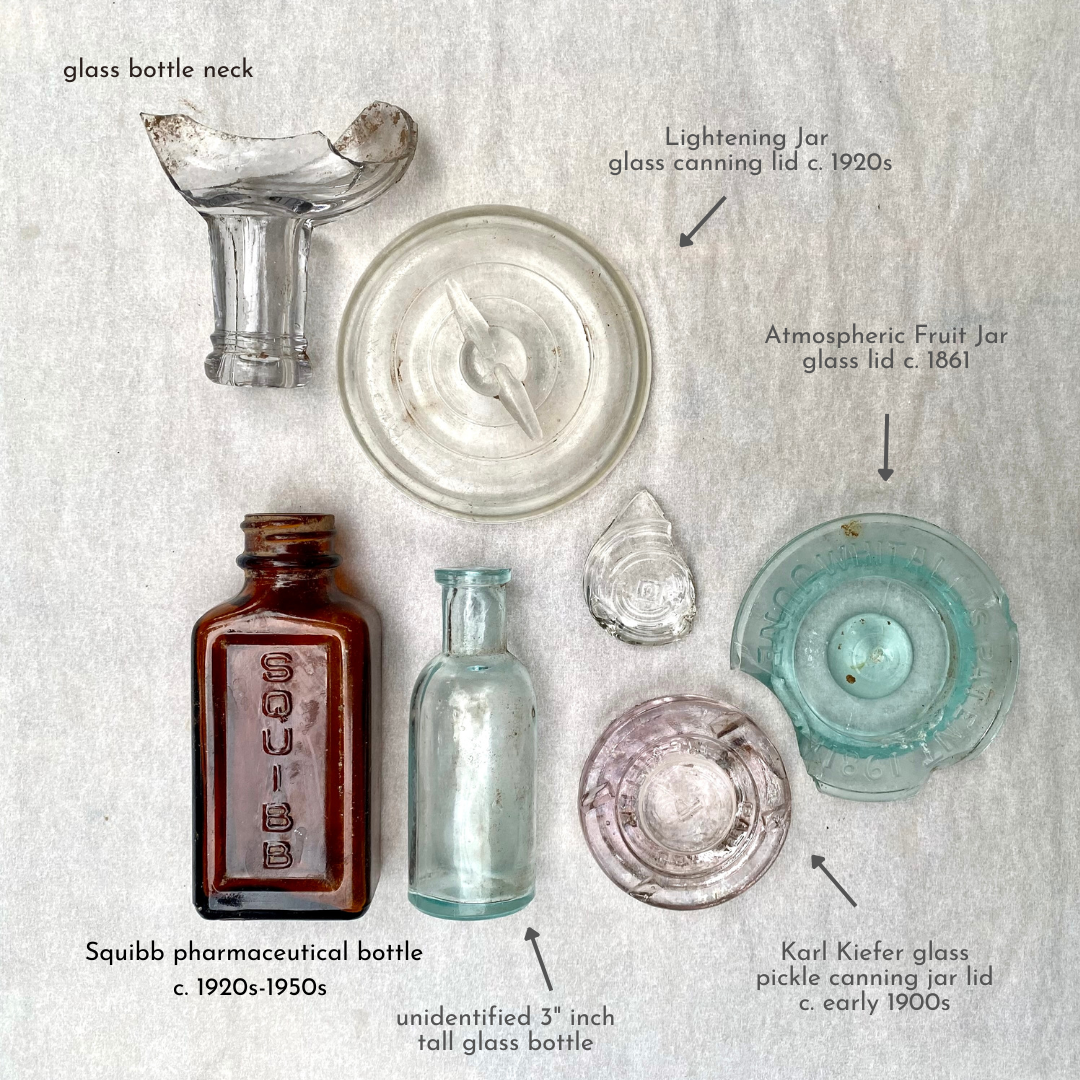
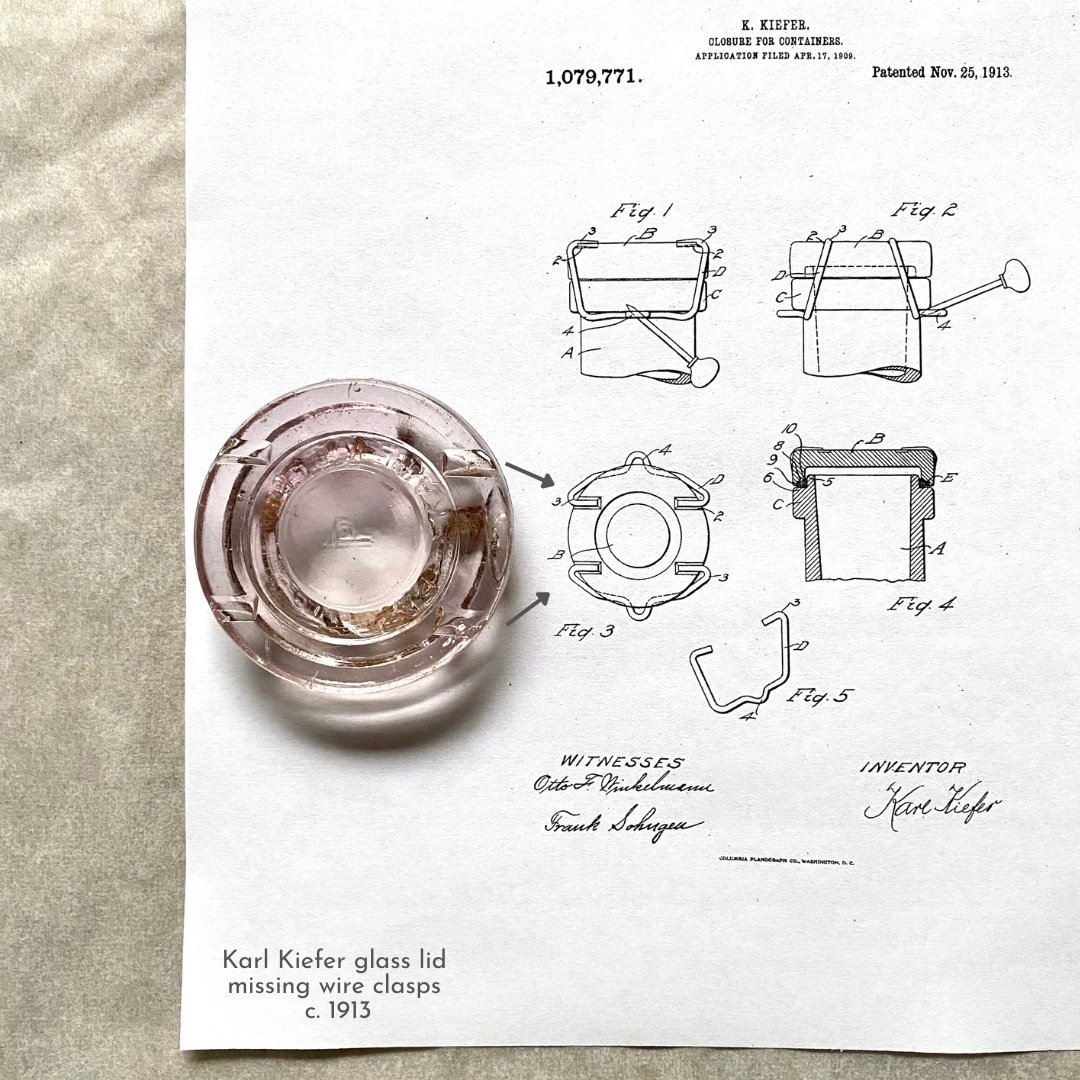
The amethyst glass lid might have been part of a pickle canning jar. It dates to the early 20th century. The lid was made by Karl Kiefer Machine Co. in Cincinnati, Ohio, sometime around 1913. It contains a unique design with an embossed circular center and four impressed notches. Included on the glass top are the words Karl Kiefer Patented with a letter P in the center. Karl Kiefer immigrated to Ohio from Worms, Germany, in the 1890s and set up his machine, glass, and equipment manufacturing company in Cincinnati in 1908.
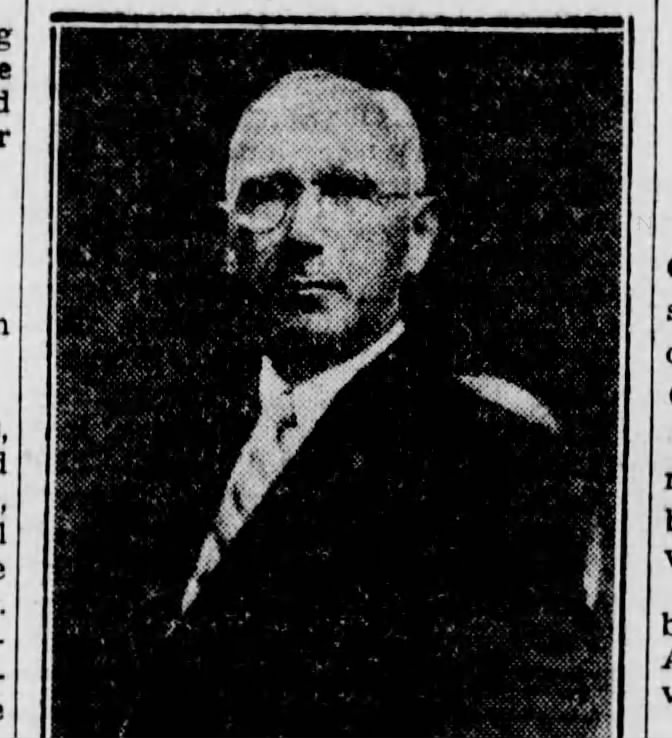
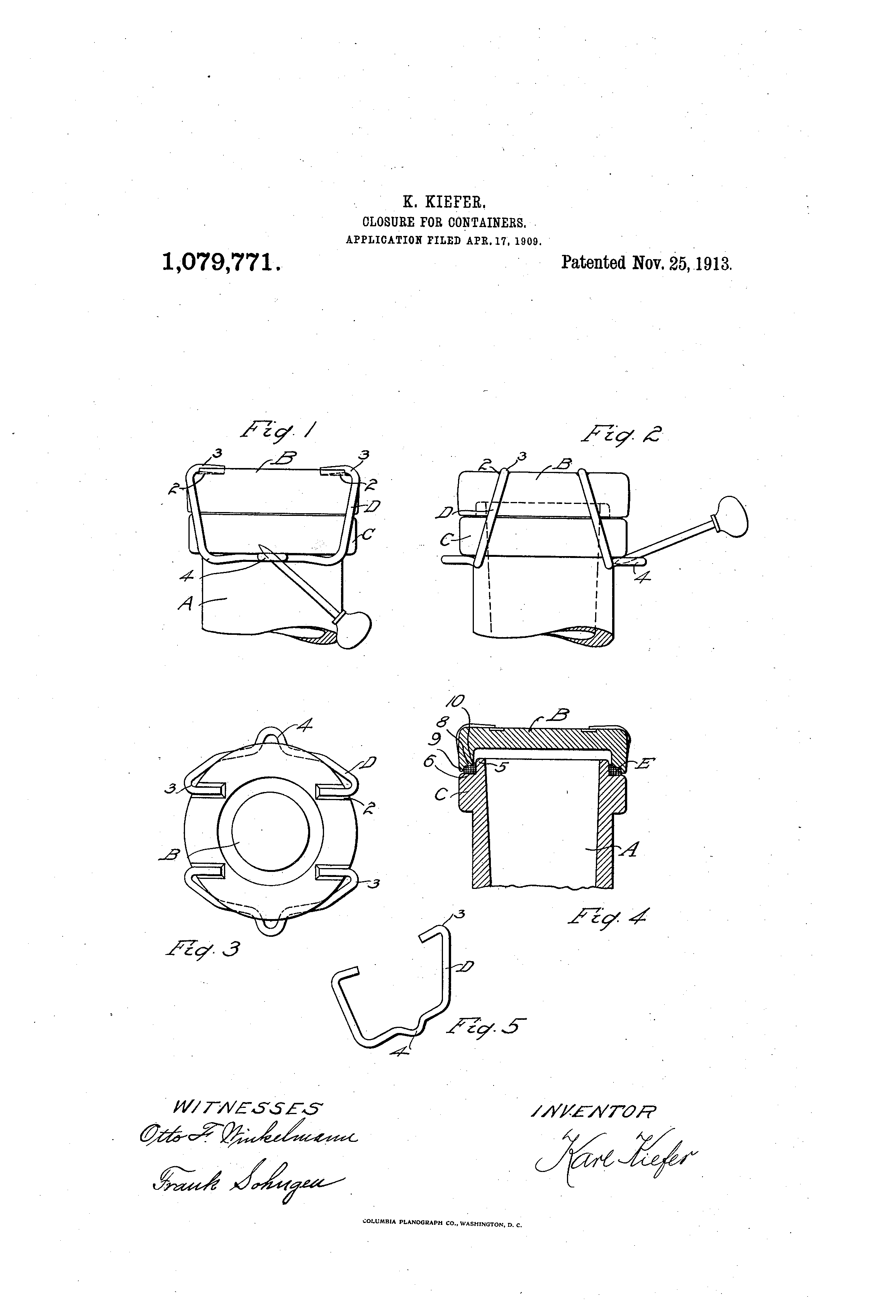
A noted inventor, Karl held over 127 patents throughout his life, all revolving around industries and inventions related to food, mechanical equipment, and chemicals. The style of lid that I found in the Pit was made to fit a unique two-clasp style wire and bale closure system, which he patented in 1913. Below is his original patent drawings for the lid and clasp closure. Although I have yet to find the metal clasps in the dirt, in the second photo, you can see how the glass lid found in the Pit matches the drawing exactly.
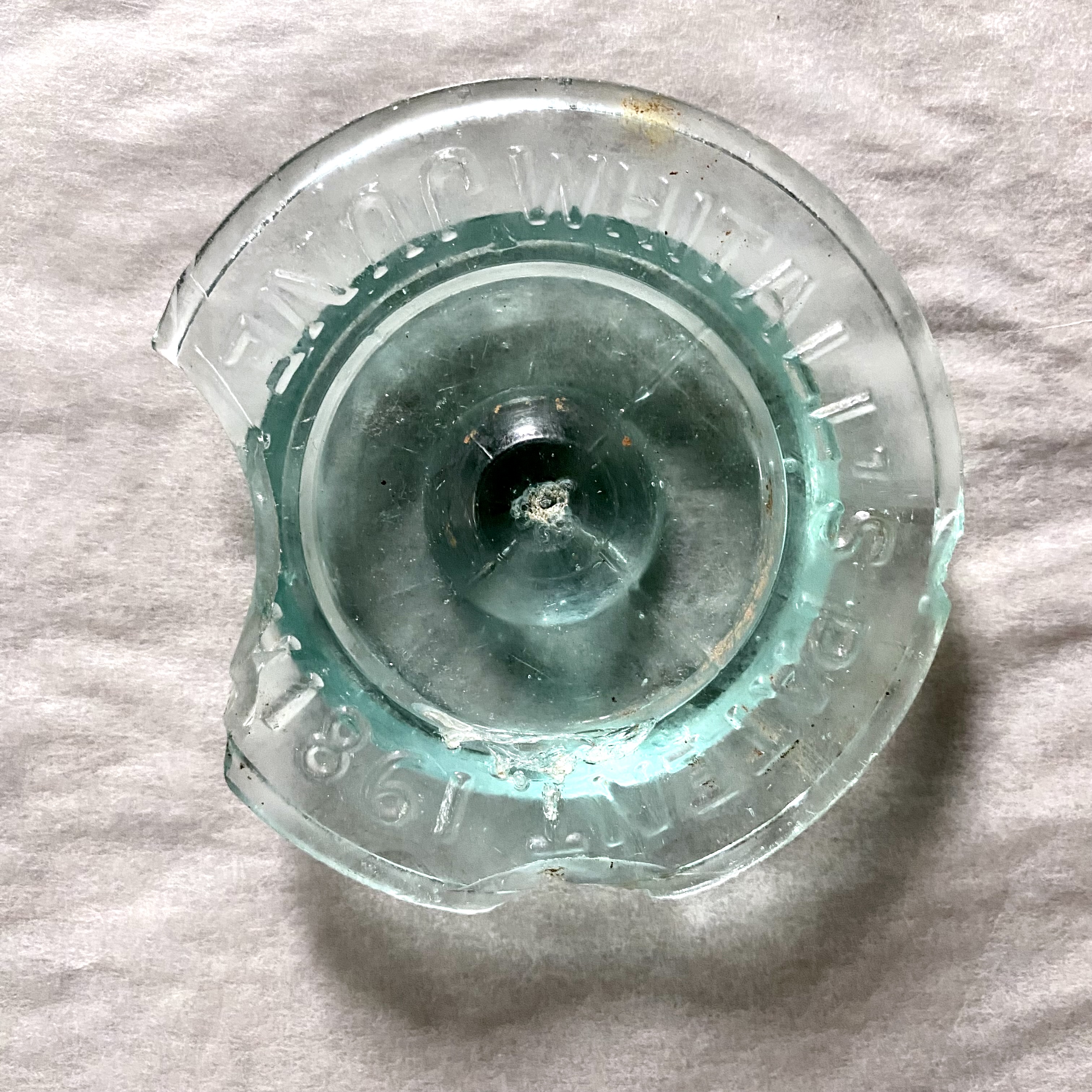
The second glas lid I found is a really pretty shade of aqua. It was part of a Millville Atmospheric Fruit jar and is marked with the patent date June 1861. This is the oldest object in the Pit that I have found so far. It was made by Whitall, Tatum & Company in Millville, New Jersey, during the Civil War years. Attached with a thumbscrew metal clamp, once sealed, the jar had a very primitive aesthetic and closely resembles an antique ice hook.
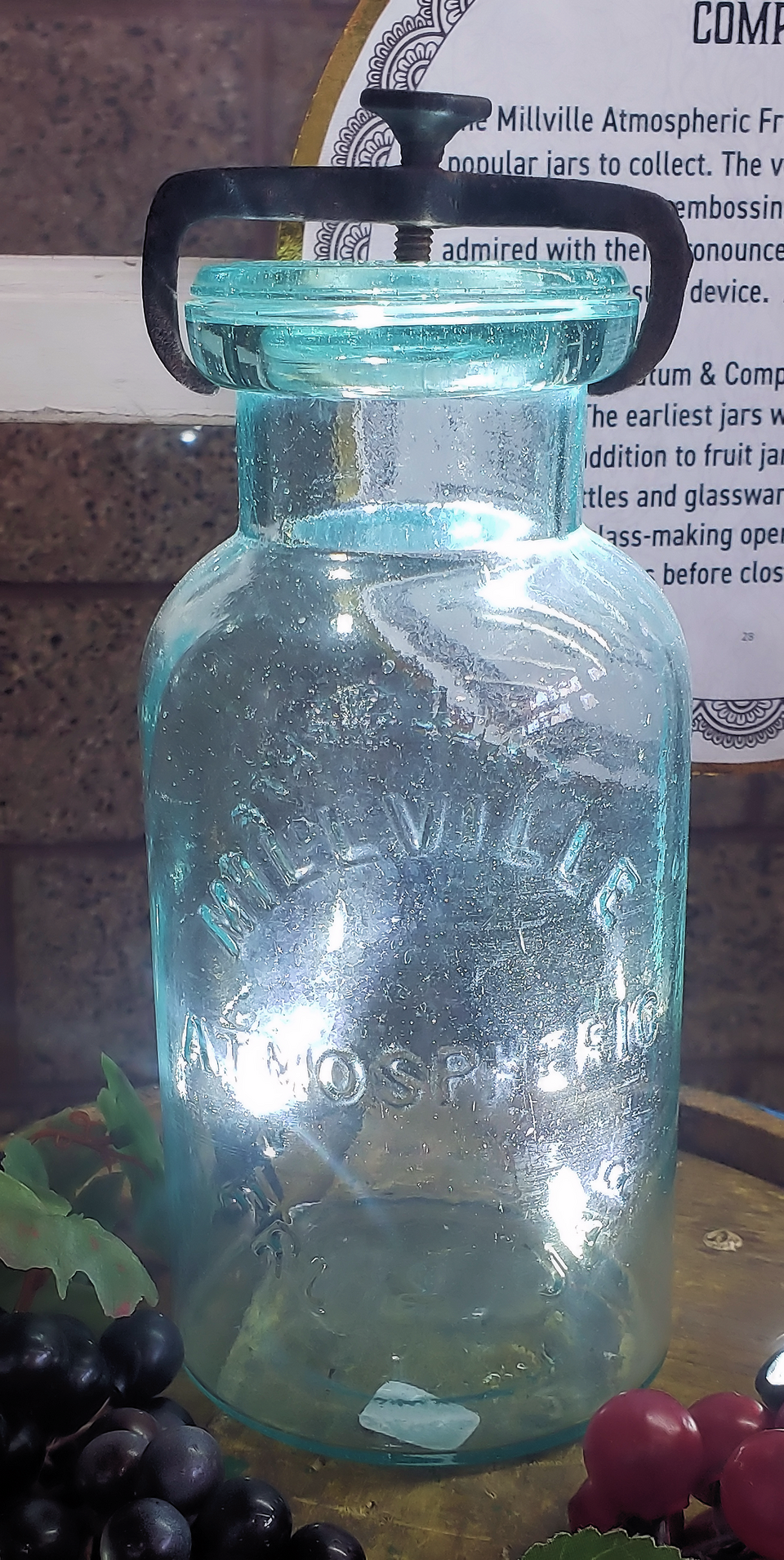
I haven’t found the clamp or the jar portion in the Pit yet, but maybe I’ll be lucky and find both. I did, however, find this fun midcentury newspaper article from the Journal Gazette and Times-Courier in Mattoon, Illinois, about a woman in 1951 who still had her mother’s Millville Atmospheric Fruit Jar full of cherries that was originally canned in 1880.

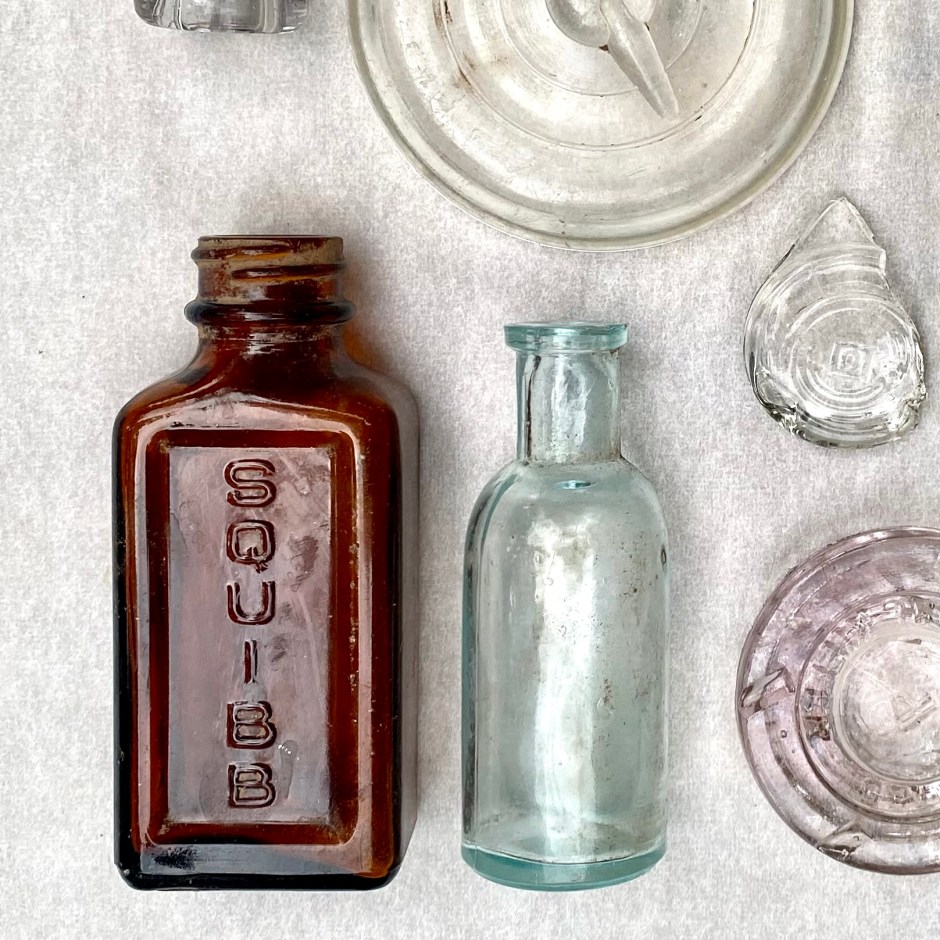
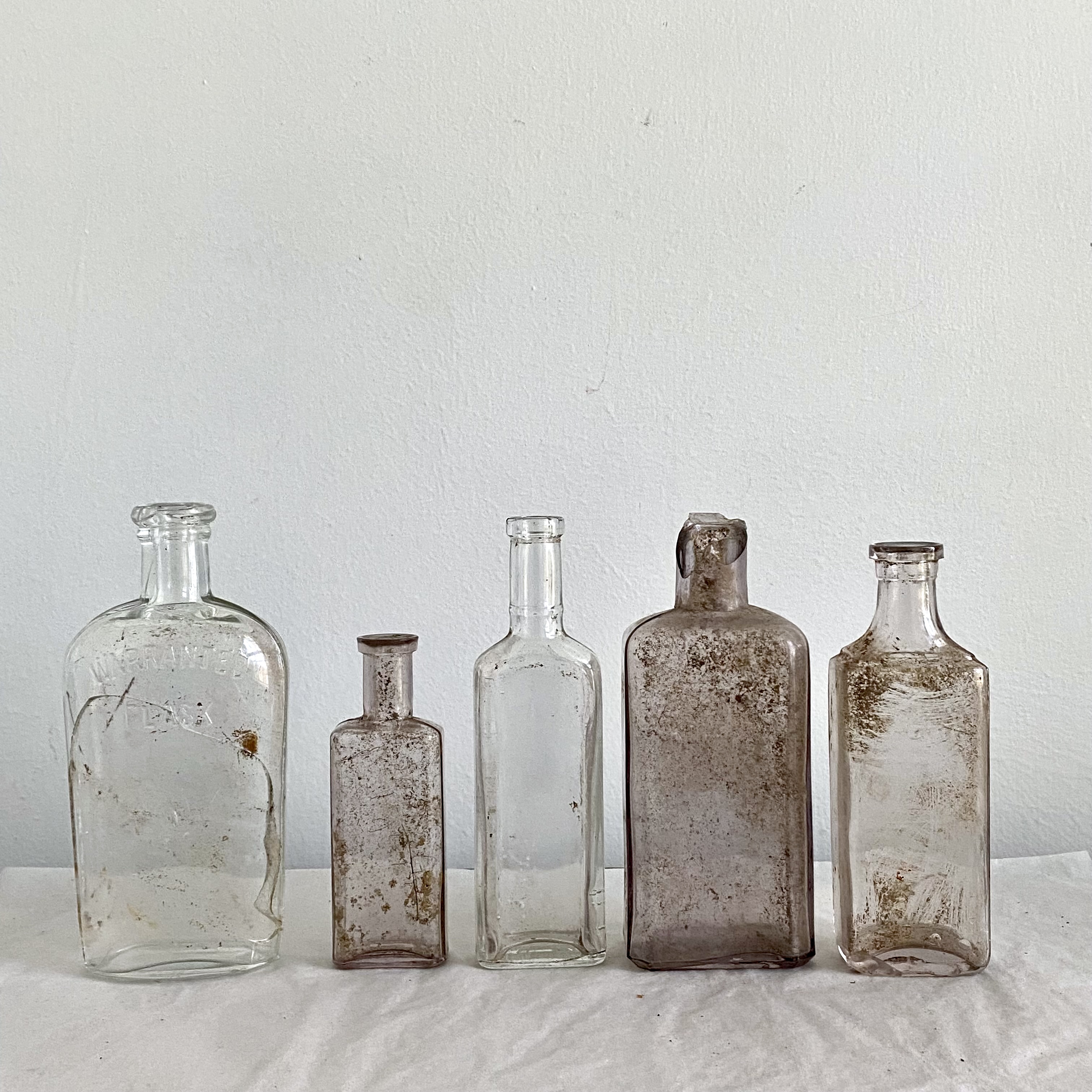
A testament to durability in more ways than one, vintage and antique glass holds up really well over time in the dirt, especially if left in whole pieces. Other finds this week included a clear glass lightning jar top from the 1920s, a whole, fully intact amber Squibb pharmaceutical bottle, and a small 3.25-inch unidentified turquoise bottle.
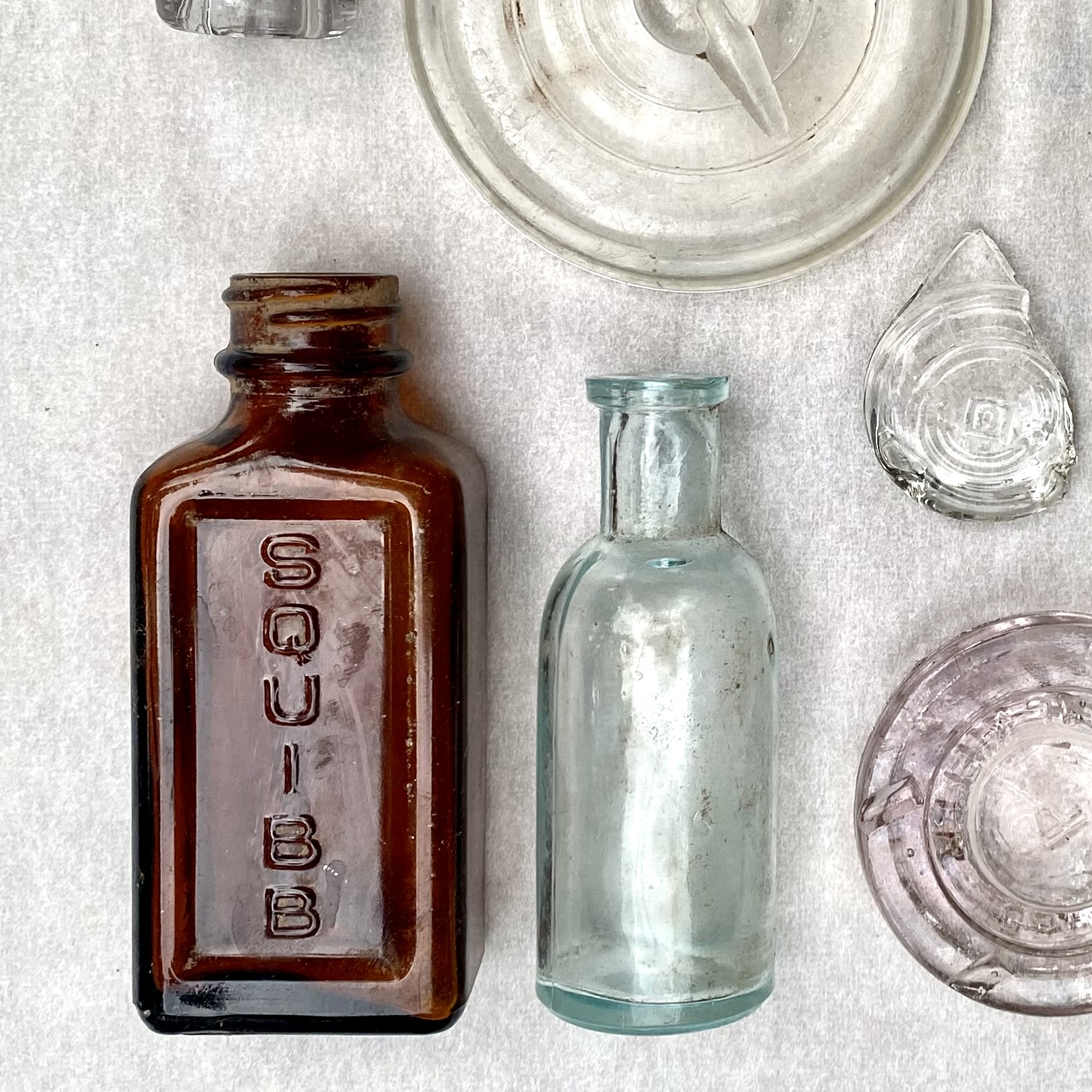
The Squibb bottle dates to the 1930s-1950s era, and tells the story of the birth of the modern pharmaceutical industry in America. What we now know as Bristol-Myers Squibb Pharmaceuticals was first E.R. Squibb & Sons, founded by Edward Robinson Squibb (1819-1900) in Brooklyn, New York.
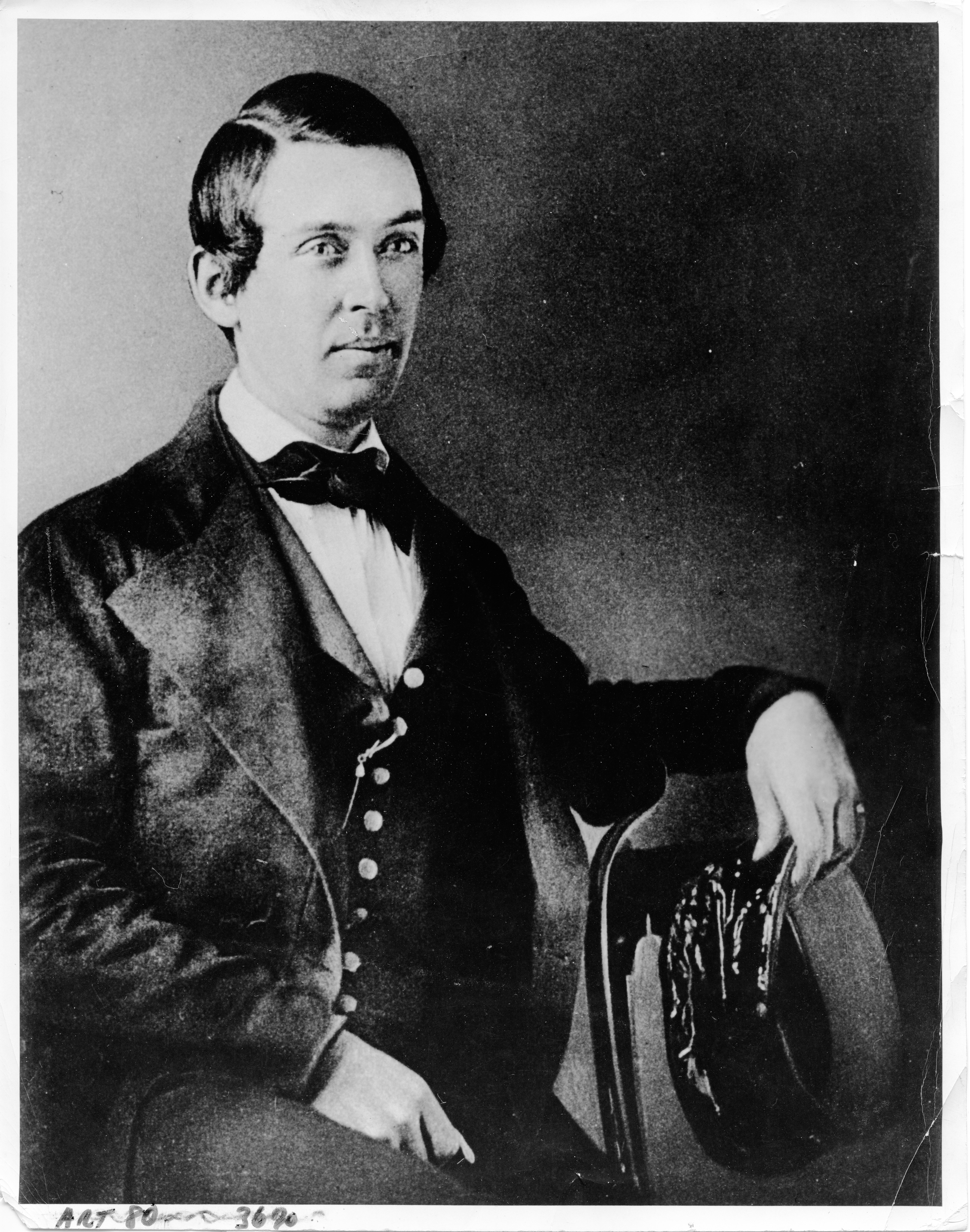
After seeing 4/5ths of his immediate family pass away before he was 12 years old, Edward set his sights on a medical career. As a surgeon with the US Navy during the Mexican-American War, he was witness to the ineffective, low-quality, and not-quite-appropriate medications being used to treat patients. Following the war, he set up a lab in Brooklyn in the 1850s to experiment with making pure, highly effective medications for pain relief and anesthesia in order to improve the health of soldiers and citizens. Starting with ether and progressing from there, Edward’s medically sound, highly effective remedies turned out to be lifesavers for the Union Army during the Civil War and made Squibb a household name known around the world. By the 1920s, when the brown bottle that I found in the Pit was made, Squibb was a staple in household medicine cabinets around the country and was producing over 30 different types of remedies and wellness products for retail and medical industries.
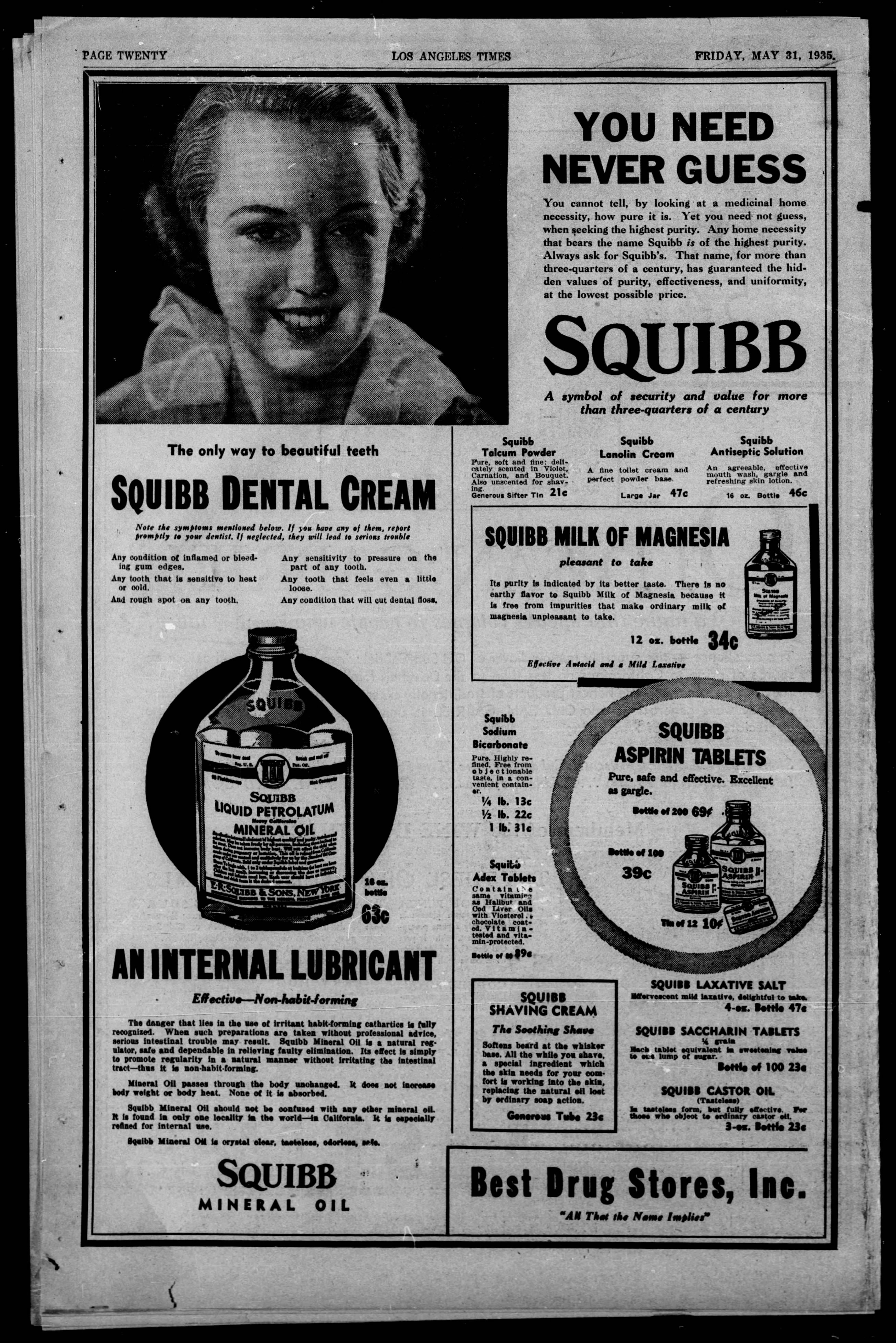
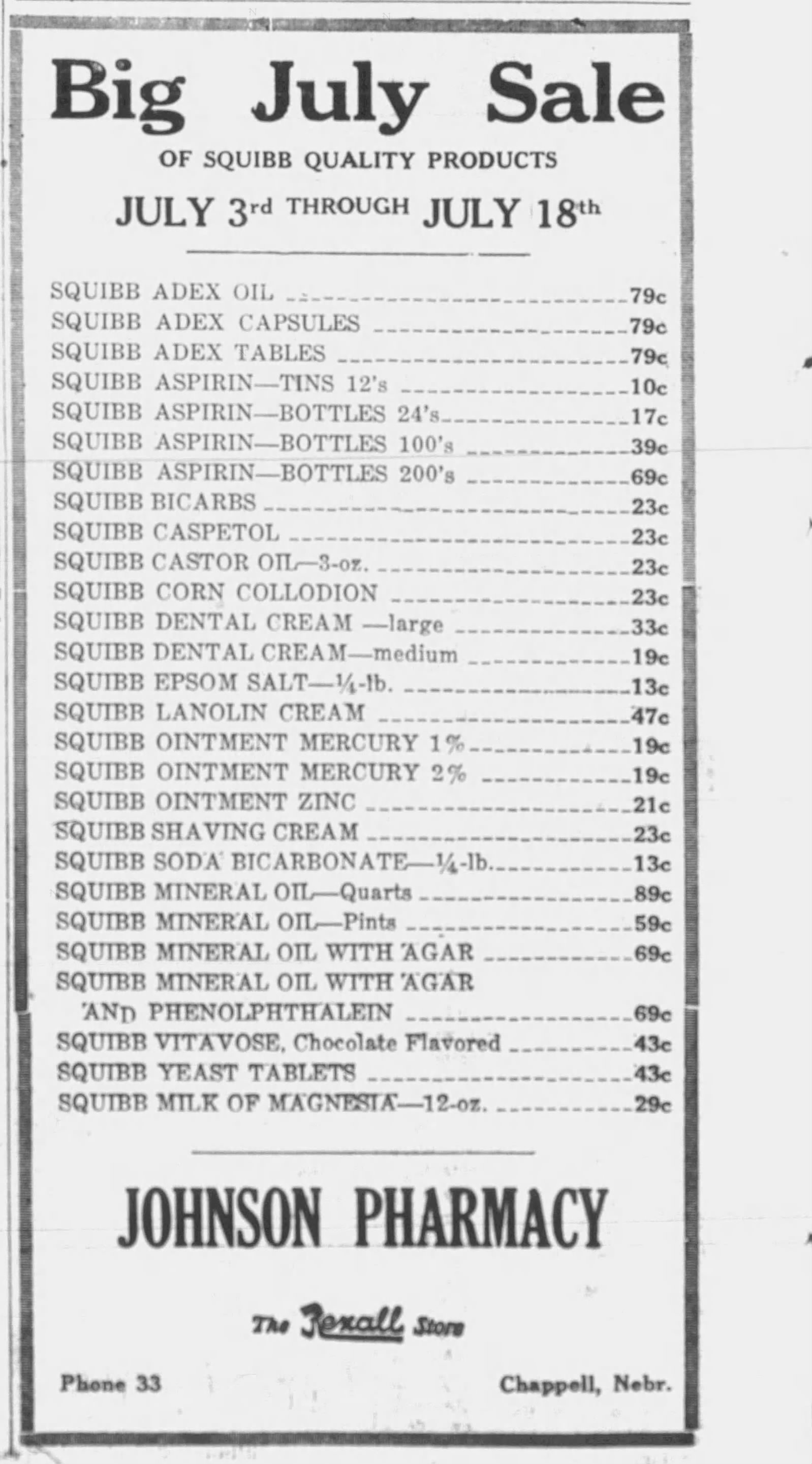
Below are two advertisements from the 1930s that highlight Squibb’s vast catalogue of products. It’s interesting to note that Edward gave away his patents for free and was more interested in solving problems and healing the sick than making money from his medicines. The brown bottle I found in the Pit most likely held mineral oil or aspirin.
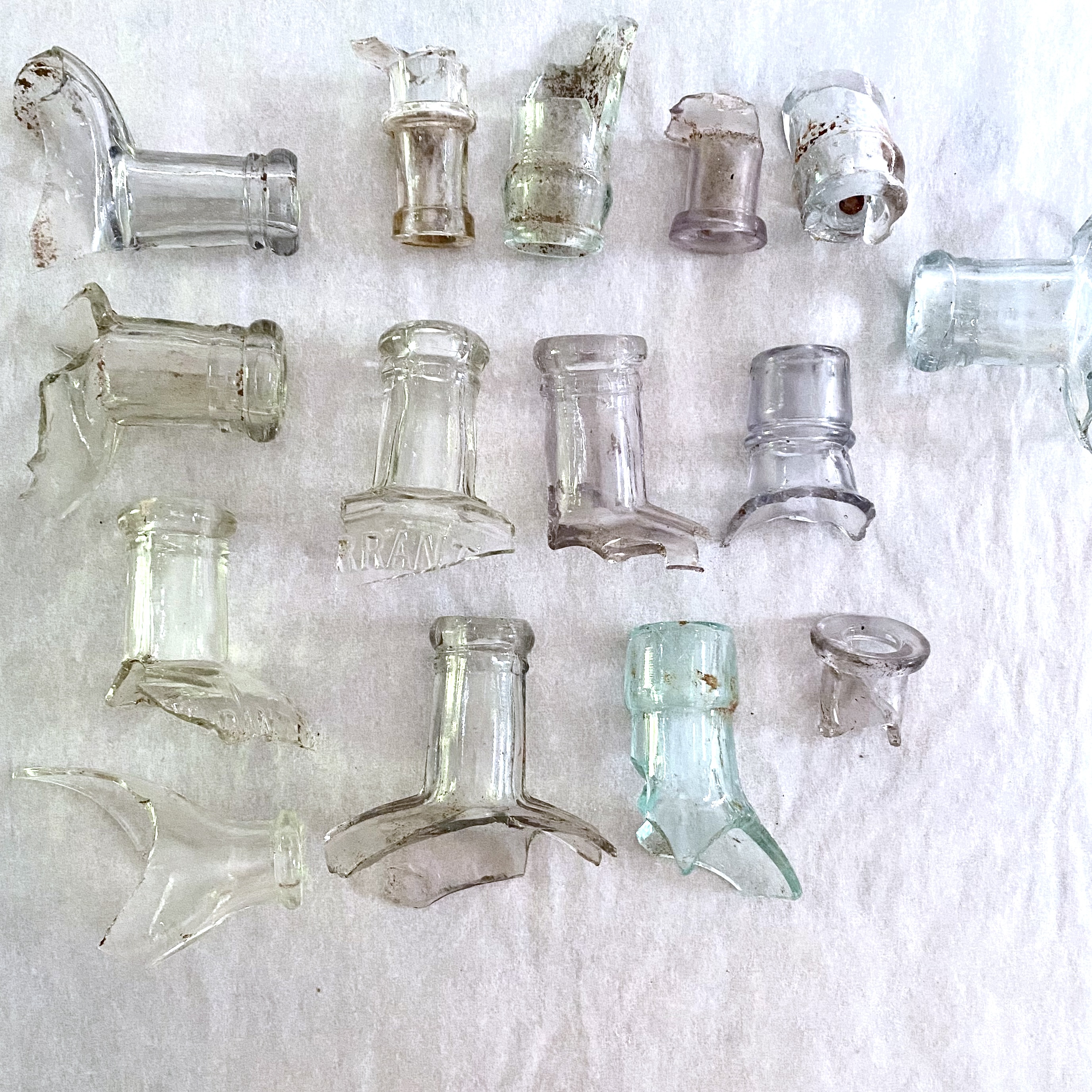
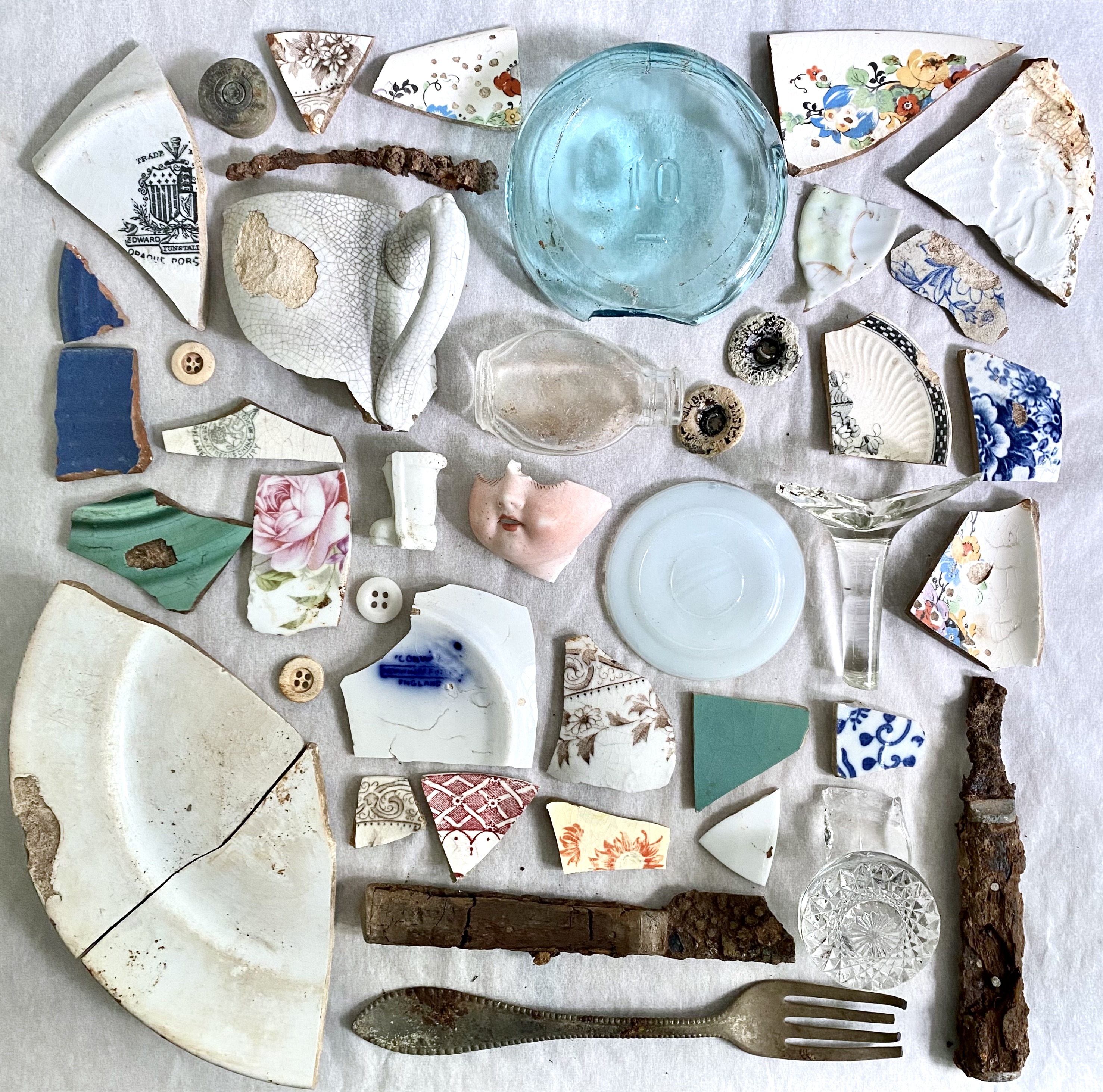
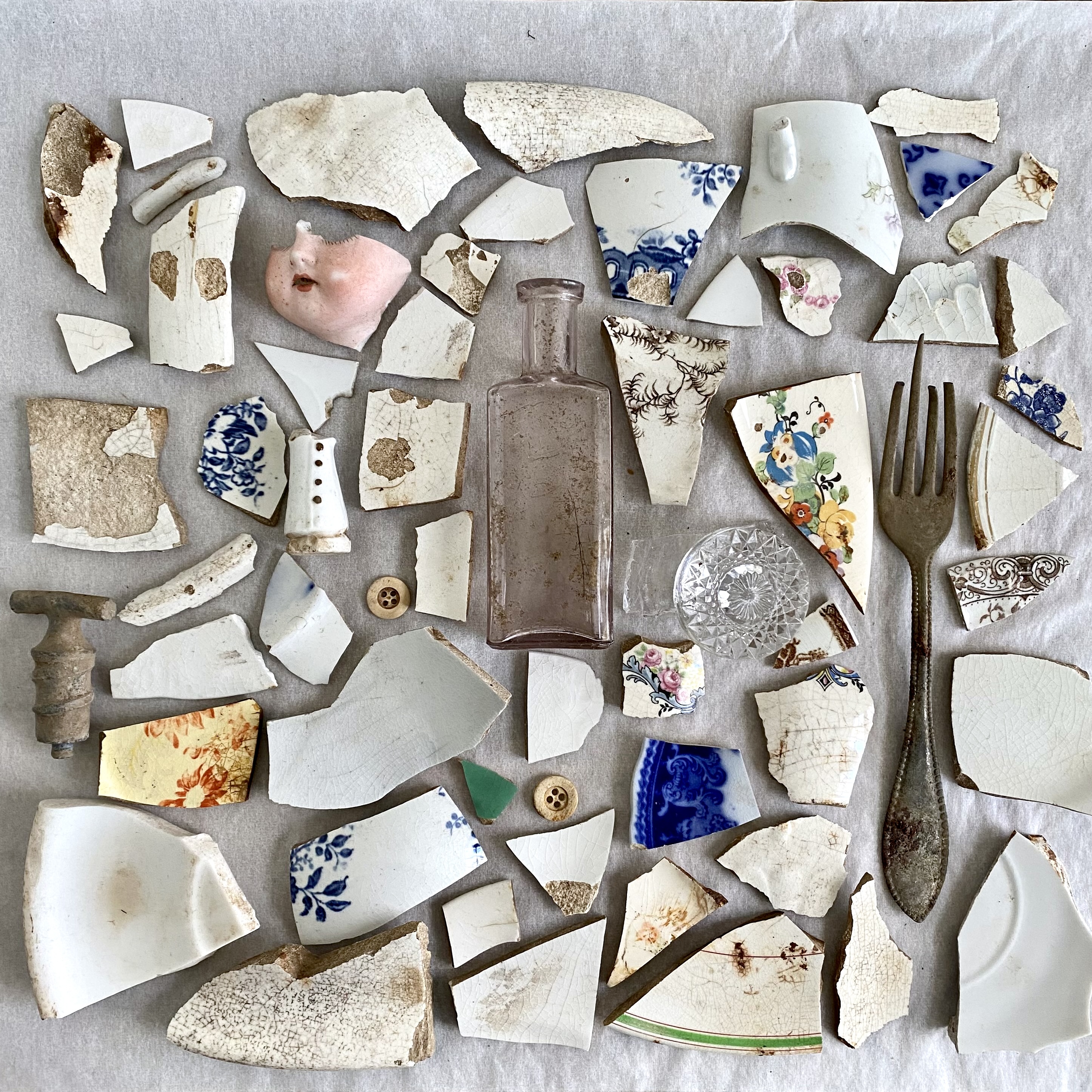
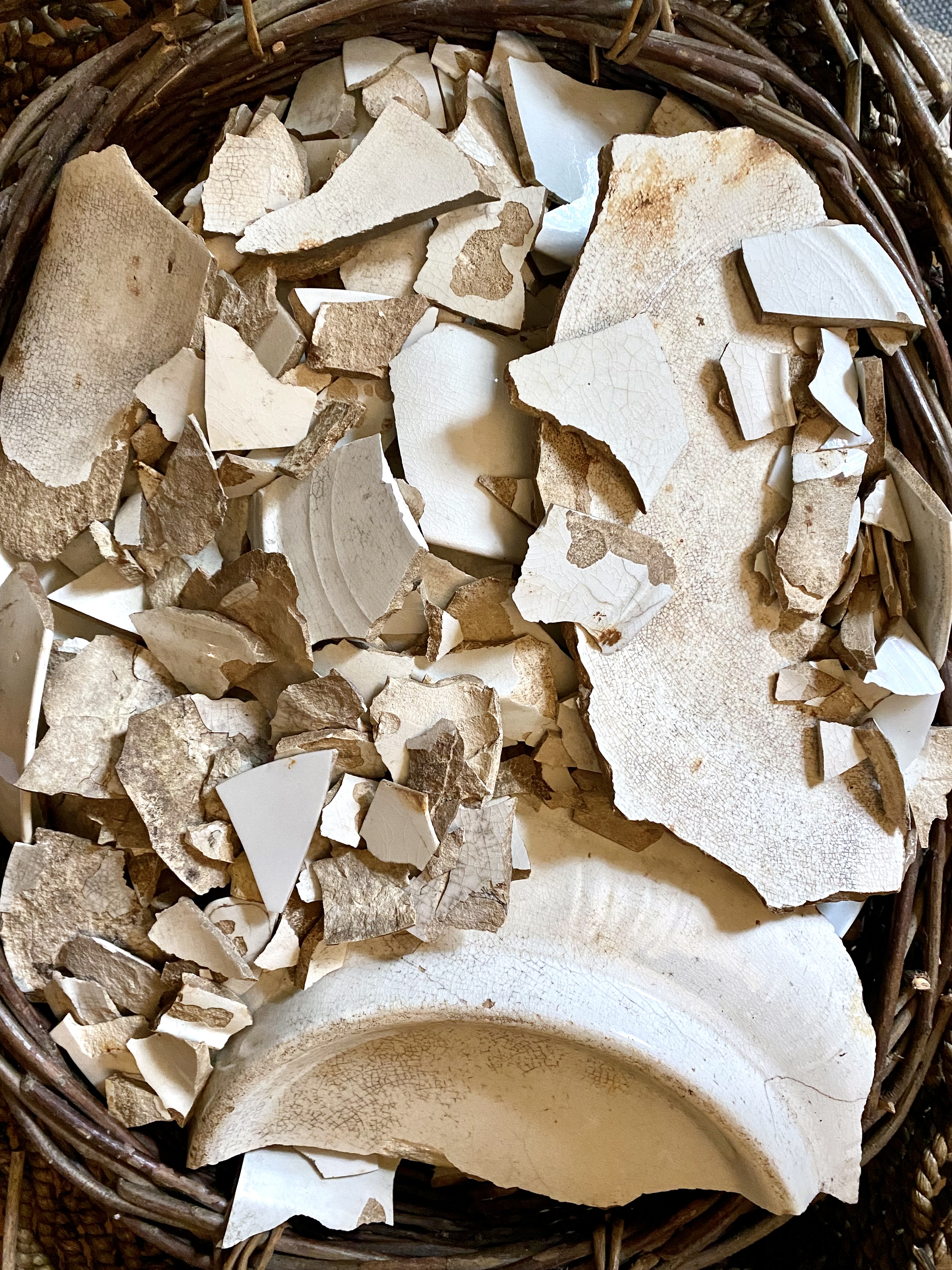
Glass in all shapes, forms, and colors has a constant presence in the Pit, and along with all white ceramic pieces is the most common and prolific thing unearthed. Aside from the exciting finds of whole bottles and glass lids, about 90 percent of the glass found in the Pit is broken into small slivers and shards, so these pieces are not saved unless it is a fully intact glass bottle neck. I have an idea for these for a future project that involves filing down the jagged parts to a smooth edge in order to make a peg-style knob rack for hanging kitchen linens. I’ not sure if what I’m imagining is going to turn out well in reality, but it would be a fun and functional way to display this colorful collection. So far, fifteen have been found…
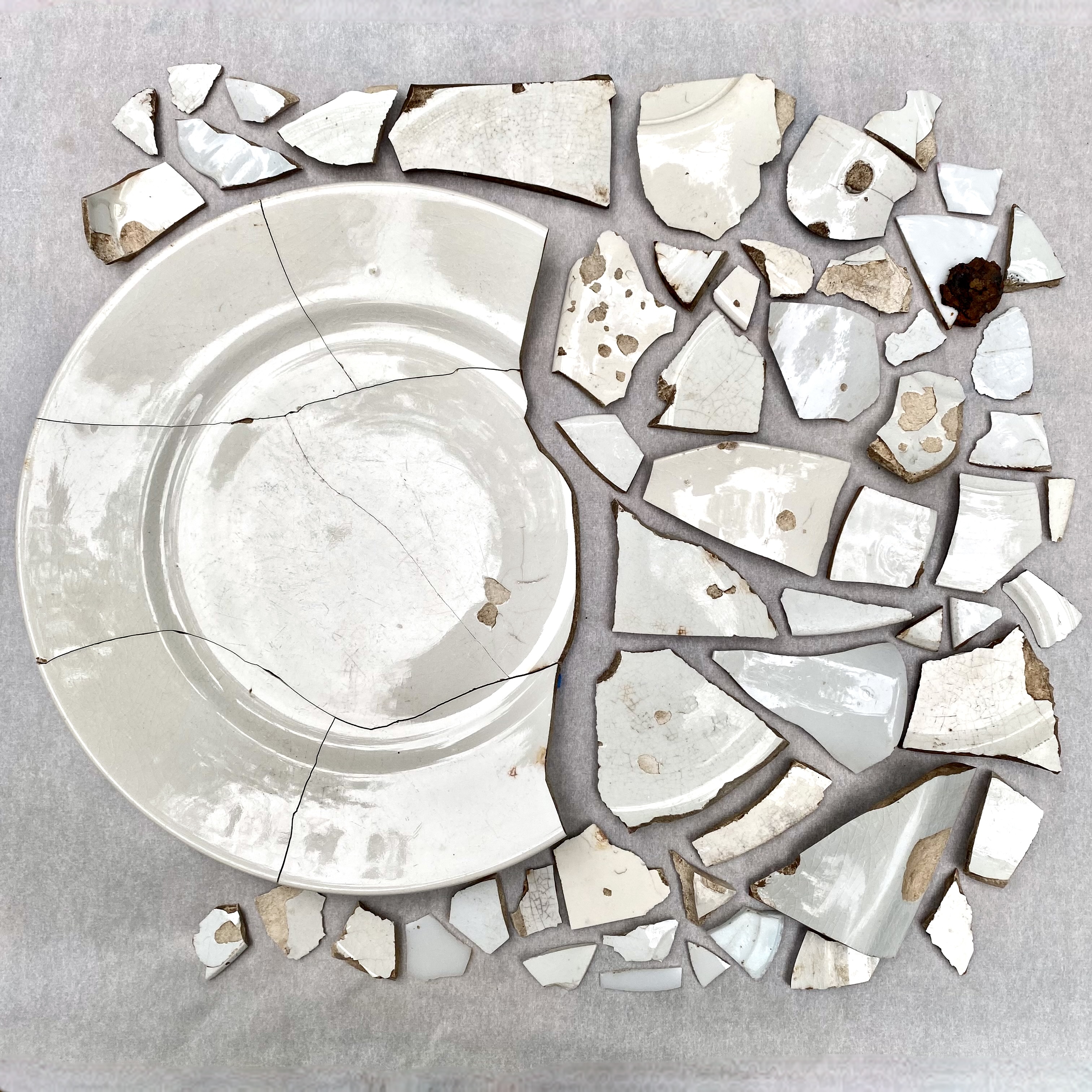
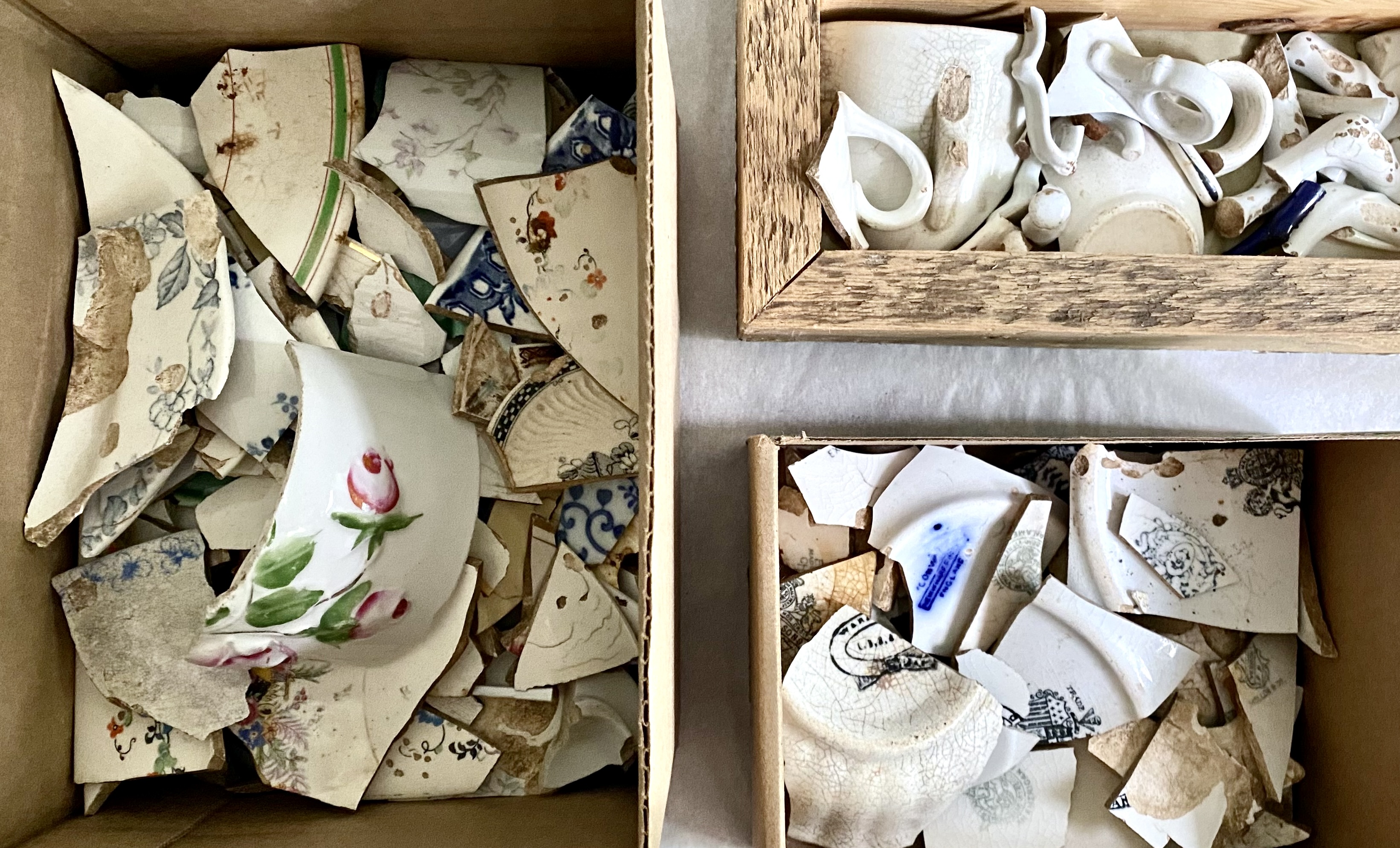
Also newly pulled from the Pit this week: more all-white ceramic pieces, including six big chunks of a Homer Laughlin salad plate, complete with a backstamp dating to 1936. Finding it in big segments made it easy to fit it back together again…
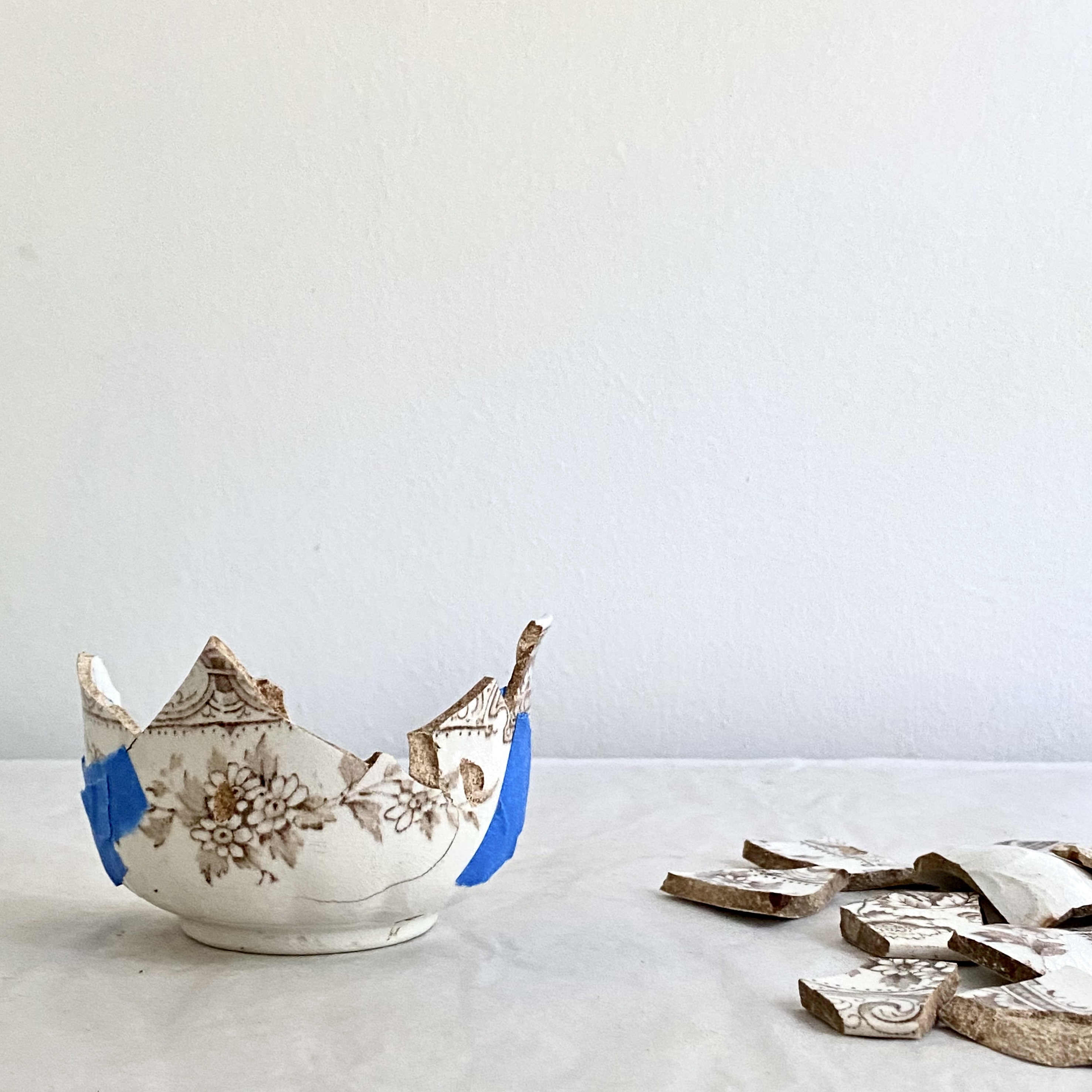
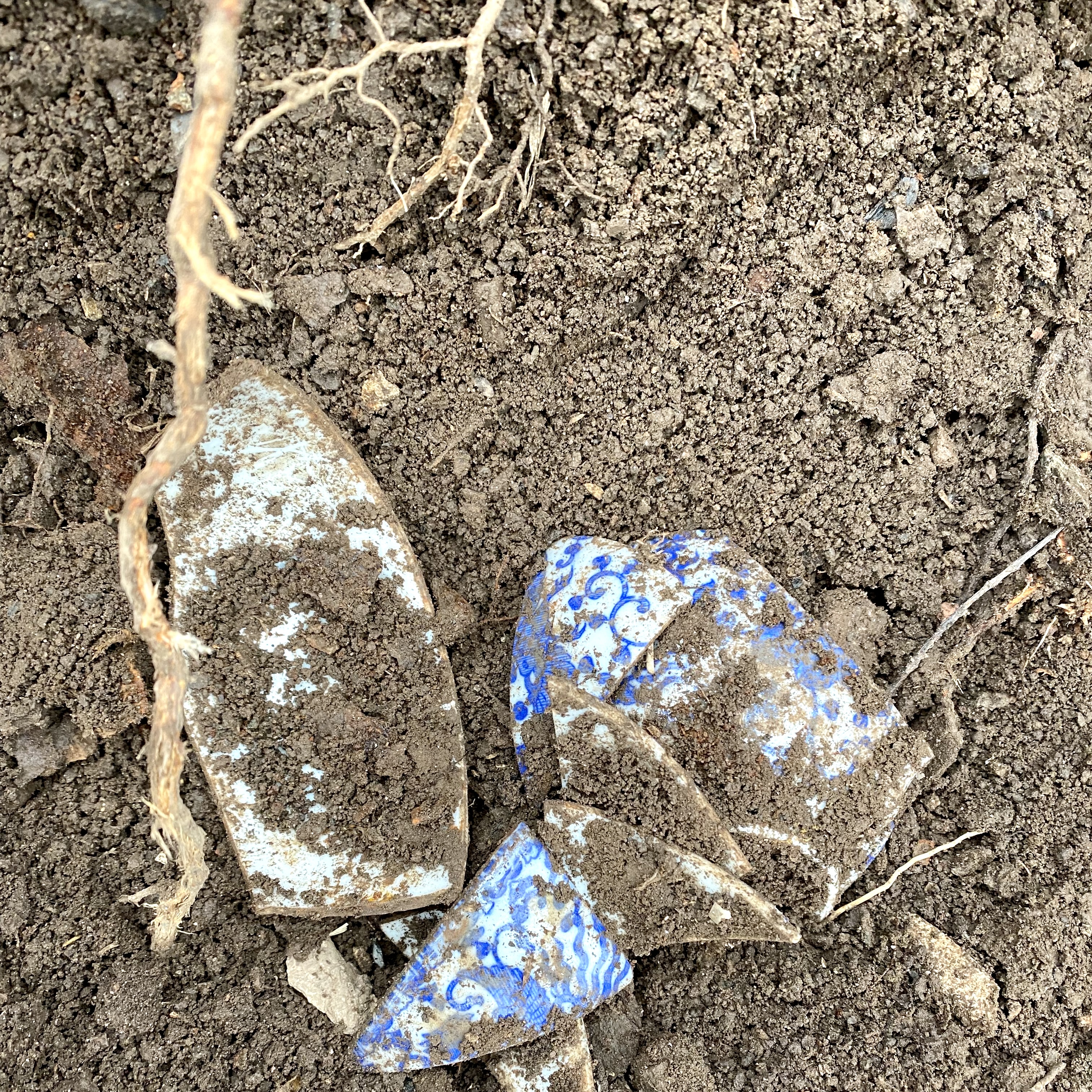
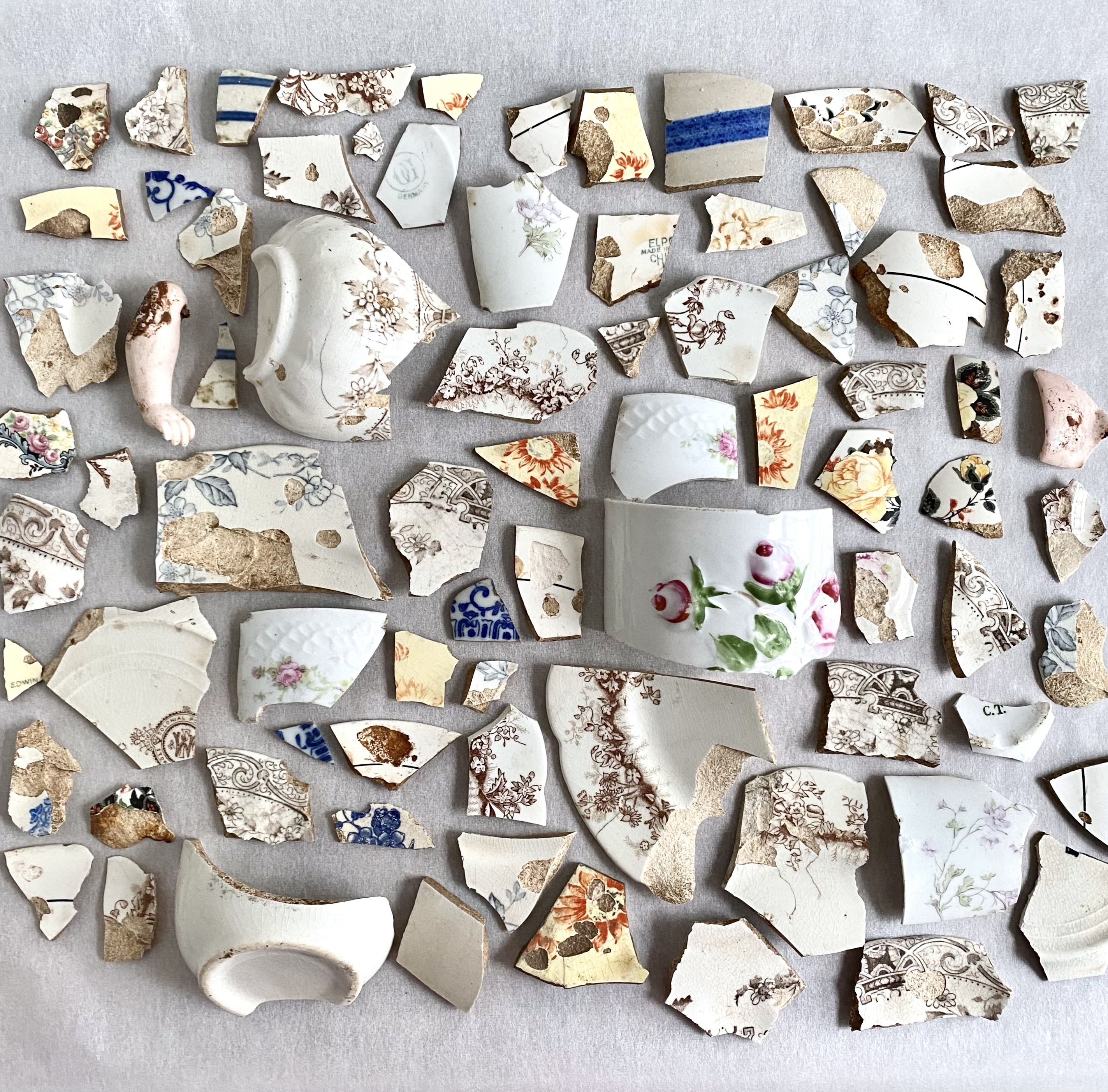
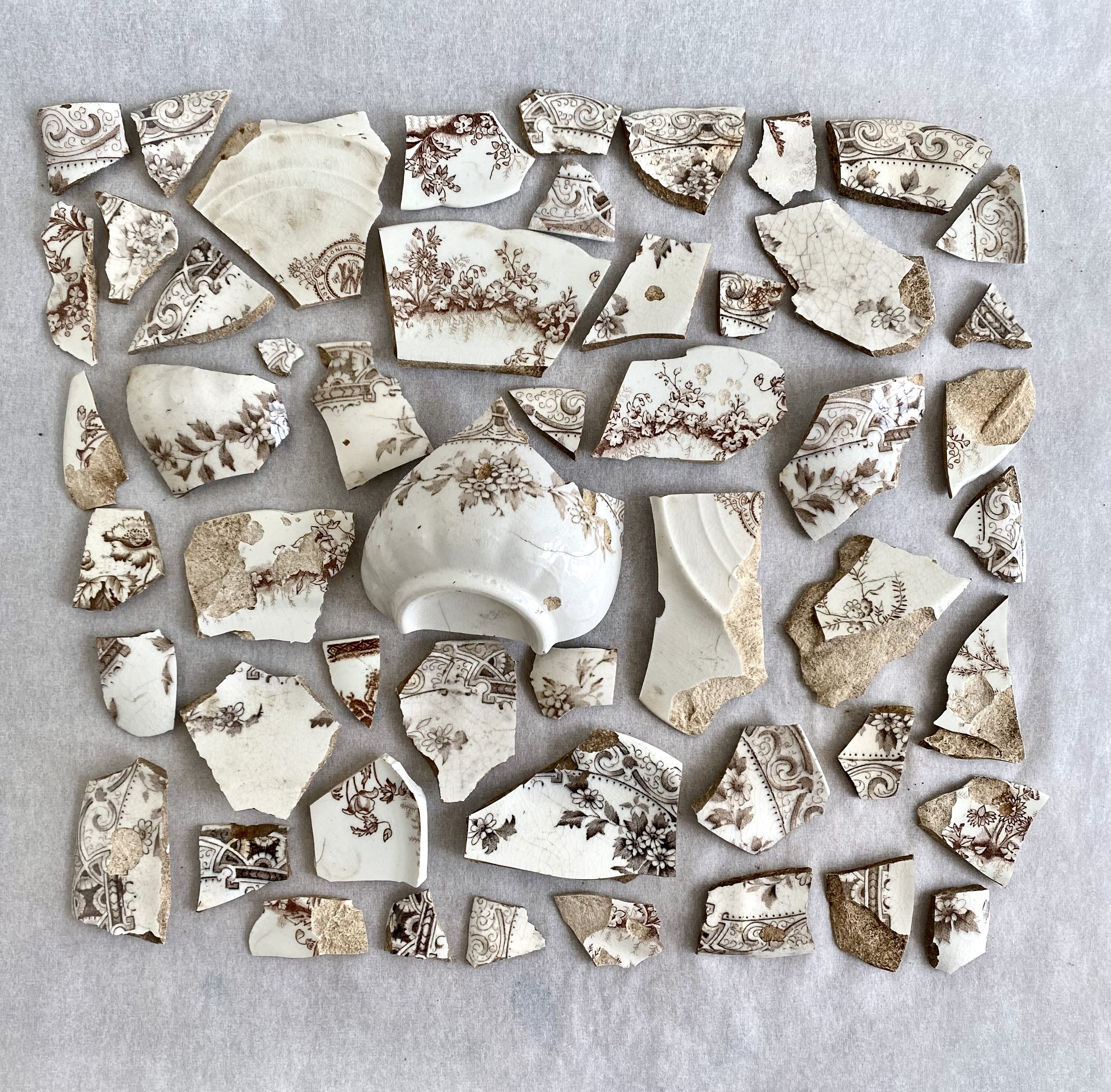
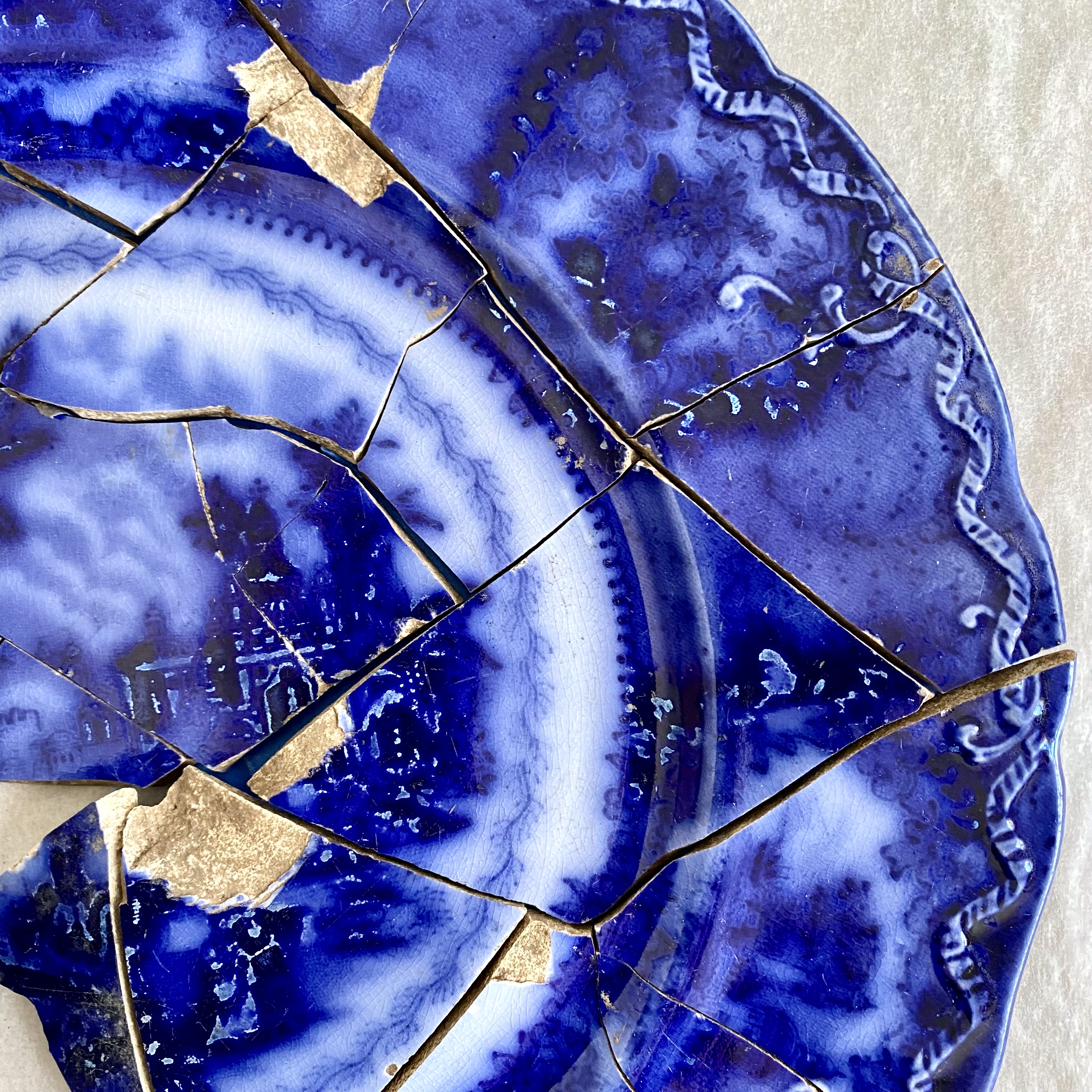
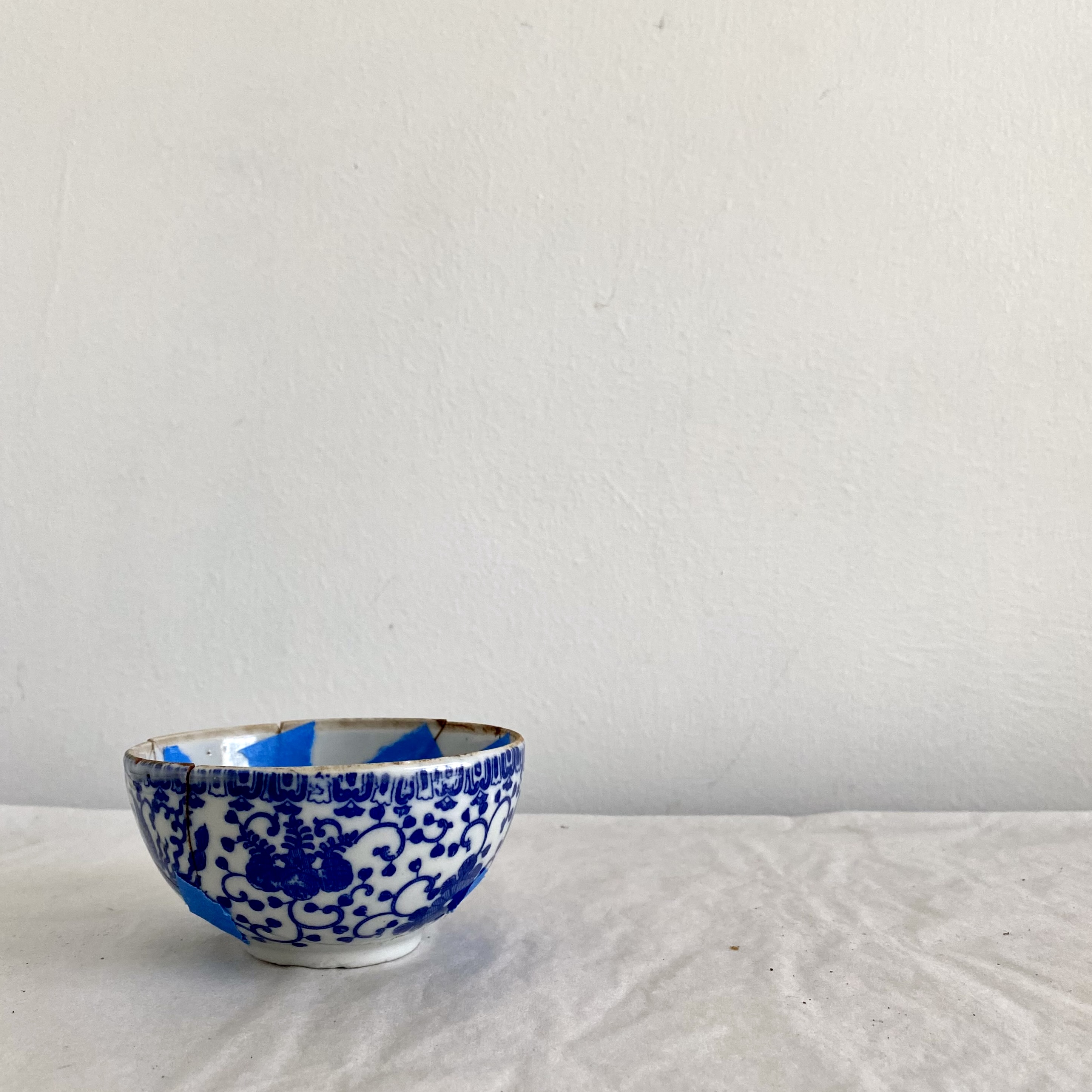
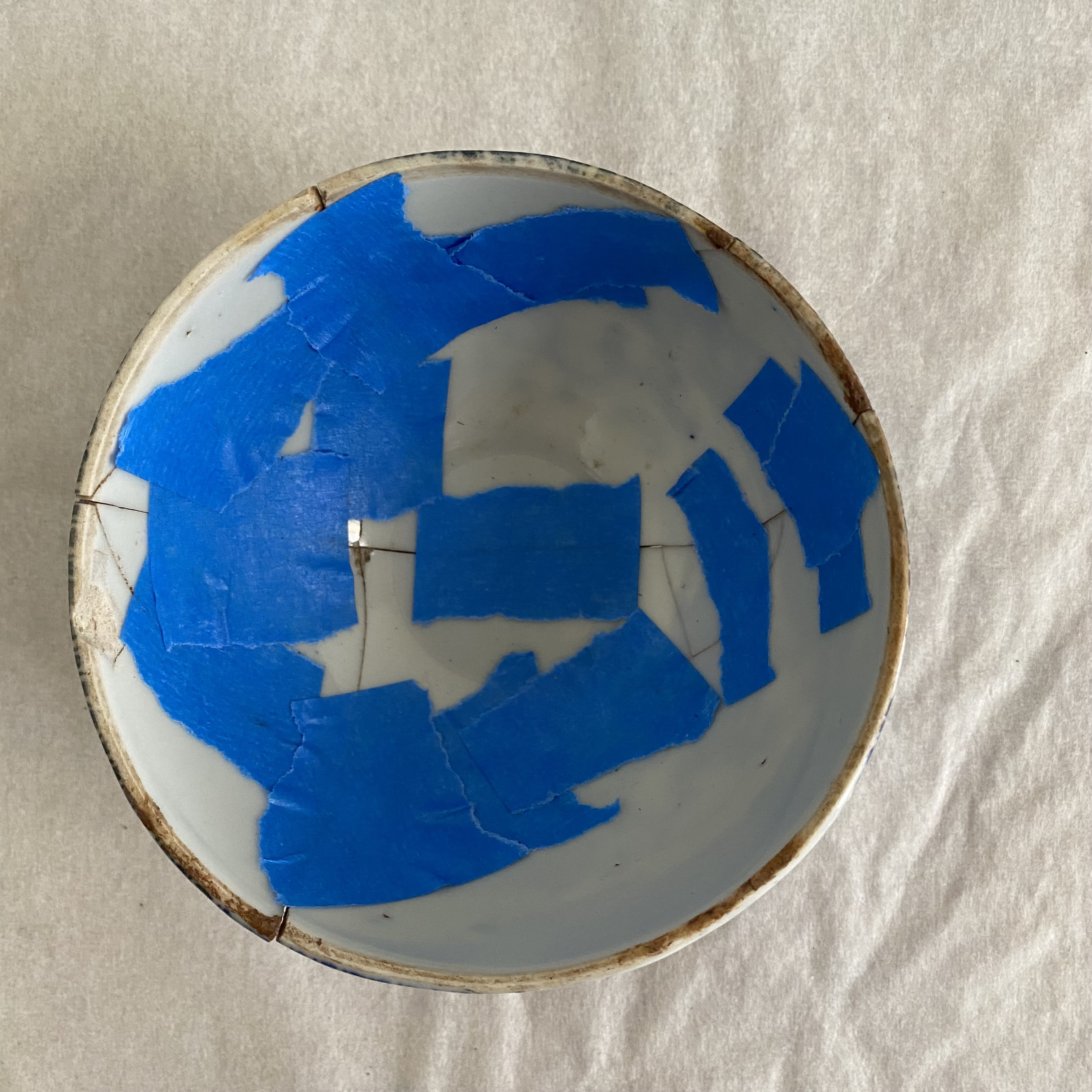
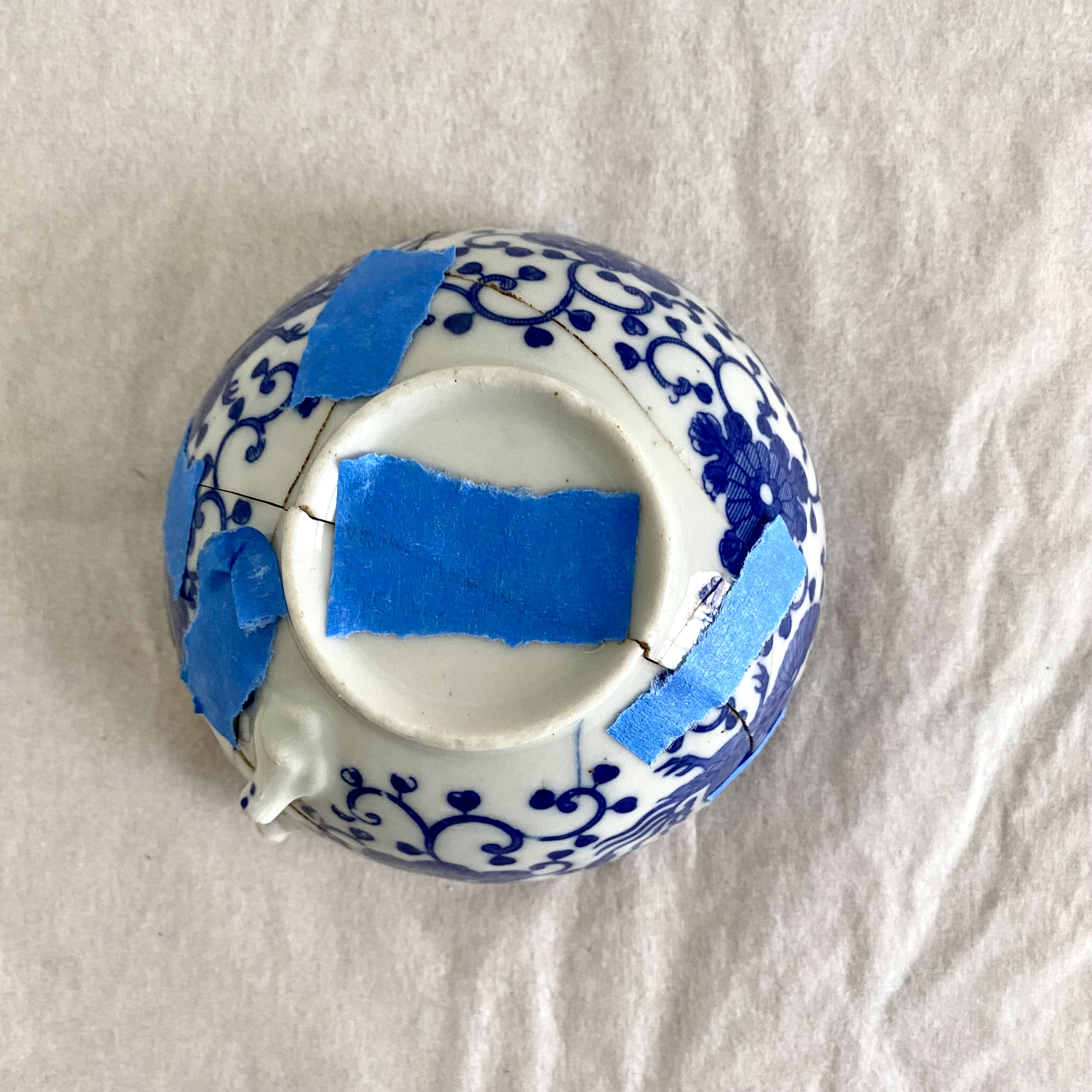
More ceramic pieces for the brown and white floral collection were found this past week too. These latest additions yielded the opportunity to start fitting some of the pieces together in order to form a whole object. This one will most likey turn out to be a sugar bowl, a creamer, or a teacup.
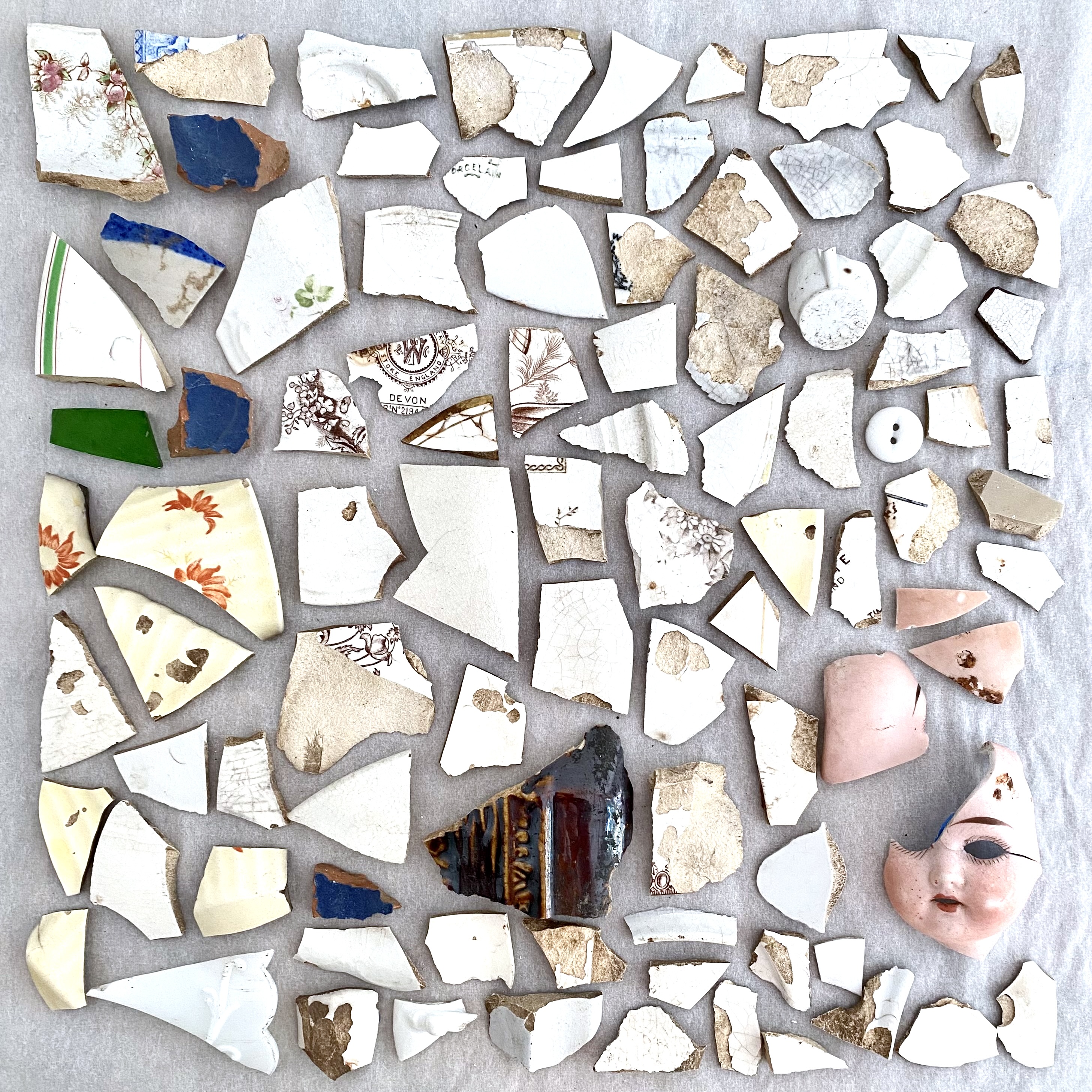
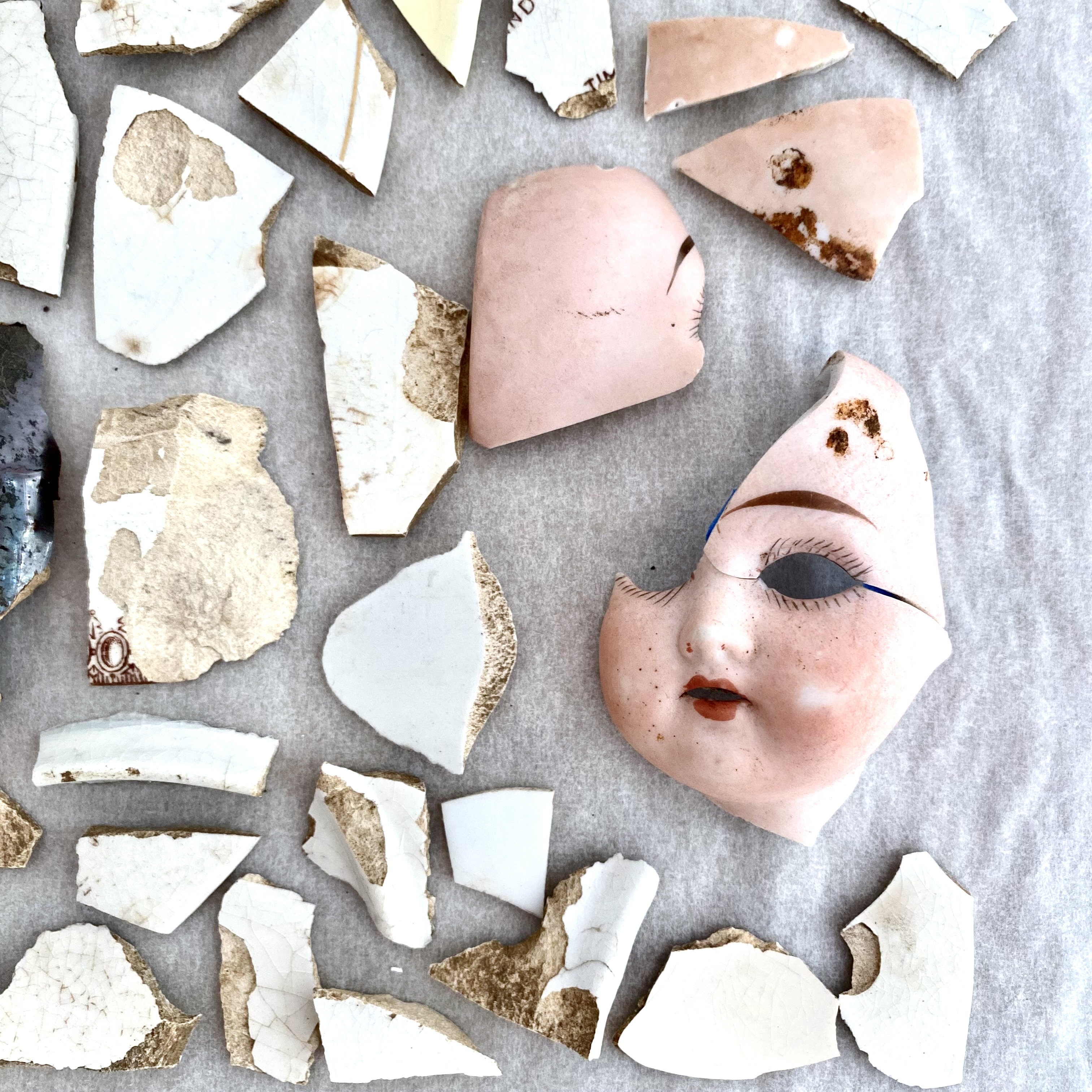
It was also a great week for finding more patterned ceramic shards and two more pieces of the porcelain doll head. Now I can start to reassemble her face…
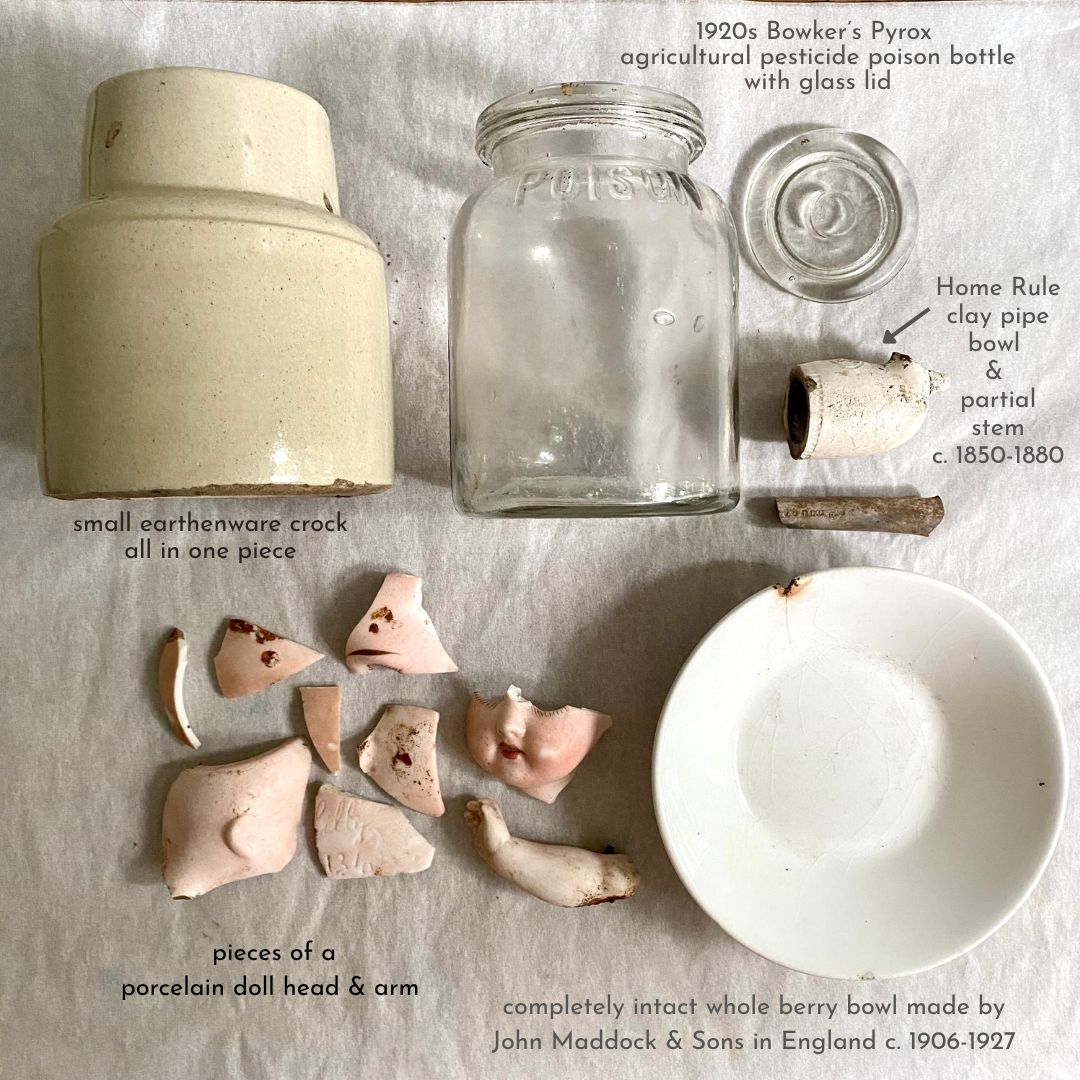
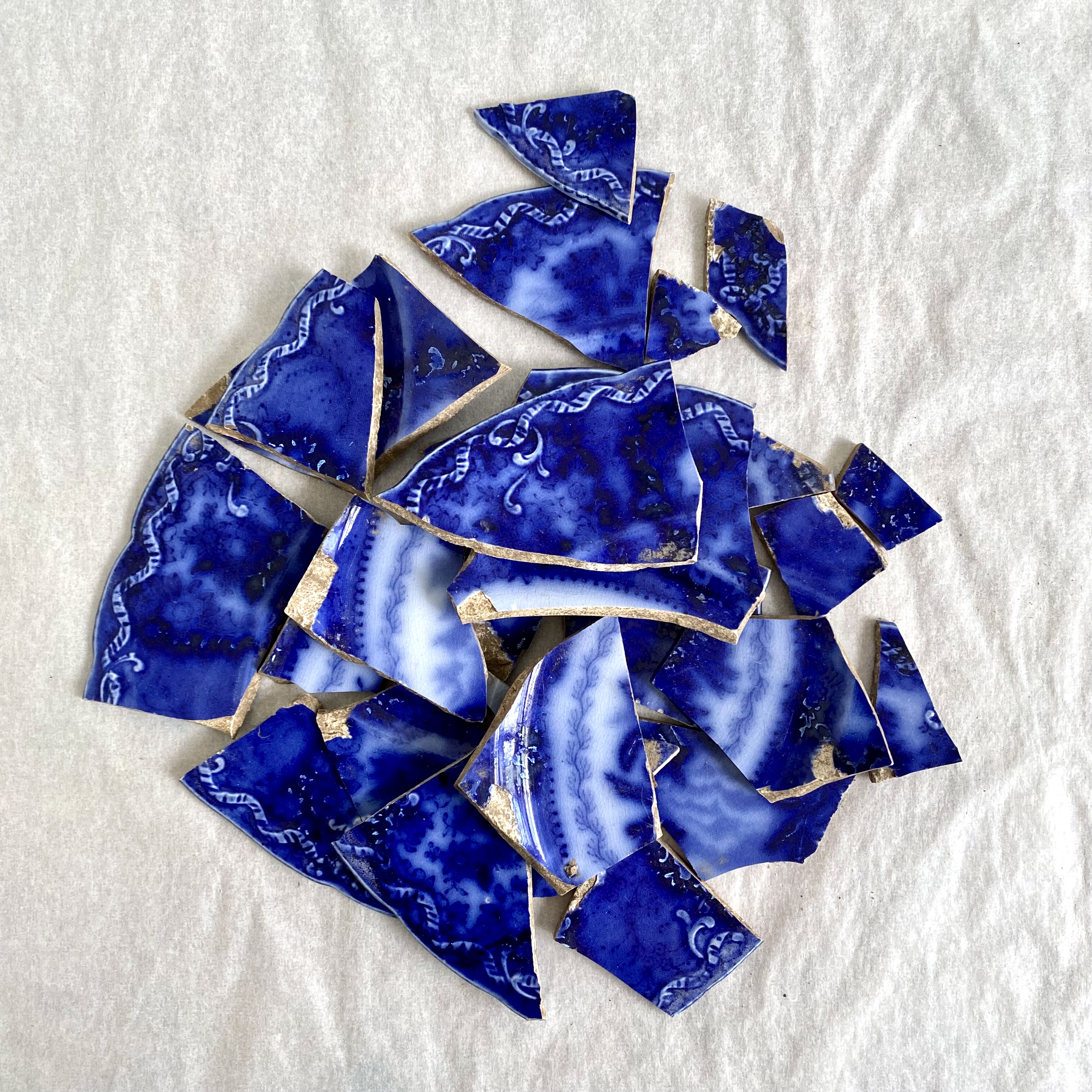
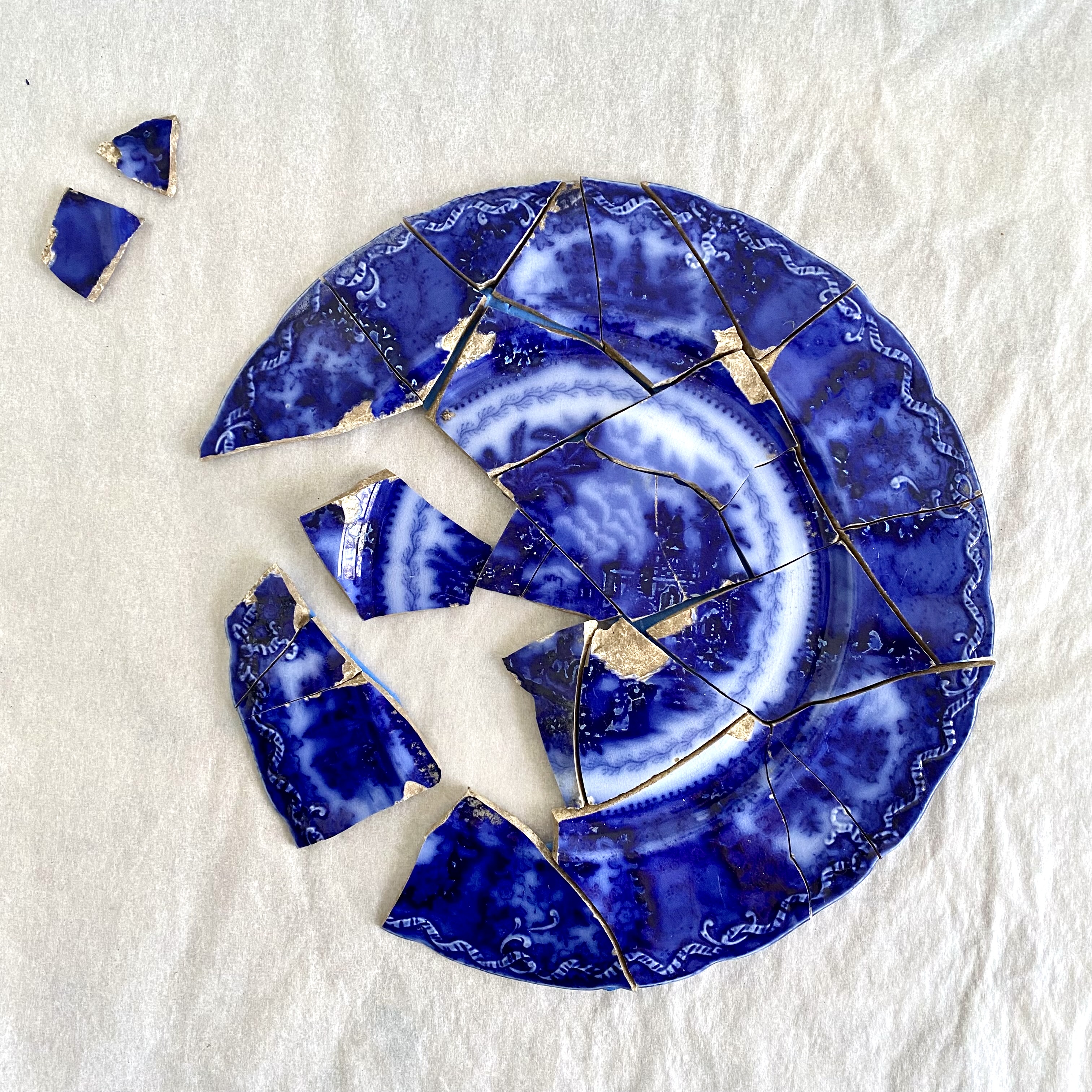
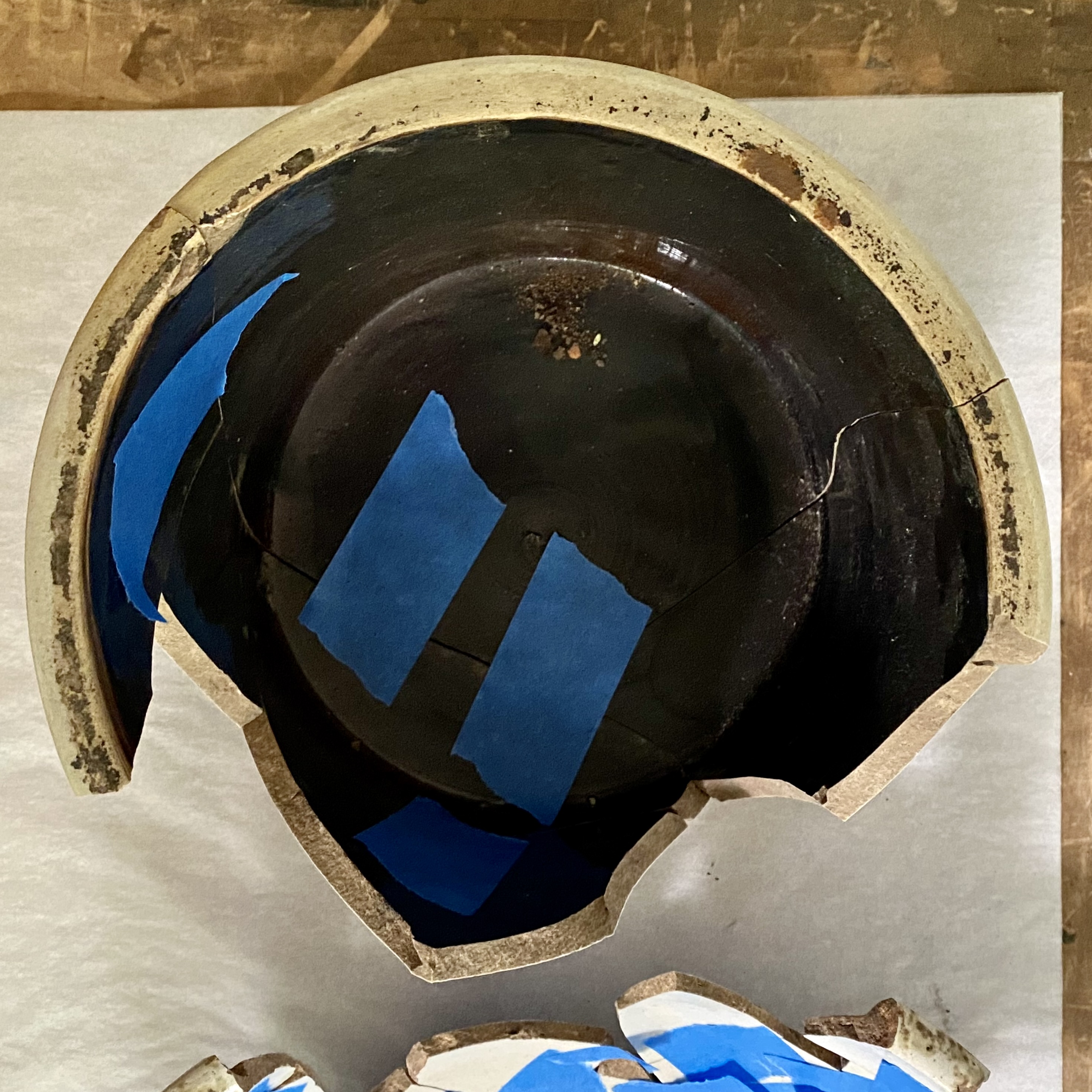
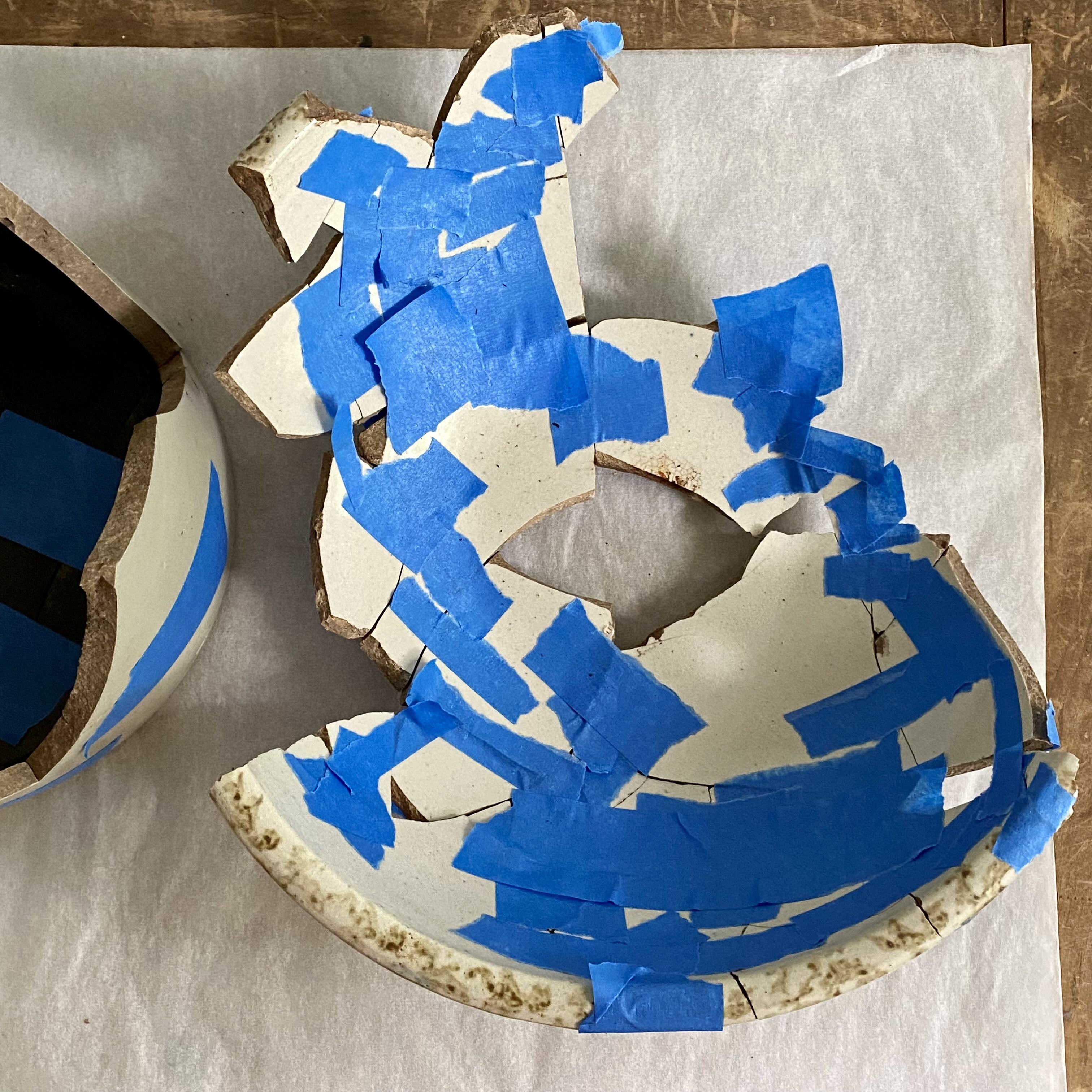
A few big chunks of stoneware pulled from the dirt last Thursday proved to be exciting finds, too. Especially for the crock. In the last post, the stoneware crock (on the left) looked like this…
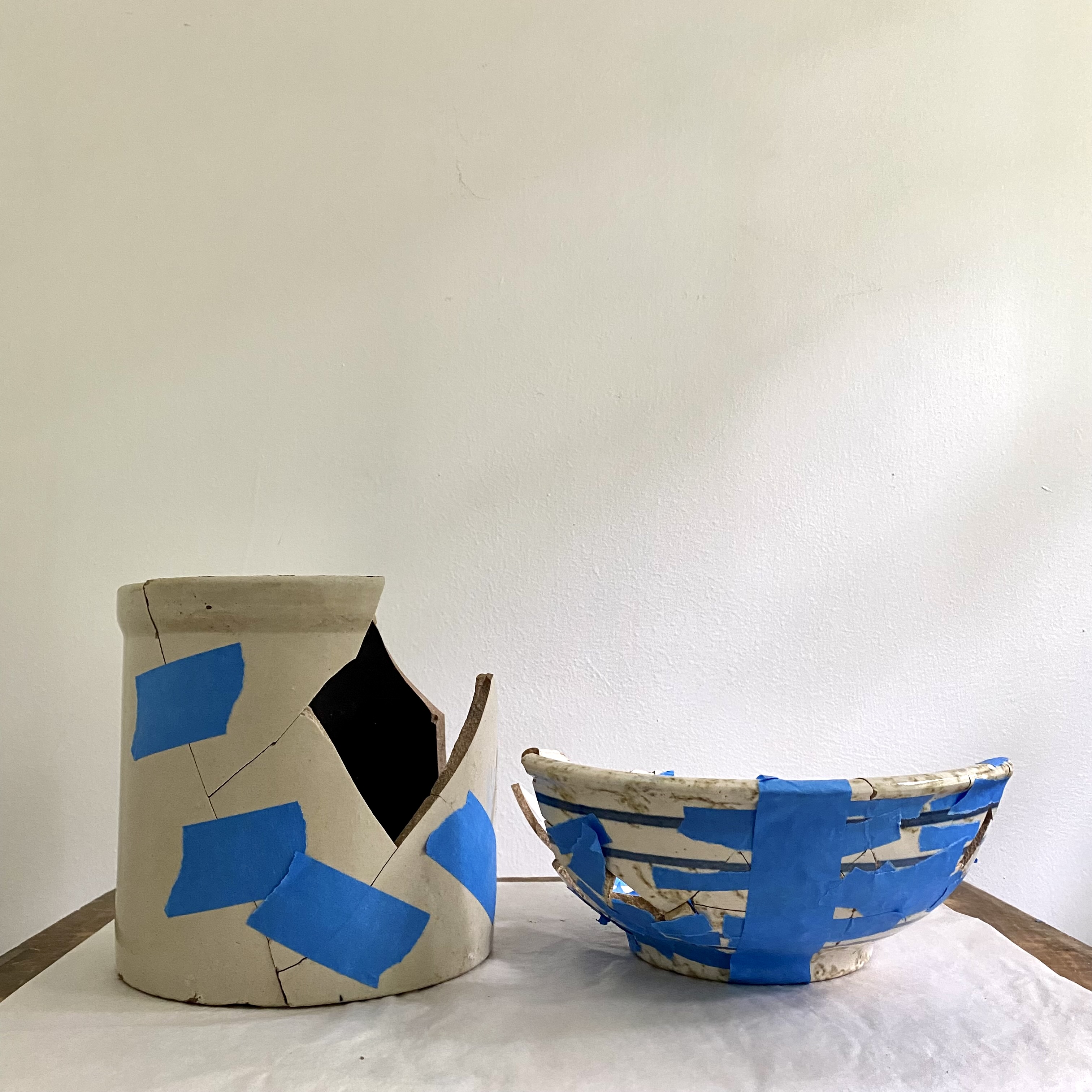
With the inclusion of the new pieces found this past week, today, it looks like this…
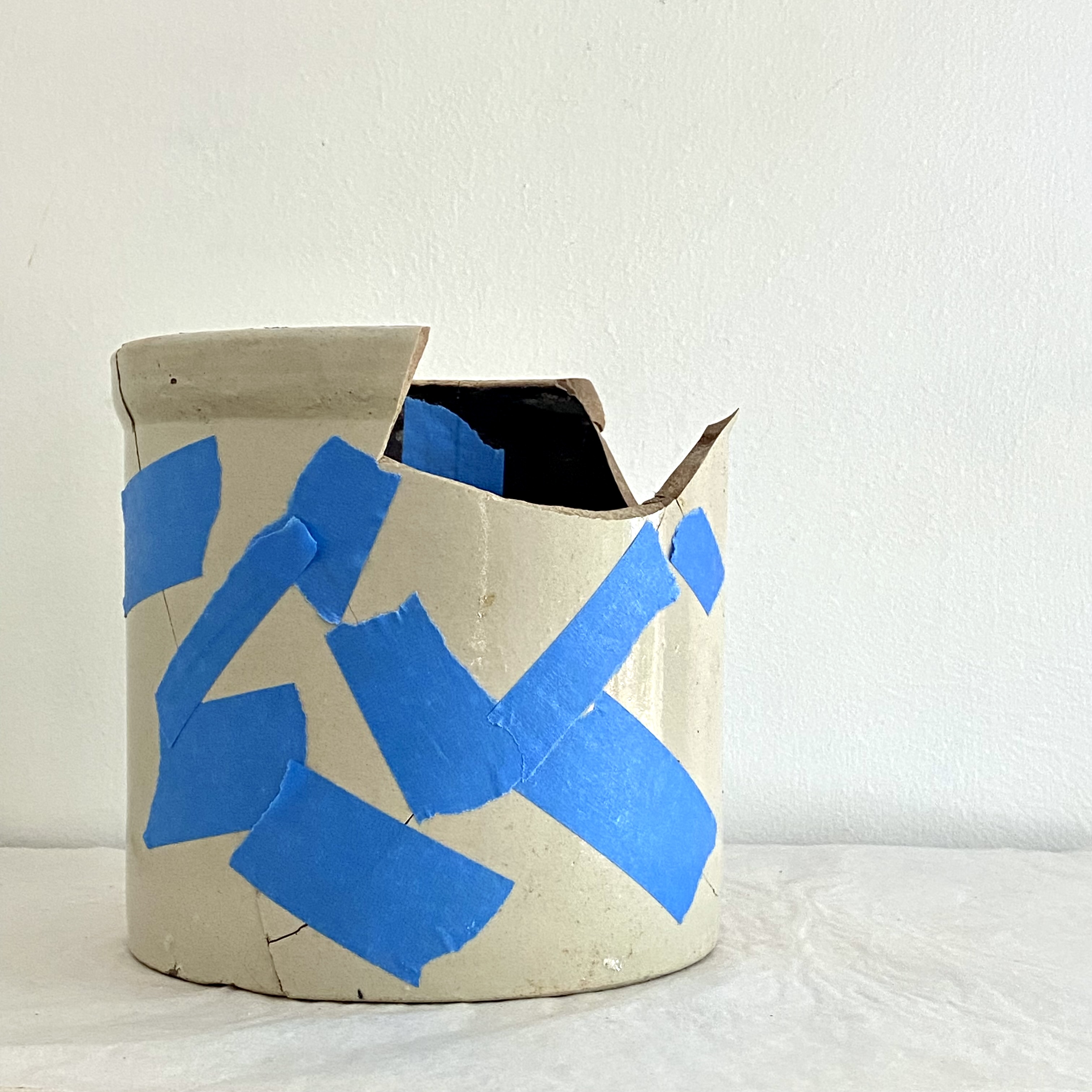
When it comes to ceramics, I never assume that I’ll be able to find all the shards in the Pit to create an entire piece again, but it is exciting and also gratifying to be able to fit these old items back together again in order to see how they originally appeared. This is sort of like piecing history back together, too. The past is so full of broken bits of information and sporadic experiences. Stories from history just don’t generally tend to unfold in complete detail and understanding as from start to finish. It takes a lot of effort and insight (and oodles of research) to get the full story right. I find it very interesting that things found here in the Pit contain manufacturing dates from the 1860s all the way to the 1940s. I also find it interesting that remnants of shoe leather can be found nestled next to cow teeth that can be found nestled next to a delicate porcelain doll head that can be found nestled next to a five pound utiltarian stoneware crock that can be nestled next to a rusty nail or a mattress spring or a horseshoe.
We don’t often tend to walk away from events of the past with a clean break or a universal understanding of what once occurred. But piecing back together these tossed-away fragments of items found in the Pit, in some way, does offer up a greater understanding of history experienced not via reading about it in a book or seeing a setting recreated in a movie, but learning about it in real life under real circumstances via real objects. It’s a tangible way to understand that, at one point in time, it was not unusual to see teeth in your trash.
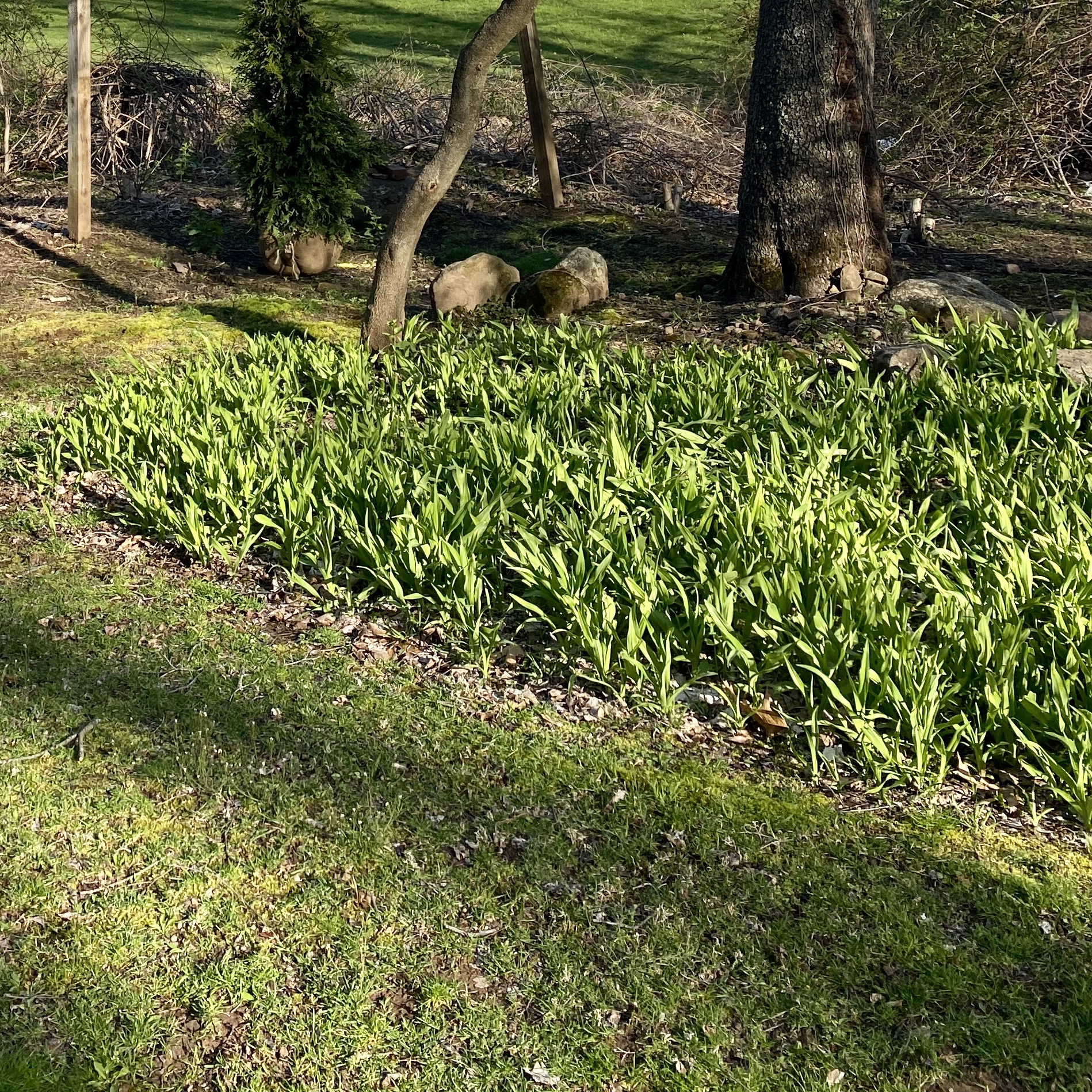
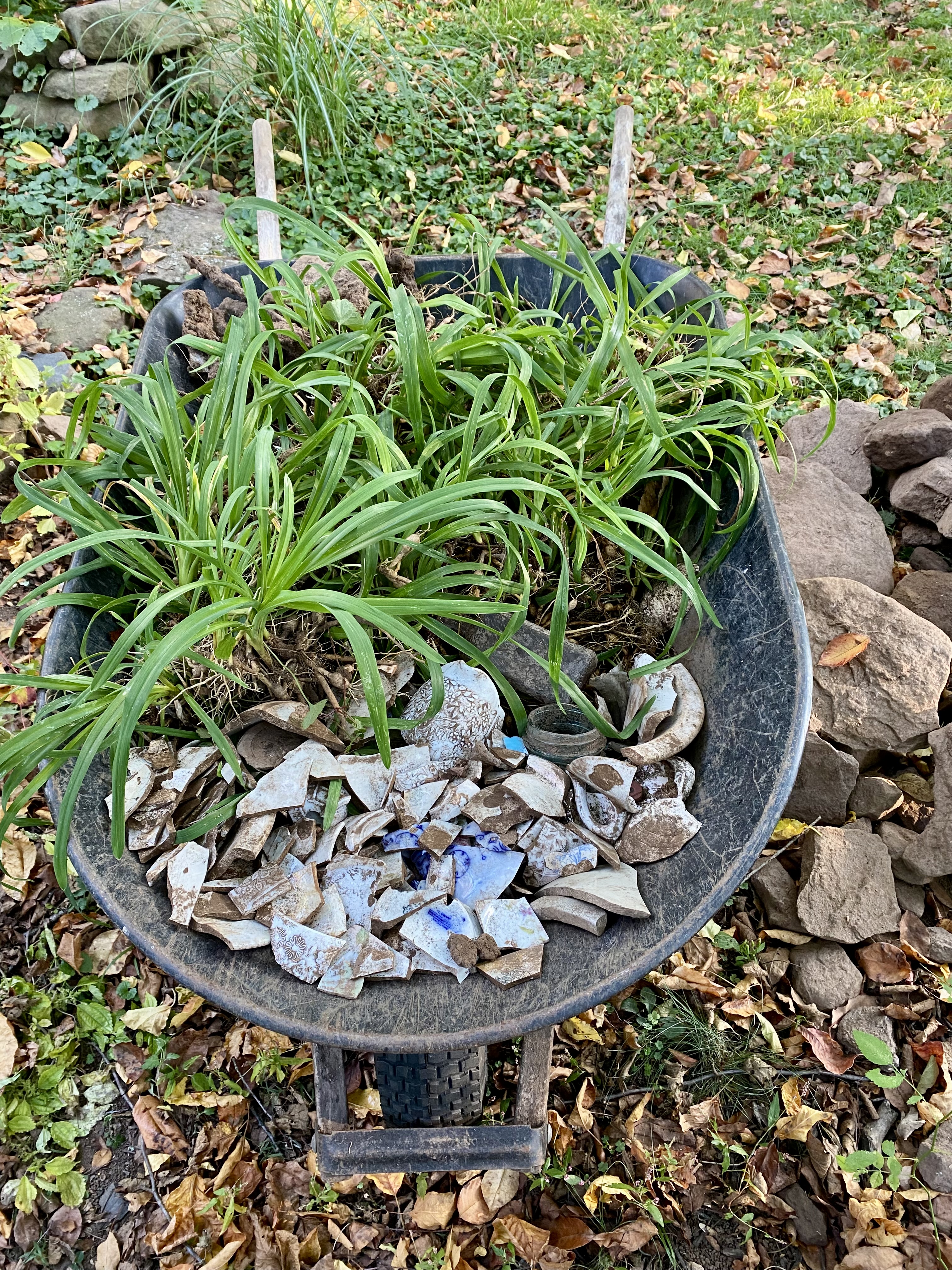
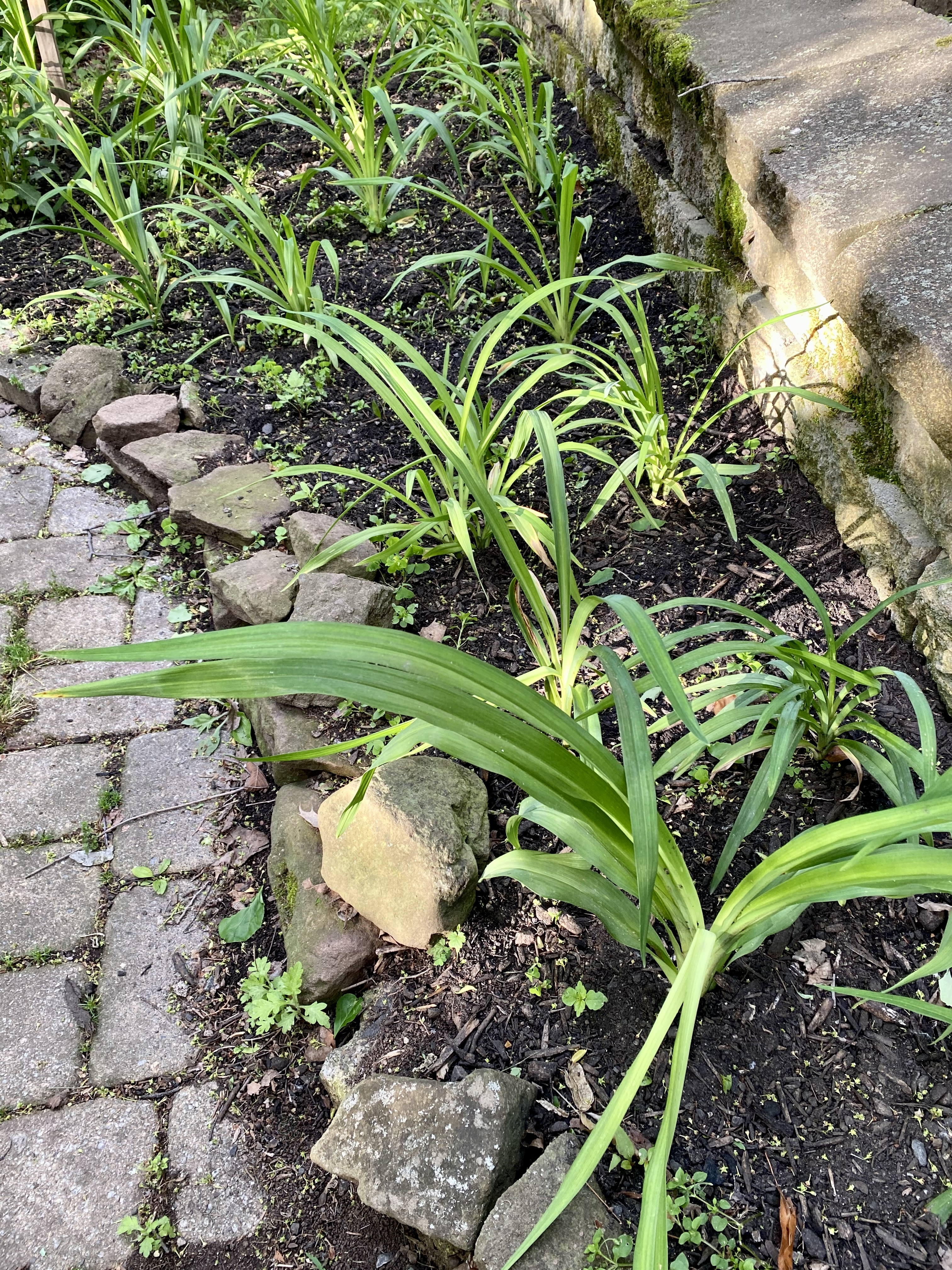
As for the lilies, the original muses of the Pit project, they are still growing strong and still being transplanted. As of this writing, I’m about 2/3rds of the way through the bed, and am happy to say that all the ones that have been transplanted thus far have taken up residence in their new garden spots in the most enthusiastic of ways. Some are even forming flower buds.
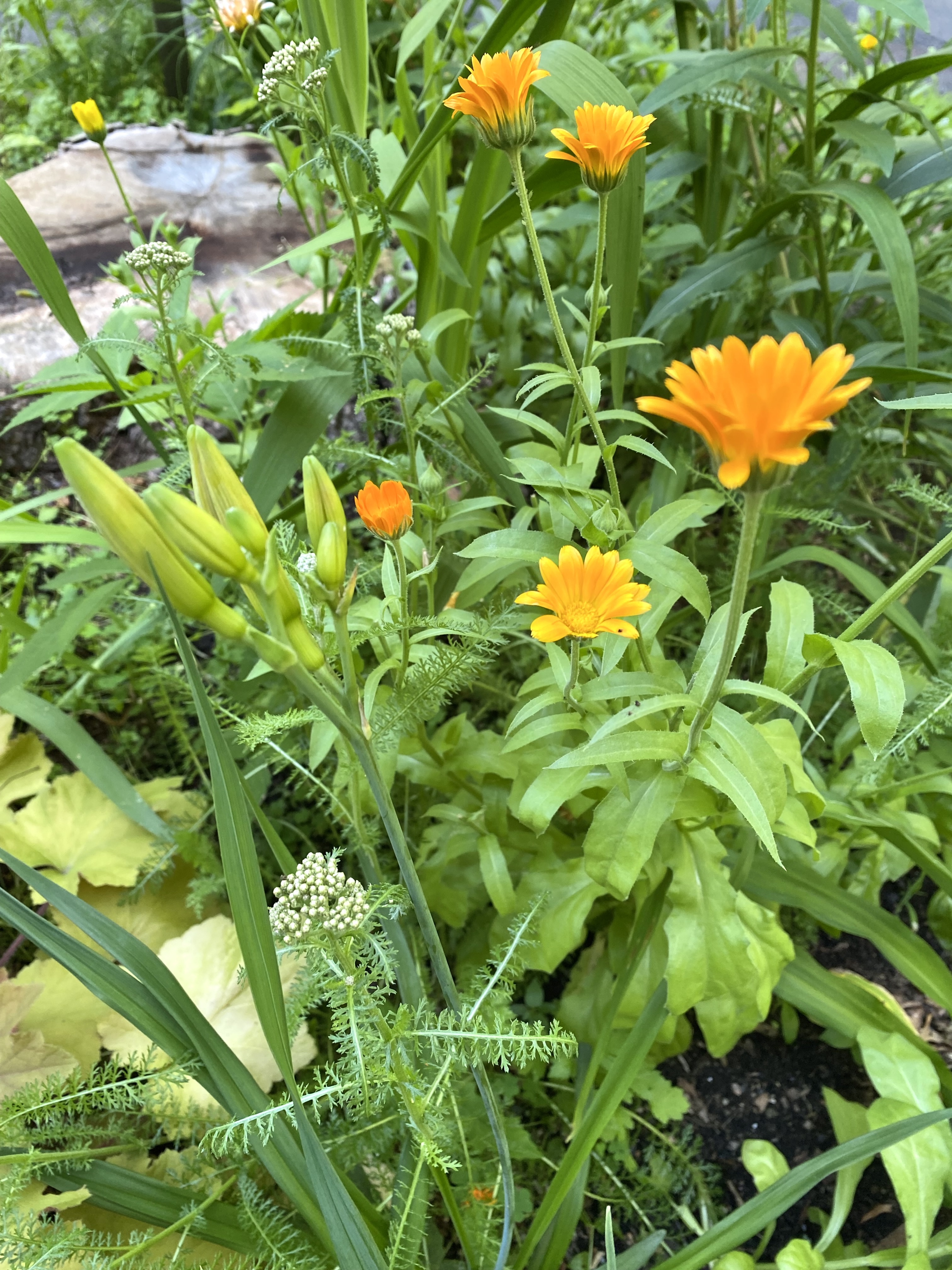
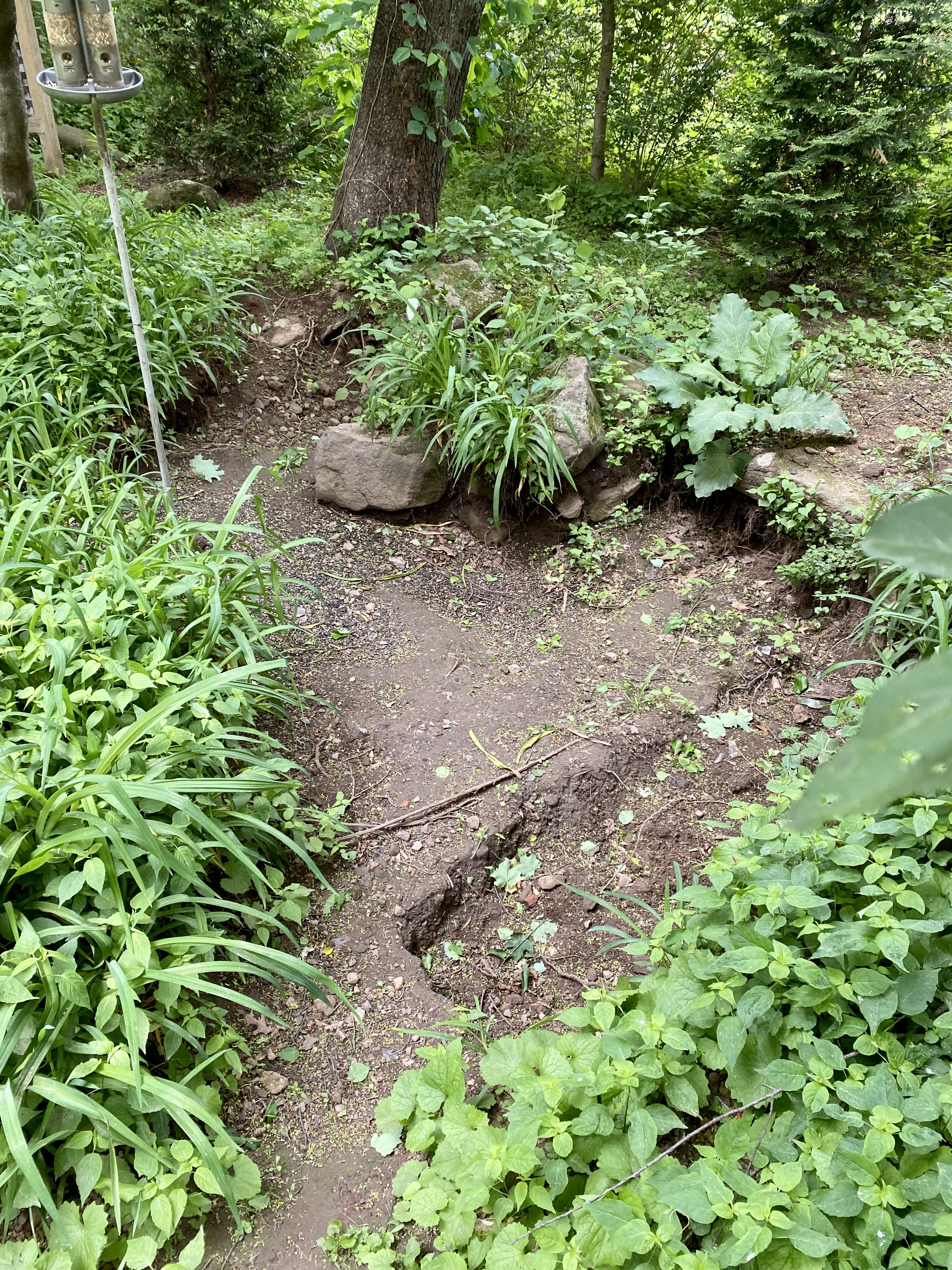
Although the sidewalls have been expanded, the deepest part of the Pit still stands at 27 inches. This would be a mere top-layer sliver if it were a traditional privy, which can reach depths of 20 feet below ground. It is also still a high-line layer for a more modest trash pit, which generally tends to be anywhere from 3-6 feet in depth, so there is lots of digging and discovering left to do. In the meantime, I’ve figured out our plans to turn the Pit into a water feature once the archeological dig is complete. This is the inspiration for the finished project…
More discoveries from the Pit are coming soon. In the meantime, thank you so much for all the enthusiastic comments and emails regarding this project. I think it’s pretty exciting to be learning all about the house, the property, and the previous occupants at 1750 House in this new way, and I’m so glad that you are enjoying it too.
Until next time, cheers to the Pit and to the past residents of 1750 House for showing us more about daily life (and culinary adventures) than they probably ever actually intended.
{Note: This is an ongoing series detailing all the items found so far in a recently discovered early 19th-century trash pit located at 1750 House. If you’re new to this story, find Part One here.}


 In the Vintage Kitchen: Where History Comes To Eat