Boring. Irrelevant. Out of touch. Those are three of the most common misconceptions Ms. Jeannie encounters when discussing vintage books. How could something written 50, 100 or even 200 years ago still be compelling in today’s modern world? Thanks to the lovely marriage between film and books Ms. Jeannie is going to show you how with these 20 examples of old books that made fabulous modern films. Movie trailers are linked to each picture, so click on any and all to get a feel for story lines. Chances are if you like the movie (or in this case, the trailer) than you’ll love the book even more!
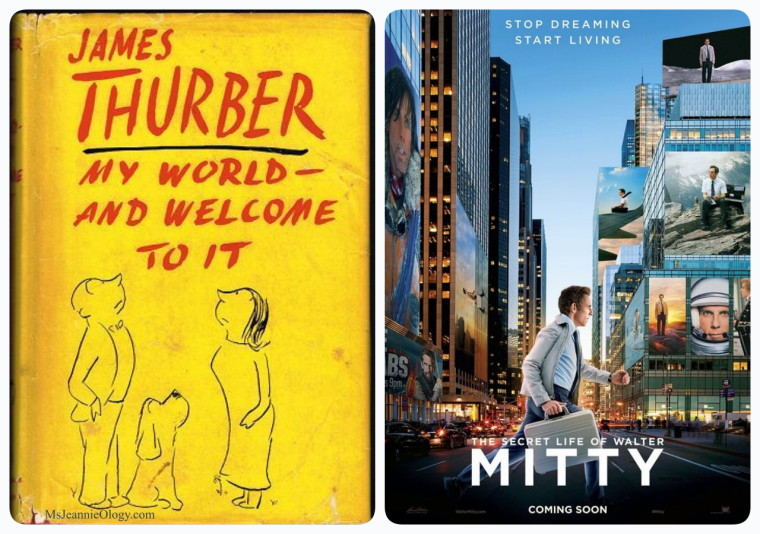
The Secret Life of Walter Mitty was a short story written by James Thurber in 1942 and published in a collection of his short works, My World and Welcome To It that same year. The movie, starring Ben Stiller was released in 2013.
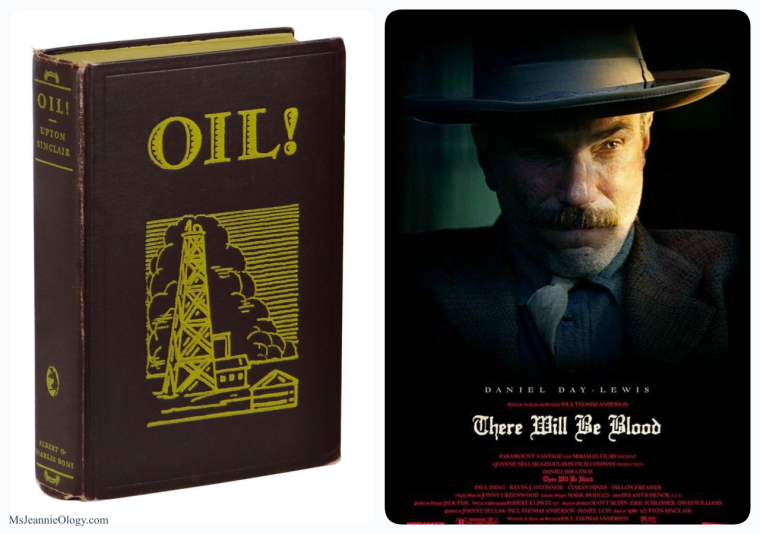
There Will Be Blood was based on the book, Oil by Upton Sinclair which was published in 1927. The Academy Award-winning movie, starring Daniel Day-Lewis was released in 2007.
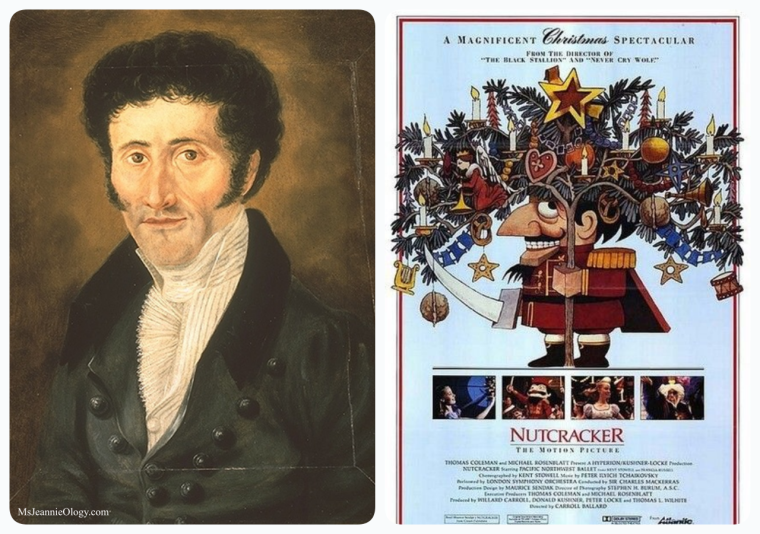
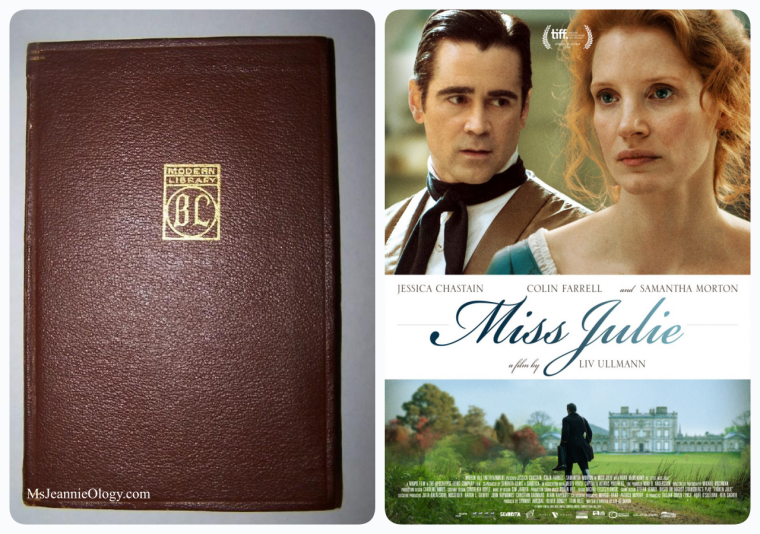
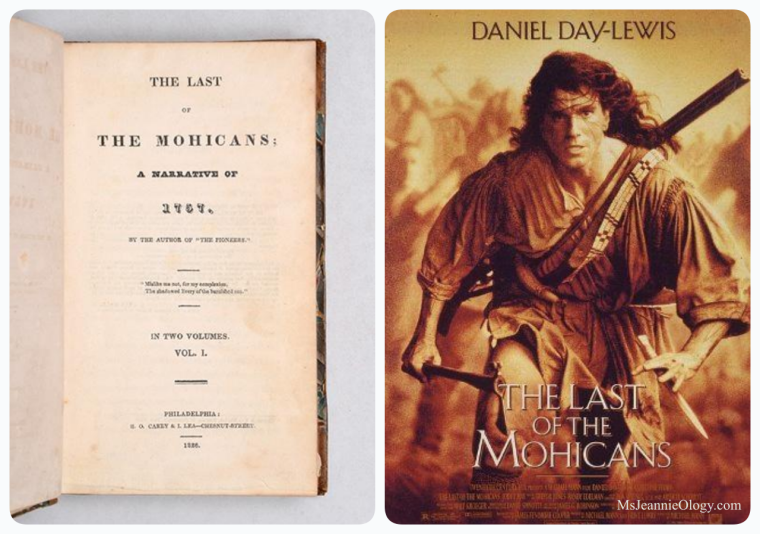
The Nutcracker ballet was based on a novella written by E.T.A. Hoffmann in 1816. The movie version of the ballet starring Macaulay Culkin was released in 1993.Miss Julie was a play written by Swedish author August Strindberg in 1888. It was made into a beautifully filmed movie starring Jessica Chastain and Colin Farrell in 2014.The Last of the Mohicans was a book written by James Fenimore Cooper in 1826. Daniel Day-Lewis starred in the film version in 1992.
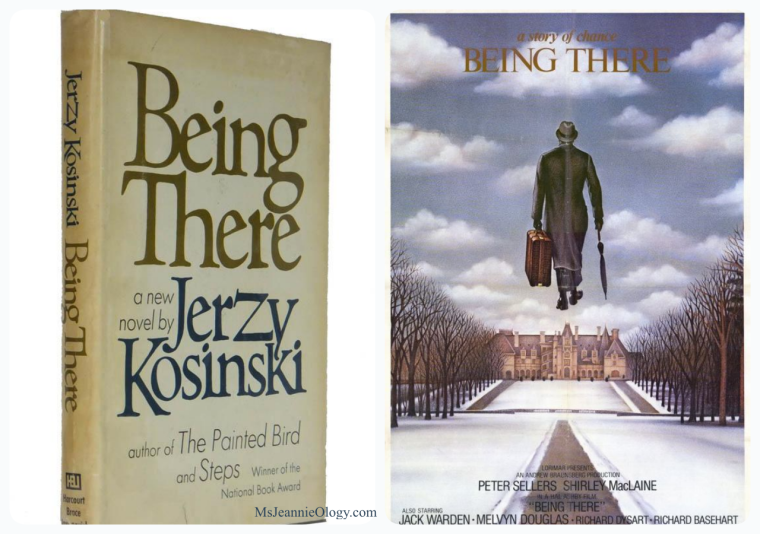
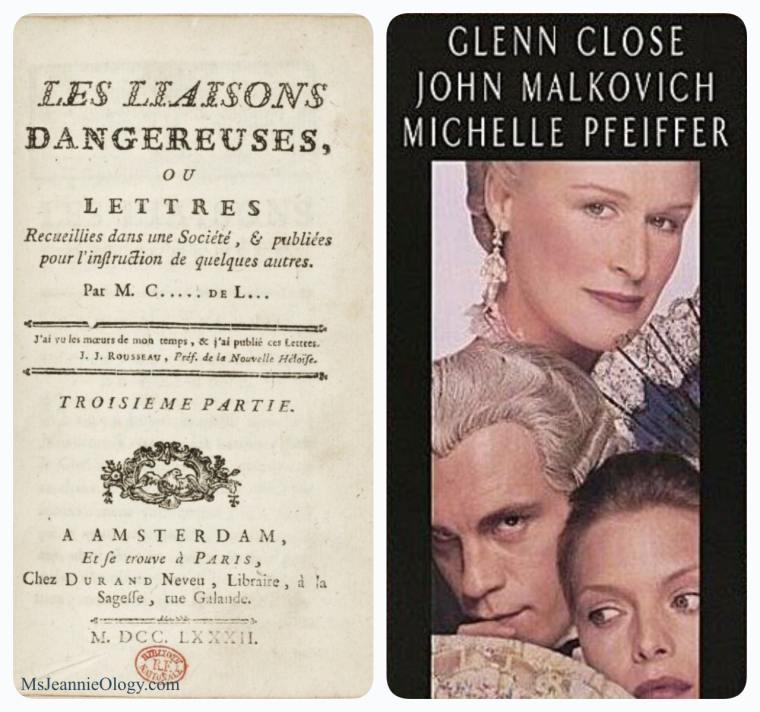
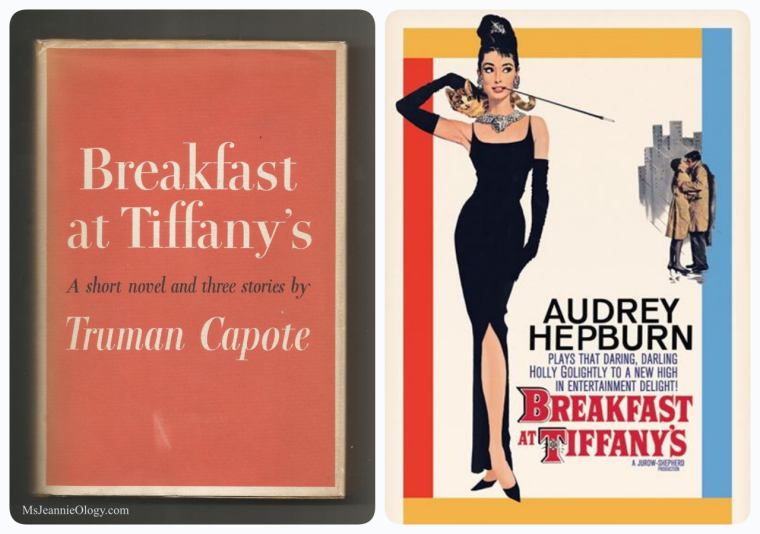
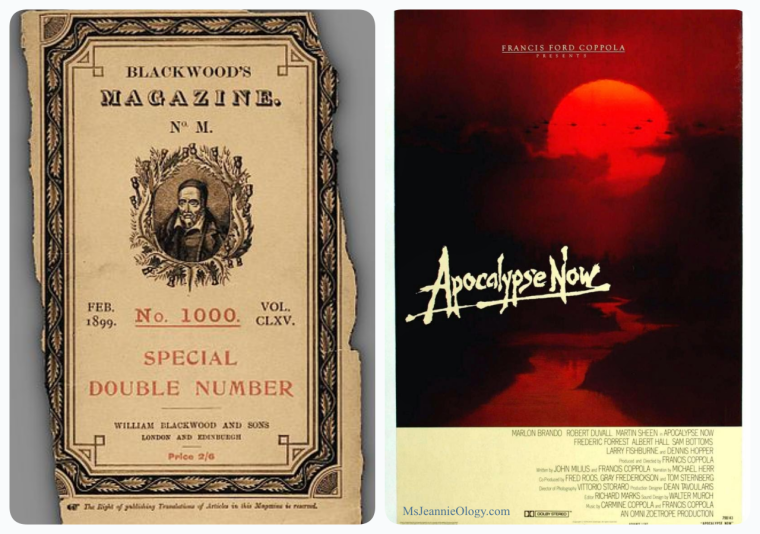
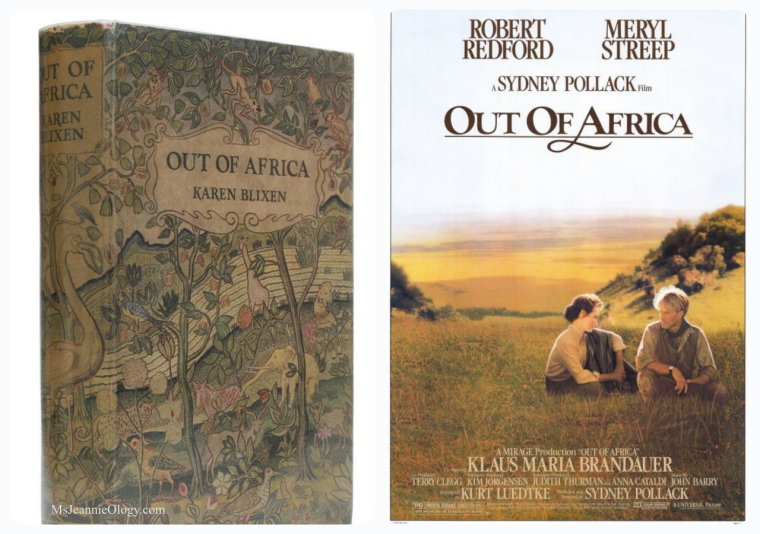
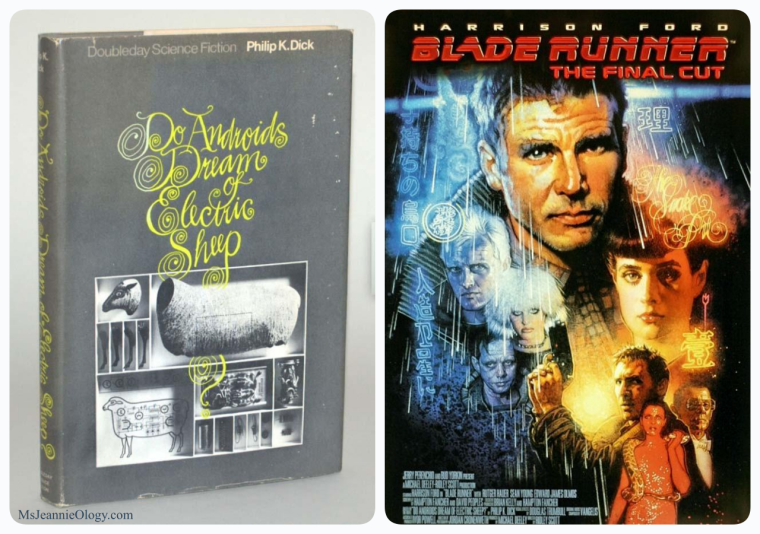
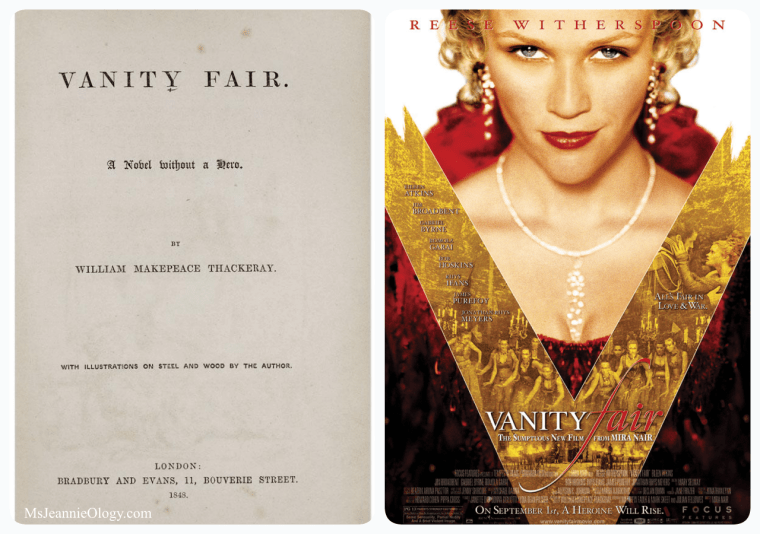
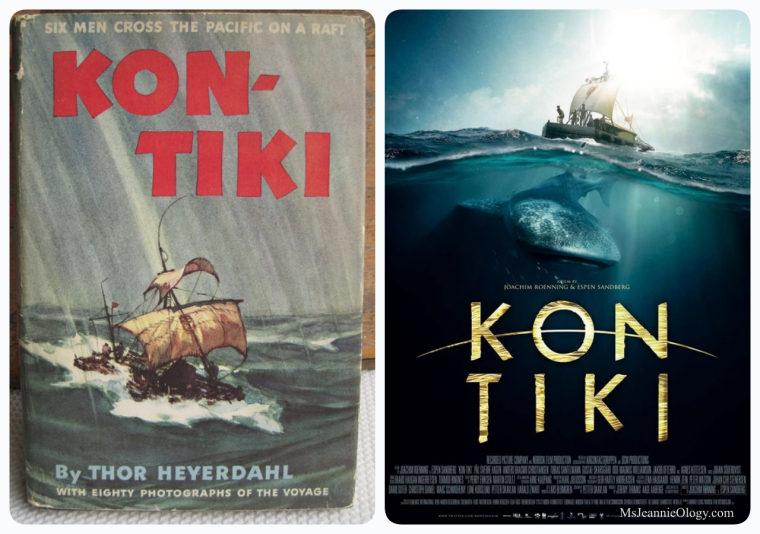
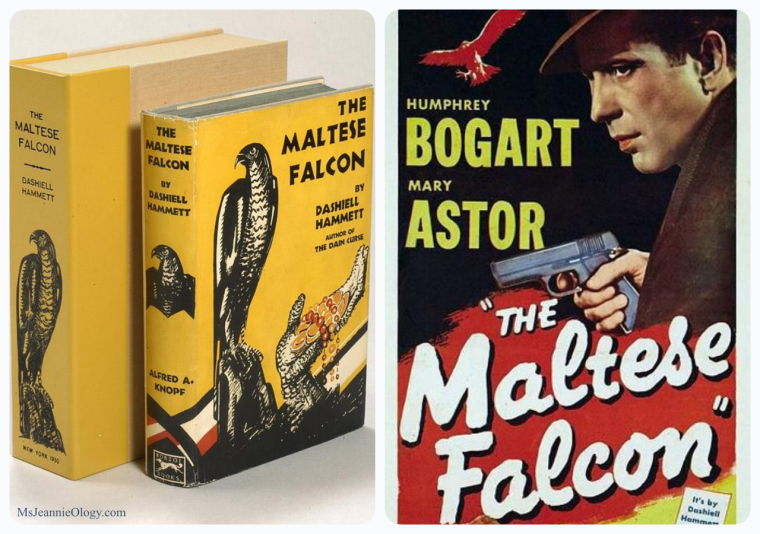
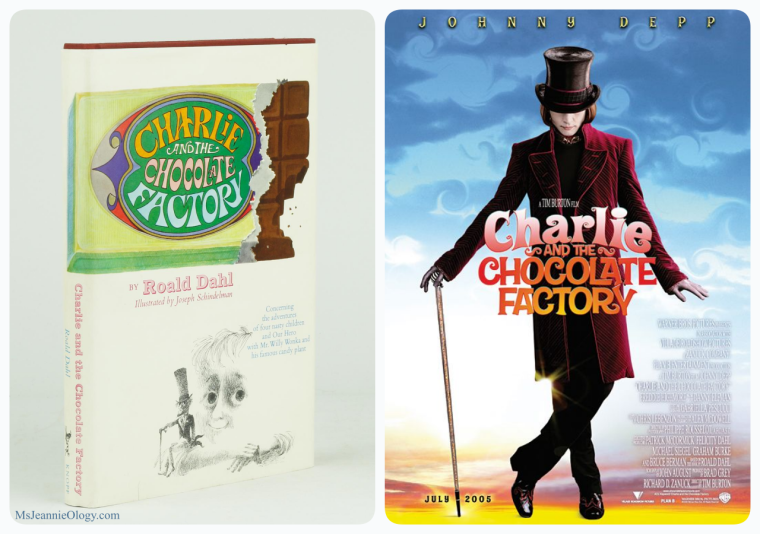
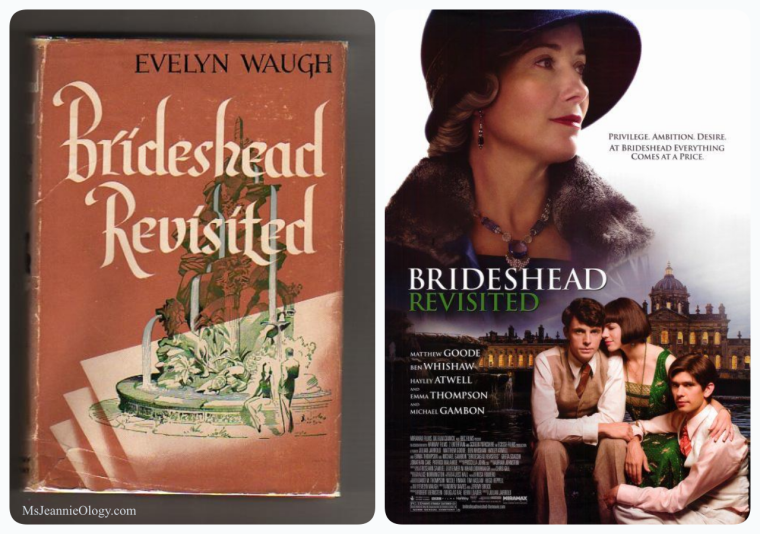
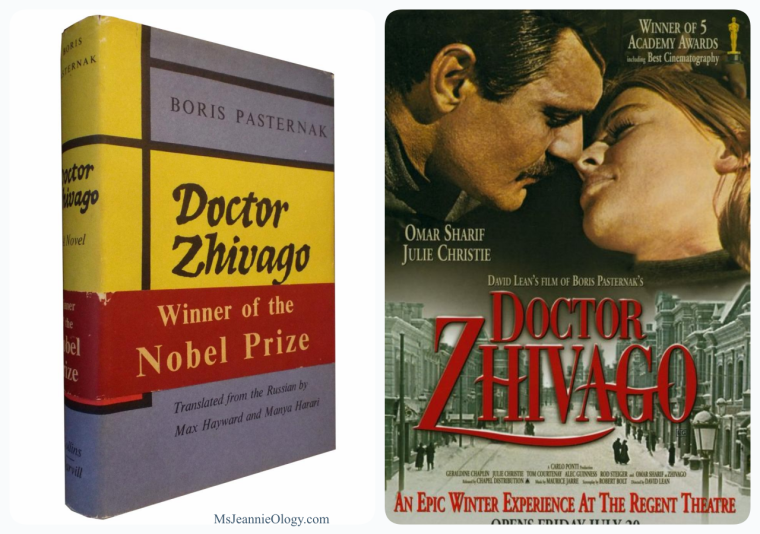
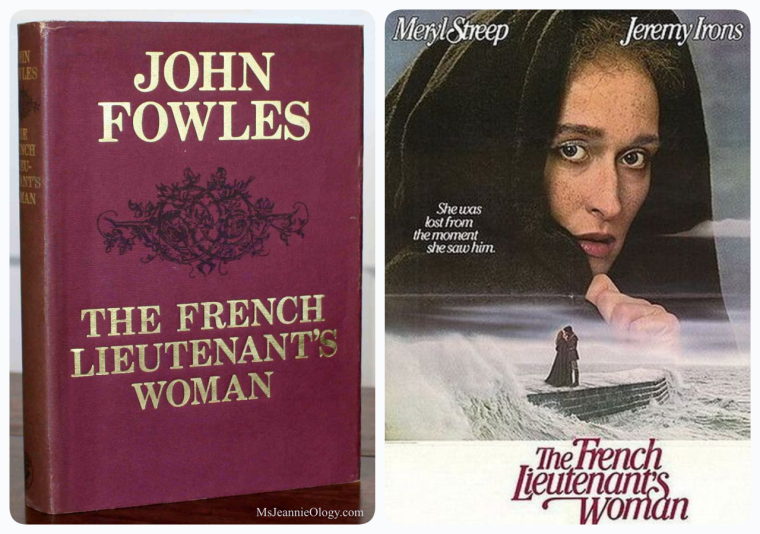
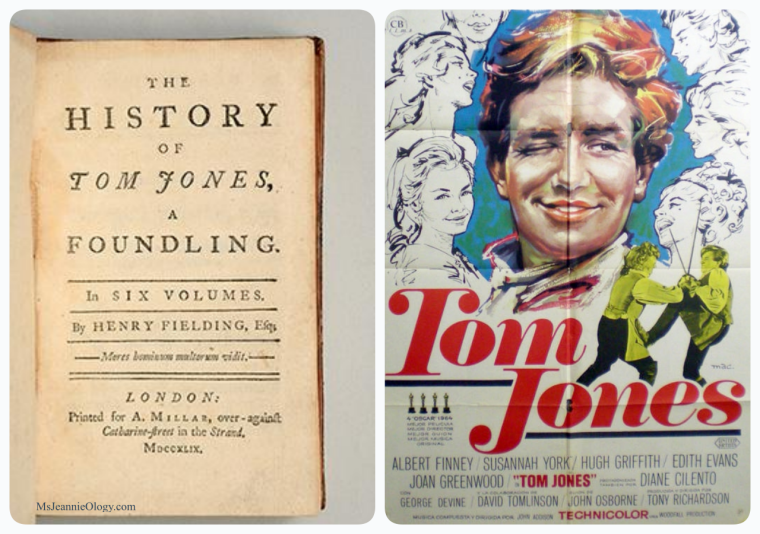
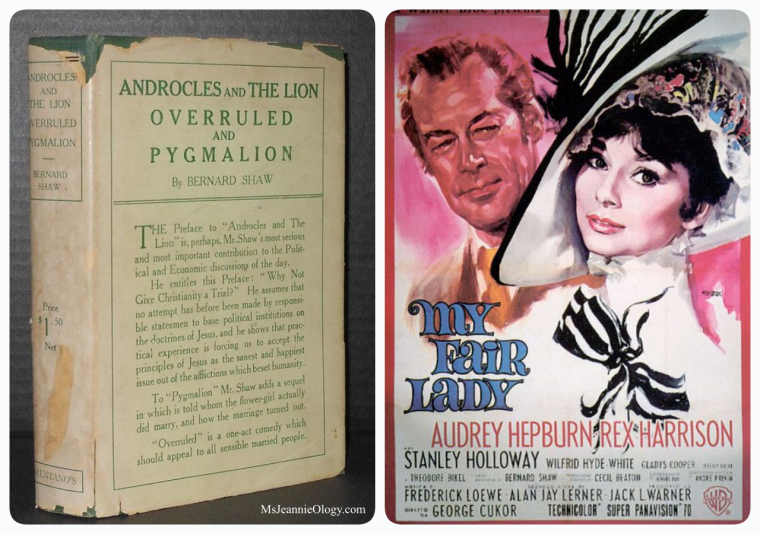
Jerzy Kosinski published Being There in 1971. Peter Sellers starred in the film adaptation in 1979.In 1782 French author Pierre Choderlos de Laclos wrote Les Liaisons Dangereuses. Two hundred years later, in 1988, Glenn, John and Michelle starred in the film version.Truman Capote created flawed heroine Holly Golightly in 1958. Audrey Hepburn made her famous in the film adaptation in 1961.Joseph Conrad wrote the book Heart of Darkness which was first serialized in Blackwood’s Magazine in 1899. The story became the inspiration for Francis Ford Coppola’s legendary film Apocalypse Now in 1979.Karen Blixen published her memoirs, Out of Africa, about life on an African coffee plantation under the name Isak Dinesen in 1937. Meryl Streep brought her to life on the big screen in 1985.The king of science fiction writing, Philip K. Dick wrote the magically titled novel Do Androids Dream of Electric Sheep? in 1968. The story was adapted for film in 1982 and re-titled Blade Runner.Vanity Fair was written in 1848 by William Makepeace Thackeray. Mira Nair adapted it beautifully to film in 2004 starring Reese Witherspoon.In the late 1940’s Thor Heyerdahl defied all logic by following the path of KonTiki across the ocean on a primitive sailing vessel. He published his account of the experience in 1953. In 2012 a group of Scandinavian filmmakers brought the nail-biting, edge of your seat adventure to the big screen.Dashiell Hammett wrote The Maltese Falcon in 1930. It became a popular film-noir in 1941 thanks to Humphrey Bogart.Before Gene Wilder (1971) and Johnny Depp (2005) entertained us as Willy Wonka in Charlie and the Chocolate Factory, author Roald Dahl created a candy-coated world for kids in his 1964 confectionary.Evelyn Waugh wowed the world with his literary wonder Brideshead Revisited in 1945. In 2008 Matthew Goode turned out a handsome performance in the beautifully captured film adaptation.Doctor Zhivago swept the histrical romance world thanks to writer Boris Pasternak in 1958. Seven years later it became a Hollywood giant starring Omar Sherif and Julie Christie.In 1969, English author John Fowles published The French Lieutenant’s Woman. Twelve years later, in 1981 Meryl Streep portrayed her on film.Henry Fielding created the adventures of Tom Jones in 1749, two centuries later Albert Finney charmed the world with his charismatic portrayal of the title character when the film premiered in 1963.Before My Fair Lady was the darling of stage and screen it was a play called Pygmalion written by George Bernard Shaw in 1913.
These are of course just a few examples of the themes timeless books lend to our lives. More examples will come in a future blog post, but for now Ms. Jeannie will leave you in the good hands of these good characters. Go right ahead and fall in love with Tom Jones, even though he’s 200 years old. Feel the confident energy of Thor Heyerdahl even though his adventure occurred six decades ago. Relate to Holly’s vulnerability and Karen’s isolation. Get revved up by Chance’s take-life-as-it-comes attitude and Walter’s grab-life-by-the-horns manifesto. Fun things never age and fun books are no exception!
Need help finding a good book? Ms. Jeannie’s your gal. Post a message in the comments section and she’ll be in touch!
It’s the middle of January. It is the middle of winter and the middle of a cold snap hitting Ms. Jeannie’s section of the woods. It’s in the twenties at night and the wood stove in the schoolhouse is working overtime. To everyone else it is freezing, but in the mind of Ms. Jeannie it is Spring. That’s right dear readers, a new season has arrived and it looks like this…
and this…
and this…
If you have visited Ms. Jeannie’s shop within the last week you’ll have noticed that a bevy of botanical flower prints have appeared – a hopeful little nod to warmer weather and all the beauty that is silently stirring under ground while everyone else is shivering above.
The flower prints are botanical bookplates that comprise wild flowers in America circa 1953. Printed watercolor portraits of over 400 different varieties, these beauties represent some of the most common and most exotic flowers that graced our mid-century American landscape from Alaska to Maine, from Canada to Mexico and from each and every state in-between.
Colorful, simple and classically stylish, these botanicals offer a bounty of decorating options from bright and bold to subtle and soothing. Today we are going to take a look at how you might decorate with such beauties to bring some fresh color into your space or use them as springboards to choose a room’s color palette.
You can go the traditional route and frame them in simple wood frames to liven up an accent wall like this balanced collage:
You could create your own garden cottage wallpaper…
You could pull colors together in a room with these guys as your green anchor:
You could think outside the frame and tape them up on a wall in a casual combination of beautifully messy:
Or you could incorporate them into a found object vignette like this one that represents all your favorite things…
When grouped together in a large collection, vintage botanicals help brighten up a dark space like this one…
And they help add a pop of color on a wall that is all white like this one…
They can help carry a theme of color and shape, like this arrangement…
Or help carry a vibe like this soft and soothing space…
Anyway, you look at them, from the traditional to the thought-provoking, vintage botanicals have the ability to instantly and effortlessly add personality to a room and a wall. Warm yourself up with some flowers in red and and orange. Or calm yourself down with flowers in white and green. There’s something for everyone in a wild flower whether you are looking for pretty petals or dramatic grasses, wild flowers never disappoint.
Oh and there is an added bonus too…instant mood brighteners on these chilly-willy days of winter when all seems icy grey and white.
To peruse the collections in Ms. Jeannie’s shop (which include vintage Menaboni bird botanicals too!) please click here.
Cheers to sunny days ahead! Happy day dreaming and happy decorating!
Here we are dear readers rounding the corner to the finish line of Holiday Season 2015. You made it! You conquered all that hustle bustle, you cooked and cleaned and partied and pulled yourself through the merriest of months like a champion.
And by now, Ms. Jeannie bets you are ready for a little rest, a little relaxation or perhaps just some good old fashioned recovery time spent laying low. Ms. Jeannie has just the right thing for you… a suggestion list of the most entertaining books and movies she’s encountered throughout 2015.
Not all these suggestions came out, brand new, this year, some are a few years old and some are fifty years old but each of them carries the theme of history in a most interesting way, and each one will keep you entertained from start to finish.
Let’s take a look….
In the watching department, Ms. Jeannie fell in love with the following mini-series, movies and documentaries…
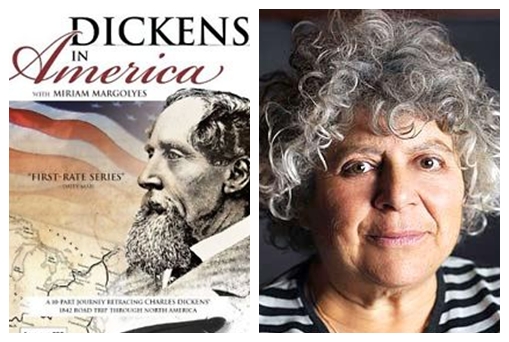
1. Dickens in America with Miriam Margoyles
Dickens on the left, Miriam on the right:)
The retracing of Charles Dickens’ 1842 travels to the United States, this documentary series sent famed British actress Miriam Margoyles (perhaps the biggest fan of Charles Dickens ever!) to a variety of cities located throughout the Eastern US. Visiting all the places Dickens traveled to… Boston, NYC, Washington DC, Philadelphia, Virginia, Ohio, Illinois and Canada, Miriam also attempts to eat the same sorts of foods, stay in the same hotels and travel the cities in the same way he did. The fun thing about this series is Miriam herself – a plug of energy, enthusiasm and quirky personality, she mirrors her contemporary viewpoints and attitudes alongside Dickens in all that was seen and experienced. She laughs, she cries, she compares and contrasts, she’s the ultimate fan and because of her devotion you can’t help but get caught up in her love affair as well. Here’s a clip from one segment…
2. Miss Fishers Murder Mysteries
How Ms. Jeannie escaped hearing about this Australian tv show that has been airing since 2013 is a wonder. Set in 1920s/1930’s Melbourne, Miss Fisher’s Murder Mysteries centers around thoroughly modern lady detective Phryne Fisher and the bevy of strange and unusual cases she solves. Beautifully filmed, along the same glamorous lines as Downtown Abbey, Miss Phryne Fisher is progressive in all things thought and action. The writing is smart, the wardrobes incredible and the cases always intriguing. Currently, in its third season now with new episodes beginning in January, Ms. Jeannie recommends watching it from the very beginning because story lines do carry over from season to season.
This is the trailer for season one…
3. Mona Lisa is Missing
The inspiration for this documentary came from one line in a book (aha!) discovered during the 1970s:
In 1911, the Mona Lisa was stolen from the Louvre by an Italian immigrant named Vincenzo Perugia.
Filmmmaker Joe Medieros became so obsessed with this one line and the story behind it that it took him the next 30 years to properly figure out what exactly happened to the world’s most famous painting. The result of his research is this fast-paced, funny and touching documentary stretching from New York all the way to Italy where he meets modern-day relatives of the thief who stole the painting, scours international archives, pursues all possible theories and does a re-enactment of how the whole situation went down at the Louvre step-by-step. The winner of practically a gazillion film festivals around the world, Mona Lisa is Missing is so creatively put together using a mixture of paper cut outs, film footage and moving pictures it is as whimsical in presentation as it is in story.
4. Finding Vivian Maier
Another equally fascinating real-life story, Finding Vivian Maier is a documentary about a thrifty collector who purchased a few boxes of old photographs at an auction. When he realizes upon returning home that the collection is quite extraordinary, he embarks on a vintage sleuthing escapade to uncover who exactly this photographer is, the influence of her art upon mid-century America and the unusual life she led in pursuit of her passion. So incredible, Ms. Jeannie will not say anything more about what happens because the pacing of this documentary and all that it reveals is fantastic. By the end of it – you’ll be a fan. Ms. Jeannie promises!
In the book department…
5. West of Sunset by Stewart O’Nan (published 2015)
When Ms. Jeannie traveled to Florida to take care of her sick dad in November, she spent the entire eleven hour drive each way listening to one audio book – West of Sunset by Stewart O’Nan. As you know by now, (if you happen to be a regular reader of the blog) like Miriam Margoyles and her Dickens, Ms. Jeannie has a slight obsession with anything F. Scott Fitzgerald, so she was super excited to discover this newly released novel which centers around the last three years of F. Scott’s life.
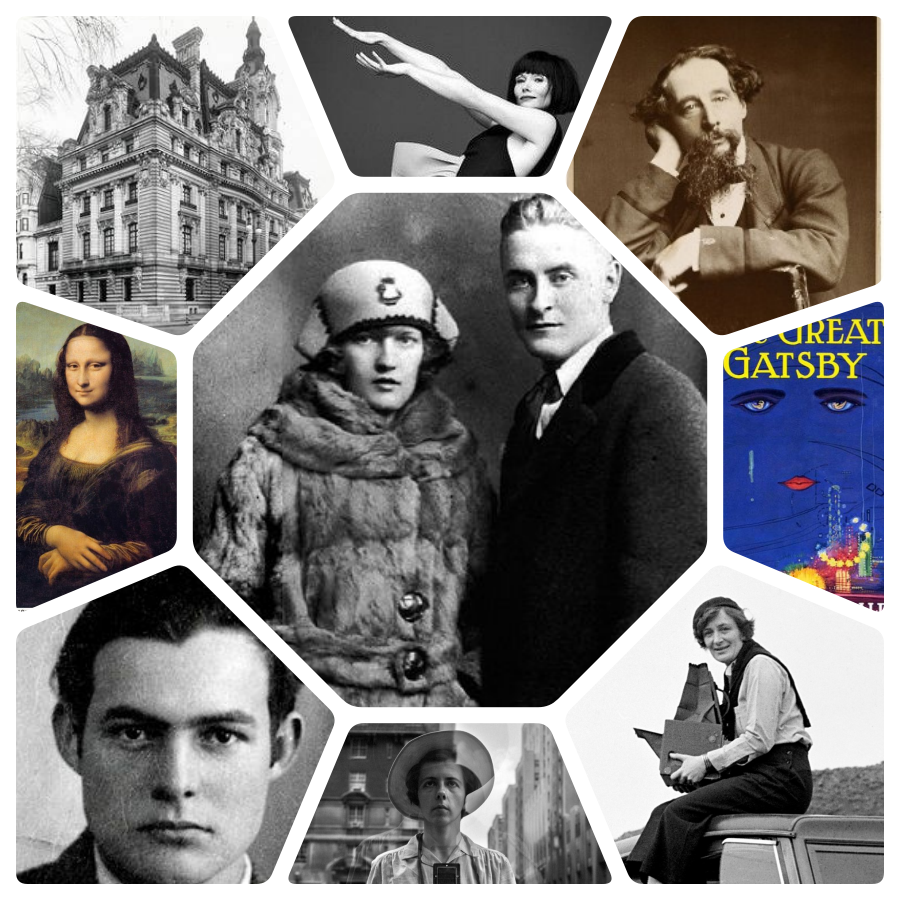
F. Scott & Zelda Fitzgerald
This was the point in his story (the late 1930’s) when his wife, Zelda was receiving care in a mental hospital in North Carolina and he was on the opposite coast, in Hollywood writing scripts to try to drum up enough money to live. Throughout Stewart O’Nan’s novel, F. Scott travels between life in the make-believe city of Los Angeles where he spends time with Bogart and Hemingway, Deitrich and Cukor and real-life in North Carolina where Zelda is loosing teeth and losing touch. F. Scott tries to maintain a sense of marital stability, loyalty and companionship to Zelda but this hospitalized woman is someone he no longer recognizes, a child-like version of the dynamic and vivacious woman she once was. By this time, The Great Gatsby has already been published but it is not nearly the revered literary work that is today so F. Scott in Stewart’s world is old and tired and struggling, plodding day by day at his typewriter, driven by his love of words and his desire to string a noteworthy line.
F. Scott & Zelda around the time of the book’s setting.
Thanks to Stewart O’Nan’s humanistic approach to the end of F. Scott’s life we understand how difficult it must have been to keep up with costs to support Zelda’s mental health care, to keep his teenage daughter Scottie’s school tuition afloat and to also just be able to maintain his day to day living expenses in California while also dealing with the mental ups and downs of an unreliable creative enterprise like movie-making in California. You might know F. Scott as an alcoholic, a child of Jazz age decadence and of day to day living without future thought but Stewart O’Nan paints a highly researched depiction of this great writer in his final flawed years when he was trying – really trying- excruciatingly trying – to not drink so much, to keep his career current and to take care of his family. This is what makes this book fantastic. In our modern way of seeing success so easily promoted via social media it is easy to forget about struggle, about building, about putting in the time in so that success can happen. Stewart O’ Nan deals with all that – the unglamorous, every day side to F. Scott which made him real and likable and ultimately relateable. And there are also some very cool scenes filled with glamorous Hollywood parties and celebrity encounters that make your imagination fly:)
6. So We Read On – Maureen Corrigan (published 2014)
NPR book critic Maureen Corrigan shared her love of all things Gatsby in So We Read On, determining why and how F. Scott Fitzgerald’s book, The Great Gatsby is still so relevant and so important in today’s world. Covering all aspects of the book, from its writer to its subject to its themes and its reception both then and now, Maureen examines Gatsby from all sides (literally and figuratively). She even travels all the way back to her high school where she first read Gatsby and where kids now in the 2000’s are still required to read it in order to see what the modern day perception of the nearly 100 year old novel is today. How could a book written in 1925 still be so universally relevant 90 years later? You don’t have to be a superfan to understand Maureen’s book, it is wonderfully written as a quasi-memoir and interpretation of one woman’s love of reading and the impact that one particular book made upon her life.
7. A Moveable Feast – Ernest Hemingway (published 1964)
Ms. Jeannie most highly recommends reading this book aloud, because there is a little magic that happens when you both speak and hear the lines of someone else’s memoir. The subject becomes much more intimate and much more consuming.
The true story of Ernest Hemingway’s experience of living and writing in Paris at the very start of his career, A Moveable Feast will transport you immediately out of your current situation and deposit you in the cafe scene that is Paris of the 1930’s. You’ll hear first-hand, in his own voice, how Ernest struggled to build the sentences that would build his career and how he would struggle to understand the people that moved in and out of his life, including his own wife who was a marvel of odd and exotic understanding.
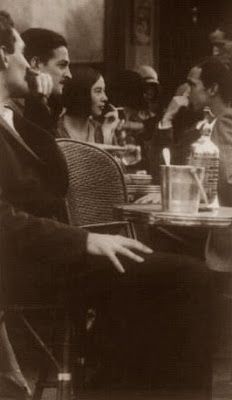
Ernest amid the 1920’s Parisian cafe scene.
You’ll learn how he plodded every day though the mud that is the creative writing field, while also experiencing the commonplace genius and artistic camaraderie that would make this time in Paris legendary. And most importantly you’ll see probably the most vulnerable side of Ernest, in his own words, before he was confident and comfortable in his own writing skin, while he was struggling to make enough money to buy dinner for his wife and baby, to buy a book from Shakespeare & Company or to buy a hot coffee to keep warm while he wrote on a cold day. This is Ernest at the very beginning, a keen observer of the situation before him.
8. Empty Mansions – Bill Dedman (published 2015)
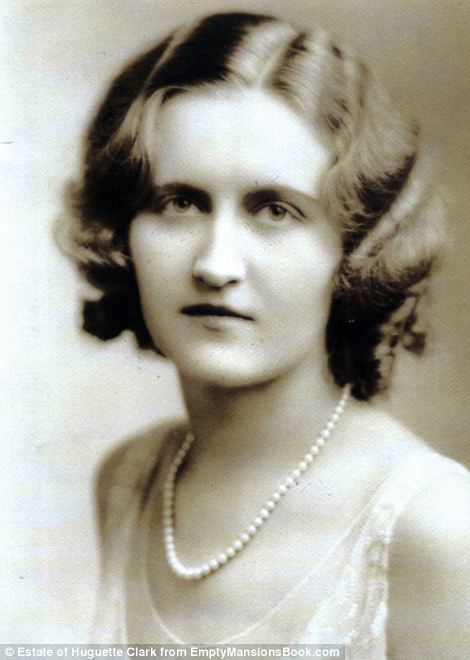
Changing gears completely from Jazz Age Paris to contemporary New York high society, Empty Mansions is the true story of Huguette Clark of New York City and the story of her family’s fortune which spans the 18th, 19th and 20th centuries as it spreads from Colorado to Arizona to New York City’s Fifth Avenue.
Huguette Clark (1906-2011)
Now rumored to be in consideration for film adaptation, Ms. Jeannie can completely understand because the book opens with the reclusive story of Huguette, a once beautiful debutante, now aged and afraid to show her face in public due to a cancer causing facial disfigurement. From the opening pages you try to decide if Hugettte is an eccentric reclusive like the Edie Beales of Grey Gardens or if she is just extremely shy and private trying to live a life away from the press.
As the book continues and the story unfolds you wonder if she is prey to the strange health care system that plagues our country and to the managers of her welfare or if she is an indomitable force that controls her own destiny living life on her terms and her terms only.
New York’s famed 5th Avenue where the Clark family lived alongside other tycoon neighbors like the Vanderbilts and Rockefellers
Providing back story to Huguette’s unusual lifestyle, you learn about her family’s genealogy and the American dream fantasy of hard work, risky decisions and big rewards that built their fortune and made them a formidable impression on the New York business scene of Victorian metropolitan life. You learn about the tragedies that befell the family as well as the triumphs, how they rose to fame and slowly withdrew from it, and how all those moments one by one compiled themselves onto the outlook and attitude of Huguette and shaped a century of life.
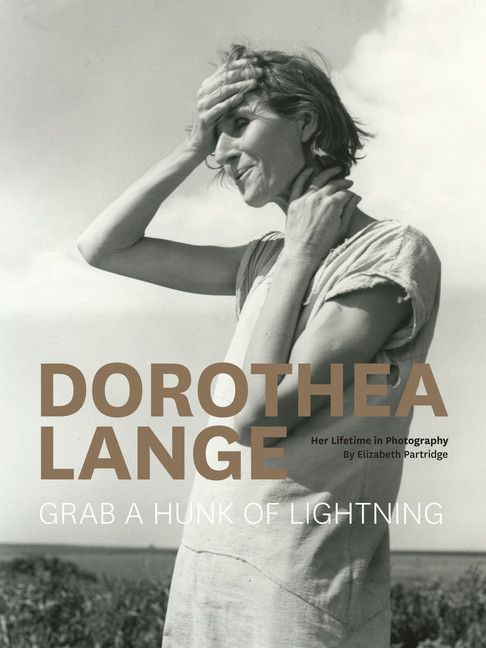
9. Dorothea Lange: Grab a Hunk of Lightning – Elizabeth Partridge (published 2013)
Both a book and a PBS documentary, Grab A Hunk of Lightning tells the whole story of famed photographer Dorothea Lange from how she started as an awkward teenager first learning how to use a camera through experimentation and expression to how she turned into a trained eye that would make her one of the most famous photographers of the 20th century.
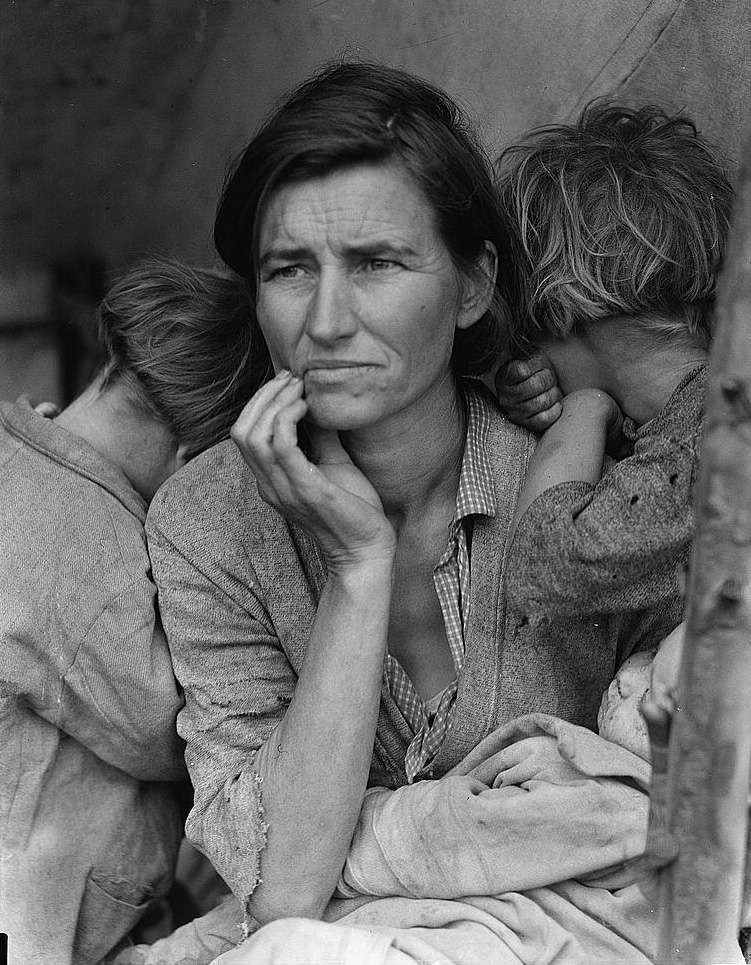
Dorothea Lange’s most well-known photograph, The Migrant Mother, taken in 1936
Beautifully laid out in folio style, Grab A Hunk of Lightening, written by Dorothea’s god-daughter, gives insight into the production and story behind her personal life and her professional photographs. And it also tells the story, again like Ernest Hemingway in A Moveable Feast and F. Scott Fitzgerald in West of Sunset how one thing led to another in terms of career and creativity. Dorothea was a working artist trying to pay bills all the while attempting to build a style, a career and a vision that was uniquely hers. Despite difficult circumstances, marriage, children, house moves, illness and lack of confidence, Dorothea humbly went about pursuing her craft every day of her life, putting one foot in front of another.
Hope you find some new and exiting material here dear readers! If you had any extra special favorites in the book and movie department this year please share your thoughts in the comments section!
May the rest of your 2015 be lazy and lovely. Cheers and happy Happy New Year’s dear readers!!!
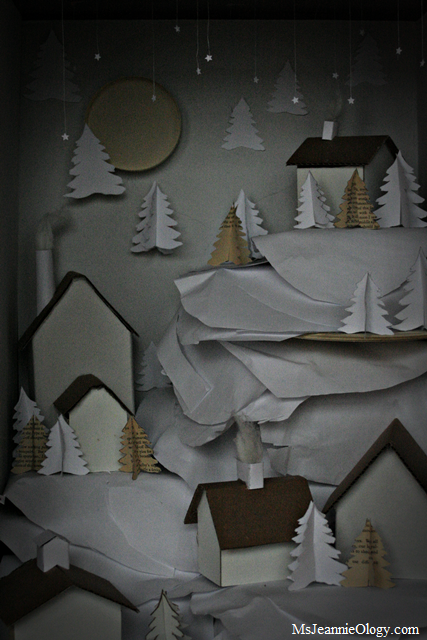
Almost every year Ms. Jeannie makes a paper village for Christmas. Sometimes she gives them away to friends and sometimes she incorporates them into her space. Sometimes they reflect little details of things that happened during the year and other times they act as little totems for what she might like to see happen in her life in the new year. Regardless of the theme it is always fun to make them – a little stress-relief project in the middle of a busy month.
This year Ms. Jeannie built her Christmas village into her bookshelf. As you all know books swirled around her life left and right this year, and although there was a lot of unexpected events and occurrences that happened in 2015, books helped keep her hopeful. So it seemed fitting to build her paper village among the stacks of paper that so inspire her.
Mr. Jeannie pitched the roofs and lent his talents in the chimney smoke department. Ms. Jeannie hung stars and made alpine trees out of vintage book paper. It was a family affair like all good holiday projects should be with lots of love and laughter to hold up her little cut-out community.
The same can be said of this community of readers – you dear wonders – who continue to make Ms. Jeannie smile with all the love and support you give on a such a regular basis. Thank you so much for keeping in touch and contributing all your thoughts – with each kind word you lift Ms. Jeannie higher each and every day.
There are big plans for 2016 and many fun surprises in-store. Ms. Jeannie hopes with all her merry might that yourplans for the new year are just as big and just as bright and that 2016 is going to be the best year yet.
Wishing you a very Merry Christmas and the most cheerful of New Years!
This past weekend Ms. Jeannie went to a party. It was one of those unforgettable, over-the-top affairs where the guest list was filled with fancy names and all the faces were beautiful. The venue itself was without fault and so impressive it almost seemed fake. Top all that with a symphonic orchestra that played ceaselessly without one break for hours and it was pretty much the most sublime evening Ms Jeannie has had in months.
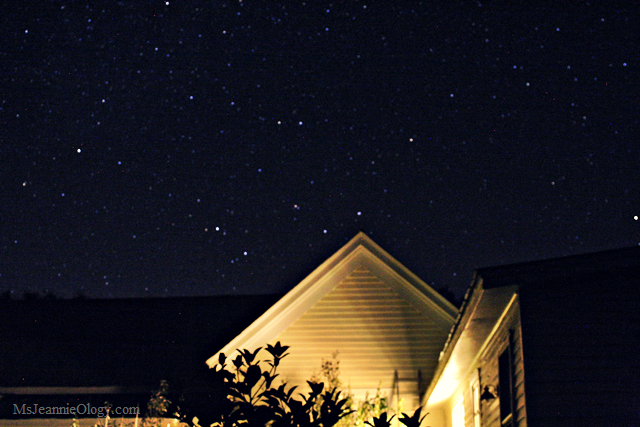
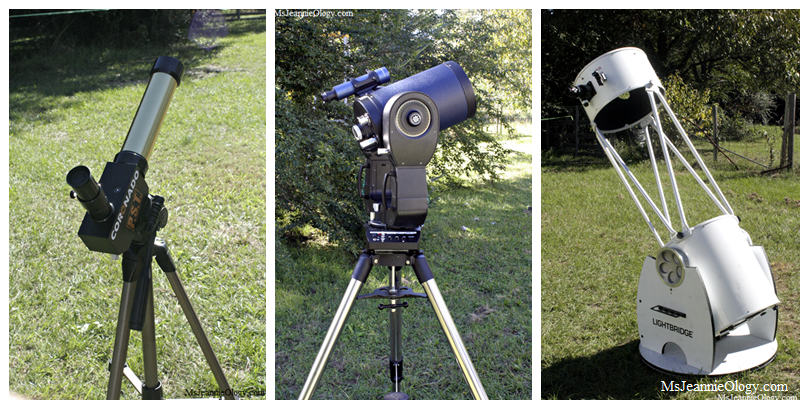
The purpose of the party was to welcome three distinguished guests who were visiting from a nearby university. These are the handsome trio…
With a combined net worth of over $12.000.00 these three lit up the room with their high-fashion style and expensive demeanors. Mysterious, intimidating and slightly aloof at first, once Ms. Jeannie looked them in the eye…
she was smitten. Navigating past the awkward introductions and the stumbling blocks of trying to find common ground in conversation, these three honorees opened up a whole new world to Ms. Jeannie. Conversation started small with a red-dot introduction to the sun…
but as the night progressed and the hour grew later topics of conversation grew bigger and brighter…
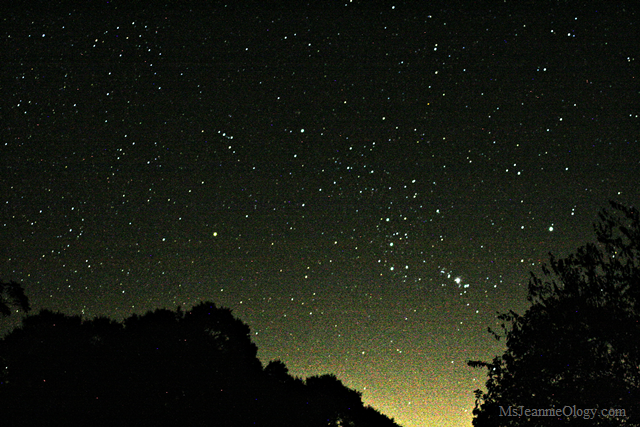
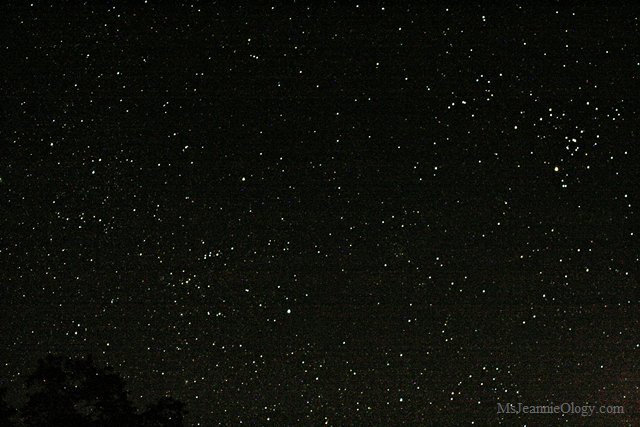
You see dear readers, our three distinguished honorees knew lots of guests at this party and they were each happy to take Ms. Jeannie’s arm and introduce her around. Thanks to them, Ms. Jeannie met a boatload of fascinating characters – Pegasus, Cepheus, Draco…Delphinus, Equules, Andromeda…
There were shooting stars and globular clusters, constellations and galaxies. Some of these party-goers were bright, vivacious twinklers and others were shy, smudgy wallflowers but each of them dazzled in their own way. Some were familiar faces and old acquaintances that Ms. Jeannie shamefully admitted she hadn’t been in touch with for quite some time. When she eventually made her way over to the moon…
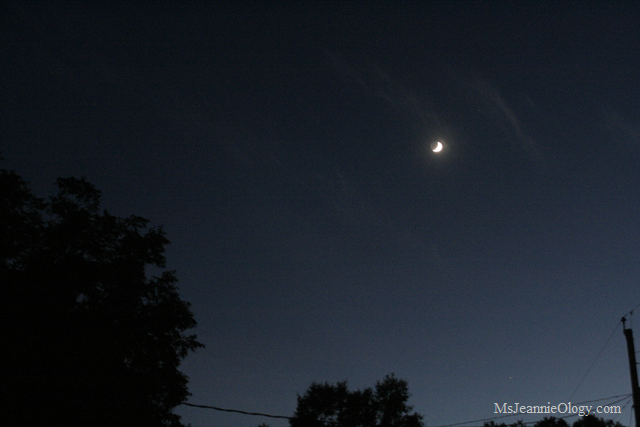
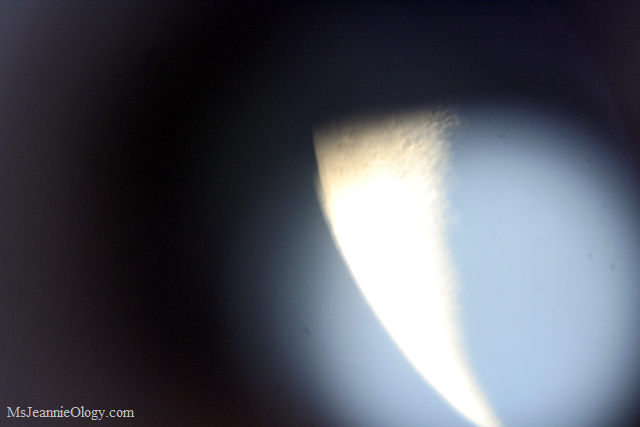
she had some apologizing to do. It had been a long time since she had looked up her old friend. But lucky for her, the moon was as gracious and as easy-going as ever. And immediately it felt like no time had passed since they’d last been in touch. Up close, Ms. Jeannie did notice some new things about Moon though. Like how his face seemed more delicate – more crepe-paper like…
And there was a glow about him that, although hard to define ….
was mesmerizing none-the-less. Ms. Jeannie felt re-invigorated spending time with him again. As an endlessly fascinating entertainer, Moon was also showing off his many faces. Some were dark and dramatic….
some were light and dreamy…
Depending on the orchestral songs of the late summer field crickets, the moods of the moon seemed to change with the melodies of the moment.
The same could be said for the glittering guests as well.
Once the moon left the scene, the party started to die down. Ms. Jeannie didn’t want to leave and that’s when she knew it was the best time to leave. That’s the sign of a good party – just like a good vacation – when you are enjoying yourself so much that you don’t want to go home. With a so-long to the stars and a thank you to the honored guests Ms. Jeannie headed home to fill her dreams with scenes from the star party and all the colorful characters dancing around the darkest darks of the natural night sky.
If you are in the mood to attend your own unforgettable party you might be interested in this vintage primer from Ms. Jeannie’s shop to help get you on your way…
Vintage 1960’s Children Book – The How & Why Wonder Book of the Stars
It’s full of your old friends, including Mr. Moon and contains star charts of what you’ll see in each month of the sky. It’s perfectly fascinating entertainment on these cool and crisp Fall nights. Happy star-gazing dear readers!
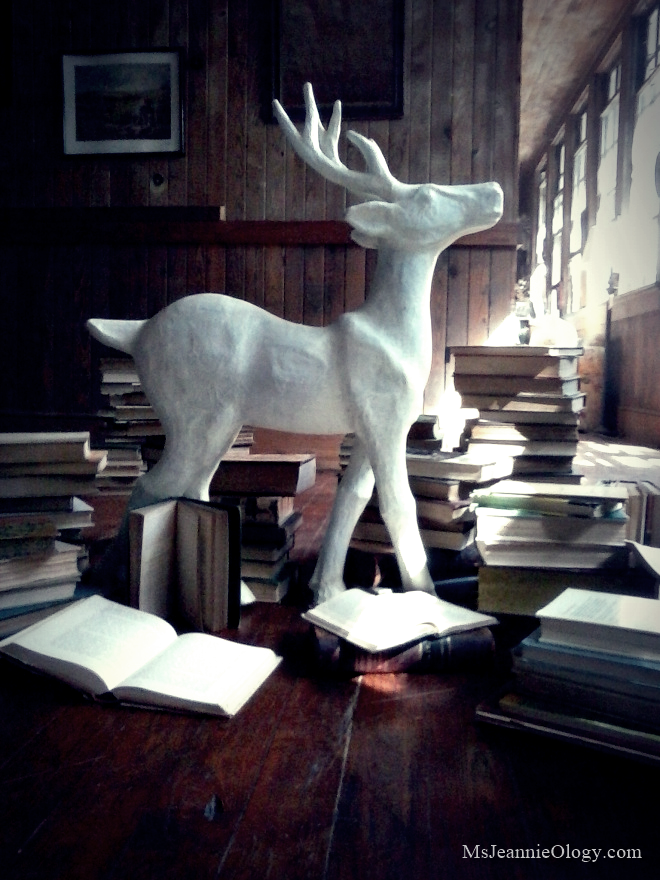
Ladies and gentlemen… it’s a great day to name a deer! On behalf of our statuesque stag, Ms. Jeannie is pleased to announce a winner in the Name That Deer contest!
After much deliberation, Deer is excited to say that from here on out he will now affectionately be called…
Hudson!
Named after the 19th century Argentinian born writer and naturalist William Henry Hudson (1841-1922) who wrote the gorgeous rain forest love story Green Mansions, our newly titled Hudson was taken with this name because it combined both literature and nature.
But this was not to say that this was an easy decision to make! Ms. Jeannie herself marveled at all the fabulous suggestions. The choices included gorgeous classicals: Charles Dickens, Brete Harte, Sebastian Flyte, Hemingway, Jack London, E.B. White, Clement C. Moore and Washington Irving along with super creatives: Val and Belletristic. There was a nod towards Deer’s feminine side with the suggestions of Emma and Pearl S. Buck. And there was even a funny one among the mix with the nomination of Vinnie’s Son – a play on the word venison! Such choices. Such fun.
A big, big congratulations goes out to mariedge2033 over on Instagram for contributing the winning name! A most special prize is heading your way shortly! Hudson would also like to sincerely thank each and every one one of you who took the time to help him find a name. Thank you, thank you dear readers for being so fantastic.
Dear readers, Ms. Jeannie needs your help! Her resident deer needs a name. He’s been a handsome part of the Ms. Jeannie landscape for almost a year now, quietly adding some elegance and dignity to the library where he lives. But this morning he woke up on the wrong side of the shelf. He was upset, and most rightly so.
For close to 365 days he’s just been called Deer. That was fine in the beginning but now he wants a proper name. It seems Deer will just not do any longer. Upon hearing this, Ms. Jeannie racked her brain. She couldn’t come up with anything creative except for George Eliot, which Deer reminded her was the masculine pen name for a lady writer. He wants something manly. Rhett Butler she suggested next. But they both knew that wasn’t quite right either. What then? Ernest, F. Scott, William? Tolstoy, Kipling, King? There are a million names, a billion names, centuries worth of names, but Ms. Jeannie couldn’t think of one that seemed fitting. What could a good name be?
This is where you step in, dear readers, with one of your super sensational suggestions. Deer has fabulous taste and a shining disposition. He’s statuesque in style with a head for poetry and a heart for adventure. Before he met Ms. Jeannie he lived in an attic for so long he forgot his own purpose and turned the color of dust. Now he grazes everyday on the great words of great writers and acts as shepard to a growing flock of books. Now he wants to be called something captivating… something big… something bold. Now he wants a name of literary proportions. Now, now, now he says!
Please help! Contribute a name in the comments section below. The one Deer loves the best will win a prize and a place in his heart forever and ever.
A couple of blog posts back Ms. Jeannie had you don your pith helmet and your safari gear for some adventure travel with the Roosevelts. This week we are changing costumes and donning new personas. Sherlock Holmes hat and magnifying glasses please! That’s right, dear readers, there is a mystery to be solved concerning this handsome treasure…
It is a vintage art book from the 1940’s featuring folio sized images from popular collections at the Metropolitan Museum of Art in New York City. Don’t let that plain red cover fool you. It’s full of beautiful images and colorful art on the inside…
In addition to over 55 art prints, this book also contains ten pages of interesting narrative on the Museum’s collection and fun facts on the art pieces featured in the folio…
As Ms. Jeannie was going through the pages of the narrative, learning new information about old art, she turned from page 11 to page 12 and came upon a piece of paper. A prestigious piece of paper to say the least…
Oh my! From one of the most famous residences in the country, a handwritten note! Who is it from? What does it say? When was was it written? Stay tuned dear readers as Ms. Jeannie embarks on the case of the Mysterious Masterpiece…
Nepal! Kashmir! Siberia! Kenai! Travel in the early days of the 20th century was fraught with drama, romance and the unknown. No other American family traveled with such gusto to the most magical of places quite like the Roosevelts. Pursuers of big-game hunting, scouts for museum science collections and recordings of natural history carried both male and female members of the family around the world seeking exotic experience.
Theodore & Edith Roosevelt
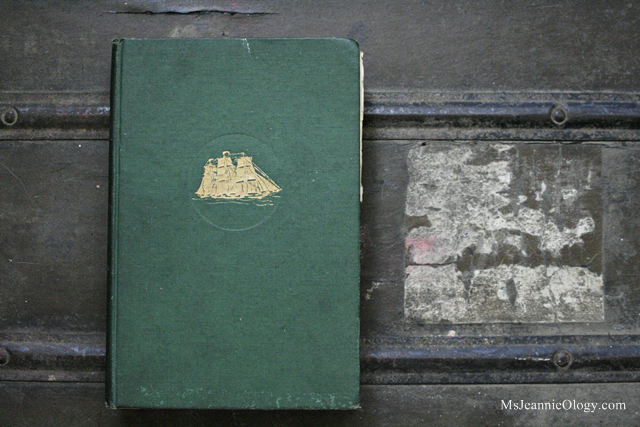
Following the death of Theodore Roosevelt in 1919, his wife, Edith, escaped her grief and memories wafting around their Sagamore Hill house on Long Island, NY by traveling abroad to the most exotic of destinations. A collection of her travel experiences along with the equally thrilling escapades of other family members dating between 1920 and 1926 were collected in this now rare book…
Cleared For Strange Ports published in 1927.
Today we are going to take an intimate look into the journal-style writings of four members of the Roosevelt family who dared to travel to the farthest of far-off places. So grab your pith helmets and your binoculars dear readers, as we head back 90 years to see first-hand what it was like to ride an elephant in India, chase a tiger in Bhadravati and travel across frozen ground in Siberia.
“There was so much to see and think about – so many impressions to seize and try to hold forever, as the minutes raced by, all crammed with new sights. I prayed that passing years would not blur the brightness of memory, and that this wayside magic would remain with me a treasure-store, vivid and keen, for the years ‘when we are old and gray and full of sleep.’ “ – Belle Willard Roosevelt, 1926
Belle Wyatt Willard and Kermit Roosevelt
Heiress Belle Wyatt Willard married Theodore and Edith’s son, Kermit. In 1926, she traveled to Kashmir with Kermit, her sister-in-law Ethel and Ethel’s husband Richard Derby. She wrote Ms. Jeannie’s most favorite entry in the book entitled: The Land Where The Elephants Are…
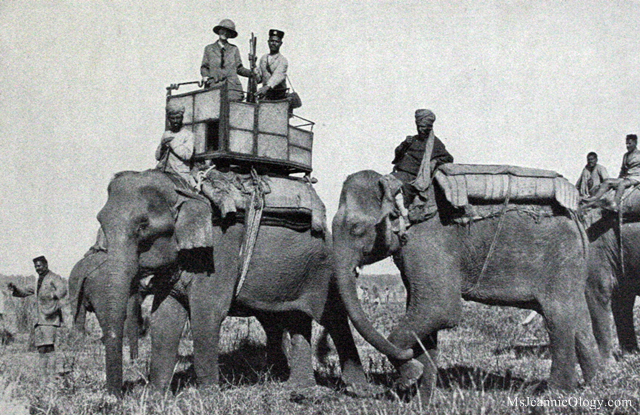
Belle Wyatt Roosevelt on her Howdah Elephant
” The long-line of elephants in solemn procession were a source of never-failing joy. There was always their preposterous conformation to ponder over; the enormous flapping ears and the ridiculous minute inquiring eyes; the strange toothless leer of the tusk-less ones; the great loose knees which turned outward with a baggy shuffle and the delightful incredible toe-nails. The whole massive gray bulk finished off by a spindle-tail with a thorny end gave such an inconsequential air to an otherwise dignified creature. The huge lumbered beasts stepped ever so carefully, a long trunk poked and felt about investigating every propitious spot before each foot was placed gently, softly with exact precision.” – B. W. Roosevelt, 1926
“Silently, alert and rigid, in anticipation we started off in single file, elephant behind elephant, in long line. The giant jungle grasses in many places waved some eight to ten feet above our heads as we stood upright in the howdahs. Below was a dense mass of lineas and thicket through which the elephants mowed their way, uprooting and tearing aside with their trunks any serious obstruction.” B.W. Roosevelt, 1926
Kermit Roosevelt (1889-1943)
Tragically Belle’s husband Kermit committed suicide in 1943, seventeen years after they traveled by the elephant train pictured above. An explorer from the very beginning, Kermit was a passionate hunter determined to understand the natural movements and motivations of animals, the environments they existed in and the impact they had upon culture. Nowadays, with conservation hot and heavy on everyone’s mind, it seems almost impossible to understand how anyone could shoot a tiger or a bear, chase down a wild pig or hunt game birds but thanks to the explorations of men (and women!) like the Roosevelts our knowledge of the natural world grew far beyond our own backyards.
“We were eager to get for the Field Museum as a representative a collection of Indian fauna as the limited time of our disposal would permit….These early morning stalks, although they netted us but little for the collection, were always a delight. You never knew what you might come across, as you slipped through the underbrush to pause at the edge of some forest-glade. The dewfall was heavy and in a half-hour you were drenched to the waist. We wore shorts so that there were no soggy trousers to cling to your knees and impede your going.” – Kermit Roosevelt, Balharshah, India 1925
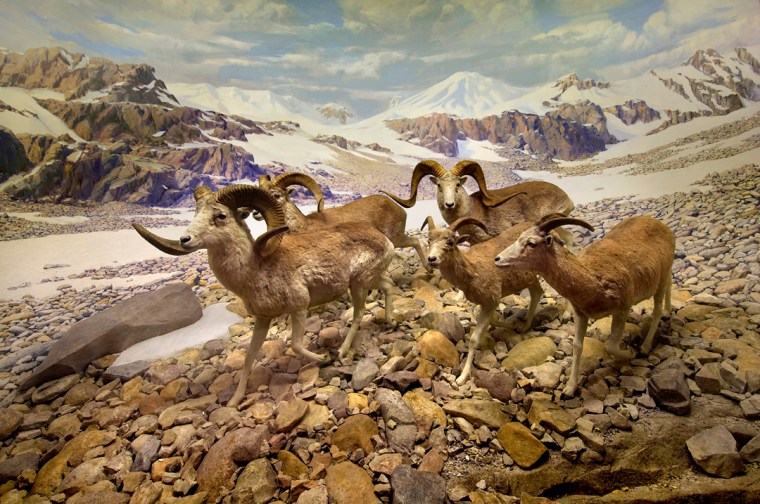
The Roosevelts collected specimens for the Field Museum in Chicago which were incorporated into many exhibits within the museum including dioramas, many of which can still be seen on display today.
The Field Museum of Chicago’s Ovis Poli diorama currently on display at the museum. These specimens were brought back by Theodore Roosevelt Jr. Photo via the Field Museum.
Its important to note that all the animals hunted during these trips were killed for scientific collections and studies. Nothing was wasted or killed in vain and if hides were all that were needed to take home than meat of the animals was given to local villagers as food source.
“To a student of “The Jungle Books,” the native nomenclature of the animals offered no difficulties, and we all felt at home chatting about Baloo the bear and bandars that swung through the trees ahead of the beaters; even Ming the bat was among those present.” – K. Roosevelt, India 1925
The Roosevelts were as well-read as they were well-traveled. Book references are mentioned over a dozen times within Cleared For Strange Ports showcasing how a good book can be just as thrilling an adventure as travel itself. Books even served as travel companions. Among the belongings of one Roosevelt safari was a 60 volume set of leather skinned classics that the Roosevelts were hoping would acquire a little bit of weathered patina upon their journey!
Safari camp set-up was explained by Belle…
“Our quarters were luxurious, a large double tent: two bathrooms for each couple; a dining tent, and a living-tent opening onto the great log fire, around which we sat after dinner under the stars.” – B. Roosevelt, India 1926
Ethel Carow Roosevelt & Richard Derby
Surgeon Richard Derby married Ethel Carow Roosevelt (Kermit’s sister). When Richard traveled he not only took time to write down his thoughts on his surroundings but he also spent equal time photographing the landscape. One of the cameras he used during his travels was an Akeley motion picture camera, developed by Carl Akeley who traveled with Richard’s father-in-law Theodore Roosevelt in Africa. Richard contributed a gorgeous piece of writing in Cleared For Strange Ports about seeing Alaska in 1925…
Mountain range and moose sightings by Richard Derby
“…and I saw the real Alaska – a country which lays its iron hand upon strong willed men and holds them in everlasting fealty, a country whose beauty and natural resources are so stupendous that man obeys its beckon and becomes its slave. Not a slavery of the soul, however, for Alaska only attracts the high-spirited romantic, developing his individuality and self reliance, and cultivating those traits which are only born of an eternal matching of wits with nature.” – Richard Derby, 1925 written on an Alaskan liner bound for Seward
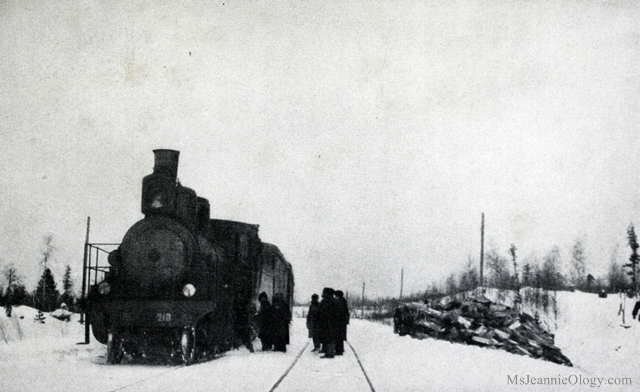
Of course transportation wasn’t without its trials in these remote places. Kermit writes of his experience aboard the Trans-Siberian in 1925…
The Roosevelts in Siberia
“The wash room was frozen solid, but our porter was well used to such conditions, and came in brandishing a four-foot iron poker, with its end-heated red hot. This he rammed down the pipes and circulation was temporarily restored.” – K. Roosevelt, 1923, aboard the Trans-Siberian Railway
The weather in Siberia in the winter often times reaches in the -minus 60’s to 80′ s. Indeed it was a cold January when Kermit was there…
Edith Roosevelt in Harbin
“It is true that the Russian bundles himself up well in furs, but even so it made us shiver to see the men and women sitting chattering on the benches along the streets, apparently as comfortably and unconcernedly as if they were enjoying a bock in front of Cafe de la Pain in July.” – K. Roosevelt, Harbin, 1924
In warmer climates like India it was the locals as much as the wildlife that made quite an impression…
Water Carriers in India
“The women from near-by villages came swinging along with their brass water-bowls on their heads; when they had filled these and departed, the monkeys trooped down to drink, chasing away the lean pariah dogs who retired snarling. In the trees the gaudy peacocks screamed.” – K. Roosevelt, 1925
Paraguyan Market Posados, 1926
“And we stepped into a new life which I supposed was not to be found outside of books or cinema…” – Edith, Posados, Buenos Aires, 1927
In her passage about elephants Belle described riding through jungle as mythical, extraordinary and startling. There was no telling all at once what was scurrying, slithering or silently sitting in all that lush vegetation. The jungle unfolded around her scent by scent, step by step and sight by sight.
This is exactly what Ms. Jeannie experienced reading Cleared For Strange Ports. Endlessly fascinating her Roosevelt writers explained it all – the exotic travel experience unfolded page by page in poetic prose and incredible imagery.
The Roosevelts being fellow book lovers themselves would approve of this volume in particular. It contains the best of weathered patina – loose pages, foxing, an errant ink stain, that wonderful old book smell and various smudge stained paper. It’s lived a thrilling life – just like the Roosevelts!
If you are interested in reading Cleared For Strange Ports, please visit Ms. Jeannie’s shop here. And if any readers have visited the Field Museum in Chicago, we’d love to hear your thoughts on the Roosevelt collections!
Summer has always been synonymous with big blockbuster movies. You know the kind dear readers… big-scale, action-packed, testosterone fueled. If there is a building to be blown up or a car to be flipped or some sort of post-apocalyptic disaster to be explored you can bet you’ll experience it first-hand in a crowded movie theater on a steamy summer day.
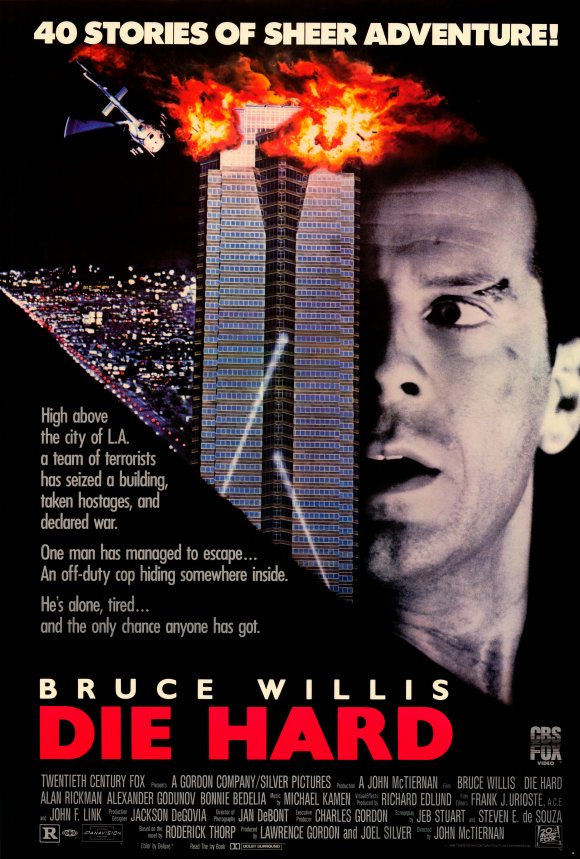
One of the biggest summer blockbuster movies of all times premiered in July 1988, making Bruce Willis an international icon…
Die Hard and the four sequels that followed…
Die Hard 2 (1990), Die Hard With A Vengeance (1995), Live Free or Die Hard (2007), A Good Day to Die Hard (2013)
spanned a total of twenty plus years of blockbuster magic. That’s one incredible feat! But the film series actually spanned even more years than that. Did you know dear readers, that Willis’ character, NYPD officer John McClane, really stems back another twenty years?
In late May of 1968, just as summer was getting underway, Frank Sinatra starred in this crime thriller…
as professionally capable yet personally troubled police detective Joe Leland determined to solve a grisly murder mystery. His character was adapted from the runaway bestselling novel of 1966, The Detective…
by American author Roderick Thorp. Containing just under 600 pages the book was lauded for its gritty yet sensitive themes and layered characters not often portrayed in the typical detective novels of the time.
Scene from The Detective. The movie also starred Lee Remick, Jacqueline Bisset and Robert Duvall. Photo via pinterest.
Frank Sinatra brought the character to life on the big screen making the movie just as sensational as the book. Due to the popularity of Roderick Thorp’s novel, the success of the Frank Sinatra film, and the enigmatic character of Joe Leland, Thorp wrote a sequel to The Detective which was published in 1979 titled Nothing Lasts Forever. In this new novel Thorp continued on with Joe’s adventures fighting crime while battling with his own inner demons.
Again, history repeated itself and Nothing Lasts Forever became a bestseller and was green-lighted for film adaptation. Only this time there was one hitch. When Frank Sinatra originally starred as Joe LeLand in 1968, his contract stated that he would be offered the title role to any and all sequels. But unlike his character, Sinatra aged at the normal speed of a human being, which means that by the time the film version of Nothing Lasts Forever was ready to be made in the 1980’s Frank Sinatra was in his early 70’s – too old to play Joe.
Frank Sinatra on set of The Detective, NYC 1967, photo via pinterest
So legend has it – that in order to get around this clause in Sinatra’s contract, the title character’s name would have to be changed so that another actor could fill his spot. Joe Leland became John McClane and Bruce Willis replaced Frank Sinatra. Nothing Lasts Forever usually gets all the notoriety of being the inspiration for Die Hard, but really it all started with the roots of the main character in The Detective.
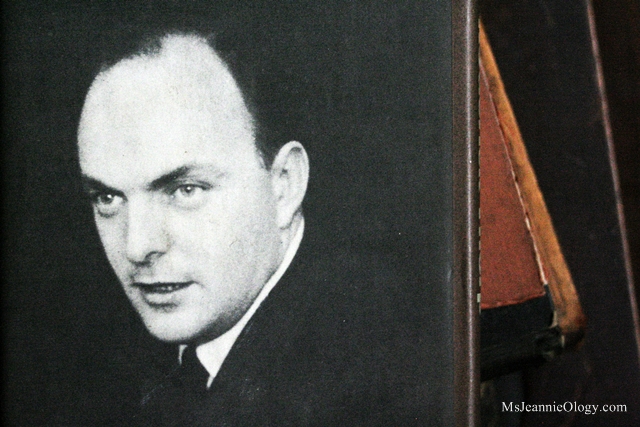
Roderick Thorp
Thorp went on to write 10 other published works with some pieces being adapted for television, but none had the intensity nor the popularity of character quite like Joe. The Die Hard movies went on to become film industry gold earning over one billion dollars world-wide. Thorp died in 1999, which afforded him the ability to see at least the first three Die Hard movies made and experience the big-budget frenzy and marketing empire that they created. It must have been pretty exciting for him! To know that he created a character three decades before that was still storming the minds and hearts of crime readers and movie-goers around the world. A blockbuster indeed – write (pun inteded!) from the beginning!
You can find The Detective in Ms. Jeannie’s shop here and the trailer for Sintara’s 1968 film portrayal here.
What is your favorite summer blockbuster dear readers? Please share your thoughts in the comment section below!
































 In the Vintage Kitchen: Where History Comes To Eat