Oh my darlings, today is a celebratory day. Ms. Jeannie is pleased to announce that there has been a birth! A petite little beauty greeted the day. Here she is…
The first sunflower of the season!
This was from the Botanical Interests Autumn Beauty seed packet, which all have red, orange or gold petals with brown centers. It’s supposed to reach heights of 5′ to 8′ feet tall but this little gem is only about 2.5′ feet tall. She must be an early bloomer:)
You can see her height best in this picture…
In the land of the giants, a small flower blooms.
In the midst of all this excitement Ms. Jeannie did experience a little set-back this week. It appears some sort of war rampaged in the garden. Ms. Jeannie lost 3 of the troops…
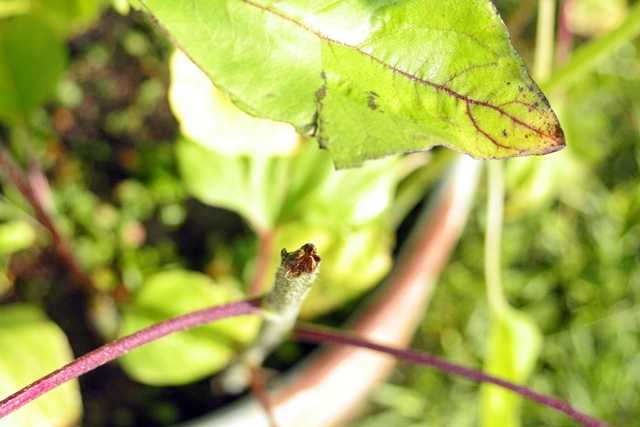
The sunflower tops were severed.
Ms. Jeannie is not sure what happened. Her first guess was deer, thinking they bit it right off. Here’s another angle…
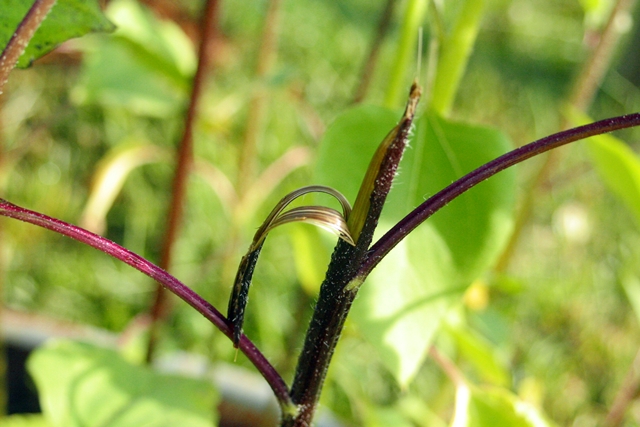
Same stalk – different angle.
This is the second stalk that was tampered with…
Casualty #2
And the third…
Casualty #3
Whatever it was, deer, worm, bug…it didn’t eat the tops of the leaves. Ms. Jeannie found two in the dirt inside the beds and one in the grass next to the trough.
Beheaded!
All the destruction occurred in the same section but not with stems right next to each other. It is a bit of a mystery as to what happened. Ms. Jeannie was a little ruffled at the scene. If a deer ate the sunflowers for nutrition, then fine, but just to bite it for no reason and then leave the tops to wither seems wasteful and unnecessary.
Ms. Jeannie is hoping that the stalks, which are still in hearty shape, might recover, and grow new leaves. So she will leave them be to see what happens.
She also consulted her handy dandy Bug Book that’s for sale in her Etsy shop…
The Bug Book: Harmless Insect Controls by Helen and John Philbrick
In case it is a bug of destruction, they recommended spraying a solution of Dawn dish soap, water and rubbing alcohol on the sunflowers to create a sticky environment. So Ms. Jeannie sprayed all her garden with this and so far there has seemed to be no other damage.
If it is deer, that are eating the sunflowers, Ms. Jeannie is not quite sure what she will do yet. If you have any suggestions. Please let her know!
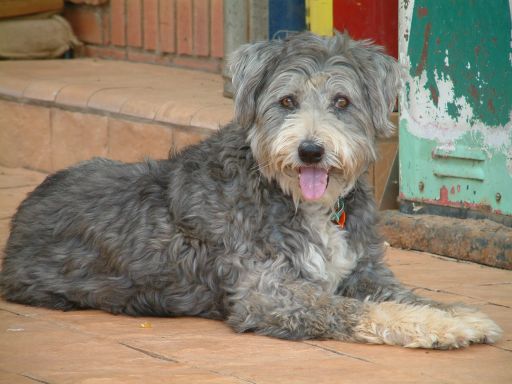
Ms. Jeannie’s neighbor has a lovable little dog named Belle who has taken, on her own accord, to come visiting Ms. Jeannie everyday.
Belle
Ms. Jeannie loves seeing her furry little face at the door in the morning, especially because Ms. Jeannie’s beloved border collie passed away this winter, and she has been dogless since.
Coming to say hello!
Belle is a blue heeler, which means she is incredibly smart, just like Ms. Jeannie’s border collie was. She is a herder by nature, so Ms. Jeannie’s two cats now get a little more exercise than they did before!
Ms. Jeannie can’t help but wonder… was Belle brought into her life to help “heal” the sense of sadness Ms. Jeannie felt over losing her border collie? Ironies like this in life seem like lovely reminders that, perhaps, everything does happen for a reason!
Ms. Jeannie’s garden company!
Belle likes to lay in the sunshine next to Ms. Jeannie’s garden and keep her company while Ms. Jeannie weeds and putters about. Ms. Jeannie always keeps a couple dog treats in her pocket too – you know, in case Belle gets a little snacky.
Belle lives with two other dogs, both boys, so Ms. Jeannie thinks she likes to come over to get a little girl time in. Like a mini vacation layered in peanut butter.
Ready for a fun adventure!
Blue heelers, also known as a Australian Cattle Dogs were originally bred by homesteaders in the Australian outback. They needed a durable type of dog that could withstand harsh weather conditions and austere environments.
Their first attempt at creating such a bred was to cross the Smithfield collie with an Australian dingo to see if that would produce good durable offspring.
A typical Smithfield dog looks like this…
Photo courtesy of wolfweb.com
And an Australian dingo looks like this…
Australian dingo with pups
Unfortunately this match produced red pups that were a little overzealous in the biting department and wound up killing their herds instead of just rounding them up.
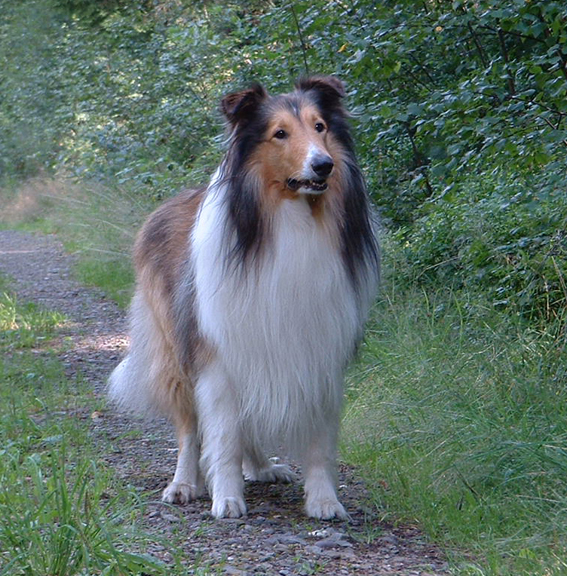
The next attempt was to cross a rough coated collie (the Lassie dogs!) with the dingo…
Rough Coated Collie
But this union just produced dogs that barked so much they stressed the cattle to the point where cows were losing weight instead of gaining weight.
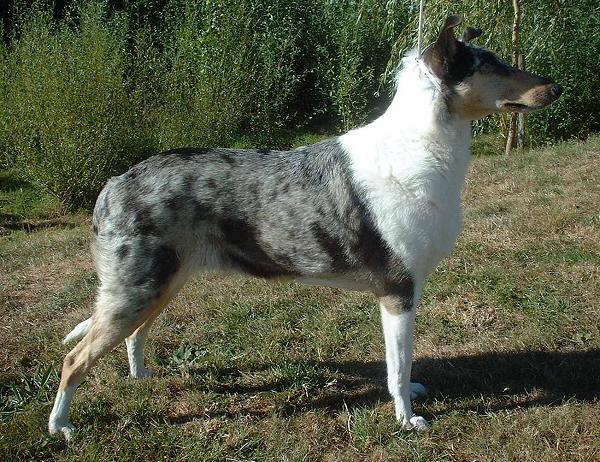
In 1840, Englishman Thomas Hall bred a blue smooth coated collie with a dingo and deemed it a success, naming his breed Hall’s Heelers.
Blue Smooth Coated Collie
But brothers Jack & Harry Bagust thought that they could still improve upon the Thomas Hall’s creation, so they bred a Hall’s Heeler with a dalmation.
Hall’s HeelerDalmation
This turned out not to be quite the right mix either, as the dalamtion/heeler mix lacked a level of skillmanship that the original breeds had. So next they bred a Heeler with a Kelpie …
Australian Kelpie. Photo courtesy of Robyn and Tony’s Pet Sitting Service.
A little more breeding with dingos produced the blue heeler and the red heeler we see today.
Traditional Blue HeelerTraditional Red Heeler
Ms. Jeannie suspects Belle might contain a little Welsh Corgi also. They have similiar markings and a long body shape, and while Belle is taller then a typical Corgi – Ms. Jeannie thinks their faces are similiar. What do you think?
Welsh Corgi
All in all, at the end of the day, Belle’s genealogy looks a lot like Ms. Jeannie’s, a little bit of everything from here and there!
Blue Heelers have there own presence on Etsy too. The following are some of Ms. Jeannie’s favorites. Click on each picture to find more Heeler themed items from each artists shop!
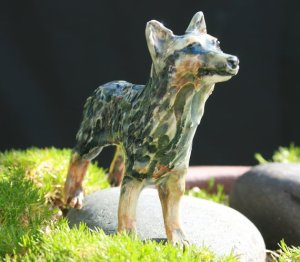
Blue Heeler & Pasture Photograph by Pony Creek PhotographyAustralian Cattle Dog Print by geministudioAustralian Cattle Dog Rising Moon Print by Tom Young ArtAustralian Blue Heeler Porcelain Animal from songandbranchBlue Heeler Dog Art by Dottie DracosSmile Photograph by sknightsAustralian Cattle Dog Print by dogartstudio
We have a bud, ladies and gentlemen! That’s right – one sunflower bud is on it’s way to flowering!
A sunflower is hatching!
Funny enough, this is one of the little guys that sprouted long after the others. It’s only 14″inches tall while most of all the other sunflowers are now 3″ feet tall.
Bird’s eye view!
Full length view!
Do you remember Ms. Jeannie’s other garden patch project? The one that involved the hard to make, impractical but so so beautiful twig fencing? Well, Ms Jeannie discovered that yes indeed – it is definietly hard to make a twig fence. Hats off to all of you that have the paitence to muddle through such construction.
Ms. Jeannie fears that she is a tad short in that department!
After what seemed like a thousand trips into the woods to find perfectly straight, not too big, not too little sticks, Ms. Jeannie discovered that she had only gathered enough to build about 1/16th of her fencing. Goodness gracious!
So the fencing plan was modified just a smidge.
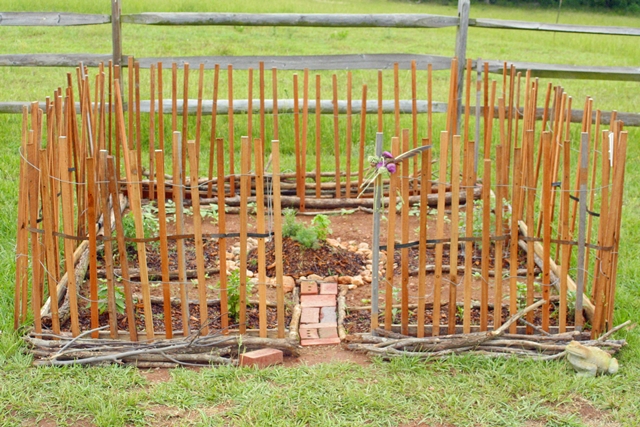
Revised garden fence!
Ms. Jeannie wrapped her garden in 1″inch strips of hardwood and heavy duty steel wire instead. It is still impractical and won’t keep any sort of small critter out, but Ms. Jeannie loves it’s rustic look! The twigs were re-purposed as a little decorative barrier at the front and back of the garden.
Front entry still needs some sort of gate.
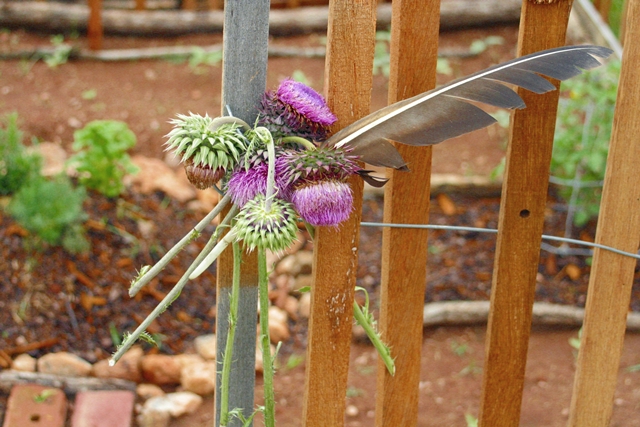
Ms. Jeannie clipped some wild thistle and hung it at the entrance for a little early color. Mr. Jeannie Ology found a buzzard feather that same day, so added to the bouquet it was!
Wild spring bouquet.
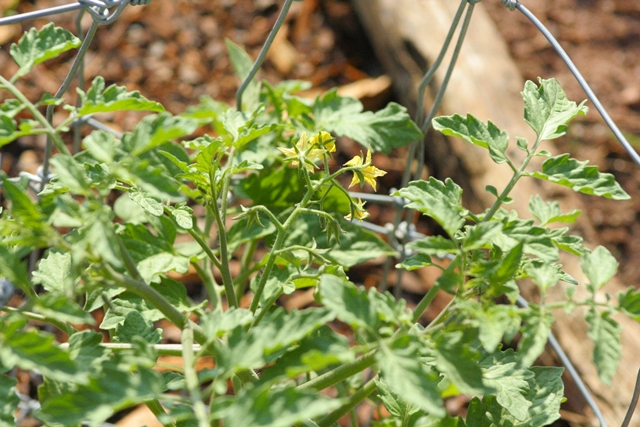
The vegetables and herbs don’t seem to mind that the fence is sort of quirky. They just keep growing anyway! Both tomato plants are already flowering!
Tomato plant tucked between three different types of sunflowers, garden peas, snow peas and cosmos.The start of the tomatoes!
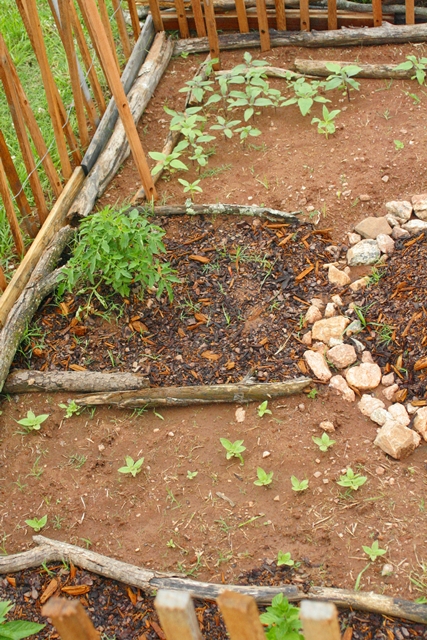
Ms. Jeannie also had to make some amendments to the garden after a cutting worm or two came to enjoy some sprout salad. Ms. Jeannie has filled in the bare patches with cosmos flower seeds and peas around the garden edge.
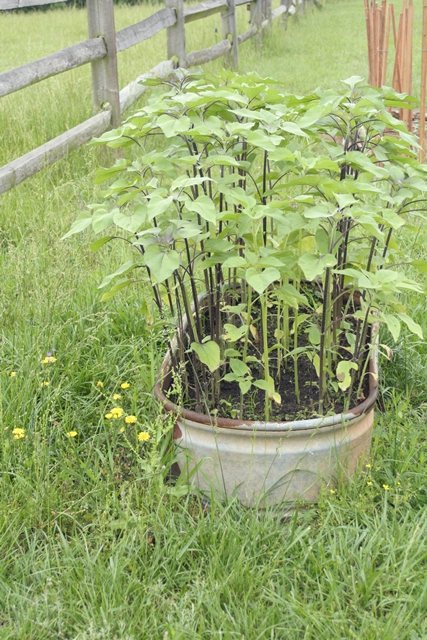
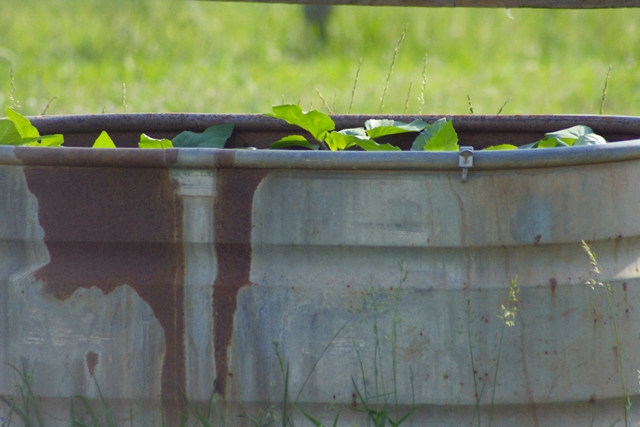
Besides the bin of three feet tall sunflowers, Ms. Jeannie also has two other water troughs full of sunflowers. They were planted a couple of weeks later then the initial batch of sunflowers to help stagger the bloom time, so they are just getting their soil legs now, so to say. This morning they were just peeking over the rims of the troughs.
Trough #2Trough #3
After learning so much about the starlings, Ms. Jeannie is on the watch for other birds in her garden. She’s delighted to find that a woodpecker now comes to visit every morning! He sure is a handsome thing…
A family of european singers has moved in with Ms. Jeannie!
Ms. Jeannie’s new roommates – the European starlings.
Tucked into the side porch – they chose to reside in a rotted out hole on the underside of the roof eave. Ms. Jeannie didn’t even know there was a vacancy there until she heard these vocalists warming up one morning. It started with two of them, but soon after came three babies chirp, chirp, chirping.
All black with bright yellow beaks and iridescent feathers, Ms. Jeannie identified these singers as European starlings with her handy bird book.
European Starling
They are one of the most common birds found in the US, with over 200 million of them occupying all 50 states.
Interestingly enough, starlings were first introduced to America by Eugene Scheifflin in 1890. Eugene, a lover of all things Shakespeare, wanted to bring all the birds mentioned in Shakespeare’s plays to America. The starling is mentioned in Shakespeare’s Henry IV, Part 1:
“I’ll have a starling shall be taught to speak
Nothing but ‘Mortimer,’ and give it him
To keep his anger still in motion. “
Eugene released all the birds in Central Park in 1890, but only the starlings survived. Wondrously 30 pairs of starlings turned into 200 million just a hundred years later. Simply amazing!
A fascinating documentary was also done by Penny Lane about Eugene and his flight of fancy, called The Commoners. Here’s a clip from youtube…
Some people think that starlings are irritating because they are so vocal and can mimic many different types of birds. But Ms. Jeannie loves her new roommates. They can be destructive in the garden- pulling up newly planted seeds, but luckily Ms. Jeannie’s garden has remained untampered with so far.
The average lifespan of a european starling is 5-7 years but the oldest one on record in the US was 15 years old and in the UK, 22 years old. In general, they can lay up to 10 eggs a year. The babies get kicked out of the nest when the mom deems it appropriate so that they can learn to fly, forage and protect themselves on the ground for up to 5 days before they fly off.
Both parents teach the babies how to survive during this time. Not all babies make it though. Since they can’t fly yet when they are kicked out of the nest they become vulnerable to the initial fall, predators like snakes, house cats, etc or they succumb to dehydration or malnurishment. It is definitely tough to be a baby bird. Knowing this information now, it seems EXTRAordinary that birds ever even make it to adulthood.
Once starlings reach maturity, they are acrobatic flyers, reaching speeds up to 48 miles an hour. They can be aggressively territorial and dive bomb other birds if they feel threatened.
Male starlings choose the nesting sites and then go in search of a mate. The male starlings are also the primary nest builders, but the females like to come in at the end of construction and look the nest over before settling in. The females will even remove certain types of nesting materials if they don’t suit!
The poet, Mary Oliver, wrote this beautiful poem called Starlings in Winter…
Chunky and noisy,
but with stars in their black feathers,
they spring from the telephone wire
and instantly
they are acrobats
in the freezing wind.
And now, in the theater of air,
they swing over buildings,
dipping and rising;
they float like one stippled star
that opens,
becomes for a moment fragmented,
then closes again;
and you watch
and you try
but you simply can’t imagine
how they do it
with no articulated instruction, no pause,
only the silent confirmation
that they are this notable thing,
this wheel of many parts, that can rise and spin
over and over again,
full of gorgeous life.
Ah, world, what lessons you prepare for us,
even in the leafless winter,
even in the ashy city.
I am thinking now
of grief, and of getting past it;
I feel my boots
trying to leave the ground,
I feel my heart
pumping hard. I want
to think again of dangerous and noble things.
I want to be light and frolicsome.
I want to be improbable beautiful and afraid of nothing,
as though I had wings.
Ms. Jeannie found some gorgeous starling art on Etsy. Take a look…
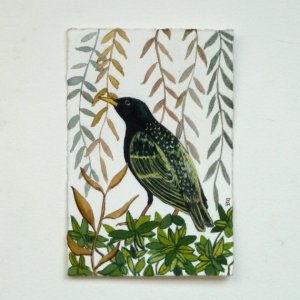
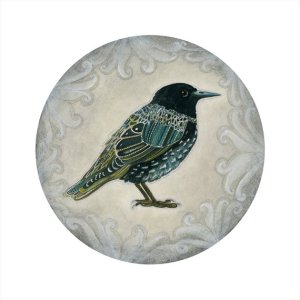
Starling Bird Painting by Frances MarinWire Bird Sculpture by wireanimalsFlying Starling Print by KSGtextileartStarling Oil Painting from tintabernacleStarling Greeting Card by thenothcountrygirl
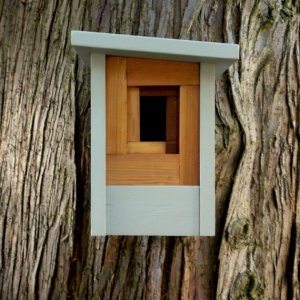
Starlings are cavity nesters. If you want to attract some starlings in your yard, Twig & Timber offers several styles that starlings would love…
Modern Birdhouse by twigandtimberCraftsmen Birdhouse by twigandtimberThe Camera Shutter Birdhouse by twigandtimber
Or if you want to start identifying the birds in your yard, these items might be helpful…
Vintage Audubon Bird Caller from VintageHoneyBunnyVintage Book of Songbirds from FishravenVintage Summit Binoculars from MysticLilyBirding Journal by QuailLanePress
If you have any starling pictures from your yard, send them in. Ms. Jeannie would love to see! Until then…happy birding!
In case you missed it last night, Ms. Jeannie is proud to say that one of her picks, I’ll Have Another, won the Kentucky Derby!
I’ll Have Another wins the 138th Kentucky Derby!
It was a fabulous race! And I’ll Have Another surprised them all by sailing past Bodemeister to win by 1 1/2 lengths.
Hansen (Ms. Jeannie’s first favorite) was high-strung from the beginning, perhaps burning too much energy in the line-up. He ran well staying betwen 3rd and 4th position the whole race until he he lost steam in the end and finished 9th.
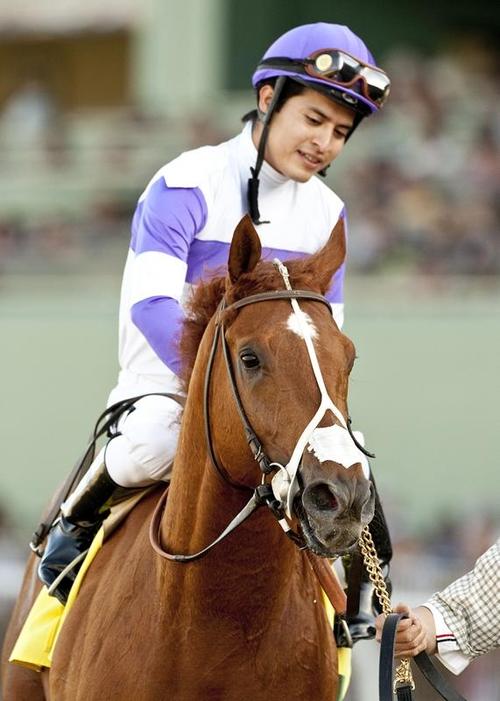
Purchased for $11,000 at the yearling sale, Southern California based, I’ll Have Another earned $1.459 million for his win at the Derby. This is a first Derby win for Mexico born jockey, Mario Gutierrez, who learned how to ride horses from his father, also a jockey.
I’ll Have Another and jockey Mario Gutierrez
Now it’s on to Pimlico Racetrack in Maryland for the second phase of the triple crown. Ms. Jeannie hopes that I’ll Have Another, really will have another win in Maryland – it would be exciting to see! There hasn’t been a triple crown winner since Affirmed in 1978.
Stay tuned – the next race is just two weeks away!
Well my dears, in what surely must be some sort of record, the sunflowers have grown an amazing 11 inches since our last garden update 14 days ago.
11 inches in 14 days! Ms. Jeannie’s going to need to get a longer ruler!
That’s about 3/4 of an inch per day!
Over 14″ inches tall as of today!
How exciting! Ms. Jeannie’s not trying to rush the days – but she can’t wait until they flower:)
Just to refresh- the target bloom date is Ms. Jeannie’s birthday – June 16th. A month and a half away. If they continue on this growing rate they will be about 55″ inches tall in mid-June, which would put that at about 4.5′ feet tall.
According to the seed packet, this Moulin Rouge variety of red sunflower reaches an average height of 6′ feet tall, so we don’t quite know yet if Ms. Jeannie will have that birthday bouquet or not. Oh the garden suspense!
You may have noticed that Ms. Jeannie has been absent from the blog for a few days. Unfortunately, in all the excitement and anticipation of good gardening days, Ms. Jeannie, unknowingly, pulled out a whole patch of poison ivy vines. With her bare hands.
This little garden patch was in her friend’s poolside landscaping bed that contained beautifully tall stalks of salvia, a pink climbing rose bush, a flowering mystery plant, a ton and half of weeds and the unforseen poison ivy. Focusing more on the mystery plant then the ivy , Ms. Jeannie just jumped right in to pulling weeds, dreaming all the while about the garden utopia she could create here at the pool.
Needless to say, day 3 of the rash yielded a trip to the doctor after both her eyelids were swollen shut. Magically, overnight, it seems that Ms. Jeannie had turned into a puffin.
While waiting in the doctor’s office, Ms. Jeannie wondered where poison ivy originated from. Surely it had to be in the same importation category as those fish that have feet and the beetles that destroy pine trees by the thousands.
Ever the researcher, (swollen eyes or not!) Ms. Jeannie was surprised to learn that poison ivy is native to North America.
She also learned that it is a relative of both the cashew and the mango. Mustard gas used in World War I was inspired by it, and in the 1960’s, Poison Ivy was a DC Comic book character.
Ironically enough, there is a DC comic book for sale on Etsy that features Poison Ivy…
1960’s era DC comic book featuring Batman’s enemy, Poison Ivy from GrannysCoolStuff
In 2001, Poison Ivy underwent an image makeover courtesy of artist Brian Bolland. Clearly, a touch more sexy then the 60’s version.
Promotional Cover for Batman Gotham Nights cover, 2001 by artist Brian Bolland.
Poison Ivy was first recorded in North America by Captain John Smith in Virginia in the early 1600’s. John Smith was an English explorer who established the first North American settlement at Jamestown, Virginia.
Captain John Smith (1580-1631)
He was the the person to give poison ivy it’s name as it reminded him of the English ivy that grew in his homeland. This is what he recorded…
“The poisonous weed, being in shape but little different fromour English ivie; but being touched causeth reddness, itchings,and lastly blysters, the which howsoever, after a while theypass away of themselves without further harme; yet because forthe time they are somewhat painefull, and in aspect dangerous,it hath gotten itselfe an ill name, although questionless ofnoe very ill nature.” – Captain John Smith, 1609
Incidently, European explorers in the 1800’s transported poison ivy to England and Australia to be used as decorative plantings in cottage gardens as the leaves turned a brilliant red/orange in the fall. Sorry about that dear ones. How dreadful!
Urushiol is the oil found in poison ivy that causes an allergic reaction. The word urushiol is derived from the Japanese word for lacquer, which is kiurushi.
Urushiol can be found in all traditional Japanese and Chinese laquerware. Because urushiol is poisonous to the touch until it dries, it takes a skilled dedicated artist to work with the product. As many as 200 coats of lacquer are applied to one object, with drying and polishing occurring between each application.
Prized for being one of the strongest adhesives in the natural world it is extraordinarily durable and is resistent to water, acids, alkali and abrasion.
18th century laquered Japanese writing box.
This just goes to show you that beauty can be be derived from all situations, whether it is perceived as good or bad!
Ms. Jeannie found these great items on Etsy that would have been super useful had she had them on hand before the start of her gardening project.
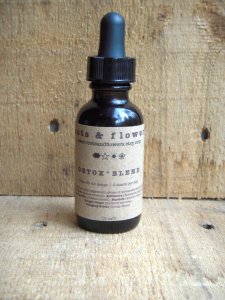
Poison Ivy Relieve Salve by bcbontanicalsDetox Blend from rootsandflowersVintage Gardening Books from theArtFloozy
That being said she will stock her medicine cabinet in case she stumbles across the ivy again. Right now that thought makes her wince, but, just like any weed, a true gardener can never be knocked down!
Ms. Jeannie has come away from this whole experience learning one big lesson when it comes to digging in the dirt. Definitely look before you leap, my dears, look before you leap.
Well, Ms. Jeannie has done it. She has finally planted all the garden seeds that she had ordered from Botanical Interests three weeks ago.
The just completed final garden patch.
She has been working on this goal bit by bit every few days, but Monday’s gorgeous weather really got her motivated to finish up.
At market last weekend, she bought some pre-started herbs for her garden (dill, rosemary, basil and mint) and wouldn’t you know, a few extra plantlings just happened to jump into her basket during that shopping trip too. So 4 jalapenos, 1 red bell pepper and two tomato plants round out the garden complete.
So in addition to her six containers full of sunflowers, a 4′ x 5′ sunflower patch and her newly finished 10″x 12″ vegetable, flowers and herb garden, Ms. Jeannie is well on her way to being a farmer!
In the 10′ x12′ patch, she mounded the herbs in the center of the patch to give the garden a little interest as everything starts growing out. She lined the base of the herb mound with rocks and lined her pathway in old bricks that she had lying about in the garage.
Mound of herbs!Brick pathway
Until she gets a fence up she has blocked off the sections in her garden with fallen sticks from woods behind her house.
Garden sections. Jalapeno plants down front. Tomato plant in back.
Ms. Jeannie likes to halfhazardly organize her garden thoughts on paper before she plants, so she can keep her seed plans organized while she’s planting. On paper the garden plan looks like this:
Rough sketch of garden plan
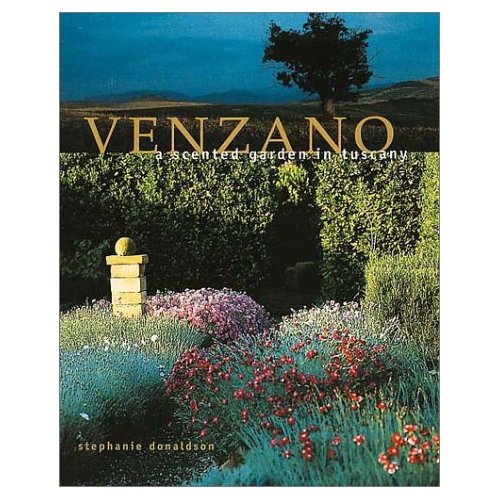
As Ms. Jeannie was planting, she started thinking about the garden of her dreams and what all that would/could include. Years ago, she read a beautiful garden coffee table book called Venzano: A Scented Garden in Tuscany about a couple who bought a 12th century monastery in Italy and turned part of it into a nursery.
Venzano: A Scented Garden in Tuscany by Stephanie Donaldson
It is a gorgeous book and a gorgeous story.
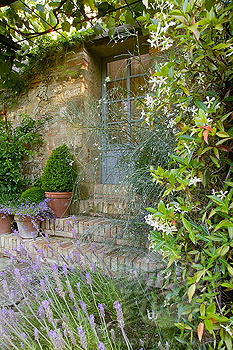
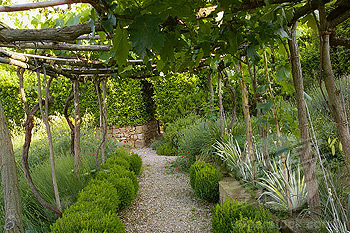
View from VenzanoCourtyard at Venzano
Ms Jeannie is in love with the rustic pergola above. She has spent many a daydream trying to incorporate something similar into her own garden plan. At Venzano, it is used to shelter the herb garden.
Sadly, due to financial issues, the couple had to sell Venzano. It was bought by someone but the nursery is no longer in operation and the residence is private.
But thanks to the book, Ms. Jeannie can recreate the look of Venzano in her own garden. In addition to the splendid pergola above, Ms. Jeannie would also incorporate these dreamy elements that are available through Etsy.com…
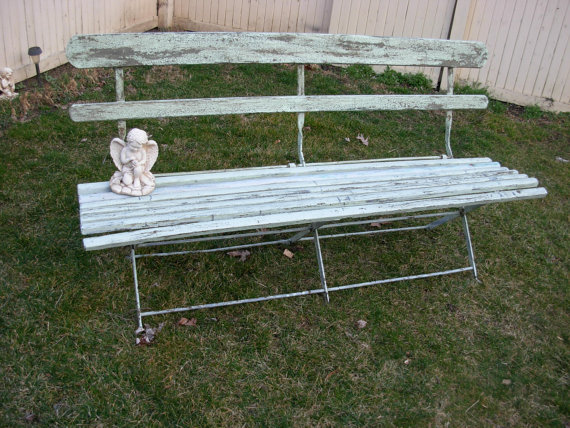
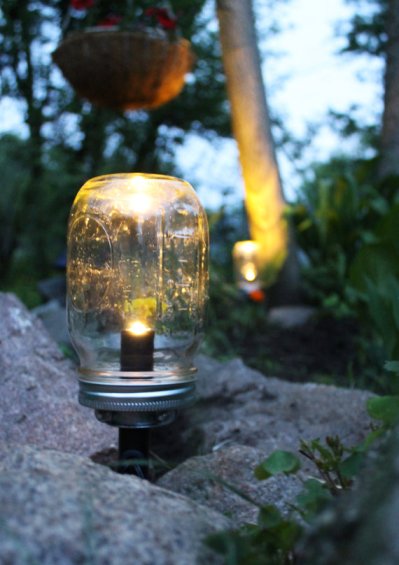
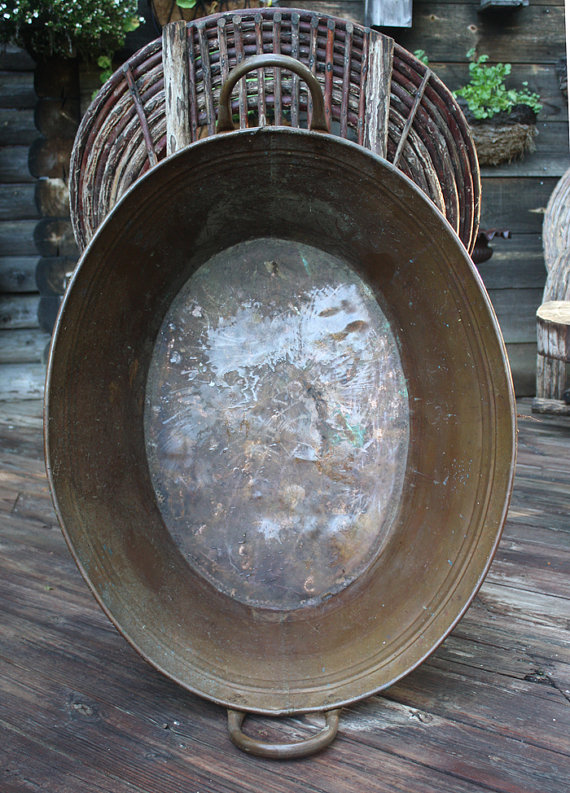
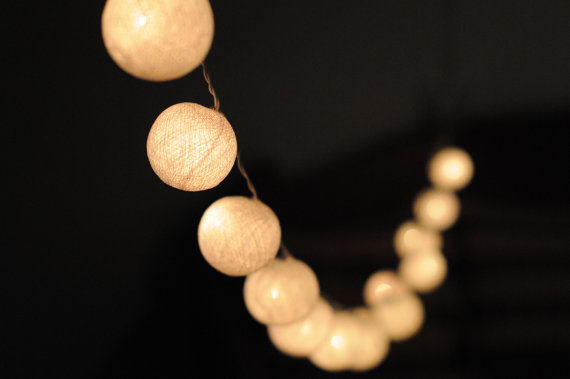
Wrought Iron Garden Trellis from VanMadroneMetalworksPea Gravel from BluffCreekNaturalsAntique Iron Wire Garden Gate by beep3100 Succulents from SanPedroCactusStepping Stone Paver Moulds from KapCreationsFrench Style Garden Bench from SusanVaillantWood Garden Markers from AndrewsReclaimedSolar Powered Mason Jar Lights from BootsNGusAntique Large Copper Wash Tub from RustedandWroughtWhite Cotton Ball String Lights by CottonLightGarden Bench Made from Reclaimed Wood by SauteeWoodWorksBirdhouse Gourds by MizzTizzysWeedSeeds
Ms. Jeannie is also in love with the twig style fences. In almost all the how-to guides on building a twig fence you can find the follwing verbage: challenging, impractical, un-sturdy, purely decorative, non-functional. Perfect! Ms. Jeannie’s on a mission to change all these negatives into positives and makes the world’s first easy, durable, functional twig fence!
She just loves the look of them, so maybe her passion alone will navigate her the tough parts. This is the kind of look she aspires to:
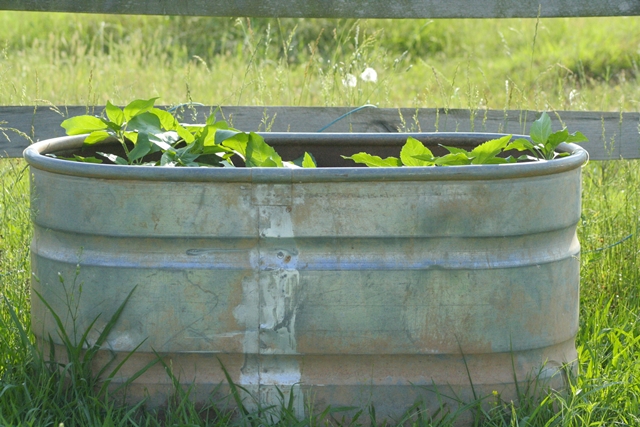
Today marks day 16 of the garden growing process. Ms. Jeannie woke to find the very tips of her little sunflower seedlings just barely peeking over the brim of their vintage water trough container…
Just peeking!
She brought her ruler along with her when she went out to water this morning. The seedlings are just a hair under 3″ inches tall now.
The most amazing part though is that on some of them the leaf span is almost 6″ inches wide! Goodness gracious they are growing up and out!
Ms. Jeannie woke to happy little sunflower sprouts this morning! She took her ruler out to water with her and was excited to see that they are close to 2 inches tall already.
Sunflower sprouts measure up!
She also had a special visit from the Easter bunny, who has seemed to take up residence in an old tree stump near the driveway. She was one quick little rabbit – too fast to grab a picture today. But now that Ms. Jeannie knows she’s got a neighbor, she’ll be more prepared next time.
Thank goodness those seeds were planted in an old water trough instead of directly in the ground. Otherwise bunny might have thought Ms. Jeannie had extended an invitation to dinner!











































 In the Vintage Kitchen: Where History Comes To Eat