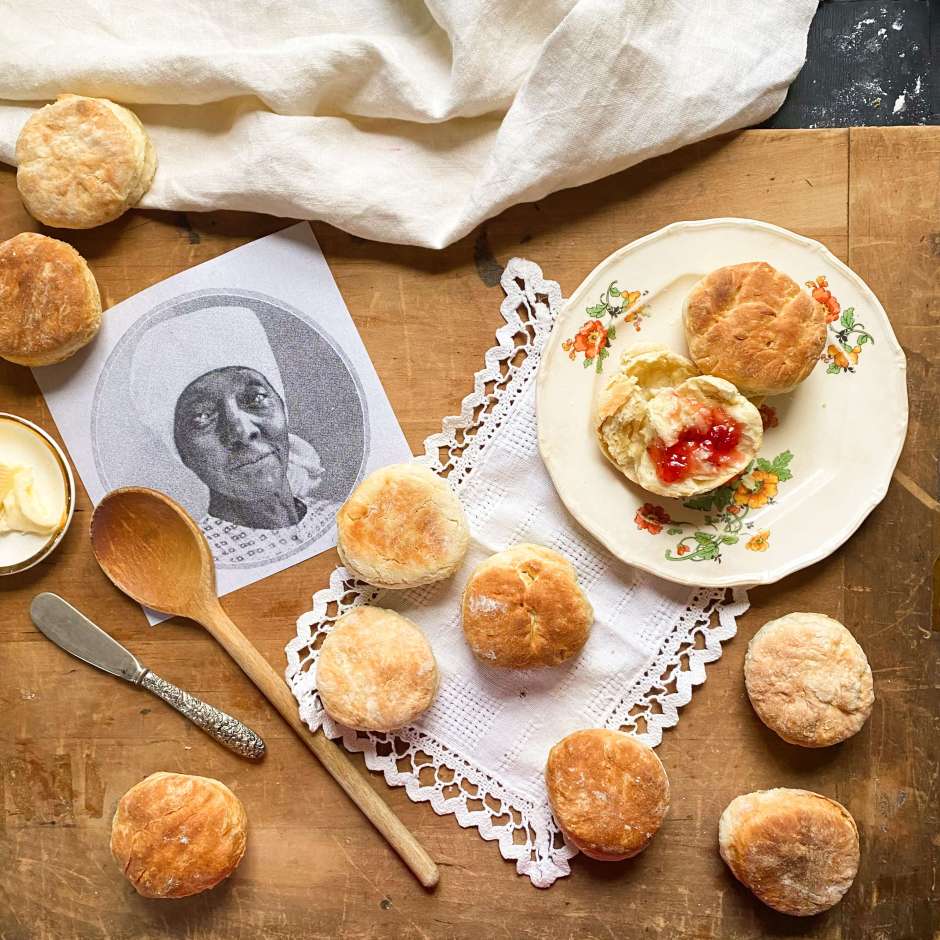
Malindy Walker’s 1920s Buttermilk Biscuit Recipe

On August 28th, 1963, Martin Luther King Jr. delivered his I Have a Dream speech in Washington D.C. Four decades earlier in 1921, a southern domestic cook named Malindy Walker, locally known as Aunt Malindy, delivered her own inspiring words in Fayetteville, Arkansas. Unlike MLK Jr., Malindy’s words weren’t spoken on a national stage, nor did they reach thousands of admirers. Malindy’s platform was her kitchen and her audience was just a handful of people involved in the publishing industry. But like Martin Luther King Jr., Malindy’s words managed to change the status quo when it came to equality in the kitchen. And she did it with food.

Malindy Walker aka “Aunt Malindy.” Photo courtesy of Good Housekeeping, January 1921

As a longtime domestic cook for the family of Rena Buchanan Shore Duncan, Malindy’s reputation for good cooking was well-known in the Fayetteville, Arkansas area. Featured in the January 1921 issue of Good Housekeeping magazine, in an article written by Rena, Malindy shared cooking secrets for some of her best-loved recipes including Corn Dodger, Southern Chocolate Cake, Fried Chicken, and Buttermilk Biscuits. Enhancing the article was a portrait of Malindy herself, looking confidently at the camera.

At the time, it was unusual for magazines to feature African-American cooks, especially with a portrait included. When Good Housekeeping suggested photographing Malindy at home in her cabin, she said absolutely not. She wanted to be photographed portrait-style just like all the other white cooks had been photographed in previous issues. Malindy was proud of her recipes and she wanted to be treated no differently than any other good cook regardless of her gender or ethnicity.

Good Housekeeping granted Malindy’s request and her portrait was featured front and center in a two-page spread surrounded by her best recipes. I found this little snippet of a story to be so inspiring on several different fronts. First, there was Malindy’s insistence on being treated like everyone else. Second, there was the magazine’s recognition and approval of her request. And third, there were the recipes themselves – examples of beloved southern foods perfected by an African American woman who represented a large swath of kitchen workers that all too often received little to no recognition for their own contributions to the American culinary landscape. In celebration of Martin Luther King Day, we are celebrating Malindy Walker and her courage to dream for an equal place in the kitchen.

This insistence surrounding a specific photography setup might seem like a small win in the big fight for equal rights, but Malindy’s request did set a tone for how she wanted to be viewed and respected. And it made an impact. So much so that the editorial team noted the story surrounding Malindy’s photograph in the article, forever recording in print, her desire for equal treatment.

Apart from the handful of recipes included in the article and bits and pieces of information learned in census records and newspaper archives, details about Malindy’s life are vague. It was believed that she was between 80 and 90 years old when her portrait was taken for the magazine. On her death certificate, her date of birth along with her parent’s names is simply marked unknown. But at the time of her death in 1931, she was rumored to be over 100. She was married and then widowed. At the time the article was published, Malindy lived in the Spout Spring area of Fayetteville. This neighborhood, also referred to as Tin Cup, was established following the American Civil War by formerly enslaved African Americans.

A view of South Fayetteville circa 1890. the Tin Cup neighborhood where Malindy lived is unseen but located just below the rolling hill in the foreground. Photo courtesy of FayettevilleHistory.com

There are so many facets of Malindy’s life that raise curiosity and questions including interest in understanding her own possible enslavement story, her loyalty to Rena’s family, her cooking journey, and whether or not she had children of her own.
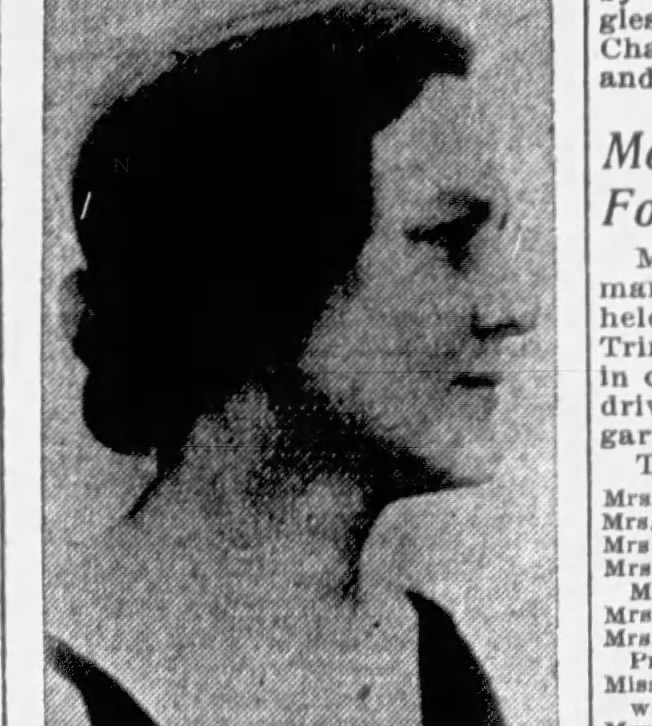
Rena Buchanan Shore Duncan (1887-1978)

Following the publication of the Good Housekeeping article, Rena went on to write more about Malindy in future pieces for the Saturday Evening Post in which she received praise for writing in the dialect in which Malindy spoke. Although at the time, this style of storytelling made Rena’s writing popular, her stories would be considered offensive and insensitive today. That makes Malindy’s recipes and the publication of them alongside her portrait all the more important. They mark her place in time, in the world, and in history during a century that saw so much change in the lives of African Americans living in the South.
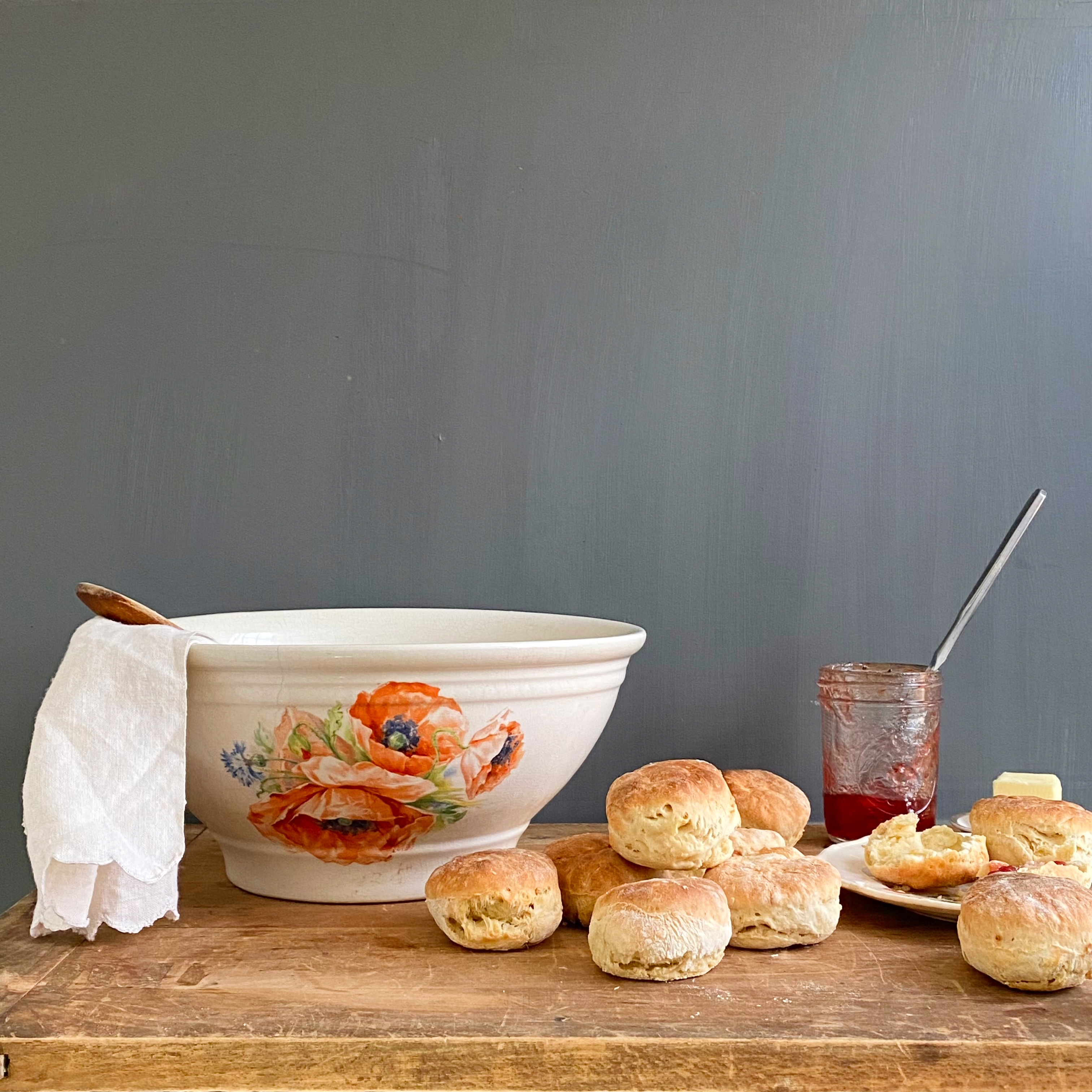
In that spirit, I’m so pleased to share Malindy’s antique recipe for buttermilk biscuits. Spend any amount of time below the Mason-Dixon line – a day, a week, a lifetime – and you’ll quickly learn that each homemade batch of biscuits has its own way of coming together. All Southerners have their own unique take on what the best biscuit is made of and Malindy was no different. Some recipes call for lard, others call for butter. Some contain a small amount of buttermilk and a large amount of baking powder or a large amount of milk and a small amount of baking soda. There’s yeast, no yeast, double rise, no-knead, flavored, plain, dense, doughy, puffed, pillowy, and light-as-a-feather varieties that come in all shapes and sizes.

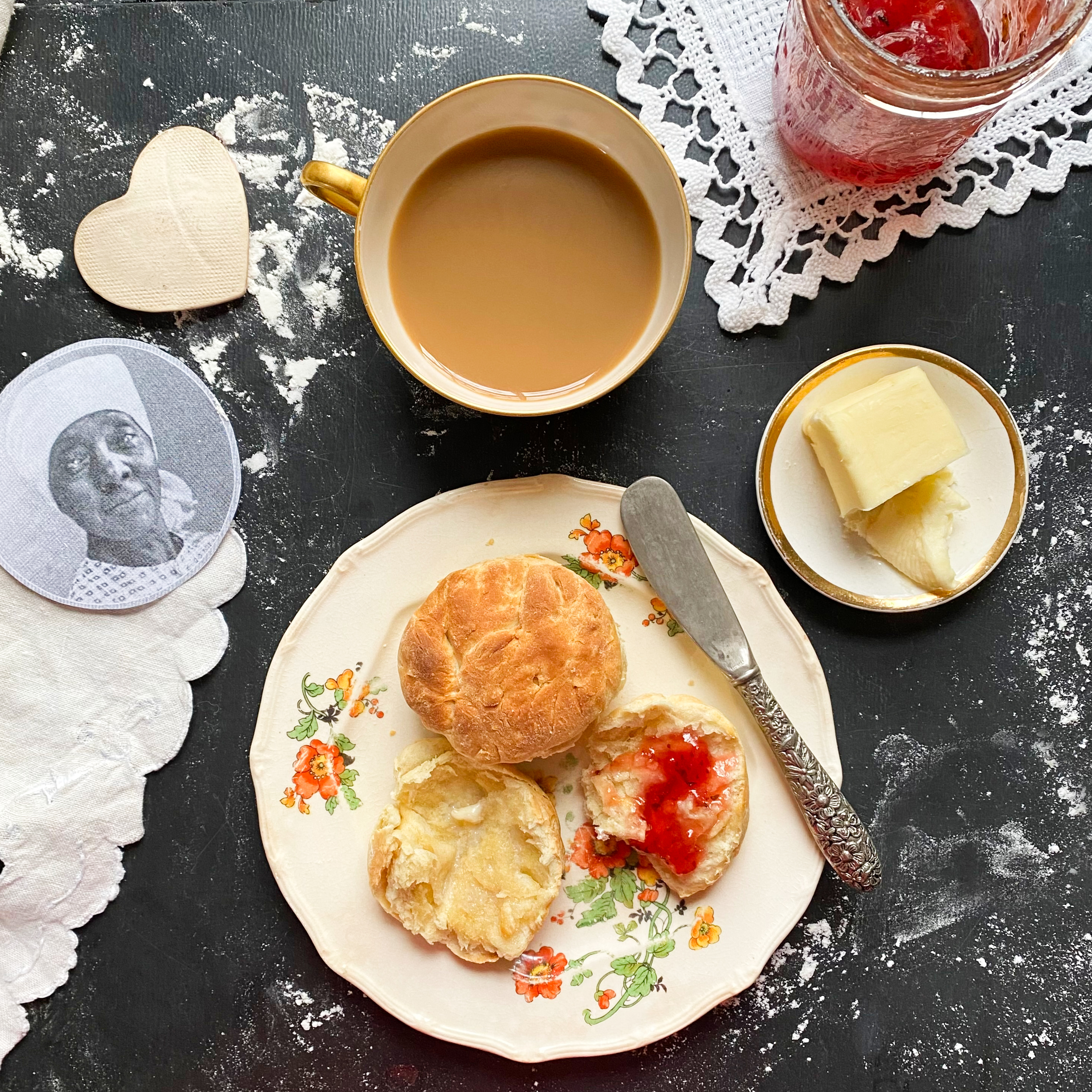
Malindy’s recipe features a small amount of lard, several cups of flour, a pint of buttermilk, and equal amounts of baking powder and baking soda. Although so many home cooks in the south attest to the fact that lard makes a better biscuit, I substituted butter in place of it in this recipe since it calls for so little fat. I wouldn’t be doing much cooking with lard post-recipe, so it would it seem like a waste to buy an entire package of lard just to use two tablespoons. Other than that I made Malindy’s recipe exactly as she suggested and the biscuits turned out beautifully, with a satisfying crunch on the outside and a soft, flaky texture on the inside. Depending on the size of your biscuit cutter, this recipe makes up to two dozen biscuits, which can be stored in the fridge for up to a week and reheated for five minutes in the oven at 350 degrees. Malindy recommended always serving them hot, and I would totally agree, as their composition becomes more dense when they are cold.

Malindy Walker’s Buttermilk Biscuit Recipe circa 1921

4 1/2 cups flour

1 teaspoon baking powder

1 teaspoon baking soda

1 1/2 teaspoon salt

2 tablespoons lard (or butter)

1 pint buttermilk (two cups)

Sift the flour, baking powder, baking soda, and salt together. Mix the lard or butter in well and add the buttermilk.

Knead until very smooth, roll to a half inch in thickness and bake about 15 minutes in a hot oven (450 -475 degrees).

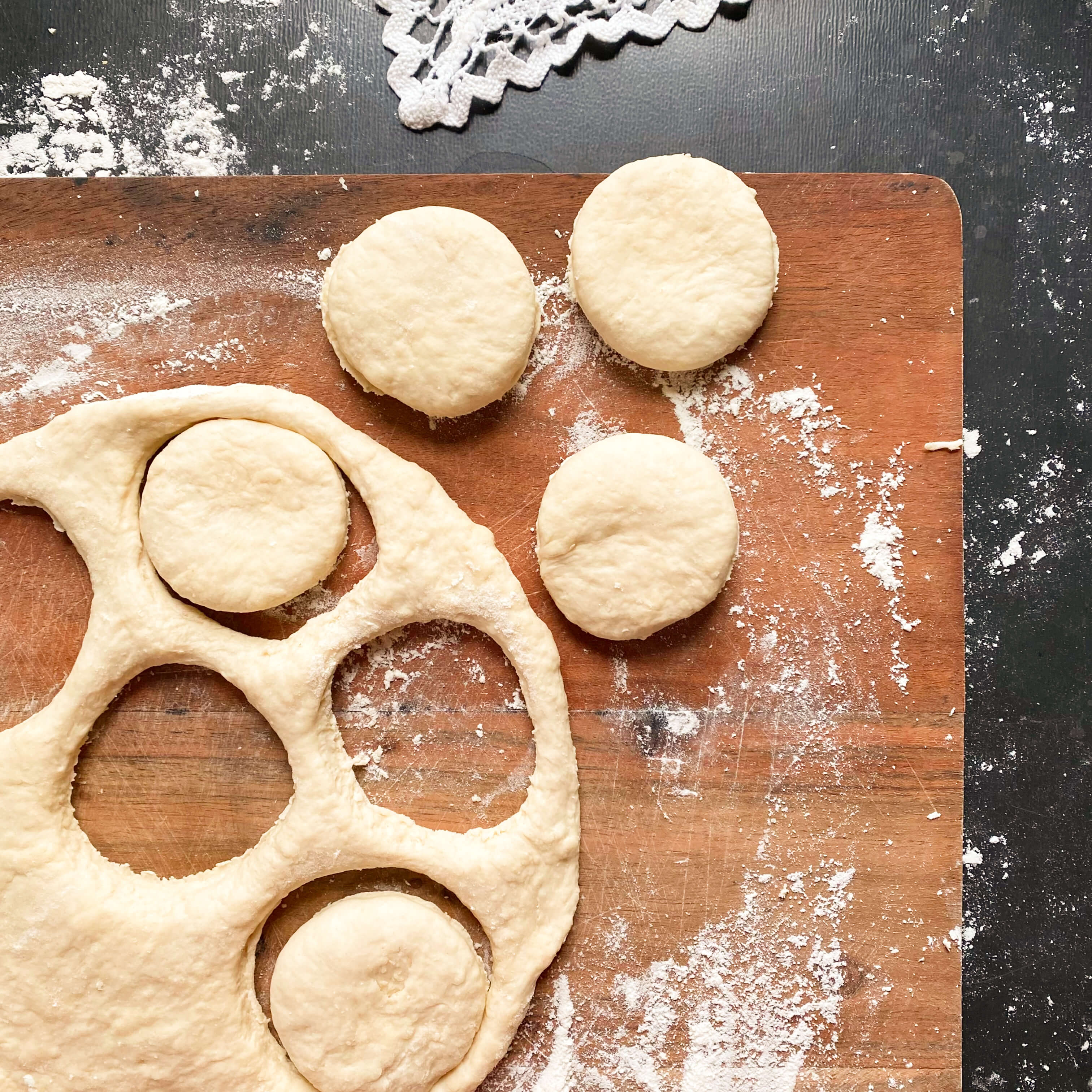
Best when enjoyed straight from the oven, the top and bottom of the biscuits have a nice crunch to them, like toast, but the inside is flaky and pulls apart in lovely little layers. If you are interested in a complete Southern experience, you could serve these with a side of gravy and thinly sliced ham or pile them high on a platter and serve them for breakfast alongside bacon and eggs smothered in cheese. I recommend serving them with butter and jam or a drizzle of honey. On a cold winter’s day, paired with a cup of coffee or tea, it’s a little meal unto itself.
When Malindy passed away in January 1931, her obituary was printed in the St. Louis Argus. In it, they referred to Malindy as a “famous character” and it was noted that she was buried in the “white cemetery” in Rena’s family plot. Tracing African American lineage in the South is such a challenging endeavor when you know few facts about a person. I think that is what makes Malindy’s story so fascinating though. There were actually quite a few details recorded about her life including a portrait of her and information that provided insight into her character. Her love of cooking reached people far beyond her own kitchen and became the tool that helped her feel empowered enough to stand up for herself and what she deemed fair treatment. It would be wonderful to uncover more information about Malindy’s long life, so I’ll keep researching her throughout the year and share any new news I find with an update on this post. In the meantime, we have her biscuits.

Cheers to Malindy for sharing her best recipe and for standing up for equality in the face of marginalization. Martin Luther King Jr. was born just two years before Malindy died, but had he known her in his lifetime, I bet he would have been so proud of her.

Dancing Around History in Dahomey: The Cakewalk, Cannibalism and a New Kind of Pizza

Do you guys remember the events of Easter weekend? The postponement that turned out to be a flip around? The mustard that was supposed to be an entree? The switch in the travel schedule that sent us 3,200 miles in the opposite direction? If you answered yes, then you’ll know exactly where we are landing this week. If you are new to the blog or uncertain as to our past travel trajectories, you’ll find us here today…

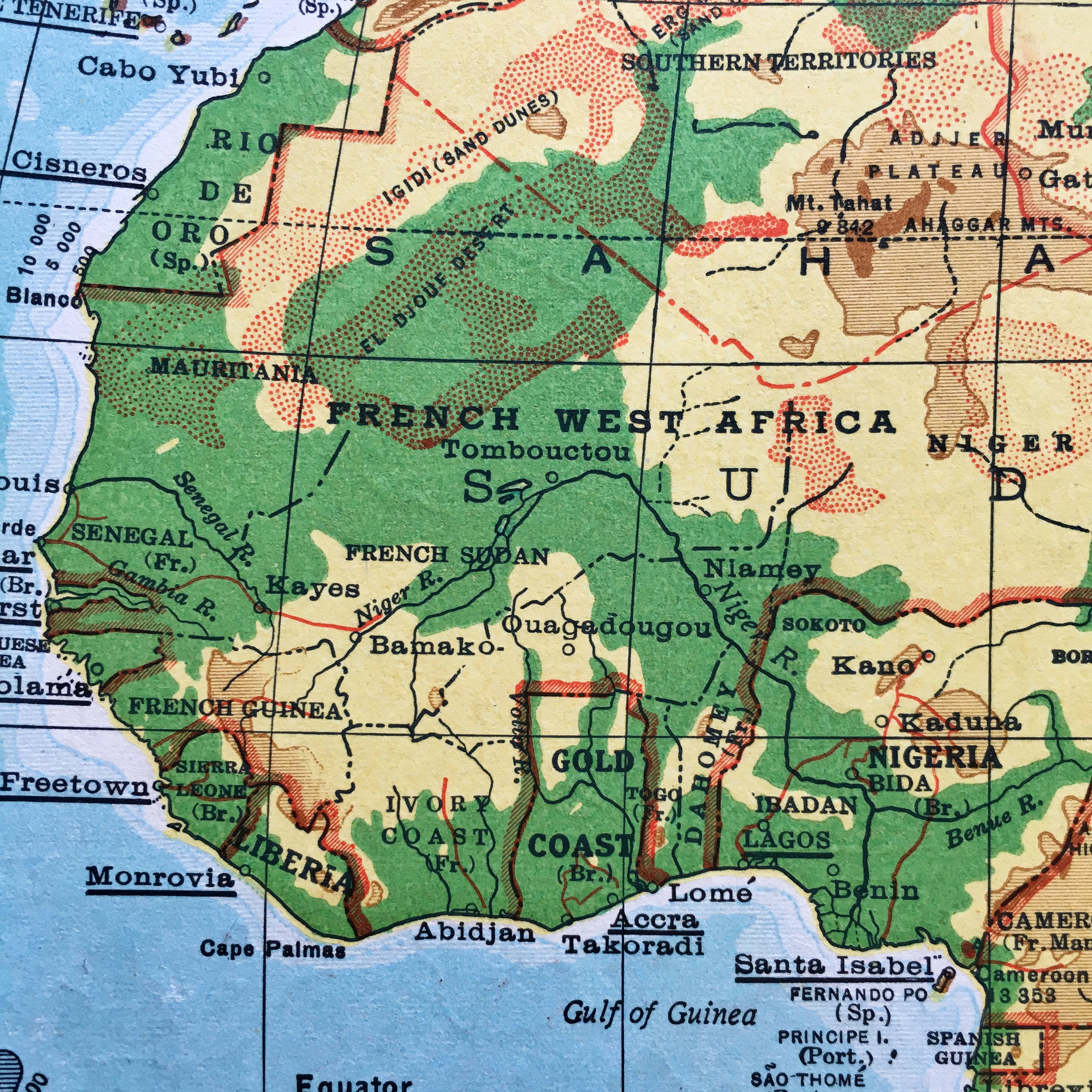
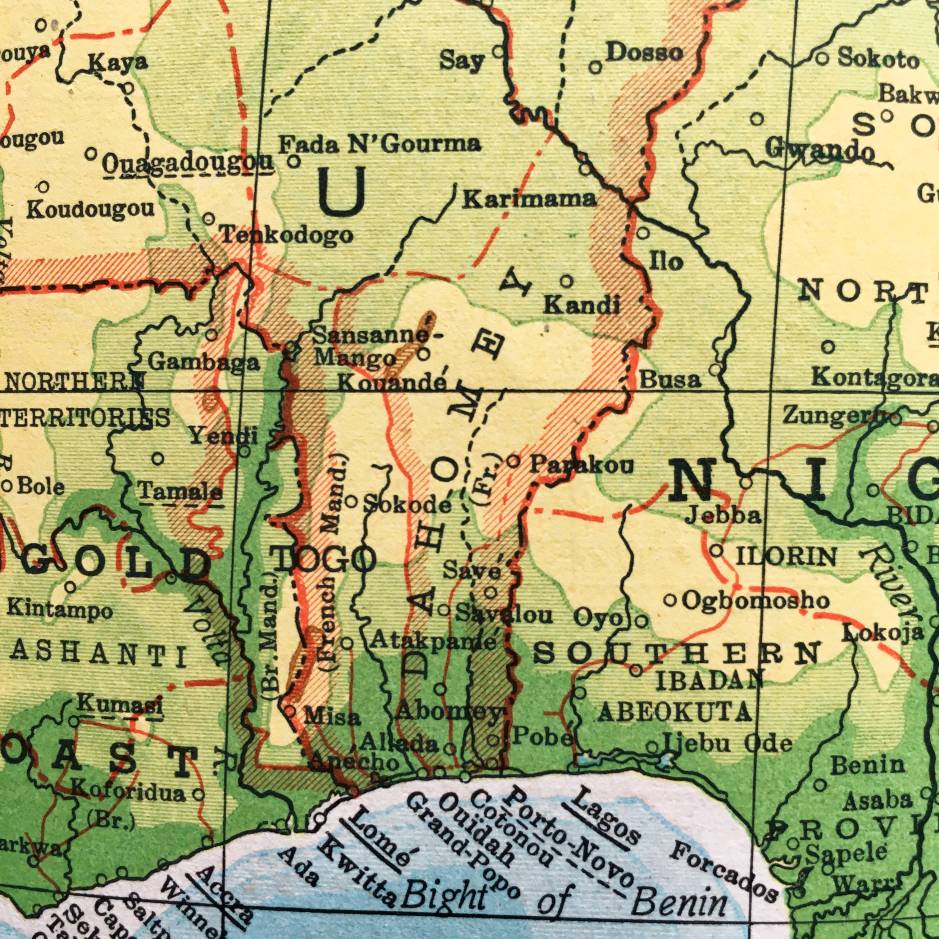
…in Dahomey, our next stop on the International Vintage Recipe Tour 2020. Not sure where Dahomey is? Don’t worry, at the start of this project, I didn’t know either. Let’s zoom out a bit and get a grasp on which section of the world we are talking about…

Dahomey is located in the crook of the African continent on the western side in between Nigeria and Ghana. If it still doesn’t sound familiar to you, there is good reason. Dahomey hasn’t existed on a map since 1975. These images above are from a 1948 school atlas, but if you looked on a modern map today, you’ll find the Republic of Benin in Dahomey’s place. Like Ceylon becoming Sri Lanka, Dahomey went through it’s own name change and declaration of independence in the 1970’s.

But before all that happened, Dahomey, had a bit of a tormented past. Originally colonized by the French, it was populated primarily by local tribes who were often at war with themselves.  Fighting was such a part of the culture, Dahomey even boasted a large tribe of professionally trained female warriors known as the Amazons. Numbering in the thousands, these ladies were ready to defend their land and customs at a moment’s notice and were the most feared women on the African continent.

The Amazons of Dahomey. Image courtesy of hadithiti.africa. Read more about them here.

Folklore states that centuries ago Dahomey was named after Chief King Dan who favored the local customs of cannibalism and human sacrifice. The name Dahomey literally translates as “the belly of Dan” and was a direct reference to greedy behavior and overstepping one’s boundaries.

Thankfully our recipe for this week does not involve any cannibalistic tendencies, but there was an element of gruesome prep work that I suppose Chief King Dan would have totally approved of. Before we get to the recipe though, there is one remarkable connection I wanted to share with you that forever ties the word Dahomey into popular culture. This achievement is not based in cooking, cannibalism, or human sacrifice, but instead based in song and dance.

In 1903, the first African American musical comedy to be written and performed by an all black cast was staged on Broadway. The play was called In Dahomey and was about a pair of con men, a lost treasure and a plan to colonize Western Africa.

Combining elements of vaudeville theater, minstrel shows and comedic storytelling, In Dahomey became such a popular show in both the United States and England, it enjoyed an unprecedented four year run and an international touring schedule.

Starring the talented trio of George Walker, Bert Williams and Aida (aka Ada) Overton Walker, it was also the first African American play to have its sheet music published…

In Dahomey sheet music. Photo courtesy of Songbook

The play was a major accomplishment in the progression of musical theater and also a major source of inspiration for the African American community. One of the elements that turned In Dahomey into such a crowd-pleaser was the inclusion of a popular style of late 19th century dance called the Cakewalk.

Started among plantation slaves in the American South, this precision style of boxy line dancing was similar to ballroom dancing. Cakewalk began as a bit of theatrical mockery directed towards the stiff and stuffy formality of dances enjoyed by the plantation owners. But it quickly turned into a tightly choreographed routine that was lauded by both the white and black communities for its elegant moves and high-stepping style.

As popularity of the dance spread between plantations, the cakewalk turned into a competition style performance of pride, dignity and talent.  Competitions were deemed special events, participation was encouraged, and winners usually received a freshly baked cake as a prize for best dancer.

Aida Overton Walker (1880-1914)

Aida Overton Walker was considered the queen of the cakewalk. Her performances alongside her husband, George Walker and their creative partner Bert Williams made them a famous trio in the theater world in the early 1900’s. A true believer in bridging  cultural differences through dance, music and the performing arts, Aida died tragically at the age of 34, but not without leaving a great impression.  This is a five minute theatrical interpretation of her extraordinary life and the contributions she made to the performing arts…

The overture for In Dahomey is sweeping, melodic and eight minutes in length. If you wanted to listen to it while you prepped your ingredients for this week’s recipe, it’s the perfect length for the amount of chopping that needs to be done. Here’s a link for listening…


The reason the Recipe Tour got so turned around last week was because of these little swimmers…

The fish store is closed in the neighborhood until at least mid-May, so sourcing fresh regional shrimp was a new challenge. Luckily, the farmers market saved the day with their new drive-thru Saturday market and a vendor that offered fresh (albeit frozen) Gulf Coast shrimp. As you can see in the image above these guys came scampi style with their heads intact. If we were in France or Italy this week, this might have been an interesting attribute to a regional recipe, but in Dahomey, the technique called for diced shrimp, so off the heads had to come. Chief King Dan approved:)

This was the first time, I ever removed the heads from any creature and I must admit, it was not my most favorite activity. Powering through this aspect of food prep, I couldn’t bring myself to photograph this tumultuous process for the post. Instead, I gathered all my bravery, followed this how-to video and avoided looking the little guys in the eye. Eventually my cleaned up shrimp looked like this…

On the menu this week, we are making Shrimp Dahomienne, an easy shrimp and pork saute that I thought was going to turn out one way but actually turned out another. The serving suggestion for this recipe was a ring of pureed black-eyed peas, so originally I thought Shrimp Dahomienne was going to be a soupy stew-like dish similar to Beef Bourguignon or Mushroom Marsala. Instead, it turned out to be a rich, dense sauce with a thick consistency closer to tomato puree than soupy stew. A breeze to make, it requires minimal prep work, just one saute pan, and an unusual combination of ingredients. The only thing I changed as far as the recipe goes was switching out ham for pancetta (just a personal preference), but other than that made the recipe as is. Until it came to the serving suggestion part. More on that after we go through the recipe.

Shrimp Dahomienne

(serves 4-6)

1 cup finely chopped onion

1/2 cup peanut oil

1 cup raw shrimp (about 1 dozen medium to large size shrimp), cut into 1/2″ inch cubes

1 clove garlic, finely minced

3/4 cup ham, cut into 1/2″ inch cubes (I used diced pancetta)

1 bay leaf

1 cup canned tomato sauce

1 hot red pepper, seeded and chopped

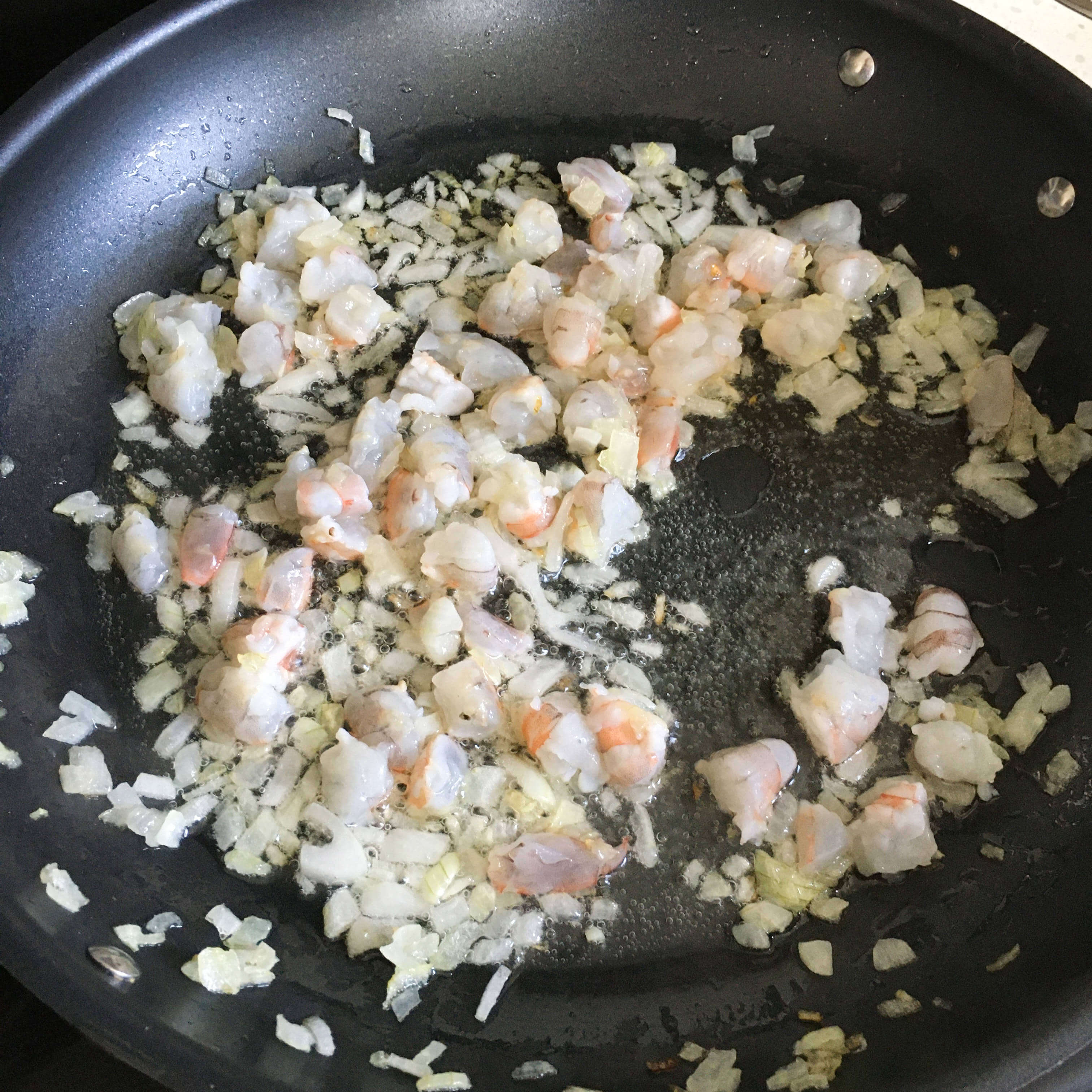
Cook the onion in the peanut oil until it just starts to brown. Add the shrimp and cook , stirring constantly, about 5 minutes.

Add the garlic and ham and cook for another five minutes longer, stirring.

Add the remaining ingredients…

and cook about 15 minutes longer, stirring frequently.

Remove from pan and serve.

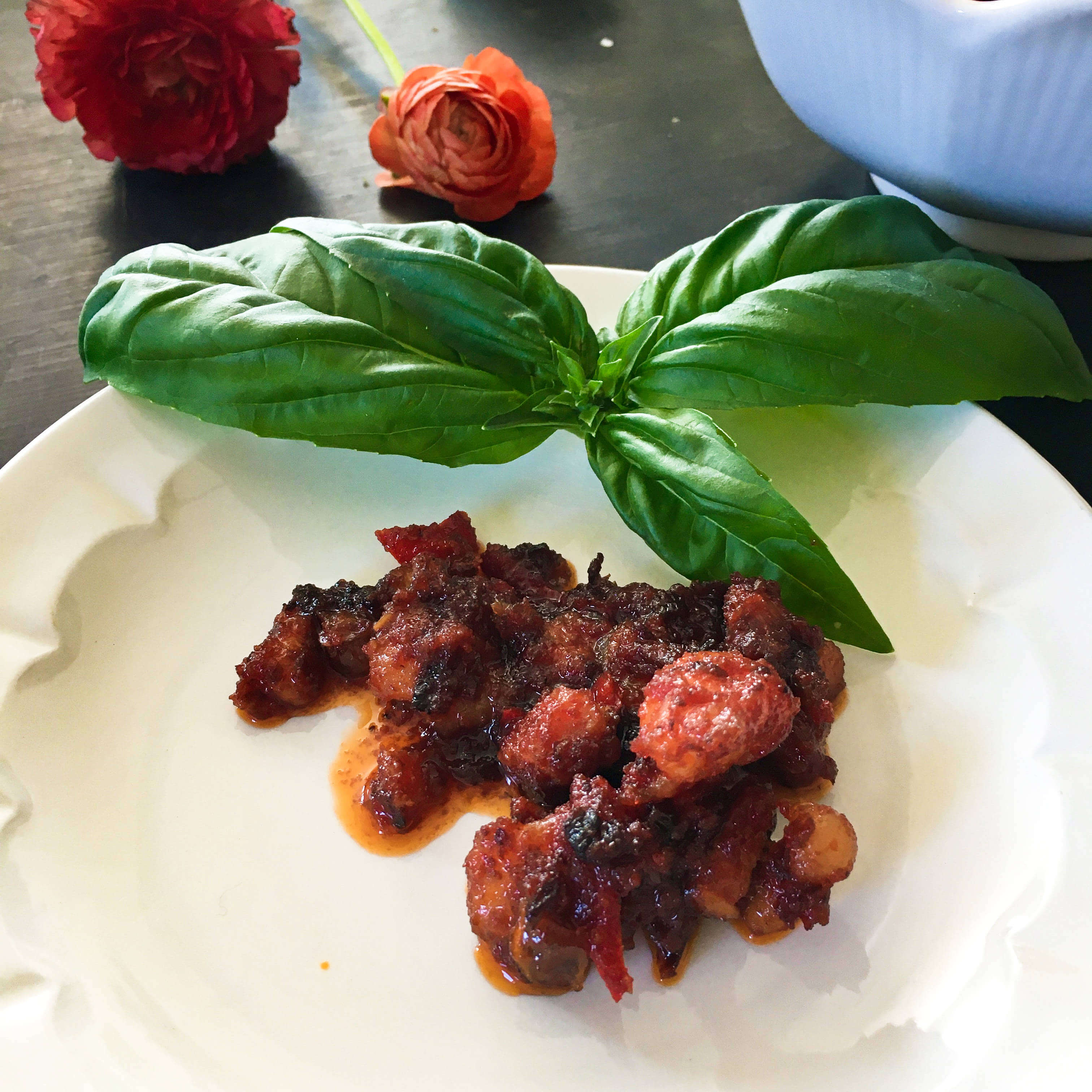
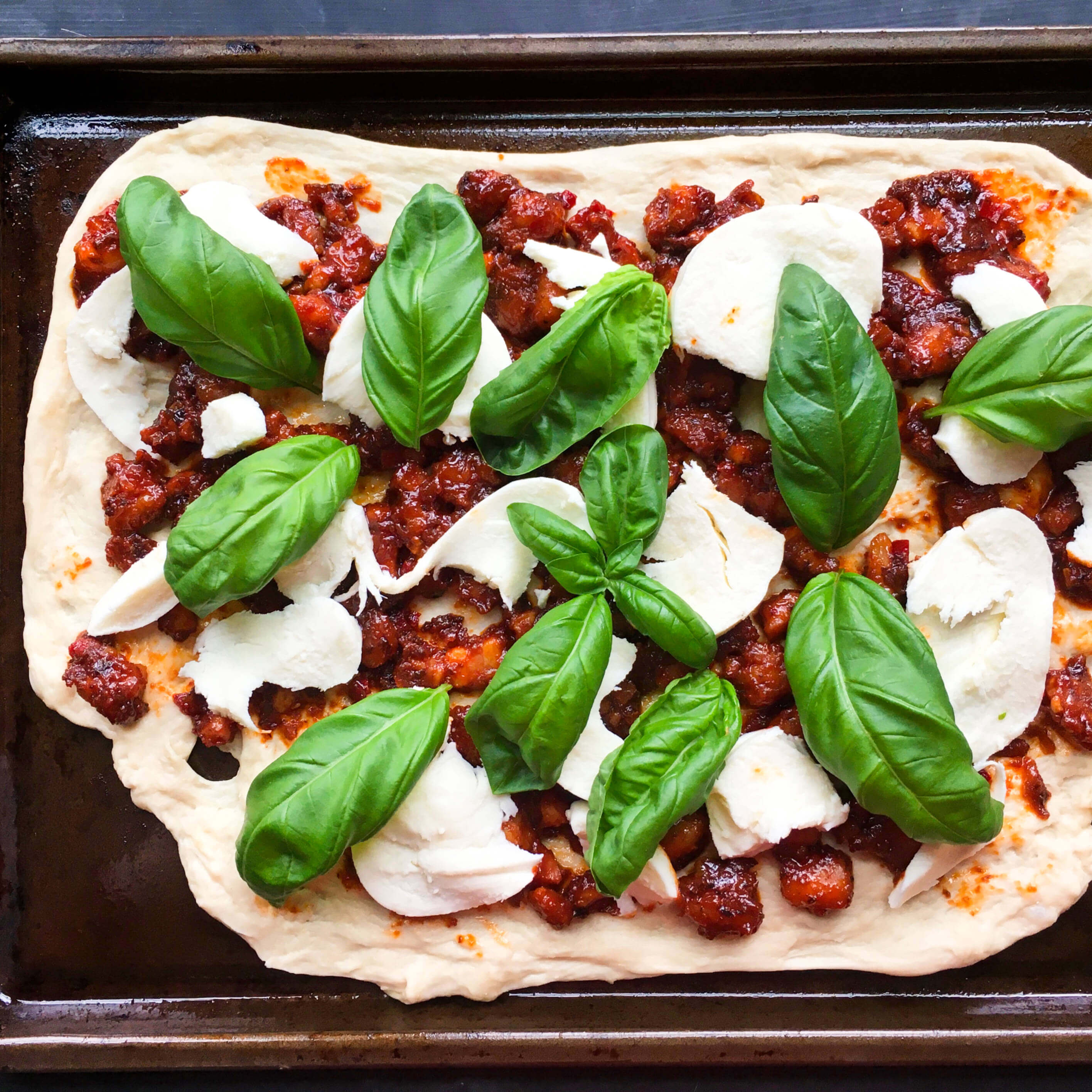
As you can see from the above photos, the last 15 minutes of cooking greatly reduces the sauce. By the time it is ready to pull off of the stove, it resembles more of a chunky chutney with just trace amounts of peanut oil lingering behind. That’s what reminded me of pizza sauce. Dark red and dense like a can of tomato paste, this mixture is so full of wonderful, deep, rich flavors. The pancetta adds salt. The shrimp adds a mellow hint of the sea. The red pepper adds zesty spice. The onions and tomatoes add a sweet acidity. I think the pureed black-eyed peas would have been too mushy a consistency with this mixture. Their grayish color not as appealing.  So instead, I spread this shrimpy  mixture on pizza dough and topped it with slices of fresh mozzarella, and basil from the garden…

and then popped it into a 500 degree oven for 10 minutes.

Just before serving I squeezed a little fresh lemon juice over the whole pizza and added a couple more leaves of fresh basil. I love when your instincts turn out to be right on target. This Shrimp Dahomienne pizza turned out to be delicious! The pizza dough added satisfying crunch along with a complimentary foundation for all the flavors, and soaked up the oily pools of sauce. I’ve never really been a fan sea swimmers on pizza before, but this recipe definitely has me rethinking shrimp on a pie.  The shrimp taste was subtle and when combined with a squeeze of lemon and a sprig of fresh basil, it tasted more bright than briny.

An easy, casual meal, pair it with a cold, crisp glass of pinot grigio and you have a new type of springtime/summertime pizza that is lightly seasoned with scents from the sea.

One of the things I love so much about exploring these vintage recipes are the little surprises that show up each week. Just this one recipe alone opened up a wealth of newly discovered history that combined musical theater, dancing, women’s history and African culture. I learned a new kitchen skill (how to behead a shrimp) and in turn that made me made me appreciate these 12 swimmers much more for the life they gave to this recipe.

There’s a lot of talk these days about everyone getting restless at home because of the quarantine. I understand. It’s hard not to feel caged in. Especially when you are missing your friends and family, your restaurants and parties and get-togethers and happy hours. If this is you and your boat, let’s pass the time by sharing some culinary adventures. Coronavirus or not, cooking knows no boundaries. Surprises ensue. Stories begin. I’d love to hear what you guys are making these days. If you have any fun recipes or anecdotes you’d like to share about food-related things you’ve discovered during quarantine, please comment below. I’d love to feature them, here on the blog, in a special upcoming Quarantine in the Kitchen edition. Hope you’ll be a part of it!

Next week we are heading off to England via the kitchen to make a sweet treat of a dessert that celebrates the start of strawberry season. See you then!