
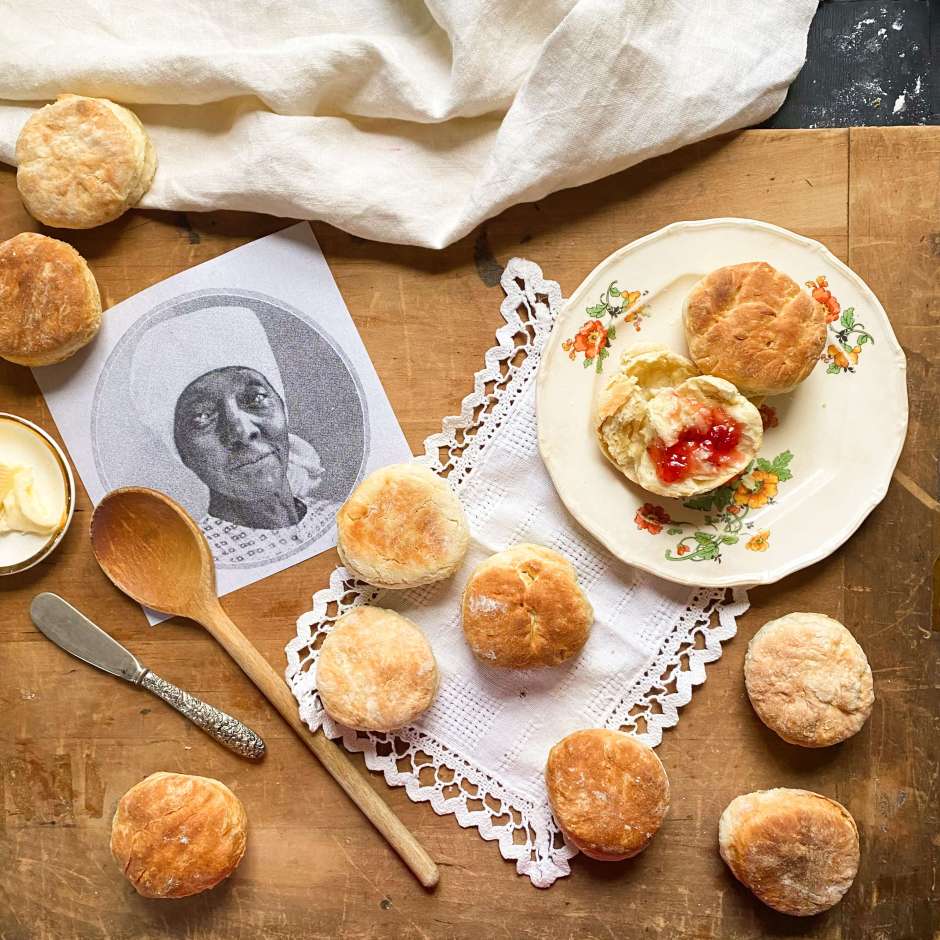

On August 28th, 1963, Martin Luther King Jr. delivered his I Have a Dream speech in Washington D.C. Four decades earlier in 1921, a southern domestic cook named Malindy Walker, locally known as Aunt Malindy, delivered her own inspiring words in Fayetteville, Arkansas. Unlike MLK Jr., Malindy’s words weren’t spoken on a national stage, nor did they reach thousands of admirers. Malindy’s platform was her kitchen and her audience was just a handful of people involved in the publishing industry. But like Martin Luther King Jr., Malindy’s words managed to change the status quo when it came to equality in the kitchen. And she did it with food.

As a longtime domestic cook for the family of Rena Buchanan Shore Duncan, Malindy’s reputation for good cooking was well-known in the Fayetteville, Arkansas area. Featured in the January 1921 issue of Good Housekeeping magazine, in an article written by Rena, Malindy shared cooking secrets for some of her best-loved recipes including Corn Dodger, Southern Chocolate Cake, Fried Chicken, and Buttermilk Biscuits. Enhancing the article was a portrait of Malindy herself, looking confidently at the camera.
At the time, it was unusual for magazines to feature African-American cooks, especially with a portrait included. When Good Housekeeping suggested photographing Malindy at home in her cabin, she said absolutely not. She wanted to be photographed portrait-style just like all the other white cooks had been photographed in previous issues. Malindy was proud of her recipes and she wanted to be treated no differently than any other good cook regardless of her gender or ethnicity.
Good Housekeeping granted Malindy’s request and her portrait was featured front and center in a two-page spread surrounded by her best recipes. I found this little snippet of a story to be so inspiring on several different fronts. First, there was Malindy’s insistence on being treated like everyone else. Second, there was the magazine’s recognition and approval of her request. And third, there were the recipes themselves – examples of beloved southern foods perfected by an African American woman who represented a large swath of kitchen workers that all too often received little to no recognition for their own contributions to the American culinary landscape. In celebration of Martin Luther King Day, we are celebrating Malindy Walker and her courage to dream for an equal place in the kitchen.
This insistence surrounding a specific photography setup might seem like a small win in the big fight for equal rights, but Malindy’s request did set a tone for how she wanted to be viewed and respected. And it made an impact. So much so that the editorial team noted the story surrounding Malindy’s photograph in the article, forever recording in print, her desire for equal treatment.
Apart from the handful of recipes included in the article and bits and pieces of information learned in census records and newspaper archives, details about Malindy’s life are vague. It was believed that she was between 80 and 90 years old when her portrait was taken for the magazine. On her death certificate, her date of birth along with her parent’s names is simply marked unknown. But at the time of her death in 1931, she was rumored to be over 100. She was married and then widowed. At the time the article was published, Malindy lived in the Spout Spring area of Fayetteville. This neighborhood, also referred to as Tin Cup, was established following the American Civil War by formerly enslaved African Americans.

There are so many facets of Malindy’s life that raise curiosity and questions including interest in understanding her own possible enslavement story, her loyalty to Rena’s family, her cooking journey, and whether or not she had children of her own.
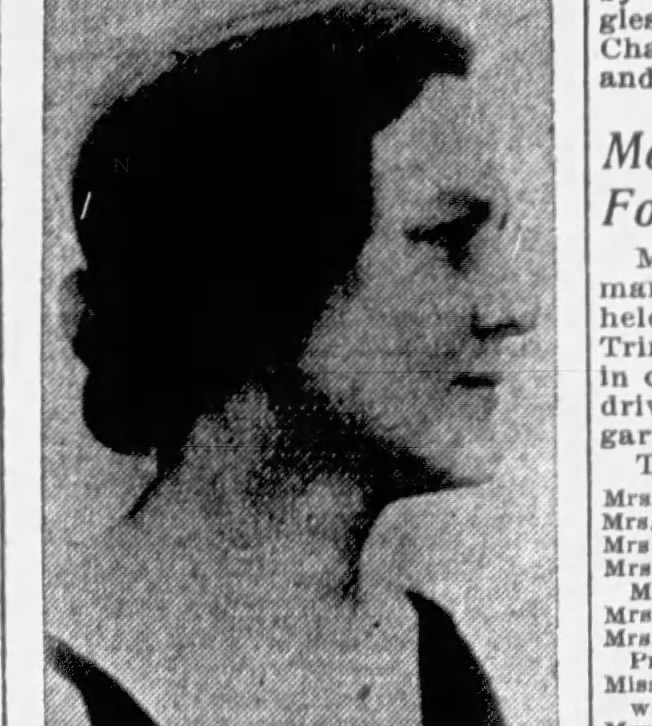
Following the publication of the Good Housekeeping article, Rena went on to write more about Malindy in future pieces for the Saturday Evening Post in which she received praise for writing in the dialect in which Malindy spoke. Although at the time, this style of storytelling made Rena’s writing popular, her stories would be considered offensive and insensitive today. That makes Malindy’s recipes and the publication of them alongside her portrait all the more important. They mark her place in time, in the world, and in history during a century that saw so much change in the lives of African Americans living in the South.
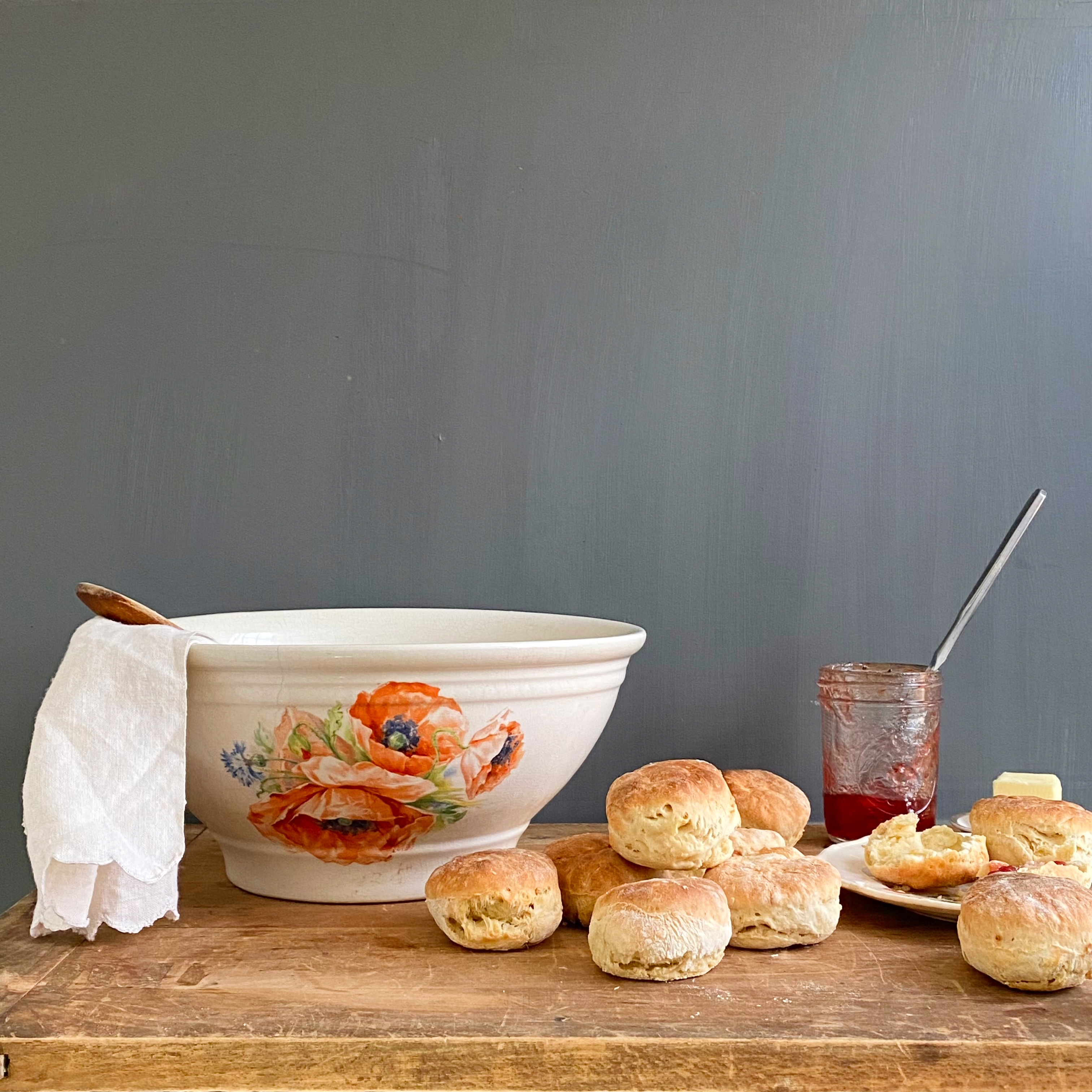
In that spirit, I’m so pleased to share Malindy’s antique recipe for buttermilk biscuits. Spend any amount of time below the Mason-Dixon line – a day, a week, a lifetime – and you’ll quickly learn that each homemade batch of biscuits has its own way of coming together. All Southerners have their own unique take on what the best biscuit is made of and Malindy was no different. Some recipes call for lard, others call for butter. Some contain a small amount of buttermilk and a large amount of baking powder or a large amount of milk and a small amount of baking soda. There’s yeast, no yeast, double rise, no-knead, flavored, plain, dense, doughy, puffed, pillowy, and light-as-a-feather varieties that come in all shapes and sizes.

Malindy’s recipe features a small amount of lard, several cups of flour, a pint of buttermilk, and equal amounts of baking powder and baking soda. Although so many home cooks in the south attest to the fact that lard makes a better biscuit, I substituted butter in place of it in this recipe since it calls for so little fat. I wouldn’t be doing much cooking with lard post-recipe, so it would it seem like a waste to buy an entire package of lard just to use two tablespoons. Other than that I made Malindy’s recipe exactly as she suggested and the biscuits turned out beautifully, with a satisfying crunch on the outside and a soft, flaky texture on the inside. Depending on the size of your biscuit cutter, this recipe makes up to two dozen biscuits, which can be stored in the fridge for up to a week and reheated for five minutes in the oven at 350 degrees. Malindy recommended always serving them hot, and I would totally agree, as their composition becomes more dense when they are cold.

Malindy Walker’s Buttermilk Biscuit Recipe circa 1921
4 1/2 cups flour
1 teaspoon baking powder
1 teaspoon baking soda
1 1/2 teaspoon salt
2 tablespoons lard (or butter)
1 pint buttermilk (two cups)
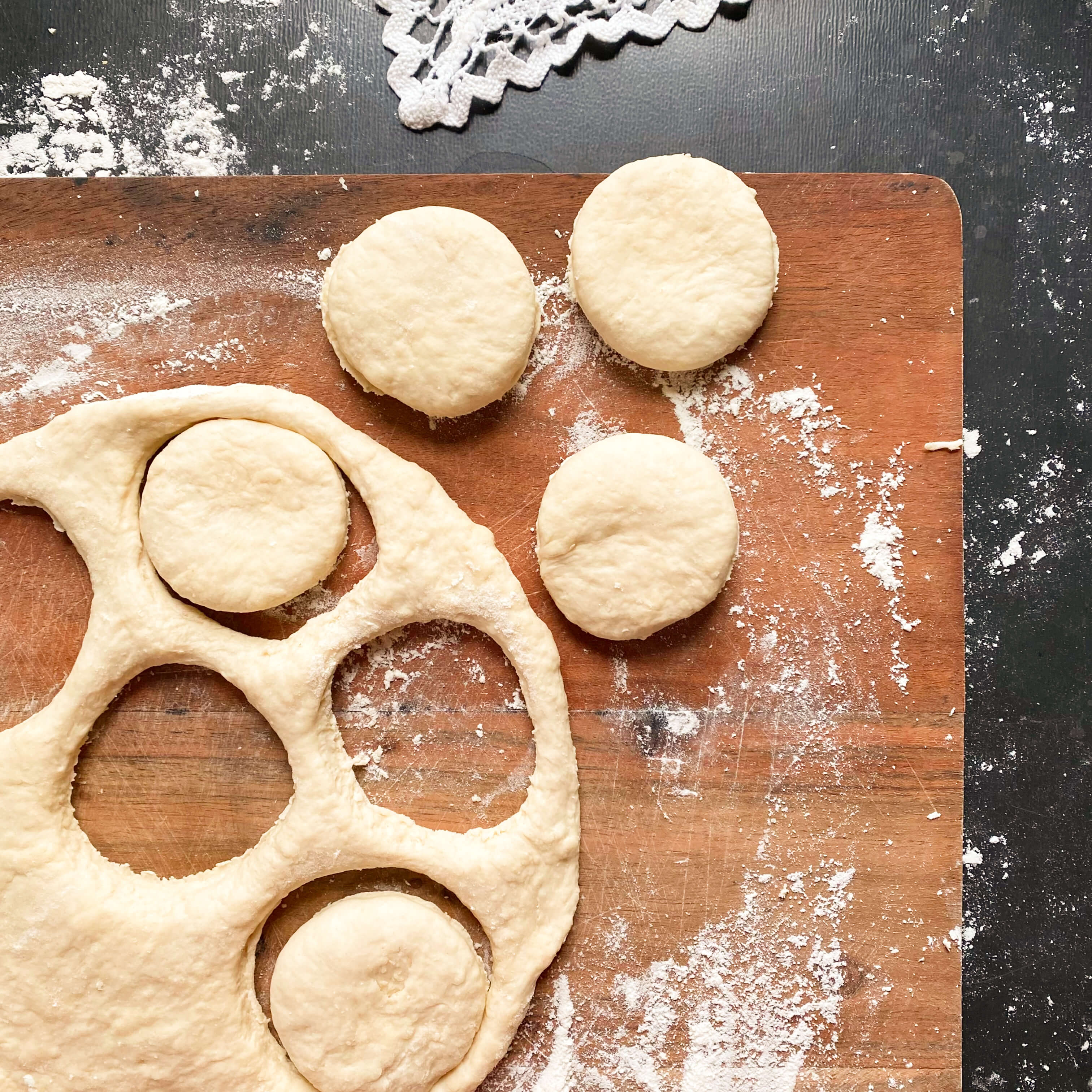
Sift the flour, baking powder, baking soda, and salt together. Mix the lard or butter in well and add the buttermilk.

Knead until very smooth, roll to a half inch in thickness and bake about 15 minutes in a hot oven (450 -475 degrees).


Best when enjoyed straight from the oven, the top and bottom of the biscuits have a nice crunch to them, like toast, but the inside is flaky and pulls apart in lovely little layers. If you are interested in a complete Southern experience, you could serve these with a side of gravy and thinly sliced ham or pile them high on a platter and serve them for breakfast alongside bacon and eggs smothered in cheese. I recommend serving them with butter and jam or a drizzle of honey. On a cold winter’s day, paired with a cup of coffee or tea, it’s a little meal unto itself.
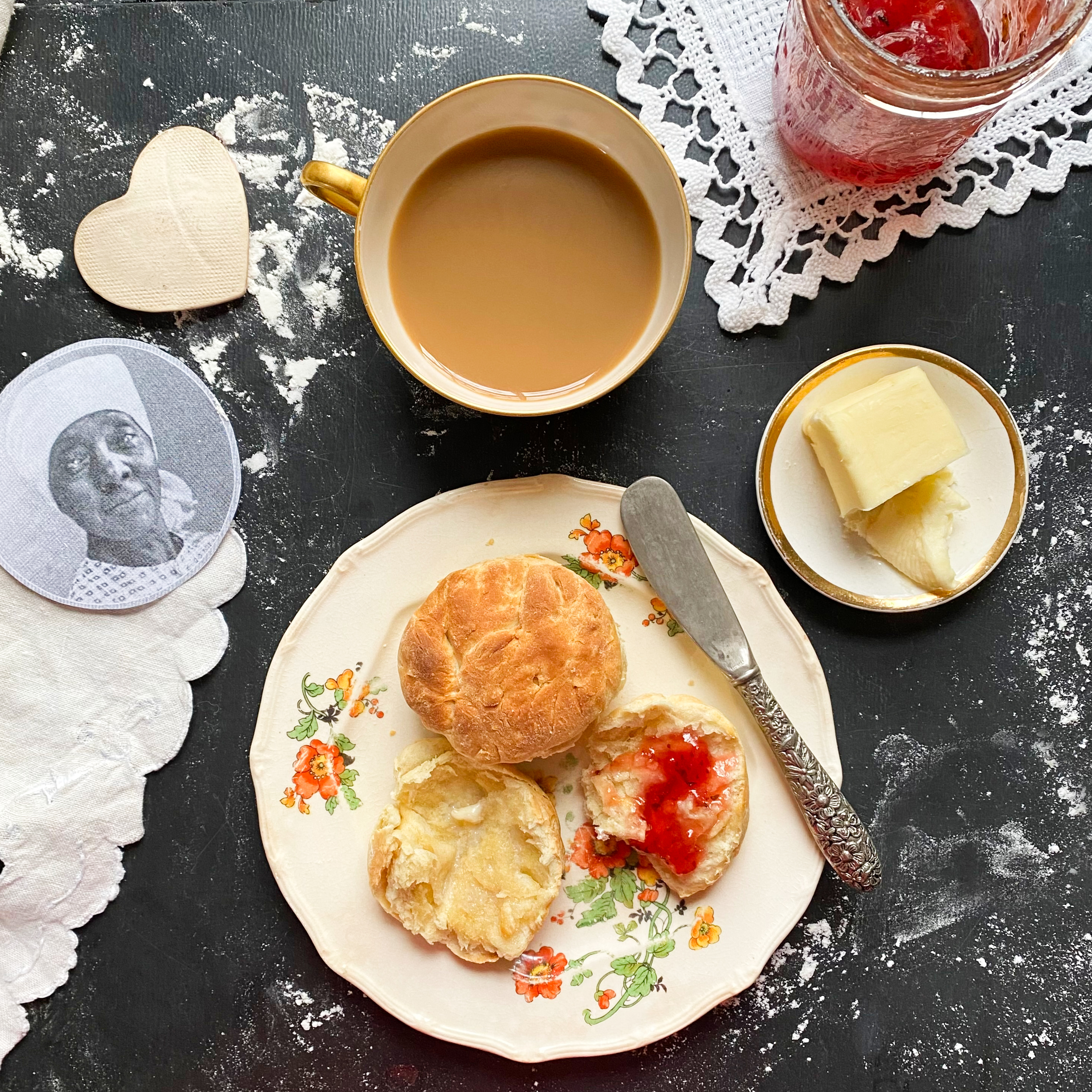
When Malindy passed away in January 1931, her obituary was printed in the St. Louis Argus. In it, they referred to Malindy as a “famous character” and it was noted that she was buried in the “white cemetery” in Rena’s family plot. Tracing African American lineage in the South is such a challenging endeavor when you know few facts about a person. I think that is what makes Malindy’s story so fascinating though. There were actually quite a few details recorded about her life including a portrait of her and information that provided insight into her character. Her love of cooking reached people far beyond her own kitchen and became the tool that helped her feel empowered enough to stand up for herself and what she deemed fair treatment. It would be wonderful to uncover more information about Malindy’s long life, so I’ll keep researching her throughout the year and share any new news I find with an update on this post. In the meantime, we have her biscuits.
Cheers to Malindy for sharing her best recipe and for standing up for equality in the face of marginalization. Martin Luther King Jr. was born just two years before Malindy died, but had he known her in his lifetime, I bet he would have been so proud of her.

 In the Vintage Kitchen: Where History Comes To Eat