

Snow is on the ground, freezing rain is in the forecast, and our first seedlings have just sprouted. It is officially time. The Greenhouse Diaries are back for a whole new year of growing adventures, experimental gardening, and wit and wisdom from some of the most interesting gardeners of the past three centuries.
If you are new to the blog, this series started in December 2022 as a way to chronicle our horticultural endeavors as we build up the heirloom gardens surrounding 1750 House with the help of our 4’x6′ polycarb greenhouse.

With two full growing years behind us and lots of trial and error, we are now at the stage where we pretty much understand the general garden design and layout we want to achieve, the capabilities we are working within, the location of beds, the soil, the sun, the shadows cast by the tree canopies, and the wildlife that both helps and hinders some of our ultimate goals.
Each year, we establish a theme in January based on inspiration from a vintage garden book that helps set the direction for the next twelve months and organizes the project list. While the overall garden plan has changed quite dramatically since we first moved in in the spring of 2022, the Diaries have helped define and redefine expectations, capabilities and desires.
In Year One, hot off the trail of sixteen years of city and country gardening in the hot and humid South, we were keen on testing the greenhouse’s ability to grow an array of vegetables, herbs, and flowers during our first New England winter, all inspired by the writings of Katharine Sergeant Angell White and her 1977 book Onward and Upward in the Garden.
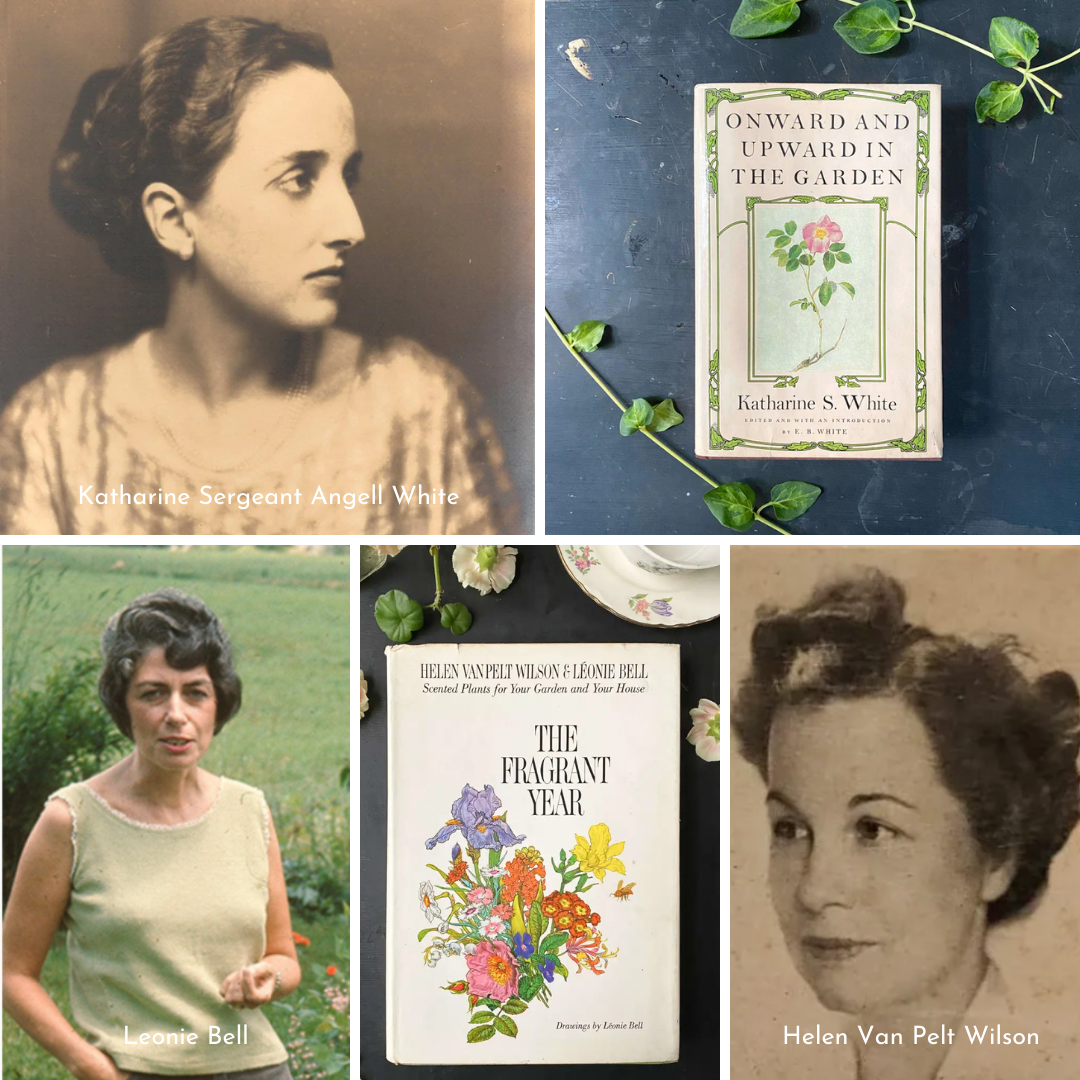
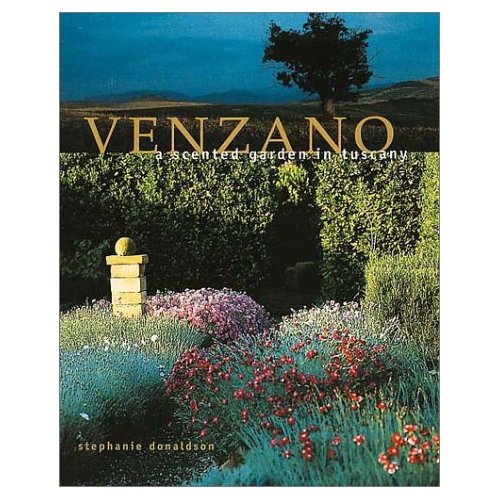
In Year Two, we embraced perennials native to the East Coast that would provide a pleasant aromatic scent to the garden across all four seasons, thanks to the 1977 book The Fragrant Year by Helen Van Pelt Wilson and Leonie Bell.

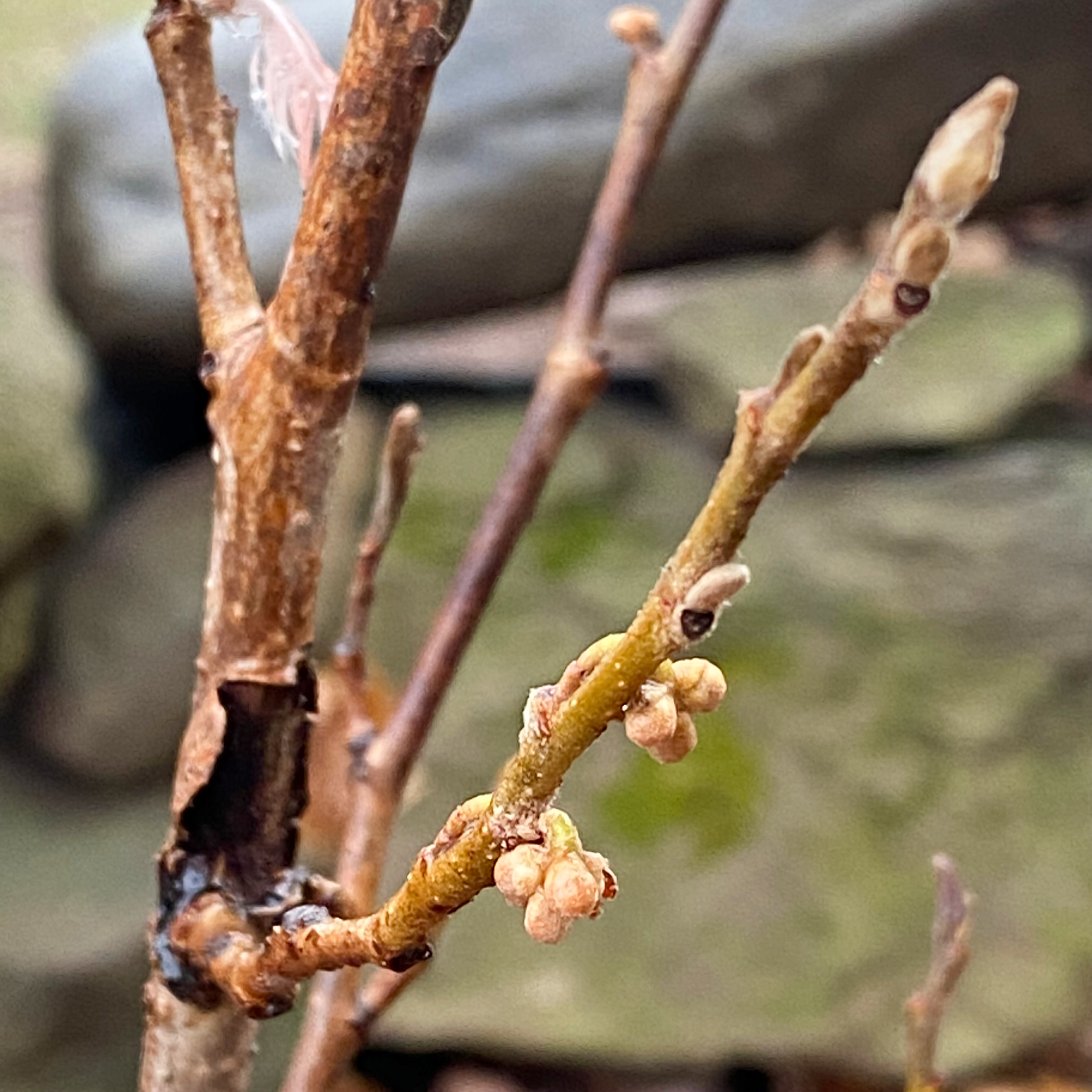
While we gleaned valuable information in both years and grew the garden successfully in many exciting directions, last year’s theme presented so many challenges that it made us rethink the perfumed garden altogether. In place of twelve new additions to the garden, we only added five… three bare-root witch hazel trees, a patch of perennial viola flowers, and a pot of Nemessia on the porch that slugs eventually enjoyed all the way down to tiny little nubs. The idea of planting an aromatic garden, while fun in theory taught us a lot about the realities of working within the confines of a Northeastern landscape. As we have come to learn, gardening successfully in New England means recognizing and embracing the seasonality of the landscape. And that means in winter, the natural world rests.

While it is not a problem to acquire twelve aromatic plants in a year, it was difficult to acquire them on a month-by-month basis in keeping with the Diaries’ month-by-month writing/gardening schedule. We discovered last year that most growers with aromatic inventory won’t ship to our neck of the woods until late spring or after early fall to ensure a successful growing experience. Our own favorite local nursery closes down completely from the end of December to mid-March and larger garden retailers in our area start to remove outdoor plant inventory by the end of July.
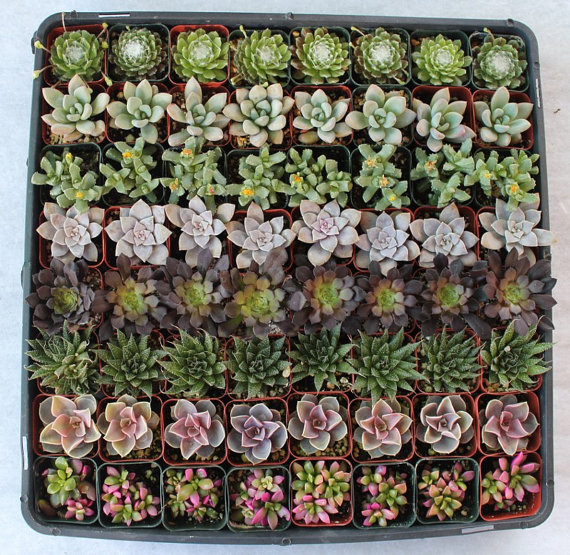
This left a limited window of opportunity to plant a dozen new varieties which didn’t match up well with a month-by-month writing schedule. That being said, The Fragrant Year was set aside a third of the way through 2024 and the greenhouse became a holder for a hodge podge of succulents, herbs and experimental seedlings for the rest of the year. Too fun of an idea to let it go, we haven’t seen the last of the Fragrant Year project though. It will come back with a more appropriate planting schedule at some point in the next few years. In the meantime, the now-established witch hazels and violas planted last spring will represent the scented garden for now as we turn our attention to our new, much more accessible garden project for 2025.
This year, our gardening endeavors involve building a perennial herb garden with the help of Adelma Grenier Simmons (1903-1997) and her book Herb Gardening in Five Seasons published in 1964.

Adelma was considered a definitive authority on herb gardening in the United States during the mid-to-late 20th century. A Vermonter by birth, in 1929 at the age of 26, Adelma purchased a rundown 18th-century farmhouse on fifty acres in Coventry, Connecticut with the idea that she and her parents would start a dairy farm selling cheese and butter made from their own herds of cowsa and goats. She called the farm Caprilands, which literally means goatlands in Latin.

Soon discovering that running a dairy while also maintaining a full-time job as an international buyer for a Massachusetts department store left little time to do both jobs well. Adelma began to rethink her farming dreams. Inspired one day by a walk up to a rocky hill on her land, feeling the sun’s warmth on her face and watching it move across a patch of scrubby terrain, Adelma’s thoughts turned to recollections of earlier travels to Europe and the beautiful herb gardens that decorated a similar landscape. An idea struck.
By the early 1950s, the Caprilands Herb Farm was well established and Adelma was on her way to becoming the foremost authority on herb gardening in America. Welcoming visitors from around the world, Adelma gave tours of the grounds and the gardens. She also taught classes, organized workshops, and hosted teas and luncheons at Caprilands for anyone interested in learning more about growing, cultivating, cooking, and collecting these multi-faceted plants.
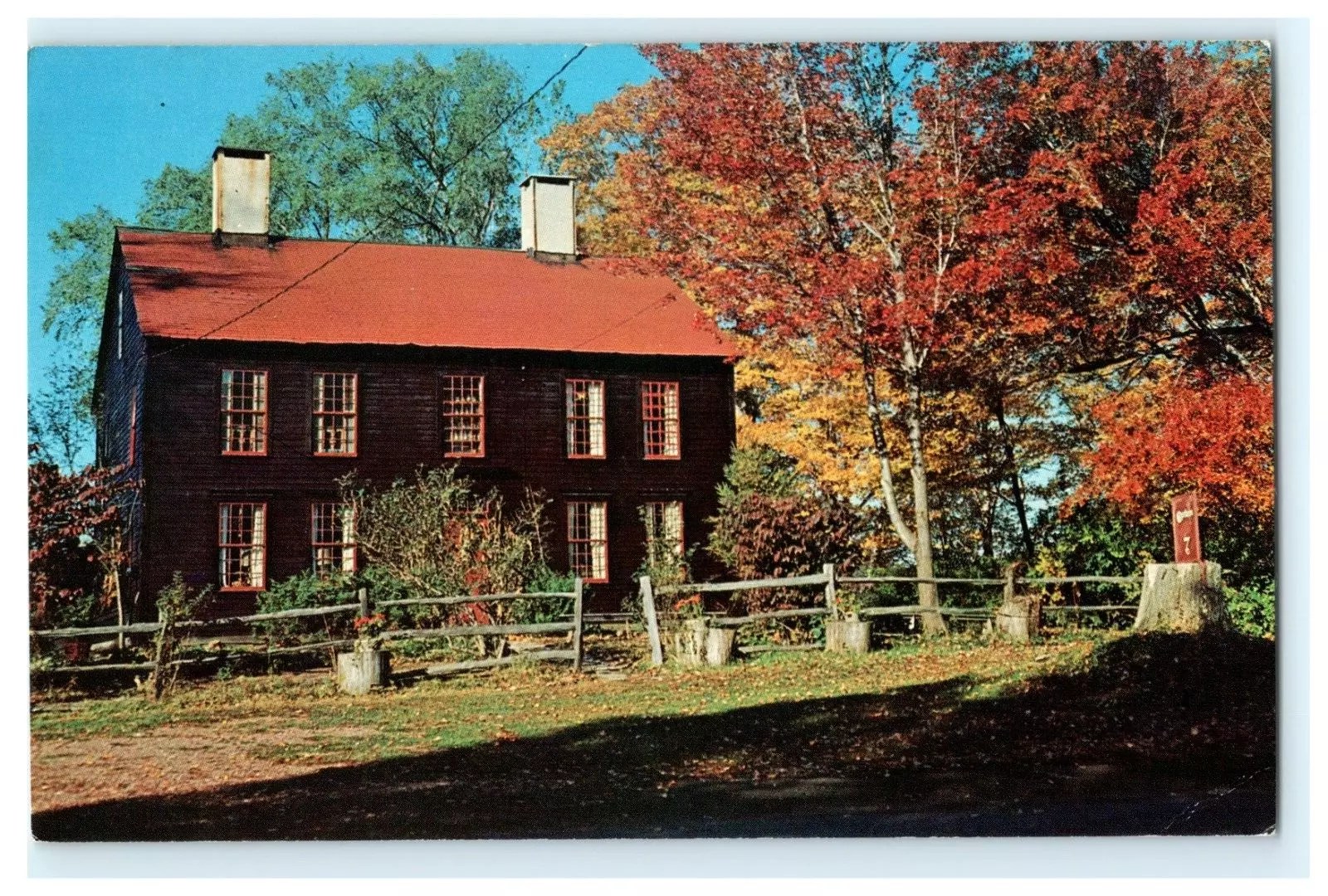
Eventually, Adelma became known as America’s “First Lady of Herbs” and was credited with igniting the country’s interest in herb gardens. In addition to educating the public at home, Adelma also lectured extensively around the country, into her late 80s, inspiring generations of gardeners with her knowledge of herbal horticulture, history, and symbolism. The gardens at Caprilands contained between 200-300 different varieties of herbs at any given time and from them, Adelma preserved stems and stalks in dried bouquets and living wreaths, saved seeds, seasoned food, and wrote extensively on their presence in horticulture, history, cooking and decorating. Her farm became both a learning center and a bustling business spreading the joy of herb gardening around the world.

When she passed away in 1997 at the age of 93, Adelma’s estate went into probate and got tangled up in legal matters preventing her ultimate wishes of turning the property into an educational resource center permanently open to the public. The legal battles, which lasted over two decades, eventually resulted in Adelma’s house being sold, dismantled, and relocated to upstate New York where it was rebuilt for a private buyer.
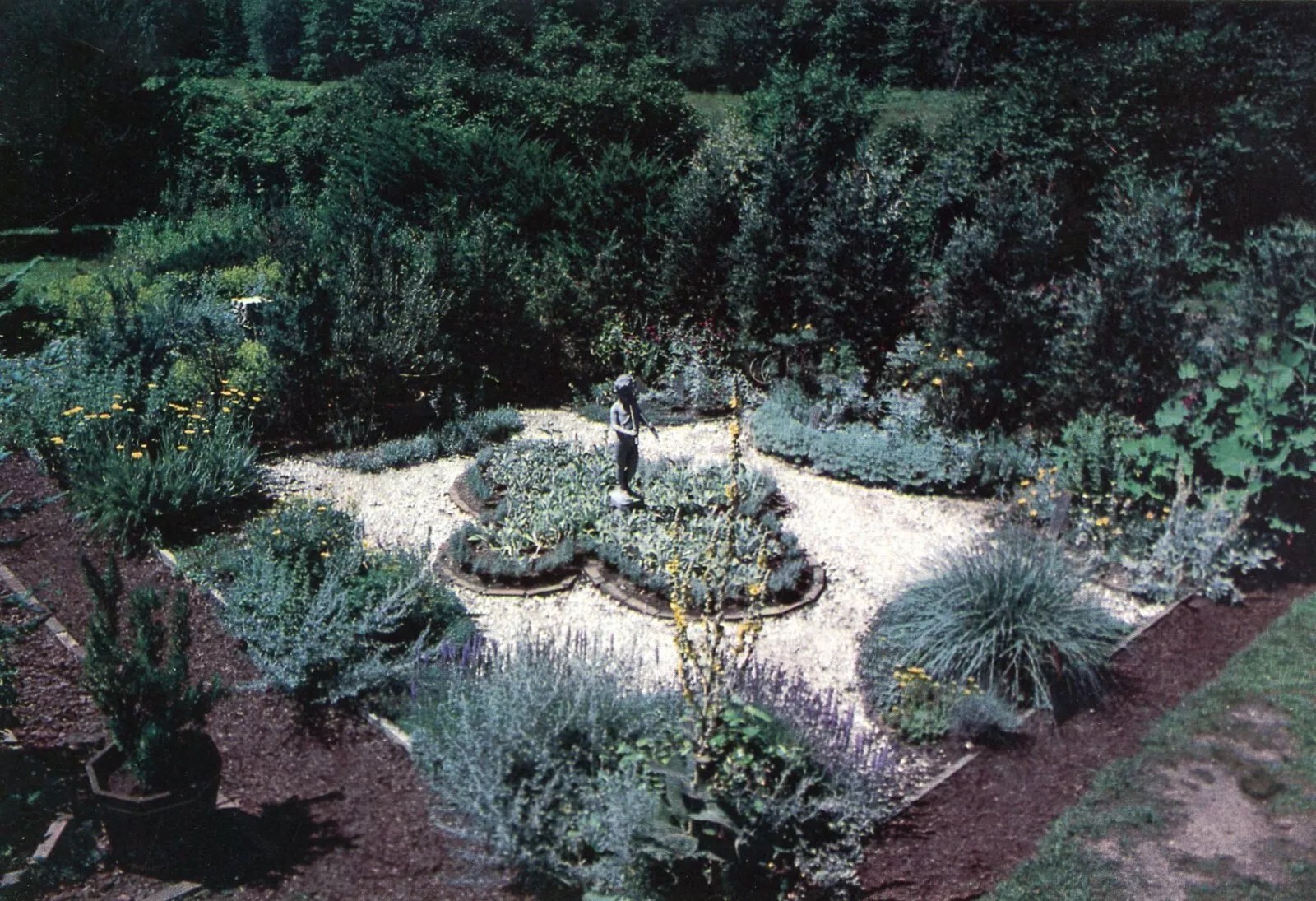
While Caprilands and the incredible herb gardens that surrounded it are now a thing of the past, thankfully Adelma was a prolific writer who shared much of her knowledge and enthusiasm for herbs in over four dozen books and innumerable pamphlets. In the 1960s, Herb Gardening in Five Seasons, kicked off her writing career. Covering spring, summer, fall, winter, and Christmas (the fifth season), Adelma’s book tackles just about every bit of information you would need to start, maintain, and build upon an herb garden of your own.

Garden layouts, botanical drawings, black and white photographs, recipes, and poetry fill the pages of Herb Gardening in Five Seasons while also providing detailed information on seventy-seven different plants, an herbal dictionary, and a pronunciation guide. One of the things I love most about Adelma’s book are the lists in the back that organize groupings of herbs by name according to specific situations… Herbs for Bees, Herbs for Dry Soil, Herbs for a Meditation Garden, Herbs to Grow as Hedges, Herbs for Tall Accent, Herbs for Sun-Filtered Shade, etc. It’s that latter list that interests me most since the majority of the garden spaces at 1750 House are bathed in partial shade throughout most of the peak growing months.
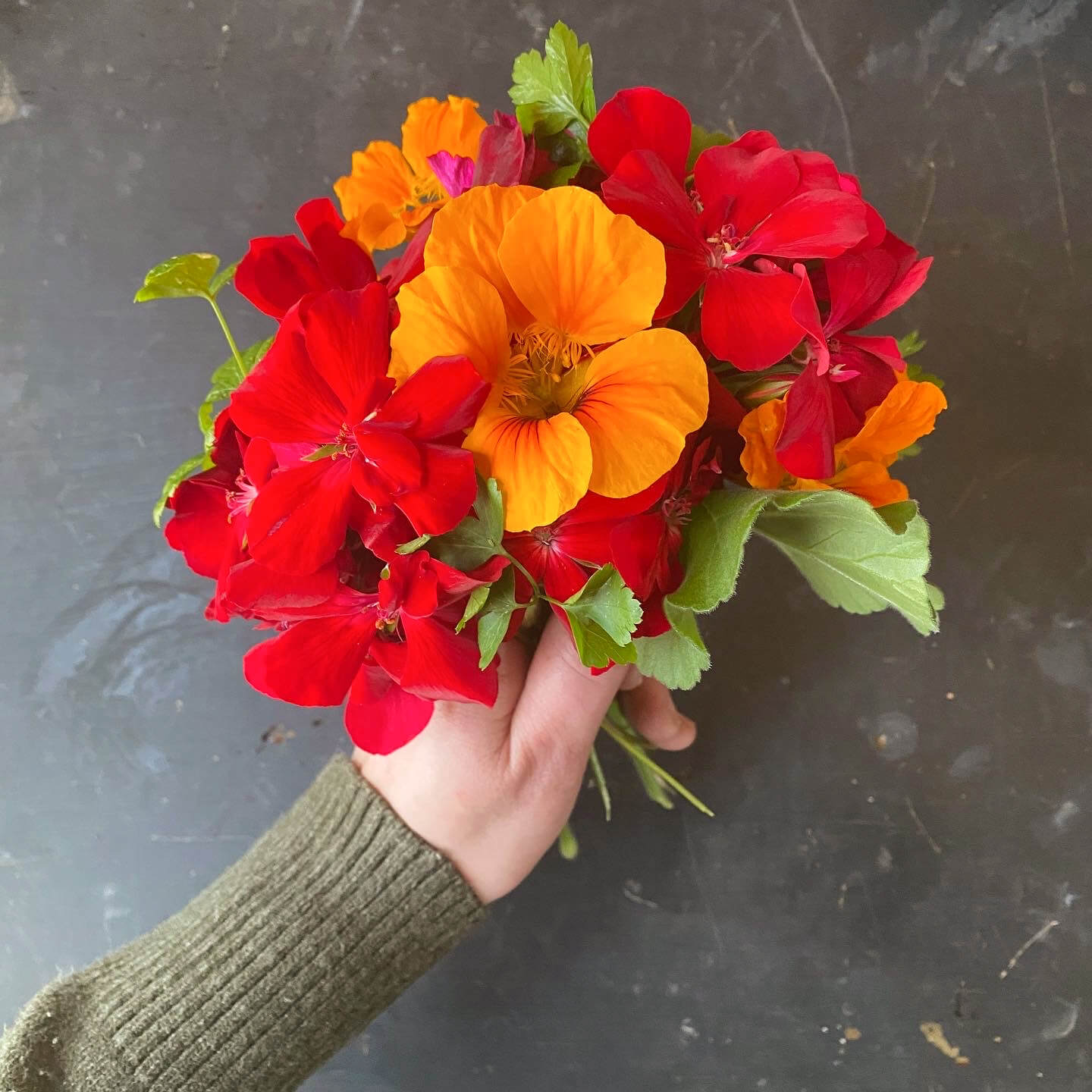
When I first discovered Herb Gardening in Five Seasons at a local book sale, a woman next to me asked if I had heard of Adelma. When I said that I had not, she proceeded to tell me a story about the time she went to a luncheon at Caprilands and about how Adelma had served the biggest salad bowl she had ever seen stuffed to overflowing with nasturtium flowers freshly picked just hours earlier. The woman said it was the prettiest salad she had ever seen, let alone eaten. Right then, I knew the book was bound for life and library at 1750 House. Thinking about how well the nasturtiums have grown each summer in the gardens here and the fact that her book includes not only gardening advice but also recipes too, it seemed like Adelma was the perfect teacher to assist us this year in our efforts to create a permanent herb garden.
It wasn’t until after I was home that I noticed that Adelma had inscribed the book to a previous owner. To Carol, it reads… May herbs enrich your life and bring you joy for all seasons. Adelma Grenier Simmons.

Here it was. The final nudge from Adelma to get the garden growing. Over the next twelve months, I cannot wait to share her insight, wisdom, and instruction through our herb gardening adventure. In the next Greenhouse Diaries post, I’ll share the layout and location of the herb garden and the list of herbs that will get us started, courtesy of Adelma’s helpful garden guide and companion planting lists.
In addition to Adelma’s final wishes to turn Caprilands into a teaching facility and an educational resource, she also fancied the idea of creating a network of other herb farms around the country that shared a like-minded enthusiasm for herbal outreach and education. Since Adelma’s wishes for her beloved gardens at Caprilands never came to fruition, it is nice to be able to honor her here in our herb garden adventure at 1750 House. Perhaps in our own small way, it’s part of the start of the cross-country garden network that she envisioned so long ago.
Cheers to a whole new year of gardening, to Adelma for sharing her knowledge of herbs, and to the greenhouse who is proving to be a wonderful teacher herself.


















 In the Vintage Kitchen: Where History Comes To Eat