“And above all, watch with glittering eyes the whole world around you because the greatest secrets are always hidden in the most unlikely places. Those who don’t believe in magic will never find it.” – Roald Dahl
Can you guess where my most unlikely place of magical secrets was found this week? In the dirt at the bottom of a plastic bin!
Lady Nature continues to impress and inspire. It’s been 28 days since the birth of the mini compost container and I’m happy to report that a tiny miracle has occurred. When I last wrote of this project it was the beginning… two bowls of kitchen scraps, two bowls of yard materials and one leftover 3lb. plastic container.
A few shakes, 1/4 cup of water and four weeks later we now have compost…
Well… almost! Since it has been up and down spring weather this past month with lots of rain and cooler temperatures, our compost needs maybe about another week or two of good hot sunny weather to fully break down and then it will be ready to feed the potted plants on the patio. Right now my compost looks like this…dark, moist but still a little chunky…
You’ll know when your compost is ready because you won’t be able to identify the original elements in the mixture. I can still see a little bit of egg shells and sticks in my mix, so there is still a some cooking left to be done.
If you remember from the previous post, I cut down all the elements that originally went into the compost in fairly small pieces, which helps break things down faster. I did leave some of the sticks in bigger chunks however for a little aeration but I think in my next batch they’ll get broken up into tiny pieces too. The smaller the better in this case!
You can see the size difference in the bulk of the contents from Day 1 to Day 28 to understand just how much material was magically broken down…
The bin went from being 3/4 full to now being about 1/4 full – all entirely tended to by nature. Isn’t that amazing? The only help I offered in this month long experiment was to turn the mixture with an old camping spoon once a week which took about five seconds total. Lady Nature and her team of helpers did all the rest.
One of these helpers was a healthy batch of fruit flies (aka vinegar flies). These guys were naturally attracted to the compost bin through the air holes in the lid and made themselves at home within the first week. Tiny and fast flyers, they are tricky to photograph but the arrows point to a few here…
Like anyone finding out about a cool new place to hang out, the fruit flies called all their friends, threw a bunch of parties and settled in for the month, which was very wonderful of them because they helped break down material too. As the bin keeps cooking they will eventually leave when it gets too hot – a signal that the compost is ready at last. But for now they are conscientious little cleaner uppers, quiet merrymakers and very good neighbors. You’d never even know they were there. I’d take a fruit fly over a snake ANY day!
Smelling like the forest after a good, clean rain the compost mixture is earthy and rich and lies somewhere along the aromatic scale between a damp basement and a dusty book (which is what you want) not like old food or strong ammonia (which is what you don’t want). If a particular odor smells too persistent or too strong than your bin is out of balance. But if you stick with the 50/50 method suggested in the original post then everything should be nicely evened out and pleasantly scented when it comes to kitchen and yard waste.
The forecast is scheduled to be hot and dry over the holiday weekend so that should give the bin some extra energy to breakdown the last of the chunkies. Then our compost will be ready to spread. I’ll check back in next week with an update on the final consistency. Then it is onto batch two and batch three and batch four and a regular routine of composting by bin and balcony.
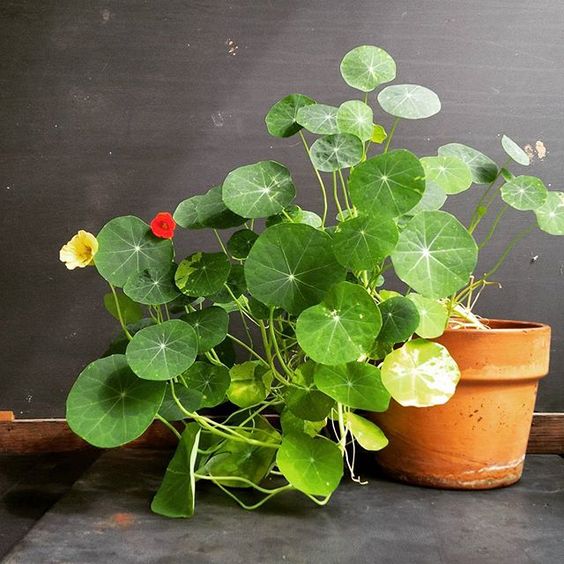
If you missed the post on instagram, the nasturtiums started blooming this week in pretty shades of yellow and red. It’s beginning to feel a lot like like summer around here!
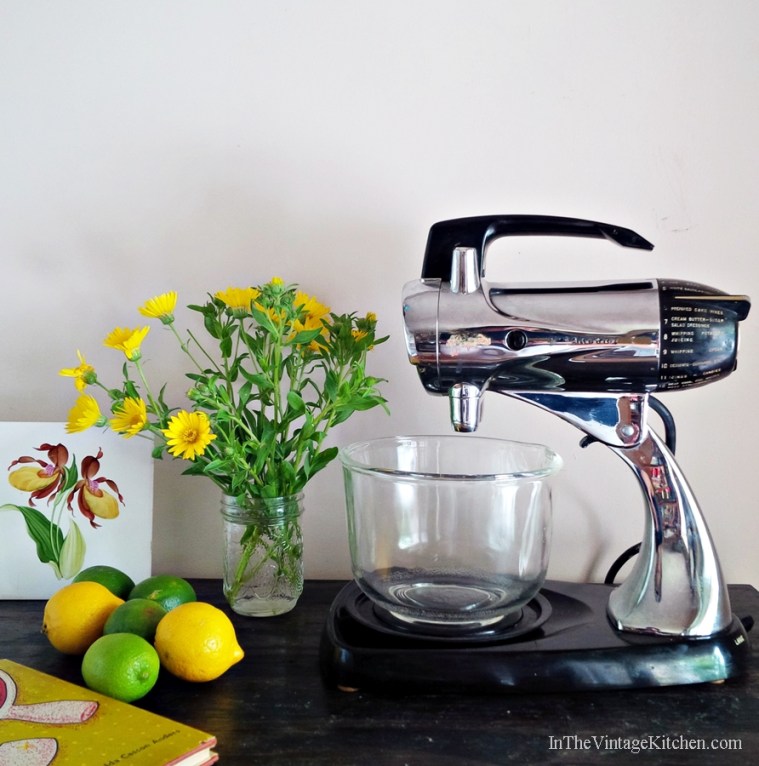
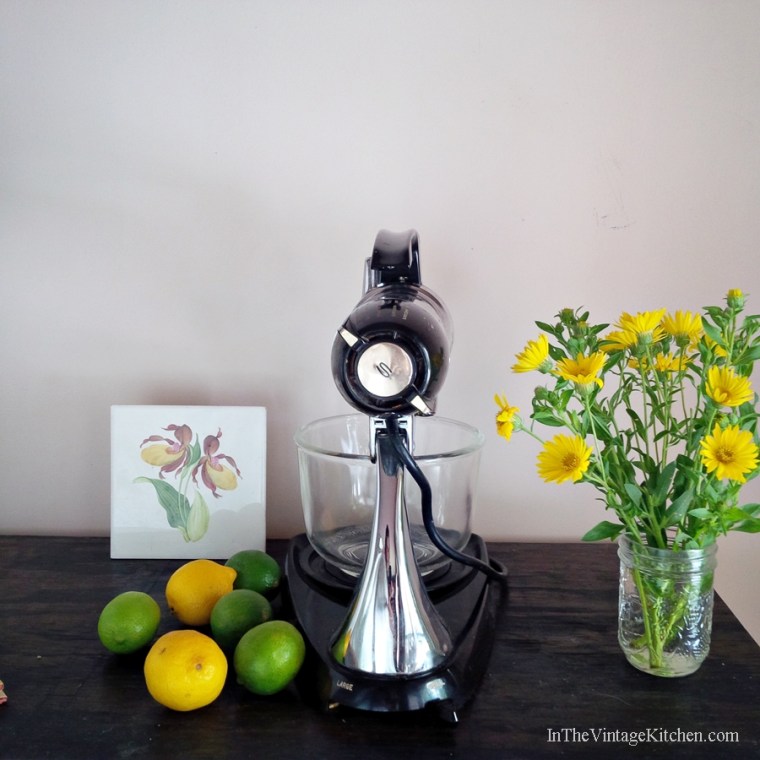
There’s a new gal in the Vintage Kitchen and her name is Matilda. Traveling all the way from 1957, Matilda is part of the Sunbeam Mixmaster fleet that was all the rage back in mid-century America. Like the popularity of today’s counter-top Kitchen-Aid mixers, if you didn’t have your very own Mixmaster in the 1950’s then you definitely wanted one. This 1956 Christmas ad shows just how drool-worthy they really were…
Pronouncing lighter cakes, fluffier mashed potatoes and more velvety textures, Mixmasters were scientifically tested for proper mixing speeds and outfitted with full coverage beaters which set them apart from other leading competitors of their day. This was ingenious because early mixers often got stuck just whipping up contents in the center of the bowl, but Mixmasters special over-sized beaters worked the entire rim of the bowl as well as the center eliminating the need for home cooks to stop the mixer and scrape down the sides. It is so easy to take this simple step for granted today but to fully understand the novelty of this ingenious appliance, we have to first travel back to the early 1900’s.
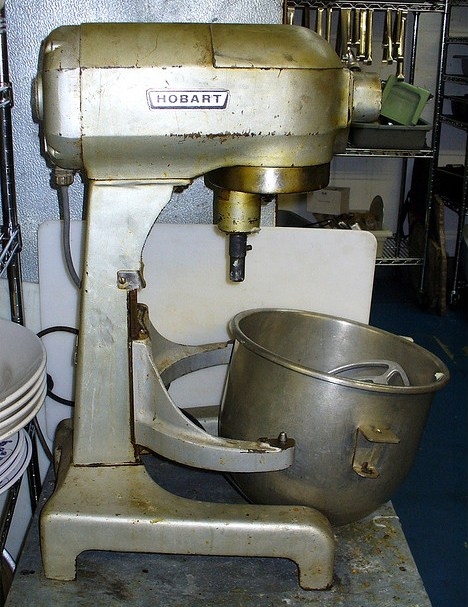
Born from sweaty bread, the first standalone mixer was invented by Herbert Johnson after he witnessed an over-exerted baker with a drippy forehead hand mix a batch of bread dough. Clearly there was a better, more hygienic way than this, he thought and so he got to tinkering. Eventually Herbert came up with the Hobart – the first mixer for the commercial baking industry. That was in 1914.
Hobart! Photo courtesy of kitchenaid
A speedy savior for anyone mixing large batches of anything, the Hobart came to be an important helper in commercial kitchens and rapidly shortened the time spent preparing food products for retail markets. It was so effective even the military put them to work. A decade later home-sized versions named Kitchen-Aids were introduced and women around the country marveled at the speed and efficiency with which they could whip stuff up.
Sunbeam Mixmasters came along in the 1930’s and offered an improvement upon both the Hobart and the Kitchen-Aid varieties – interlocking yet detachable beaters. This meant even mixing and easy clean-up. Early models like this Mixmaster from the 1930’s look squat and a little primitive but they were true engineering marvels in their day.
Photo courtesy of Decodan.
Originally Mixmasters were first offered in white with jadeite mixing bowls but soon graduated to a range of pastel colors with matching or milk glass mixing bowls. Matilda’s chrome style was introduced in the mid-1950’s and came with two bowls – large and small.
1950s sunbeam mixmaster
Inspired by both the automobile industry and the airline industry the Sunbeam design engineers created attractive models with elegant lines, fin-shaped dials and stylized lettering reminiscent of the latest design trends in transportation.
You can definitely see the car influence on the Mix-Finder dial and front end medallion…
Twelve separate mixing speeds debuted the year Matilda was born which offered the following settings…
Dry Ingredients, Folding
Blend Ingredients, Cookies
Muffins – Quick Breads
One Bowl Cakes
White Sauce – Puddings
Prepared Cake Mixes
Cream Butter – Sugar, Salad Dressings
Whipping Potatoes, Juicing
Whipping Cream
Desserts – Custards, Etc
Icings – Candies
Beat Eggs – Egg Whites, Most Attachments
On the attachment front – Mixmasters also offered a bevy of functionalities. Everything from juicing to funneling, meat grinding to nut chopping could all be accomplished with one base unit and the appropriate attachment. Depending on the design and the decade that they were introduced, some of the attachments proved invaluable and were successfully continued for future designs. Others like the glass juicer were discontinued after a short run due to fragile composition.
But when it came to the main mechanics of the Mixmaster body itself, they proved incredibly well made, thanks to the powerful motors that still hold up to the competition today. Which is exciting news for Matilda. She may be approaching the senior side at 60 years old but she’s still just as capable as ever. As a top of the line lady, she’s worked in some pretty great places but none hopefully will be more exciting or inspiring than her newly attained instructor’s position here in the Vintage Kitchen with us.
New decals coming soon!
For her birthday this year, Matilda’s going to get a little refresher in the decal department as well as a set of replacement beaters. Then she’ll not only be practically brand new but also fully capable of whipping up a whole new century’s worth of recipes here in the Vintage Kitchen. When she’s all dressed up again, I’ll snap a photo so you can see!
Looks aside, lucky for us, Matilda is chatty. In the whirl of her motor she shares the world of past baking endeavors through decades of cakes and cookies, casseroles and creams. She can’t wait to share her favorite mixtures with you, so stay tuned for some stories.
Cheers to Herbert and Hobert for mixing it all up in the beginning. And a big welcome to Matilda – the new master of all our mixing here in the Vintage Kitchen.
—
CURIOUS which modern-day mixer brands come out on top? Check out what the team at Reviews.com found out after they tested 12 different contemporary models here. Unfortunately, Matilda’s Mixmaster family didn’t make an impact on their top-three list, but that’s okay because she will always reign supreme in our Vintage Kitchen. Vintage mixmasters can be elusive little gems, so in case you can’t find your own vintage Matilda, reviews.com recommends a new-but-looks-retro mixer, The Smeg, which they voted one of the top three stand mixers in both style and performance.
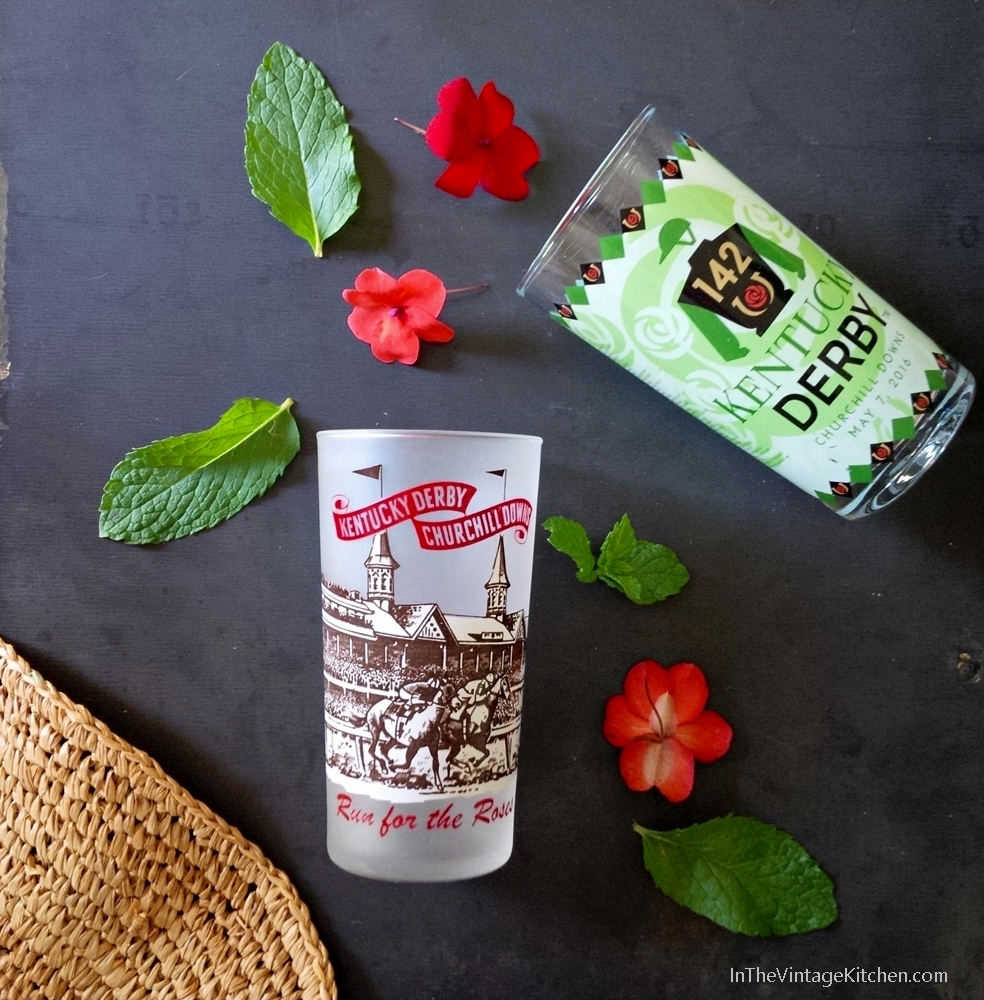
Like the thrill and excitement of watching those horses speed around the track during the Kentucky Derby two Saturdays ago so was my trip racing around Washington D.C.. To follow-up from the post before this one, we did make it to D.C. just in time (with about 3 minutes to spare!) to meet up with friends, watch the Derby AND drink a mint julep. Perfect timing!
Always Dreaming! Photo courtesy of thedailybeast.com
If you missed the race Always Dreaming was the big Derby winner, leading the whole entire way from start to finish on a very muddy track. It was definitely a well deserved victory although I was really rooting for Patch the whole way, who wound up coming in 14th. It appears as if no one else was dreaming about Always Dreaming as the first-to-line finisher in our blog contest either so the festivities continue on through the Preakness (this Saturday!) and into the Belmont (on June 10th). Stay tuned this weekend to see if Always Dreaming wins part two of the Triple Crown!
Meanwhile, back in Washington the week fell in three parts…art, Julia and Virginia. The last time I spent more than a day in Washington D.C. I was 10 years old and visiting my oldest sister who lived and worked right in the heart of downtown. This time around I was staying on the Maryland side of the metro D.C. area.
With a view that began and ended each day like this…
Morning on the Potomac!
Evening on the Potomac!
it was hard to go wrong from the beginning. Add in the welcome committee…
quaking their way through news of the D.C. day… and it was lovely from day one.
Staying in such close proximity to the Capitol, I had mighty plans to see about 10 different sites throughout the city on this visit which included five museums, the Botanical Gardens, the Library of Congress, the Franciscan Monastery, the National Archives and the Basilica of the National Shrine of the Immaculate Conception. I realize now on my return that this was totally ambitious, but I thought in my pre-trip planning days that if I was fast on my feet and spent only an hour or two at each place I might be able to fit it all in during a three day stretch. After all Charles Dickens did nickname this metropolis the City of Magnificent Intentions. Technically I was right on track.
Of course once I stepped through my first museum and saw all the intriguing things that lay ahead of me I realized that I would never be able to keep up with such a strict and rigorous time schedule. It only took me one museum to realize that Washington D.C. is best digested slow.
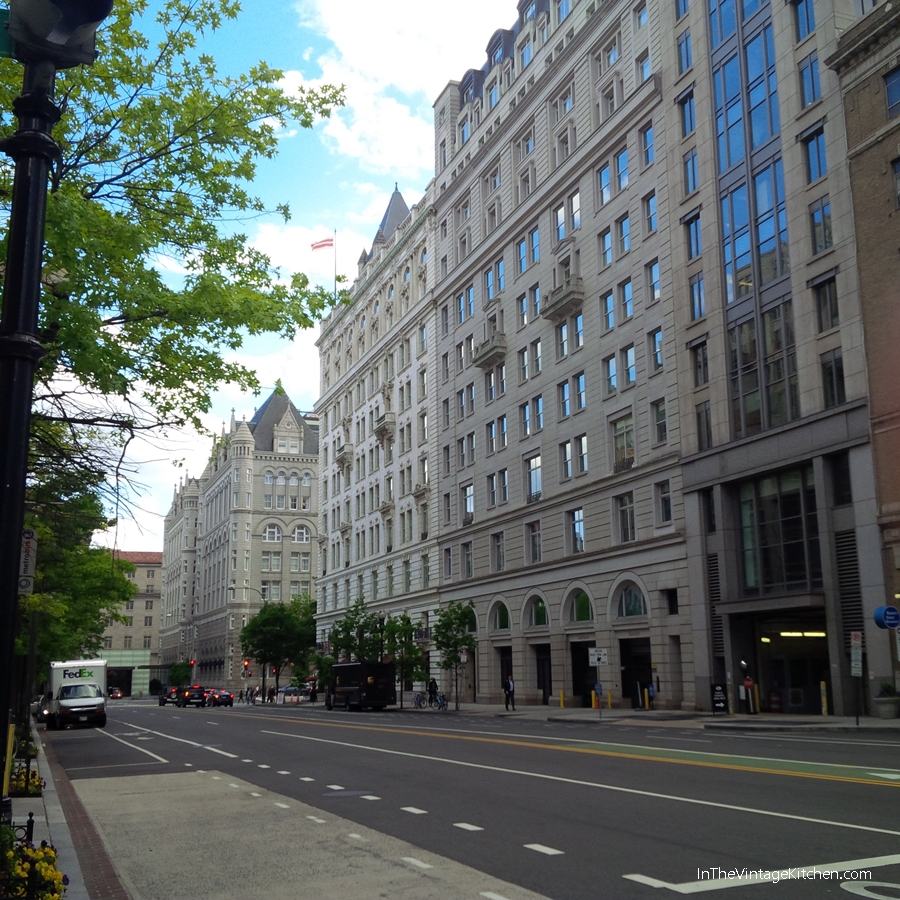
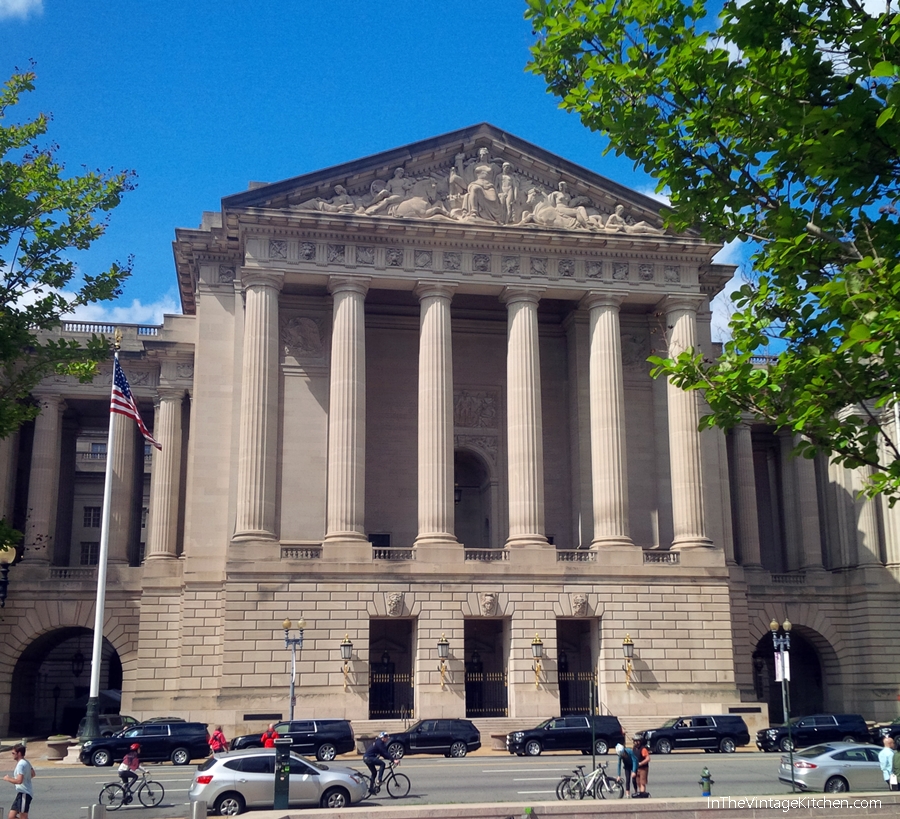
There is no room for frenzied pace setting or shy glances in this historic environment. From street to sky, everything in D.C. is fascinating whether you are walking on centuries old cobblestone in Alexandria or admiring architecture on Pennsylvania Avenue time is what you need plenty of in order to ingest the experiences of our past presidents.
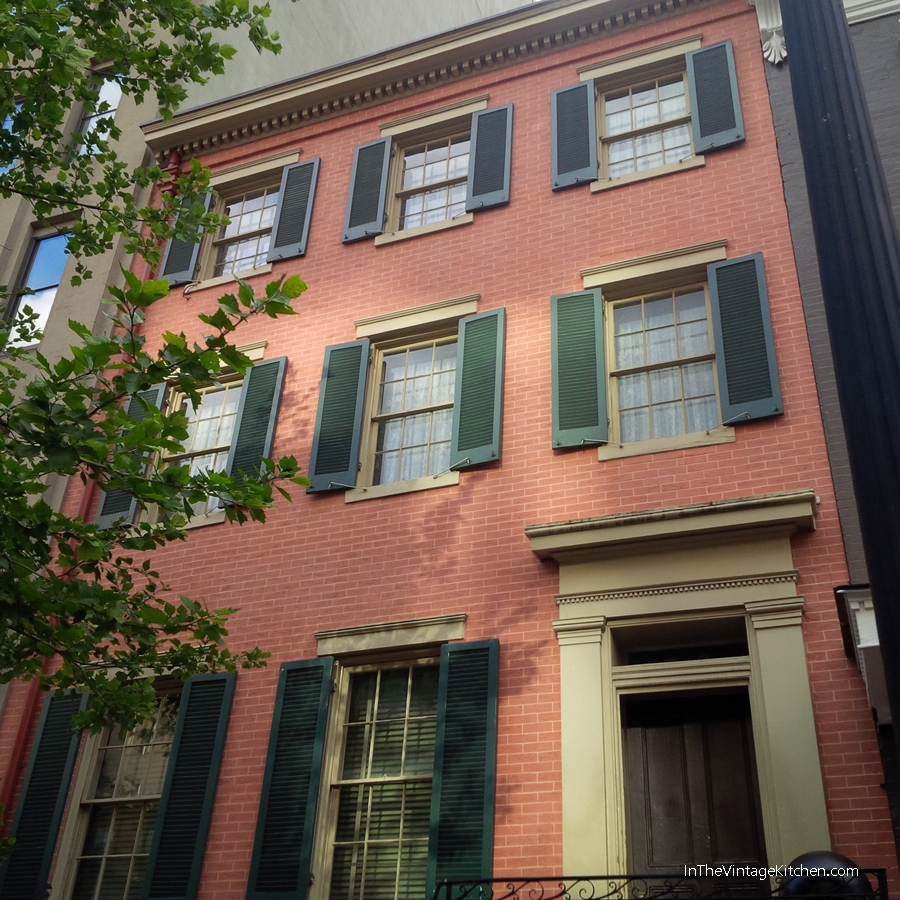
This is the house where Lincoln died. It’s located right across the street from Ford Theater.
So that’s exactly what I did. I took some time. I abandoned my wish list of seeing everything fast, and focused on seeing a few things slowly. Highlights from the three museums I managed to get through are as follows…
At the National Portrait Gallery…
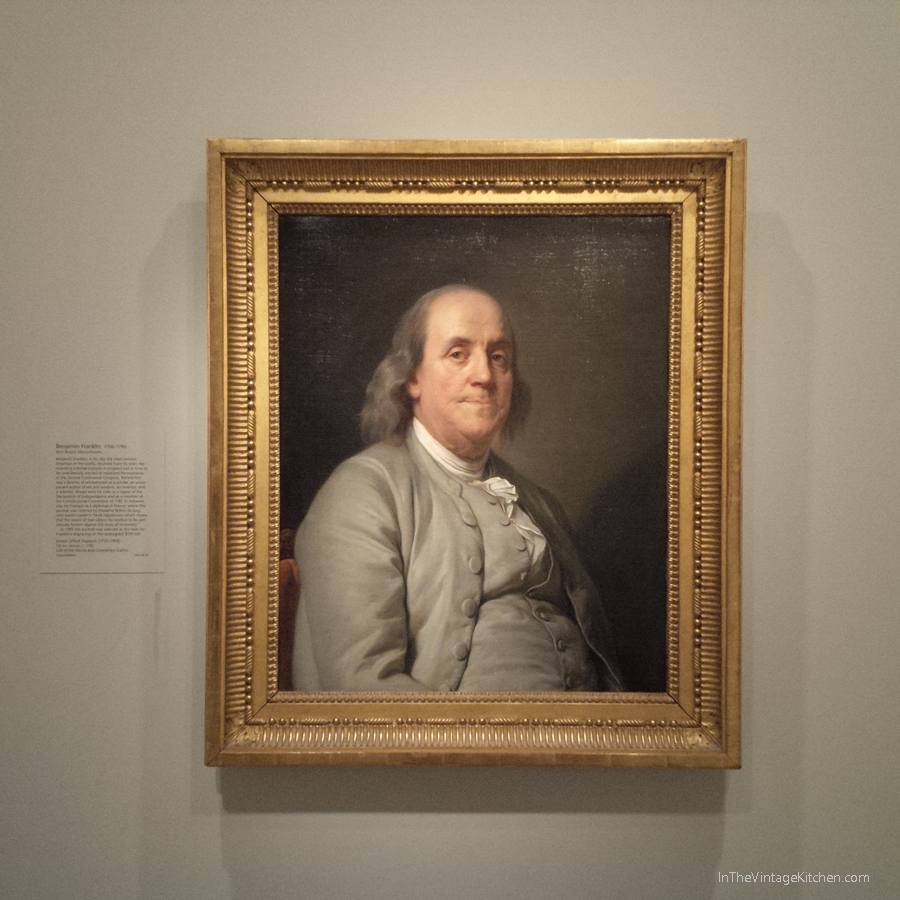
This famous portrait of Benjamin Franklin painted in 1785 hangs in the National Portrait Gallery. Because I had seen this picture a zillion times in books and all over the internet I thought I’d pop by, say hi and be on my way. But Ben had other plans. He was a wise 79 years old when he sat for this painting. And you can tell Ben’s got things to say from the second you see him.
The artist, Joseph-Siffred Duplessis translated an expression in Ben’s face that reads “Hey there, I have some interesting stories for you. Stay for a minute and I’ll explain.” And so I did, lured in by a magic painting spell. All the achievements he accomplished, the foresight he had, the contributions he made to the forming of our country, swirled around in those eyes and that smile, ready to break at any moment. He was captivating in all the right ways.
That experience with Benjamin Franklin reinforced the fact that I couldn’t zoom past everything and expect anything to have an impact. There was so much significance in the air around me that I was going to have to slow down in order to appreciate it all.
The Smithsonian American Art Museum and the National Portrait Gallery are both connected in the same building so you can cross over long hallways from the art museum to the portrait gallery in just a few steps. On the art museum side I found these favorites in the painting department…golden framed beauties covering two centuries including a large scale John James Audubon bird painting from 1836…
Clockwise from top left: Angel by Abbott Handerson Thayer, 1875; Washington Sea Eagle by John James Audubon 1836-1839; Round Hill Road by John Henry Twachtman 1890-1900; Our Lady of Guadalupe by Pedro Antonio Fresquis 1780-1830
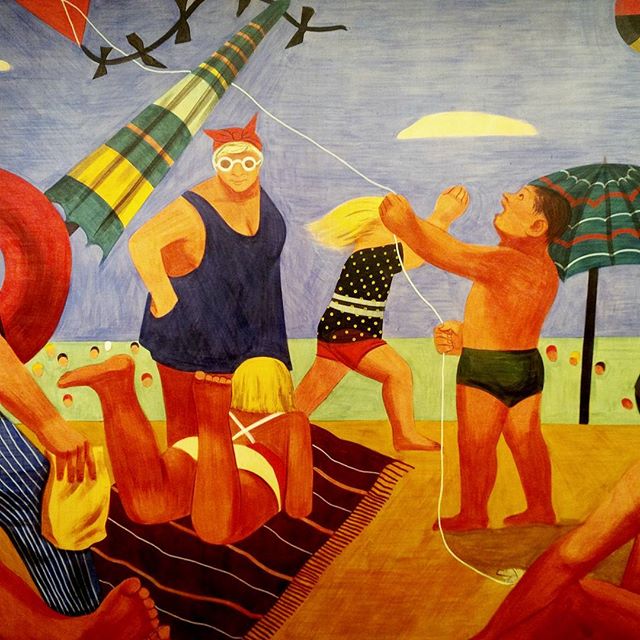
Downstairs on the ground floor I discovered colorful cafeteria art of the 1940’s…
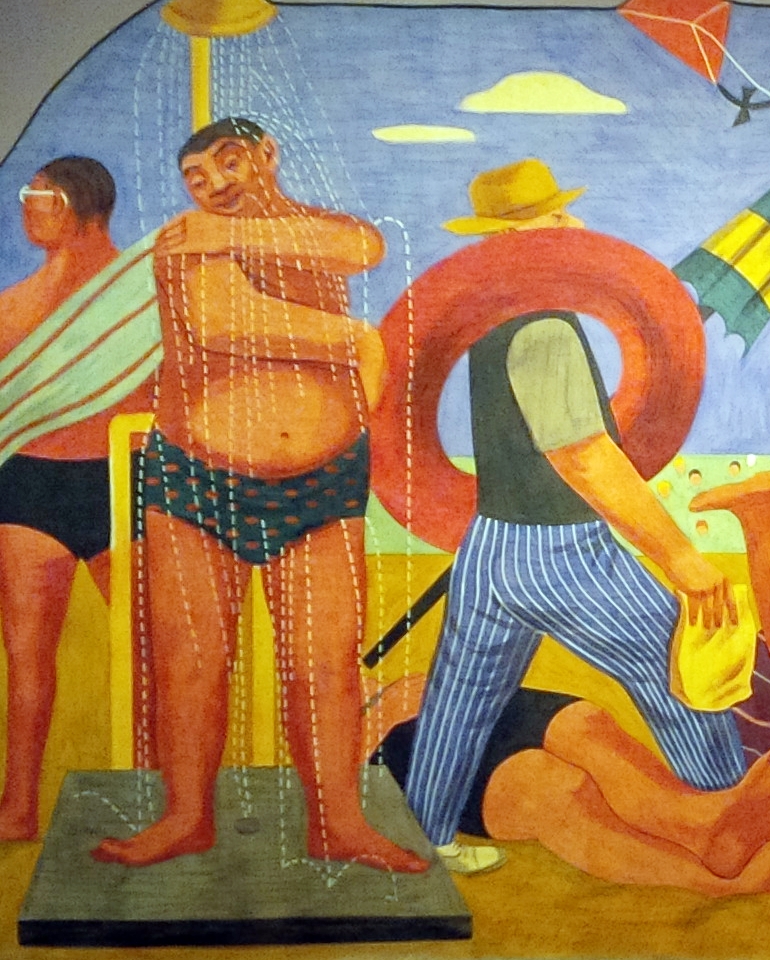
which was from a series by Gertrude Goodrich titled Scenes from American Life (Beach) and which originally hung in the cafeteria of the city’s Social Security Building. I loved the bright colors and all the commotion going on – each figure in the painting has their own personality. Here are some up close snippets..
It really is a lively improvement from the food diagrams and nutrition charts found in most cafeterias today, don’t you think?
At the National Portrait Gallery –
Just like my time spent with Ben, I was equally captivated by an exhibit called The Face of Battle: Americans at War from 9/11 to Now which featured intimate glimpses into soldier’s lives… black and white leisure portraits taken in camp, paintings of wounded soldiers in full uniform, photographs of deceased soldiers home-based bedrooms, a creative video piece of a casket returning stateside. As you can imagine it was really moving and very sad. One of the exhibits inside the exhibit was a 5,000+ piece collection of small wallet sized pencil drawings of American servicemen and women who have died in Iraq and Afghanistan. This installation was completely hand-drawn by the American artist, Emily Prince. It took up three walls of one gallery and from a distance looked like a big Scrabble board. This is a snippet of one wall…
And upon color inspection…
And an even closer view below. This is just one example of the thousands Emily has hand-drawn. The exhibit is titled American servicemen and women who have died in Iraq and Afghanistan, but not including the wounded, nor the Iraqis, nor the Afghans. Read more about Emily and the project here.
We were visiting D.C. during the start of Police Week so uniformed men and women from all over the world were everywhere. At the airport, teams of officers six or eight to a group met flights as they came in containing passengers whose family had died protecting the country. The officers stood across from each other with arms raised in salute as people walked off each flight. The officers recognized the families they were meeting either by Hero t-shirts or by camera phones recording the walk from the plane to the gate. It was bittersweet. Sad that people had died but wonderful that the military and our protective services were still honoring their contributions.
On a cheerier note…
at the Museum of American History…
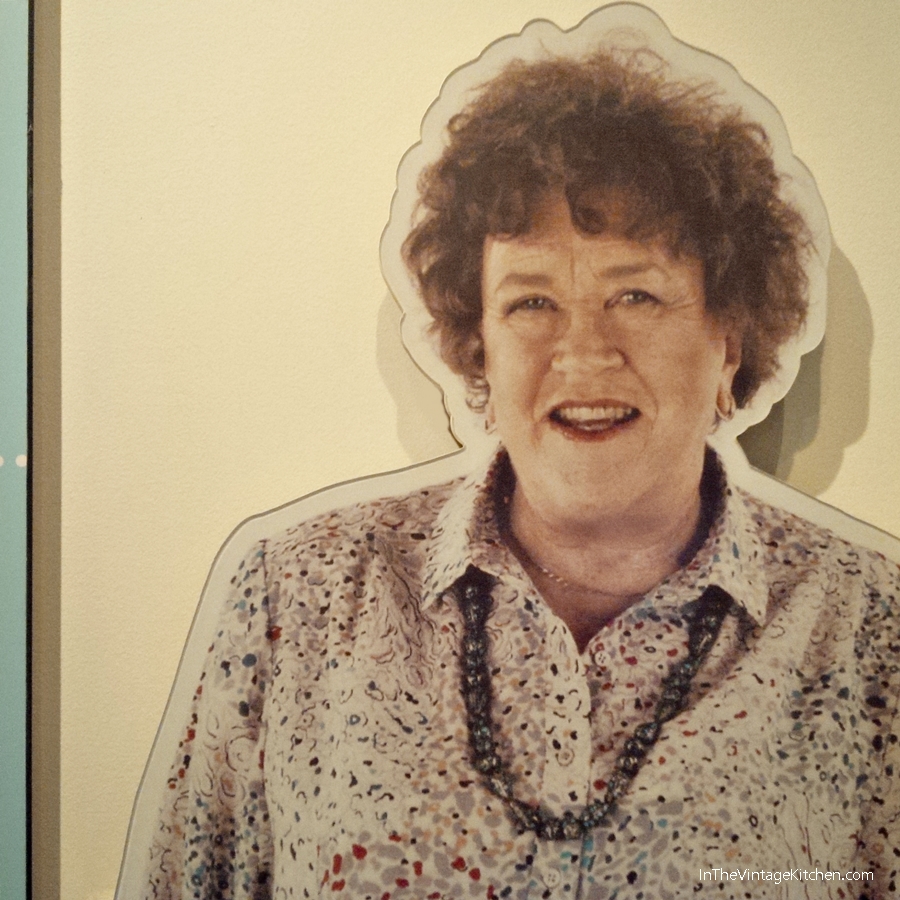
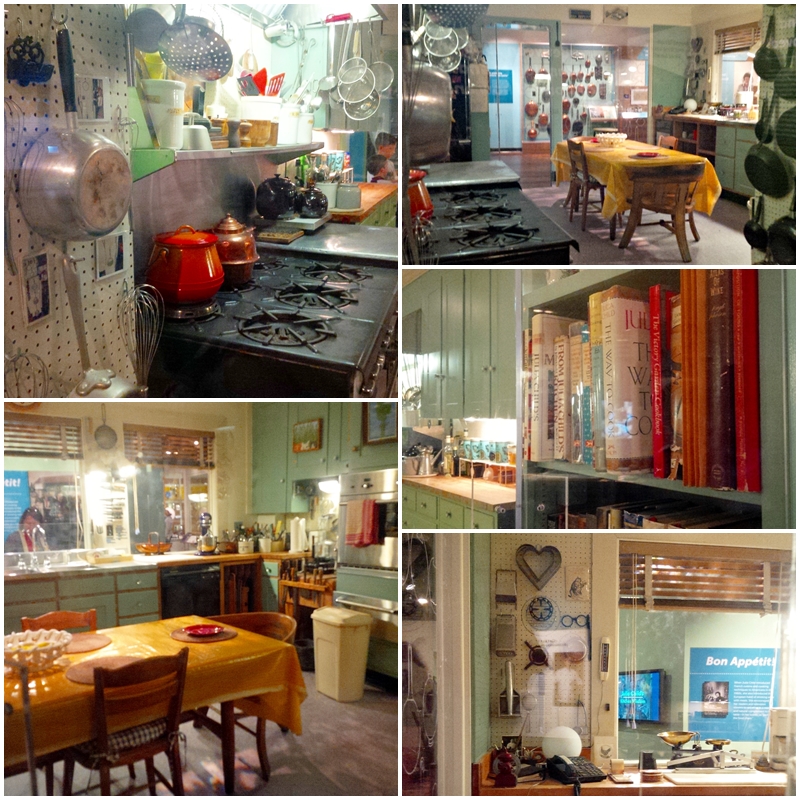
a very special face was also on display. I was definitely determined not to leave Washington until I saw this lady and her famous kitchen…
Julia Child!
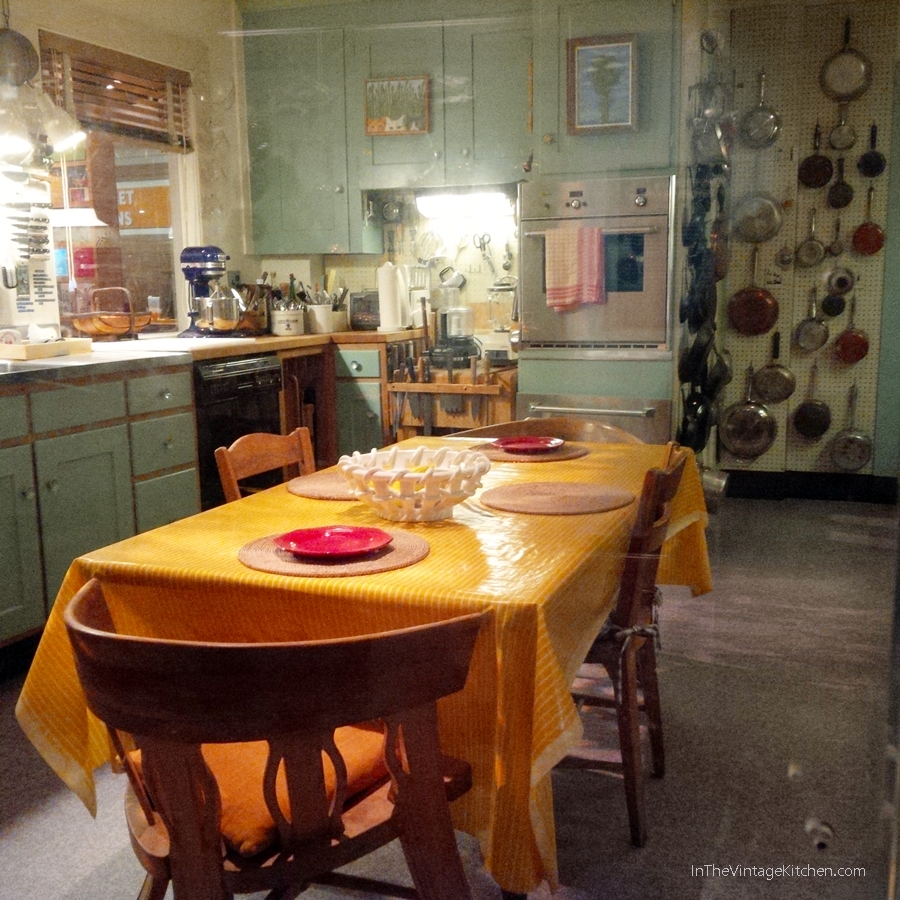
In an exhibit detailing the transformation of American food from the 1950’s to the 2000’s, Julia Child’s kitchen from her house in Cambridge, Massachusetts sat front and center.
It’s a little tricky to get good photos of it because the whole kitchen itself is sealed in. Small cut-outs covered in plexi-glass serve as viewing stations, so there is a little battle to be fought with glare from the plexi-glass and the fellow visitors who squish in to see. But you can get the idea of a 360 view (in parts!) from the following…
Everything in the kitchen is as Julia left it when she donated the entire room and all its contents to the Museum in 2001. It was full of surprising little details including lots of cat art, a fridge full of magnets (she was was a fan of the King Arthur flour brand!), family photographs, a rubix cube tucked behind a telephone and all the little odds and ends that you can find in anybody’s kitchen famous or not. She had a junk drawer. She labeled things with masking tape and handwriting. She hung onto favorite pieces of equipment outdated or not.
As revered as Julia had become it is easy to see in this exhibit how normal and ordinary a person she actually was. Her kitchen reflected that. It wasn’t photo-shoot ready. It wasn’t glamorous. Not everything had a place. Her cookbooks were used. Her counter tops were messy. But it was functional for the way she liked to cook. It was a fun play space for her and in turn it was a fun exhibit for me. I think that is what still makes Julia Child so admired. She was an unpretentious lover of food and of cooking and her kitchen reiterates all that. The manner in which it is displayed there at the Smithsonian you can easily imagine that she just popped over into another room of the house, perhaps to fetch something for her husband Paul and that in any second she was going to come right back and get to cooking. Aided by video monitors playing clips from her cooking shows around the exhibit, your imagination does not have to stretch far to picture her standing at the sink peeling potatoes or at the stove flipping omelettes.
There is a fun 5 minute video on youtube that explains how the museum staff takes care of her kitchen. It also gives you some up close behind-the-scenes info on specific items within the display.
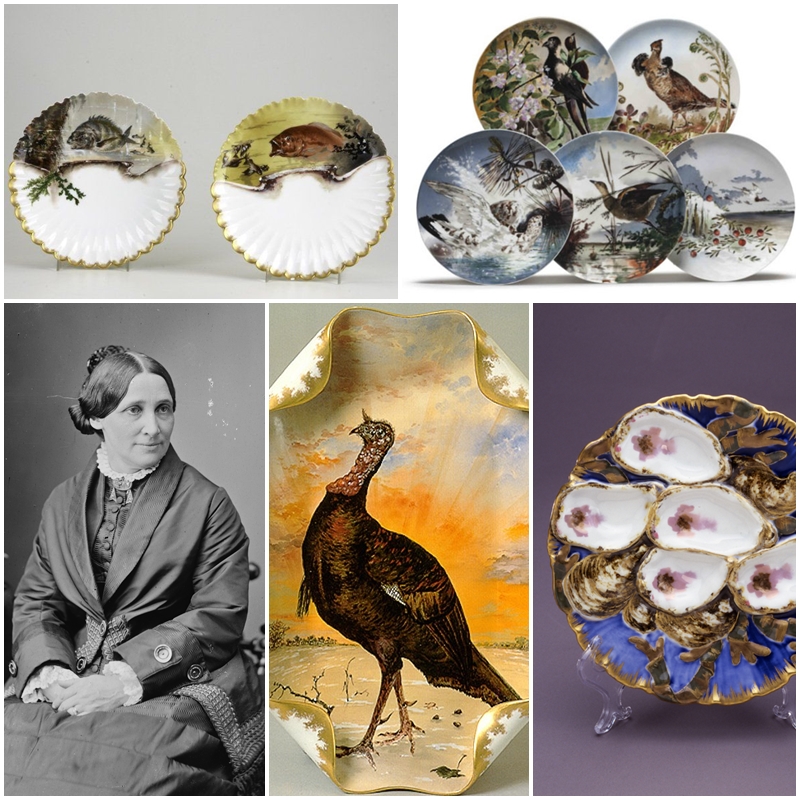
Also in the History Museum was an interesting exhibit on the clothing worn by the First Ladies (mostly during inaugural balls or welcome receptions) and the china patterns that each selected for their White House term. The oldest in the collection of both dress and dish belongs, of course, to Martha Washington…
Clockwise from top: The entire display of china starting with Martha Washington and ending with Hilary Clinton. Bottom left: A dress Martha Washington wore from the 1780’s, and the banquet china pieces she and George used in their presidential mansions in New York and Philadelphia.
Most of the china patterns were variations on a theme… gold bands/eagles/jewel tone colors, etc. but Lucy Webb Hayes, wife of President Rutherford B. Hayes commissioned an artist in the 1870’s to design a set of china that incorporated the flora and fauna of the United States. To this day, Lucy’s china pattern still remains the most creative of all the administrations.
That’s Lucy on the far left!
I may not have made it to the Botanical Gardens on this trip but to serious surprise and complete excitement equal to that of seeing Julia Child’s kitchen, I stumbled into this big beauty in the gardens of the Natural History museum next door…
the passenger pigeon sculpture by Todd McGrain from the Lost Bird Project that we wrote about in 2013! She’s tucked inside a walled garden just off the street so I almost walked right by her. In the busy world of modern day urban life, she sits surrounded in the museum’s Bird Garden by flowers and real-life bird flocks flapping their wings here and there so she’s in a great spot. If you missed the post about the Lost Bird project and Todd’s mission to memorialize extinct birds catch up here.
Moving on from museums and spending time waterside in the fresh spring air, the charmer on top of our whole trip was spending half a day in Alexandria, Virginia. We had lunch on the wharf…
and then spent the afternoon walking around town in George Washington’s footsteps.
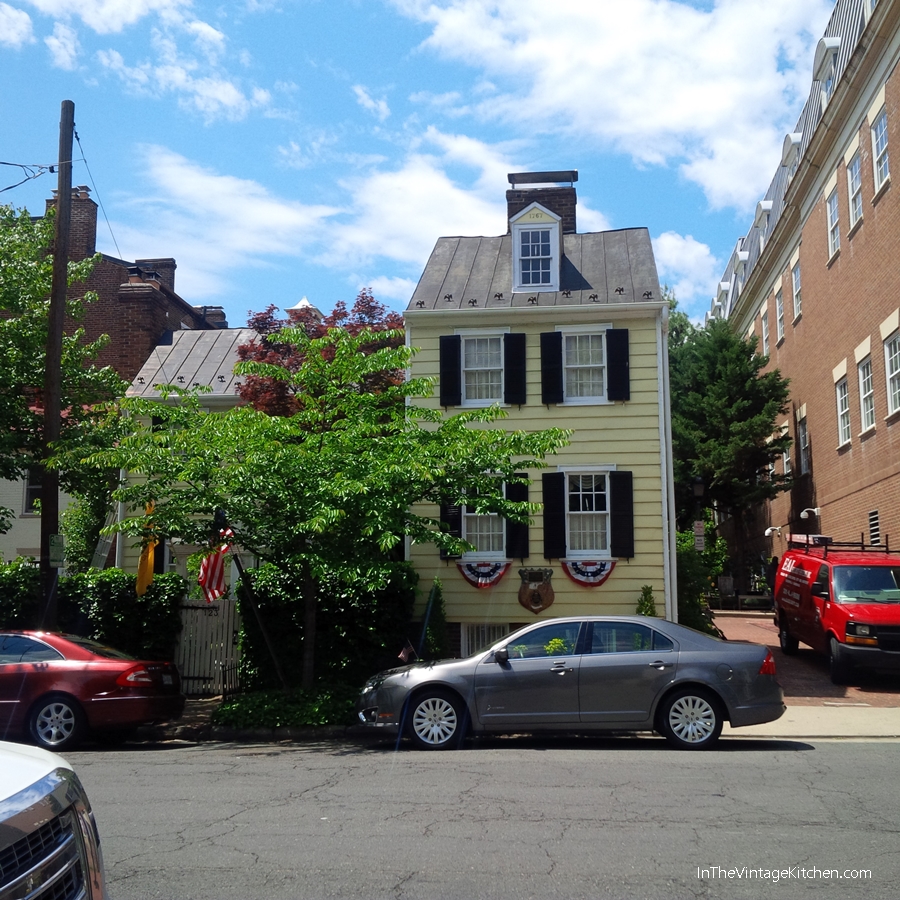
The first tenement house George and Martha built in 1797 for investment purposes.
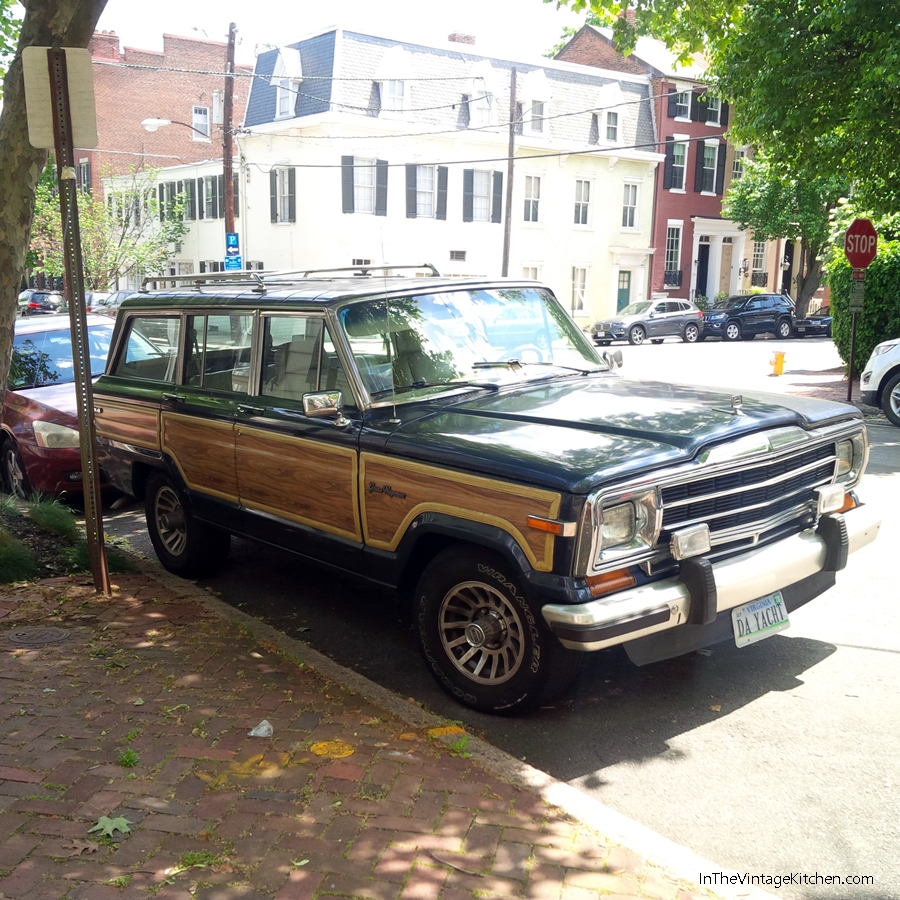
Every street was cuter than the last. I definitely could have picked any one of those houses to live in. I even found my ideal car…
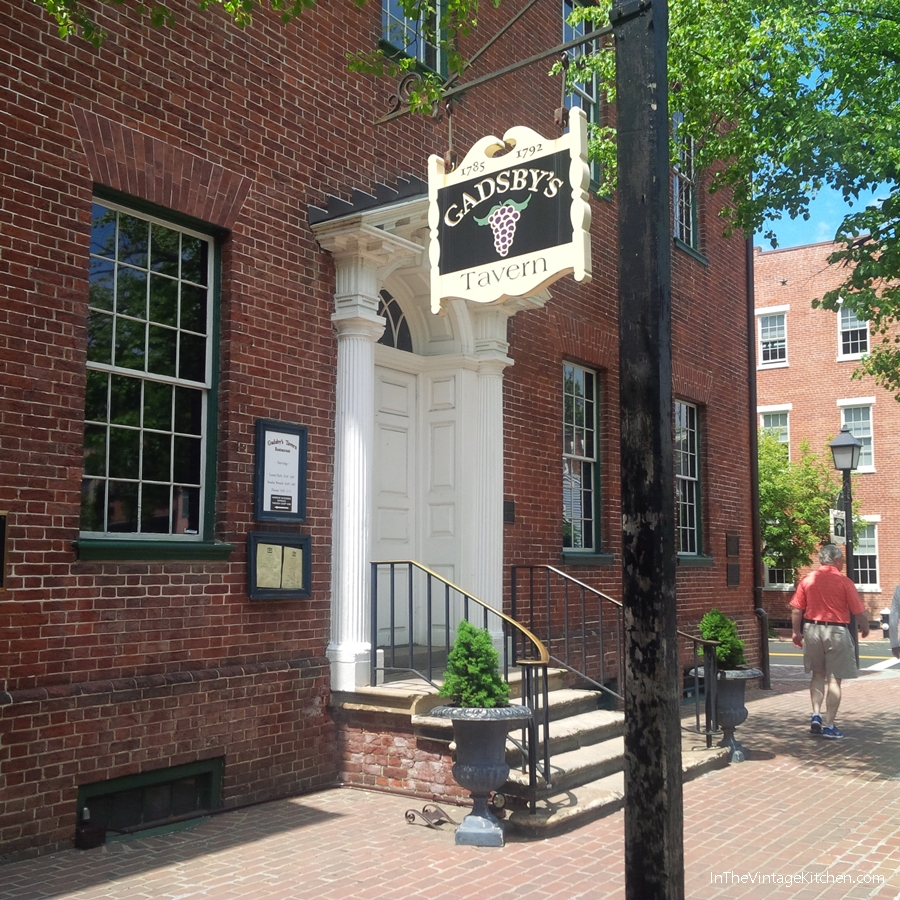
This is where George liked to eat!
We stopped into a local pub and met a local (imagine that!) who gave us a little verbal history tour through his town.
Murphy’s Pub
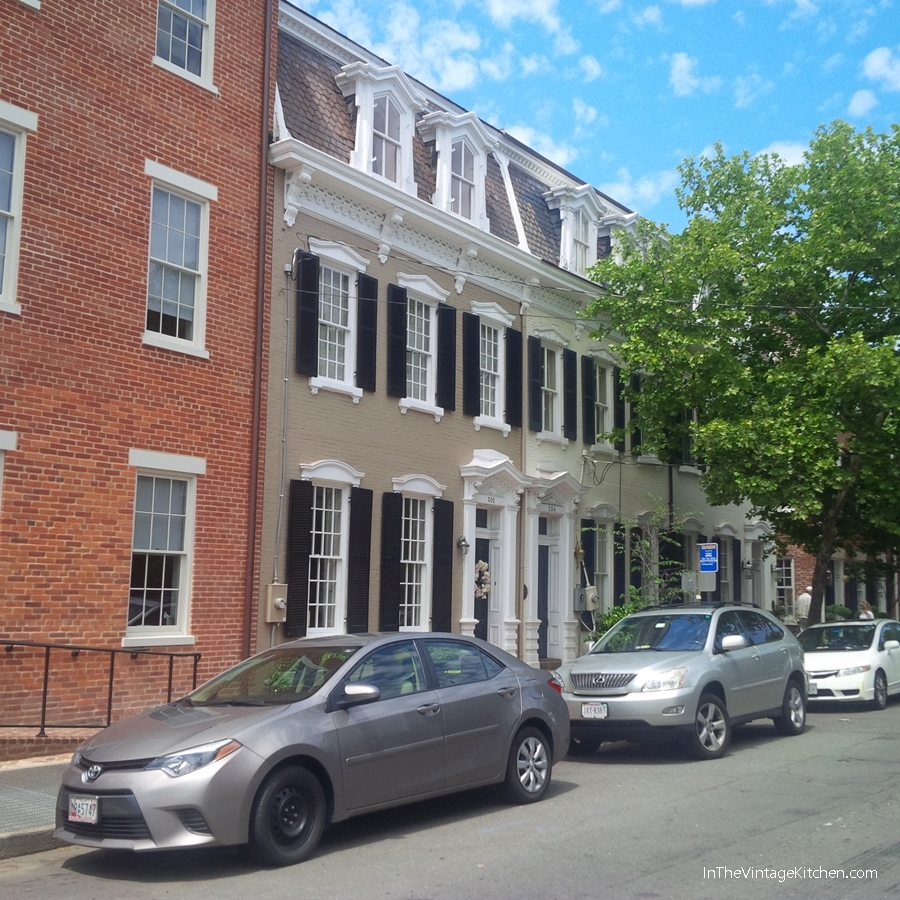
and we found the house where they filmed scenes from the PBS show Mercy Street…
So pretty! You can access Alexandria by car or ferry – both just a quick trip from D.C.. Like easily imagining Julia in her kitchen it is very easy to picture George and Martha Washington or Ben Franklin or any other early colonials walking down the historic streets. Everything is all brick and cobblestone, clapboard and flower boxes. History plaques make a self guided walking tour easy and your camera won’t stop clicking for all the pretty photo opportunities.
Since I didn’t make it to all the places on my original list that still leaves so much to do on future trips back to the D.C. area. I think you could live in this section of our country for two dozen years and still not see everything! But that’s what’s marvelous about Washington – it’s a never-ending series of new (old) places to discover upon every return.
Cheers to that! Or huzzah as our noble men Ben and George liked to say!
Kentucky Derby weekend is upon us! How exciting! Like every year we are giddy with anticipation about the big race but something is very different this year from all Derby posts of the past.
For the first time in over a decade we will not be hosting a Derby party which means no cooking menu to plan or drinks to mix. Like the horses just before post time, I myself will be posed to break out of a gate fast and furious. It’s not a horse gate and I won’t be in Kentucky – instead it’s an airport gate and I’ll be in Washington D.C. It will be a mad dash to the hotel with just over an hour before post time but if luck is on my side I’ll make it with moments enough to spare in order to drop my bags, grab a julep and watch the horses go. Fingers crossed.
Last year’s contest and 2016’s Derby winner – Nyquist!
Last year, we hosted a contest to guess the Derby winner with a very special vintage-themed gift as a prize. Although we had lots of fabulous speculations and a couple of close calls, no one picked Nyquist as the first to line finisher. With the promise of carrying over the un-won prizes from last year to this year, we will be holding the contest again but this time during the Belmont Stakes on June 10th. That gives us a chance to celebrate the races in true party fashion. It also makes the second leg of the Kentucky Derby all the more exciting. The horses by that stage will be one step closer to achieving the Triple Crown and you’ll be a seasoned expert on the horse racing scene of 2017.
Churchill Downs Oark on left. Belmont Park on right.
This change in the contest also gives you a chance to pick two winners this year – one for the Kentucky Derby and one for the Belmont. Twice the fun! It is super easy to enter this contest. All you have to do is pick your favorite horse to win this year’s Kentucky Derby and type the name into the comments section below. This will automatically and officially register your pick. Next month, you will do the same thing for the Belmont Stakes. If one, either or both of your horses are picked as winners in the Kentucky Derby and the Belmont then you will be a winner in the contest.
If you haven’t caught up with the field yet, this year holds a spectacular group of contenders. The numbers next to each horse correspond to their post position in the starting gate. If you are feeling especially intuitive select your winner via face, name or number value.
From top left: (2) Thunder Snow; (17) Irish War Cry; (6) State of Honor; (5) Always Dreaming; (10) Gunnevera; (1) Lookin at Lee; (16) Tapwrit; (8) Hence
Or if you’d like to read up on this year’s entrants visit kentuckyderby.com for all the latest information, statistics and industry commentary.
Clockwise from top left: (19) Practical Joke; (15) McCracken; (13) J Boys Echo; (3) Fast and Accurate
So many fun names make up the roster this year…
Clockwise from top left: (7) Girvin); (4) Untrappd; (11) Battle of Midway; (9) Irap; (12) Sonneteer; (18) Gormley; (14) Classic Empire; (20) Patch
…Always Dreaming, Irish War Cry, Sonneteer and Practical Joke are among my favorites… but Patch is the horse of my heart this season. He only has one eye and that makes him an unusual entry, but it sure doesn’t slow him down. A tumor in his left eye caused his handicap but he was so quick to recover and return to his normal pace that it seems destiny had decided this handsome guy’s fate long before his eye ever showed signs of sickness.
I feel a special kinship to Patch because I’m legally blind in my left eye and like him I’ve gotten along just fine all these years regardless. Many trainers believe that the power of racing comes from a horse’s heart, not their legs or their physique or their genetic makeup. It comes from their love and sheer excitement to run. One eye or two, it doesn’t matter. Patch has already proved he’s a contender in more ways than one.
Share your thoughts and your guesses for this year’s Derby winner in the comment section below. Voting closes at 5:45pm (eastern time) Saturday, May 6th, so like the race itself speed is of the essence. There is also only one vote per person allowed, so make your guess a good one! Winners will be announced next week on the blog and the vintage prize package will be mailed out thereafter. Curious to see if I’ll win the airport race in time to watch the horse race? Stay tuned to Instagram for that update on Saturday!
Chances are you probably haven’t given much thought to your kitchen linens. You’ve got them tucked away in a drawer somewhere that you access only when you have a party, a holiday or a big giant spill to clean up. They sit in those drawers in an assortment of sizes from small to large. Place mats, tablecloths, towels, drink coasters, napkins, tray coverings either plain and functional or decorative and delicate. They are hand-me-downs your grandmother made back in 1920 or they are ones you bought last week on sale at Target. They are in pristine condition because you barely use them or they are spotted and shabby because that one celebration that one time was the wildest party of the year.
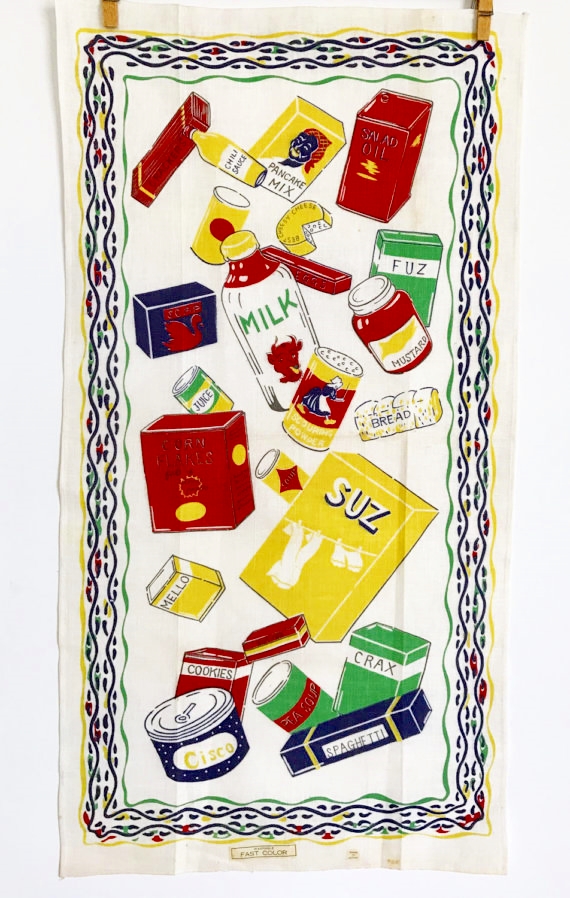
Kitchen Towel featuring Household Staples, 1940s
You haven’t thought about them much because they are always there – new and old and reliable. You use them to impress and inspire and make an impact on a bread basket or a tea tray or the handle of your oven. They sit under drinks and dessert plates, line the cocktail cart and add some color to the picnic basket. You gift them and grab them in a last minute flurry of preparations and like any good coat of paint, they instantly brighten up the atmosphere, and you think to yourself… why don’t I use these more?
Main Street Table Cloth 1950s
Designed to sit pretty and decorate and then clean up afterwards, kitchen cloths are the unsung heroes of cook spaces around the globe. In today’s post we discuss the colorful world of mid-century kitchen linens with Cindy from Neatokeen, the internet’s best-kept vintage linen shop and discover her passion for mid-century tea towels. This is a bright and whimsical slice of the vintage kitchen that showcases the creative, quirky styles of the 1950’s and 1960’s that have evolved with charm and individuality to fit modern day appeal.
Iconic American chair designer Charles Eames once said…”The details are not the details. They make the design.” This is particularly true of the bold graphics and jaunty sentiments of mid-century fabrics. Today, Cindy explains her favorites, what she looks for when stocking her shop and why these vintage kitchen helpers are still so compelling to our modern sense of style.
What are some common misconceptions about vintage linens?
Linens were mass-produced in the mid-century and there is an assumption that they are plentiful and easy to find. If you look on Etsy and Ebay, that appears to be the case; however, it is extremely difficult to find them in excellent or mint condition. Most of them that saw heavy kitchen duty were relegated to the rag pile. Many linens that you see today are flawed with spots and holes. The real trick is to find those that were unused and stored away in a drawer or cupboard for 50 years. I am super picky about the linens I buy and probably pass by 99.9% of those I see.
Do you have a favorite designer?
It’s difficult to choose one! I will name my top three:
George Wright
Milvia
Tammis Keefe
I also have to give a shout-out to all of the uncredited artists and in-house designers who created amazing designs but were not able to sign their work.
Is there a type of linen or a specific company that you prize most and, if so, which and why?
I began collecting all types of vintage linens: tablecloths, tea towels, napkins, handkerchiefs and table runners. Storage space for my collection was at a premium, so I had to make a difficult decision. I decided to hang onto my tea towels. I love the compact printed designs. I am particularly fond of the cheeky designs from the Dunmoy Linen Company and the detailed designs of the Ulster Company.
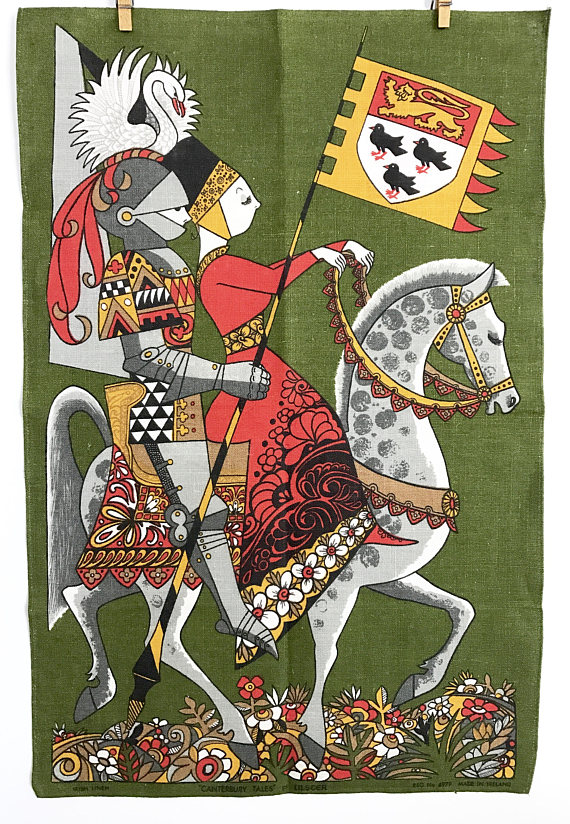
Ulster Linen Company – Medieval Renaissance, 1960s
Tell us a little bit about caring for vintage linens. Do you have to store them differently or use special washing procedures?
I learned early on that I was rubbish at removing spots in spite of the copious amount of stain removal advice and tips on the internet. This is what lead me to collect linens in near mint or perfect condition. I typically do not wash my linens and simply press them gently, if needed. I store them in a closet with open shelving covered by white cotton cloths. I know a lot of people store them in plastic bins, but I’m a bit skeptical of contact with plastic over time.
Which are the top three favorite items in your shop right now?
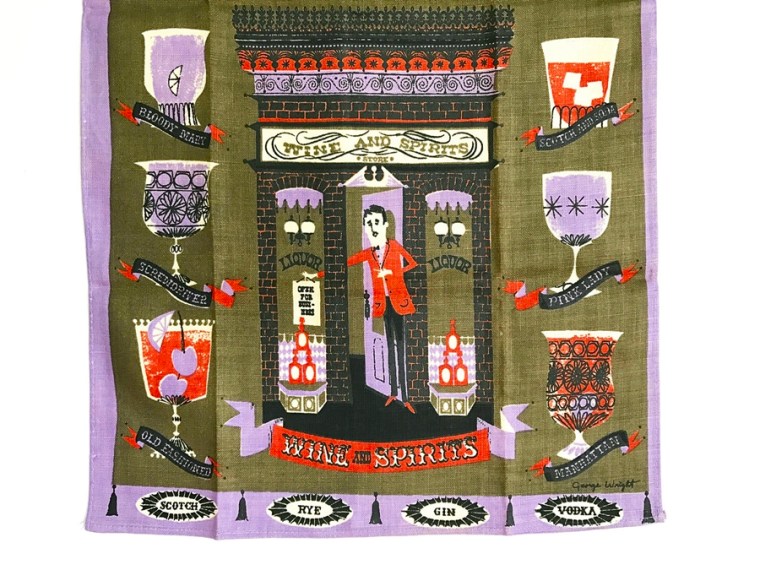
I love the London People towel – the characterization of 55 people and animals is charming. Another favorite is the “Wine & Spirits” towel by George Wright for the interesting composition and bold color choice. I really enjoy Hilary Knight’s angel towel. He was the illustrator of Eloise and I believe it’s the only towel he ever designed.
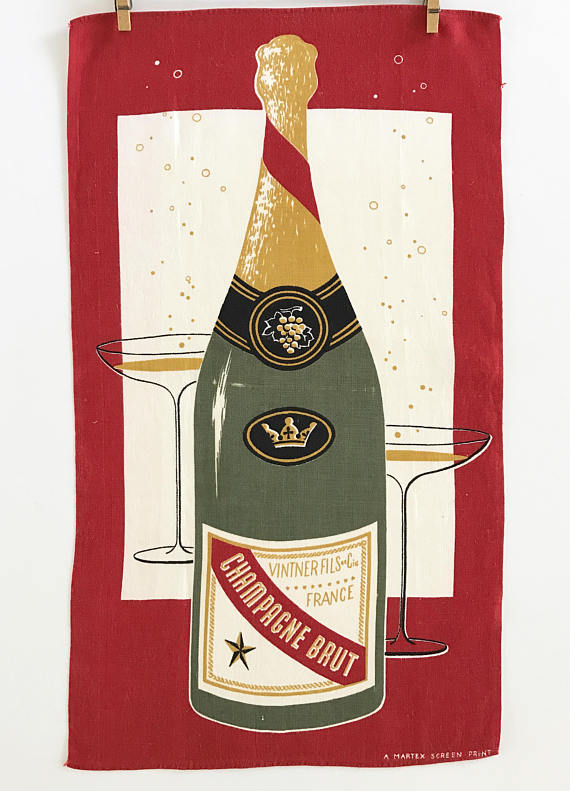
Wine & Spirits Series by George Wright, 1950s
Hilary Knight Christmas Angels, 1950
Why are vintage linens so appealing to people?
They evoke a feeling of nostalgia and the printed designs can be gorgeous, whimsical, striking or even comical.
In your shop bio you mention that you sell to a wide variety of customers from gift-givers to celebrities to collectors. What is a fun buyer story that you can share?
I’m fiercely protective of my customer’s privacy, but I’ve sold linens to several movie and theater companies. They always need the items “yesterday” and have requested express shipping every time. In fact, the shipping has been a lot more expensive than the items themselves!
Dinner Party Scene Tea Towel, 1950s
Rare 1950’s Mid-Century Modern Tablecloth
If you could invite any person to luncheon (living or dead) and serve them on one of the tea towels currently offered in your shop which would you choose and why?
I would invite my late father and serve him dinner on the amazing Calder-esque mobile tablecloth that is in my shop. We would talk about the abstract design and then we’d discuss the act of collecting. My dad was an inveterate collector of many things and I never collected anything while he was alive. I’m fairly certain the collecting gene was transferred to me when he passed away. I now completely understand his compulsion to find the next best thing, the perpetual upgrading of a collection and the quest for a holy grail. He would get a big kick out of my passion for linens.
Cindy with her dad in 1964
Were linens a prized possession in your family growing up?
My mother sets a beautiful table and has some lovely lace tablecloths, but printed linens were something I discovered much later in life.
Matching Linen Placemat/Napkin Set – Red Cherry Design, 1950s
Would you prefer to see one of your vintage tea towels in active daily use or framed behind glass?
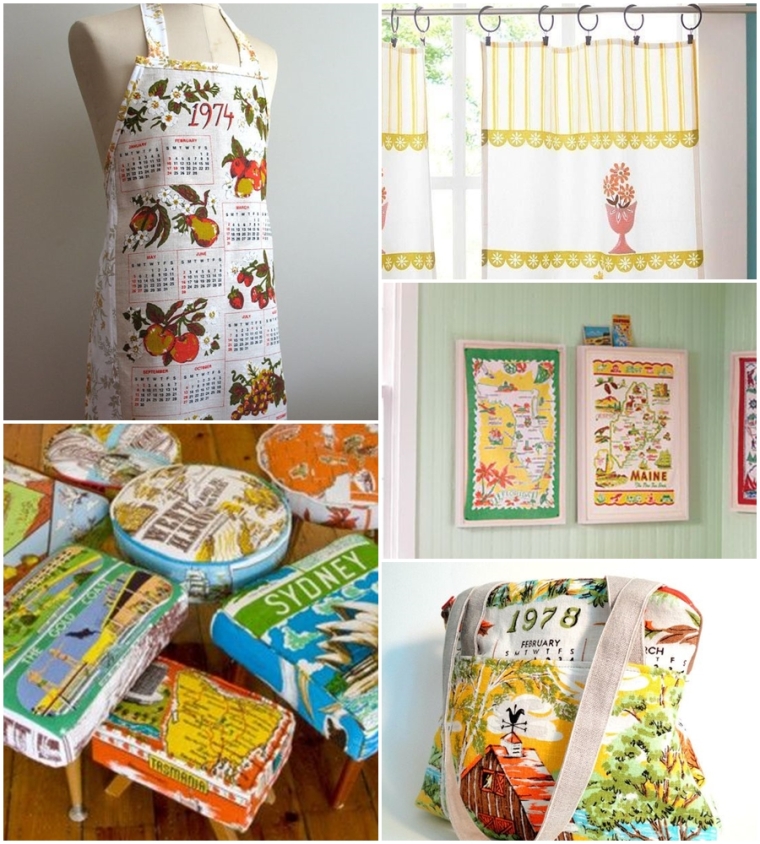
When I started selling my linens on Etsy, I was taken aback at what people did with perfectly good linens; however, I have really mellowed and now enjoy learning about the creative ways my linens are used. I’ve seen pillows, children’s clothing, tote bags, quilts and even copies printed on canvas. Most people buy them to collect or use and I’m happy they are being enjoyed and not languishing in a forgotten drawer. Framed behind glass is good too!
Which types of linens are your bestsellers? And what makes them a bestseller – is it fabric, color, graphic appeal, size, age etc.?
I’ve sold 99% of my tablecloths and hankies and steer away from buying more because there are so many sellers that carry them. I specialize in vintage tea towels which is a more unusual category. Tea towels are my bestsellers. I think the colors and graphic appeal of the designs are what attract people initially.
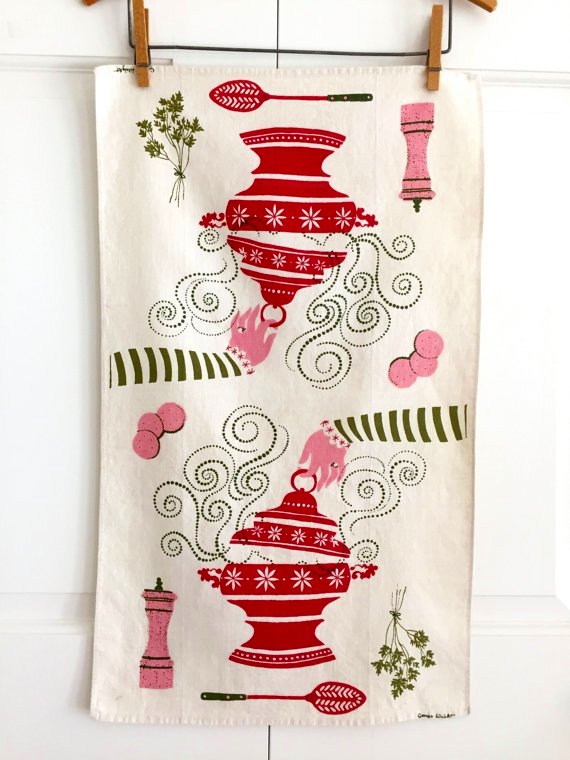
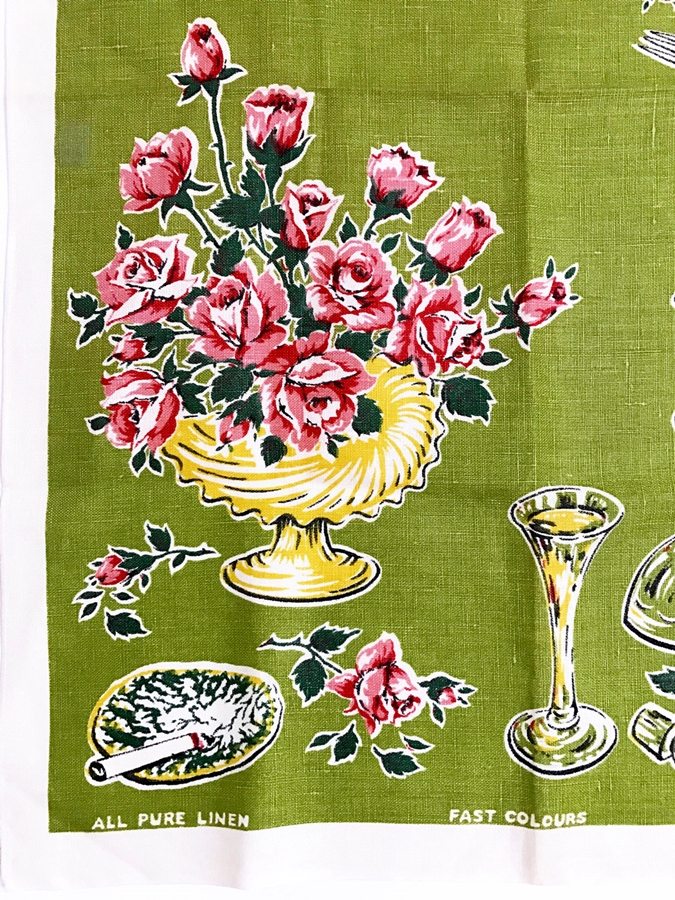
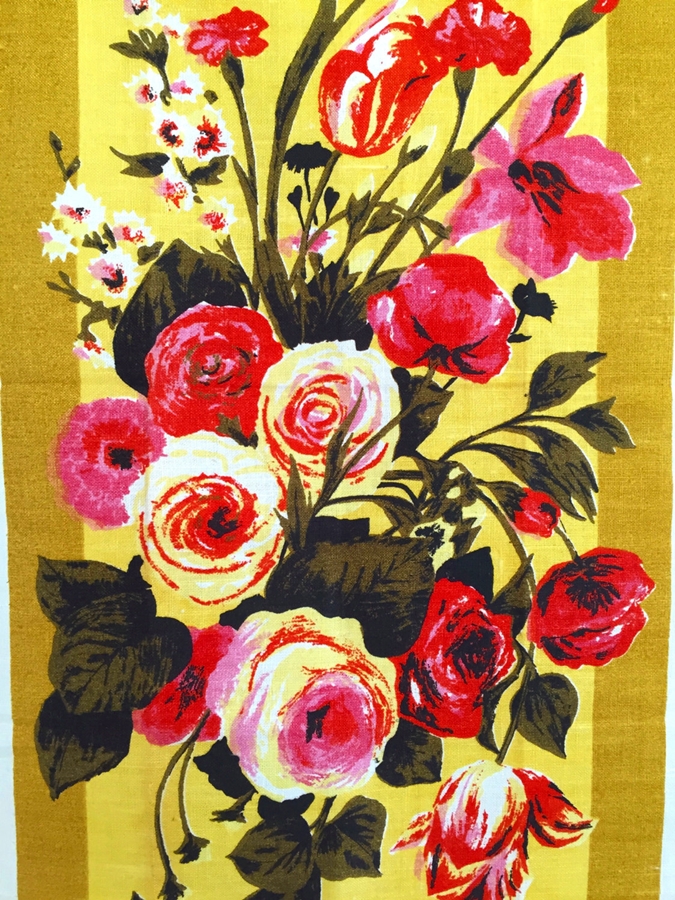
Floral Linen Tea Towel, 1950’s
Other than traditional serving/entertaining purposes, framing and gift wrapping have you come across any non-traditional ways in which we could use vintage linens in our modern-day lives?
I mentioned a few above, but the most inventive use of linens I’ve seen is a winged armchair upholstered with vintage souvenir tea towels from London. The effect is a feast for the eyes.
Alternate ways to use vintage tea towels (clockwise from top left): as an apron, windows curtains, framed wall art, market bag/tote, footstool cushions.
When you are sourcing your materials for your shop do you generally find them one at a time or do you uncover treasure troves of personal collections?
I usually find them one at a time or occasionally in pairs. I’ve actually never found a big collection of linens which is the stuff of my dreams; hence, the hunt continues. I look high and low from estate sales to flea markets, near and far from coast to coast and I will continue to seek linens as long as it remains fun!
Tammis Keefe Angel Tea Towel, 1950’s
One of the things I like about vintage linens is that each and every one seems so unique. I don’t think I’ve ever come across the same design twice (matching sets not included of course!). Have you seen a lot of repeat patterns come through your shop?
I primarily sell duplicates of towels that I have in my own collection. Some designs are relatively easy to source e.g. the Tammis Keefe angel towel is common, but there are several designs that I’ve run across exactly one time in my 12 years of collecting. Since I’ve been collecting a relatively long time, it’s become easy for me to tell if the design is rare or fairly commonplace.
Are there any types of vintage linens that don’t appeal to you and if so, why?
I like all types of linen, but I’m partial to printed linens. I steer clear of damask, lace and embroidered linens. There are plenty of experts in those categories. Also, I think floral linens are lovely, but my eye tends toward unusual or quirky designs. Thankfully, they are often the ones left behind.
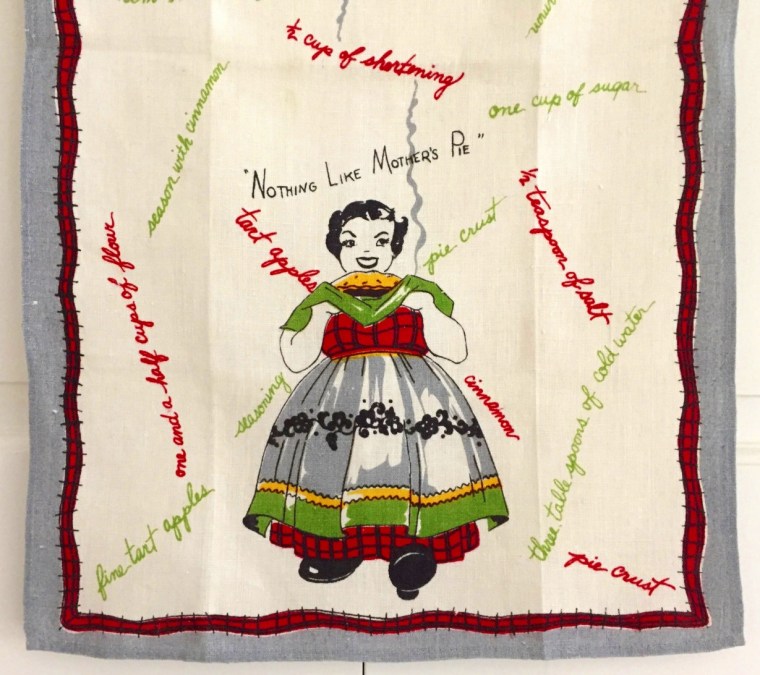
Mother’s Apple Pie Ingredients, 1950’s
According to the school of thought that one thing always leads to another – have you discovered any new interests or passions (or collections!) that have stemmed as a direct result from your pursuit of seeking out vintage linens?
Yes! I really like the kitschy mid-century graphics found on vintage wrapping paper and novelty fabrics. I felt myself slipping down the collecting rabbit hole again but was literally saved by Pinterest. I started “pinning” items to designated boards. Pinterest feels like having an organized collection but without spending a dime…brilliant!
Modernist Textile Fabric, 1960s
I don’t know about you dear readers, but I’d be fine following Cindy along on her trail of discovering vintage wrapping paper and more vintage fabrics. She has a wonderful eye for the lighthearted unusual – the fun side – of finding old artistic illustrations that still seem so relevant today. Perhaps in the future we’ll be lucky to see more along those avenues. In the meantime I hope this post encourages you to take a look at your own kitchen linen drawer and march all those retro patterns out into everyday use regardless of their age. Don’t save them for a special occasion or a holiday, give your kitchen space a happy exclamation point by incorporating your tea towels and tablecloths, napkins and tray liners into everyday life. If you have yet to own any vintage kitchen linens, I hope this post inspires a new collection.
Vintage Bridge Score Pads from the 1920’s
In addition to decorating your own space, vintage kitchen linens also make great gifts. As we roll through the month of May with Mother’s Day and Memorial Day just around the corner, Cindy is offering readers of the blog an additional 20% off all orders using the coupon code VINTAGEKITCHEN. In her shop you’ll also find delightfully interesting mid-century (and earlier!) collectibles and paper ephemera with fantastic retro graphic appeal like the art deco bridge score pad above. Keep up with Cindy on Pinterest,Instagram and in her shop. You won’t regret any moment spent learning more about vintage linens.
If you have any additional questions or comments for Cindy or thoughts on vintage linens themselves please post a message below.
This was the set design for Julia Child’s kitchen for the movie Julie and Julia. Notice the proud display of kitchen linens!













































 In the Vintage Kitchen: Where History Comes To Eat