
Highlights from the Summer Garden & A Big-Time Surprise Visitor

A visit from the deer we call Juna in June.

Before summer ends officially on September 23rd, I didn’t want the season to go by without a garden update on how the seedlings fared once they left the greenhouse in spring. Given the late date, this is sort of like a summer wrap-up post told mostly in images – a view of our New England garden from June to mid-September. Don’t miss the real garden surprise (visitor) all the way at the end!

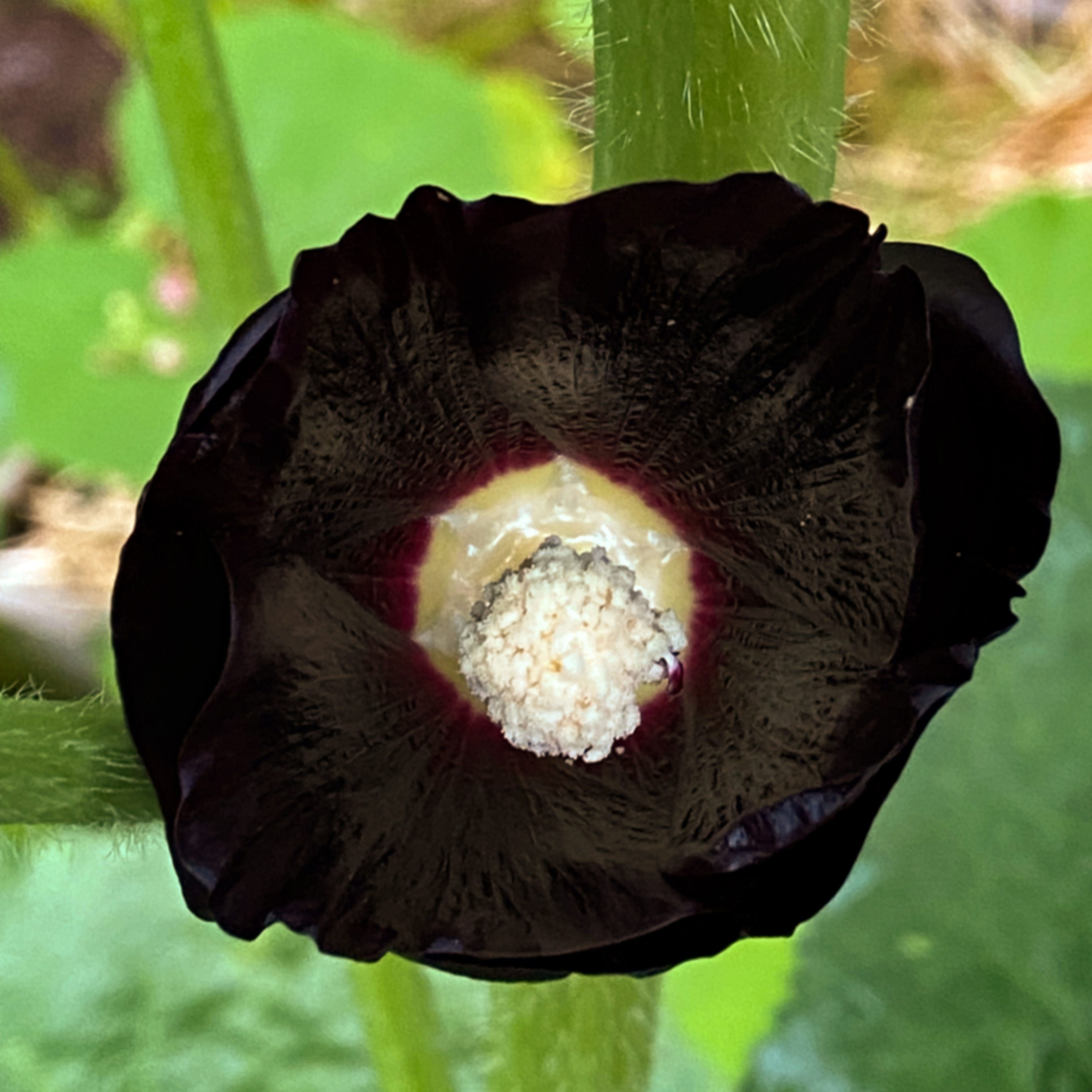
Heirloom Flower: The Watchman Hollyhock grown from seed started last year.

The Watchman Hollyhock starts out with a bloom as black as night but slowly turns a deep purple the longer it says on the stalk.
From black to eggplant to deep plums and bright purples – the hollyhock came to symbolize the enture garden as it grew and changed over the summer months.

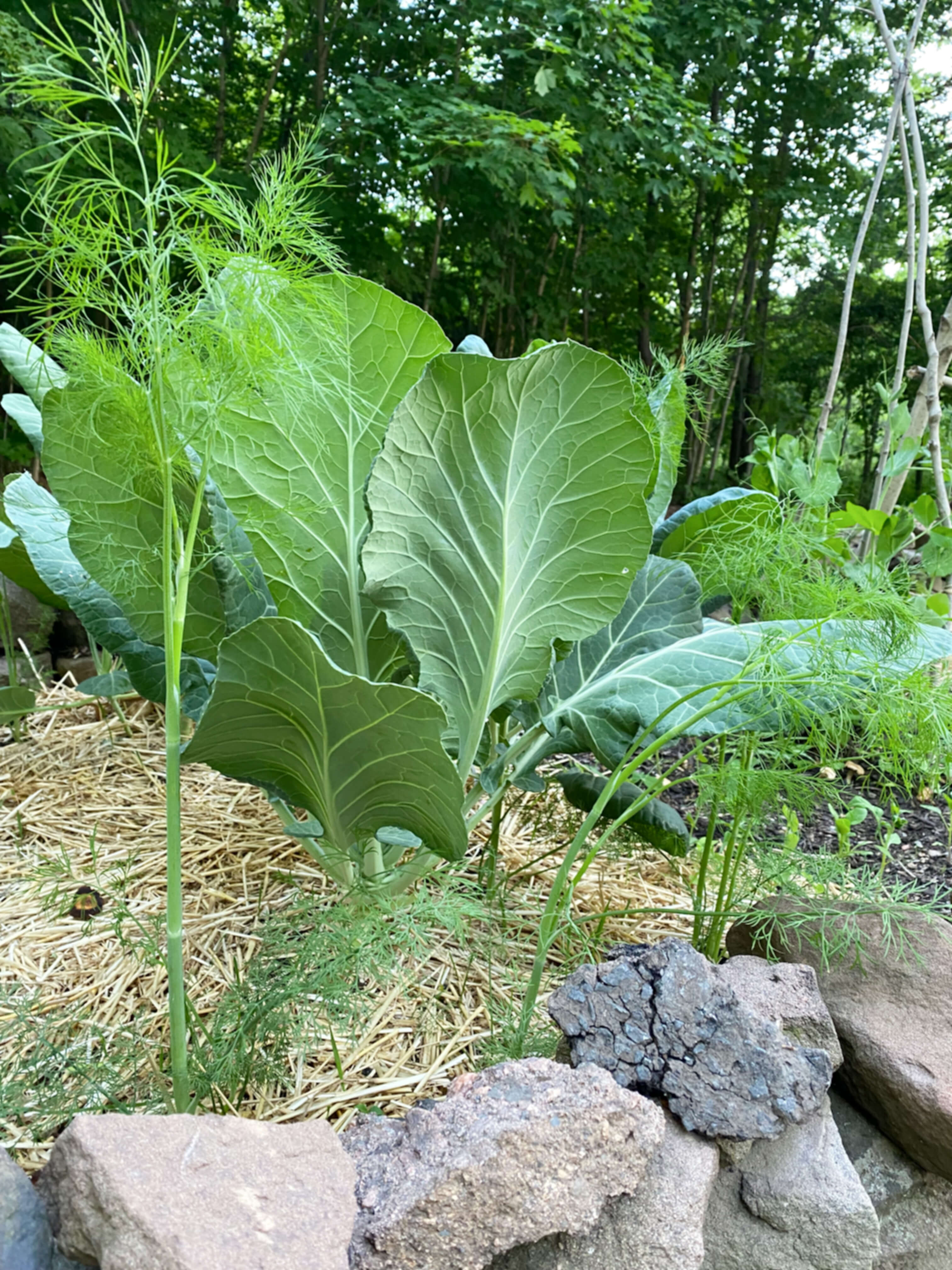
Collard greens at the start of summer.
Broccoli raab
Brussels Sprouts with a companion planting of dill and volunteer tomatoes – stowaways from last year’s crop.

French Marigolds

First firefly!

OUR 2023 BEST GROWERS

This year, we were most successful in growing the following list from seed. Everything here but the pole beans, zucchini, and peas were started in the greenhouse in winter or early spring. The rest were started from seeds sown directly in the raised beds. Further down in the post, you’ll find the list of flowers and vegetables that we struggled with along with the various reasons. Hopefully, other New England gardeners will be able to share their insights as to why or what may have caused the challenges. But for now, here is our list of winners this year…

  • Tomatoes (Brandywine, Sungold Cherry, Sweetie Pole Cherry and Pineapple)
  • Cucumbers (Marketmore)
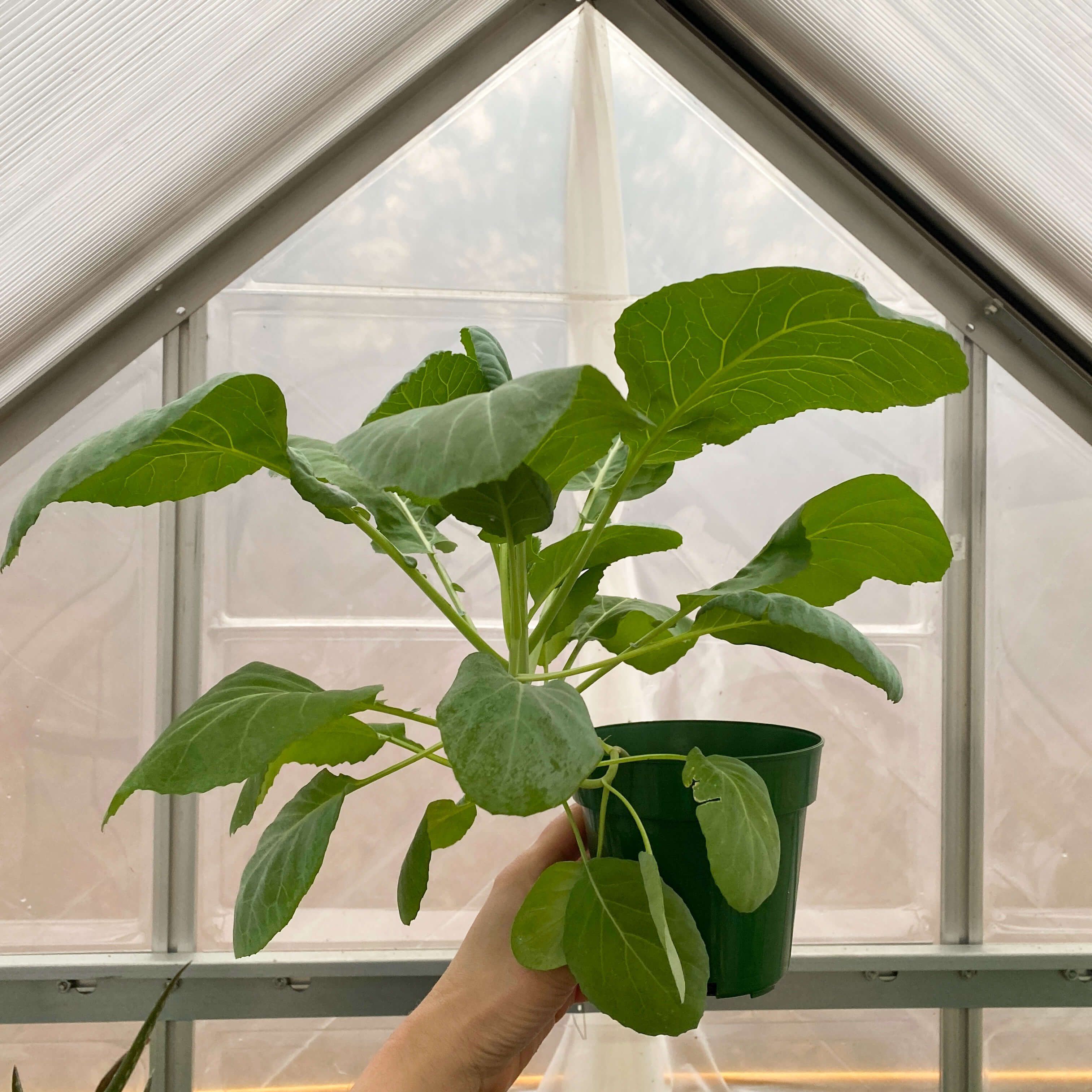
  • Collard Greens (Georgia Southern)
  • Hot Peppers: Lemon Jalapenos, Santaka Chile, and Padron Peppers
  • Rapini
  • Pole Beans (Blue Lake)
  • Flowers: Foxglove, Snapdragons, Hollyhocks, Mexican Sunflowers, French Marigolds, Zinnia, Geraniums
  • Mint
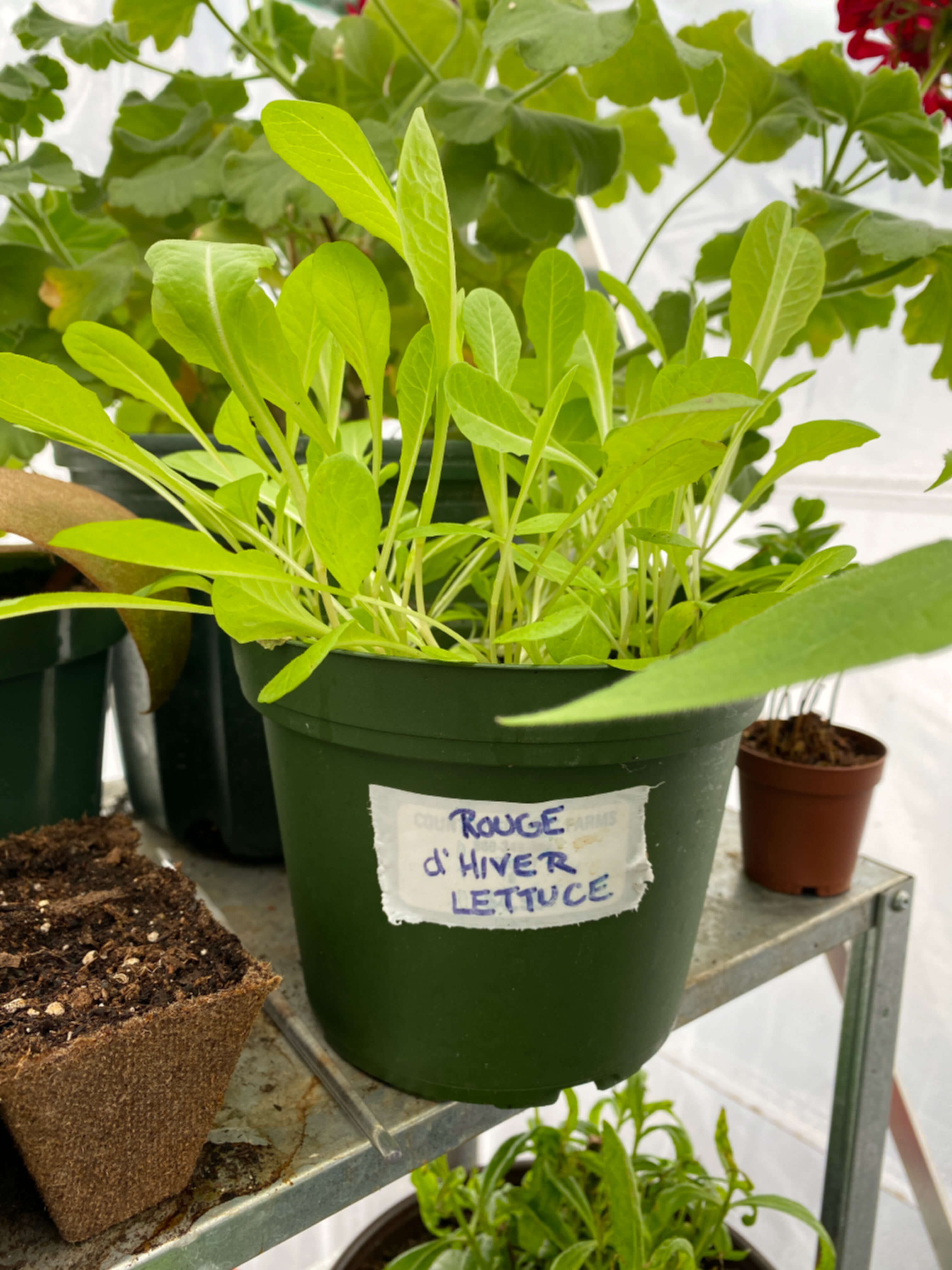
  • Lettuce (Rouge D’Hiver, Farmers Market Blend, Arugula, Salad Bowl Blend)
  • Cascadia Peas
  • Mexican Sunflowers
  • Jarrahdale Pumpkins
  • Black Beauty Zucchini (partially successful, more on that further on in the post).
  • Cucamelons

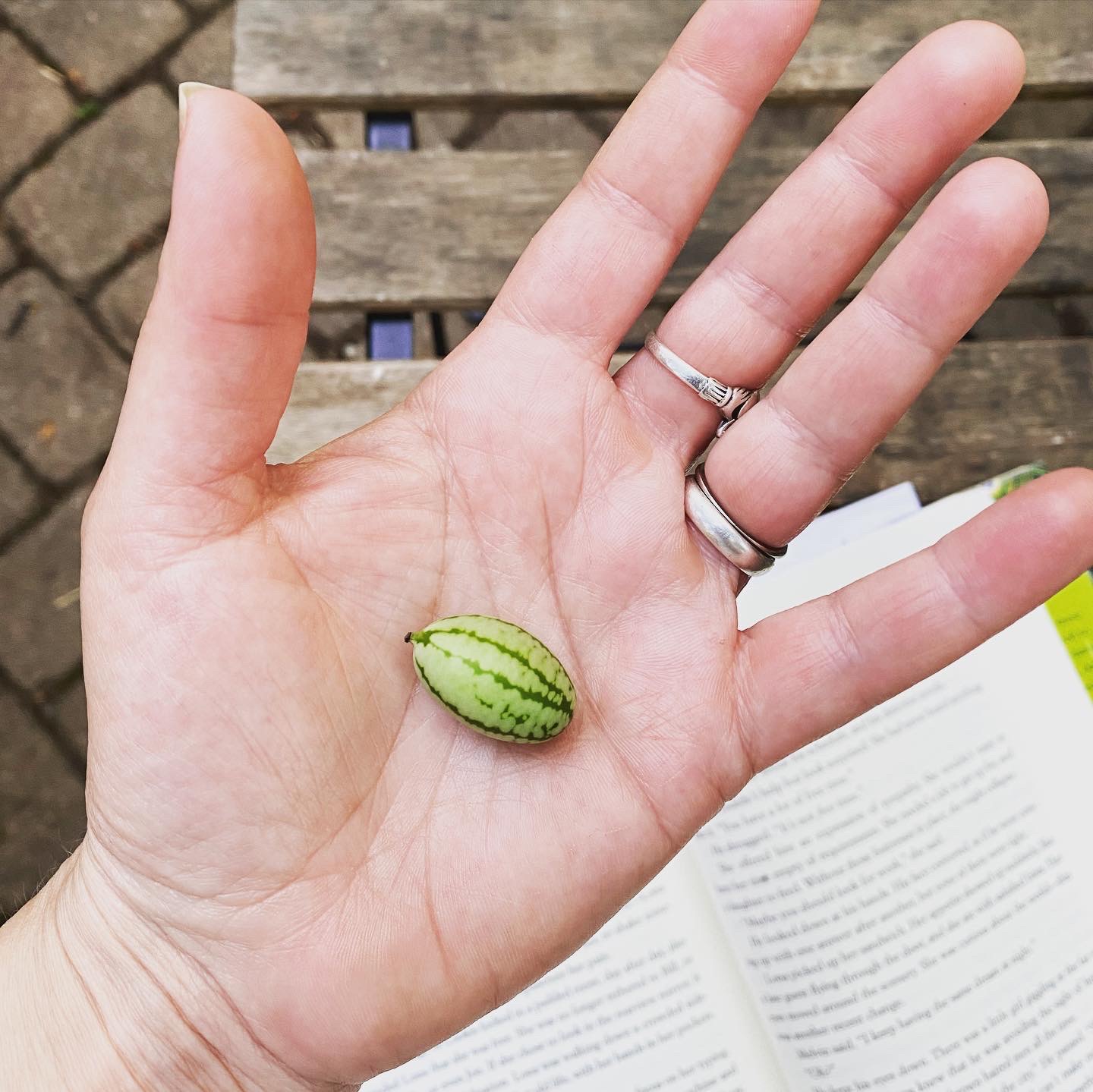
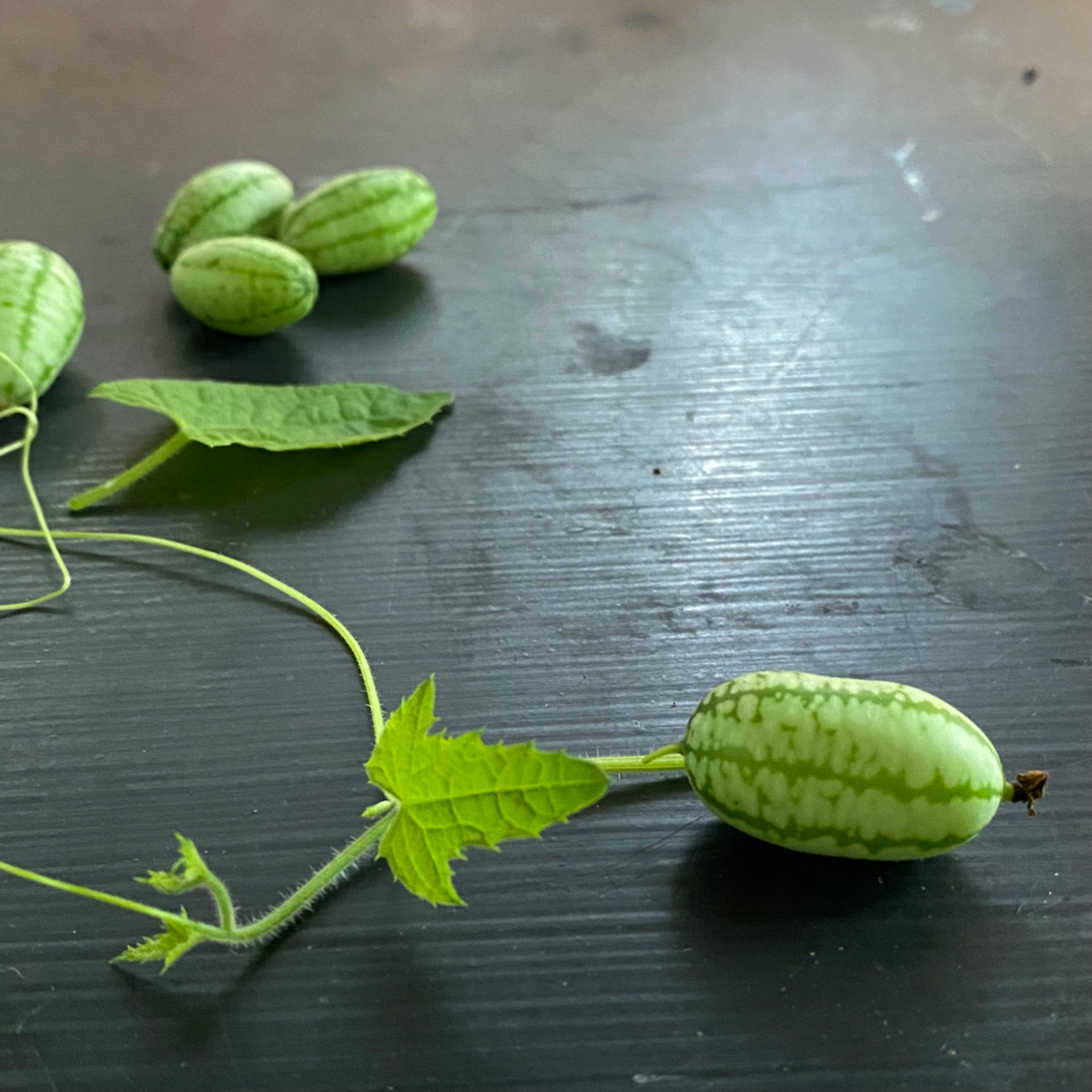
The cucamelons were one of our most enthusiastic growers this year. If you are unfamiliar with these little charmers, they are native to Mexico and look like miniature watermelons but taste like lemony cucumbers.

Our cucamelon plant literally vined its way to double in size in less than a month. At mid-September, it’s now over 9′ feet tall and still climbing. Its current destination is the upper echelons of the crab apple tree above it.

Cucamelon on the vine. They dangle like plump pearl earrings when they are ready to be picked.

Cucamelons are tiny (about 1 inch in length) but full of fresh summer flavor.

We loved the cucamelons so much that they inspired a new 1750 House summer cocktail – the Cucamelon Gin and Tonic.

So much new information has been learned about how to proceed this fall. What worked, what didn’t, what we can improve on and what we can forget, what we can nurture now and what we can save for another day or another year. A lot of surprises ensued. What worked great last year didn’t necessarily work as well this year. One thing that drastically improved though was the soil (thanks to a year of composting and leaf mold, and we didn’t overwater thanks to the miracle moisture meter reader. The garden was definitely much more lush and vibrant and full this year.
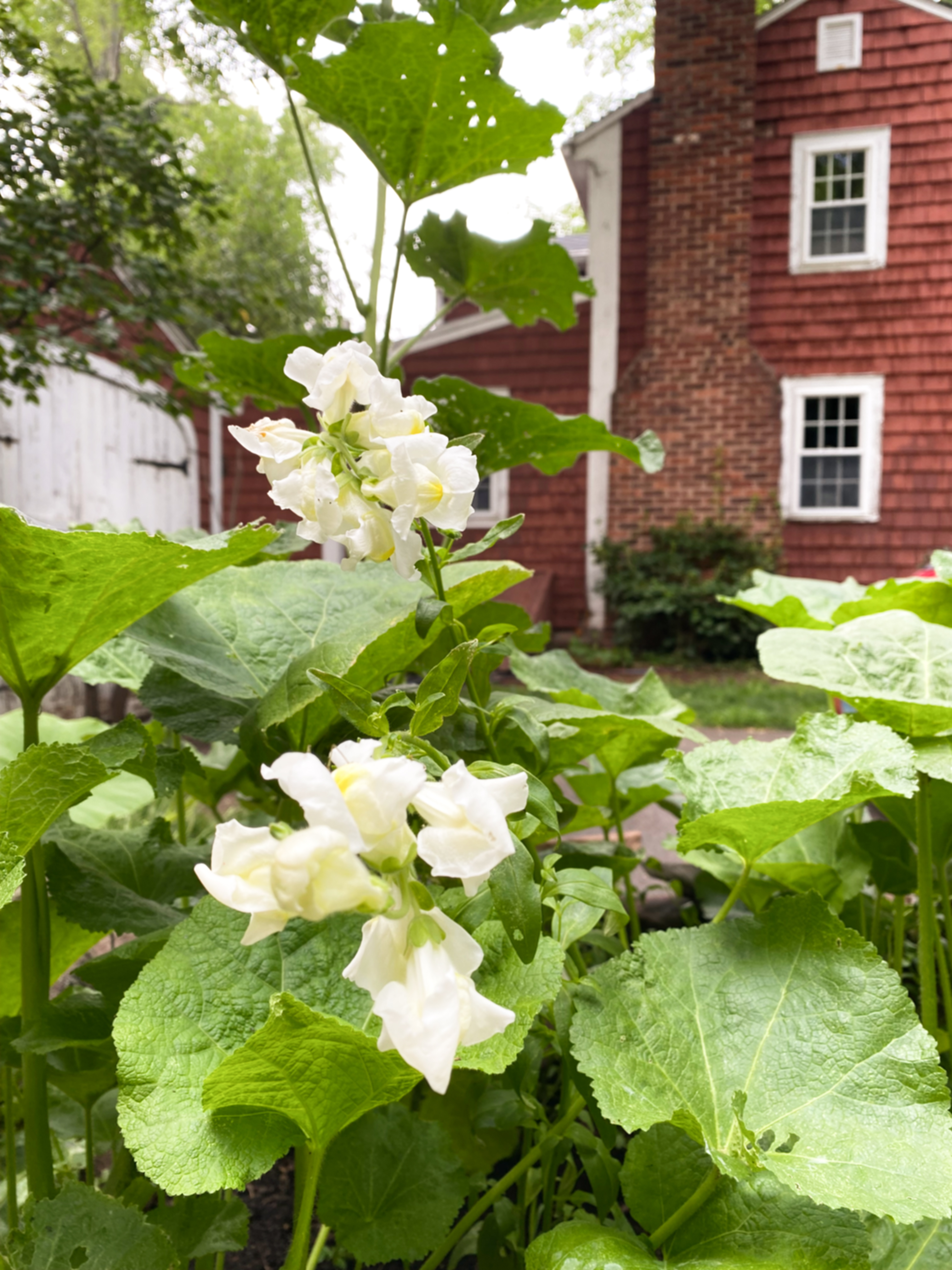
Snapdragons

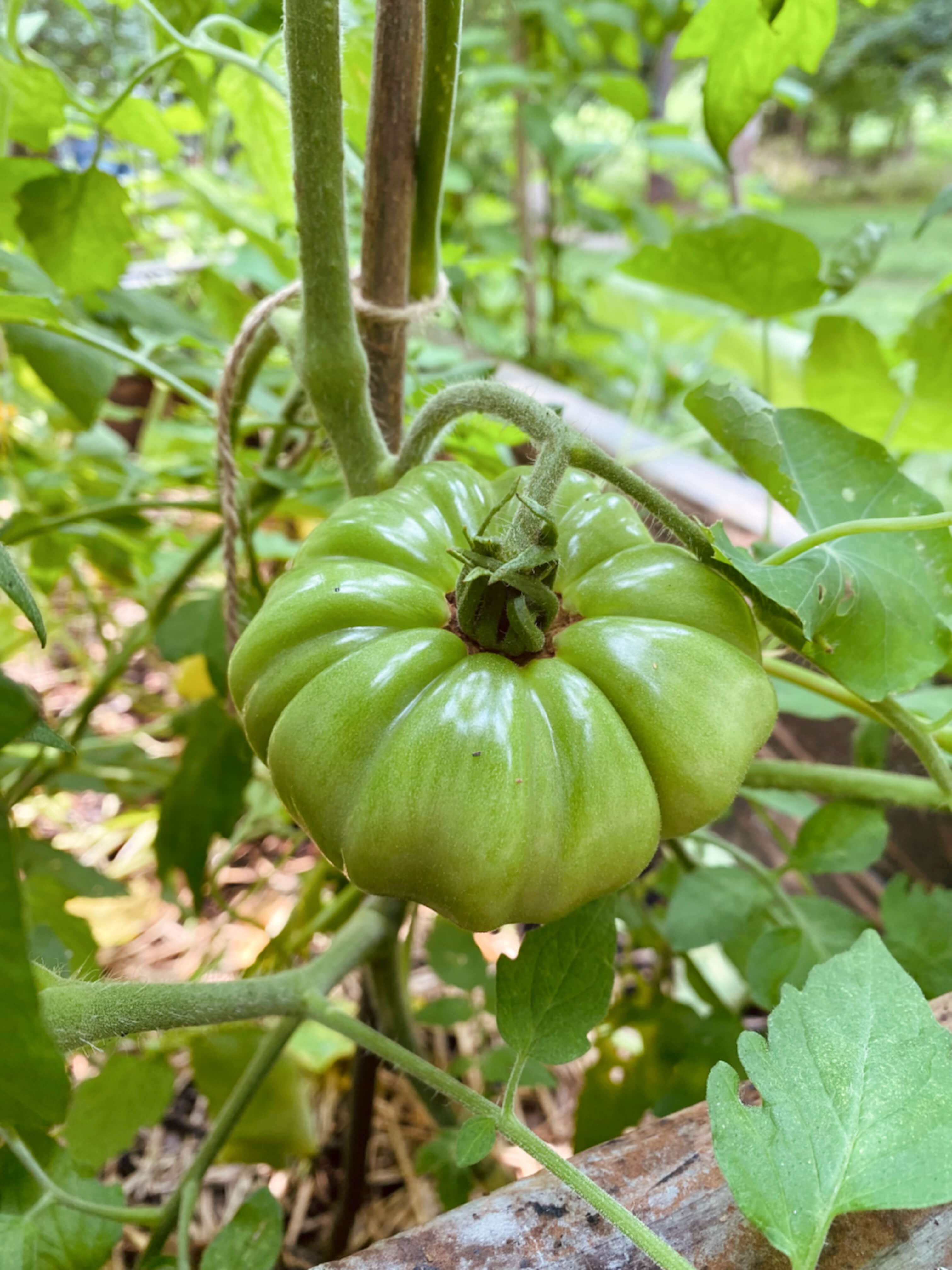
First Pineapple tomato!

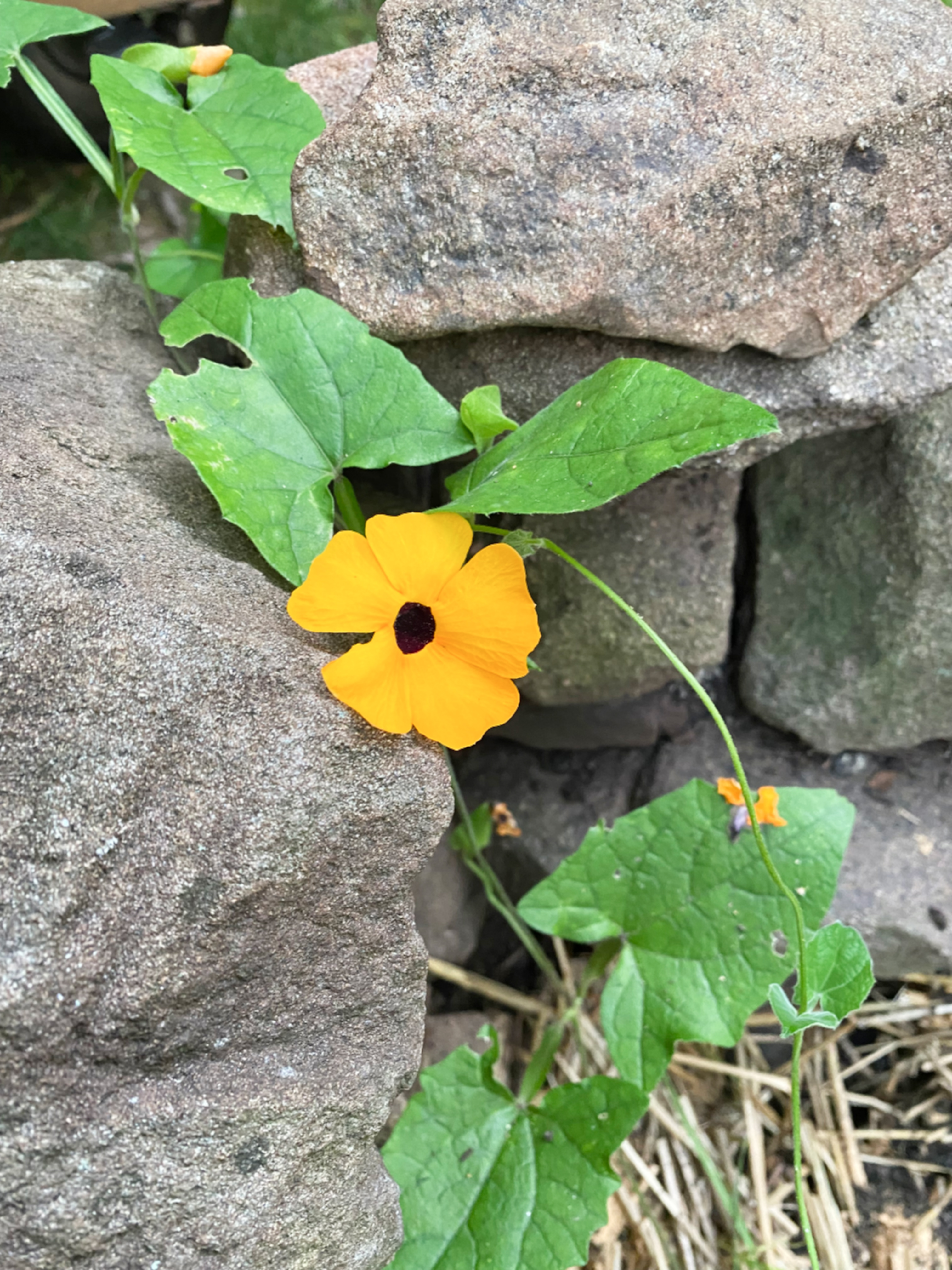
Black-Eyed Susan Vine.

One of the surprises of the season were the Black-Eyed Susan vines. We almost gave up on these guys completely since they grew so slowly for so long. We figured they weren’t happy in the bed or the inground mound where we planted them. It took five months from seed to first flower (and our forgetting about them), but once they got to the bloom stage they really took off and haven’t stopped since. Now they are happily climbing all over the sides of the rock-walled raised beds and are producing lots of pretty little flowers. I learned from our local nursery, that they have the best luck propagating these flowers from clippings, so we are going to try that method this fall.

A sparrow nest in our bird box

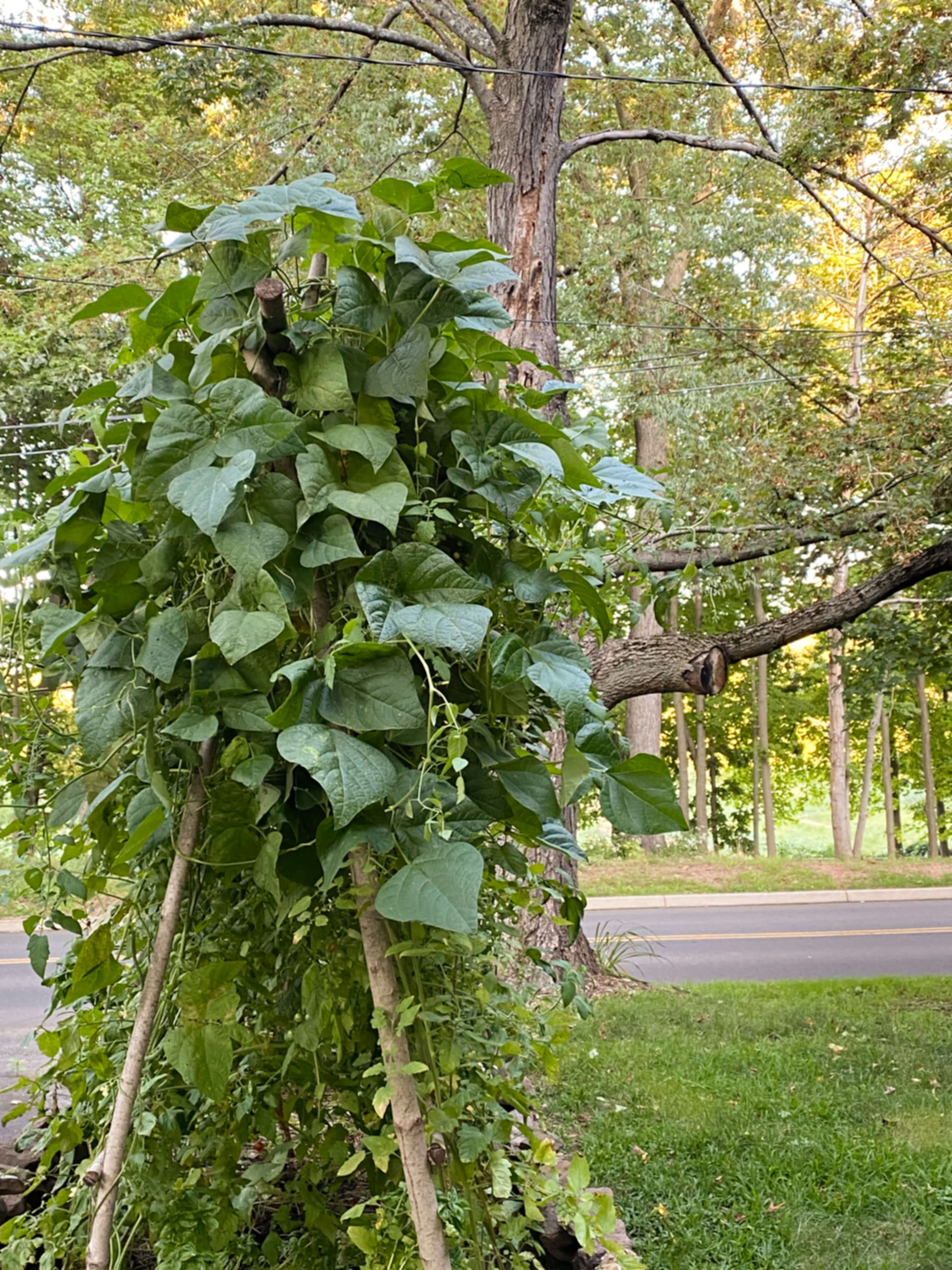
Tomatoes and pole beans climbing their way to the sky. This top rung of the trellis is 9″feet tall. We have to get on a ladder to pick the top tier!

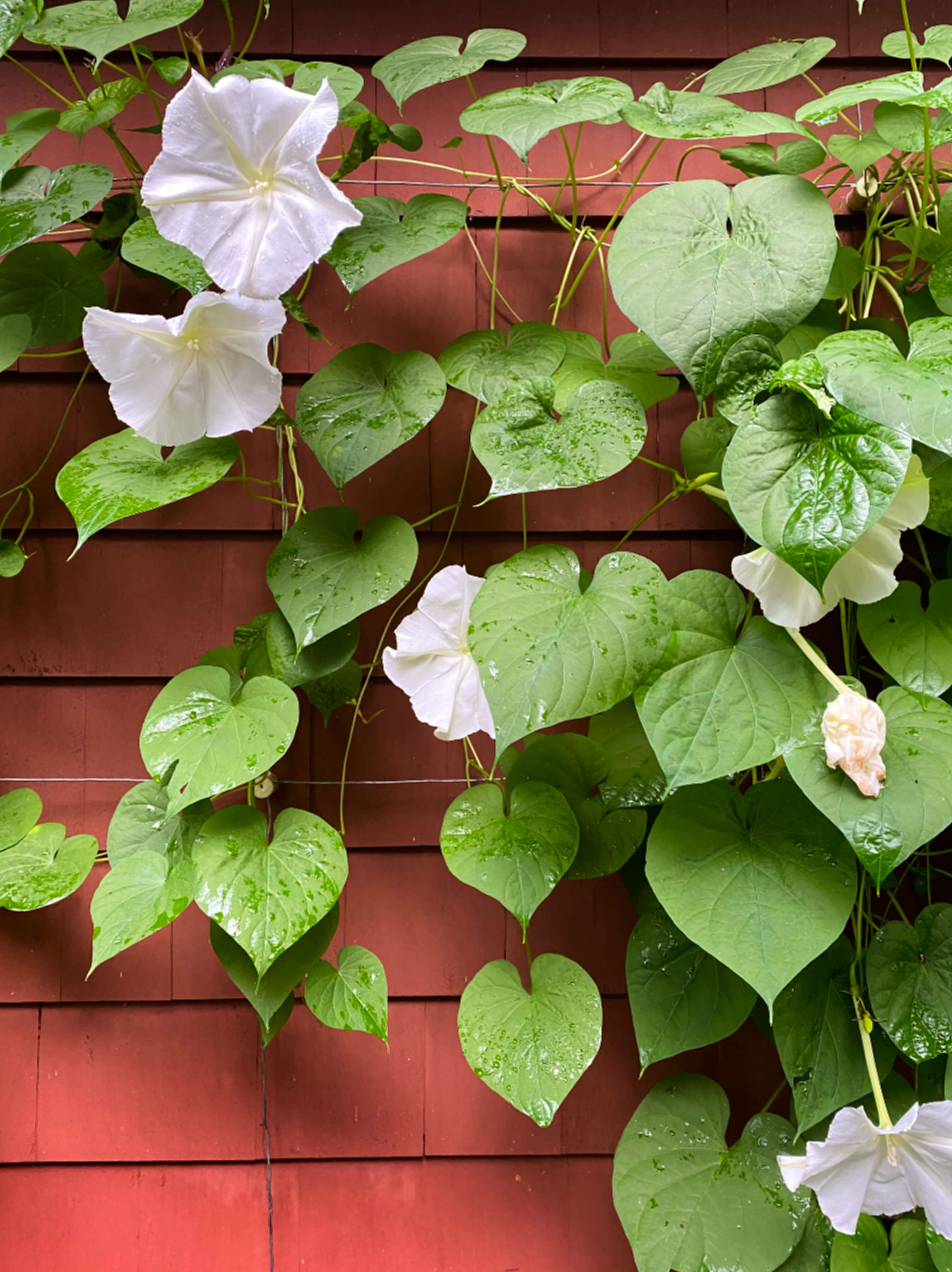
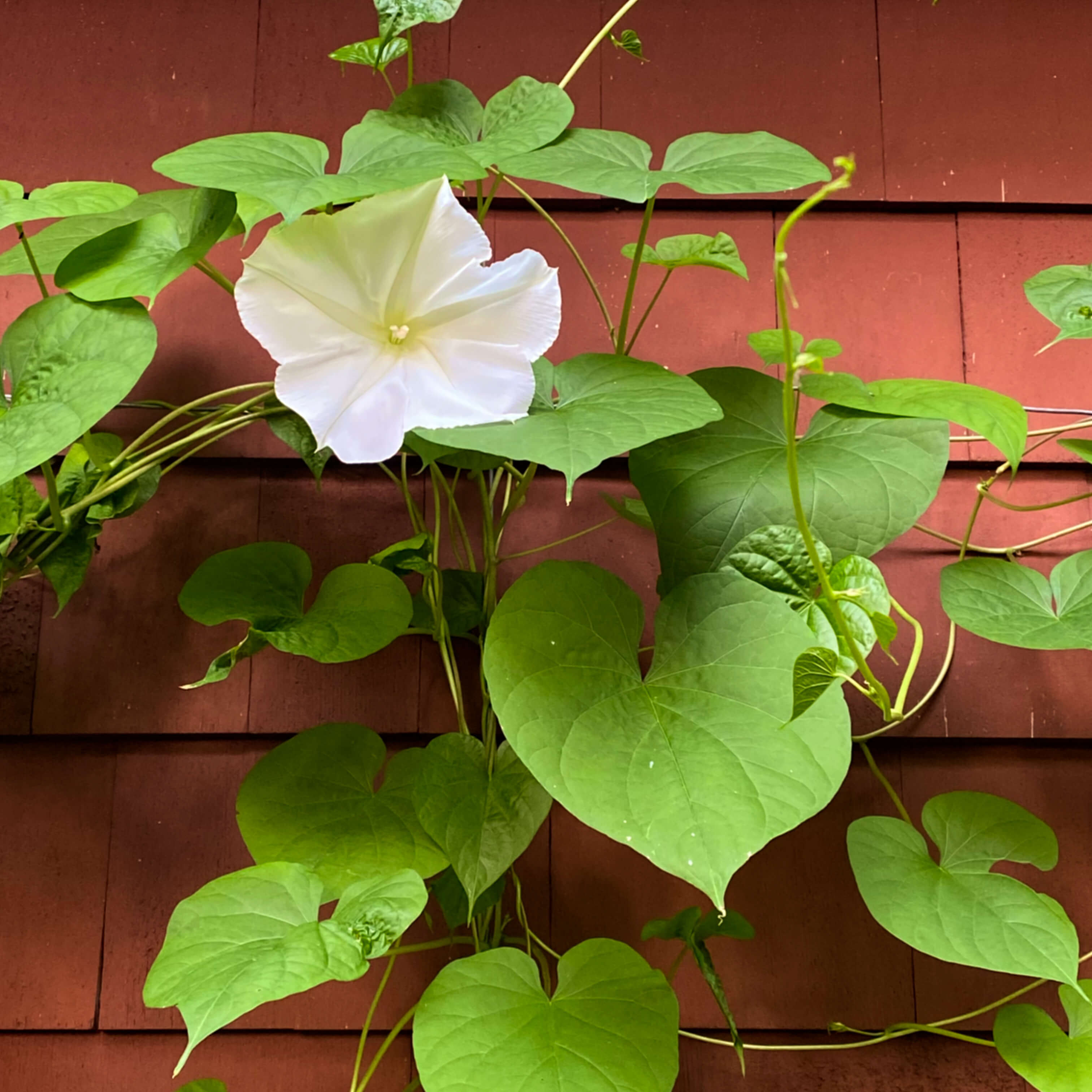
Moonflower vines.

The moonflower vines were a placeholder and an experiment to see if we liked a living wall on one part of the back of 1750 House. As it turns out we do! Next year, that wall will be covered in English ivy, which has already been planted at the base of the moonflowers. The moonflower seedlings were purchased from our local nursery, but we will definitely grow them again somewhere else in the garden next spring, this time from seed. They are fast growers and produce big beautiful white flowers, the size of your hand.
Our Biggest 2023 Garden Challenge: SLUGS

Oh the slugs. They slithered, they slimed, they feasted their way through the broccoli patch, the herb garden, the marigolds, the nasturtiums, the lettuce, the pepper plants (leaves only), the colleus and the cosmos. We tried all sorts of ways to deter them – sand barriers, chili powder sprinklings, tin foil, beer traps, nightly hand-picking.
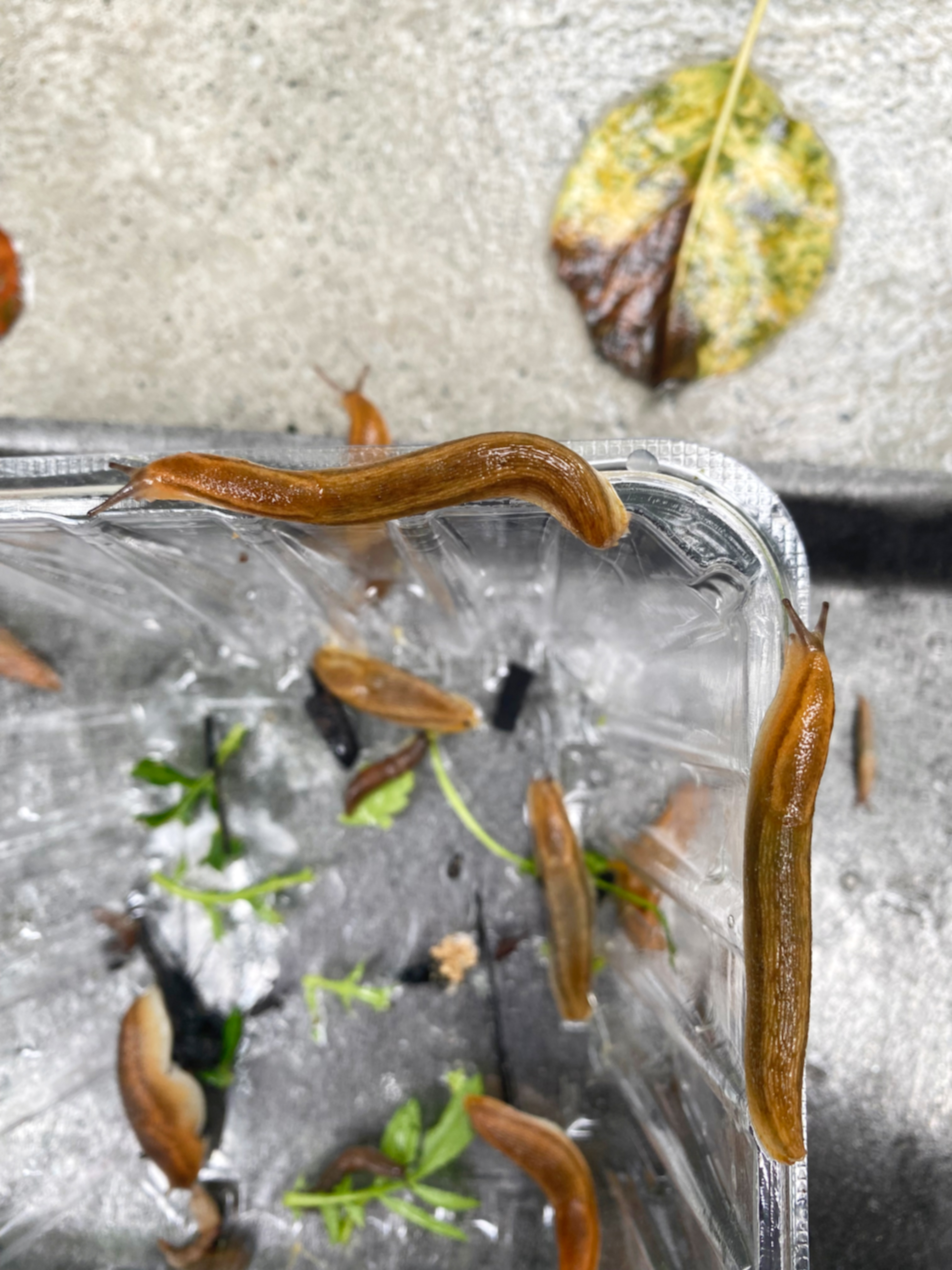
Slugs aplenty.

We were most successful with the beer traps – sinking a small container in the garden soil filled with about 1/4 cup of beer. The beer attracts them to take a swim and then they depart this life in one big vat of boozy revelry. The other thing that worked well was handpicking (we relocated all the slugs to the woods each evening to carry on life there), but this was a never-ending task – every single one we picked was replaced with a new slug the next night. Plus, this hand-picking was a pretty unappealing and slimy exercise. Our buckets each night were filled with at least 30-40 slugs. Interestingly, they left all other plants in the garden alone, which is why we had such great success with everything else. Next year, we are going to try growing all of these feast-worthy plants in the greenhouse over the summer to hopefully keep them slug-proof.

Impromptu bouquet – snapdragons and phlox

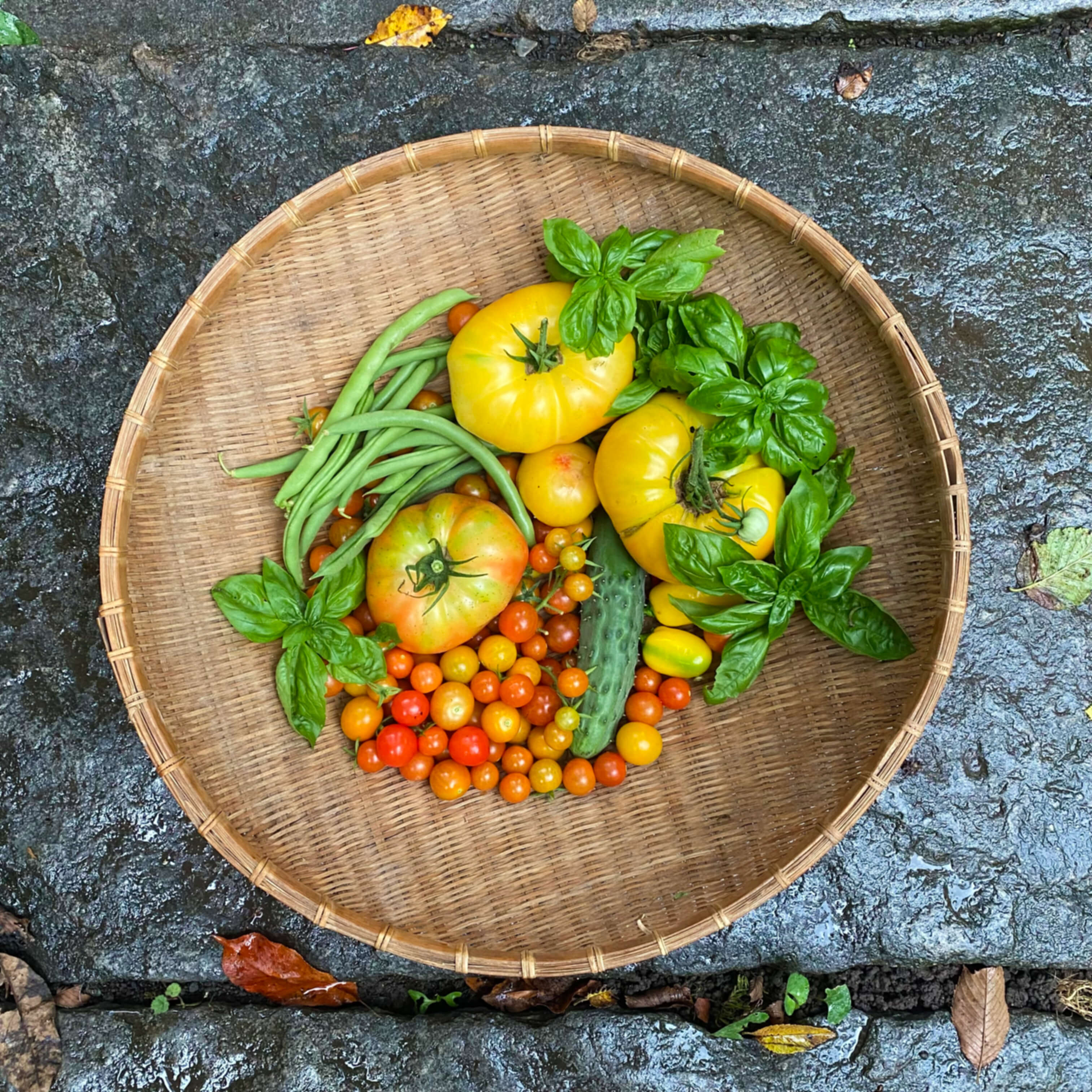
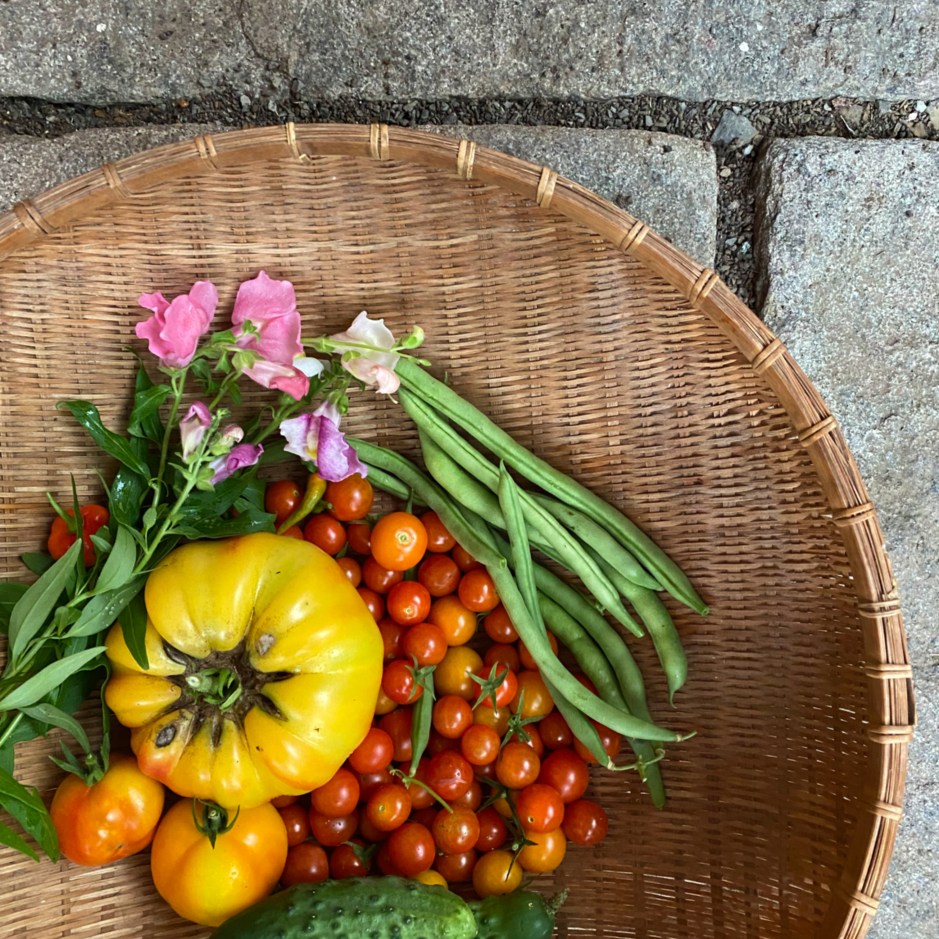
First summer gathering basket: nasturtiums, zucchini, cucamelons, mint, Mandeville flowers, cherry tomatoes, pineapple tomatoes, Santaka chile peppers

Things That Didn’t Grow Well in the Garden This Year…

  • Zucchini (Black Beauty) – while they did grow big and lovely and flowered every day pretty much throughout the summer, two plants only produced three zucchini. Three was a definite improvement from last year’s crop which was zero, so we are moving in the right direction but this was also the second year they eventually became overcome by powdery mildew, even though we tried two different treatments: baking soda and neem oil
  • French Melons (powdery mildew victim #2)
  • All the herbs – parsley, basil, chives, sage, and thyme (The work of the mighty slugs! The only herb they left alone was the rosemary).
  • Cosmos – our second year in a row trying to grow these. (They produce a few flowers but then the plants dry up and die off)
  • Bush Beans – we rotated them to a different bed this year underneath the tomato plants and they did not like it. Maybe it was not enough sun for them once the tomatoes really started growing.
  • Broccoli (DiCiceo) – we harvested one broccoli head harvest before the slugs arrived for the season
  • Straw mulch – The intention was to use this as mulch to help with the slug situation but, as you can see from the list above, it had no effect and turned out to look really messy in the garden. Aesthetically it wasn’t our favorite.
  • Sunflowers – also our second year trying to grow these. Starting them in the greenhouse this year helped but they were weak and spindly and mostly fell over before July started.

Back to happier stories…

Cucumbers growing like crazy!

Our first big pineapple tomato weighing in at 1.7lbs

The big goal for 2023 was to create a pollinator-friendly garden. Success!

Pole beans and cucumbers joined the weekly gathering basket in August.

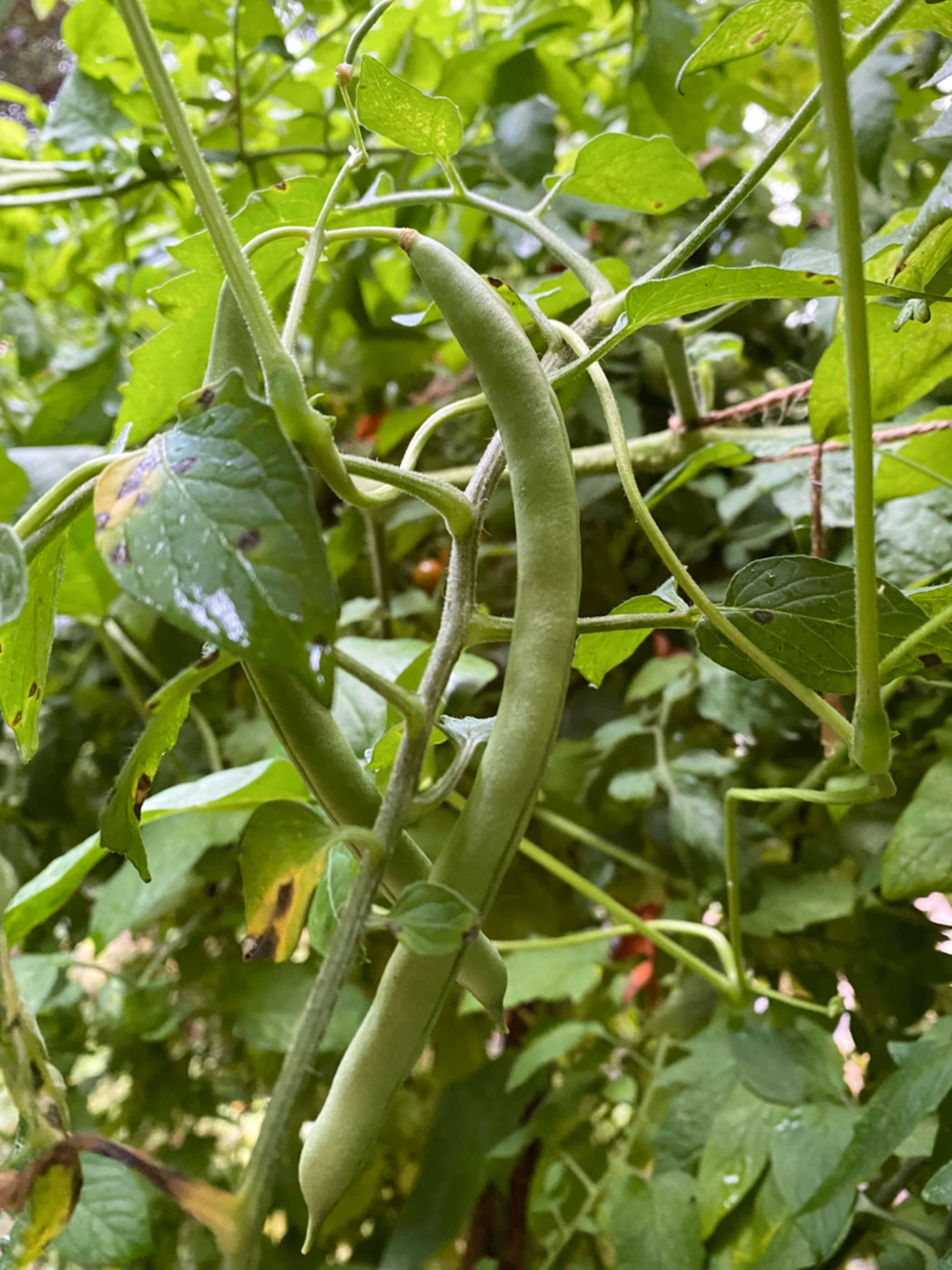
This year, the tomato’s best friend was the pole bean. Both still growing strong, they’ve become their own support system at the top tier keeping everything nice and tidy all on their own.

Pole beans!

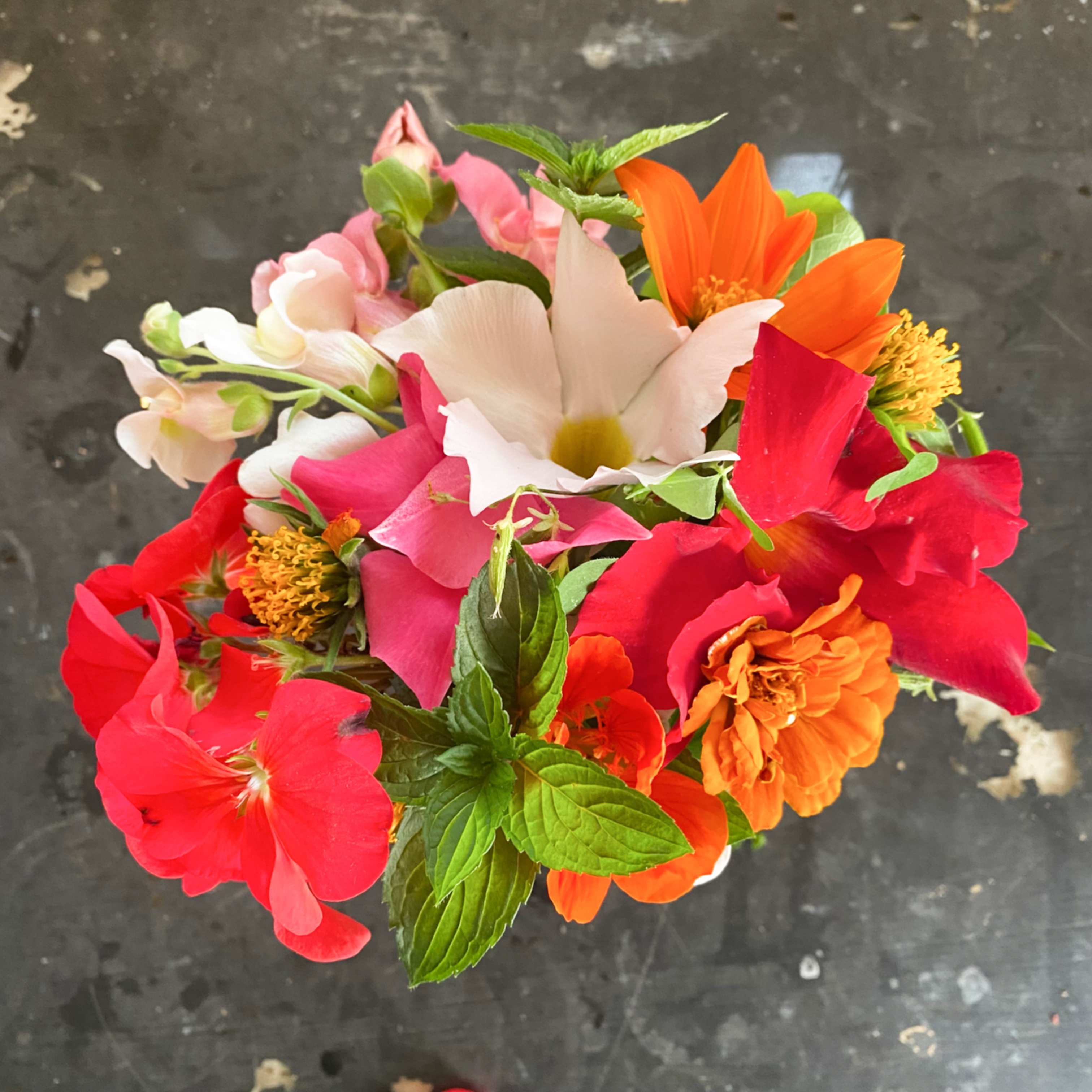
Impromptu bouquet: mint, Mandevilla, marigolds, Mexican sunflowers, snapdragons

The first time the gathering basket weighed over 4 lbs with all its produce was the first of September.

One nasturtium plant managed to outsmart the slugs. How? We aren’t exactly sure, but for some reason, they left this one alone.

All things considered, this year’s garden was definitely an improvement upon last year’s just as far as soil health, pollination count and bird and frog activity. Last year we had more voles and chipmunks but this year we had more slugs. Last year we had more heat but this year more humidity. Last year we had barely any flowers, and this year, we enjoyed ample bouquets all summer long. That’s the joy of gardening though I think. It’s always changing. Always engaging us.

Although the temperatures are still in the 80s, and there are still a couple weeks of summer left to go, Autumn is definitely beginning to cast her spell over the garden. Our first pumpkin just formed, the paradise apples are falling and our first sighting of a Spotted Orbweaver joined us overhead on the patio chandelier one night at dinner. Fall is coming.

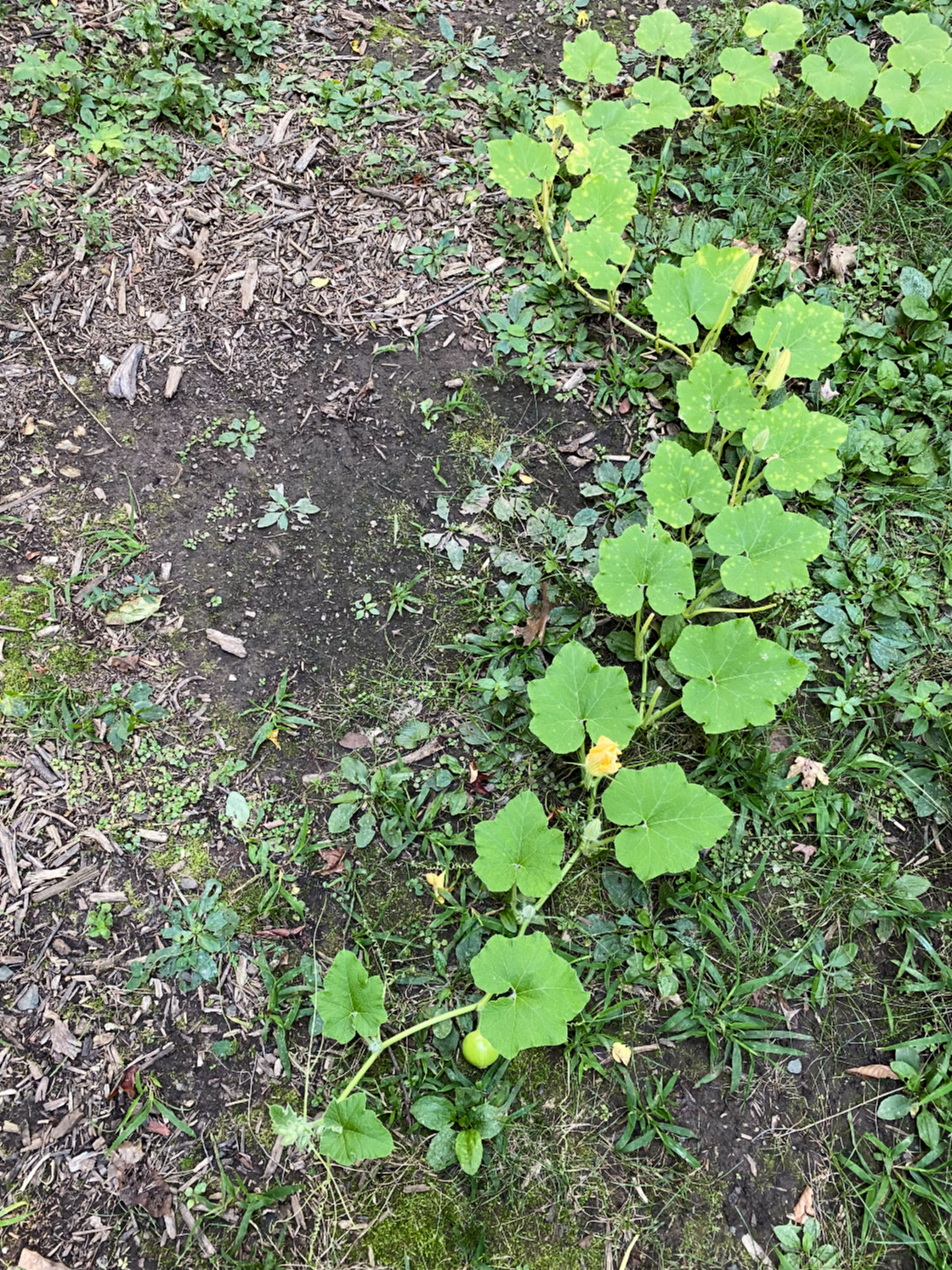
The pumpkin vines are making “S” curves all over the sideyard.

The first Jarrahdale pumpkin!

Paradise apple

Spiders, slugs, birds, bees, and Juna aren’t the only things that came to visit the garden this summer. Recently, we installed an outdoor trail camera to see what sort of wildlife came to visit in the night. Our most frequent sightings so far have been the wild rabbits (hop over to Instagram to see our favorite little bunnies zooming around the yard), along with the occasional raccoon, and opossum, two coyotes and a pine marten not to mention a bevy of early morning birds and squirrels. But our most dramatic guest so far is this guy…

A bobcat! He passed right through the yard with no incidents and thank goodness no bunnies. It’s pretty magical that such an extensive amount of wildlife lives while we sleep, carries on while we dream, travels about while we stay put for hours on end. We can’t wait to see what shows up this winter.

Last, but not least in this highlight of summer pos , we have two exciting sneak peeks of two very big 1750 House outdoor projects about to be unveiled soon…


Sneak peak #1

Sneak peek #2

We can’t wait to share them with you! Stay tuned!

In the meantime, cheers to summer 2023, to all we learned and all we reveled in, and to Lady Nature for continuing to be our biggest mentor and our guide. We’d love to hear how your gardening adventures fared this year. Please tell us all about it in the comments section. It’s so important to share the highs and lows, regardless of what part of the world we live in so that we can all learn together. The more gardening joy the better.

The Greenhouse Diaries Entry #6: How to Keep a Greenhouse Warm in Winter, Spring Seedlings and a Whole Lot of February

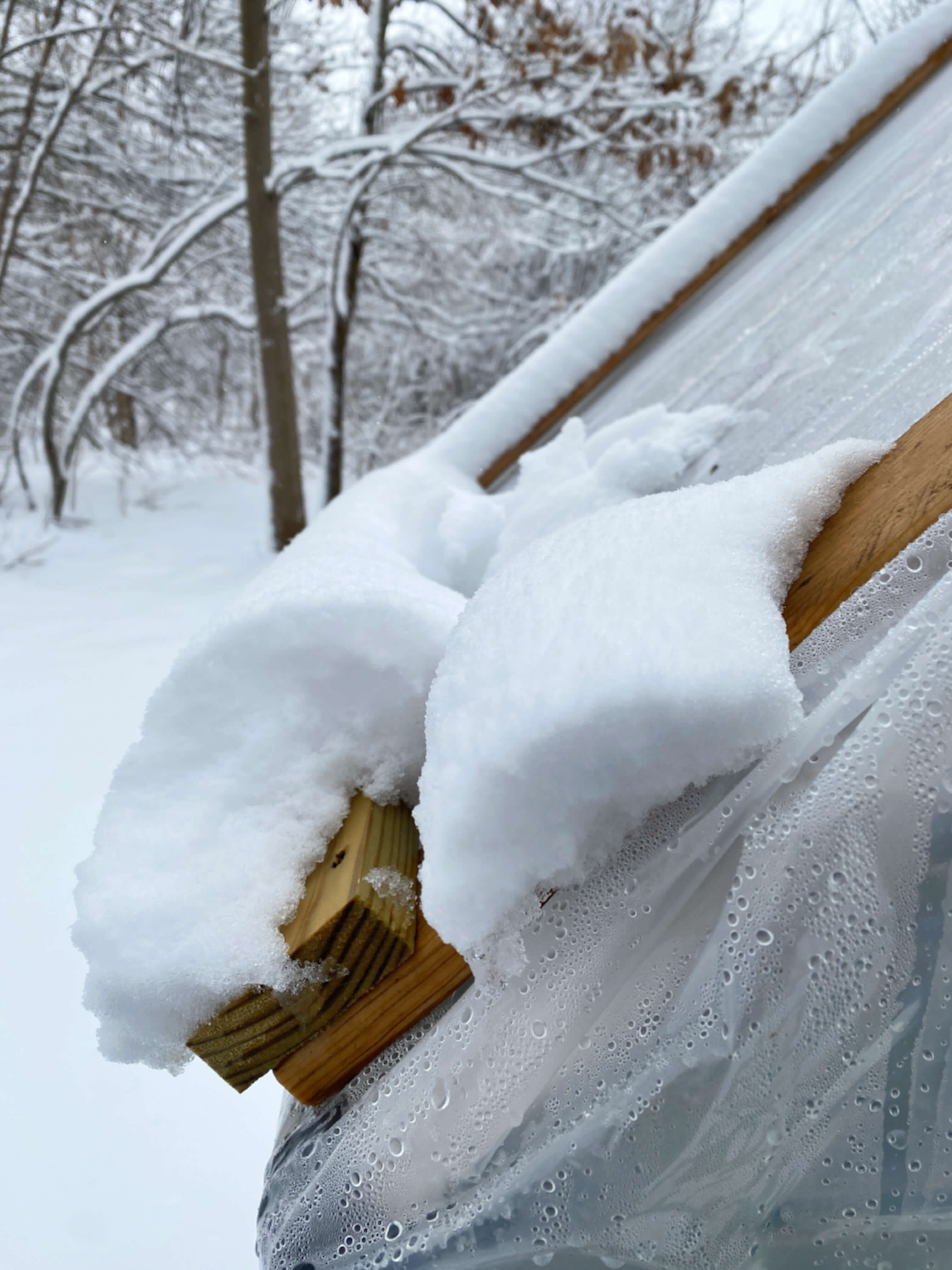
Wrap it up like a big present. In plastic. That’s how to keep a greenhouse warm in winter. Luckily, our greenhouse is small so this gift wrapping is not a giant undertaking. And it might not be the right solution for any big greenhouse owners, but for us, and our 4’x6′ growing station, this method of winterization has proved itself most competent. Like a champion, it weathered our second blast of single-digit-polar vortex temperatures in early February, it withstood wind gusts of 35 mph, and it embraced this week’s big snowstorm of 6.5″ inches all while maintaining an even 70-80 degree temperature range indoors. We can officially say, with confidence, that this is an ideal solution for any small greenhouse gardeners who live in a cold weather climate and struggle to keep plants warm throughout the winter.

We got a little behind in our greenhouse diaries updates, but by no means was February an uneventful month around here. As we all know, nature waits for no one. What was exciting twenty days ago in the greenhouse has now been replaced by exciting things happening at this very moment, so this post is a catch-up, a recap, and a new surprise all rolled into one in an effort not to make it a million miles long.

The front side of the greenhouse with a roll-up curtain panel to gain entry.

Here’s a brief recap on the winterization efforts. Essentially, in less than half a day, we built a wooden exoskeleton around the shoulder and roofline of the greenhouse and then wrapped the greenhouse in one giant piece of plastic. The plastic was stapled to the wooden skeleton which was screwed together but not screwed into the greenhouse. Instead, the wood frame rests on top of the greenhouse, secured by gravity from the wooden connection at the peak of the roof.

The backside of the greenhouse.

A 5′ foot wide roll-up curtain panel was made for the door using a curtain rod at the base and more plastic sheeting. Four bungee cords hold the plastic in place along each wall and two butterfly clamps hold the rolled-up panel in place when going in and out of the greenhouse. All it took material-wise was one roll of the plastic sheeting, six pieces of lumber, a curtain rod, a handful of screws, four bungee cords, and two butterfly clamps. If anyone would like a detailed drawing on how to replicate this plastic wrap for your own greenhouse, please send us a message or comment below and we’ll be happy to lay out the steps and materials.

Most days we leave the door panel rolled up to let a little outside air seep in through the draft in the doorframe. Just before dusk, it all gets buttoned back up again. Once winter is over, we will be able to easily remove, wrap up and save this plastic/wood frame system for the cold months later in the year. Using this type of winterization method and our one electric heater has kept the greenhouse a full 50-60 degrees warmer inside than the outside temperature. So on a 25-degree night, it will stay a consistent 75 degrees in the greenhouse. Some days, when the sun is out, the plastic keeps everything so warm we can turn the heater off completely. Both the established plants and the seedlings have really thrived in this much more consistent environment.

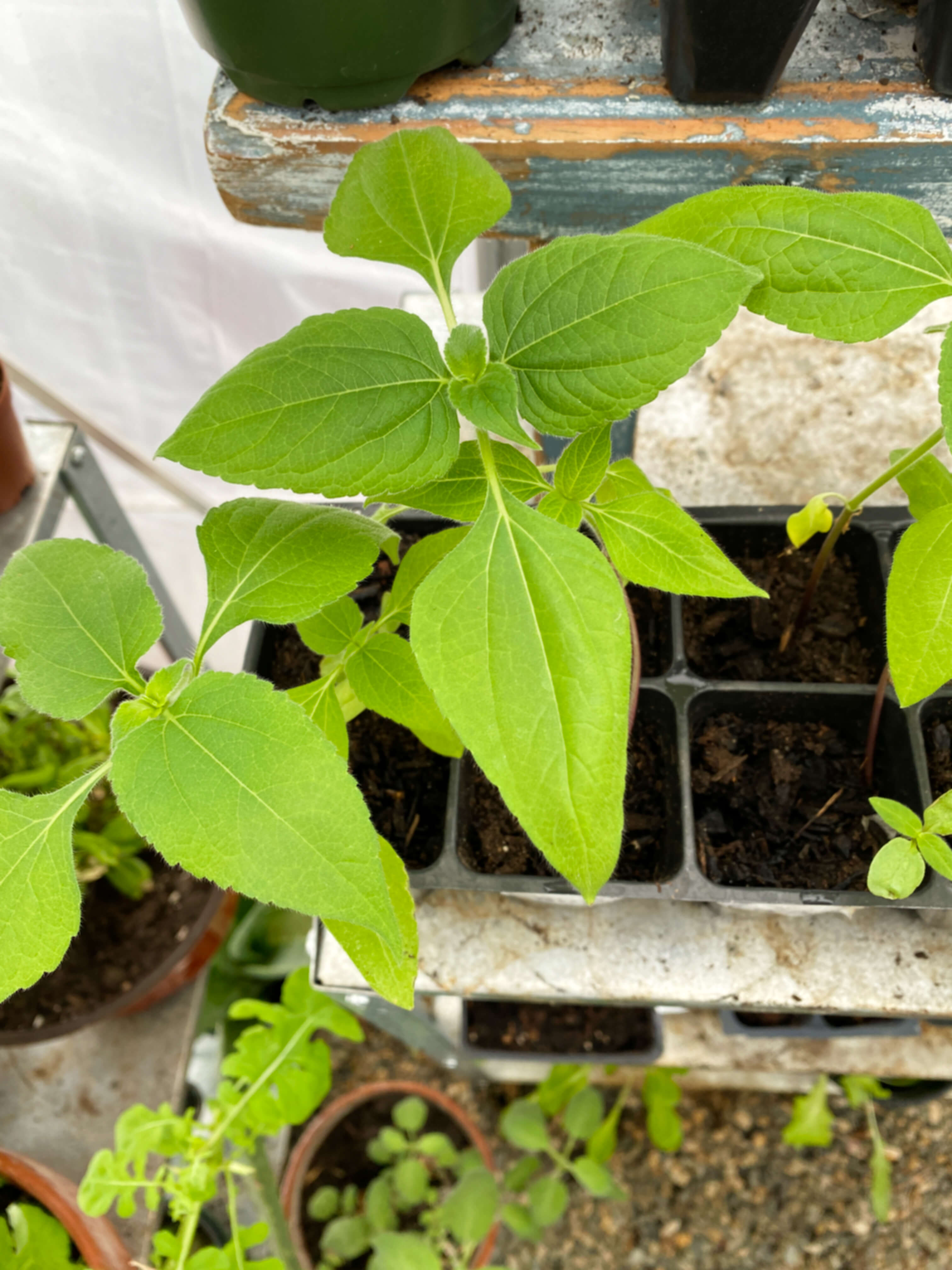
The Mexican sunflowers!

The only downside to this method of winterizing is that all the ventilation holes, the roof window, and each side wall from the pea gravel floor to the peaked roof get completely covered with plastic so there isn’t as much free air flow or circulation happening, and the view is reduced to a gauzy, opaque landscape once inside. The trapped heat is great for keeping everything inside warm but also invites pests to come and enjoy the tropical heat.

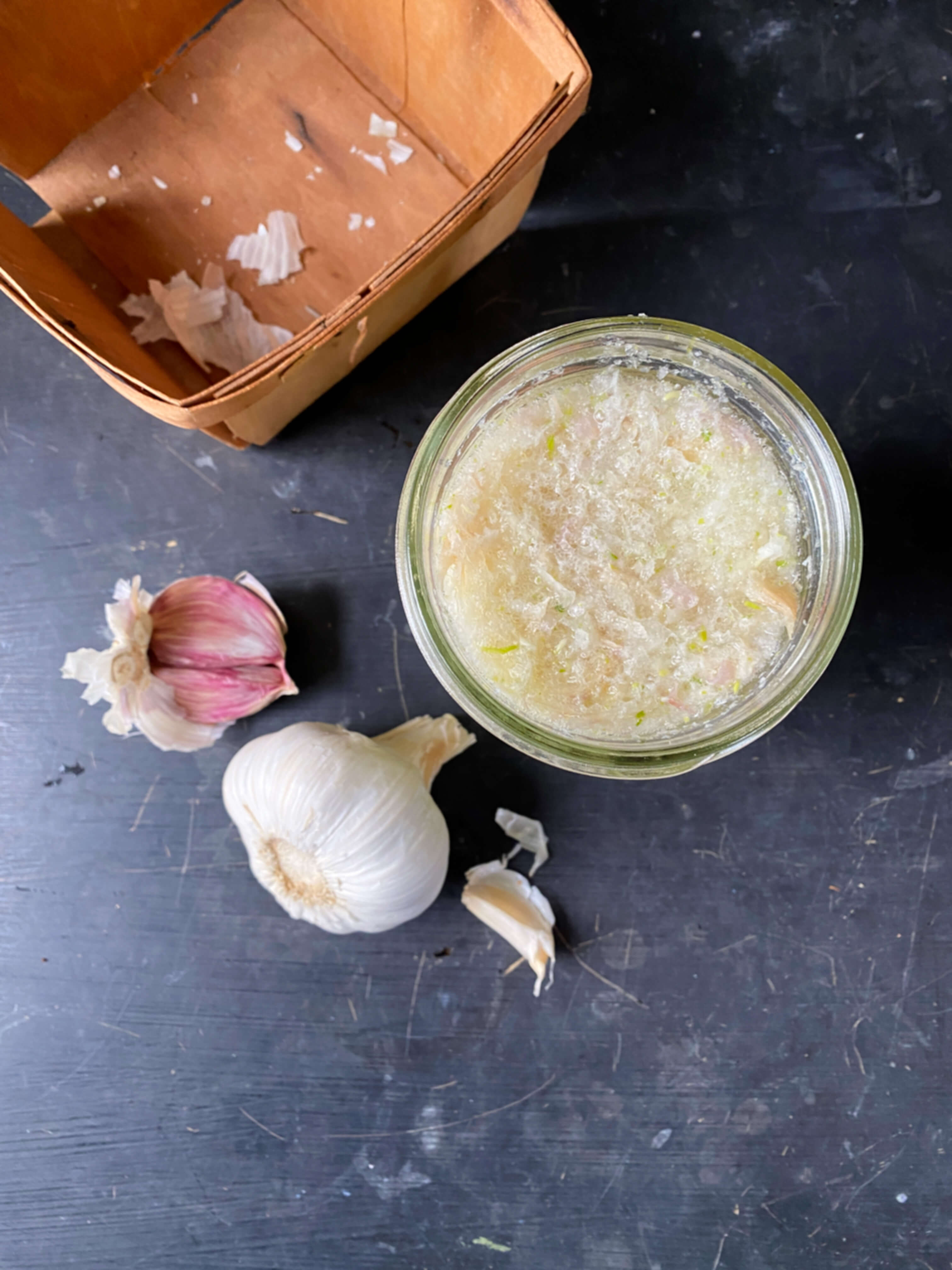
Over the course of February, we did see an outbreak of aphids, whiteflies, and spider mites, but a simple spray of homemade garlic water and store-bought organic neem oil did the trick to clear those up quickly.

Pureed garlic steeped in water for 24 hours before straining and applying.

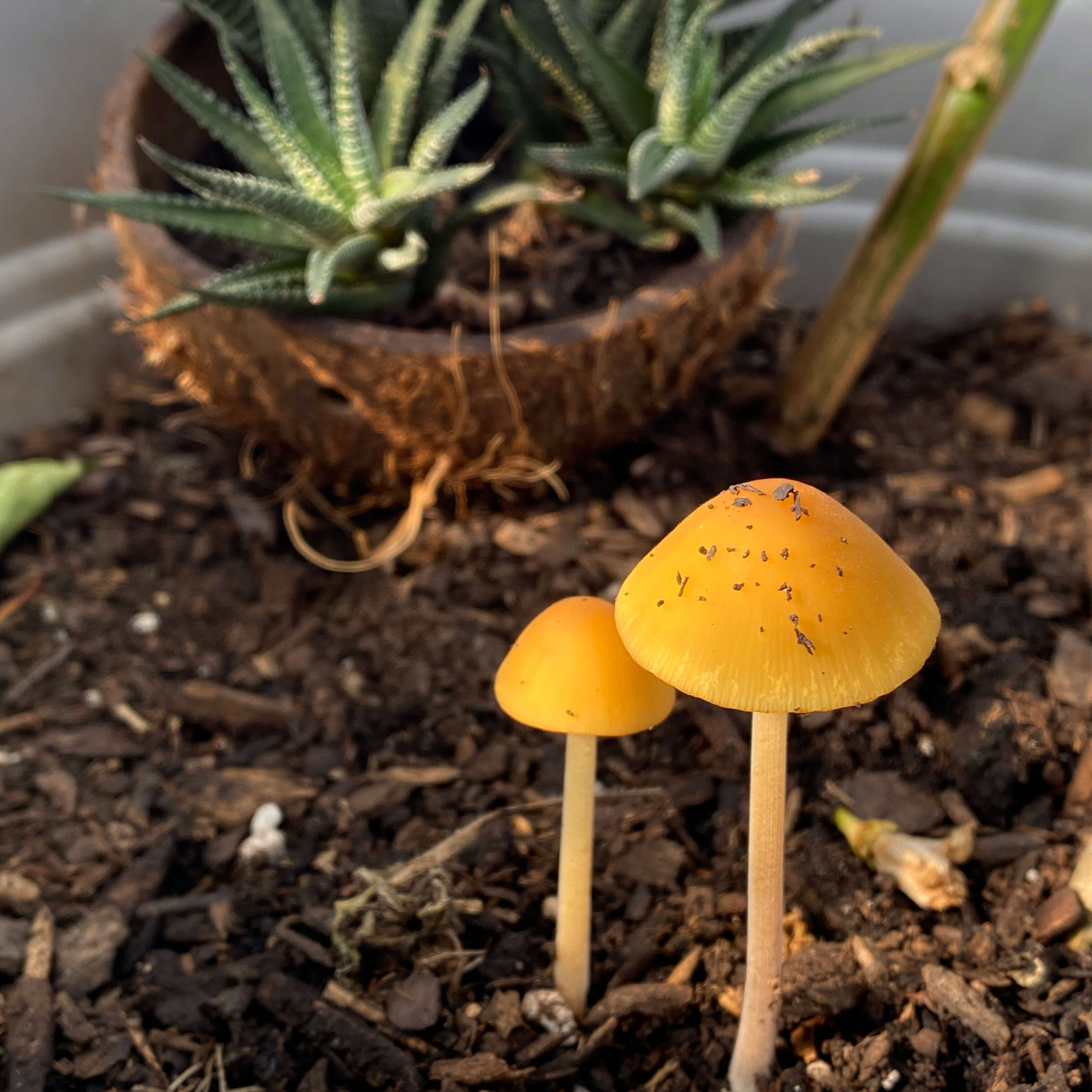
One note on the Neem oil though – it does get rid of everything. We had some mushrooms that popped up in the pepper plants in January and also two resident spiders who were helping reduce the unwanted bug population, but unfortunately, mushroom nor spider survived the neem spray. So keep that in mind if you have some critters that you’d like to keep around.

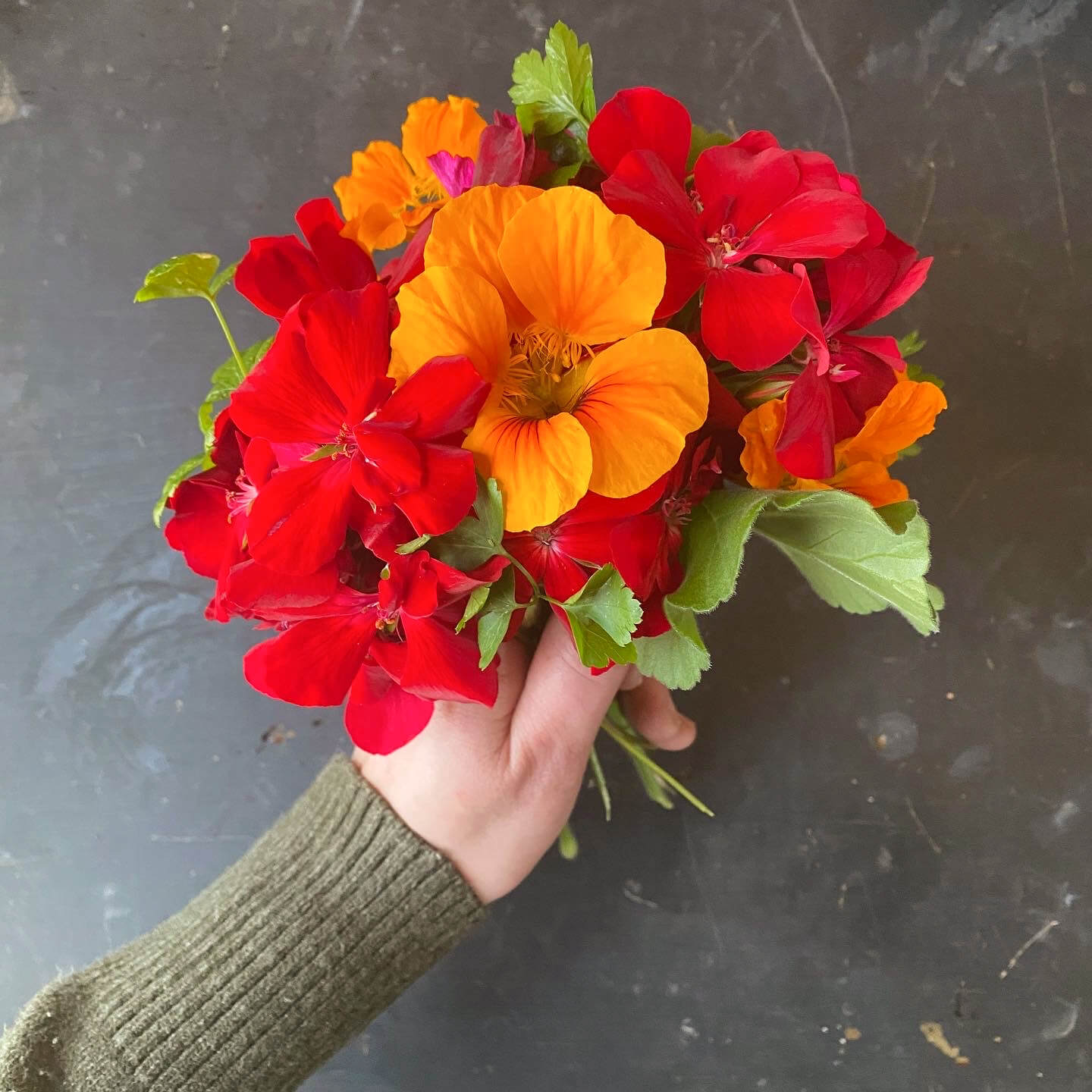
Over the course of the month, we said goodbye and hello to a few plants. The broccoli, the pincushions, and our beautiful nasturtiums all completed their natural life cycle. As much as I hated to see these three go, at least they were moving on to the compost pile for nutrient recycling. Like our sourdough starter recipe published last week, all these first-year greenhouse plants have been the best springboards – the ones that taught us so much about how to begin in the first place. Before their final send-off, I picked the last of the nasturtiums for a bouquet. It was a big colorful cheers and thank you to my most loved flower this season…

The last of the nasturtium flowers in a bouquet of geraniums and parsley.

On the hello side, we said welcome to a bevy of new seedlings as they sprouted up this month. Snapdragons, foxglove, basil, black-eyed Susan vine, cucamelons, bell peppers, spicy peppers, cosmos, dill…

We harvested the orange bell pepper for a stuffed pepper recipe, the first round of collard greens for a sausage, potato, and collard hash, and the arugula for more salads than we can count. The chives, lavender, and tarragon all got haircuts and the Santaka grew five finger-long peppers.

Collard greens!

Santakla Peppers!

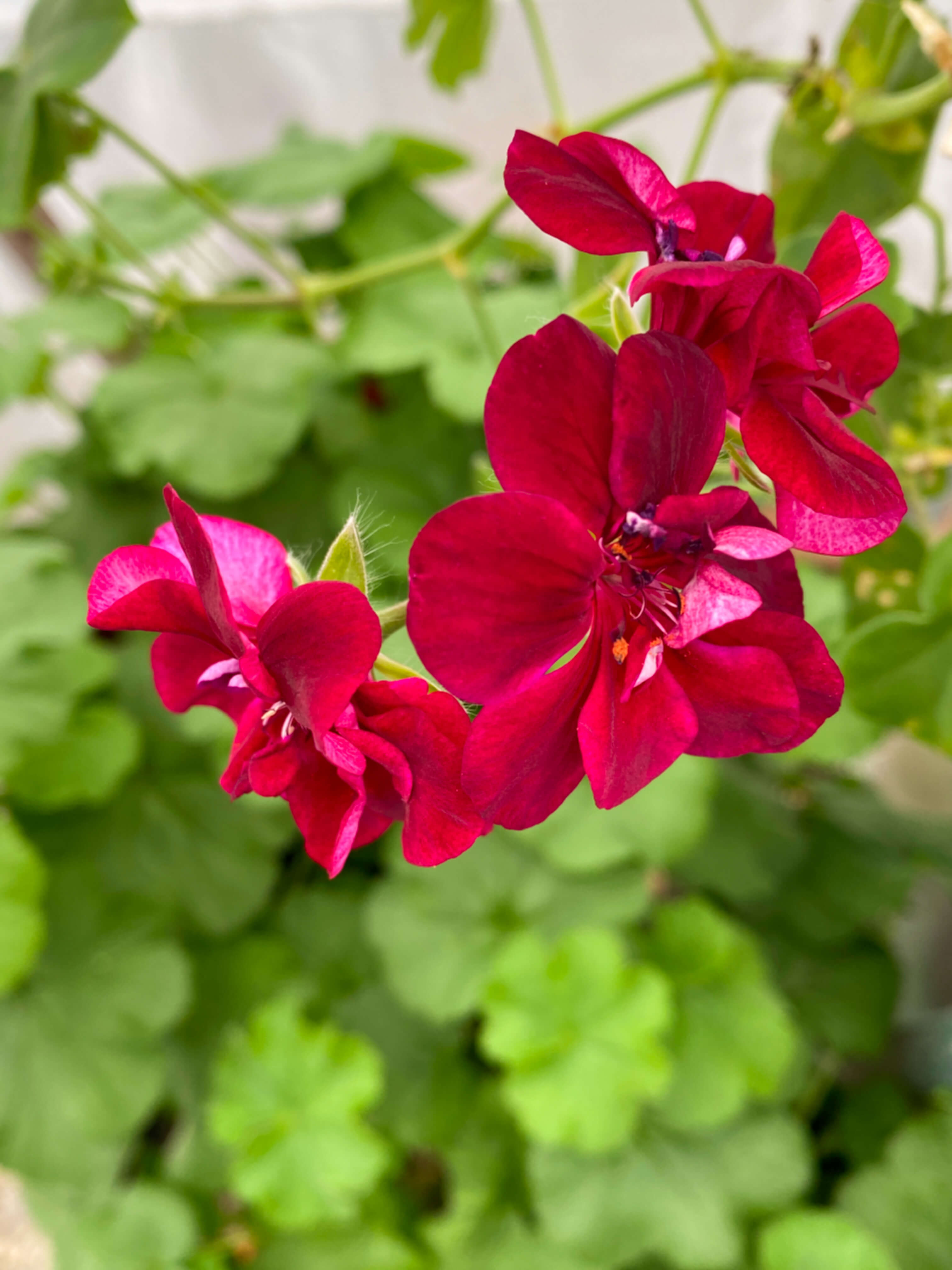
The geraniums are filling out so much they have completely taken over one corner of the greenhouse. Their resilience from frost recovery is pretty remarkable. I can see now why these plants have a shelf-life of 50 years if paid just a little bit of attention. With the colorful nasturtiums gone, they have been such a vibrant choice for the wintertime greenhouse.

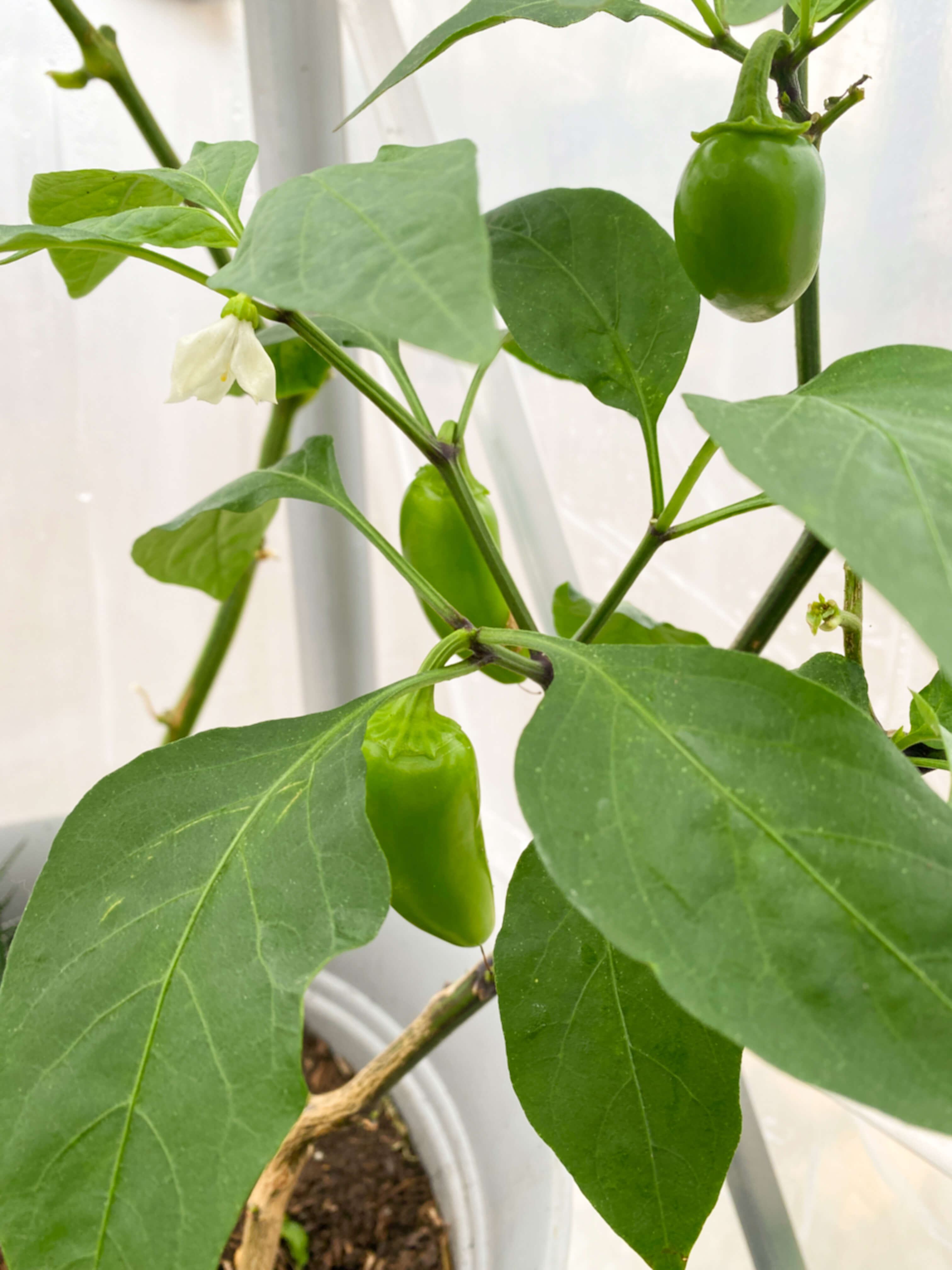
After the bell pepper was harvested and after the spider mites came to visit, I did some trimming of the older pepper plant leaves, and pretty much overnight three jalapenos grew. Now each of the three pepper plants are blooming again, Maybe we’ll be lucky and get two summer cycles out of each plant.

Jalapenos!

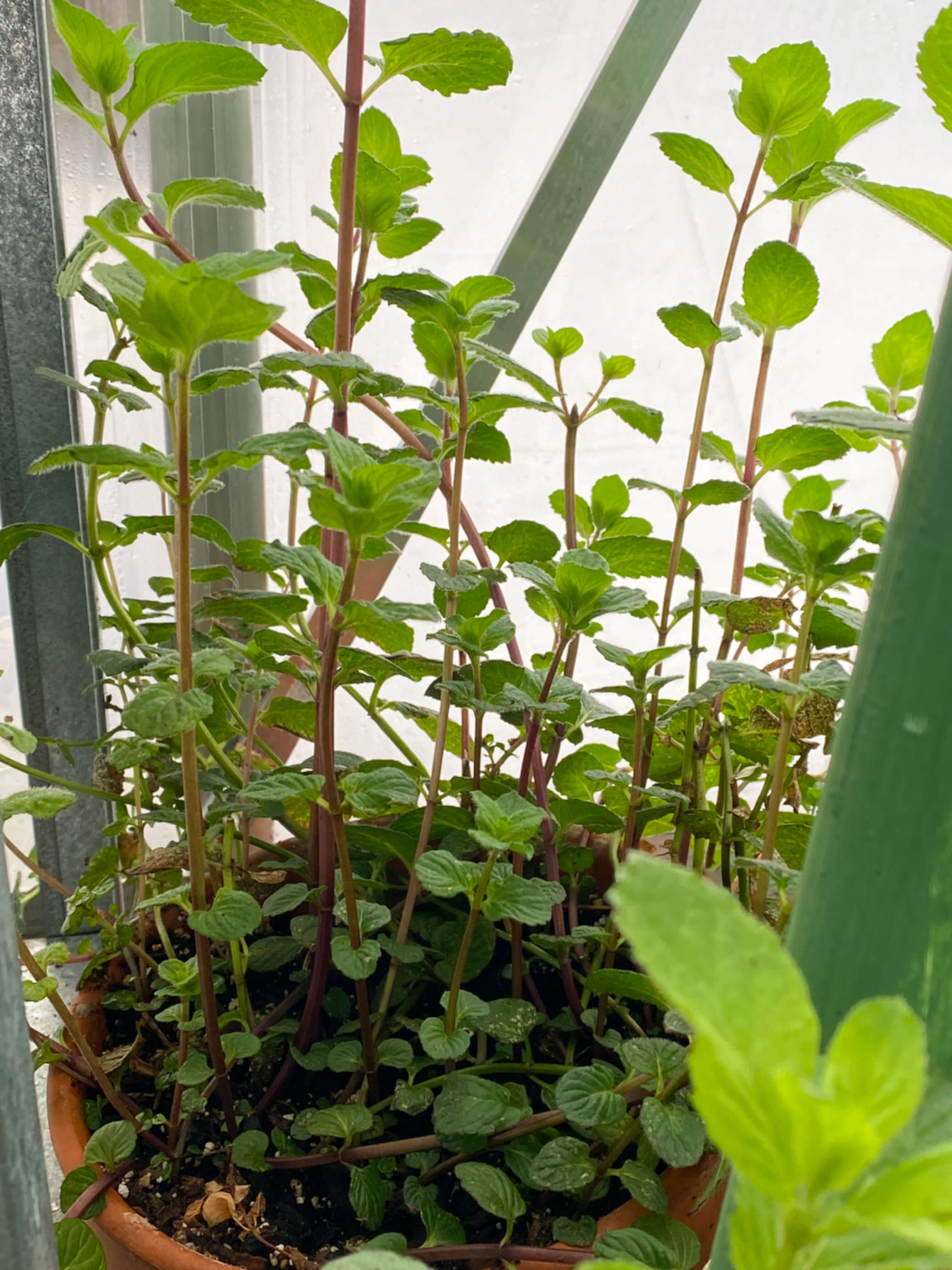
This week, the most exuberant grower in the greenhouse has been the mint. At 12″ inches in height now, it’s been the epitome of spring-is-right-around-the-corner joy.

Nineteen days to go. That’s how close the first day of spring is. In anticipation, another round of seed starting begins this week. On the list for March starts are cucumbers, marigolds, squash, tomatoes, okra, collards, sunflowers, cauliflower, brussels sprouts, peas, broccoli, and zinnia. To keep things interesting, Mother Nature also might be sending two to four more inches of snow our way this weekend, just as the daffodils are popping up in the garden beds. Like I said up top, nature waits for no one. And so we carry on. Snow showers and spring flowers aside, this is the perfect time to get the summer garden started.

Cheers to almost-Spring and to figuring out the greenhouse winterization plan just as a new season approaches! Have you been starting your seeds too? If so, what are you growing this year?

The Greenhouse Diaries Entry #5: Seed Starting, The Blushing Bell Pepper and What We Learned from a Veggie Burger

Valentine’s Day is still two weeks away, but in the greenhouse love and joy and lessons are in abundance these days. From the deep red petals of the geraniums to the blushing bell pepper to a big bowl of an aphrodisiac growing on the second-tier shelf, it seems like every plant is offering up a bit of romance and wisdom in one way or another. Is this what the winter harvest season looks like? Or does this mean spring might be coming early? I don’t know. Since it’s our first year, we can only take note and appreciate what’s happening right now in the greenhouse at this end-of-January date. Let’s look…

The sun gold cherry tomato branch produced another foursome…

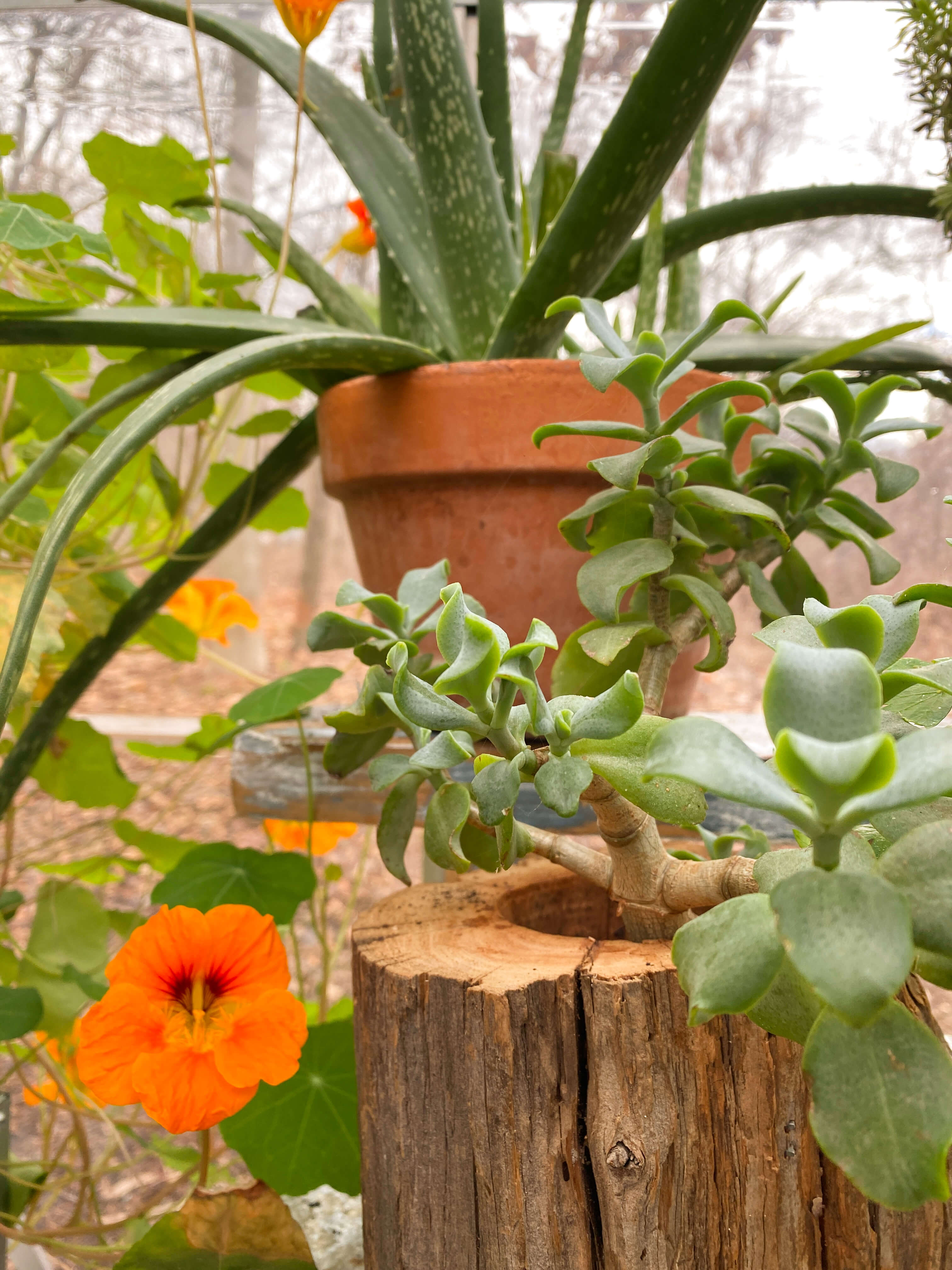
The nasturtiums and geranium flowers are stretching their leaves and spreading so much cheer both in color and scent…

Nasturtiums
Geraniums

Growing like gangbusters, the chives and the collard greens, are each overflowing from their containers…

The arugula and the parsley are keeping pace with our daily kitchen needs by enthusiastically providing continuous greens for every meal…

Greenhouse-grown arugula and parsley

One of our favorite recipes we tried this week was this new veggie burger from Jenny Rosenstrach’s cookbook The Weekday Vegetarians. We modified it a bit by adding a fried egg on top and stuffing the buns with our own greenhouse-grown arugula and parsley but otherwise followed the recipe exactly.

These burgers don’t require any baking in the oven – just stovetop cooking (or hot plate, in our case) in a cast-iron pan, so it’s an especially great recipe for under-construction cooking, small space meal-making, or college dorm food. Soft and light, as opposed to many veggie burger recipes that can sometimes tend to become dry and dense, Jenny’s recipe has the consistency of crab cakes and a delicate flavor combination of mushrooms, brown rice and pinto beans. Jenny suggested sliced avocado and a spicy mayo mixture for a topper, but because of our greenhouse abundance, we substituted those two with our own version of similar flavors and textures via the creamy egg and peppery parsley and arugula. It was delicious.

Nowadays, arugula is such a common salad staple that it’s easy to forget that it was once considered a gourmet green and talked about in haughty tones. Although British and Italian immigrants are credited with bringing it to America in the 19th century, it wasn’t really until the 1980s, that it started making a more regular appearance in American cookbooks.

Paula Peck was one of the very few who mentioned it in her 1960s-era book, The Art of Good Cooking, grouping it together with “very expensive” bibb lettuce and James Beard, our favorite gourmand, described it with a sense of reverent curiosity in his 1970s American Cookery book. But none of our favorite 20th-century chefs featured it as an ingredient to create a meal around until many decades later.

Not the case across the pond though. There was nothing new about it in England, Europe and the Mediterranean. There, arugula has been enjoyed for centuries. Legend states that in Roman times it was considered an aphrodisiac and was even banned from some gardens for its love potion properties. So if you wanted to make a romantic Valentine’s dinner for your sweetheart this year, consider a big bowl of arugula along with your shellfish.

Santaka pepper

Back to the spicy atmosphere in the greenhouse, the Santaka Pepper – although pretty small in stature at just 8 inches – is getting ready to flower (above) and Liz Lemon is growing a baby (below)…

Liz Lemon’s baby lemon!

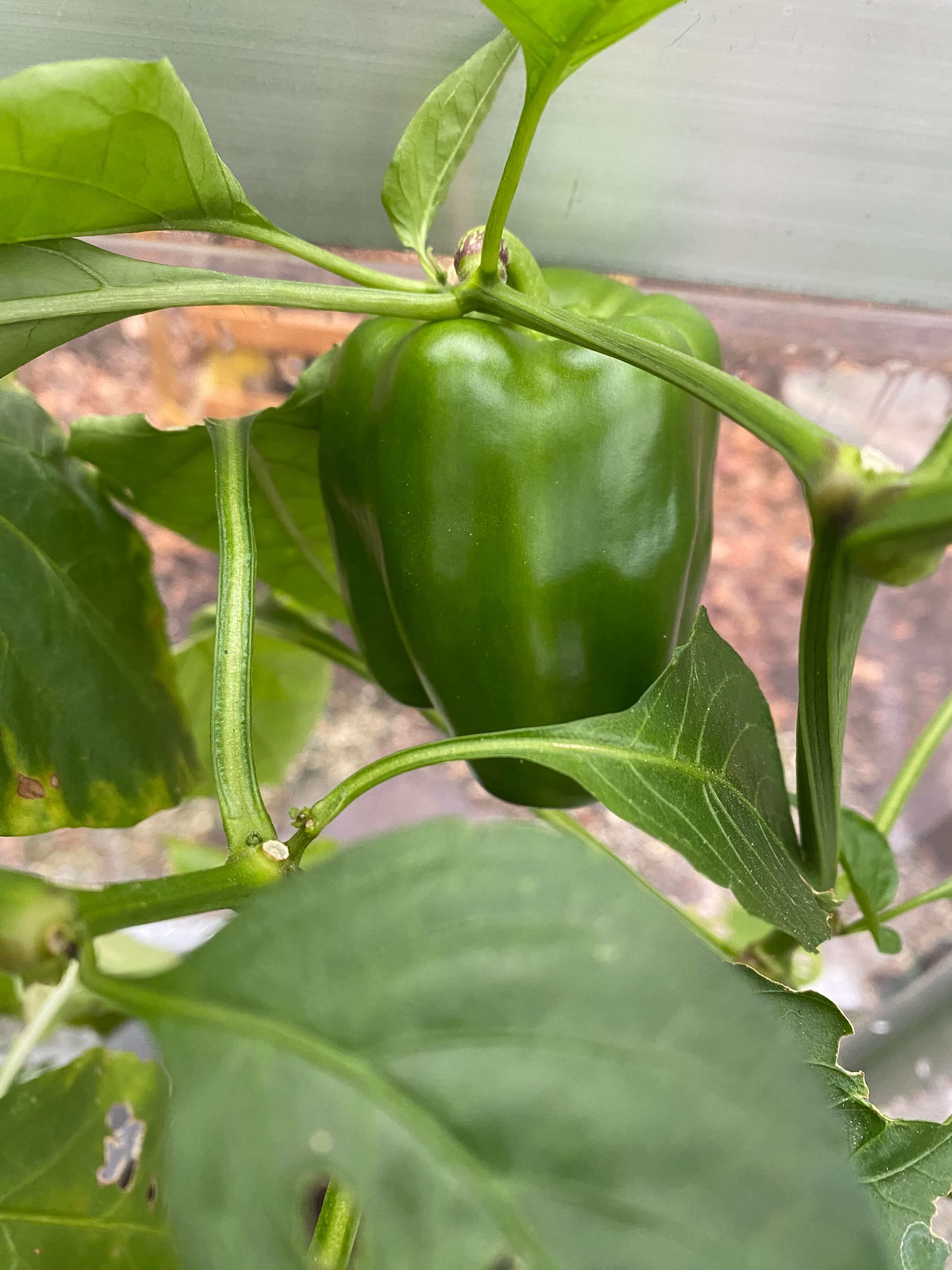
The loveliest surprise of all this week though was the bell pepper. If you have been following along with previous entries from The Greenhouse Diaries, you’ll recall that this was a mystery bell pepper plant that was either a California Wonder, producing peppers that would ripen to a deep red color, or it was the Orange Sun variety, which would turn, as it names suggests, to a warm shade of orange once mature. For weeks, we’ve been waiting to see which color it would turn.

Finally, last Wednesday, the pepper started to change. With great excitement, I’m so pleased to share for certainty now, both the color and the type of plant we’ve been growing all these months here in the greenhouse. The first blush gave it all away…

Wednesday

Orange Sun! Each day it gets brighter and brighter…

Thursday

Yesterday morning

If bell pepper had a theme song, it would be this one…

Through wind and rain, snow and sleet, sun and clouds, the greenhouse experienced all the different types of weather possible in these past 14 days. Outside it was a rollercoaster of highs and lows, but inside the temperature held steady between 70-80 degrees, the most even stretch of well-regulated temperature all winter so far. Thanks to our trusty heater, that cozy warmth is now making it possible to start our next endeavor…

Seed starting! After late sowing in the garden in 2022, this year the plan is to get a head start so that by the time the last frost date passes in our area (typically mid-to-late April), they’ll be a collection of hearty transplants ready to make their way out to the garden beds.

Excited to get to work on what is perhaps the most optimistic of gardening pursuits, the first set of seed trays were filled with flowers… snapdragons, Mexican sunflowers and foxglove. Four days in and the Mexican sunflowers have already started popping up. Another joy!

Mexican sunflower seedlings

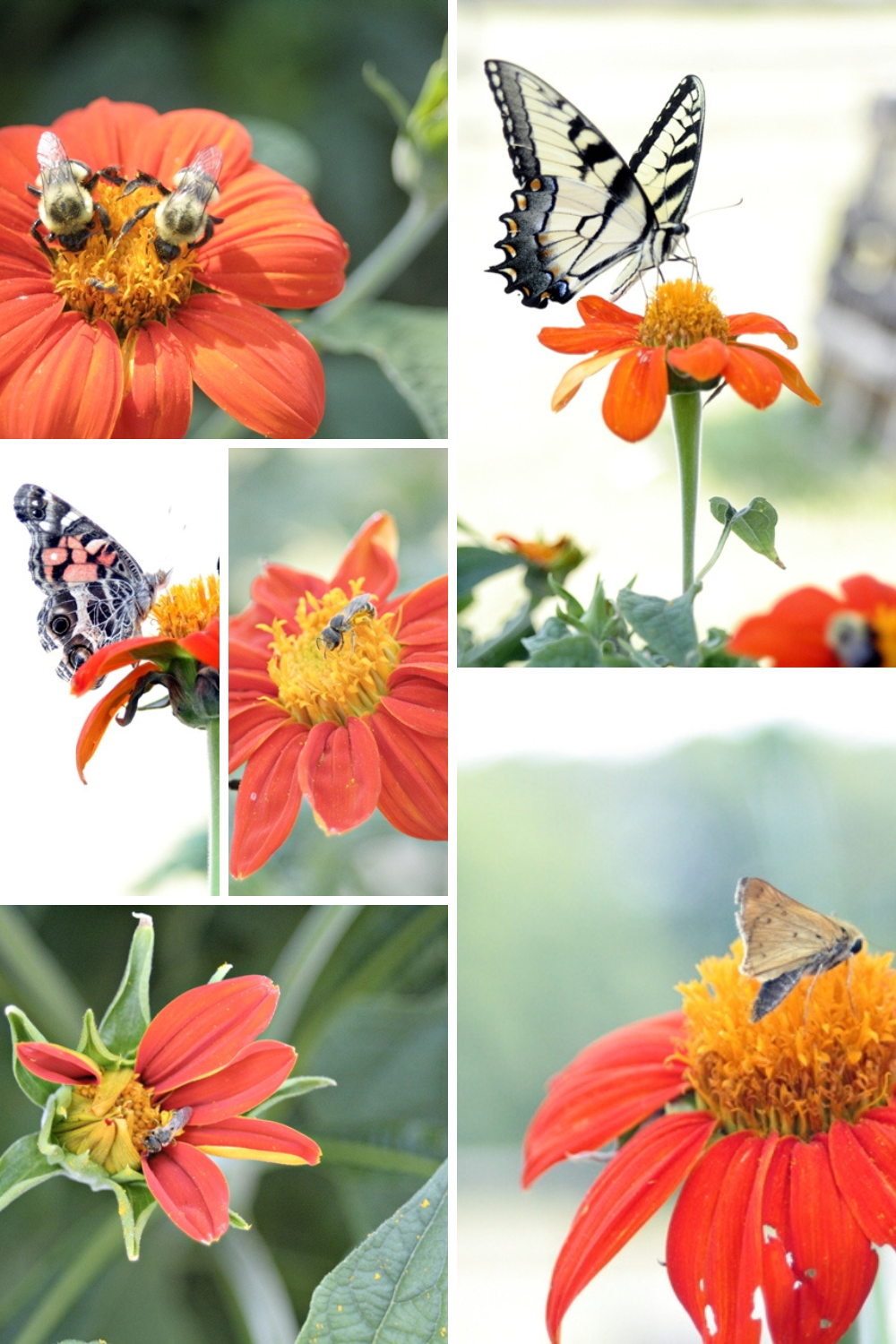
The first time I ever grew Mexican sunflowers from seed was in 2012. I fell in love with their delicate, velvety soft stalks and their bright tangerine-colored petals. Blooming extensively throughout the season, they were a haven for bees and butterflies. That first year I was living in Georgia and they filled out into a 6′ foot by 5′ foot tall bush in a flash. That combination of heat, humidity, and full sun was a winning ticket. I haven’t had enough gardening space to try Mexican sunflowers again until this year, so I’m not sure if they will grow as large and as lush here in New England, but it will be an exciting experiment. This is how they turned out that first year (fingers crossed that we’ll get similar results and similar visitors)…

From the garden in 2012

Right on track, the snapdragons and the foxglove started sprouting yesterday. As biennials, we started some in the garden last year too, along with hollyhocks, but they didn’t grow very much. It’s my first attempt growing all three from seed, so we’ll see what happens this year. Between these greenhouse seedlings and those planted in the garden last year, we’ll have two sets hopefully coming up more productively this year.

Next up on the seed starting list for this coming week are a new batch of peppers and herbs, salad greens, hollyhocks, milkweed, and pincushion flowers, which will get us set up through the month of February before more seeds get started in March. By that stage, we’ll be rounding the corner towards Spring and our one-year anniversary at 1750 House. We aren’t as far along in our renovations as we thought we’d be, but I learned a valuable lesson this week from the veggie burgers.

At one point in Jenny’s instructions, when it comes to the step about forming the actual veggie burger patties, she writes “they will probably look mushy and unappetizing, but press on.” I love that she was so candid with this insight. And I love that she uses the encouraging words “press on.” As we continue to get to know the greenhouse, the 1750 House and the landscape in which they both lay, it is such a good reminder that all worthwhile endeavors require a healthy dose of blind faith and pressing on. Without that, we’d never make it to the flowering and flourishing days. I can’t wait to see what this spring holds in terms of a kitchen and a kitchen garden. We may be in the middle of the mushy parts now, but something deliciously wonderful awaits.

Cheers to love that sprouts, to the sun’s coming out party in the greenhouse, and to Jenny for sharing recipes and reminders.

Mexican sunflower seedling

{The Greenhouse Diaries is an ongoing series. if you are new to the blog, catch up here with Week #1Week #2, Week #3 and Week #4 here}