Reading While Eating in 2024: Five Recommended Books About Food, Friendship and Appreciation

When December comes around every year, I always love compiling the book list. This month marks the end of 2024, and also the start of the wintertime reading season with the release of the annual Vintage Kitchen recommended book list. Blog stories were a bit sparse this year due to many unanticipated factors, but I’m happy to say that they haven’t hindered this annual tradition of posting a collection of favorite books discovered throughout the year.

If you are a long-time reader of the blog, you already know that these lists are made up of books that were serendipitously found over the course of the year while doing research for Vintage Kitchen blog posts, shop stories and recipes. Every year, they cover a range of subject matters and time periods, and span a range of publication dates from new releases to books written decades or even centuries ago. As an avid reader, averaging about 30 books a year, I save the most beloved ones for this list. The ones that left an indelible mark, or sparked some new inspiration, or offered a different perspective on a subject matter already familiar. These are the books I couldn’t put down. The ones that I still continue to think about long after the last page is read.

This year’s selection is varied in content but they do have an underlying connective theme of gratitude and appreciation. There’s a book about nature, a book about a summer vacation house, and a book about American life lived three hundred years ago. Three of the books this year are memoirs, one book contains recipes, and unlike last year’s list, all five of these books are non-fiction. They tell bittersweet stories of friendship, of being present in time and place, of establishing traditions, and of searching for meaning in everyday life. These five take us around the world from coastal Massachusetts to New Orleans to New York City to Paris, Stockholm, South America, and to our own backyards. One book even helped solve a mystery about the floorboards of 1750 House. Interesting adventures await on all fronts.

Let’s look…
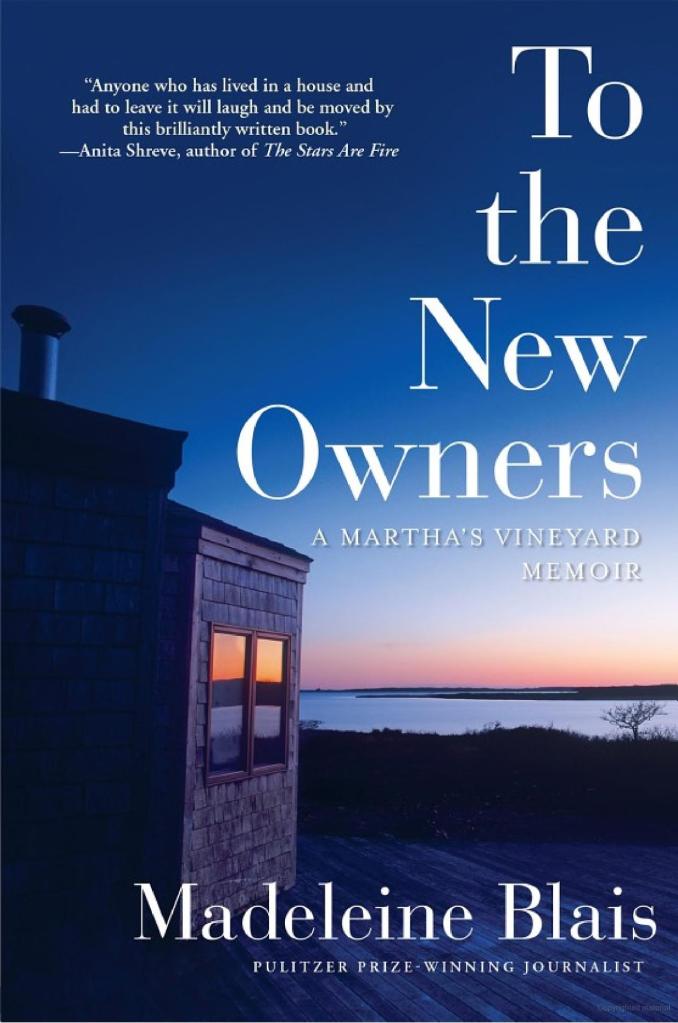
To The New Owners – Madeleine Blais (2017)

A love story to summer. To family. To a seasonal beach house on the shore of Martha’s Vineyard. To the New Owners is one long anticipated string of summer sequels highlighting vacation life spent in coastal Massachusetts. Written by Pulitzer prize-winning journalist Madeleine Blais, who married into the enigmatic and literary Katezenbach family, this memoir starts off with news that the beloved beach house, the family vacation compound for five decades, is going up for sale.

You might suspect with a topic like this that what could follow is a sappy cliche. A backward look at a family home where frivolity, relaxation, and low expectations were the driving force behind each summer. A book chock-full of events and experiences only interesting to the people who actually experienced it. That’s not the case here.

While there is certainly sentimentality and a true loyalty to the land and its residents, both seasonal and year-round, this memoir reads like an engaging conversation shared over a lengthy dinner party. It is full of quirky characters, funny stories, interesting history, and an undying love of the written word.

From record-keeping log books to island newspaper articles to Madeleine’s own accounts of house repairs, family dinners, environmental changes, historical events, and all the people and pups that marked their time on the island, this is a memoir of Martha’s Vineyard not from the glitzy, multi-million dollar mansion perspective, although there is mention of that too, but from a rowdy, vivacious, thrifty, unpretentious contemporary family viewpoint. The type of living that represents the true spirit of the island and its origins. And in the case of the Katezenbach family, a lifestyle that respected the power of words over the power of the pocketbook.

Gay Head Cliffs – Moshup Public Beach – Martha’s Vineyard – Boston – USA.

When she first shows up to the Vineyard, Madeleine doesn’t exactly know what to expect. She knows nothing of the island, or the people she’s going to stay with, or the type of lifestyle that requires a summer residence and a winter residence. But she does have an imagination. And what she pictures in her mind on the way to her first visit to the summer house is not the almost dilapidated shack that she encounters. Rustic is what her husband called it, a far cry from the multi-million dollar estates that dot much of the M.V. coastline. Intrigued by the island’s humble roots and the glamour it was later associated with, Madeleine explores the history of the island, her new family, and the literary-loving community that it reflected all through the lens of the summer house.

Martha’s Vineyard in the 1800s

Funny, wise, poetic, and relatable whether you’ve ever had the experience of summer beach house living or not, Madeleine’s memoir is about love, loyalty, nature, pride of place, and acceptance of what is, as it is. A look at an island that boasts extremes from all directions including wealth, prestige, celebrity, notoriety, and eccentricity, but also sandy kitchen floors, wet dogs, leaky roofs, fishless-fishing trips, thwarted dinner invitations, spectacular sunsets, faulty wiring, stunning beaches and the whole mess with the nearby pond that affected everybody.

At the heart of the story are the log books – the fortuitously started notebooks that hold random journal entries of all the small, everyday details that make up life at the beach house for fifty summers. Sporadic and eclectic, with contributions by family members and visiting guests, the log books were available to anyone staying at the house who wanted to note something, anything. The first log book started what would become a tradition and then ultimately a treasure trove of notes and musings on recipes, house improvements, weather, linguistic games, family health, poems, housecleaning tips, recommended book lists, pet antics, children’s drawings, island events, and conversational interactions with town locals. No one particularly thought that the first log book was going to turn into something special, but when it was full and there were no pages left to record anything else, another book was ordered and filled again, and over and over it went for five decades.

Having that kind of family detail available helped Madeleine paint such an intimate look at life on Martha’s Vineyard that by book’s end you’ll feel like a local yourself. What’s particularly lovely is how everyone truly appreciated the house, the parcel of land it sat on, and the exposure to nature that it provided them. Across all the fifty years, any one guest, family member or otherwise, who couldn’t appreciate this slice of paradise or didn’t see the charm of it all wasn’t invited back the following year. So the summer house became a club-like haven of love and joy and appreciation and fulfillment even on the leaky roof and the fishless fishing trip days. It chronicled the years of a couple’s marriage and embraced the outpouring of their offspring. It sheltered three generations, countless friends, family pets, and invited guests. And then the inevitable happened. Life changed. And with it, the bittersweet goodbye to fifty years of what once was.
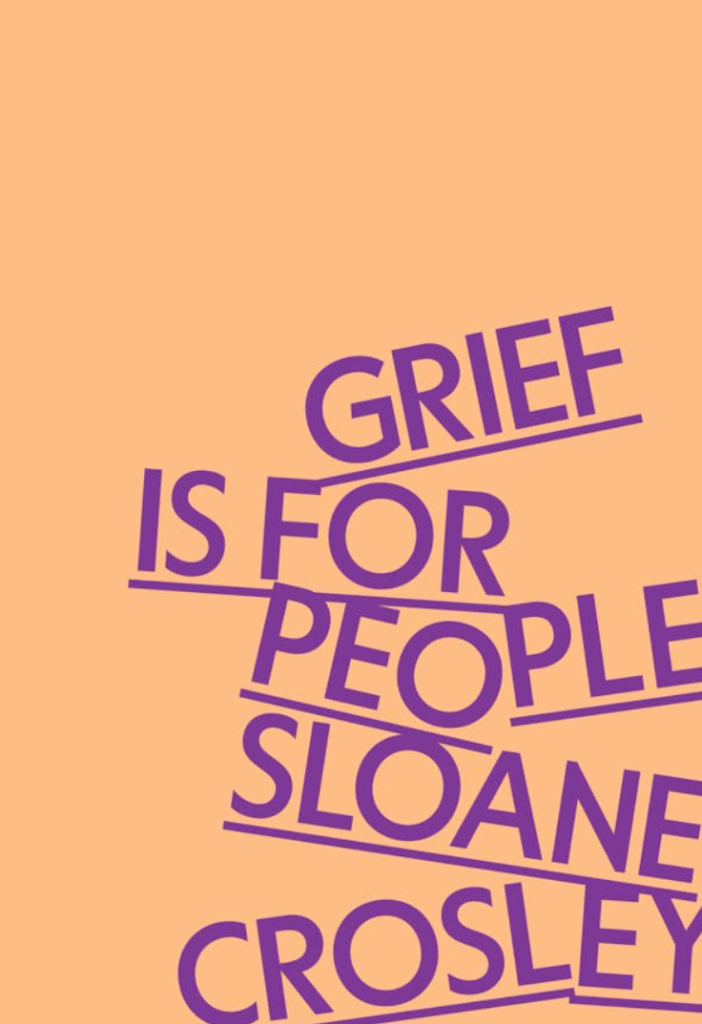
Grief Is For People – Sloane Crosley (2024)

Just as there are many stages of grief there are many things in the world to grieve. In this book, Sloane Crosley grieves two real-life events simultaneously… the suicide of her best friend and the theft of family jewelry from her NYC apartment. Both incidences occurred within 30 days of each other. Both were a shock to the system. And both left Sloane at a loss confronting major thoughts and feelings about each situation.

You might suspect that the death of her dear friend would take precedence over the theft of jewelry she inherited from a grandmother that no one really liked, but Sloane is an incredible storyteller and manages to give equal emotional weight to both scenarios while also offering an interesting behind the scenes look at the publishing industry that she and her friend were very much a part of for over two decades.

Grief Is For People is, yes, a book about grieving but it’s also a memoir of a specific time period in Sloane’s publishing career, a portrait of a friendship, a writer’s coming-of-age in the big city of New York, and the emotional value of inherited objects. It’s humorous and insightful, smart and sincere. It’s full of grit and determination to right the wrong of burglary while also bravely sorting through what it means to love, rely on, appreciate, and remember someone who was here one minute and gone the next.

Sloane shares this story in a captivating timeline of events. So as not to spoil the pacing, I won’t say anymore other than that if you are new to Sloane Crosley and her work, I’d also highly recommend her 2008 book of essays I Was Told There’d Be Cake.
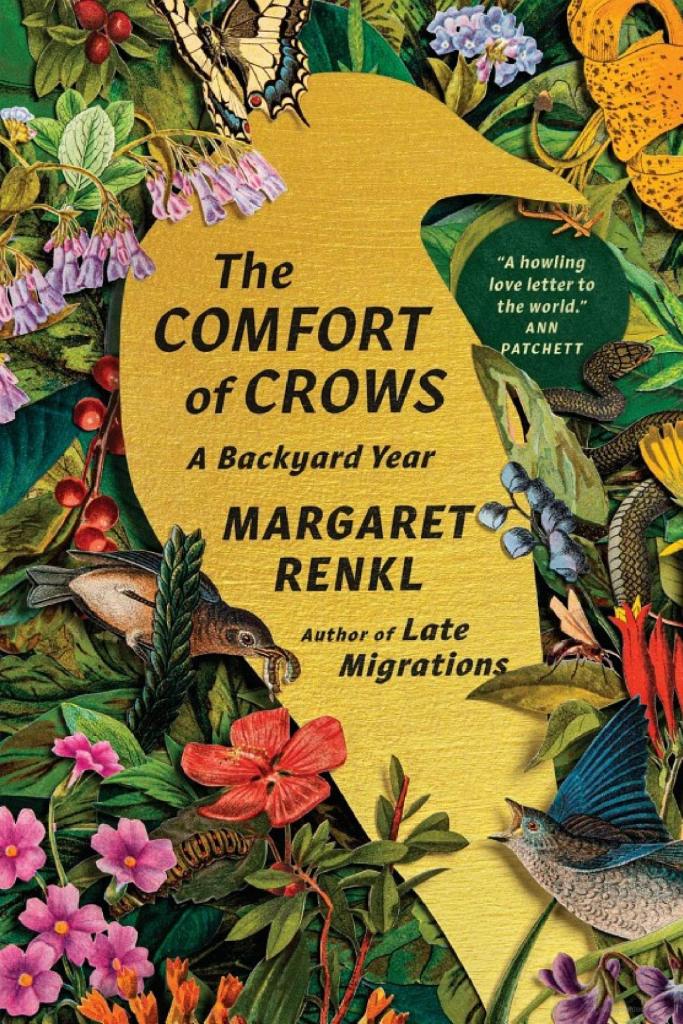
The Comfort of Crows – Margaret Renkl (2023)

Stop and look. Those are the first three words of Margaret Renkl’s ruminations on nature and her year-long accounting of it in The Comfort of Crows. Written from the vantage point of her backyard in Nashville, TN and a friend’s nearby vacation cabin in the mountains, Margaret writes about the sights and sounds of nature witnessed firsthand over the course of a calendar year. In brief vignettes accompanied by her brother’s beautiful illustrations, Margaret draws attention to common occurrences happening with the birds and the squirrels, the trees and the bees, the plants and the pollinators, week by week, while also reflecting on her own life and the parallels these natural encounters draw.

Part nature study, part memoir, part call to action, I would recommend The Comfort of Crows to anyone who wants to unplug from the outside world for a weekend, a week, a month, a year. If you need a break from social media, the news, the what-ifs, and the how-to’s, this book is easy to fall into. Calming, thought-provoking, and comforting, it offers a gentle reminder that in nature there’s a plan, a purpose, and a resourcefulness that is indefatigable, adaptable, and inspiring.

Stop and look. Stop and listen. Stop. Look. Listen. See. Hear. These are simple words that yield powerful insight into the dramas, destinies, and determinations going on in everyday life around us. Whether it’s the backyard, the city park, the country meadow, the forest, the beach, or the planting strip in the parking lot of your local grocery store, there’s insight to be gained from the creatures that inhabit these parcels of place.

Starting on Week One, the first of January, Margaret shares in her lovely, poetic voice how nothing is actually dead even in the dead of winter. “Everything that waits is also preparing itself to move,” she notes. “The brown bud is waiting for its true self to unfold: a beginning that in sleep has already begun.”

I can’t really describe this book as anything other than an experience. It’s heartwarming and serene, playful and curious, sentimental and sad. It is fun facts and first-hand observations. It’s a love letter to what is and a longing to change what might become. It’s a book. It’s short stories. It’s prose and it’s poetry.

Conscious of global warming and human impact on the natural world, Margaret is hopeful that we can right the ship and learn how to cohabitate with plants and trees, insects, and animals in order to encourage a beneficial landscape for all instead of just some. In acknowledging that we have collective work to do in that regard, this book carries its own bittersweet narrative – an appreciation of what is here now but a realization that it might it not be here in the same way tomorrow. That viewpoint automatically sets the tone for awareness which is the overall theme of Margaret’s year. To be aware of one’s natural surroundings. To be aware of what is in one’s natural surroundings. To be aware of the wild in the world. It’s that recognition that Margaret hopes will propel you out into the greenspaces of your life. To look and to see. To hear and to help. All, so that we can continue to hope.
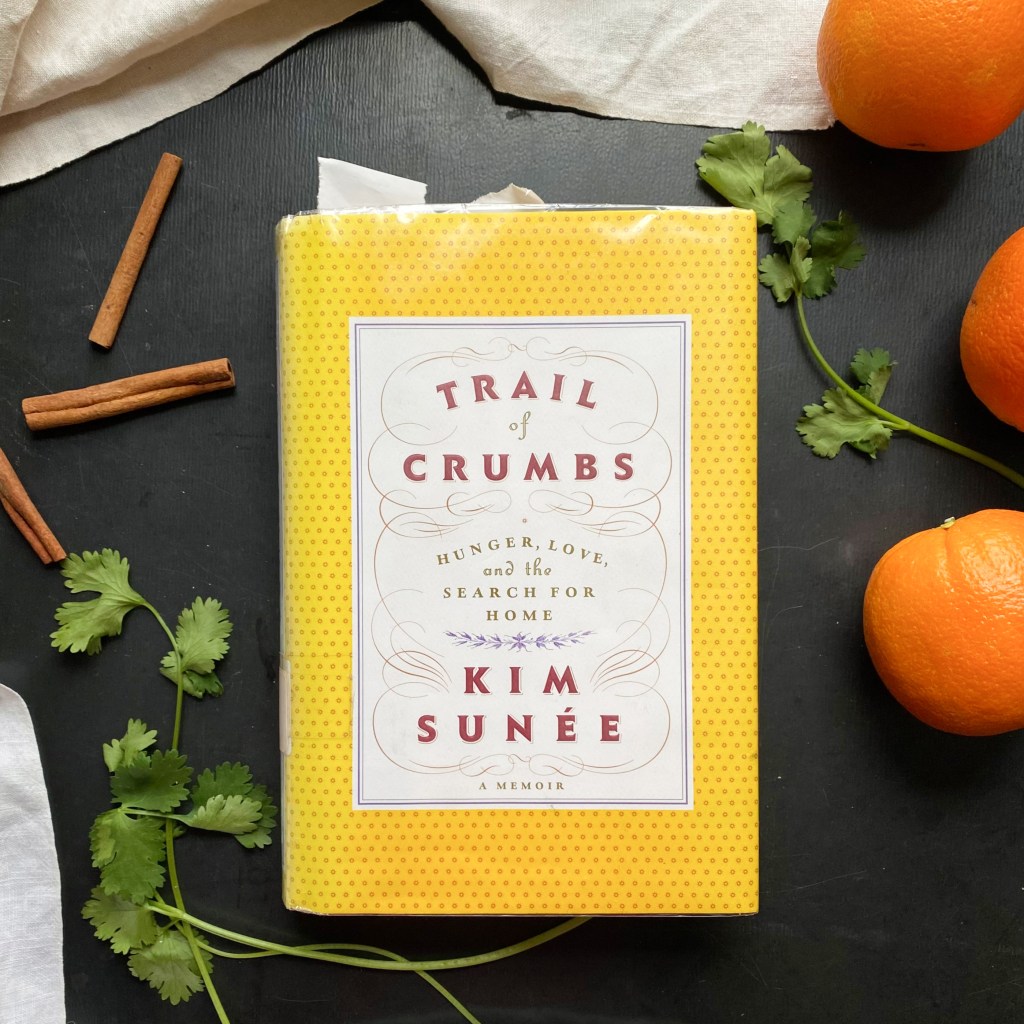
Trail of Crumbs – Kim Sunee (2008)

Abandoned in a Korean marketplace when she was three years old, Trail of Crumbs follows the real-life of Kim Sunee from toddlerhood through her late twenties via place, people, and passion. Adopted into a well-meaning American family and taken to live in New Orleans, Kim’s presence in the world from the beginning never quite clicks. Seesawing between feelings of gratitude and abandonment, she grows up out of place as an Asian American in the Deep South. Carrying the emotional baggage of a person who has been left behind, Kim is too young to put words to her lost person emotions.

As a child, the only place she finds real comfort is in her grandfather’s kitchen, watching him and helping him cook an array of Southern specialties. This early introduction to the internal power of food becomes Kim’s barometer, her measurement of what feels right and wrong in her life, of what is fitting and falling apart around her. Cooking becomes the bridge that connects her with a cast of characters that come in and out of her life, leading her around the globe over twenty years in search of the definition of home, both internal and external.

With every new person she meets, every new relationship she begins, her life pivots. She makes friends with artists and writers. She teaches English classes to foreign children. She writes poetry. She translates business brochures. She runs a bookshop. All the while searching for her true self.

In all these people, all these places, all these jobs, Kim tries to move on from being left behind. She tries to make peace with her past and the mother who left her on a bench in a market with just a fistful of crackers. She goes to Paris. To Sweden. To South America. She eats, drinks, and cooks in new kitchens of new friends, new lovers, new neighbors. In France, she meets and falls in love with a high-profile businessman who is determined to give her everything she ever wanted. For a time, this romance is ideal. A fairy tale in the making with affable rom-com pacing. She’s finally met someone who is ready to unclasp her fingers from the tight grip that carries her emotional suitcases. He wants to give her everything she never had. A fresh start. A new life. Her own making.

But as much as they love each other, and as passionate as their relationship is, it’s also fraught with complications. Kim questions this knight-in-shining-armor and her worthiness of him. She wears the invisible letter L for leaveable like a badge that defines her. And in believing that she’s leaveable she can’t ever truly stay anywhere. That creates a restlessness that no amount of kindness, no amount of money, no amount of love, or attention, or security can cure until she learns to love herself for herself.

Along with this search for peace and family, Kim’s memoir is dotted with recipes throughout, each one representing a different aspect of her physical and emotional journey from childhood to adulthood. There are recipes that reflect her Korean heritage, her Southern upbringing, and her love of French food. There are recipes for snacks, comfort foods, fancy dinner parties and elegant desserts. Each one, a place marker of her growth and development. They represent comfort in times of unease and joy in times of safety and security. There are so many truly lovely-sounding recipes in Kim’s book that I practically tagged each and every one. In the next blog post, we’ll be delving into one of her recipes from Trail of Crumbs – Chicken Thighs with Cinnamon and Dates – which appears about halfway through her story when she’s in the middle of her French love affair. Stay tuned for that post coming shortly.
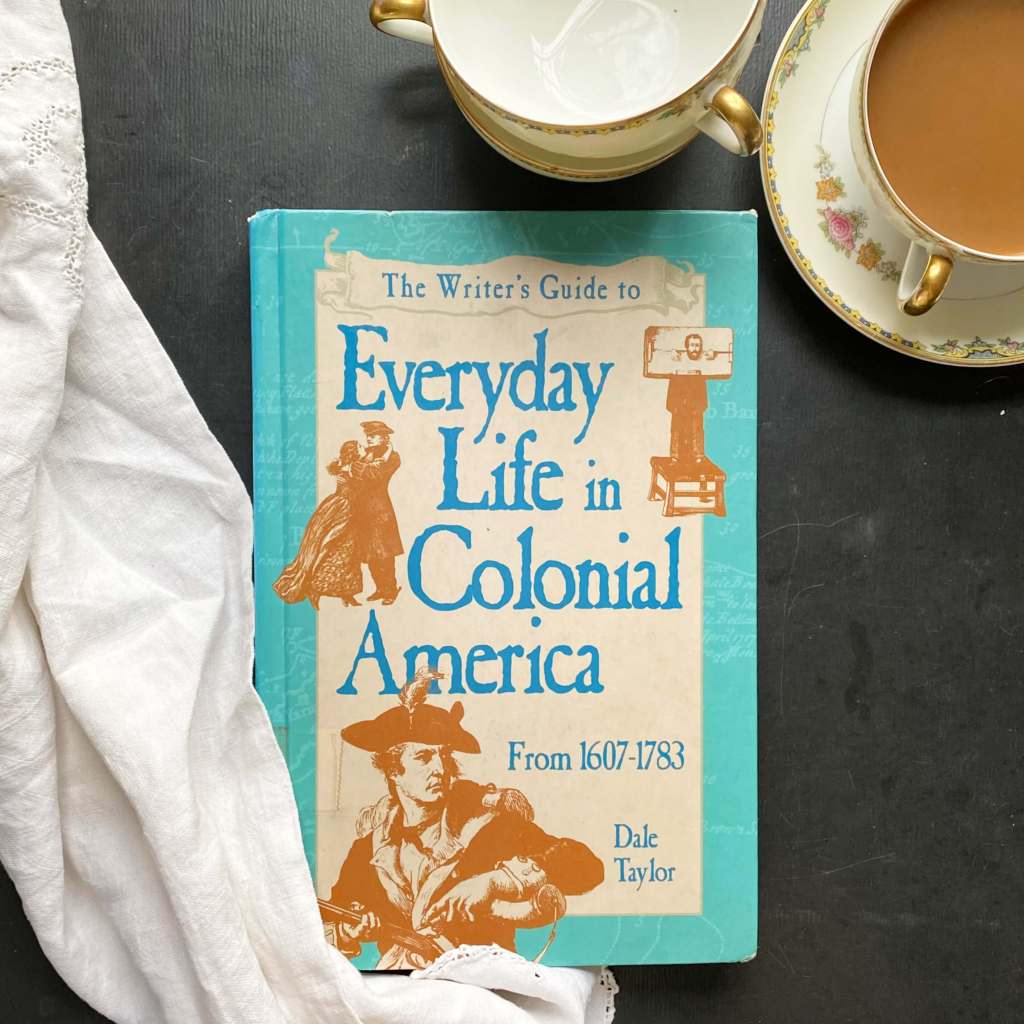
The Writer’s Guide to Everyday Life in Colonial America from 1607-1783 – Dale Taylor (1997)

This is pretty niche reading, and I realize not everyone may be as curious about colonial life as we are here at 1750 House, but this book provides so much interesting, little-known information on domesticity in the 17th and 18th centuries, it will appeal to history lovers of all sorts on all levels. Covering architecture, clothing, occupations, gender roles, homekeeping, agriculture, professions, education, religion, and government, I came to this book initially interested in reading the chapter on architecture in hopes of learning some new information about 1750 House, but the whole book turned out to be captivating and I flew right through it.

Brimming with all sorts of very fun fun facts, historical interpreter Dale Taylor wrote this book specifically for writers so that they would have an accurate understanding of the all details that made up real life in the colonial era. With that audience in mind, Dale includes an array of anecdotes that help bring history alive in a relatable way. It’s also a great resource when solving floorboard mysteries.

Wide plank floors upstairs

Upstairs in 1750 House, the original wide plank wood floorboards which are made of solid 3″ inch thick chestnut, measure between 9.5″-15″ inches in width per board. But downstairs, the wood floors are much narrower in width, about 3.5″ inches on average.

Narrow-width floorboards downstairs

This has always led to curious conversations about why the floorboards aren’t the same on each floor. We suspected that the downstairs floors were replaced at some point later in time, possibly in the mid-1800s when the kitchen room was added. But come to find out, according to Dale, in colonial days, wide plank boards were less expensive to mill, so they were often used for flooring in the more private rooms of the house, which tended to be on the second floor or at the back of the house on the first floor. The narrow-width floorboards were laid in the front of the house on the first floor in the parlor rooms. These narrow boards acted as a status symbol letting visitors know that the family who lived there could afford such luxury. In the case of 1750 House in particular, this newly learned information makes a lot of sense.

Not long after we moved in, we learned about the architectural significance of the front door, which is also original to the house. In the photo below, you’ll notice four small windows that are built in at the top of the door. During the colonial era, that was another bit of luxury – to be able to afford glass in your front door. The panes not only allowed extra light to illuminate the interior but there was also religious symbolism attached to them too. Religious colonists believed that by installing windows at the top of the door, it allowed God a peek down from the heavens to make sure there was nothing improper going on indoors. Just like the original H-Hinges found throughout, it’s another little bit of unique symbolism that lives here. And thanks to Dale’s book, it now gives us a better understanding of the economic status of the original owners of the house.

Windows on the original front door c. 1750

Architecture notes aside, other types of fun facts that can be found in Dale’s book include these little marvels…

  • Pets during the colonial era included dogs and cats, but not birds. Birds would not be kept animals until the Victorian era. However, squirrels and deer were also common pets in colonial days and the deer were allowed free reign both inside and outside the house.
  • Bearskin rugs were the first indoor fire alarms. In the 17th and 18th centuries, they were laid out in front of the fireplace in case an errant ember flew or a log rolled out into the room. At night, after the household had gone to bed, if an ember sparked or a log rolled out, the rug was the first point of contact. It would begin to smolder, emitting the smell of burnt hair. That smell would awaken people in the house and signal that there was a fire near the fireplace which could be easily and quickly be put out because of the rug.
  • 25% of women’s deaths in colonial days were due to life-threatening burns caused by cooking in an open fireplace. That led women to start hoisting up their skirts and tucking them into the waistband of their dresses in order to avoid catching the hems on fire. From that point forward, the kitchen was viewed as an indecent place to spend time and the staff that worked in them were viewed as having low repute.
  • Since cloth was one of the costliest items in colonial America dresses were made to last for 15 years which means that some women owned only about 2-3 dresses in their lifetime.
  • Wigs were commonplace for men and women in colonial times, but the super tall and lofty wigs were only worn by women in big cities like Philadelphia. These wigs were so elaborate in design, style, and augmentation that they were often worn even at night while sleeping. This full-time, overnight headress necessitated arrangement in such a way to accommodate mouse traps since they were made of natural nesting materials.
  • In 1752, the celebration of the new year was moved from March 25th to January 1st, which of course, has stayed the same ever since.

Reading is so subjective when it comes to personal preference. Everyone has their own favorite styles, writers, and genres, but I hope by sharing my list of favorites, you’ll discover some new favorite ones too. Stay tuned for a recipe I just made from Kim Sunee’s memoir coming up next on the blog. It’s an aromatic, cozy, wintertime dinner that is absolutely lovely for the holidays. Here’s a sneak peek…

Chicken Thighs with Cinnamon and Dates from A Trail of Crumbs by Kim Sunee

Until then, happy reading! And a big cheers to Madeleine, Sloane, Kim, Margaret, and Dale for making 2024 such an interesting one.

Reading While Eating: Five Recommended Books about Home and History Discovered in 2022

2022. It was the year of the continuing pandemic, the year of dramatic weather, the year of gratitude, of comfort food, of appreciating small details and big moments, and finally the year of being able to get back together with friends and family. It was also the year of the recommended book. It’s so wonderful to hear so much buzz about favorite book lists and recommended reads these days all from a variety of different outlets. They’ve popped up in the usual places – bookstore emails, cooking magazines and blogs but also in unsuspecting places this year too – podcasts, garden centers, even our grocery store had a section of books dedicated to staff picks. Here in the Vintage Kitchen, we have our own favorites to recommend too.

For a long-time on the blog every December, I shared a batch of books that I discovered during the year that helped fuel research for a recipe or give context to a blog story or a shop item. Then that list seeped out into other months with other recommendations, because the reading is always happening and so many books swimming on my desk, on my nightstand, on my dining table set their hooks. Sometimes it was a book about a specific person, a surprise, like Bette Davis. Sometimes it was atmospheric like the novel Lime Tree Can’t Bear Orange and sometimes it was a gathering of memories about a place that made the past come to life in the present like meeting the Durrells in My Family and Other Animals or the Chamberlains in Clementine in the Kitchen. Sometimes it was even books published so long ago that they came back as new-to-the-world anniversary editions like the 1959 novel Mrs. Bridge, about the midcentury suburban home life of everywoman, India Bridge.

It’s been three years since our last book recommendation list, but I’m excited to say that our end-of-the-year wrap-up includes this tradition now taken up again. So whether you are traveling this week, and need something to read on the train, on the plane, or in the car, or you are taking a few days off to relax and wind down your 2022 festivities, I hope this list will add some interest to your December days.

Not all these books are brand new to the publishing world this year. The oldest one debuted in 1992 and the most recent was published just this past April (2022), but they were new to me so perhaps they will be new to you as well. This year, they each happen to center around the idea of home and the occupants in it. There are grand palaces, a rustic second home, a 1600s-era house passed down through generations, and a new old house ready to be revived. There are famous names attached to a few, and a long lineage attached to another. There is one house that’s continuously under construction the whole way through and then there is another house that’s patched up here and there with thoughtful consideration drawn out over generations. Through these books, we travel. To England, to Italy, to Connecticut, to Massachusetts, and then back again to England. These are family stories, personal stories, and cultural stories, but above all, they are human stories that connect us to places and people we call home. I hope you find them as fascinating as I did. And I hope they spark a conversation or two once read over a meal shared. That’s always how we like to talk about books around here.

Let’s take a look at this year’s favorites…

Living in A Foreign Language (2008)

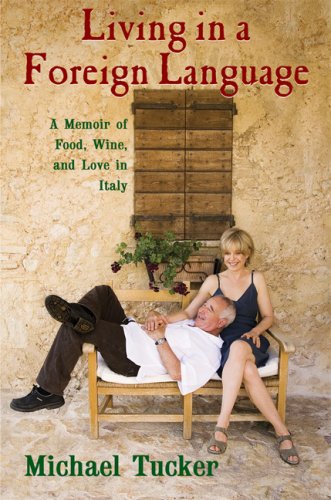
Fans of the tv show, L.A. Law will know Michael Tucker and his wife Jill Eikenberry. They were regulars on the show for eight years spanning the 1980s-1990s in career-defining roles that still get them noticed around town. Michael’s memoir, Living in a Foreign Language, is about his purchase of a centuries-old farmhouse called Il Rustico in Italy’s Umbrian countryside just outside of Spoleto. Flanked by olive groves and herb gardens, it was initially intended as a second home to supplement but also maybe swap Michael and Jill’s L.A. lifestyle. Only there is one hitch. Jill wasn’t looking to change much about their life in Los Angeles.

Michael and Jill (far left – bottom and top row) appeared in the cast of LA Law from 1986-1994

When Michael, an unapologetic house collector, sold his wife’s dream home in Big Sur, seemingly on a whim, he tried to convince her that Italy was the answer for the next chapter of their lives. Jill, not quite as swept up in this international escapade as her husband, eventually, warms to the idea of prosciutto for breakfast, of afternoons spent in Italian language classes, and of nightly dinner parties with new friends. Michael on the other hand is all in, right from the beginning. Not knowing the language, not knowing the real estate market, not knowing anything about maintaining ancient stone houses or the country they sit on, Michel jumps in feet first with enthusiasm and a wine glass in hand.

Traveling back and forth between Italy and the U.S., Michael spends much of his adjustment time by himself, getting to know his new house in Italy while Jill is back in California. He is confounded, disoriented and enchanted by everything. He feels the heat of the sun, the twinkling light as it shines through the olive trees, the step at the top of the stairs where centuries of dwellers have walked before him. He hears the melodious Italian accents but cannot fully understand them. He doesn’t know where to deposit his trash or service his car or handle the necessary day-to-day tasks that defy international boundaries. But that is of little consequence. He’s in Italy. Realizing a dream. And really that’s all that matters. In one lovely paragraph in particular, he states his desire for this new adventure in this new land. To immerse himself in the circadian rhythm of time and place. There at Il Rustico, he didn’t want to douse the house with his L.A. energy, his American expectations, and his forced agendas. He wanted instead to fall in step with the natural rhythm of his surroundings. To experience the house, the property, the country, as it was not as he wanted it to be. Isn’t that a lovely sentiment?

Funny and thoughtful and really well-written, I read this book over the summer during our New England heatwave, which means it’s great if you are looking to warm up this winter given Michael’s descriptions of the pastoral beauty that is Italy in all its warm and welcoming ways. While reading, be prepared to be hungry for all foods Italian. You’ll never crave prosciutto and pasta more after reading about all those Italian dinner parties. If you need a great recipe for authentic Italian tomato sauce, try this one.

Martha Stewart’s New Old House (1992)

Martha Stewart’s fourteenth book, New Old House, might have been published thirty years ago, but it’s still as fresh and captivating as the day it debuted back in 1992. It tells the story in words and photographs of how she renovated Turkey Hill, her most well-known home and where so much of her content, inspiration, homesteading and presentation skills were fine-tuned before she moved on to other places and other properties.

Turkey Hill post renovation. Photo courtesy pf marthastewart.com

Built in Connecticut in 1805, Martha takes readers month-by-month through the process of not only historically and accurately restoring Turkey Hill but also making it a place where she could live, work and dream into the future. In true Martha fashion, she’s meticulous in her every effort and her recording of it, sharing her processes for each detail from window reglazing all the way to landscaping. It’s fun to see how the house transforms under her care. This book is also a great guide for anyone who is fixing up an old house of their own, as she offers lots of expert tips and guidance on how to tackle specific issues relating to antique properties.

How To Be a Victorian (2015)

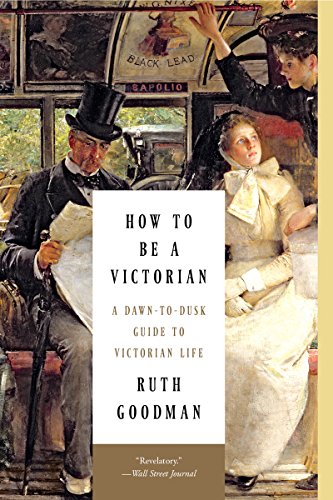
I first picked up this book because I thought I might learn more about antique dishware, serving practices, table settings, and kitchen life in general. What unfolded instead was a complete history lesson in all the details of day-to-day Victorian life.

Beginning at daybreak and taking readers through an entire twenty-four-hour period of life in Victorian England between the years 1837-1901, this is a nitty gritty, detailed account of the routines of men, women, and children. Sparing no detail, historian Ruth Goodman covers all aspects of the day starting first thing in the morning with feet on the floor. Addressing each person one by one – men getting out of bed, women getting out of bed, servants getting out of bed, children getting out of bed and the processes they each go through to begin their day based on different socio-economic levels, this book is fascinating from page one. Full of insights, fun facts, and history, Ruth shares an honest, accurate, unflinching and oftentimes unromantic look at what Victorian life was really like, from how they washed their faces to how they served their soup. From fashion to finances, bathing to beauty routines, leisure activities to work, religion to education, medicine to mechanic marvels, all gets covered here.

At times funny, insightful, thought-provoking, sad, disturbing, and always engrossing, there are fun facts galore lining every page. Some of my favorites include the topic of corsets and how women were so accustomed to wearing them from girlhood through all of their adult years that their spine relied on them completely for proper posture. Take a corset off of a Victorian woman who had worn one for most of her life and you’d see that her spine would have been like jelly, flopping around like a limp rubberband unable to keep her upright on its own. As it turns out, all those muscles surrounding her spinal column never had to put forth any effort to hold her up with a corset in place, so they weren’t strong like our backs are today.

More fun facts await. Women were the ones who bathed the least, children the most, and then men. Women thought it was too revealing, too improper to be naked in a tub even inside the privacy of their own homes amongst their own family. Up until the late 1800s, children were thought of as little adults, with no societal understanding of their developing brains, emerging personalities, growing bodies or the importance of playtime. Everyone drank beer every day, kids included because water was viewed as unsanitary. The more money a Victorian household brought in, the bigger the breakfast, with most households on average consuming just beer and bread or tea and toast in the morning. Eggs, sausages, pancakes, toast with butter and jam, were luxuries that were mostly afforded to the middle and upper classes, but even then breakfast was a lighter affair. As a result of the industrial age, the air from factories that hung around bigger cities like London was so fallow with fog, smog, and pollution that sight was limited to just a few feet ahead.

The hardest parts of the book to read were about the kids, sometimes sent to work as young as three or four but mostly between the ages of seven and twelve, to work in factories or in domestic service to help feed their families and support their parents. Since they were viewed as little adults, no one was much concerned with kids making friends, developing their imaginations or getting educated. Disease ran rampant. Children were the most vulnerable to illness and death. Many of the factories offered meals to their employees so they could work longer hours (usually 10-12 hours a day) which was attractive for parents since it was less mouths to feed at home and a guaranteed meal for the financially challenged.

During this era, there was no thought to nutrition until the early 1900s, so most Victorians subsisted on a diet of bread, tea, and beer. Vegetables weren’t even considered for their nutrient values in any way until dietitians, nutritionists and sanitary kitchens came into the conversation in the early 1900s. Food was on everyone’s mind all the time. A large majority of Victorians were hungry throughout much of their lives. Cleanliness played a factor in the success of a long life. Really I could go on and on about all the interesting details packed in here, but then I’d spoil the book for you. As Ruth stated, most of us in our modern world have a very glossy, romanticized version of what the Victorian era was all about thanks to movies and novels that pull from the glamour of the era but not always the grit.

The Palace Papers (2022)

We discussed this book in our weekly email newsletter for the shop (join us here) a few weeks ago, but it was so interesting I wanted to be sure to include it here as well. Between the debut of The Crown in 2016, the death of Queen Elizabeth, this past September, the handful of royal recipes we’ve made for the blog here, and here and the new documentary series just released by Meghan and Harry, I’ve been really fascinated by the Windsor family and their long-lasting dynasty.

Since so many books have been written about the royals over plenty of decades it can be tricky to find ones that aren’t gossipy or loaded down with hearsay and conjecture or so full of faraway historical information that they become unrelatable. The Palace Papers changes all that. Written by award-winning journalist Tina Brown, The Palace Papers offers an insightful look into the lives of the modern royal family by connecting relationships, behaviors, situations and circumstances together to create a complete portrait of how and why royal members act, live, love, and work the way they do. Beginning with the parents of Elizabeth and Philip, Tina traces the family’s lineage forward to wind up with Harry and Meghan at the end, weaving together critical moments in history that directly affected the family’s relationships with each other and the world. Conducting over 100 interviews and taking her over 10 years to write, Tina captivatingly connects all the details that string together these immense lives. There is the long-standing love affair with Camilla and Charles, the relationship with the press that Diana strategically maneuvered, the behind-the-scenes moments of Queen Elizabeth following 9/11, the genial acceptance of the Middleton clan into the royal fold, the rise of Meghan’s career, and Philip’s creative get-away-from-ita-all space where he spent much of his senior years. All these details make the royal family (from page glance at least) seem both relatable and normal given the circumstances that they have all grown up in.

It can be difficult to understand the complicated life that each member of the family leads or has led, particularly Queen Elizabeth, but Tina does a great job of humanizing their actions while also giving readers a peek behind the closed doors of an institution few will ever get to see. With a journalist’s eye for detail and a novelist’s ability to craft nuance, Tina paints a picture of the royal family that is honest, raw, fallible and human above all else. It’s a big book (592 pages) about a big story set against a big backdrop, but by the end, you can see that each person is just trying to navigate life the best way they know how just like the rest of us.

Red House (2005)

Last but definitely not least, as this was my most favorite book of the year, Red House tells the story of the longest inhabited house in New England. Built in 1647 in Massachusetts, the Red House has always been known as home to generations of the Hatch family for three centuries. Until one day it was not. Sold in the 1960s to the Messer family, this is the story of a house in both modern and historical times as told by Sarah Messer, whose parents purchased it away from the Hatch hold and gave it a second life.

The Red House – Marshfield, MA circa 1936

Weaving back and forth between modern day and the past genealogical lineage of facts and faces, history comes alive on each page. Poetic, lyrical and with a great talent for description, Sarah masterfully ties the past with the present to completely redefine the meaning of home, showing how that definition changes with each occupant century by century, generation by generation.

Through births, deaths, weddings, fires, famine, war, peace, prosperity and purpose, the Red House evolves, gathering stories, outliving owners, and making an everlasting impression on the landscape where it stands. Beautifully written and complete with photographs that help illustrate the stories, I want to tell you everything about this book and nothing about it so that you’ll be as equally surprised and delighted by the contents inside.

Having said that, Red House encompasses a lot of different interests for a lot of different types of readers. Themes run the gamut from history, romance, familial bonds, architecture, biography, preservation, women’s history, fish-out-of-water, and coming-of-age storylines. There are stories about antique handmade brides’ towels, about wills, documents and photographs, about letters detailing human joys and maladies. There are stories of the ten years the house was a flower farm, a disaster, a day camp. Stories of people who wanted the house, and stories of people who didn’t want it. There are stories of critters, of ghosts, of construction projects that have been a part of the house’s fabric since the 17th century. There are cocktails on the back lawn, faulty electrical lines, mosquito-riddled nights, papery walls and unnerving questions proposed by the historical society. There’s the history of Two Mile (the enclave where the house rests), the history of the white house next door, the history of Sarah and her siblings. There’s so much! But I’ll stop now so that I won’t give it all away other than to say it is definitely a must-read for any old house lover.

Anna Quindlen once wrote… “books are the plane, and the train, and the road. They are the destination and the journey. They are home.” I love that. How true, especially in this case. I hope you find some new and exciting material here in this list of home and history books. If you encountered any extra special books this year please share their titles in the comments section, and of course, if you read any of the recommended books above please share your thoughts.

May the rest of your 2022 be full of engaging stories. Cheers to great books and great writers!


The Recommendeds: Six Different Versions of Home Built Around Six Dreamy Settings

The ache for home lives in all of us, the safe place where we can go as we are and not be questioned. – Maya Angelou

Home. It’s a wonderful word isn’t it? Hard to define, but wonderful to say, it means so many different things to so many different people. Even the dictionary doesn’t quite know how to accurately and clearly define it. Depending on the context, home can mean anything from a shelter to a territory, an instinct to a direction, a feeling to a destination.  Such powerful concepts wrapped up in one short little word.

Recently, I’ve encountered a slew of interesting books and movies centered around the symbolic meaning of home. How the need for it is universal, like Maya Angelou said, but also how the journey to find it is completely personal and unique. The selections listed here, focus not only on the literal kind of house made of actual walls and roof-lines and windows, but also the figurative kind.  The place or the space where you feel most comfortable. For some in this list,  that home is their workspace- a place to dwell daily with a like-minded tribe of people. For others, it is a grass-is-greener dream of a city far away. For one woman in particular,  home is not a house at all, but a garden yet to be built.  For another, home is not only an actual house but also a palpable feeling – a place to connect and collect all that soothes and comforts. And for two others, home is a placeholder, a time keeper, a catalog of memories waiting to be recalled.

From the city of Paris to the beaches of the Bahamas; from the inner workings of America’s best loved museum to an artistic collection of everyday items discovered in a humble house; from a Riviera retreat to an English garden…  these are the six shining examples of people and places that tie together a universal and compelling need to identify our own environments.

Let’s look…

1. Museum – Danny Danziger (2007)


If you ever wanted to know all the nitty-gritty details of what’s it like to run a major museum than this is the book for you. On average, New York City’s  Metropolitan Museum of Art welcomes about 19,000 people a day through its front doors and houses over 26,000 pieces in its collection. Told in interview style,  Museum is a behind the scenes look at what it takes to keep one of the world’s most iconic landmarks up and running, day by day, from the perspective of 50 of its employees.  Covering all aspects of the building, and a wide range of jobs from maintenance to security, cafe operations to curatorships, the executive board to the gift shop sales team, it doesn’t take long to understand what a massive undertaking is required to keep America’s most favorite museum running smoothly.

Like most enterprises, the heart, soul and success of a business lies in the employees that represent it. And the Met is no different. Some people in this book lucked into their museum job having little experience, while others spent many years studying to become experts in their field. Others worked their way up from volunteer positions to eventually become part of upper level management and some were still just as happy fulfilling the same position they started decades ago. One thing they all have in common though, is their awe and appreciation of their workplace. To them, the Met serves as a refuge. A place that requires  protection and support and endless amounts of attention. But not in that needy way that eventually grinds you down. To all these workers, the museum is majestic  – an irreplaceable gift of history.

Very aware of their own pivotal role inside the bustling metropolis that is the Met, what I loved most about this book was everyone’s sense of pride in their appointed tasks. The floor buffers hold just as much respect for their workplace as the director of the Museum. The information desk clerks are just as excited to chat about art as the tour guides. The cafe waitstaff is just as devoted to their kitchen counters as the collection curators are to their galleries.  Everyone loves the Museum and wants to see it shine.  Of course there are days when not everything goes right or runs in tip-top fashion and that gets discussed too.  The highs and lows that come with real-life don’t stop at the museum doors, but for the people who work there, trivialities and minutia don’t hold a candle to the sheer magnificence of the place. Tucked in-between all these fresh voices, with their fresh perspectives are a plethora of fun facts and interesting details about how a museum really operates from the ground up.  Sure, the Met is home to priceless pieces of art, but it is also home to thousands of workers who feel like they belong there too, just as much as the art.

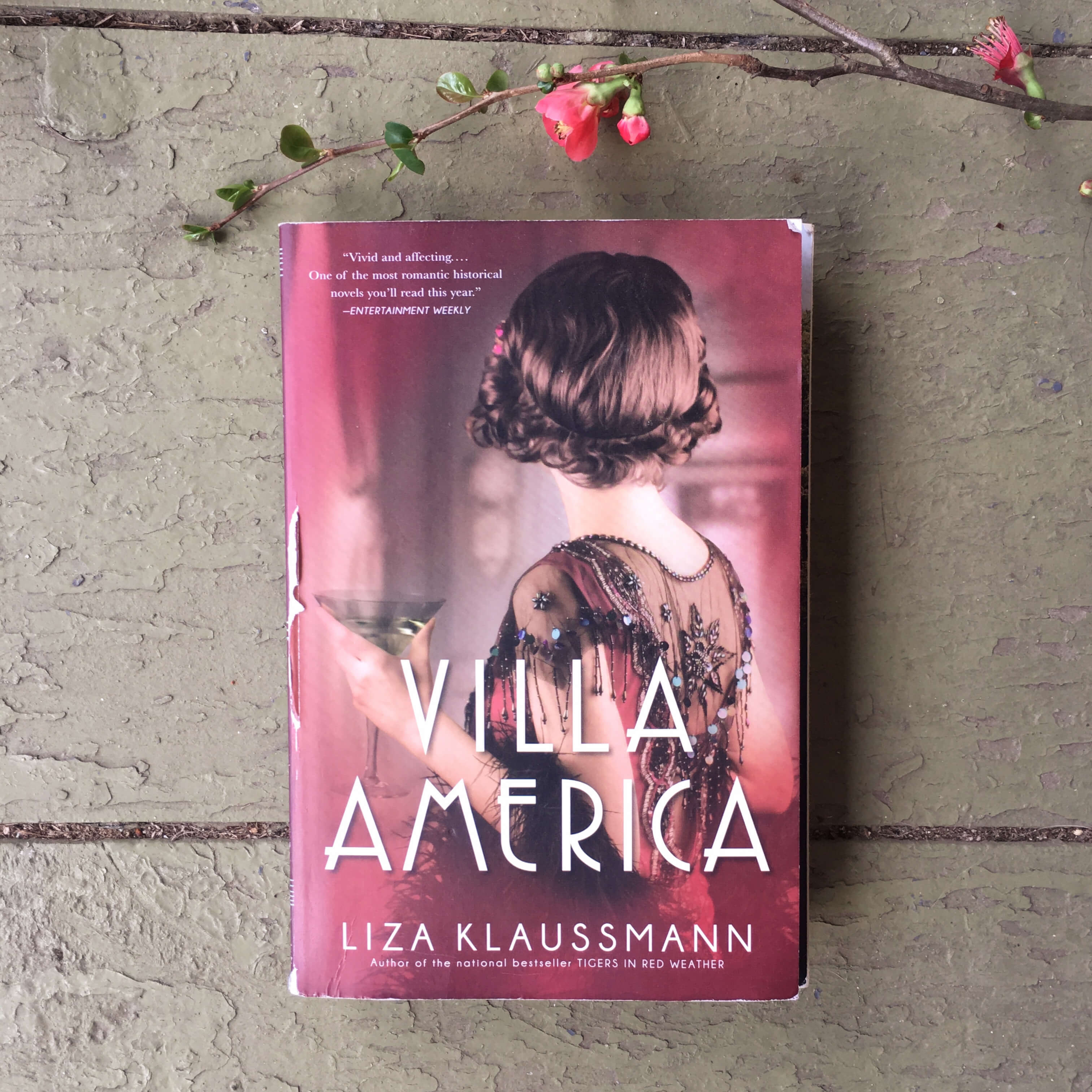
2. Villa America – Liza Klaussmann (2016)

villa-america-liza-klaussmann

If there is one enviable couple that gets referenced most in the circle of friends that included Hadley and Ernest Hemingway, F. Scott and Zelda Fitzgerald,  John Dos Passos, Pablo Picasso, Cole Porter, Dorothy Parker and many other icons of Paris’ golden age in the 1920’s and 30’s, it is Sara and Gerald Murphy.

Sara and Gerald Murphy

Mostly known for their stability within this eccentric group of writers and artists, Sara and Gerald were the enigmatic muses that inspired much of their friends work, including F. Scott’s main characters in Tender Is the Night.  Fun loving, family focused and inventive, Sara and Gerald’s relationship within their marriage was stuff of legend – so loyal, so strong, so well-connected it seemed as if nothing could or would tear them apart.

Villa America

Escaping the U.S. for Paris in the early 1920’s led them eventually to the French Riviera and a house they called Villa America.  There, the Murphy’s set out to create a carefree, whimsical paradise for their friends and family to enjoy year after year.  Villa America (the book) is a fictional account of the real-life circumstances wrapped around the Murphy’s idyllic, dream-like lifestyle. Weaving together stories of illuminating dinner parties, interesting friendships, and fanciful family outings,  a darker side to the Murphy’s and their circle of friends is also revealed. One that it is fraught with tragedy and misunderstandings, muddled moods and illicit intentions. Through it all, the house sits center stage, a witness to the people and events who come and go.

What is particularly fascinating about this book is Liza Klaussmann’s interpretation of characters and conversations surrounding  Ernest Hemingway and F. Scott Fitzgerald. Lots of known cliches and generalizations float around these two men – that F. Scott was dashing and amusing, a drinker and a romantic, and that Ernest was gregarious, rowdy and an ultra-masculine rough and tumbler. But in Liza’s book, you experience other sides of these two as well.  F. Scott, for all his charming ways is also difficult, overly dramatic, and high-maintenance. Ernest shows up as a ball of opposites –  egotistical but also compassionate, needy but reckless, dominating yet keenly aware of other people’s fragile vulnerabilities.

The environment is lush with details. F. Scott is trying to write his way through novels, gathering source material for his characters from the real friends around him. Like all the other men, he finds himself captivated by Sara, irrepressibly drawn to her emotional maturity and warmth – both appealing characteristics that seem lacking in his own wife.  Zelda, meanwhile,  spends her days romping around the Riviera trying to sort through her own desires. Signs of unusual behavior start to manifest. But no one yet realizes that this troubling behavior has much less to do with Zelda’s natural personality and much more with the start of her slow slide into mental collapse. Likewise, Gerald also escapes into the recesses of his mind, where he begins to question and explore feelings about his own sexuality that extend far beyond his loving marriage to Sara. On the verge of break-up themselves – Ernest, with his wandering eyes and Hadley with her general sense of unease in the glittering Riviera world – are awkwardly together trying to navigate the terrain of a not very well matched marriage.  Sara, sensing the unease of all of these situations silently swirling around her, tries to protect her friends and her family in the sheltered, safe space that she is determined to create at Villa America. But for all of Sara’s best efforts in trying to keep cruelty out of the compound, emotionally difficult situations sneak their way in raising questions about the true meaning of home, family and friendship.

3. Paris I Love You But You’re Bringing Me Down – Rosecrans Baldwin (2013)

paris-i-love-you-but-youre-bringing-me-down-rosecrans-baldwin

Staying on the topic of Paris but moving ahead a century, Paris I Love You But You’re Bringing Me Down is the memoir of a burnt-out New York City ad man who moves to France for a new job while simultaneously working on a new novel. Tired of the New York City grind, Rosecrans Baldwin is ready to find his paradise in Paris. He has a mood board already mandated for his life before he arrives… the wine, the food, the beautiful architecture, the beatnik lifestyle, the art, the cafes… all those lovely picturesque elements ready for the taking. But what he didn’t count on was what life would be like in reality as an American, not only living, but also working in France.

From day one, Rosecrans is a fish out of water. He finds that daily life in Paris is very different compared to daily life in New York City. When he takes a job at a French advertising agency, he discovers that the same could be said for office culture as well. The language is a problem (too fast), social interactions with his new co-workers are a problem (do you shake hands during first meetings or kiss on both cheeks?), lunch is a problem (never at your desk), even the fundamental pattern and processes of handling ad business is vastly different.  In New York, Rosecrans was used to working long pressure-filled hours, at a fast pace, developing ideas that had to consistently ring true and be brilliant. But when Rosecrans gets to Paris and his new workplace, he discovers many unusual circumstances.  People leave the office at 5:00pm whether their work is finished or not. Many of the office staff grab a glass of wine together after work before heading home.  Gift cards to local restaurants in the neighborhood are given to each employee to ensure that they take time for lunch. They work on one campaign at a time, for one client at a time. No one ever gets fired. No one is ever expected to come in early, skip lunch or stay late. It wasn’t like New York at all. No one lived at the office and just visited their home spaces. Rosecrans found himself navigating a strange, foreign land, both literally and figuratively.

The result of all these oddities and differences yields a hilarious look at real-life in Paris.  Most books written about Americans moving to France focus around their love affair with the city and a charming newly discovered lifestyle which they are eager to adapt quickly. Rosecrans’ book is the opposite. He voluntarily chose to move to Paris. But then, once he gets there, he constantly questions that choice as he moves through his daily “French dream.” He discovers that Paris is not quite the paradise he imagined. Fundamentally uncomfortable in a lifestyle he thought he would naturally love, Rosecrans paints a funny, bizarre and gritty picture of the everyday side of the city that often gets overlooked.  In his world, it was definitely not all views of the Eiffel Tower and beret clad artists. It was not all joie de vivre and buckets of baguettes and walks along the Seine. No, this was a different side of Paris altogether.

How does it all shake out for Rosecrans in the end? Does he stay in Paris, eventually embracing all the differences? Or, does he return back home to the New York, to the city he knows and learns to love again? You’ll have to read it to find out:)

4. Island Style – India Hicks (2015)

india-hicks-island-style

Being the daughter of famous 20th century British designer David Hicks and the goddaughter of Prince Charles might yield an intimidating presence. Especially when her natural born talent of interior decorating has made her a style expert in her own right. But nothing feels more down to earth when it comes to India Hicks and her beautifully bohemian decorating book simply titled Island Style. Here, she shares stories about how, over time,  she decorated her comfortable, casual Bahamian home, with a cacophony of elements meant to inspire more than impress.

Decades ago, a whim led her to the Bahamas, a place she never imagined that she would eventually call home. One thing led to another, years passed years, and India found herself still there. In these pages, she shares the journey that led ultimately to her island house, a sanctuary of memories she shares with her long-time partner, their five children and a menagerie of animals. India intimately discusses at length the art of decorating with sentiment versus cents and the importance of letting your interiors evolve in style as you evolve in life.  If something catches your eye or calls to your heart, take it home, she advises, there will be a place for it somewhere, always.

Thoughtful decorating, India illustrates, comes from storytelling. From gathering and displaying items that are important to you. This leads to personality-filled rooms and fresh perspectives. They become meaningful, nuanced, comfortable, appealing because  the backstory was brought in, in the form of a tale you naturally wanted to tell.  That’s when the magic happens… easily… effortlessly… style and colors and shapes and patterns combine in interesting ways that begin to inspire, remind, emote and invoke a feeling of home.

Mixed in between interior images of her house and collections, she writes beautifully about what it is like to live on an island in the Bahamas, well beyond the honeymoon phase. A period that in her experience lasted about two weeks, before  practicality and reality set-in as far as setting up a real life with real kids, and real pets in a real house.

Island life isn’t for everyone. The point of this book wasn’t to seduce readers with a show-off lifestyle and a get-here-as-fast-as-you-can attitude. The point was to simply demonstrate the impact of personal touch and taste upon a space.  The world is noisy but our interiors don’t have to be. Home is no place for a set of trends established by other people, living other lives in other places. Home is you not them. It speaks for us and of us when we don’t want to speak ourselves. India’s book reminds us of that.

5. 306 Hollywood (2018)

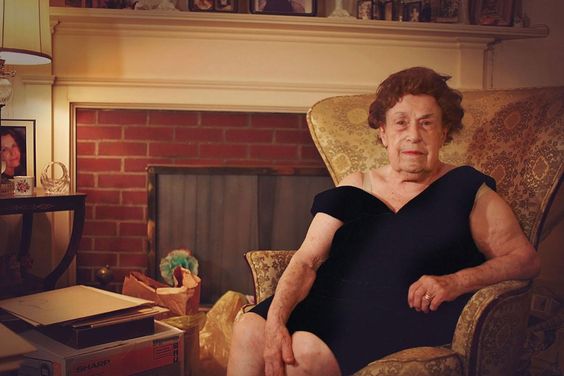
For over 60 years, Annette Ontell lived in this cute, white house at 306 Hollywood Avenue. There, she amassed all the ordinary tidbits that was required of daily life in New Jersey throughout six decades. When she passed away, her grandchildren, brother and sister filmmakers Elan and Jonathon Bogarin felt the weight of her spirit still very much present in all the stuff she left behind. So they set out to tell her story.

Color-coded collections of Annette’s things.

Through a style of art known as knolling, they organize and catalog her collection of ordinary household objects into groupings, to better understand what these objects meant to her life and ultimately what her life meant to them. Combining home movie footage, audio interviews and dynamic cinematography, Annette comes to life before our eyes.

Annette

We get genuine insight into Annette’s passions, pursuits, and philosophies. We fall in love with her affable personality.  We understand how the story of one seemingly ordinary woman actually turns out to be quite extraordinary.  We understand how a home becomes a heart, beating with life and necessity.  A true treasure trove for any vintage lover, this documentary is a colorful, nostalgic and sentimental look at the value of everyday objects, and their purpose over time. Get a glimpse of the magic that is 306 Hollywood by watching the trailer here…

6. Dare to Be Wild (2015)

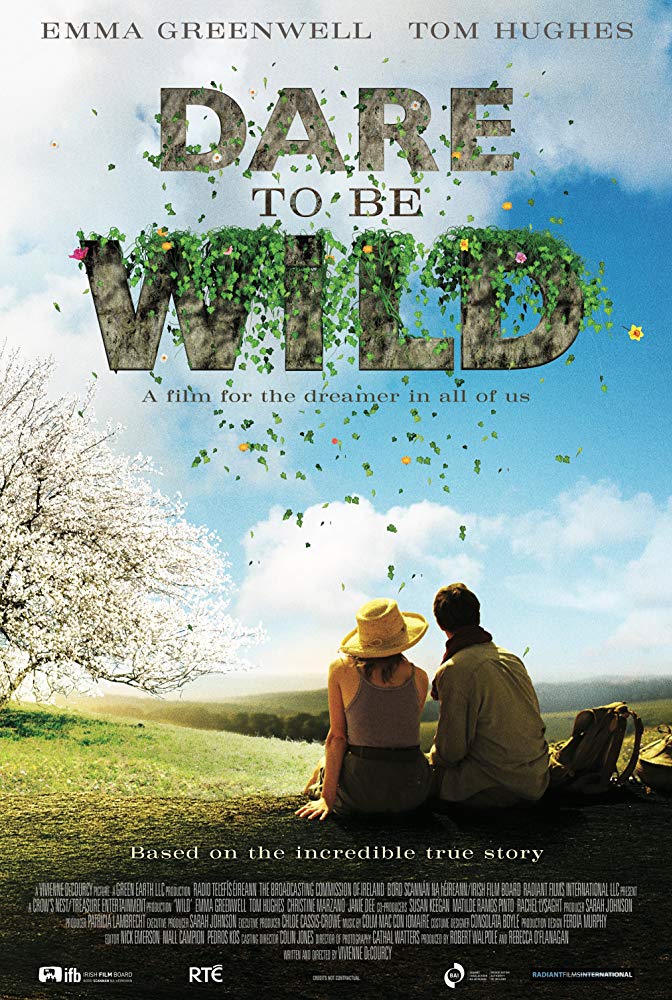
Based on the true story of Mary Reynolds, the youngest woman ever to compete in the esteemed Chelsea Flower Show, Dare to Be Wild is the cinematic story of the journey that led her from dreamer to doer. From the start of her budding career (no pun intended!) Mary’s clients and employers want her to design gardenscapes within an acceptable box of sameness. But Mary has other ideas, wild ones, that don’t confine nature or ideas into typical proven displays that can be replicated over and over again.  Mary is keen on harnessing a feeling of home and harmony in her garden designs –  a certain sense of wonder and enchantment that she has felt her whole life whenever she steps out into the natural world.

But the Chelsea Flower Show is no easy quest. Paperwork, rules, formalities and finances tie her down at every turn. Her competitors are an intimidating array of past award winners, esteemed gardeners and British royalty. For every step forward, she winds up taking two steps back. Her journey is not easy on so many fronts, you begin to wonder if her plot of ground at the Flower Show is ever going to grow into the vision inside her head. But through all the uncertainty Mary stays true to the sounds that call her home… the wind rustling in the trees, the birds bright with song, the soothing noise of tall grass sweeping against stone.

Beautifully filmed and truly inspiring from the first five minutes, Dare to be Wild is a wonderful example of how the notion of home doesn’t have to be defined by typical, sedentary structures. Home is a feeling as much as it is a place.

Hope these selections have you thinking about your definitions of home and how’d you best describe it. Feel free to share your thoughts in the comments section below. And if you wind up reading or watching any of these books or movies, let us know. We’d love to keep these discussion going throughout the year.

Cheers to the word home and to all the places we call our own!