
The Magical Second Life of Samuel Gottscho and a Locally Inspired Recipe to Match

When Samuel Gottscho began his professional photography career at the age of 50, it was a leap of faith and a vast change from the garment industry salesman job he had known all his adult life. By this point, as he entered into his fifth decade, he was a husband and a father with a young daughter to raise and a long-time reputation in the industry that provided a steady paycheck and reliable consistency. But after twenty-five years of a job that both he and his father did before him, Samuel’s heart was no longer wrapped up in the lace and the fabric and the embroidery that he peddled around the city. Instead, it was his camera – his weekend hobby since the age of 20, his faithful muse, his constant companion – that began nudging him to move in another direction away from the professional life he had always known.

The Rochester Optical Camera with Tripod – Samuel’s first camera circa 1900. Photo courtesy of the Missouri History Museum.

The year Samuel turned 50, it was 1925. New York was thriving. Museums were opening. New buildings and storefronts were being constructed. Model T’s were zipping around the city just like Babe Ruth was zipping around the bases.
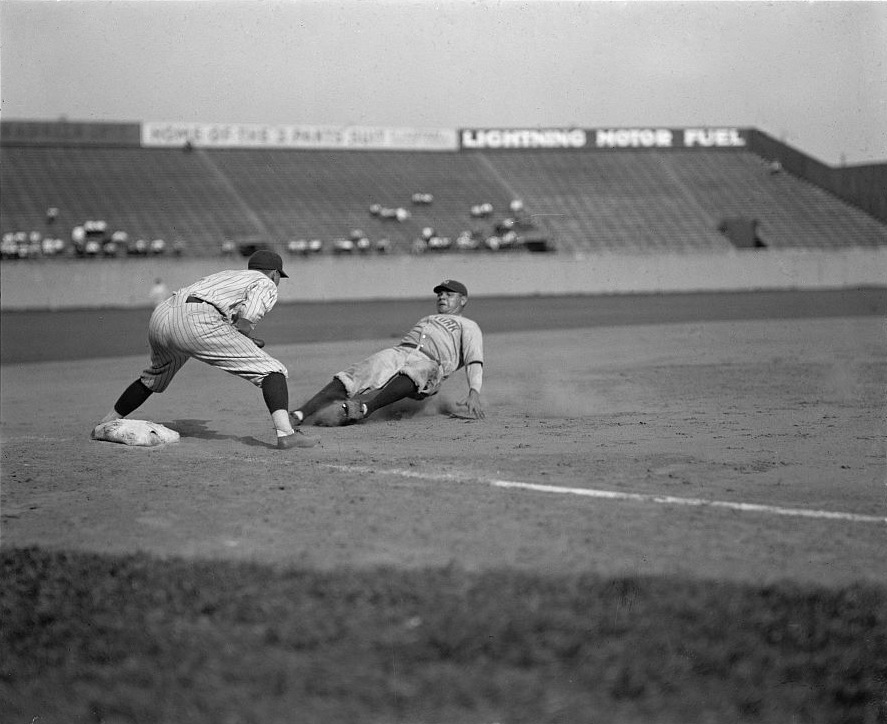
Babe Ruth safe at third base in a game against the Senators on June 23, 1925.

In the 1920s. the average life expectancy for American men hovered between 53-60 years old. Realizing Samuel was just a few years away from possibly the end of his life, he questioned how he wanted to finish things up… by lugging around a fabric sample case or by adventuring out in the world with his camera? There was a lot to weigh between practicality and passion. Between case and camera. Between settling and jumping.

Ultimately, Samuel had the support of his encouraging wife, Rosalind, and an optimistic attitude. That, as it turns out, was all he needed.

Samuel Gottscho. The Financial District in the 1930s.

Starting in New York City among the skyscrapers and the night lights, it didn’t take long for people to notice that Samuel had talent. His photographs captured the epitome of 1930s architectural elegance and that beguiling sense of power and opportunity that New York City stood for. Every day a story unfolded in the dramas of the big city skyline. Samuel captured them one by one in the morning mist rolling in off the East River and in the twinkling lights that turned the city into a glowing lacework of lanterns…
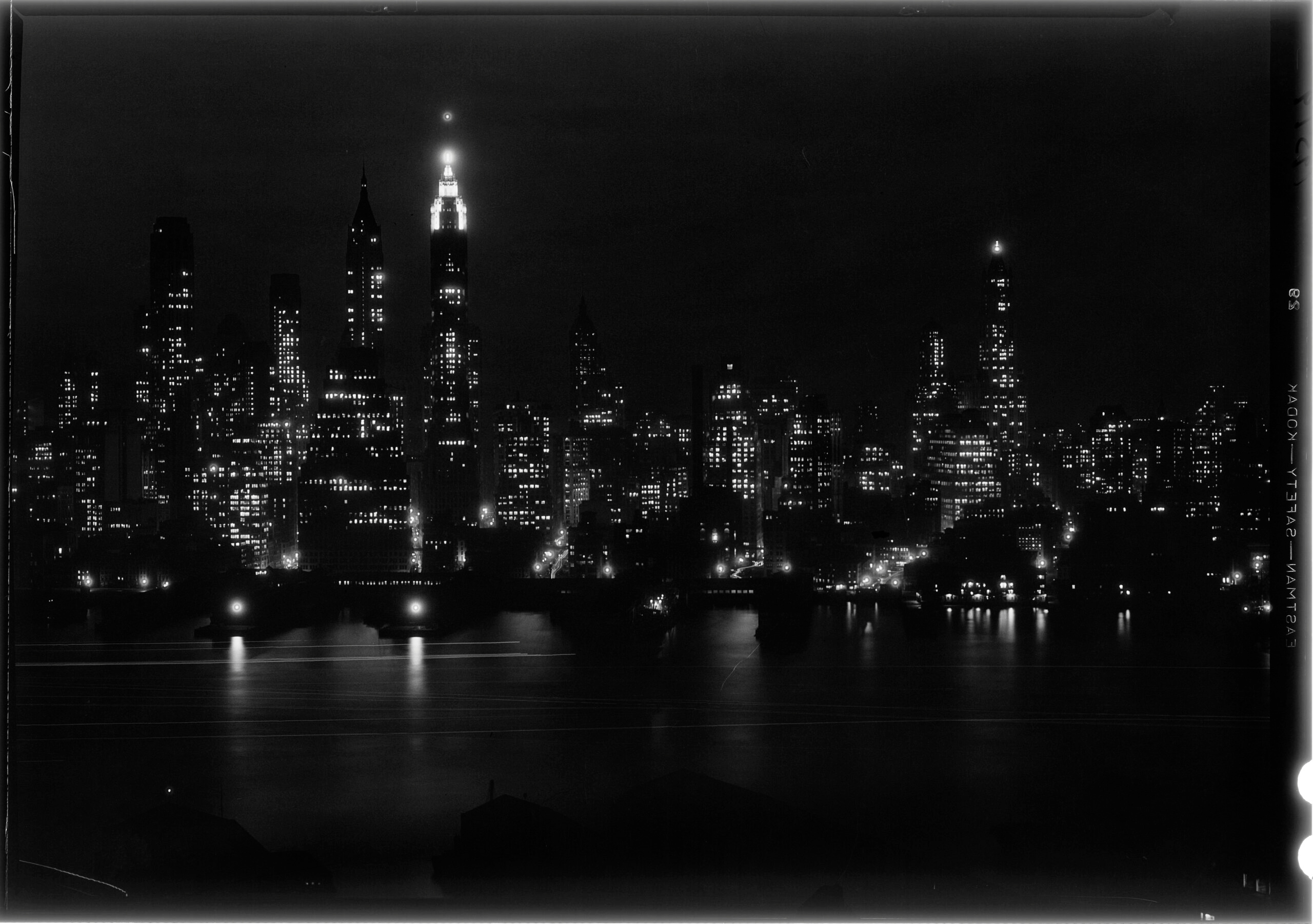
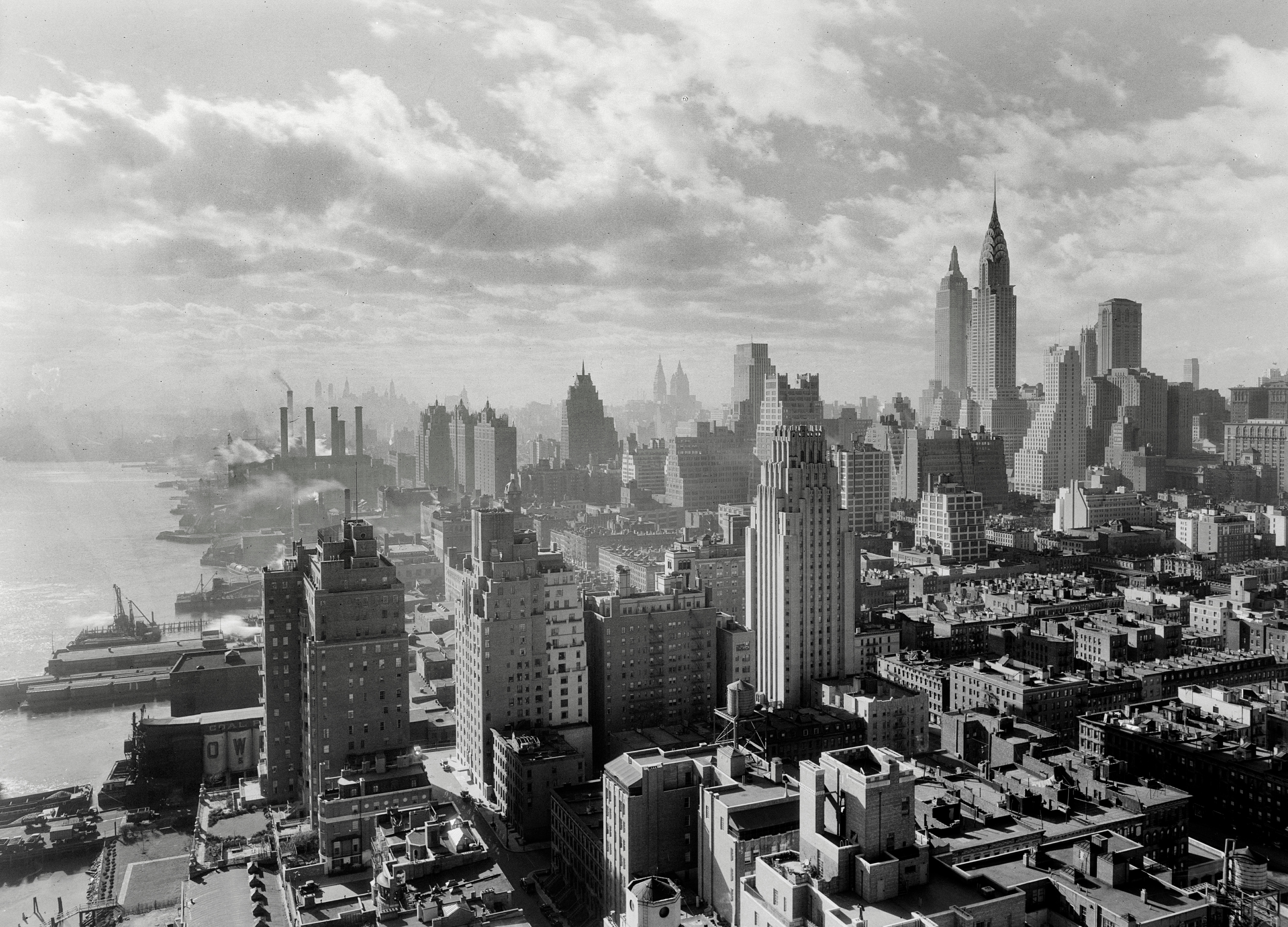
Samuel Gottscho. New York City Views from the St. George Hotel. 1933.

Samuel Gottscho. 52nd Street & the East River, New York City. 1931

Samuel Gottscho. New York City. 1933

Samuel Gottscho. Rockefeller Center. December 1933. Library of Congress.

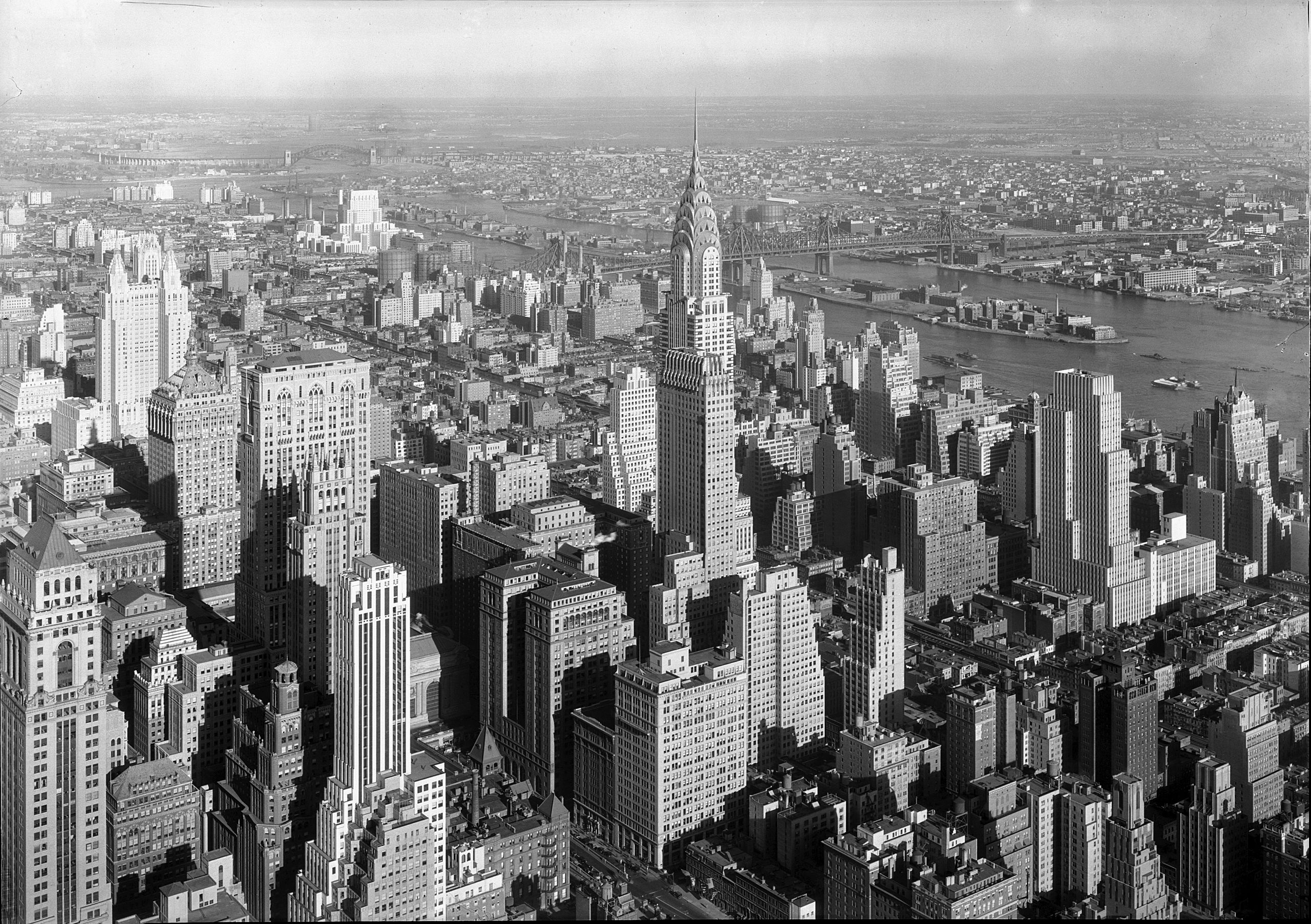
Samuel Gottscho. Chrysler Building and Midtown Manhattan, 1932.

Exterior photoshoots commissioned by local architects led to interior photoshoots commissioned by designers, builders, and business owners…

Samuel Gottscho. Roxy Theater at 49th Street circa 1932. Photo courtesy of the Library of Congress.

Samuel Gottscho. 33 Beekman Place, New York City. 1928.

Samuel Gottscho. Huntington, Long Island, NY. 1933

Those led to house and garden portraits for landscape designers and homeowners…

Samuel Gottscho. Ashland Farm. Warrenton Virginia. 1930

Samuel Gottscho. Wilmington, Delaware. 1932

and then to wildflower portraits pursued at first for his own interests…

Samuel Gottscho. Common Evening Primrose from The Pocket Guide to the Wildflowers. 1951

but then later for clients, book publishers, and magazine editors.

Samuel Gottscho. The Pocket Guide To The Wildflowers. 1951.

At first, Samuel’s introduction to the wildflowers were daily hikes around the upstate New York hotel where he and his wife and daughter summered every year in the Adirondacks. When the gas rations were in effect in the 1940s, it wasn’t feasible to explore the countryside with the car and driver Samuel previously employed in the city. Foot travel replaced the car, his young daughter, Doris replaced the driver and the two would tottle off together to explore the woods any chance they got.

Samuel’s daughter, Doris. Photo courtesy of the Library of Congress via Familysearch.org

Noting the curious array of flowers that dotted the roadsides and the woodlands and how they all fit together into the broader landscape made Samuel appreciate the composition of each and every flower in a new, more visual, more vital way. As he learned, Queen Anne’s Lace or feathery petaled Bergamot or the large craggy, canopied trees found in these upstate New York hideaways were just as stately, just as visually spectacular, just as unique, as the Chrysler Building towering above Manhattan.

Enchanted with the light, the subject matter, the shape and the composition of the flower fields, Samuel found them to be little cities in their own way. Tall, short, fluffy, sparse. Each one added pops of color, variety, and form to the overall canvas that was the natural wilderness. Eventually, Samuel’s Adirondack wildflower summers were replaced with Sound-side summers spent on Long Island, New York’s North Fork.

The North Flork is located at the far right of the island in the green section. The Hamptons lies in the bottom right corner in the blue section. Queens and New York City are at the far left of the map.

Known as its own agricultural wonderland bordered on one side by the Long Island Sound and the other side by the Atlantic Ocean, this island surrounded by lighthouses and studded with sailboats was first inhabited by the Corchaug, Algonquin and Montauk tribes. Boasting its own never-ending supply of native wildflowers, it delighted the eye with all sorts of natural splendors highlighted by backdrops of the water, beaches, pine groves, pasturelands and marshes. Samuel photographed every bit of it.

Photo of Samuel Gottscho by Edward Dart courtesy of Newsday. April 1970

No stranger to wild things and naturally picturesque vistas, the North Fork was home to New York State’s first farms and first English and European families. Dating all the way back to the 17th century, Southold, the town where Samuel spent his Sound-side summers was settled in 1640 by farmers, tradespeople and clergymen from England and Europe by way of Connecticut.

Barnabus was a baker and the town overseer of Southold. Photo courtesy of the Art & Architecture Quarterly

A fishing and farming community long before the Island ever became a residential extension of New York City, this stretch of Long Island from the tip of Orient Point to the mid-section of the island never lost its agricultural roots. Full of sprawling vineyards, seaside homes, stretches of pebble-studded beaches, open meadows and working farms that produce every sort of market delight you could ever want, it’s a food lover’s paradise from flowers to honey to wine to grass-fed beef.

Croteaux Vineyards is the only winery in the US to focus solely on making rose wine.

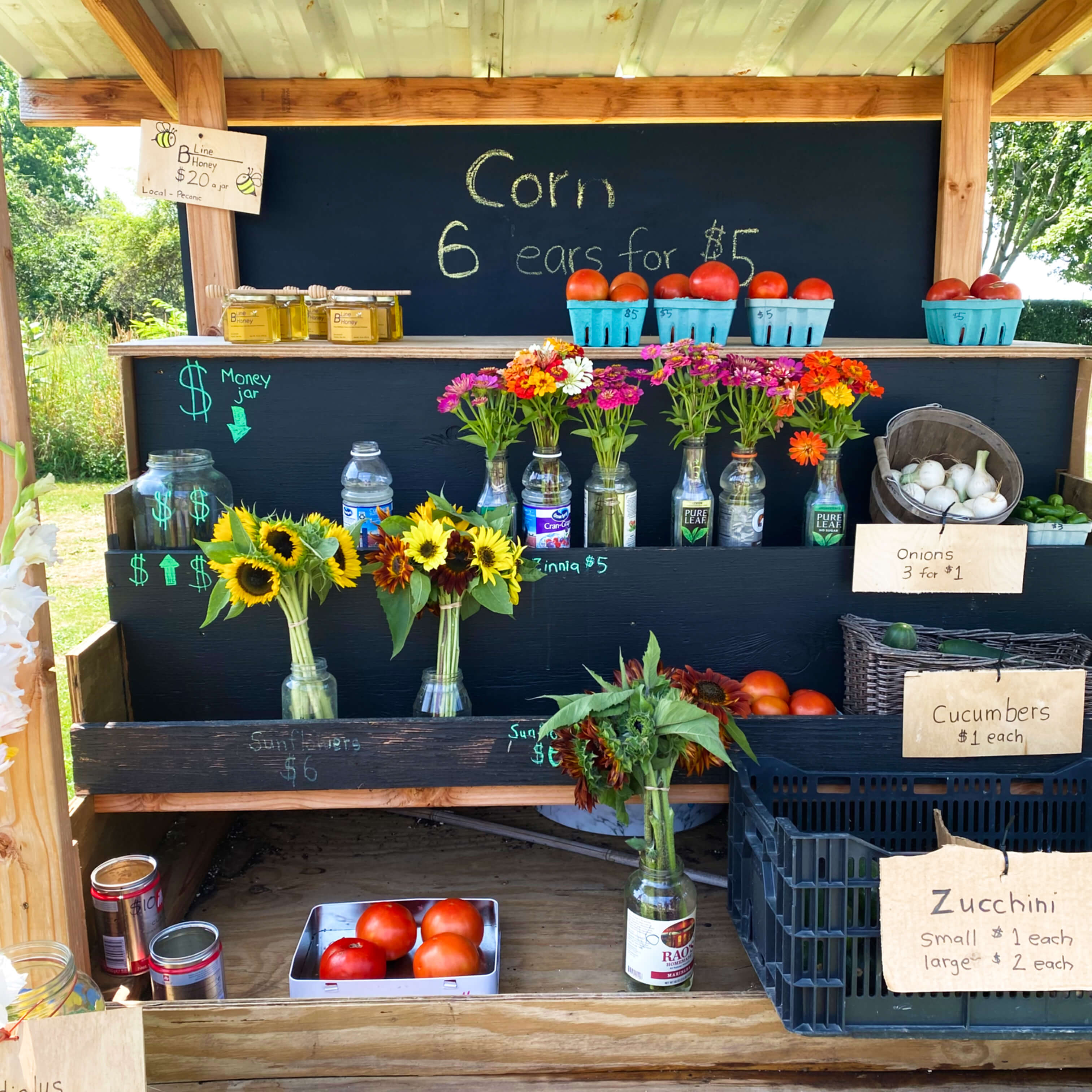
Fresh farm stands are everywhere around the North Fork.

Open pasture lands with views of the Sound.

Wildflower settings just like this inspired Samuel throughout the 20th century.

Celebrating this area’s centuries-old agricultural history, in today’s post, we are featuring a recipe made using grass-fed beef from cows raised and pastured on Long Island’s Acabonac Farms. Just a short drive down the coast from where Samuel summered in Southold, Acabonac Farms works in tandem with the natural landscape just like Long Island’s first settlers did back in the 1600s.
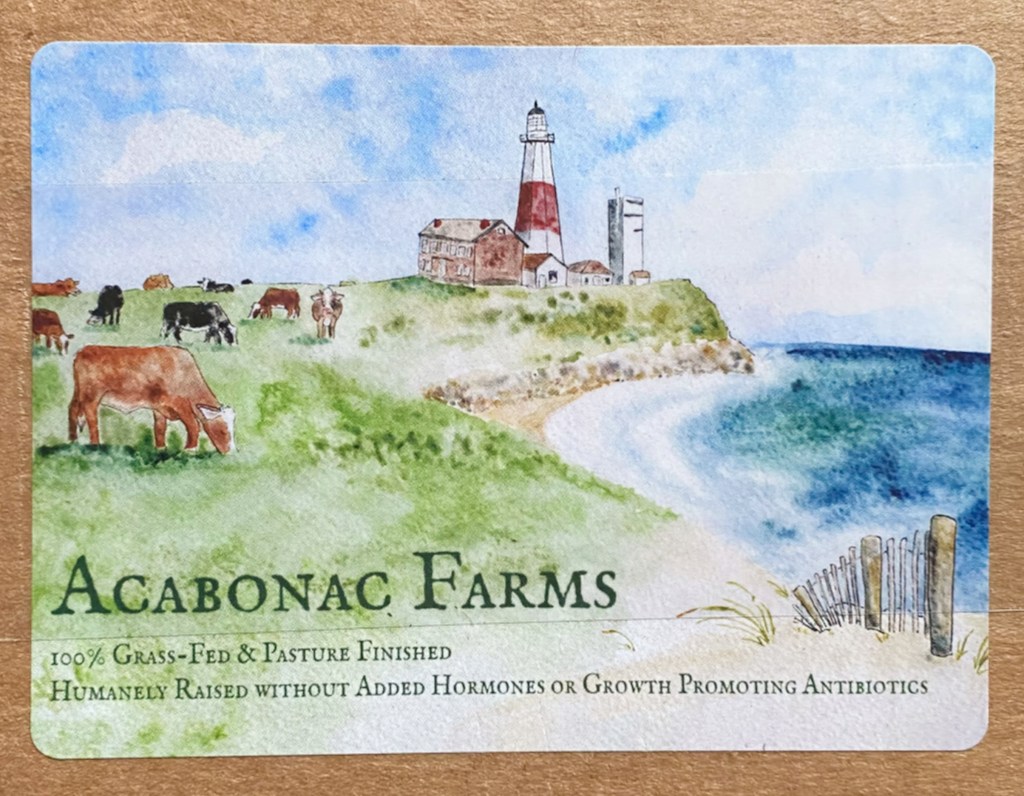
See how Acabonac Farms’ watercolor illustration was made here.

By embracing the unique nutrient-dense soil that makes it one of the best terrains in the state, combined with the salty sea air, the continuously circulating breezes blowing in off the water, and the well-draining composition of the soil, it’s a trifecta of a location historically known for growing good grass which in turn grows good grass-fed cows.

Throughout his second career, Samuel’s photographs appeared in publications all over the country, but none may have been more proud of Samuel’s work than his hometown newspaper, The New York Times, where he was regularly featured. In keeping that joyful relationship intact, our featured recipe for this post comes from the 1961 New York Times Cookbook and combines Acabonac Farms grass-fed sirloin steak with an unusual 24-hour marinade to create picnic-toting steak sandwiches fit to fuel any wildflower photographer’s wanderings.

Named after the patron saint of hunting, this recipe called Steak St. Hubert, can be made with venison or beef using round or sirloin cuts depending on your preference. Originally, it was meant to be enjoyed as a single cut of meat – a steak dinner complete with a red current jelly reduction sauce – but I decided to turn the steak into sandwiches so we could pack it along with potato salad and refrigerator pickles for a summer picnic getaway to see the land that so inspired Samuel.

Consisting of a unique menagerie of ingredients, this marinade contains no cane sugar and no salt but does include carrots, wine, and apple cider vinegar, which I found to be a pretty intriguing mix. A bit like Annie’s Wine Baked Brisket and Santiago Pork Roast, this is a two-day, three-part recipe to prepare but well worth the time.

Although this is a local post featuring Long Island, Acabonac Farms beef is available to any home cook no matter where you live. If you haven’t had the experience of ordering meat via mail before, the process couldn’t be easier. You simply place your order online and it shows up at your door two days later in a box packed with dry ice and the individually frozen, vacuum-packed cuts you requested.

From the farm in Long Island to the front door of 1750 House.

Beef that arrives by mail can be thawed in the fridge overnight (in its original packaging) or stored in the freezer for use at a later date. For this recipe, the three packages of steaks we ordered went into the fridge for 12 hours before they were added (completely thawed) to the marinade and then returned to the fridge for another 24 hours.

The marinade is easy to put together. The original 1961 recipe called for a big bowl as the marinade vessel but I found that a two-gallon Ziploc bag worked just as great and made it easier to store in the fridge. Other than that note, the marinade recipe comes together just like this…

Steak St. Hubert Sandwiches (serves 10-12)

For the marinade:

3 16 oz .sirloin steaks cut 1/2-3/4″ inch thick

2 shallots, chopped

2 carrots, sliced

2 onions, sliced

1 clove garlic, chopped

2 sprigs of fresh thyme

2 bay leaves

1/3 teaspoon freshly ground black pepper

1 small pinch of ground cloves

2 cups dry white wine

3/4 cup apple cider vinegar + 1/4 cup water, mixed together

1/2 cup olive oil

For the pan:

Salt

Pepper

6 tablespoons butter

For the sandwiches:

Portuguese rolls (or any soft and pillowy sandwich roll that has a crusty exterior and an airy interior)

lettuce

red onion, sliced in thin rings

Condiments (cherry jam, horseradish, mayonnaise, dijon mustard or any others you might prefer)
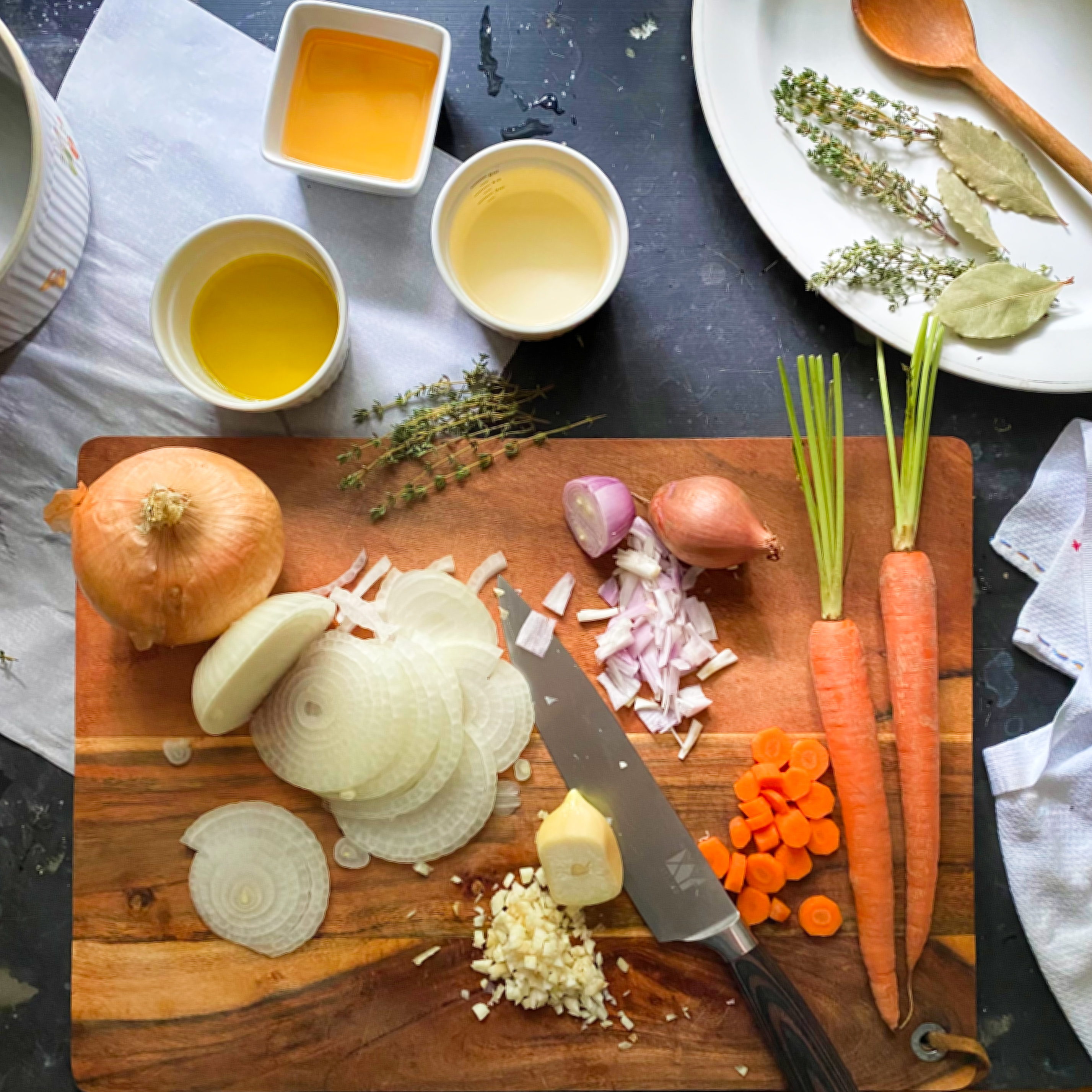
In a large bowl, mix all the ingredients together minus the steaks. Add the steaks and toss the mixture again.

Remove the steaks to a large (2-gallon size) Ziploc bag. Pour the marinade mixture from the bowl into the bag, covering the steaks completely. Seal the bag and store it in the fridge for 24 hours.

After 24 hours have passed, remove the steaks from the marinade bag to a large plate or casserole dish and let them warm up to room temperature while you prepare your cooking pan (about 15-20 minutes.

Salt and pepper both sides of each steak. In a large cast iron or heavy-bottomed pan, working individually, melt two tablespoons of butter over medium-high heat, cooking each steak one at a time for 7-10 minutes per side to achieve a medium rare center. Repeat with the following two steaks.

Transfer each steak as it comes off the heat to a parchment-lined piece of foil. Wrap each steak in the foil and let them rest until completely cool (about 30-45 minutes).

If you are planning to take these sandwiches on the road, the whole steaks can be refrigerated before slicing for up to 12 hours once cooled. When you are ready to prepare your sandwiches, slice each steak into thin ribbons.

Tuck the thin slices of beef between two slices of bread and call it divine or you could adventure even further and stretch your palate to include a train of condiment flavor pairings. Mustard, horseradish, mayonnaise. Maple syrup, cherry jam or hot sauce. Top the beef with a layer of blue cheese or fresh pineapple or a ring of red onions and you have a custom sandwich built just for you. Originally, the recipe called for a red current reduction sauce (an element that might not travel well), so I toted along a jar of French cherry jam in addition to the other above-mentioned condiments. A dollop of jam on top of the steak and between the layers of onion and lettuce was a magical combination of the sweet, savory kind that I would highly recommend.

A complete delight of a recipe from start to finish, the sirloin was full of flavor but not in a way that you could easily detect by the marinade ingredients alone. Most steak marinades I’ve ever tried in the past make the meat taste like the ingredients it was marinated in. Teriyaki steak for example tastes like soy sauce. A honey mustard marinade makes everything taste like honey and mustard. But this marinade was different. There was not one ingredient that overpowered the other. Instead, it combined a symphony of subtleties that left room to taste the flavor of the grass-fed beef. It made such a tender, succulent sandwich, it can best be described as pure, at every step, and every bite. Perhaps that is the magic of the salt, sea and sun of Acabonac Farms’ location. A delicious alternative to burgers and a great travel food for tailgate parties, fall leaf-peeping adventures and family football games, St Hubert steak sandwiches offer the best of New York’s local food that also happens to be accessible to everyone around the country no matter where you live.

Samuel Gottscho in 1956. Photo courtesy of the Museum of the City of New York.

As for Samuel and his Long Island escapades among the wildflowers, he had no worry about that average life expectancy marker in the 1920s. Samuel may have been fifty years old when he left his salesman job and professionally embarked on his new career, but it kept him engaged and enthralled for the next forty-five years of his life. When Samuel passed away in January 1971, he was 95 years old. Up until a week before his death, he was out in the field capturing the wild winter landscape, fulfilling client commissions, and working on his own personal archive that exceeded 40,000 images. What was Samuel’s secret to such a fulfilling life?

“It’s never losing the inquiring and enthusiastic spirit of the amateur,” he once told a reporter.

By the time, Samuel passed away, he was the recipient of numerous distinguished awards and accolades in the fields of architecture, horticulture, and landscape design. He was published in architectural digests, home design magazines, photography manuals, and newspapers around the country. Occasionally he would give a lecture or a presentation to a garden club or a photography circle. He was an expert for sure but he never had the bravado of one. Those accomplishments were nice, but that’s not what drove Samuel. His heart fired up at the sight of light, of composition, of shape. His heart fired up at photography and anything leading to it.

Just like the accessibility to Acabonac Farm’s grass-fed beef, you don’t have to live in the vicinity of New York City or Long Island to view more of Samuel’s work. Upon his death, he donated his entire photographic collection to the Museum of the City of New York and the Avery Architectural and Fine Arts Library at Columbia University. Over 2/3rds of his collection has also been digitally archived at the Library of Congress. More of Samuel’s work has been published in a gorgeous 2005 coffee-table book, The Mythic City, focusing on his New York architecture portraits spanning the 1920s-1940s. And last but not least, there are his wildflower photos published in the petite 1951 Pocket Guide to the Wildflowers, which is how I came to be introduced to Samuel’s life and work.

See more examples of Samuel’s wildflower work from this book in the shop here.

Just like the camera was Samuel’s gateway to an entirely new life, Samuel’s life became my gateway to an entirely new area of the world and an entirely new vintage recipe. I’m so happy to share his story with you here on the blog in hopes that it inspires something new in you too.

View from the Cross Sound Ferry at Orient Point, NY

Cheers to Samuel for not letting age be a factor in following his passion and for the incredible volume of work that he left for everyone to enjoy. Cheers to Acabonac Farms for sponsoring this post and for contributing the delicious grass-fed beef for this recipe. And finally cheers to the farmers of Long Island who work day in and day out to keep the agricultural history of the region alive and thriving.

Fourth of July Baking: A German Dessert of American Symbolism and Celebrity

In 1986, there was a recipe. In 1956, there was a woman related to the recipe. In 1886, there was a statue related to the woman who was related to the recipe. In 1870, there was a model related to the statue who was related to the woman and the recipe. In 1865, there was a sculptor who was related to the model who was related to the statue who was related to the woman who was related to the recipe.  And so begins the story of Week 18 in the International Vintage Recipe Tour 2020.  Herzlich Willkommen! Welcome to Germany!

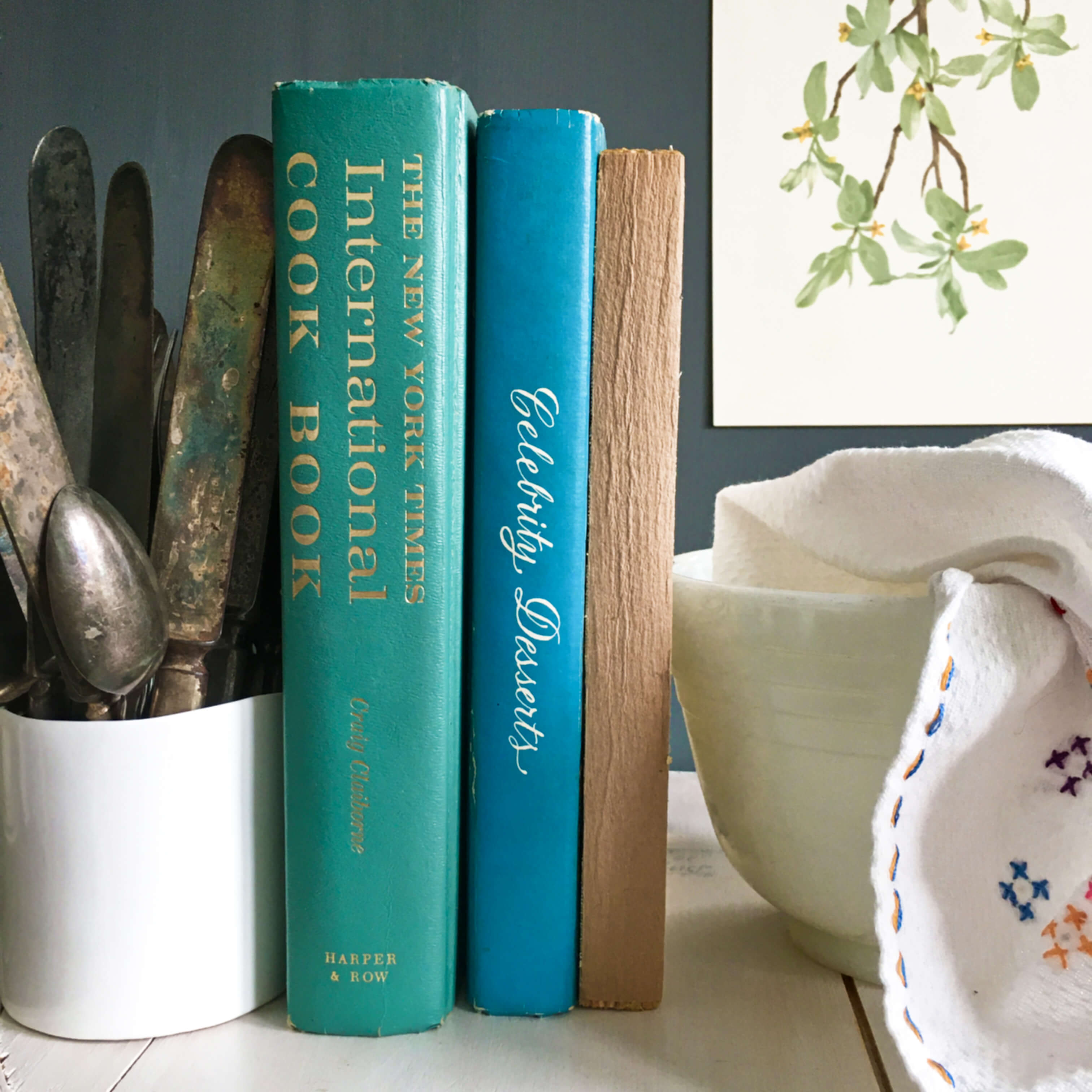
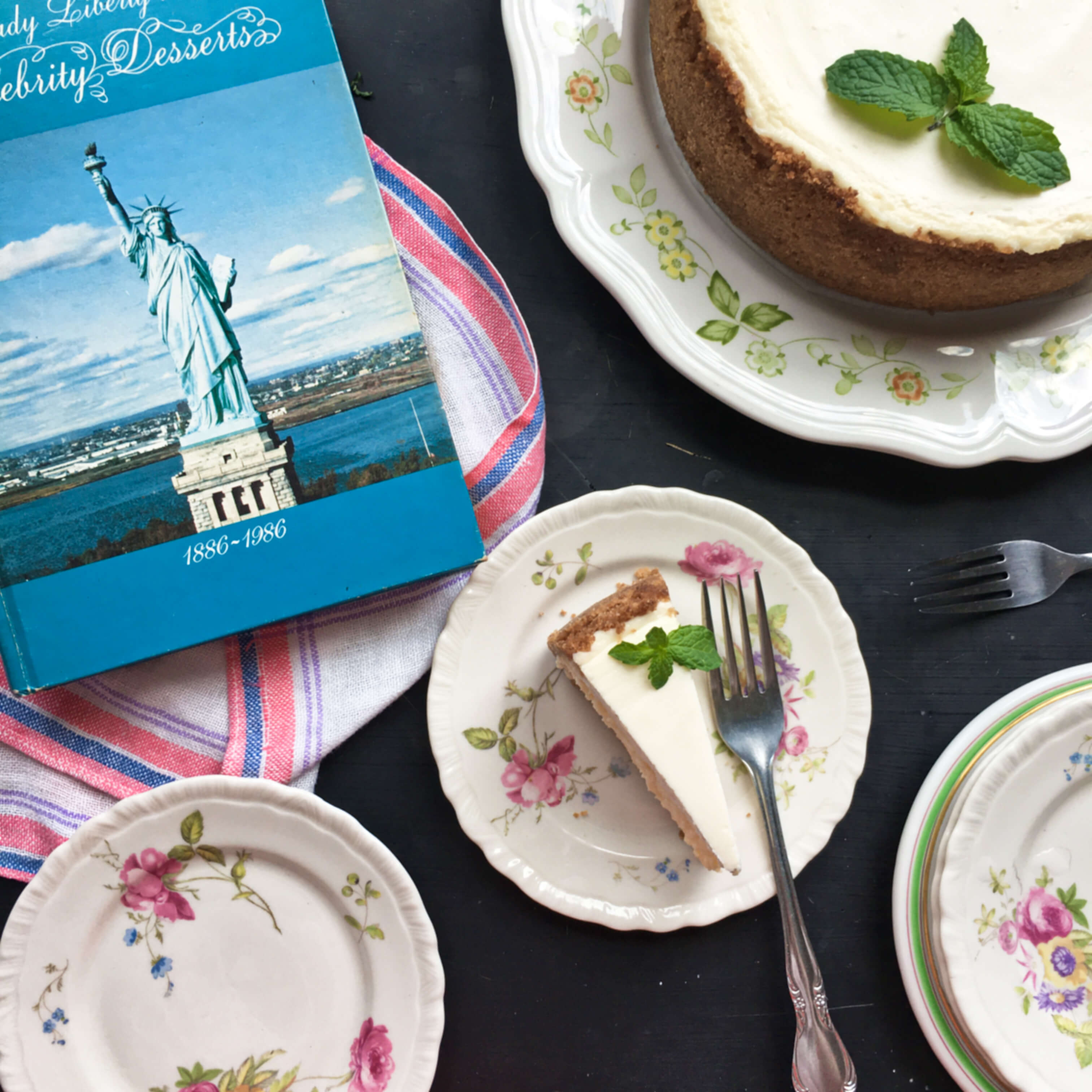
This week there is a little cooking surprise. In today’s post, we are diverting slightly from the original Tour plan and preparing a recipe, not from the New York Times International Cook Book, which we have been following since January, but from another vintage kitchen book altogether. This guest cookbook, Celebrity Desserts, was published in 1986 for a very particular reason and hails from the great state of New York just like our treasured International Tour cookbook. It also happens to fall right in line with this week’s featured destination of Germany and  the upcoming Fourth of July holiday.

All that being said we are off on quite a fun adventure today! It is a journey that involves not only German history but also French and American history too. It involves family cooking, patriotic holidays, and international icons of hope, opportunity, and hospitality -three things my family and I like to celebrate on the 4th of July. And then there’s the actual recipe itself. One that is luxurious without being fussy, a cool treat in hot weather, and so popular around the world that almost every country on the planet has their own particular version of it.

Initially, this trip to Germany via the kitchen was going to fill Week 18’s post with sights and stories of Sauerbraten,  an heirloom beef recipe that takes three days to prepare.  Excited to explore a very traditional method of making a famous German food, I hinted at things to come at the end of the Paris post. Unfortunately, I ran into some roadblocks.

In our unpredictable time of pandemic cooking, it seems that sourcing a grass-fed beef bottom roast that cost anything less than $50.00 and that was anything under 5lbs in size turned out to be a feat of great impossibilities.  Since the recipe only called for 3lbs of beef, both the size and the price suggested that maybe this lovely, long cooking project of authentic, homemade Sauerbraten might just be a bit too much to tackle at the moment. In an effort to remain flexible these days and simply go with the flow of what is available at the grocery and the market, the heirloom Sauerbraten will be rain checked for a later date. Hopefully, we can revisit this recipe again at some point further on in the year. By that time (fingers crossed) beef may be more plentiful and a bit more economical.

In the meantime, Celebrity Desserts called from the cookbook shelf.  Saving the day and the country fare by offering a wonderfully delicious creation of German heritage, the dessert we are making today, thanks to our guest cookbook, comes along with its own very unique history. One that embraces German, Italian, French, and American ancestry as well as celebrates a special lady we all know and love.  I’m so pleased to present our featured German dessert this week, Bavarian Cheesecake.

Cheesecake is a dessert uniquely prepared in a variety of ways depending on what part of the globe you call home. It is one of the few cakes that can be served baked or unbaked. It can be frozen, refrigerated, or served at room temperature. It can be made entirely of ricotta cheese or entirely of cream cheese. It can be slathered in sauce, dolloped with fruit, drizzled with chocolate, or dotted with nuts. It can be stuffed with spices, herbs, vegetables, or just about anything under the sun. And it runs the gamut as far as taste from sweet to savory to something in between. With such an opportunity for culinary creativity,  there’s no shortage of recipes when it comes to cheesecake. In just under .6 seconds Google will deliver over 215,000,000 cheesecake-related results. Narrow it down by specific ingredient and the field gets smaller but still contains hundreds of thousands of options. But the recipe we are making today stands out from all these others. This one has a very unique lineage that sets it apart from all the other cheesecakes and all the other variations.

As the cookbook title denotes, it involves a celebrity. But not one that you might suspect. This famous figure has never had her own cooking show, nor written a book, nor sang a song. She’s not the ruler of a country or a corporation (though her values would certainly be welcomed!). She didn’t invent a cure for a disease nor end world hunger nor paint a masterpiece. She wasn’t a dancer or a designer or a technology wizard. But she has been featured in her share of movies and she has been the subject of photographers for decades.  In order to get to the heart of this mystery woman’s famous roots, let’s begin at the ending, by tracing the recipe backwards.

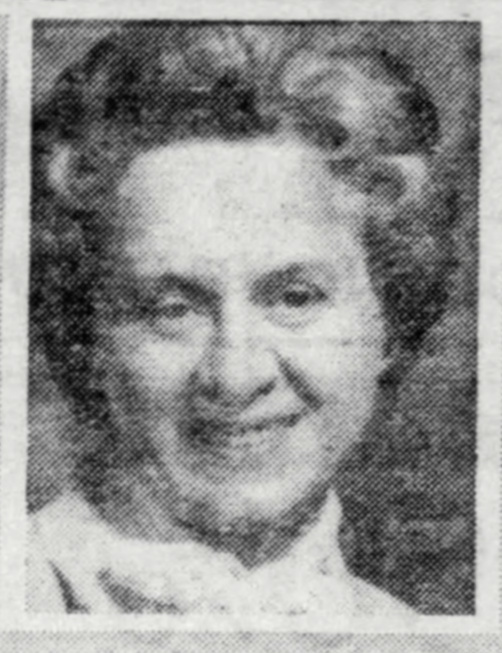
It all starts with this face…

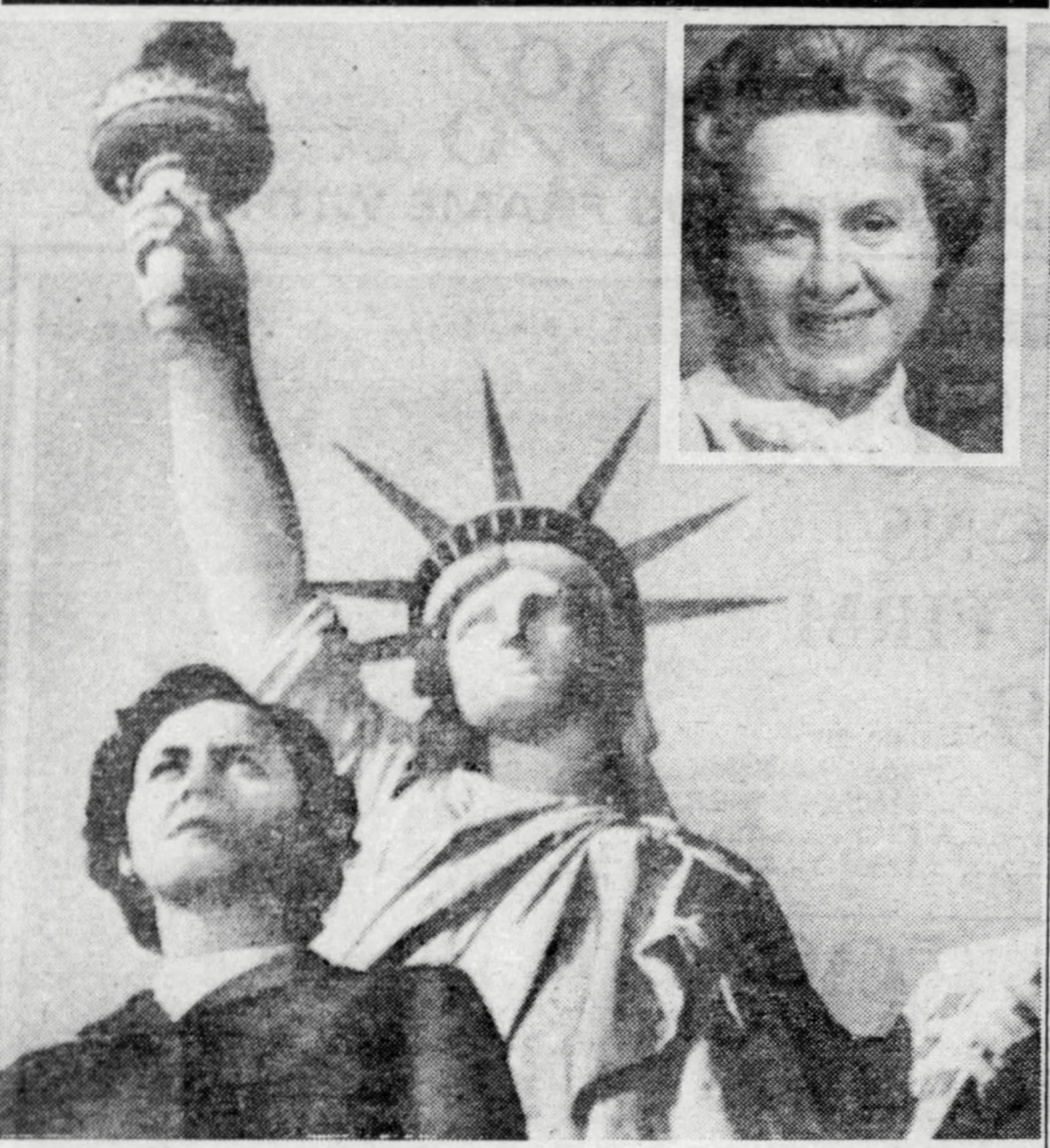
Do you recognize her? Most likely, probably not. She’s a pretty obscure reference in regards to her famous connection. But maybe the following info will help spark your curiosity or at least ignite the musings of your mind. Her name is Dorothy.  This photo of Dorothy was taken in the 1980s, part of a follow-up story from the 1950s when she had first become the topic of newspaper headlines. At the time this photo was taken, Dorothy lived in Boise, Idaho but the event that made her newsworthy in the 1950s revolved around something that happened in New York City. Any guesses as to who she might be? If not, here’s another clue…

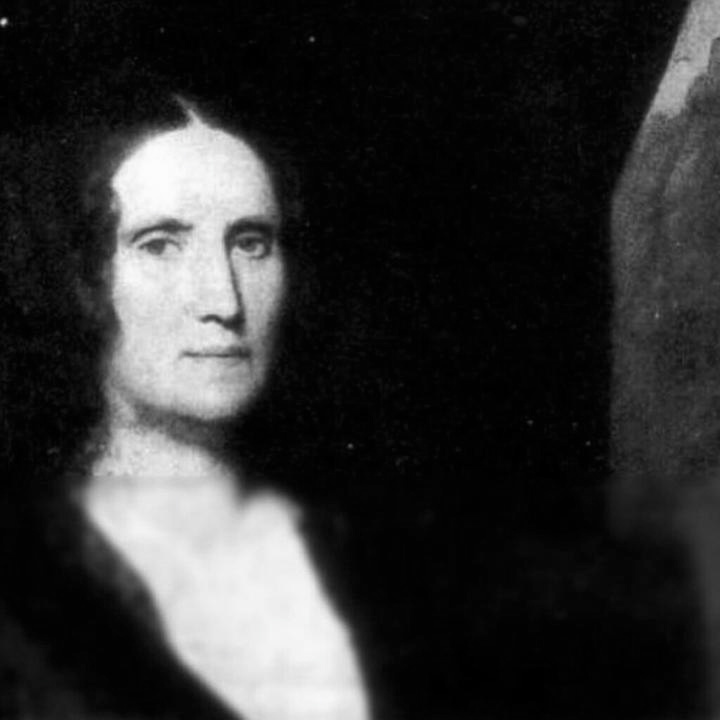
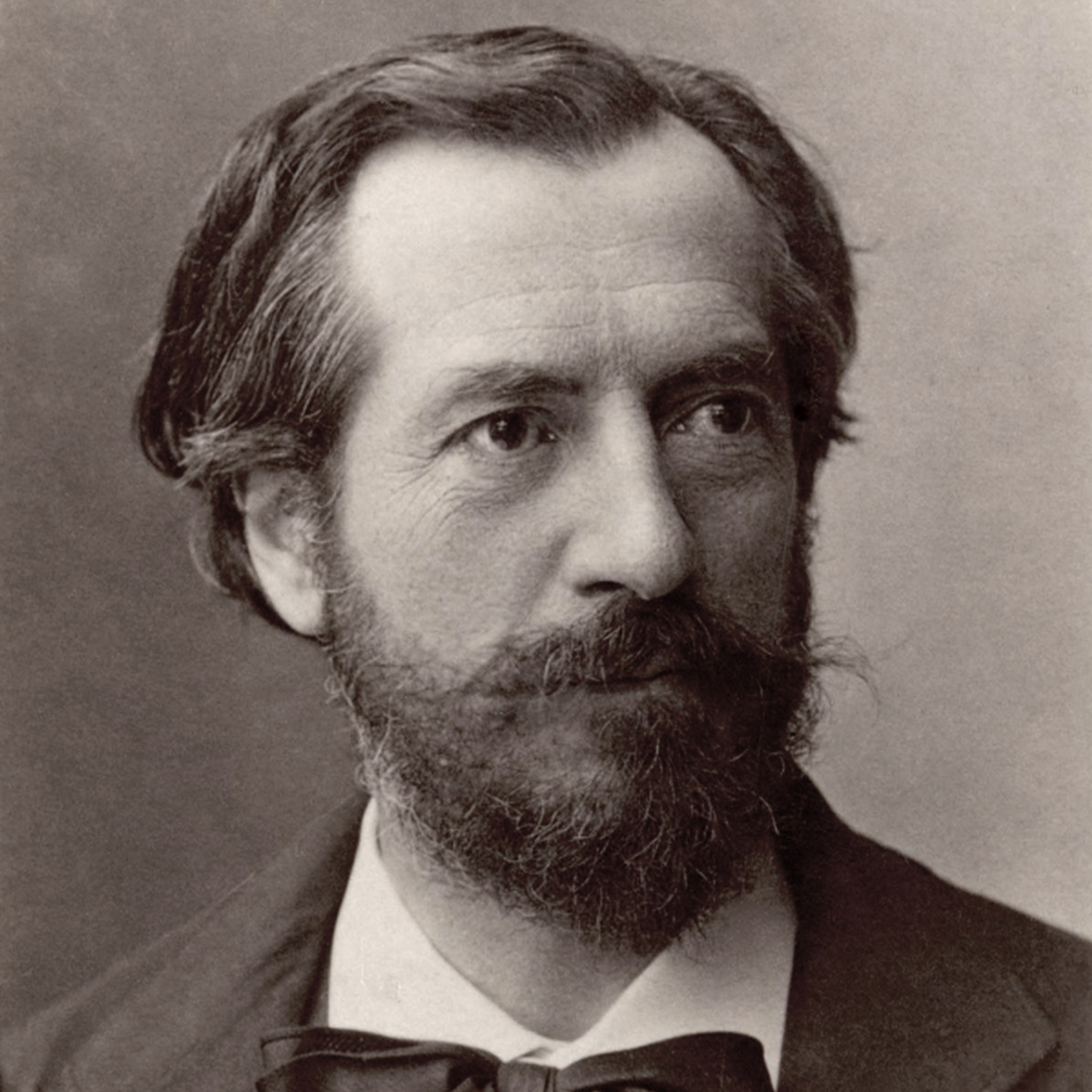
This is Charlotte. She is related to Dorothy. Can you see any resemblance?  Charlotte was born in 1801 in the Alsace region of northern France. She married into a French family with the last name of Bartholdi. Charlotte had a son named Frederic who became an artist. This is Frederic…

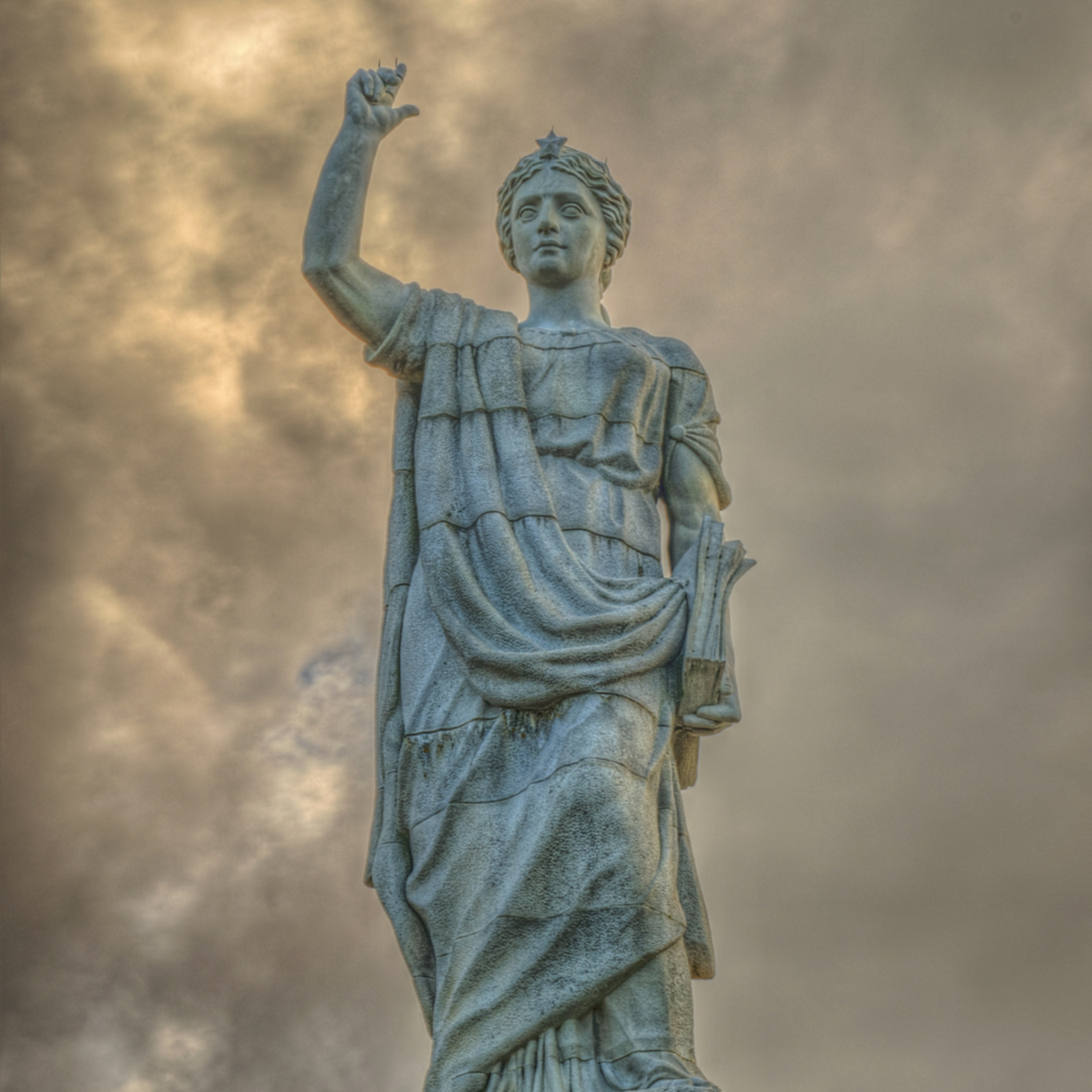
Frederic dreamed of designing an enormous statue. He wanted to build it in France, but display it in America. The statue was going to require a lot of money to build, so he came to the United States in the 1860s ready to talk up his idea and gather some investors. As it turns out, Frederic’s concept sounded an awful lot like another American statue that was already in the works and slated for display in Plymouth, Massachusetts. That statue would eventually be called the National Monument to the Forefathers and looked like this…

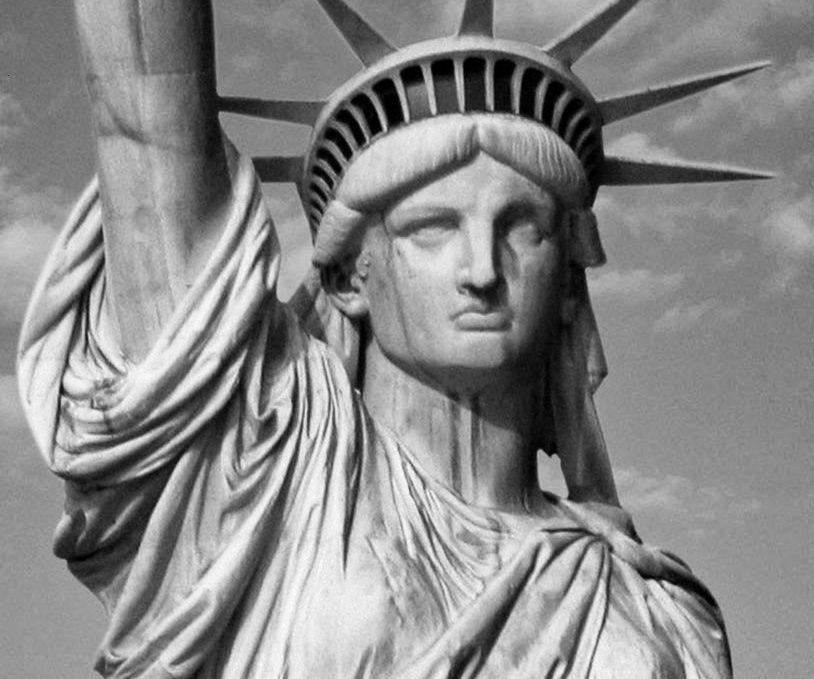
Undeterred by this similarity, Frederic went back home to France and carried on with his own statue anyway. He raised money in his own country with the help of his mother and the generosity of local French citizens including school children. Eventually, Frederic’s dream was realized and his statue came to fruition. Off on a boat, it went to America. This is what he created…

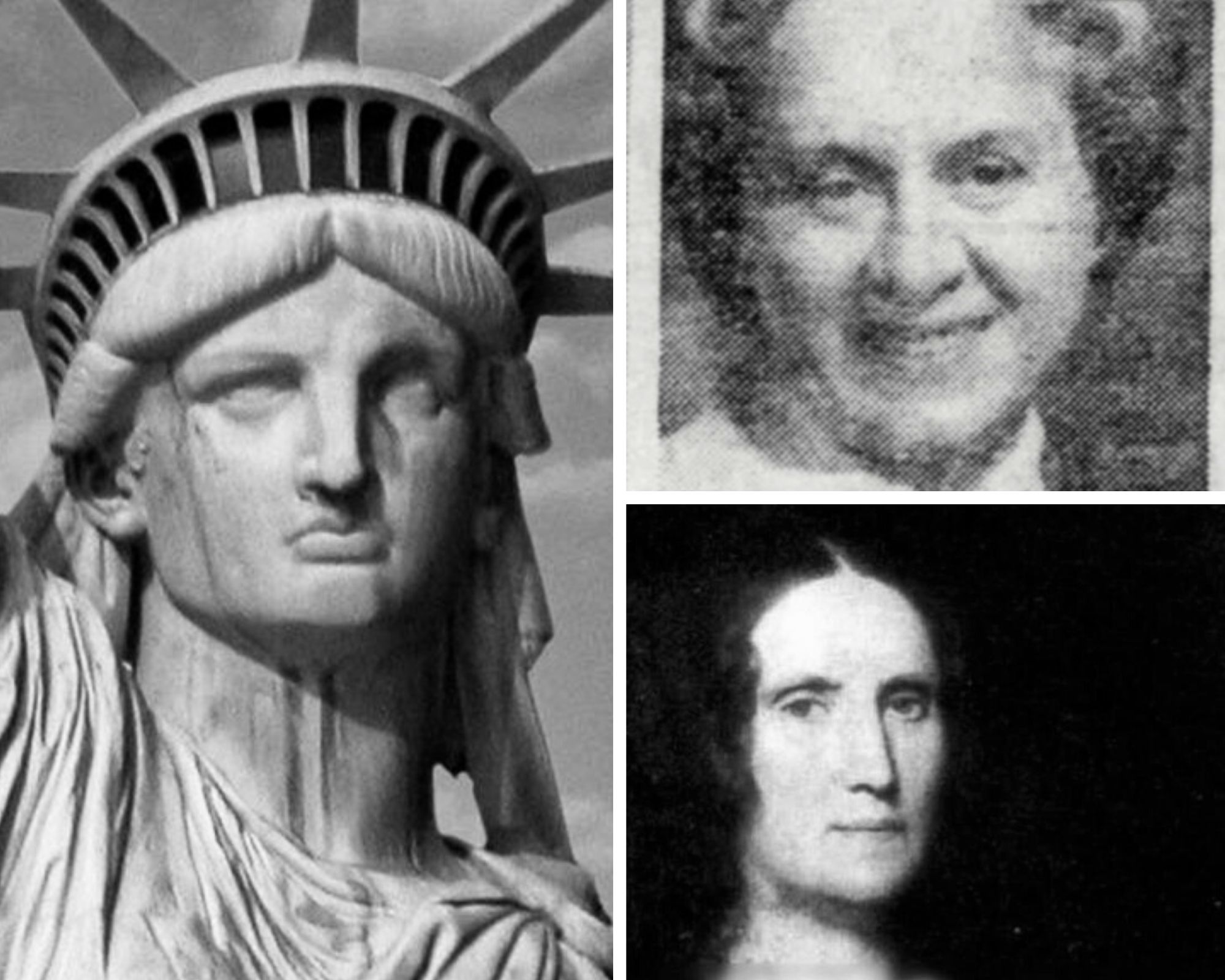
Now back to Dorothy and Charlotte. Charlotte, Frederic’s mother, was the model for the face of the Statue of Liberty. Dorothy is Charlotte’s great-great-granddaughter.

When Dorothy was photographed in New York Harbor in the 1950s in front of the Statue of Liberty, everyone remarked on their striking similarities…

Dorothy Franks photographed in 1956 with the Statue. The inset photo was taken in 1984. Images courtesy of the Daily News.

Dorothy was related to Charlotte both via direct lineage and also by marriage, as she married her second cousin who was also related to Charlotte by blood. Today’s recipe for Bavarian Cheesecake comes from Dorothy’s kitchen.

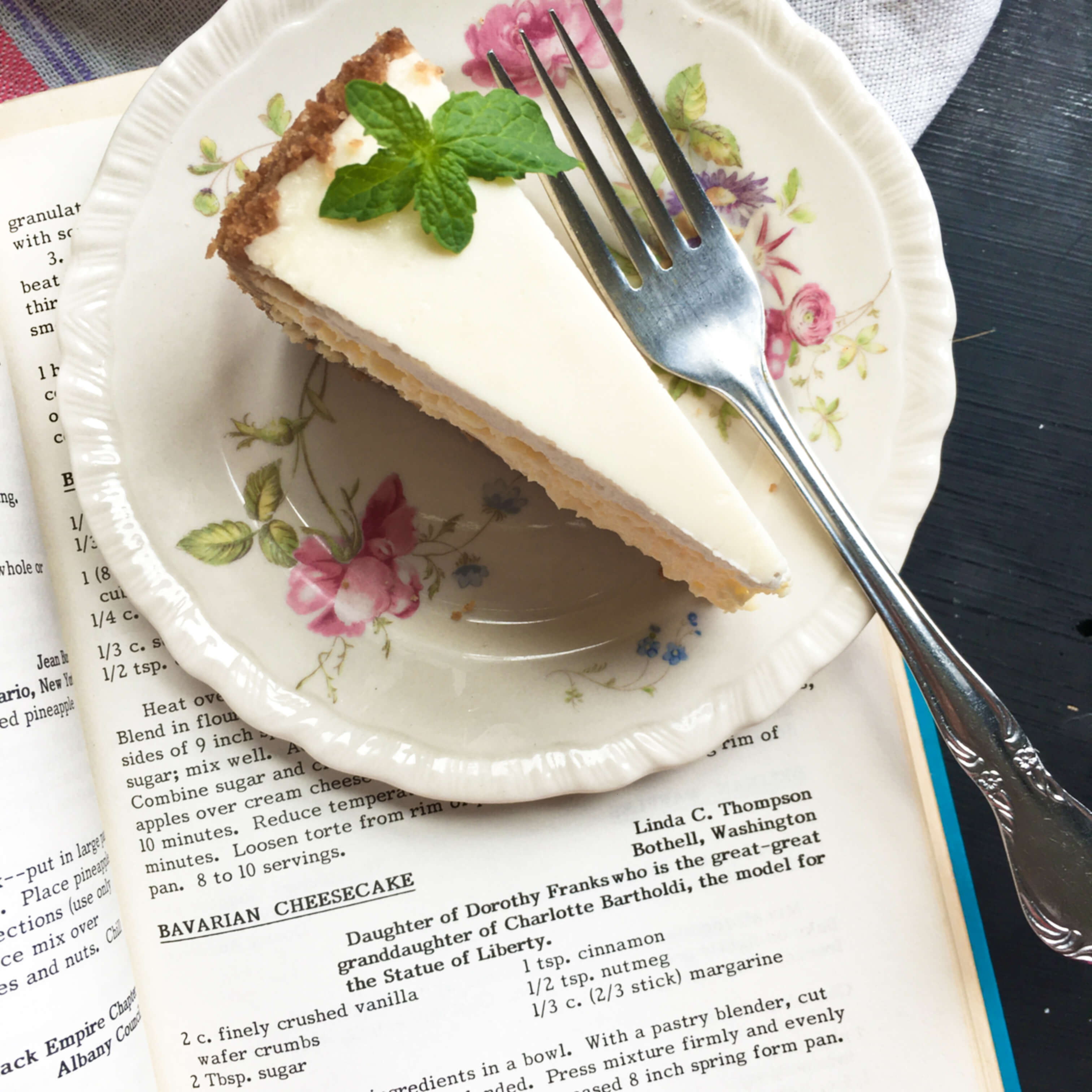
The recipe was submitted for inclusion in the Celebrity Desserts Cookbook in 1986 by Dorothy’s granddaughter Linda, who lived in Washington state (oddly enough, in the same small town where my mom grew up). The cookbook was compiled by the Albany NY Council of the Telephone Pioneers of America, a social service organization founded in 1911 that was inspired by Alexander Graham Bell’s invention of the telephone. The Pioneers produced this cookbook as a fundraiser campaign to raise money for much-needed repairs to the Statue of Liberty. The Council collected favorite recipes from a variety of kitchens all across the country including famous ones (a former First Lady, well-known figures in the performing arts, iconic hospitality venues, etc) as well as regular home cooks, Pioneer members, and telephone industry employees who had culinary crowd-pleasers to share.  Undoubtedly Linda’s recipe and the provenance from which it came must have been the icing on the cake (no pun intended!) when it came to the whole cookbook. With just five degrees of separation from Linda’s kitchen in Bothell, WA to the Statue of Liberty in New York Harbor, this cheesecake recipe instantly added a whole new dynamic element to the American food scene and to celebratory Fourth of July fare.

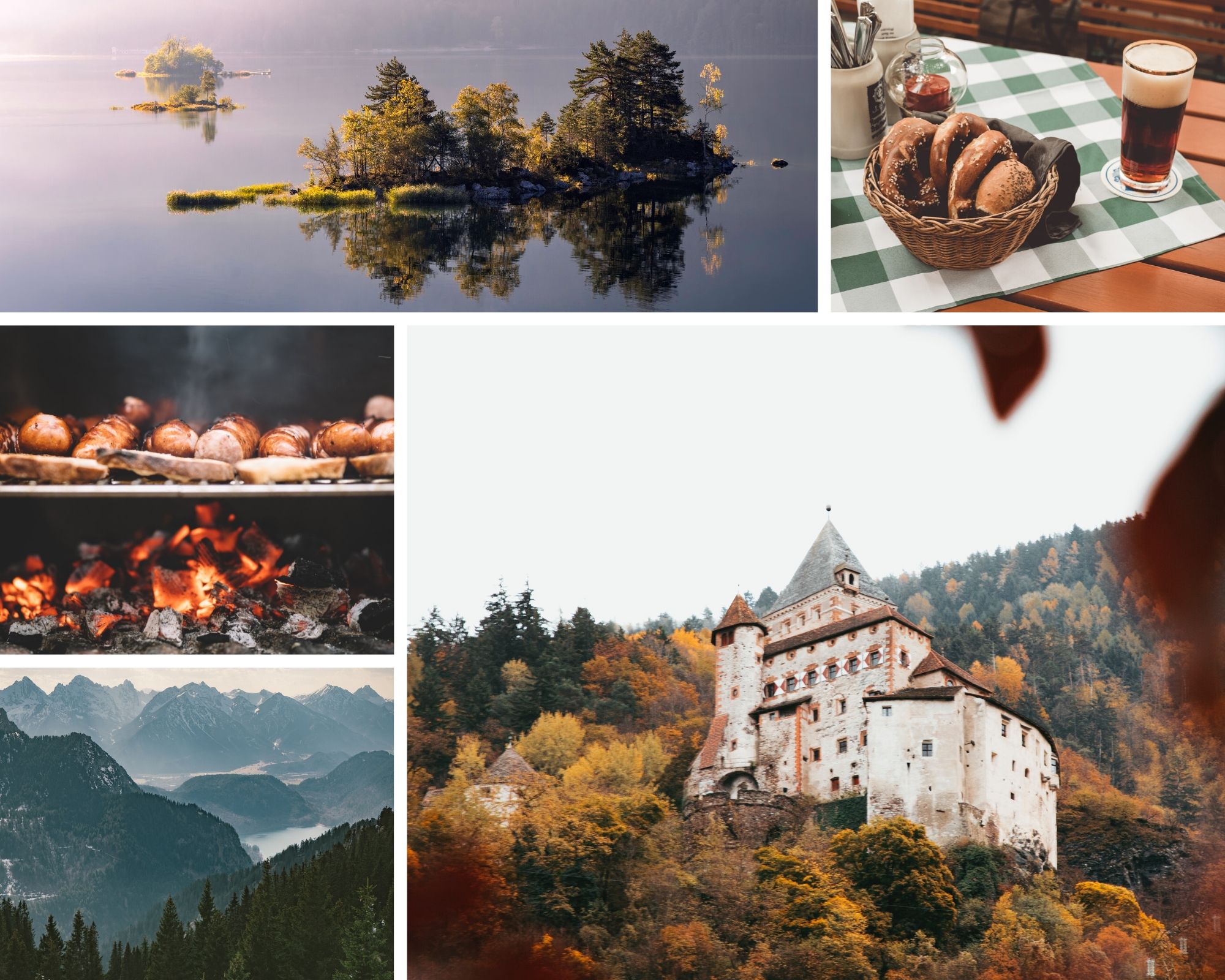
The lineage of this recipe doesn’t stop with the ladies though, nor the French nationality. It’s called Bavarian Cheesecake because it hails from Bavaria, the state located inside Germany that is known for its fairy tale castles, picturesque scenery, and a handful of typically traditional German foods including beer and sausages.

Charlotte’s family were German protestants in Alsace and Dorothy’s grandfather was born in Italy. So the Bartholdis themselves were a multicultural bunch, just like the immigrants who would come to meet Lady Liberty in New York.  Eventually, Dorothy’s grandfather left Italy and immigrated to America in the late 1890s. When he floated in on the steel grey waves of water in New York Harbor, he passed under the coppery gaze of his grandmother Charlotte. What a surreal experience that must have been. In a Daily News interview published in the 1980s, Charlotte said the family was very proud of their connection to Lady Liberty and that her dad, when she was a little girl would tell stories about Charlotte and Frederic’s connection to the statue.

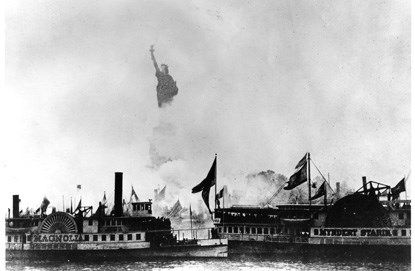
Dedication day !o The Statue of Liberty as photographed on October 28, 1886. Image courtesy of nps.org

Alongside Dorothy’s Italian grandfather, came boatloads of German immigrants. Of the 12 million people that came through Ellis Island from the 1890s – the 1950s, 1/12 of them were German. Because of that large influx from The Land of Poets and Thinkers (that is Germany’s nickname!), one in every four Americans today is connected via German ancestry.

I always think it is fascinating to learn about other people’s immigration stories. It’s so interesting to hear about the situations that brought them to America and to hear about what they encountered when they arrived, and where their dreams and aspirations took them. In Dorothy’s case, her Bartholdi ancestors immigrated to the U.S.  to work in the gold mines in Colorado and to set up shop as stone masons and funerary art designers. In a nutshell, that’s the story of how the Bartholdi family came to America. And how they made a new life for themselves, and made a family, and then made Dorothy and then Linda. And of course all that time they made the cheesecake.

If I could take poetic license with this recipe, I’d like to rename it  Bartholdi’s Bavarian Cheesecake, so that it never lost the lineage of the ladies and their connection to Liberty. Like the nervous anticipation of first-time immigrants to America, this was my first time ever making cheesecake. I must admit I was a little nervous. I had always thought that cheesecake was a very difficult thing to make  – something that took a long time and a lot of effort. Maybe some cheesecake versions are that way, but I’m happy to say that this recipe couldn’t have been easier. It did take a little bit of time – between the chilling of the crust and the two different oven bakes plus the cooling and the overnight rest in the fridge, but certainly, it wasn’t a three-day affair like the Sauerbraten would have been, and it wasn’t expensive to make.

Chalk it all up to the fact that it feeds a crowd, looks lovely on a plate, and lasts in the fridge for days and days and days, I think this Bavarian Cheesecake might just be the new favorite of the International Vintage Recipe Tour so far.  And that is really saying something. Australia’s Queen Mother’s Cake from Week 2 of the Tour is still receiving accolades by blog readers and eaters all these months later. So I’m especially excited to hear what you think of this latest addition to our culinary book of adventures. When we get to the end of the year and the end of the Tour, it will be fun to vote on the most favorite food made along the way. But for now, we have Bavaria and baking to get to…

Bartholdi’s Bavarian Cheesecake

Makes one 8″ inch cake or 12 Servings

For the crust:

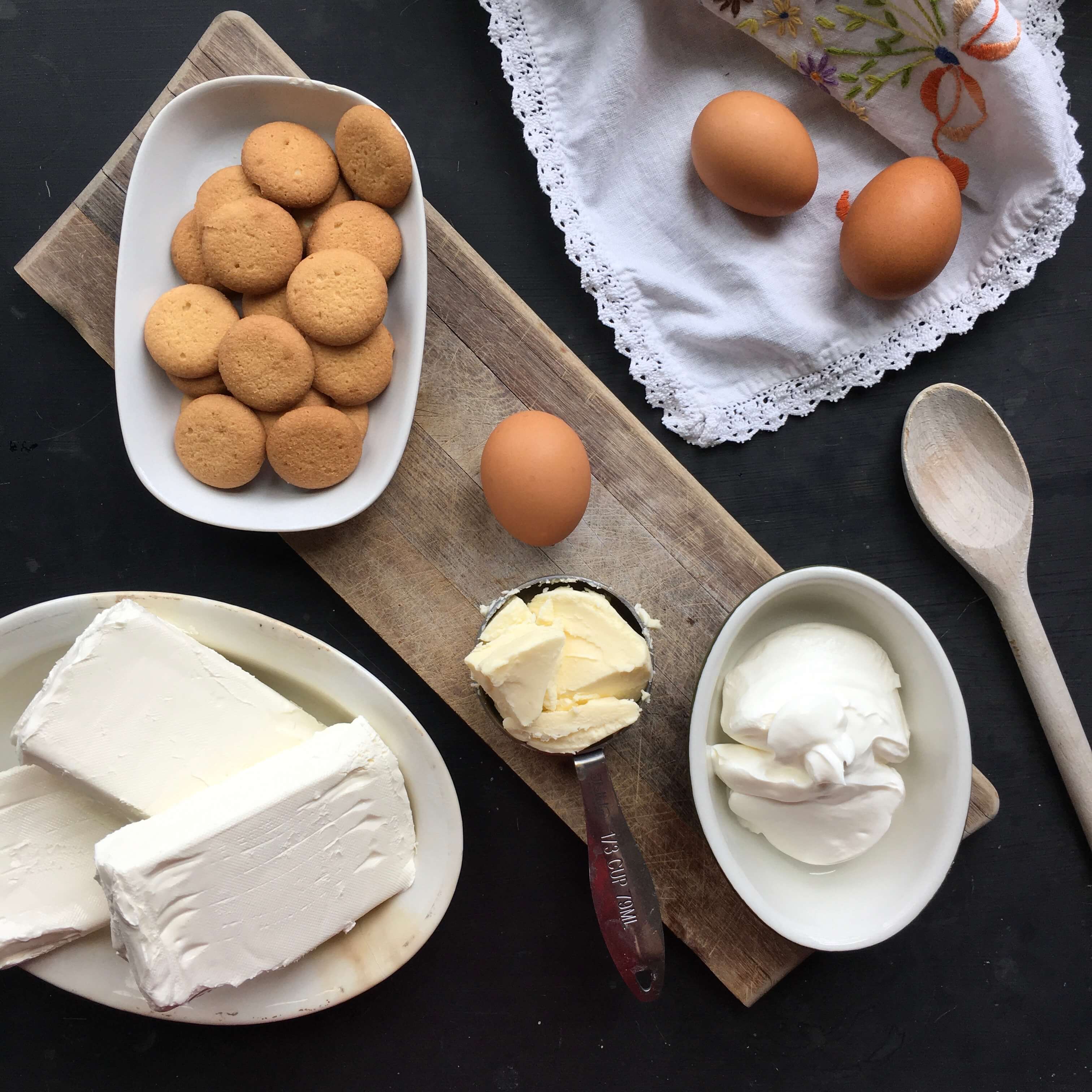
2 cups finely crushed vanilla wafer crumbs

2 tablespoons sugar

1 tsp cinnamon

1 1/2 teaspoon nutmeg

1/3 cup butter

For the filling:

1 1/2 lbs cream cheese (or three 8oz. packages), softened

1 cup sugar

3 eggs

1 tablespoon lemon juice

1 teaspoon grated lemon rind

1/2 teaspoon vanilla

For the top layer:

2 cups sour cream

3 tablespoons sugar

1 teaspoon vanilla

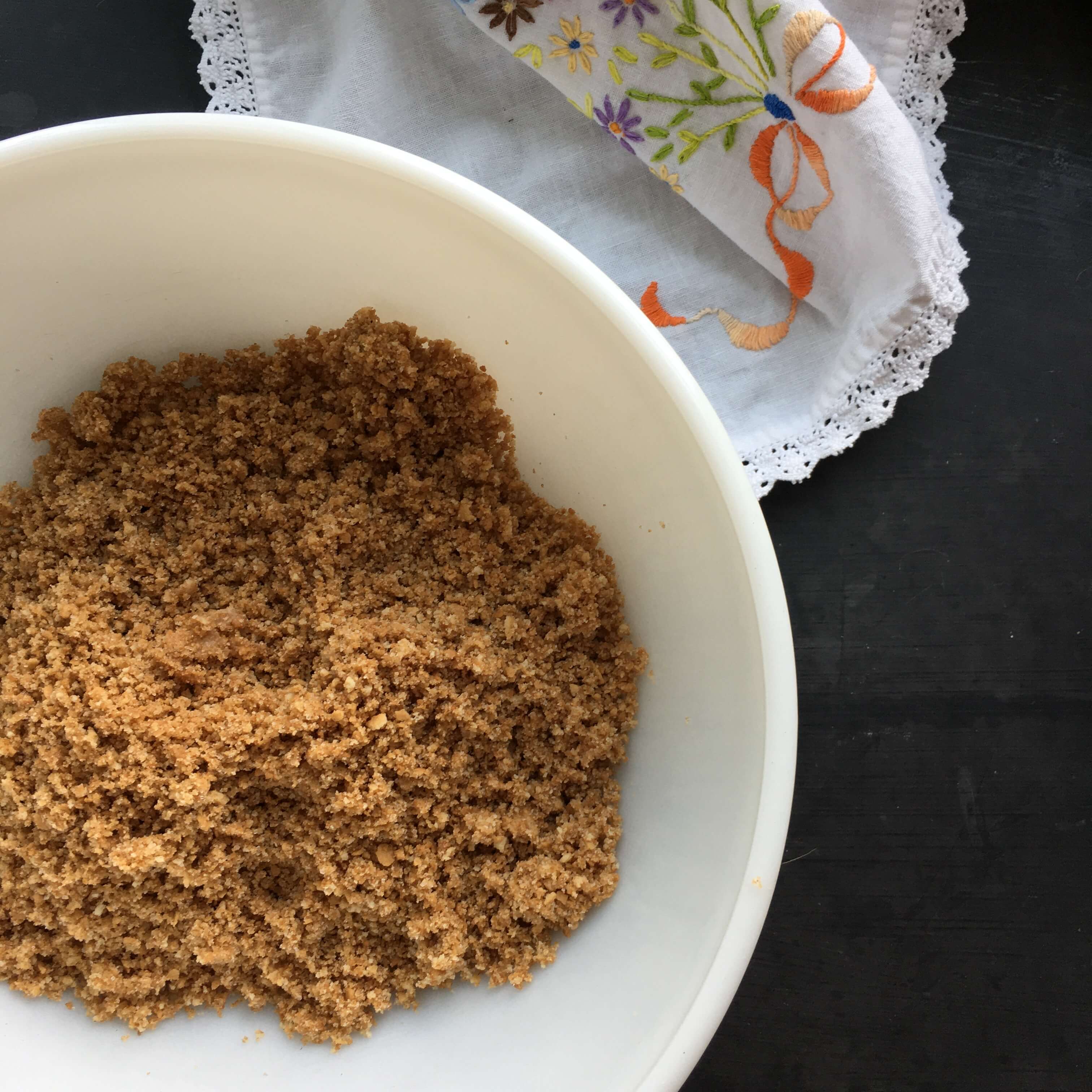
For the crust: Combine first five ingredients (wafers, sugar, cinnamon, nutmeg, butter) in a bowl. With a pastry blender, cut butter until thoroughly blended until it resembles course crumbs.

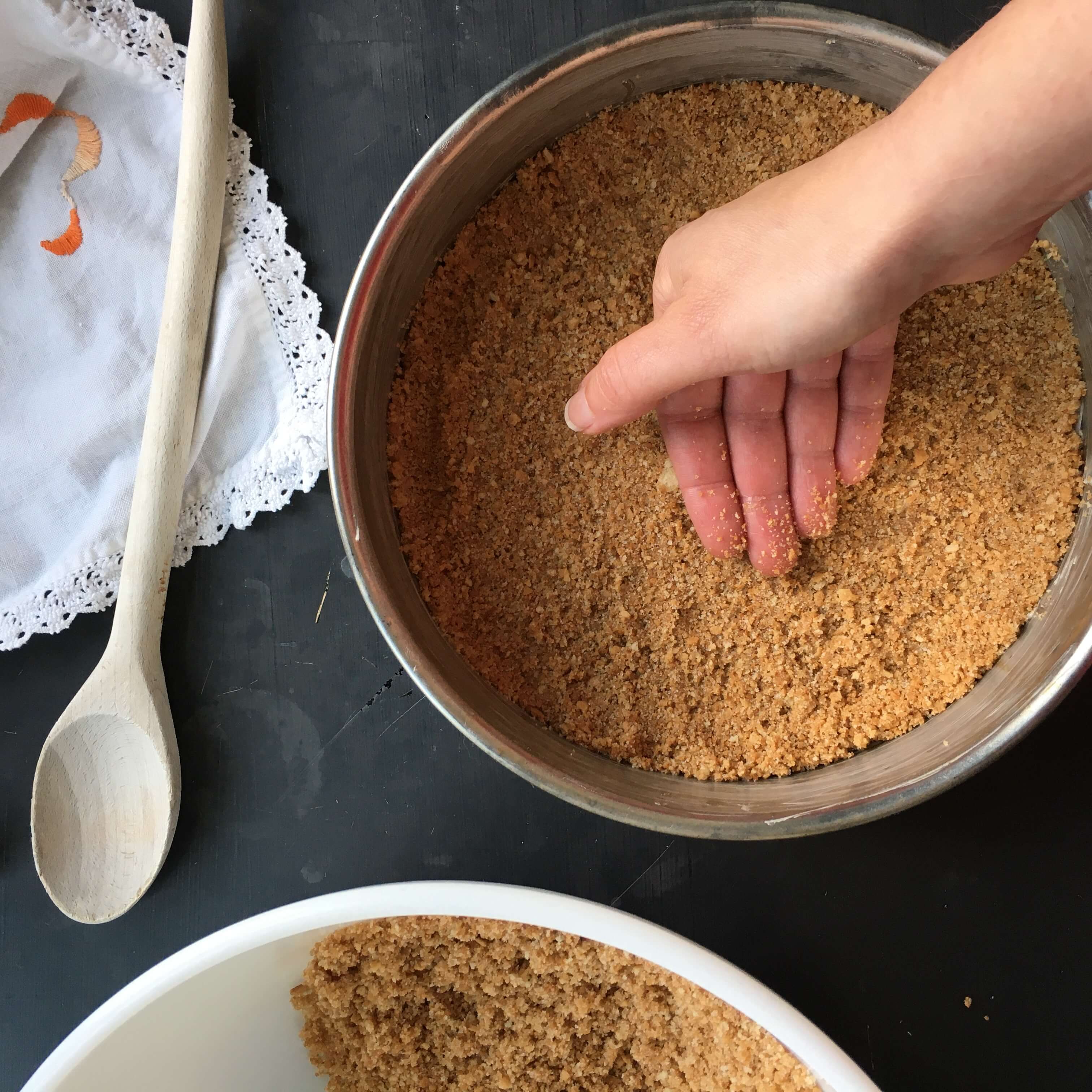
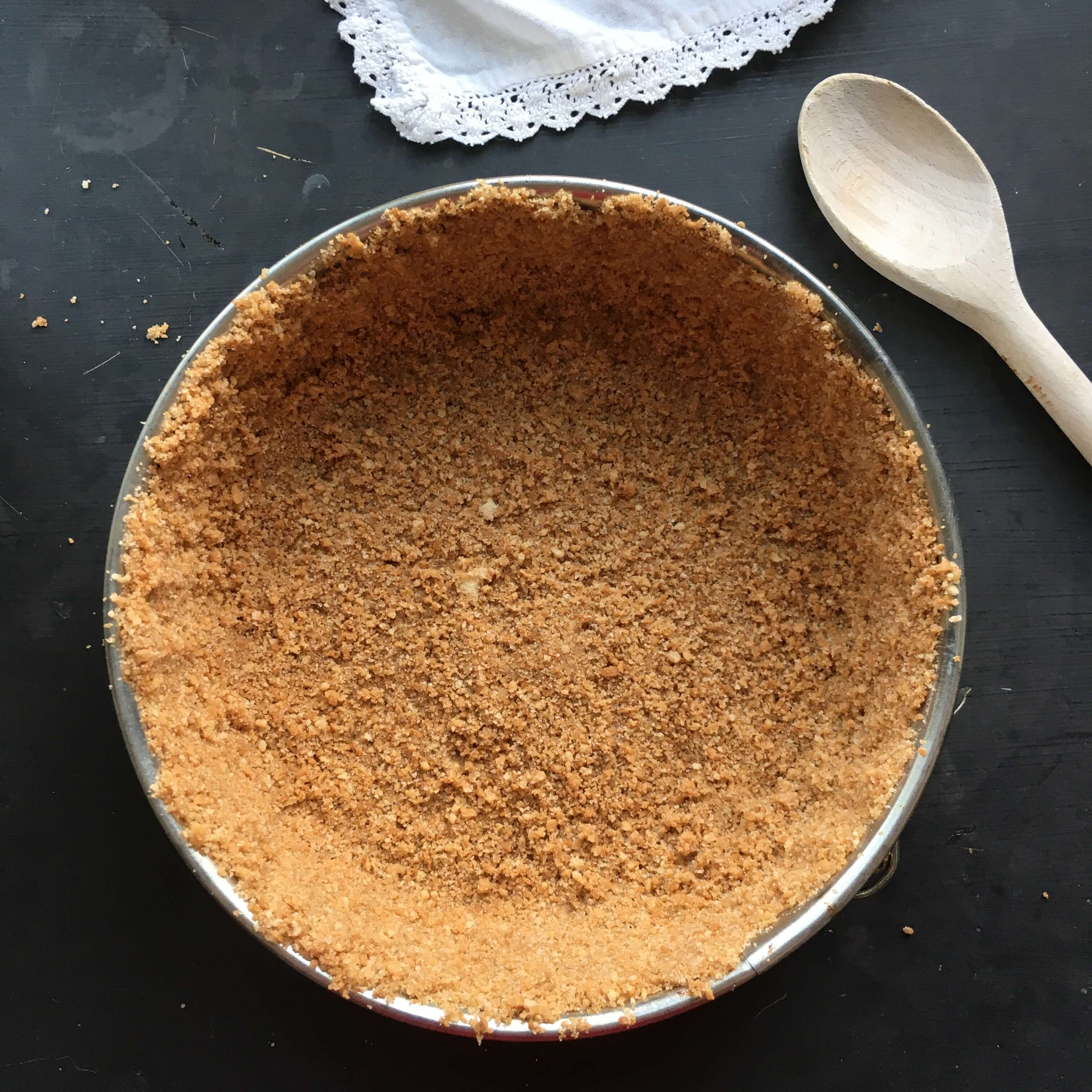
Press mixture firmly and evenly against bottom and sides of a lightly greased 8-inch spring form pan. (Note: I used an 8 1/2 inch pan and that worked totally fine too.)

Refrigerate 30 minutes.

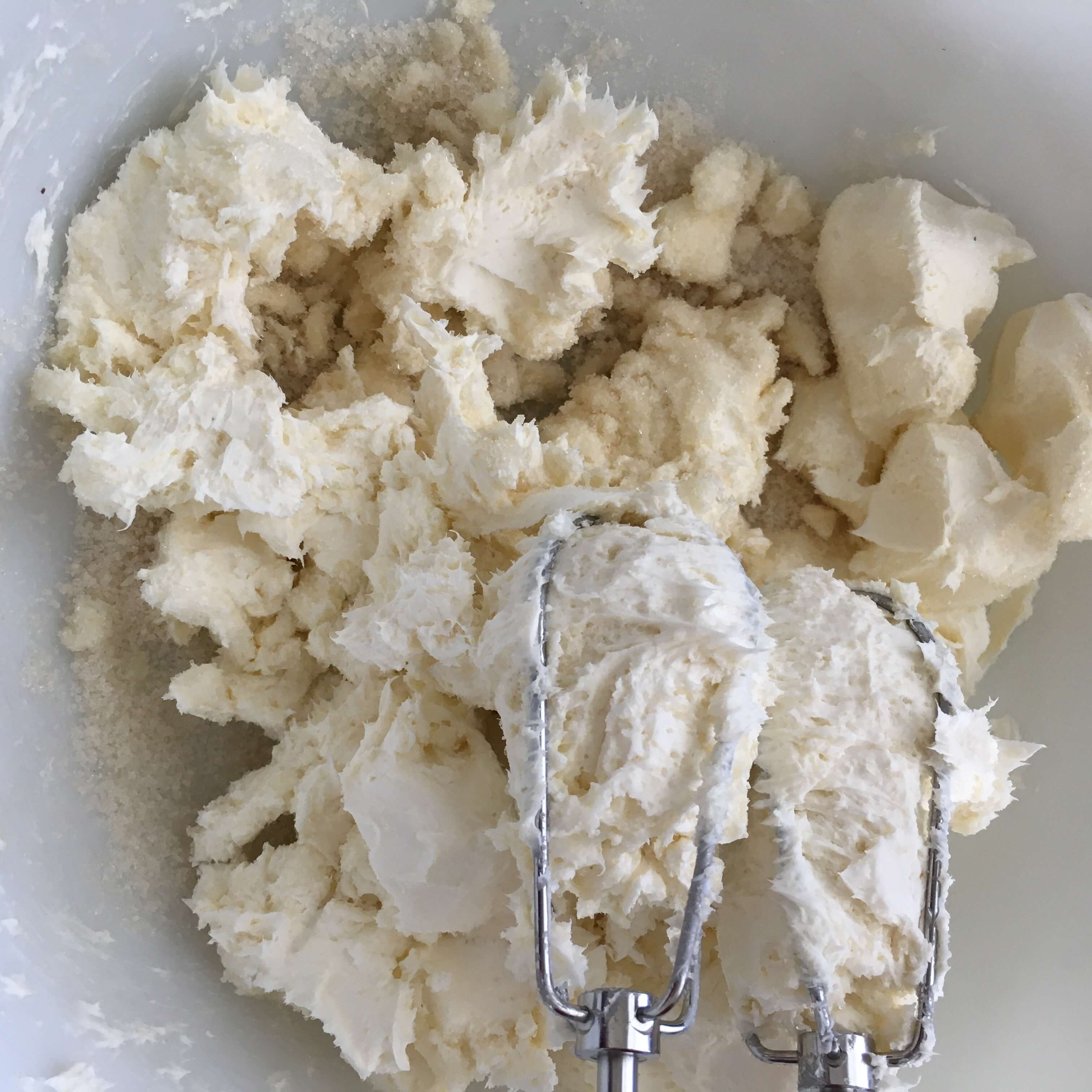
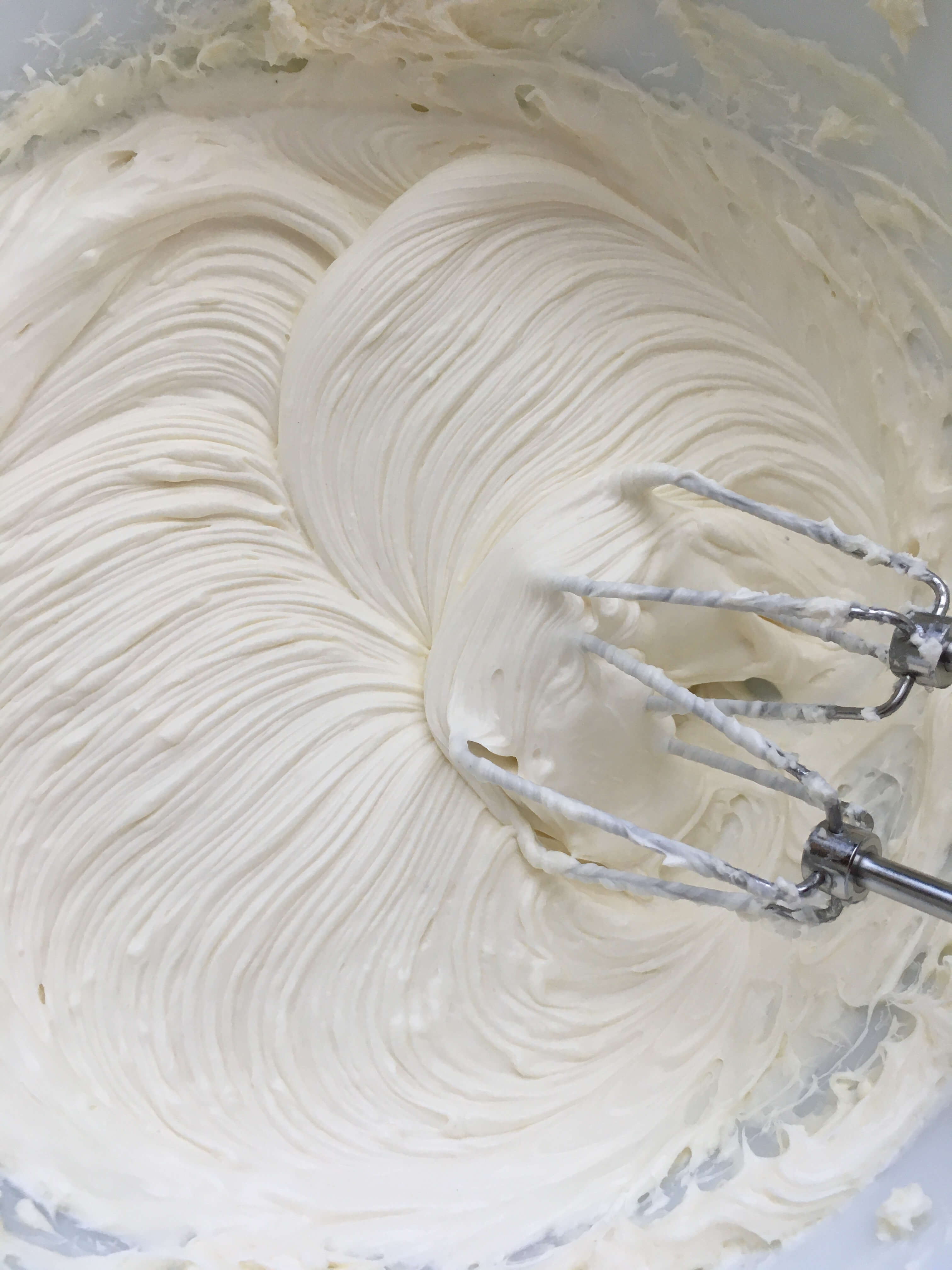
For the filling: Preheat the oven to 375 degrees. Cream cheese and sugar together in a large bowl until light and fluffy.

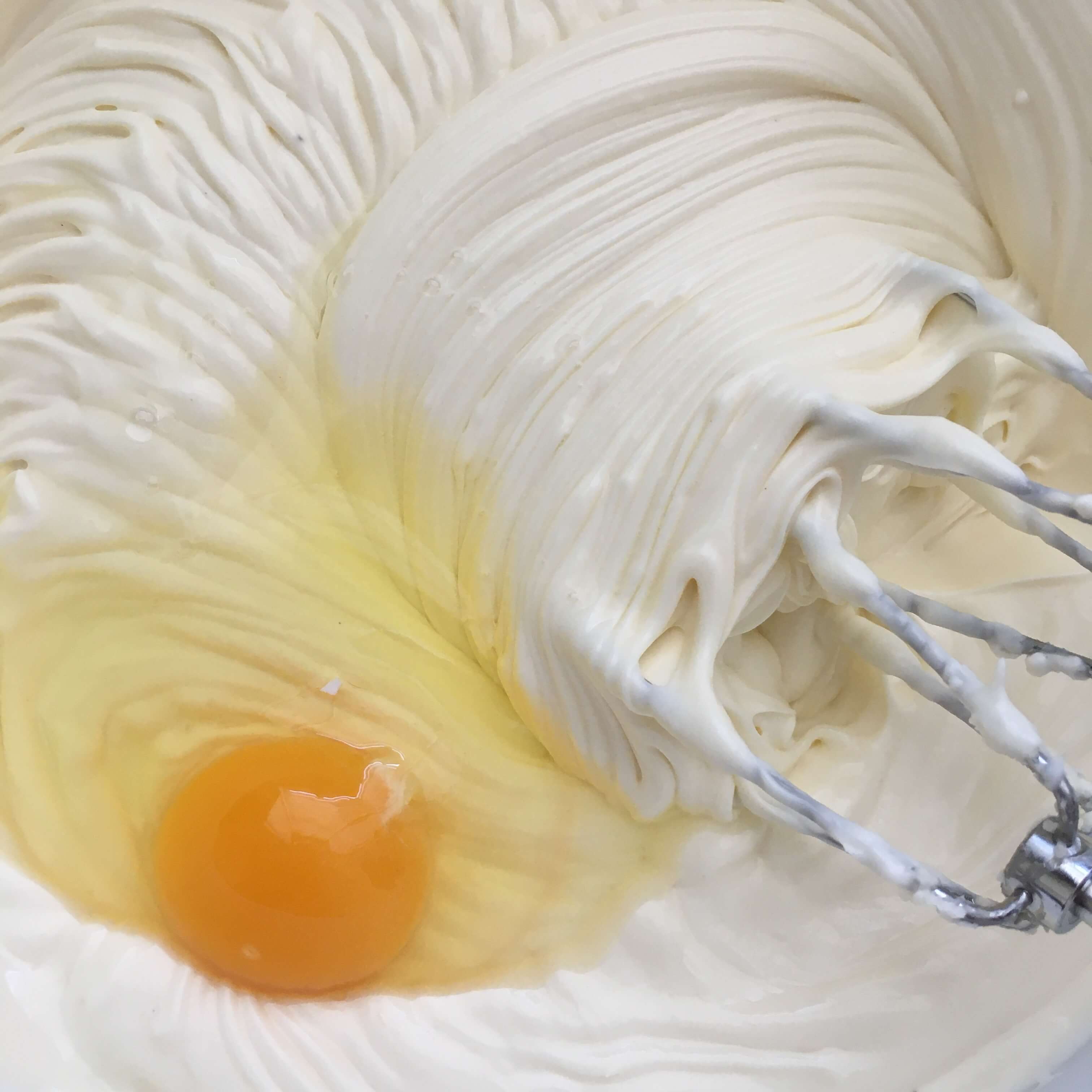
Add eggs one at a time, beating well after each addition.

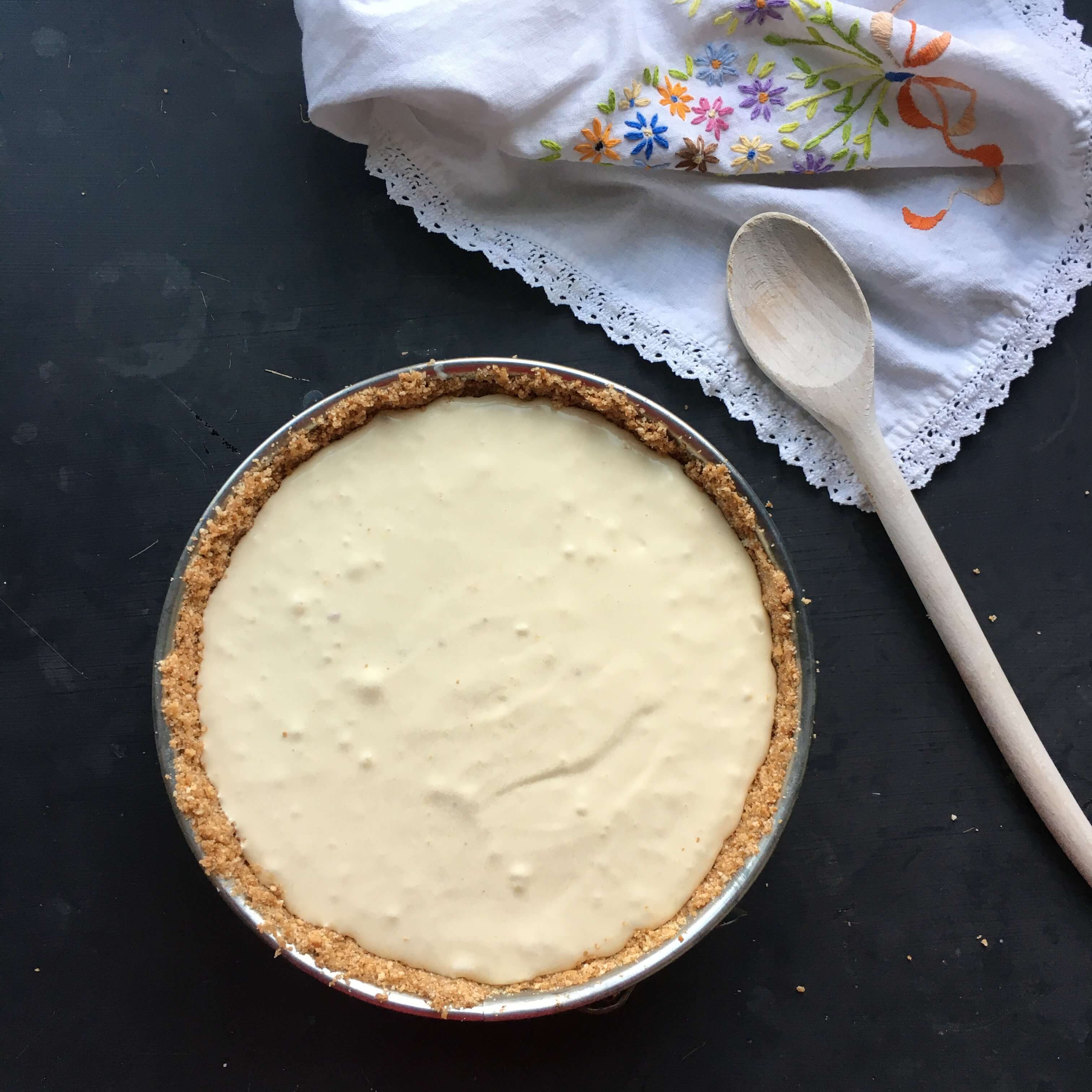
Thoroughly blend in the lemon juice, lemon rind, and 1/2 teaspoon vanilla. Pour into chilled crumb crust.

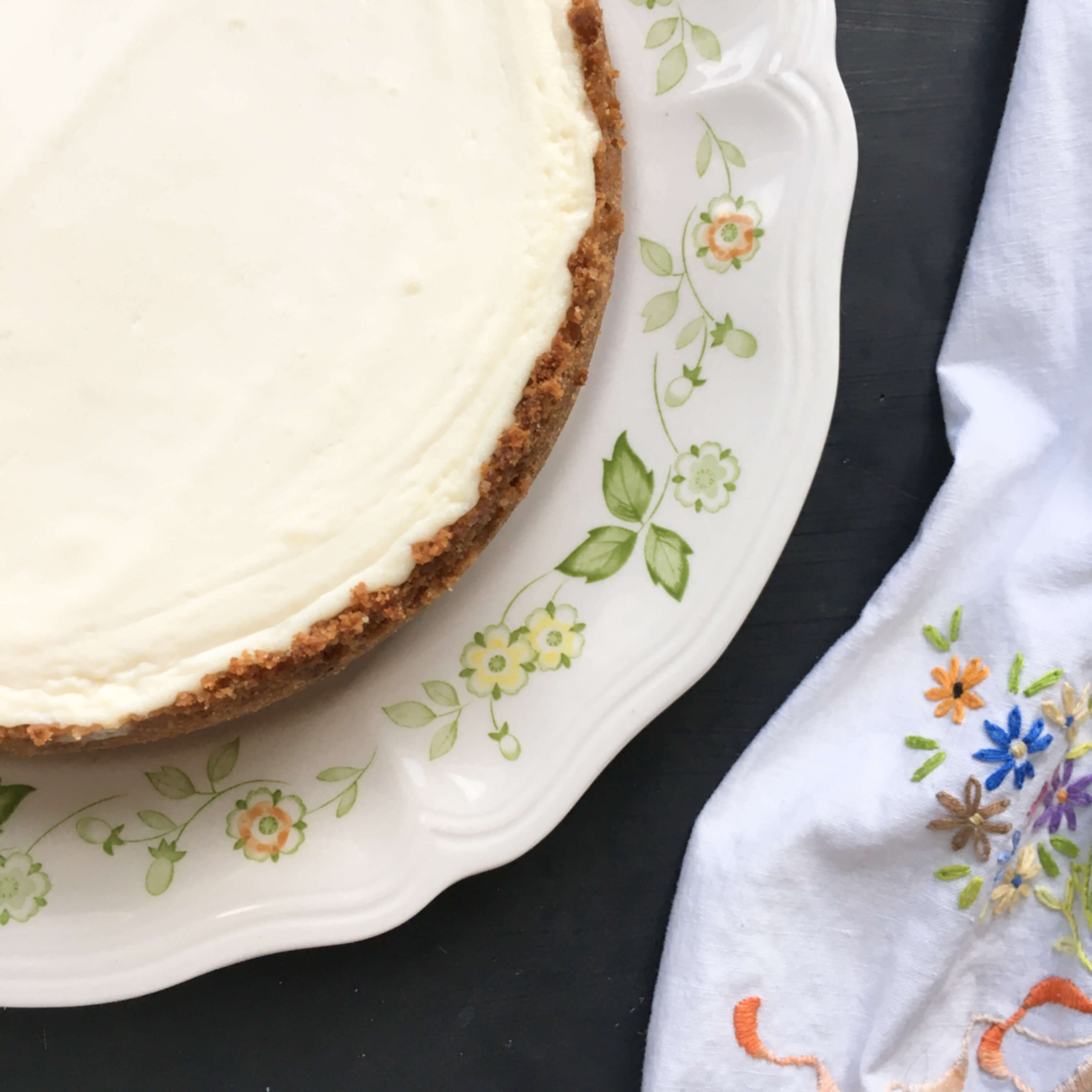
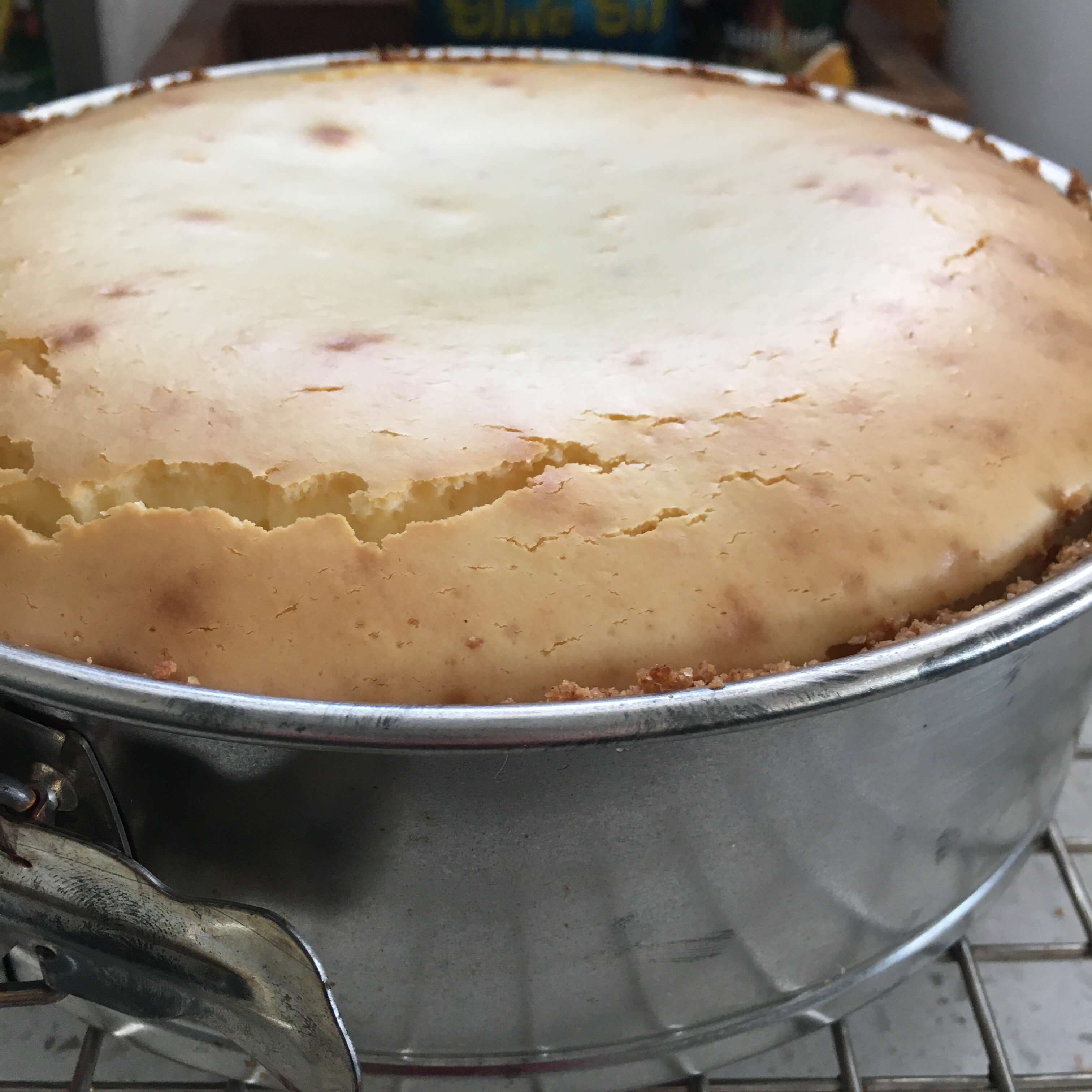
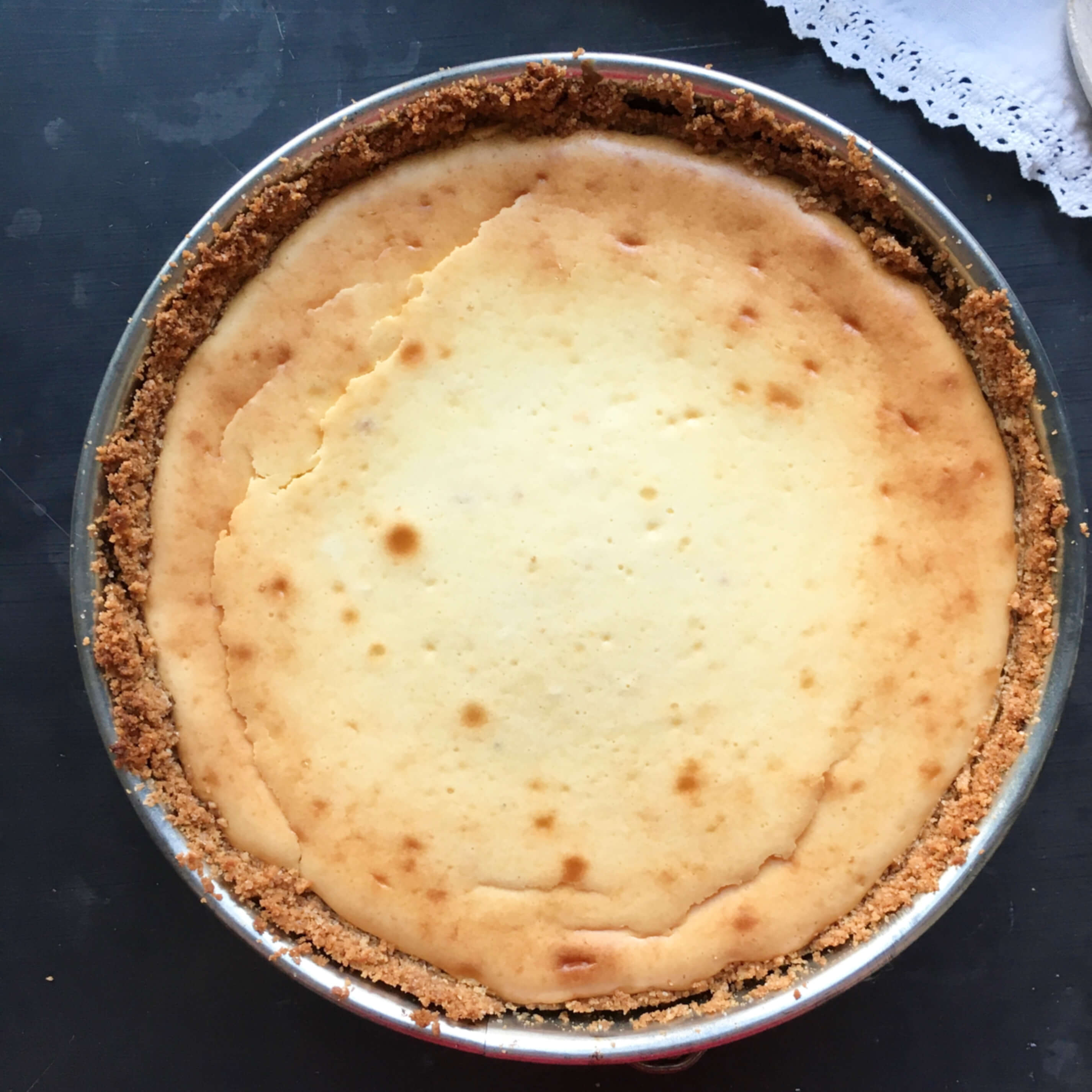
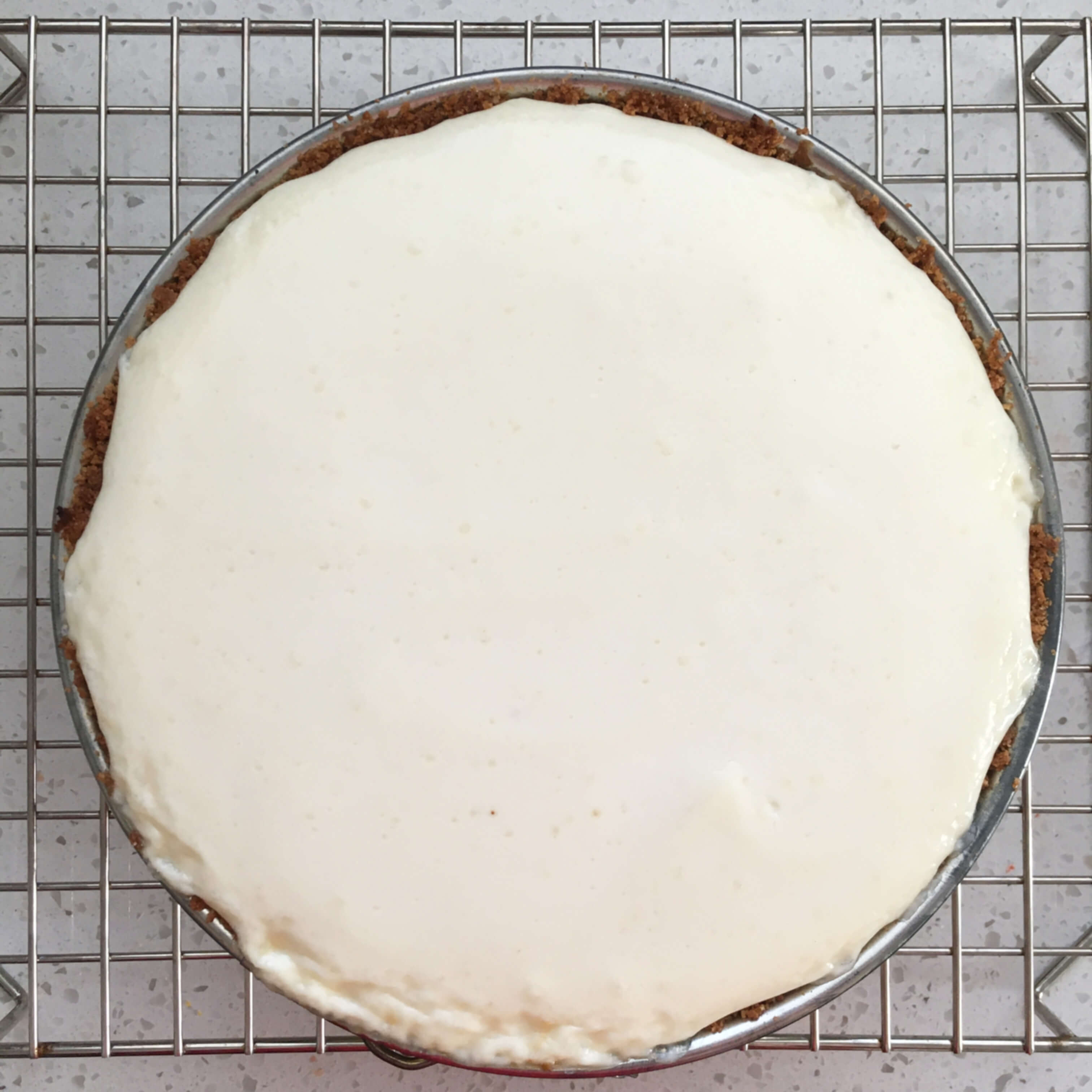
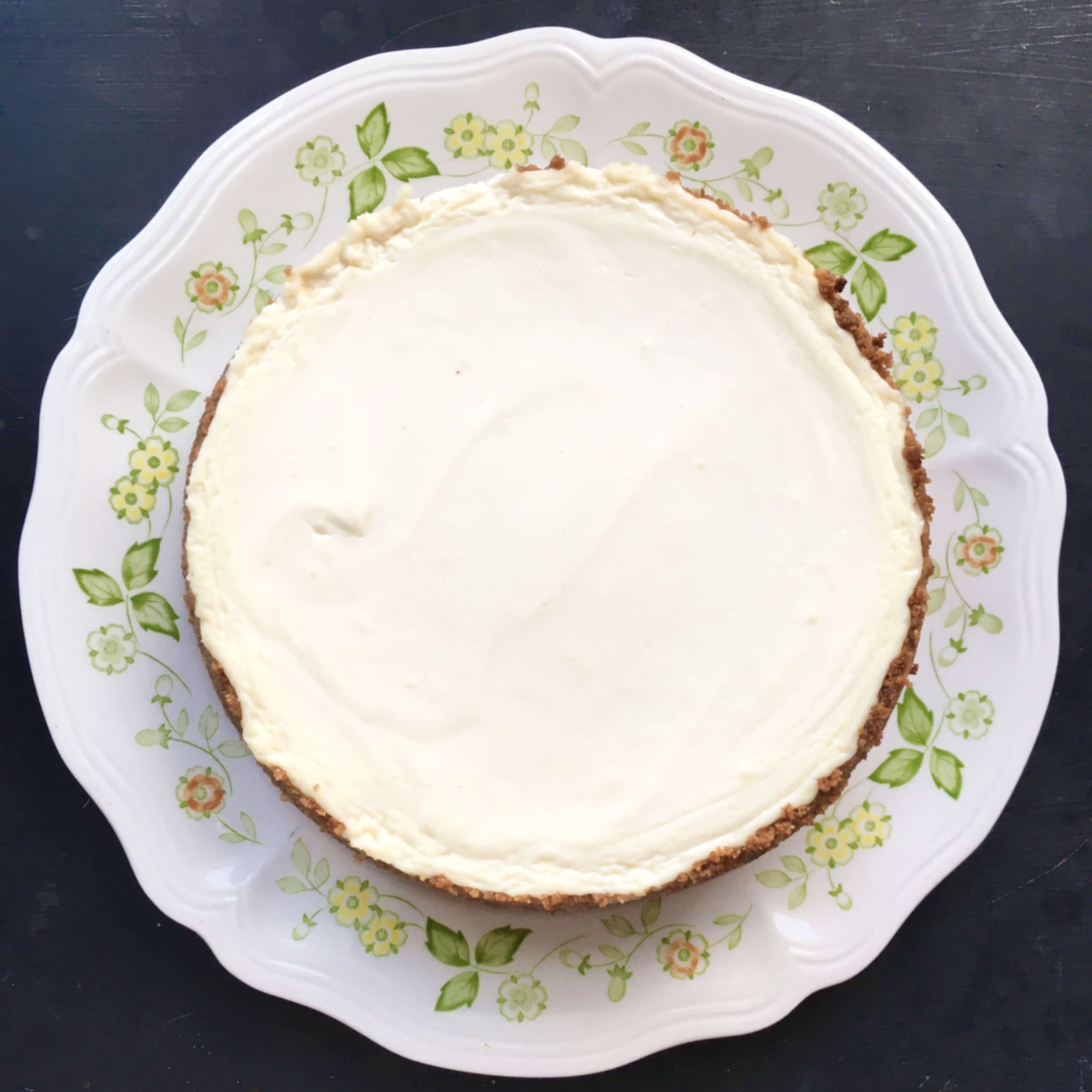
Bake for 45 minutes. Remove from oven and let cool at room temperature for 30 minutes. (Note: The cake will brown a little on the edges, as seen in the photos below, and may even crack a little bit on top. All that is totally fine.)

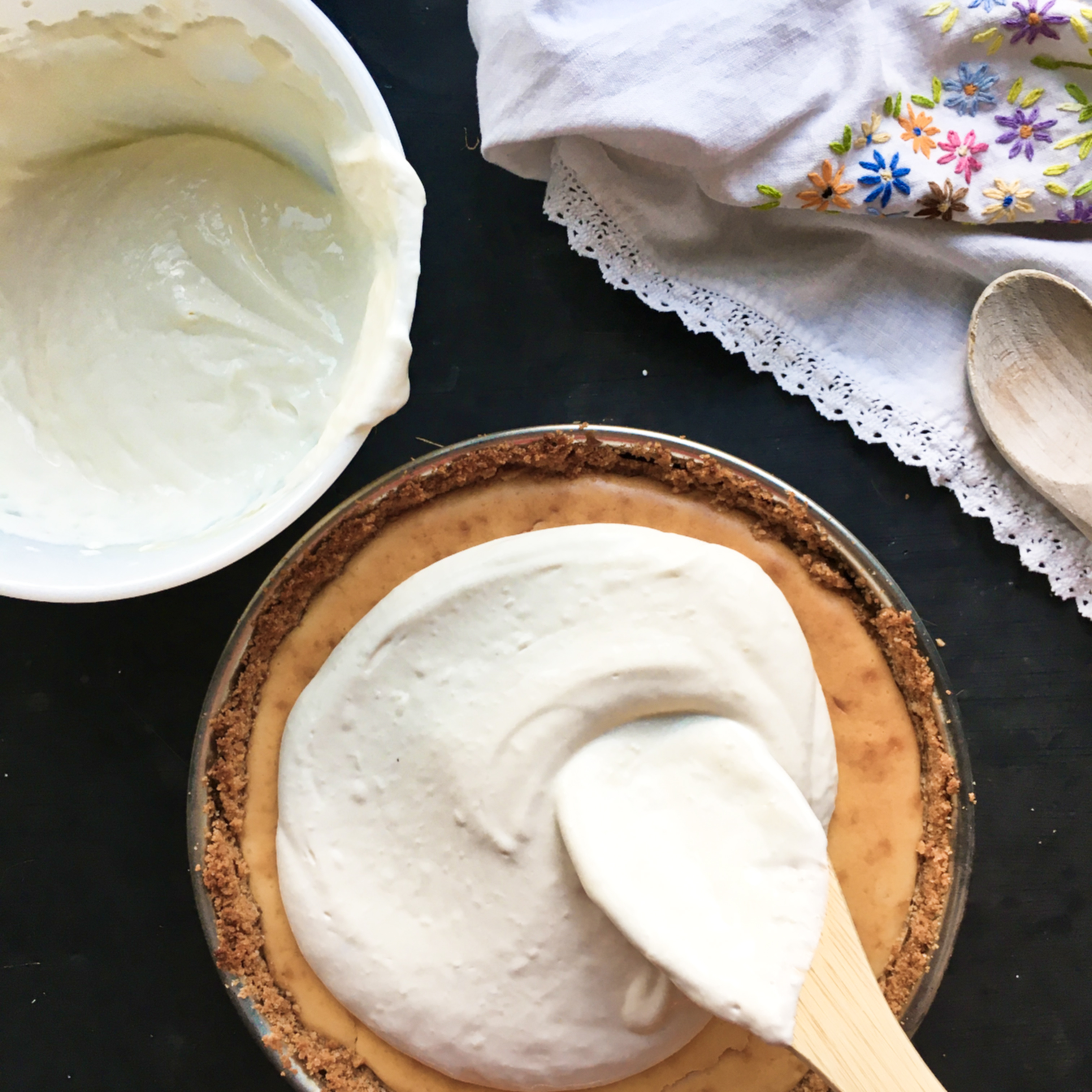
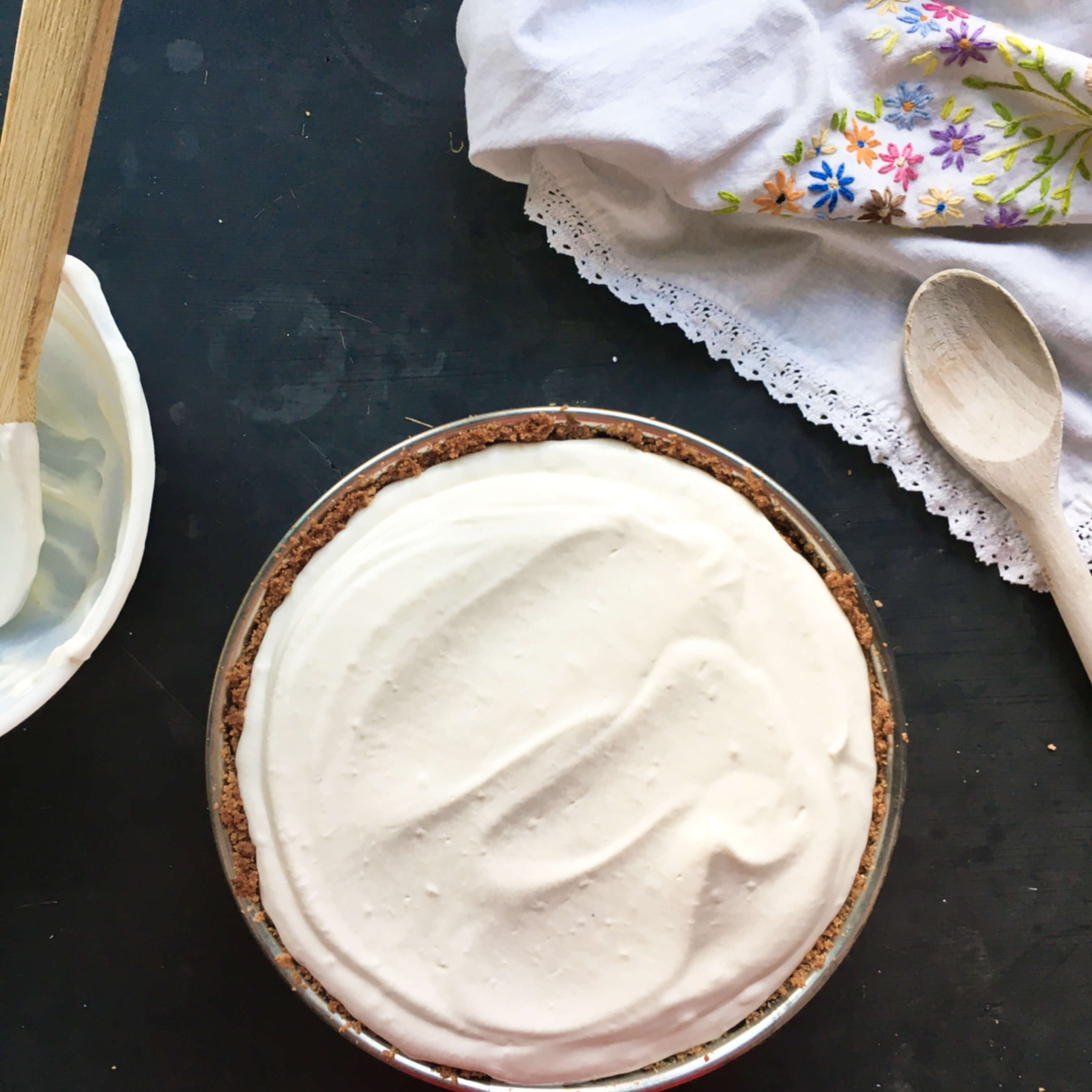
For the top layer: Preheat the oven to 500 degrees. Blend together the sour cream, sugar and vanilla. Carefully spread sour cream mixture over cooled cheese filling.

Bake in oven for 10 minutes. Cool.

Then refrigerate overnight before serving.
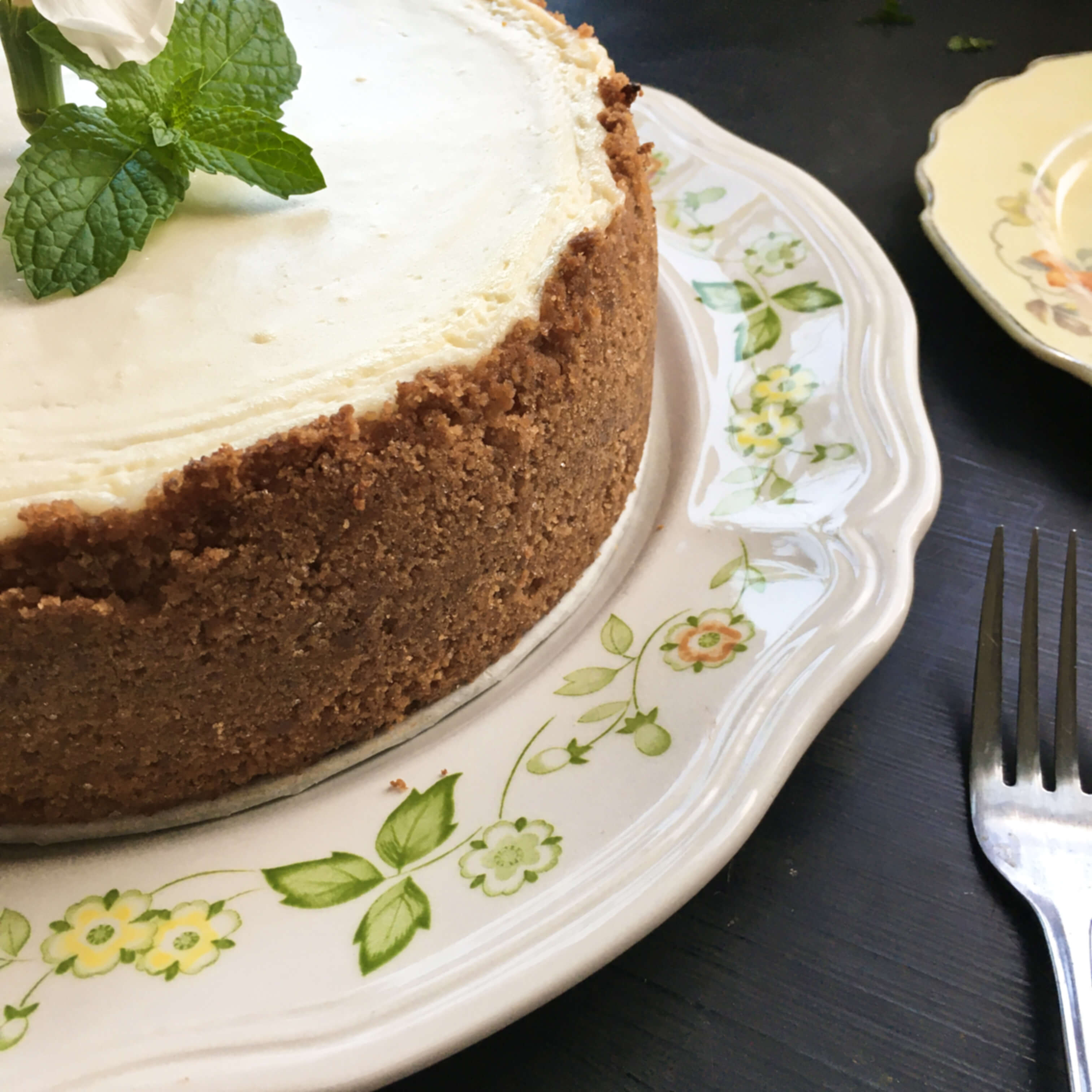
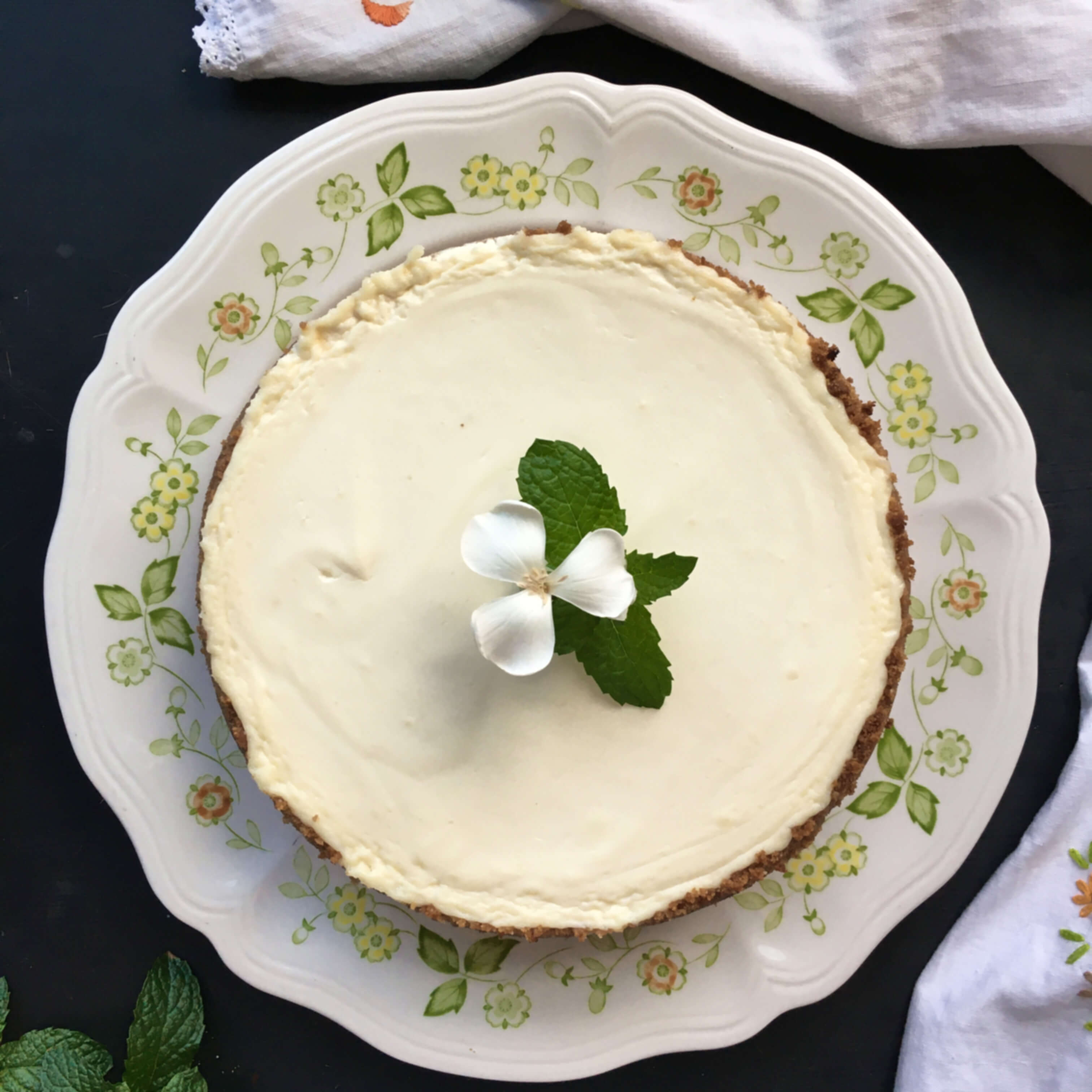
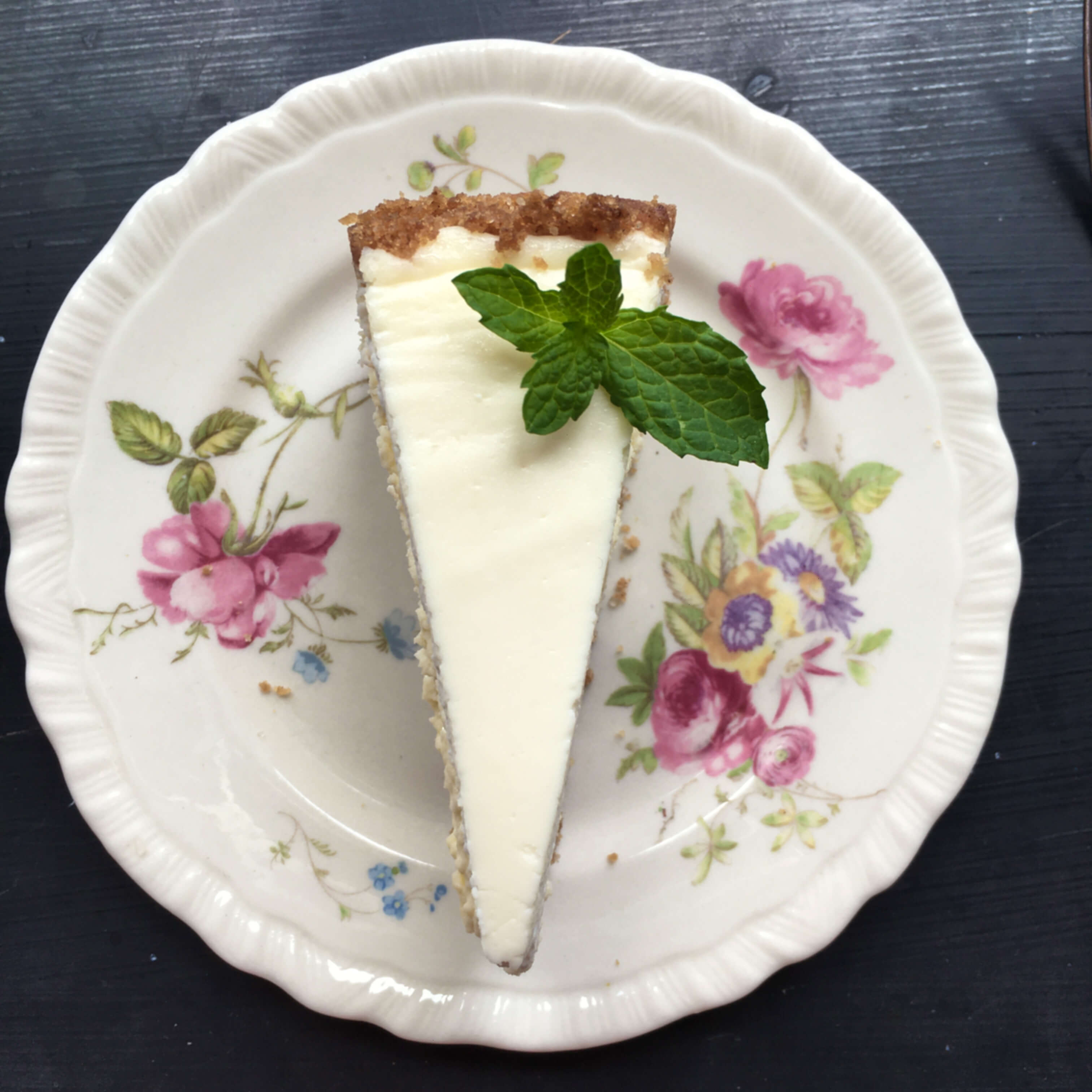
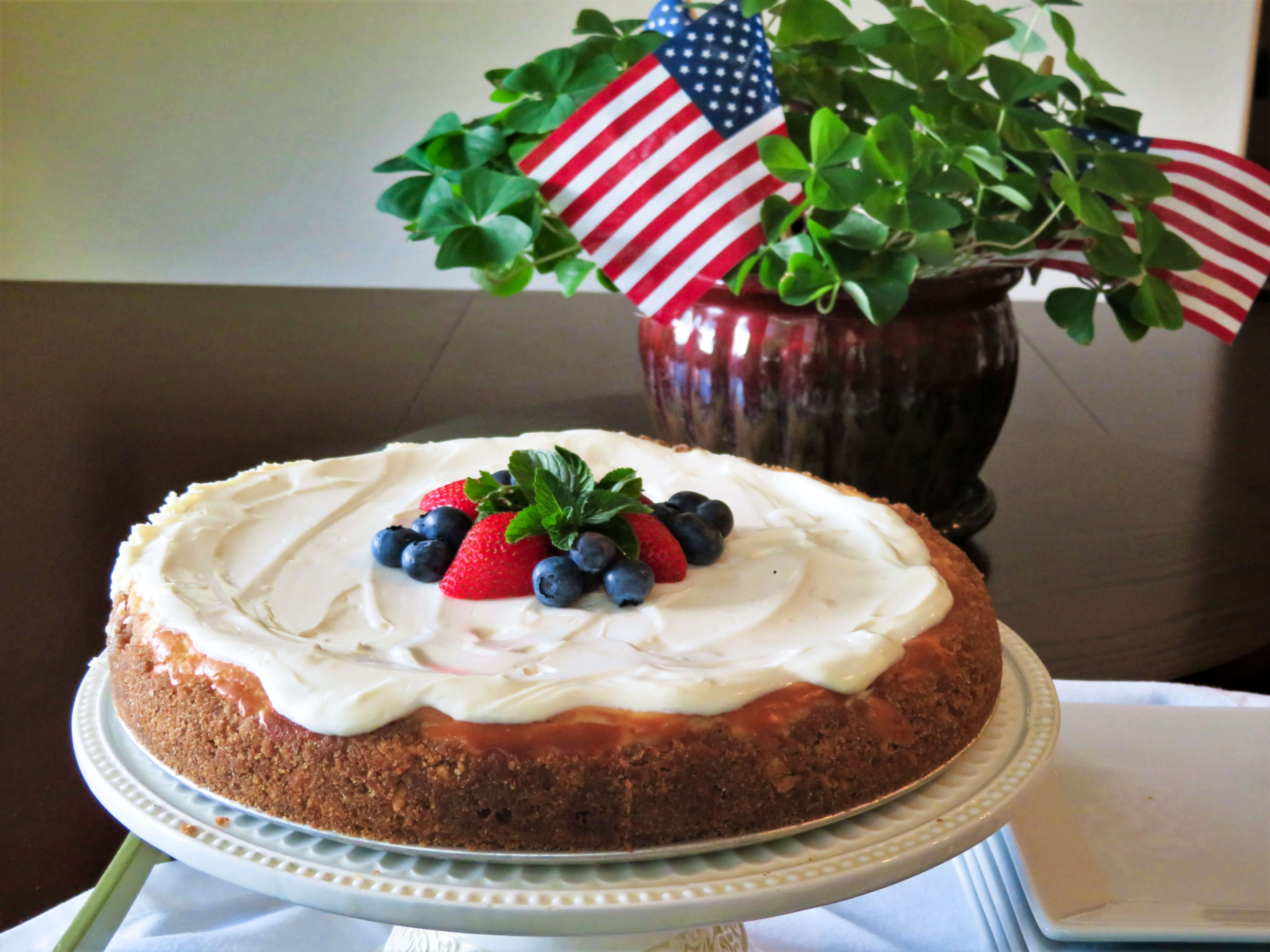
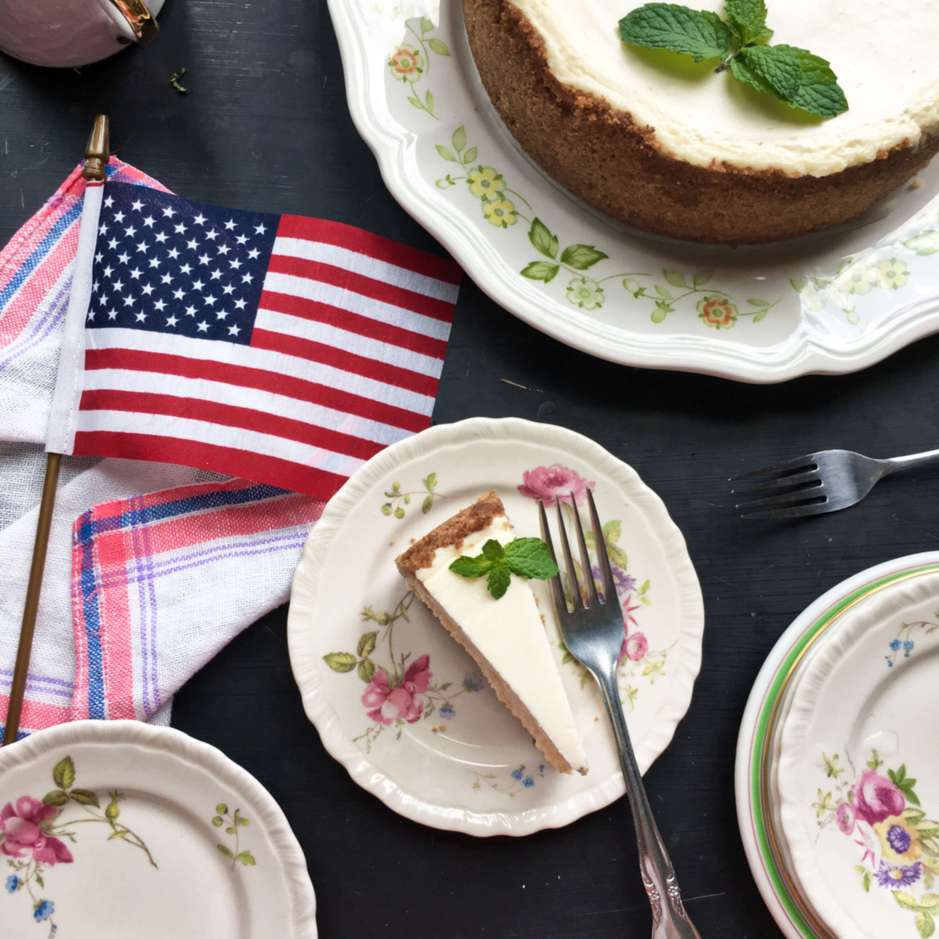
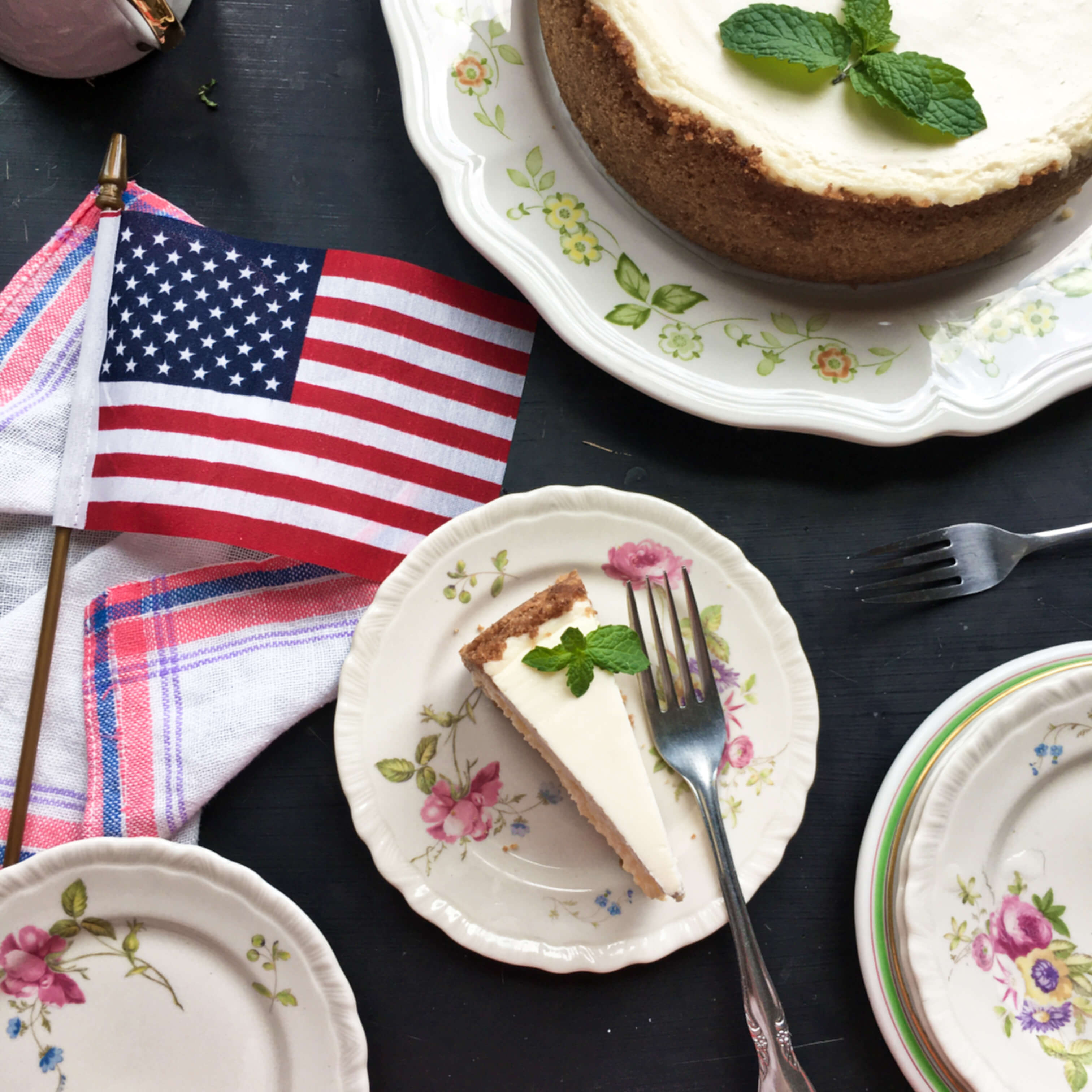
Once you’ve refrigerated the cheesecake overnight, the top layer will become firm. This makes it a lovely platform for decorating in all sorts of ways. Since this is a patriotic dessert, you might consider adding blueberries, strawberries, or raspberries to the top. Or perhaps some lemon rind twists or fresh herbs. I decorated mine very simply with a sprig of mint and a flower (a petal each for Dorothy, for Charlotte and for Lady Liberty!).  I wanted to see how it tasted unadorned, without any other ingredients changing the flavor composition.

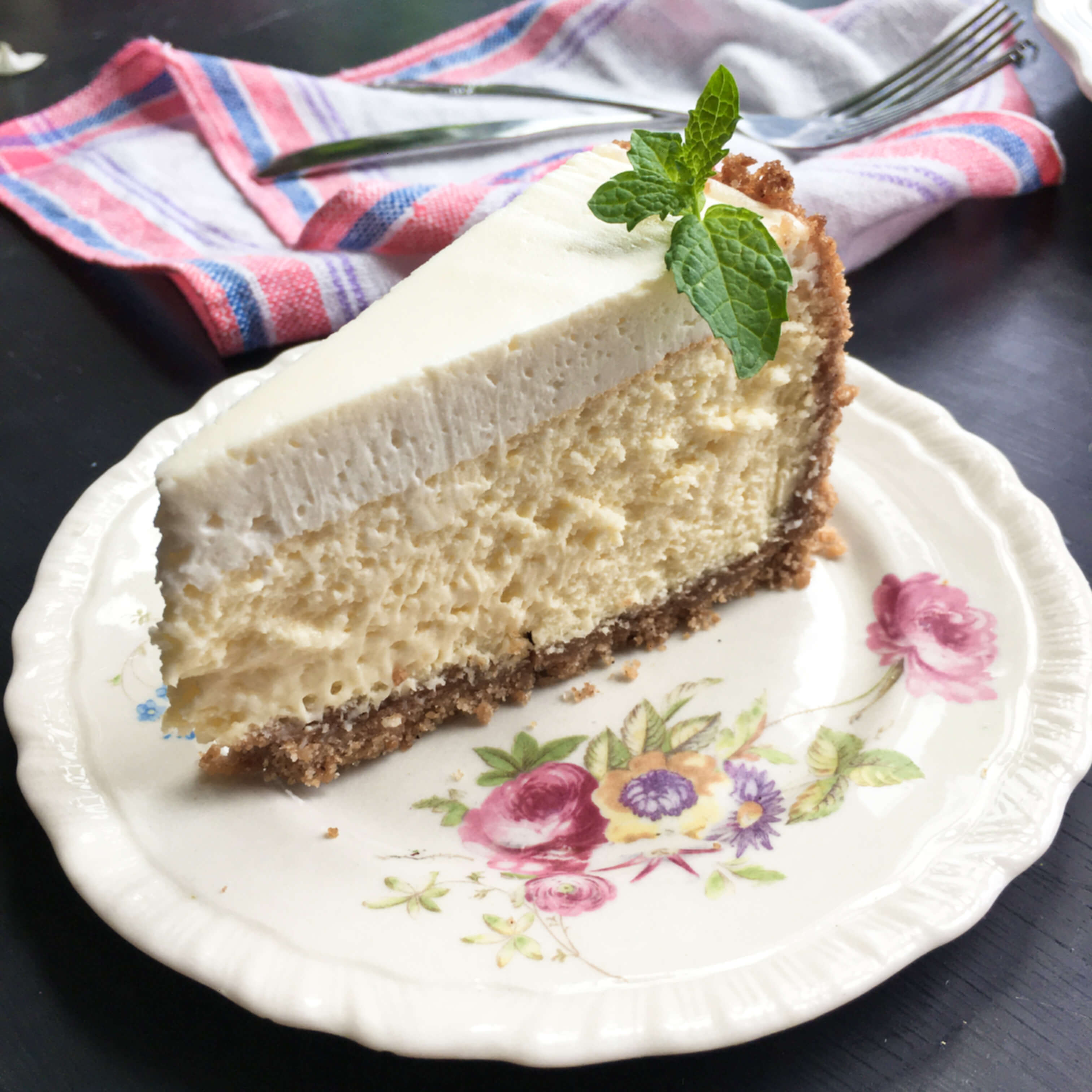
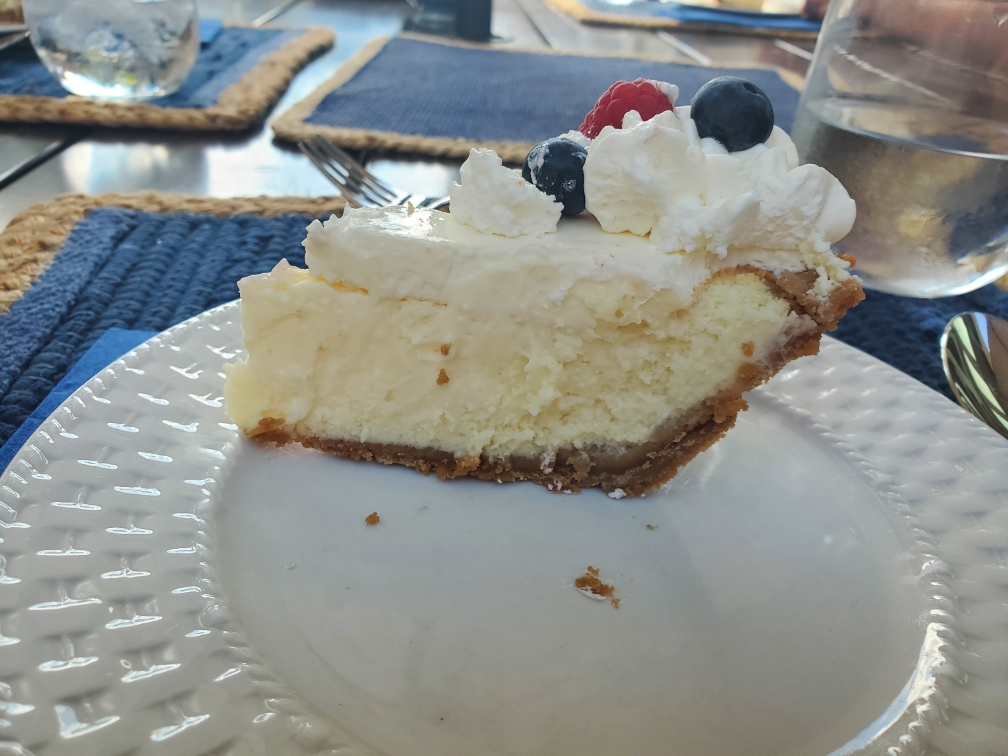
As it turns out, it tasted like a dream! I wasn’t sure if this was going to be a really dense cheesecake or if it was going to be more light and airy, but when I cut the first slice, the answer revealed itself…

The sour cream top layer had a taste and consistency exactly like the filling of cheese danish pastries. Sweet with a subtle creamy tang. The cream cheese layer had a consistency like very thick whip cream – pillowy but substantial without being hefty.

The crust held everything together so beautifully that each slice cut perfectly smooth and never fell apart when transferred to the individual serving plates.

What a joy this dessert turned out to be. Subtle and smooth, with hints of vanilla and lemon, it is a really lovely and really delicious dessert for summer. Especially if served cold straight from the fridge. An elegant alternative if you are tired of traditional Fourth of July flag cake, berry pies or fruit parfaits this dessert can be doled out in large slices or small and travels well. It also doesn’t mind hanging out in the fridge for hours while you party the day away.

Unlike a couple previous recipes from the Tour, there is absolutely nothing I would do to alter this recipe. I wouldn’t add anything, decorate it any differently or change the flavor components in any way. It is a true classic in all the best ways and absolutely perfect as is. Just like Lady Liberty herself:)

Cheers to Linda and Dorothy and Charlotte for providing a recipe with a really long family pedigree. And to Frederic for dreaming up a Statue that welcomed the world.

“Give me your tired, your poor, Your huddled masses yearning to breathe free, The wretched refuse of your teeming shore, Send these the homeless, tempest-tost to me. I lift my lamp beside the golden door.” – A portion of the poem, The New Colossus, by Emma Lazarus published in 1903 on a plaque at the base of the Statue of Liberty.

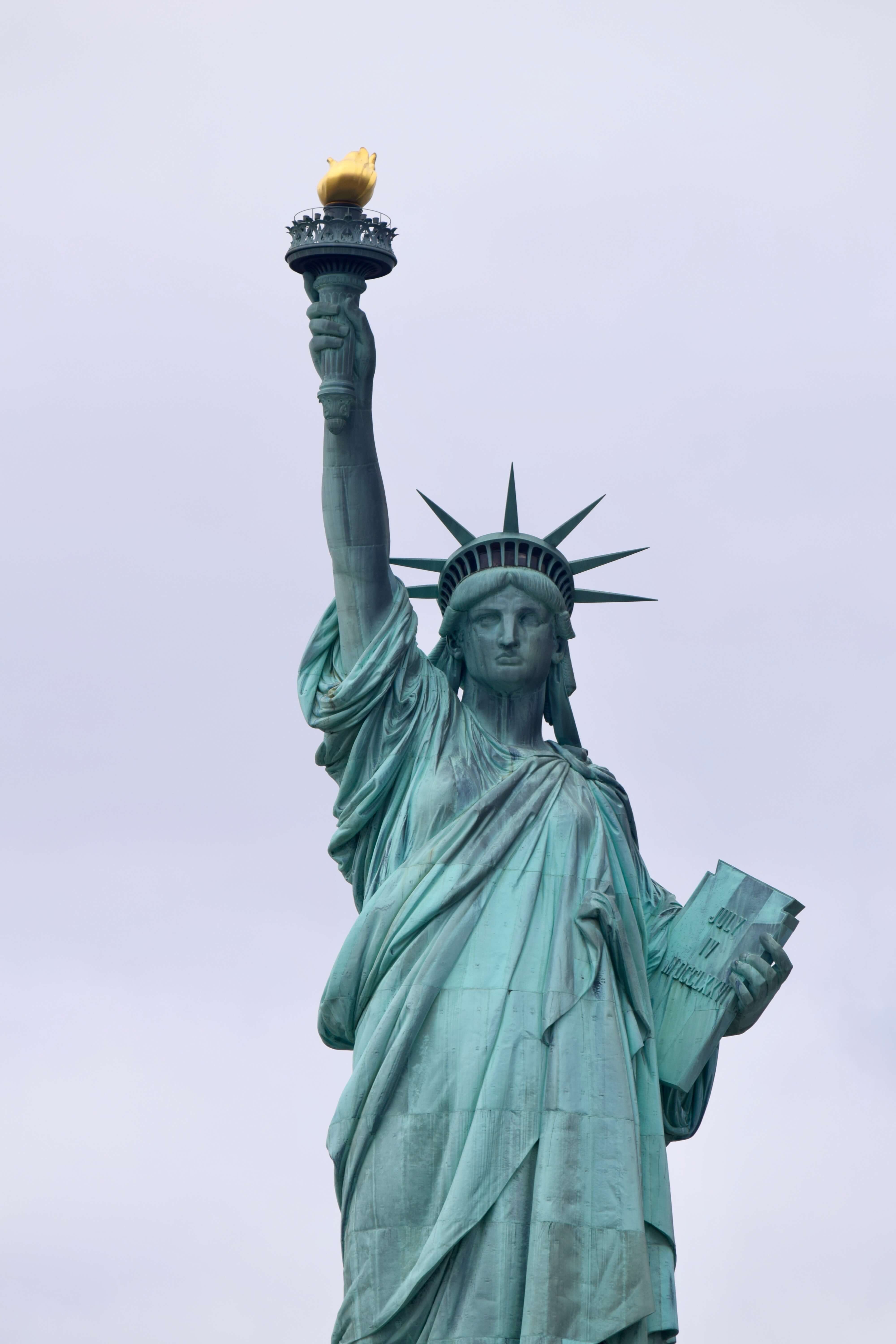
The lovely lady Liberty. Image credit: Juan Mayobre

The Statue of Liberty has been a sign of hope, potential and opportunity ever since her dedication on October 28, 1886. Except for the bald eagle, and the American flag she’s the most iconic symbol of our country that stands for everything we aspired to achieve as a nation. She’s artistic (thanks to Frederic), poetic (thanks to Emma Lazarus), strong (thanks to her copper cladding) and welcoming (thanks to Ellis Island). This has been one of the toughest years in American history to date, but I hope at the end of the day we can remember and focus on the qualities that Lady Liberty stands for. That we can shelter and accept and care for, with equal regard, all that come ashore.

Join me next time as our culinary adventures take us to Greece via the kitchen for Week 19 of the International Vintage Recipe Tour 2020!

UPDATE FROM OUR READERS!

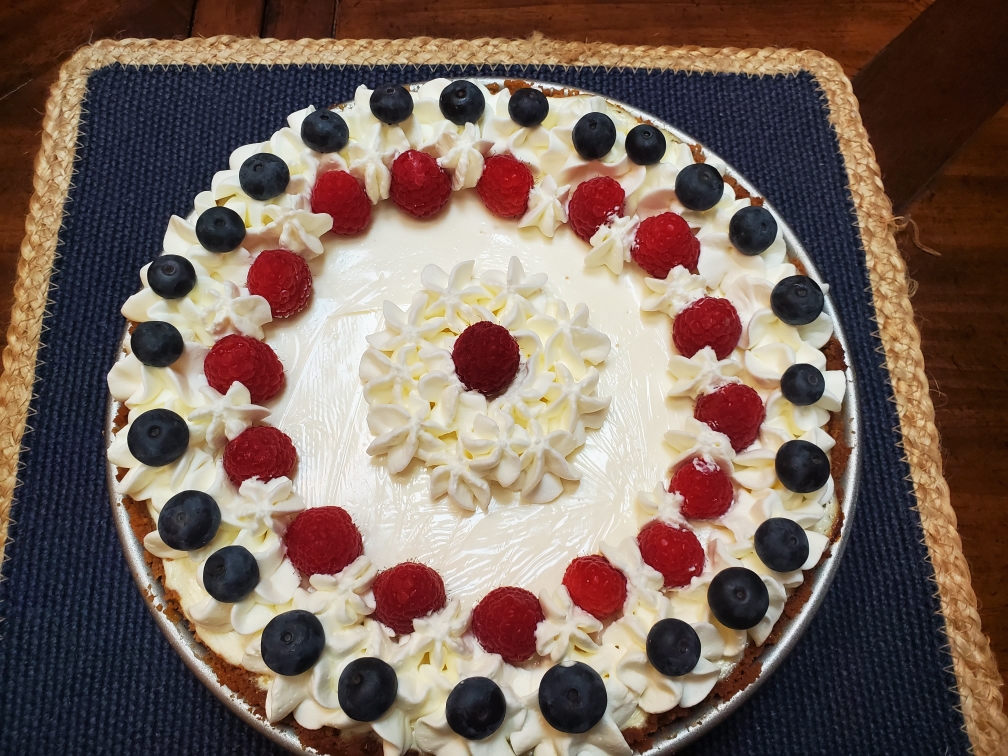
If you find yourself without a springform pan for the cheesecake, rest assured, there are a couple of other pieces of dishware you can use as well, as noted by two of our readers…

Marianne in Seattle used a deep-dish pie pan, and served the cheesecake right from the pan. A beauty in all directions!

“It was really good. We all liked it!”  Marianne also substituted lemon wafer cookies from Trader Joe’s in place of the vanilla wafers. “The lemon cookies make a nice crust,” she said.

Marilyn in Arizona used a 9″ inch tart pan and it turned out beautifully. She shared the following… “Going to create a fun game (questions and answers) to play with the blog post. Better than sitting around discussing the virus… you saved the day Katherine!” How nice!

If you discover any helpful hints after making this recipe or would like to share a photo of your decorated dessert, please comment below. A big thank you to Marianne and Marilyn for their helpful tips!

All Aboard: It’s 1964 and Your Travel Adventure Awaits {Part One}

1960s time travel

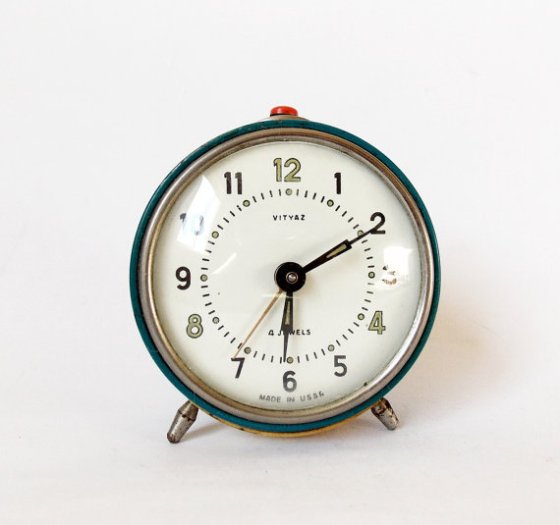
The year is 1964. The day is April 22. Your alarm clock goes off…

vintage1960's alarm clock

It’s 6:10am and you jump out of bed with excitement. Today you are going on a trip! You have less than an hour to get ready, so you hurry because you cannot (CANNOT!) be late.

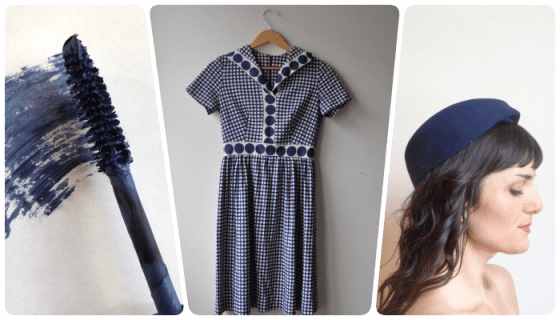
Makeup, dress, hat

1960s dressing

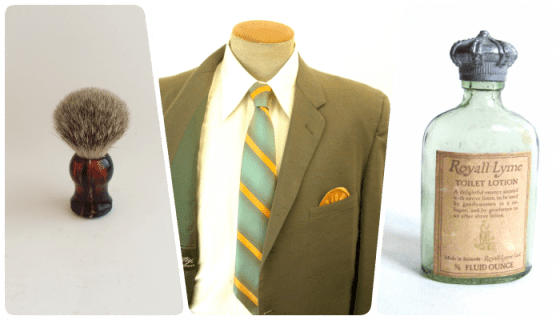
Shave, suit, scent…

mens style

Your bags have been packed for days but you make one final check to make sure you’ve got everything…

1960s time travel

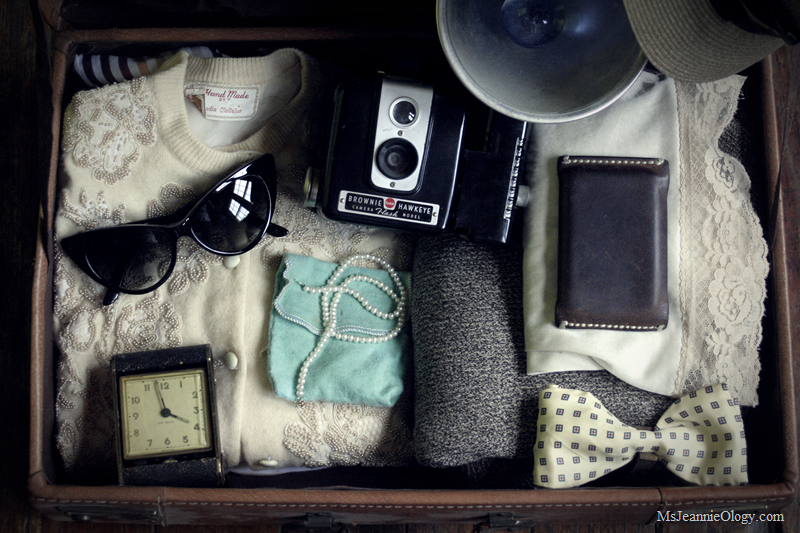
It’s all there! A perfect assembly of his and her items all packed with care. It contains her beaded cashmere sweater for those chilly Spring nights, his fedora hat, the Brownie Hawkeye, two dozens rolls of film, her favorite lace slip, his go-with-anything bow-tie, her sunglasses, his pullover, her special occasion pearls, the leather travel clock he’s carried for the past twenty years, the bestselling book that everyone’s been talking about, the shoes, the sundries, the little incidentals…all set!

You head to the kitchen and drink a glass of Ovaltine. You are too excited to even consider eating a full breakfast.

ovaltine1

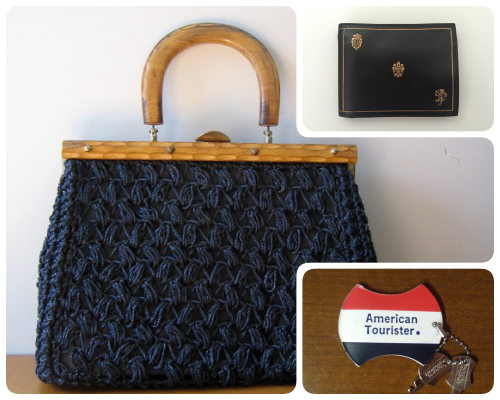
Just before you leave you make the final check… walletpurse keys…

Wallet_collage

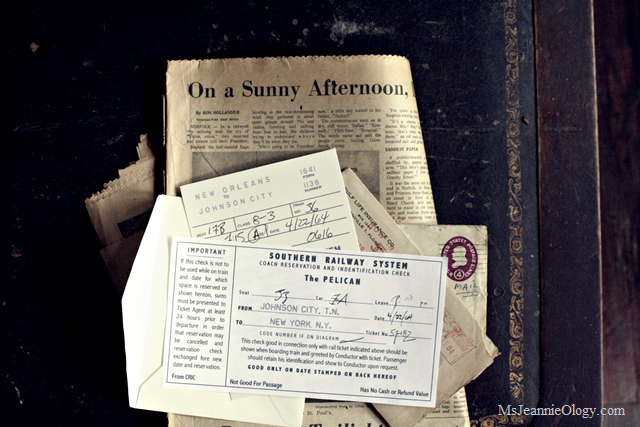
You head out the door but then turn right back around. You left the tickets with yesterday’s mail on the coffee table. Phew! Good thing you remembered before you headed downtown.

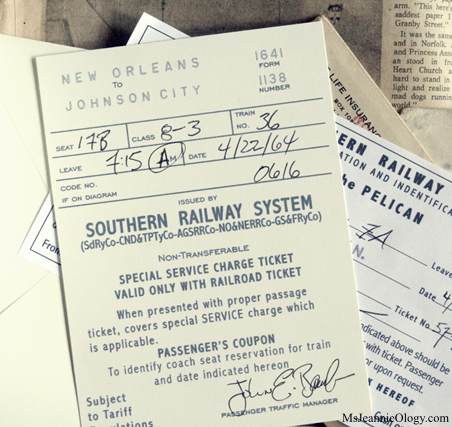
traintic1

You pull into the New Orleans train depot with 15 minutes to spare. You’ve booked your rail travel with Southern Railway which has been running passengers all over the East Coast for 70 years.  Today, you are headed northeast to the small mountain town of Johnson City, Tennessee. From there you’ll connect with Southern Railway’s luxury pullman train, named the “Pelican” and chug further north to your final destination.

Once settled into your seat, you show the conductor your ticket for stamping…

traintic3_crop

It’s a three and a half hour trip to Johnson City most of which you spend lost in literature. The book you are reading, The Burnt Ones by Patrick White is a series of short stories about

burnt1

people burnt by society, via various avenues like love, neurosis, natural elements, independence etc.. The poetic and passionate writing makes you understand why the New York Times just recently referred to White’s writing as spell binding and radiant. By the time you pull into Johnson City just before noon, you are half-way through the 308 page book.

Before getting off the train in Tennessee to stretch your legs, the conductor comes by asking for your reservation documentation on the Pelican. You hand him your identification check…

traintic2

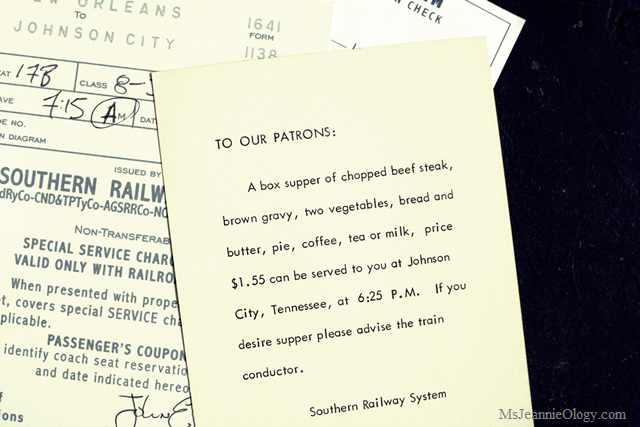
and he, in return hands you the dinner menu for that night’s journey…

traintic5

It has been a long time since you’ve eaten beef steak but the Ovaltine has long worn off and a big dinner sounds perfect. You spend the afternoon hours walking around Johnson City’s historic downtown taking photos and people watching.
jc_collage

Back at the depot at 5:40pm the Pelican is just pulling in to the station…

Johnson City, Tenn.

and you board for the second leg of your journey. There are 24 hours left to go. By this time tomorrow night you’ll be in the most exciting city in the world, attending one of the most talked about events of the year.

As a Southerner you are pretty lucky to be going at all. Most people attending this event live within a 60 mile radius and indeed you are the only ones among your friend set that are making the journey. When you read some pre-press months ago, it described the whole spectacle as “a circus, a classroom, a voyage, a time capsule and a futuristic peepshow all wrapped up in one.” That’s when you knew you had to go see it all for yourself.

You pass the time as paitiently as possible on a speeding train. The dinner hour comes and goes, you eat your chopped beef steak and your two vegetables (peas and carrots), your bread with butter and your apple pie. You watch each town pass by until the sun sets and darkness fills your window. Even though you had coffee after dinner, you feel sleepy. You close your eyes and dream about city lights.

The next morning, you wake to coffee and a breakfast tray of fruit and toast. The hours pass quickly. You daydream, you play cards, you read, you watch town after town after town roll by.

cards1

Lunch comes and goes, afternoon tea comes and goes, an evening glass of wine amplifies your giddiness as the hand on your watch finally marks the the last hour. You are so close! You begin preparing for your arrival. You pick up and pack up and then finally…

…after a 36 hour journey from New Orleans to New York, the Pelican pulls into Penn Station passing dozens of trains coming and going in the process…

penn1

You step out into the hustle and bustle of commuter territory. You breathe in the electric air. Everything feels fast around you.. the walking, the talking. The atmosphere is lively, festive, fun. You are swept up in the sea of  passengers disembarking. You hurry along with them, suitcases in hand. As you climb the stairs from the tracks to the terminal, your eyes catch on a poster pasted to a metal beam. It says…

poster1

…and you smile from cheek to cheek. You have traveled from the Big Easy to the Big Apple to experience a big event. It is the start of the New York World’s Fair and you are on your way there!

Read more about all the sensational sights and scenes from the Fair in Part Two.