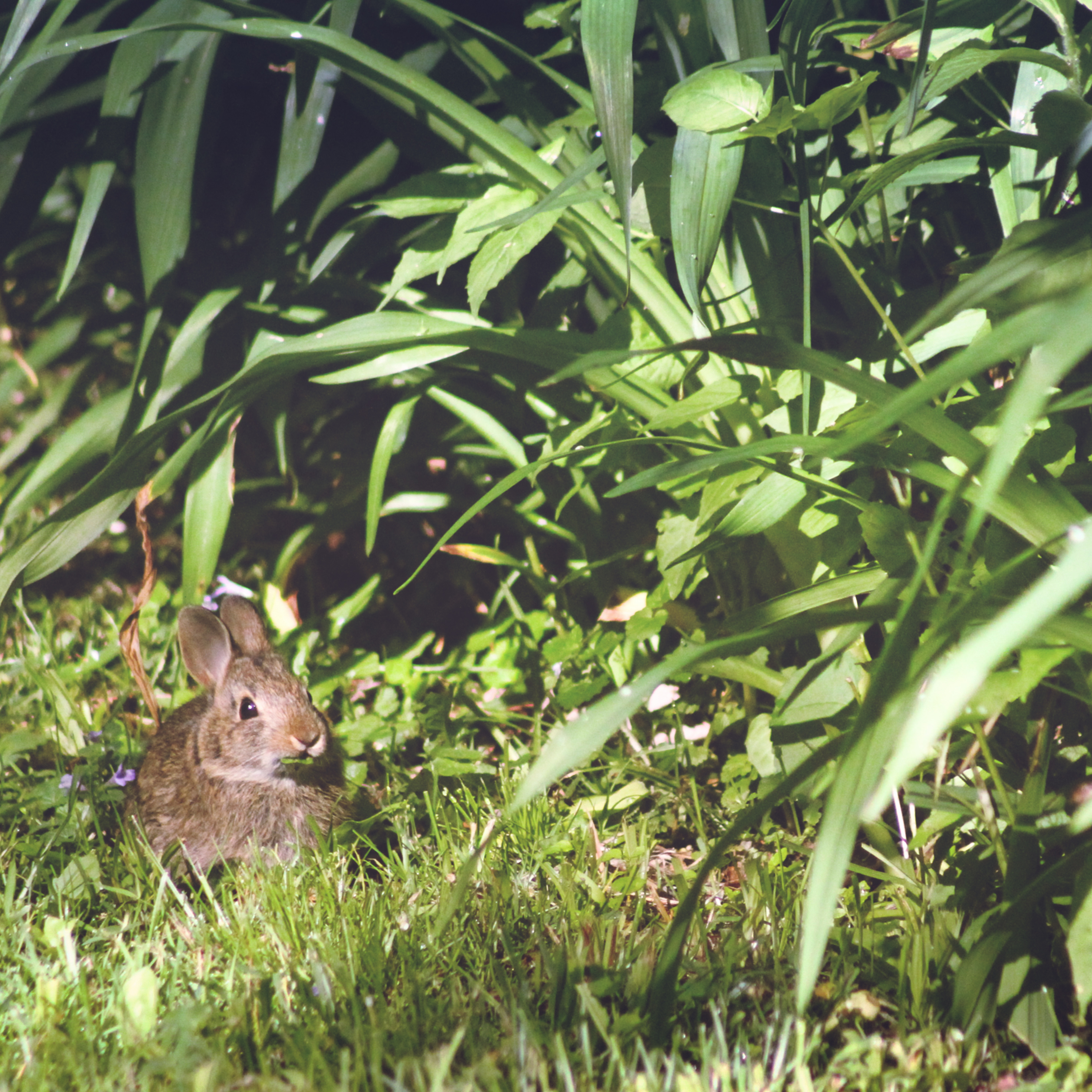
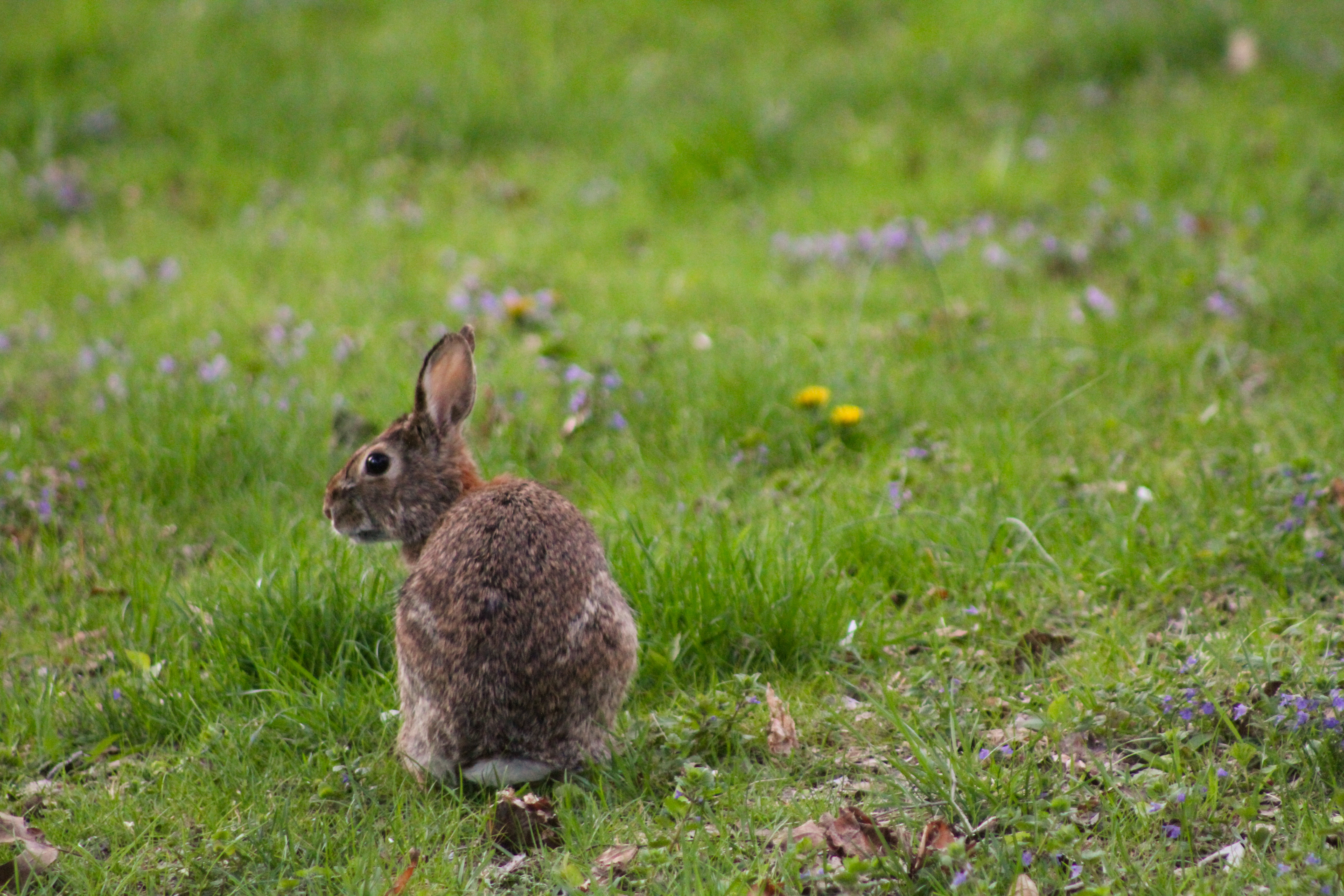
If I walk out of the back door very quietly on these early, almost-summer mornings, I can usually spot Lily eating grass at the edge of a way too overgrown decades-old daylily bed. Lily, as we came to call her due to her preference for this area of the yard, is a baby rabbit about the size of a teacup. She was born to Lefty, a wild cottontail that lives in our woods.
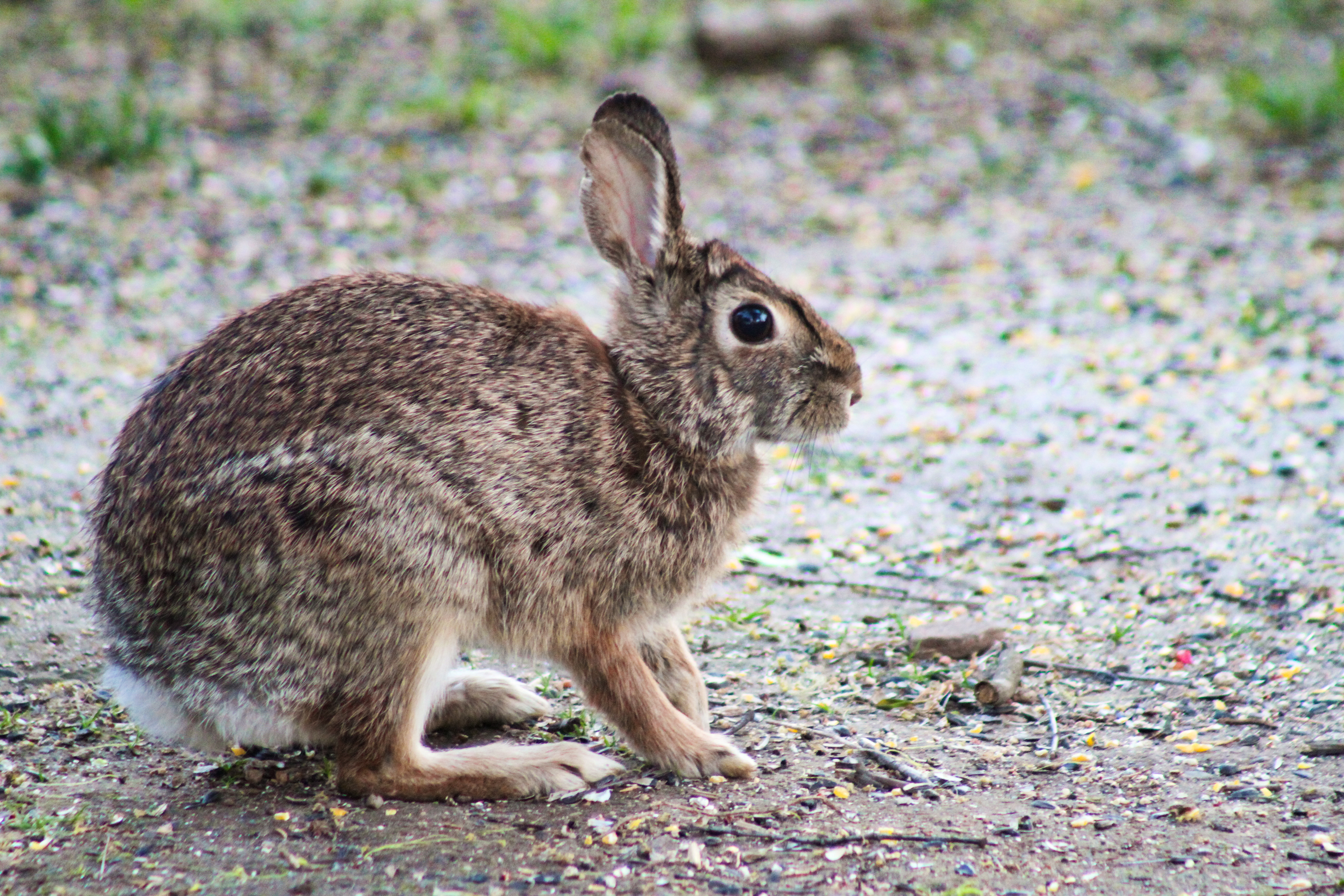
Lefty came by her name because she holds her left paw in the air whenever she is at rest. Whether that is some sort of injury or just her natural proclivity, we don’t really know, but she gets around great regardless, seemingly unfazed by what, if anything, troubles that part of her leg. Originally, we thought Lefty was a boy bunny because of her big size, but once we realized that Lefty made Lily, we started calling her Lefty Lucy after that sing-song mechanical phrase, righty tighty lefty loosey about tightening screws and bolts. Obviously, Lefty Lucy is not running around the yard with carpentry tools, but she is an important component and a key contributor to the natural health, vitality, and inner workings of the woodlands that back up to our property, so Lefty Lucy seemed fitting in more than one way.

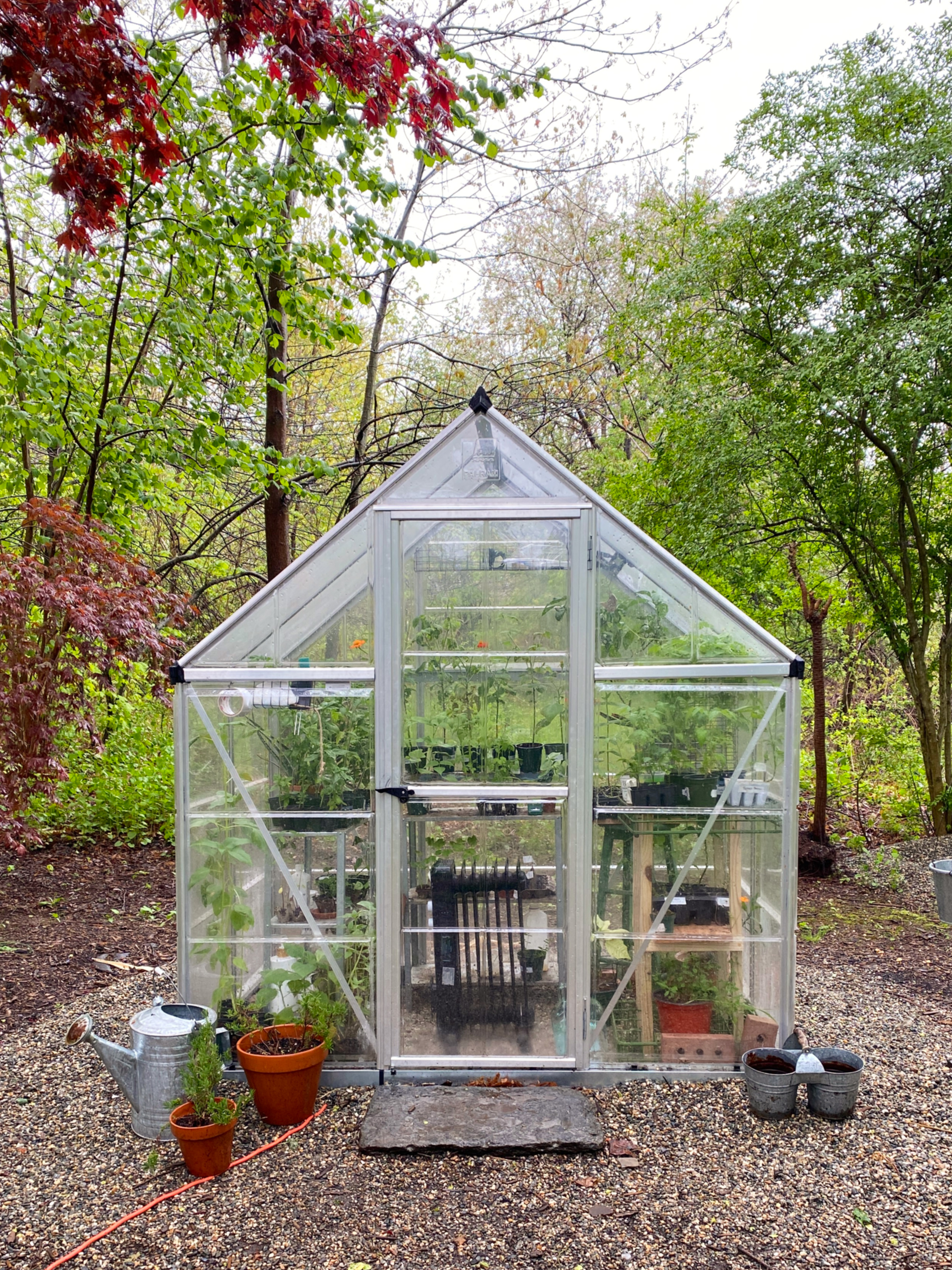
Every year, spring seems to bring on a new set of circumstances and situations to be considered when it comes to how, what, where, and why we are growing food here at 1750 House. Year one, it was learning the capabilities of the greenhouse. Year two, it was tackling the slugs. Year three, it was increasing perennials. Year four, we are learning the wilds.
This is our first spring without Indie chasing all the squirrels, corraling all the chipmunks, and defending us from turkeys and deer, coyotes and foxes, and that one time glimpse of a bear. Indie was not a classically trained working dog, but she had the super smart instincts of her collie/shepherd breeding and was pretty skilled at keeping everything wild at the far perimeter of the property and away from all the garden beds.

When we first moved to 1750 House, in an effort to co-exist in happy harmony with the surrounding wildlife, we taught Indie some loose boundaries. We established an imaginary border for her that separated the yard from the woods and it took her no time at all to understand that the yard was her territory and the woods belonged to the wild animals. This worked pretty well, on both the wild creatures’ side and Indie’s. During the day, the wildlife mostly kept to the woods and the treetops and Indie mostly kept to the yard. At night though, our garden camera showed a different story. While Indie was asleep in the house, the yard was full of critter traffic. This proved both Indie’s effectiveness at day patrol and also nature’s clever way of working around our silly ideas about confined borders. Now, without Indie this spring, I wondered how our property would change when there was no presence of a pup. What would happen to the imaginary boundary? Would the wild creatures reclaim the yard as their own?

As it turns out, wholeheartedly yes. To say that the backyard bloomed with critters and creatures is an understatement. Our woodland deer sightings have tripled in size from two to seven. A pheasant, which in the past was just a one-day-a-year passer-through, spent days in early spring wandering the woods. Last month, a female turkey took up residence in the long grass near the bird feeder for a week. A pair of hawks has chosen a nest spot midway through the woods. Lefty and Lily set up home. And a veritable city of chipmunks and squirrels now keep the yard in a continuous state of rustle and bustle from treetop to underbrush, morning to night.

Not realizing how impactful something is until after it’s no longer there, Indie’s absence raised a question. How exactly will her not being here affect the garden this spring? Will the deer feel free to eat every last tomato? Every last flower? Will the squirrels and the chippies destroy the plantings? Will all of our hard work and time spent seed-starting and sowing, building, and bed designing be in vain?

The vegetable garden, almost fully planted out by the first of May, stopped and started, struggled and rallied, round and round again as temperatures jumped between the low 40s and the high 50s in seesaw fashion all the way into early June. Almost everything that we planted was cool-weather hardy and tolerated the damp, sunless days. But my optimism in planting out the tomato, cantaloupe, and squash seedlings proved to be a bit too ambitious. Not fans of cold, wet weather, all three vegetables succumbed to early blight, root rot and/or a general overall malaise that caused yellowing leaves and drooping stems.
The wildlife didn’t seem to mind the wet weather at all, nor the absence of Indie. Whipping up their own kind of fun, a particularly rambunctious set of squirrel siblings made joyful use of the yard unencumbered by a patrol pup. They chased each other through the canna beds, knocking off fragile tips of newly emerging sprouts. They dug holes all over the garden looking for nuts. They upset roots in the pea patch, the corn plot, the bean bed. With their acrobatic leaps and bounds, dangles and dives, they beheaded sunflower starts, dropped tree limbs onto fragile seedlings from overhead, romped through the wildflower bed, and knocked over many a wire cage protecting nerbs and flowers, fruits and vegetables.
The chipmunks celebrated spring in the garden in their own way. Keen on building subterranean housing, they endeavored to make entry and exit tunnels all over the yard and the garden beds. So far they’ve dug golf-ball-sized holes by the Mediterranean herbs, by the witch hazel tree, by the evergreen saplings, by the Hosta plants.

All this energetic play and home building aside though, surprisingly, so far at least, the deer, the squirrels, the chippies, and the bunnies have been very respectful of the actual garden plantings themselves. The deer win the award for best behaviour and for keeping within their boundaries. But the squirrels and the chippies can’t be scolded simply for playing andf home building. Apart from the antics that uprooted the corn and topped off some of the cannas, I’m happy to say that none of our wildlife neighbors have nibbled or rearranged or broken any of the plants or emerging fruits and vegetables in the garden. As it turns out, Indie might have trained them just enough. Either that or it’s the daily birdseed buffet that keeps everyone full and satisfied enough to leave the vegetables alone.

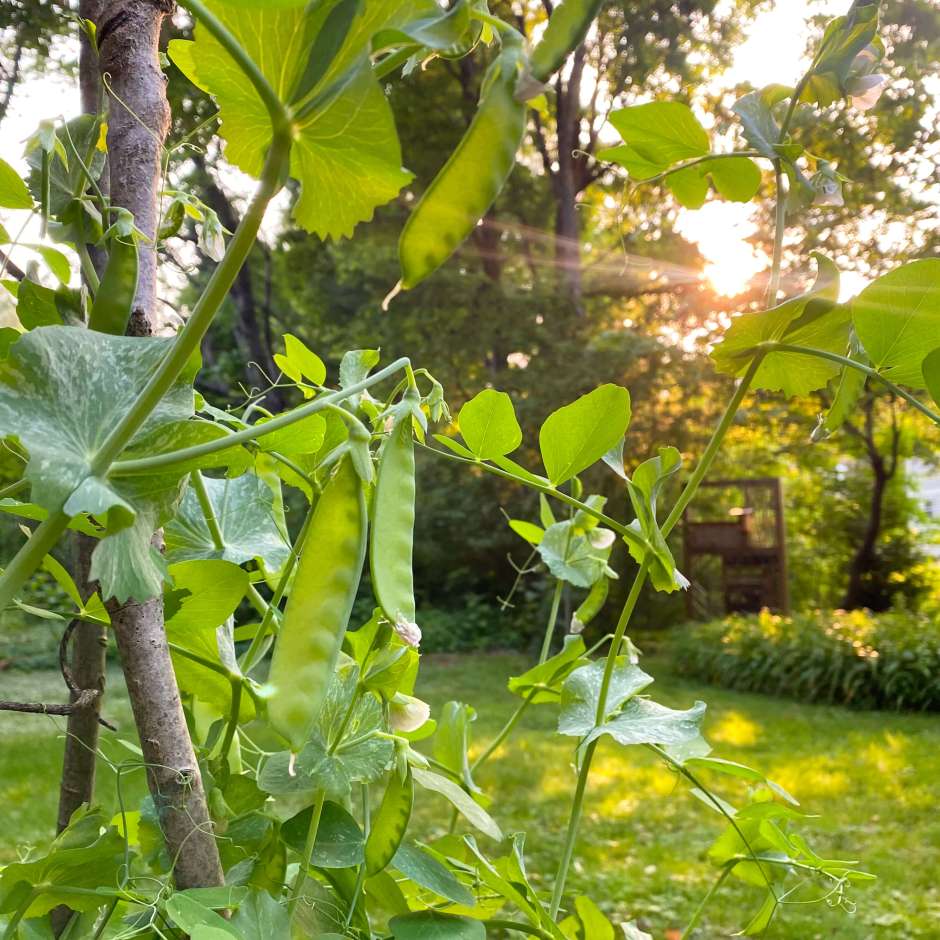
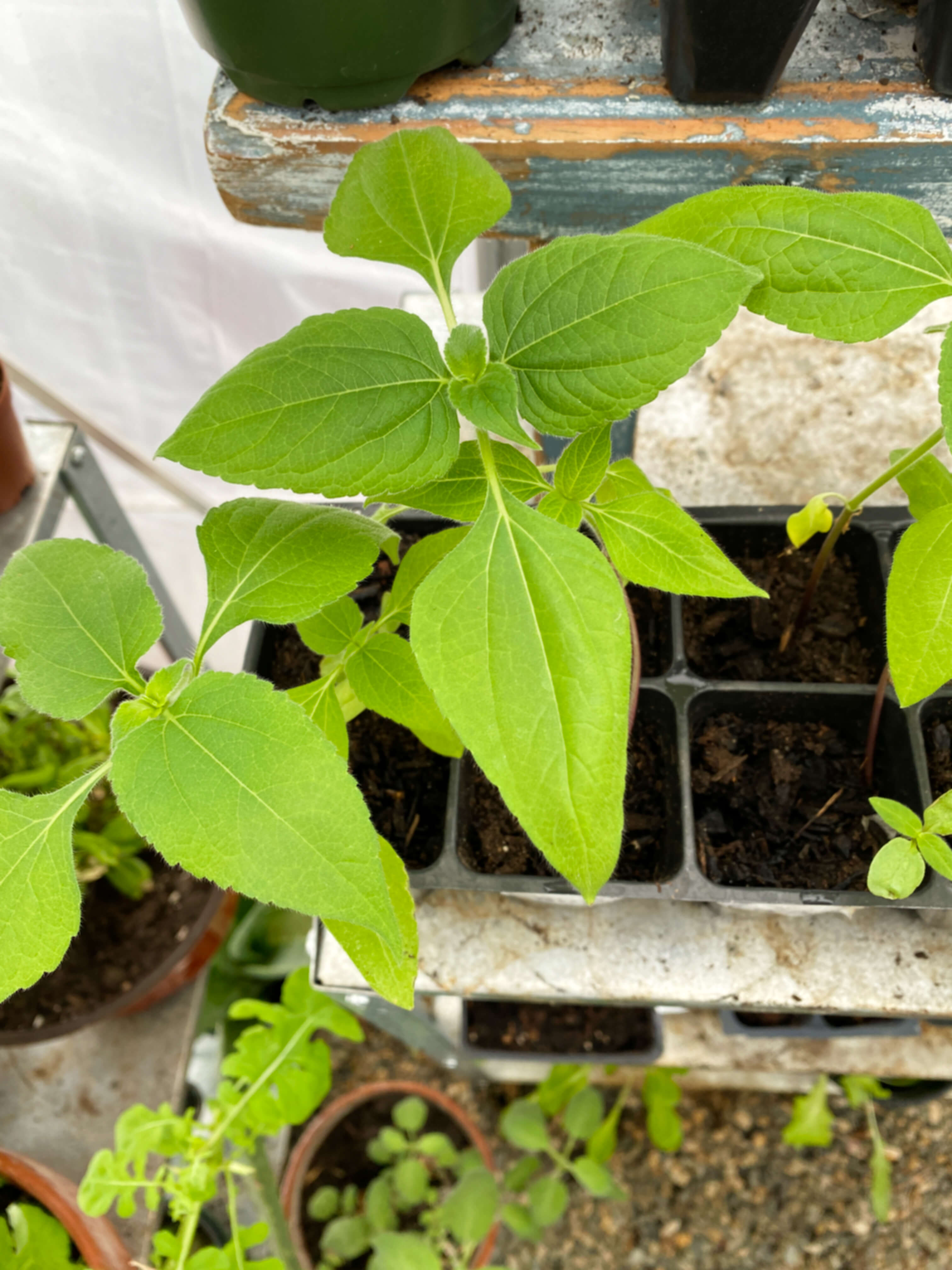
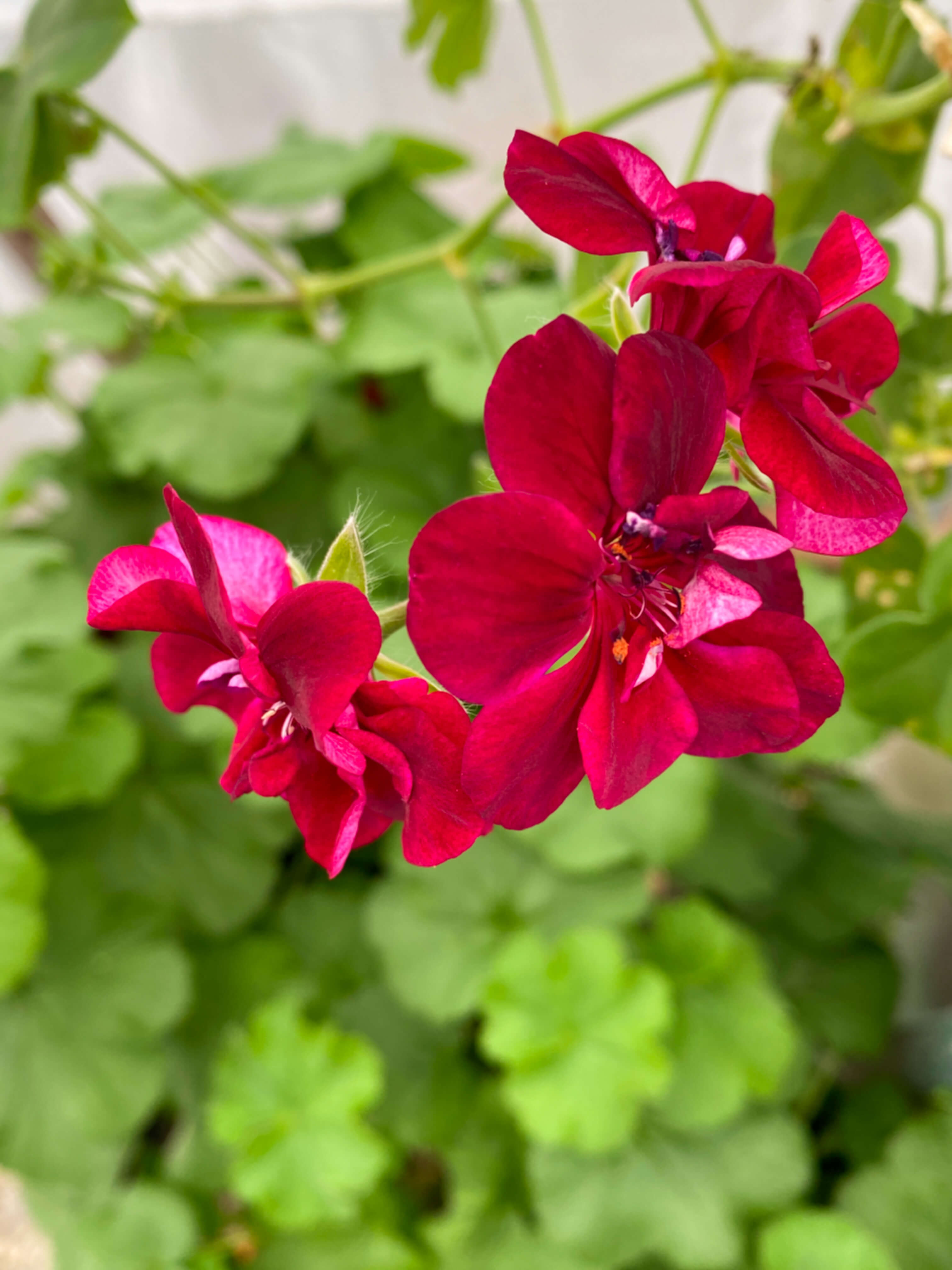
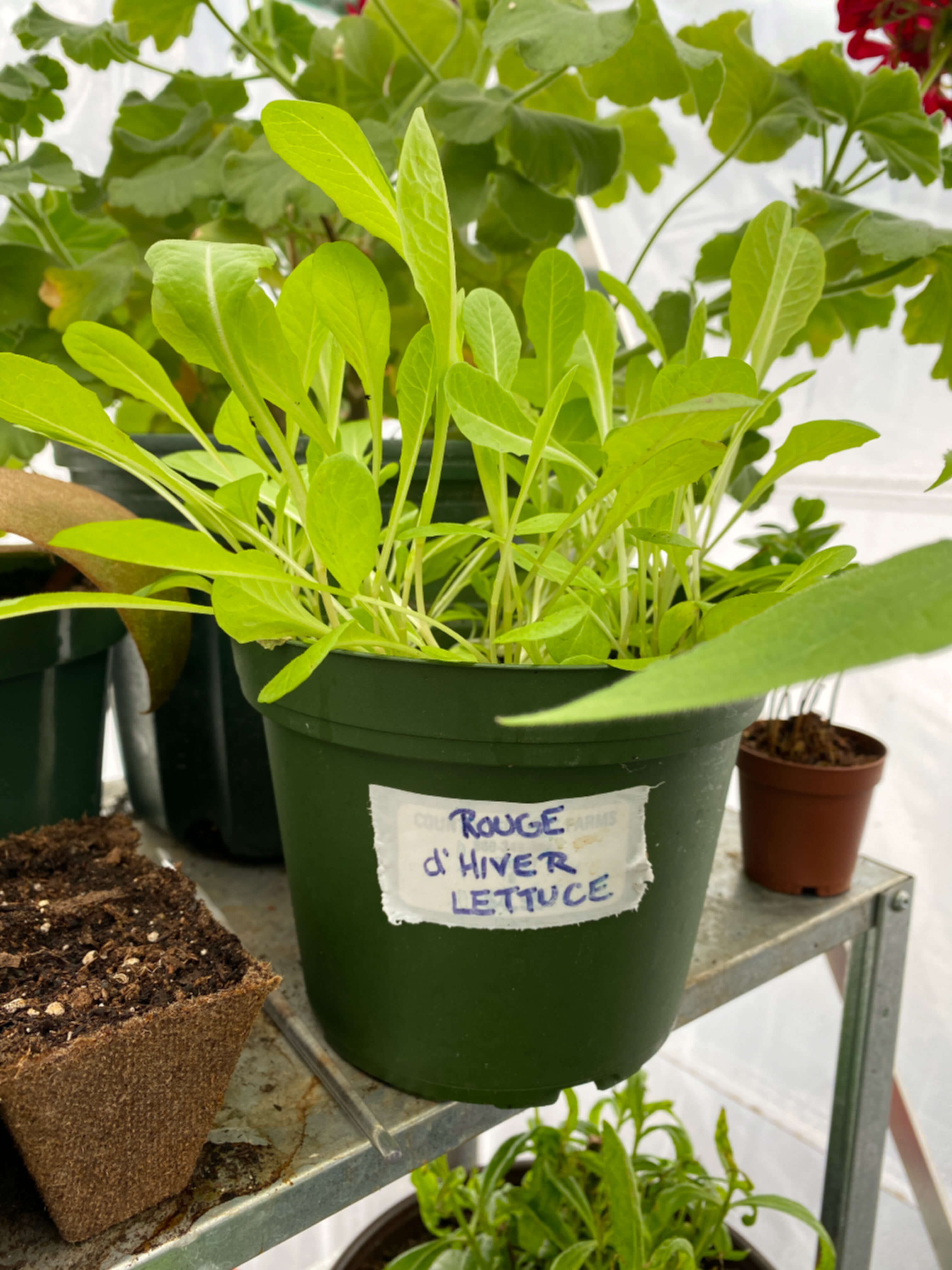
Despite all the cold, rainy weather and the spirited playground, the late spring garden, although not quite as grown up as last year, is starting to finally make some headway. Here are some photos taken in the last few days…


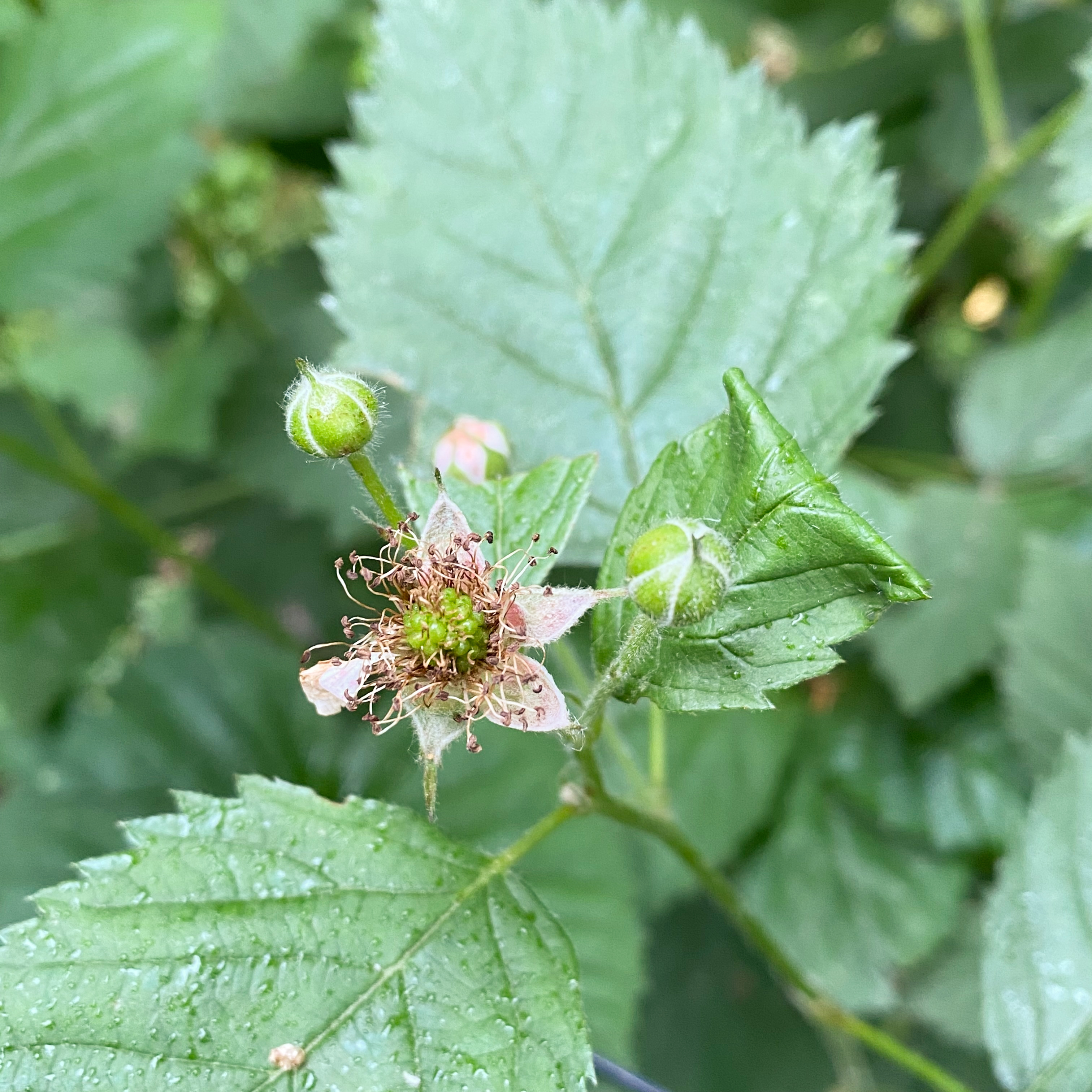

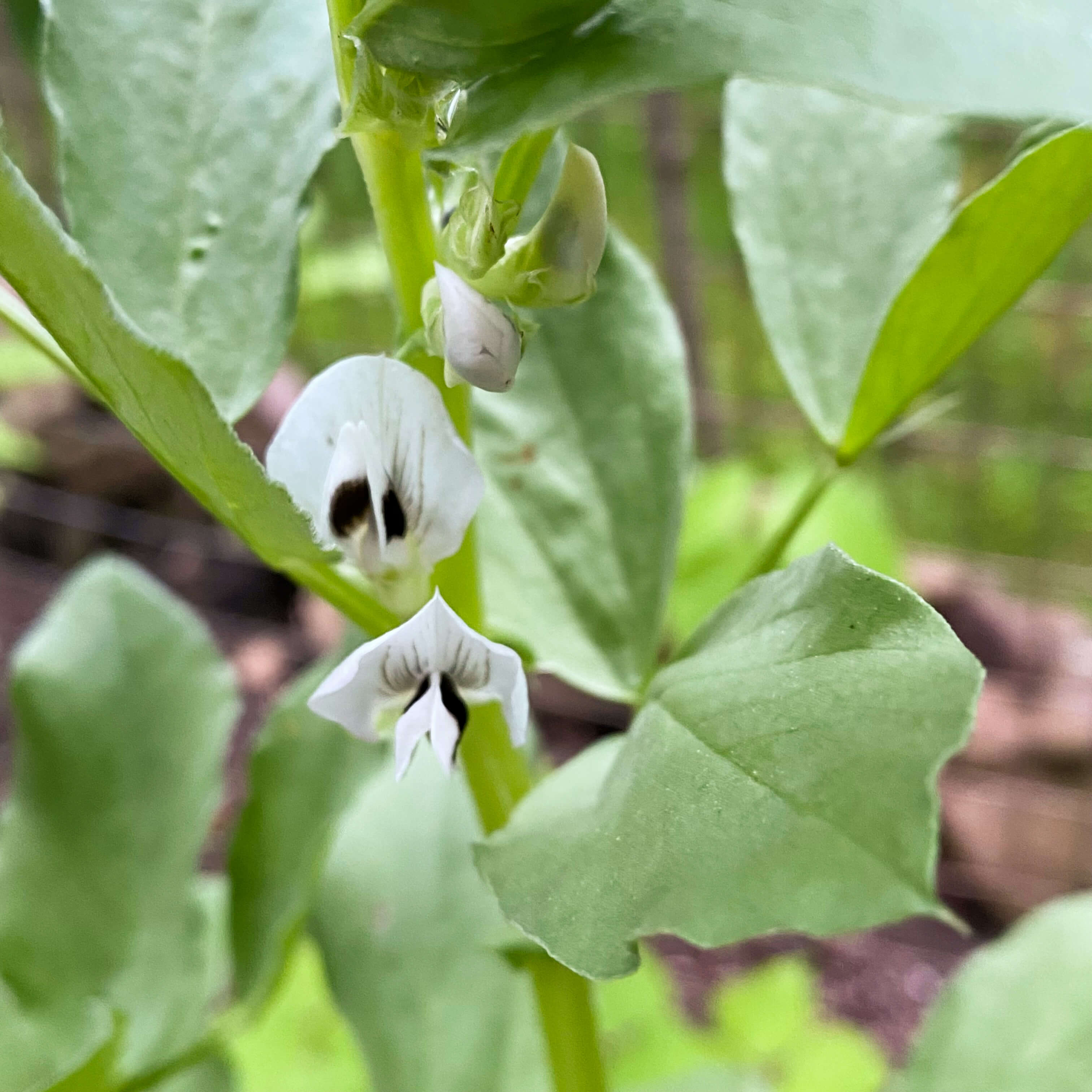


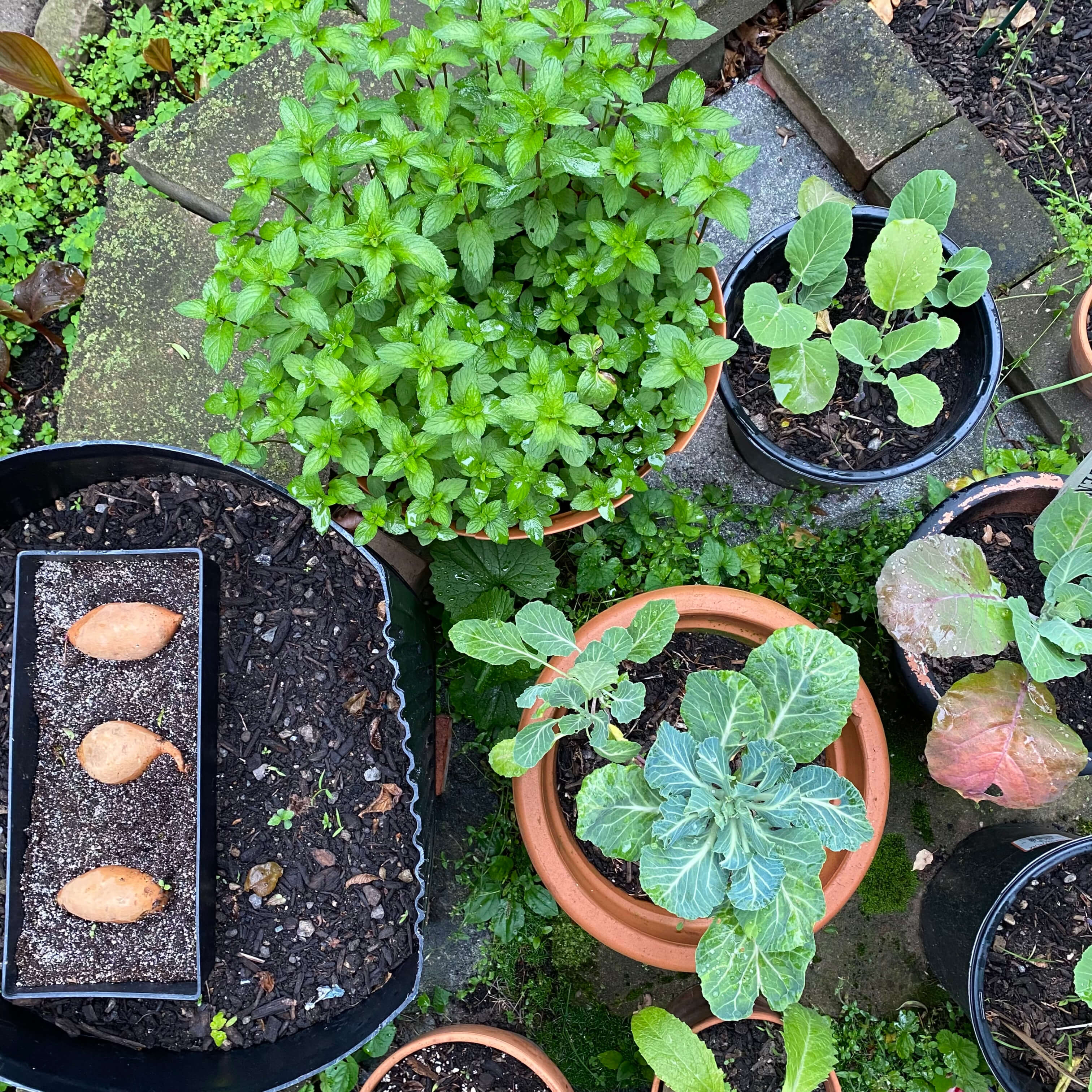


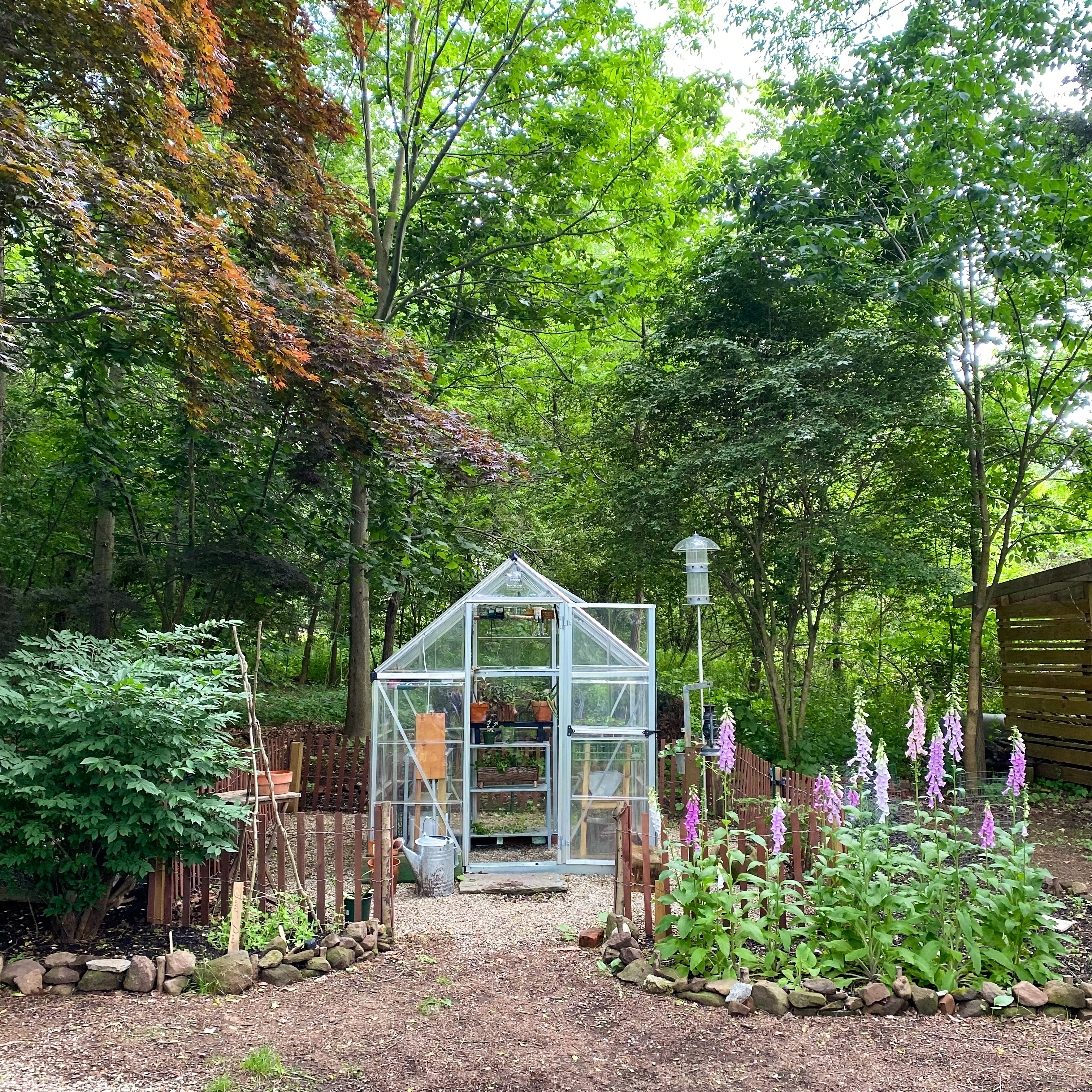
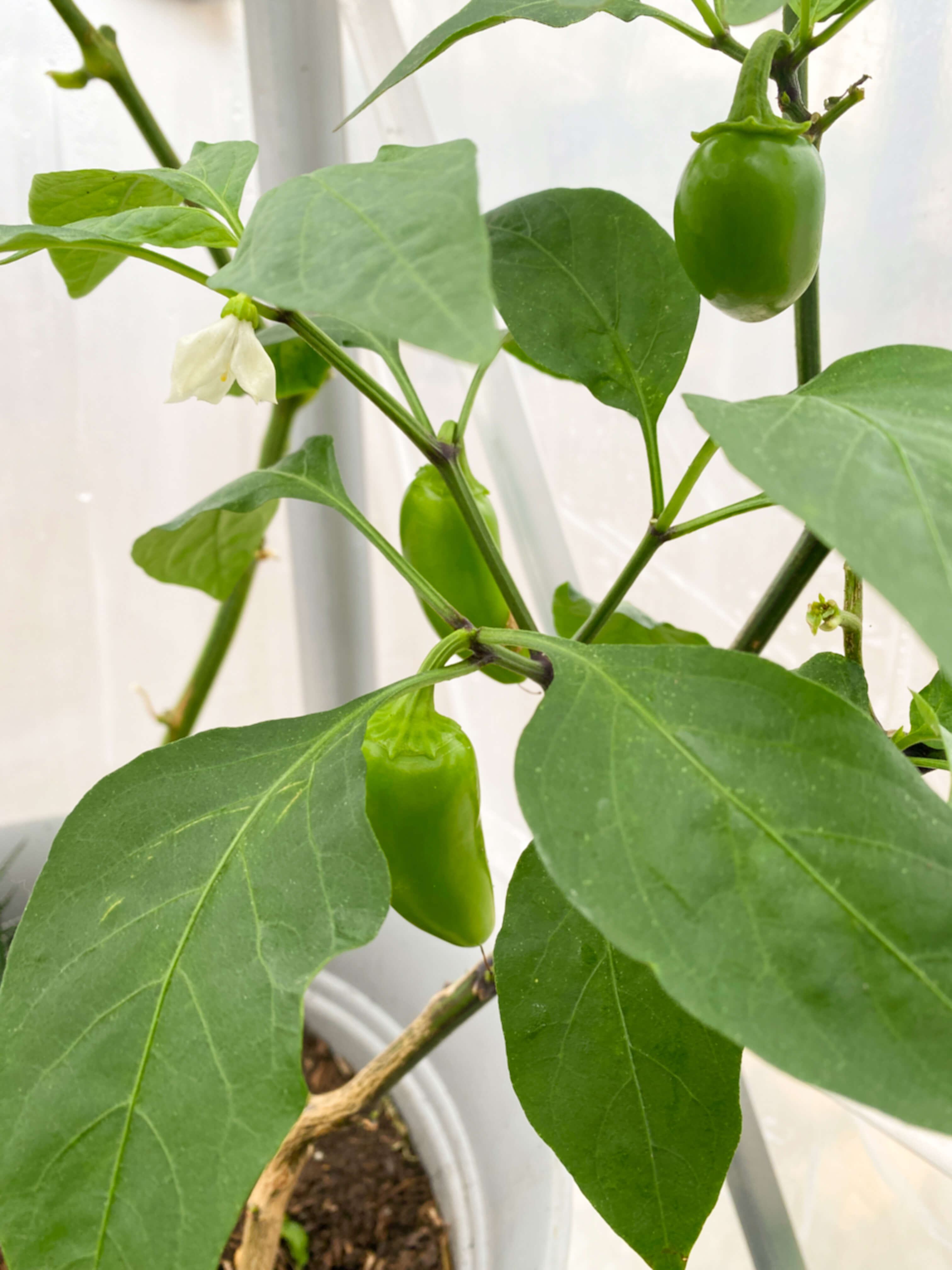
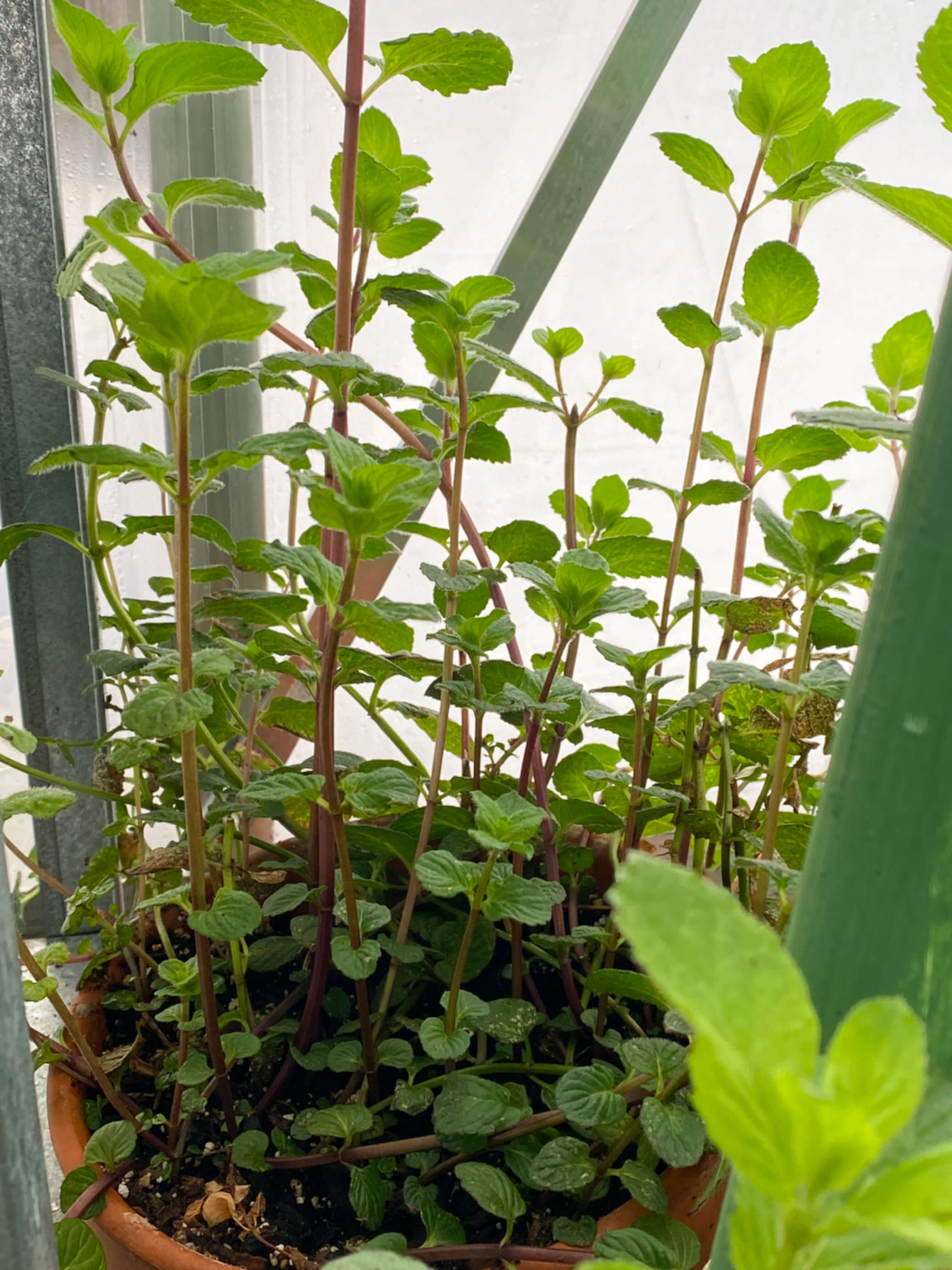
Other veggies not yet quite photo-ready include eggplant, pepper plants and the second sowings of tomatoes, honeynut squash, cucumbers, and cantalope. There is lots of information to share about the herb garden growing up too, but in order not to make this post a million miles long, details on that project will come in a separate post later this month.
Even though it is a bittersweet spring due to the absence of Indie, it is lovely to be surrounded by our new menagerie of wild animals. They each bring such personality and interest to the day and to the garden. Nature is a remarkable healer.
From all of us at 1750 House, cheers to the growing season and all the surprises it brings.












 In the Vintage Kitchen: Where History Comes To Eat