Celebrating International Women’s Day: Ten Vintage Cooks & Their Books That Impacted Global Cuisine

Every year in the shop, while researching vintage and antique cookbooks, I discover an array of fascinating stories about 19th and 20th-century women who made an impact on the global culinary landscape. Sometimes these cookbooks are fueled by immigration stories. Women relocating to a new land only to realize a visceral homesickness for foods left behind in their old country. Other times they are written from travel adventures. Escapades to far-flung places that inspire a life-long interest in an exotic culture and a cuisine. And sometimes they are the scholarly pursuits of teachers, scientists, or home economists educated in food and nutrition intent on improving the overall health of men, women and children.

Today is International Women’s Day. To celebrate, I thought it would be fun to share a glimpse into the personal lives of some of the international cookbooks and their authors discovered within the past year that highlight a unique perspective on global food history and culture.

Some of these women are famous, long-lauded for their culinary achievements throughout the 20th century. But others in this list have almost all but been forgotten despite the impact they once made on the international food landscape. In an effort to collect unique food stories from around the globe and a cookbook from every country, it’s always inspiring to learn how the love of cooking experienced by one person can unite cultures, cross borders, and bring together many people all in the pursuit of a good meal.

2024’s International Women’s Day Instagram post featured Monica Sheridan, Wadeeha Atiyehh, Perla Meyers, Madeleine Kamman, Mrs. Balbir Singh, Amy Vanderbilt, Claudia Roden, Ada Boni, Paula Wolfert, and Countess Corry Van Limburg Stirum

Each year on International Women’s Day over on Instagram, I compile the list of the international vintage cookbook authors that were newly discovered in the previous year via books curated for the shop. It’s one of my most favorite posts of the year since it highlights not only heritage recipes but also draws attention to the achievements of women that may have slipped from the spotlight.

For whatever reason, I’ve never thought about incorporating the International Women’s Day Instagram post into a blog post too, but this year, I’m starting a new tradition and celebrating the ladies here as well. These ten women represent a range of life stories that extend beyond recipes, beyond food. They come from India, Ireland, and the Ukraine. They write of France, the US, and the UK. They tell stories of entrepreneurship, of immigration, of cultural preservation, of censorship. They are not only writers and cooks but social activists, suffragists, school teachers, and television personalities. But most importantly, they are reporters and recorders of life lived via the kitchen. Let’s look…

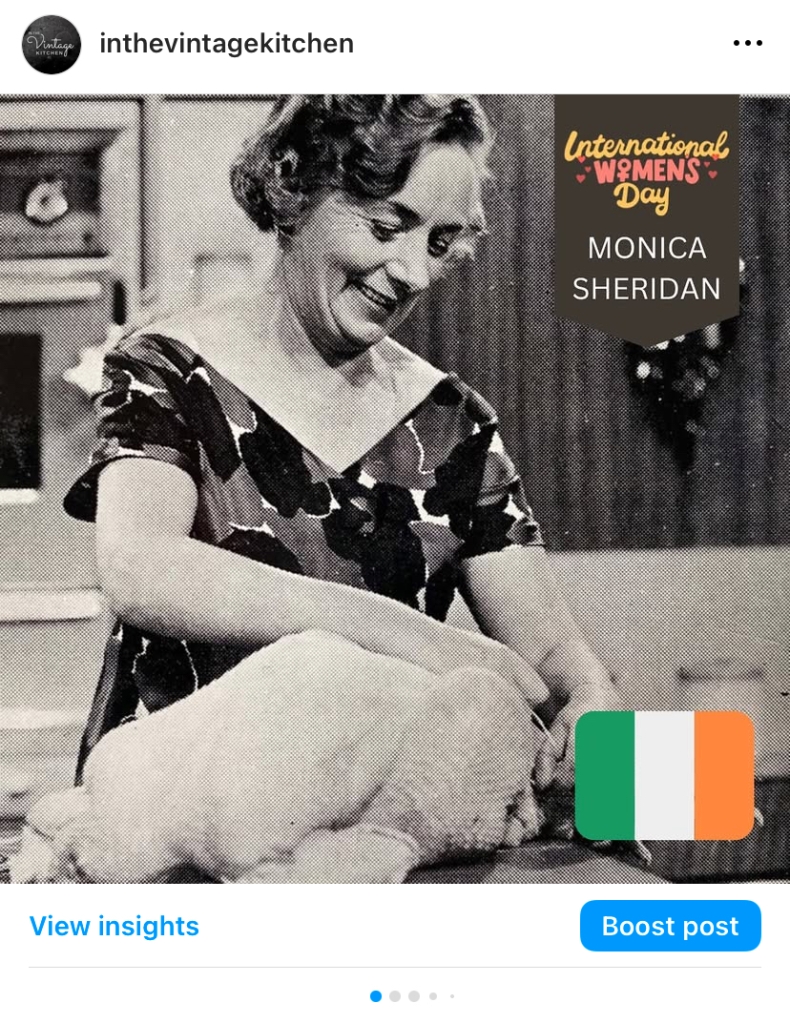
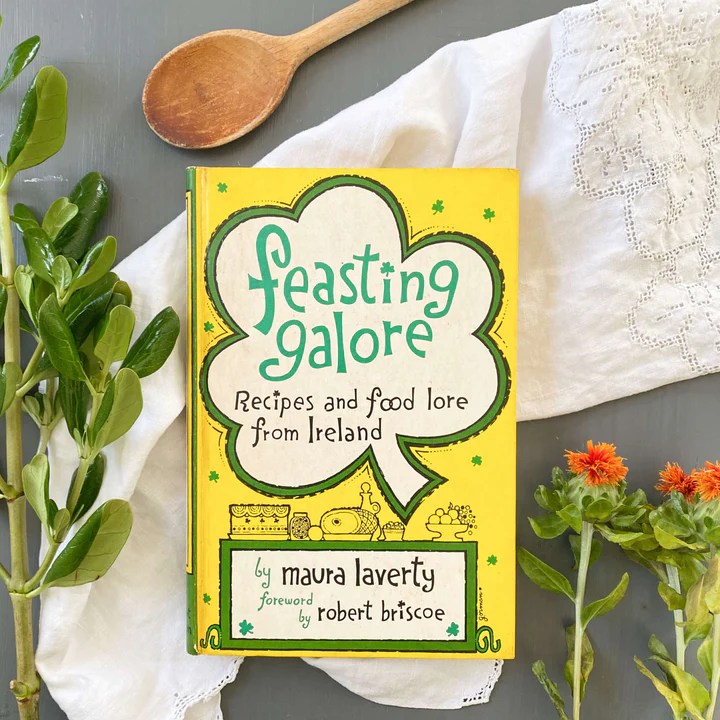
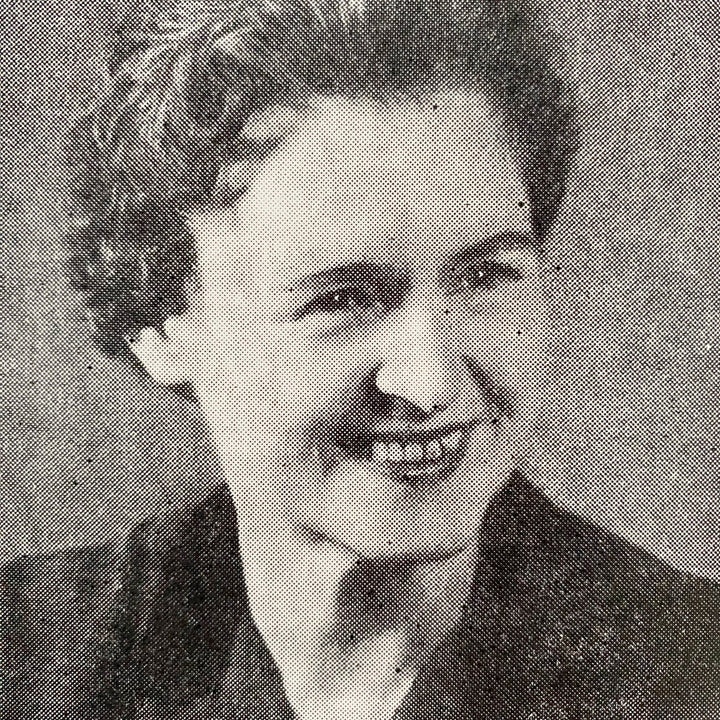
1. Maura Laverty – Feasting Galore (1961)

The first American edition of Feasting Galore: Recipes and Food Lore from Ireland was published in 1961. It was written by celebrated Irish novelist, playwright, journalist, and cooking authority, Maura Laverty (1907-1966) and debuted at a time in American culture when travel to Ireland and interest in Irish culture was newly on the rise.

Packed full of recipes, anecdotes, and folklore from the Emerald Isle, Maura’s cookbook featured 200 recipes interspersed between colorful stories about Irish culture and food. With an enchanting way of weaving storytelling into recipes that then transitioned back into stories again, Maura’s cookbook was unique in that it read like both a recipe book and a storybook all in one.

Growing up in County Kildare, Maura’s love of cooking began in childhood and was both encouraged and influenced by her maternal grandmother with whom she spent a lot of time. That relationship eventually formed the plot of a fiction book titled Never No More, published in 1942, which became a bestseller in Ireland and put Maura on the path to becoming a popular Irish writer. Despite the fact that her next three novels were banned by Ireland’s Censorship of Publication Board for obscenity (a stigma that has since been lifted) Maura pressed on writing plays, television shows, books on cooking, and children’s stories.

In and out of marriage to a fellow journalist, Maura supported herself and her children via her writing throughout her life. Known for her humor, captivating storytelling, and tenacity to continue working at her craft, despite falling victim to Ireland’s repressive book-banning policies, Maura’s perseverance, talent, and cooking expertise deemed her a national treasure. Introduced to America via several short stories she wrote for Women’s Day magazine in the 1950s, when Feasting Galore was published in New York by Holt, Rhinehart & Winston in 1961, it was to the delight of American book critics. “Looking into Maura Laverty’s book is like opening an old brown box and finding a real emerald,” noted food columnist Sylia Windle Humphrey of the Lexington Harold in 1961.

Interesting recipes from Feasting Galore include Fairy Rings, Potato Scones, Carrot Marmalade, Boxty on the Griddle, Elderflower Lemonade, Puddeny-Pie,  Emerald Sauce, Baked Limerick Ham, Wexford Sole in Cider Sauce, Bread and Cheese Panada, Dunmurray Rice, Crab Apple and Bramble Jelly, Pickled Gooseberries, Friday Manglam, Golden Vale Pudding, Nested Eggs, Whiskey Pie, Oat Cakes and Columcille Cookies. 

Photo of Maura Laverty courtesy of The Evening Star, March 16, 1947

2. Savella Stechishin – Traditional Ukrainian Cookery (1957)

When Ukrainian-Canadian home economist Savella Stechishin (1903-2002) first published her book, Traditional Ukrainian Cookery in 1957, there were about 450,000 Ukrainian immigrants living in Canada. That was a large increase from the 10,000 that initially immigrated to the Great White North in the early 1900s. Savella’s mission was to keep Ukrainian heritage alive by celebrating the traditional foods of her homeland and by teaching second and third-generation Ukrainian-Canadians the unique customs and culture of their Eastern European heritage. 

Ukrainian Immigrants in Canada circa early-mid 20th century. Images courtesy of the City of Vancouver Archives

An educational force, Savella’s pride in her heritage fueled her entire life in Canada. After immigrating from West Ukraine with her family as a young girl, Savella received a teaching degree in home economics from the University of Saskatchewan in the 1930s, went on to help establish the Ukrainian Women’s Association of Canada, taught cultural classes to students at the St. Petro Mohyla Institute, wrote a cultural column for the Ukrainian Voice for over two decades and was involved in work for the Ukrainian Museum of Canada. Perhaps most notable were her contributions on the culinary front with the publication of her cookbook in 1957. 

Published when Savella was 55 years old, it took her half a dozen years to complete the cookbook, which highlighted over 650 traditional recipes mostly gathered from pre-WWII Ukrainian recipe books. The challenge was not in finding wonderful Ukrainian recipes but in adapting them to modern-midcentury Canadian kitchens with proper measurements and ingredients equal in taste and flavor to that found naturally in the Ukraine. As Savella learned, foreign recipes don’t always translate easily in foreign lands and much testing had to be done. Luckily, chapters of the Ukrainian Women’s Association across Canada helped test and retest all the recipes to ensure they were true representatives of traditional Ukrainian cuisine. 

Upon debut, Traditional Ukrainian Cookery became the first Ukrainian cookbook ever published and was an instant bestseller. In addition to recipes, it featured notes on Ukrainian history, culture, holiday customs, and food presentation. In print through the 1990s, Savella’s cookbook sold over 80,000 copies worldwide making it not only a classic, go-to resource in both Canadian and Ukrainian kitchens but around the globe as well.

Interesting recipes include Stuffed Pork Tenderloin, Savory Roast Beef, Smetana Sauce with Green Onions, Lokshyna, Linyvi Holubtsi, Stuffed Onions, Potato and Cheese Casserole, Puffy Pampushky, Layered Sweet Nalysnyky, Sour Rye Bread, Babka with Pumpkin, Economical Perekladanets, Pyrih with Cabbage Filling, Uncooked Cheese Paska, Horikhivnyk, Caraway Krendi Pretzels, Crunchy Nut Rurky, Crackling Korzhyky Biscuits, Apple Pastila, and Dried fruit Candy plus so many more!

A hard-to-find cookbook these days, the sixth edition published in 1973 is available in the shop here.

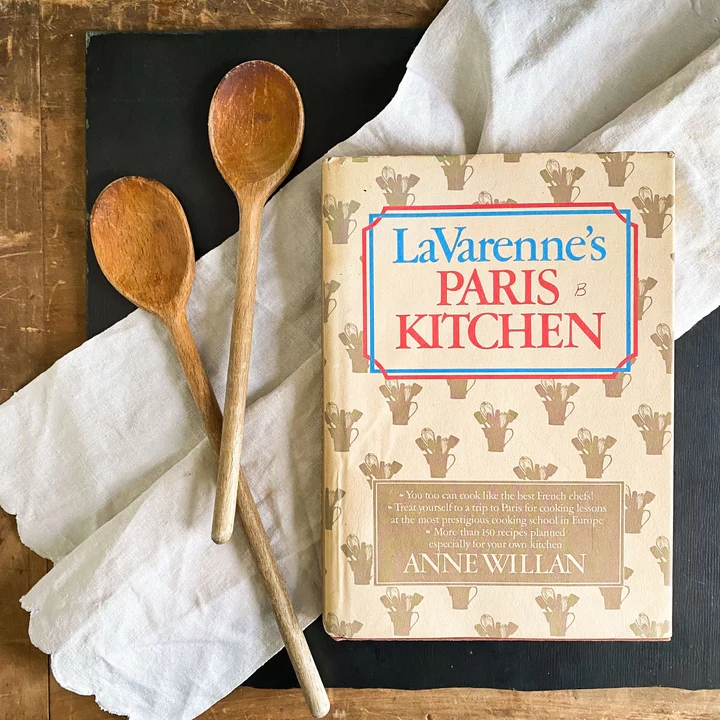
3. Anne Wilan – La Varenne’s Paris Kitchen (1981)

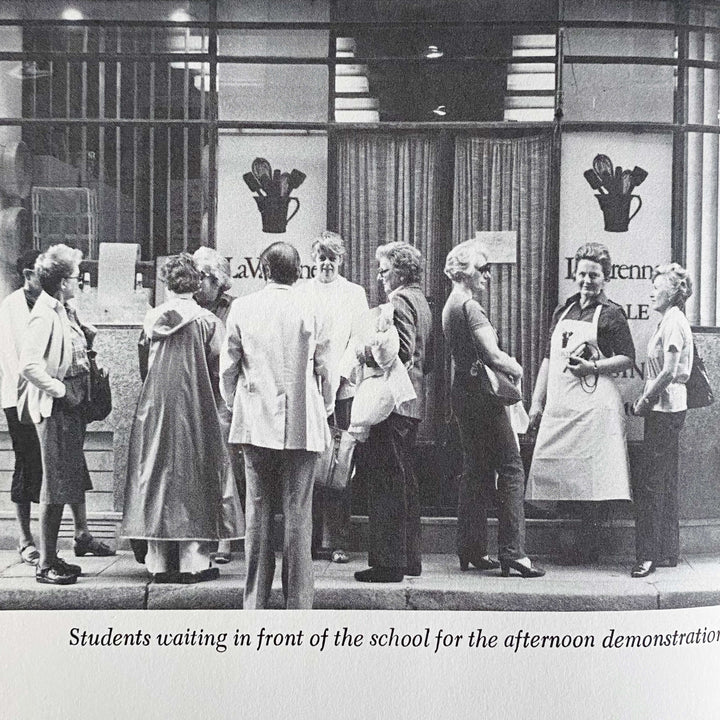
Founded by Anne Wilan in 1975 in an old Parisian building that once housed a neighborhood cafe, L’Ecole de Cuisine La Varenne quickly became a preeminent culinary school for anyone wanting to learn traditional French cooking. For the next 15 years, culinary students from around the world would flock to this Paris school to learn all the foundational techniques that made French cooking so esteemed. With instruction in both English and French, students graduated with professional culinary degrees, and many went on to pursue careers in the food industry in all its facets from catering to restaurant ownership, line cooks to food writers and everything in between.

The popularity of the school saw branch programs open in rural France; Venice, Italy; Santa Monica, California; and at the Greenbrier Hotel in White Sulpher Springs, West Virginia. Due to high food costs, the Paris location closed in 1990 and the last of the satellite programs closed in 2017 in California.

The experience of running such an acclaimed enterprise led Anne, a decorated and beloved cook herself, to publish several books about her La Varenne experiences that not only shared details about the operation of the school but also included recipes too.
Published in 1981, La Varenne’s Paris Kitchen offered a course of study for home cooks in America who didn’t have the opportunity to attend class in France. Laid out in syllabus fashion, each of the seven instructors at the school, including Anne, provided sample menus and recipes of varying difficulty which home cooks could tackle chapter by chapter. By the end of the book, the goal was to be skilled in the foundational principles of French cooking.

Interesting recipes from La Varenne’s Paris Kitchen include Asparagus in Puff Pastry, Bearnaise Sauce, Chicken Breasts with Port, Tangerine Tart, Volcano Salad, Coffee Bavarian Cream, Veal Paupiettes with Lemon Stuffing, Light Apple Tart, Orange Chanteclaire, Stuffed Tomatoes and Eggs Maintenon.

Find a 1981 First Edition Copy of this book in the shop here.

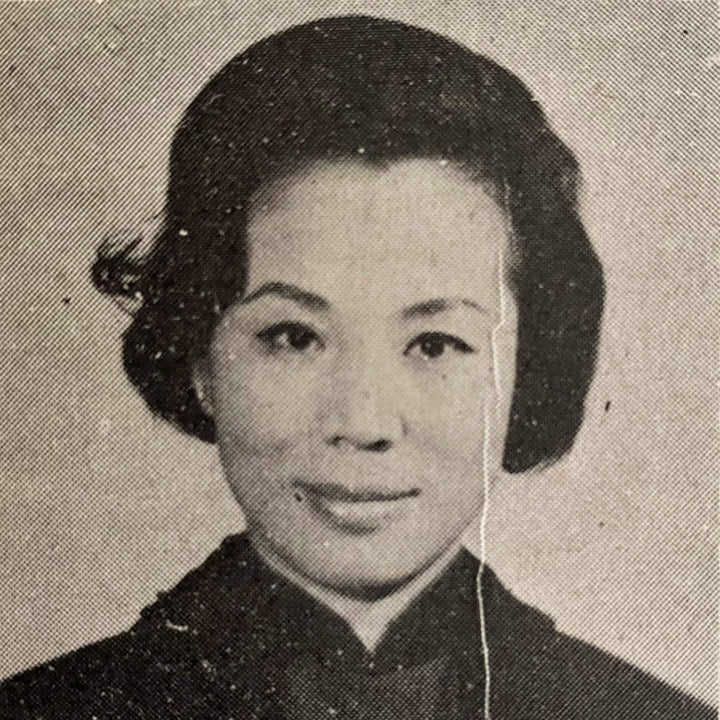
4. Fu Pei-Mei – Pei Mei’s Chinese Cook Book (1969)

Fu Pei-Mei (1931-2004), undoubtedly the most beloved and famous Chinese/Taiwanese cook of the 20th century, came to her culinary pursuits like many women of the 1950s. As a young wife who wanted to impress her husband with her cooking prowess and tempting dishes, Fu began married life in Taiwan with her heart set on being a wonderful cook for her family and friends. But desire alone doesn’t make an excellent chef and Fu struggled in that newlywed period through the preparation of each and every dish that she set on the table for her discerning husband.

Frustrated with her own lack of ability, Fu paid local professional chefs to teach her the skills of good Chinese cooking. Over a two-year period, she mastered all the classics of her Chinese homeland and its distinct regions. She dazzled her husband and children with delicious food, becoming so confident in her abilities that she started teaching Chinese cooking lessons to women living in Taiwan. Those lessons led to cooking classes offered to US military personnel stationed in Taiwan along with their spouses. From there, her teaching courses climbed from in-person to on-camera as she hosted her own cooking show for Taiwan television. The cooking show would become a staple program and continue for forty years turning Fu Pei-Mei into a household name and a trusted authority on Chinese and Tawainese cooking well beyond her Taipai community.  

The trajectory of Fu Pei-Mei’s career is often compared to that of Julia Child’s in that she came to cooking following marriage, lived in a country different than her homeland where she learned from experts how to cook, and then became an expert herself. Just like Julia, Fu had a charming personality that won the hearts of women who found her accessible and relatable – an un-intimidating and encouraging presence in the kitchen. 

In 1969, Fu published her first cookbook, Pei Mei’s Chinese Cook Book, a 265-page collection of traditional recipes written in both Chinese and English. Two other volumes would follow along with numerous reprintings. Eventually, Fu would publish over 30 cookbooks throughout her career. 

To say that her influence on Chinese cooking was immense is an understatement. In Chinese culture, her recipes are iconic and her cookbooks are proudly passed down between generations. Still to this day, she remains the most trusted authority on Chinese cooking and her books are considered classics in the kitchen. 

Interesting recipes from Pei-Mei’s Chinese Cook Book include Dry Cooked String Beans, Chicken and Cucumber Salad, Shark’s Fin in Brown Sauce, Mongolian B-B-Q, Meat Balls with Sour Sauce, Flowered Chicken Soup, Sweet and Sour Cabbage, Ma-Po’s Bean Curd, Camphor and Tea Smoked Duck, Egg Fu Yung, Sweet and Sour Pork, Steamed Chicken with Green Onion, Shrimp with Cashew Nuts, and Stewed Chicken with Pineapple Sauce.

Find a rare 1969 bi-lingual edition of her cookbook in the shop here.

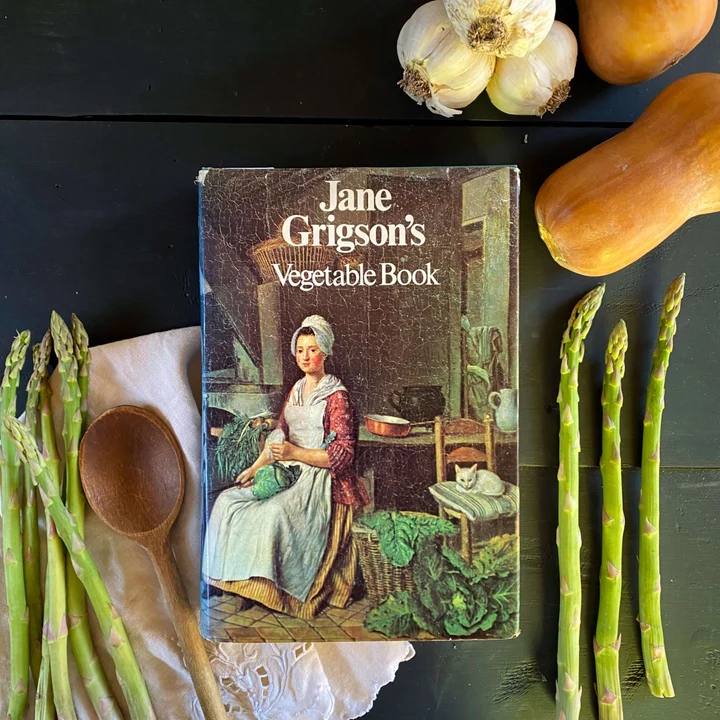
5. Jane Grigson – Jane Grigson’s Vegetable Book (1978)

Just like all the famous greats in the kitchen… Julia Child, Elizabeth David, Madhur Jaffrey, Claudia Rodin…  British cookbook author and food writer Jane Grigson (1928-1990) holds high court in the kitchens of the 20th and 21st centuries. 

An epicurean powerhouse who first found her way to cooking from art gallery and editorial translation work, when it came to writing about and preparing food Jane’s influence on the culinary landscape rounded the globe in her efforts to bring forth interesting recipes and interesting stories. Combining world history, farming practices, cultural identity, gardening, home cooking, and travel stories, Jane’s food writing has the ability to sweep you up on a culinary adventure and push you into the kitchen for an engaging, colorful, and delicious experience.

The author of ten much-lauded cookbooks throughout her career, Jane published Jane Grigson’s Vegetable Book in England in 1978. Covering 75 vegetables in alphabetical order across 600+ pages, Jane gathered recipes from history, from kitchens around the world, from other cooks and their books, and from her own kitchen to create this large-scale compendium chockful of veggies of all varieties.

When Jane Grigson’s Vegetable Book debuted, it won several awards including the Glenfiddich Food and Drink Writer of the Year and the Andre Simon Memorial Book Fund Award. It still remains one of the most favorite of all Jane’s cookbooks, inspiring professional chefs and home cooks of all ages and skill levels. 

Interesting recipes from Jane Grigson’s Vegetable Book include Gratin Savoyard, Chicken Gumbo, Palestine Soup, Pancakes with Carrot Filling, Sauerkraut Salad, Aubergine Slippers, Baked Avocado with Crab, Asparagus Fricassee, Letil and Pork Stew, and Sicilian Stuffed Peppers.

Find a 1979 First American edition in the shop here.

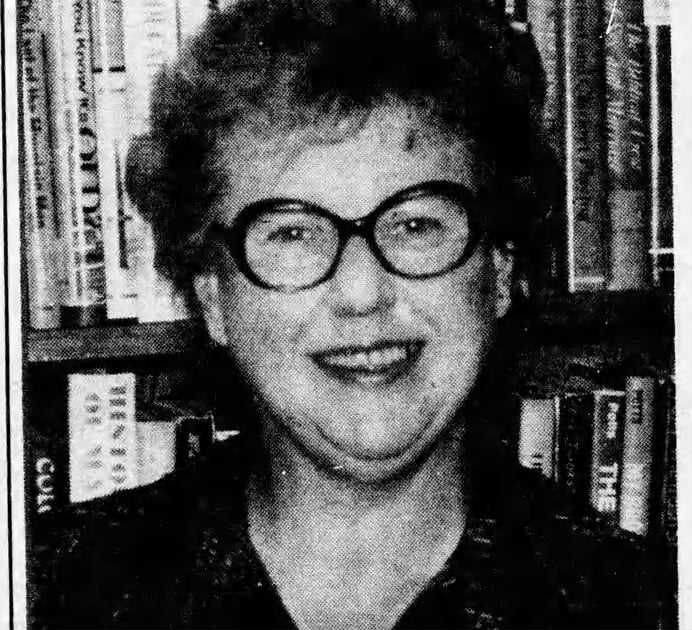
Photo of Jane Grigson courtesy of Tarrytown Daily News, Nov. 28 1992

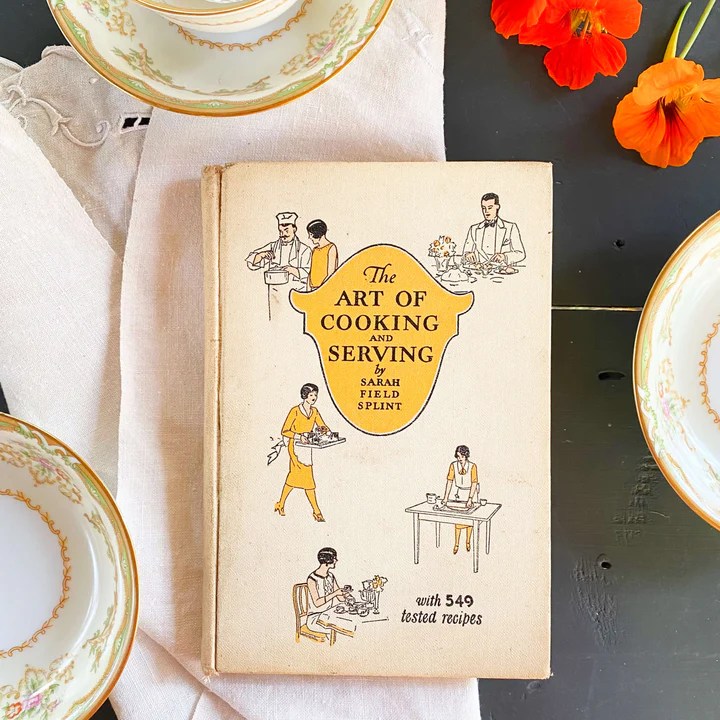
6. Sarah Field Splint – The Art of Cooking & Serving (1926)

First published in 1926, The Art of Cooking and Serving was a modern take on meal planning, nutrition, and cooking techniques for the modern 1920s woman who didn’t want to spend the entire day cooking in the kitchen.

Containing just under 200 recipes, it was written by American Sarah Field Splint (1883-1959), a popular women’s magazine editor, suffragette, and domestic science expert, and produced in partnership with Crisco – a vegetable shortening product that Sarah endorsed as an alternative to butter. 

First introduced in 1911, most home cooks relied on Crisco for cooking and frying but by the 1920s, it started to be marketed for baking as well. Sarah’s cookbook helped highlight the wide variety of recipes that could be achieved using Crisco. Everything from cakes to muffins, breads to breakfast foods, sauces to souffles could all be perfected with the help of this reliable vegetable shortening. By the time the 1931 edition of The Art of Cooking and Serving was published, over 540 recipes were included, which suggests not only the popularity of the book but the enthusiasm for Crisco as well.

Crisco aside, what’s especially interesting about this Depression-era cookbook, is the focus on getting the most value both physically and emotionally from each meal as possible.  Highlighting nourishing foods, the reuse of frying oil, and the repurposing of leftovers for additional meals signaled the sign of trying economic times. A chapter on servantless households details the changing roles of women when it came to food preparation. And emphasis was placed on good taste, both in food and presentation, with the mission to make both as hospitable and alluring as possible. As Sarah advised… a pretty china pattern added just as much fortitude for the spirit as did a steak dinner for the body. 

Interesting recipes include Orange Biscuits, Wedding Cake, Molasses Mint Taffy, Mexican Kisses, Hot Chocolate Sauce, Steamed Chocolate Pudding, Deep Dish Huckleberry Pie, Danish Pastry, Butterscotch Tarts, Ginger Cake, Mother’s Tea Cakes, Cheese Straws, Coffee Cake, Whole Wheat Griddle Cakes, Gree Corn Fritters, Potato Souffle, Sausage Turnovers, Jelly Omelet, Baked Spaghetti, Fried Hominey, Sweet Potato Croquettes, French Crullers, Raised Doughnuts, and Saratoga Chips 

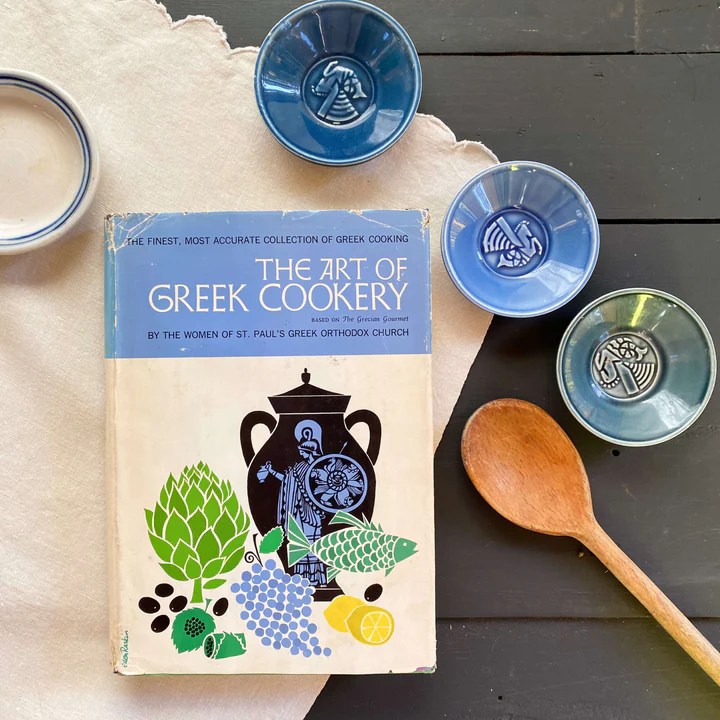
7. The Women of St. Paul’s Church – The Art of Greek Cookery (1963)

The recipes in The Art of Greek Cookery were compiled in 1958, by 16 first-generation Greek women who were part of the congregation of St. Paul’s Greek Orthodox Church in Hempstead, New York.

First formed in 1944, St Paul’s Church by the late 1950s was thriving. Needing to expand as its membership grew, the ladies of the congregation started a recipe committee as part of the Church’s social organization known as the Mr. & Mrs. Club. The goal of the committee was to gather traditional Greek heritage recipes and compile them into a book for American cooks as a fundraiser to help pay for construction on a new building. With true grit and determination, these ladies got to work gathering, testing and adapting hundreds of recipes representative of their Greek culture.  

After two and half years of laboring, they published a simple spiral-bound cookbook entitled, The Grecian Gourmet. Both The New York Times and the New York Tribune published articles about the women and their book project, which caught the attention of home cooks all across the country.  Book orders poured in. The recipe committee was humbled and amazed that their little cookbook had become such a sensation.

The cookbook also caught the attention of New York publishing giant Doubleday and Company, who wanted to republish it under their “Art of ” cookbook series. And so The Art of Greek Cookery was born in 1963.

Containing a wealth of recipes ranging from appetizers to desserts, this cookbook also contained information on Greek wines, traditional feast days, customs, suggested menus, and a lovely forward by the then pastor, Father George Papadeas. To say that he was not only proud but impressed by the hard work and determination of these women was an understatement.  Just by reading the forward, the preface, and the introduction of this cookbook, you can tell that so much love and good cheer was behind this project. 100% of the proceeds from the book sales went into the church construction fund, which provided the congregation with more than enough money to undertake the expansion project.  Both the Church and the recipe club are still going strong today. 

Interesting recipes include Stuffed Grapevine Leaves, Cocktail Meatballs, Yogurt Dip, Stuffed Mussels, Buttermilk Soup, Chicken with Dill Sauce, Codfish Stew, Chicken Stefado, Roast Lamb with Artichokes, Fresh Ham Macaronada, Moussaka ( 3 versions!), Pastichio (also 3 versions!), Stuffed Cabbage Leaves, Zucchini Souffle, Squash Fritters, Rum Cake a la Grecque, Ravani, Butter Cookies, Halvah, Caramel Custard, Eggplant Preserves and Quince Puree.

8. Madhur Jaffrey – A Taste of India (1986)

Long before Madhur Jaffrey (b. 1933) became a culinary icon, she was a wife, and a mom, and an actress living in New York City. A strong sense of nostalgia and a desire to share some of her heritage foods with her American friends led Madhur to communicate with her mother via letters about the recipes she missed most from her homeland of India. For 15 years, the two women corresponded back and forth. That communication via mail led to Madhur’s first cookbook, An Invitation to Indian Cooking published in 1973.

Next, Madhur was off on a seven-year East Asian culinary adventure visiting Japan. Thailand, Indonesia, the Philippines, Korea, and her own homeland of India to collect and record authentic vegetarian recipes from those cultures. The result of all that travel was a second cookbook published in 1981, Madhur Jaffrey’s World of the East Vegetarian Cooking.

By the time A Taste of India, her fifth cookbook was published in 1986, Madhur’s culinary reputation for outstanding authentic Indian cuisine was firmly established.  Exploring India’s diverse food customs and heritage, complete with a plethora of travel photographs, A Taste of India reads as much like a visitor’s guide as it does a recipe book, giving home cooks the chance to fully immerse themselves in the history and culture of fourteen distinct regions throughout India. 

Madhur was not a new face to the shop this year but A Taste Of India was, and it was so insightful regarding both the visual and practical art of food in India, that it’s included this year as a true heritage companion to Indian cooking.

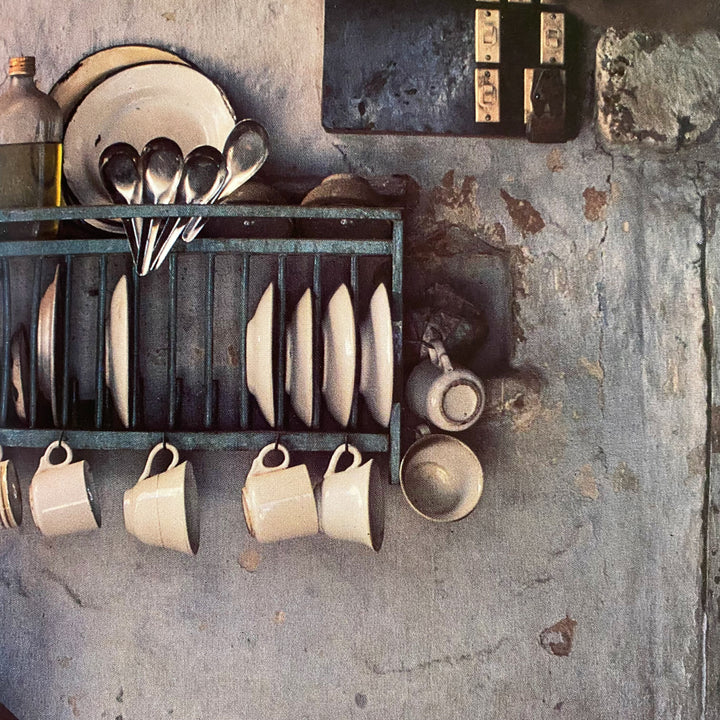
A photo from A Taste of India

Interwoven with family stories, atmospheric memories from Madhur’s childhood and historical context surrounding each recipe, this cookbook was packed with fascinating information about what, how and why Indians eat the way they do and how home cooks could capture the essence of authentic Indian cuisine in their own American kitchens. 

Exploring a vast array of different culinary foods, each prepared according to the customs and traditions found in a myriad of diverse topographical locations around the country from mountains to deserts to tropical lowlands and coastal areas, A Taste of India highlighted recipes from Delhi, Punjab, Haryana, Uttar Pradesh, Rajasthan, Madhya Pradesh, Gujarat, Maharashtra, Kashmir, Bengal, Hyderabad, Tamil, Nadu, Karnataka and Kerala. 

Interesting recipes included Potatoes Cooked with Ginger, Chickpea Flour Stew with Dumplings, Steamed Savoury Cakes, Walnut Chutney, Kashmiri Spinach, Chicken with Fresh Green Coriander, Fish in Bengali Sauce, Shrimp Cooked with Coconut Milk, Vegetables Cooked with Split Peas, Eggplants with Apple, Rice with Tomatoes and Spinach, Punjabi Black-Eyed Peas and Rice Cooked in Aromatic Broth.

9. Elizabeth Kander – The Settlement Cook Book (1901)

First published in 1901, The Settlement Cook Book was created by Mrs. Simon Kander, aka Elizabeth Black Kander (1858-1940) to help give immigrant families, mostly of Jewish descent, a proper start in America as they relocated from Eastern Europe to Wisconsin. Lizzie, a college graduate and lifelong community activist taught cooking classes at a social service agency called The Settlement. Helping Milwaukee’s economically challenged immigrant communities, gain valuable skills in the kitchen, The Settlement helped acclimate its new residents to a more modern American way of life. 

Containing traditional foods from their homeland (included for comfort) as well as foods popular in America during the turn of the 20th century (included for practicality and social acceptance), Lizzie’s desire was to give all families a successful start in America from the inside out via good food, nutrition, information and sanitary kitchen care.

Part of Wisconsin’s assimilation movement in the early 1900s, Lizzie first published The Settlement Cook Book in 1901, prompted by a fund-raising effort for the Settlement House. A runaway success, it was in continuous print for the next 90 years and became one of the few cookbook brands that accurately tells the story of Jewish American food evolution, eating habits, and appetite preferences over the course of the entire 20th century. Even after Lizzie passed away in 1940, this cookbook continued to make a valuable mark on the culinary landscape.

Interesting recipes from The Settlement Cookbook include Sour Cream Kolatchen, Almond Pretzels, Iced Coffolate, Homemade Vinegar, Matzos Charlotte with Apples, Red Cabbage with Wine, Koenigsberger Klops, White Wine Soup, Eggs a la Tarcat, Apricot Nut Bread, Matzos Sponge Roll, Banana Cake, Potato Chocolate Torte, Cardamon Cookies and a host of fun cocktails.

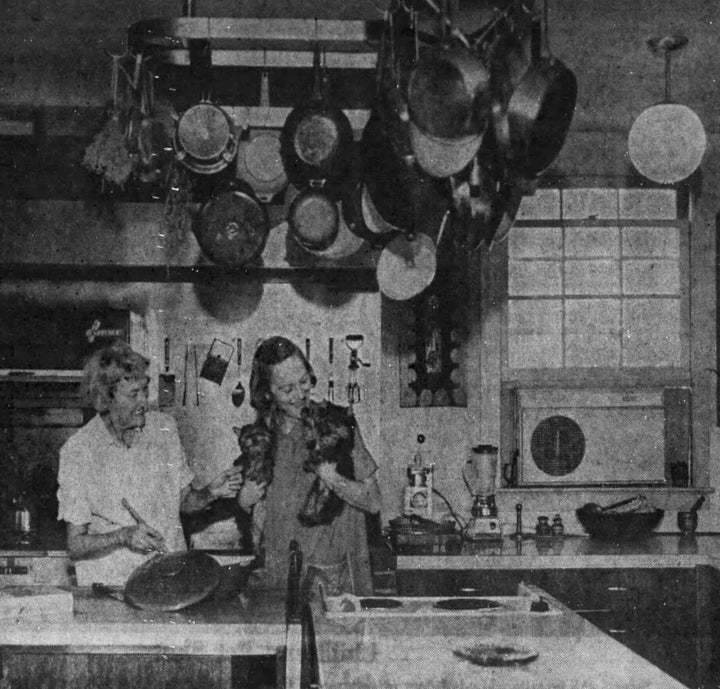
10. Ann Seranne – The Complete Book of Home Preserving (1955)

A former food editor at Gourmet magazine, a food columnist at the New York Post, and a prolific author, Ann Seranne was the pen name of American cook and writer Margaret Ruth Smith (1913-1988). 

On an educational trajectory to become a medical doctor, Margaret instead turned to food science after she was expelled for setting lab cats free during her college years. Writing about food was more in line with her beliefs than animal testing, so when she started developing a keen interest in kitchen science and food chemistry in the 1930s, she adopted the name Ann Seranne as her nom de plume.  Twenty-five books later, Ann was a leading expert and trusted resource in the culinary industry. 

In 1955, she published The Complete Book of Home Preserving. Leaving no food preservation method untouched, from canning fruits and vegetables to freezing meat to drying herbs and smoking fish, this cookbook was a treasure trove of history, food prep, and recipes ideal for kitchen gardeners, off-grid lifestylers or anyone interested in a self-sustainable food system.

Incredibly thorough as far as information, with recipes included to guide home cooks along the way, Ann offered all sorts of helpful assistance when it came to preparing food now to eat later. From equipment to dos and don’ts to selecting the right packaging and the right containers, no stone was left unturned. Techniques for drying herbs, preserving fish (ie rackling – an ancient Nordic style of fish preservation) and smoking meats included tried and true methods that were utilized in other countries too.

Lauded by food critics, home cooks, and columnists alike, many cookbooks throughout the 20th century focused lightly on canning but Ann’s book became a kitchen bible for self-sustainability.

Interesting recipes from The Complete Book of Home Preserving include Green Tomato Pickles, Cherry Marmalade, Strawberry Rhubarb Jelly, Watermelon Plum Conserve, Carrot Butter, Cantaloupe Orange Jam, Preserved Coconut, French Brandied Fruits,  Ginger Root Preserve, White Grapes in Cognac, Canned Baked Beans, Pate, Meat0Vegetable Stew, Crab Soup and Gumbo,. Canned Spiced Salmon, Artichoke Relish, Hot Dog Relish, Apple Chutney, Pickled Blueberries, Apple Ketchup, Smoked Country Sausage, Corned Beef, Dried Apples, and Velva Fruit.

Photo of Ann Seranne (left) in her kitchen courtesy of The Hamilton Spectator Dec. 11, 1968

I hope you found this list of cooks and their books just as interesting as I did. And that it not only piques your interest in learning more about the women included here but also inspires your own cooking journey and all the possibilities that await. You never know where a good recipe might lead.

Cheers to Maura, Savella, Fu, Jane, Elizabeth, Sarah, the ladies of St. Paul’s Church, Madhur, Anne, and Ann for sharing their kitchen journeys via books and recipes. Our modern-day meals would not be as delicious without your contributions. And cheers to all the millions of women around the globe who continue to cook, feed, create, dream, innovate, and inspire the culinary landscape of history, day in and day out, year after year. Because of your too often under-appreciated and overlooked cooking endeavors, we thrive.

Reading While Eating: Seven Favorite Books Discovered in 2023

Just in time, before we say goodbye to 2023, I didn’t want the year to leave without posting the annual recommended book list that has become a favorite here on the blog. This year’s selections center around nature, literary figures, artists, the art of collecting, and the curation of home in all the ways that make it personal and unique.

As is the way every year, these books were randomly discovered while doing research for other projects. They popped up while uncovering origin stories for shop heirlooms, researching story snippets for the blog, or understanding context surrounding a vintage recipe.

Serendipitous in their arrival on the bookshelf, yet ironically all connected via some common themes, these books were new to me this year but not newly published this year. The oldest one in this batch hails from 1979 and the newest one debuted just last year in 2022. All deal with historical subjects in one way or the other, but each one brings a very unique and fresh perspective to its subject matter. They take us on adventures from the wild beaches of coastal Massachusetts to an out-of-the-way antique shop in Mexico. We are introduced to a famous performer’s real-life home in California and a fictional version of a real-life literary figure’s farm in Georgia. They feature one Ernest, two Barbaras and three oranges. There’s eccentricity and domesticity, color and craft. But above all, there is captivating storytelling right from the first page. Let’s look…

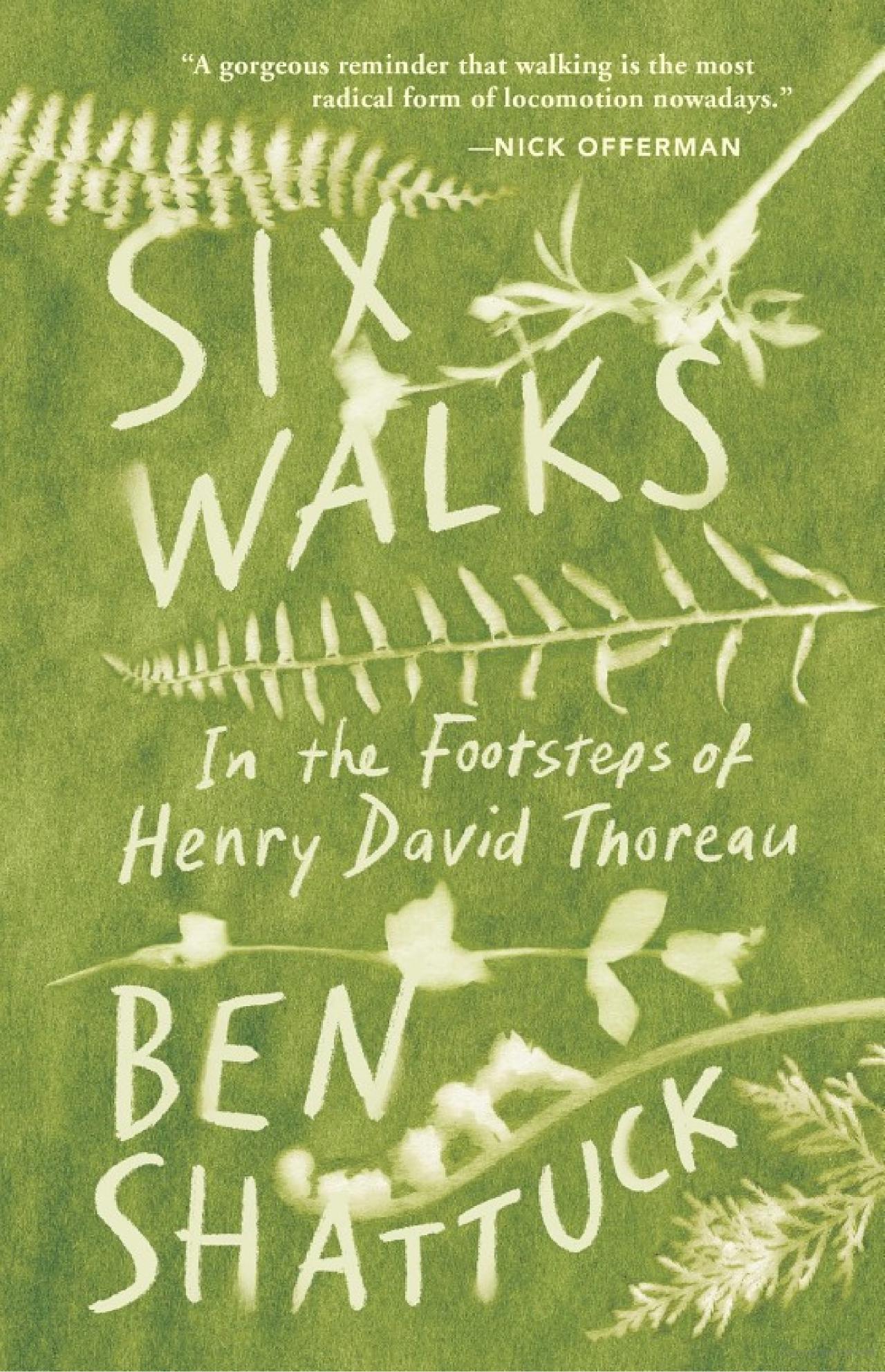
Six Walks by Ben Shattuck (2022)

What is it like to walk in the footsteps of Henry David Thoreau? Do you see the same trees, smell the same air, touch the same ground, feel the same breeze? Henry lived and wrote and walked around the woods in Massachusetts over one hundred years ago and the impact it made on his life made his life. During the pandemic, trying to process a breakup and a general malaise that hovered over his thoughts like unsettled storm clouds, Ben Shattuck rediscovered Henry’s journals. Henry’s words so inspired Ben that he set out to see the world through “someone else’s eyes for a change,” hoping that he might gain some new perspective to help him past his grey days.

Henry David Thoreau (1817-1862)

Following six of the same walks that Thoreau once took in the early to mid-1800s, Ben was searching for a new perspective, and a new understanding on life, love, and his place in it. For Henry, the walks were about looking at nature, about describing his surroundings, and about drawing comparisons between the natural world, human evolution and the emotional and spiritual impact on both. For Ben, walking was a form of therapy to help him move past some darker days, all the while submerging himself in the comfort of a favorite writer’s words and viewpoint. What results is this incredibly gorgeous book about nature writing, about escapism, about processing emotional trauma, and about seeing the real beauty that surrounds us every day.

On the walks, Ben meets an interesting array of characters. He goes in search of his ancestral homeplace, canoes down rivers that feel wild and untamed, and walks down long stretches of the beach until his feet are bloody and blistered. Funny, tender, thought-provoking and beautifully written, Ben’s perspective and lovely turns of phrase are just as illuminating as Henry’s. Part travel memoir, part therapy session, part sketchbook, Six Walks is one of the most beautifully written books about journeying that I’ve read in a really long time.

Finding Frida Kahlo – Barbara Levine (2009)

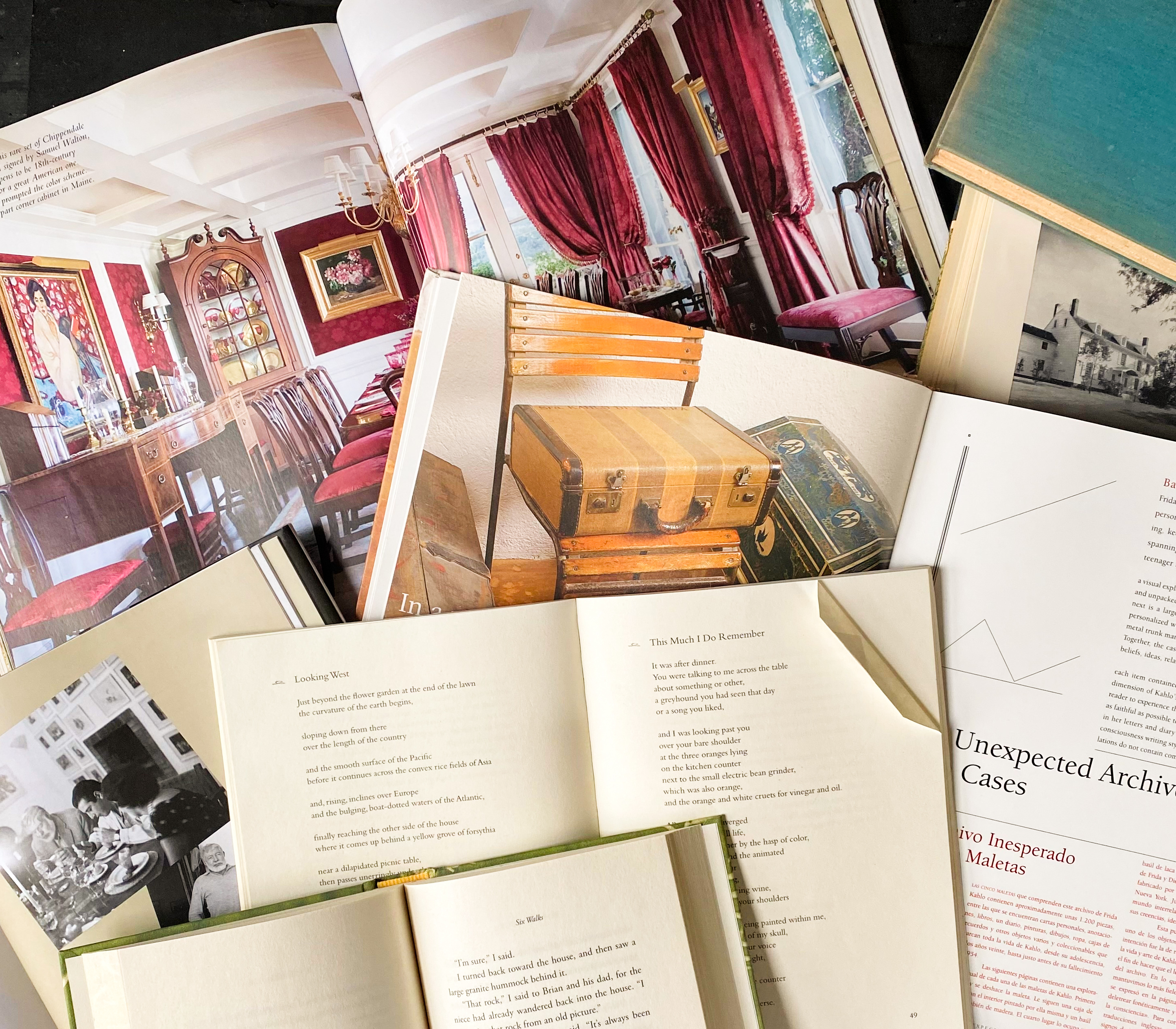
Written in both English and Spanish, this book is a fascinating portrait on the act of collecting and the art of curating. Finding Frida Kahlo is the true story of discovering a set of trunks belonging to Frida Kahlo in a Mexican antique shop. The woman who discovered these historical heirlooms was Barbara Levine, a former exhibitions director at the San Francisco Museum of Modern Art who had recently moved to Mexico and was trying to assimilate into the culture. A trip with a few friends to an out-of-the-way antique shop led to the discovery of several trunks belonging to Frida Kahlo each filled with all sorts of her treasures – clothing, paintings, recipes, letters and personal heirlooms.

Image of the trunks from Finding Frida Kaho by Barbera Levine.

This discovery started a storytelling chain that is movie-like in scope and plot, unfolding all the unusual circumstances that led to the ultimate understanding of how trunks from one of the world’s most revered, most studied, and most collected artists could possibly have wound up quietly sitting on the floor of an antique shop practically unnoticed. Throughout the story, there is Barbara’s commentary on the processing of the collection, interviews with the antique shop owners, the detailed history of communication with the collector who held the suitcases originally, and consultations with the Fridos (the last remaining group of artists and writers who personally knew Frida Kahlo). I won’t share any more of those details here so as not to spoil the pacing of the story, but only to say you’ll be engaged right from Barbara’s first sentence… “I have long been a collector.”

Non-spoilers aside, Barbara tackles her discovery with a museum curator’s mindset, methodically documenting and photographing each item in each trunk with an unbiased approach. Frida’s objects come to life on the page. And in turn, Frida herself comes to life. You can see her handwriting, her diary entries, her sketches. You can see her clothing, her scrapbooks, her trinkets. You can see the weathered wood of the trunks in exquisite detail. There’s fabric and masks and stuffed taxidermy. There are recipes for Chicken Fried with Garlic in Peanut Sauce and another one for Spicy Salsa (more to come on that front in 2024). There are graphic, grotesque medical drawings of bloody amputations and beautiful brightly-colored paintings of birds and flowers. All along, these heirlooms are accompanied by Frida’s handwriting and you come to understand how all these objects formed her heart and her art.

The Mansions of Long Island’s Gold Coast – Monica Randall (1979)

Built by wealthy business tycoons as getaway “cottages,” trophy houses, entertainment venues, weekend retreats and flamboyant examples of architectural artistry, the opulent mansions that dotted the Gold Coast of Long Island reveal fascinating insights into American culture, wealth and folly.

Beautiful and haunting, The Mansions of Long Island’s Gold Coast spotlight incredible stories about the architects, owners, domestic staff, and modern mid-century families who all spent time in these grand estates. A book of architectural history could easily become boring if you stick with just the well-known, well-documented facts but Monica’s meticulously researched biographies, interviews with local residents, and first-hand experiences growing up in the area have brought forth only the most interesting details of each property.

Told in brief snippets, there are romantic love stories, untimely deaths, bizarre occurrences, ghostly apparitions, lavish design details and tragic degradation. House after house exposes the highs and lows of the ultra-wealthy during the 19th and 20th centuries and all that they celebrated but also all that they destroyed. Some of these estates still stand today, carefully maintained as examples of grand domesticity but many featured in this book were torn down, broken down, burned down, or fell down due to neglect and the lack of capital to maintain them. Monica captures each one in the state that she finds it in the 1970s, focusing on what they once were and what they now have become.

A Good Hard Look – Ann Napolitano (2011)

A fiction novel based in the real town of Milledgeville, Georgia, A Good Hard Look centers around an imagined recounting of the real-life writer Flannery O’Connor (1925-1964). It opens with a wedding in town of a doted daughter of the community, Cookie, and her fiance, Melvin – a wealthy New Yorker who is not used to Southern culture or the tight-knit atmosphere of small-town life. Like Nick Carraway in The Great Gatsby, we see this town, these characters, and Flannery herself through Melvin’s eyes who fully wants to commit to his new wife and his new life, but finds the peculiarities and the general mood of the town unsettling.

Flannery O’Connor’s farm, Andalusia, where she wrote her best-known books. Photo courtesy of exploregeorgia.org

The plot twists and turns, so I won’t say more so as not to spoil the story, but one of the things I loved most was all the detail about Flannery’s peacocks. As central characters in the book, you learn so much about these big, beautiful, boisterous, unruly birds who played not only a big part in the story but a big part in Flannery’s life too.
Flannery O’Connor at home with her beloved peacocks. Photo courtesy of the Atlanta Journal-Constitution, Joe McTyre

This book reminded me a little bit of Midnight In The Garden of Good and Evil mixed with the storytelling styles of William Faulkner, John Updike, and Anne Tyler. Once finished, it also prompted its own further research into Flannery’s life. Especially regarding the peacocks. Beautiful, territorial, protective and also very loud, the peacocks act as both a soundtrack and a symbol. Ann shares details on their personalities, their temperaments, and their physical presence on the farm offering such interesting descriptions of them it will leave you considering whether you should invite a peacock as a pet into your own life.

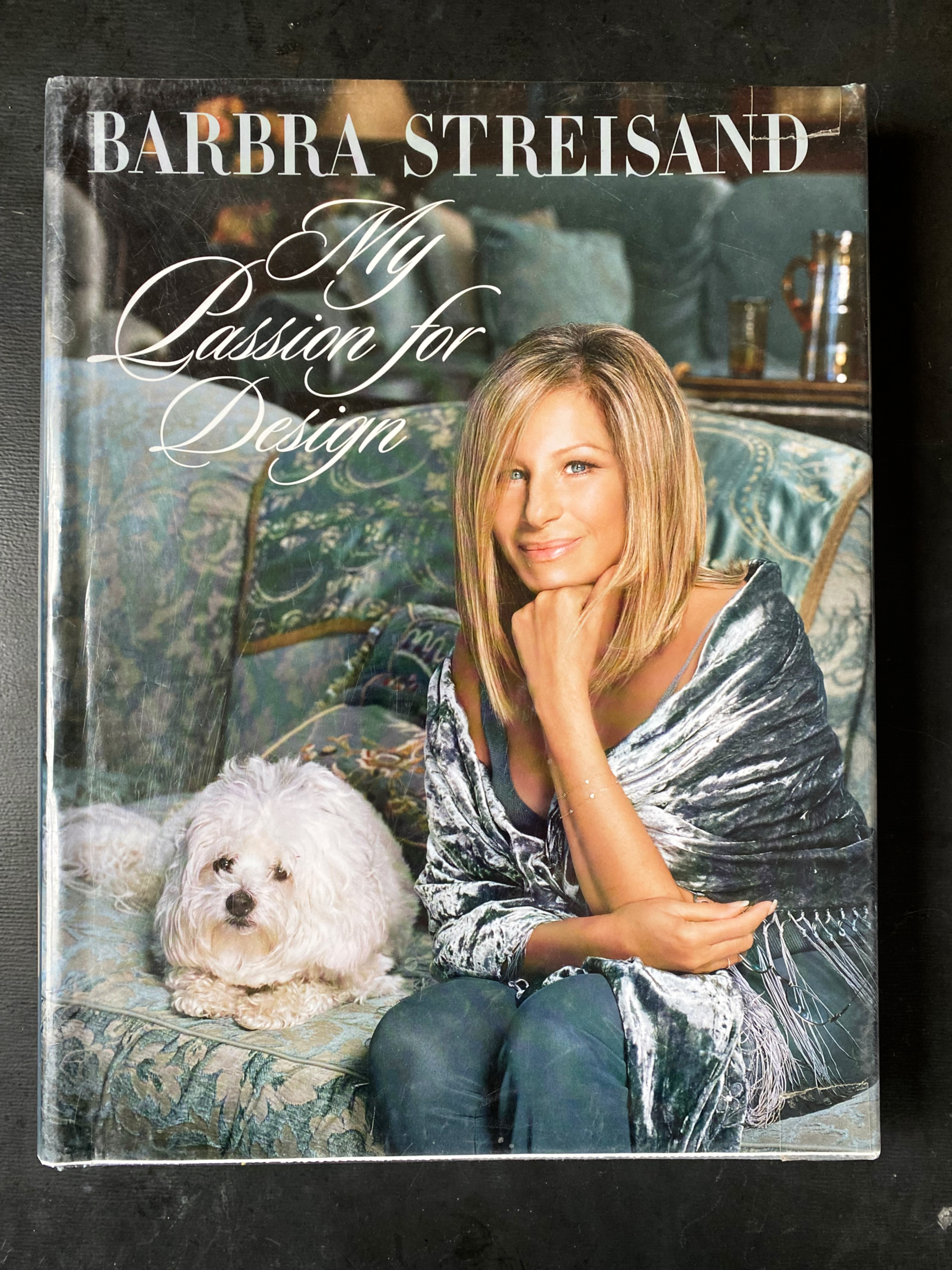
My Passion for Design – Barbra Streisand (2010)

All the buzz around Barbra Streisand this holiday season concerns her newly released memoir, My Name Is Barbra, but I’d like to shine a light on another book of hers published in 2010, My Passion for Design about building her dream house in California. It’s a memoir in and of itself, but it’s also a design book showing you (not telling you) how to build and fill a space with things you love. Barbra’s not following trends here. She’s following her heart and what results is a home packed with intimate stories of how it came to be. Included at each step are a bevy of sketches and before and after photos, many of which Barbra took and drew herself.

Barbra’s front entrance to the main house.

A lifelong antique collector, a lover of old houses, and a creative outside-of-the-box thinker, Barbra’s step-by-step building project is a captivating look at her creative journey towards fashioning the ideal homeplace. Even though she references films and performances along the way, you forget that Barbra is a world-famous singer, actor and director. Here in this book, she’s simply a woman on a mission to create a space she loves. Her vision for what she wants is mostly clear, but she does stumble and change directions sometimes too, and occasionally she has to compromise when the ideas in her head can’t feasibly match a comparable reality. It’s all very relatable.

Located right on the cliffs above the ocean, with views of the water from the backyard, Barbra’s compound is a conglomeration of buildings that includes two barns, a mill house, a 1950s ranch house, and a big main house. She thoughtfully designed and decorated each space from the ground up, but she’ll be the first to say that she’s the “idea” person only not the actual contractor, and never had any inclination to swing a hammer or erect a wall herself. Instead, she left all that up to her team of contractors and specialists – the talented individuals who had the tenacity to deal with her perfectionism, a trait she fully recognizes can be a bit difficult to work with.

What I really loved about this book was how Barbra talked about the idea of home and the creative touches that give a space meaning. She’s really thoughtful about every detail and wasn’t willing to compromise on something if she felt it wasn’t right. Intuitive and observant, she discusses her design inspirations (a certain painting, a detail from a movie set, the color of the sky at sunset) to the extent that you get the sense that she’s always on the lookout for objects, colors, textures, and patterns that stir a personal emotion. Even though her design style is not exactly my design style, it is refreshing to read an interior design book about someone who wholeheartedly embraces what she loves unapologetically. Instead of following trends or typically accepted interior design layouts, she follows her heart and her interests. What results is a home that is entirely her own.

Decorated endpapers feature a few of Barbra’s notes and sketches.

Even the exterior gets her thoughtful attention as she color coordinates all the flowers and landscaping to each building so that complimentary shades float freely in and out of doors. To accommodate changing moods and seasons, to find surprise and joy year by year, to delight the senses, to calm and also energize the spirit all while maintaining a sense of unique charm and character – those were what Barbra was reaching for in building her perfect place. By books end you can see that she accomplished all that, and maybe even a little bit more.

Ernest Hemingway: Artifacts From A Life Edited by Michael Katakis (2018)

I haven’t completely finished this book yet, but I knew it was going to be on the Best Of list just for the introduction by Michael Katakis alone. His perspective on memories and how they can be shaped or reshaped, defined or redefined, based on the truths and the fictions you want or are led to believe is compelling. He shares an incredible story that links the death of his mother to the assassination of John F Kennedy to the discovery that Ernest Hemingway lived in the same neighborhood as his relatives – all events that occurred within a few days of each other. Of course, all these big events affected him deeply, but it was Ernest’s writing that brought emotional comfort and mental escapism during that difficult time. A lifelong interest in the author and his work bloomed and would eventually make him the manager of the Ernest Hemingway Estate, and the editor of this book.

There’s so much that has already been written and recycled about Ernest Hemingway, that it’s difficult to separate the man from the myth. And you might suspect it would be difficult to present any sort of new factual information about him. But in Artifacts From A Life, there is an assortment of little-known or at least lesser-known details that paint Ernest in a new light.

Famous for writing short, succinct sentences – his hallmark style – I always thought that was something Ernest developed over time, but actually it was a writing tip received during his first newspaper job. He was advised to stick with short sentences and to leave out the adjectives. Ernest adapted that way of writing and stuck with it for the rest of his career. Had the newspaper dictated that he write long, flowery sentences we might of had a completely different Ernest Hemingway experience altogether.

Packed with never-before-seen photographs, paper ephemera, letters and objects from his personal estate, there’s much to learn about Ernest and his strengths, weaknesses and vulnerabilities. One of things of particular interest is Michael’s commentary as he manages Hemingway’s estate and discovers the wealth of information that it contains. He brings a unique perspective to the task and a wistful reverence for how things used to be that is so fresh and compelling.

“There are over eleven thousand photographs, bullfighting tickets and scraps of paper with lists of what books a struggling writer should read,” Michael writes. “There are airline, train and steamship tickets that are so lovely they seem a page from an illuminated manuscript and demonstrate how much beauty there once was in the artifacts of daily commercial exchanges. As I went through his things I realized how much tactile aesthetic has been sacrificed and replaced with a severe digital practicality.”

Opposite Michaels’ words on that topic are images of a beautiful 1930s receipt from a Paris bookstore with its stylish logo and sales clerk handwriting itemizing the books that Ernest had purchased that day. It’s that kind of thoughtful attention to history and to Ernest’s life that make this book a page-turner, and a truth, from the very beginning.

Picnic, Lightning – Billy Collins (1998)

Speaking of truth, I’ve never read Billy Collins’ work before, even though he’s considered to be America’s favorite poet and was the actual Poet Laureate of the United States in the early 2000s. But just this past fall, I discovered his 1998 book of poems Picnic, Lightening and fell absolutely in love with the one on page 49. It’s titled This Much I Do Remember

It was after dinner.
You were talking to me across the table
about something or other,
a greyhound you had seen that day
or a song you liked,

and I was looking past you
over your bare shoulder
at the three oranges lying
on the kitchen counter
next to the small electric bean grinder,
which was also orange,
and the orange and white cruets for vinegar and oil.

All of which converged
into a random still life,
so fastened together by the hasp of color,
and so fixed behind the animated
foreground of your
talking and smiling,
gesturing and pouring wine,
and the camber of your shoulders

that I could feel it being painted within me,
brushed on the wall of my skull,
while the tone of your voice
lifted and fell in its flight,
and the three oranges
remained fixed on the counter
the way stars are said
to be fixed in the universe.

Then all the moments of the past
began to line up behind that moment
and all the moments to come
assembled in front of it in a long row,
giving me reason to believe
that this was a moment I had rescued
from the millions that rush out of sight
into a darkness behind the eyes.

Even after I have forgotten what year it is,
my middle name,
and the meaning of money,
I will still carry in my pocket
the small coin of that moment,
minted in the kingdom
that we pace through every day.

“This Much I Do Remember” by Billy Collins.  Picnic, Lightning (University of Pittsburgh Press, 1998).

Oranges have been a real theme in the kitchen in these past three months. We made a vintage Parisian orange cocktail for the blog this month, shared a vintage recipe for orange sugarplum cookies in last week’s email newsletter and now there is this vintage poem about oranges sitting on a kitchen counter. It’s funny how things come together like that.

Bar Hemingway’s Ritz 75 cocktail.

The whole sensory experience that Billy sets up in this snippet of life with the camber of shoulders, the tone of voice lifting and falling in flight, the hasp of color, the painting within is just gorgeous. I love the way he likens the oranges fixed on the counter to the way the stars are said to be fixed in the universe. So beautiful. 

Billy Collins (b. 1941) served as Poet Laureate of the United States from 2001-2003. Photo by Marcelo Noah.

So far Billy has published 18 books of poetry, starting with Pokerface in 1977 and just recently Musical Tables which came out in 2022. Picnic, Lightning was book number six debuting in the late 1990s. If you are new to Billy’s work, there is lots to choose from but I recommend starting with page 49 of Picnic, Lightening and working your way around his words from there.

Reading This Much I Do Remember was such a nice way to wrap up this past year – another one that was so full of tumultuous world events, political upheavals, and powerful weather occurrences. I love how in the poem, a natural peace was found in the kitchen. I love that time stopped. That the moment was recognized and appreciated before being committed to memory. I love that this poem is about a confluence of small, unassuming details that turn out to make a big lasting impression. Cheers to more of that in 2024.

And cheers to Ben, Henry, Frida, Ann, Flannery, Ernest, Billy, Michael, Monica, Barbra S. and Barbara L. for sharing such wonderful insight into the passions that move the world forward through art and storytelling. Hope your new year overflows with equal joy. And I hope you find a book or two to fall in love with from this list. Thank you so much for being a part of our wonderful community. We can’t wait to share more favorites in 2024. Happy New Year!

The Greenhouse Diaries: Entry #1

Inspired by the writings of Katharine Sergeant Angell White, there’s a new series coming to the blog called The Greenhouse Diaries. A week-by-week account of growing flowers, food and ornamentals in a 4′ x 6′ greenhouse in New England, it’s a work-in-progress series that chronicles our adventures as we build the gardens of 1750 House and grow ingredients for our vintage recipe posts.

Katharine Sergeant Angell White (1892-1977)

If you are unfamiliar with Katharine, she was a longtime editor of The New Yorker magazine, working there from its infancy to the mid-20th century. She was also the wife of E.B. White, who wrote Charlotte’s Web, Stuart Little and other fantastic works that delighted the imaginations of both kids and adults.

Katharine and E.B.’s home in Brooklin, Maine. Image courtesy of maineaneducation.org

In the 1950s, when Katharine and E.B. left their New York City apartment to take up permanent residence in their vacation house in Maine, Katharine embarked on a writing career. After decades of working around some of the best literary talents of her generation including her own husband, you might suppose she would turn to writing things she was accustomed to reading at the magazine – fiction or poetry or short stories or perhaps some reminiscences about life in the publishing world that she had known so well for so long. Not so. Instead, Katharine was inspired by the thing that grew around her in Maine – her garden and all that it entailed. From planning and plotting to cultivating and researching, she fell in love with horticulture from all angles. On index cards, in diary pages, and in letters to friends, for two decades she enthusiastically documented her successes and failures, her insights and observations, the learned histories, and the passed-along advice relating to gardening as hobby, art, and food source.

Katharine’s expertise grew by trial and error, by curiosity, and by a passion that captured her attention year-round despite the cold winds that blew off the Atlantic, the snow that inevitably piled up in winter, and the wild, rugged landscape that made growing anything in Maine both a challenge and a reward. Her published pieces eventually led to a book of collected works on gardening compiled by E.B. after Katharine’s death in 1977. Lauded for her fresh perspective and interesting subject matters (like one essay that reviewed the writers of garden catalogs), she had a unique voice that resonated with other gardening enthusiasts around the country. Even E.B. was surprised at his wife’s candor and affection for her subject matter.

Katharine’s book of collected garden writing published in 1977.

As you might recall from previous posts, we have big plans for the heirloom gardens that will envelop 1750 House just like they would have done one hundred, two hundred or almost three hundred years earlier. Having spent most of the spring, summer and fall building and establishing garden beds and planning out landscaping details for the front and back yards, we will be ready for Phase Two of our landscape design by next spring, which means putting the greenhouse to full use this winter. Just like Katharine approached gardening in Maine with continual curiosity and enthusiasm, I thought it would be fun to share our progress of winter gardening as it unfolds. Since we are new to gardening in New England and also new to greenhouse gardening in general, this weekly diary will be an adventure in unknown outcomes. Nature is rarely predictable. Surprises can be encountered at every turn. It’s my hope that by discussing both challenges and successes, this series will help attract and connect fellow greenhouse gardeners so that we can all learn together by sharing tips and techniques discovered along the way.

So let’s get going and growing. The Greenhouse Diaries await…

First and foremost, a formal introduction to our workspace.

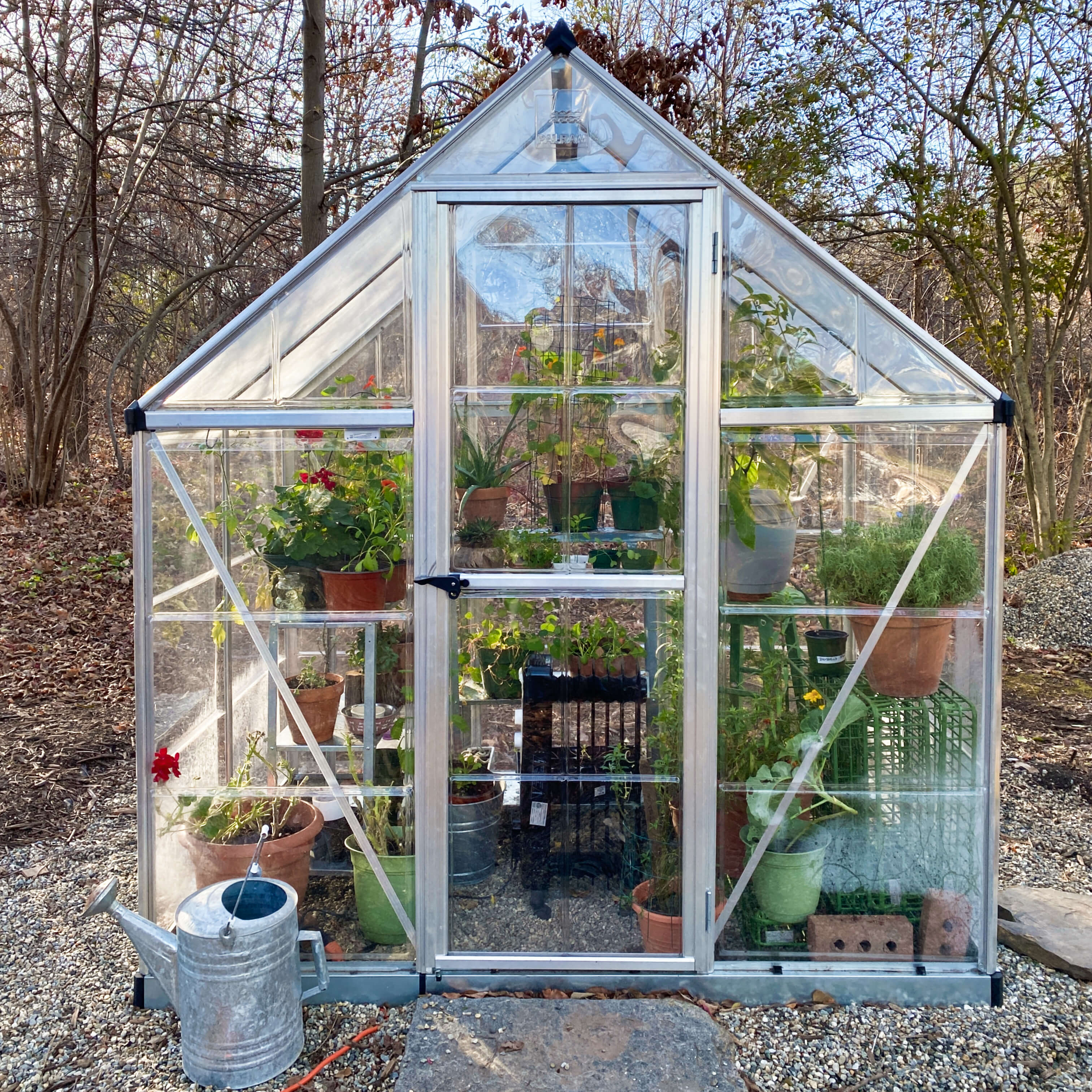
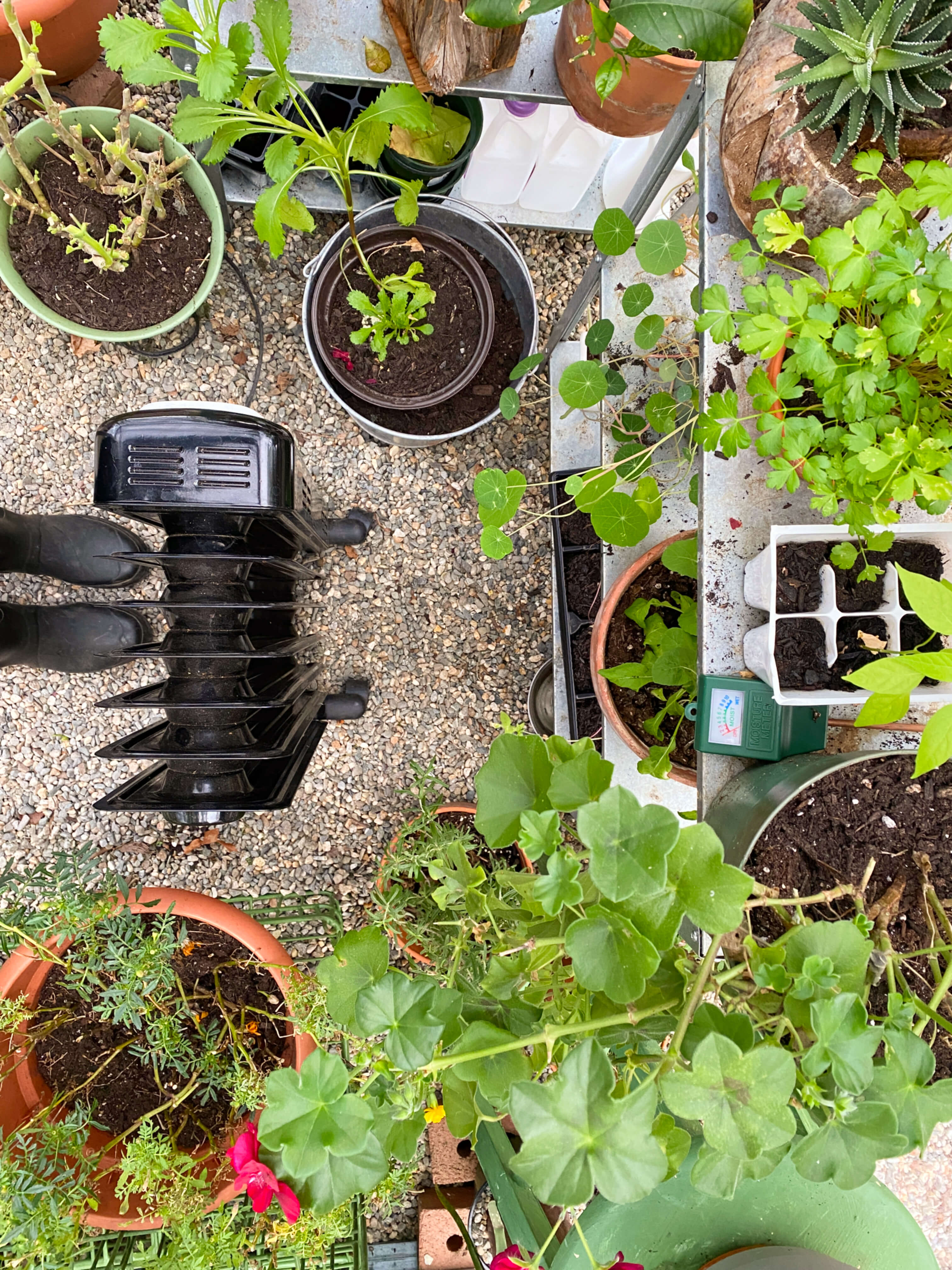
Our greenhouse measures 4’x6′. It has a steel base, aluminum framing, a pea gravel floor, a door with a secure handle, an adjustable roof vent, and clear polycarbonate walls. Inside, there is room enough for two metal shelving units, a wooden stool, 33 pots of varying sizes, one galvanized bucket, two water jugs, a hand soap station, and a portable heater. Tucked in between all that, is a little extra space for standing and potting.

We assembled the greenhouse in the late spring in the sunniest spot in the backyard. During the warm months, it held trays of seed starts and some plants that preferred to be out of the direct path of slugs and cutworms. But once autumn came and the threat of the first frost hovered, we turned it into an experiment station. Curious to see what we could keep alive from the summer garden, we potted our most successful growers and crossed our fingers. So far so good. Everything but the oregano and one pot of marigolds have taken well to the location change.

The nasturtiums in particular really like their new spot. Blooming at a rate of three to four new flowers a day, they keep the greenhouse bright with color and the air sweetly scented like honeyed perfume.

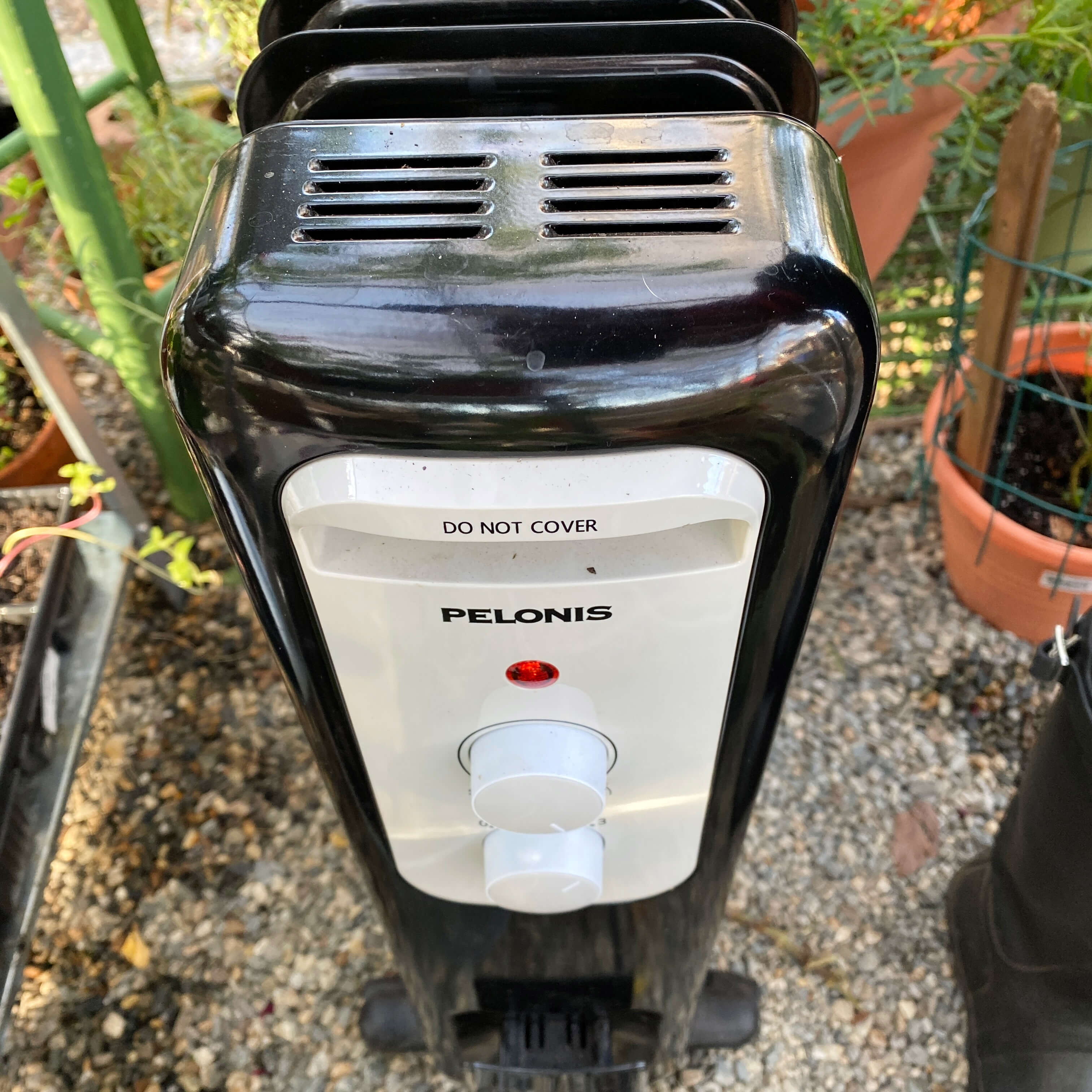
Currently, the greenhouse is uninsulated, an issue that will need to be addressed as the daytime temperatures fall into the 20s and 30s. But for now, we have found success in creating a summer climate using a portable electric heater that was put into service as soon as the outdoor temperatures began to repeatedly fall below 50 degrees.

With just the help of the heater and the sun, the greenhouse right now averages temperatures that are 20-35 degrees above the outdoor temperature. Once we get our insulation plan in place, it should become even warmer. For now though, all the plants seem happy with this cozy climate.

I read once that a single geranium plant can live up to 50 years if properly cared for season by season. That’s my goal for the four pots that are overwintering now.

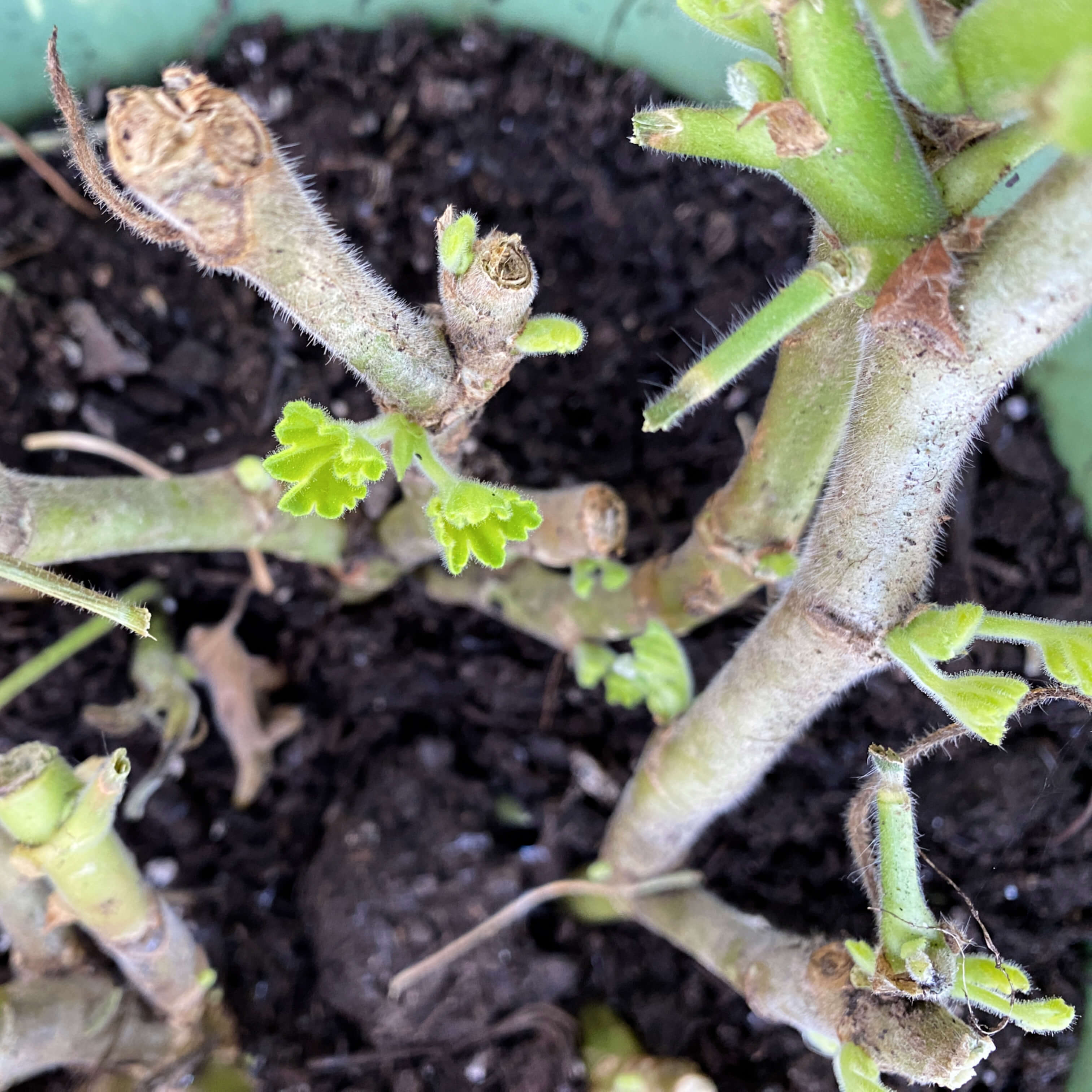
Accidently overlooked, two of the four geranium pots experienced the first frost in mid-November before they made it into the greenhouse. Wilted and weepy-looking, I cut off all the affected leaves and stalks and brought them into the greenhouse, hoping that the warmth might help them recover and encourage new growth. Yesterday, they started sprouting new leaves…

The other companions that make up this house full of green are…

  • lavender
  • tarragon
  • mint
  • parsley
  • rosemary
  • broccoli
  • basil
  • succulents
  • sage
  • tomato
  • peppers
  • thyme
  • arugula
  • zinnia
  • pincushions
  • lemon tree
  • collard greens
  • chives
  • aloe
  • bunny ear cactus
  • brussels sprouts
Lavender

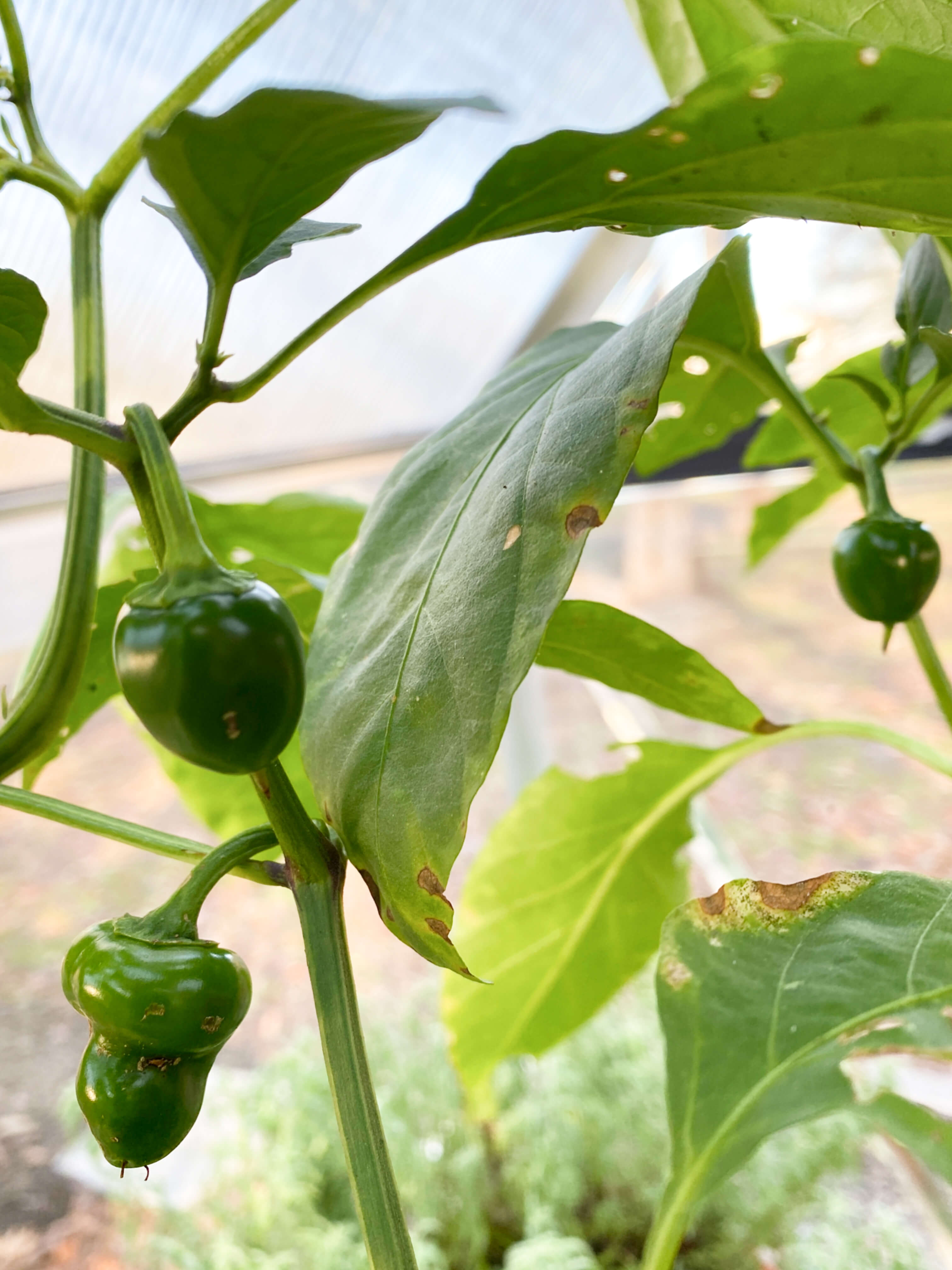
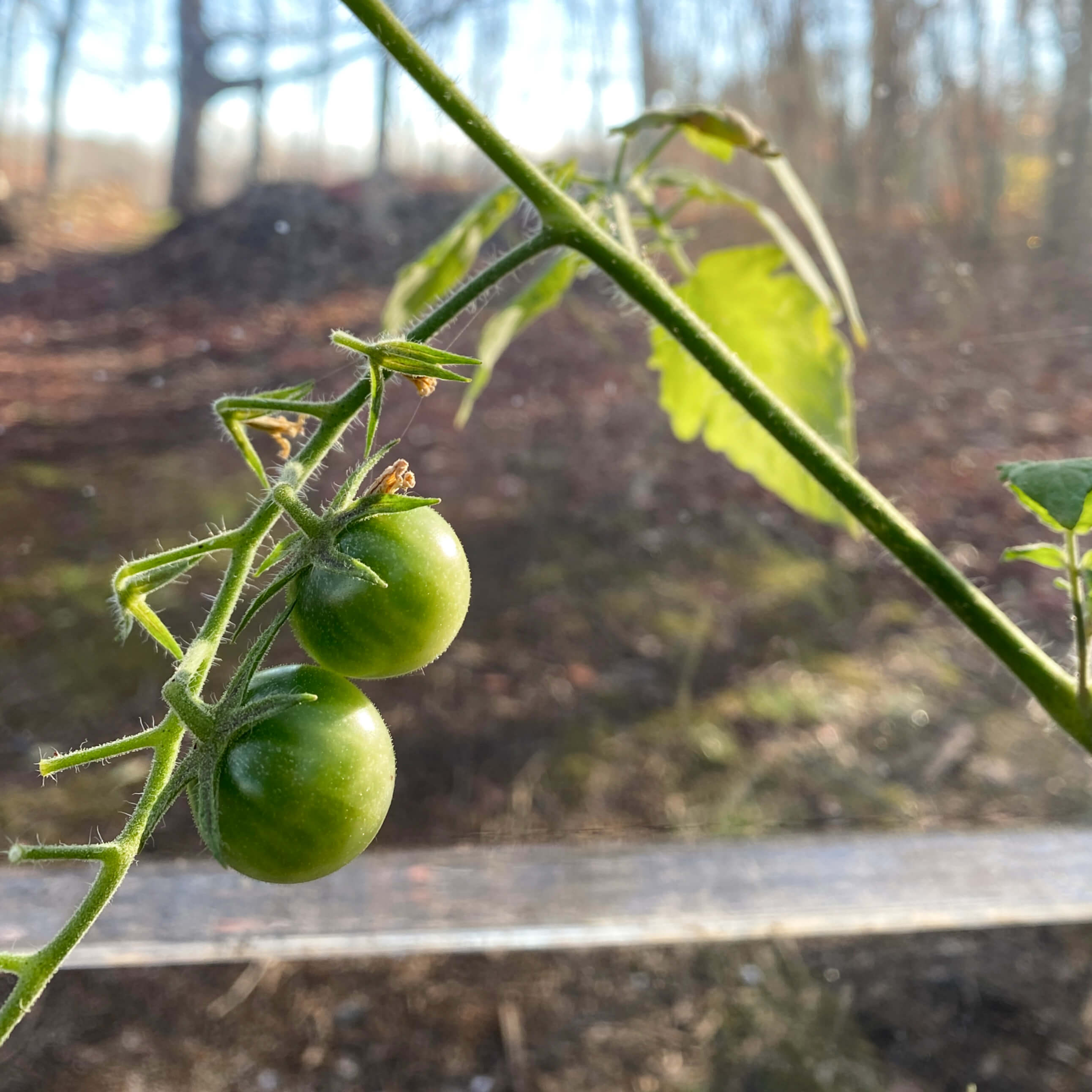
The peppers, tomatoes, and broccoli are all sporting fruit these days. I’m not sure how long they will take to grow and ripen but if we could manage a small harvest in the dead of winter that would be exciting.

Lemon jalapenos
Cherry tomatoes
Broccoli

The winter crops that we are trying out this year – broccoli, arugula, collard greens and Brussels sprouts – hopefully, will reach maturity and harvest time by late February. We run the chance of running out of room if these guys get really big, but a full house is better than none at all, so we’ll take it one week at a time and see what happens.

Arugula

In one of her essays, Katharine wrote.. “from December through March, there are for many of us three gardens – the garden outdoors, the garden of pots and bowls in the house, and the garden of the mind’s eye.” Gardening in a greenhouse in winter gives us the ability to experience all three – to create, to grow, and to dream during a time of year that the outside world reserves for dormancy and hibernation. Our small structure set in pea gravel with a portable heater and a steel base, aluminum framing, and metal shelves shelters big, colorful dreams – ones both realized and yet to be imagined. We can’t wait to see what blooms.

Cheers to Katharine for inspiring this new series, to the greenhouse for holding all our hopes and to nature for feeding our brains and our bellies.

On This Day in 1915: A Writer Travels the Sea of History

justusmilesforman

On this day, May 7th, exactly 100 years ago a handsome American writer was traveling by boat to London for what he hoped to be a successful theater run of his first play. The writer was 39 year-old Justus Miles Forman and the play was The Hyphen which had just debuted at the Knickerbocker Theatre on Broadway one month earlier.

The Knickerbocker Theater 1893-1930

Already a successful short story writer and novelist, Justus was ready to jump into the performing arts with both feet and believed he had a winning ticket with his WWI melodrama centered around German-Americans and the very big subject of the little hyphen in between. It was funny, it was dramatic, it was poignant and Justus was proud.

But New York reviewers were not quite so smitten. A total of sixteen performances were presented before the box office was shuttered and signage taken off the marquis.  Justus’ friends and the general public loved The Hyphen more than the critics but if Justus wanted to make an impressive splash as a new playwright he was going to have to drum up some interest across the pond.

Influential American theater producer Charles Frohman

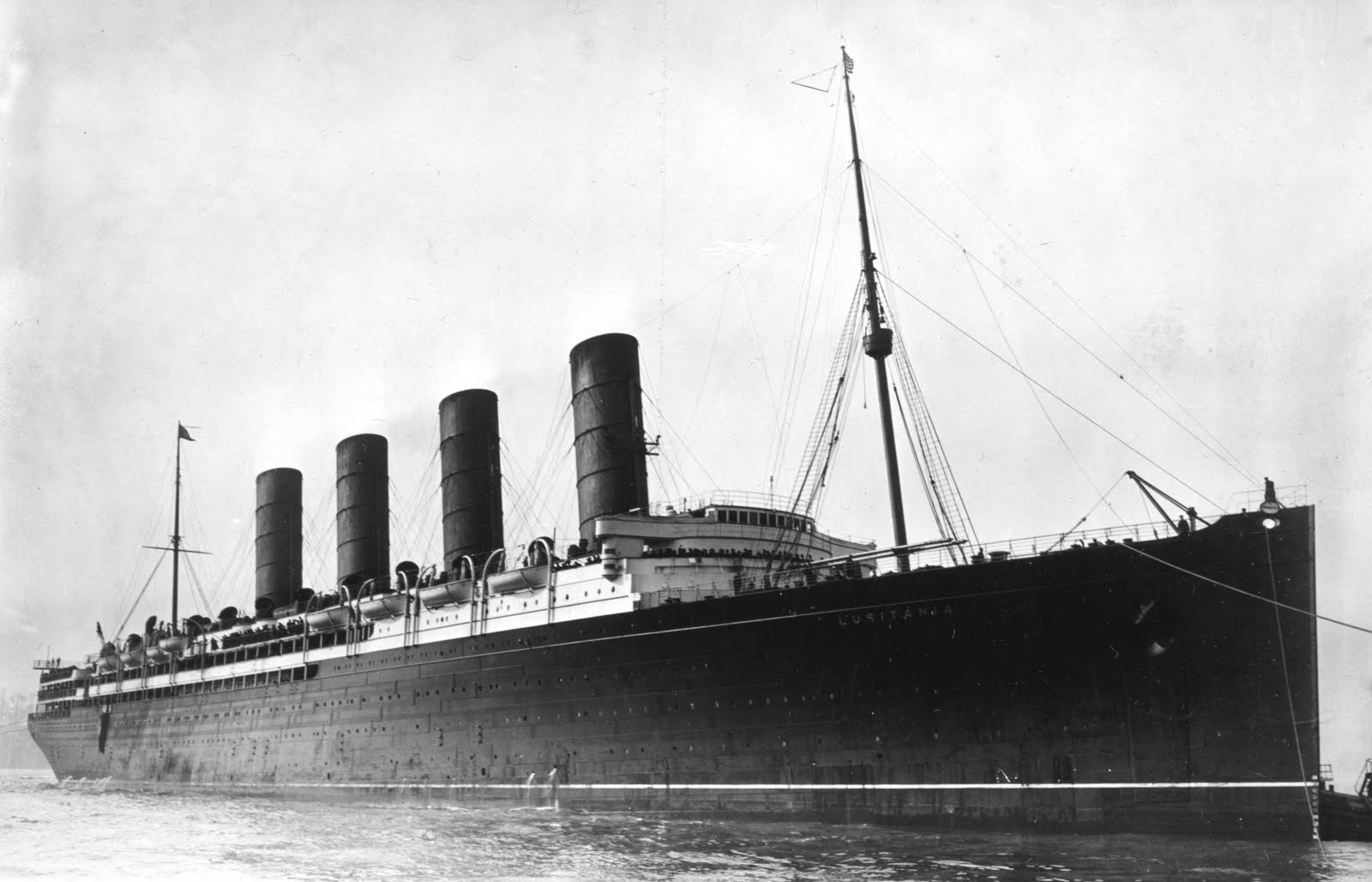
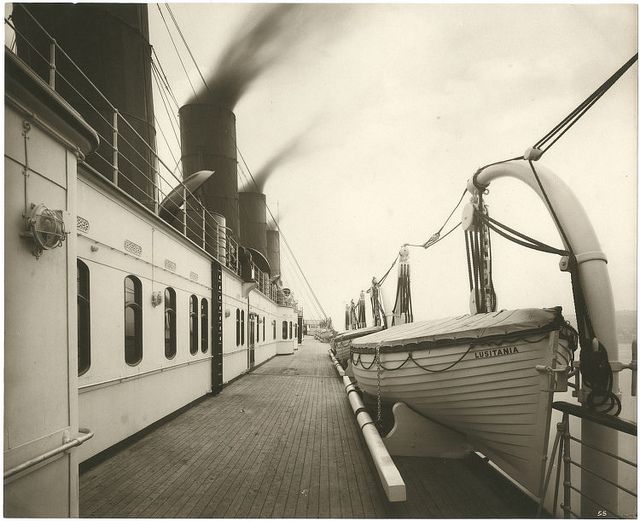
So on May 1st, 1915, Justus left New York Harbor with the play’s producer Charles Frohman traveling on the world’s largest passenger ship. A seven day crossing, with the ultimate destination being Liverpool,  the trip was to be an exciting adventure full of glamorous potential just like the writer himself.

RMS Lusitania 05

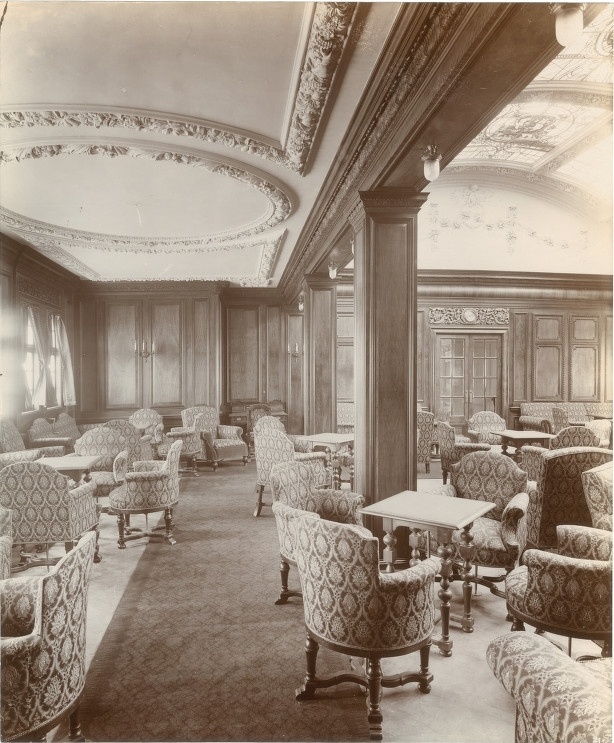
On board, Justus mingled with fellow writers and actors and party-hopped around the ship in first class style.

lusitania2

lusitania6

lusitania3

lusitania4

lusitania5

With the chiseled good looks of a movie star, Justus was one of the most eligible bachelors aboard the 1200 passenger boat. Charming women with both his winsome personality and his words, he enjoyed the ideal lifestyle for a novelist at that time.  He was well-paid and well-received on both continents, living six months out of the year in New York City (where he did a majority of his writing) and the rest of the year was spent traveling to locations near and far, international and domestic, drumming up story ideas, writing travel pieces and occasionally acting as a news correspondent.

By the time of this 1915 trans-Atlantic crossing, Justus was the the author of nine successful novels. Writing what was mostly categorized as romance adventures, his work was as much elegant as it was dramatic. He had a flair for combining intriguing story plots with glamorous characters like his 1909 novel Jason…

j1

which was  a love story and a detective novel all in one about the disappearance of a rich young American and the two men in love with his sister who went in search for him.

Ironically in a strange twist of fate, the life of Justus Miles Forman would mirror his writing. The ship that Justus and his producer friend Charles Frohman were traveling on was the Lusitania. Just hours before reaching Liverpool, on May 7th, 1915 the ship was torpedoed by a German U-boat and sunk off the coast of Ireland. Justus was among the 1100 casualities, his body never recovered.

lusitania7

Unlike his character in Jason, there was no happy ending for our enigmatic hero. No men came in swashbuckling search for the return of his live body. He was not married, he left no wife or children behind. But what he did leave behind was a collection of work that marks the beauty of literature which in turn marks the beauty of a life.

On this day 100 years ago the world felt a terrible loss. And in remembering the lives that were sent to the sea and the great ship that sunk below the surface, we are reminded how fragile life is and how truly important it is to appreciate every moment as we live and breathe it.

Ms. Jeannie feels privileged to be able to help keep the work of Justus Miles Forman circulating in our contemporary world with the offering of a first edition volume of Jason published in 1909.

j3

This volume, in addition to bearing wonderful illustration plates throughout bears a beautiful inscription on the inside front endpapers…

j2

which reads: May blessings be upon the head of Caxton – or whoever it was that invented books – and gave us dear friends to enjoy them – To Emmalyn – July 18-09

It is a beautiful story, presented in a beautiful book, written by a beautiful writer. A piece of history.

And peace to the history of the life of dear Justus Miles Forman and all those that perished in the sinking of the Lusitania.

*all ship photos via pinterest