When it comes to dessert at Christmastime, an infinite loop of baking options never fails to greet us at every source. From chocolate to candy canes, cookies to confections, the holiday peppers its sugar plums and santas with all the sweet-natured hallmarks of the baking season. Every year, we are spritzed and sprinkled, fluffed and frosted, whipped and whirled into a cacophony of holiday creativity that delights the eye and feeds the algorithms until it seems like the world might just burst from an overload of sugar-fueled enthusiasms.
Amidst all this intrepid merry baking and decorative dalliances, there’s a favorite holiday cake that stands out. One that’s traveled time and trend for over 100 years, it’s a humble unsung hero of holiday celebrations that requires little effort but packs a lot of flavor and a festive color palette.
In today’s post, we are making a vintage recipe for cranberry upside-down cake. It’s a cousin cake to the more well-known Pineapple Upside-Down Cake which has graced dessert tables for most of the 20th century. But unlike that golden-circled and amber-shaded citrus cake, the cranberry upside-down version is a deep red, a fitting choice for the colors of the season.
Growing up my mom made this recipe almost every Christmas, or if for some reason she missed serving it over the holidays, it would appear on the dessert table further along in winter for Valentine’s Day or a special dinner or event. Traveling around all the kitchens of my family, both on the East Coast and the West Coast, it’s been a favorite for two generations, and usually makes the list each year when discussing options of what to make and bake for the holiday season. Part of the reliable tried and true batch of recipes that my mom included in a homemade cookbook that she made for me and my sisters and my brother many years ago, it’s got her firm seal of approval for holiday baking.
This note of praise doesn’t come lightly. My mom is very particular when it comes to scrutinizing a recipe. In order for her to recommend one, it has to continuously perform well, time and time again before it makes her tried and true list. The first time she made this cranberry upside-down cake recipe, she loved it for its presentation and its bright red color on the Christmas table. Years into making it, beyond its delicious taste, she loved it even more for its reliability, its sense of the unusual in that not many guests at her table had had it before, and she loved it for the fact that it traveled well in the car so she could easily tote it along to a party. As a kid, I loved this recipe for its sweet tart taste and its syrupy sticky top. I thought it looked beautiful on the table too. As an adult, I still love it for all those same reasons. But now I also appreciate the complimentary marriage of its flavors that blend so well with many lunch, brunch, and dinnertime menus. Especially ones taht strech from Thanksgiving all the way through the end of winter.
Recently, when I asked my mom where she found the recipe, she couldn’t remember. It was over 40 years ago that she first made it and in her defense she’s tried thousands of recipes between then and now. But my sister thinks, she may have pulled it from the pages of Gourmet magazine sometime in the late 1970s or early 1980s. I couldn’t find any reference online linking Gourmet and this recipe together, but the exact origin story of upside-down cakes in general is a bit elusive, so perhaps it is fitting.
As far as its vague history goes, the earliest mention of an upside-down cake recipe dates back to the late 1800s, the decade when flipped and fruited cakes started creeping into the popular dessert category in kitchens and cookbooks. Sometimes called spider cakes or skillet cakes, they were thought then to possibly have originated from pioneer days when much American cooking was done in a skillet or a frying pan over an open fire or on the stove top. Some culinary historians by-passed this notion and attached upside-down cakes to menus of the Middle Ages, when fruit laden desserts were part of feast days and banquet dinners. Another source, a journalist in the 1920s, credited this style of cake baking to Gail Hamilton (aka Mary Abigail Dodge), a 19th century New England journalist, feminist, and suffragette. But I couldn’t find any correlation to Gail and cooking.
Mary Abigail Dodge aka Gail Hamilton photographed in 1860.
Regardless of when and where upside-down cakes came from, this one pan wonder has always been a marvel for home bakers. Since it had already contained a jam like top, there was no need for frosting or additional decorating. One flip of the cake pan after cooling, and your baked masterpiece was ready to serve.
The Anderson Herald, October 19,1928
The 1920s proved to be a pivotal decade for the upside-down cake launching it into popularity again by touting its enticing apperence, as well as its economy and effortlessness to a whole new set of bakers. In that decade apple, peach, apricot, and pineapple were the precursor fruits to cranberry upside-down cake, with each one having their own singular moment in the spotlight. Although upside-down cakes have remained popular every decade since, it was the pineapple version that’s had the most longevity and garnered the biggest fan base.
Recipes for Pineapple Upside-Down Cake dating from the 1920s-1940s. Clockwise from top left: Delicious Pineapple Dessert (Upside Down Cake) from Southern Cooking by Mrs. S.R. Dull (1928); Upside Down Cake from Tempting Kosher Dishes by the B. Manischewitz Co (1930); Mixture for Upside-Down Cakes from The American Woman’s Cook Book (1949); and Spiced Pineapple Upside-Down Cake from the Herald Tribune Home Institute Cook Book (1947)
Not as expensive to make as a multi-tiered layer cake, not as heavy to eat as pie, and not as time-consuming to bake as cookies, upside-down cakes are an ideal, elegant, no-fuss wintertime dessert, especially at Christmas when schedules can be harried and baking tasks multiplied. The coming together of this simple dessert requires no more than 90 minutes in the kitchen from gathering of ingredients to finished product.
Over the past century, there has been many different recipes for creating an upside-down cake, each with their own twists and tweaks, but the main cooking principles are always the same: a layer of butter on the bottom of the pan, then a layer of sugar, then fruit, then cake batter. Once finished and flipped, the result is a buttery cake topped with caramelized fruit jam.
The Stockman’s Journal, April 7, 1927
Ideally, the fruit is fresh and either added whole or halved, but the cake part of the recipe can be made many different ways. Some recipes call for boxed cake mixes, some add extra spices like cinnamon and nutmeg, or a boozy bit of rum or fruit liqueur. And some recipes incorporate canned fruit or fruit filling. The cake consistency varies too. Some cakes yield textures that are spongy, springy, crumbly or dense in texture. Some cake batters call for cornmeal, whole wheat flour, pulverized oatmeal, all-purpose flour, or the inclusion of crushed almonds or citrus peel. I’m sure all who love cranberry upside-down cake have their own favorite ingredient combinations, as it is easily adaptable to creative cookery. The one my family likes best includes fresh orange rind in the batter, fresh cranberries on the bottom, and a dollop of homemade whipping cream on top prior to serving.
In making this recipe for the blog, I used a 10.25″ inch cake pan. The recipe calls for a 9″ inch pan which will yield a slightly taller cake than what the photos show here. Although not by very much. Similar to a tart, the cake portion of this upside-down creation is a compact layer, not tall and fluffy like a multi-layered birthday cake. Instead, this dessert is thin and delicate with concentrated flavor. A single slim slice offers just the right amount of everything.
Cranberry Upside-Down Cake
Serves 8
9 tablespoons butter (divided)
1 cup sugar (divided)
1 lb fresh cranberries (plus extra for garnish)
1 large egg
1 teaspoon vanilla
1 1/2 teaspoons freshly grated or minced orange rind
1 1/4 cups all-purpose flour
1 1/2 teaspoons baking powder
1/4 teaspoon salt
1/2 cup milk (either whole or 2%)
Fresh whipping cream
Optional garnish step (please see note below)
1/2 cup fresh cranberries
1/3 cup water
2 tablespoons sugar
Preheat the oven to 350 degrees. Butter the bottom and sides of a 9″ inch round cake pan with 3 tablespoons of butter. (Note: this is going to seem like an excessive amount of butter but be sure to use all 3 tablespoons).
Sprinkle 1/2 cup of sugar evenly over the bottom and pour the cranberries on top, making sure they are evenly settled in the pan.
In a bowl, cream together the remaining 6 tablespoons of butter and the remaining 1/2 cup of sugar. Add the egg, vanilla and orange rind. Beat until well combined.
In a separate bowl, sift together, the flour, baking powder, and salt. Stir the flour mixture into the butter mixture 1/2 cup at a time, alternating with 1/4 cup of milk at a time, and ending with the flour mixture. Stir the batter until it is just combined. Pour the batter over the cranberries, spreading and smoothing it around the pan with the back of a spoon.
Place the pan in the oven and bake at 350 degrees for 1 hour.
Remove from the oven and let cool on a baking rack for 20 minutes, and then invert the cake pan onto a serving platter in one quick motion.
Sometimes, during the baking process, the cranberries will leave little pockets of empty space as they settle and reduce in the oven, as seen above. This is perfectly normal. The cake batter naturally fills in those gaps and forms a completely flat top when flipped over.
You can serve the cake just like this and it will taste great, but if you want to fill in those bare spots with a little more cranberry color, follow the simple steps below to make your cake extra rosy.
Special note: This extra step takes no longer than 15 minutes.
Add 1/2 cup fresh cranberries to a small sauce pan along with 1/3 cup cold water. Bring to a boil and simmer until cranberries begin to pop and soften. Add in 2 tablespoons of sugar and continue to simmer until enough liquid evaporates to form a syrupy consistency with the soft cranberries still somewhat intact or in a semi-crushed state. Remove from heat and let cool for 5 minutes. Then fill in the bare areas on the cake using a soup spoon.
I always like to garnish the platter with a bit of greenery and fresh cranberries for centerpiece presentation at the table. Slice and serve each piece of cake with a dollop of freshly made whipped cream.
The texture of my family’s version of this recipe is thin with a more substantial cake, similar to the density of banana bread or the top of a muffin that is chewy with a slight crunch to it. Since this recipe does not call for a lot of sugar, it offers a lovely sweet tart flavor profile thanks to the cranberries. The orange rind adds a delicate dose of fresh citrus to brighten the flavor of the fruit and balance the butter. Definitely do not forget to serve it with homemade whipped cream. I like to whip the cream to a consistency of soft peaks rather than firm peaks for this recipe, so that the cream lightly sits on top of each slice of cake like a cloud.
Although Cranberry Upside-Down Cake is the simplest of desserts, it carries intense flavor. If you can find local cranberries, eggs, butter and milk, all the better. Living in New England, I was able to source local Connecticut cranberries and eggs for this recipe, but grocery prices being what they are today, one of the distinct joys of this dessert has always been its economy, so incorporate the best ingredients that you can afford. It will turn out wonderfully regardless of budget.
This cake easily serves eight people, but you can also stretch it to 16 if you slice the pieces thinly. When it comes to a flavorful cake like this one, a petite slice can sometimes feel even more indulgent than a big slice. Portion size aside, it’s great served warm, at room temperature, or cold straight from the fridge, and it is especially lovely when paired with a cup of hot coffee or tea.
A centuries old symbol of peace and friendship, cranberries were an important part of life amongst indigenous tribes of early America. I like to think they still carry that same power via recipes we make today. I couldn’t think of a more symbolic fruit to wrap up the end of the year with than this small sweet, tart, hearty and humble marble of a bright red berry. I hope this recipe brings a sense of calmness and ease to your holiday kitchen and delight to your dining table and all the companions that surround it.
Cheers to a lovely holiday, to the new readers we have welcomed to the blog this year, to my mom for introducing this favorite, and to our entire culinary community. May peace, friendship, and memorable meals swirl around your kitchen throughout all the days of the new year to come.
Happy Holidays!
UPDATE – January 2026
Thanks to a comment from one of our readers, we were able to find a similiar 1950s recipe for Cranberry Skillet Cake – a prize winning recipe by Mrs. Mary Henson of Jacksonville, Florida, who won the senior cake category of Pillsbury’s 6th Grand National $100,000 Recipe and Baking Contest in 1955.
We couldn’t find any additional information about Mary or her origin story of the cake, but we are including her recipe here for comparison. Similiar to our Cranberry Upside Down cake, Mary’s cranberry cake was baked in a skillet and utilized canned whole cranberry sauce, chopped nuts, and shortening in place of butter.
From Pillsbury’s 6th Annual Prize-Winning Grand National Recipe Contest booklet circa 1955.
When it comes to describing great bread recipes, they tend to take on a variety of accolades based on specific attributes. Best flavor. Best texture. Best no-knead. Best whole wheat. Best no wheat. Best gluten-free. Easiest to make. Fastest to bake. Biggest loaf. Smallest effort. Best. Fastest. Easiest. Again and again, over and around, brilliant bakers everywhere boast.
No one that I’ve encountered yet, though, has ever described their favorite bread recipe as the kindest. There’s no Google search for the best kindest bread. Kind isn’t really the type of word that generally pairs well with food descriptions and a you-have-to-make-it recipe. Baking or otherwise. But the recipe I’m sharing here in this post today can really only be, first and foremost, described that way. It is, of course, delicious and healthy and not complicated to make and contains simple ingredients, but above all, the best part of this recipe is its core, standout attribute… its kindness.
Without fully embracing that trait, you won’t be able to make this recipe as intended. And in not being able to make this recipe as intended, you’ll miss out on a truly delightful experience. One that is calming, relaxing, and joyful. You don’t need to be an expert baker or a seasoned bread maker to enjoy the fruits of this labor. You don’t even need to be a well-versed cook. In order to achieve the desired outcome of this recipe, you just need to be kind to it. To treat the ingredients and the process gently from start to finish.
Yeast is a living, breathing, growing life. Therefore, in order to make a marvelous loaf of bread, you need to treat the yeast gently and handle the dough tenderly, in the same way you would handle a newborn baby. This recipe is not about rushing or shortcuts or pre-made, pre-packaged substitutes. You don’t want to begin this culinary adventure with a scattered mind, an irritable mood, or perfection-induced pressure and motivation. This recipe is about showing kindness to yourself, the baker. It’s about showing respect for the ingredients involved, and about showing genuine care and consideration for the process of turning piles of fine and powdery specks into two golden loaves of substantial, nourishing bread.
Simply called Yeasted Bread, the recipe comes from The Tassajara Bread Book, first published in 1970 by Edward Espe Brown. At the time of publication, Edward was in his mid-20s, newly married and running the kitchen at Tassajara, a Zen spiritual center located in the remote Ventana Valley in Central California.
Edward Espe Brown
Opened in the 1960s, Tassajara was the first Zen spiritual center in the United States, and also the only Zen monastery outside of Asia. There in the Los Padres National Forest, students and guests from all over the world came to practice Zen philosophies and Buddhist principles in order to gain a more gentle approach to life. One that focused heavily on kindness, compassion, and thoughtfulness.
Los Padres National Forest. Photo credit: National Fish & Wildlife Foundation.
Due to its remote location, food for the guests, students, and staff was grown on-site at Green Gulch Farm, part of the Zen Mountain Center campus. Edward saw firsthand the time and care it took to grow the vegetables and fruits that eventually wound up in Tassajara’s kitchen for him and his helpers to prepare. With every chop and slice, simmer and slow roast, he continued that same level of care and attention in his cooking. He looked at every single ingredient as if it were a gift that he in turn would make into another gift of a satisfying meal for his friends, family, and guests at Tassajara to enjoy.
The kitchen at Tassajara. Photo credit: Bradley Allen.
“When I cook, I feel nurtured, sustained, like there’s energizing going on. It makes me feel the preciousness of life,” Edward shared in a 1985 Peninsula Times Tribune interview.
It’s that level of care and appreciation for the act of cooking and baking that established Edward’s reputation as a helpful coach in The Tassajara Bread Book. In this cookbook, as well as the other Tassajara books that followed, Edward wasn’t interested in telling home cooks how to make perfect food. He knew the act of cooking itself was too frenetic and ever-changing to prescribe a set of strict rules and guidelines that would be automatically applicable each and every time you came to the kitchen. Instead, he was interested in offering an understanding on how to approach cooking. He was interested in placing focus on intention and gratitude. Appreciating the life of the vegetable, the sharpness of the knife. Appreciating the aromatic steam from a bubbling broth, the flavors created when one ingredient combined with another, and the presence of the people sitting around the table. Good food would follow via the care put into its preparation.
Apart from being the first kind bread recipe that I’ve ever encountered, Edward’s bread book was also the first cookbook I’d ever run across that opens with a two-page poem of sorts that he wrote himself about working in the kitchen. It reads more like a spoken word piece than a traditional poem, but it has lovely sentiment and turns of phrase and sets the whole tone for the Tassajara cooking and breadmaking experience. Here’s an excerpt about mid-way through…
Each thing, asking to be seen, heard,
known, loved, a companion in the dark.
“Take care of the food, it is said,
“as though it was your own eyesight,”
not saying oh that’s alright, we
have plenty, we can throw that away.
Table, teapot, measuring cups, spoons:
the body within the body,
the place where everything connects.
The place where everything connects. That’s how Tassajara’s Yeasted Bread can best be described. A combination of person, plant, preparation, and product. Rest assured, you are following a recipe with step-by-step instructions and a definitive end result, but you are also following your heart, your intuition, and your awareness of the process in equal measure.
Coming from the earth, coming from the air,
a cool breeze, a spark, a flame, a go ahead:
Cook, offer yourself, hold nothing back.
Cooking is not like you expected, not like
you anticipated. What is happening is unheard
of, never before experienced. You cook. No mistakes.
You might do it differently next time, but
you did it this way, this time.
The end result is what it is.
– Edward Espe Brown
Breadmaking can be tricky. There are a lot of factors that can intervene and mess with the process – humidity, air conditioning, hard water, soft water, oven temperatures, inactive ingredients, bacteria, a hot atmosphere, a cool environment. All components that may or may not be within your control. I found it to be very calming to read about a breadmaking process that begins by telling you, first and foremost, to relax.
An excerpt from The Tassajara Bread Book.
This was the first sandwich bread recipe I have tried to make since moving to New England. I didn’t know how my oven was going to act, or if our coastal air would make a difference, or if the summer heatwave temperatures on the day I first made it would help or hinder the process. Was it luck that made the bread turn out so well on the first try? Or was it the recipe and Edward’s call to action to treat every step along the way with care and kindness?
Edward called this recipe the basis from which all other bread recipes in the book are created. A springboard for later adding in additional flavorings or flours, as well as a solid resource for further experimentation and exploration of your own making. I’m not an expert breadmaker in any sense of the word and have had many failed experiments using other recipes from other places over many years, but none of those recipes ever mentioned baking with kindness and appreciation, nor stated anything close to Edward’s it-is-what-it-is philosophies. That might just be the winning equation to a good loaf of bread.
In case you have ever struggled, like me, with making homemade bread that winds up turning out flat, flavorless, or weighing twenty pounds, then this recipe will show you how to avoid all three. There’s a small amount of brown sugar that adds a hint of sweetness to the dough and also helps feed the yeast, but other than salt and butter, there are no other flavor enhancers. It produces two simple loaves that are ideal for sandwiches or toast with butter and jam. And it makes the type of bread meant to work in collaboration with other toppings, not compete with them. The loaves are of medium density with a light but substantial weight that makes you feel like you’ve eaten something nutritious, packed with good-for-you carbs and protein on a level that will sustain you for hours instead of just a few minutes. It’s not light and fluffy like a croissant nor is it hard and heavy like a peasant loaf. It’s somewhere in between. Spongey but firm with a texture that holds it shape and won’t fall apart when you cut it. I found it to be such a great, delicious, simple all-around bread. A best bread. Baked with kindness.
By 1973, three years after The Tassajara Bread Book was published, Edward had gained quite a following. The book at that point had sold over 150,000 copies, and racked up accolades from food critics, professional chefs and home cooks around the country. Edward went on to write Tassajara Cooking and then The Complete Tassajara Cooking, each featuring vegetarian recipes along with favorites from the bread book. In 1995, The Tassajara Bread Book celebrated its 25th anniversary with a reprinting and emphatic praise from the Washington Post, deeming it “the bible of breadmaking.” As it turns out, there is something about baking with kindness and gratitude, after all. Edward was right. The good food follows.
I can see why breadmaking is such a fulfilling form of baking. It’s a calming act. An encouraging endeavor. A delicious result. In our busy modern-day world that is grappling with so much unrest, noise, and difficult situations, it’s the serenity of this baking endeavor that I found to be most appealing. Baking in this Tassajara way is an act of love on all accounts…. thoughtfulness, acknowledgment, gratefulness, gratitude, and not just for the food but for yourself in the present moment too.
Tassajara Yeasted Bread
(makes 2 loaves)
3 cups lukewarm water (Note: lukewarm registers between 85 degrees F – 105 degrees F and does not feel warm or cold when splashed on the inside of your wrist).
1 1/2 tablespoons dry yeast (2 packets)
1/4 cup sweetening (honey, molasses or brown sugar) (I used brown sugar, loosely packed.)
1 cup dry milk (optional) ( I did not use it)
4 cups whole wheat flour or substitute unbleached white flour
4 teaspoons salt
1/3 cup oil or butter
3 cups additional whole wheat flour or unbleached white flour
1 cup additional flour for the kneading process
Dissolve the yeast in the water. Stir in sweetening and dry milk, if using. Stir in four cups of flour, one cup at a time, stirring briskly after each addition to form a thick batter. Scrape down the sides of the bowl occasionally as you mix. After the fourth cup of flour is incorporated, mix well with a wooden spoon for 100 strokes until the batter is very smooth.
Cover bowl with a damp cloth and let rise for 45 minutes in a spot that is between 85-100 degrees in temperature. If the spot is cooler than this temperature the dough will take longer to rise.
After 45 minutes, fold in the salt and oil or butter. Fold in the additional three cups of flour, mixing until the dough comes away from the sides of the bowl.
Using the final fourth cup of flour spread out on a board, knead the dough for about 10 minutes or until it no longer sticks to the board. Knead the dough by flattening it with your hands and then folding it in half by pulling the top half down to meet the bottom. Use the heels of your hands to push the dough down and forward, rocking your whole body forward with each push, not just your hands and arms. Rotate the dough a quarter of the way around and repeat each previous motion, flattening, folding down, and pushing the dough forward. Keep rotating and repeating these steps for the entire 10 minutes until the dough is smooth.
Put the dough back in the bowl, cover it with a damp cloth, and let it rise 50-60 minutes until doubled in size.
Punch down the dough by placing your fist into the center of the dough and then all over it about 15-20 times.
Let it rise in the same bowl for 40-50 minutes again until doubled in size.
Preheat the oven to 350 degrees. If using an electric oven, preheat it to 325 degrees.
Shape the dough into a round ball and cut into two equal pieces. Shape each piece into a ball and let them rest for 5 minutes.
Knead each ball in your hand five or six times. Shape the dough into logs. Oil two bread pans and then place a dough log in each pan.
Let the dough rise 20-25 minutes in the pans.
Cut the top of each loaf with a 1/2″ inch slit to allow steam to escape. For a golden brown, shiny top, brush the surface of each loaf with an egg wash made of 1 egg beaten with 2 tablespoons water or milk. (I used milk.)
Bake for 50-60 minutes or until golden brown.
Remove from the pans and let the loaves cool on a rack.
Although it took about 6 hours to make from start to finish, the time passed quickly and was peppered with little moments of surprise and delight as the dough bubbled and popped, rose to magical heights, and filled the house with the warm, inviting scent of a bakery. It’s pretty lofty to say that a slice of homemade bread can cure the world of all its harms, but cooking with kindness, appreciation, and an open heart is a good start.
Delicious enjoyed still warm from the oven, at room temperature the next day, or toasted slice by slice, I didn’t encounter any situation in which this bread did not taste wonderful. The only thing I haven’t tried yet is freezing it. As fast as I can make the loaves, they seem to disappear pretty quickly. I’m making a new batch this weekend though, so I’ll freeze a loaf and update the post with details on how that turned out.
In the meantime, if you find yourself stressed out or overloaded this summer, take a break, bake this bread and think about all the wonderful things there are to be greatful for in this world starting with your own two hands, the mixing bowl you’ll use, and the yeast and the sugar that will you get you started. By activity’s end, you’ll feel like you have embarked on a mini-vacation.
Cheers to Edward for helping us focus our intentions on kindness and gratitude in our cooking, instead of fast-made food and pressure-filled perfection. Cheers to the yeast, flour, butter, sugar, water, and salt. To the antique bread board, the 1930s mixing bowl, and the modern-day oven that made this post possible. And cheers to the beautiful, delicious loaves they produced. I hope you love this best kindest bread recipe just as much.
On August 28th, 1963, Martin Luther King Jr. delivered his I Have a Dream speech in Washington D.C. Four decades earlier in 1921, a southern domestic cook named Malindy Walker, locally known as Aunt Malindy, delivered her own inspiring words in Fayetteville, Arkansas. Unlike MLK Jr., Malindy’s words weren’t spoken on a national stage, nor did they reach thousands of admirers. Malindy’s platform was her kitchen and her audience was just a handful of people involved in the publishing industry. But like Martin Luther King Jr., Malindy’s words managed to change the status quo when it came to equality in the kitchen. And she did it with food.
Malindy Walker aka “Aunt Malindy.” Photo courtesy of Good Housekeeping, January 1921
As a longtime domestic cook for the family of Rena Buchanan Shore Duncan, Malindy’s reputation for good cooking was well-known in the Fayetteville, Arkansas area. Featured in the January 1921 issue of Good Housekeeping magazine, in an article written by Rena, Malindy shared cooking secrets for some of her best-loved recipes including Corn Dodger, Southern Chocolate Cake, Fried Chicken, and Buttermilk Biscuits. Enhancing the article was a portrait of Malindy herself, looking confidently at the camera.
At the time, it was unusual for magazines to feature African-American cooks, especially with a portrait included. When Good Housekeeping suggested photographing Malindy at home in her cabin, she said absolutely not. She wanted to be photographed portrait-style just like all the other white cooks had been photographed in previous issues. Malindy was proud of her recipes and she wanted to be treated no differently than any other good cook regardless of her gender or ethnicity.
Good Housekeeping granted Malindy’s request and her portrait was featured front and center in a two-page spread surrounded by her best recipes. I found this little snippet of a story to be so inspiring on several different fronts. First, there was Malindy’s insistence on being treated like everyone else. Second, there was the magazine’s recognition and approval of her request. And third, there were the recipes themselves – examples of beloved southern foods perfected by an African American woman who represented a large swath of kitchen workers that all too often received little to no recognition for their own contributions to the American culinary landscape. In celebration of Martin Luther King Day, we are celebrating Malindy Walker and her courage to dream for an equal place in the kitchen.
This insistence surrounding a specific photography setup might seem like a small win in the big fight for equal rights, but Malindy’s request did set a tone for how she wanted to be viewed and respected. And it made an impact. So much so that the editorial team noted the story surrounding Malindy’s photograph in the article, forever recording in print, her desire for equal treatment.
Apart from the handful of recipes included in the article and bits and pieces of information learned in census records and newspaper archives, details about Malindy’s life are vague. It was believed that she was between 80 and 90 years old when her portrait was taken for the magazine. On her death certificate, her date of birth along with her parent’s names is simply marked unknown. But at the time of her death in 1931, she was rumored to be over 100. She was married and then widowed. At the time the article was published, Malindy lived in the Spout Spring area of Fayetteville. This neighborhood, also referred to as Tin Cup, was established following the American Civil War by formerly enslaved African Americans.
A view of South Fayetteville circa 1890. the Tin Cup neighborhood where Malindy lived is unseen but located just below the rolling hill in the foreground. Photo courtesy of FayettevilleHistory.com
There are so many facets of Malindy’s life that raise curiosity and questions including interest in understanding her own possible enslavement story, her loyalty to Rena’s family, her cooking journey, and whether or not she had children of her own.
Rena Buchanan Shore Duncan (1887-1978)
Following the publication of the Good Housekeeping article, Rena went on to write more about Malindy in future pieces for the Saturday Evening Post in which she received praise for writing in the dialect in which Malindy spoke. Although at the time, this style of storytelling made Rena’s writing popular, her stories would be considered offensive and insensitive today. That makes Malindy’s recipes and the publication of them alongside her portrait all the more important. They mark her place in time, in the world, and in history during a century that saw so much change in the lives of African Americans living in the South.
In that spirit, I’m so pleased to share Malindy’s antique recipe for buttermilk biscuits. Spend any amount of time below the Mason-Dixon line – a day, a week, a lifetime – and you’ll quickly learn that each homemade batch of biscuits has its own way of coming together. All Southerners have their own unique take on what the best biscuit is made of and Malindy was no different. Some recipes call for lard, others call for butter. Some contain a small amount of buttermilk and a large amount of baking powder or a large amount of milk and a small amount of baking soda. There’s yeast, no yeast, double rise, no-knead, flavored, plain, dense, doughy, puffed, pillowy, and light-as-a-feather varieties that come in all shapes and sizes.
Malindy’s recipe features a small amount of lard, several cups of flour, a pint of buttermilk, and equal amounts of baking powder and baking soda. Although so many home cooks in the south attest to the fact that lard makes a better biscuit, I substituted butter in place of it in this recipe since it calls for so little fat. I wouldn’t be doing much cooking with lard post-recipe, so it would it seem like a waste to buy an entire package of lard just to use two tablespoons. Other than that I made Malindy’s recipe exactly as she suggested and the biscuits turned out beautifully, with a satisfying crunch on the outside and a soft, flaky texture on the inside. Depending on the size of your biscuit cutter, this recipe makes up to two dozen biscuits, which can be stored in the fridge for up to a week and reheated for five minutes in the oven at 350 degrees. Malindy recommended always serving them hot, and I would totally agree, as their composition becomes more dense when they are cold.
Malindy Walker’s Buttermilk Biscuit Recipe circa 1921
4 1/2 cups flour
1 teaspoon baking powder
1 teaspoon baking soda
1 1/2 teaspoon salt
2 tablespoons lard (or butter)
1 pint buttermilk (two cups)
Sift the flour, baking powder, baking soda, and salt together. Mix the lard or butter in well and add the buttermilk.
Knead until very smooth, roll to a half inch in thickness and bake about 15 minutes in a hot oven (450 -475 degrees).
Best when enjoyed straight from the oven, the top and bottom of the biscuits have a nice crunch to them, like toast, but the inside is flaky and pulls apart in lovely little layers. If you are interested in a complete Southern experience, you could serve these with a side of gravy and thinly sliced ham or pile them high on a platter and serve them for breakfast alongside bacon and eggs smothered in cheese. I recommend serving them with butter and jam or a drizzle of honey. On a cold winter’s day, paired with a cup of coffee or tea, it’s a little meal unto itself.
When Malindy passed away in January 1931, her obituary was printed in the St. Louis Argus. In it, they referred to Malindy as a “famous character” and it was noted that she was buried in the “white cemetery” in Rena’s family plot. Tracing African American lineage in the South is such a challenging endeavor when you know few facts about a person. I think that is what makes Malindy’s story so fascinating though. There were actually quite a few details recorded about her life including a portrait of her and information that provided insight into her character. Her love of cooking reached people far beyond her own kitchen and became the tool that helped her feel empowered enough to stand up for herself and what she deemed fair treatment. It would be wonderful to uncover more information about Malindy’s long life, so I’ll keep researching her throughout the year and share any new news I find with an update on this post. In the meantime, we have her biscuits.
Cheers to Malindy for sharing her best recipe and for standing up for equality in the face of marginalization. Martin Luther King Jr. was born just two years before Malindy died, but had he known her in his lifetime, I bet he would have been so proud of her.
Thousands of lives spend time in our kitchens. Every day, every week, every year. Even if your living situation is made up of just one or two people, dozens more move about your cooking space, unseen, whispering stories of history and heritage, of comfort and cooking secrets, of design and innovation, of hopes and dreams. I’m not talking about ghosts here, although maybe if you are an old home dweller you have a few of those too, but I am talking about the neverending inspiration brought forth by generations of cooks, inventors, gardeners, and artisans from years past that have made your kitchen and your cooking experience what it is today.
Hello and Happy New Year! There are so many exciting stories to share this year here on the blog, spanning centuries of history gathered from around the globe, that I can’t wait to get started. As the old adage goes, we have to look back in order to go forward, so despite challenging events occurring in the world on what feels like an overwhelming scale, this year, here in the Vintage Kitchen we are doubling down on sharing good stories about good cooks, making vintage recipes that provide comfort, connection and community, and highlighting moments from history that embrace the joyful celebration of food, friends, family and flowers. This inspiration to pack the year full of joy is thanks to an unlikely source who set the tone for the year on Day 1 of 2025.
Just as the sun was rising over our cold and frosty New England landscape on New Year’s Day, Liz, our seven-year-old potted lemon tree, presented her first, fully formed, sunshine-yellow Meyer lemon in four years. A major feat considering the many trials Liz has faced during much of her life, this gift of a sizeable, perfectly formed, perfectly ripe lemon was just the kind of joyful symbolism needed to set the Vintage Kitchen on the path to positivity and optimism heading into the new year.
Since she first became part of our plant family, I’ve written quite a bit about the life of Liz and the problems she’s encountered, but if you are new to the blog, here’s a quick recap. In 2018, Liz was a young sprout new to the world…
Fast forward a year later and Liz was happily growing bigger and more beautiful by the month, living the metropolitan city life in a sunny window down South. Her first harvest produced not one lemon, but three.
A year later in the spring of 2020, Liz suffered major wind damage from a tornado that blew through town not only breaking apart dozens of buildings in our neighborhood but also breaking a portion of Liz’s main branch and ripping apart 2/3rds of her underground root structure. She survived the ordeal, but just barely…
Not long after, she had a scale outbreak and just after that, she embarked on a South to North move that introduced her to an entirely new climate. By the time she landed in New England in 2022, Liz was looking pretty beleaguered.
Once the greenhouse was constructed in April of that same year, Liz was the first resident to call it home. Even though she was just a mere whisper of a tree at that point, my fingers were crossed that the warmth and the sun and the bright light, plus additional food and fertilizer, would be just the combination of care that she needed.
It took two full years and staying put in the same spot in the same pot, but Liz finally found her footing again thanks to the security of the greenhouse. Now measuring in at over 32″ inches in height, she’s made a substantial comeback.
She might not be back up to 2019 shrub-like status yet, but as you can see, she’s on her way to a full recovery. Over the course of last year, she flowered and formed baby lemons but none stayed on the vine long enough to grow weight and promise. Except two. A raccoon grabbed one of the lemons for a late-night snack but the other we watched grow bigger all summer as Liz herself grew bigger with larger leaves and longer branches. When the winter frost warnings came in late October, I brought Liz inside for the extra warmth and over the Christmas holidays, she rewarded us with clusters of citrus-scented flowers and the slowly ripening lemon.
After watching it turn from lime green to chartreuse to citron and then yellow, last Sunday, in a moment of long-anticipated celebration, I clipped this lovely little fruit from its branch and said a big thank you to Liz.
It takes a long time for a lemon to ripen on the vine. Liz in her entire seven-year life span so far has only brought five lemons to maturity. But the fruit isn’t really the joy of her, nor the point of this story. In the beginning, when she was a young sprout, I may have imagined future lemons by the boxful, but over the course of Liz’s life so far, the thing that I have come to love most about her is her resilience. Her continual attempt to reach towards the light. To keep going, keep growing despite difficulties and disasters. Emily Dickinson wrote the lines… hope is the thing with feathers… but in our case, here in the Vintage Kitchen hope is the tree with lemons.
2025 has started off on a global scale with dramatic, traumatic events – more than we can comprehend these days given the quick succession in which they’ve been happening. While we witness and recognize all these upsetting situations and process them right alongside you, here in the Vintage Kitchen in this new year, we are determined to look beyond the day-to-day news cycles and stresses, and focus our attention on cultivating and creating a space that brings joy, insight and interest to cooks around the globe via culinary storytelling. Following Liz’s lead, I hope the blog this year provides comfort, encouragement and positivity for anyone who needs an extra boost of cheer in the face of challenging times.
Throughout 2025, you’ll find more frequent posts surrounding topics our kitchen community likes most – cooking, collecting, history and gardening. We’ll share recipes and links, highlight favorites of all kinds, recommend good books and new techniques and dive into stories about people and artifacts from the past that have influenced how we approach life in the present. Here are some of the regular subjects we’ll be sharing more of on the blog this year…
The Greenhouse Diaries
The Greenhouse Diaries return with a new vintage gardening book serving as inspiration and instruction for the next 12 months. Poor Leonie and Helen didn’t get as much attention last year in the Fragrant Year series as Katharine Sergeant Angell White did in the first year. I ran into all sorts of troubles with the practicalities of building a scented garden month-by-month, mostly on the ordering and acquisition sides. In the festivity of the series, we were working out a collaboration with a national grower, which in the end didn’t wind up working out at all. As we learned, most growers won’t ship any plants to our neck of the woods before late spring or after early autumn in order to ensure a successful growing experience. That left a very slim window of attempting to add in a year’s worth of plantings in just a few months. This year, we’ve changed direction, revised the garden map, and are working with more achievable goals. I can’t wait to share the new plans and the vintage book that helped inspire it.
Vintage Recipes
It’s setting up to be a delicious year here on the blog with a big batch of vintage recipes that will be rolling out in more seasonable fashion. Throughout the year, we’ll also continue with new posts in the ongoing International Vintage Recipe Tour (year six!) and the Quick Cooking Chronicles.
To ease into 2025, after the hustle and bustle of holiday cooking, we are kicking off the first culinary adventure today with an easy uncomplicated classic – a vintage British recipe for a simple banana bread. The recipe comes from the 1987 edition of The Afternoon Tea Book by Michael Smith. In addition to being one of England’s most well-known food historians and an experienced cook himself, Michael was referred to as “the doyen of English cookery” by the New York Times.
Michael Smith
The recipe, simply titled Banana Bread, is soft and sweet and manages to achieve that perfect balance between banana and spice. Ready within an hour, it comes out of the oven the color of chestnuts with a consistency that is smooth and springy in the cutting thanks to the addition of both cream and butter. Enjoyable any time of day, it makes a great breakfast treat or an afternoon snack. And of course, Michael recommends pairing it with a warm cup of tea.
Heirloom Kitchen Stories
Since the blog and the shop work in tandem, you’ll find heirloom kitchen stories in both spots. But the shop tells shorter stories on a more frequent basis (daily) and the blog tells more long-form stories on an intermittent basis (weekly or bi-weekly) so whichever appeals to you, you’ll have one or both to enjoy. Some of our most favorite, most memorable stories turn out to be the humble, relatable ones about everyday home cooks and the recipes, books, and heirlooms that have been a part of their personal culinary journey. Thanks to information shared by a few families around the US in 2024, we have several new personal cooking stories to highlight this winter. One is an exotic love story wrapped around this book…
Another surrounds this 1940s Hamilton Beach milkshake machine…
1930s-woman-mixing-flour-in-bowl
and another introduces us to this mid-20th-century cook whose culinary journey took her from Kansas to California with a collection of recipes in tow…
Other bits of fun culinary history floating around the shop this winter include stories about a beloved 1970s Greenwich Village restauranteur…
the ancestry of a 1950s West Indian cookbook…
and the life of a famous New York City celebrity hotspot that first opened in 1927…
That of course is just the start. There will literally be hundreds more stories to share in the shop and dozens more to share on the blog throughout the year all highlighting little-known or forgotten people, places, and foods from the past.
1750 House & Garden Updates
This year 1750 House turns 275 years old. We are doing our best to get all the renovations completed before the end of the year so that we can throw a big party to celebrate this big birthday. As projects get finalized over the year, I’ll share updates on the progress we’ve been making since we first arrived in 2022, including new information on the genealogy of the house dating all the way back to the 18th century.
It’s a big year with a lot on the agenda and most likely a few surprises tucked in between the topics listed above. We can’t predict how the world will change in 2025, but we can say that at least here in the Vintage Kitchen, these next twelve months will keep you well-fed and blissfully in touch with stories that focus on kindness, joy and positivity by way of the kitchen. Before, I sign off, I just wanted to note one more thing…
A Note on AI and Our Promise To You
In light of all the current discussion surrounding AI, while it might be influential and important in some areas of modern life, there is no room for it in our storytelling in the Vintage Kitchen shop or on the blog. Last year we had some personal experience with the darker sides of it. I hesitated sharing this information then simply because it was a disheartening situation and definitely did not do anything to improve our creative endeavors, but it ties into my promise to you now, so I’ll share a brief version of what happened for context and clarity going forward.
In April 2021, two big boxes arrived by mail from Europe carrying our first order of French market bags for the shop. I was so excited to include these bags in the shop, not only because I had personally used and adored the same exact bag for many years and could well attest for its competency, but also because I couldn’t wait for other people to experience the bag’s effortless ease and style. Once the bags were all unpacked, in preparation for the photoshoot, I shopped at the farmers market, selecting items that I typically purchased and carried in my own market bag during personal shopping trips in order to illustrate the capabilities of the tote.
Early spring herbs, vegetables, wine, and bread were all gathered from the market for the shoot. When it came to the flowers, initially, I had my heart set on grabbing a couple of bouquets from a vendor who sold locally grown ranunculus in this gorgeous color palette of pink, peach, and coral. But the ranunculus weren’t available at the market that day, so the next best choice was a bouquet of pale purple-pink peonies. With all the market foods and flowers set and styled in place, I photographed the bags from all angles, both empty and filled to the brim with the farmer’s market items so that shoppers could see it in all its various situations as market bag, beach tote, picnic basket and all around shoulder bag. Here’s a sampling from the shoot…
On May 2, 2021, the bags launched in the shop in an air of excitement and joie de vivre. I was so excited to see that our ITVK shoppers found the bags to be equally as useful and they became a lovely staple in the shop. Unfortunately, sometime in late 2023, I was alerted to the fact that my market bag photographs were showing up in other retail places online. The photos were copied from our website, without our permission, and used online to sell similar products by other retailers on other sites. Throughout 2024, my photos popped up on Etsy, Amazon, Faire, Pinterest and a slew of independent shops all selling the same style bag. These are some examples of where they are currently being used by other retailers as of January 2025…
We’ve tried our best to eradicate as many as possible, and many retailers did take them down from their sites at our request, but for all the ones that were removed more kept popping up. All this turned into a very time-consuming endeavor, which in and of itself is a whole other frustrating story for another day.
I wanted to share this information, not to highlight this disappointing act of copyright infringement but to highlight the Wild West atmosphere that AI generates in our current marketplace. This copying of our photographs was not the fault of AI, just lazy sellers and bad business practices, but someone recently mentioned to me that a food photograph I had taken just a few weeks ago was so nicely arranged that it looked fake. Like something AI would have generated.
In telling you all this I just wanted to let you know that we do not, nor will we ever in the future incorporate AI into the Vintage Kitchen when it comes to writing or photography. You can rest assured that everything from the photos we take, to the stories we tell, to the heirlooms we sell are all 100% authentic. They are real items, photographed and written about by real people, that reflect real history.
That’s our promise to you as a shop and my promise to you as a writer and a photographer. All of our heirloom origin stories and blog posts are highly researched – sometimes for days or weeks at a time, and we consult only trusted archives and institutions that have been collecting verified information for decades or even centuries. The kitchen is too full of unique stories, intimate details, and interesting perspectives to leave it up to bots to try to decipher personal human experiences in any meaningful way.
That means periodically you might see a typo, or a misused comma, or an impassioned thought that ran away with proper sentence structure. Even though those writing missteps might not be correct grammatically, we’ll sometimes leave them in the final edit. That’s how you’ll know these posts and our shop stories were written by humans for humans. Here in the Vintage Kitchen, we are not fearful of AI, we just love people and history too much to leave compelling real-life storytelling up to machines who have never fried an egg or baked a cake or curated a collection of favorite objects in the pursuit of personal passion and joy.
Now that that is out of the way, a whole new year of exciting discoveries await here in the Vintage Kitchen. I’m so glad you are here to join us in what I think is the best little community on the internet. Thank you so much for being a part of it.
Cheers to the new year, and to Liz Lemon for being the bright light that leads the way in 2025.
{Warning: This post contains disturbing information related to a real-life event. If you are sensitive to stories about true crime, you may not want to read beyond the recipe sections.}
It could be said that Ada Lou Roberts’ arthritis launched her into the culinary zeitgeist, but that would only be a portion of the story. Also attributing was that one 1950s luncheon where forty-five attendees requested the recipe for her homemade buckwheat tea buns. And then there was her family of course who played a big part too. Her beloved mother and grandmother in particular, whispering all their kitchen secrets into her middle-aged ears, reminding Ada Lou of what she learned decades earlier as a small girl mastering the stove in her childhood home.
Ada Lou Roberts may not be a household name today, but back in the 1960s and 1970s, she was a go-to resource for bread baking. The author of three cookbooks and one novel, like many women born in the early 20th century (1907 in Ada Lou’s case) she learned how to cook from her mother and grandmother on their family farm in rural Montgomery County, Iowa. Her mother cooked every day for a large family that included seven brothers and sisters, extended family and the workers who helped out on the farm. Ada Lou’s grandmother helped out with the baking.
Many of her grandmother’s recipes were in the traditional Pennsylvania Dutch style, incorporating yeast and other natural leavenings, whole grains, seeds, and herbs, all of which they grew themselves on the farm. Ada Lou grew up braiding bread, feeding her family, learning about health, about harvest, and about happiness through time spent in the kitchen among dough balls and mixing bowls, flour sacks and family.
After Ada Lou got married, her and her husband Marcus, moved to their own farm in Kansas, known as Rose Lane. There Ada Lou continued the family baking, this time in her own busy kitchen as she raised her two boys. A diagnosis of early on-set arthritis in her hands led her to appreciate the tactile nature of kneading dough and the physical therapy it continuously provided to keep her hands active and nimble.
In 1960, she published her first cookbook, Favorite Breads From Rose Lane Farm. She was 53 years old at the time it debuted. By that point, she had been tinkering around with her family’s recipes for more than four decades, adjusting them here and there, modernizing them as American kitchens became more modern themselves. The buckwheat tea bun recipe featured prominently in the cookbook. Ada Lou said it was easier to publish one cookbook than handwrite forty five copies of the same recipe. The luncheon ladies were delighted.
Upon debut, reviewers referred to Favorite Breads as a sweet little baking book, but by 1963, it had become a highly recommended recipe collection stuffed full of valuable information. Championed by food columnists across the country, every time someone wrote to the newspaper for help, Ada Lou’s book became the answer for their bread-making woes.
In 1967, her second book Breads and Coffee Cakes with Homemade Starters from Rose Lane Farm was published. Again inspired by requests, this cookbook was born from letters written by fans of Ada Lou’s first cookbook. This time they asked for more recipes on homemade starters. Ada Lou filled an entire cookbook with them.
By definition, a homemade starter refers to a fermented dough that requires a lengthier amount of time to develop prior to baking. One common starter example is sourdough bread. The most famous sourdough bread comes from San Francisco, where the air is credited as a key ingredient alongside flour and water in creating that signature San Francisco sourdough flavor. Bakers from all over the world have tried to recreate that same sourdough taste but to no avail. It’s the air that sets it apart. Making starter recipes is a universal baking act known the world over, but it’s also highly individualistic depending on your location and your cooking environment.
In today’s post, we are featuring a starter recipe of Ada Lou’s, from her second book, Breads and Coffee Cakes with Homemade Starters. Today’s post features not bread or coffee cake but instead sourdough pancakes. It’s a weekend meal fit for kings and queens of the kitchen and anyone who likes to slow down on a Saturday and watch the overnight batter bubble and pop.
The recipe we are making today is really two recipes in one, Alaskan Sourdough Starter and Alaskan Sourdough Pancakes. There’s no note from A.L. as to the Alaskan connection for this particular set of recipes, but sourdough and the Last Frontier have had an ongoing love affair since the Gold Rush days. In the 1850s, miners from other states scampered up to Alaska with sourdough batches in hand as sustenance to carry them through all their mining adventures. Quickly, it became part of the food fabric of the state. So much so that even newcomers to Alaska today are still referred to as “sourdoughs.”
Somewhere in this early 1900s street scene in Nome, Alaska are jars of sourdough starter waiting to be consumed!Men weren’t the only ones who had gold rush fever. Single women headed up to Alaska to mine gold and fill job demands brought about by the influx of speculators.
In my family, we once had a starter recipe that was traded back and forth between my aunt in California and my grandfather in Arizona for close to twenty years. It came to become an honored guest at parties and even went on family vacations with us. There are opposing memories between all the cousins now as to whether this family starter was for pancakes or for bread. One remembers sourdough bread, the other buckwheat pancakes, while another remembers sourdough pancakes and another recalls buckwheat bread. Confusion aside, we all remember it being delicious. Both my aunt and my grandfather passed away in the 1990s, so we don’t have them to set the record straight, but I think they were both pretty intrepid for tackling starter recipes to begin with and then keeping one going year after year for decades even though they lived 700 miles apart. Starter recipes are fun that way. They can be individualistic, inclusive, creative, and captivating all at once.
Ada Lou’s pancake recipe is delicious and bears that same sort of tangy, otherworldly flavor that sourdough bread evokes. Made up of simple pantry ingredients, the beauty of a good starter is in the verb itself. You just start. And then carry on. In give-and-take fashion, a portion of your very first batch gets saved out and then added to a future starter, where again a little bit of that future starter then gets reserved for the next starter after that and then so on and so on. Little portions of one combine into another. Recipe after recipe, week after week, year after year until you become like my Aunt Patti and Grandpa Phil still incorporating a portion of that same original starter into pancakes (or bread!) twenty years later. The longer your starter lives, the more incredible the flavor. Some starters have lived for more than 150 years and are still going strong.
For anyone new to the starter concept, it’s easier to explain while highlighting the steps in the recipes, so I’ll get right to the making of it. Pancake eaters await!
Alaskan Sourdough Starter
1 package of commercial dry yeast
1 cup warm water
2 teaspoons salt
4 tablespoons sugar
1 1/2 cups white flour
Prepare this one the day before you wish to use it. In a large mixing bowl, combine the yeast and warm water. Then add the salt, sugar, and flour and beat well. The batter should be thick but still pourable at this stage. Cover the bowl tightly with plastic wrap and put it in a warm place until it doubles in bulk. (Note: I put my bowl in the greenhouse where it rested at 82 degrees for 14 hours. Other ideal places are the top of the fridge, the back of the stove, on top of a heat register or near a radiator or fireplace. Ideally, you need a draft-free spot that will surround the bowl with an equal amount of warmth on all sides).
By the next day, your starter should have doubled in bulk. It will be dotted all over with air bubbles like this…
Before you move on to the next step of making the actual pancakes, remove one cup of this starter from the bowl and store it in a covered glass jar in the refrigerator…
Once you have completed that step, you have officially begun. Congratulations! Your starter is born. The next time you make pancakes (not for this recipe below but in the future), you’ll start all over again and make a new batch of Alaskan Sourdough Starter, but instead of adding yeast next time as the recipe calls for, you’ll substitute to it with the one cup of fridge starter instead. And then following the same process as above, once that batch has risen overnight, you will again remove one cup of the starter before you make that next batch of pancakes. You’ll store it in the fridge just like you did this time, and then that starter will be ready and waiting for the third time you make these recipes later on down the road. So that each time, you’ll always be adding to and then taking away one cup of starter to be reserved for a future date.
Now on to the pancakes…
Alaskan Sourdough Pancakes
(makes 12 4″ inch pancakes)
2 tablespoons butter
1 egg, well beaten
1/2 teaspoon baking soda dissolved in 1 tablespoon water
Alaskan Sourdough Starter (the full recipe you just made minus that 1 cup that you just reserved in the fridge)
To the starter batter add the butter, egg, baking soda and water. Mix thoroughly. Heat your griddle or pan. Add butter or cooking oil to the pan if necessary and then cook your pancakes. Once they have browned on each side they are ready to serve.
I served these pancakes with fresh blueberries, sprigs of mint, a dollop of butter and our favorite local Connecticut maple syrup harvested from Swamp Maple Farm, just a few miles down the road from 1750 House.
After getting a complete tutorial from the owner of Swamp Maple this past November, we now have all the info we need to start tapping our own sugar maples next fall. We are already looking forward to mountains of pancakes and 1750 House syrup!
Delicate and tender like crepes with slightly salty, slightly tangy notes, these pancakes were so well-rounded in flavor that the only way I can think of describing them is as a perfect vehicle. Not too sweet, they work in harmony with the syrup, the butter, the blueberries, the mint, in such a way that no one ingredient overpowers the other. Instead, it’s just a perfect meeting of all the taste sensations. Spongy in texture, the yeast gives this stack a bit more sustenance, so that you feel energized after eating it – not like you want to go take a nap.
As with all beginning starter recipes, the sourdough taste will become more present, more fragrant, more tangy as future batches are made incorporating the reserved starter from the fridge each time. Ada Lou advises using this method below next time you want to make up another batch of pancakes using the reserved starter that’s now sitting in the fridge…
While I was making these pancakes I couldn’t help but imagine Ada Lou in her idyllic-sounding Rose Lane Farm kitchen whipping up big batches of pancakes for her hungry boys. I couldn’t wait to find a photo of her or her Kansas farmhouse to share with you so that we could all see where this gorgeous set of recipes stemmed from. Nothing surfaced though. I even went back so far in time as to try to find a photo of her childhood home in Iowa where she learned how to cook with her mother and grandmother. I didn’t find that either. I did however find something else. Something terrible.
In 1912, when Ada Lou was five years old, two of her older sisters, Ina (aged 8) and Lena (aged 12) were killed by an axe murderer while spending the night at their friend’s house. It was a horrific crime that took not only the lives of Lena and Ina but also the entire family that they were staying the night with – two parents and their four children. This all occurred in the small, quaint, good-to-know-you hometown of Villisca, Iowa where Ada Lou grew up. It was a shock to the entire community as both families were very respectable and very well-liked. The murder made national headlines. Seven thousand people attended the funeral to lay Ina and Lena to rest. Referred to as the Villisca Axe Murders, for years throughout the 1910s and 1920s, Ada Lou’s parents and investigators tried to find the murderer and the motive, but the crime is still unsolved today.
I hesitated about including this information in this post. On one hand, it didn’t seem to have a lot to do with a pancake recipe. But on the other hand, it had a lot to do with Ada Lou. Her whole baking career was based on her family and the memories, the skills, and the recipes she learned from them. First in the childhood kitchen of her Iowa farmhouse and then in her adult kitchen at Rose Lane Farm in Kansas. In those early years of her life, while Ada Lou was learning to bake at home from her mother and her grandmother, her family was grieving and trying to process the horrific tragedy that senselessly wiped away her sisters’ lives in a blink.
I wonder if all that looking back in her mid-life years, before Ada Lou published her first cookbook, was some sort of salve for her and her family’s broken heart. I wonder if baking provided some sort of comfort to Ada Lou in those childhood days. A task that busied her hands, that focused her attention, that turned her gaze towards creating something wonderful, something lovely, something good for her family that had been so devastated by such a terrible act. Ada Lou was only five when her sisters were killed, and possibly too young to fully grasp at the time what specifically happened to them. But she grew up and came of age in the anxiety-leaden aftermath of their deaths. Living day to day with the desperation of her parents’ continual questioning, continual searching for answers, for understanding.
People come to baking for all different reasons… health, creativity, entertainment, curiosity, and comfort. I wonder if baking became Ada Lou’s salvation and then ultimately her success at carrying on with life post-tragedy. I wonder if she thought of it as a way to start putting her family back together one nourishing slice of bread or pancake at a time.
Ada Lou passed away in 1983, and to my knowledge, there is no record that I have found at least, where she ever publicly spoke about what happened to her sisters or how it affected her family or affected her own life. There isn’t even any article or news story that connects Ada Lou the baker with Ada Lou the sister of two murdered girls. Maybe this is why I couldn’t find any photos of Ada Lou or her Kansas farm, even at the height of her popularity in the 1960s and 70s, when everyone was clamoring for her recipes. Maybe Ada Lou wanted to set her personal life aside. Maybe it was just too painful to talk about. Maybe the act of baking and talking about baking and writing about baking was the only way forward. The only way for Ada Lou and her family to start again.
There’s something hopeful and optimistic and anticipatory about starting a starter recipe. That’s why I decided to include the whole story of Ada Lou’s life alongside her recipes. I think her story despite its tragic start, is one of hope, bravery, and admiration. It gives context to her baking and shows her strength of character and commitment to keeping her family’s culinary talents alive. Despite the bad, she extolled the good. Memory by memory. Bread by bread, cake by cake, recipe by recipe.
I hope these starter recipes start something wonderful in your kitchen. If we’re lucky, we might all just see our 2023 starters still working their magic in 2043 and 2053, and 2063 and maybe even beyond. Keep us posted if you decide to join us in this sourdough arena – we’d love to hear how things are going in your kitchen.
Cheers to Ada Lou for showing us all about the importance of new beginnings.
From gooey butter cakes to doughnuts, from deep-dish pie to frozen custard, Missouri has quite a few signature sweets that are the pride of the state. If you do a quick Google search for the best-loved bakeries in St Louis today, you’ll find a list that pretty much all of the internet agrees with… Nathaniel Reid, Whisk, La Patisserie Chouquette, Piccione Pastry,Pint-Size Bakery and The Missouri Baking Company to name just a few. But 140 years ago, there was another St. Louis bakery that topped the list. A confectionary, that specialized in beautiful cakes (of the wedding kind) and handmade European chocolates, and 25 different flavors of homemade ice cream. It might still be a fan favorite today had a tragic turn of events not occurred.
Last week, an inquiry came into the Vintage Kitchen via email regarding an antique metal box. Included with the inquiry were a few photos and a hope that the Vintage Kitchen might be able to provide more information on what exactly this strange little box was. As long-time readers of the blog will know, this is just the type of sleuthing escapade we love to explore, not only for the adventures in research but also for the stories they may reveal. Not all inquiries turn out to be exciting, but this one unveiled such a unique glimpse into the lives of one American family that I couldn’t wait to share it here on the blog. These are photographs of the antique metal box provided by the inquirer that start the story…
With its table-top size, hand crank on one side, a removable lid, and an interior metal grate-style paddle, the subject of the inquiry was indeed an interesting curiosity.
The mark stamped on the front made it even more so…
As stated, there in the football-shaped gold medallion a purpose is revealed. A sponge and egg machine. Followed by L. Mohr. PAT March 13 -1894. St Louis. MO. USA
A sponge and egg machine. Sponges and eggs. What an unusual combination of words. At first literally, I thought of sponges (the cleaning kind) and then eggs (of the chicken-laying kind) and wondered if this was some sort of agricultural tool for breeding poultry. An egg cleaning machine, perhaps? Or some sort of incubator? But those ideas didn’t really make much sense considering the hand crank and the interior paddle.
After a bit of research, a few word associations, and several wormhole travels of similar (but not exact) examples, I came to realize that this box had nothing to do with live chickens or cleaning sponges. It had to do with cake.
As it turned out, this grey metal box with its outer hand crank and inner flipper flapper paddle was an antique egg whipping machine made for mixing sponge cakes. Such a specific machine for such a specific type of cake. It’s not altogether surprising though. The Victorians loved specificity. There were so many single-purpose items in their kitchens and on their dining tables (mustard jars, fish forks, baking cabinets, oyster plates, bone dishes, salt boxes, potato bins, butter pats, etc.) that having a specific machine to whip up a specific cake wasn’t so odd given the time period. But how much cake could one household be consuming in 1800s America to warrant such a convenience? There had to be more to the story. Another deep dive into commercial baking equipment of the Victorian era eventually led me to this guy who made sense of the whole situation…
Meet Leopold Mohr of St. Louis, MO. As the city’s preeminent baker, caterer, and confectionary shop owner during the late 19th century, Leopold was a German immigrant, a Jewish baker and a successful entrepreneur, all in that order. Around St. Louis, he was beloved for his cakes, and was consistently sought after for weddings and special social events.
Born in Germany in 1848, Leopold immigrated to the United States sometime before the late 1860s. Standing 5′ 3″ inches tall with brown curly hair and brown eyes, he was described as having a kind face and a friendly demeanor, two characteristics that would help win the favor of future customers. Once he arrived on American soil, Leopold went straight to work making cakes, puddings, ice cream and candies that he hoped would turn out to be the best sweets St. Louis had ever known. With a city population of 351,000 residents and a plethora of bakeries, this was not a small dream. Competition among ” the bread men,” as bakers were referred to in those days, was fierce.
Map of the City of St. Louis in 1876.
Undaunted, Leopold set out to make his mark. During the 1870s, he built up his career and established a solid reputation. News zipping around the city of his baking style and offerings produced jubilant accolades. “A delicious treat,” announced one newspaper. “The best confection that we’ve ever had,” said another.
It was the “push and energy” of the 1870s that brought Leopold acclaim in the community the following decade when this article was written in 1886.
Like his business, his personal life bloomed in America too. In the summer of 1877, he married Clara, a fellow St. Louisan who shared his German heritage. A year later they welcomed a baby girl named Blanche.
The decade following his marriage, the 1880s, was filled with highs and lows. On the homefront, family raising and babymaking proved to be difficult reminders of how fragile life was. After Blanche was born, Clara became pregnant again but the baby died at birth. Right away, a son followed. Relieved that he was born healthy, Clara and Leopold named him Irwin and then tried again for another baby. But further attempts to grow their family beyond Blanche and Irwin proved futile. Twice more, Clara delivered stillborn babies. After that they stopped trying. It was decided. The Mohrs of St. Louis would be a family of four.
From the St. Louis Post-Dispatch – November 25, 1882
Despite the tragedies at home, Leopold’s bakery business grew bigger and better with each passing year. Eventually owning and operating a baking facility, two retail storefronts, and a multiple-story building that included commercial spaces for lease above, Leopold and the L. Mohr Confectionary Company had hit their stride.
The Jewish Free Press – November 12, 1886
Not only offering desserts, Leopold also made homemade bread, sandwiches, salads and coffee. Delivering freshly prepared food for parties around town, he was a catering hit with the ladies’ luncheon crowd, the newly engaged, the socialites, and the city club members, ultimately earning the reputation of preferred caterer for events big and small. By adding free drop-offs, free packing, party games, and decorating supplies Leopold made it easy and fun to organize an event.
1889 advertisement in the Jewish Voice.
In his retail storefronts, Leopold stocked the shelves with freshly made cakes and desserts alongside imported European delicacies, baking supplies and equipment. During the holiday season, he was the only confectionary shop in all of St. Louis to offer imported Fruit Glace from Europe as well as a collection of French caramels and German fruitcakes.
The sponge and egg machine made its debut in 1894 as a co-invention by Leopold and the H. Perk Manufacturing Company of St. Louis. A time-saving device, Leopold most likely invented this machine for use in his busy bakery. But the overall intention for both Leopold and H. Perk was to patent their design. Then they would manufacture replicas for retail sale for anyone who needed quick whip-ups, whether it be for professional or personal cake baking needs.
1893 World’s Fair held in Chicago, IL . Photo courtesy of census.gov
In the 1890s, Leopold enjoyed the rewards of his hard work and indulged both whimsies and practicalities. He took Blanche and Irwin on a three-week trip to Chicago to see the World’s Fair. He purchased a grand house in the upscale West End side of town. He hosted parties at his home, entertaining friends and relatives. And he generously gave back to the community by becoming a financial supporter of area organizations and charities including the Home for the Aged and Infirm Israelites of St. Louis.
But for all the joy Leopold’s confectionary career brought, there were many disappointments to contend with too. Throughout the 1870s, 1880s, and 1890s, he weathered the highs and lows of running a commercial enterprise that others in the St. Louis business community were envious of. He was once assaulted in the face, by a fellow bakery competitor. Another time, a commercial tenant in Leopold’s building tried to sue him for $25,000 (an equivalent of $716,000 today) for claims of lost work due to an inefficient elevator and pungent bakery odors. Another year, a train hit one of his bakery delivery wagons smashing it to pieces. The Sponge and Egg Machine even got caught up in a legal battle when Leopold was forced to sue H. Perk over royalties due.
Throughout all these trials and tribulations, Leopold remained courteous and professional, handling each public outcry with the decorum and grace he had become known for. St Louis was expanding so quickly in those final decades of the 1800s, that the city became the 4th largest in the country practically overnight. Reading through the old newspapers published during that time period, there was a sense of the Wild West when it came to conducting business and every man was in it for himself. For someone like Leopold, who built his business from the ground up, his success combined with his good nature made him a target for others to take advantage of. Fortunately for Leopold though, his customers remained loyal and the nefarious encounters didn’t harm his good reputation…
But there was one tragedy that Leopold could never recover from. And, sadly it ultimately became the downfall of the L. Mohr Confectionary Company. In January 1899, Leopold came down with a bout of influenza which then progressed into pneumonia. A week later on a cold winter morning, to the shock of everyone, Leopold died. He was just 51 years old. He left behind his wife Clara, to whom he’d been married for 22 years, his 17-year-old daughter Blanche and his 15-year-old son Irwin. The funeral was held at his West End home for all who wanted to attend. On January 27th, 1899, the Jewish Voice reported on the crowd present at the sad event… “an immense concourse of friends, both Jews and non-Jews, among whom a very large number of representative citizens, testified to the high esteem in which the deceased was held by them.”
Strangely enough, as if the spark had extinguished more than just Leopold’s life, that of his family’s continued to dim from that point on as well. A year after his death, his daughter Blanche married Max Schulz, the founder of St. Louis’ first department store. It was a quiet wedding. The society section remarked on the absence of Leopold.
Eight years into their marriage, Max died at the age of 44, and eight years after that Blanche died, from an unspecified illness at the age of 37. The year following the death of Blanche, Leopold’s wife, Clara died at the age of 63. Irwin, who had inherited his father’s entrepreneurial spirit, started his own skirt manufacturing company in St. Louis, but unlike Leopold, Irwin wasn’t granted a decades-long career. Irwin died in a hotel room in St. Louis in 1934 from natural causes. He was just 48.
Photo of Irwin Mohr and possibly his sister, Blanche.
If you were to visit St. Louis today, you’d see no signs of Leopold or his bakery on the downtown city streets. You wouldn’t see the presence of the Mohr name on Broadway, on Chestnut Street, on Chouteau Avenue. You wouldn’t see any catering and cake advertisements for the L. Mohr Confectionary Company in the Jewish newspapers or the city dailies. And no one would be talking about the most delicious cake they’d ever eaten from this bakery that had been around since the 1860s. The only thing left of Leopold in St Louis now is his grand house in the West End district. Even that has been changed over time though. Currently, the house is broken up into multiple apartment units…
4520 McPherson Avenue
Just when it seemed that all the world had forgotten about the life and times of Leopold Mohr, Victorian baker, and he’d sunk far into the depths of obscure history, his invention The Sponge & Egg Machine resurfaced. 129 years later. The antique metal box with the outer hand-crank and interior paddle. The mixer used to whip up eggs for cakes. The object that just a week ago seemed so foreign, so unusual, so unknown has now turned into an intimate artifact – a storybook- detailing the unique life of a 5’3″ German-American Jewish baker with brown hair and brown eyes and a friendly, kind demeanor.
I’m so grateful for all the inquiries that come into the shop with questions that spurn curiosity and stories like this. It’s interesting that Leopold’s family never carried on with the business that Leopold built. Blanche married a merchant, and Irwin was a merchant himself, so it seemed like between the three it would have been a natural fit to carry on the bustling business of the L. Mohr Confectionary brand. Perhaps though, that was the immigrant’s dream and his alone. If I met Leopold today, I’d have a dozen questions to ask him about what it was like to build a successful business in a foreign country, about his baking heritage, about his favorite recipes and his curious machine, and about how he managed to balance the energetic joys and tragic sorrows of his work and home life. And most definitely I’d ask him to share his sponge cake recipe – the one he made for the weddings and the machine.
When the initial inquiry about the Sponge & Egg Machine came into the shop, the owner of it asked about a ballpark value for this rare piece of American baking history. I offered details of pricing, specifically what we might list it for in the shop, but I also offered recommendations for donating it to a museum that might be interested in acquiring it for their permanent collection. One was the new Capital Jewish Museum coming to Washington DC which details the Jewish experience in America and the other was the State Historical Society of Missouri which specializes in local history.
As of this writing, I’m not sure what the owner of the Sponge & Egg machine plans to do with it. Will it be sold in the antique marketplace or will it become part of a permanent collection in a public institution that might inspire the next generation of our country’s great bakers or inventors or biographers? Since there are no other L. Mohr machines available on the market today, my fingers are crossed for the museums, where Leopold’s life and his invention would be connected to a bigger narrative and reach a larger audience. As I explained to the lovely owner of the machine, it may take some determination, dedication, and a little bit of extra work to place the Sponge & Egg in a permanent collection, but I think it would be worth it. From the perspectives of his Jewish faith, his German immigration, his inventive mind and his successful Victorian-era small business, this seems like the best time to tell good stories about good people who made good impacts on their communities. St. Louis has been known for their baked goods for over a hundred years. Who knows how many other bakeries or businesses Leopold’s Confectionary might have unknowingly inspired in the past century. Hopefully, with a little bit of luck, his story will continue to be told.
Cheers to curious minds, to the lovely inquirer who shared the photos of the Sponge & Egg Machine, and to Leopold for offering us a fascinating new glimpse on an old life.
One of the biggest travesties in discovering a vintage embroidered linen at an antique shop or an estate sale or an auction house is not knowing anything about the sewer who made it. The sewer who so beautifully executed a specific stitch or a scene. The sewer who skillfully transformed a plain piece of fabric into a stunning work of art. Who spent hours or days working towards a piece of self-expression in the same way a painter paints a canvas or a sculptor builds a statue. With the exception of antique samplers and quilts, which often carry the names of the artist who made them, embroidered linens of the past are history’s most uncredited works of art.
“These small bits of embroidered cloth are often all that remains to testify to the otherwise unrecorded lives of their makers,” wrote Amelia Peck in a 2003 article highlighting the embroidery collection at the Metropolitan Museum of Art. It could be easy to dismiss some old pieces of fabric until you read a statement like that.
Needless to say, Amelia’s remark has stuck with me for a long time. Whenever a new batch of vintage or antique linens comes into the shop, I always think about the woman behind the fabric, the sewer behind the stitchwork, and the circumstances in history that might have surrounded them both. In collecting and curating these items for the shop, I’m not often afforded any real-life stories that can be attached and retold about a specific linen or the life that made it. But today I’m very pleased to introduce you to a woman in Minnesota who has some stories to share about sewing.
At this point, you might be nonchalant and think how much can I learn from an 8” inch x 8” inch piece of fabric? A napkin is a napkin afterall. But here in the land of the Vintage Kitchen a napkin, as you’ll discover in this post is much more. It’s a gateway… to stories of the past.
When I first met DeDe, who is in her 70’s, it was over email in the beginning of February. She was looking to rehome her vintage linen collection, and in her initial inquiry as to whether or not I might be interested in it for the shop, she mentioned the fact that her mom had sewn some of the pieces. The slice of vintage life that poured out over the next several months and many emails was so interesting I knew hers was a story destined for the blog. Touching on Italian immigration, women’s history, cooking, Minnesota, entrepreneurism, family heirlooms and her mother’s zesty love of life, this interview turned out to be the perfect heartwarming story for Mother’s Day weekend. So yes, a napkin is a napkin. But it’s also a life, and a family, and a passion.
Let’s meet DeDe, her mom Teresa, and their family…
Teresa as a baby with her parents Carmina and Salvatore.
In The Vintage Kitchen: Tell us a little bit about your mom’s parents. What brought them to America? Where were they from in Italy and how did they wind up living in Minnesota? Did they assimilate well?
Dede: My grandparents, Carmina and Salvatore, were both from Boiano, Campobasso, Molise, Italy.
Located in central Italy, the town of Boiano in the province of Campobasso in Molise, Italy was first founded in the 7th century. It is home to the oldest chestnut trees in Italy and most well known for its mozzerella cheese produced using milk from cows that have grazed the surrounding mountainsides.
My grandparents were married in 1906 and in 1909 they came to Minnesota. Grandpa worked in the mines in Chisholm, Calumet, Stevenson and St. Paul. He was employed by the Pickands Mater Co. for over 40 years. There were many different nationalities on the Iron Range and I imagine like all immigrants today they left Italy and were looking for a better life. I never heard of anyone in the family having difficulty assimilating into the community as they were fortunate to have siblings and many Italians in their community. A sister of my Grandmother’s and a cousin and brother of my Grandfather also immigrated to Keewatin.
My mother Mary Teresa Rico was born on February 25, 1911 and was the oldest of six children. She was born in Hibbing, Minnesota and the town they lived in was Keewatin. A population of less than 2,000.
Main Street in Keewatin circa 1921. To learn more history about this midwestern mining town visit here. Photo courtesy of lakesnwoods.com
EDITORIAL NOTE: During her childhood throughout the 1920s, starting at the age of 10, Teresa was involved in 4-H, a youth development program whose mission was (and still is!) “to encourage kids to reach their fullest potential while also creating positive change within their community.” This experience turned out to be a gateway for Teresa – one in which she could showcase her natural talents and abilities. While naturally gifted in a range of extra-curricular activities including basketball, tennis and dramatics, two of Teresa’s most prized talents were baking and sewing. A consistent winner at state and county fairs, between the years 1921 and 1931, Teresa baked more than 1,000 cakes and 2,000 loaves of bread which she sold to local residents in an effort to raise money for her college tuition. Triumphantly, through those entrepreneurial endeavors, Teresa managed to raise $3000.00, which provided enough for her to enroll in the University of Minnesota.
Teresa (age 17) in 1929 – the State Champion at her baking table.
In 1931, at the age of 20, the last year she was eligible to participate in 4-H due to age caps, Teresa won the Sir Thomas Lipton Trophy, competing against 490,000 other girls. This was an honor awarded by Thomas Lipton (of Lipton Tea fame) that signified overall achievement and was given to the top boy and top girl in 4-H. In addition to a trophy and significant media attention, the award also came with a scholarship, ensuring that Teresa would financially be able to put herself through college, assistance free, all on her own accord.
This local Minnesota newspaper article proudly called Teresa the “Queen of Accomplishment” and reiterated her goal of putting herself through college without any finanncial assistence.
In The Vintage Kitchen: Your mom must have felt really proud of that moment, especially winning out over so many other 4-H’ers (490,000 female candidates!). Also, this happened in 1931, during the Great Depression. The fact that she was able to pay her way through college with her baking is fantastic. That must have been a really big deal. Were her parents really proud of her too?
Teresa and her fellow prize winner, Charles L. Brown posed for photos with their Lipton trophies in 1931. The Associated Press
DeDe: I am sure that my Grandparents were very proud of her winning the Sir Lipton Cup and also all the other accomplishments in her life, of which I refer to in the following questions. One of the newspaper clippings mentioned winning over 850,000 young women, quite a discrepancy.
My mother did not really talk about her accomplishments and honestly, I really did not learn about how much she really did until my parents downsized into an apartment. My mother had kept newspaper clippings, pictures, ribbons from the State Fair, etc. But my father did not keep much so he was tossing much of this into the trash barrel. I was able to rescue some of it and put it into a scrapbook for her. After that, we really did start to talk about her accomplishments in detail.
Teresa with her girls explaining all about her State Fair ribbons.
Sadly, as children we are absorbed in our own lives. This is not to say that I was not aware of the bolts of fabric and the sewing she was doing when I was a young child as well as the entertaining and fabulous cooking and baking that she was always doing. When I was in junior high school my mother was no longer sewing for others and instead went to work in retail. She had an incredible style knowledge for clothing and furnishings and an eye for fashion. The perk for me were the wonderful fashionable outfits I owned.
In The Vintage Kitchen: The Lipton Trophy newspaper article mentions that she was “boss of her household” both in the kitchen and otherwise. Can you tell us a little bit more about her family life growing up?
DeDe: My mother and her siblings all enjoyed sports and her brothers all played football in high school and the girls played whatever sports were offered for them but it sounded like choir and drama were offered to women. At home, my grandparents listened to records which were mostly opera. They all enjoyed dancing and playing cards with friends and family. Neighbors would get together and socialize. Food was always involved. The siblings all enjoyed one another which continued on for them as adults. My uncles loved to play jokes and there was always a lot of laughter and singing. Perhaps they all thought they were Enrico Caruso.
As far as my mother’s role at home, she shared that she would often make meals for her family and certainly she made all the bread. She was also sewing her own clothes as well as making dresses for her sisters and mother. Often her family pictures indicated that she had sewn the clothing her mother or siblings were wearing. Again, my mother was the oldest and she was a very strong determined woman who knew exactly what she wanted. Not a bad trait to have.
Teresa in the center with her sisters all sporting dresses that Teresa made for a special family celebration.
In The Vintage Kitchen: Did her parents speak English?
DeDe: Yes, my Grandparents spoke English very well but when my aunts and uncles would come over to our house on weekends to see Grandma and Grandpa, they all spoke Italian. We had many family Sunday dinners at home as everyone wanted to see Grandma and Grandpa. It was frustrating to not know what they were saying because I nor my siblings and cousins did not speak any Italian other than a few words.
In The Vintage Kitchen: Were her brothers and sisters equally as industrious?
DeDe: My uncle Pat was a chef and the others all made a decent living but no one was as driven or creative as my mother.
In The Vintage Kitchen: Tell us a little bit about your dad. What was he studying at the University of Minnesota?
DeDe: My father’s heritage was English and Irish not Italian. His grandfather Ward immigrated to America from Ireland as a young boy with his widowed mother and siblings. His mother’s family originated from Colonial New England. He was a very patient and darling man with a very big heart and a great sense of humor. I always thought he was very handsome and debonair. He grew up in Wisconsin Rapids, Wisconsin. As far as my father’s culinary talents he loved to make chili and simple meals. However, he loved his desserts and there were always homemade cookies, pies, and cakes in our home.He studied engineering at the University of Minnesota.
Teresa and George
In The Vintage Kitchen: What did your mom study?
DeDe: She studied Home Economics. My motherwas not only an accomplished baker and chef, she was also an accomplished seamstress and had her own cottage industry, Teresina. Neighborhood women sewed for my Mother and at that time she was paying them $5.00 an hour. She sewed beautiful women’s clothing, draperies, anything else you could imagine.
As a child we always went to Amluxson’s where I was able to pick out fabric for my first day of school. She made many of my clothes as well for my brother and sister. She reupholstered furniture as well and made men’s clothing too. Her industrial Singer was in our basement and I have beautiful memories of her singing while she sewed. A favorite was the Maurice Chevalier song Louise.
She also wrote articles for the Minneapolis Star Tribune called Sewing is Simple. Over the years my mother was someone who often was featured for her sewing or entertaining.
Teresa was featured in a magazine ad for Folgers – – It was no surprise to the neighbors of Mrs. George D. Ward of Minneapolis, Minnesota when her Orange Delight Cupcakes won First Prize at the State Fair. She’s famous for’em! Have them for dinner along with another “Famous Flavor” — Mountain Grown Folgers Coffee. Copies of this ad now hang in DeDe’s home as well as the homes of her kids.
In The Vintage Kitchen: Did your dad encourage and support your mom as she started her Teresina sewing business?
DeDe: Definitely. My father was very supportive of whatever my mother wanted to do. And honestly if my mother wanted to do something nothing would stop her. She was a force to be reckoned with but as generous as could be.
Teresa’s Teresina ribbon labels.
My mother was color blind. Thread as you know used to be on wooden spools. My dad would write the colors of the thread on the spools for her.
In The Vintage Kitchen: We hear so much about gender discrimination regarding women in the 20th century, but it seems like your mom really defied a lot of those stereotypes (working, going to college, having her own business, etc.). Can you tell us a little bit about her motivations and about how her ideas were received within her family and her community?
DeDe: My mother had a strong desire and a dream to make things happen. She never spoke of any obstacles being in her way that I recall. She did mention that as a child in school they were not allowed to speak Italian, only English. There were so many nationalities on the range, that it would have been difficult for a teacher to deal with so many languages in a classroom.
Her family appreciated her and at any given time we had a relative living with us. Multigenerational homes were very common. My mother was very generous and shared whatever she had with others. She was also very involved with the Italian Community in Minneapolis. When she had her Teresina company in our home, she employed neighborhood women who she paid quite generously for that time.
Community-wise, looking at old newspaper clippings my mother was involved with the Minneapolis Symphony Orchestra and one year put on an Italian Feast as a Fund Raiser. There were three children in my family and my mother was involved in all our school activities from PTA and being a Scout Leader or a Den Mother to sewing costumes and lending her living room furniture for high school drama productions.
DeDe with her brother and sister and her parents, Teresa and George.
One of the greatest tributes to my mother and the impression she made on others became evident at her funeral. When she passed away and her obituary was in the newspaper, I received a call from a young woman who said she would like to come to my home and meet me. When my mother lived in her Minneapolis apartment building, she befriended this young woman whose parents were divorced. With this young women’s birthday coming up she made her a German Chocolate Birthday Cake and gave her pearl earrings from her days at the U of M. She was truly touched by my mother’s friendship and she wanted to speak at her upcoming funeral. I took a leap of faith and said okay to this request. She did speak that day and it turns out that she was a speaker for Billy Graham and she was incredible. What a gift she gave us. I regret that I did not stay in contact with her and what a treasure that tribute would be too own today.
In The Vintage Kitchen: What did she like about sewing?
I am sure it was the creativity of it all and the fact that she could make something beautiful and functional.
Vintage 1940s/1950s era applique sailboat kitchen linens made by Teresa.
In The Vintage Kitchen: Where did she gather inspiration from in regards to her sewing projects?
DeDe: My mother had an ability to see how to improve things. It did not matter if it was a food item, a piece of furniture or a piece of fabric. She would have a vision and would make it happen. She loved to repurpose as evident in her Sewing is Simple articles for the Minneapolis Star Tribune. I had mentioned to you in earlier emails that she made clothing, drapes, upholstered furniture and wrote for the newspaper but there is more. My mother also came up with an idea for an adjustable elastic waistband for women’s skirts that she made from fabrics such as drapery material and chintz. She created a patent for it but unfortunately, someone else managed to maneuver it away from her. I have one of the skirts left that I use for a Christmas Tree Skirt.
EDITORIAL NOTE: I was thrilled to welcome Teresa’s vintage linen collection into the shop. These next few questions and accompanying photographs highlight some specific pieces from her carefully curated linen collection amassed throughout her life.
In The Vintage Kitchen: Did she sew all the linens that you sent?
DeDe: I do not believe that she sewed all of them. I know the applique ones with boats on them and definitely the items that have lace. Honestly, they have been in a cupboard for years either with my mother or myself and my mother passed away many years ago.
In The Vintage Kitchen: In the package that you sent, there are 4 tablecloths which I think you referred to as bridge cloths. Did your mom sew those?
DeDe: I always referred to them as bridge table cloths but others might call them a luncheon cloth. No, I believe those were purchased.
In The Vintage Kitchen: One of them, along with several other linens you sent, looks like they are made with antique fabric. Could they have belonged to your grandmother?
DeDe: Probably not. My mother also loved house sales and again had an eye for finding wonderful things to furnish a home.
A set of colorful vintage tea towels joyfully collected by Teresa. This is just one example of her carefully curated linen collection amassed during the 20th century.
In The Vintage Kitchen: Was your grandmother, Carmina, a sewer too?
DeDe: Not that I am aware of. I recall my grandmother having cataracts and her sight was compromised. My mother told me she had taught herself to sew as a young girl. She started off with making clothes for her dolls and as she grew older, she started to sew for herself and her sisters.
In The Vintage Kitchen: How long did your mother maintain Teresina?
DeDe: I believe she kept it going through the 1950s. She sewed her entire life. She would make outfits and Halloween costumes for the grandchildren. In the 1970s, she was still sewing some beautiful outfits for me.
In The Vintage Kitchen: Where did you grow up?
DeDe: I grew up in Minneapolis, Minnesota on one of the city lakes. It was an ideal time to live there.
A view of Minneapolis taken during the 1950s. Photo via pinterest.
In The Vintage Kitchen: Did your mom expect you to be as industrious as she was during her childhood?
DeDe: My mother accepted us for who we were. Keewatin is a small community and Minneapolis is not, so opportunities for me were vastly different than what was available for her. I honestly did not feel pressured to be anyone other than myself.
In The Vintage Kitchen: Did she teach you how to cook and sew?
DeDe: Yes, my mother taught me to bake and cook. It was wonderful to be in her kitchen with all of the wonderful smells and tastes. I love to cook and entertain in our home much as my mother always did. Baking and cooking for others brings me great joy. Sewing is another story. I can sew out of desperation, but I only enjoy small projects and the older I get the less I attempt. I am not a seamstress and sewing stresses me out although I always kept trying. I expected it to be as easy for me as it was for her. Fortunately, I did inherit her love of cooking.
In The Vintage Kitchen: Thank you so much for including your mom’s sauce recipe. Was this a recipe that was handed down to her or did she make it up on her own?
DeDe: It was probably a recipe that was given to her by Grandma Rico. It is a pretty traditional sauce. I have shared that recipe with so many friends along with my mother’s wisdom of you can always add more herbs so start off with less. Of course, when you add a meat to the sauce it definitely helps to flavor it. I adore my mother’s red sauce and often tried to make it just like hers. The last Christmas she was alive she stayed with us for a few days and we had a blast. We looked at her old slides of her travels to Italy with my dad, baked traditional foods, and just laughed a lot. I had started a red sauce and ran to the store for a few items that I needed. Later when I was stirring the sauce and tasting it, I was overjoyed at how wonderful it was. I exclaimed to my mother that I was thrilled that I could make it like hers. She just smiled and later admitted that while I was gone, she had doctored it.
In The Vintage Kitchen: Was your mom’s love of sewing and cooking passed down to any of your kids?
DeDe: Actually, all the kids are very good cooks and will try out new recipes. My oldest niece does fun sewing projects and is very creative and like my mother is great at repurposing. She also enjoys baking and shares recipes with me. My daughter will try new recipes and make lighter fare than I do. I tend to cook more old school than my kids do. My boys love to make pizza with a homemade crust. Sometimes my oldest and his wife will make pasta when time allows. Everything comes down to when time allows. The grandkids are all interested in cooking and baking which I just adore.
In The Vintage Kitchen: Where do you draw inspiration from for your own cooking?
DeDe: A favorite for me is to eat something out and then try to duplicate it at home. I have come up with some interesting dinners that way. I see something that looks tempting in a magazine or the newspaper and I will try it although I will often massage the recipe. My husband loves to tell me that I use them like a road map and then veer off course. I enjoy making Italian dishes for friends and family but I adored Splendid Table when Lynne Rossetto Kasper hosted it. She had a segment of what to make with a few ingredients in your refrigerator. I am a great one to try that method.
If you are unfamiliar with the engaging Lynne or The Splendid Table radio program that she co-created and hosted for 20 years here’s a quick recap. DeDe and I are both BIG fans of Lynne and the show!
Lynne came to our home for a fund-raising dinner and I along with a friend were the ones that were cooking. Cooking for a professional cook and author was very intimidating. It turned out to be a fabulous evening.
In The Vintage Kitchen: Wow, DeDe! That’s amazing that you got to not only meet but also cook for Lynne! I’m a BIG fan of hers! What was that experience like?
DeDe: The dinner was very simple with a simple antipasto tray, roasted chicken, and delicious roasted root vegetables along with a tossed salad. I do not recall if I made homemade bread for this or purchased store-bought. My dessert was a fried Italian pastry that we called curly cues. They are fried in oil and dusted with powdered sugar or drizzled with honey. My mother always made these at Christmas and often I will too. I probably served the lemon sherbet with crème de menthe. There were six guests and Lynne that night. One was a surgeon who was kind enough to slice the chicken and arrange it on the platter and another was a woman who owns a cooking school and I believe leads trips to Italy or did back then. I consider myself a decent cook but felt a little out of my league that evening. Unfortunately, we did not take pictures of that fabulous evening but my Lynne Rossetto Kasper cookbook is signed by Lynne. This was years ago.
In 2017, Lynne retired, but thankfully, that was not the end of the program. The Splendid Table continues each week with fresh and dynamic culinary content thanks a new, equally charming host, Francis Lam. If you haven’t listened to the show before I highly recommend it. Visit the link here to learn more.
In The Vintage Kitchen: Do you have any particular favorite chefs or cookbooks that you love?
DeDe: I have many of my mother’s old cookbooks and my comfort food choice of my childhood go-to is the Betty Crocker Picture Cookbook from the 1950s. Chicken A La King, Meatloaf, Pineapple Upside Down Cake, Jelly Roll Cake, and all the basics are there.
The Betty Crocker Picture Cook Book – First Edition, 1950
With my mom’s recipes, many are from worn cookbooks, notes scribbled inside a cookbook, note cards or from what I recall her making. Many of my recipes are handed down from mom, relatives and friends and have been doctored to suit my tastes. Italian favorites are The Talisman Italian Cookbook by Ada Boni, The Art of Italian Cooking by Maria Lo Pinto and Milo Miloradovich and Leone’s Italian Cookbook by Gene Leone. I love Gourmet magazine and cooking shows on PBS but I really do not have a favorite chef.
DeDe’s favorite vintage Italian recipe resources!
In The Vintage Kitchen: Tell us a little bit about your trip to Italy? Did you feel a natural connection to the country?
DeDe: Our oldest son was studying in Florence, Italy for a semester at the same time as his friend so we traveled to see him with his parents in March. My parents had been to Italy twice to see the sights and my mother’s family. My mother was so excited that our son was traveling there and that we were going to as well. It was our first trip to Europe and it was magical. It was so fun to see people that looked like my mother’s family and to hear all that Italian. So much history and beautiful architecture, museums and people. I soon learned why I appreciate gold, glitz, and all the pizzazz.
Two trips to Trevi Fountain: Teresa and George (above) in Italy many decades ago and Dede and her husband Tom (below) on a more recent excursion.
Travel is all about the experiences. One such experience for me was to see two over the road drivers enjoying their lunch at a rest stop. They had a beautifully set table complete with linens and glassware. Their food looked scrumptious and I asked if I might take a picture of them. They agreed only if I would be in the picture and share their vino. I treasure that moment and the picture. The one Italian reminded me of my grandfather.
DeDe with her “over the road drivers” in Italy!
Another story that related to my mother is the time we had to wait for a very long time for a table for our dinner. The uncle who was seating us was very friendly and attentive to our dinner choices. When we finished, he said that he had a treat for us because we had been so patient. When he brought us our dessert it was lemon sherbet drizzled with creme de menthe. Oh, how I laughed as that was a favorite of my mother’s to serve after a heavy dinner along with the traditional Carnevale Italian bow tie cookies.
My mother passed away that May. She was so excited that we were going on this trip and I believe she stayed alive until we could share our stories with her.
Filled with light and love and so fitting for this post, this street art was spotted on a Florentine wall. Photo: Nick Fewings
In The Vintage Kitchen: And what was it like visiting some of the places where your grandparents lived?
DeDe: My Grandparents lived in a town outside of Naples and we did not get to Naples but we did see Milan, Rome, Venice, and Florence. I hope to one day get to Naples.
The sights that inspire DeDe in and around Minneapolis. Clockwise from top left: The Minneapolis Chain of Lakes; The Basilica of St. Mary (switchroyale); The Gutherie Theater (Mark Vandeve); The Minneapolis Institute of Art (McGhiever); The Stone Bridge Arch (Minneapolis Parks and Recreation Board).
In The Vintage Kitchen: Name five places that inspire you in your city…
DeDe: The Minneapolis Chain of Lakes and our incredible parks system. The Guthrie Theater that offers classical and contemporary productions. The Minneapolis Institute of Art is an art museum that is home to more than 90,000 works of art representing 5,000 years of world history. The Basilica of St. Mary as It was the first basilica established in the United States. The Stone Arch Bridge is a former railroad bridge crossing the Mississippi River at Saint Anthony Falls in downtown Minneapolis, Minnesota. It is the only arched bridge made of stone on the entire Mississippi River.
In The Vintage Kitchen: If there is one thing that you wish could never be forgotten about your heritage, what would it be?
DeDe: The belief in the importance of family and nurturing with food and compassion.
In The Vintage Kitchen: If you could invite six people (living or dead) to dinner, who would you invite and why?
Clockwise from top left: DeDe’s Parents Teresa & George; Pope Francis; Geraldine Ferraro, Margaret Meade, Eleanor Roosevelt
DeDe: My parents. Since I have been working on Ancestry there are so many unanswered questions that I have. Geraldine A. Ferraro, so I could ask her this question…. Would you have changed how you ran your campaign for Vice President with Walter Mondale? Margaret Meade because I have been fascinated with her since I took my first anthropology class in college. Eleanor Roosevelt because she was the woman behind the man and she is the longest-serving First Lady. Pope Francis, so that I could ask him about what changes he wants to see within the Catholic Church.
In The Vintage Kitchen: And because it’s Mother’s Day, we’ll end with a question about Teresa. What is the greatest lesson your mother taught you?
DeDe: Definitely the love of entertaining, the comfort of food and the sharing of her talents. Happy Mother’s Day Mom. I love you!!
In addition to sharing these lovely stories about Teresa, DeDe also graciously shared her mom’s “red sauce,” the recipe, she referred to her in her interview that was most likely passed down by Teresa’s mother, Carmina. I made two batches of this sauce (one using pork chops, the other using chicken legs). Both were incredible.
Teresa’s Basic Spaghetti Sauce
2 tablespoons olive oil
4 garlic cloves, crushed
1 onion, roughly chopped
1 small can tomato paste
3-28oz cans Italian peeled tomatoes ( or 5.25lbs of fresh tomatoes, skins on, roughly chopped)
16 oz can tomato sauce
2 cups water
Salt & Freshly ground pepper
1 tablespoon sugar
6 fresh basil leaves, torn into small pieces (or dried herbs*)
3 fresh oregano sprigs, torn into pieces (or dried herbs*)
1/2 green pepper, chopped
1/4 cup finely chopped fresh flat leaf parsley
2 veal chops or pork chops
*If using dried herbs, start off with 1 teaspoon each and amend from there to suit your taste.
To make the sauce, heat the oil in a large heavy pot over medium heat. Pat the pork/veal dry and put in the pot. Cook turning occasionally for about 15 minutes or until nicely browned. Transfer the chops to a plate.
Drain off most of the fat from the pot. Add the garlic and onion, cook until golden brown. Add the green pepper and cook for two minutes until tender. Stir in the tomato paste and cook for 1 minute.
Chop up the tomatoes and add to the pot, including the liquid. Add tomato sauce, water, sugar, parsley, basil, oregano and salt and pepper to taste. Add the chops and bring sauce to a simmer. Partially cover the pot and cook over low heat, stirring occasionally, for 2 hours. If the sauce is too thick, add a little more water.
Remove the meat from the sauce and set aside. The chops are great reheated with a bit of the sauce. If you used fresh tomatoes, puree the sauce at this stage with a hand blender for a smooth consistency. Makes about 8 cups.
I keep salt pork and chicken fat in the freezer to use for flavoring if I do not have pork chops on hand. My Mother would also add chicken legs or wings to the sauce if she had that on hand.
Teresa’s Spaghetti Sauce
I couldnt think of a better way to wrap up a Mother’s Day post than with this delicious heritage recipe passed down through the family kitchen of three generations of Italian women. A foundation for all sorts of culinary inspiration from spaghetti to pizza, eggplant parmigiana to stuffed peppers, meatballs to casseroles, this is the recipe you’ll want to keep on hand year after year for merry memory-making in your own kitchen. Just like Teresa would have encouraged!
When we were exchanging emails back and forth, DeDe shared one of her favorite quotes by memoirist Molly Wizenberg… “When I walk into my kitchen today, I am not alone. Whether we know it or not, none of us is. We bring fathers and mothers and kitchen tables, and every meal we have ever eaten. Food is never just food. It’s also a way of getting at something else: who we are, who we have been, and who we want to be.” Well said, Molly!
Meeting DeDe and learning about her family and their lovely linen collection was such a pleasure. Had I encountered one of Teresa’s exquisite embroidered cloths in an antique shop, I would have admired its beauty but I would have never known about the full and magnanimous life that had been woven into it. I would have never known that behind those linens was a star baker with a go-getter attitude, a color-blind seamstress who clothed her community, a second-generation Italian woman from a family newly immigrated to the US. I would have never known about the husband who loyally and affectionately encouraged his wife, nor about the independent dreamer who raised money for her own education, nor about the delicious tomato sauce passed down by generations of her family. DeDe gave a voice and a spirit and a context to her mom’s linens, and in doing so, made them all the more special, all the more valuable for the love and for the life they represent. So yes, a vintage napkin is a napkin, but it is also so much more.
Cheers and a big thank you to DeDe for sharing this wonderful glimpse of your vivacious mom and all her talents with us. Cheers to vintage linens who light the halls of history one story at a time. And cheers to all the mom’s out there who inspire us each and every day. Happy Mother’s Day!
Find more of Teresa’s linens in the shop here with new additions being added each week..
A cramped pub. Green beer. A parade. A contest for the best-dressed leprechaun. A rousing time. A silly hat. A limerick, a shanty song, a poem about lads and lassies. A wistful ballad sung soft and sweet. In America, that’s a pretty traditional take on St. Patrick’s Day in pre-Covid years, back when camaraderie and celebration could and would run rampant.
This year there will be no raucous clinking of glasses with strangers, no sweaty rock bands stomping out the pace of their songs, or tables stuffed so close together that the entire room sways like one big sea of elbows and shoulders and breath and beer. But there’s more than one way to celebrate the holiday, pandemic or otherwise.
As the only cultural heritage day that has been universally acknowledged and accepted throughout the world, this love of Irish heritage celebrated every March 17th, has meant different things to different people in different parts of the globe throughout time.
In St Augustine, FL in the year 1600, St Patrick (then known to Spanish Floridians as St. Patricio) was celebrated with a gunpowder salute and a day of feasting to honor their belief that St. Patrick was protecting the city’s cornfields. In Boston in 1773, St Patrick’s Day meant a quiet dinner party among a few of the city’s prominent businessmen who celebrated not the love of a country but the love of British-born St. Patrick and his contributions to the Catholic faith in Ireland.
In Ireland at the start of the last century, the national holiday was a day meant for quiet reflection spent in church. For many local, national and international businesses throughout the 1900s and 2000s, the holiday meant and still means a massive marketing campaign that floods the retail world with all things green, lucky and legend-loving.
Here in the Vintage Kitchen, the holiday means the kick-off to springtime cooking. In our Southern neck of the woods, mid-March welcomes strawberry season, onion season, and early leafy green season. The first signs of flowers start dotting the landscape with dancing daffodils and jonquils. The color green in an array of tender shades burst out into the world – on tree tips, on blades of grass, in fresh produce newly arrived at the farmers market. This time of year is when our climate most resembles Ireland’s weather – cool, rainy, sometimes sunny, oftentimes cloudy. It’s the exact weather I remember from my first trip to Ireland many years ago. March marks the month I want to celebrate the country most.
In today’s holiday post, we are featuring five unique recipes from the Emerald Isle that herald the arrival of spring and that will keep you fed, Irish style, from morning til night. Included here are foods fresh from the fields, the streams, and the sea. They are untraditional takes on traditional food gathered from Ireland’s history that I hope will help will inspire your March menus like they always do mine. There’s a stovetop jam you can make in minutes, a soup that spotlights one of the oldest green vegetables in the world, and a seafood dinner that will have you rethinking your love of pork in exchange for this new fare. However you choose to celebrate the day – whether rowdy and pub bound, quiet and thoughtful or fully outfitted in space and spirit with decorations that delight, I hope these Irish themed foods will tempt you into creating some new traditions in your kitchen not just today but for the whole new Spring season ahead as well.
Currant Scones with Strawberry Preserves
There is long-standing uncertainty in the baking world when it comes to England, Scotland, and Ireland. It seems no one can quite determine which country invented the scone first. Lucky for us, all three countries make wonderful versions. This recipe for currant scones is made even better with the inclusion of Irish butter and fresh strawberry preserves made on the stovetop from one carton of fresh berries. Since we are now entering strawberry season, this is the perfect time of year to make your own homemade jam with fruit at its most flavorful stage. If you are like me, and somewhat intimated by the home-canning process, and making your own jams and jellies seems daunting, this strawberry preserve recipe is the next best thing. Made in minutes from one carton of fresh berries and some added sugar, it is simple, quick to prepare, and gives any store-bought jam a serious run for its money. Not as shelf-stable as jarred jams and jellies, this version only lasts for about 7 days in the fridge but heaped on top of a warm scone it’s so good, you probably won’t even have it around that long. Pick the ripest, reddest, more fragrant strawberries you can find for this recipe and you can’t go wong.
Currant Scones with Strawberry Preserves
Makes 10-12 scones
1 cup wheat bran
2 cups unbleached bread flour
1 teaspoon baking soda
3 tablespoons sugar
1/2 teaspoon salt
1/3 cup cold Irish butter, cut ino pieces
1/3 cup dried currants
1 cup buttermilk
1 egg, beaten
Preheat the oven to 425 degrees. In a large bowl, stir the bran, flour baking soda, sugar, and salt until well blended. Using a fork mash up the butter in the flour mixture until the it resembles coarse crumbs. Mix in the currants, then quickly stir in the buttermilk and egg to form a soft dough.
Turn the dough out onto a lighlty floured work surface and pat it to 3/4 inch thickness. Use a glass or biscuit cutter that is 2″ inches in diameter, cut dough into rounds and place on a cookie sheet. Bake for 15 to 20 minutes or until golden brown.
Strawberry Preserves
Makes 1 1/2 cups
1 basket fresh strawberries
3/4 cup cane sugar
Rinse strawberries and remove green tops. Place berries in a medium saucepan and mash them coarsely (either using a potato masher or your hands). Cook the strawberries over medium heat, stirring frequently, until they begin to thicken (about 10 minutes).
Reduce the heat to low, add the suagr and stir until it dissolves. Increase heat to medium and boil, stirring frequently for 20 minutes or until the mixture thickens to thick jam-like consistency. Remove from heat and let cool. Store in an air-tight container in the fridge for up to one week.
Watercress and Lime Soup
Next up on the menu is Watercress and Lime Soup. Packed with nutrients, watercress is one of the oldest and healthiest leafy greens on earth dating all the way back to ancient times. Containing Calcium, Copper, Iron, Magnesium, Manganese, Niacin, Pantothenic Acid, Phosphorus, Potassium, Riboflavin, Selenium, Thiamin, Vitamin A, Vitamin B6, Vitamin C, Vitamin D, Vitamin E, Vitamin K and Zinc, it grows wild in clear, slow-moving streams all over Ireland.
Often used in Irish cooking like spinach, it appears in all sorts of hot and cold dishes as well as fresh salads, and on sandwiches. Watercress Soup is a traditional heritage food that usually involves potatoes, but this recipe, adapted from the kitchen of Adare Manor in County Limerick changes things up a bit by adding lime juice and removing the potatoes.
Adare Manor is a 13th century Tudor Revival-style castle that has a long and storied history of family ownership. Now it serves as a luxury hotel and golf resort.
The result is a creamy soup with a lot of depth, thanks to the peppery watercress and the tangy lime juice. Like the optimal seasonal timing of the strawberry preserves, this is a lovely springtime soup that blends flavorful watercress with cream and butter. Thin but nourishing, it is ideal fare for the rainy weather March and April often bring and shows off the bright bouquet of spring onion sets that are now coming into season.
Watercress & Lime Soup
Serves 6
2 tablespoons olive oil
1 onion, chopped
1 leek, white part only, chopped
3 celery stalks, chopped
1/2 cup diced celery root (if you can’t find celery root substitute 1 small white potato (peeled) and chopped and one extra stalk of celery, chopped)
6 cups vegetable broth
2 lbs. watercress
1 cup heavy whipping cream
Juice of 4 fresh limes
Salt & Pepper to taste
Freshly shaved parmesan cheese to taste
In a large soup pot over medium-low, heat the oil and saute the onion, leek, celery and celery root (or potato/celery stalk substitute) until tender but not browned, about 12 minutes. Stir in the vegetable broth and simmer for 30 minutes, stirring occasionally.
Add the watercress, raise the heat to high ad bring to a boil. Remove from heat and puree.
In a deep bowl, whip the cream until soft peak form. Add the lime juice to the soup puree and mix thoroughly. Then gently fold in the whipped cream until well blended. Season with salt and pepper. Serve in bowls with shaved parmesan cheese and a sprig of watercress for garnish.
This recipe, like most soups gets better the longer it sits. The lime retains its flavor and helps keep the color of the soup bright and green even after a few days in the fridge. For a heavier meal, a nice companion is a baked potato or a few slices of rustic country bread.
Seafood Sausages with Chive Sauce
The last two spotlights on Irish cooking for the springtime kitchen feature two recipes in one, although they can both operate independently as well. Fish based in one and sauce based in the other, both feature go-to ingrediants (seafood and chives) favored by Irish eaters all over the country. Salmon and cod are the two most commonly enjoyed fish in Ireland. This recipe contains both, along with the addition of scallops, turning it into a trifecta of seafood-loving delight.
Originating from the kitchen of Caragh Lodge, an ideal nature lover’s getaway that has sat on the shores of Caragh Lake in County Kerry since 1875, the former house now turned hotel has been associated with good fishing and good cooking for more than a century.
The recipe, Seafood Sausages with Chive Sauce is similar to crab cakes but in a sausage shape. Protein-laden, it is an extravagant dish that you might reserve for special occasions or jubilant merrymaking holidays like today when you want to surprise your dinner mates with something out of the ordinary. Rich, filling, and full of flavor, the sausages are fun to make, and they involve a unique technique. Like a fleet of canoes bobbing on the Irish Sea, the sausages are simmered in plastic wrap where they steam and plump their way into shape before being rolled in bread crumbs and sauteed in butter. Once plated, they are drizzled with more butter in the form of a silky chive sauce. The result is a totally decadent dining experience that sits on the same level of other indulgent foods like lobster with drawn butter, Eggs Benedict, and Beef Wellington. Colorful and unique, this is a recipe that offers much in the way of interest and would be lovely for other spring-time holidays like Mother’s Day or Easter in addition to St. Pat’s.
Seafood Sausages with Chive Sauce
Serves 4-6
12 oz salmon
1 tablespoon butter
4 oz. cod filet, finely diced
4 oz. scallops, finely diced
1/4 teaspoon salt
1/4 teaspoon pepper
2 teaspoons fresh chives, minced
2 egg whites
1/2 cup heavy whipping cream
1 cup fine fresh bread crumbs
2 tablespoons butter
Finely dice 4 oz. of the salmon. In a large saute pan or skillet,melt the unsalted butter over medium heat and saute the cod, diced salmon, and scallops for 5 minutes or until opaque. Remove from heat and season with salt, pepper, and chives. Set aside.
In a blender or food processor, puree the remaining 8 oz of uncooked salmon. Add the egg whites, salt, and pepper and process until smooth. Place the pureed fish mixture in a bowl set inside a bowl of ice and slowly whisk in the cream.
Add the sauteed fish and mix to combine. Refrigerate mixture for one hour.
Remove fish mixture from fridge. Place one soup spoon size dollop of fish mixture onto a piece of plastic wrap and shape into a sausage.
Roll it up and tie a knot at each end with kitchen string. Repeat with the rest of the mixture.
Bring a large pot of water to a simmer and poach the sausages for 10-20 minutes depending on size and thickness.
When the sausages are done look for the plastic wrap to take on an air bubble shape. The sausages should be plumped up like hotdogs get when boiled in water, and the sausages should be firm to the touch. (The firmer the sausages are the easier they will be to roll in the bread crumbs and saute in the pan without breaking apart). While the sausages are cooling make the Chive Sauce.
Once the sausages have fully cooked in the water remove them to a baking rack and let them cool completely (about 30 minutes).
Roll the sausages in bread crumbs. Melt the butter in a large saute pan over medium heat and fry them until golden brown on each side.
Chive Sauce
3 tablespoons dry white wine
3 tablespoons white wine vinegar
1 tablespoon minced shallots
One pinch of pepper
1 tablespoon heavy whipping cream
3/4 cup butter, cut into pieces
1 tablespoon fresh chives, minced
In a small saucepan combine the wine, vinegar, shallots, and pepper and bring to a boil over high heat. Boil until the liquid reduces to about 1/2 tablespoon. Add the cream and boil again until it begins to thicken. Whisk in the butter, a few pieces at a time keeping the sauce just warm enough to absorb the butter as you whisk. Add the chives. (If your sausages are not ready to serve at this point keep the sauce on low heat and stir occasionally until the sausages are cooked. Drizzle the sauce over the sausages and serve.
As mentioned earlier, both the sausages and the sauce are lovely together but also lend themselves to enjoyment with other foods. The chive sauce would be delicious drizzled over baked potatoes, eggs or tossed with pasta. The seafood sausages would be wonderful crumbled on top of a salad, stuffed inside a summer tomato or spread out on toast points. Kitchen creativity rules the day when it comes to these two recipes, including experimenting with different blends of fish for the sausage and different types of herbs for the sauce.
The thing I love about Irish cooking most, is the country’s ability to blend fresh ingredients with comfort foods. Cream and cheese and butter are rife in so many recipes but when balanced with fresh vegetables they don’t feel overwhelming in the gastronomy department. And I love how there’s a little bit of everything for everyone in Ireland – whether you prefer humble provincial food or fancy fare, there’s something to please every palate.
Cheers to Ireland and to Spring and to new foods and flavors on this happy St Patrick’s Day! Hope your day (and your season!) are the most delicious one yet!
{This is a follow-up post from The Search for the Date Accordion. If you missed that post, catch up here}.
In our last post, we left off with a plea for help in finding a lost cookie recipe for a woman named Laura and her 83-year-old mom, Betty. To quickly recap, the challenge was in finding a specific recipe called Date Accordions that was thought to have originated in a 1950s/1960s era women’s magazine. In her inquiry, Laura provided some details. The cookies contained a date and nut filling and a frosted top. They were baked in a long rectangular dish, cut on a diagonal, and enhanced with a decorative green gel.
Laura knew this whole cookie-finding endeavor was a long-shot. Betty was heartbroken over the fact that her recipe was accidentally thrown out last year, as it was a family favorite. One that they especially enjoyed during the holiday season. But the moment I read Laura’s initial email request, I was hopeful that we would be able to reunite Betty with her baking bliss.
If you do a general search for cookie recipes online, Google will return over 1 trillion of them in less than a second. Narrow down the search to 1950s cookies and Google provides over 2 billion options. Narrow that down again to 1950s date cookies and there are just under 3 million recipes to sort through. Match that with the vast number of cookbooks that have been written over the past century, and all the recipes that have been printed in a newspaper, magazine, circular, pamphlet, or advertisement since the 1950s and you can see how daunting this finding mission could easily become.
Searching through online resources and in my archive of recipes, I came up empty-handed, so the challenge was opened up here on the blog and on social media last week. Could the vintage kitchen community help find this recipe and make Betty’s Christmas wish come true?
Well, dear readers, I have a surprise for you. Of all the recipes in all the world and all the ways to discover them, I am so amazed and so happy to share with you the news that in less than 36 hours of the call going out for help, the recipe for the cherished Date Accordions was sought, found and confirmed. What a true feat of seemingly impossible proportions. Like a grand dollop of holiday magic delivered just days before the Christmas of this horrendously difficult year, the tracking down of this elusive cookie recipe was made possible (effortlessly it seemed!) by two very special people.
I’m a big believer in Christmas angels. I always like to credit them when something extraordinary happens during the month of December. And I love the whimsical ways in which they work. Mostly around for fun stuff, for things that make you feel merry and bright, I have found that Christmas angels tend to revel in mystery and prefer to work in ways that can never be predicted, anticipated, or even expected. Of course in this pandemic year, everything has been wonky and nothing has gone the way anybody thought it would. I think it must have been unusual for the angels too. This year, they visited the land of the Vintage Kitchen in a much more apparent way. This Christmastime, the angels came with names, Ken and Cindy, and they came with real-life identities.
Ken, who runs the Instagram account @housestories_ is a fellow researcher at heart. He was the one who found the initial lead via a brief mention in a Google books snippet. He sent this image to me over Instagram…
As you can see in the page 7 block – there is a mention of a recipe called Date Accordions. How exciting! This was the first reference that displayed both the word “date” and the word “accordion” side by side. This image also cited a source – Family Circle and the year 1972.
The Family Circle Thanksgiving Issue – 1935
Family Circle was a very popular women’s magazine that was published between 1932 and 2019. Originally offered for free at Piggly Wiggly grocery stores in the 1930s, the magazine grew to a readership of millions and was delivered to stores and mailboxes across the country for more than seven decades. One of the most favored parts of the magazine was always the recipe section which kept up with food trends, meal planning, evolving kitchen equipment, and festive holiday treats.
Ideas for Easter – a Family Circle article from the April 1st, 1938 issue
In 1972, Family Circle magazine published a 16 volume series called the Family Circle Illustrated Library of Cooking. This expansive set of cookbooks was intended as a ready reference guide on all things food, containing recipes that had been featured in past issues of Family Circle magazine as well as ones shared by readers from all parts of the United States.
I researched every angle online pertaining to this specific cookbook series and the Date Accordions, but nothing popped up that would yield the complete recipe. The next best thing was to track down the physical books themselves. Fortunately, I found this set on Etsy…
This is where I met Cindy. The entire FC Illustrated Library of Cooking was available in her shop, OftenForgotten. So I sent her a message explaining the situation including the personal mission we were on for Laura and Betty, and the speculation that the recipe might be found inside her book series.
More than happy to help, Cindy sent this photo less than an hour later…
And there it was. The Date Accordions. Green decorating gel and all! So excited to have an actual recipe to send, off it went to Laura with fingers crossed in hopes that indeed this was the one Betty remembered. Meanwhile, the blog post was making its rounds. Readers were sending in recipes featuring all sorts of date-related possibilities. So many of them were close to what Laura initially described but none of them were exact, and none mentioned the lynchpin – the green gel.
On Saturday afternoon, Laura emailed back…
OMG!!! Katherine!!
I just spoke with my mother and that’s it!!!! She is in tears! She wants me to tell you thank you from the bottom of her heart.
She wants you to know how grateful she is for all the hard work you did and to all your readers out there that helped in this effort!
I also, would like to thank you and all the people who helped with this. Our moms are so special, they sacrifice so much for their family throughout the years. Now being able to make my mother this recipe for Christmas is a small thing I can do for her thanks to you and your site.
Thank you for making our Christmas Miracle come true!
And that my dear readers, is how the Christmas angels work their magic. Or in this case how our Christmas kitchen angels, Ken and Cindy, brought surprise, delight and holiday cheer to an 83-year-old woman named Betty and her family this December.
This has been a rough year for the entire world, full of all sorts of terrible tragedies and sadness and seemingly endless feelings of being stunted, confined, and immobile. Here in the Vintage Kitchen, we are not curing Covid, eradicating hate, or righting all the world’s wrongs, but we did find a lost cookie, which instigated joy. Somehow that feels like a small step forward in the right direction towards a sweeter year ahead.
Cheers to happy endings, to Ken and Cindy who couldn’t have made this post happen without their selfless contributions, and to the rest of the kind-hearted gang (Diane, Corine, Mitchell, Agba, Flo, Marianne, Jorge, Jett, Sofia, Bradley, Pane, Karen, Constantine, Viv and Amy) for your all your efforts in helping to get this lost recipe found.
Most sincerely too, a very special cheers goes out to Betty and Laura and their family. Thank you for making us a part of your holiday season. Hope your date accordions turn out just as you remembered!
Between Thanksgiving and Christmas recipes shuttle around the Vintage Kitchen like a snowstorm. I know the holidays are approaching when I start receiving messages from home cooks on the search for something particular. Most often, people are looking for recipes. For family favorites that have been lost or misplaced, recalled but not written down, remembered but also forgotten. Sometimes too, people write in because they are in the mood for an experiment and want to try to recreate something – a dish or a dessert that they knew from their past. Or they are looking for a theme recommendation – a tropical cocktail for their tiki party or an authentic eggnog recipe for a holiday breakfast. I love all these inquiries and the conversations that follow. Laced with stories and snapshots of family and of life and of love ignited in the heart of the house, for me here in the land of the Vintage Kitchen, communicating with all these culinary aficionados, is the joy of the season and the joy of cooking all rolled into one.
On more than one occasion these inquiries have led to stories about cookbooks misplaced, recipes accidentally thrown away or a list of ingredients and instructions just mysteriously disappeared like a sock that never returns from the dryer. They were there one holiday and gone the next.
Sometimes people write in with an urgency bordering on panic… I’ve headed home for the holidays and forgotten my cookbook. Or they contain stories of tragedy… my boat capsized and I lost my favorite recipes to the sea. Sometimes they contain stories of silly blunders… like the brother who accidentally ground up (in the garbage disposal) his sister’s prized bread recipe from the 1970s. And sometimes, they contain notes of longing. Of people wanting to rekindle a memory of a certain place or a person. But whatever prompts them to reach out to the Vintage Kitchen, everyone always signs off on their correspondence with these words… I hope you can help.
Most of the time I’m happy to say, we have been pretty lucky in finding just the right recipe that was needed. The holiday traveler who forgot her cookbook received a photo on Thanksgiving Day of the vintage chocolate pie recipe she needed. The capsized boater found a replacement cookbook in the shop. The brother who garbage disposal-ed his sister’s bread recipe was emailed a copy so that he’d have a permanent backup should he ever encounter another mishap in the future. These are small but big victories in the ultimate goal of the Vintage Kitchen, which is to build a community of modern-day cooks who have stories to share about heirloom kitchen items, traditional foods and special memories. That’s the stuff we like to celebrate around here. As Paul Child was fond of saying about his beloved Julia, that is the butter to our bread.
But the latest inquiry into the Kitchen has been more of a challenge. I’ve searched for a solution online for days. I’ve searched through all my cookbooks, all my recipes, all my options. In non-pandemic times, I’d have a beautifully large and expansive library to visit and stacks of books to scour through in order to find what Laura seeks, but our library has been closed to researchers for most of the year, so I’m putting her request out here on the blog in hopes that you can help.
Laura writes…
Today I need help finding a recipe that my 83 year old mother said she saw in a magazine (late 1950’s – early 1960’s ?). Ladies Home Journal or one of them at that time. The recipe was for a type of date and nut bar, that had a liquid like consistency that you put into a 9 x 13 pan, then cut into small rectangular bars, roll in table sugar, frost with white frosting, then zig zag some green gel on top. They were called “Date Accordions.” I have searched everywhere and cannot find anything close. We have been making these for years and last year my brother accidentally thru out her copy of the recipe. She is heartbroken!
A challenge indeed! The closest recipe I could find to Laura’s request was this one…
Slice ‘N Serve Cookies, which appeared in Pillsbury’s Grand National Prize-Winning Recipes booklet published in 1954, contain a date and nut filling, a rectangular baking dish, a sprinkling of powdered sugar, and a frosted top.
Clearly, this isn’t the right one just based on its jelly roll presentation alone, but it was the only one in my vintage collection that made mention of frosting on top of a date bar filling.
Incidentally, date bar cookies are no stranger to home bakers. Thought to have originated in Canada, they have made a regular appearance in cookbooks since the 1930s. Almost all recipes I found in my search presented them in bar fashion – a testament to their delicious simplicity. I can imagine that by the time the 1950s/1960s era rolled around, when home bakers were really experimenting with unique visual presentation, that Laura’s mom’s recipe came into its heydey. The use of colored gels and a zig-zag design definitely speak of creative trends that bloomed during that era.
So here is where we need your help. If anyone knows of this particular date bar that Laura speaks of, it would be wonderful to surprise her mom, Betty, with the recipe for the holidays. If you have a vintage cookbook or recipe collection, I’d so appreciate it if you could take a minute and flip through your sources to see if a recipe for Date Accordions pops up. How wonderful would it be to bring some holiday cheer to Laura and her 83-year-old cookie loving mom this Christmas?!
I understand that some readers are hesitant about commenting publicly, so I’ve included a private and secure contact form below. If you do run across the recipe, please submit it to the Vintage Kitchen using this form, and don’t forget to include the source in which you found it. I’d also greatly appreciate it if you could forward this post to any other bakers you know who might be able to help us track down this vintage treat.
Thank you in advance for your help! Cheers to a successful recipe search. Hope your holiday season has been full of all things sweet and delicious.

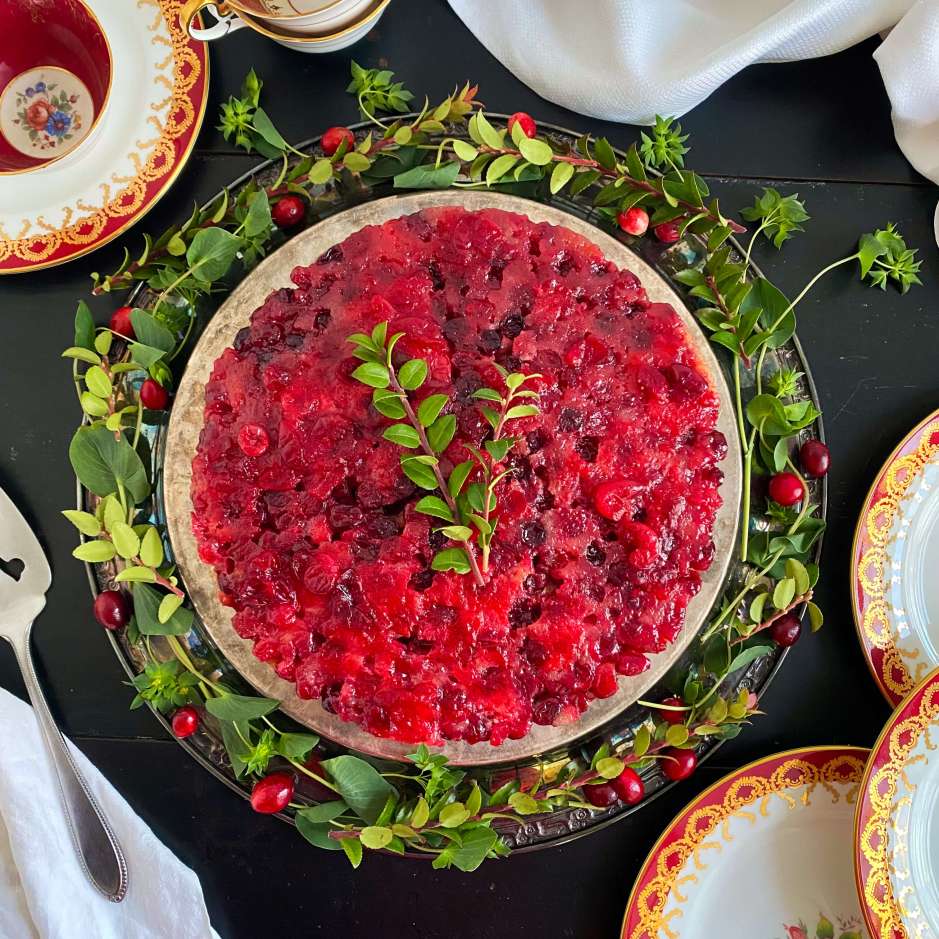
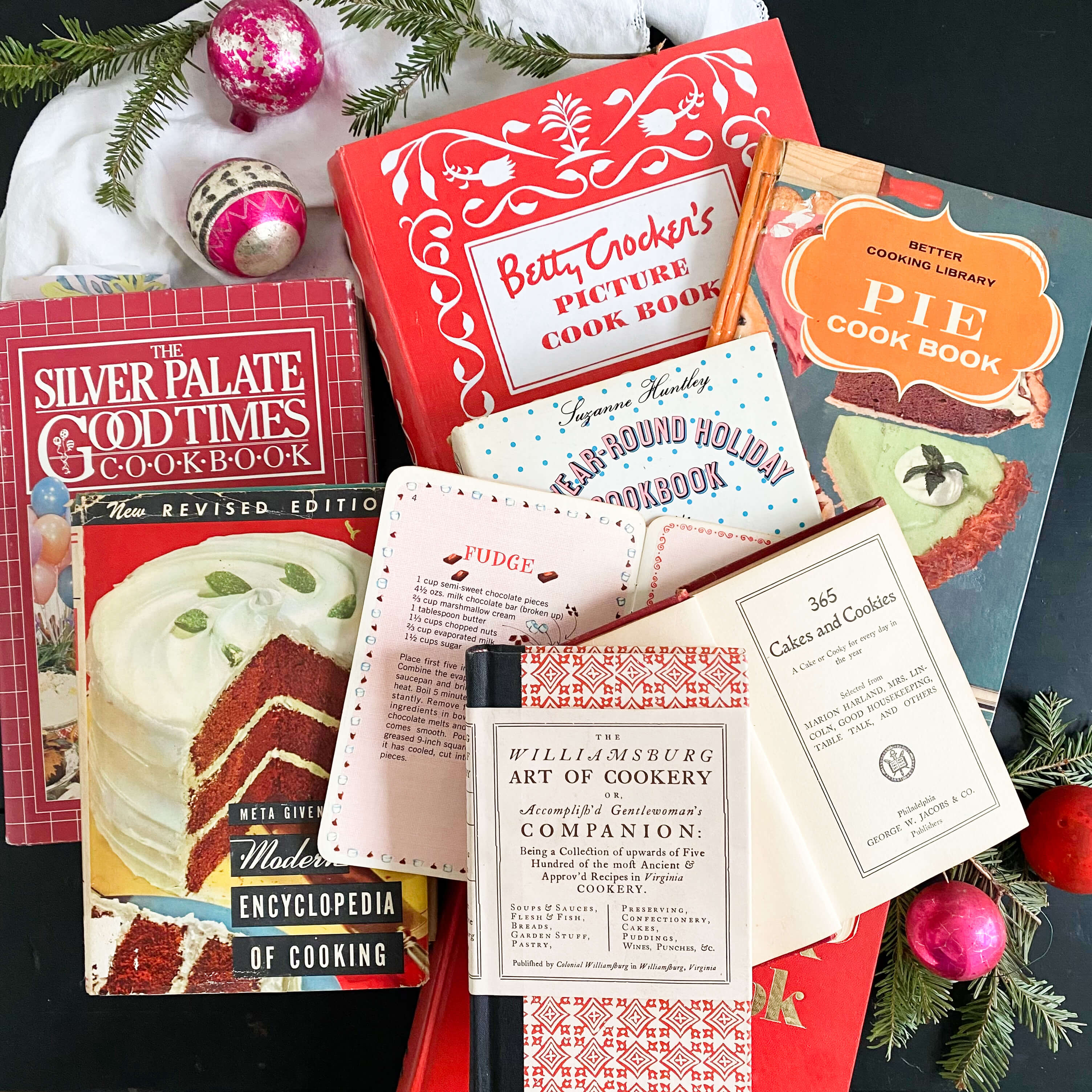
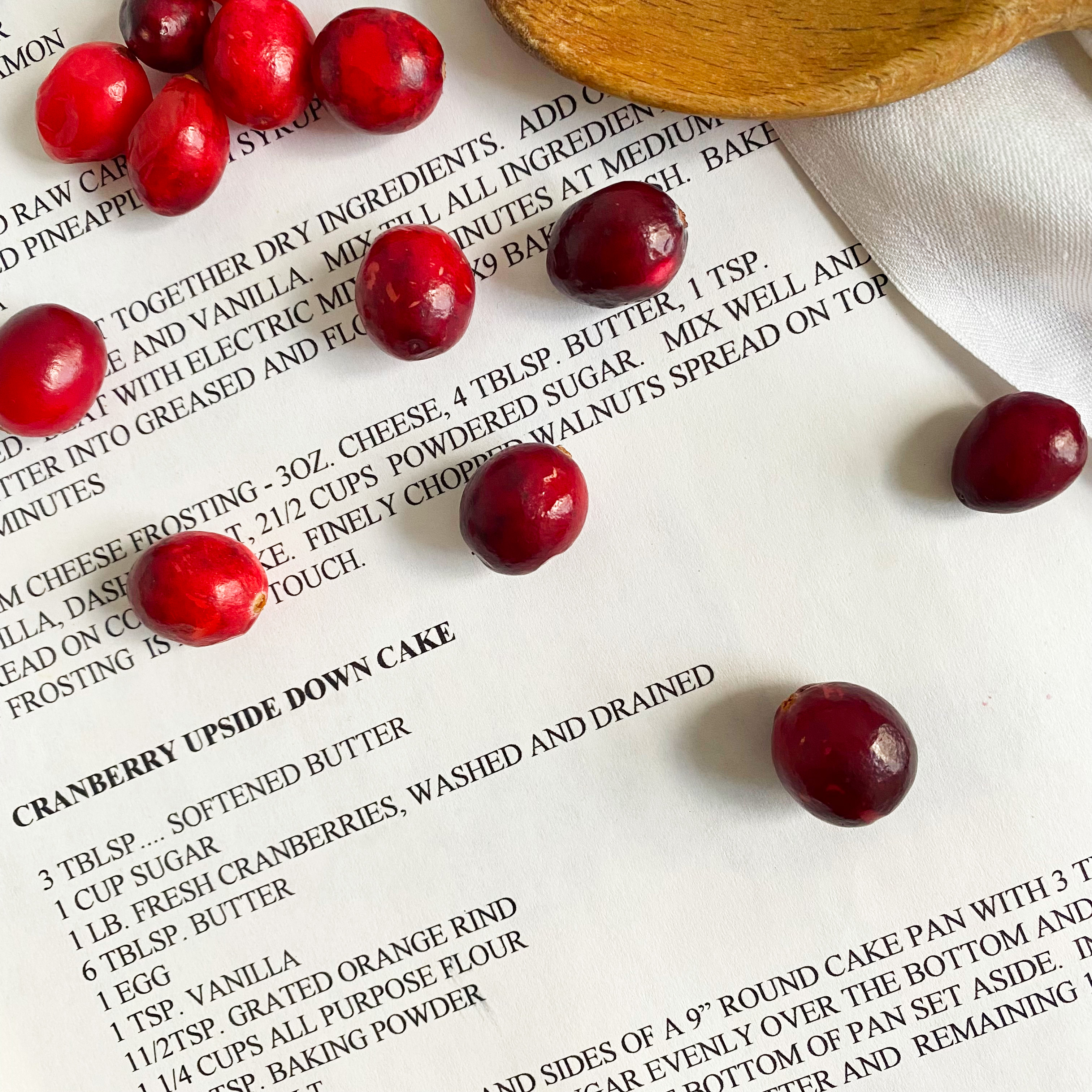
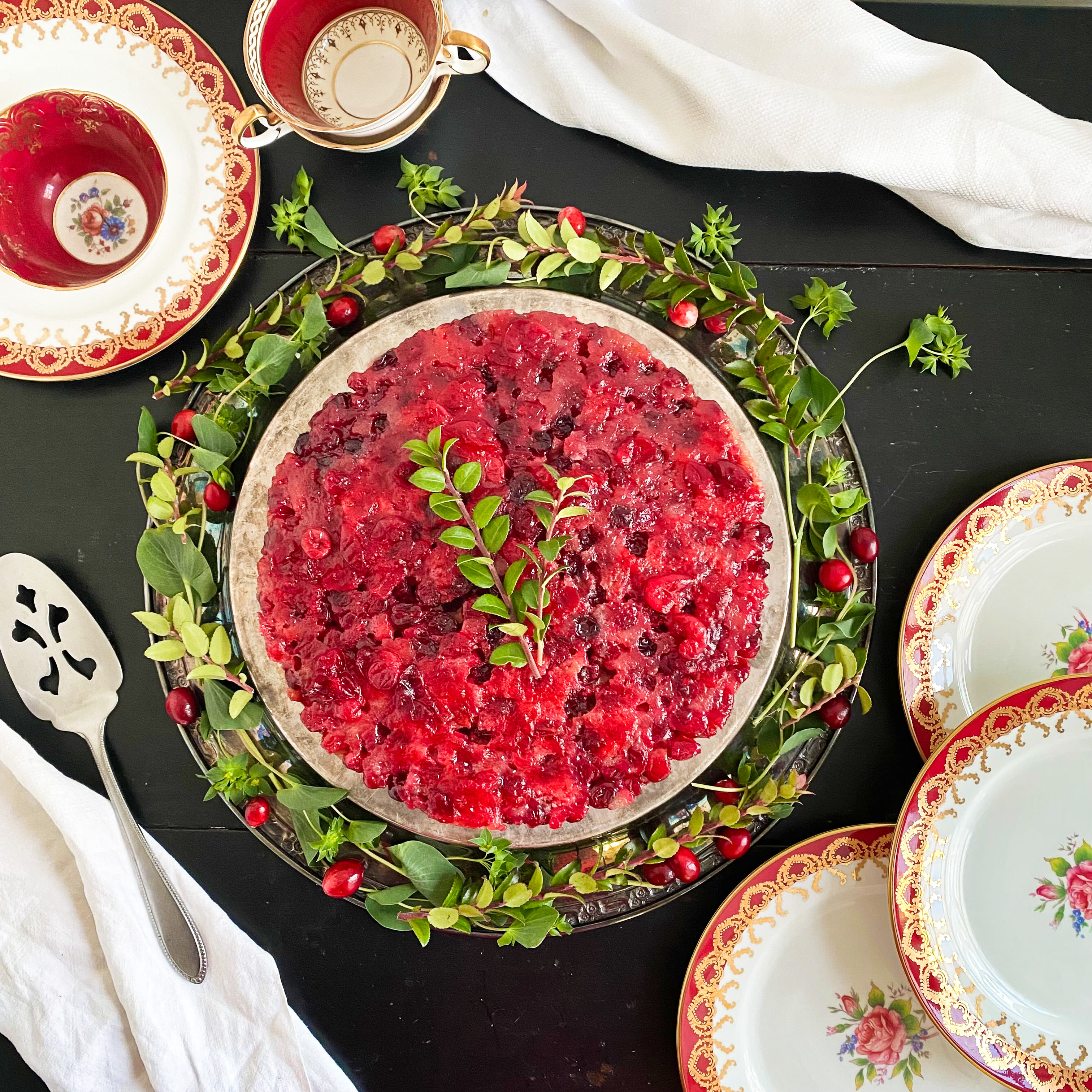

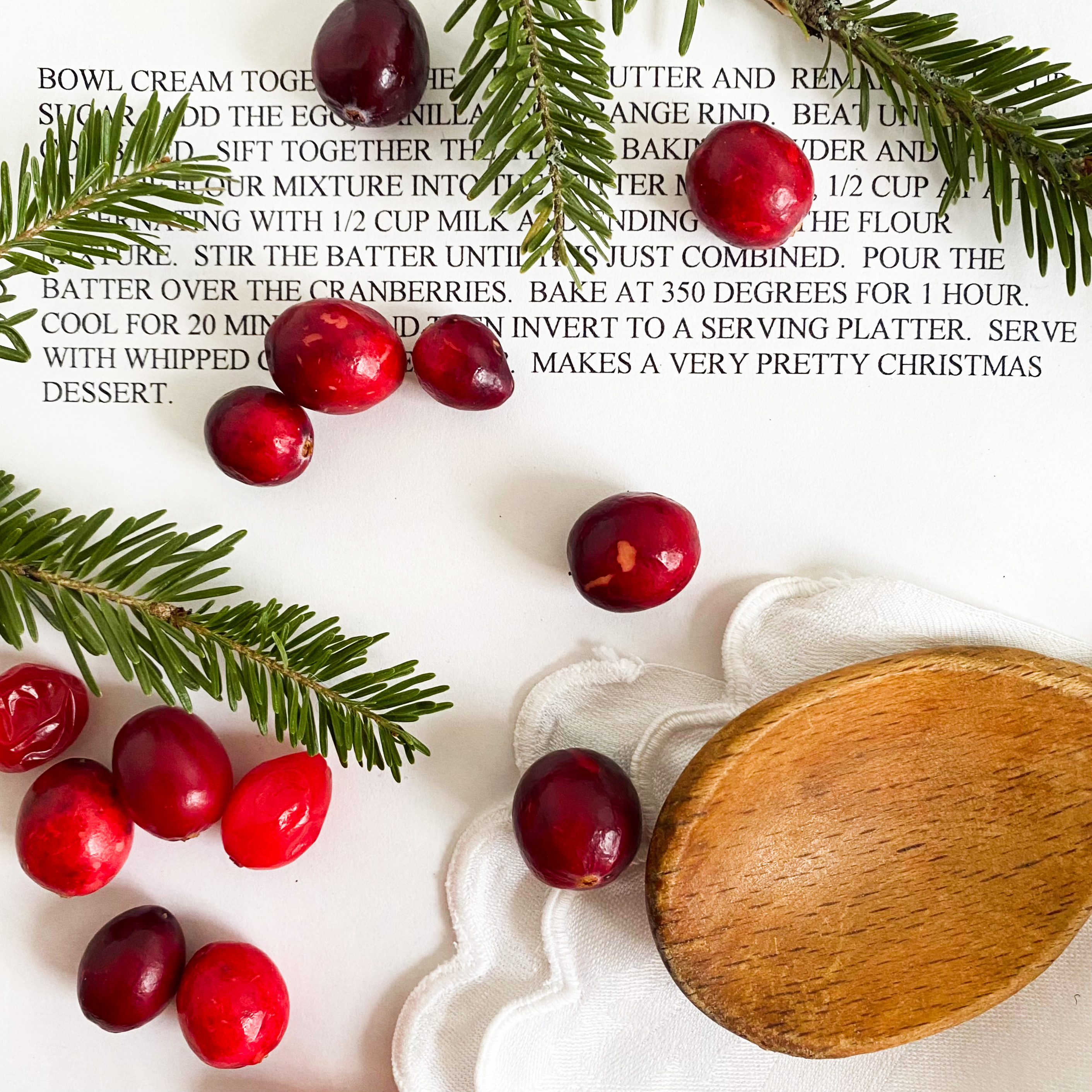
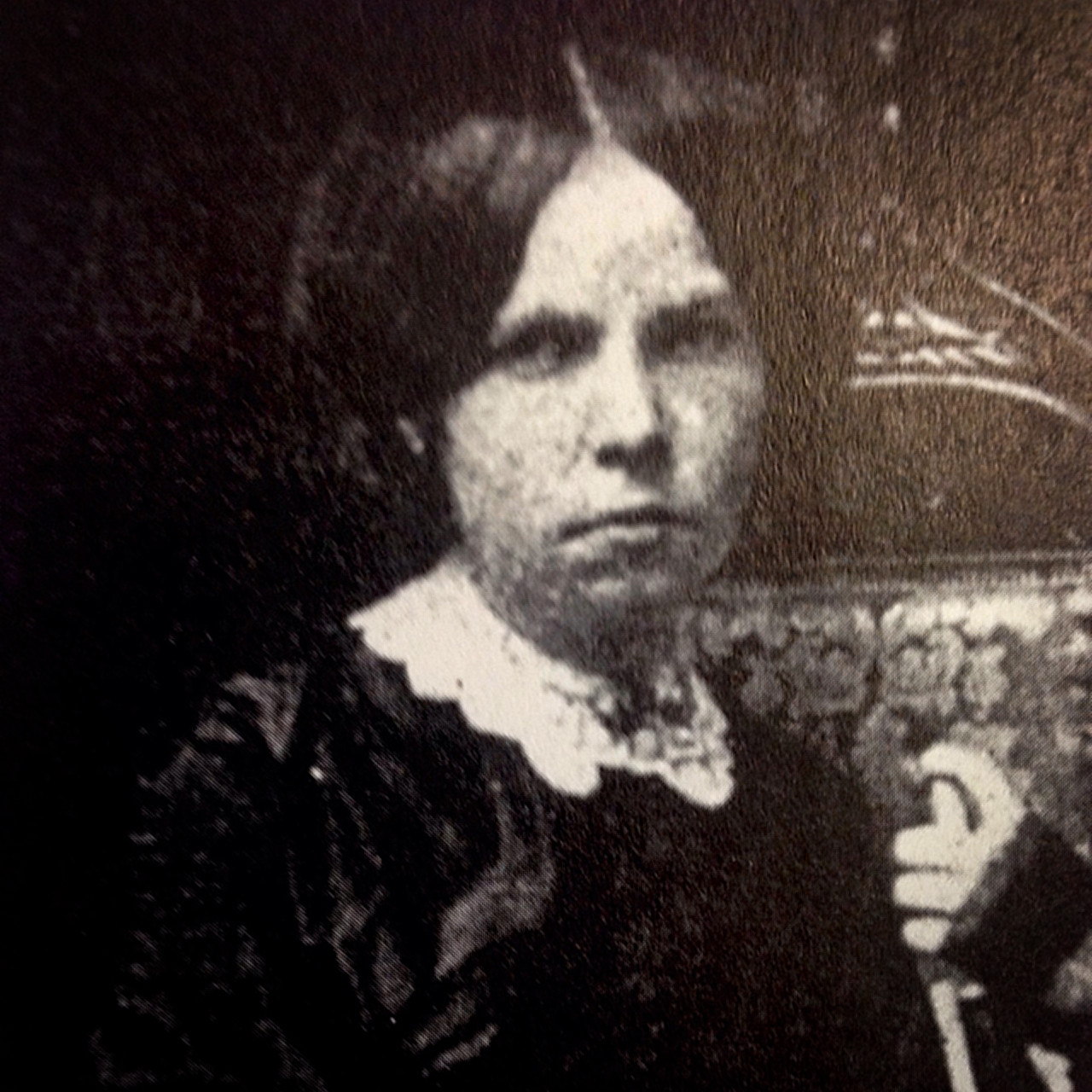

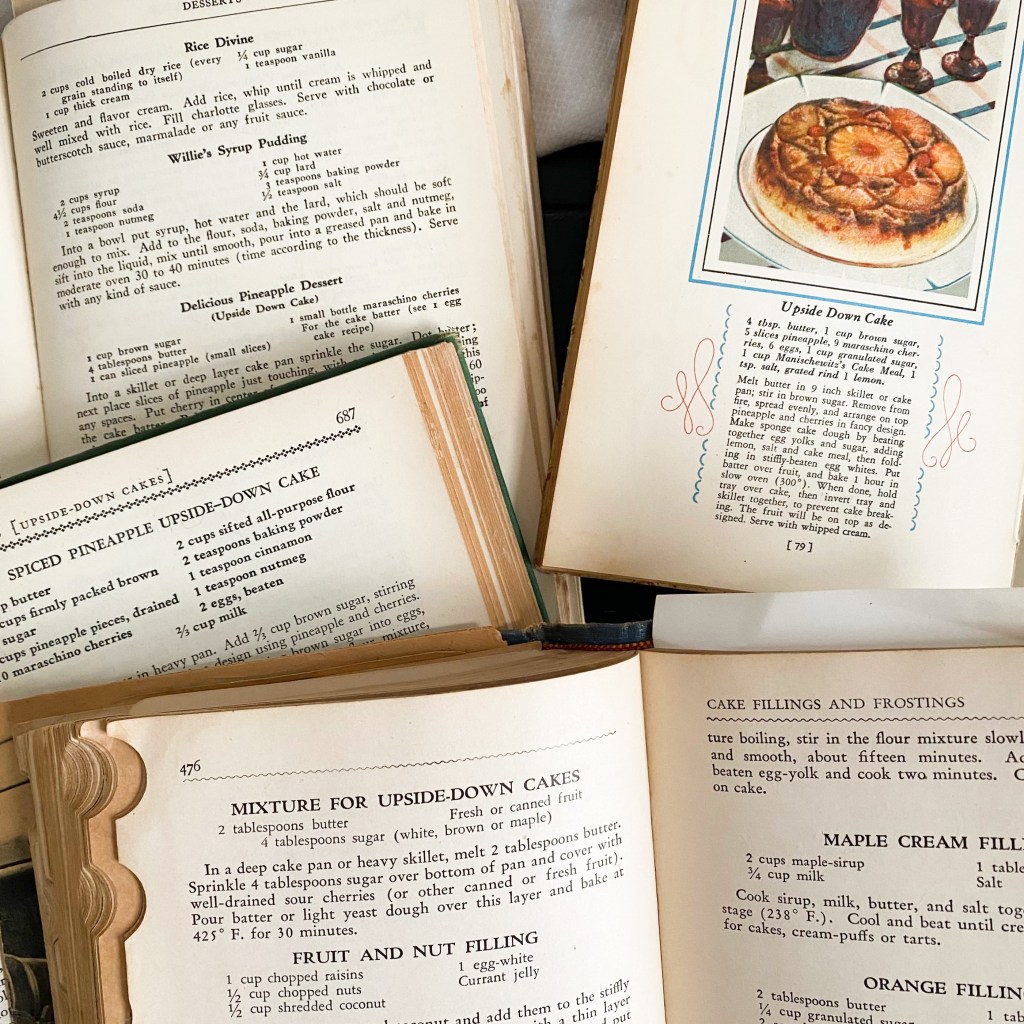

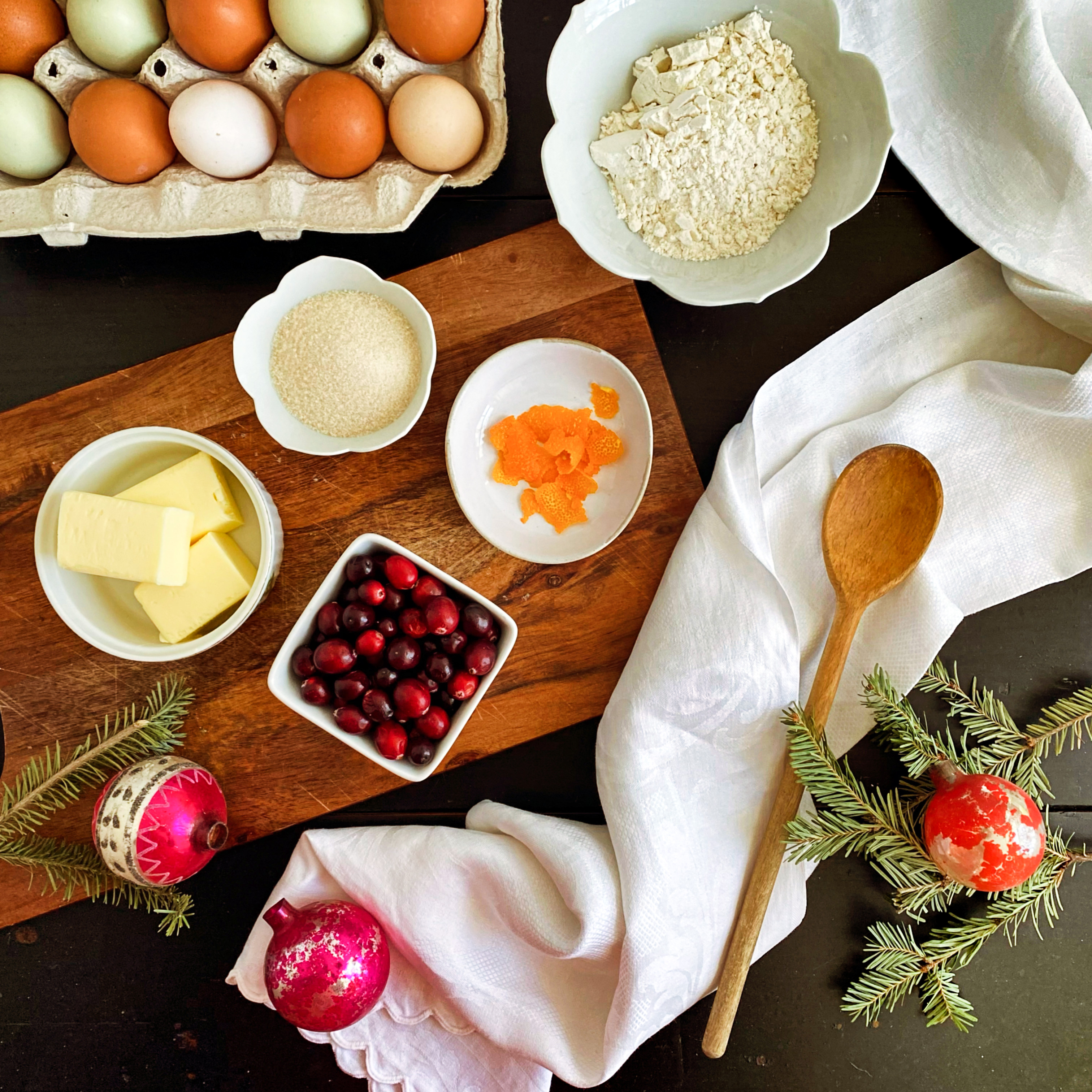
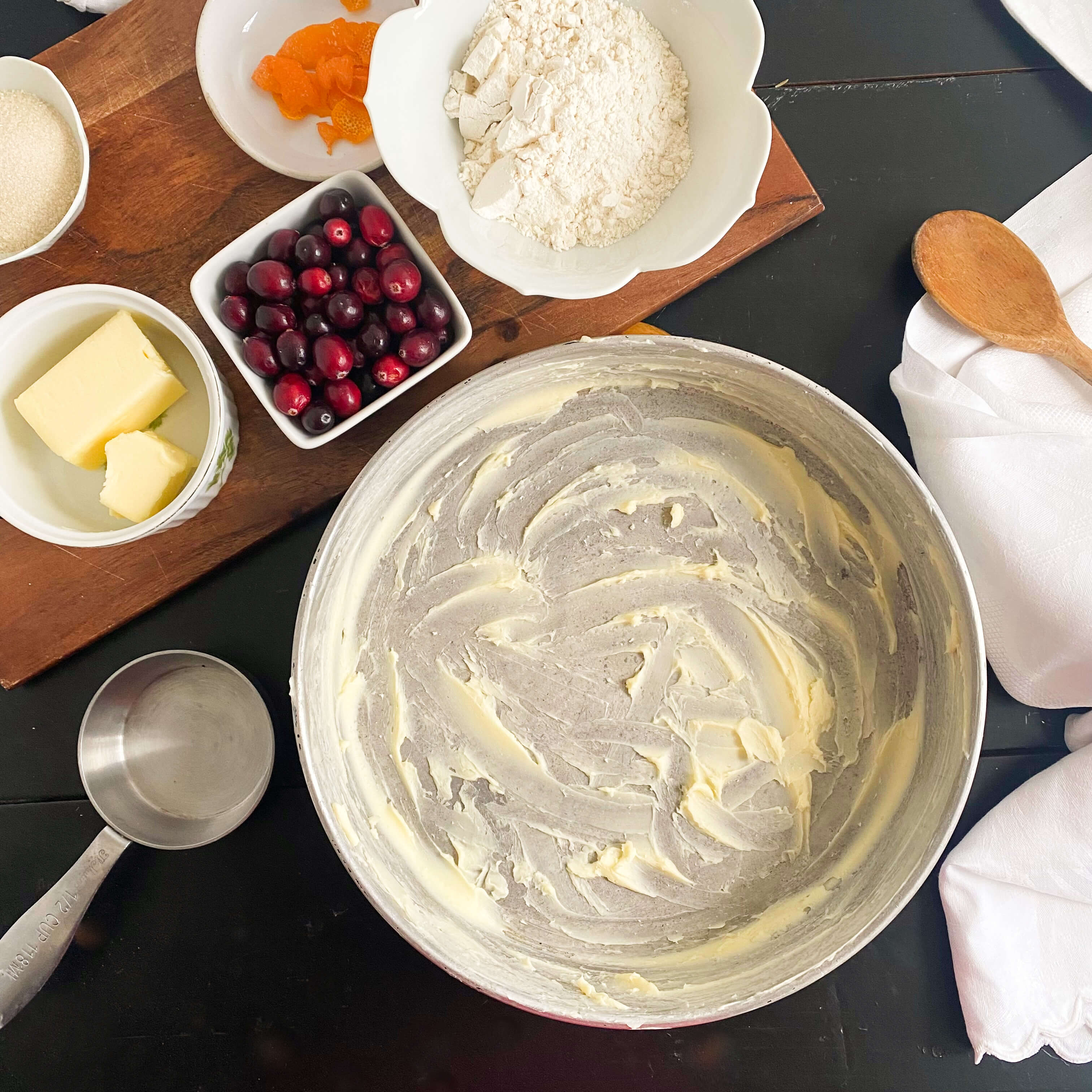
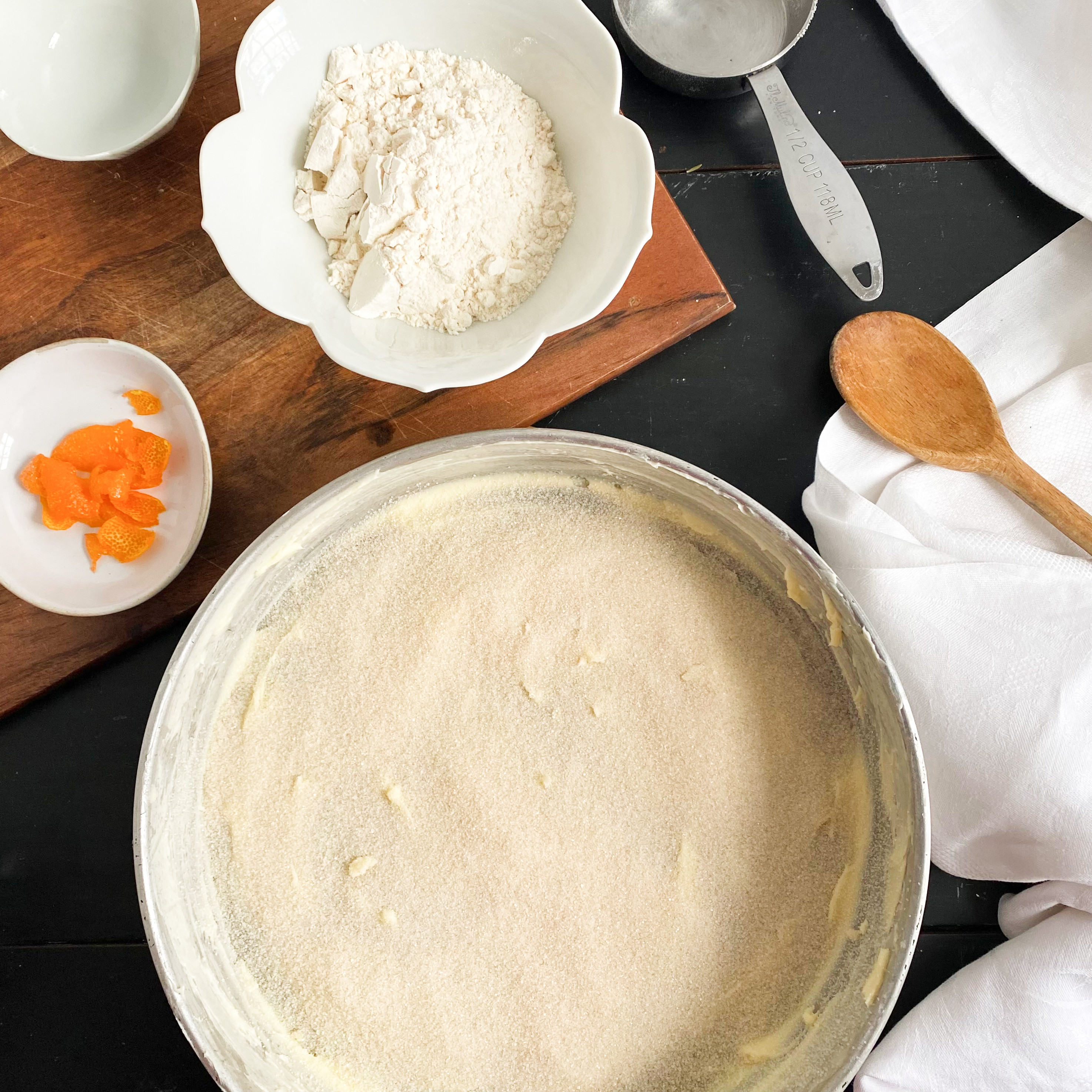
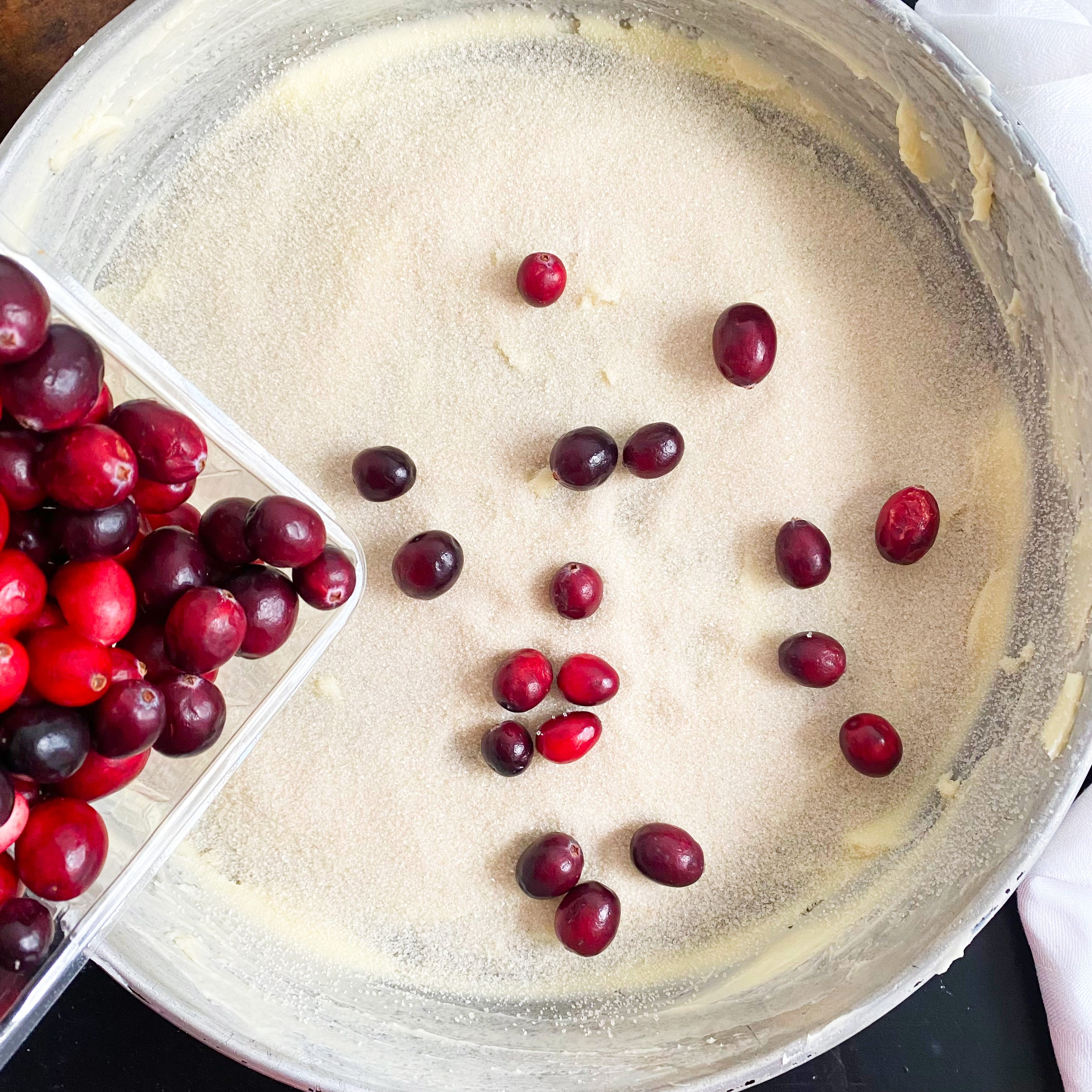
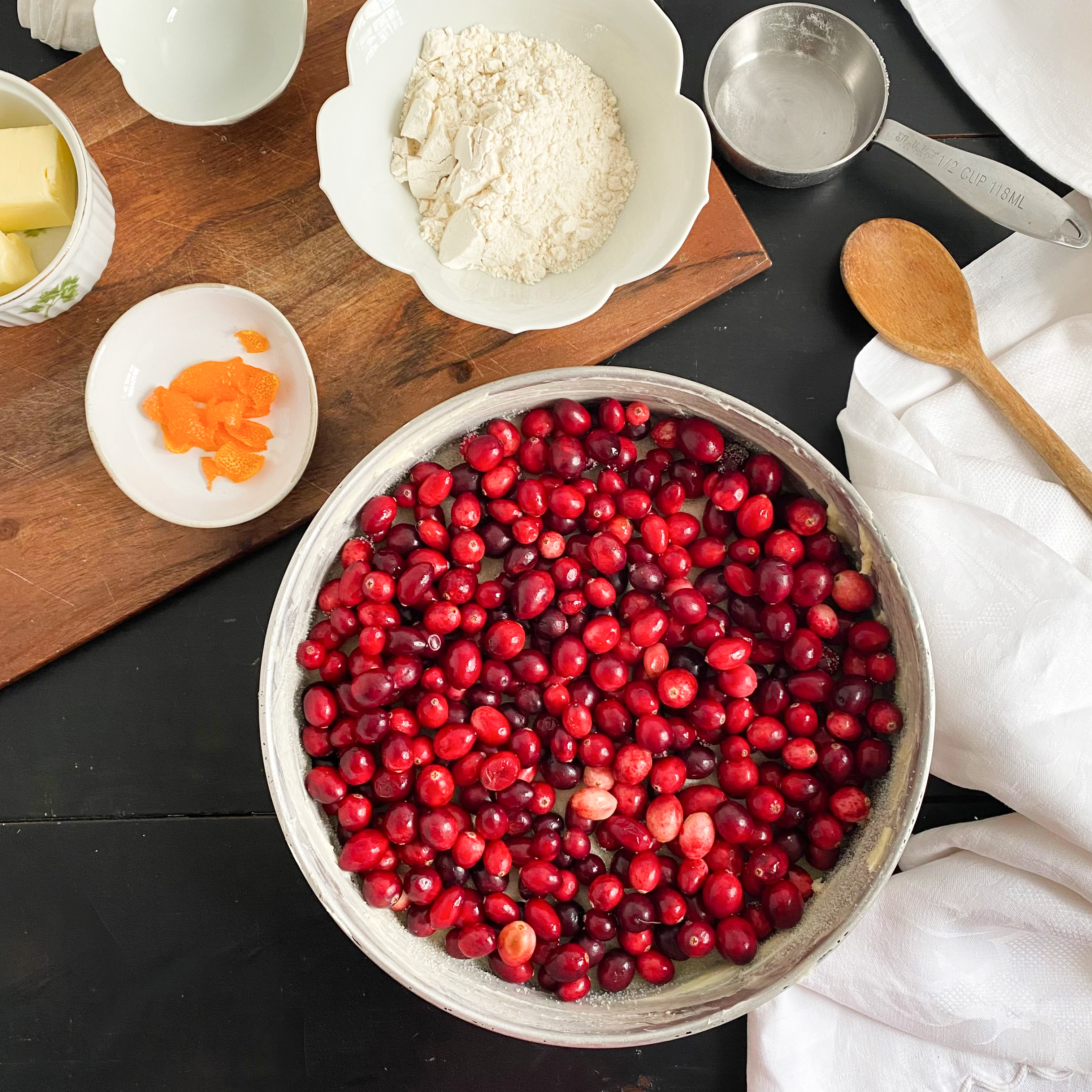
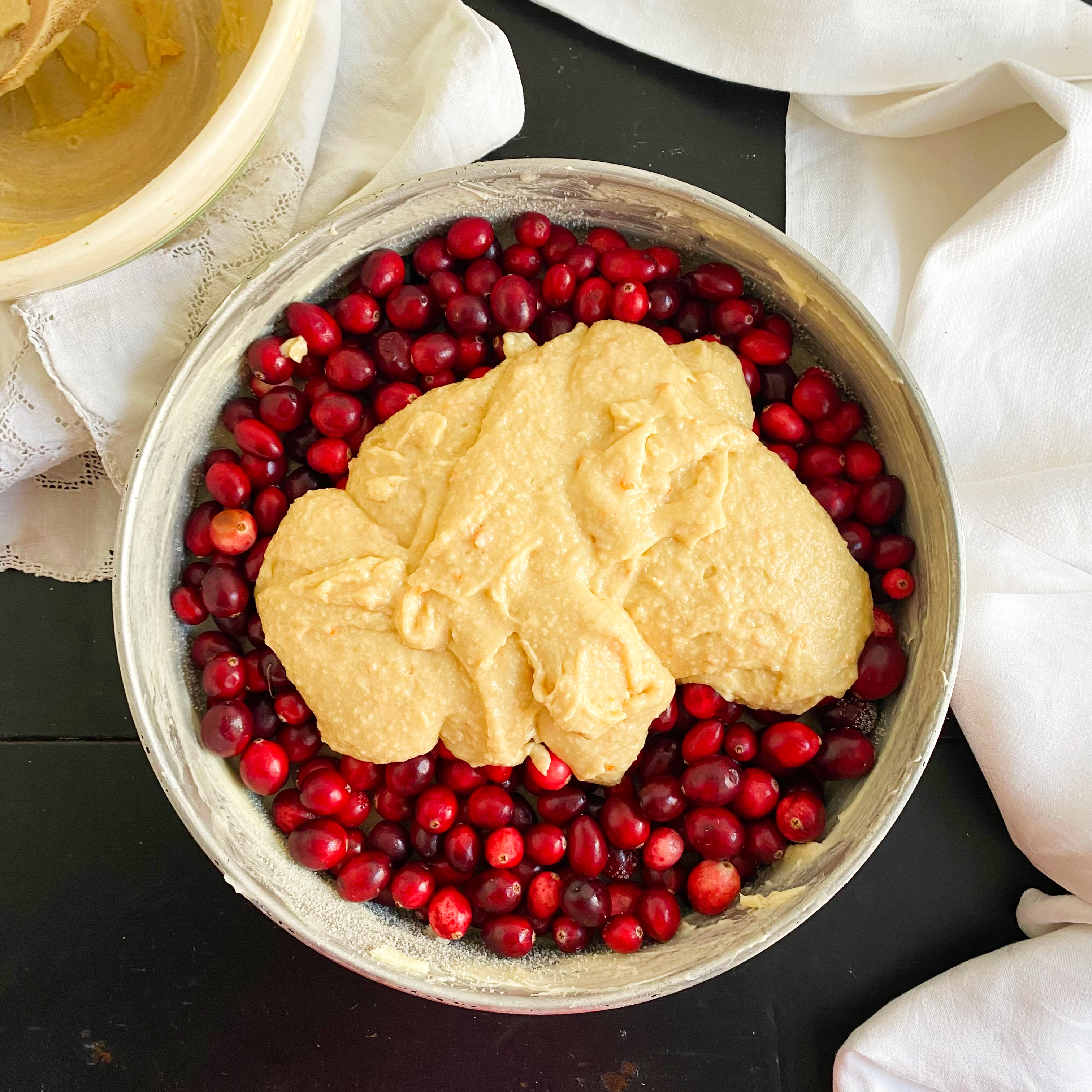
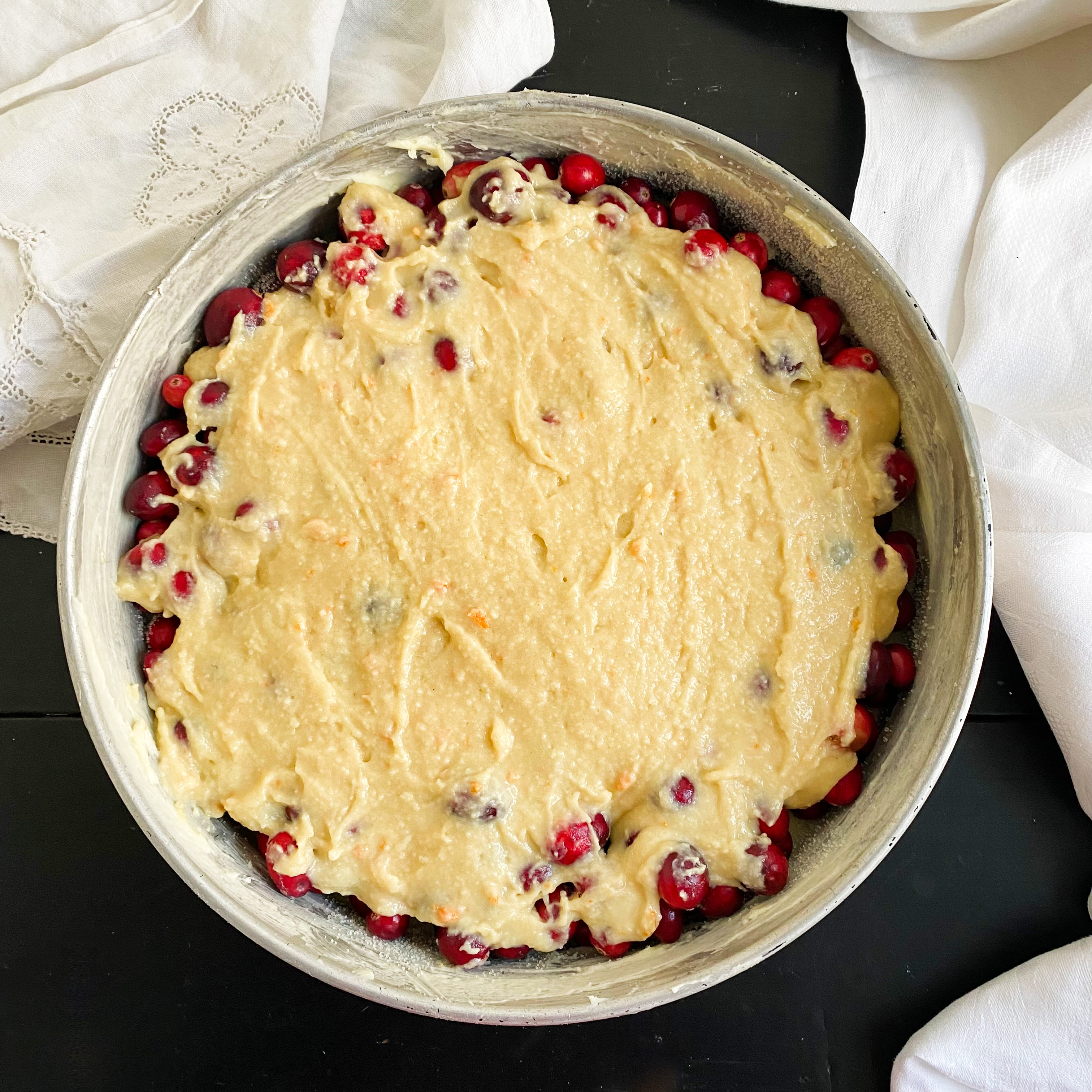
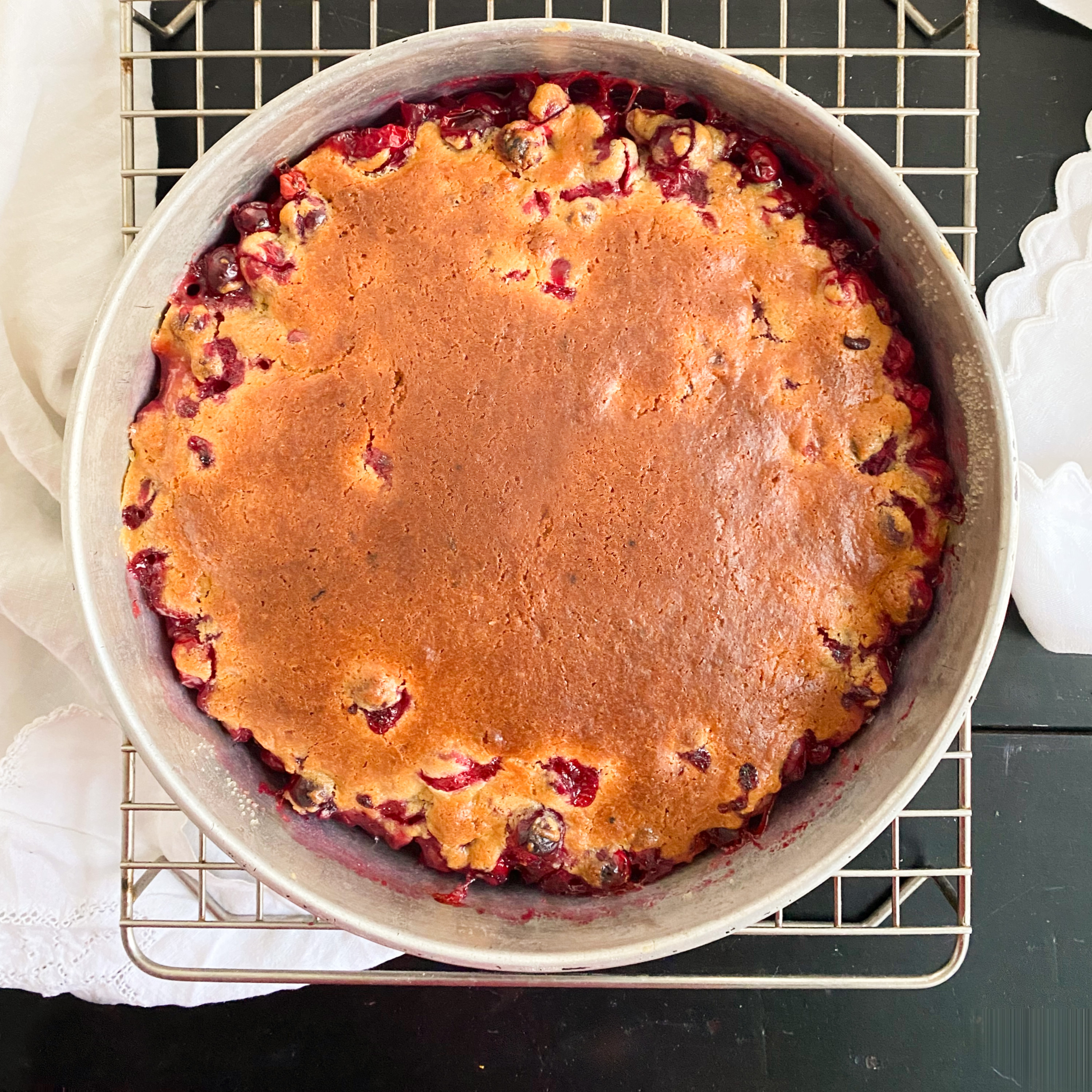
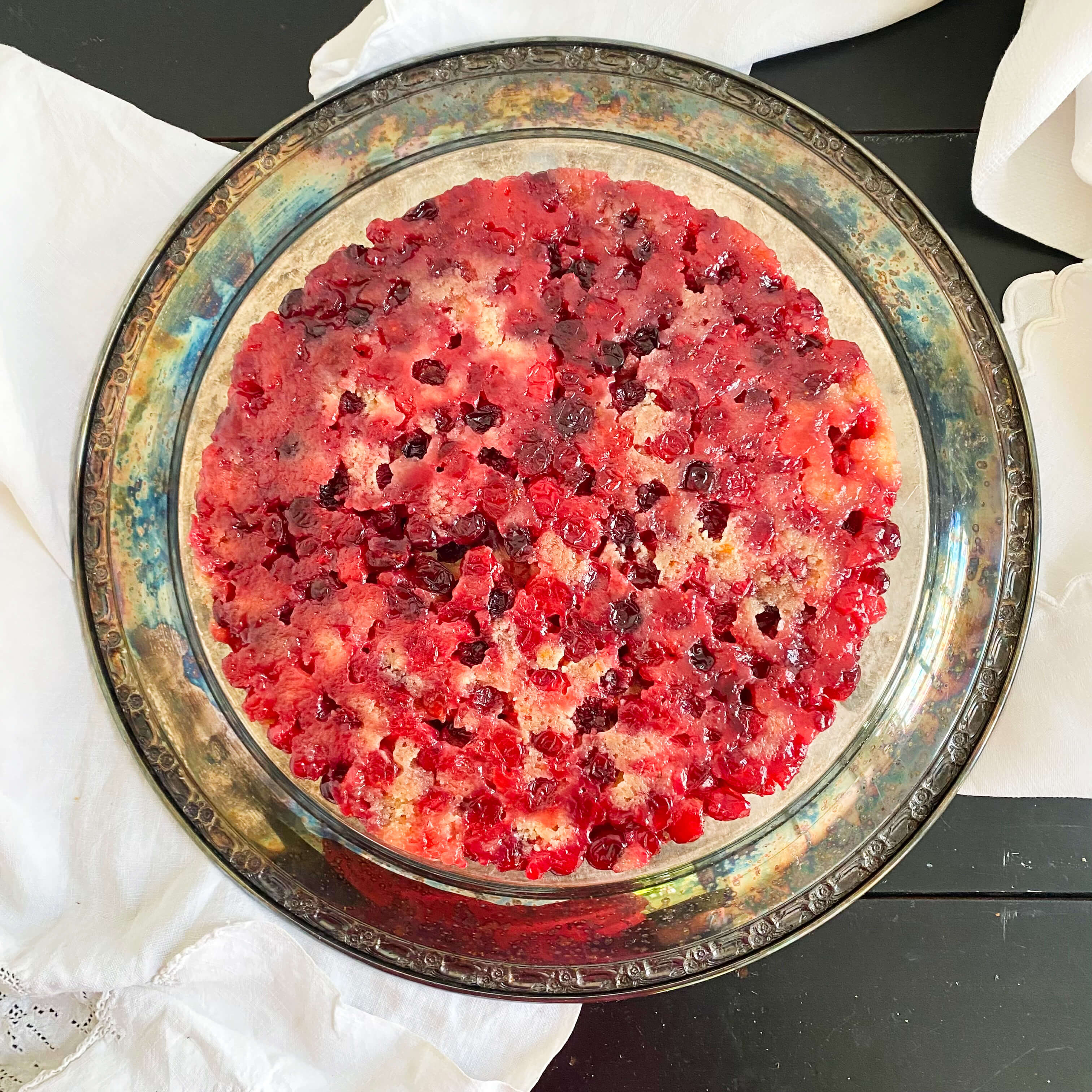

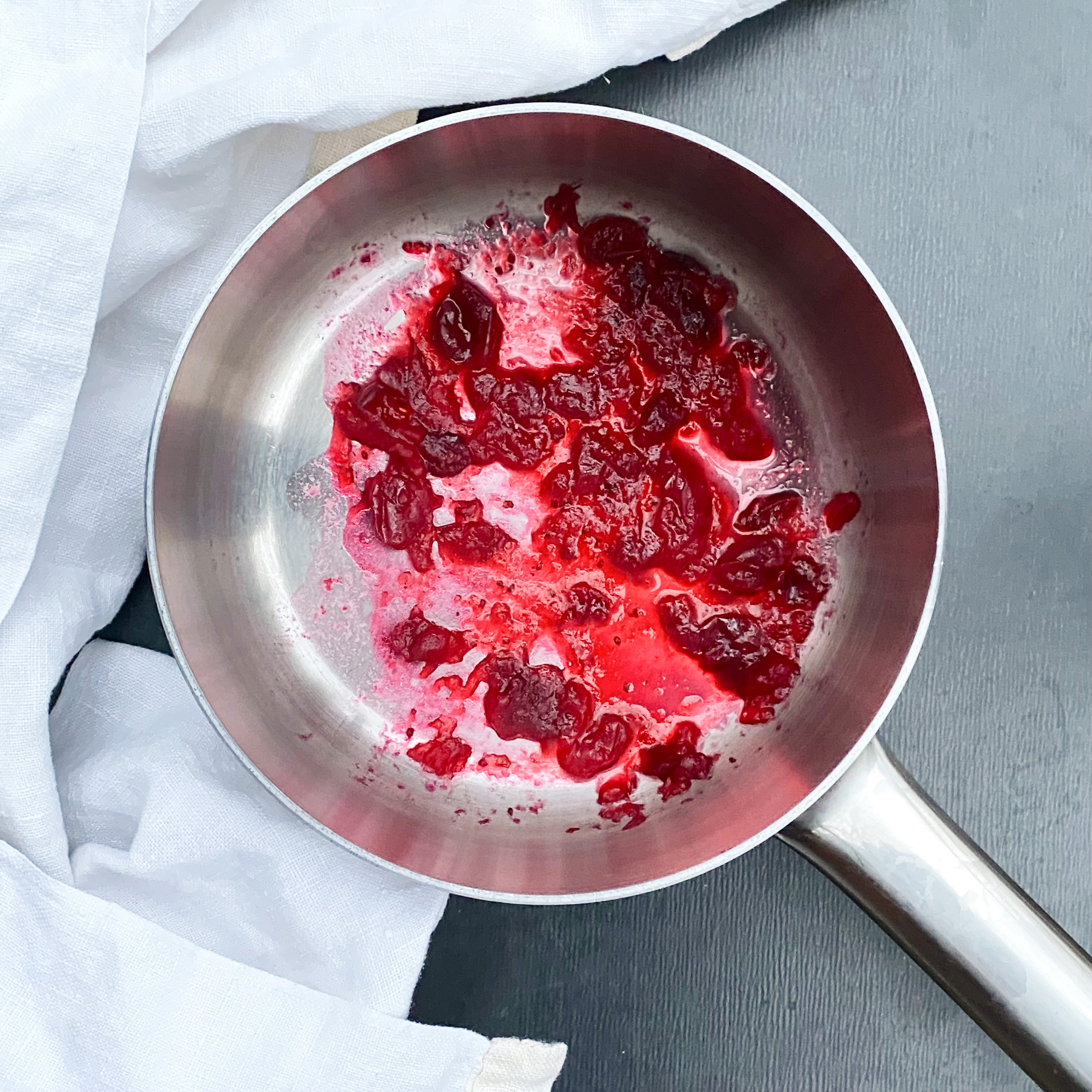
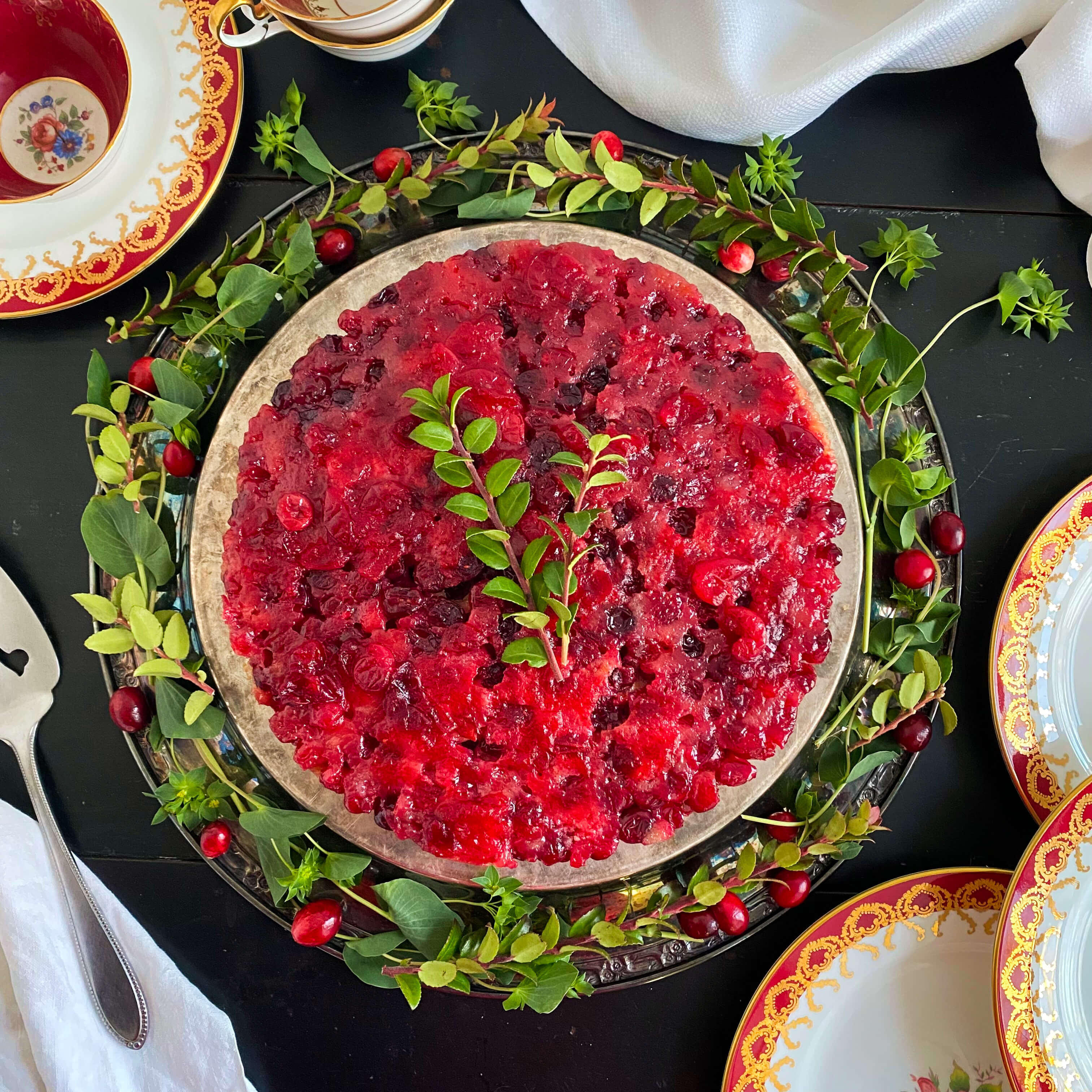
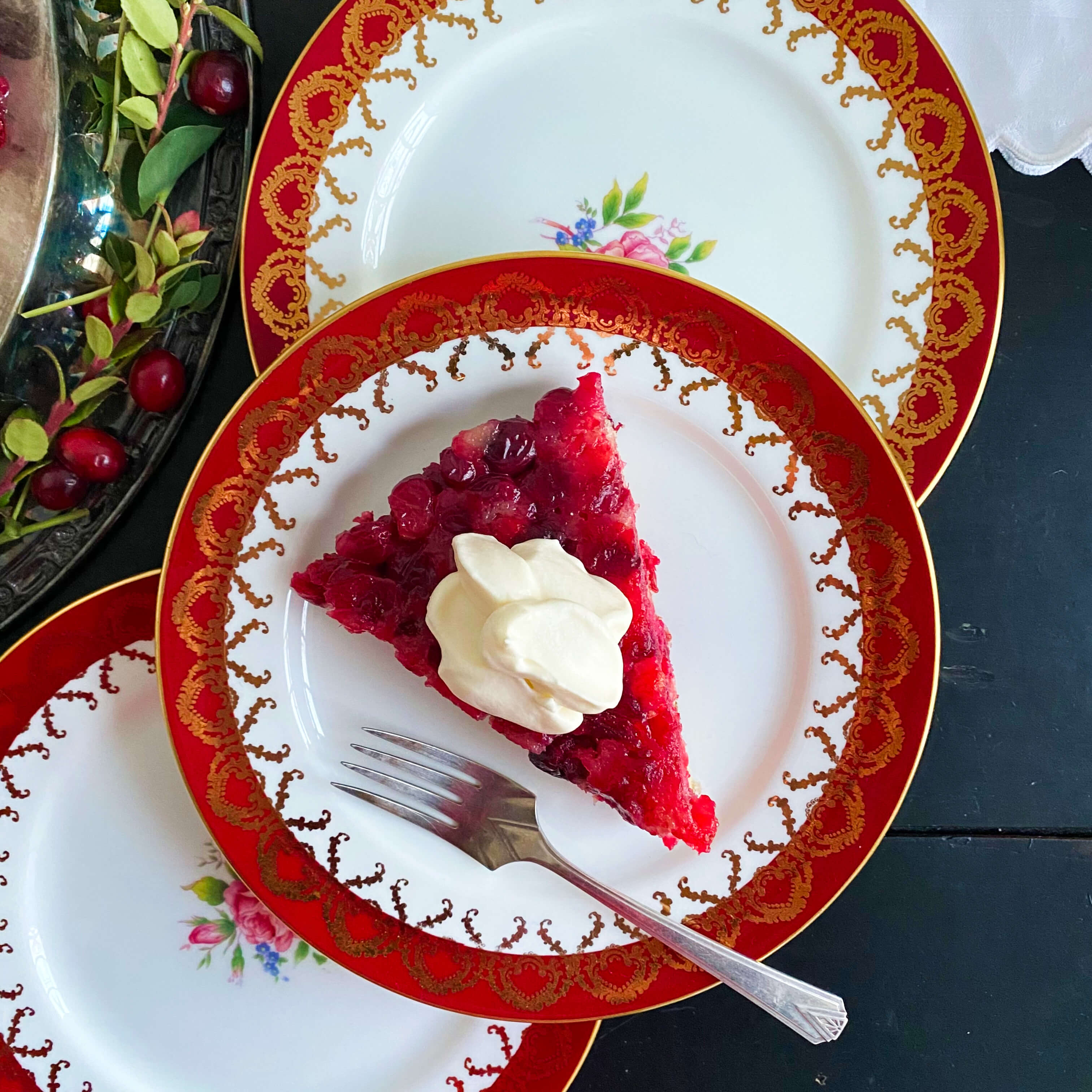
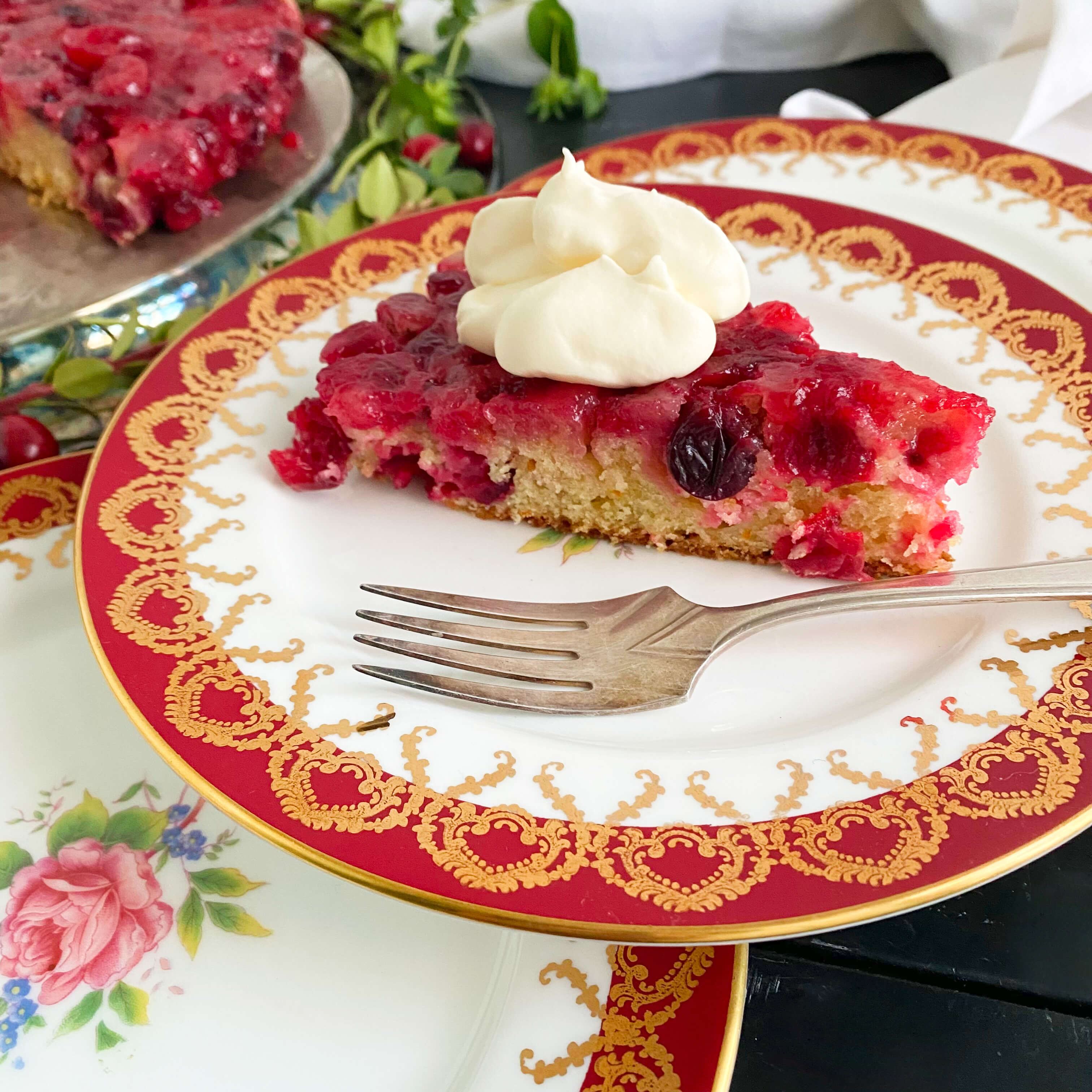
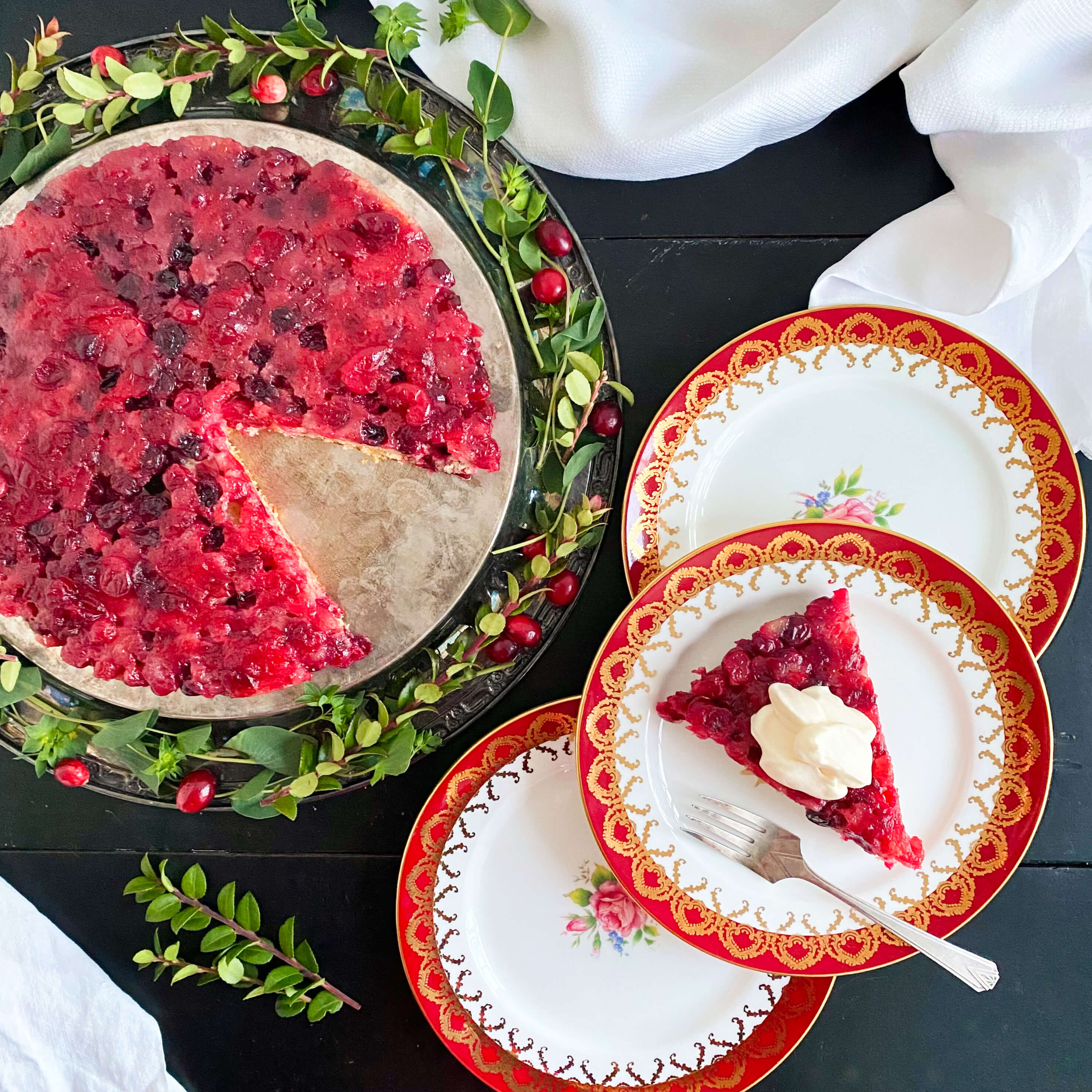
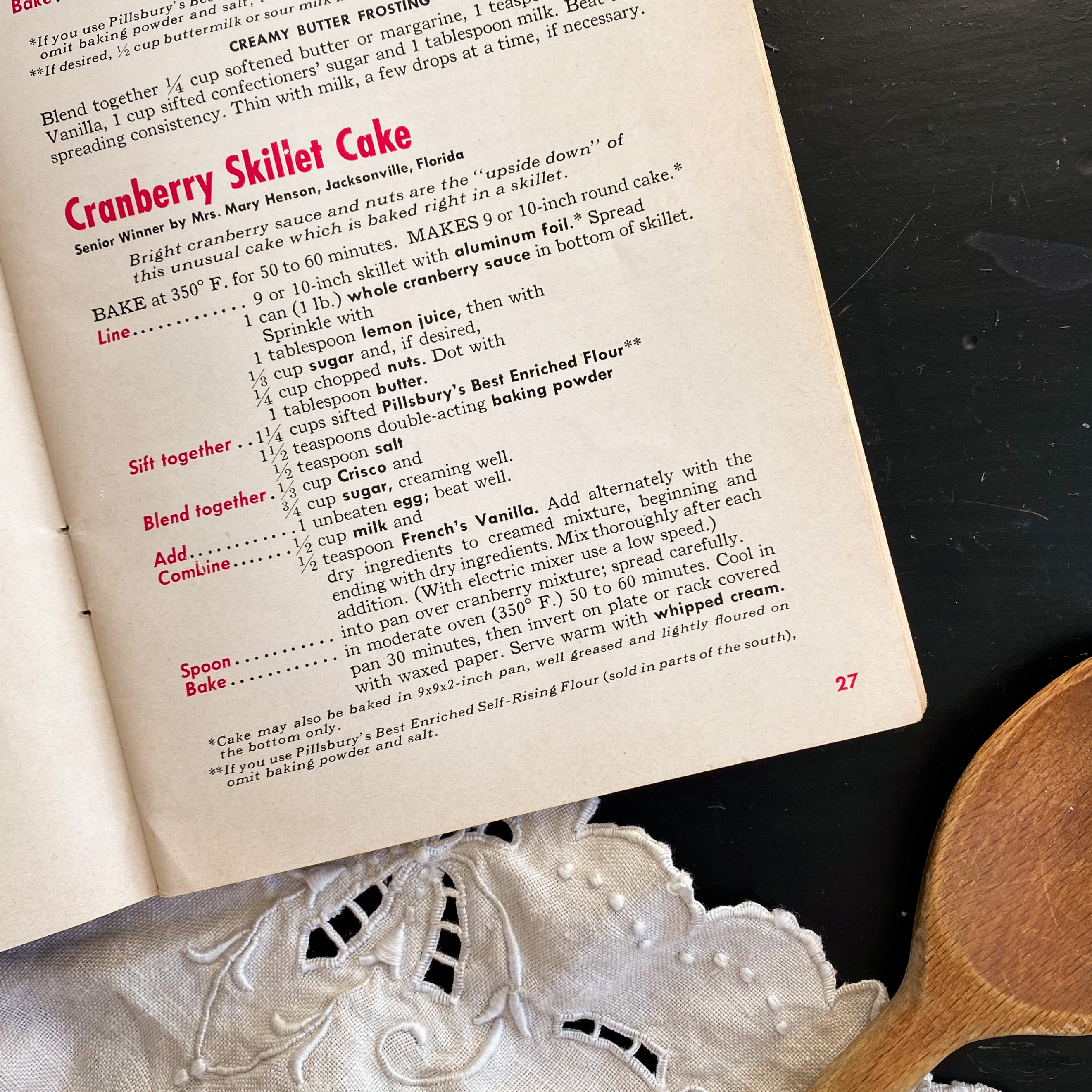

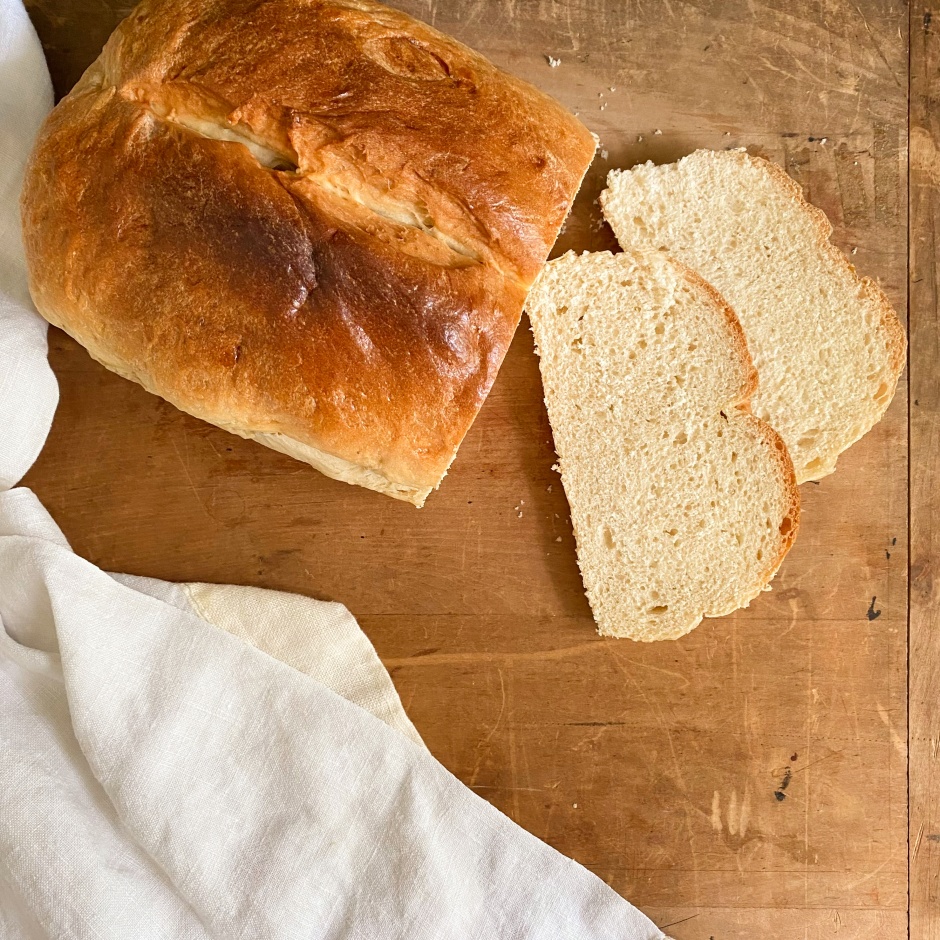


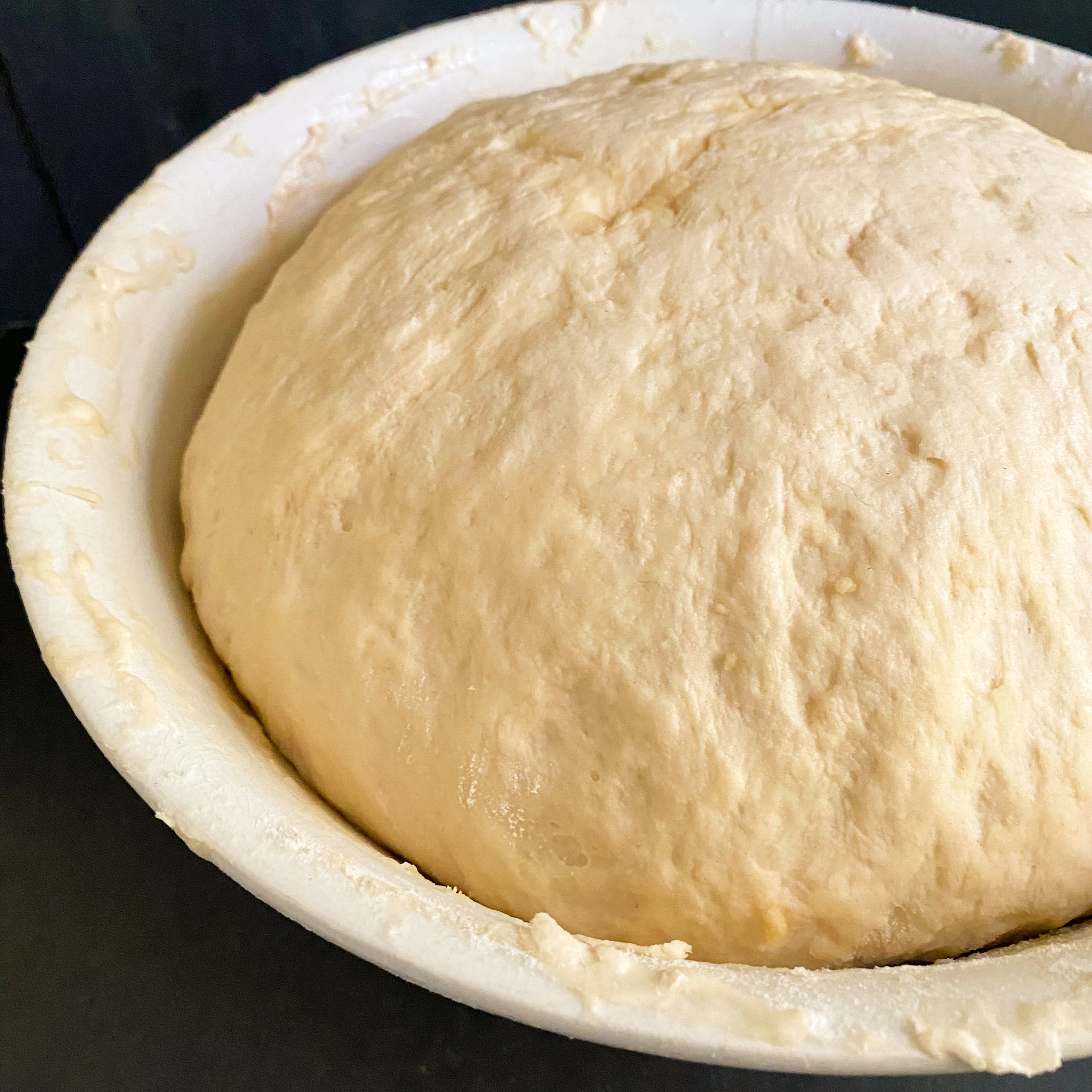


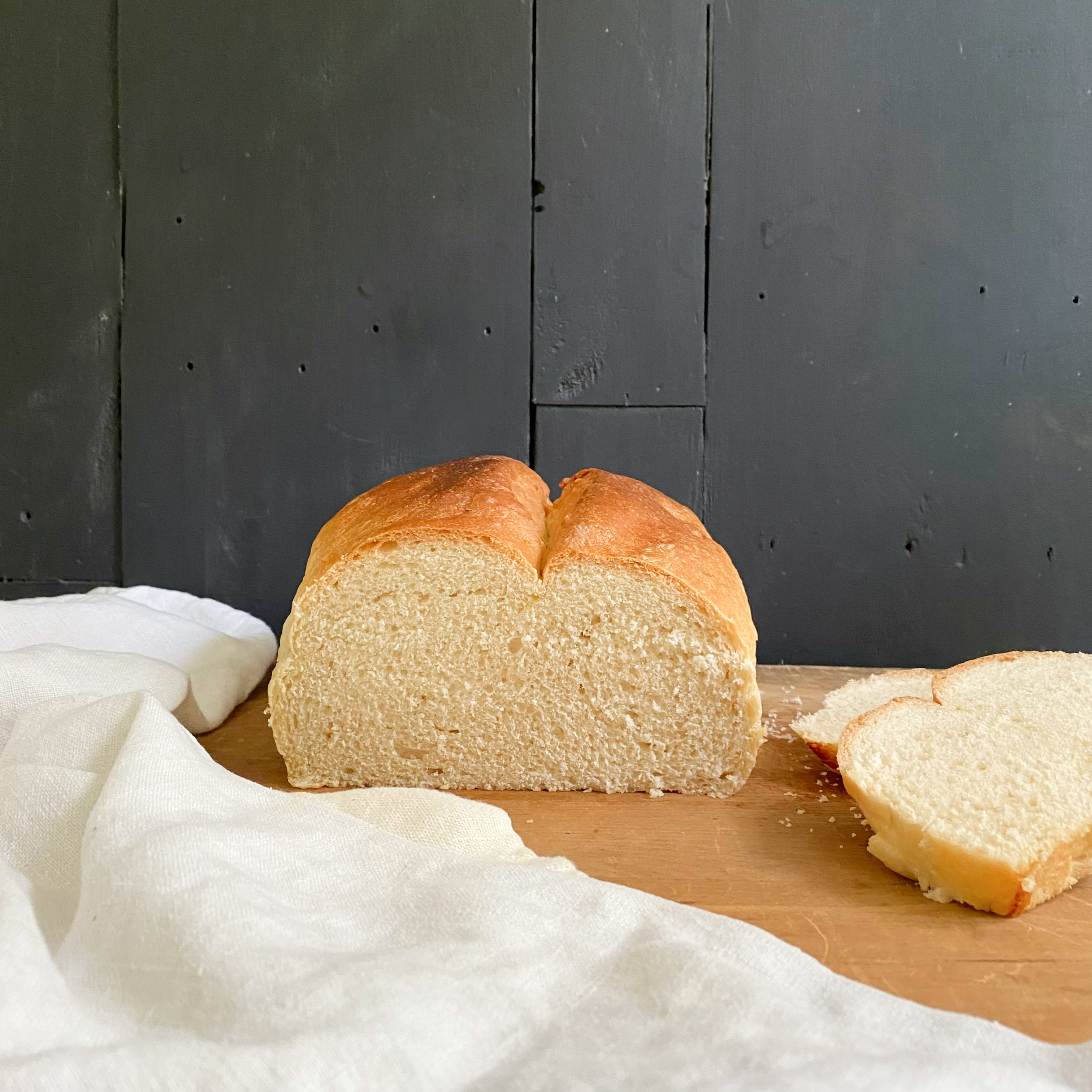


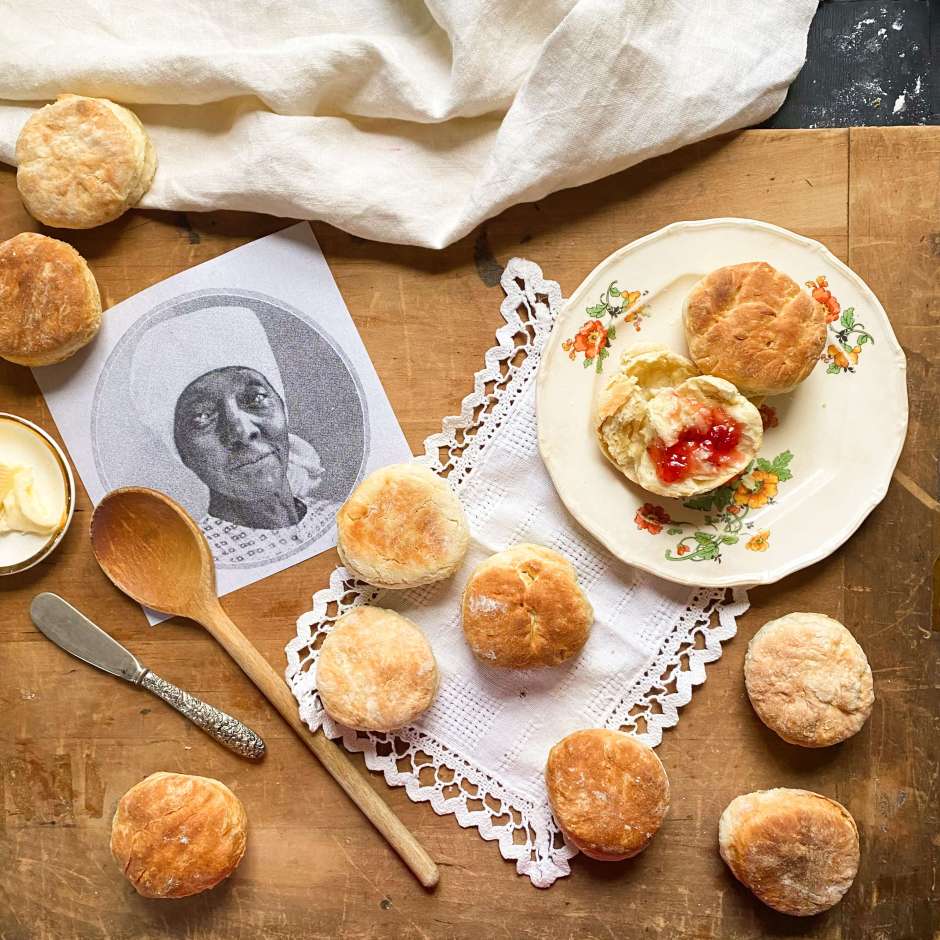


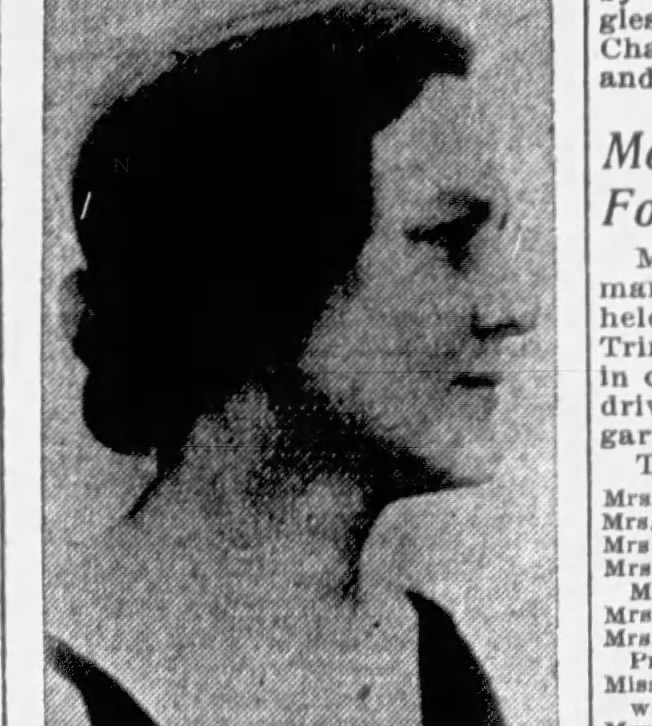
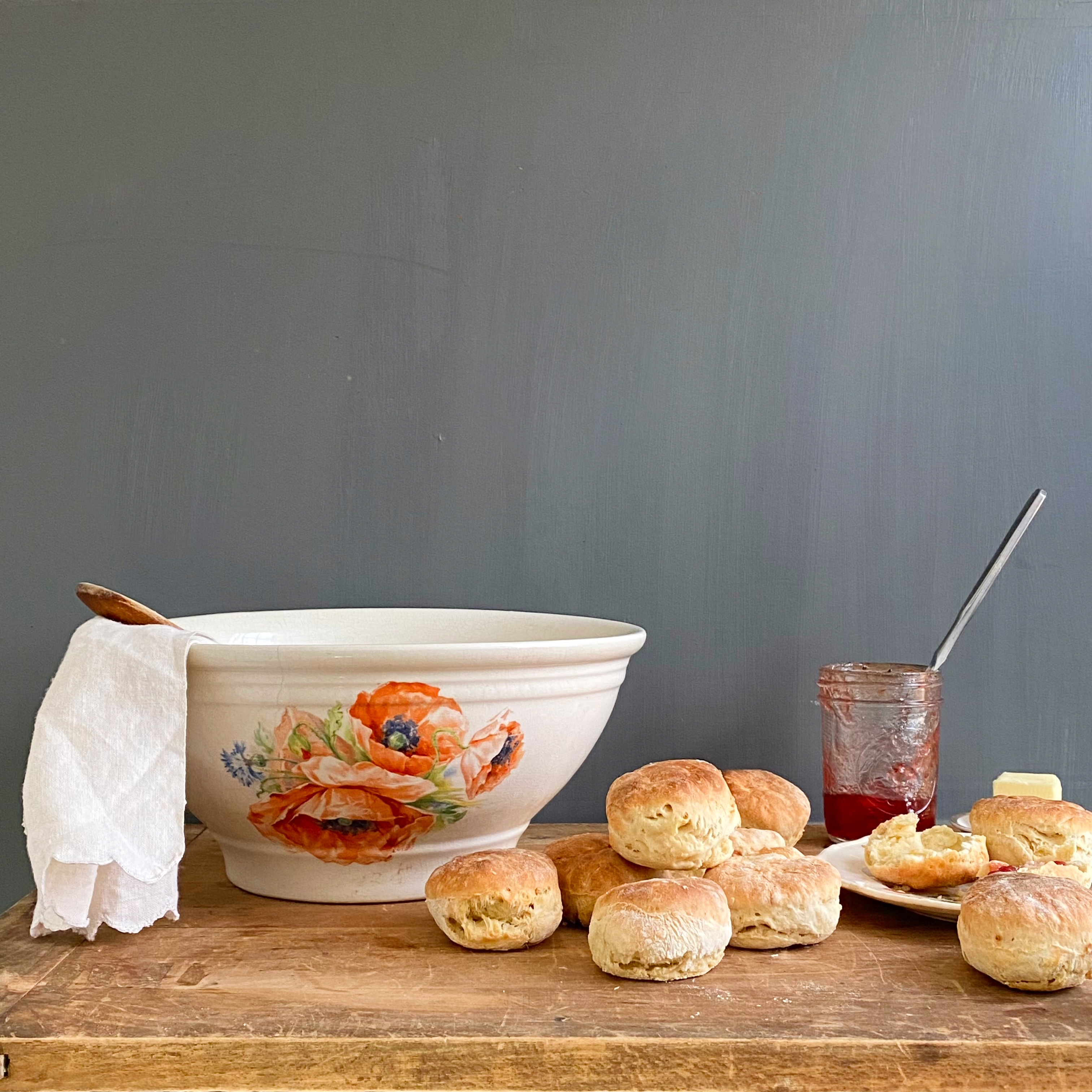


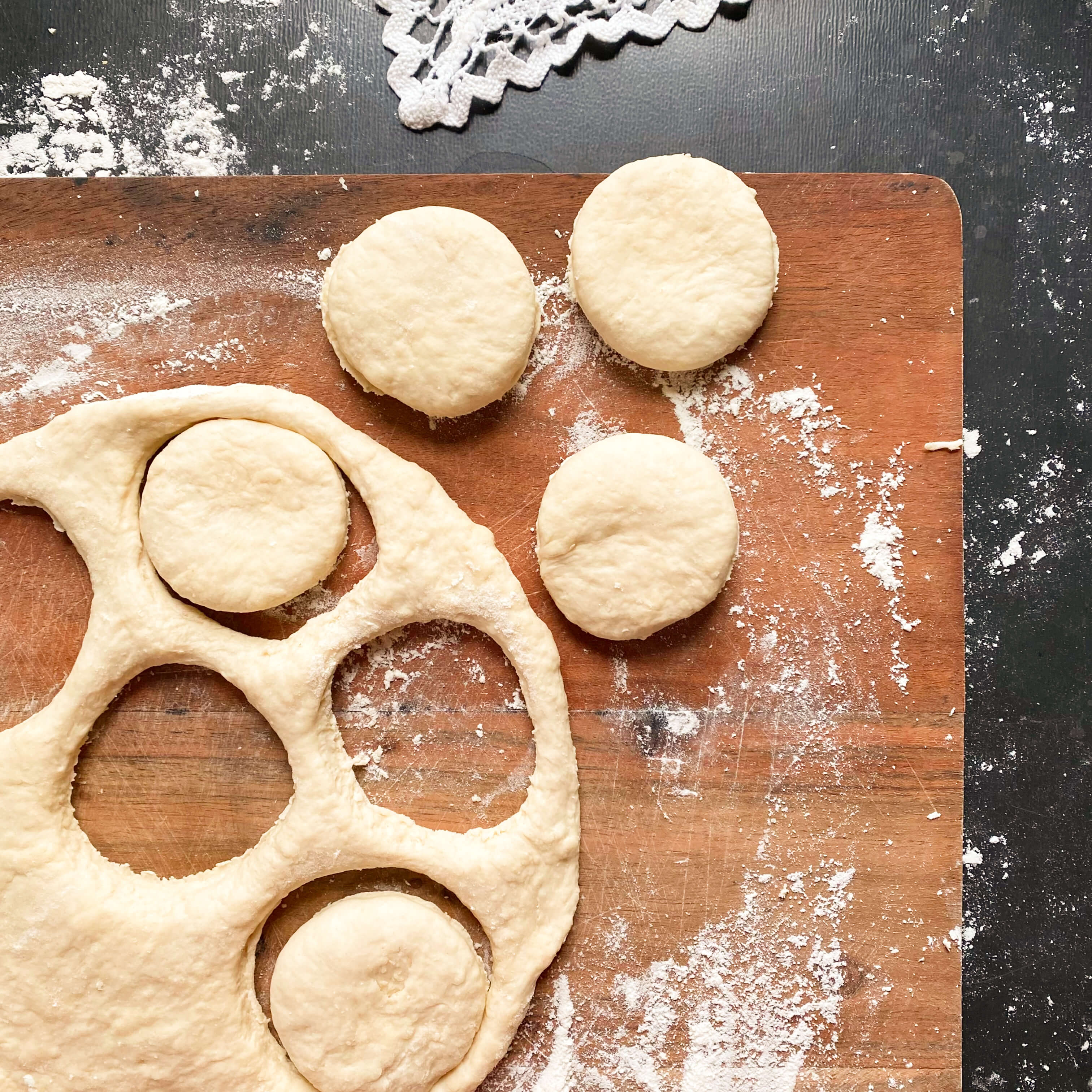

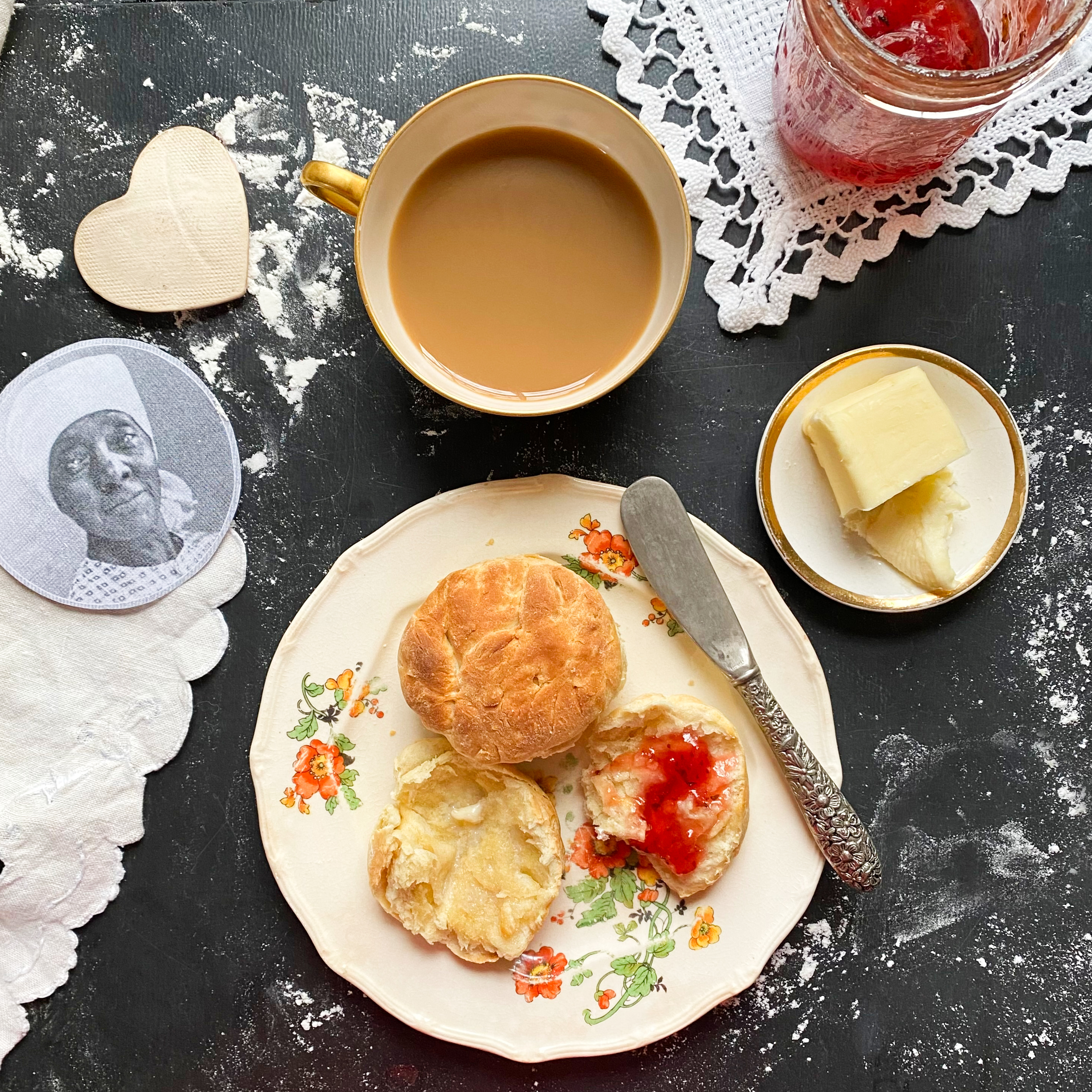

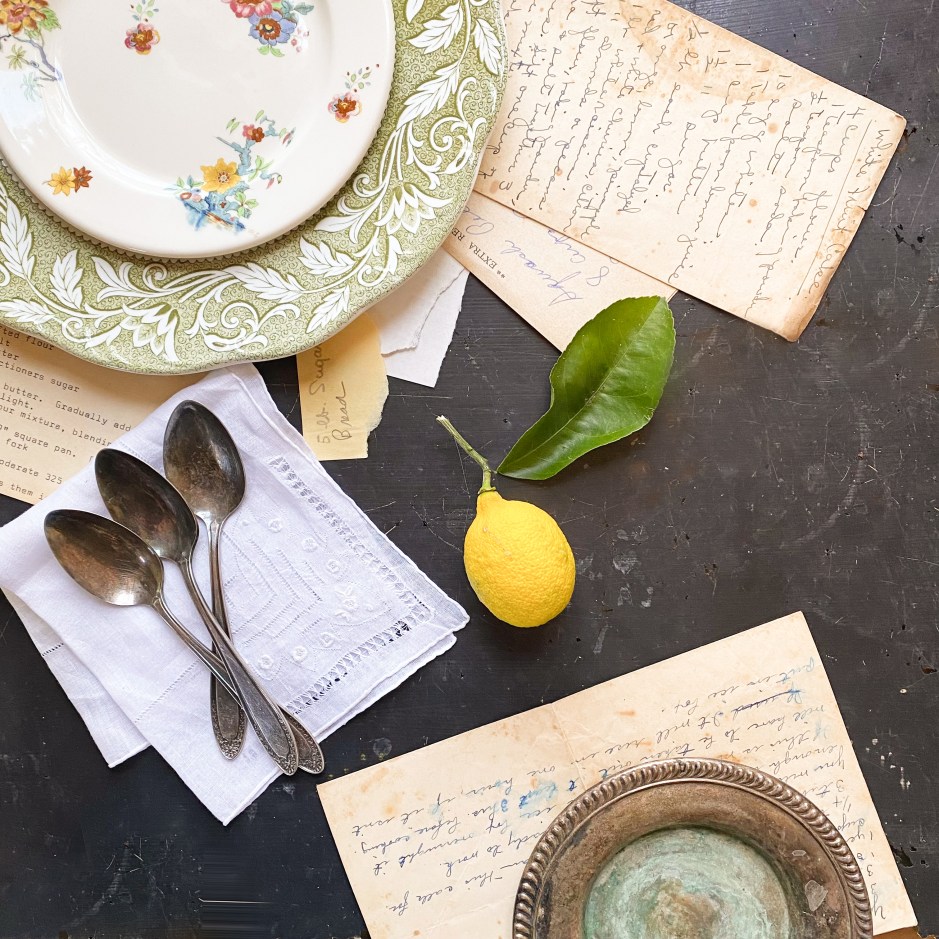
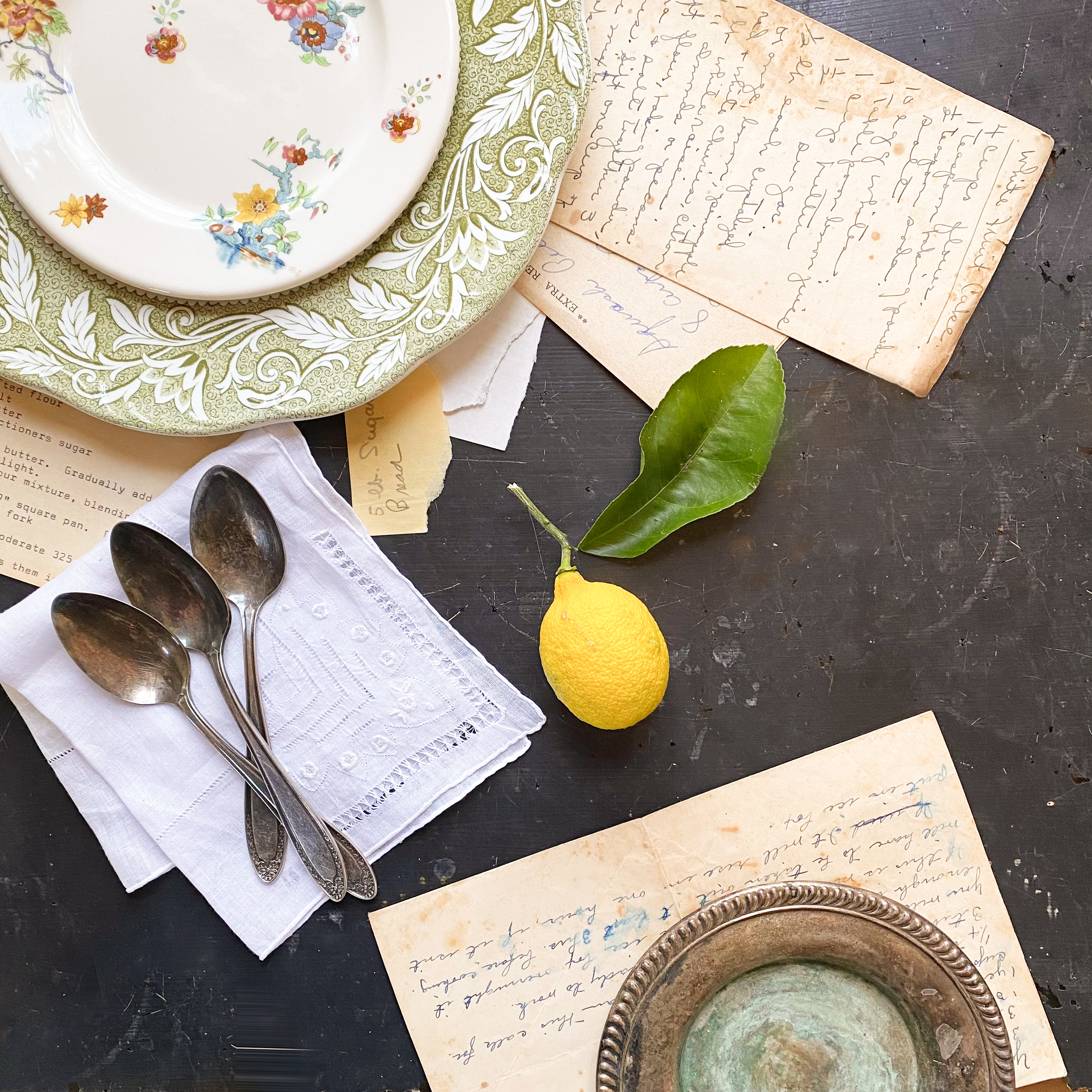
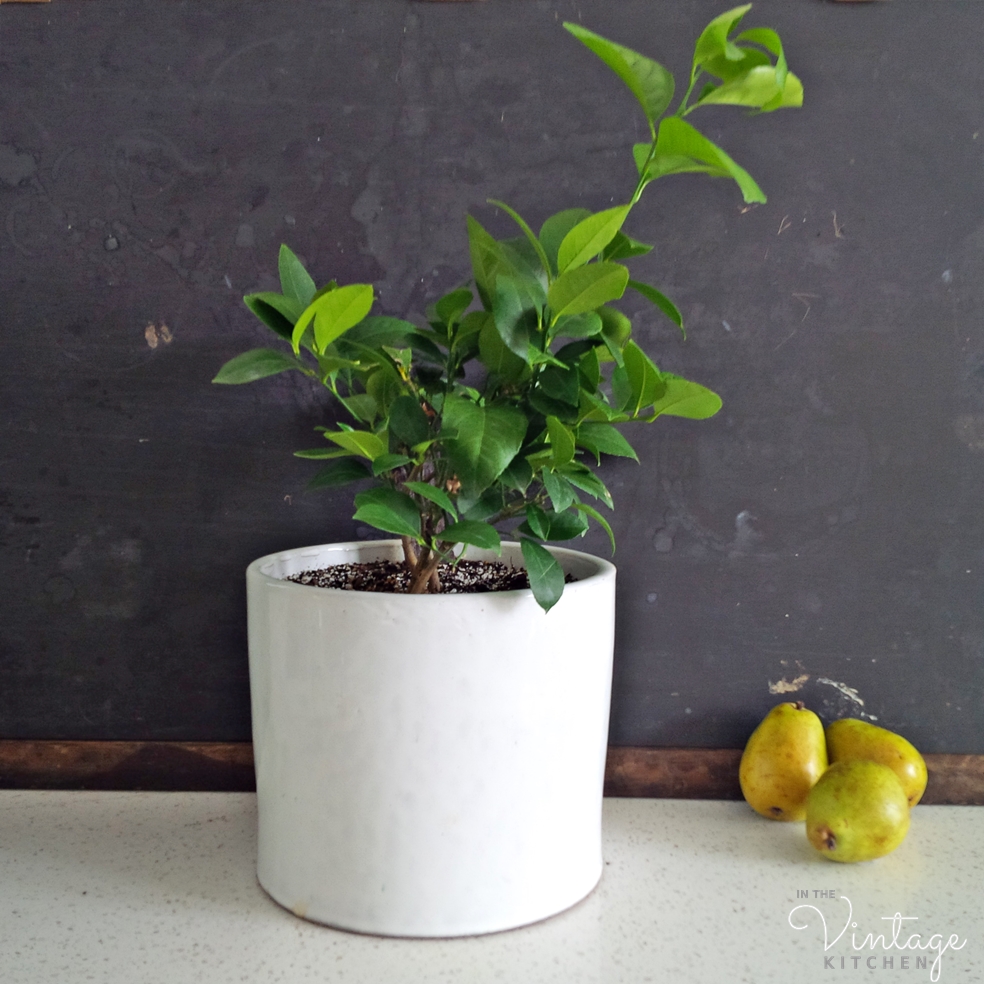
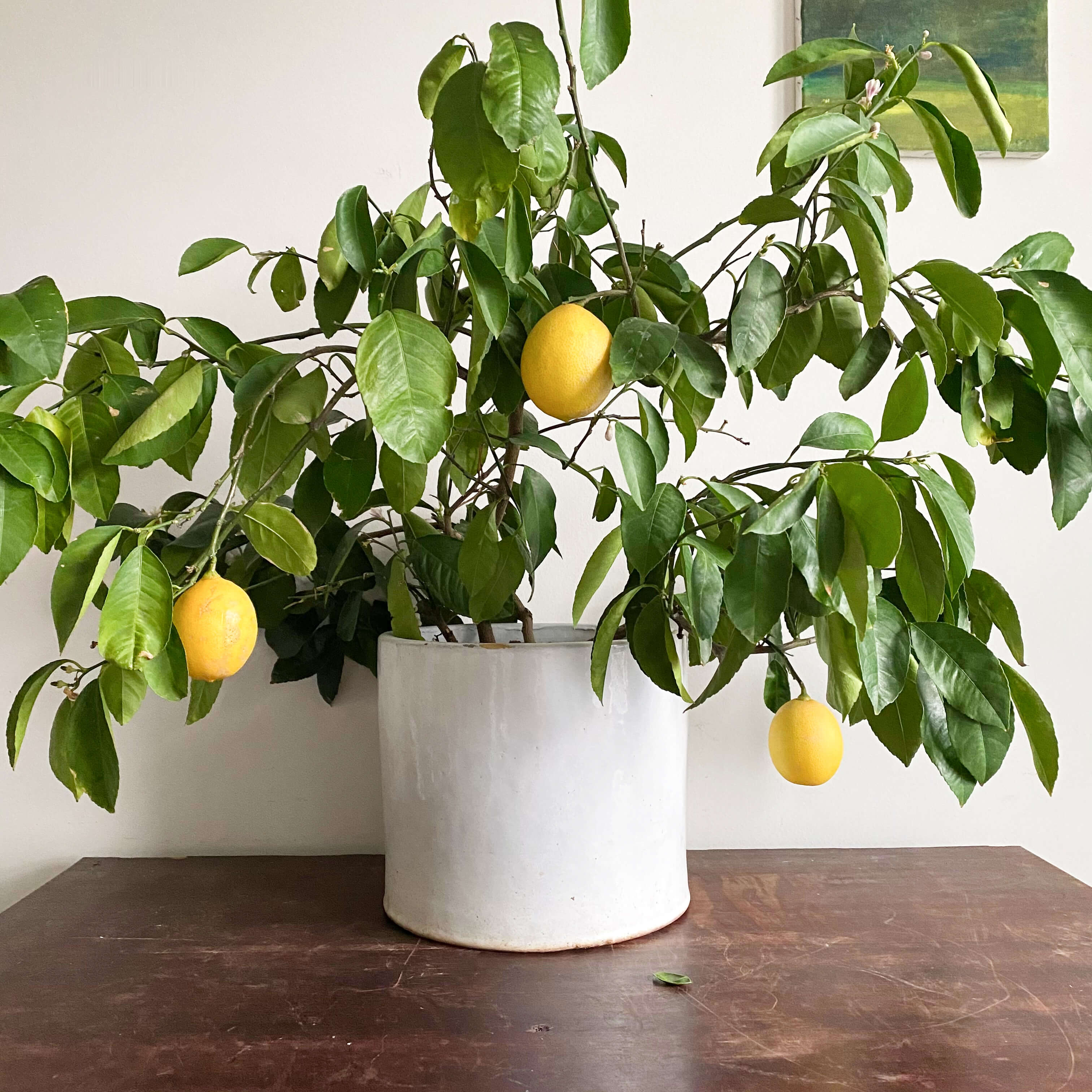


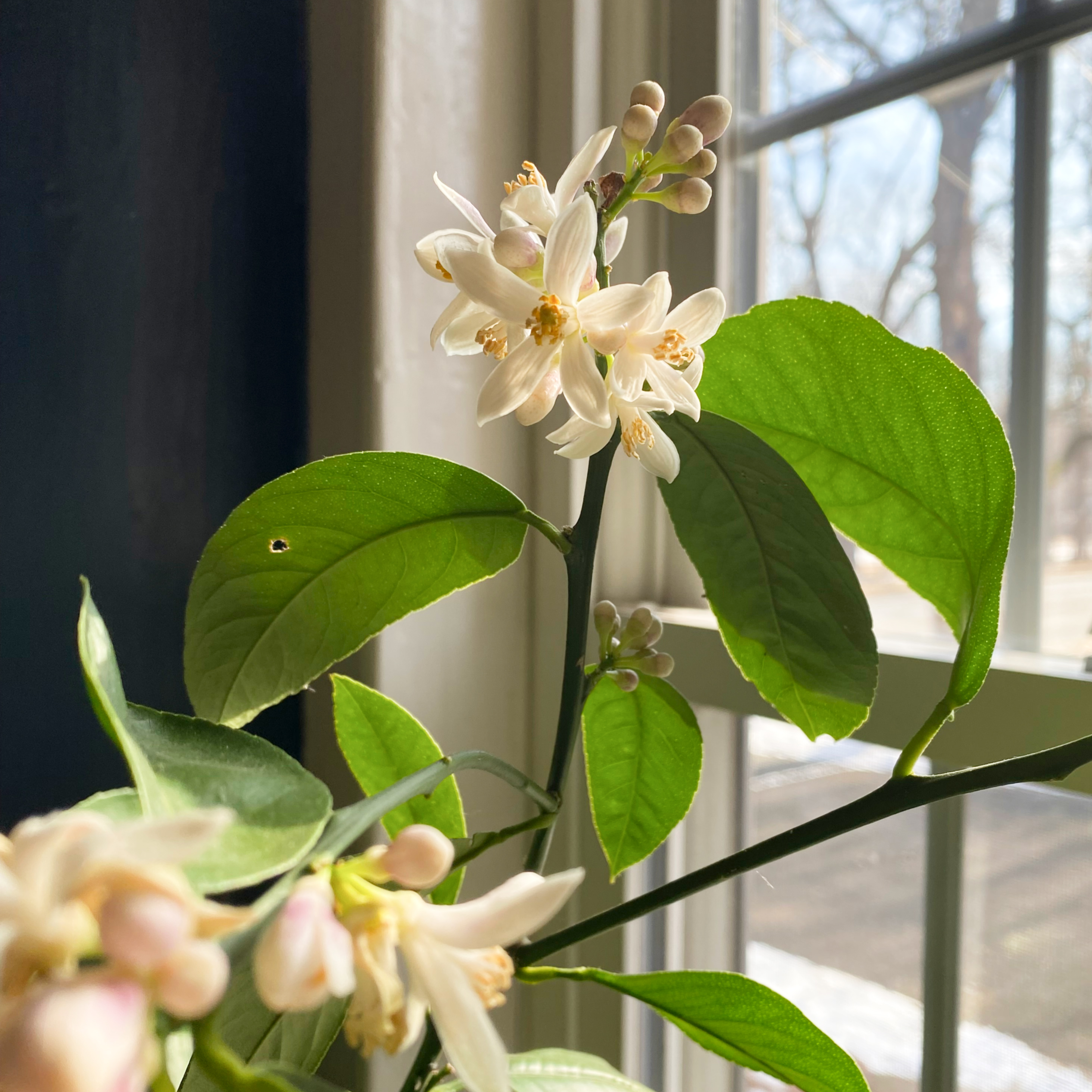


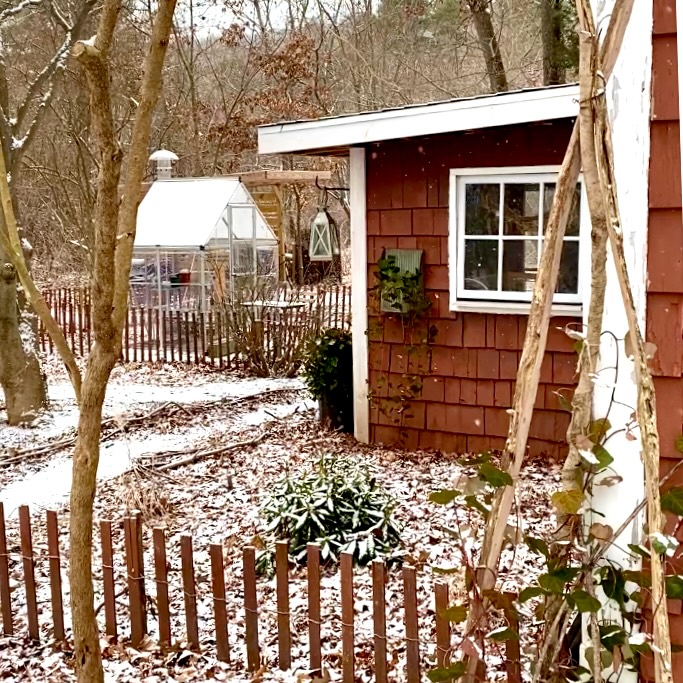


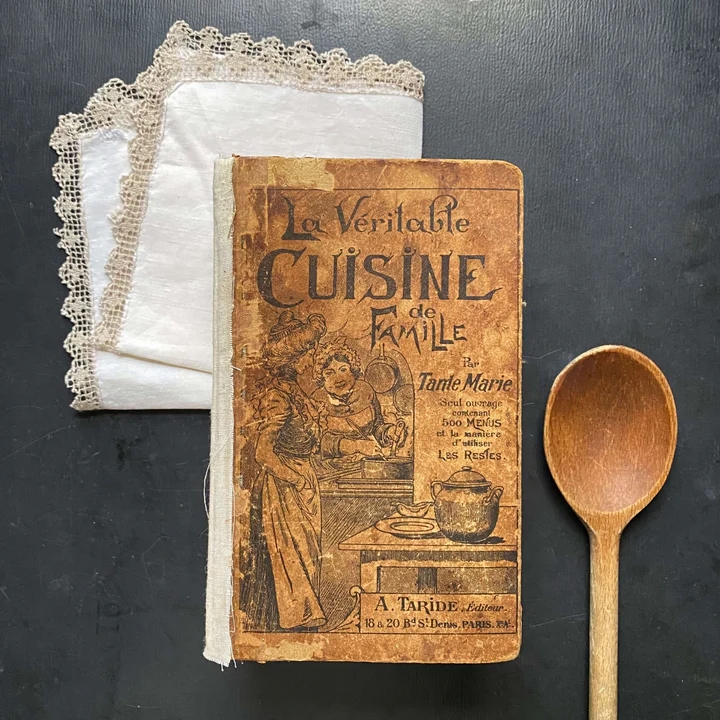
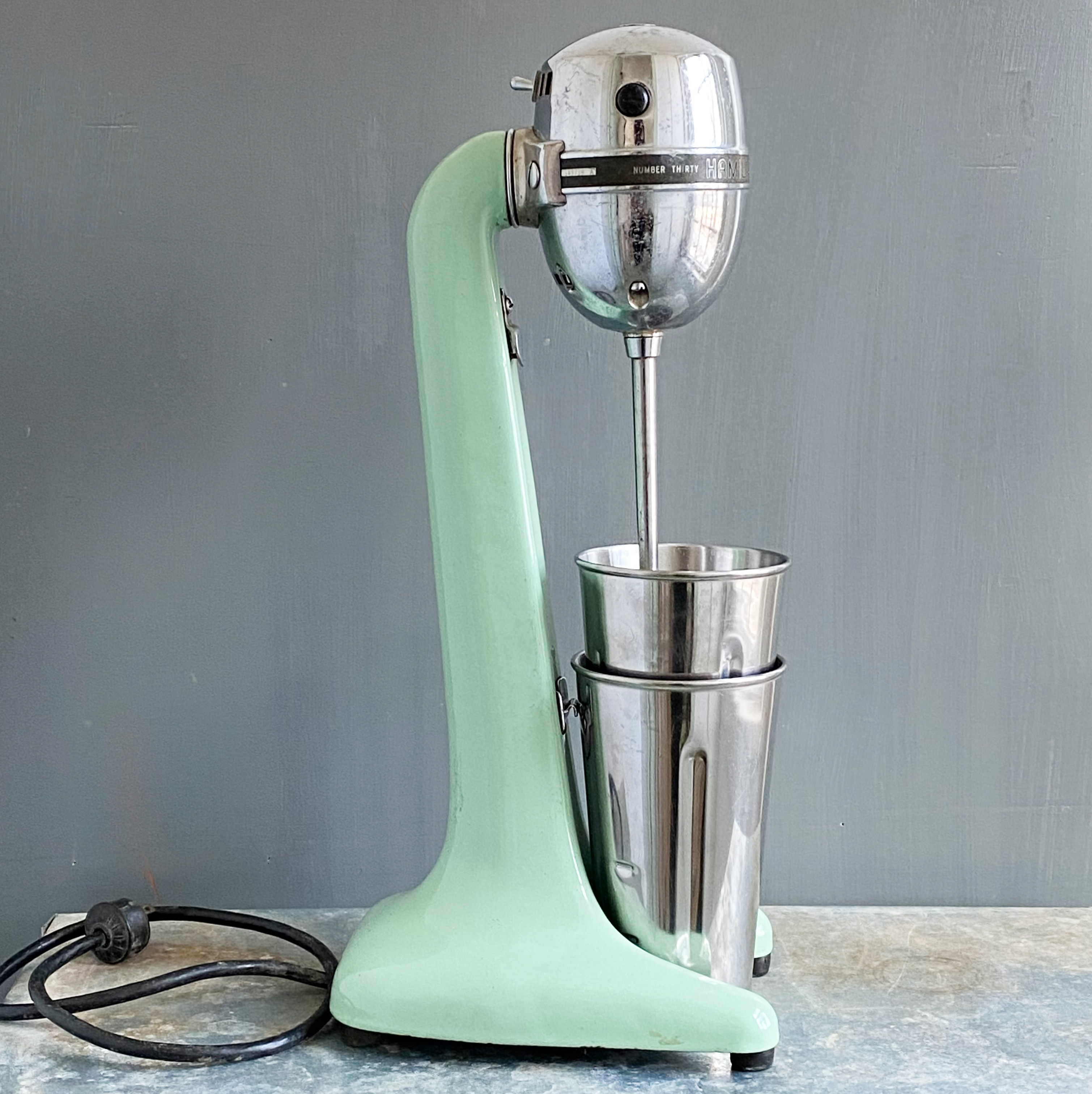

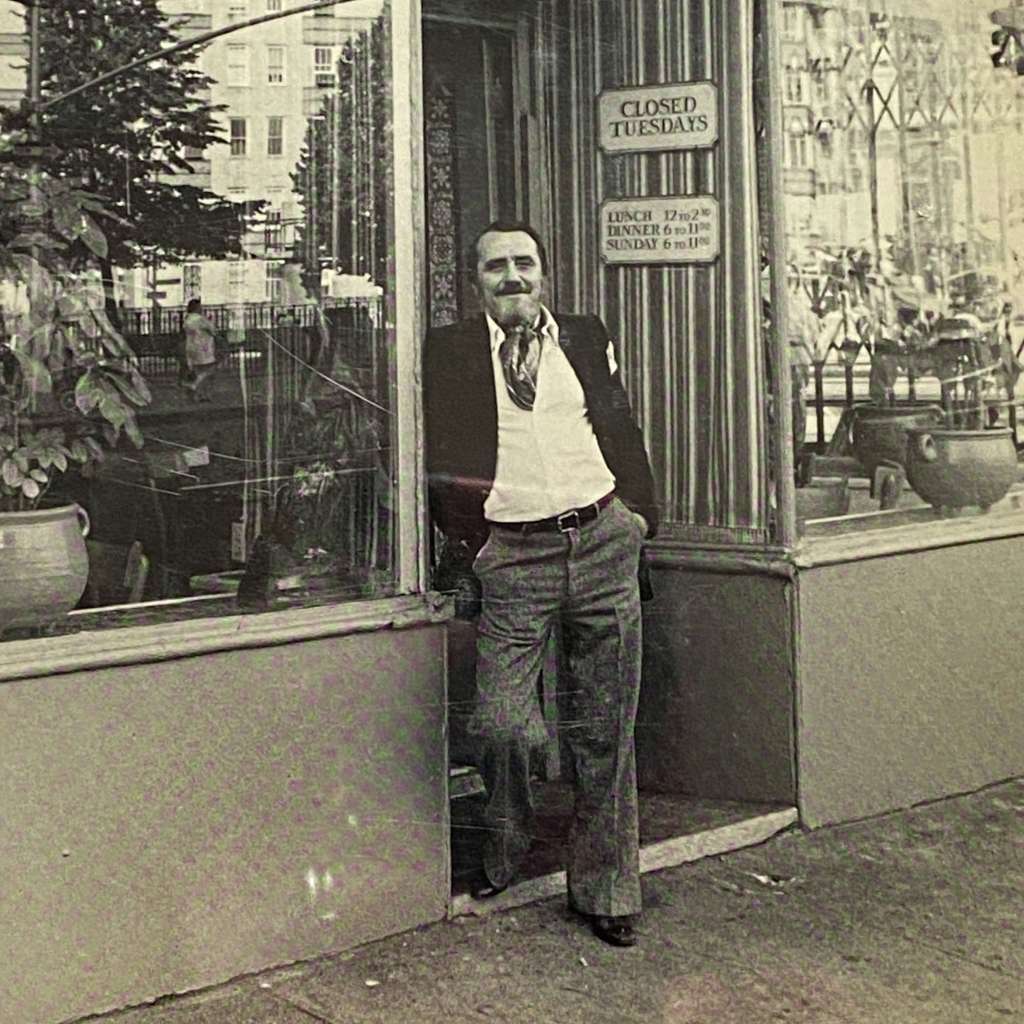
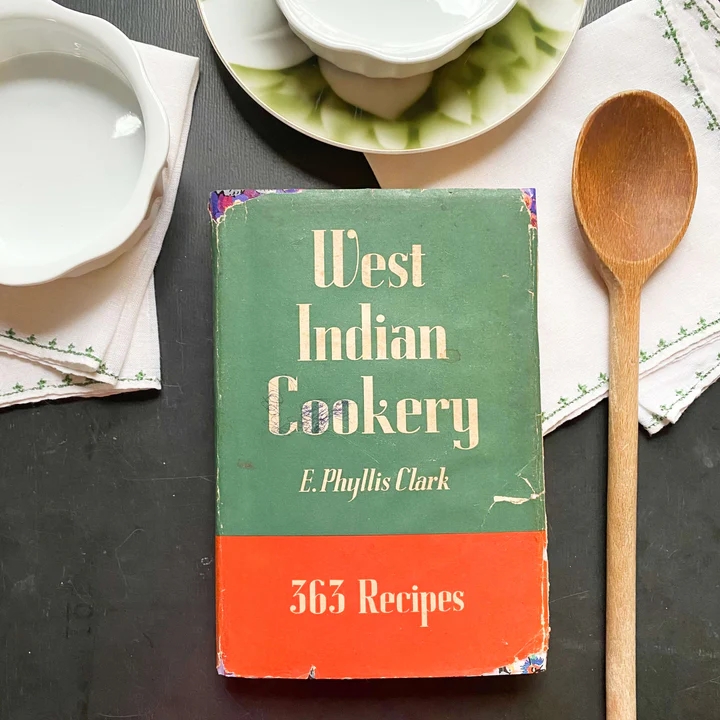


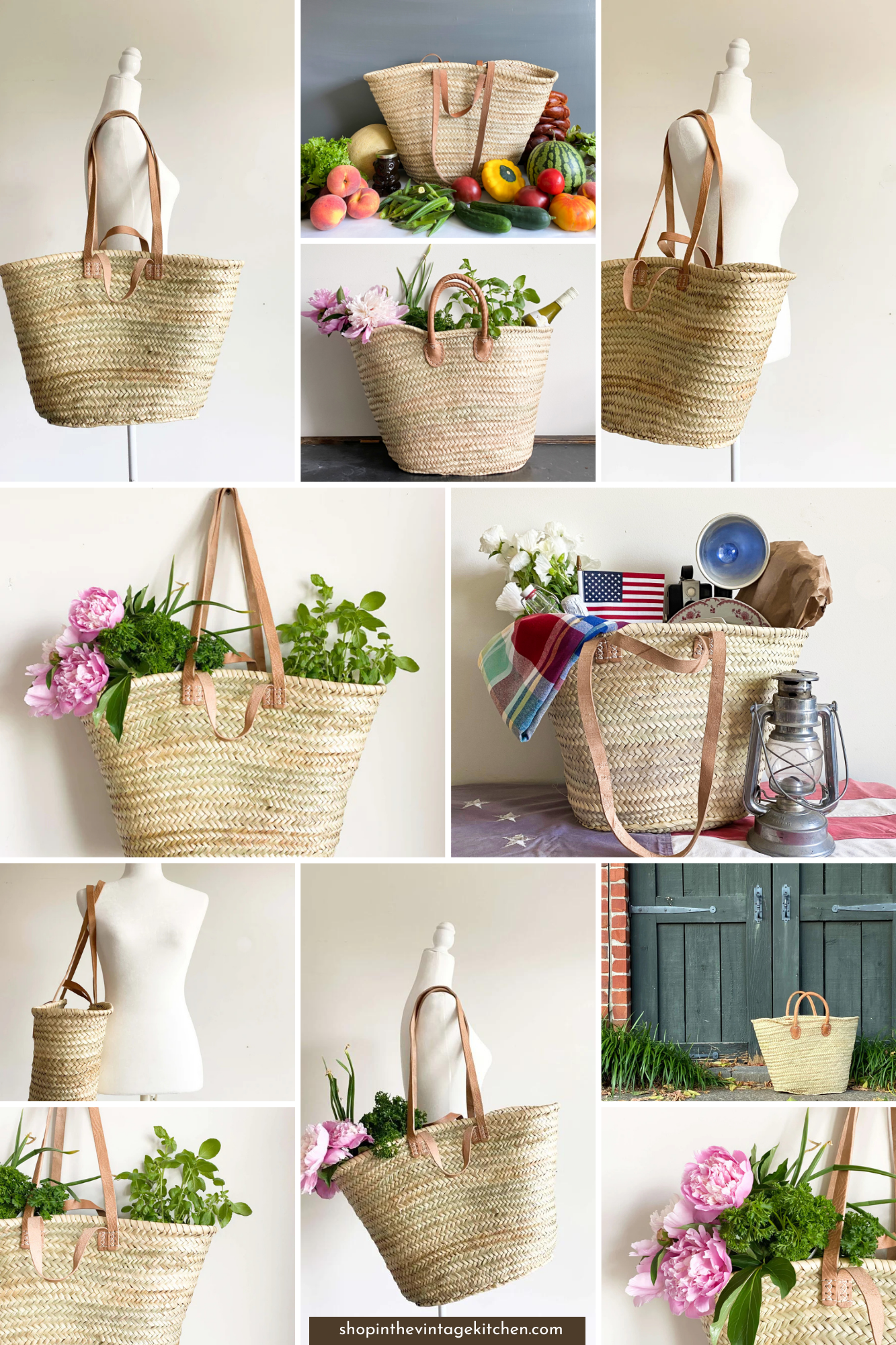
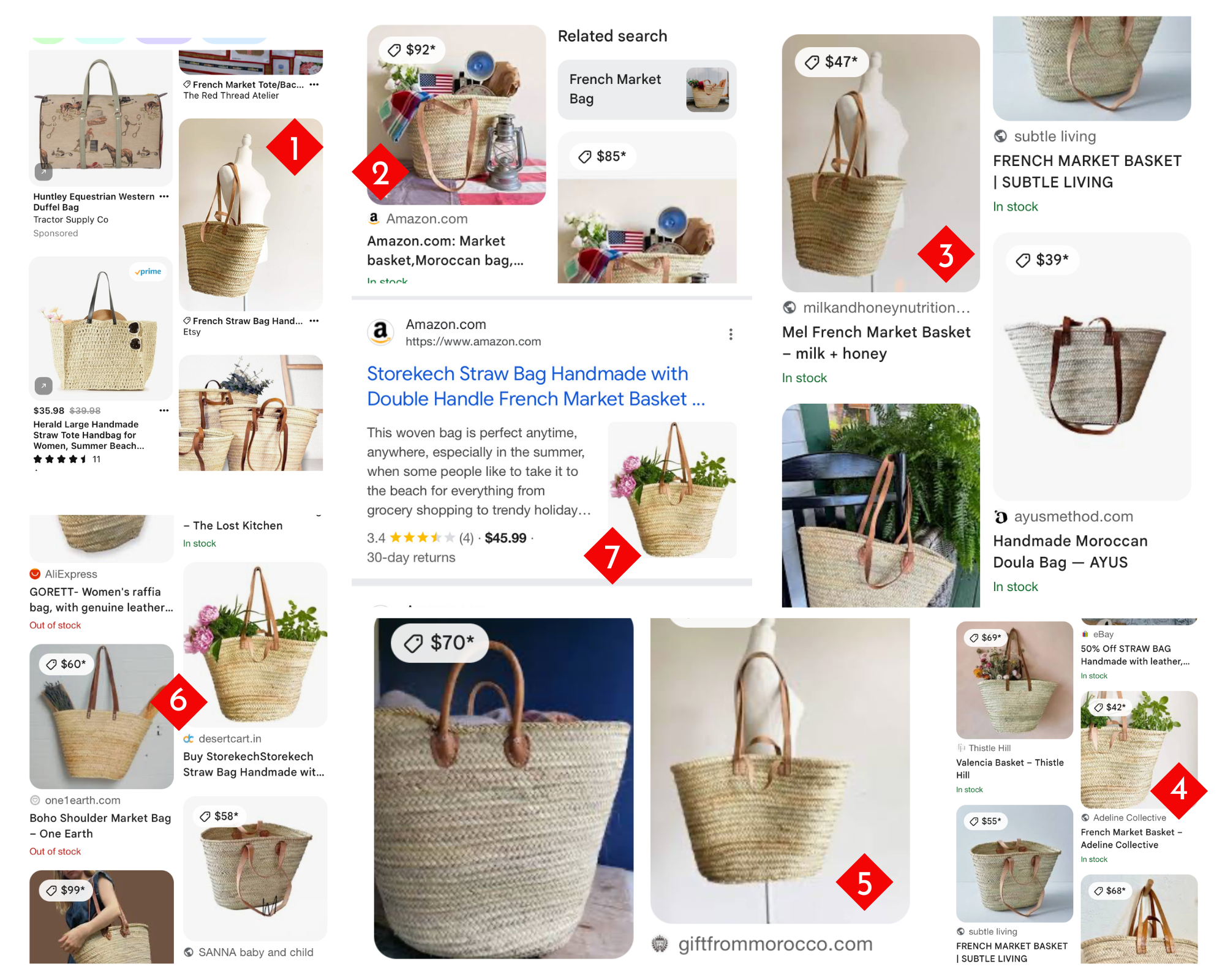


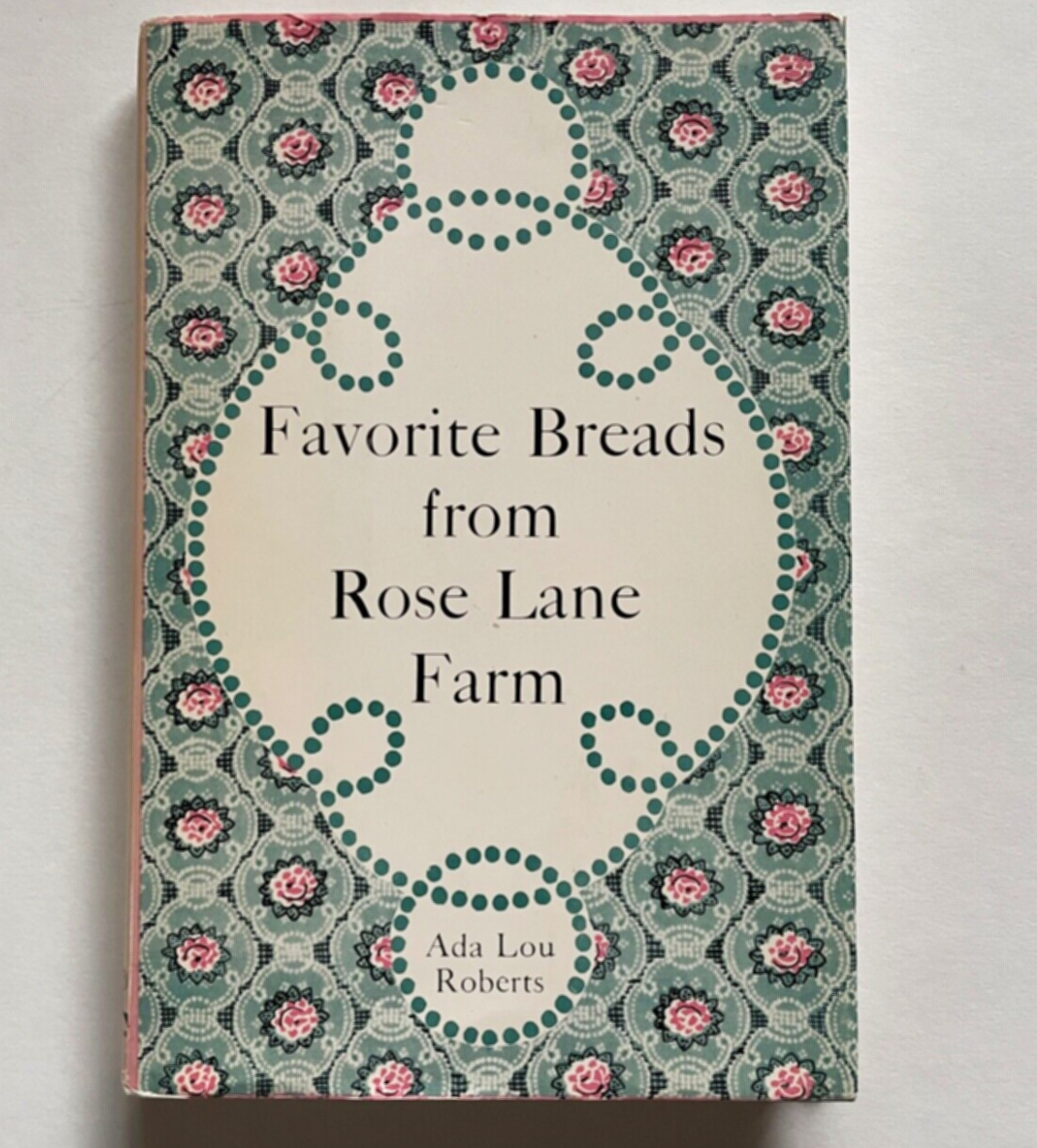

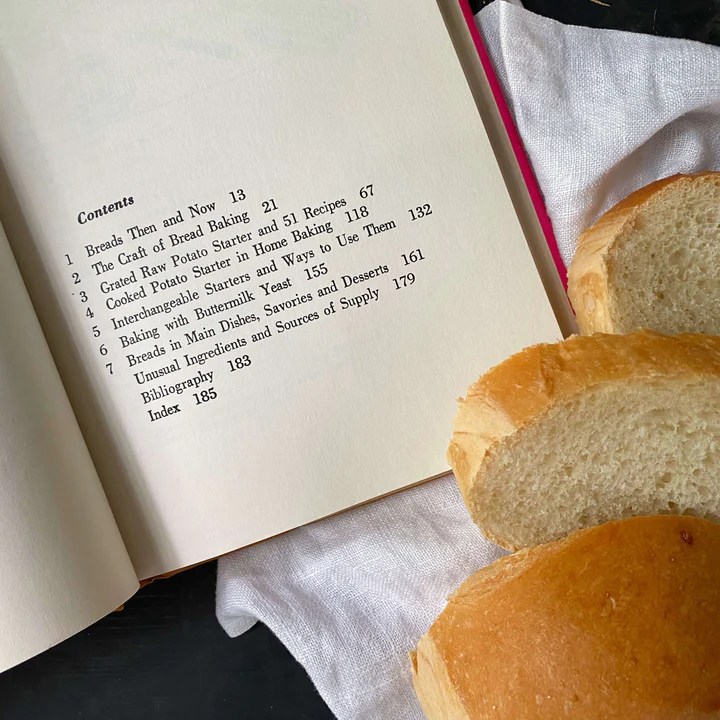


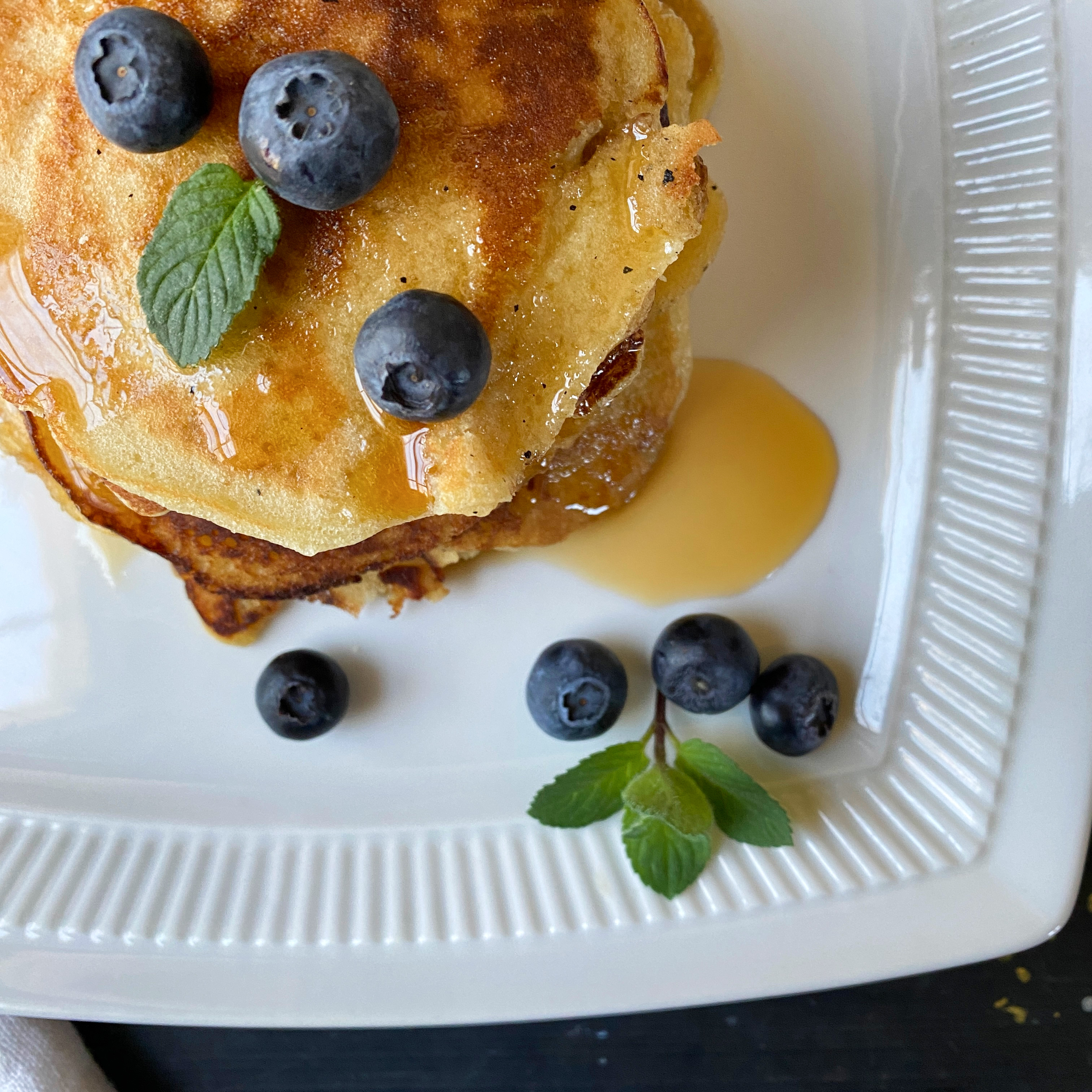


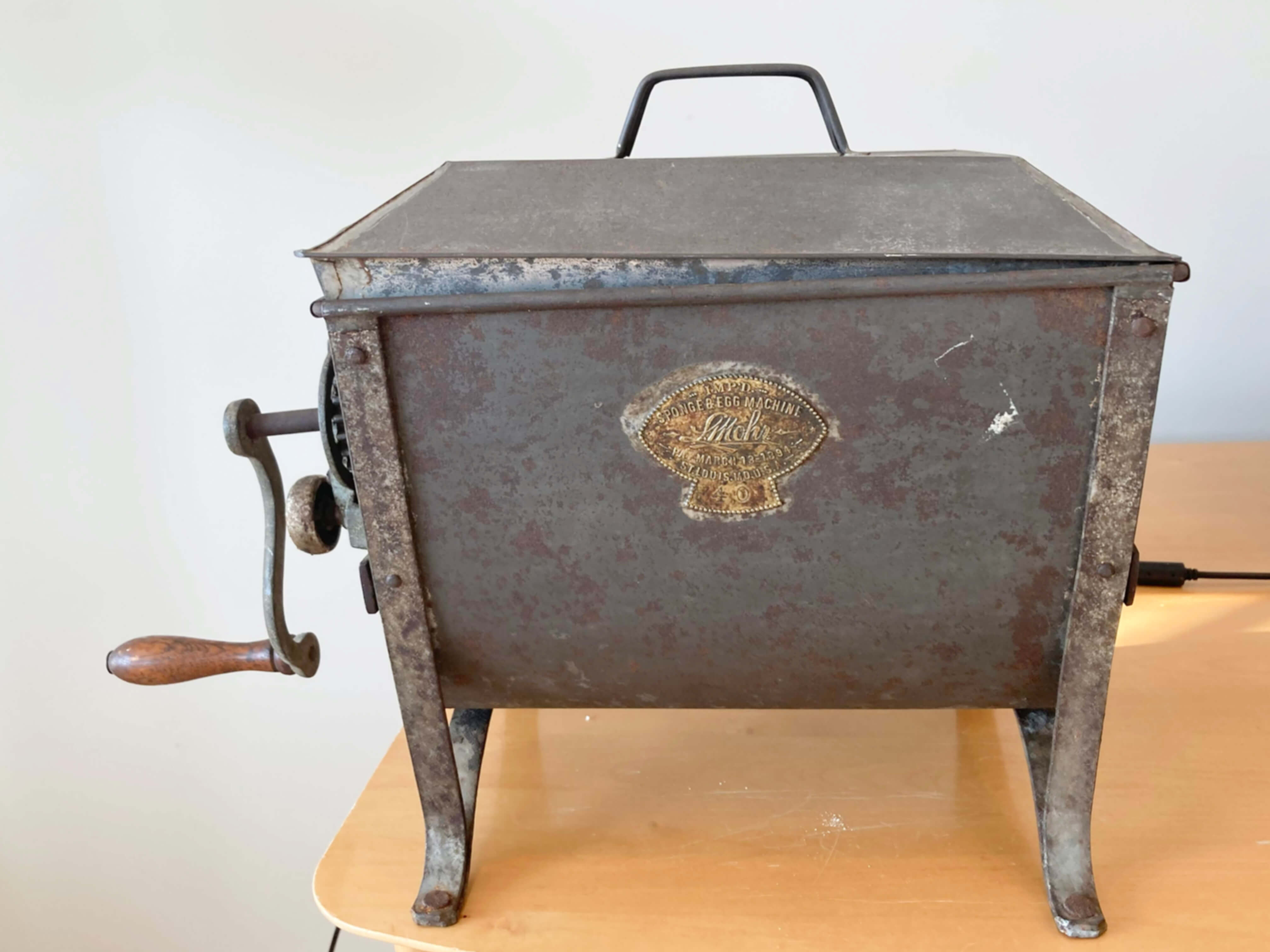

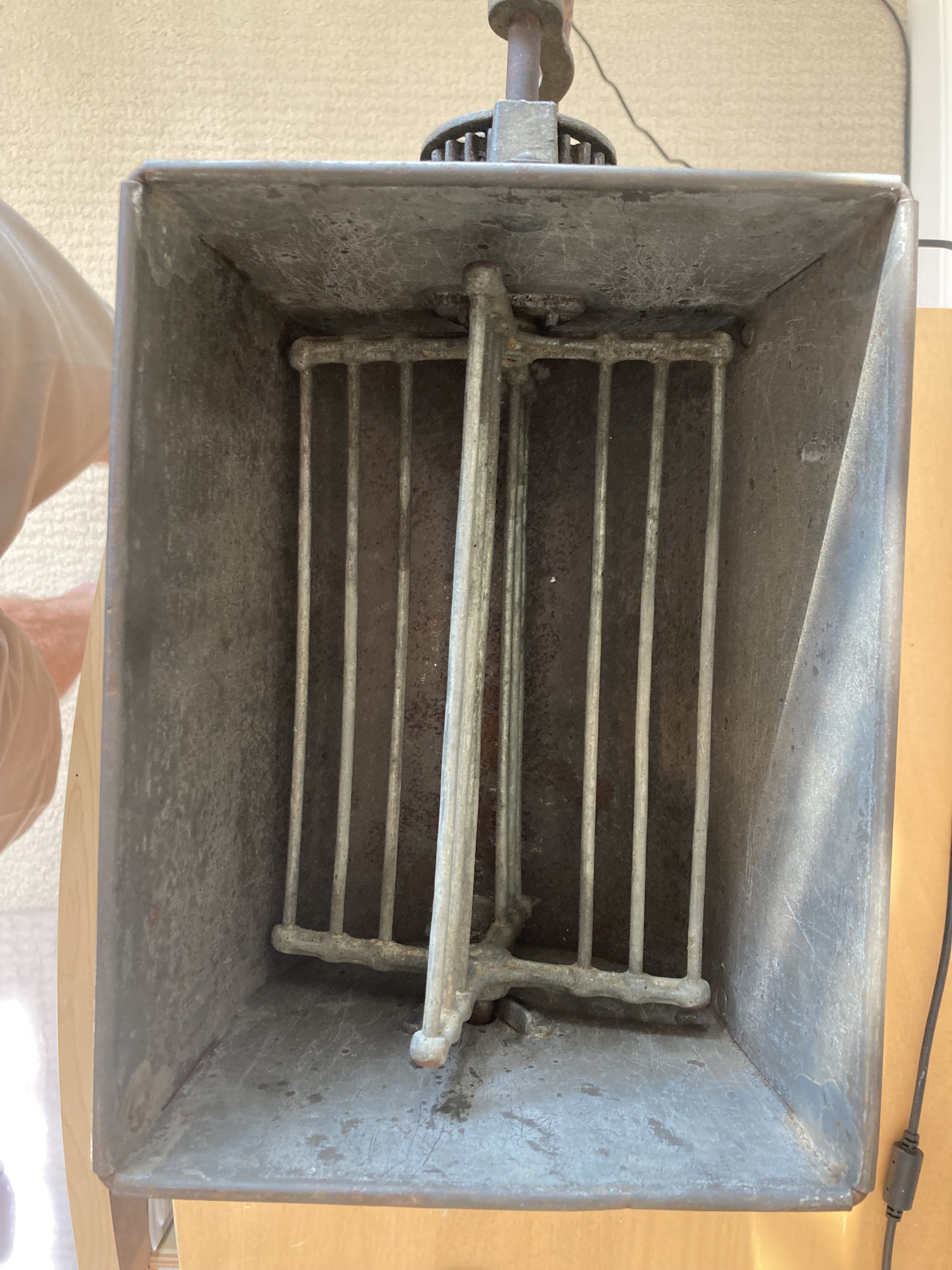


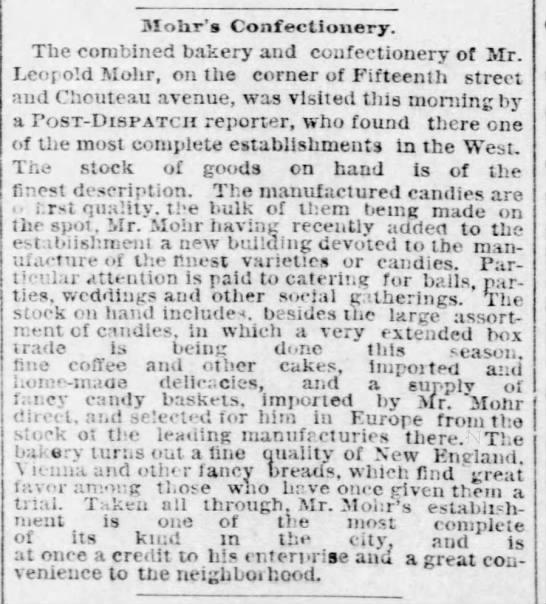

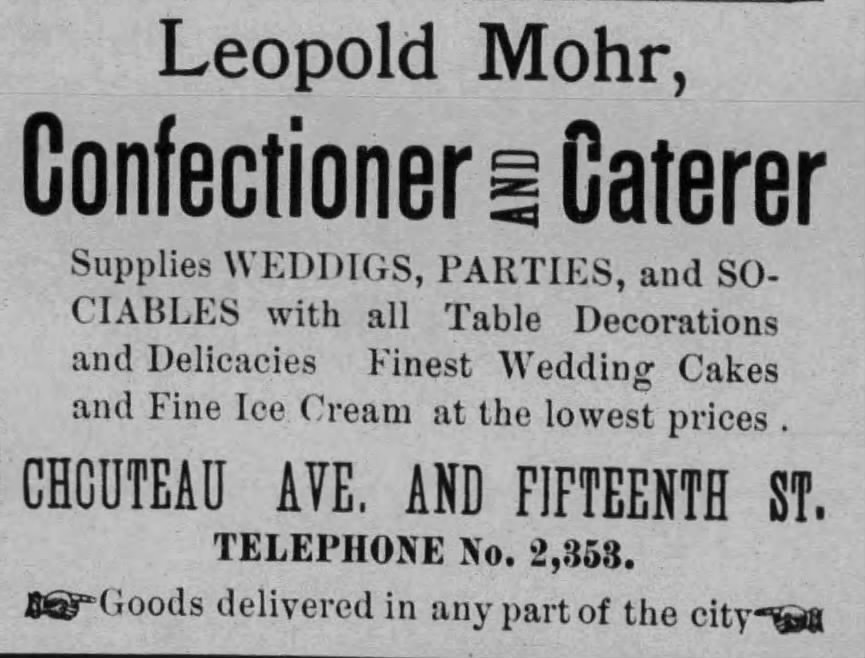


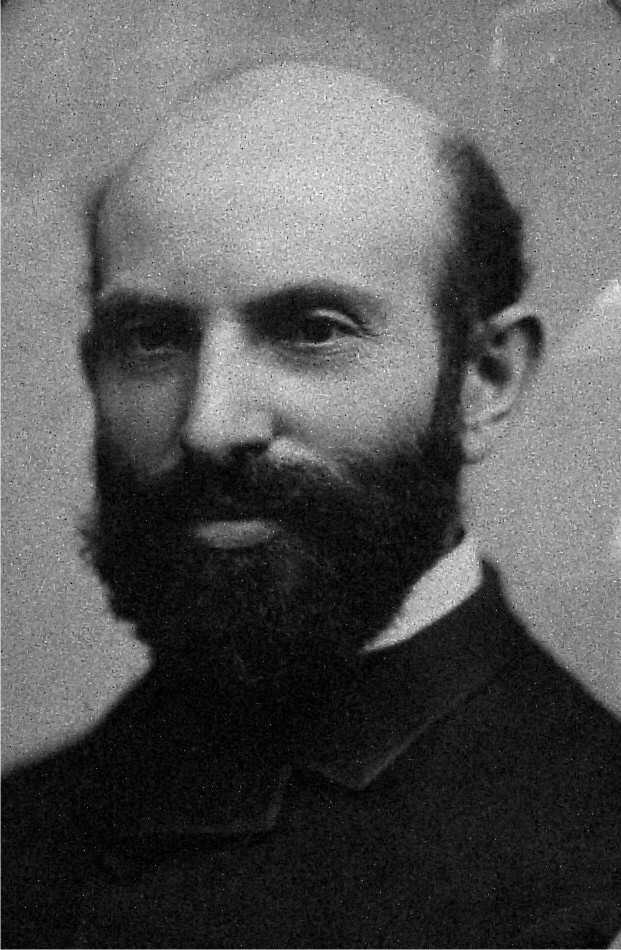






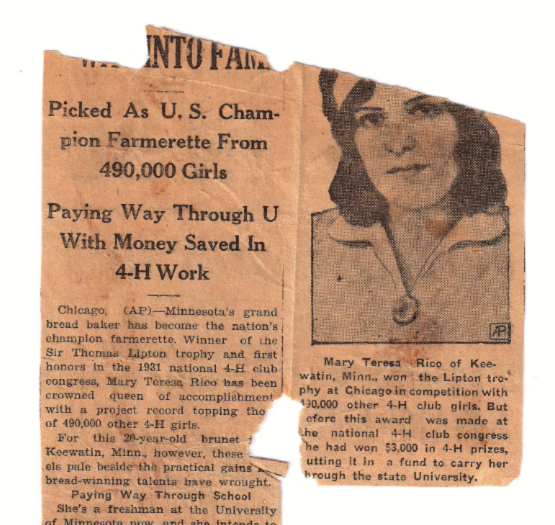







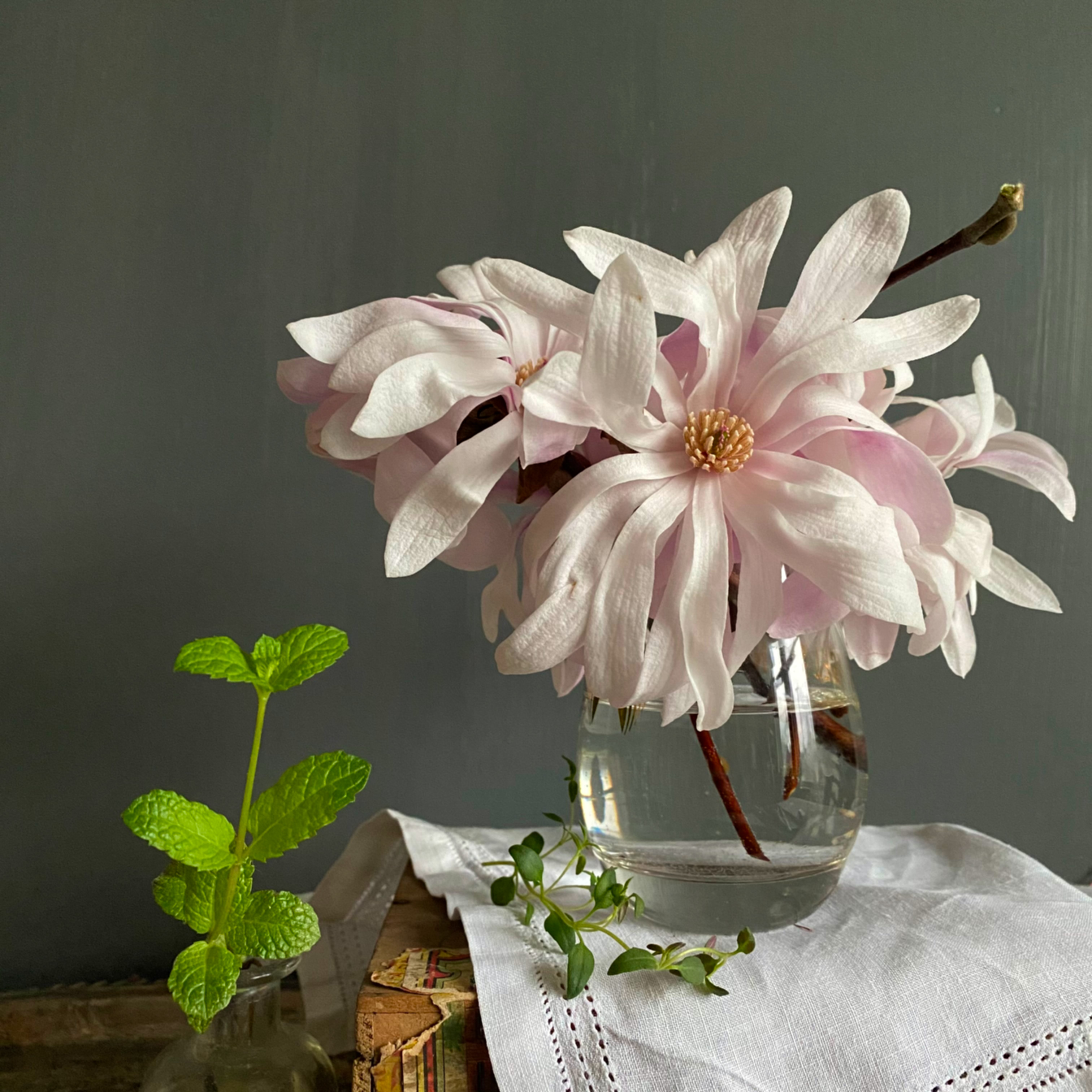


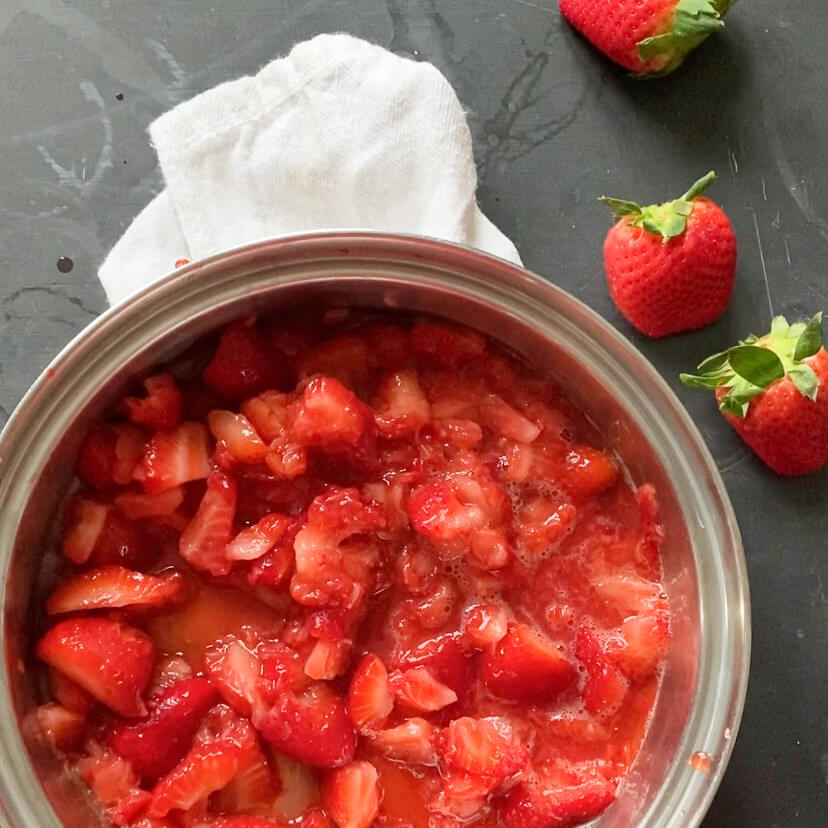
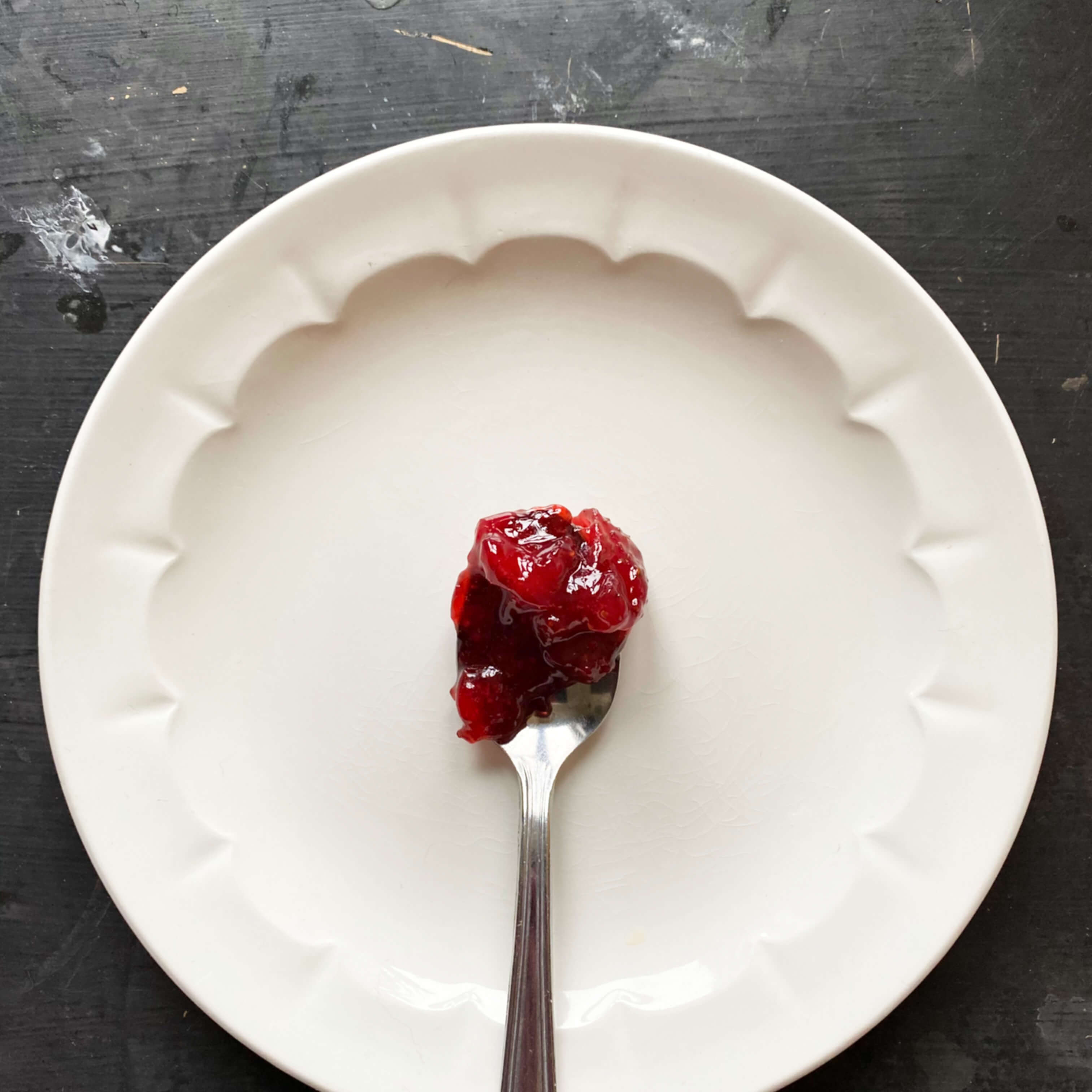











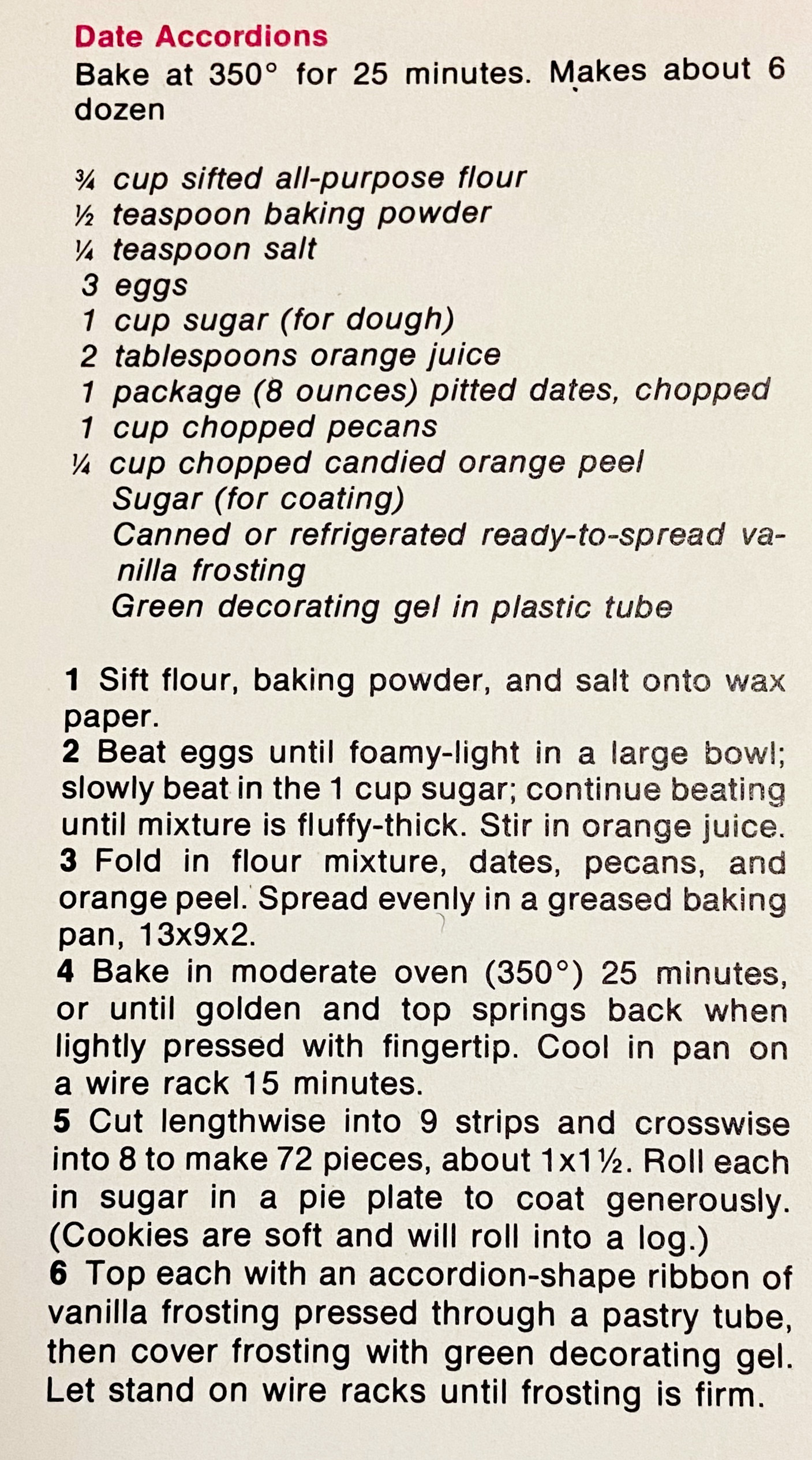


 In the Vintage Kitchen: Where History Comes To Eat