Snow is on the ground, freezing rain is in the forecast, and our first seedlings have just sprouted. It is officially time. The Greenhouse Diaries are back for a whole new year of growing adventures, experimental gardening, and wit and wisdom from some of the most interesting gardeners of the past three centuries.
If you are new to the blog, this series started in December 2022 as a way to chronicle our horticultural endeavors as we build up the heirloom gardens surrounding 1750 House with the help of our 4’x6′ polycarb greenhouse.
December 2022 in the greenhouse
With two full growing years behind us and lots of trial and error, we are now at the stage where we pretty much understand the general garden design and layout we want to achieve, the capabilities we are working within, the location of beds, the soil, the sun, the shadows cast by the tree canopies, and the wildlife that both helps and hinders some of our ultimate goals.
Each year, we establish a theme in January based on inspiration from a vintage garden book that helps set the direction for the next twelve months and organizes the project list. While the overall garden plan has changed quite dramatically since we first moved in in the spring of 2022, the Diaries have helped define and redefine expectations, capabilities and desires.
First bouquet from the greenhouse – winter 2023.
In Year One, hot off the trail of sixteen years of city and country gardening in the hot and humid South, we were keen on testing the greenhouse’s ability to grow an array of vegetables, herbs, and flowers during our first New England winter, all inspired by the writings of Katharine Sergeant Angell White and her 1977 book Onward and Upward in the Garden.
In Year Two, we embraced perennials native to the East Coast that would provide a pleasant aromatic scent to the garden across all four seasons, thanks to the 1977 book The Fragrant Year by Helen Van Pelt Wilson and Leonie Bell.
While we gleaned valuable information in both years and grew the garden successfully in many exciting directions, last year’s theme presented so many challenges that it made us rethink the perfumed garden altogether. In place of twelve new additions to the garden, we only added five… three bare-root witch hazel trees, a patch of perennial viola flowers, and a pot of Nemessia on the porch that slugs eventually enjoyed all the way down to tiny little nubs. The idea of planting an aromatic garden, while fun in theory taught us a lot about the realities of working within the confines of a Northeastern landscape. As we have come to learn, gardening successfully in New England means recognizing and embracing the seasonality of the landscape. And that means in winter, the natural world rests.
January 2025
While it is not a problem to acquire twelve aromatic plants in a year, it was difficult to acquire them on a month-by-month basis in keeping with the Diaries’ month-by-month writing/gardening schedule. We discovered last year that most growers with aromatic inventory won’t ship to our neck of the woods until late spring or after early fall to ensure a successful growing experience. Our own favorite local nursery closes down completely from the end of December to mid-March and larger garden retailers in our area start to remove outdoor plant inventory by the end of July.
This left a limited window of opportunity to plant a dozen new varieties which didn’t match up well with a month-by-month writing schedule. That being said, The Fragrant Year was set aside a third of the way through 2024 and the greenhouse became a holder for a hodge podge of succulents, herbs and experimental seedlings for the rest of the year. Too fun of an idea to let it go, we haven’t seen the last of the Fragrant Year project though. It will come back with a more appropriate planting schedule at some point in the next few years. In the meantime, the now-established witch hazels and violas planted last spring will represent the scented garden for now as we turn our attention to our new, much more accessible garden project for 2025.
January 2025 flower buds on the witch hazel
This year, our gardening endeavors involve building a perennial herb garden with the help of Adelma Grenier Simmons (1903-1997) and her book Herb Gardening in Five Seasons published in 1964.
Adelma was considered a definitive authority on herb gardening in the United States during the mid-to-late 20th century. A Vermonter by birth, in 1929 at the age of 26, Adelma purchased a rundown 18th-century farmhouse on fifty acres in Coventry, Connecticut with the idea that she and her parents would start a dairy farm selling cheese and butter made from their own herds of cowsa and goats. She called the farm Caprilands, which literally means goatlands in Latin.
Adelma Grenier Simmons in 1935. Photo courtesy of the Hartford Courant August 01, 1935. Photo by John Haley
Soon discovering that running a dairy while also maintaining a full-time job as an international buyer for a Massachusetts department store left little time to do both jobs well. Adelma began to rethink her farming dreams. Inspired one day by a walk up to a rocky hill on her land, feeling the sun’s warmth on her face and watching it move across a patch of scrubby terrain, Adelma’s thoughts turned to recollections of earlier travels to Europe and the beautiful herb gardens that decorated a similar landscape. An idea struck.
By the early 1950s, the Caprilands Herb Farm was well established and Adelma was on her way to becoming the foremost authority on herb gardening in America. Welcoming visitors from around the world, Adelma gave tours of the grounds and the gardens. She also taught classes, organized workshops, and hosted teas and luncheons at Caprilands for anyone interested in learning more about growing, cultivating, cooking, and collecting these multi-faceted plants.
1970s postcard of Adelma’s 18th century Connecticut home – Caprilands
Eventually, Adelma became known as America’s “First Lady of Herbs” and was credited with igniting the country’s interest in herb gardens. In addition to educating the public at home, Adelma also lectured extensively around the country, into her late 80s, inspiring generations of gardeners with her knowledge of herbal horticulture, history, and symbolism. The gardens at Caprilands contained between 200-300 different varieties of herbs at any given time and from them, Adelma preserved stems and stalks in dried bouquets and living wreaths, saved seeds, seasoned food, and wrote extensively on their presence in horticulture, history, cooking and decorating. Her farm became both a learning center and a bustling business spreading the joy of herb gardening around the world.
Adelma Grenier Simmons photographed in October 1984 by Don Heiny. Photo courtesy of Find A Grave.
When she passed away in 1997 at the age of 93, Adelma’s estate went into probate and got tangled up in legal matters preventing her ultimate wishes of turning the property into an educational resource center permanently open to the public. The legal battles, which lasted over two decades, eventually resulted in Adelma’s house being sold, dismantled, and relocated to upstate New York where it was rebuilt for a private buyer.
1970s postcard of one of the 30 different herb gardens at Caprilands
While Caprilands and the incredible herb gardens that surrounded it are now a thing of the past, thankfully Adelma was a prolific writer who shared much of her knowledge and enthusiasm for herbs in over four dozen books and innumerable pamphlets. In the 1960s, Herb Gardening in Five Seasons, kicked off her writing career. Covering spring, summer, fall, winter, and Christmas (the fifth season), Adelma’s book tackles just about every bit of information you would need to start, maintain, and build upon an herb garden of your own.
Garden layouts, botanical drawings, black and white photographs, recipes, and poetry fill the pages of Herb Gardening in Five Seasons while also providing detailed information on seventy-seven different plants, an herbal dictionary, and a pronunciation guide. One of the things I love most about Adelma’s book are the lists in the back that organize groupings of herbs by name according to specific situations… Herbs for Bees, Herbs for Dry Soil, Herbs for a Meditation Garden, Herbs to Grow as Hedges, Herbs for Tall Accent, Herbs for Sun-Filtered Shade, etc. It’s that latter list that interests me most since the majority of the garden spaces at 1750 House are bathed in partial shade throughout most of the peak growing months.
When I first discovered Herb Gardening in Five Seasons at a local book sale, a woman next to me asked if I had heard of Adelma. When I said that I had not, she proceeded to tell me a story about the time she went to a luncheon at Caprilands and about how Adelma had served the biggest salad bowl she had ever seen stuffed to overflowing with nasturtium flowers freshly picked just hours earlier. The woman said it was the prettiest salad she had ever seen, let alone eaten. Right then, I knew the book was bound for life and library at 1750 House. Thinking about how well the nasturtiums have grown each summer in the gardens here and the fact that her book includes not only gardening advice but also recipes too, it seemed like Adelma was the perfect teacher to assist us this year in our efforts to create a permanent herb garden.
It wasn’t until after I was home that I noticed that Adelma had inscribed the book to a previous owner. To Carol, it reads… May herbs enrich your life and bring you joy for all seasons. Adelma Grenier Simmons.
Here it was. The final nudge from Adelma to get the garden growing. Over the next twelve months, I cannot wait to share her insight, wisdom, and instruction through our herb gardening adventure. In the next Greenhouse Diaries post, I’ll share the layout and location of the herb garden and the list of herbs that will get us started, courtesy of Adelma’s helpful garden guide and companion planting lists.
In addition to Adelma’s final wishes to turn Caprilands into a teaching facility and an educational resource, she also fancied the idea of creating a network of other herb farms around the country that shared a like-minded enthusiasm for herbal outreach and education. Since Adelma’s wishes for her beloved gardens at Caprilands never came to fruition, it is nice to be able to honor her here in our herb garden adventure at 1750 House. Perhaps in our own small way, it’s part of the start of the cross-country garden network that she envisioned so long ago.
Cheers to a whole new year of gardening, to Adelma for sharing her knowledge of herbs, and to the greenhouse who is proving to be a wonderful teacher herself.
On August 28th, 1963, Martin Luther King Jr. delivered his I Have a Dream speech in Washington D.C. Four decades earlier in 1921, a southern domestic cook named Malindy Walker, locally known as Aunt Malindy, delivered her own inspiring words in Fayetteville, Arkansas. Unlike MLK Jr., Malindy’s words weren’t spoken on a national stage, nor did they reach thousands of admirers. Malindy’s platform was her kitchen and her audience was just a handful of people involved in the publishing industry. But like Martin Luther King Jr., Malindy’s words managed to change the status quo when it came to equality in the kitchen. And she did it with food.
Malindy Walker aka “Aunt Malindy.” Photo courtesy of Good Housekeeping, January 1921
As a longtime domestic cook for the family of Rena Buchanan Shore Duncan, Malindy’s reputation for good cooking was well-known in the Fayetteville, Arkansas area. Featured in the January 1921 issue of Good Housekeeping magazine, in an article written by Rena, Malindy shared cooking secrets for some of her best-loved recipes including Corn Dodger, Southern Chocolate Cake, Fried Chicken, and Buttermilk Biscuits. Enhancing the article was a portrait of Malindy herself, looking confidently at the camera.
At the time, it was unusual for magazines to feature African-American cooks, especially with a portrait included. When Good Housekeeping suggested photographing Malindy at home in her cabin, she said absolutely not. She wanted to be photographed portrait-style just like all the other white cooks had been photographed in previous issues. Malindy was proud of her recipes and she wanted to be treated no differently than any other good cook regardless of her gender or ethnicity.
Good Housekeeping granted Malindy’s request and her portrait was featured front and center in a two-page spread surrounded by her best recipes. I found this little snippet of a story to be so inspiring on several different fronts. First, there was Malindy’s insistence on being treated like everyone else. Second, there was the magazine’s recognition and approval of her request. And third, there were the recipes themselves – examples of beloved southern foods perfected by an African American woman who represented a large swath of kitchen workers that all too often received little to no recognition for their own contributions to the American culinary landscape. In celebration of Martin Luther King Day, we are celebrating Malindy Walker and her courage to dream for an equal place in the kitchen.
This insistence surrounding a specific photography setup might seem like a small win in the big fight for equal rights, but Malindy’s request did set a tone for how she wanted to be viewed and respected. And it made an impact. So much so that the editorial team noted the story surrounding Malindy’s photograph in the article, forever recording in print, her desire for equal treatment.
Apart from the handful of recipes included in the article and bits and pieces of information learned in census records and newspaper archives, details about Malindy’s life are vague. It was believed that she was between 80 and 90 years old when her portrait was taken for the magazine. On her death certificate, her date of birth along with her parent’s names is simply marked unknown. But at the time of her death in 1931, she was rumored to be over 100. She was married and then widowed. At the time the article was published, Malindy lived in the Spout Spring area of Fayetteville. This neighborhood, also referred to as Tin Cup, was established following the American Civil War by formerly enslaved African Americans.
A view of South Fayetteville circa 1890. the Tin Cup neighborhood where Malindy lived is unseen but located just below the rolling hill in the foreground. Photo courtesy of FayettevilleHistory.com
There are so many facets of Malindy’s life that raise curiosity and questions including interest in understanding her own possible enslavement story, her loyalty to Rena’s family, her cooking journey, and whether or not she had children of her own.
Rena Buchanan Shore Duncan (1887-1978)
Following the publication of the Good Housekeeping article, Rena went on to write more about Malindy in future pieces for the Saturday Evening Post in which she received praise for writing in the dialect in which Malindy spoke. Although at the time, this style of storytelling made Rena’s writing popular, her stories would be considered offensive and insensitive today. That makes Malindy’s recipes and the publication of them alongside her portrait all the more important. They mark her place in time, in the world, and in history during a century that saw so much change in the lives of African Americans living in the South.
In that spirit, I’m so pleased to share Malindy’s antique recipe for buttermilk biscuits. Spend any amount of time below the Mason-Dixon line – a day, a week, a lifetime – and you’ll quickly learn that each homemade batch of biscuits has its own way of coming together. All Southerners have their own unique take on what the best biscuit is made of and Malindy was no different. Some recipes call for lard, others call for butter. Some contain a small amount of buttermilk and a large amount of baking powder or a large amount of milk and a small amount of baking soda. There’s yeast, no yeast, double rise, no-knead, flavored, plain, dense, doughy, puffed, pillowy, and light-as-a-feather varieties that come in all shapes and sizes.
Malindy’s recipe features a small amount of lard, several cups of flour, a pint of buttermilk, and equal amounts of baking powder and baking soda. Although so many home cooks in the south attest to the fact that lard makes a better biscuit, I substituted butter in place of it in this recipe since it calls for so little fat. I wouldn’t be doing much cooking with lard post-recipe, so it would it seem like a waste to buy an entire package of lard just to use two tablespoons. Other than that I made Malindy’s recipe exactly as she suggested and the biscuits turned out beautifully, with a satisfying crunch on the outside and a soft, flaky texture on the inside. Depending on the size of your biscuit cutter, this recipe makes up to two dozen biscuits, which can be stored in the fridge for up to a week and reheated for five minutes in the oven at 350 degrees. Malindy recommended always serving them hot, and I would totally agree, as their composition becomes more dense when they are cold.
Malindy Walker’s Buttermilk Biscuit Recipe circa 1921
4 1/2 cups flour
1 teaspoon baking powder
1 teaspoon baking soda
1 1/2 teaspoon salt
2 tablespoons lard (or butter)
1 pint buttermilk (two cups)
Sift the flour, baking powder, baking soda, and salt together. Mix the lard or butter in well and add the buttermilk.
Knead until very smooth, roll to a half inch in thickness and bake about 15 minutes in a hot oven (450 -475 degrees).
Best when enjoyed straight from the oven, the top and bottom of the biscuits have a nice crunch to them, like toast, but the inside is flaky and pulls apart in lovely little layers. If you are interested in a complete Southern experience, you could serve these with a side of gravy and thinly sliced ham or pile them high on a platter and serve them for breakfast alongside bacon and eggs smothered in cheese. I recommend serving them with butter and jam or a drizzle of honey. On a cold winter’s day, paired with a cup of coffee or tea, it’s a little meal unto itself.
When Malindy passed away in January 1931, her obituary was printed in the St. Louis Argus. In it, they referred to Malindy as a “famous character” and it was noted that she was buried in the “white cemetery” in Rena’s family plot. Tracing African American lineage in the South is such a challenging endeavor when you know few facts about a person. I think that is what makes Malindy’s story so fascinating though. There were actually quite a few details recorded about her life including a portrait of her and information that provided insight into her character. Her love of cooking reached people far beyond her own kitchen and became the tool that helped her feel empowered enough to stand up for herself and what she deemed fair treatment. It would be wonderful to uncover more information about Malindy’s long life, so I’ll keep researching her throughout the year and share any new news I find with an update on this post. In the meantime, we have her biscuits.
Cheers to Malindy for sharing her best recipe and for standing up for equality in the face of marginalization. Martin Luther King Jr. was born just two years before Malindy died, but had he known her in his lifetime, I bet he would have been so proud of her.
Thousands of lives spend time in our kitchens. Every day, every week, every year. Even if your living situation is made up of just one or two people, dozens more move about your cooking space, unseen, whispering stories of history and heritage, of comfort and cooking secrets, of design and innovation, of hopes and dreams. I’m not talking about ghosts here, although maybe if you are an old home dweller you have a few of those too, but I am talking about the neverending inspiration brought forth by generations of cooks, inventors, gardeners, and artisans from years past that have made your kitchen and your cooking experience what it is today.
Hello and Happy New Year! There are so many exciting stories to share this year here on the blog, spanning centuries of history gathered from around the globe, that I can’t wait to get started. As the old adage goes, we have to look back in order to go forward, so despite challenging events occurring in the world on what feels like an overwhelming scale, this year, here in the Vintage Kitchen we are doubling down on sharing good stories about good cooks, making vintage recipes that provide comfort, connection and community, and highlighting moments from history that embrace the joyful celebration of food, friends, family and flowers. This inspiration to pack the year full of joy is thanks to an unlikely source who set the tone for the year on Day 1 of 2025.
Just as the sun was rising over our cold and frosty New England landscape on New Year’s Day, Liz, our seven-year-old potted lemon tree, presented her first, fully formed, sunshine-yellow Meyer lemon in four years. A major feat considering the many trials Liz has faced during much of her life, this gift of a sizeable, perfectly formed, perfectly ripe lemon was just the kind of joyful symbolism needed to set the Vintage Kitchen on the path to positivity and optimism heading into the new year.
Since she first became part of our plant family, I’ve written quite a bit about the life of Liz and the problems she’s encountered, but if you are new to the blog, here’s a quick recap. In 2018, Liz was a young sprout new to the world…
Fast forward a year later and Liz was happily growing bigger and more beautiful by the month, living the metropolitan city life in a sunny window down South. Her first harvest produced not one lemon, but three.
A year later in the spring of 2020, Liz suffered major wind damage from a tornado that blew through town not only breaking apart dozens of buildings in our neighborhood but also breaking a portion of Liz’s main branch and ripping apart 2/3rds of her underground root structure. She survived the ordeal, but just barely…
Not long after, she had a scale outbreak and just after that, she embarked on a South to North move that introduced her to an entirely new climate. By the time she landed in New England in 2022, Liz was looking pretty beleaguered.
Once the greenhouse was constructed in April of that same year, Liz was the first resident to call it home. Even though she was just a mere whisper of a tree at that point, my fingers were crossed that the warmth and the sun and the bright light, plus additional food and fertilizer, would be just the combination of care that she needed.
It took two full years and staying put in the same spot in the same pot, but Liz finally found her footing again thanks to the security of the greenhouse. Now measuring in at over 32″ inches in height, she’s made a substantial comeback.
She might not be back up to 2019 shrub-like status yet, but as you can see, she’s on her way to a full recovery. Over the course of last year, she flowered and formed baby lemons but none stayed on the vine long enough to grow weight and promise. Except two. A raccoon grabbed one of the lemons for a late-night snack but the other we watched grow bigger all summer as Liz herself grew bigger with larger leaves and longer branches. When the winter frost warnings came in late October, I brought Liz inside for the extra warmth and over the Christmas holidays, she rewarded us with clusters of citrus-scented flowers and the slowly ripening lemon.
After watching it turn from lime green to chartreuse to citron and then yellow, last Sunday, in a moment of long-anticipated celebration, I clipped this lovely little fruit from its branch and said a big thank you to Liz.
It takes a long time for a lemon to ripen on the vine. Liz in her entire seven-year life span so far has only brought five lemons to maturity. But the fruit isn’t really the joy of her, nor the point of this story. In the beginning, when she was a young sprout, I may have imagined future lemons by the boxful, but over the course of Liz’s life so far, the thing that I have come to love most about her is her resilience. Her continual attempt to reach towards the light. To keep going, keep growing despite difficulties and disasters. Emily Dickinson wrote the lines… hope is the thing with feathers… but in our case, here in the Vintage Kitchen hope is the tree with lemons.
2025 has started off on a global scale with dramatic, traumatic events – more than we can comprehend these days given the quick succession in which they’ve been happening. While we witness and recognize all these upsetting situations and process them right alongside you, here in the Vintage Kitchen in this new year, we are determined to look beyond the day-to-day news cycles and stresses, and focus our attention on cultivating and creating a space that brings joy, insight and interest to cooks around the globe via culinary storytelling. Following Liz’s lead, I hope the blog this year provides comfort, encouragement and positivity for anyone who needs an extra boost of cheer in the face of challenging times.
Throughout 2025, you’ll find more frequent posts surrounding topics our kitchen community likes most – cooking, collecting, history and gardening. We’ll share recipes and links, highlight favorites of all kinds, recommend good books and new techniques and dive into stories about people and artifacts from the past that have influenced how we approach life in the present. Here are some of the regular subjects we’ll be sharing more of on the blog this year…
The Greenhouse Diaries
The Greenhouse Diaries return with a new vintage gardening book serving as inspiration and instruction for the next 12 months. Poor Leonie and Helen didn’t get as much attention last year in the Fragrant Year series as Katharine Sergeant Angell White did in the first year. I ran into all sorts of troubles with the practicalities of building a scented garden month-by-month, mostly on the ordering and acquisition sides. In the festivity of the series, we were working out a collaboration with a national grower, which in the end didn’t wind up working out at all. As we learned, most growers won’t ship any plants to our neck of the woods before late spring or after early autumn in order to ensure a successful growing experience. That left a very slim window of attempting to add in a year’s worth of plantings in just a few months. This year, we’ve changed direction, revised the garden map, and are working with more achievable goals. I can’t wait to share the new plans and the vintage book that helped inspire it.
Vintage Recipes
It’s setting up to be a delicious year here on the blog with a big batch of vintage recipes that will be rolling out in more seasonable fashion. Throughout the year, we’ll also continue with new posts in the ongoing International Vintage Recipe Tour (year six!) and the Quick Cooking Chronicles.
To ease into 2025, after the hustle and bustle of holiday cooking, we are kicking off the first culinary adventure today with an easy uncomplicated classic – a vintage British recipe for a simple banana bread. The recipe comes from the 1987 edition of The Afternoon Tea Book by Michael Smith. In addition to being one of England’s most well-known food historians and an experienced cook himself, Michael was referred to as “the doyen of English cookery” by the New York Times.
Michael Smith
The recipe, simply titled Banana Bread, is soft and sweet and manages to achieve that perfect balance between banana and spice. Ready within an hour, it comes out of the oven the color of chestnuts with a consistency that is smooth and springy in the cutting thanks to the addition of both cream and butter. Enjoyable any time of day, it makes a great breakfast treat or an afternoon snack. And of course, Michael recommends pairing it with a warm cup of tea.
Heirloom Kitchen Stories
Since the blog and the shop work in tandem, you’ll find heirloom kitchen stories in both spots. But the shop tells shorter stories on a more frequent basis (daily) and the blog tells more long-form stories on an intermittent basis (weekly or bi-weekly) so whichever appeals to you, you’ll have one or both to enjoy. Some of our most favorite, most memorable stories turn out to be the humble, relatable ones about everyday home cooks and the recipes, books, and heirlooms that have been a part of their personal culinary journey. Thanks to information shared by a few families around the US in 2024, we have several new personal cooking stories to highlight this winter. One is an exotic love story wrapped around this book…
Another surrounds this 1940s Hamilton Beach milkshake machine…
1930s-woman-mixing-flour-in-bowl
and another introduces us to this mid-20th-century cook whose culinary journey took her from Kansas to California with a collection of recipes in tow…
Other bits of fun culinary history floating around the shop this winter include stories about a beloved 1970s Greenwich Village restauranteur…
the ancestry of a 1950s West Indian cookbook…
and the life of a famous New York City celebrity hotspot that first opened in 1927…
That of course is just the start. There will literally be hundreds more stories to share in the shop and dozens more to share on the blog throughout the year all highlighting little-known or forgotten people, places, and foods from the past.
1750 House & Garden Updates
This year 1750 House turns 275 years old. We are doing our best to get all the renovations completed before the end of the year so that we can throw a big party to celebrate this big birthday. As projects get finalized over the year, I’ll share updates on the progress we’ve been making since we first arrived in 2022, including new information on the genealogy of the house dating all the way back to the 18th century.
It’s a big year with a lot on the agenda and most likely a few surprises tucked in between the topics listed above. We can’t predict how the world will change in 2025, but we can say that at least here in the Vintage Kitchen, these next twelve months will keep you well-fed and blissfully in touch with stories that focus on kindness, joy and positivity by way of the kitchen. Before, I sign off, I just wanted to note one more thing…
A Note on AI and Our Promise To You
In light of all the current discussion surrounding AI, while it might be influential and important in some areas of modern life, there is no room for it in our storytelling in the Vintage Kitchen shop or on the blog. Last year we had some personal experience with the darker sides of it. I hesitated sharing this information then simply because it was a disheartening situation and definitely did not do anything to improve our creative endeavors, but it ties into my promise to you now, so I’ll share a brief version of what happened for context and clarity going forward.
In April 2021, two big boxes arrived by mail from Europe carrying our first order of French market bags for the shop. I was so excited to include these bags in the shop, not only because I had personally used and adored the same exact bag for many years and could well attest for its competency, but also because I couldn’t wait for other people to experience the bag’s effortless ease and style. Once the bags were all unpacked, in preparation for the photoshoot, I shopped at the farmers market, selecting items that I typically purchased and carried in my own market bag during personal shopping trips in order to illustrate the capabilities of the tote.
Early spring herbs, vegetables, wine, and bread were all gathered from the market for the shoot. When it came to the flowers, initially, I had my heart set on grabbing a couple of bouquets from a vendor who sold locally grown ranunculus in this gorgeous color palette of pink, peach, and coral. But the ranunculus weren’t available at the market that day, so the next best choice was a bouquet of pale purple-pink peonies. With all the market foods and flowers set and styled in place, I photographed the bags from all angles, both empty and filled to the brim with the farmer’s market items so that shoppers could see it in all its various situations as market bag, beach tote, picnic basket and all around shoulder bag. Here’s a sampling from the shoot…
On May 2, 2021, the bags launched in the shop in an air of excitement and joie de vivre. I was so excited to see that our ITVK shoppers found the bags to be equally as useful and they became a lovely staple in the shop. Unfortunately, sometime in late 2023, I was alerted to the fact that my market bag photographs were showing up in other retail places online. The photos were copied from our website, without our permission, and used online to sell similar products by other retailers on other sites. Throughout 2024, my photos popped up on Etsy, Amazon, Faire, Pinterest and a slew of independent shops all selling the same style bag. These are some examples of where they are currently being used by other retailers as of January 2025…
We’ve tried our best to eradicate as many as possible, and many retailers did take them down from their sites at our request, but for all the ones that were removed more kept popping up. All this turned into a very time-consuming endeavor, which in and of itself is a whole other frustrating story for another day.
I wanted to share this information, not to highlight this disappointing act of copyright infringement but to highlight the Wild West atmosphere that AI generates in our current marketplace. This copying of our photographs was not the fault of AI, just lazy sellers and bad business practices, but someone recently mentioned to me that a food photograph I had taken just a few weeks ago was so nicely arranged that it looked fake. Like something AI would have generated.
In telling you all this I just wanted to let you know that we do not, nor will we ever in the future incorporate AI into the Vintage Kitchen when it comes to writing or photography. You can rest assured that everything from the photos we take, to the stories we tell, to the heirlooms we sell are all 100% authentic. They are real items, photographed and written about by real people, that reflect real history.
That’s our promise to you as a shop and my promise to you as a writer and a photographer. All of our heirloom origin stories and blog posts are highly researched – sometimes for days or weeks at a time, and we consult only trusted archives and institutions that have been collecting verified information for decades or even centuries. The kitchen is too full of unique stories, intimate details, and interesting perspectives to leave it up to bots to try to decipher personal human experiences in any meaningful way.
That means periodically you might see a typo, or a misused comma, or an impassioned thought that ran away with proper sentence structure. Even though those writing missteps might not be correct grammatically, we’ll sometimes leave them in the final edit. That’s how you’ll know these posts and our shop stories were written by humans for humans. Here in the Vintage Kitchen, we are not fearful of AI, we just love people and history too much to leave compelling real-life storytelling up to machines who have never fried an egg or baked a cake or curated a collection of favorite objects in the pursuit of personal passion and joy.
Now that that is out of the way, a whole new year of exciting discoveries await here in the Vintage Kitchen. I’m so glad you are here to join us in what I think is the best little community on the internet. Thank you so much for being a part of it.
Cheers to the new year, and to Liz Lemon for being the bright light that leads the way in 2025.
In 2008, Kim Sunee published a memoir called Trail of Crumbs. It’s the captivating true story about the first 28 years of her life as she moves in the world from being a three-year-old toddler abandoned by her mother in a Korean marketplace to being the adopted daughter of an American family living in New Orleans to becoming an independent, international traveler wandering the world in search of home and self.
I discovered Trail of Crumbs just this fall and found it so interesting that I included it in my list of favorite books to recommed for 2024. Full of compelling questions about cultural identity, the long-term effects of abandonment, and the universal desire to find a place that naturally feels like home, Kim’s memoir is full of luck, loss and the awkawrdness of becoming your true self. The recommended book list post has a much more in-depth review of Kim’s journey, so if you’d like to learn more about the book catch up here first.
In addition to sharing her coming-of-age story, Kim also includes a collection of recipes peppered throughout Trail of Crumbs that represent her international identity. Korean Kimchi Soup, Swedish Potato Temptation, French Fry Po-Boys with Horseradish Creme Fraiche, Croque-Madame Sandwiches, Whispery Eggs with Crabmeat and Herbs, Peaches Poached in Lillet Blanc and Lemon Verbena are just a few examples. In her book, food, acts like a second storyteller defining the way in which Kim moves about the world. These recipes are her confidence, her calling card and also her comfort blanket.
I tagged about ten different recipes in Kim’s book that I can’t wait to try. Given the winter weather, the merry season, the busy time of year when easy dinners are appreciated, and the larger crowds that come to the table for holiday celebrations, I thought it would be ideal to highlight her recipe for Chicken Thighs with Cinnamon and Dates. It’s easy to make, feeds up to eight people and fills the kitchen with tantalizing aromas.
This chicken recipe with its fruit and its spices appears in the middle of the book when Kim is living in France and is involved in a passionate love affair with the French founder of a well-known cosmetics company. Just like the recipe itself, this European romance is sweet, tender, and stuffed full of exotic appeal but it’s also very complex with lots of moving parts, outside influences and Kim’s own internal stops and starts. It winds up defining her life in ways she couldn’t have anticipated. This love affair is central to the whole entire book, so in case you haven’t already read Trail of Crumbs, I won’t say anything more so as not to spoil the story for you. Instead, we’ll begin our own little romance with this lovely recipe. Let’s get to cooking.
An easy, spice-infused one-pot meal that slow simmers for an hour and a half, Chicken Thighs with Cinnamon and Dates is a cozy and colorful recipe perfectly paired for the wind-chilled winter months. With its aromatic combination of oranges, onions, cinnamon, cumin, ginger, cilantro, paprika and garlic plus two proteins, it is a flavorful ensemble fit for a feast. Once the onions start swimming in the olive oil and the spices are incorporated one by one, the kitchen warms with the scent of holiday cooking. Similar to a wonderful recipe my mom used to make when I was growing up, one that she simply called Israeli Chicken, Kim’s recipe is a savory blend of Middle Eastern and North African flavors punctuated with a bit of Indian spice. For added convienence and a bit of trans-continental flair, in addition to cooking it in the oven, this recipe can also be made in a tagine or in a large pot on the stovetop slow simmered over medium heat.
Before we dive into the recipe, just a quick note. I followed Kim’s ingredient list exactly as written with the exception of a few minor substitutions based on local availability. I used skin-on chicken thighs in place of skinless and purple raisins in place of golden. I used a locally made spicy Italian pork sausage, and Dole brand whole pitted dates. In the last step, just before the chicken heads into the oven, I used homemade chicken broth. Other than that, this recipe was made as is, and it came together beautifully. Here, I’ve posted Kim’s original recipe as published in her book so that you’ll have the first-hand ingredient list that she intended.
Chicken Thighs with Cinnamon and Dates
from Trail of Crumbs by Kim Sunee
serves 6-8
1 teaspoon olive oil
2 sausage links (such as Merguez, spicy Italian pork, or lamb) about 1/2 lb.
6-8 skinless chicken thighs
1 1/4 teaspoonssalt, divided
3/4 teaspoon fresh-ground black pepper
1 large onion, thinly sliced
3 garlic cloves, smashed and coarsely chopped
1 tablespoon fresh grated ginger
1 teaspoon ground cinnamon
1/2 teaspoon ground cumin
1/2 teaspoon hot paprika
1 1/2 cups low-sodium chicken broth or water
1/2 cup fresh orange juice
1/3 cup golden raisins or currants
2-3 carrots cut lengthwise and halved on the bias
1 large orange cut into eight wedges
12 to 15 dates (preferable Medjool) pitted or 12 to 15 large prunes, pitted
2 to 3 tablespoons chopped fresh cilantro
Garnish of fresh cilantro, toasted almonds, or pine nuts
Heat olive oil over medium-high heat in a large ovenproof pan or Dutch oven. Cut sausage links in halves or thirds, depending on length, remove casings if desired. Add sausage and chicken to pot in one layer. Sprinkle with half of the salt and pepper. Let cook about 5 minutes. Turn meat over, season with remaining salt and pepper and cook 5 more minutes. Remove chicken to a plate.
Add onion to pot (if brown bits are stuck to bottom, add about 1 tablespoon white wine, water or orange juice, scraping to loosen bits) and let cook about 5 minutes.
Add garlic, ginger cinnamon, cumin and paprika. Stir and let cook about three minutes.
Add chicken broth and orange juice, raisins and carrots and stir. Place chicken and sausage back in pot. Add orange wedges and dates.
Stir, cover and bake at 350 degrees for about 1 hour and 30 minutes or until chicken and carrots are fork tender. Taste sauce and adjust seasoning as needed. Top with cilantro and serve.
Kim recommended serving this dish with hot buttered couscous, but since it was so saucy I served it with a batch of plain white rice flavored with just a pinch of salt. Warm and hearty, there was something new and delicious to discover in every bite. The dates took on the flavor of the orange juice. The garlic found its way to the raisins and formed little pockets of savory sweet pillows. The carrots were tender but not mushy. The onions and spices soaked into the chicken, which fell off the bone at the slightest nudge of the fork. All of it was lovely and very delicious.
I’d highly recommend this recipe for both everyday dining as well as special occasion dinner party fare. Its vibrant color palette, layered flavors and long cooking time offer plenty of opportunity to set a pretty table, socialize with friends and family, or read a few chapters from Kim’s book while you wait for it to finish.
If you have a small household and think six to eight chicken thighs is too much, make them all anyway. This recipe lasts in the fridge for several days so you’ll have leftovers. Like any good casserole, curry or homemade sauce, it only gets better the longer it sits.
Cheers to Kim for sharing her story and this wonderful recipe. Hope you love it just as much.
To learn more about Kim Sunee and her cookbooks visit her website here.
When December comes around every year, I always love compiling the book list. This month marks the end of 2024, and also the start of the wintertime reading season with the release of the annual Vintage Kitchen recommended book list. Blog stories were a bit sparse this year due to many unanticipated factors, but I’m happy to say that they haven’t hindered this annual tradition of posting a collection of favorite books discovered throughout the year.
If you are a long-time reader of the blog, you already know that these lists are made up of books that were serendipitously found over the course of the year while doing research for Vintage Kitchen blog posts, shop stories and recipes. Every year, they cover a range of subject matters and time periods, and span a range of publication dates from new releases to books written decades or even centuries ago. As an avid reader, averaging about 30 books a year, I save the most beloved ones for this list. The ones that left an indelible mark, or sparked some new inspiration, or offered a different perspective on a subject matter already familiar. These are the books I couldn’t put down. The ones that I still continue to think about long after the last page is read.
This year’s selection is varied in content but they do have an underlying connective theme of gratitude and appreciation. There’s a book about nature, a book about a summer vacation house, and a book about American life lived three hundred years ago. Three of the books this year are memoirs, one book contains recipes, and unlike last year’s list, all five of these books are non-fiction. They tell bittersweet stories of friendship, of being present in time and place, of establishing traditions, and of searching for meaning in everyday life. These five take us around the world from coastal Massachusetts to New Orleans to New York City to Paris, Stockholm, South America, and to our own backyards. One book even helped solve a mystery about the floorboards of 1750 House. Interesting adventures await on all fronts.
Let’s look…
To The New Owners – Madeleine Blais (2017)
A love story to summer. To family. To a seasonal beach house on the shore of Martha’s Vineyard. To the New Owners is one long anticipated string of summer sequels highlighting vacation life spent in coastal Massachusetts. Written by Pulitzer prize-winning journalist Madeleine Blais, who married into the enigmatic and literary Katezenbach family, this memoir starts off with news that the beloved beach house, the family vacation compound for five decades, is going up for sale.
You might suspect with a topic like this that what could follow is a sappy cliche. A backward look at a family home where frivolity, relaxation, and low expectations were the driving force behind each summer. A book chock-full of events and experiences only interesting to the people who actually experienced it. That’s not the case here.
While there is certainly sentimentality and a true loyalty to the land and its residents, both seasonal and year-round, this memoir reads like an engaging conversation shared over a lengthy dinner party. It is full of quirky characters, funny stories, interesting history, and an undying love of the written word.
From record-keeping log books to island newspaper articles to Madeleine’s own accounts of house repairs, family dinners, environmental changes, historical events, and all the people and pups that marked their time on the island, this is a memoir of Martha’s Vineyard not from the glitzy, multi-million dollar mansion perspective, although there is mention of that too, but from a rowdy, vivacious, thrifty, unpretentious contemporary family viewpoint. The type of living that represents the true spirit of the island and its origins. And in the case of the Katezenbach family, a lifestyle that respected the power of words over the power of the pocketbook.
Gay Head Cliffs – Moshup Public Beach – Martha’s Vineyard – Boston – USA.
When she first shows up to the Vineyard, Madeleine doesn’t exactly know what to expect. She knows nothing of the island, or the people she’s going to stay with, or the type of lifestyle that requires a summer residence and a winter residence. But she does have an imagination. And what she pictures in her mind on the way to her first visit to the summer house is not the almost dilapidated shack that she encounters. Rustic is what her husband called it, a far cry from the multi-million dollar estates that dot much of the M.V. coastline. Intrigued by the island’s humble roots and the glamour it was later associated with, Madeleine explores the history of the island, her new family, and the literary-loving community that it reflected all through the lens of the summer house.
Martha’s Vineyard in the 1800s
Funny, wise, poetic, and relatable whether you’ve ever had the experience of summer beach house living or not, Madeleine’s memoir is about love, loyalty, nature, pride of place, and acceptance of what is, as it is. A look at an island that boasts extremes from all directions including wealth, prestige, celebrity, notoriety, and eccentricity, but also sandy kitchen floors, wet dogs, leaky roofs, fishless-fishing trips, thwarted dinner invitations, spectacular sunsets, faulty wiring, stunning beaches and the whole mess with the nearby pond that affected everybody.
At the heart of the story are the log books – the fortuitously started notebooks that hold random journal entries of all the small, everyday details that make up life at the beach house for fifty summers. Sporadic and eclectic, with contributions by family members and visiting guests, the log books were available to anyone staying at the house who wanted to note something, anything. The first log book started what would become a tradition and then ultimately a treasure trove of notes and musings on recipes, house improvements, weather, linguistic games, family health, poems, housecleaning tips, recommended book lists, pet antics, children’s drawings, island events, and conversational interactions with town locals. No one particularly thought that the first log book was going to turn into something special, but when it was full and there were no pages left to record anything else, another book was ordered and filled again, and over and over it went for five decades.
Having that kind of family detail available helped Madeleine paint such an intimate look at life on Martha’s Vineyard that by book’s end you’ll feel like a local yourself. What’s particularly lovely is how everyone truly appreciated the house, the parcel of land it sat on, and the exposure to nature that it provided them. Across all the fifty years, any one guest, family member or otherwise, who couldn’t appreciate this slice of paradise or didn’t see the charm of it all wasn’t invited back the following year. So the summer house became a club-like haven of love and joy and appreciation and fulfillment even on the leaky roof and the fishless fishing trip days. It chronicled the years of a couple’s marriage and embraced the outpouring of their offspring. It sheltered three generations, countless friends, family pets, and invited guests. And then the inevitable happened. Life changed. And with it, the bittersweet goodbye to fifty years of what once was.
Grief Is For People – Sloane Crosley (2024)
Just as there are many stages of grief there are many things in the world to grieve. In this book, Sloane Crosley grieves two real-life events simultaneously… the suicide of her best friend and the theft of family jewelry from her NYC apartment. Both incidences occurred within 30 days of each other. Both were a shock to the system. And both left Sloane at a loss confronting major thoughts and feelings about each situation.
You might suspect that the death of her dear friend would take precedence over the theft of jewelry she inherited from a grandmother that no one really liked, but Sloane is an incredible storyteller and manages to give equal emotional weight to both scenarios while also offering an interesting behind the scenes look at the publishing industry that she and her friend were very much a part of for over two decades.
Grief Is For People is, yes, a book about grieving but it’s also a memoir of a specific time period in Sloane’s publishing career, a portrait of a friendship, a writer’s coming-of-age in the big city of New York, and the emotional value of inherited objects. It’s humorous and insightful, smart and sincere. It’s full of grit and determination to right the wrong of burglary while also bravely sorting through what it means to love, rely on, appreciate, and remember someone who was here one minute and gone the next.
Sloane shares this story in a captivating timeline of events. So as not to spoil the pacing, I won’t say anymore other than that if you are new to Sloane Crosley and her work, I’d also highly recommend her 2008 book of essays I Was Told There’d Be Cake.
The Comfort of Crows – Margaret Renkl (2023)
Stop and look. Those are the first three words of Margaret Renkl’s ruminations on nature and her year-long accounting of it in The Comfort of Crows. Written from the vantage point of her backyard in Nashville, TN and a friend’s nearby vacation cabin in the mountains, Margaret writes about the sights and sounds of nature witnessed firsthand over the course of a calendar year. In brief vignettes accompanied by her brother’s beautiful illustrations, Margaret draws attention to common occurrences happening with the birds and the squirrels, the trees and the bees, the plants and the pollinators, week by week, while also reflecting on her own life and the parallels these natural encounters draw.
Part nature study, part memoir, part call to action, I would recommend The Comfort of Crows to anyone who wants to unplug from the outside world for a weekend, a week, a month, a year. If you need a break from social media, the news, the what-ifs, and the how-to’s, this book is easy to fall into. Calming, thought-provoking, and comforting, it offers a gentle reminder that in nature there’s a plan, a purpose, and a resourcefulness that is indefatigable, adaptable, and inspiring.
Stop and look. Stop and listen. Stop. Look. Listen. See. Hear. These are simple words that yield powerful insight into the dramas, destinies, and determinations going on in everyday life around us. Whether it’s the backyard, the city park, the country meadow, the forest, the beach, or the planting strip in the parking lot of your local grocery store, there’s insight to be gained from the creatures that inhabit these parcels of place.
Starting on Week One, the first of January, Margaret shares in her lovely, poetic voice how nothing is actually dead even in the dead of winter. “Everything that waits is also preparing itself to move,” she notes. “The brown bud is waiting for its true self to unfold: a beginning that in sleep has already begun.”
I can’t really describe this book as anything other than an experience. It’s heartwarming and serene, playful and curious, sentimental and sad. It is fun facts and first-hand observations. It’s a love letter to what is and a longing to change what might become. It’s a book. It’s short stories. It’s prose and it’s poetry.
Conscious of global warming and human impact on the natural world, Margaret is hopeful that we can right the ship and learn how to cohabitate with plants and trees, insects, and animals in order to encourage a beneficial landscape for all instead of just some. In acknowledging that we have collective work to do in that regard, this book carries its own bittersweet narrative – an appreciation of what is here now but a realization that it might it not be here in the same way tomorrow. That viewpoint automatically sets the tone for awareness which is the overall theme of Margaret’s year. To be aware of one’s natural surroundings. To be aware of what is in one’s natural surroundings. To be aware of the wild in the world. It’s that recognition that Margaret hopes will propel you out into the greenspaces of your life. To look and to see. To hear and to help. All, so that we can continue to hope.
Trail of Crumbs – Kim Sunee (2008)
Abandoned in a Korean marketplace when she was three years old, Trail of Crumbs follows the real-life of Kim Sunee from toddlerhood through her late twenties via place, people, and passion. Adopted into a well-meaning American family and taken to live in New Orleans, Kim’s presence in the world from the beginning never quite clicks. Seesawing between feelings of gratitude and abandonment, she grows up out of place as an Asian American in the Deep South. Carrying the emotional baggage of a person who has been left behind, Kim is too young to put words to her lost person emotions.
As a child, the only place she finds real comfort is in her grandfather’s kitchen, watching him and helping him cook an array of Southern specialties. This early introduction to the internal power of food becomes Kim’s barometer, her measurement of what feels right and wrong in her life, of what is fitting and falling apart around her. Cooking becomes the bridge that connects her with a cast of characters that come in and out of her life, leading her around the globe over twenty years in search of the definition of home, both internal and external.
With every new person she meets, every new relationship she begins, her life pivots. She makes friends with artists and writers. She teaches English classes to foreign children. She writes poetry. She translates business brochures. She runs a bookshop. All the while searching for her true self.
In all these people, all these places, all these jobs, Kim tries to move on from being left behind. She tries to make peace with her past and the mother who left her on a bench in a market with just a fistful of crackers. She goes to Paris. To Sweden. To South America. She eats, drinks, and cooks in new kitchens of new friends, new lovers, new neighbors. In France, she meets and falls in love with a high-profile businessman who is determined to give her everything she ever wanted. For a time, this romance is ideal. A fairy tale in the making with affable rom-com pacing. She’s finally met someone who is ready to unclasp her fingers from the tight grip that carries her emotional suitcases. He wants to give her everything she never had. A fresh start. A new life. Her own making.
But as much as they love each other, and as passionate as their relationship is, it’s also fraught with complications. Kim questions this knight-in-shining-armor and her worthiness of him. She wears the invisible letter L for leaveable like a badge that defines her. And in believing that she’s leaveable she can’t ever truly stay anywhere. That creates a restlessness that no amount of kindness, no amount of money, no amount of love, or attention, or security can cure until she learns to love herself for herself.
Along with this search for peace and family, Kim’s memoir is dotted with recipes throughout, each one representing a different aspect of her physical and emotional journey from childhood to adulthood. There are recipes that reflect her Korean heritage, her Southern upbringing, and her love of French food. There are recipes for snacks, comfort foods, fancy dinner parties and elegant desserts. Each one, a place marker of her growth and development. They represent comfort in times of unease and joy in times of safety and security. There are so many truly lovely-sounding recipes in Kim’s book that I practically tagged each and every one. In the next blog post, we’ll be delving into one of her recipes from Trail of Crumbs – Chicken Thighs with Cinnamon and Dates – which appears about halfway through her story when she’s in the middle of her French love affair. Stay tuned for that post coming shortly.
The Writer’s Guide to Everyday Life in Colonial America from 1607-1783 – Dale Taylor (1997)
This is pretty niche reading, and I realize not everyone may be as curious about colonial life as we are here at 1750 House, but this book provides so much interesting, little-known information on domesticity in the 17th and 18th centuries, it will appeal to history lovers of all sorts on all levels. Covering architecture, clothing, occupations, gender roles, homekeeping, agriculture, professions, education, religion, and government, I came to this book initially interested in reading the chapter on architecture in hopes of learning some new information about 1750 House, but the whole book turned out to be captivating and I flew right through it.
Brimming with all sorts of very fun fun facts, historical interpreter Dale Taylor wrote this book specifically for writers so that they would have an accurate understanding of the all details that made up real life in the colonial era. With that audience in mind, Dale includes an array of anecdotes that help bring history alive in a relatable way. It’s also a great resource when solving floorboard mysteries.
Wide plank floors upstairs
Upstairs in 1750 House, the original wide plank wood floorboards which are made of solid 3″ inch thick chestnut, measure between 9.5″-15″ inches in width per board. But downstairs, the wood floors are much narrower in width, about 3.5″ inches on average.
Narrow-width floorboards downstairs
This has always led to curious conversations about why the floorboards aren’t the same on each floor. We suspected that the downstairs floors were replaced at some point later in time, possibly in the mid-1800s when the kitchen room was added. But come to find out, according to Dale, in colonial days, wide plank boards were less expensive to mill, so they were often used for flooring in the more private rooms of the house, which tended to be on the second floor or at the back of the house on the first floor. The narrow-width floorboards were laid in the front of the house on the first floor in the parlor rooms. These narrow boards acted as a status symbol letting visitors know that the family who lived there could afford such luxury. In the case of 1750 House in particular, this newly learned information makes a lot of sense.
Not long after we moved in, we learned about the architectural significance of the front door, which is also original to the house. In the photo below, you’ll notice four small windows that are built in at the top of the door. During the colonial era, that was another bit of luxury – to be able to afford glass in your front door. The panes not only allowed extra light to illuminate the interior but there was also religious symbolism attached to them too. Religious colonists believed that by installing windows at the top of the door, it allowed God a peek down from the heavens to make sure there was nothing improper going on indoors. Just like the original H-Hinges found throughout, it’s another little bit of unique symbolism that lives here. And thanks to Dale’s book, it now gives us a better understanding of the economic status of the original owners of the house.
Windows on the original front door c. 1750
Architecture notes aside, other types of fun facts that can be found in Dale’s book include these little marvels…
Pets during the colonial era included dogs and cats, but not birds. Birds would not be kept animals until the Victorian era. However, squirrels and deer were also common pets in colonial days and the deer were allowed free reign both inside and outside the house.
Bearskin rugs were the first indoor fire alarms. In the 17th and 18th centuries, they were laid out in front of the fireplace in case an errant ember flew or a log rolled out into the room. At night, after the household had gone to bed, if an ember sparked or a log rolled out, the rug was the first point of contact. It would begin to smolder, emitting the smell of burnt hair. That smell would awaken people in the house and signal that there was a fire near the fireplace which could be easily and quickly be put out because of the rug.
25% of women’s deaths in colonial days were due to life-threatening burns caused by cooking in an open fireplace. That led women to start hoisting up their skirts and tucking them into the waistband of their dresses in order to avoid catching the hems on fire. From that point forward, the kitchen was viewed as an indecent place to spend time and the staff that worked in them were viewed as having low repute.
Since cloth was one of the costliest items in colonial America dresses were made to last for 15 years which means that some women owned only about 2-3 dresses in their lifetime.
Wigs were commonplace for men and women in colonial times, but the super tall and lofty wigs were only worn by women in big cities like Philadelphia. These wigs were so elaborate in design, style, and augmentation that they were often worn even at night while sleeping. This full-time, overnight headress necessitated arrangement in such a way to accommodate mouse traps since they were made of natural nesting materials.
In 1752, the celebration of the new year was moved from March 25th to January 1st, which of course, has stayed the same ever since.
Reading is so subjective when it comes to personal preference. Everyone has their own favorite styles, writers, and genres, but I hope by sharing my list of favorites, you’ll discover some new favorite ones too. Stay tuned for a recipe I just made from Kim Sunee’s memoir coming up next on the blog. It’s an aromatic, cozy, wintertime dinner that is absolutely lovely for the holidays. Here’s a sneak peek…
Chicken Thighs with Cinnamon and Dates from A Trail of Crumbs by Kim Sunee
Until then, happy reading! And a big cheers to Madeleine, Sloane, Kim, Margaret, and Dale for making 2024 such an interesting one.
It only happens once a year and today it’s here! Our annual 40% off sale runs now through midnight (EST). Some highlights from the shop this year include these faces and features…
Feminist, cookbook author, and magazine editor, Sarah Field Splint (1883-1959) published The Art of Cooking and Serving in 1931.The oldest bowl in the shop is this one that dates to the 1830s. Over one hundred years ago, this is how you dried your wet laundry linens and clothing. The design of this 1940s vase was inspired by museum relics from the Chinese Imperial dynasty.These first-generation Greek immigrant women turned a collection of recipes for a humble church fundraiser into a bestselling cookbook in the 1950s.This is a very rare set of midcentury restaurant ware dessert plates.Henri Toulose-Lautrec was not only a talented French artist but a talented cook and a true gourmand in the kitchen too. This is a collection of his recipes and the colorful art that adorned his hand-drawn menus, which were given to all guests who came to dine at his table.A trip to North Carolina in the 1930s introduced Katharine Beecher to her first homemade butter mint. She fell so in love with them that she started making them herself. Less than a decade later she was the proud owner of a multi-million dollar candy company. This is a very rare 1920s children’s coloring and painting book by American artist Florence Notter (1884-1960). She was quiet and unassuming in personality but her art was bright, full of character and color and immensely beloved by children around the country.
These are just a few examples of the unique stories behind some of our heirlooms in the shop. Find many more as you explore our vintage and antique cookbooks, dishes, linens, decorative pieces and kitchenware.
Hope this year’s sale sparks something new and inspirational for you. Cheers, and happy shopping!
Outside the kitchen window, fall is here. It’s blown into New England this year slowly, on warm breezes scented with cider doughnuts and sunshine. Our prettiest one yet, milder-than-usual temperatures have prolonged the season, rolling it out like a colorful ribbon one yard at a time.
While the days may have lacked that traditional chill that signals a sincere change in seasons, there is something definitely delightful about a warm weather fall. Our string of 70-degree days and 50-degree nights means that much of the summer garden at 1750 House is still hanging on. There are clusters of tomatoes ripening on the vine, summer corn continuing to grow tall in the raised bed, and green beans still putting out at least a dozen pods a day. It may be mid-October, and leaves may be blanketing the garden beds, but the nasturtiums, zinnias, and geraniums are still flowering like it’s July. The novelist David James Duncan once called this Indian summer time of year “a state of serene confusion.” I can see why.
Since so many pollinators are still coming to the flowers, we’ve decided to leave all the summer vegetables up for as long as we can so that they can get all the nourishment they need.
Around the neighborhood though, tradition is not indulging this unusual weather that’s been caught between the beauty of two seasons. Despite the fact that many a summer flowerpot is still wholeheartedly blooming, pumpkins are on porches, dried corn stalks decorate lamp posts, twig wreaths hang on front doors, and the leaves… the magical leaves of a New England autumn… are floating and fluttering in shades of cinnamon, olive, mustard, and mahogany. There is color and flowers and fall foliage everywhere.
Autumn has come to the shop too…
And that means that our annual shop sale is right around the corner. If you are new to the blog, every year, November 2nd marks 40% off everything in the Vintage Kitchen shop for one day only. We call it the All Souls Day sale, not for the Catholic holiday that it shares the day with, but for the heirloom history that it encompasses.
All Souls Day is the only communal holiday in the calendar year that celebrates and remembers all deceased ancestors, and to us, that seems like the perfect time to celebrate vintage and antique heirlooms too. None of our shop items would be here today if they had not traveled through time, cherished and cared for in the hands of the people before us.
The Art of Chinese Cooking by the Benedictine Sisters of Peking – 1977 Edition 41st Printing
It’s up to us to curate the shop, but the heirlooms do all of the storytelling. Each year, they share new insights into the past that help shed light on things in the present. Since no two items in the shop are ever exactly alike, no sale from year to year is ever exactly the same either.
Stories float in and out of the shop every day offering glimpses into kitchen and garden life that occurred a few decades ago or a few centuries ago. Just like stories posted to the blog, every heirloom in the shop comes with its own unique tale marking its place in time. Hidden histories are everywhere. Here are some of the unique stories you’ll find in this year’s sale…
The 1940s Oxnard Lemon Crate
Highlighting Mexican-American history in California’s Port Of Hueneme, this 1940s-era lemon crate tells the story of how Sunkist lemons were brought in from local farms and sorted at an Oxnard packing house before being transported to retail storefronts around the world. Most of this packing was done by women who were skilled experts in sorting, grading and packaging the lemons for distribution. At the height of production, over four million crates were packed per year totaling half a billion lemons. Fruit and vegetable crates were never meant to withstand time and travel for longer than a few months, so it’s always exciting to discover one that has survived much longer than intended. The only part that is left of this original eighty-year-old packing crate is the front panel, now mounted like a piece of art to showcase its original label.
Beyond New England Thresholds
Focusing solely on the importance of the fireplace hearth in early American homes, this 1937 photography book by Samuel Chamberlain explores the country’s first “kitchens” in over two dozen New England homes that date back to the 17th and 18th centuries. The photos progress as the hearth progresses from primitive cook space to home heating source to decorative fixture, illustrating not only how far cooking has come since the early days, but how home interiors and design have evolved as well.
Perdita
Voted one of the best restaurants in the country by Holiday Magazine in the 1950s, Perdita’s of Charleston, SC and Macon, GA was known for its elegant French-inspired fare highlighting local seafood and steak. The restaurant was named after actress Mary Robinson (1758-1800) whose most famous role was playing Perdita in Shakespeare’s A Winter’s Tale.
The real-life Mary Robinson (1758-1800) in a portrait painted by Thomas Gainsborough circa 1781
Mary had a reputation for being very enchanting and seductive, especially when it came to the amorous attention of men. On a trip to Charleston in the late 1700s, she was caught up in a local romantic scandal that forever made a mark on Charleston’s colorful history, and subsequently inspired the vibe and aesthetic of one of the city’s most famous restaurants.
The Neo-Classical Candleholders
Made for the Metropolitan Museum of Art gift shop, the design of these four petite candleholders is based on antique furniture mounts from a French secretary in the Museum’s collection. The secretary dates to 1787 and is believed to have belonged in the apartments of Marie Antoinette during her time at Versailles. This is the furniture that inspired the candlesticks including a detail shot of the mounts themselves…
Notice how the candlesticks are almost an exact replication of the mounts, fruit included.
The Peruvian Pottery Bowl
Handmade in the Amazonian jungle of Peru, this style of clay bowl has been made for centuries by local Indigenous women of the Shipibo-Conibo tribe using skills and techniques passed down from generation to generation. Highly personal and reflective of each specific woman who makes them, the bowls are entirely formed by hand and then painted with brushes fashioned from twigs and their own human hair. The markings, like the bowls themselves, are one-of-a-kind… trails of paint inspired by each woman’s dreams and visions combined with traditional cultural symbols celebrated by generations of women that came before her.
Photograph of four generations of Shipibo-Konibo women by David Diaz Gonzales
Every year, new faces from history emerge too. This year, we met Juliette, Margaret, Farida, Eleanor, Kate, John, Marie, Raffles, Zetta, Carveth and Claude…
Clockwise from top left: Julia Gordon Low, Margaret Rudkin, Farida Wiley, Eleanor Early, Kate Greenaway, John & Marie Roberson, Raffles, Zetta & Carveth Wells, Claude Monet
Each of them had interesting stories to tell. Juliette Gordon Low started the Girl Scouts in Savannah, GA in 1912. Kate Greenaway forever changed the way we felt about blooms and blossoms in her bestseller, The Language of Flowers. Farida Wiley taught nature classes at NYC’s Museum of Natural History for 60 years. And we all know Claude Monet from his famous impressionist paintings, but did you know that he was also a devout foodie too? There’s a cookbook full of his recipes to prove it. All of those faces above created all these pieces of history below…
Clockwise from top left: The Girl Scout Handbook (1948), The Margaret Rudkin Pepperidge Farm Cookbook (1965), Ferns of the Northeastern United States by Farida Wiley (1948), She Knows Best By Eleanor Early (1946), Kate Greenaway’s Language of Flowers (1978), The Complete Barbecue Book by John and Marie Roberson (1951), Raff: The Jungle Bird by Zetta and Carveth Wells (1941), Monet’s Table (1989)
In the shop, a plate is never just a plate. It’s a rare glimpse into dining hall life at a 1930s fraternity house…
Rare Vintage 1930s Zeta Psi & Theta Delta Chi Fraternity Restaurant Ware Plates By Syracuse O.P.Co circa 1937
In the shop, a teapot is not just a teapot. It’s the oldest antique of the year. This one dates to 1838…
Antique Royal Vienna Tea Service Set – Gold and White Porcelain – circa 1838
In the shop, a cookbook is never just a collection of recipes. It’s stories about life and heritage and inspiration in a myriad of ways. It’s Canadian Leslie Forbes (1953-2016), who was not only a charismatic travel journalist, a fiction writer, and a cookbook author but an illustrator too…
A Taste of Provence by Leslie Forbes – 1987 First American Edition
It’s the talented way-ahead-of-her-time Paula Peck (1927-1972), who died at the age of 45, but not before leaving a handful of books that turned professional cooking and baking on its side in the mid-20th century, by bucking traditional techniques and inventing creative, approachable food…
The Art of Fine Baking by Paula Peck – 1961 Book Club EditionThe Art of Good Cooking by Paula Peck – 1966 Edition
It’s British ex-pat Vernon Jarratt who married an Italian countess and went on to live a La Dolce Vita life in Italy as an intrepid gourmand and restauranteur…
Eat Italian Once A Week by Vernon Jarratt – 1967 Edition
In the shop, a vintage coffee tin is not just a nostalgic vessel to store modern-day items. It’s the lifeblood of immigrant brothers from Scotland who sought fortune and flavor in America’s coffee trade in the late 1800s.
Vintage Yuban & Bliss Coffee Tins circa 1920s-1940s
And in the shop, coasters aren’t just little mats to set your drinks on. They are mini works of art by revered French botanical painters of the early 1800s…
Vintage French Botanical Coasters with Cork Backing – Set of Four
These are just a few examples of the people, places, and stories that find their way into the Vintage Kitchen shop on a daily basis. I hope at this year’s sale you discover an heirloom that captivates your attention, that steals your heart away to another time or another country, and that inspires new creativity from history’s forgotten muses.
Perhaps you’ll travel with engaging journalist and war correspondent, Betty Wason and her daughter, Ellen through the regional cuisines of Spain…
The Art of Spanish Cooking by Betty Wason – 1963 First Edition
or fall in love with the fish-out-of-water escapades of French Clementine as she navigates the ins and outs of cooking in an American kitchen in the 1940s…
Clementine in the Kitchen by Phineas Beck (aka Samuel Chamberlain) – 1943 First Edition with Illustrations
or maybe you’ll wind your way around the exotic Moroccan spice markets with Paula Wolfert as your educational guide.
Couscous and Other Good Food from Morocco by Paula Wolfert – 1973 Edition
At this year’s sale, you’ll notice that some cookbooks sport a festive yellow banner in the listing photos. Those banners signify a new donation program that we’ve just recently launched. Any cookbook that you see in the shop that says This Book Gives Back qualifies for a 20% donation to Feeding America, a nationwide non-profit network of food banks, food pantries and local meal programs dedicated to providing nutritious meals to food-insecure communities around the United States. Not all cookbooks qualify for this program, so be sure to look for the yellow banner if you would like to participate.
Joy of Cooking by Irma Rombauer and Marion Rombauer Becker – 1978 Edition 11th Printing
The sale begins at 12:00am (EST) on Saturday, November 2nd, 2024 and runs through 11:59pm that same night. Discounts are automatically tallied upon checkout, so there is no need to enter any coupon codes or discount phrases to receive 40% off.
New vintage and antique heirlooms continue to be added to the shop daily, so stop by for fresh finds leading all the way up to the sale. And, as always, if you are looking for something that we no longer have in stock, please send us a message. We’ll be happy to add your name and needs to our waitlist.
Whether you are interested in experimenting with a new cuisine, looking for a new favorite vintage dish pattern, or starting a collection that recalls memories of a happy time from your past, I hope you find something in the shop that calls to your heart and adds extra delight to your kitchen.
Haute Cuisine for Your Heart’s Delight by Carol Cutler – First Edition 1974 Fifth Printing
Cheers to all the old souls that inspire the shop each and every day. Cheers to all the heirlooms that they have been passed on to us to love and cherish just as much. And cheers to the kitchen for being the one spot in the house where everyone is always welcome.
In the early fog-filled hours of Tuesday morning, we said a heartfelt goodbye to Indie, our most enthusiastic eater and taste-tester here in the Vintage Kitchen.
I wanted to share this news not to spread sorrow and grief out into the world, but to share the story of her last three months, most particularly with our readers who found her homemade dog food recipes so helpful. Through the blog, quite by surprise, Indie developed a large fanbase of pet parents and cooks excited to try their hand at making the homemade dog food recipes we wholeheartedly championed throughout her life.
I wanted to say a special thank you to everyone for their enthusiasm in embracing our enthusiasm of this natural way of feeding pets. It’s such a comfort to know that her most favorite recipe, and now her most famous recipe – the chicken one-pot – has been shared tens of thousands of times and hopefully enjoyed by tens of thousands of dogs. From one gourmand to another, joy spreads joy. Especially when talking about food.
One Pot Steamed Chicken with Carrots and Sweet Potatoes for Pups
I also wanted to share this news to celebrate Indie, the remarkable dog that she was, and the enthusiasm she always had for life, a character trait that was especially compelling during these last few months. It was very inspirational. She was very inspirational. And I thought her infectious personality and her joyful zest despite challenging health issues might bring some encouragement to anyone else going through a difficult time. Life isn’t always easy but it’s much more palatable, and ultimately much more rewarding, as I learned from Indie, when approached first and foremost with appreciation and joy.
at the vet – June 2024
At the end of June, Indie was diagnosed with an enlarged heart. As you can see from the photo above she approached this news on that day at the vet’s office with nothing more than her typical enthusiasm and happy attitude. Yes! I have a big heart! I love big hearts!
My husband and I, on the other hand, were much more alarmed at this news. I immediately panicked and asked if the cause was her homemade diet. Did we feed her too much olive oil? Sprinkle too much cheese? Was this spurned on by that extra helping of grass-fed beef filet that she ate last Christmas? Our vet quickly put my fears to rest by saying absolutely not and reiterating time and again in our consultation how homemade food is always the best choice as far as meal plans go for any dog. There was nothing to worry about with Indie when it came to what she was eating.
Physically, nothing looked wrong with Indie, but we brought her into the vet that day because she had developed a persistent cough which was beginning to make her breathy and unsteady after she ran around the yard. We thought it might be allergies, or a summer cold or at worst that she somehow had contracted kennel cough. We thought the vet might be able to recommend a Chinese herb that would set her straight again. Cough aside, there was no other information to give to the vet that June day. She was all smiles. Her coat was soft and shiny. Her eyes were bright and animated. She was eating. She was exercising. She was living her normal life.
So to hear this new news of her big heart – one that was 1/3 the size larger than it should be – just didn’t make sense. How could this be? She looks so healthy. She looks so happy.
From the very beginning, when Indie first came into our lives, she was full of joy. She showed up randomly on a hot, humid holiday afternoon running into our yard in Georgia on July 4th, 2014. Carrying all the exuberance of a lively guest come late to a party, she had an excited, relieved, thank-god-I’m-finally-here energy that she carried straight into the welcoming arms of my nephew and I. Greeting us with such a profound intensity, like long-lost friends finally reunited, the moment I met her I knew something magical was amiss.
Two years earlier, our wonderful black and white border collie, Hanna, passed away. Smart, calm, loyal, and very sweet, we had adopted Hanna from a shelter in Newark, New Jersey shortly after my husband and I first began dating. With Hanna by our side, we got married, traveled the entire East Coast, developed and filmed a travel show, moved to the South, opened a farmers market, and launched what would eventually morph into the Vintage Kitchen. We spent fourteen incredible years with her through multiple moves, through her life-long seizures, through her canine mayor status, through New York City life, through rural Southern country life, and through more travels around the country than most dogs ever have the opportunity to explore. When she died from old age in 2012, it was the biggest grief I had known to date and I missed her presence in my life in a way that seemed forever ongoing.
Two years later and now living in a different area in Georgia, I not only still missed Hanna terribly but I also missed that wonderful feeling of having a dog in my life. I was ready to adopt a new one. My husband on the other hand, considered Hanna to be the very best (as she really was) and couldn’t conceive of ever having another dog in his life. For him, nothing else could possibly compare to her and he felt that it was unfair to ever hope for that same sort of love from another dog again. So here we were, my husband and I, at a crossroads. Me wanting a dog, he not. It was the first time we were ever at a major misalignment in our normally very compatible way of looking at the world. I understood where he was coming from. Hanna was extraordinary. But I couldn’t shake this feeling of wanting another dog. Occasionally I would broach the subject, hoping that his thoughts might change or his heart would come around, but each time I found him still holding fast to his original thoughts.
So when Indie showed up randomly in our yard in 2014 I couldn’t believe it. Literally. I could not believe it. Not only was she also a black and white dog with brown eyes that looked almost exactly like our beloved Hanna, but she had Hanna’s same friendly personality too. I just couldn’t believe that this thing that I missed, that I longed for quite a bit of time would just show up. I couldn’t believe that on a street with many different houses to choose from and many different lives to walk into that she picked ours. Was it destiny? Was it a sign from Hanna? Was she Hanna? Right from the beginning, Indie, to me, felt like this extraordinary gift.
Indie retained that magical ta-dah energy, that excitement, that visible sense of unbridled joy that she displayed on day one throughout her entire life. My husband and I called it her yes personality. Whatever situation was in front of her… good or bad, scary or uncomfortable, familiar or new she approached it with an enthusiastic YES! With the exception of thunderstorms and motorcycles and the automatic table lift at the vet, there was nothing that Indie wouldn’t embrace wholeheartedly with joyful enthusiasm. So to get this news that she had an enlarged heart, in a strange way seemed almost obvious. All that joy had to fit somewhere. So absolutely. A big heart. Of course.
From a medical standpoint, there were a few different possibilities that could have been the root cause of her situation. She could have been born with a big heart and it just never presented any problems until now. She could have been predisposed to this condition based on her genetic makeup. Or her heart simply could have just grown bigger as a result of her age, a malady that is not that uncommon in senior dogs.
Alarming as all this news was, there was hope that this big-hearted situation could be managed. The cough was caused by fluid buildup in her heart and in her lungs. Medication would remove the fluid and enable her heart to operate more efficiently so that she could live a normal life. With the meds, and a few lifestyle changes that included a calm home environment and little to no stress, she in theory could manage to live with this heart disease for years if everything could be kept under control.
While heart disease is a degenerative condition, there is no way to know how it will affect certain dogs or how long they can live with such an issue. Despite Indie’s happy attitude, the vet told us in a very sobering conversation, that dogs with heart disease like hers could live as little as weeks or as long as years. It just depended, dog by dog, breed by breed. Luckily in Indie’s case other than her big heart, she was as healthy as an ox. Thanks in large part to her homemade diet.
A portrait of an English Shepherd from the book Lessons Derived from the Animal World published in 1847. photo courtesy of OldTimeFarmShepherd.org
Indie is an English Shepherd, the most common breed found in America in the 1800s. Especially prized back then because they were reliable, smart, observant, quick learners, and adaptable to a wide range of situations, English Shepherds were ideal dogs for early American farm life. They were good working dogs, good guard dogs, good with kids, teachable, independent, loyal, respectful of other animals, and made of hearty stock. As a general all-around helper and family dog all wrapped up in one, they share many similar traits with Border Collies and Australian Shepherds and often get mixed up between the two. Typically given their medium size and medium weight, English Shepherds traditionally live between 12-15 years. When Indie was diagnosed in June she was just a few weeks away from her 11th birthday, so we were hopeful. Hopeful that she would be a long-hauler of this disease, easily able to adapt to this new situation for a few more years and live out her natural course of life.
Armed with optimism and five different medications to be taken daily, Indie was sent home with two instructions – no running and no stress for the entire summer. If she encountered either, she could potentially collapse and that would be that. The end. Right then and there. Her diet was to stay exactly as it was with no changes except to incorporate more carbs if possible. She was allowed to have 15 minutes of outdoor time each day for exercise and bathroom breaks, but that was it. This homebound summer-of-calm plan would give her heart a chance to rest and get used to the medication routine. Then we would reevaluate in the fall.
With her traditional good nature and easy adaptability to comply with whatever situation presented itself, Indie fell right in step with Slow Summer from week one.Apart from not being able to run after the squirrels she didn’t mind being walked on a leash for her 15 minutes each day and she didn’t mind spending time indoors away from the summer heat. To keep things interesting we made her a play area with lots of toys, kept her gourmand appetite engaged with daily culinary taste testings, and encouraged frequent napping so that she could rest her heart and get over her cough.
Knowing that we would need to cancel and rethink much of our summer plans including road trips, outdoor water activities, and any 1750 House renovations that required loud noises or unfamiliar tradesmen in the house, this was going to be a much quieter summer than anticipated. But quiet didn’t have to mean boring.
Thinking about her allotted 15 minutes of exercise time and how that could get pretty mundane if she was just limited to the backyard, a great opportunity for fun presented itself. In an effort to keep things interesting for her, I mapped out four parks in the neighborhood where she could spend her daily 15 minutes of outdoor time. By alternating between the parks each day, she would always have new sights and smells to take in during each walk. I thought this exercise plan would be good for her spirit and help keep her mind active while her body got used to her new rhythm of life. The parks I selected were not strenuous walks as far as exertion level and each one was entirely unique with different highlights to offer.
Pocket park
One was a small wooded pocket park that looked like something straight out of a Jane Austen movie with its clipped hedges and grass pathways that weaved and wandered around several acres of partially tended nature gardens. Another one was a mile-long recreation track frequented by an array of neighborhood pups that brought their own scents and smells to the park. Since she wasn’t allowed to play around with other dogs over the summer, I thought this level of scented interaction might make her feel like she was still part of the pack.
Track
The third park was the grounds of a historic 1920s-era estate complete with a Gatsby-style mansion and formal rose gardens to match.
Historic Estate
And finally, the fourth was a lush, grassy athletic field surrounded by walking paths, wildflowers, and an abundance of native plantings.
Every day, just before sunset, when the air started to cool and the bright light of day started to dim, Indie and I would get in the car and head to one of the four parks.
Always excited to embark on these adventures, the nightly walks turned out to be a star activity for both of us. We rarely encountered any other pups or people on these jaunts which was good because anything that got her barking or her heart racing in excitement was a no-no. In place of meeting other humans and dogs, we met nature instead, in all of her interesting and diverse forms.
The slow pace was conducive to stopping and smelling everything and anything that brushed by Indie’s nose. On each outing, we took in the sights, the scents, and the sounds all around us. We noticed the birds, the rabbits, the trees, the bees. We looked up at the clouds and down at the grass. We smelled the air and listened to the breeze blow through the leaves. It was wonderfully relaxing. And even though it was just 15 minutes a day, each walk felt like its own quiet adventure.
Some days, I extended the 15-minute allotment. If the air was cool enough and if Indie was especially enjoying her time, we would find a spot to sit still for just a few minutes longer to marvel at the sight of a colorful sunset, or a herd of grazing deer, or the wildflowers dancing with the wind. In those moments, I liked seeing the pretty things around us, but what I really liked was watching Indie watching the world.
Even though my mind and my heart were always set on the long game of Indie living with this new normal for years to come, I was very conscious of the possibility that these days, these walks, could be the last times too. This turned out to be a very welcome understanding. Not knowing when our final time to say goodbye might come forced me to be present for each moment we had together. It forced me to really appreciate what life meant and felt like with her in it.
Bittersweet but very beautiful, these walks with Indie each night were full of hope, joy, love, and admiration because she was always so full of hope, joy, love and admiration. Big heart or not, nothing got in the way of a chance to say Yes! to whatever situation presented itself. She was such a wise and wonderful teacher that way.
On the 4th of July Indie celebrated her 11th birthday. Although we never knew her actual birth date we celebrated it on the holiday since that was the day she bounded into our yard in 2014. I named her Indie in honor of Independence Day and the independent spirit that tends to come naturally attached to all wanderers and travelers. When she arrived, so happy to be there, she was full-size and fully grown. The vet roughly estimated that she was about a year old based on her teeth and her paw pads.
For the next three months, we did our best to find out where she might have come from, so that we could send her back home to her owners. To my surprise and great delight, no one ever called or came for her. Just like these past three months of 2024, those three months in 2014 were spent understanding and appreciating her remarkable personality. Hanna had always been an old soul of a dog… calm, contemplative, and almost human-like in her ability to connect with other people. She didn’t care much for other dogs or dog-like activities, instead Hanna much preferred the total companionship of people. Indie, on the other hand, loved everybody and everything. She was fresh-faced, curious, jubilant, outgoing, spritely. A bright light, a shiny star. This was her first weekend with us…
Indie. 2014.
Flash forward 10 years later to this 4th of July, Indie was still just as happy to be spending time with us and our grill. We celebrated her 2024 birthday with grass-fed beef burgers, strawberry goat cheese bruschetta, and an outdoor dinner at the greenhouse.
This is 11!
In addition to the walks and her birthday celebration, we did a variety of other things with her over the summer too. We included as many of her favorites as her big heart would allow. There were trips to our local Dairy Serv for vanilla ice cream. There were pup cup runs to Starbucks. There were endless bowls of ice-cold water at our favorite outdoor pizza spot. There were Sunday drives, picnics in the grass, naps in the hammock, and late-night grill dinners on the patio. She spent time with me in the garden, with my husband in the workshop, and with her favorite tree in the yard.
The end of July brought a road trip to a specialty vet hospital in Rhode Island where she had an echocardiogram to give us more insight into her condition and to make sure she was on the right track with her medications. We made a fun adventure out of it, stopping for lunch and to see the elephant migration sculptures in Newport. There, she settled down next to a baby elephant like it was her new best friend.
The results of the echocardiogram were what our vet expected – more specific details about her acute heart disease. We soldiered on with the medicine routine. The fluid finally moved out of her lungs and heart, she got rid of her cough and she lost 12 lbs. Although the vet wasn’t too concerned about the weight drop, I really was. I could feel her spine, as you do with many older dogs, and her sides were beginning to feel ribby – indicators that I had always relied on in the past to signal when I needed to feed her more or less food. Determined to bring back some of those lost pounds I got to work crafting all sorts of new meals for her.
Even though she still had plenty of energy, a good appetite and a shiny, happy personality during the entire summer, her eating habits were changing. We went from her usual regular-sized two-meal-a-day plan (breakfast and dinner) to three small meals (breakfast, lunch, and dinner). And while always a good vegetable eater in the past, in August, she began to develop a particular affinity for larger amounts of protein with smaller amounts of grain and vegetables on the side. Between her likes and my determination to find foods that would feed her body and her spirit, we waded our way through many trial-and-error recipes.
Canned mackerel good. Canned tuna better. Collards great. Black beans no thank you. Chicken okay. Fresh salmon best. Cherry tomatoes from the garden good. Green beans from the grocery store bad. Avocado good. Split peas great. Oatmeal bad. Quinoa yes! Finally, we arrived at a handful of reliable new recipes that left her bowl spotless after each meal just like in the before times. I was getting ready to share two of these new recipes here on the blog this month because she loved them so much. One was a grass-fed beef stew that swam in a puddle of unsweetened coconut milk and the other was a batch of chicken meatballs stuffed with quinoa, herbs, and sweet potatoes.
Because we went down lots of culinary avenues this summer looking for new combinations of foods to nourish her, she stayed close by my side while I cooked. The ever-enthusiastic gourmand that she was had her taste testing with that indelible enthusiasm right up to the very end. Her last meal was the chicken meatball recipe finally perfected.
I’d like to say that Indie had a lot of bravery during these past few months, but that wouldn’t be true. She never showed any outward signs that she was struggling, or feeling weary, or slowly breaking down. She still smiled when she slept – an endearing thing that she did from day one. She still cuddled with us on the couch at any given opportunity, and she still wanted to go anywhere we wanted to go too. She didn’t mind taking twelve different pills throughout the day. She didn’t mind the slow-down summer or the fact that she was leash-bound for most it. She continued to wholeheartedly love car rides, love rolling around on her back in the grass, love napping in the sun, love keeping the squirrels in check, love being petted and fawned over by anyone, and love trying all the foods we offered her. Even when she coughed at the beginning, she’d go through the act for a few seconds and then move on to more interesting activities like it was no big deal. Like there was more fun stuff to encounter in life than that silly scenario. So a brave face wasn’t what she gave us over the summer. She gave us hope. In seeing her not feeling so bad about anything, we in turn didn’t feel so bad either, which is how we came to love and appreciate these last few months with her in the same way that we loved and appreciated her throughout her life. It was the unexpected gift that she always was. A happy spirit greeting each new day with an abundance of joy no matter what.
The end came swift and fast, and left us unprepared emotionally for the reality of a moment that I thought was far, far away in our future. I’ll spare you the details of her last few hours only to say that she left us quickly and peacefully cuddled in the arms of my husband and I, still very much in love with life, just sadly, out of breath.
The loss we feel by her absence is immense. To say we are heartbroken is an understatement. Indie was such a giant presence in our lives and in the Vintage Kitchen. All very fitting for a pup with a giant heart. Over these past three days, my husband and I have begun putting her things away. Washing and wrapping up her blankets and her toys, her bedding, and her scarves. The one thing I can’t put away yet is her Bone Apetit food bowl. To me, it is as much a part of Indie as her fuzzy ears and her cropped tail – that delightful nubbin – that waved back and forth at any excitement. Her food bowl is the ultimate symbol of her epicurean ways. So many good times are wrapped up in it that right now it feels like if I put it away, I put her away, along with all those memories and all that love and all that joy too. So for now, we are leaving her bowls in their usual spot, clean and empty but ready, should she ever magically reappear in the same way as when she first arrived.
Until then, cheers to sweet, loveable, affable, enthusiastic Indie, our wonderful friend, our joyful gourmand, our incredible gift. Cheers to the power of Yes! And cheers to all the pups and their parents who became homemade dog food supporters by way of Indie’s most favorite recipe. May it continue to bring joy for many years to come.
If anyone would like a copy of the homemade dog food recipes for Grass-Fed Beef Stew or Chicken Meatballs Stuffed with Herbs, Sweet Potatoes and Quinoa please send us a message. I’ll be most happy to forward them along.
Update – October 2024
Thank you so much to everyone who sent private messages of love and sympathy regarding Indie’s passing. Your kind words have been such a comfort in the weeks, and now months, following her death. We still find the days to be very foreign without her, and mealtime is definitely not the same without our enthusiastic gourmand, but we are so grateful to this little Vintage Kitchen community for showing us so much kindness and support.
Since we have received so many requests for the two new recipes Indie wholeheartedly adored during her last weeks, I wanted to include them here. If you have any questions about them, please do not hesitate to reach out. Thanks again for being bright lights during such a difficult time. Much love to you and your pups. Hope they enjoy these recipes, just as much as Indie.
One minute it was mid-April. The witch hazel had just arrived in the mail. A newly planted pot of Nemesia was fluffing out on the front porch, ready for its photo shoot and its spotlight feature in the Fragrant Year series. The collard greens, beets, peas, and kale were growing up in the garden. The second-year foxglove was throwing out layer after layer of leaves, mounding up like bushes. The shop was a flurry of activity – filling and emptying, filling and emptying with stories, heirlooms, and recipes, from kitchens, cooks, and history past.
The next minute it’s the 4th of July. I’m making a vintage summer recipe for the blog. The humidity has set in and the slugs have returned. The witch hazel has grown 6″ inches. Tomatoes and corn have replaced the kale and collards in the garden. The Nemesia has outgrown its pot twice. The summer vegetable garden has been planted. The autumn pumpkin seedlings have started to flower. And the shop is filling and emptying, filling and emptying again with a season’s worth of new old stories.
How did three months pass so quickly? How did we go so fast from collards at the end of one season to corn at the beginning of another? How did all the trees leaf out, and the wildflowers bloom on the side of the road, and the strawberries appear and then disappear? How did Mother’s Day, Memorial Day, Father’s Day, and Fourth of July fireworks pass without a single reflective moment to stop and share here on the blog?
So many interesting stories, gardening adventures, and heirloom gatherings have filled up those past three months. So many things I wanted to share, slated to share, photographed to share. But somehow, the days whizzed by. One by one, ten by twenty, thirty by sixty. All to wind up here at ninety days with nothing new but last April’s post.
Long stretches of absence like this are rare here on the blog and it can be challenging to start back up again after such an extended time away. Fortunately, after much stewing about how to return and what to say, Eleanor Roosevelt breezed into the Vintage Kitchen last week and offered up a bit of wisdom.
“If life were predictable, it would cease to be life, and be without flavor.” – Eleanor Roosevelt
This quote is attributed to Eleanor’s 1937 autobiography, This is My Story, which is now included on my list of books to read. Somehow Eleanor’s wise words wound up describing the very circumstance that defined the last three months. It was unpredictable. It was full of flavor.
The greenhouse got a fence. The hollyhocks bloomed. The 1750 House cupola was rebuilt. The vegetable garden was harvested for spring. And then it was re-planted for summer. The holidays were celebrated. The tomatoes climbed. Tulip bulbs were ordered for fall. Vegetable seeds were exchanged. A wild pheasant stopped by to say hello. Friends and family came to visit. Recipes were cooked. Heirlooms were collected. And after a two year wait, the foxgloves flowered for the first time.
The activities were plentiful, and each day different in routine and rhythm. Just like Eleanor said… they were full. In that spirit of busy activity, I thought it would be fun to do a quick recap via photos of what’s been going on in the kitchen, the garden, and the shop over the past three months so that we could wind our way back towards the present to share a new vintage recipe so perfectly suited for the mood and the moment. This is a catch-up post of the past three months with a 1960s recipe for homemade ketchup attached at the end. Catching up with ketchup, if you will.
A Look Back…
Two of the most exciting 1750 House renovation projects were the rebuilding of the 1930s cupola which had been chewed to pieces by squirrels long before we moved in, and the addition of a long-awaited fence around the greenhouse. The cupola was rebuilt using old tools and old techniques and squirrel-proofed so that the weathervane horse could freely run with the wind once again…
The greenhouse fence adds some dimension to the side yard and forms the backdrop for a cottage garden that will eventually include shrubs, perennials, climbing flowers, and a permanent herb garden.
In early May, a wild pheasant came to visit…
In early June, a prehistoric-looking Dobson fly appeared one morning in the greenhouse…
And at the end of June, we saw our first butterfly of the season, a Red-Spotted Purple dipping and diving around the garden path and raised beds.
The witch hazel, from February’s Fragrant Year post, arrived in the mail in mid-April with not one bare root specimen but three, even though I just ordered one. All three trees were planted and named (Hazel, Harriet and Hilda – a nod to the original H-hinges inside 1750 House) so that I can track and record each one’s progress. All was well for a couple of months with each leafing out and growing taller, but sadly, Hazel got some sort of blight and lost all her leaves. I’ve left her in the ground in hopes that she recovers, so we’ll wait and see what happens over the next few months. In the meantime, Hilda and Harriet are doing great. In three months, they’ve each grown 6″ inches and have sprouted numerous sets of leaves. If they keep that growth rate up through the fall, by the end of 2024 they should be reaching about four feet in height.
Scenes From The Garden…
Hollyhocks (Variety: The Watchman)Peas (Variety: Cascadia)First garden harvest – early June. Nasturtiums (Variety: Jewel Blend)Cucamelons on the archCherry Tomatoes (Variety: Sun Gold Pole)The start of the wildflower bedFoxglove seed pods Summer Squash (Variety: Black Beauty)Corn (Variety: Silver Queen White)StonecropOverwintered Pineapple Sage Rose of Sharon
Stories From The Shop…
Every bit of kitchen history is always interesting, but every season there are a few stand-out stories that capture quite a bit of attention. These are some of the latest encountered over the past three months. Clicking on the photos will take you directly to the shop item that inspired further storytelling…
The lives and adventures of early 20th-century husband and wife explorer team – Zetta and Carveth WellsLong Island’s Roosevelt Raceway, a horse racing mecca from the 1940s-1980
. The prize-winning pattern of a 1943 amateur design contest held by the Vogue Mercantile Institute in collaboration with Homer Laughlin.The story of Perdita and the Charleston restaurant she inspired.The 1930s baking invention of Cale Schneider.
Just last week, we debuted our own custom-designed ITVK gift wrap. The floral pattern was inspired by a vintage print that I found in a South Carolina antique shop in 2003. That print, along with an antique platter also found that day, launched a passion for collecting vintage and antique heirlooms and laid the groundwork for what would eventually become In The Vintage Kitchen.
This was a packaging project I first started dreaming about during the 2020 COVID lockdown. I picked the colors in the bouquet to represent the brand colors of the Vintage Kitchen long before I ever knew that a red house built in 1750 and surrounded by garden beds of orange lilies awaited in my future. The floral bouquet was resized, recolored, and brightened up to give it a more modern feel by a wonderfully talented graphic designer based in Austria. I think it’s the perfect blend of history, sentiment and fate. All purchases from the shop are wrapped, and complimentary, so if you find an heirloom you love, it will arrive packaged up in this…
That Was Then, This Is Now…
Now that we are all caught up, let’s ketchup. This recipe comes from the 1961 New York Times Cookbook, edited by one of our favorite Vintage Kitchen cooks, Craig Claiborne. Since it’s condiment season I thought this would be a fun one to feature for a couple of reasons.
Just like mayonnaise, I have always heard that a homemade version is much tastier than any store-bought variety. And since there aren’t really that many different types of ketchup available at the market, this recipe will add a little something unique and unexpected to your summer cookouts. Also, at some point in the summer when harvests are abundant and overwhelming, I always find it helpful to have a collection of recipes at the ready that require big batches of tomatoes so that nothing goes to waste. This recipe definitely calls for that.
This week we are making Spicy Tomato Ketchup from scratch using garden ingredients and a handful of pantry staples. The spice in the title comes from a small amount of cayenne pepper which can be omitted completely if you don’t like a little extra zip. But just to clarify this is a true ketchup, not a hot sauce, so if you are not a lover of hot and spicy foods, don’t worry, it won’t set your mouth on fire. Milder than Tabasco sauce, I’d rate the spice factor of this ketchup at about a 3 on a scale of 1 to 10 with 10 being the hot, hot, hot side.
The recipe calls for 12 pounds of tomatoes which yields about 6-8 pints of ketchup. When writing the cookbook, Craig Claiborne assumed that you would make a big batch, seal everything in sterile jars, and add it to your pantry collection for later consumption. Clearly, 8 pints is a lot of ketchup and not everyone is a home canner, myself included. I cut the recipe in half and then in half again and wound up with about 1 cup of ketchup after starting with 3 lbs of tomatoes. That size batch is shelf-stable in the fridge and is just the right amount for a few servings, and a few slatherings. Having said that, I’m posting the original recipe in case you are a ketchup lover and a canner too. This way, the measurements and portion sizes can be customized to your own needs. As for timing and difficulty, it takes a few hours to make this recipe, but it’s a very easy process. The bulk of the cooking time is hands-off while you wait for the tomato puree to reduce to a ketchup-like consistency.
Spicy Tomato Ketchup
Recipe from 1961 edition of The New York Times Cook Book. Makes 6-8 pints
12 pounds ripe tomatoes
1 cup chopped onion ( I used Vidalia onions)
1 tablespoon salt
1 cup sugar
1 teaspoon black pepper
1/2 teaspoon celery seed
1 teaspoon mustard seed
1 tablespoon whole cloves
1 stick cinnamon, broken
1 1/2 cups vinegar
1/4 teaspoon cayenne pepper
Remove the seeds before you cook the tomatoes.
Core and chop the tomatoes. Cook the tomatoes and onions together until soft (about 20-30 minutes) and then press the mixture through a fine sieve.
The cooked tomato and onion mixture before it is pressed through the sieve.The tomato and onion mixture after it has been pressed through the sieve (large bowl).
Return puree to heat and cook until reduced by one-half, stirring occasionally. Combine spices in cheesecloth or a tea strainer and set in the puree. Add the rest of the ingredients and stir.
Continue cooking uncovered to desired consistency (about 2-4 hours depending on the amount of tomatoes used). Remove the spice bag. Seal ketchup in hot sterilized jars or refrigerate in an air-tight container if making a smaller batch.
With a thick consistency, a sweet taste and a peppery bite this homemade ketchup was full of delicious, tangy flavor. A little bit darker in color than our usual brand of store-bought ketchup, the best way to describe the difference between these versions is to compare them side by side.
The store-bought ketchup was not as sweet and it tasted tinny like canned tomatoes with a mineral undertone. The homemade ketchup was sweeter, brighter, and more evenly balanced in flavor. The store-bought version was candy-apple red in color and smoother in consistency. The homemade version, although not thin, was more sauce-like in texture, similar to a steak sauce or a barbeque sauce, and slightly more opaque. The last defining difference between the two was the spice factor, which of course was the unique ingredient in the homemade version.
Interestingly, the store-bought ketchup contained very similar ingredients to the homemade version… organic tomato concentrate, organic sugar, organic vinegar, salt, organic spices, and organic onion powder – not too different from the ingredients we used. But like anything made from scratch in small batches, as opposed to something made en masse in a factory, you can’t beat fresh, homemade, whole-food flavor.
You might suspect that ketchup would have an origin story that begins in Italy, given the country’s love of homegrown tomatoes and homemade sauce. But actually, ketchup is steeped in centuries of Chinese food culture and dates all the way back to the 1700s when it was first used as a way to ferment and preserve fish. At that point in time, there were no tomatoes involved and it was not red in color. It was thin and watery and looked more like soy sauce. It wasn’t until the early 1800s in America that tomatoes in ketchup made their debut.
Henry John Heinz
Henry John Heinz (1844-1919) made ketchup a famous American condiment in the 1870s after years spent first experimenting with horseradish. By the 1960s, when this Spicy Tomato Ketchup recipe was published in The New York Times Cook Book, Heinz Ketchup was a worldwide favorite bringing in over $300 million dollars a year in global sales.
1960s advertisement for Heinz Ketchup
It’s interesting to think that in the dawn of convenience foods (aka the mid-20th century), when saving time in the kitchen was important to busy families, and the exciting novelty of pre-packaged foods was all the rage, that Craig Claiborne was still interested in adding a homemade ketchup recipe to his cookbook. When 1960s home cooks could have easily run out and purchased an already prepared bottle of trusted, reliable Heinz Ketchup and called the day done for a lot less time and expense, it’s interesting that the New York Times treated this ordinary, taken-for-granted, always-around condiment with a little more reverence.
In preparing this recipe, I now understand that ketchup is an elevated culinary sauce, perfected over centuries. It’s not just something you slather on your burger or your hot dog or dip your french fries into without thinking. It shouldn’t be something you buy in bulk at the grocery store with the same level of enthusiasm as buying a roll of paper towels. Homemade ketchup requires time and a unique blend of ingredients to bring out all the flavors. It’s a condiment worthy of attention and of appreciation. When it is homemade, it offers a gourmet flourish to your summer grill menu and adds a bit of zesty flavor to your palate and your plate. There is also something freeing about knowing that, should we ever run across The Great Tomato Ketchup Shortage of 2021 again, we could easily whip up a batch ourselves if we needed to. I guess this means that I need to learn how to can. So that I can go ahead and make those eight pints and have a reserve in my pantry. This homemade recipe will spoil you in that way. It will turn your attention away from all those other commercial ketchups. There is truth in the saying. Yes, homemade ketchup tastes better than a store-bought version.
I hope you love this ketchup recipe just as much. As always, if you make it please share your thoughts in the comment section below. And if you’d like to experiment with another homemade condiment, try this wonderful Danish mustard recipe here.
Cheers to Craig, Eleanor and tomato growers all over the globe for adding so much flavor to our summer days.
{A Fragrant Year is an ongoing series shared throughout 2024 highlighting twelve fragrant plants, trees, flowers, shrubs and herbs added to the New England garden landscape, month by month, surrounding a house built in 1750. This series was inspired by the 1967 garden book, The Fragrant Year by Helen Van Pelt Wilson and Leonie Bell. If you are new to the blog, catch up with our first introductory post here.}
March blew into the kitchen in a flurry of raindrops, wind chills and the occasional threat of one more snowstorm. My favorite local nursery didn’t open for the season until mid-month, and as we are quickly learning, not much happens in New England on any sort of instant gardening level until the beginning of April. So this month, there will be two fragrant garden posts – one for March and then the other for April so that we can keep on track for a full year of fragrant gardening month by month.
When our local garden nursery did open its doors for the season, a much-anticipated event in my world, a sea of pastel colors unfolded rack by rack, tray by tray, row by row. Aside from all that lovely Easter egg-shaded splendor, the thing that immediately greeted everyone at the door was the unexpected scent of warm honeycomb. This was not a fragrance brought on by bees zipping in and out of the flower pallets nor by close-by hives where they like to linger. This was the scent of violas, our featured fragrant flower for the month of March and part of April.
Dainty and delicate, a smaller but more robust version of their bigger blossomed offspring, the pansies, violas have always been a flower I passed by in previous years because of their size and what I thought was a sort of a hum-drum, everyday ordinariness. But when seeing them altogether, in masses of bright purples, oranges, lavender blues, crimson reds, lemon yellows and perfect whites they were a bright sight for winter-weary eyes. I also never realized what an incredible fragrance they carry, but after reading all about them in Helen and Leonie’s book, The Fragrant Year they were definitely worth a second look. “The fragrance reaches out to snare you into stopping, marveling, ” wrote Helen and Leonie back in 1967. Indeed.
Technically considered an herb, violas are the parent plant of pansies, and though while smaller in size, will put out more buds and blooms in the late winter/early spring months than pansies. They are also a heartier plant that is able to withstand freezing temperatures and snowy landscapes, an ideal match for our New England climate, but also for other areas around the country that experience cool weather temperatures during springtime too. Ideal temperatures for growing these ladies are 40 degrees at night and 60-70 degrees during the day.
“The end of the growing season is the beginning for violas since short cool days are needed to trigger bud formation,” write Helen and Leonie. That means that when you plant violas, you actually encourage two growing seasons from them each year – one in fall and one in spring. And since they come in an array of colors beyond the most traditional (lavender), they can complement most garden palettes. Here are just a few color choices within the viola family…
First discovered in the Pyrenees, violas have been part of kitchen gardens for centuries. Used in making tea, wine, and liqueurs, they are also members of the edible flowers club. Not only do they add an interesting slightly sweet flavor to salads, cheese, butter and desserts but they also add beauty and color to the plate as well. And their contributions to everyday life just don’t stop at the kitchen either. Throughout history, violas have also been used in making perfume and medicinal salves since they contain both anti-inflammatory and anti-bacterial properties. These flowers might be mini in size but they certainly are mighty when it comes to usefulness.
Viola cornuta circa 1830
I came home with a variety called Penny Lane (a hybrid of the Viola cornuta family) which comes in a mix of shades ranging from deep red to white and yellow. The more you plant, the greater the scent of course, but it’s amazing to think that even one small plant can carry what seems like an entire perfume factory in just a few petals.
We have French botanist, Rene Louiche Desfontaines (1750-1833) to thank for describing and naming this variety of viola. He did this in the late 1700s, which makes them a very age-appropriate choice for 1750 House. That was an unexpected surprise learned after I brought the Penny Lanes home, but now that they are firmly nestled under a crab apple tree, tucked in between woodland border beds of daylilies and foxglove starts from last year (see more of those below) they seem quite fitting.
My eight plants might not be much of an exuberant site at the moment, but one of the fun things about violas is their ability to self-seed on their own. In theory, fingers crossed, in the next couple of years, we’ll see violas popping up all over the woodland areas surrounding this small bed that will add color, interest and most importantly, fragrance to the early spring and late autumn landscape. We’ll catch up with them again in fall to see how this set is doing and to see how much they’ve grown over the course of the next seven months.
Meanwhile, here are some other sights and updates from the greenhouse diaries of March and part of April 2024…
New pathways around the greenhouse and the yard are underway. We’ve lined each one with a wattle border using invasive vines cut down from the woodlands that were taking over some of the tree canopies. Landscaping bushes, a short fence around the greenhouse, and more planting beds are coming soon to that area.
Do you remember the first planting of the foxglove seedlings from last year? This is them now after being planted in the garden last May. The one thing that is difficult to find online these days is a visual example of what foxglove, started from seed, should look like year one just as a green plant before it flowers in year two. There are plenty of photographs that show foxglove fully flowered out in year two but none taht I could find at least of how the plants should look in their first year. I’m so happy to share these photos because hopefully it will become a helpful reference for other gardeners too. As I discovered, year one foxglove plants (leaves only) are beautiful.
In the first year, they grow to about the size of a large head of lettuce and stay green year-round including during the winter – even in below-freezing temperatures and snow. We planted ours on the edge of the woods in an area that we will continue adding to year after year, so that eventually the woodlands bordering the edge of the yard will be lush and green and full of foxglove. Much prettier than looking at bare patches of dirt.
The collard greens and the peas have been planted in their springtime beds…
The pea patch also increased in size to three 8 foot rows. The more peas the better.
And the brocolli is now 12″ inches tall. The beets greens are growing.The kale is just right at 6″ inches now and Liz has a lemon with triplets on the way.
Broccoli!Beets!KaleLiz Lemon!
An industrious pair of black-capped chickadees pecked their way through a post on the back porch of 1750 House. What’s particularly fascinating is that this post is not made of wood but of a plastic composite that holds up one corner of the 1990s addition. The post will eventually get replaced with real wood, but for now, the chickadees seem more than happy to call it home. And we are more than happy to have these cute little songbirds as neighbors. Not only do they sing their way through the day but they also feast on a host of insects that can be problematic in the garden including the dreaded scale bug, which we had troubles with last year.
And just in time for publication of this post, something arrived in the mail…
Could it be the witch hazel from February’s Fragrant Garden post?! Stay tuned for the second half of April’s Fragrant Garden series coming soon. In the meantime, cheers to the cheerful viola. Happy Spring!

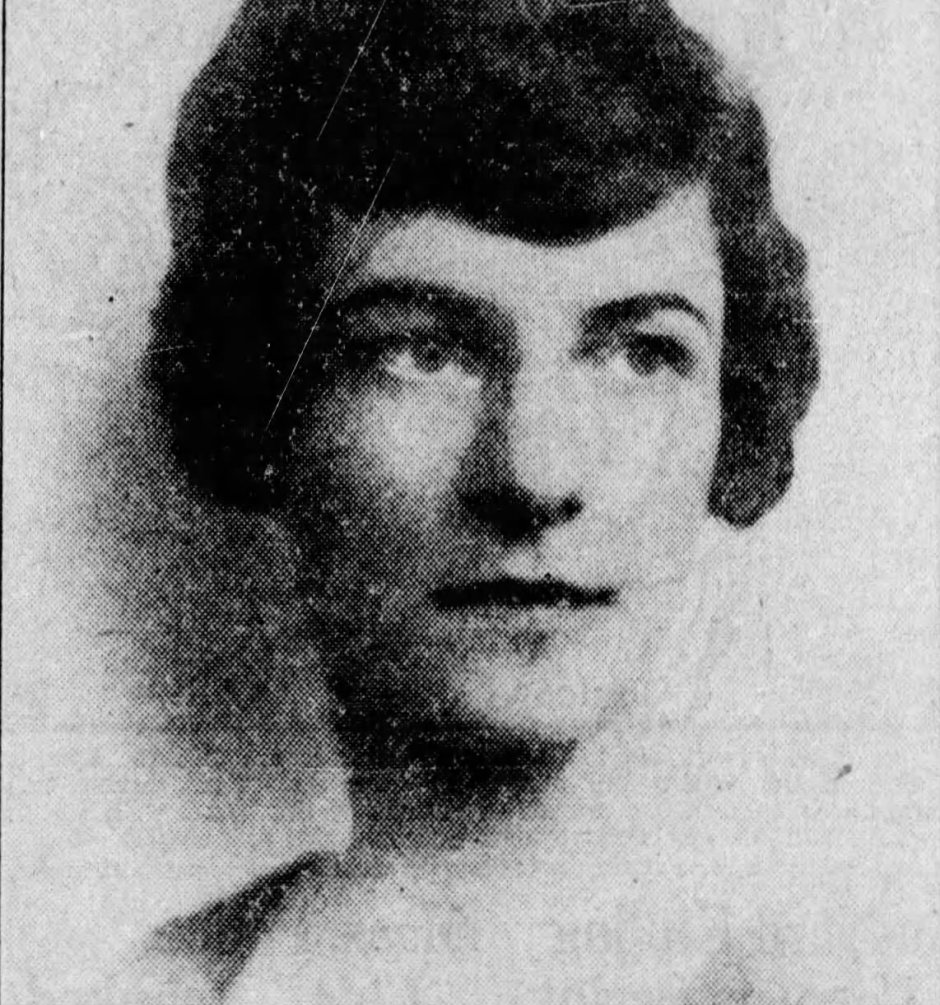


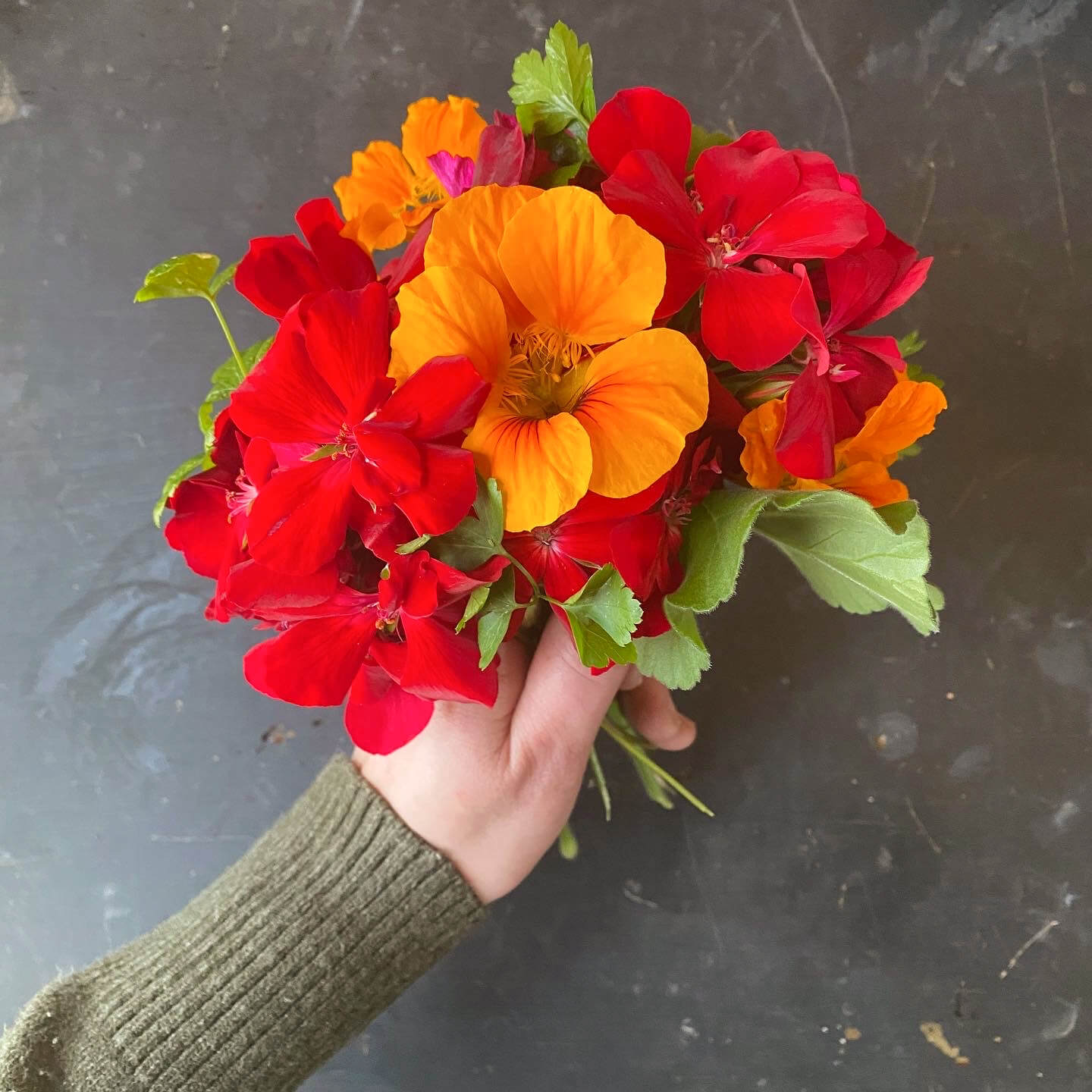
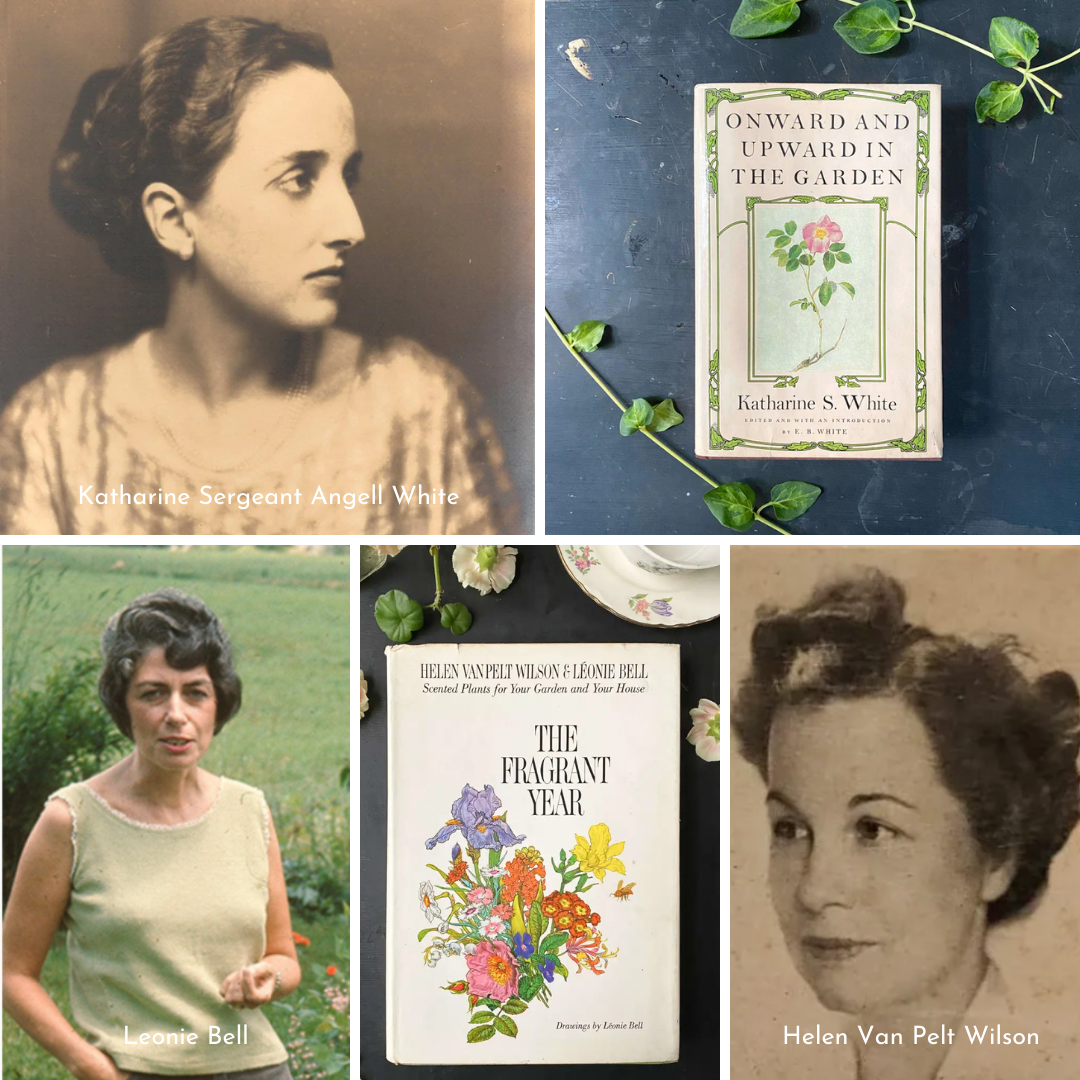


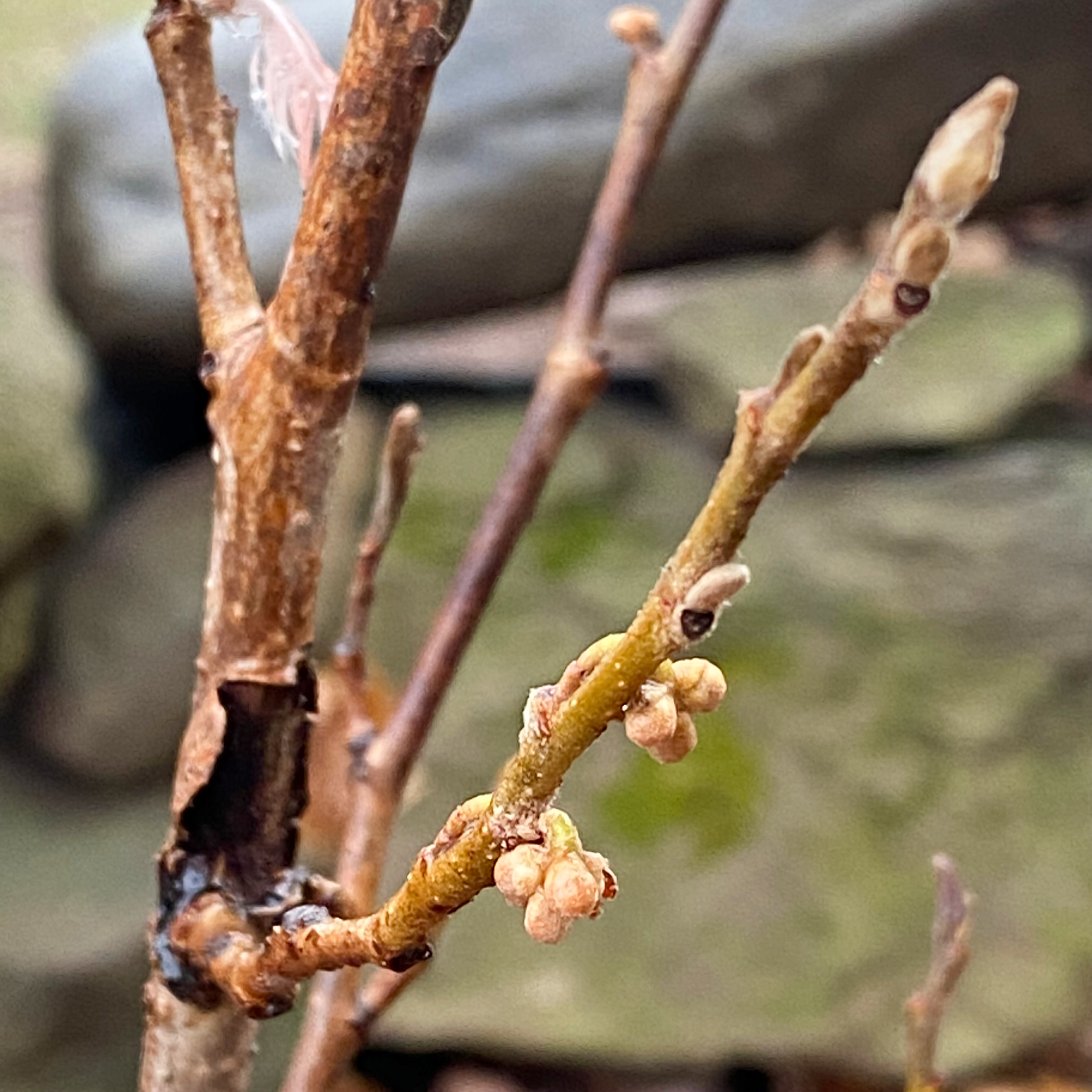


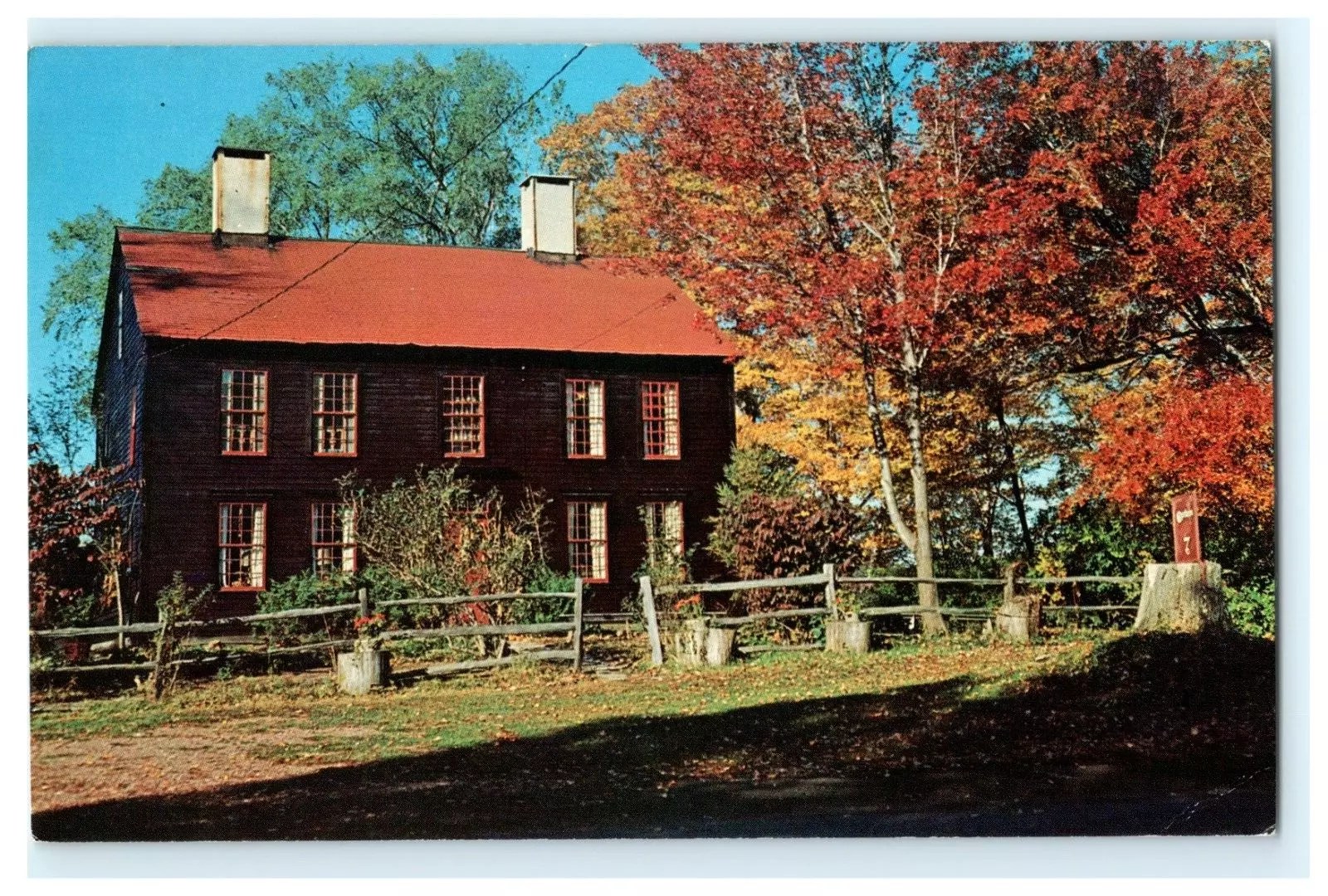

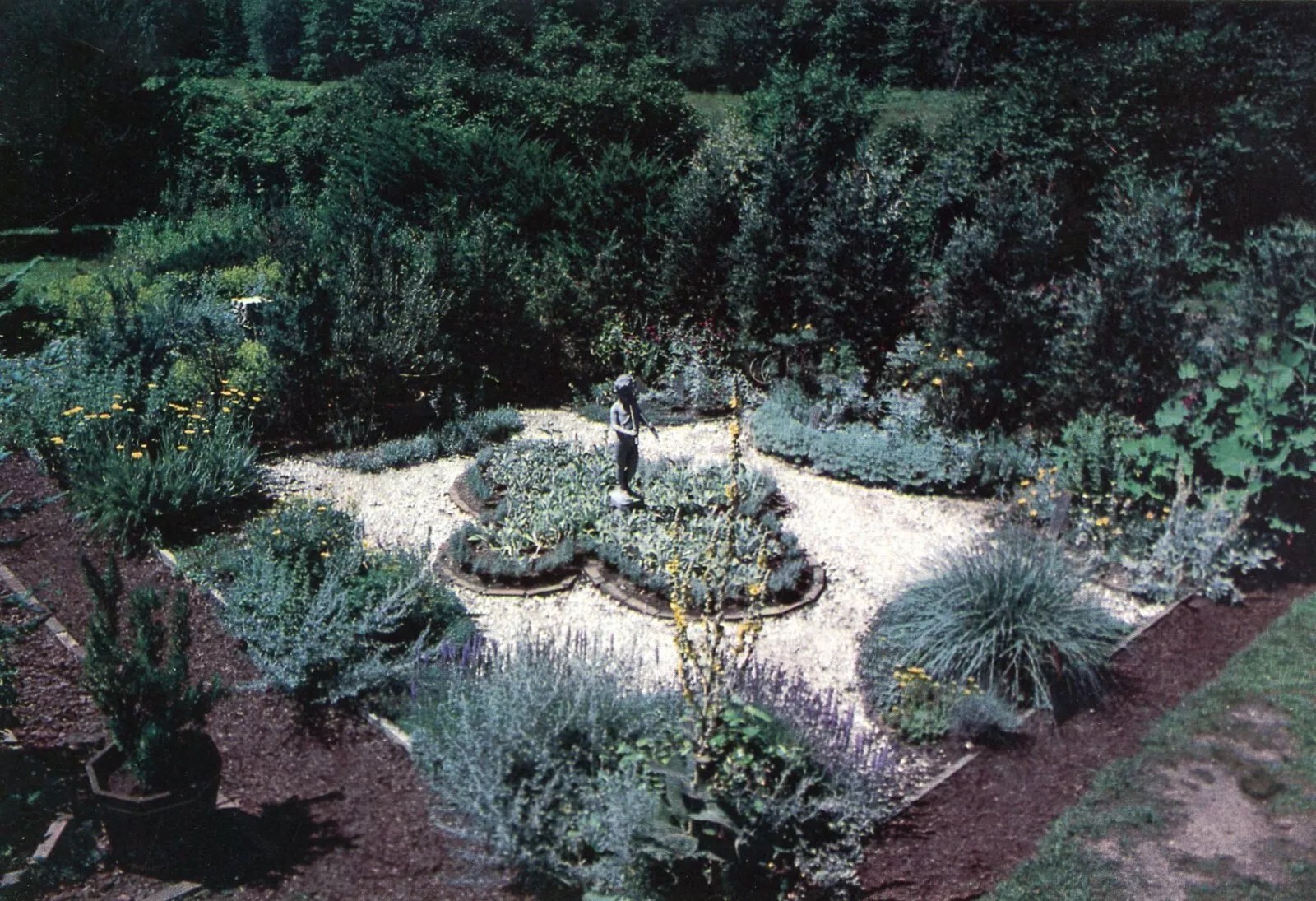


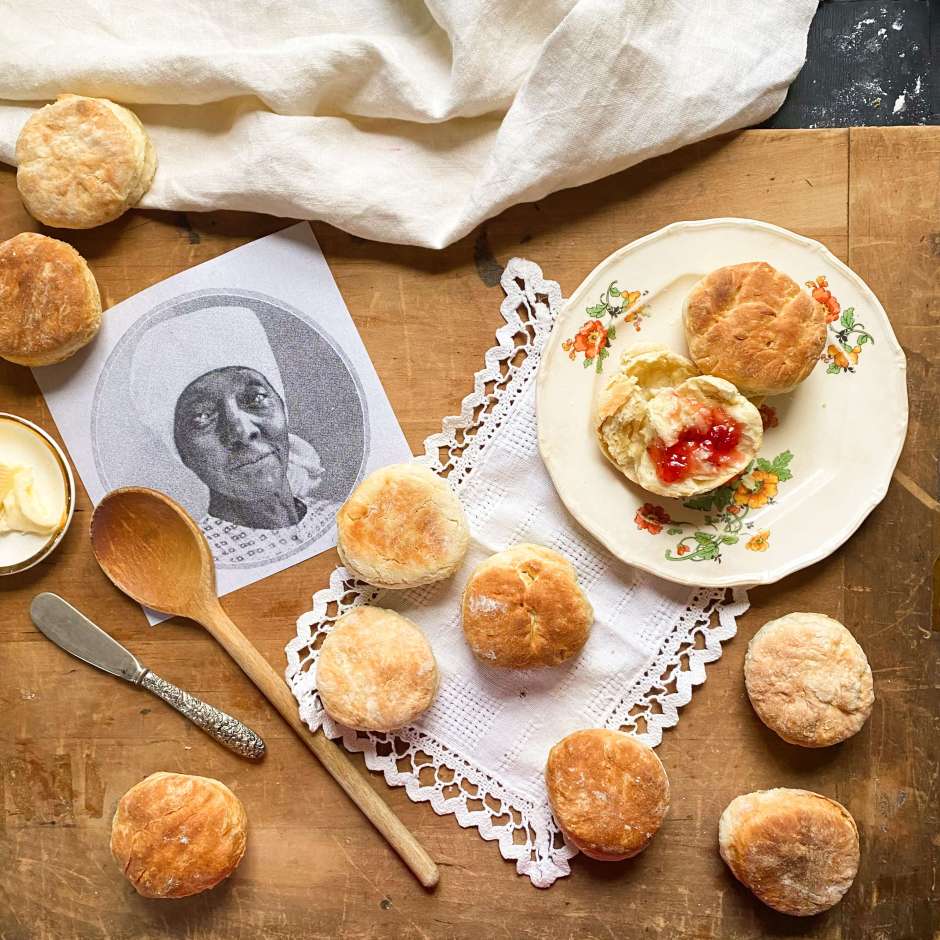


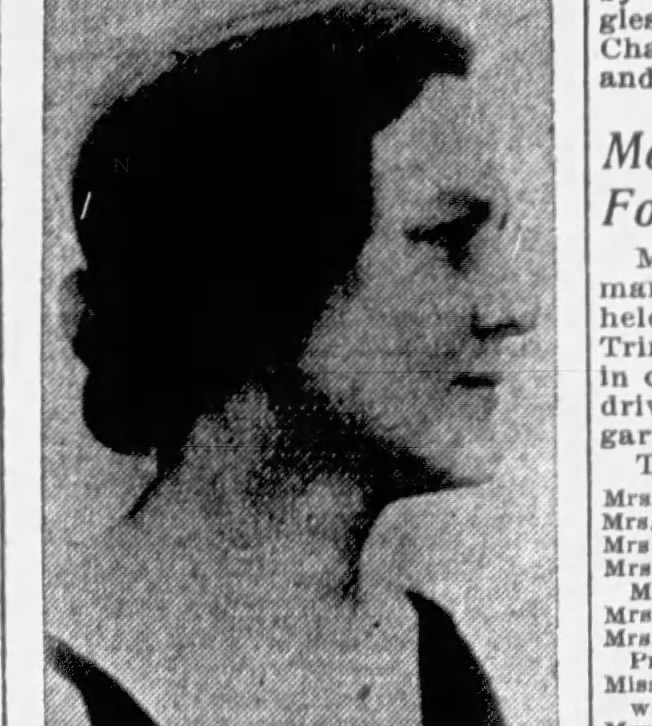
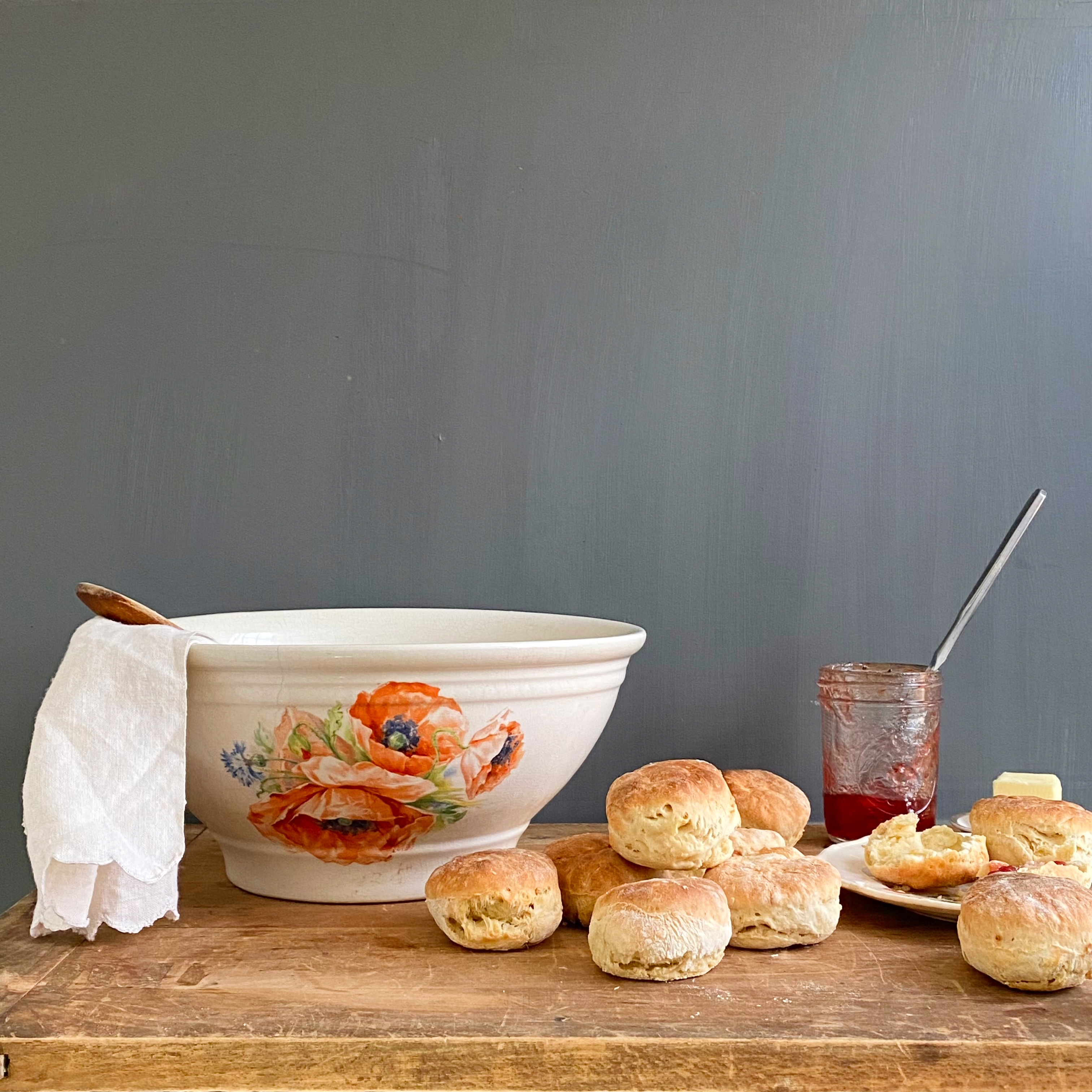


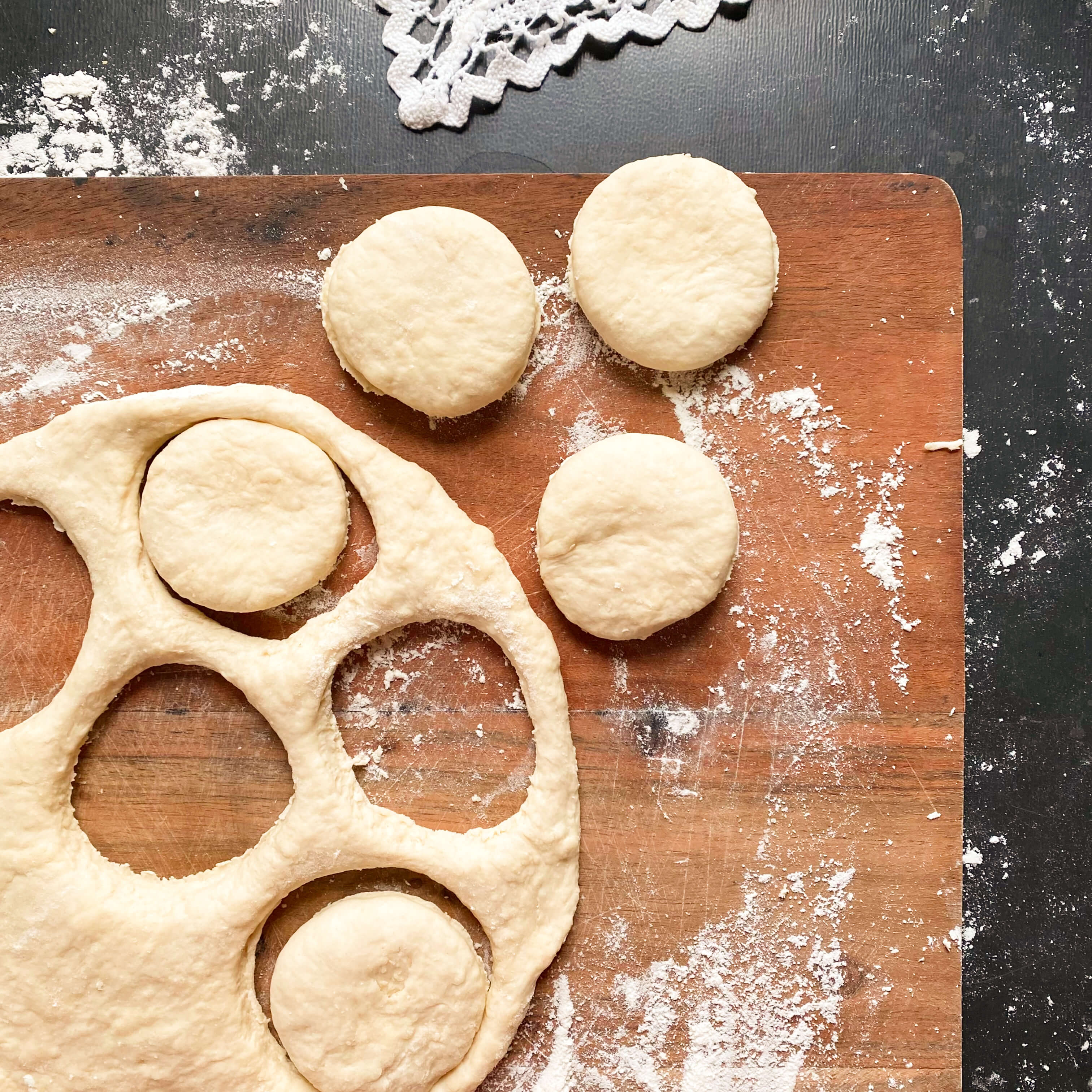

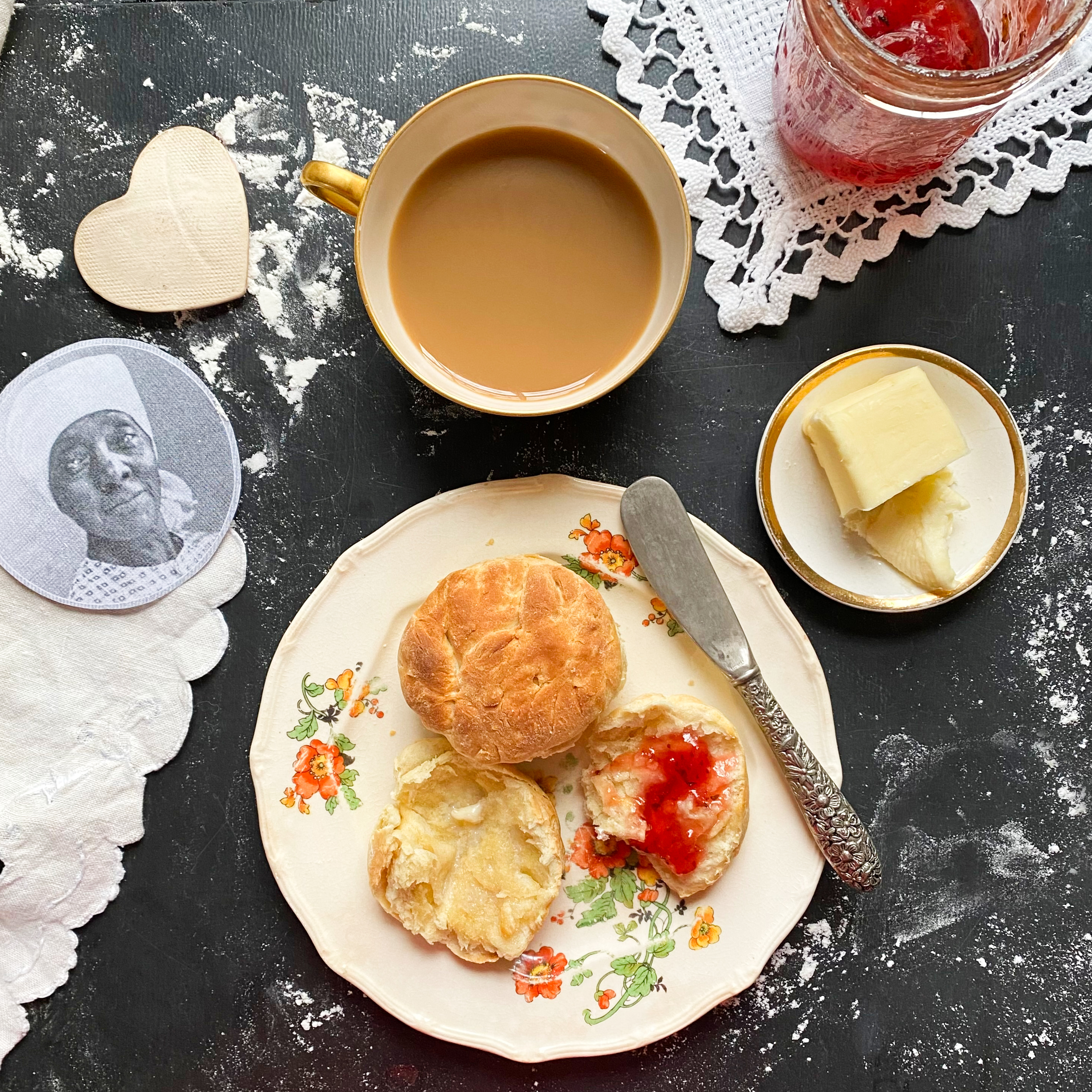

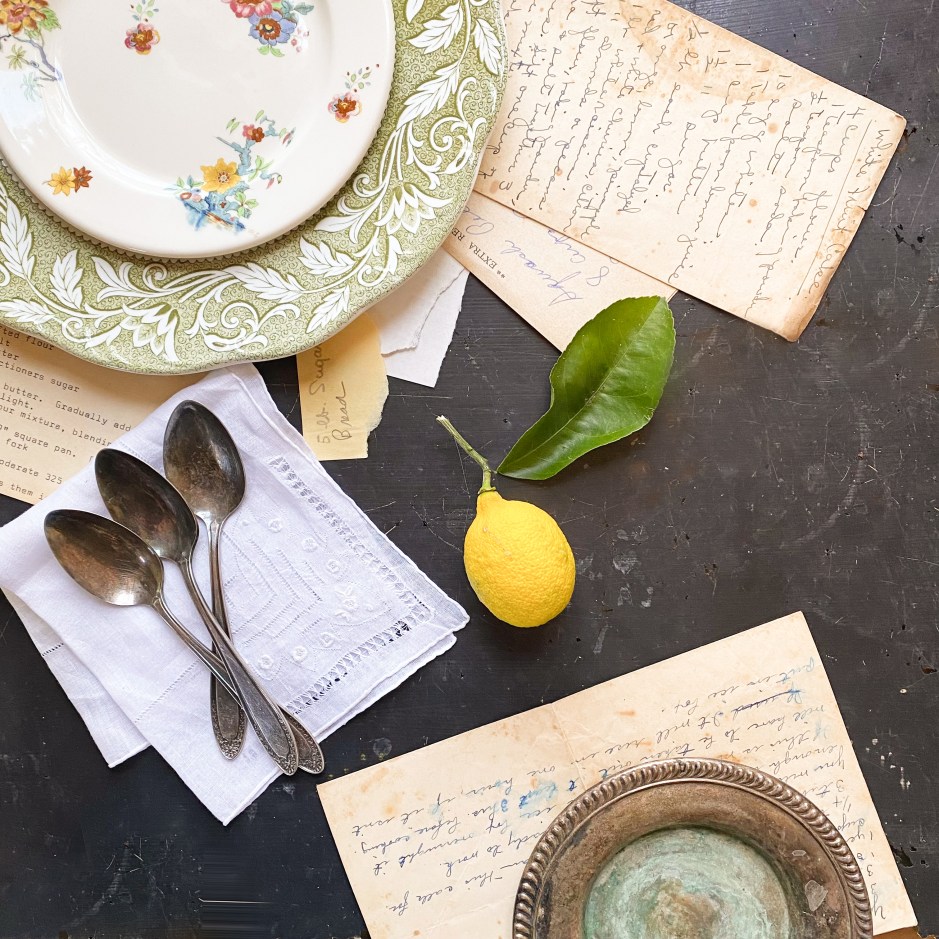
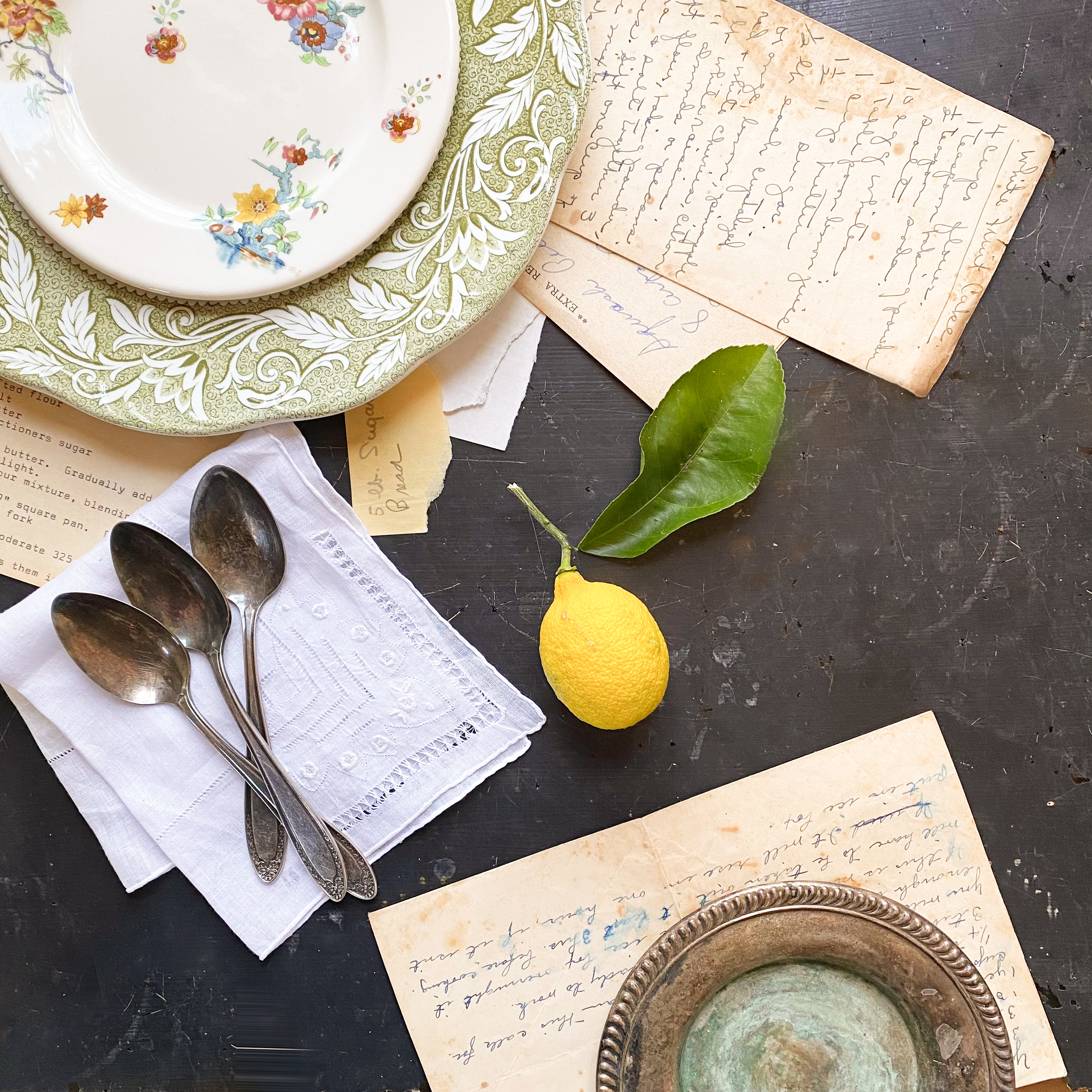
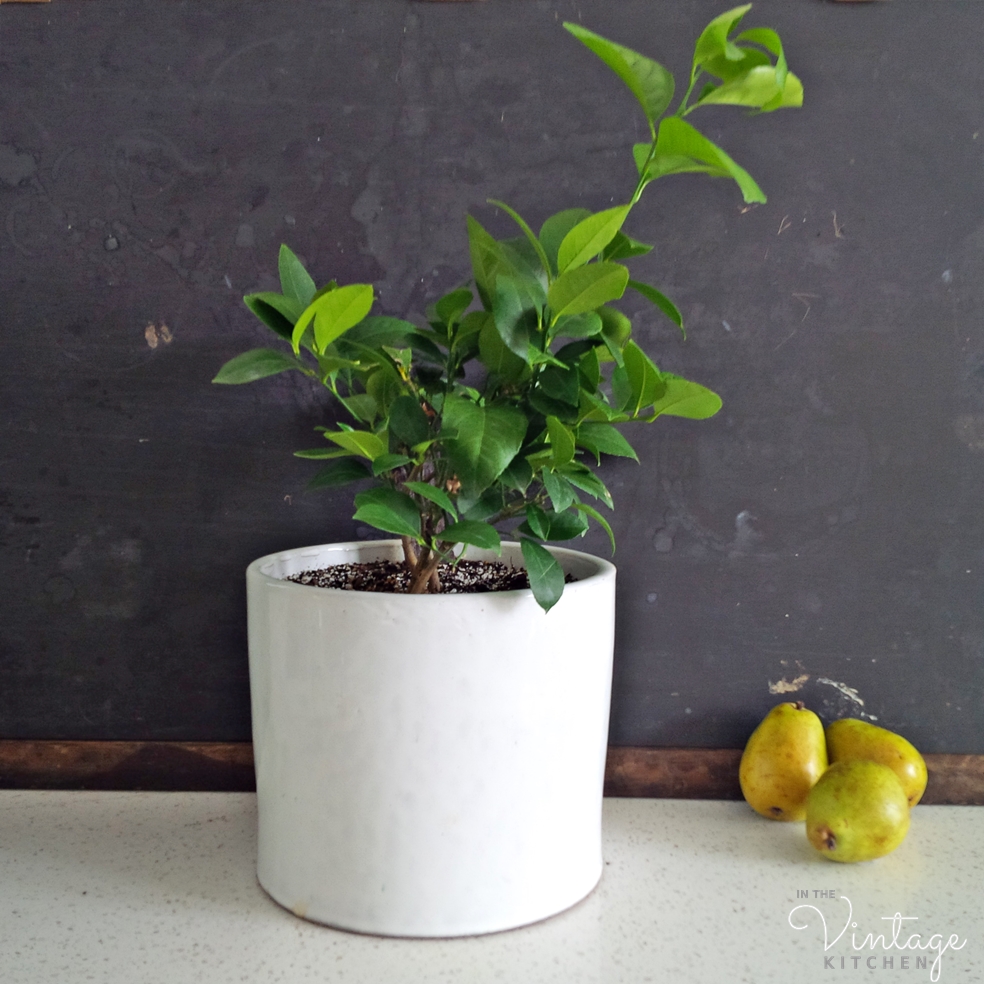
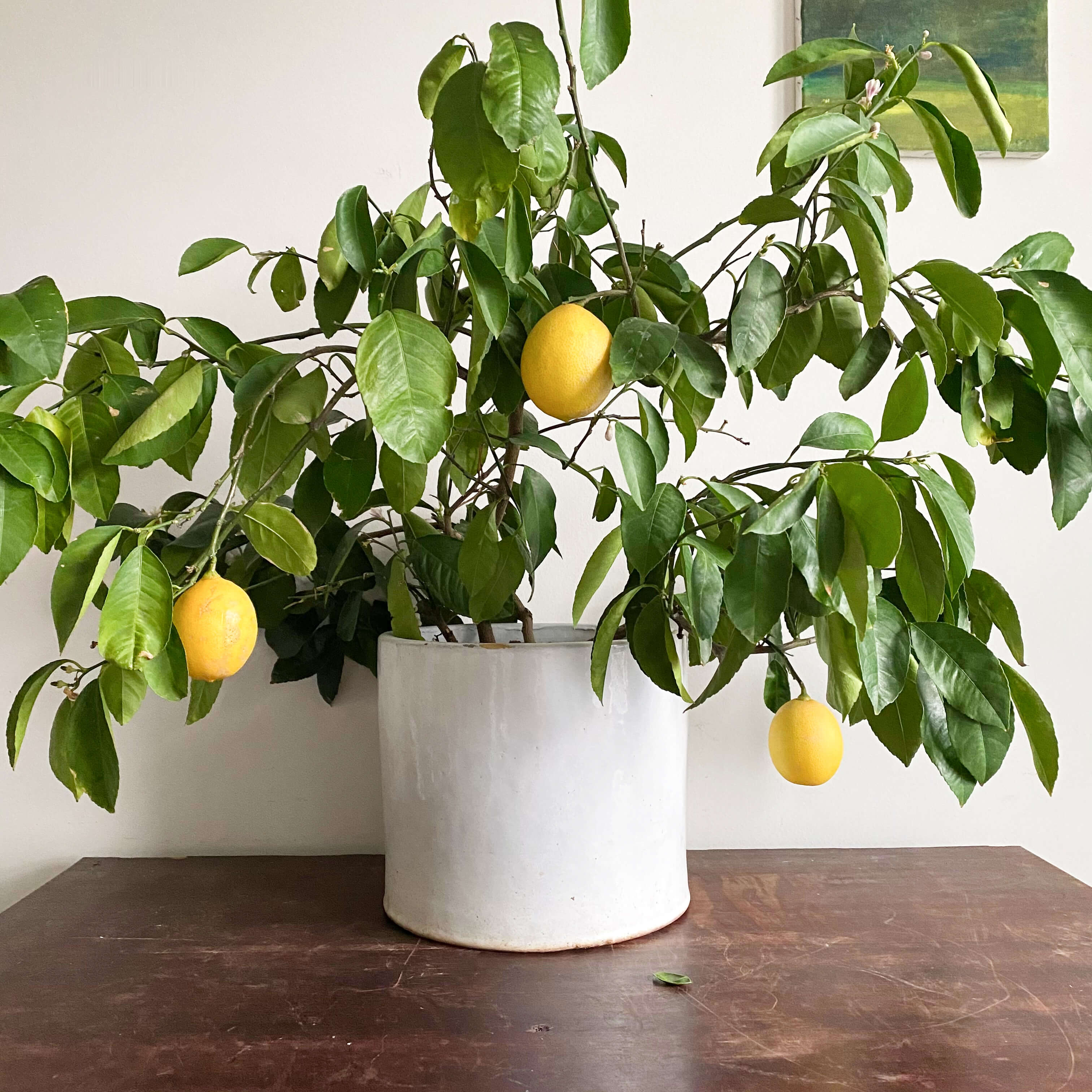


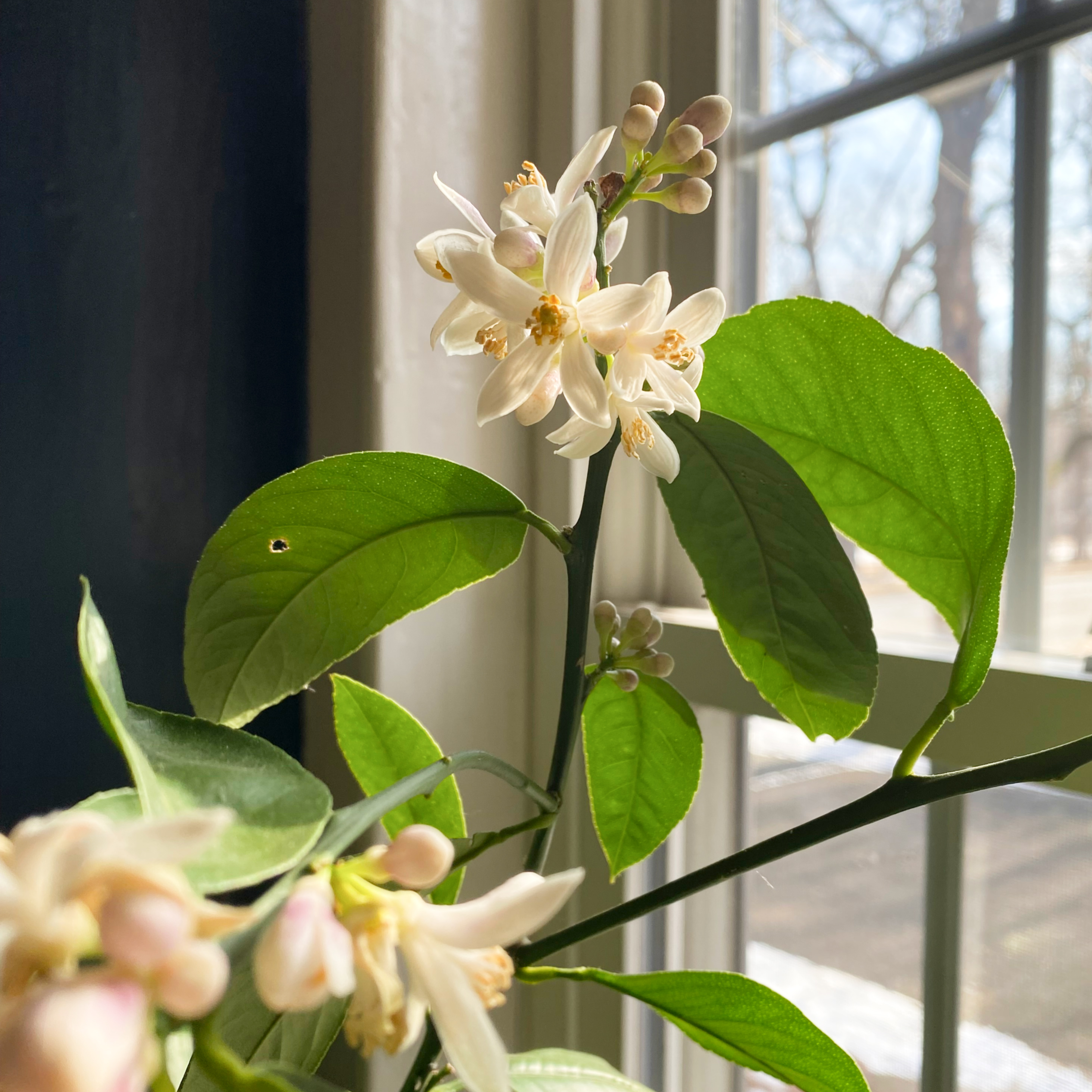


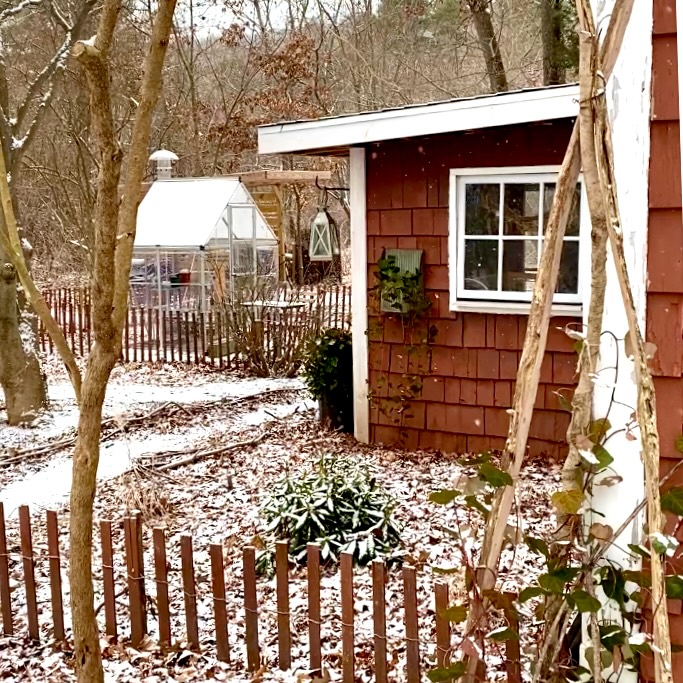


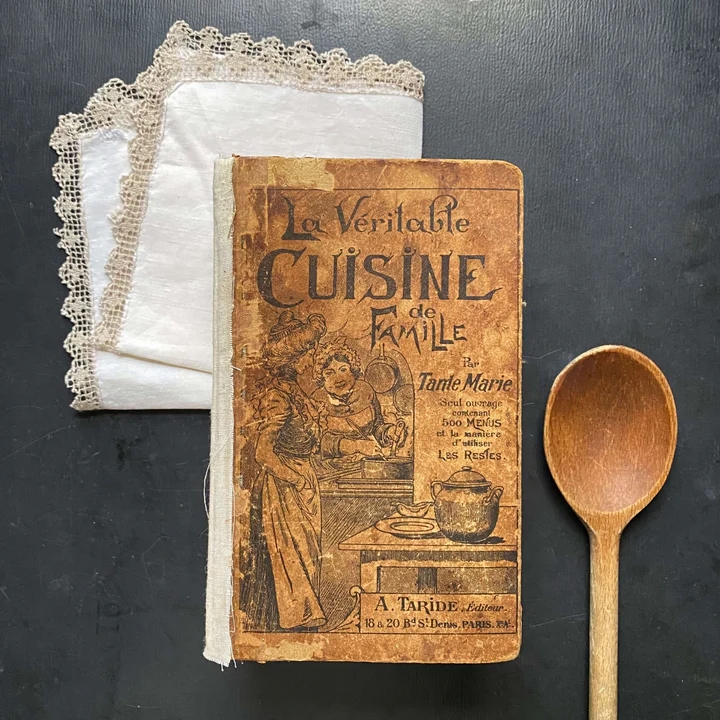
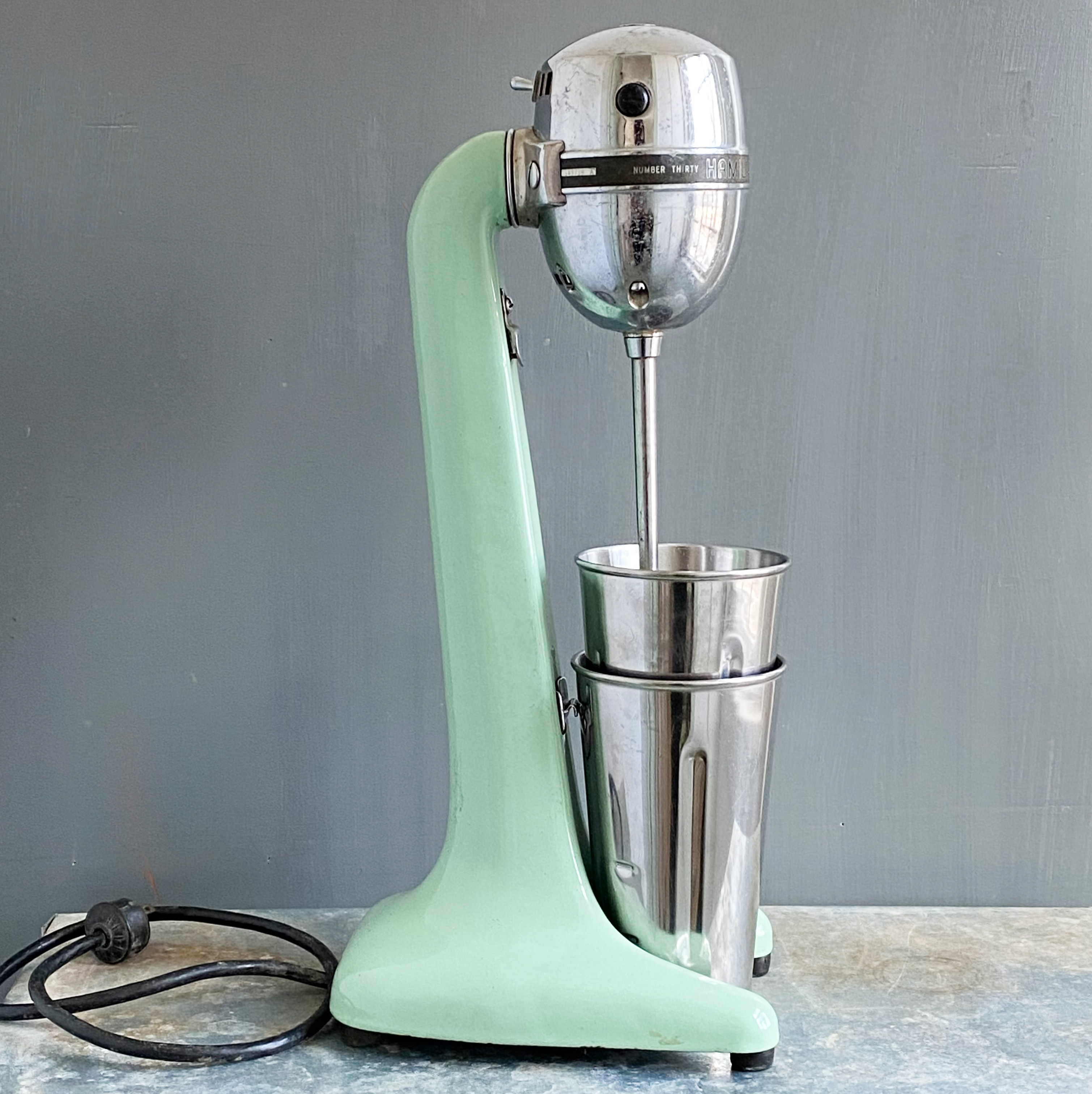

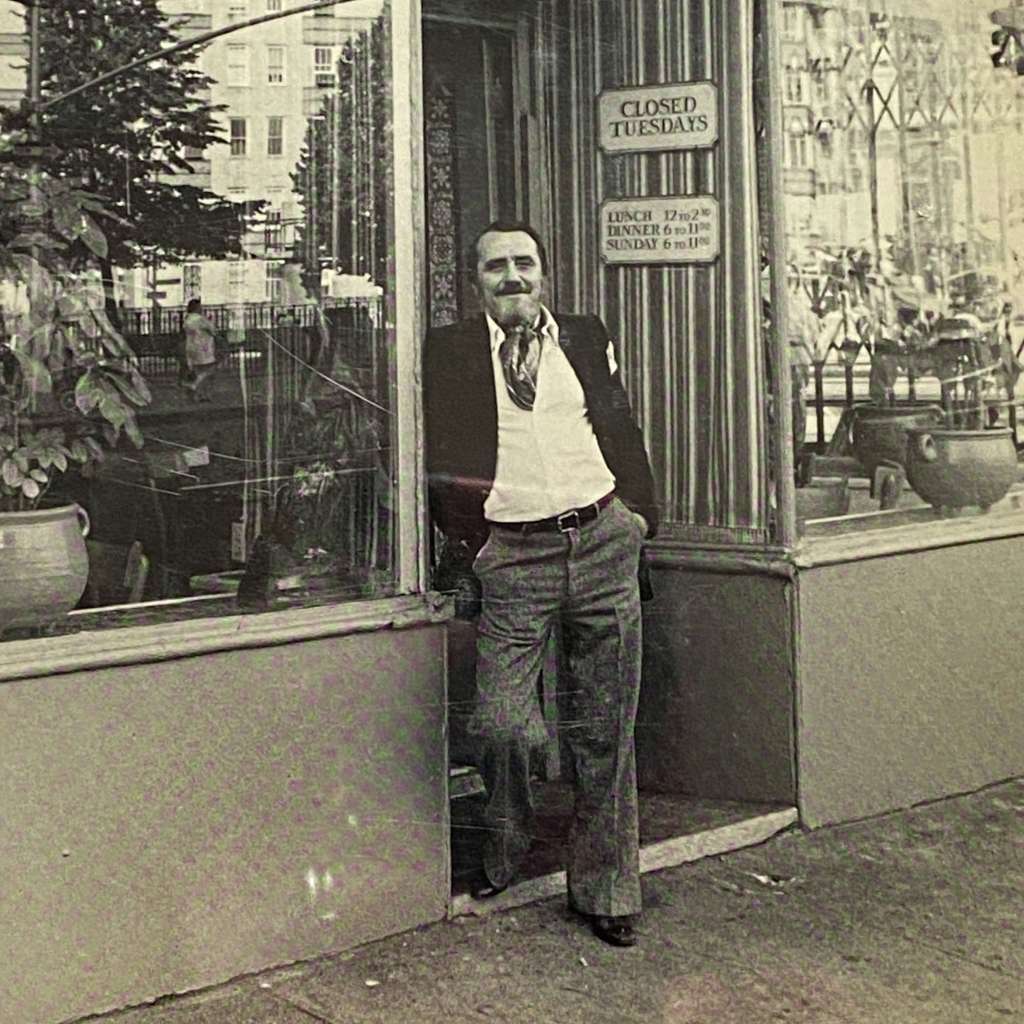
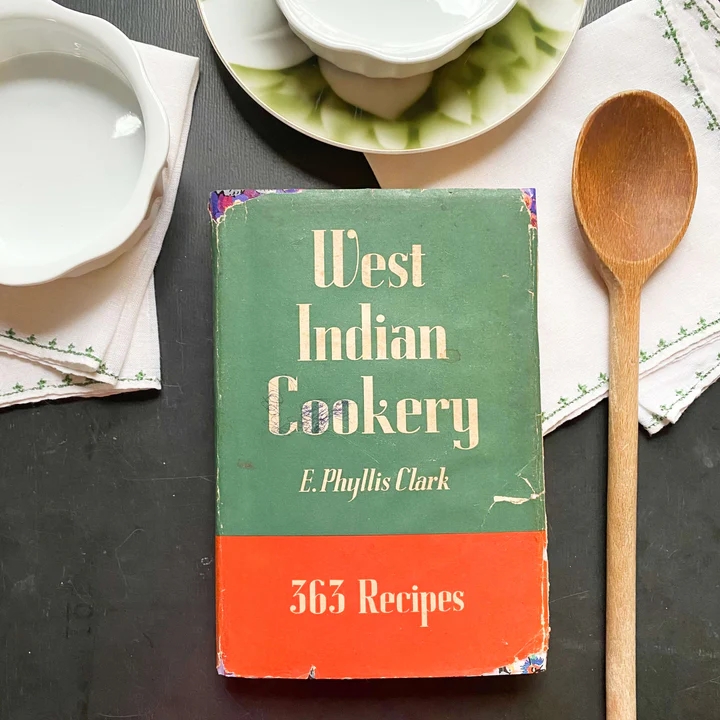


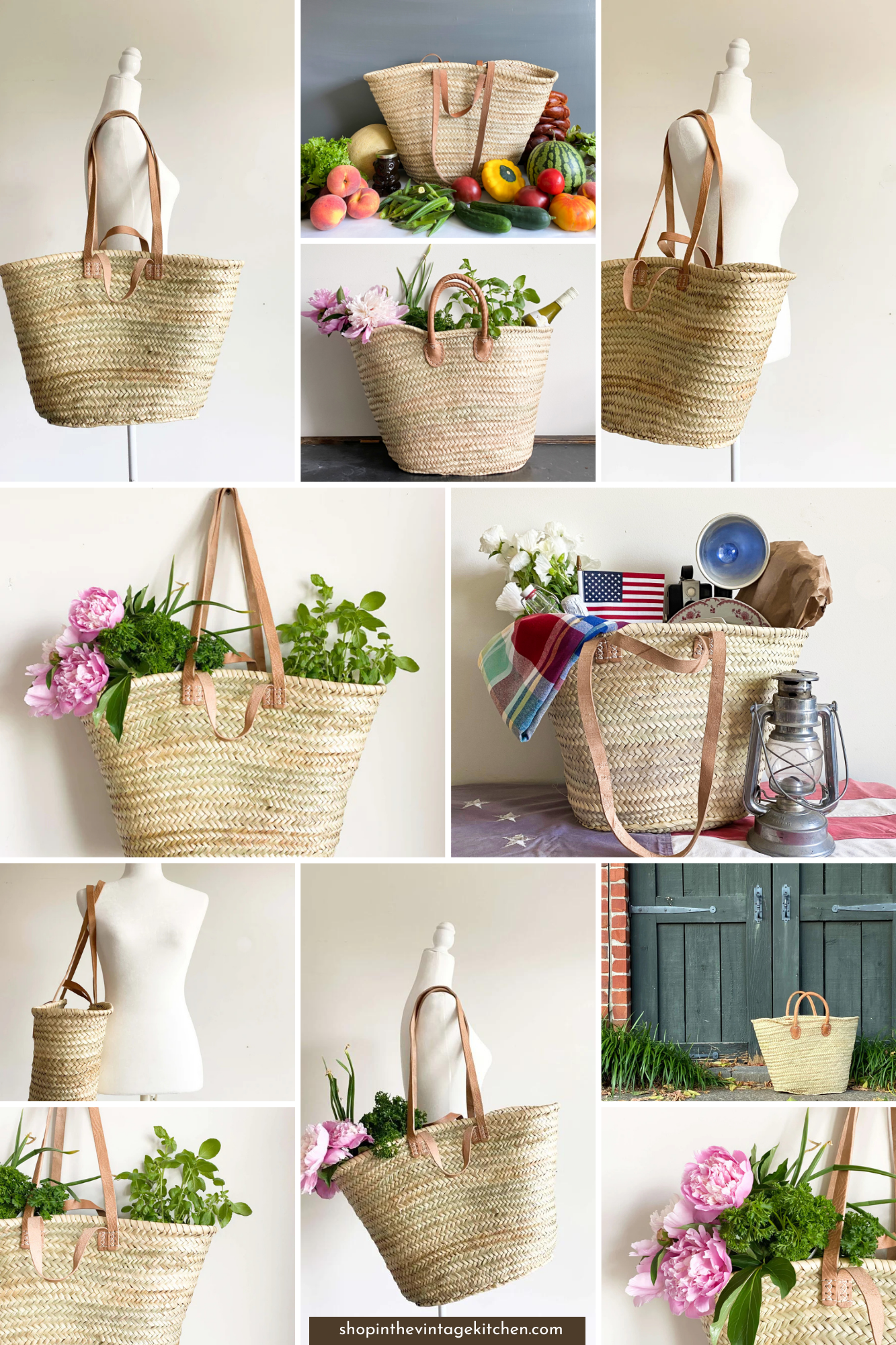
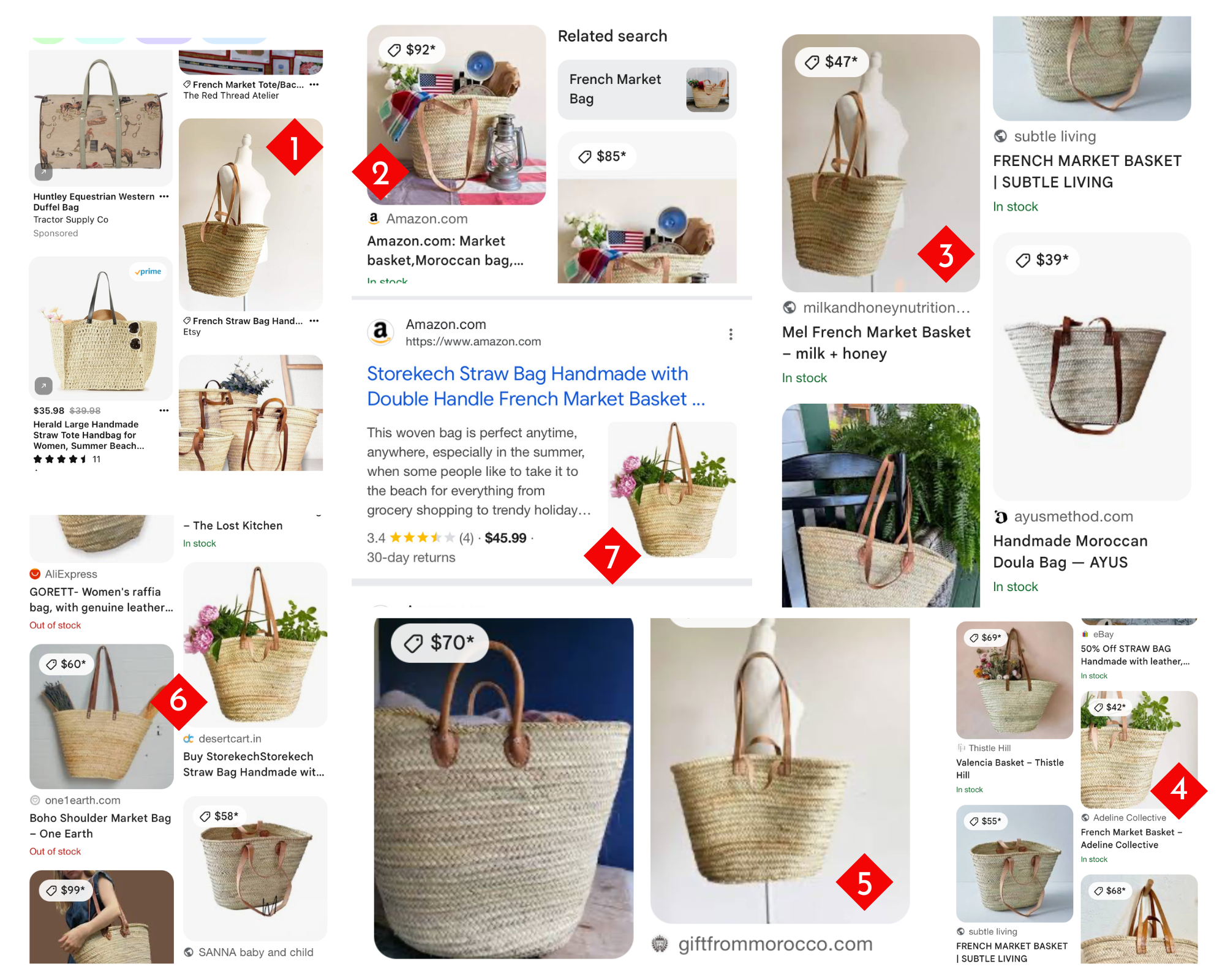


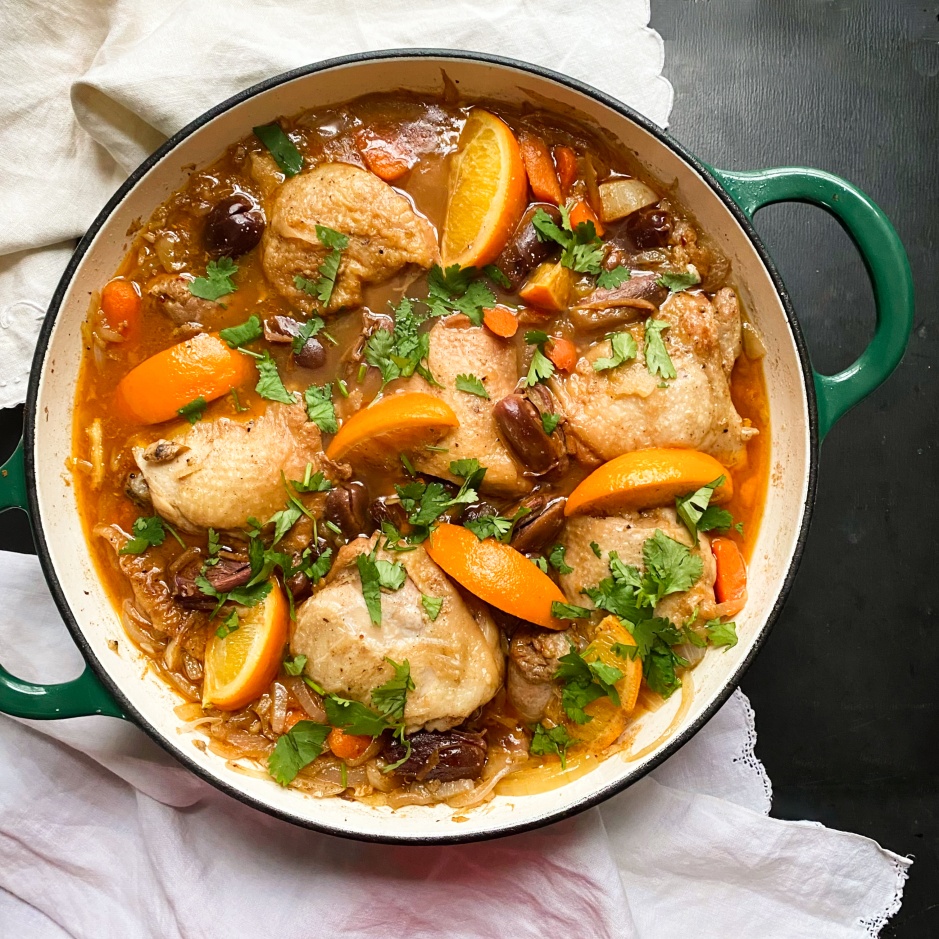

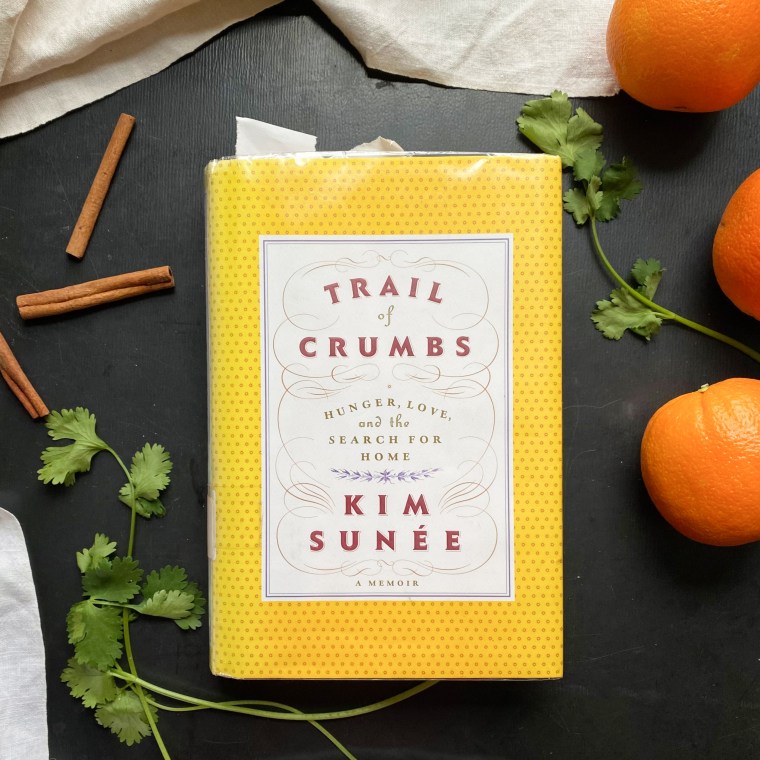


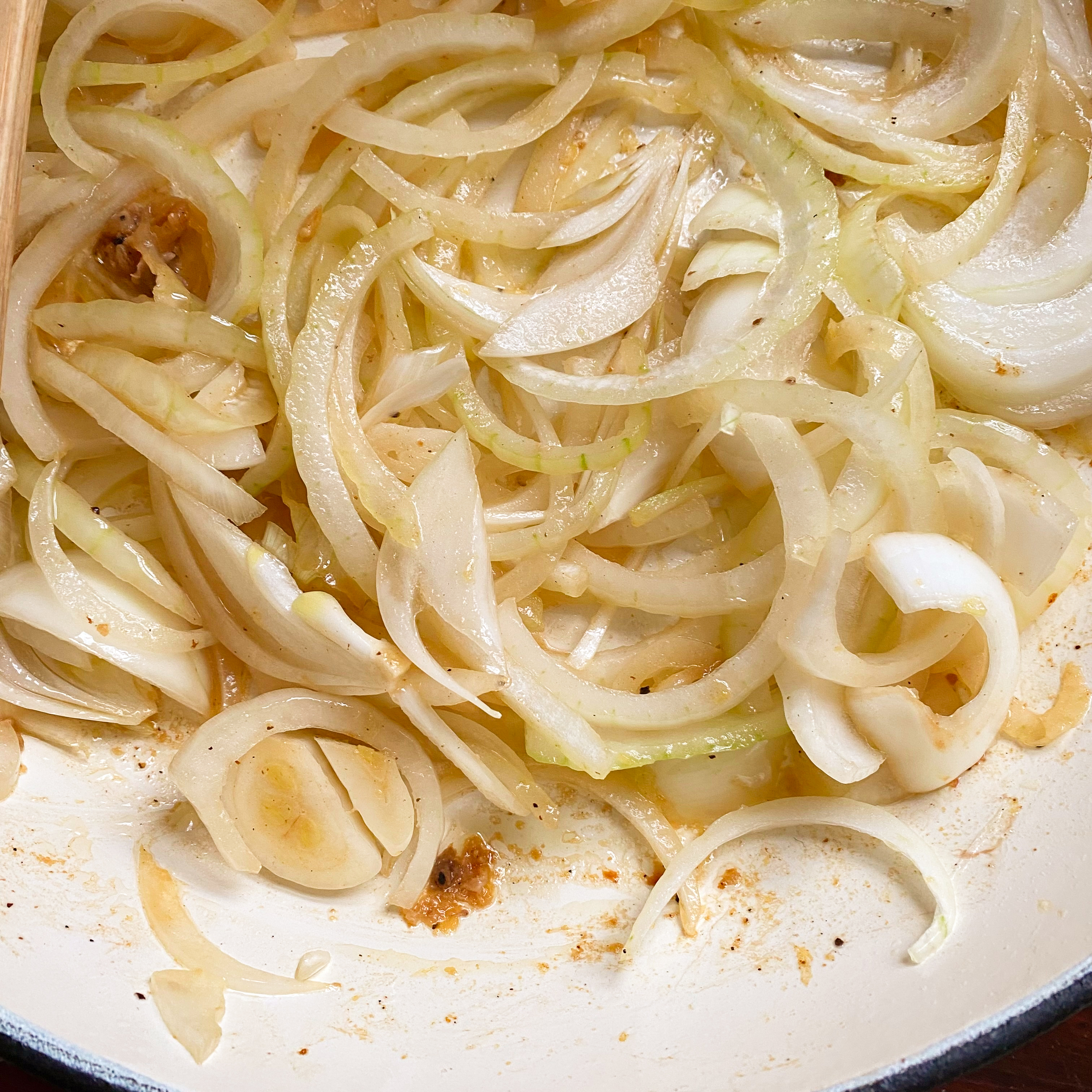


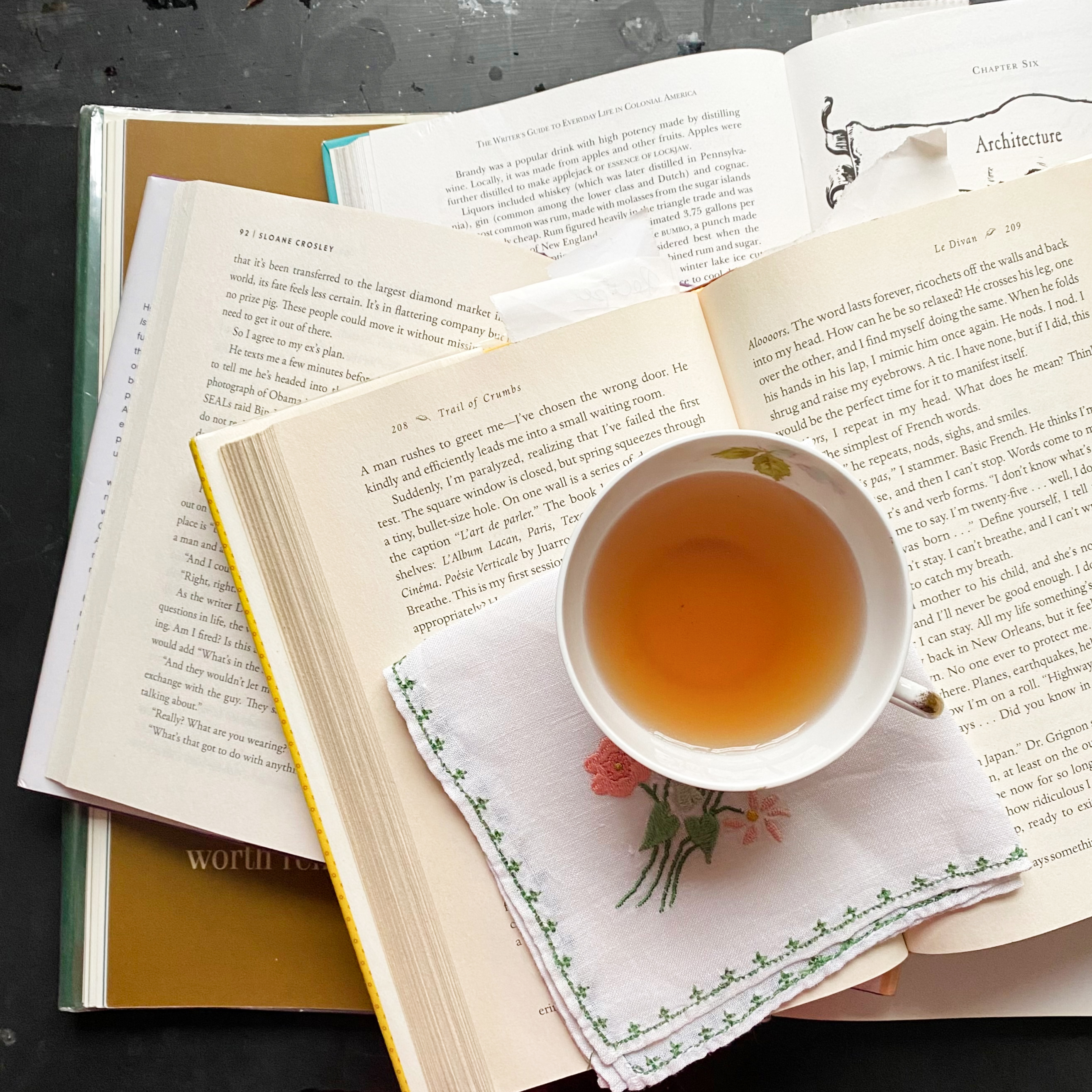

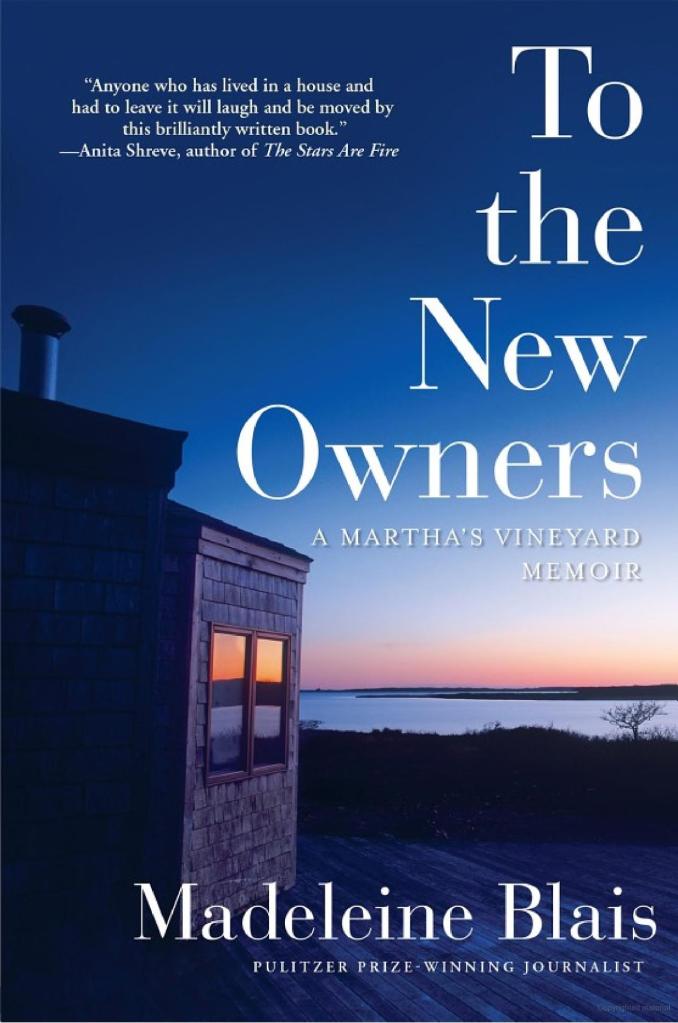



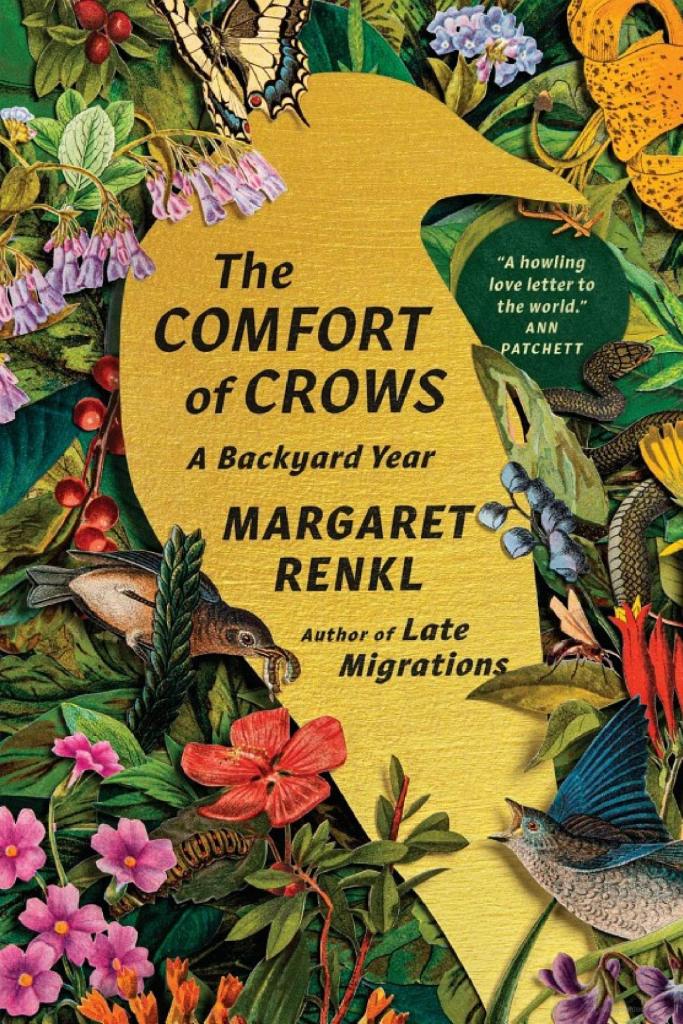
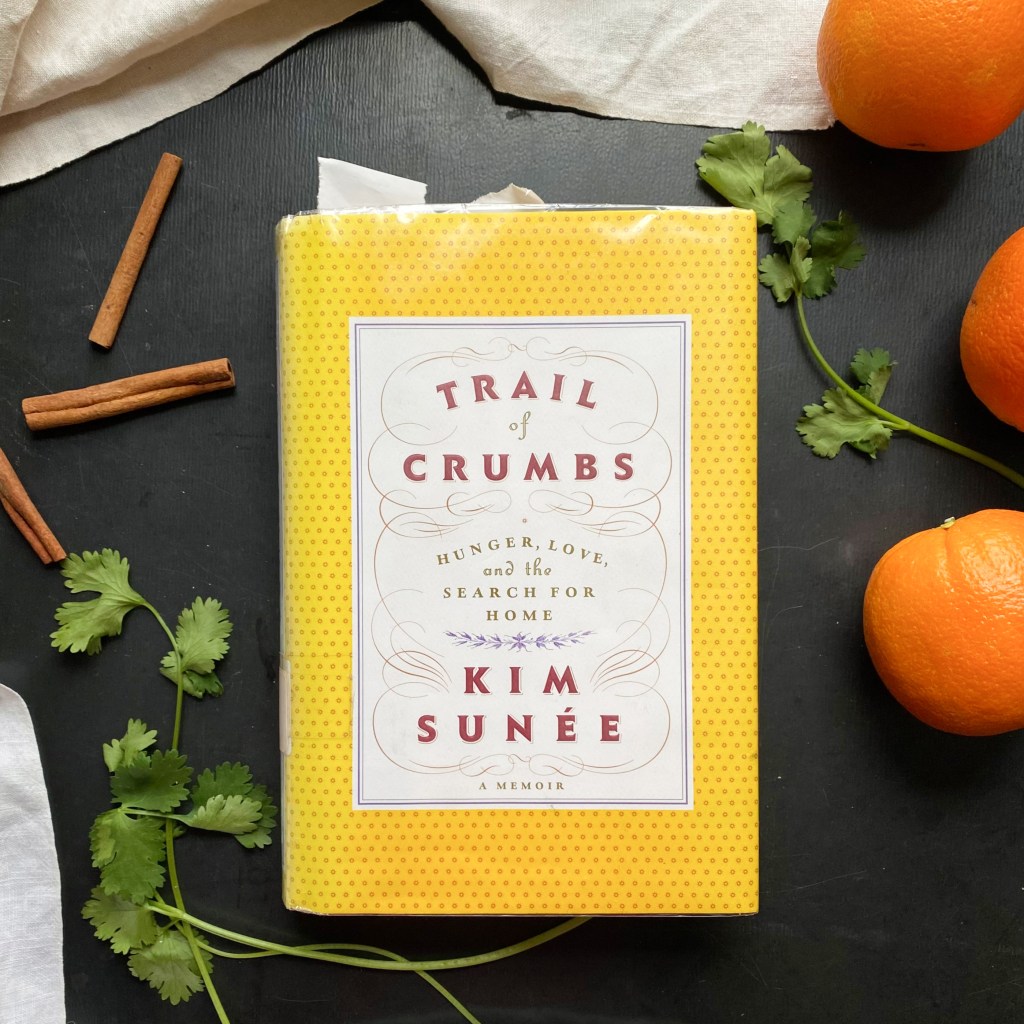
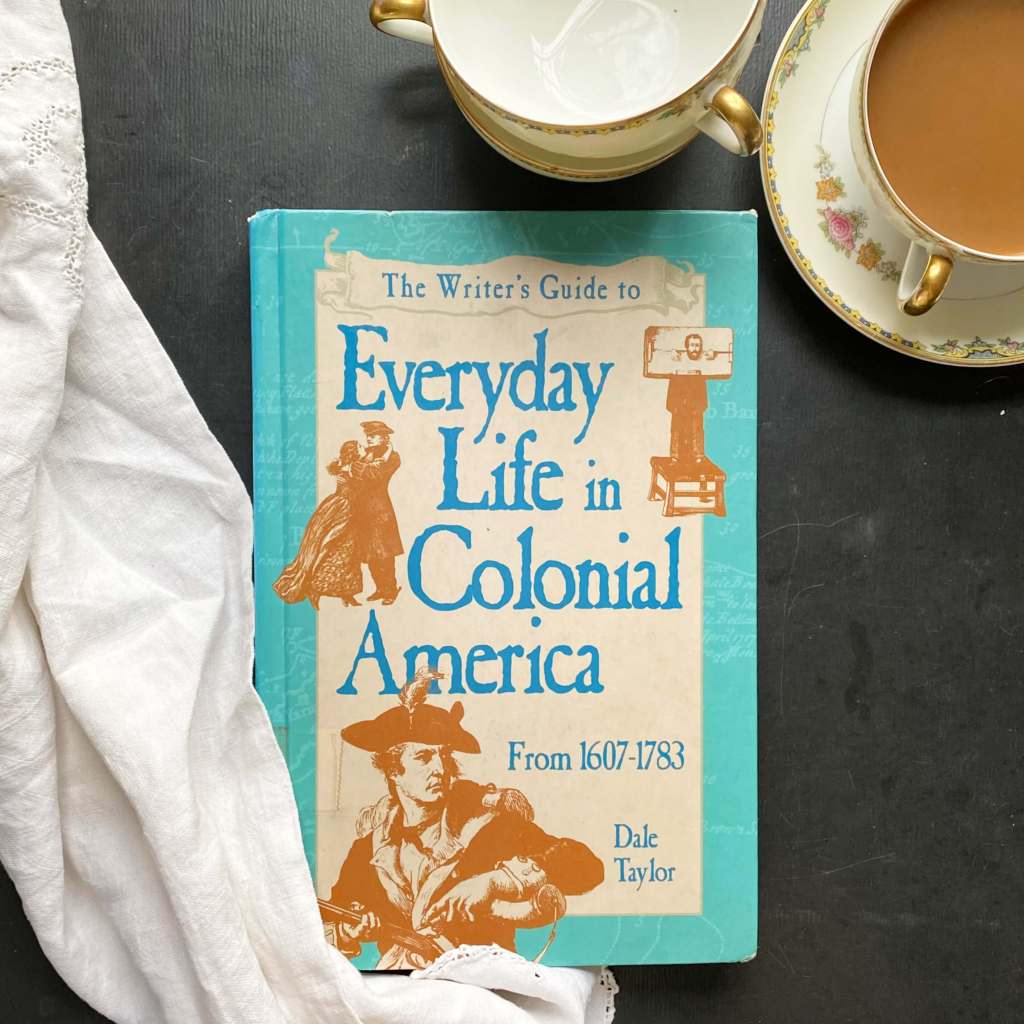









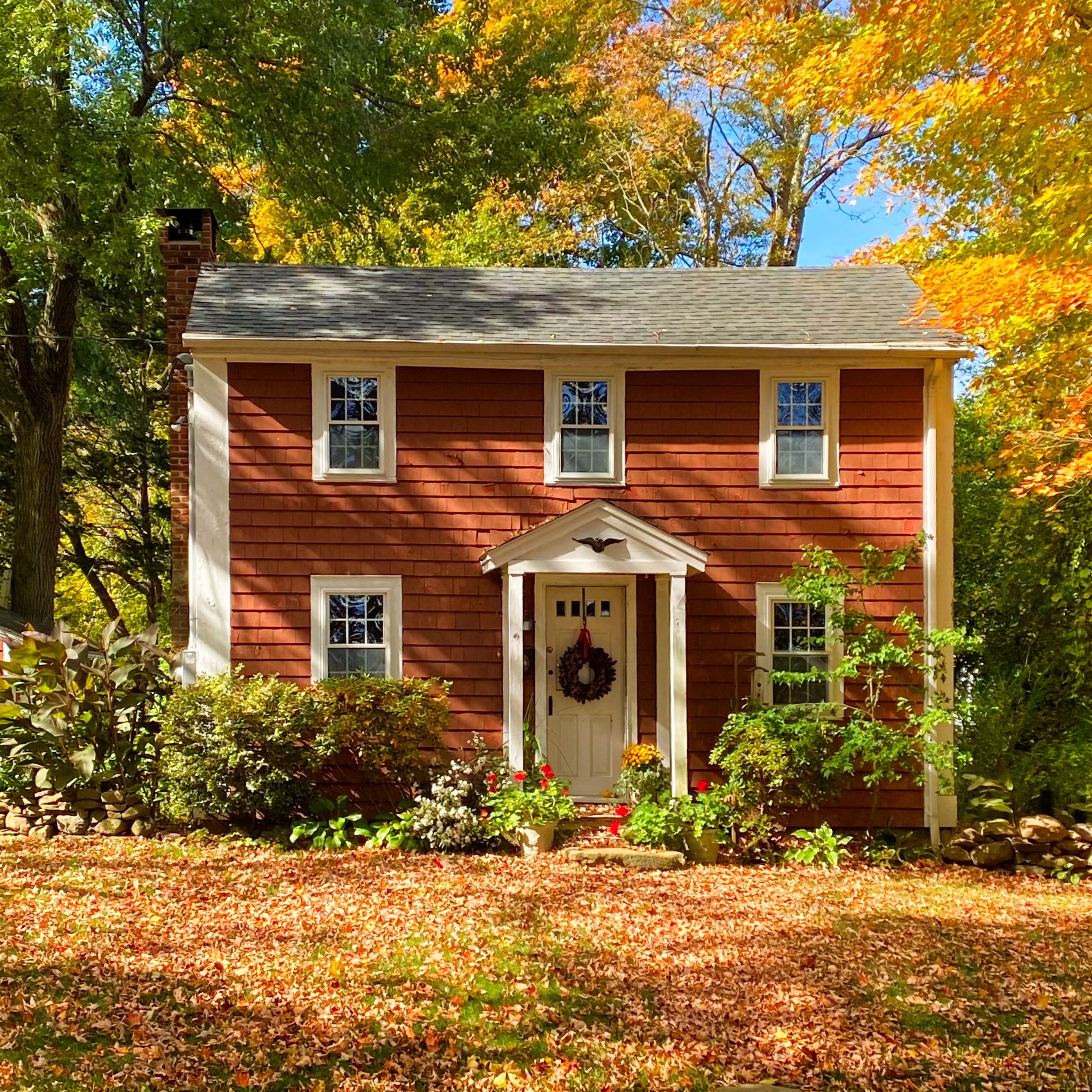


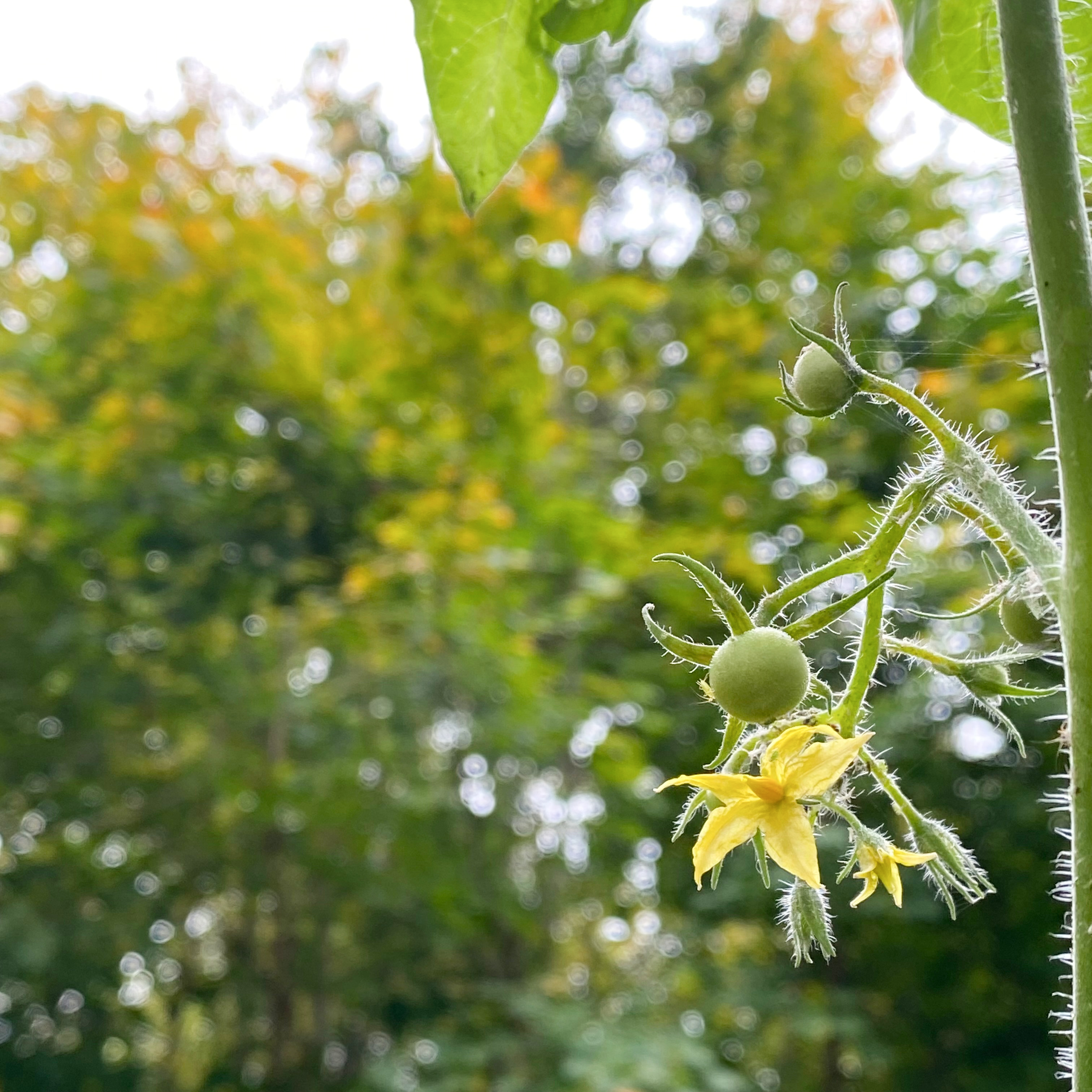
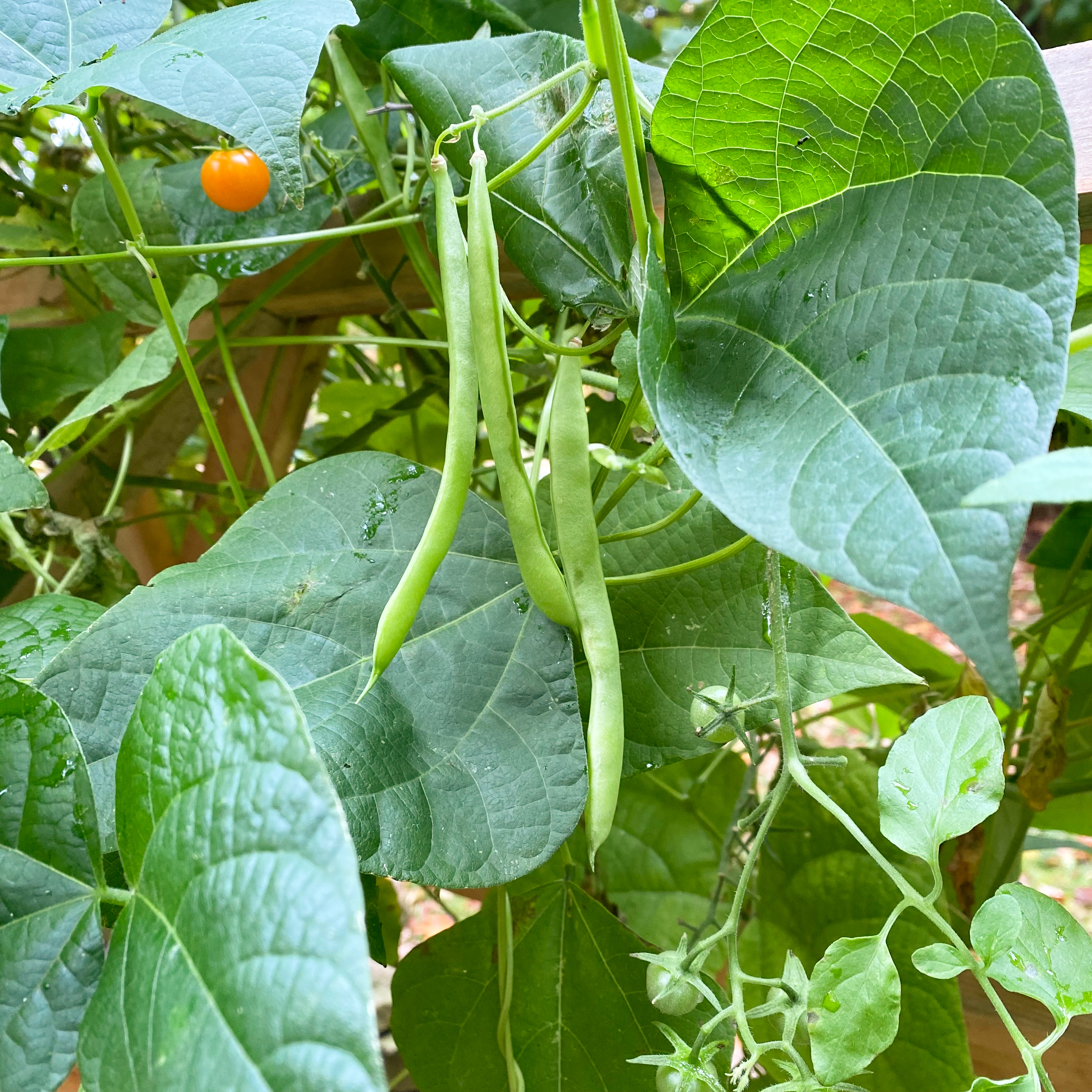


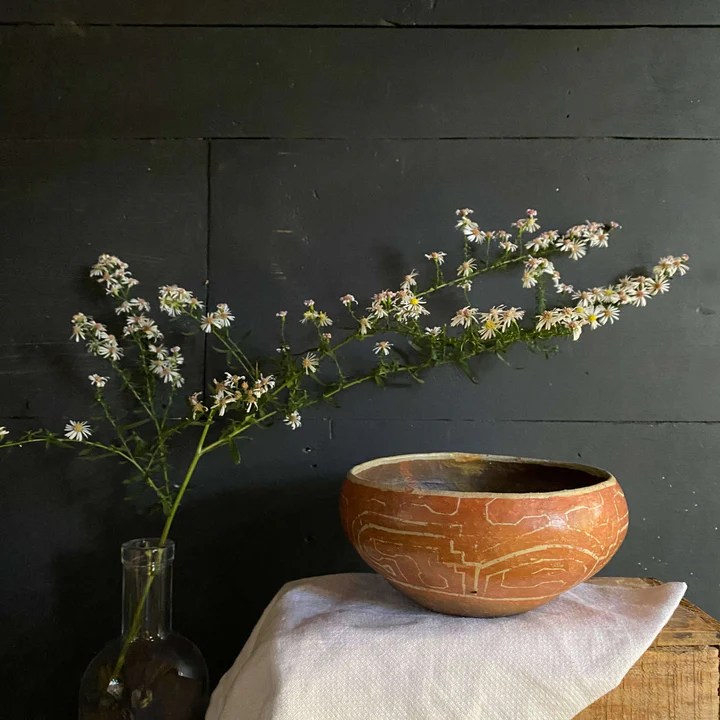


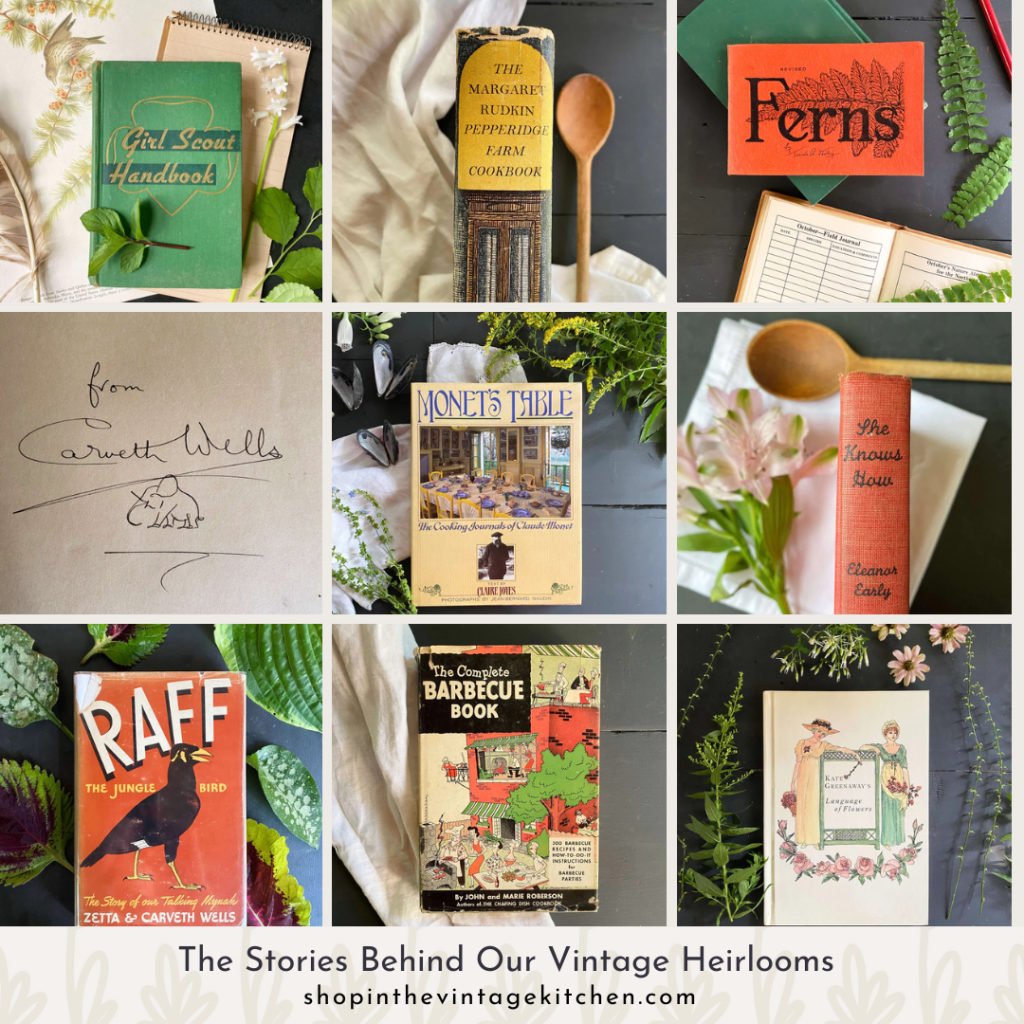
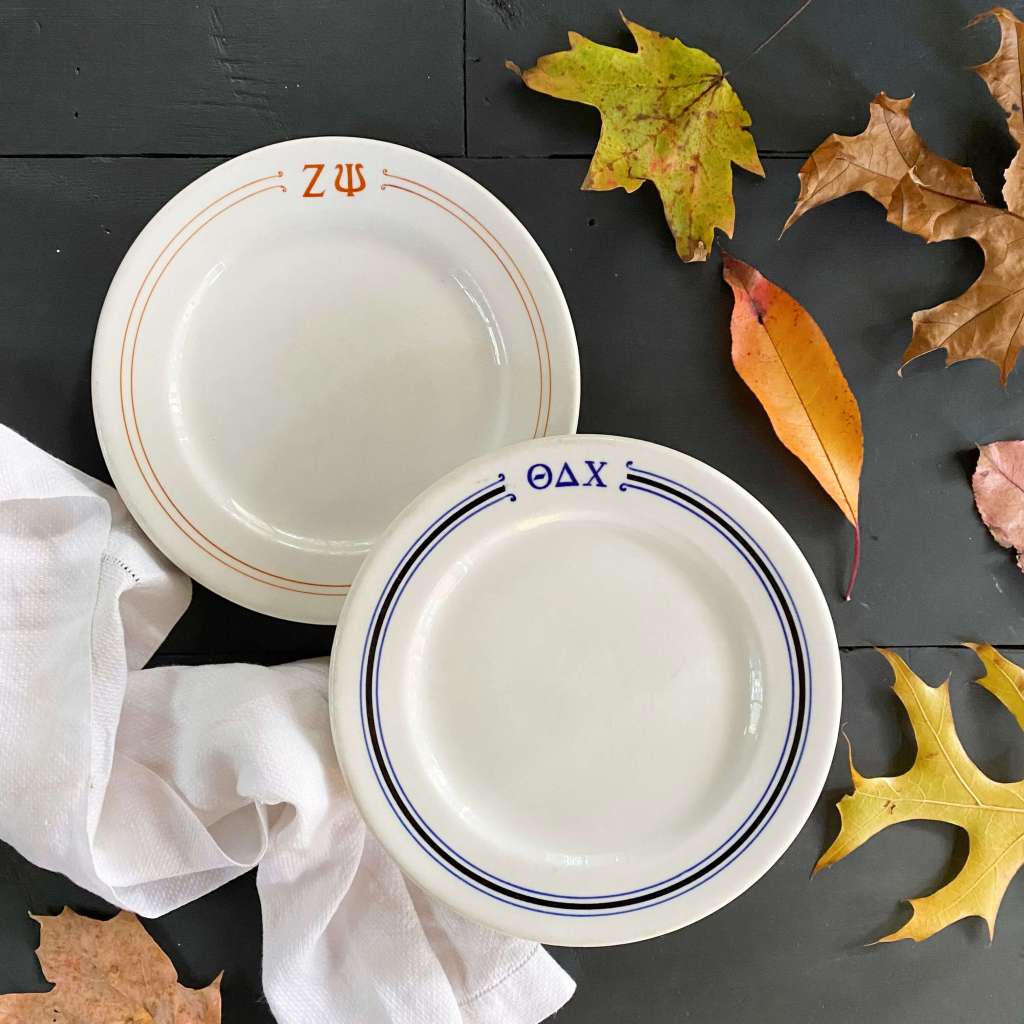


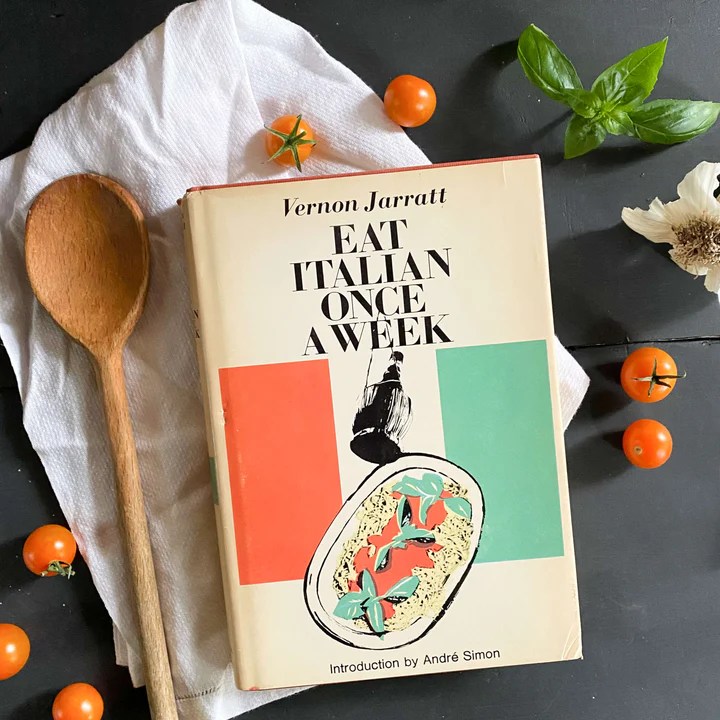




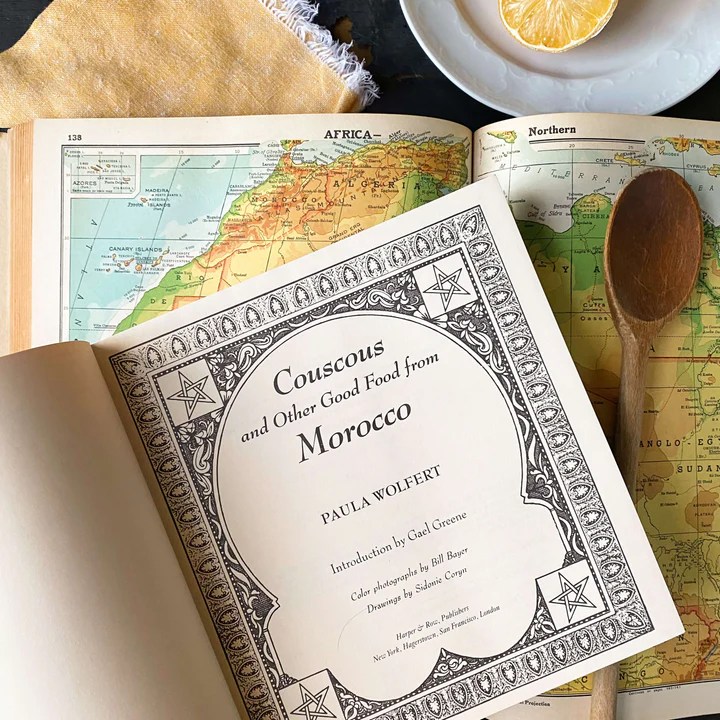





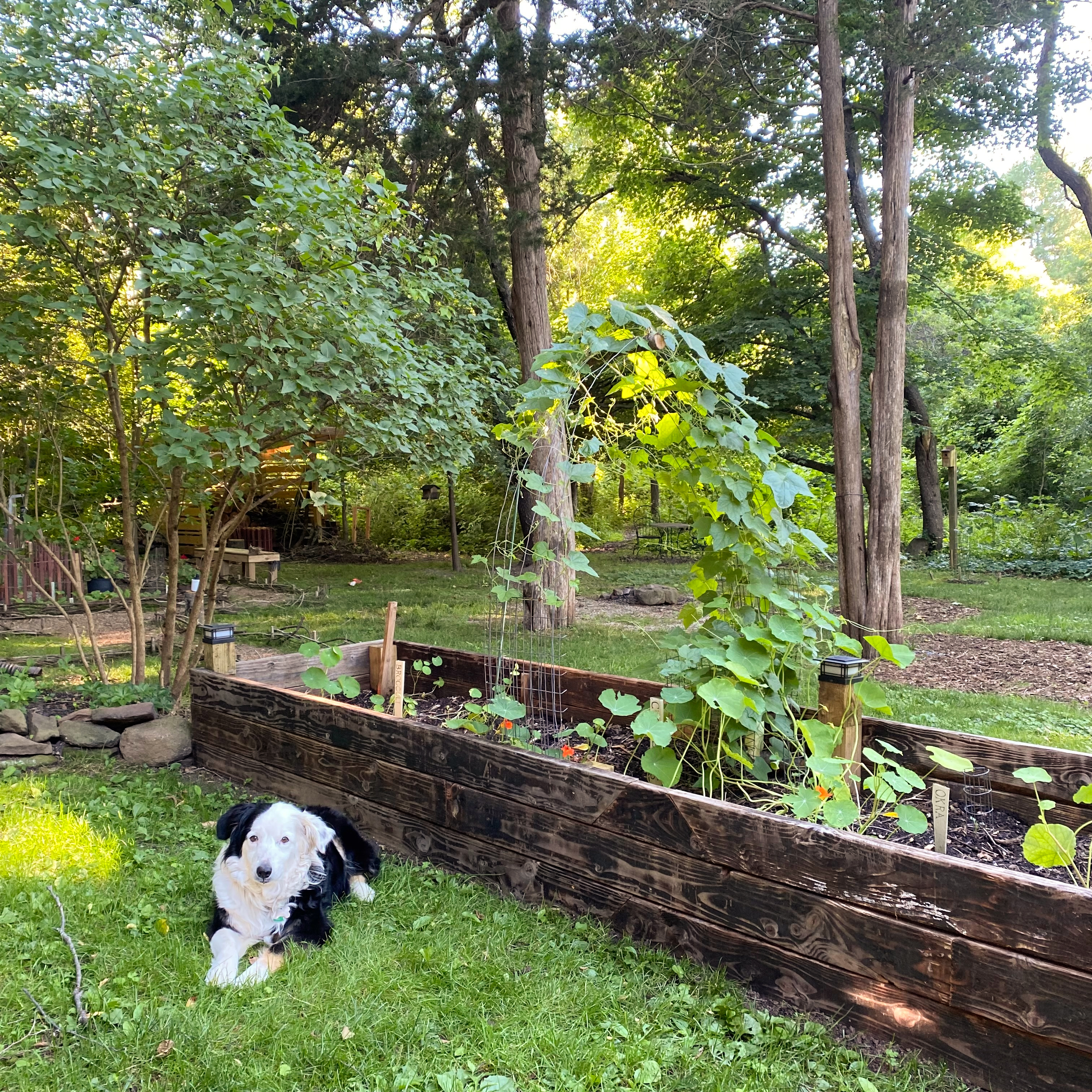












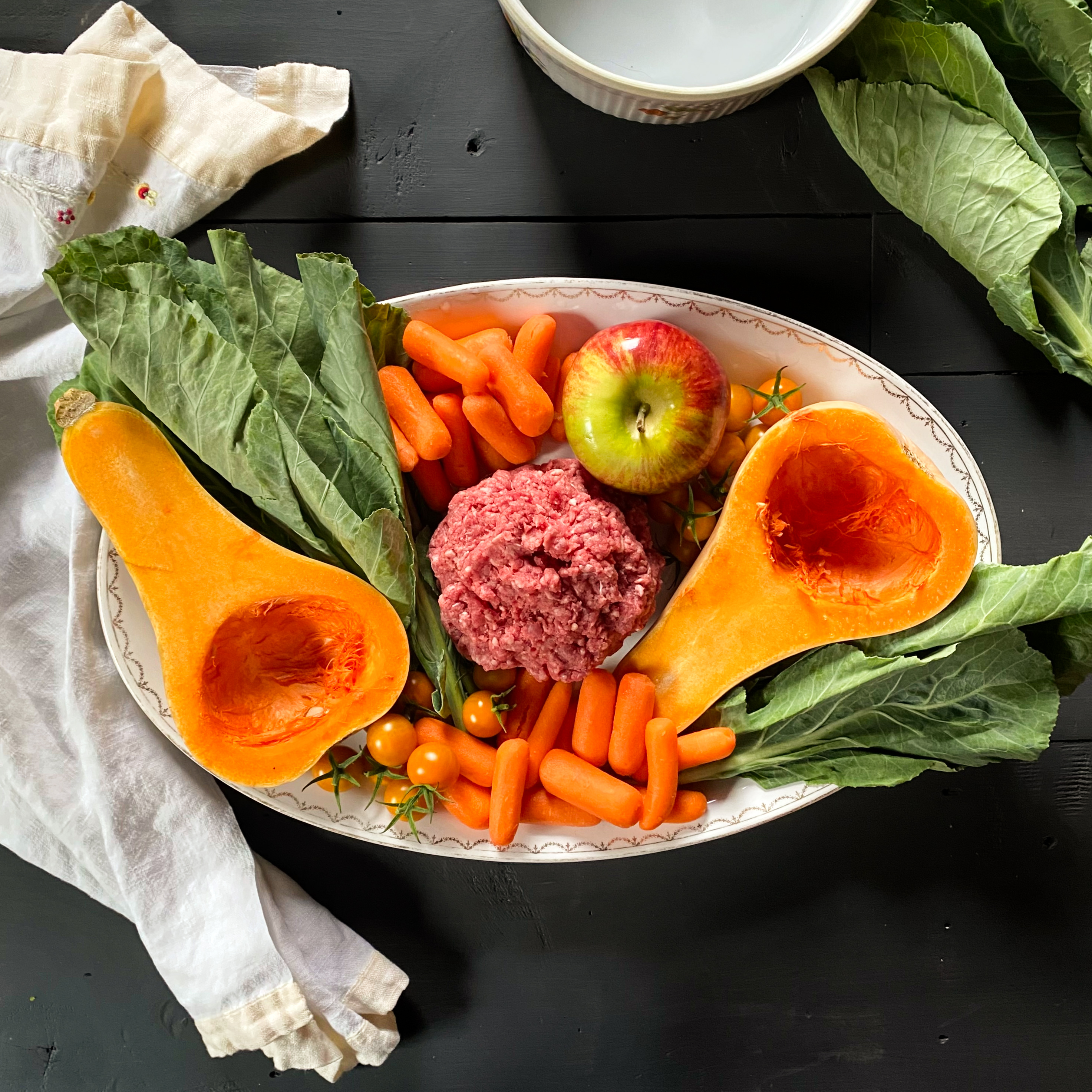
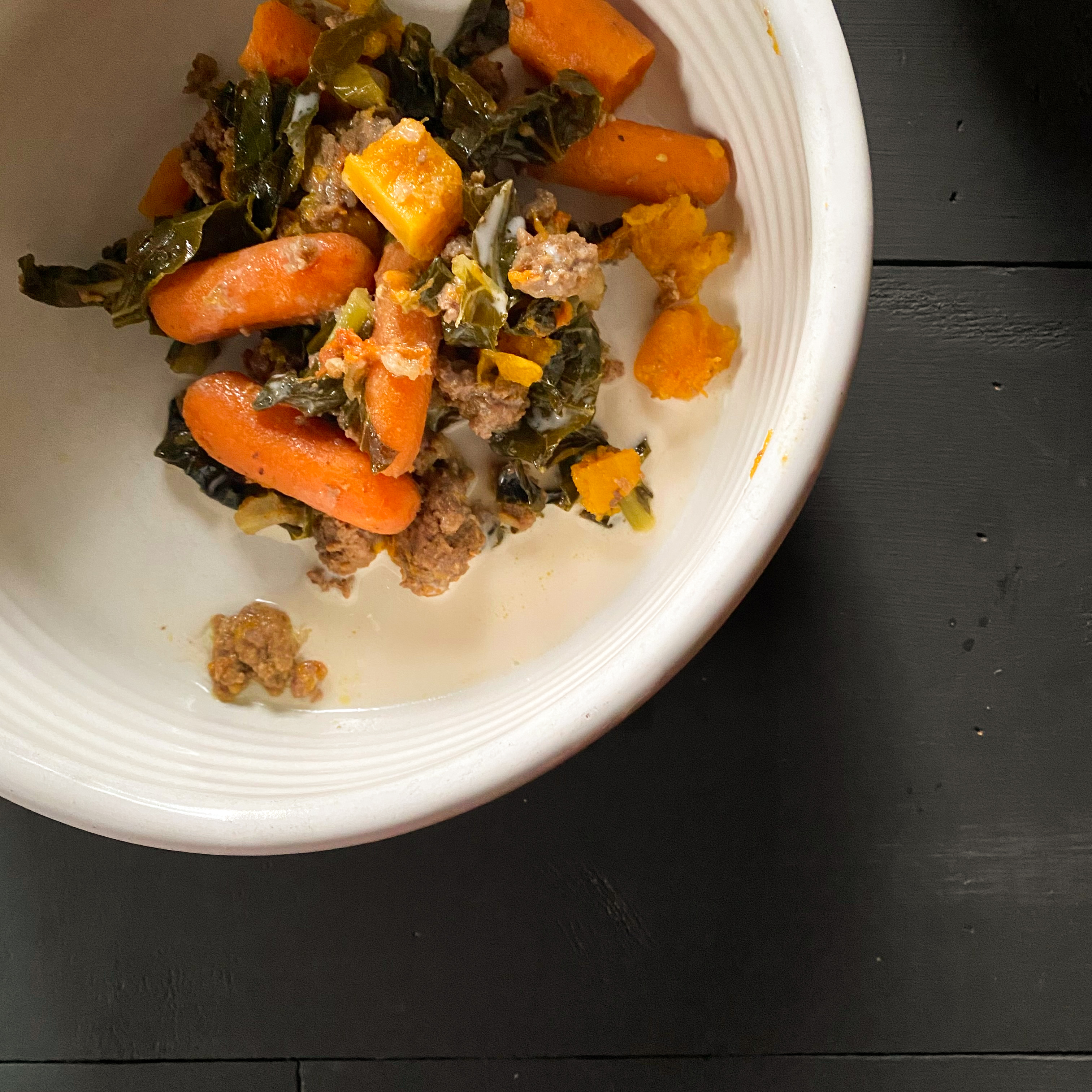


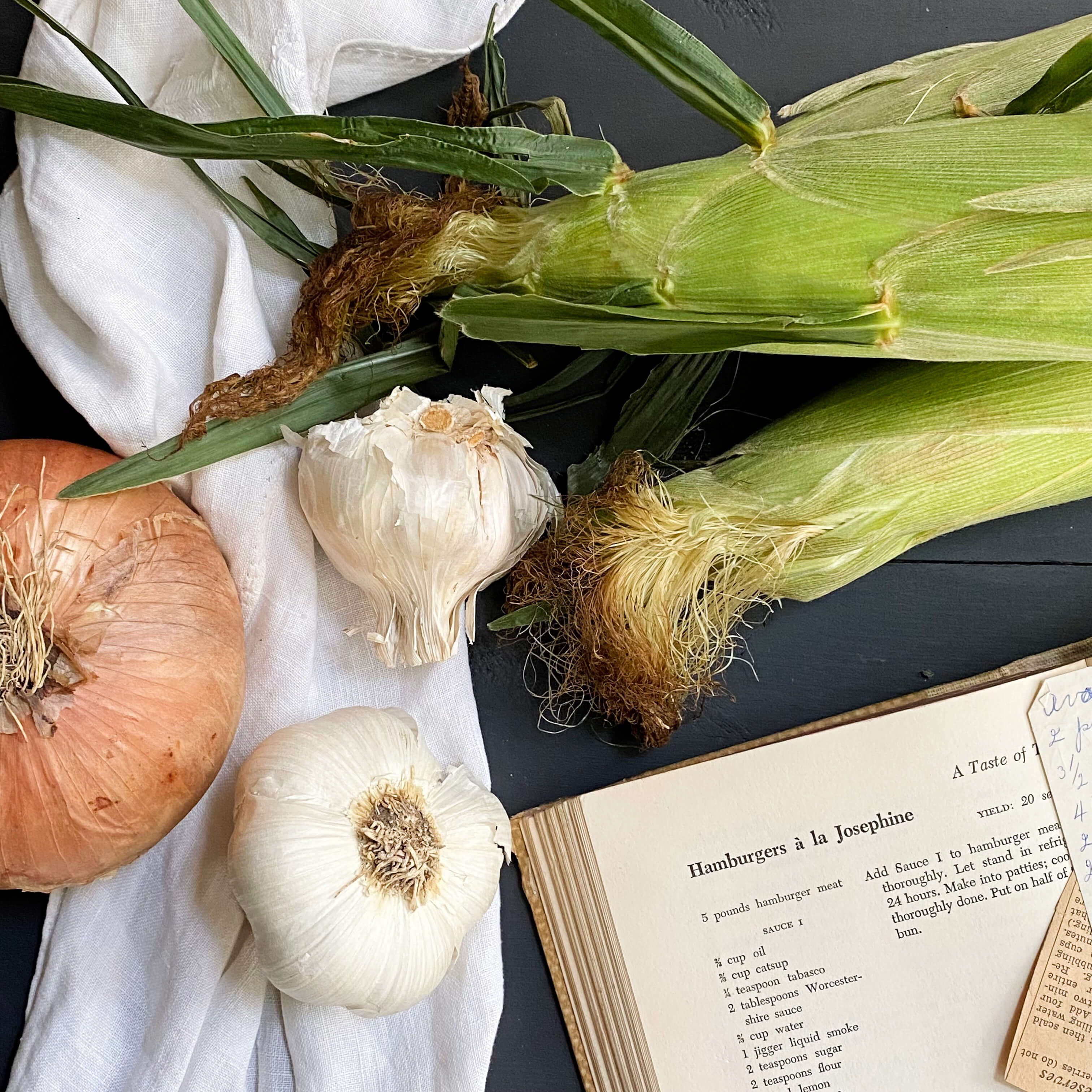

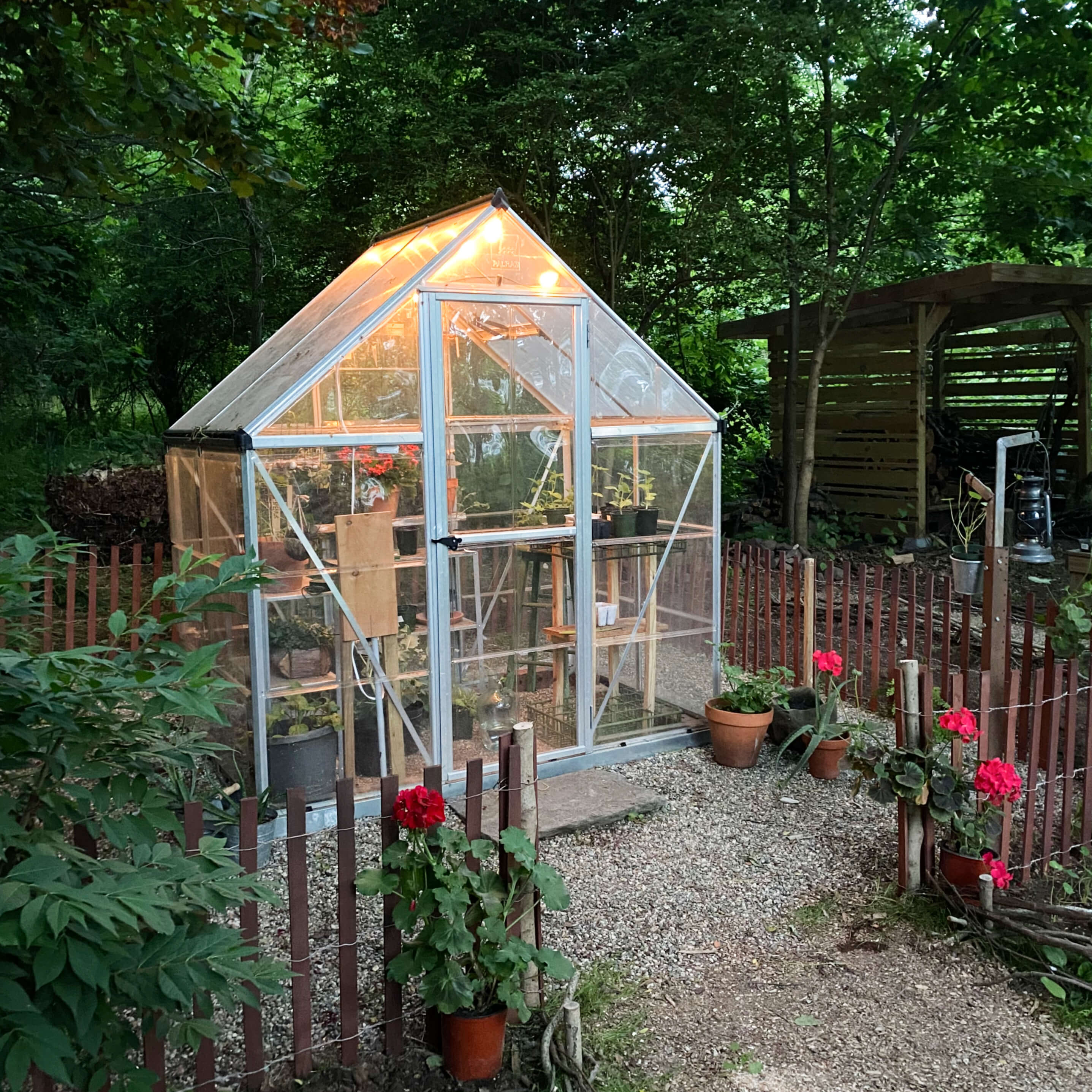

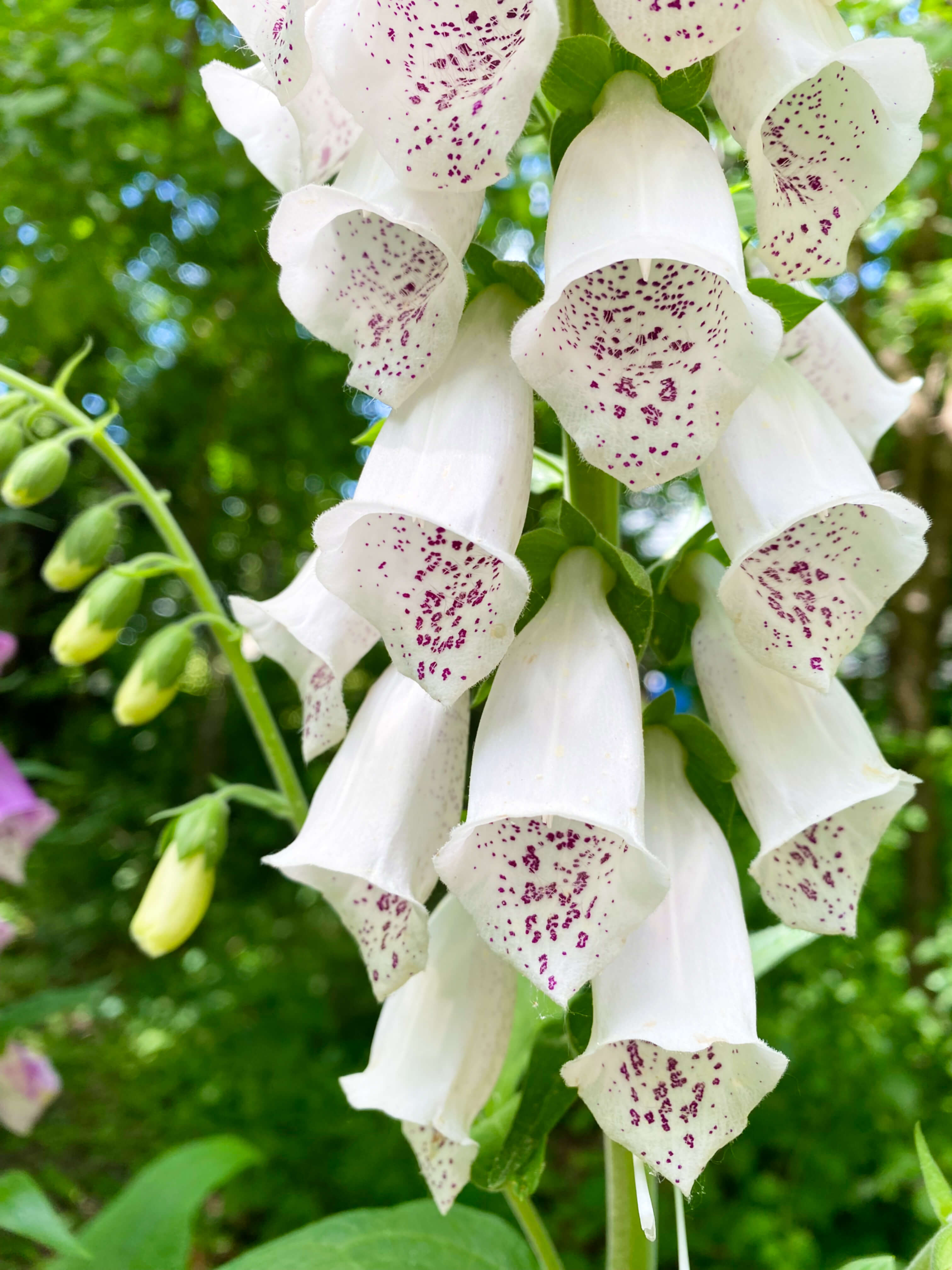


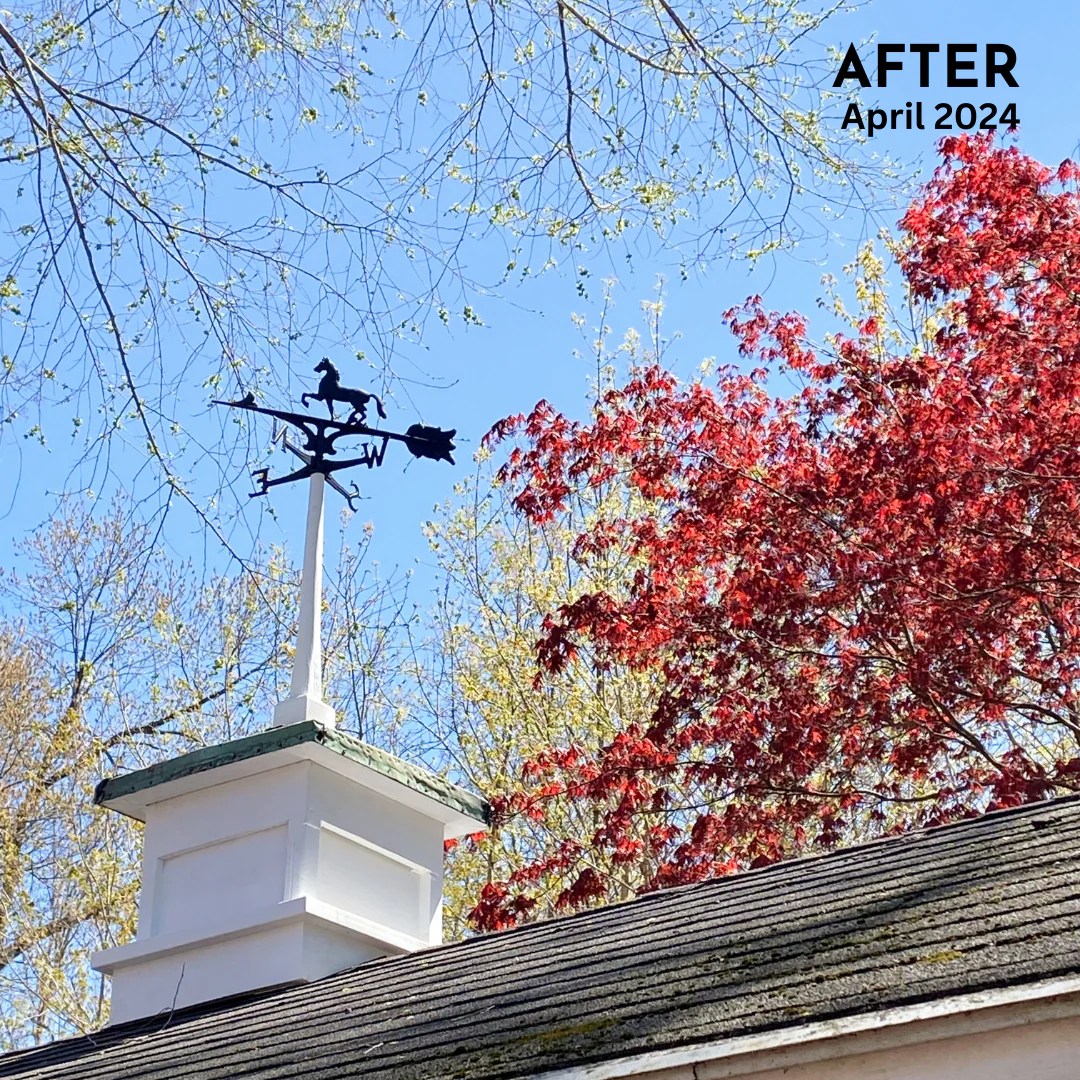

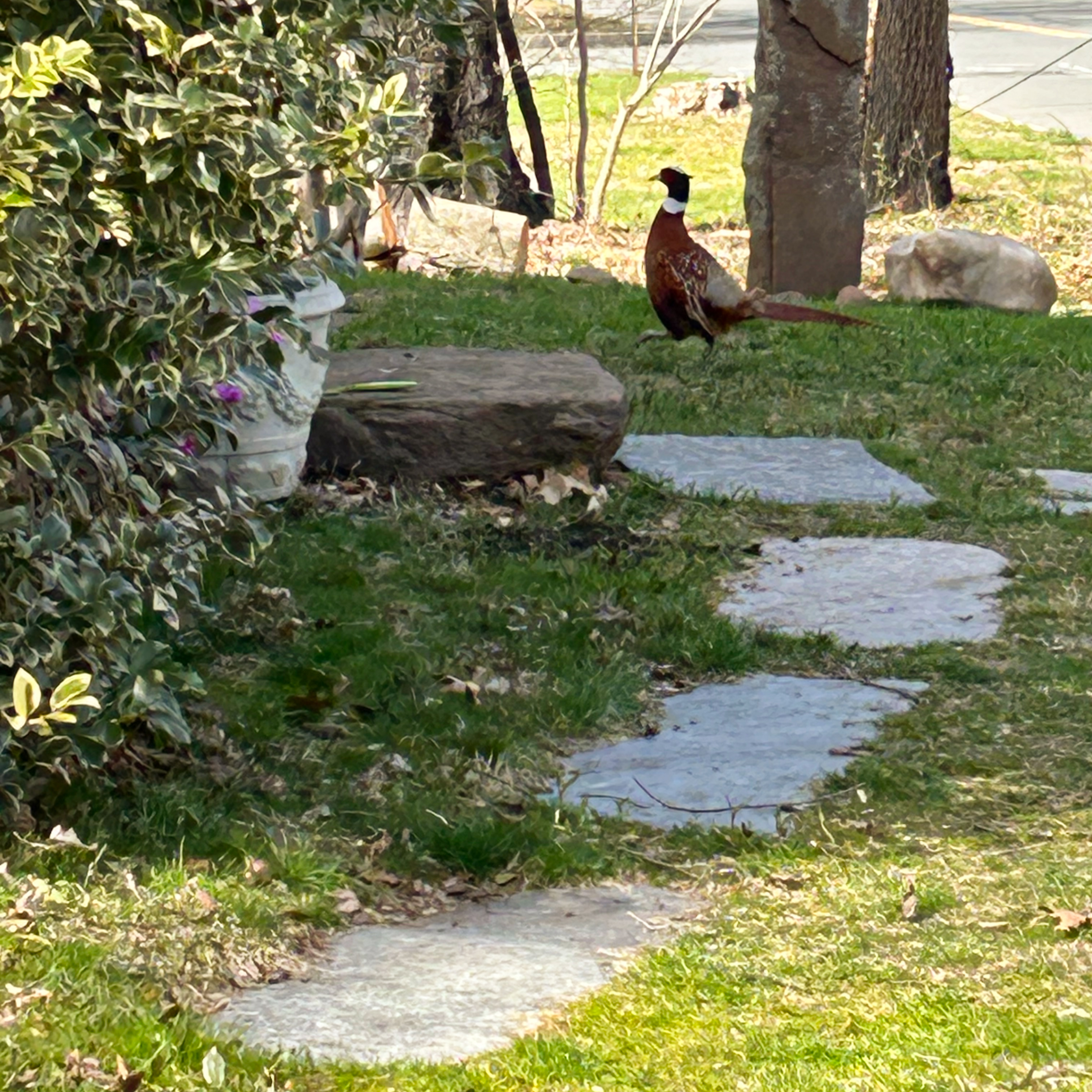

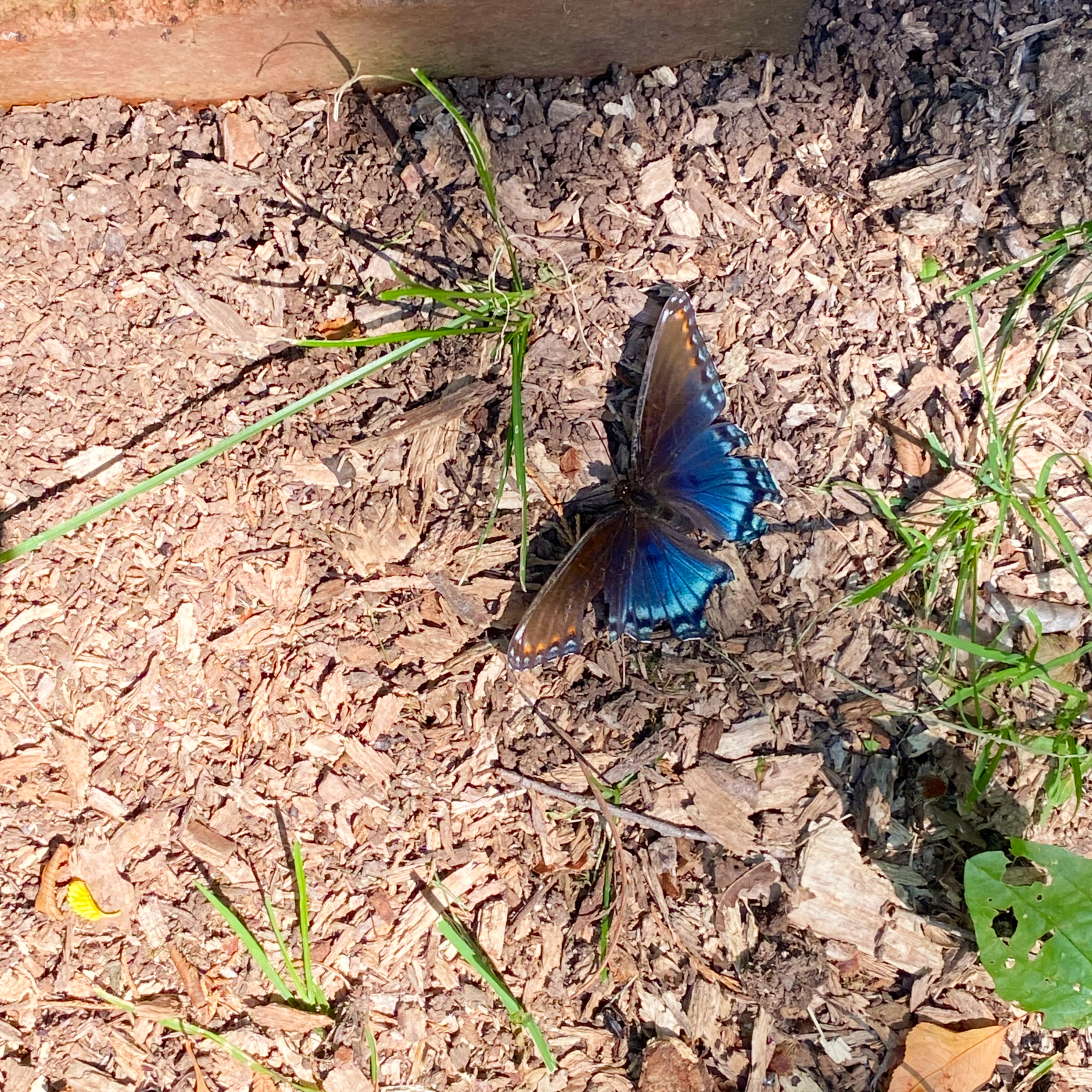
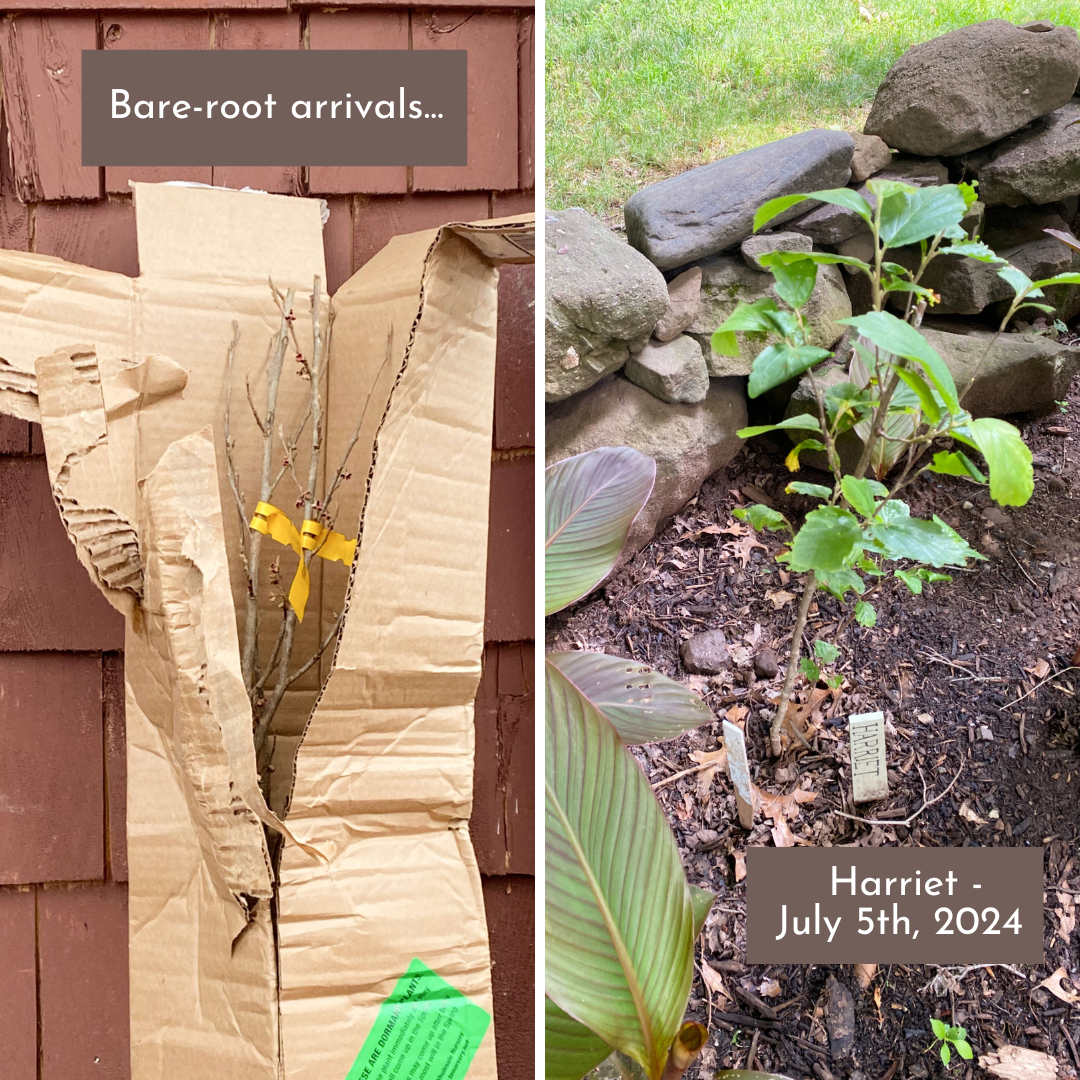
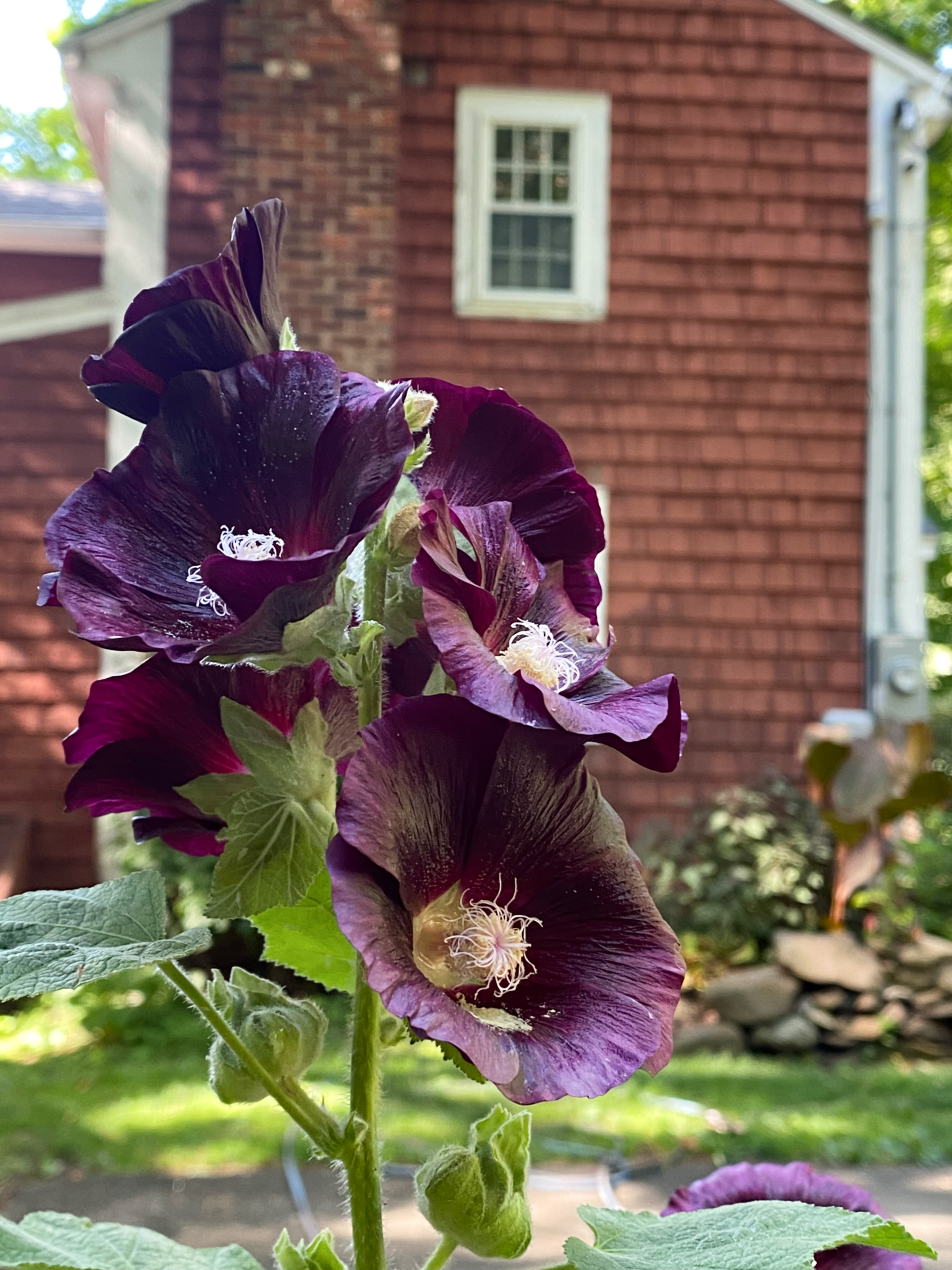


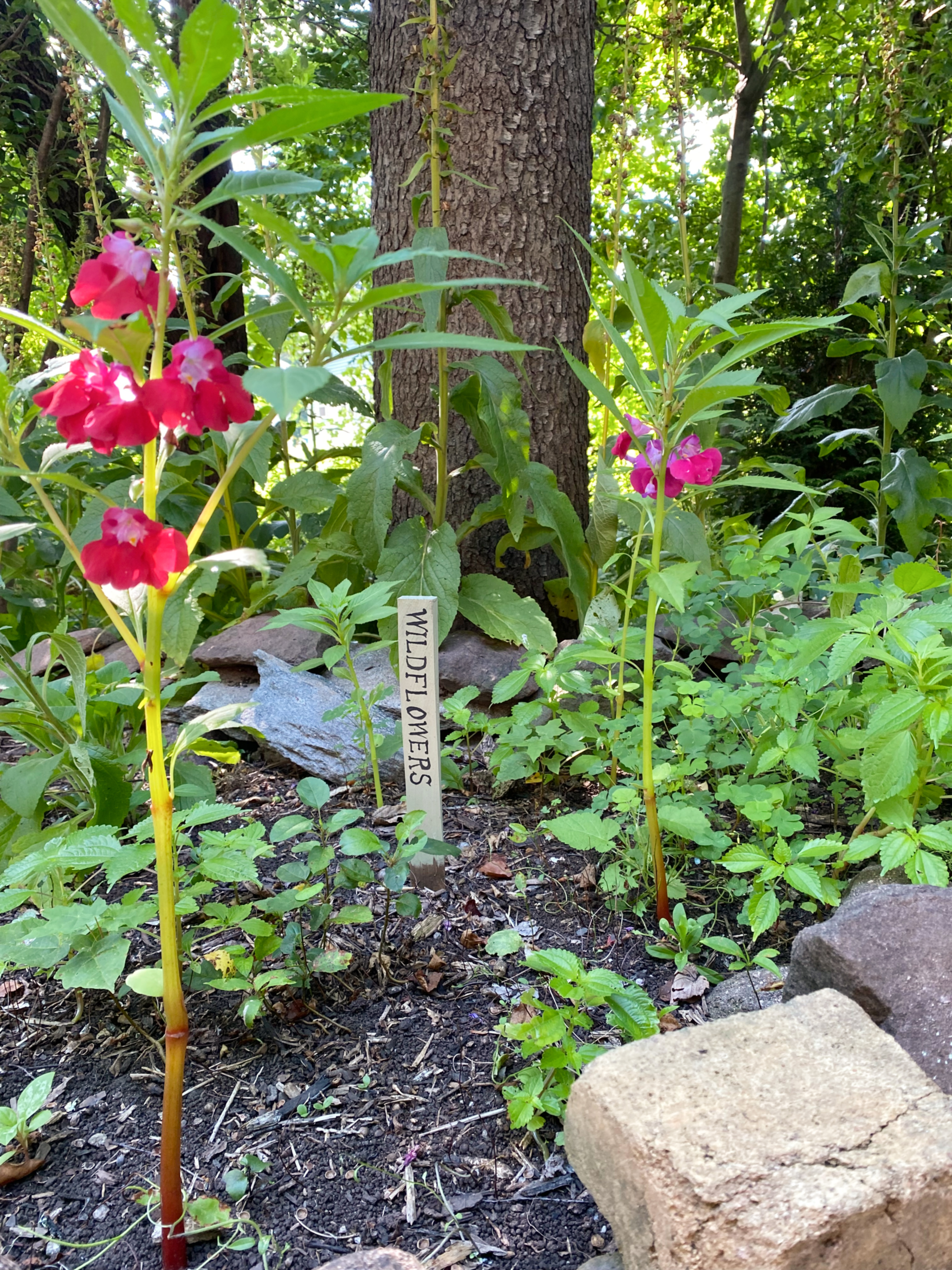
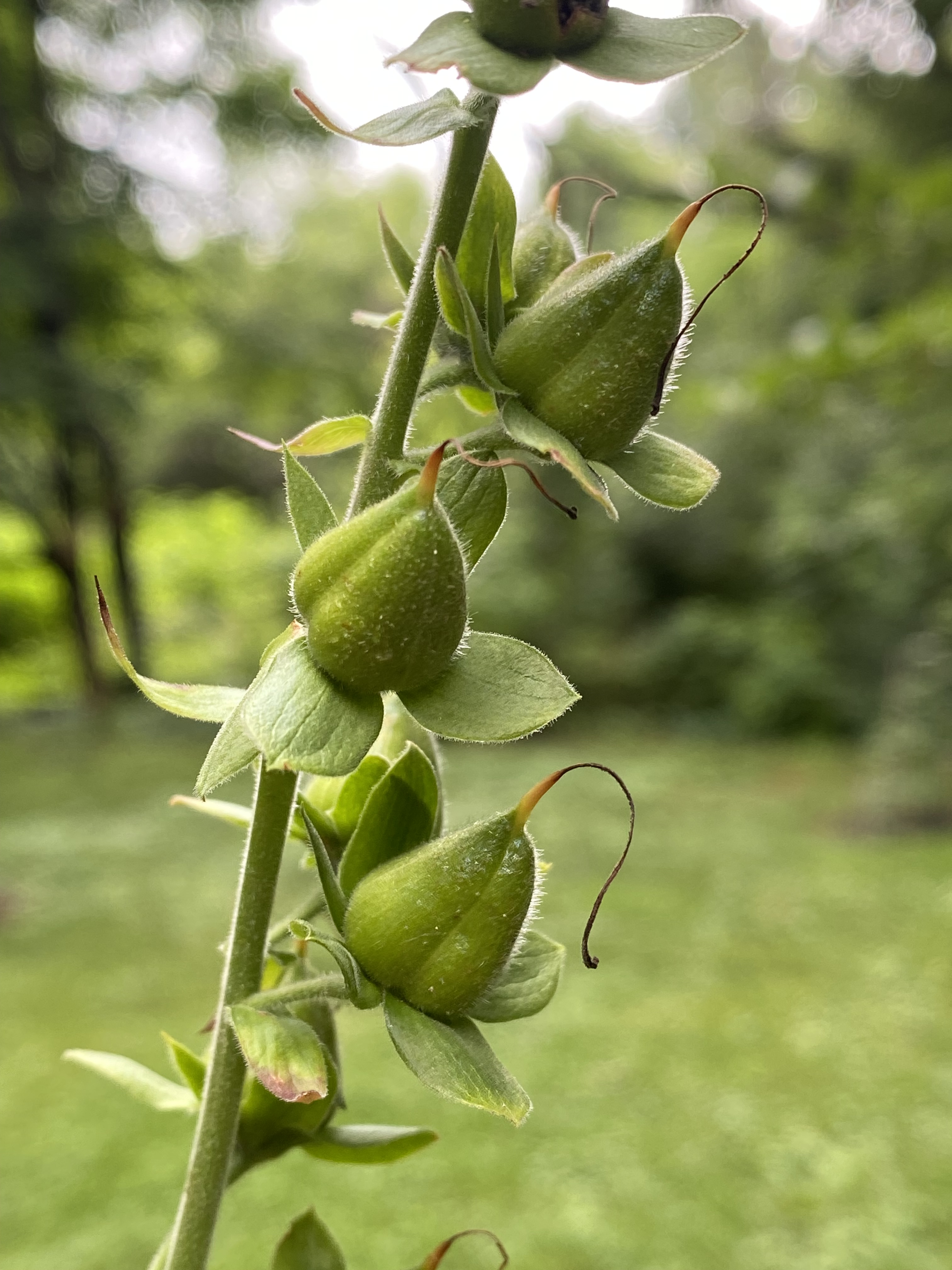


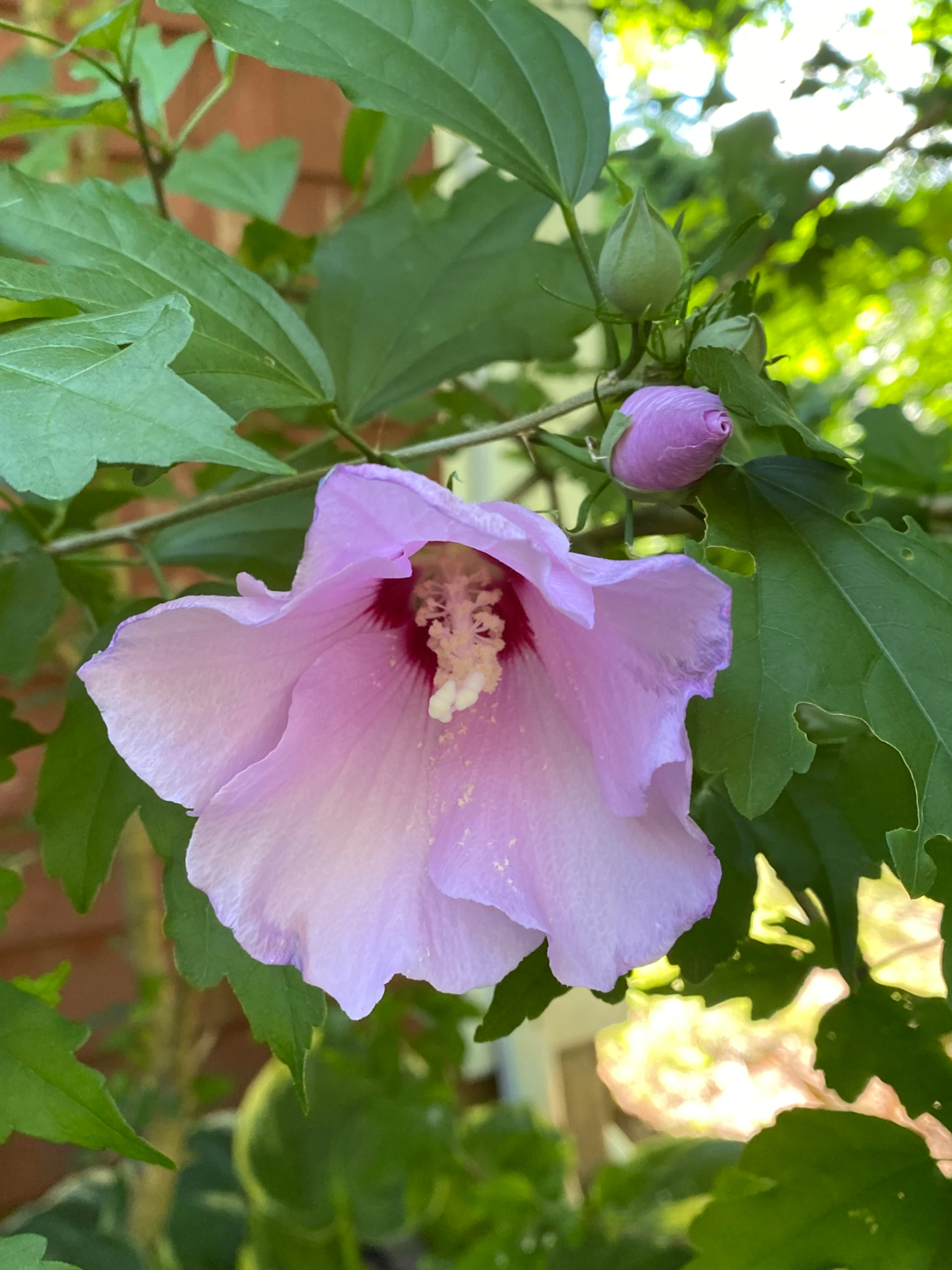



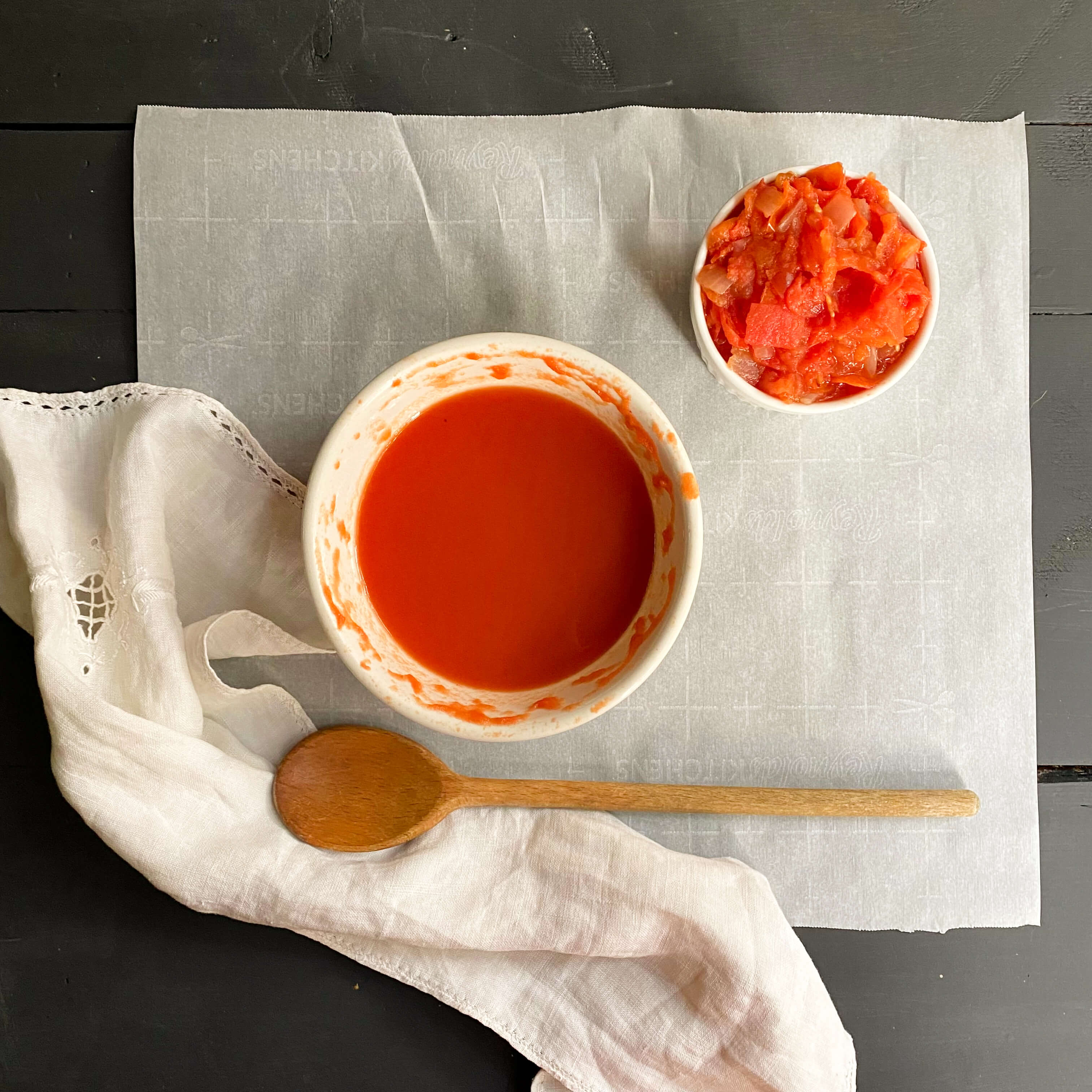

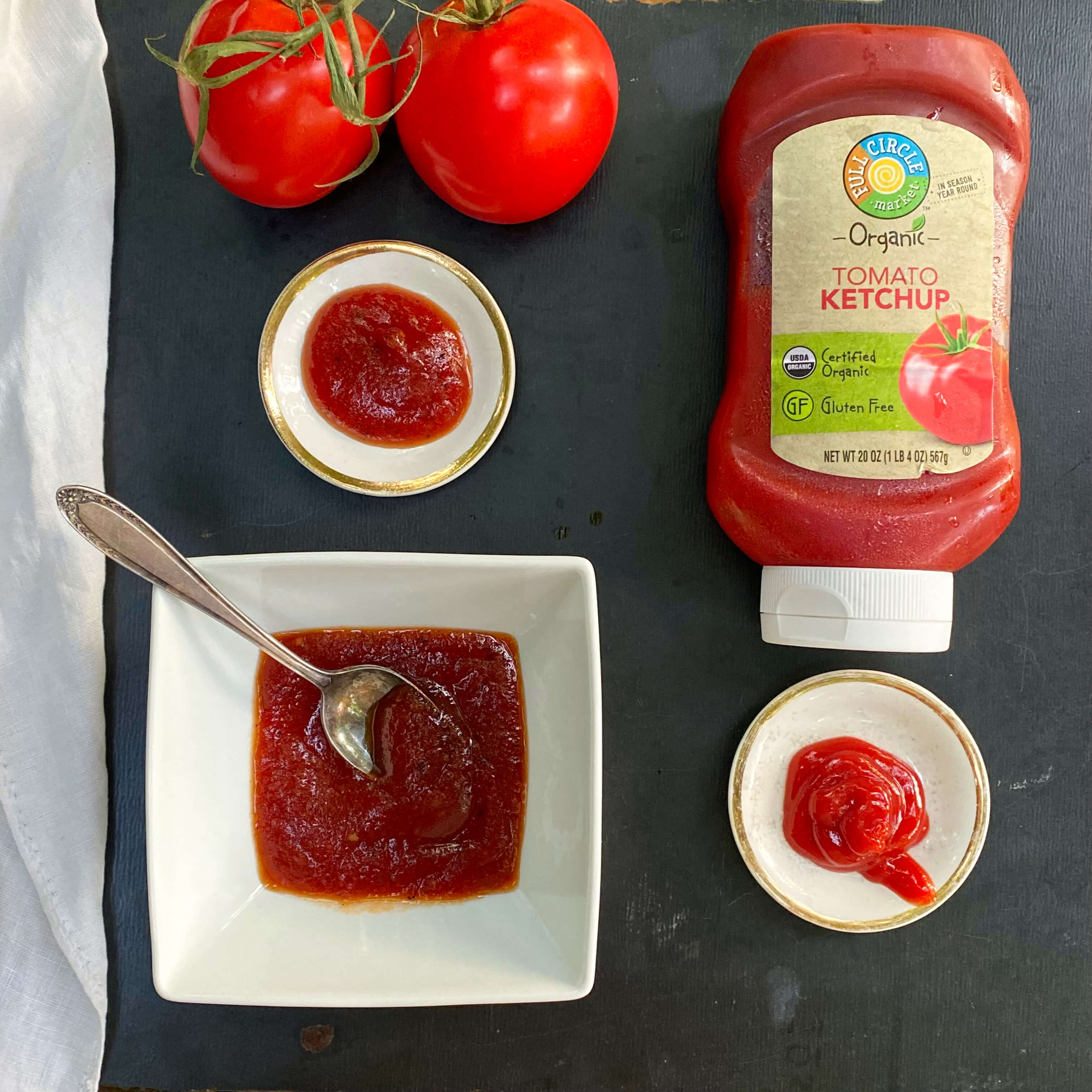


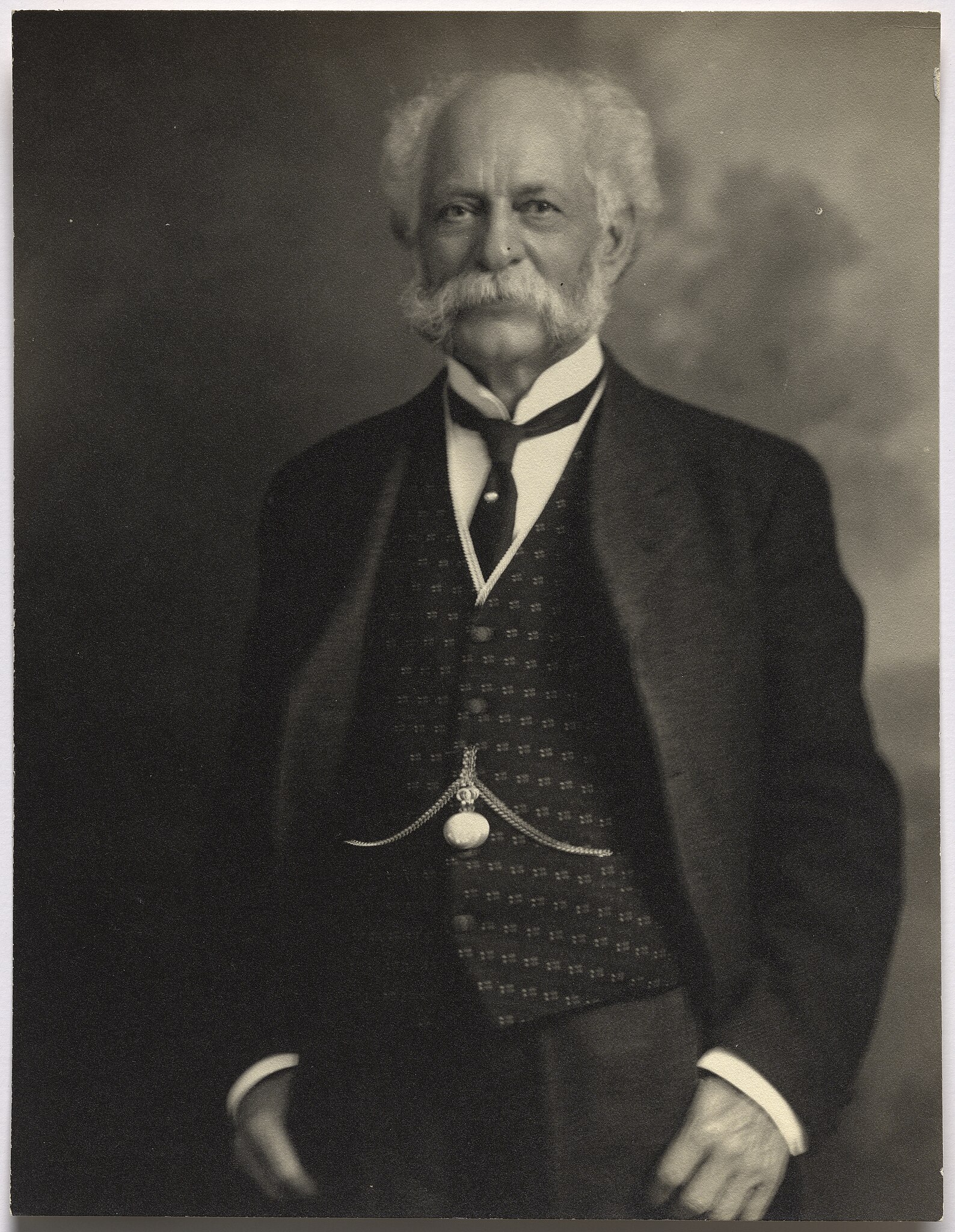


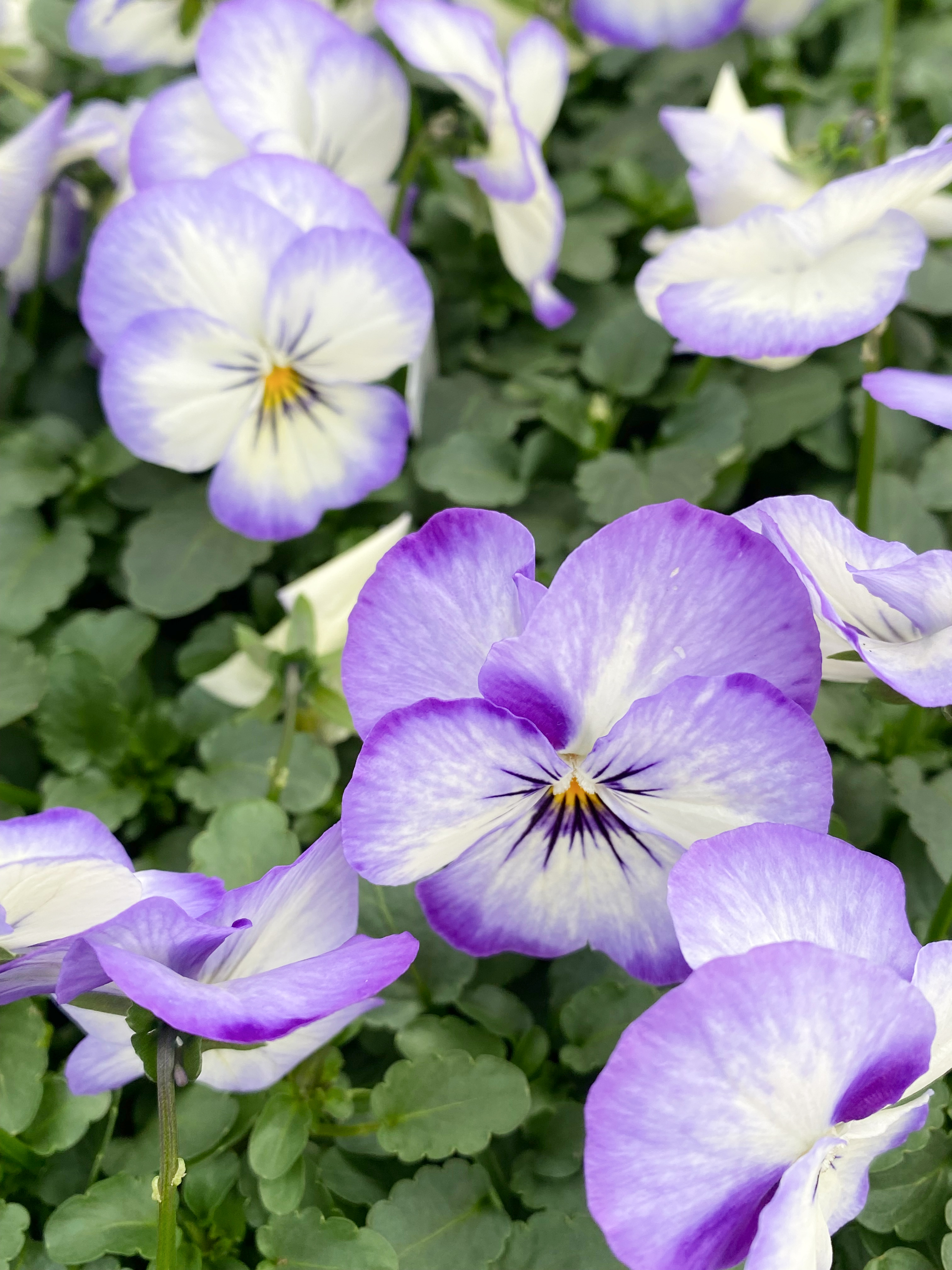


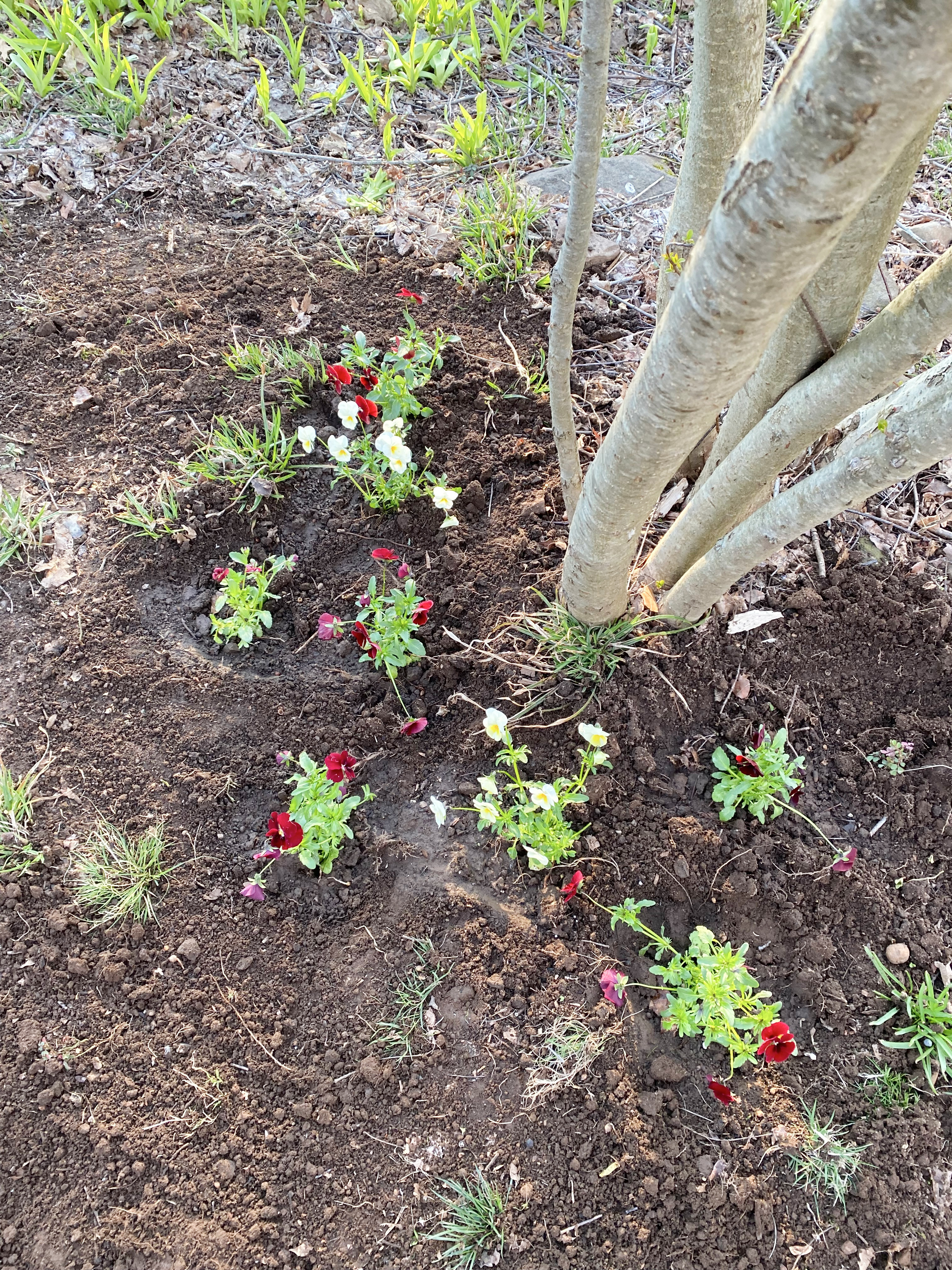

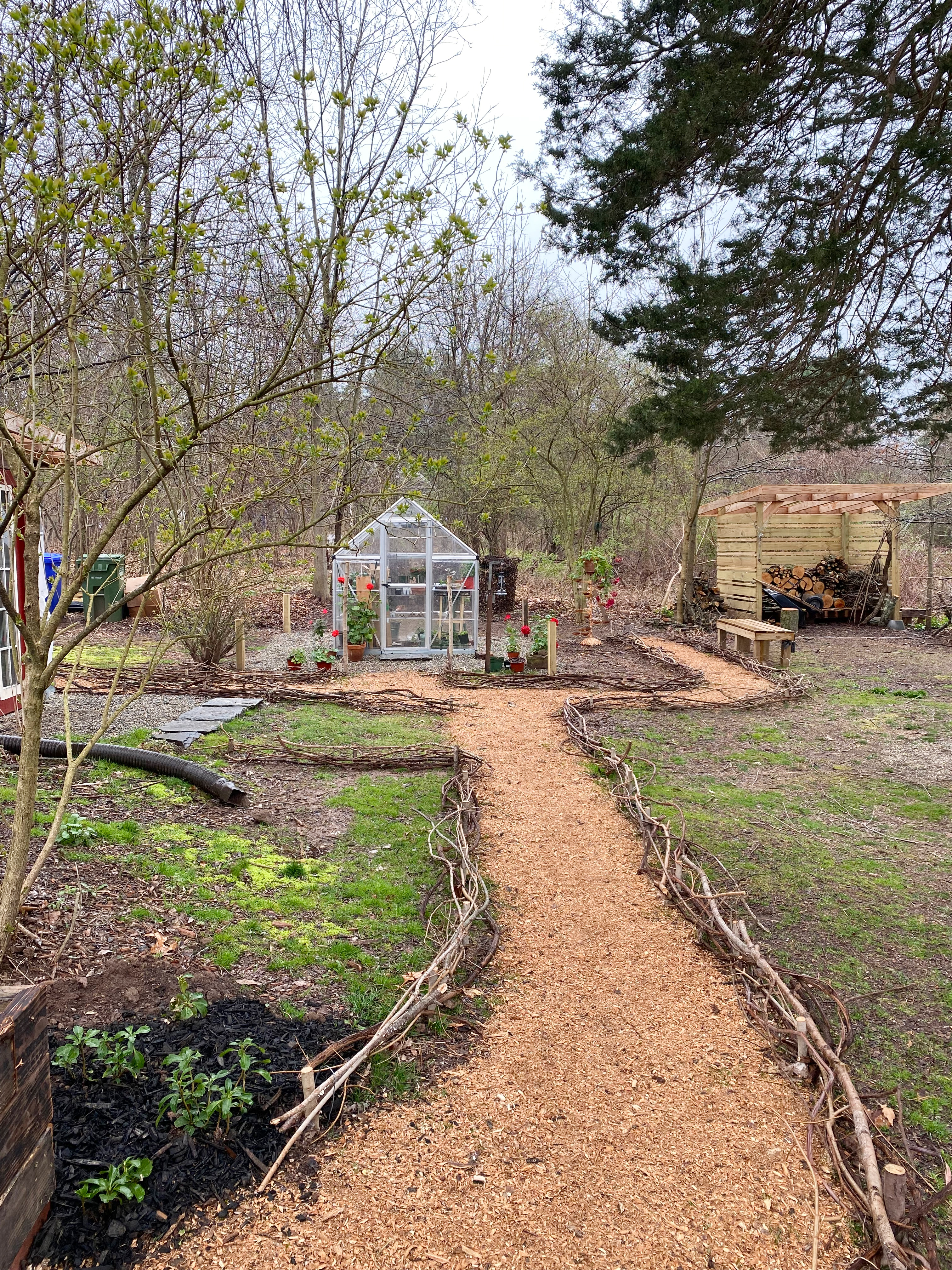


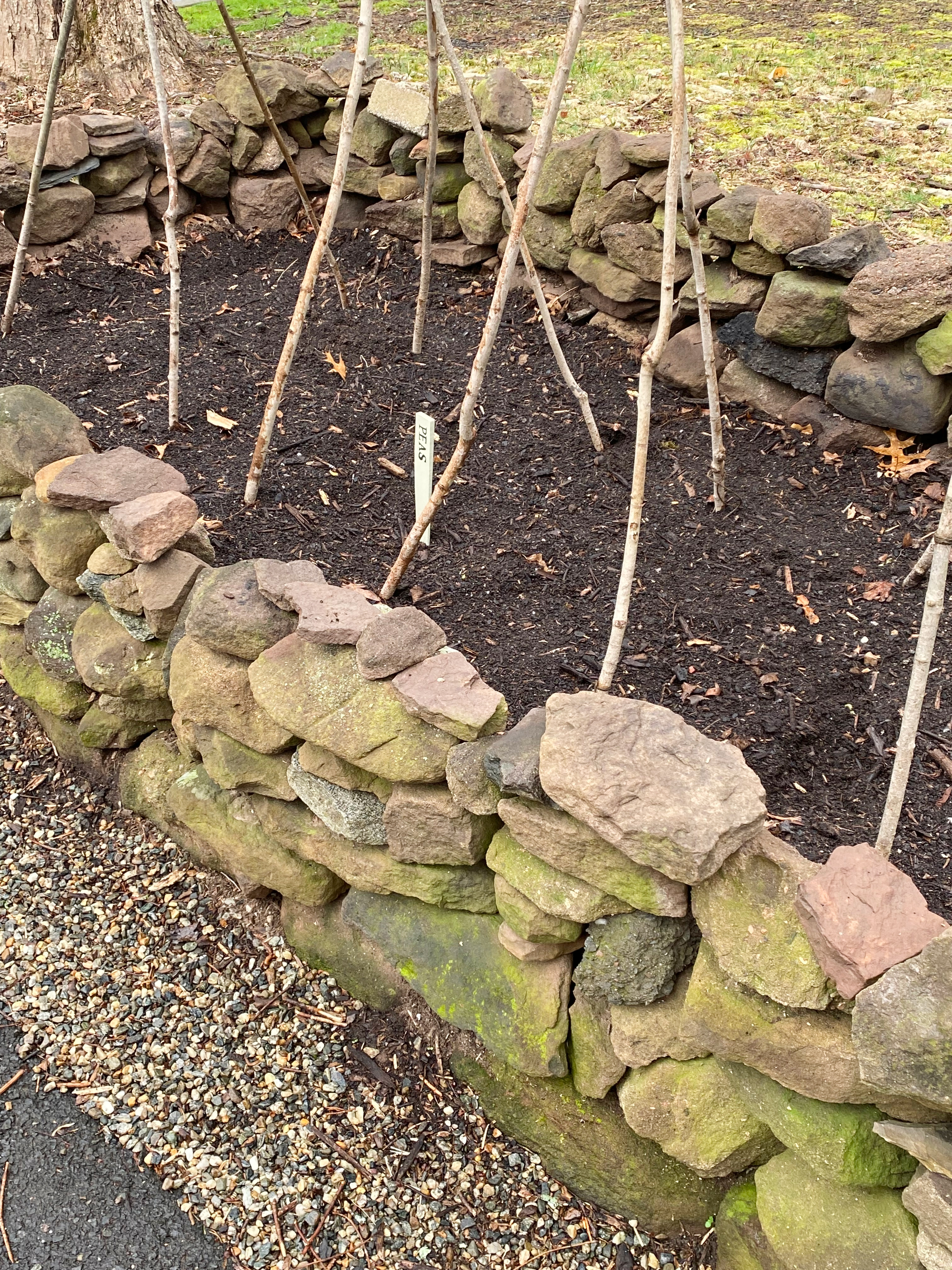


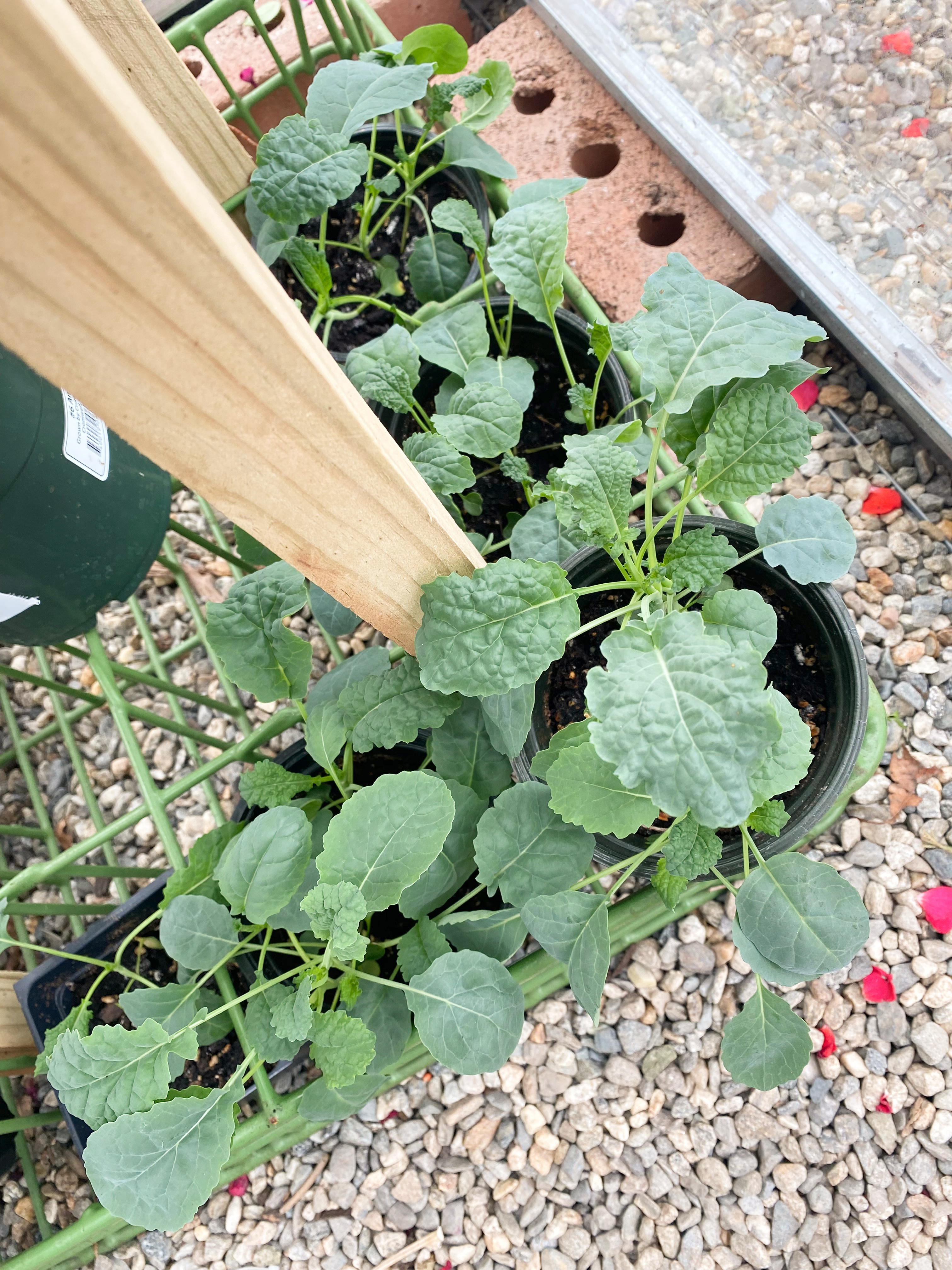



 In the Vintage Kitchen: Where History Comes To Eat