How very exciting this week has been for snow lovers around the U.S.! With all this winter white floating and flying around the country, February is chalking itself up to be one of prettiest winter months on record. Sadly there has been no snowy weather to report from Ms. Jeannie’s city but that’s okay because today snow scenes are not hard to come by as we travel back in time to some of the biggest snowstorms of the 19th and 20th centuries.
This post is all about the beauty of the blizzard as experienced from all sides of the States, north to south, east to west. We are also introducing two new (but actually old) snow songs that every once in a while get lumped into Christmas song rotation but actually have nothing to do with the holiday itself. Instead, these two whimsical melodies express all the hap-hap-happy joy found in a good day of snow. So grab your mug of hot chocolate, turn up the volume and enjoy the snowstorms to come…
Suzy Snowflake debuted in 1951 and quickly became a popular hit for Rosemary Clooney for the next three decades.
New York City, 1917
Boston, 1875
Detroit, early 1900’s
Possibly this is Suzy Snowflake herself circa 1963!
New York City, 1892
Minnesota, 1940’s
Kentucky Mountains – early 19th century
Chicago, 1956
Eagle River, Wisconsin, 1911
Belfast, Maine, 1952
Chicago, 1908
New Jersey, 1926
New York City, 1905
Seattle, 1916
Washington DC, 1922
Mckenzie Pass, Oregon, 1929
Connecticut, 1888
It’s A Marshmallow World was first recorded in 1949 and was performed by Bing Crosby. This version (Ms. Jeannie’s favorite!) by Brenda Lee debuted in 1964.
Wisconsin, 1925
Vermont, 1940
Ohio 1952
Colorado, 1906
1950’s
Alaska, 1910
Tennessee 1918
Buffalo, New York 1977
San Francisco, CA 1887
Harrisburg, PA circa early 1940’s
Cheers to happy snowmen and winter site-seers! May your snow day, however you are experiencing it, be merry and bright!
All photos courtesy of pinterest and ebay. Click on each for more detailed info.
An artistic rendering of Michael and Renee’s vintage house on the outskirts of New York City.
Today we are announcing a very exciting multiple part series here on the blog based on real-life history-making circumstances that are facing two of our readers. You’ll remember these familiar faces, Michael and Renee as winners from our Sparta giveaway last November. In communicating during their prize winnings and exchange of recipes they shared exciting but daunting news that they would soon be undergoing a kitchen renovation in their 1940’s New York colonial. Not new to the reconstruction game (these two have been updating their house for the past several years) this kitchen project in particular kept getting put off because it was going to take three months. Three long months for two people who are crazy about cooking.
The thought of 90 days of food preparation among tarps and tape and sawdust and drills and hammers and workbenches during cold, wet winter sounded anything but appealing. But alas with a firm “Let’s begin,” from their contractor, the project could be put off no longer. The time had come for Michael and Renee to embrace the chaos that is a historic house kitchen renovation.
In submitting finally to this process a challenge has been posed. Can these two epicureans figure out what and how to cook when a fully functional kitchen will not be accessible for the next 270 meals? Can their sanity keep up with their ideal determination not to eat out or order in during the entire phase of construction? What will these two gourmet cooks and farmers market foodies make during this three month stretch that will keep their hearts happy and their stomachs satisfied? Can they stay true to themselves and approach food in their normal, healthy, excited-to-cook-for-you kind of way? Or will they succumb to the frustrations and inabilities of not having continuous access to the proper prep space, cooking equipment, storage facilities or clean-up stations?
Will they slip out to Starbucks for breakfast on the go? Will they develop reasons for in-city lunch meetings or after work “networking” cocktails? Will friends and family take pity on them and invite them over to enjoy someone else’s home cooked meal? How will their enthusiasm towards healthy eating be affected? How will their culinary creativity be tested? And most importantly, of all the challenge questions, what happens if the construction plans take longer than 12 weeks?
Over the next several months, Michael and Renee, will share in their own words how things are going. They’ll report on what they are making and how they are feeling. They’ll talk about how the construction is evolving and about how their initial hopes and aspirations have been received by the physical parameters of the construction process itself. And if everything goes south (no pun intended!) and they find themselves without the ability or the desire or the space to properly cook they’ll share those thoughts as well. It’s a food lover’s journey trekking across a bumpy pumpernickel road that stretches out over a quarter of a year. Will it sprout new innovations or will it turn their minds into toast for a dozen weeks? Let’s jump right in and see!
We begin this series with an introduction from Michael and Renee and a special, sentimental send-off recipe from their soon-to-be-old kitchen marking the start of their culinary construction adventure…
When we moved out of the West Village and bought our house in our “micro-urban” town in southern Westchester County, NY we did so with a firm and well-defined 5-year plan. Nine years later, we are about to embark on what should’ve been our year two project. To quote the sage Mike Tyson, “everybody has a plan until you get punched in the face.” Thanks, life.
Joking aside, we really like living here and we really love our home. We have a better commute than most people that live in the confines of the Five Boroughs, and we get all the perks of the ‘burbs…the car, the trees, the backyard, the nosy neighbors…well, maybe not everything is a perk. So, when we recently decided that it was time to either trade-up or up-grade we came to a fairly quick decision that we would do some serious renovating and stay put. When we say “serious renovating” we’re not kidding – we’re talking new kitchen, extension off the back of the house, new siding, new family room, and a new deck. We got the ball rolling back in October and quickly found a contractor, got the plans in order and started looking for appliances and materials. We figured that by late February we’d be done. As of today, the anticipated start date on the project is February 15, with a 12-week estimated duration. Given that we started out 7 years behind schedule, that’s not so bad.
One of the key sacrifices we’re going to have to make is being without a kitchen for a few months. We are the type of people that have almost every single meal we eat come from our kitchen. Breakfast at home every day. We take lunch to work every day. We cook dinner at home almost every night (gone are the days of restaurant hopping in the West Village, but we still get out sometimes).
We are honored that our good and great friend Ms. Jeannie has asked us to chronicle this process for you, Dear Reader, on her amazing blog. We hope that we can do justice to her gracious request, and we hope that we don’t scare too many of you away from the joys of home improvement.
For this first blog post, we are paying homage to the first meal we cooked in our home almost nine years ago – Roast Chicken and Risotto. Our palates and our influences (and, for one of us, our cholesterol levels) have changed considerably since those bygone days, so our “updated” chicken dish is a little Israeli, a little Moroccan, a little Spanish, and a little local Farmer’s Market.
In subsequent blog posts, I expect that our recipes will reflect the state of (or complete lack of) our kitchen, but for now happy cooking! We encourage comments, requests, suggestions and commiserations from other renovation survivors.
Israeli Inspired Chicken
Based on Israeli Inspired Chicken from Frankie Cooks
Ingredients:
3 – 3 ½ lb. organic free-range chicken (preferably from a farmer you know)
2 tbsp. each of za-atar, paprika and turmeric
¼ tsp. saffron
1 cinnamon stick
Salt and black pepper
2 Tbs. Olive Oil
1 cup of jasmati rice
½ bulb of fennel, sliced thin
4 cloves of garlic, smashed
1 leek, thinly sliced
2 cups of chicken stock (homemade is best)
1 small orange, sliced
Zest from one lemon (reserve the juice for serving)
Pomegranate arils (optional – we did not use, but felt that it would have added a freshness and zing at the end to the dish) and fresh chopped parsley or cilantro, for serving
For the brine:
1/3 cup kosher salt
1/3 cup apple cider vinegar
1/3 raw cane or coconut sugar
4 cups of filtered water
Up to two days before, spatchcock your chicken. Combine the first three ingredients of the brine in a large bowl and whisk well. Add the 4 cups of water and whisk until fully combined. Add the chicken to the bowl, cover and refrigerate overnight.
The next morning, remove the chicken from the brine and pat dry. Discard the brine. Transfer the chicken to a rack breast side up. Season the skin with kosher salt and black pepper and return the refrigerator, uncovered for 8 – 24 hours.
Remove the chicken from the refrigerator and sprinkle both sides with the za-atar, paprika and turmeric. Set aside.
Place a rack in the center of your oven and preheat to 325 degrees.
Heat a wide dutch oven or large sauté pan with a tightly fitting top on medium-high heat. Heat the olive oil and add the chicken, skin side down, and brown for about 4-5 minutes without moving.
Meanwhile, warm the chicken stock in a saucepan on low, or in a microwave, and add the saffron and cinnamon stick to bloom.
Remove the chicken and reduce heat to medium low. Add the fennel, garlic and leek and sauté until soft and translucent, about 5-8 minutes.
Add the rice and toast until fragrant, about 3-5 minutes.
Add the chicken stock and saffron mixture and citrus to the pan. Increase heat to high, and bring to a boil. Then reduce to a simmer, add the chicken and cover.
Move the pan to the oven and cook for approximately 35 – 40 minutes, or until the rice is cooked and a thermometer inserted into the thickest part of the breast reads 165 degrees.
Remove chicken from the pan to rest. Fluff the rice and plate, garnishing with pomegranate arils, herbs and a fresh lemon juice.
Carve the chicken and plate on top of the rice.
Such a fitting farewell meal to all the fun times Michael and Renee have enjoyed in their vintage kitchen. Cheers to another 70 years of good times to come when all the renovations are complete!
Next time we catch up with these two bravehearts we’ll learn about the specifics of their construction project and see how this whole fresh food situation is faring. In the meantime, if you missed Renee and Michael’s other recipes featuring Greek olive oil and oregano find them here. And if you have any words of advice or helpful suggestions as these two get-going, please post a comment below!
Photo credit: All photos for this post are courtesy of Michael and Renee.
“The object of a new year is not that we should have a new year. It is that we should have a new soul and a new nose; new feet, a new backbone, new ears and new eyes.” So said British author G. K. Chesterton.
Even though he spoke these words of wisdom in the first part of the 20th century, don’t you think they are still absolutely appropriate reminders for today? This new year is bursting at the seams with potential and possibility. And it is up to us to make the most of it – to get our dreams and aspirations from the inside to the outside. In the land of Ms. Jeannie we are starting the year off with a list of fascinating books and movies that will give you those new ears and new eyes, that new backbone and new soul that Chesterton so smartly referred to. Today we are looking at the magical rewards of life from different perspectives as told by people who muddled their way through the long, wayward process of dream-building and came out the other side with wisdom and wonder to share.
Offering equal amounts of inspiration and entertainment, these books and movies were discovered in 2016 but cover a wide time period. On the older side there is a new documentary about a still-living fashion icon born in the 1920’s and an incredibly romantic 2015 movie based on a classic novel written in 1847. On the newer side, we tackle old thoughts on homekeeping in our modern 21st century environment with a book about interior decorating and we spend a year in the life of modern day archaeologist/historians as they recreate authentic farm life in rural Edwardian England.
It’s a fun, eclectic collection but you’ll notice a common thread running between them all – commitment, dedication, confidence. By drawing inspiration from this cast of characters, we can draw parallels to our own lives that will help motivate the dreams that swirl around our heads and hearts and hopefully get us thinking about what steps we can take today that will affect our desires tomorrow. Let’s look…
In the reading department…
1.No Place Like Home – Brooke Berman (2010)
Budding playwright Brooke Berman had a simple goal. To find a home that she could call her own. Not one that she purchased. A rental was just fine. Not a house. An apartment would suit. And not even necessarily one that excluded roommates. She just wanted to find a place where she could store her stuff and her self for a permanent amount of time. Longer than thirty days. In 1990’s New York City.
You’d think this would be an easy feat, but for Brooke it took 39 apartments and many years to finally figure out where and how she belonged. For anyone who has ever moved more than a few times in their lives you’ll understand the importance of Brooke’s desire to feel settled. But as much as this memoir is about finding a place of one’s own it is also a step-by-step account of one woman’s journey towards self-realization. Like Janice and her Paris Letters, Brooke tells the real story of what it is like to pursue lofty creative work while fighting through the muck-ridden minutiae of basic daily life. Friendships bloom and wither, romances come and go, jobs begin and end, family members die and tragedy strikes. Despite it all Brooke keeps moving (literally!) towards her dream of a permanent address and a professional career.
Her level of determination is inspiring. Her stay-the-course focus impressive. And if you ever wanted to know what it’s really like to live in New York City, on an artist’s salary, then this is the no-holes barred book for you:)
2. Rethink – Amanda Talbot (2015)
This book had Ms. Jeannie thinking for weeks and weeks about home design after she finished it. Part history book, part design journal, part holistic living primer, Rethink tackles a lot of issues between it’s pretty covers. Illustrating how we have become a society of store-ers (owners of so much stuff that storage units are called into action to house the overflow) and accept-ers (of cheaply made, cheaply massed produced short-term furniture), Australian decorator and home style maven Amanda Talbot challenges us to rethink how we use our homes in today’s 21st century world.
Drawing on the nostalgic ideas of home from centuries past when big family, large-scale houses dominated our landscape, Amanda explains how the history of interior design has affected our mental and physical state for hundreds of years. Needless to say, times have changed significantly. Big houses are being traded in for micro ones. Traditional function rooms designed for single purposes (dining room, kitchen, bedroom, etc) have now morphed into convertible spaces where we eat, sleep, work and entertain all in the same area. But strangely our thought processes in how we approach these new room layouts has been slow to catch-up.
We require more out of our personal space than ever before in history, yet we fail more often than not to make our rooms fit our lifestyle. Amanda encourages us to break free of the nostalgic past. Beds are now workspaces, mediation zones and offices. Kitchens are now shipping centers and compost bins and charging stations. Balconies are now vegetable patches, reading rooms and communication hubs. You get the idea!
In touch with both the practical and spiritual sense of home, Amanda illustrates how certain textures, light sources, and furniture arrangement appeal to our modern minds and moods. She hails the use of soft warm wood and vintage furniture for its steadfast constitution and inherent ability to withstand time – something that is assuring to our psyche in the constantly changing and emotionally abrasive world of the 2010 years. She proposes new more efficient and intuitive ways to decorate now that we are a world of citizens constantly on the go. She tackles harmony and peacefulness, blended family relationships and plugged in environments, lighting, trash disposal and greenspace with a thoughtfulness that is provoking. By the time you finish the last page, you’ll look at your home environment and understand more about it and yourself. Rethink will make you want to question and refine your style to the infinite degree so that you are paired down and using only what is necessary, what is essential and what is meaningful in order to balance your being.
3. The Year of Reading Dangerously – Andy Miller (2014)
In The Year of Reading Dangerously, Andy Miller had one goal: to read the books on his bookshelf that he thought were important. The ones that he eluded to loving at cocktail parties (Jane Austen? Yes of course! I love all her books!) or at dinner tables (Tolstoy”s work is amazing!) but secretly had never actually read before.
Andy’s book collection was quite diverse and spanned a multitude of genres and time periods. Some were classic literature, some popular fiction, some the mark of an intellectual mind and some just complete whimsies of a fun-time book lover. He narrowed his list down to 50 books to be read in 365 days. And he stuck to it, whether he liked or not.
Throughout his year, he juggles his reading list and his job, alongside his enthusiasm, his family, his friends and his small son. He battles his pre-conceived notions, and his fortitude, his sanity and his propensity to weasel out of the ones he doesn’t like (which are a few!). He evens battles the point of the whole project. Who would care what a middle-aged British man read or not read? The truth is, you will. You’ll fall in love with Andy and his funny, honest, highly relate-able book-loving life. As Andy steamrolls his way through the shelf, you’ll begin to think about your own bookshelf, your own sheepish list of good reads you claim to love but have never cracked open. And he’ll inspire you to get started.
4. Love In The Time of Cholera – Gabriel Garcia Marquez (1988)
Like Hemingway’s A Moveable Feast which was set in 1930’s Paris, Love in the Time of Cholera transports you to another era. This time, you are in exotic 19th century Columbia – a landscape filled with colorful birds, fragrant flowers and one of the biggest romantics in all of literature. The goal of the novel’s flawed hero, Florentino Ariza is to win the heart of Fermina Daza, a girl he is instantly drawn to in an unexpected moment.
The story winds through 53 years of these two characters lives despite other lovers, other passions and other pursuits, while also dealing with conflicting temperaments and grim possibilities. Readers fly high on a captivating whirlwind of passion as Florentino boldly and consistently declares his love for Fermina with no assured possibility that it will ever be equally reciprocated. He can’t help himself. Once he sets eyes on the love of his life (literally!) there is no going back. So he marches forward day after day, year after year, on a road that wraps in circles around Fermina’s landscape. It’s a delirious concept. Delicious in its intensity and honorable in its day after day dedication. “There is no greater glory than to die for love,” pronounces Florentino early on. With that mindset firmly established, nothing can stop Florentino from fighting for his heart’s desire.
5. Stories I Only Tell My Friends – Rob Lowe (2011)
If you ever wanted to learn the inside story on how an actor makes it in Hollywood, this is the book. From his childhood in Ohio to his first movie (The Outsiders, 1983) to the established and extensive career he enjoys now in California, Rob Lowe like Brook Berman is the ultimate soldier in the battle field of staying true to your chosen calling. Sure he’s handsome, and he’s talented, and he’s a major A-List actor but it wasn’t always that way and Rob had to learn about his strengths and weaknesses, one micro-experience at a time, just like everybody else.
In Stories I Only Tell My Friends, Rob candidly talks about the long-road to fulfillment: how he struggled to find friends, find self-worth and find balance in an industry that doesn’t authentically nurture any of these. He talks about his 20+ year marriage, the raising of his two sons and the hopes and dreams he still aspires to in this middle section of his life. And he talks about Hollywood. The interesting stories of celebrity friends, behind-the-scenes movie making and project collaborations on super successful pop-culture productions like The West Wing, Parks and Rec and St. Elmo’s Fire. Alongside all that achievement are stories about embarrassing missteps, awkward associations and risky gambles. There are setbacks and uncertainties, self-doubt and insecurity, but through it all there is Rob. For over 40 years holding tight to his acting profession and thoughtfully digesting all the successes and failures that a creative life consumes. He never gives up on acting. He never gives up on himself.
In the watching department…
6. Edwardian Farm (2010)
Edwardian Farm was a BBC television series which first aired in 2010 in the U.K. It is a fascinating look at the modern viability of living a handmade, handspun life void of 21st century technology as experienced by three history loving professionals – one historian and two archaeologists. For one complete calendar year, this trio set up farm in England’s beautiful Devon countryside and experienced what rural life would have been like in the early 1900’s. Their mission was to answer questions about the efficiencies and possibilities and practicalities of our modern mindsets. Knowing what we know now in 2017, could we successfully return to 1900 and survive?
The trio was tasked with not only daily living activities but also business ventures as well. So moneymaking crops had to be planted, chickens had to be raised and cows had to be milked in order to keep the farm and themselves afloat physically and financially through four seasons. What was really interesting about this reality experience is that it was thankfully short on relationship drama and heavy on information. You don’t watch people complaining, bickering or tearing each other down. You watch instead about people utilizing their strengths and their ideas to propel the farm and each other forward.
In the 365 days of the project a lot of interesting endeavors were tackled including making their own cheese, chicken houses and lime ash. They plow fields with horses and attempt to spawn fish in a nearby creek. They smoke meat, make their own ice cream and bake traditional food all without the use of electricity. They wash and mend and reuse and recycle and re-purpose so much so that you’ll be inspired by how little equipment one really needs in order to get a good job done. And you’ll be inspired to try out some of their projects like smoking your own meat or planting your own market flower garden. It is fun entertainment that also happens to be highly informative. And like Amanda Talbot’s book, it will make you rethink the purpose of all that stuff in your life. Is it necessary? Is it needed? Is it functional?
7. Iris (2015)
Color, confidence and a little dose of charisma (okay a big dose) are what make 96 year old design maven and style icon, Iris Apfel one of the most shining examples of how to live life on your own terms. By courageously and unapologetically letting her natural instincts and interests guide her throughout nine decades of her artistic life Iris has followed her heart all around the creative industry. From fashion publishing to textile design, antique collecting, to clothing scout, interior designer to museum exhibit stylist Iris circumnavigated the globe while exploring everything and anything that appealed to her.
Inspiration came calling in all forms from tiny details like the quality of a certain type of thread, or the line of an unusual sculpture or the buoyancy of a puffed sleeve. Wherever she went, Iris found the unusual, and then packed it up, and shipped it home only for it to trigger a new opportunity later down the road. An antique turns into an accessories line, a satin fabric spawns a textile company, a thrift store outfit propels a show at the Metropolitan Museum of Art. This is how Iris’s life has gone. By sticking to her gut instincts on everything and always saying yes to opportunities that presented themselves Iris was able to enjoy a diverse and fulfilling life that consistently kept her engaged and excited. It is hard to argue with reason when it comes to things you inherently love. Iris never argued in that department. She just listened. And if this documentary teaches you anything, if Iris teaches you anything, it is just to travel through life as yourself. Just be yourself. Listen to your gut. And above all else, cherish your individuality.
8. Far From the Madding Crowd (2015)
Thomas Hardy wrote this book in 1847 which seems incredible now because his main heroine Bathsheba Everdene is as thoroughly modern as any woman today. In the 1960’s Hardy’s book was made into a movie starring Julie Christie but this recent version starring Carey Mulligan is by far better. If you are unfamiliar with the story-line, Carey Mulligan plays Bathsheba – a headstrong, independent woman who inherits a farm of her own in rural England. Determined to run the farm and her life, in her own way, Bathsheba struggles with the balance between independence and vulnerability. She doesn’t want to be governed by anyone yet she doesn’t want to be alone either. Love in Bathsheba’s eyes is balanced yet also wild, mutual yet individualistic, and supportive without being smothering. Three very different men converge on her life and a relationship with each unfolds. Without giving away the ending if you have not yet seen it, Ms. Jeannie will just say that Bathsheba’s choices throughout her life are as bohemian as any 1920’s flapper or any 1980’s career woman or any 2017 independent spirit. Which makes this 150 year old character quite remarkable. She’ll inspire you to forge your own way, to mold a life dependent on personal viewpoint and to reject the notions of other people’s ideas for your happiness.
9. The Age of Adaline (2015)
Ms.Jeannie was so in love with this movie she watched it twice back to back. Stunning in its cinematography, wardrobe and set design it is also posses interesting questions about mortality, relationships and familiar connections. Adaline has a secret and because of her elusiveness few people know how to understand her which leads to a loneliness that seems inescapable. Again, without giving away too much of the story for those of you who have not yet seen it, you follow Adaline’s life through decades of history and important milestones. Like Iris and Bathsheba she forges her own life, and in doing so discovers later on the impact she had on other people. It is an interesting viewpoint on how one person can affect many without ever knowing it.
On a technical side, this movie is flawless. The acting is marvelous and the attention to detail incredible. The camera follows Adaline through all the changing style trends of 20th century America which makes the visual appearance of this film fascinating in a time capsule sort of way. Years of pre-production added an authenticity to the layers of storytelling that added multiple layers of depth to every scene and set. An added bonus not to be missed is a fascinating step-by-step behind the scenes documentary on how the cast and crew accomplished such visually impactful storytelling. So this selection is two fold when it comes to inspiration. The script is one magical piece of writing and the mesmerizing production value is another. No bit of scene or set was thrown together, no character half-realized, no string of dialogue awkwardly phrased. All aspects of this movie-making process were thoughtfully executed making the end result seamless in regards to complete storytelling.
—
As you can see from this list a little inspiration goes a long, long way. In the land of Ms. Jeannie we are challenging ourselves to find a moment of new inspiration in each and every day. Some days this a tricky feat. Looking for small pockets of wonder requires an open mindset and eyes that are constantly aware of the environment around us. The fun is in the search for the small details like a falling leaf or a patch of graffiti or an almond crusted cookie. And it’s in the big obvious things too like fireworks or flower beds or snow fields. It’s in music we hear, food we eat and conversation we start. Sometimes it is in an interesting article, or a pesky problem and sometimes it is even in the frustrations that fog up up our brains. The trick in this tricky project is to be able to take the time to notice and then process what it is that we are seeing, hearing and thinking. Life moves fast. In an instant a moment of magic is upon us. Our imaginations quickly carry us away. If it captures our attention long enough a dream or a desire begins to form. Then we have to make choices. Do we sit on that dream or do we we do something with that dream? Ms. Jeannie hopes this batch of books and movies will help you get going, get noticing and ultimately get started down that road to realization.
Cheers and good luck to a new year and to new eyes. And to new ears and to new feet and to new souls and backbones and all those wonderful new (old) words by G.K. Chesterton!
For more book and movie suggestions see 2015’s best of list here.
By day they are executives in New York City but by night (and most weekends too) they are culinary wizards adventuring their way around the inventive kitchen. Meet blog reader Michael, one of the winners in last month’s Spartan Souvenir giveaway and his lovely wife Renee.
As soon as their prize of Greek olive oil and wild mountain oregano hit their mailbox they started daydreaming about what they could make. Possibilities abounded of course, but it didn’t take very long before they settled on two Mediterranean-style dishes that highlighted their new winnings and captured the simple fresh flavors of their farmer’s market palates. In a lovely spirit of community, these two home chefs not only sent back a follow-up note on their gift receipt but also included recipes and photos of everything they made with their Sparta samplings. Fantastic! Here is what they made…
“The olive oil has such a nice fruitiness and the oregano is slightly floral and delicate,” shared Renee. “We love it!”
Long-time connoisseurs of make-it-yourself pizza they first prepared a Mediterranean style Greek pizza with homemade dough and an inventive brussels sprout topping. Next, (just in time for Fish Friday) they made a simple Greek-style baked cod using local fish and an array of herbs.
Michael and Renee’s recipes couldn’t have come at a better time in our calendar year. If you are still entertaining holiday house guests the Greek Pizza makes for a fun party pleaser and can be doubled or tripled in size to fit all appetites. Or if you find yourself ready to put the heavy plates of the holiday season behind you then the Greek Baked Cod would be just the ticket for a light and refreshing meal. Both recipes highlight the unique flavor of the olive oil and oregano from Sparta, Greece which you can find at thespartantable.com All other ingredients can be locally sourced from your grocery or market.
Greek Pizza
Note: Michael and Renee followed Jim Lahey’s lead on the pizza dough preparation. You can find a step-by-step guide here which includes a casual video on the making of it all. If you have never made homemade pizza dough before don’t feel intimidated, it’s very easy and this is a no-knead recipe which makes it even easier. If you can’t sacrifice the time for the dough, start out simple with a pre-raised dough ball from Trader Joe’s or the fresh bakery department at most supermarkets.
(for the dough)
3.5 cups all-purpose flour ( M&R veered slightly from the dough recipe and incorporated some whole wheat flour as well. This recipe reflects their version.)
1/2 cup whole wheat flour
1/4 teaspoon active dry yeast
2 teaspoons fine sea salt
1 1/2 cups water
(for the topping)
1/2 red onion, thinly sliced and placed in a bowl, covered with water for at least 30 minutes, then drained and dried
1 Serrano chili pepper, thinly sliced (remove the seeds and veins if you are averse to heat or if your chili is super strong)
8-10 raw brussels sprouts, shaved
1/4- 1/3 cup (plus more for topping) Parmesan cheese, freshly grated
5 ounces Spartan Table Extra Virgin Greek olive oil
Salt and Pepper to taste
Prepare dough as directed. Preheat oven to 475 degrees. Add pizza stone about one hour prior to baking. Mold the dough into a circle on a pizza peel lined with semolina flour to prevent sticking and for easy sliding.
Place all topping ingredients together in a bowl and mix in olive oil and salt and pepper to coat.
Scatter your toppings evenly on top of the dough. Bake until bubbly and slightly browned about 10-12 minutes. Depending on your oven, this could take more or less time. Finish with olive oil, sea salt, and extra Parmesan cheese.
In The Vintage Kitchen UPDATE! August 2021 – The sky is the limit when it comes to experimenting with this homemade pizza recipe. Greek olive oil and wild mountain oregano pair beautifully with an array of toppings…
including mushroom meatballs, fresh basil, cherry tomatoes and this heirloom Italian sauce recipe. Featured here are (clockwise from top) Greek Pizza; Italian Cherry Tomato; and Meatless Mushroom Meatball.
Greek Baked Cod (serves 2)
Fresh, local cod (enough for two portions)
1/2 teaspoon Spartan Table Greek oregano
5 ounces Spartan Table Greek olive oil for drizzling and finishing
1 quarter of a large organic lemon, thinly sliced
1 half of a medium shallot, thinly sliced
1/4 quarter cup of thinly sliced fresh fennel (from the bulb)
Salt and pepper to taste
1/2 tablespoon fresh parsley, finely minced, for finishing
Preheat oven to 425 degrees.
Add cod to two pieces of foil paper (doubled so that it doesn’t leak) placed on a baking sheet. Drizzle fish with the olive oil, oregano, and salt and pepper. Arrange the shallot slices on the bottom of the foil, place the cod filet on top with the fennel and lemon slices.
Close the foil (like a packet) and bake for about 20-25 minutes, depending on your oven and size of the cod. Ours took about 20 minutes to cook. Finish with an extra drizzle of the oil, sea salt and parsley.
In the land of the Vintage Kitchen, it is very exciting to have such an enthusiastic (and delicious!) response to a blog post. Hopefully, Michael and Renee’s recipes will help pave the way for more culinary adventures discovered by our readers. Having come full circle with an interview that originated months ago in the faraway, mystical olive groves of Greece and ended up finally on the kitchen table of two New York foodies, this post feels a bit like magic. Even though a zillion miles separates us from Sparta and Nashville and New York we now share a commonality in the history of a food. And our cross-culture community feels a bit more close-knit. As Homer said, “the journey is the thing.”
Again, a big thank you to Jehny and George for carrying on the family tradition of olive-growing in Greece and to Michael and Renee in New York for inspiring us with two new recipes fit for a feast.
If you missed the interview with Jehny and George from The Spartan Table find it here. If you have any questions regarding Michael and Renee’s recipes post them in the comment box and we’ll get them answered ASAP.
Cheers or opa, as they say in Greece, to the final days of 2016. May they be both merry and bright.
Merry Christmas dear readers! This holiday post comes with a (snow) plow full of good wishes for a wonderful holiday packed with unexpected surprises and delights. Ms. Jeannie happened upon this vintage snow photograph in an antique store in the middle of July during one of the hottest days of the year. A cool landscape on that sultry summer day, she knew immediately it was perfect for this season’s holiday post. You can practically hear the sleigh bells jingling.
Taken by William M. Forwood in 1941 in Chestnut Hill, Maryland, this well-balanced barn scene with that Charlie Brown spruce tree reminded Ms. Jeannie so much of the winters spent in picturesque Pennsylvania. It also gave her hope that she might anticipate an equally snowy scene in her own new city this December.
Alas, fast forward five months to today and our Christmas Day forecast scheduled for Sunday is holding steady at an unseasonably 70 degrees. So the possibility of being wrapped up in a winter wonderland is most probably not going to be our fate this year but that’s okay. We have a whole two months of winter left to go and magic occurs when you least expect it.
Here’s to hoping that your holidays are equally as breezy, and that you keep your eyes out for the unanticipated moments that make this time of year especially inspiring. Cheers to hopeful hearts and happy holidays! And a big thank you to William M. for bringing the snow to this Southern party seventy five years later.
Nothing is more festive than whipping up a round of cocktails to toast the season and spread holiday cheer. Whether you prefer your happy hour hot or cold, sweet or staunch, straight or slushy chances are there is at least one vintage drink that you could enjoy any time any where no questions asked. But did you know that there is actually an appropriate time and place for some very specific cocktails? Not all are meant to be enjoyed as a prequel to dinner, a post work wind-down or an eleventh hour night cap. Today we are setting the bar straight and suggesting the most appropriate time and circumstance to enjoy your favorite vintage libation as approved by Amy Vanderbilt, mid-century America’s go-to etiquette adviser.
Eggnog – Only in the Afternoon
Try a Jamie Oliver version here.
Eggnog, the traditional centuries old cream filled concoction that has more recently filled Tom & Jerry bowls for over five decades is meant to be consumed only in the afternoon, in cold climates and ideally alongside a holiday treat like fruit cake or sweet biscuits. Even though it is now consumed anywhere between Thanksgiving and Christmas, New Year’s Day is actually the most appropriate holiday for this beverage harking back to the British custom of raising a glass to toast good health and prosperity in the coming year. Never serve eggnog just before dinner. Its high fat content, rich flavor and thick consistency make it too heavy for hors d’oeuvres hour.
Hot Buttered Rum, Glogg and Spiced Wine – Only After Exercise
Make your own Swedish Glogg with this recipe here.
These are the spirits you want to enjoy after a heavy dose of physical activity in frigid, frosty climates. Any outdoor activity that has you moving around a bit (shoveling snow, ice skating, skiing, chopping firewood, hanging holiday lights, building a snowman, etc) is the perfect precursor to a warm cup of spice that will balance your blood sugar and warm your belly. Plus that extra bit of butter in your cup of rum doesn’t seem nearly as devastating if you just shoveled your way out of your latest snowstorm. Like eggnog these contain a rich and colorful mixture of scent and flavor, so you should avoid serving this trio right before a big meal too. Give yourself at least a three hour spacer between these drinks and dinner.
Tom Collins, Mint Juleps, Rum & Colas, Punch – Only When You Are Not Eating
Find a traditional recipe for a classic Tom Collins here
This assortment of spirits is meant for more sociable affairs where large amounts of food or a dedicated meal are not going to be served. Traditionally in the mid-century days of Amy Vanderbilt’s time such activities included club meetings, card games, dances, open houses, fundraisers and sporting events typically attended sometime between noon and 5:00 pm. They generally followed brunch but preceded cocktail hour. Their light, sweet consistencies were meant more as a refresher – a spirit to perk your spirits – and keep you feeling lively and engaged in an activity that didn’t revolve around eating.
Brandy, Stingers, Vegetable and Herb Liqueurs – Only After Dinner
The easiest of cocktails. Find the two ingredient Stinger cocktail recipe here.
All of these drinks fall under the digestif category and should be enjoyed only after dinner. By this time of night you undoubtedly would welcome a little peaceful calm down. These types of cocktails are like your very own batch of internal elves helping your body in digesting both the day’s events and the day’s food intake. On the body front they help enzymes and organs break down food and on your brain front they help relax your thoughts and settle your spirit for a night-time’s worth of relaxation. There’s a reason why people “retired” to another room for post-dinner brandy back in the days of elegant entertaining. It was the ideal end-cap to the evening for both body and mind.
So now that we have discussed some drinks that shouldn’t be hanging out at happy hour, let’s look at the little darlings that deserve a seat at the bar between that much anticipated 5:00pm-7:00pm stretch…
One of our favorites in the land of Ms. Jeannie – find a classic martini recipe here.
Martinis, Manhattans, Old-Fashioneds, Daiquiris, Bacardis and Whiskey Sours –
These are the gang you want to spend your time with if a feast awaits in the near future. While they pack punch in the flavor department they don’t overpower your palate, so dinner will taste marvelous. All these drinks contain a mixture of pretty little garnishes like olives or cherries but proper decorum dictates that you should only eat those offered on toothpick or skewer. Amy Vanderbilt frowns on anyone fishing around inside their cocktail glasses with their fingers. No matter how hungry you get before dinner.
Finally, if all else fails and you can’t recall what you are supposed to be enjoying when remember this easy guide… brights and lights for warm weather, dark and moody for cold weather. That means…
top to bottom: Gin and Tonic, Vodka Tonic and Coconut Rum.
if you are looking at palm trees, pools, heat, humidity, bathing suits and beaches on your Christmas holiday stick to gin and tonics, vodka gingers, coconut rums or anything light in color and topped with citrus. But if your holiday plans take you in the exact opposite direction and your vantage point involves twig trees, frozen ponds, wind chill temperatures, gloves and scarves and snow covered hills then warm up from the inside out with bourbon, scotch, rum, brandy and all the variations that produce colors in the brown, black, red and amber shades.
Clockwise from top right: Scotch on the rocks, Black Russian, Sidecar
Common sense and natural instinct prevail here in the vintage drink guide. But sometimes we can get so caught up in the novelty of the holiday or the fun of party planning that we forget about proper pairings. We want to try everything. But just like wine and beer every cocktail has its ideal place on the food and activity spectrum. So this year, follow this guide and you will sail through Christmas and New Year’s feeling snappy instead of sick.
Coming home for the holidays in this 1950s era post means coming home to some of the finest examples of American architecture ever presented in the United States. Richard Pratt, the architecture and garden editor of Ladies Home Journal from the 1930s- 1960s, spent his entire 30+ year career studying the anatomy of our country’s great homes from the modest barn beginnings of 1600’s New England to the Gatsby-worthy mansions of late 19th century Rhode Island.
He and his wife Dorothy compiled the most noteworthy examples in their 1956 coffee table travel book A Guide to Early American Homes and invited readers to see for themselves, in person, the true majesty and ingenuity of American home design. Over 900 houses appeared in the guide in total, and while many were museums already open to the public, a great number were private residences in which Richard and Dorothy managed to secure appointments for readers to tour on their own schedule.
In today’s picture post, we are catching up with a few dozen of these old houses to see what has been going on with them since 1956. With our tricky economy, the recent trend towards downsizing and deep budget cuts slicing through the hearts of our cultural resources how have these century old houses fared over the past six decades? Let’s look…
(The black and white photos are Richard and Dorothy’s taken in the mid-1950s, the color photographs are recent present-day images).
1. 1704 House
Built in 1704. Located in West Chester, PA. In 1956, it was a house museum available to tour for $0.50. Today it is still a museum although admission prices have increased to $5.00.
2. Longfellow House
Longfellow House – Built in 1759. Located in Cambridge, MA. Previously managed by the Longfellow Memorial Trust, this house has recently been renamed from the simple Longfellow House to the more descriptive Longfellow House- Washington Headquarter’s and is now owned and operated by the National Park Service. It used cost $0.30 to tour the house in the 1950s. Today it is free!
3. Col. Jeremiah Lee Mansion
The Jeremiah Lee Mansion – Built in 1768. Located in Marblehead, MA. Continuously operated by the Marblehead Museum since the 1950s (then known as the Marblehead Historical Society) the mansion is still open for tours in warm weather months. Admission prices changed from $0.50 in the 1950s to $10.00 today.
4. Josiah Coffin House
The Josiah Coffin House – Built in 1723. Located in Nantucket, MA. In the 1950s it was a private residence. Still owned by the same family, today it is available for weekly vacation rentals priced between $5,500-$6,000/per week.
5. Sanford House
Sanford House – Built in 1847. Located in Grand Rapids, MI . In the 1950s it was a private residence most noted for its exterior Doric columns and fine Greek Revival craftsmanship. Today the house is helping people internally as a drug and alcohol treatment center for women.
6. Headley Inn
Headley Inn – Built in 1802. Located in Zanesville, OH. Originally this house served as a tavern and inn in the early 1800s. By the 1950s it operated as a seasonal 9-5 restaurant. Today, it is back in business, newly opened as a bed & breakfast.
7. Field House
Field House – Built in 1807. Located in Belfast, ME. Originally a private residence, this house contains over 7,000 sqf. Located on High Street in Belfast, the physical house number in its address has changed since the 1950s and for a time between then and now operated it as a hotel. Recently it was put on the market for $395,000.00
8. The Mansion of Eleazar Arnold
Now known as the Arnold House – Built in 1687. Located in Lincoln, RI. This rare example of early Rhode Island architecture features a massive wall fireplace and once served as a tavern. In the 1950s it was available to tour for $0.25. Now it is managed by Historic New England and is open year-round with an $8.00 admission fee.
9. Dell House
Dell House – Built in 1800. Located in Nantucket, MA. This sea captain’s house was a private residence in the 1950s and was then painted yellow with white trim. In the 2000’s this house, still private, underwent extensive renovation and remodeling.
10. Harlow-Holmes House
Harlow-Holmes House – Built in 1649. Located in Plymouth, MA. In the 1950s, the ninth generation of the Holmes family lived here surrounded by antiques that dated back centuries in the family’s heirloom collection, including the original Captain’s table from the Mayflower. At some point between the 1950s and now the house was added onto in the back. See more photos here.
11. Callendar House
Callendar House – Built in 1794. Located in Tivoli, NY. A private residence in the 1950s, this grand house including 35 acres, outbuildings and river views, just sold recently, continuing the grand tradition of private ownership. For more pictures click here.
12. Moffatt-Ladd House
Moffatt-Ladd House – Built in 1763. Located in Portsmouth, NH. Since 1912, this Georgian – style house museum has been open to the public during seasonal hours. Once the home of William Whipple, a signer of the Declaration of Independence it used to be $0.50 to tour the house, now it is $7.00.
13. Ocean Born Mary House
Ocean Born Mary House – Built in 1760. Located in Henniker, NH. Part of pirate folklore this house has been associated with a colorful heritage that still captivates sea storytellers to this day. Always a private residence, it was open for tours by the owner for $0.25 a person in the 1950s. Today it remains private with no tour options, however, people caught up in the legend of Ocean Born Mary still drive by the house. Read more about the legend here…
14. Lady Pepperrell Mansion
Lady Pepperrell – Built in 1760. Located in Kittery Point, ME. In the 1950s, this elegant Georgian house was open for tours by The Society for the Preservation of New England Antiquities. Now it is a private home, still retaining all the original features (at least on the front facade!)
15. Dutton House
Dutton House – Built in 1782 . Located in Shelburne Village, VT. Throughout its colorful life, this house has been an inn, a tavern, a museum and mixed use office space. Since the 1950s it has been part of a museum collection of historic buildings comprising a typical Vermont village of the 19th century. In 1956 admission was $1.75, today it is $24.00.
16. General Nathanael Greene House
Nathanael Greene House – Built in 1770. Located in Coventry RI. In the hands of the Sons of the American Revolution and the Nathanael Greene Homestead Association since the 1920s, this house was built and designed by Nathanael – one of George Washington’s most trusted generals. Recently, the Association held a fundraiser to build a replica barn on the property that was torn down in the 19th century. The house is open for tours and special events.
17. Bonnet Hill Farm
Bonnet Hill Farm – Built in 1670. Located in Darien, CT. Originally built in Stamford, CT this stately farmhouse house was moved in the 1940s to Darien after private owners rescued it from its then shabby circumstance serving as a glue factory. In the 1950s it was painted a bright shade of pumpkin with white trim and was available for tour by appointment only. Today it has again undergone extensive renovation and remodeling including additions and expansions and is now a private residence. Also note, it is no longer pumpkin in color!
18. Webb House
Webb House – Built in 1752. Located in Wethersfield, CT. Operating as a museum since the 1950s, the Webb House recently got an exterior makeover in the form of a fresh coat of paint – in red – which brings the house back to it’s original color.
19. Thompson House
Thompson House – Built in 1709. Located in East Setauket, NY. By the 1950s, Thompson House had been faithfully restored by its owners and then passed on to the care of a Trust ensuring that everyone has the chance to see and appreciate the splendid salt box style architecture of this 300 year old structure.
20. Dey Mansion
Dey Mansion – Built in 1740. Located in Wayne, NJ. Property owner Dirck Dey worked alongside his slaves and various craftsmen in the mid-18th century to erect this eight room manor house. In the 1950s, it was renovated to serve as a house museum with utmost attention being paid to each historic detail to make it as authentic as possible. Tours were available then for $0.35, today they are $5.00.
21. Powel House
Powel House – Built in 1765. Located in Philadelphia, PA. Under the care of the Philadelphia Society for the Preservation of Landmarks since the 1930s, this handsome city house museum welcomes visitors and special events. Other than the tourism plaque out front the exterior is virtually unchanged since the Pratt’s visited in the 1950s.
22. Upsala
Upsala – Built in 1798. Located in Philadelphia, PA. in the 1950s you could tour this beauty as it evolved through renovation and restoration projects for just $0.10. Today you can buy the whole house for $499,000. That’s right, dear readers Upsala is for sale! Now is your chance to buy a 218 year old architectural gem. Find more info here.
23. Keith House
Keith House – Built in 1722. Located in Horsham, PA. Now a part of Graeme Park Historic Site, the Keith House in the 1950s was a private residence, but today it is owned and operated by the Pennsylvania Historical and Museum Commission and open for tours throughout the year. As the last surviving residence of a Colonial Pennsylvania Governor, it’s historical importance is significant.
24. Thompson Neely
Thompson Neely – Built in 1701. Located in Washington Crossing, PA, this pre-revolutionary house was available for tours in the 1950s and continues to be offered today. Just before crossing the Delaware, George Washington held a meeting here, and reenactments of the event are held each year on Thompson-Neely grounds on Christmas Day.
25. Matthews House
Matthews House – Built in 1829. Located in Painseville, OH. Rescued and restored by Lake Erie College, this federal style Greek Revival house had just been moved to campus a few years before Richard and Dorothy Pratt visited in the 1950s. Today it stands proudly among the faculty and administration buildings serving as academic offices and a guest house for visiting alumni.
26. Mead Hall
Mead Hall – Built in 1833. Located in Madison, NJ. Also in the hands of academic caretakers, Mead Hall is located on the campus of Drew University. In the 1950s the brick was painted white and the building was used for social functions as well as offices. Tragedy struck in 1989 when a fire destroyed the roof, attic and second story of the house. Now fully renovated and rebuilt, Mead Hall once again stands at the heart of campus and serves as classroom space and faculty offices.
27. Octagon House
Octagon House – Built in 1854. Located in Watertown, WI. In the 1950s, this house was open daily for $0.40 cent tours given by the Watertown Historical Society. The narrow exterior balconies were removed in the 1920s for safety purposes but the Historical Society had always wanted to bring them back to secure the original design aesthetic of the building. In 2006 an anonymous donation made that possible and the balconies were added again. The house, one of only about 3,000 of its shape in the country is open seasonally for tours which now cost $9.00/per person.
28. Varnum House
Varnum House – Built in 1773. Located in East Greenwich, RI. In the late 1930s, the Varnum Continentals, a local non-profit, purchased the Varnum House and restored it as a museum open to the public. In the 1950s it was painted white but has since received a fresh colorful makeover of yellow and green hues. Inside, the museum is full of period appropriate furniture and antiques ranging from the 1700s to the 1900s and offers tours by appointment.
29. Woodside
Woodside – Built in 1838. Located in Rochester, NY. Serving as headquarters for the Rochester Historical Society from 1941 to 2016, this house recently sold to private owners. Over the course of 70 years the Society outgrew the space of this three-story mansion and weren’t able to keep up with structural repairs. New owners are currently renovating and restoring it for use as a private family home.
—
You’ll notice that other than the fire at Mead Hall, tragedy has eluded these remarkable buildings from our nation’s history. None were torn down or abandoned, burnt to ashes or left to deconstruct on their own. It’s wonderful to know that despite changing economic times and shifting design aesthetics these beautiful old houses are still being cared for by understanding hands. Perhaps with this same level of care and commitment, passion and resourcefulness, fortitude and perseverance they’ll be able to survive another 100, 200 or 300 years. If luck remains on their side they’ll be able to ensure that the story of our country can continue on in a touchable, tangible way for generations to come.
It is said of people that buy old houses, that they are not owners, but instead, stewards. Not of ships or of planes or of trains as the original definition suggests, but stewards instead of houses and history and the humble human spirit who built the heart that beat our country. Cheers to old houses and to the humans who love them!
Do you have a favorite among this batch of houses? If so, share your likes in the comment section below. Ours include #2, #4, and #13!
Ladies and gentlemen we have a winner! Well three actually since the Spartan Souvenir giveaway includes three gift packs. Technicalities aside, cheery congratulations goes out to Jessica W., Michael B. and Kari T. on winning olive oil and oregano samples from the gorgeous Greek city of Sparta courtesy of The Spartan Table. Winners, please check your emails for contest notifications and respond with your postal address for receipt of your prize via mail.
A big thank you to everyone who entered the giveaway! Look for more exciting chances to win souvenirs from around the world as we head into 2017. The Vintage Kitchen would also like to extend a special thank you to everyone who sent private messages about this post in particular and the magical world of Jehny and George. Comments are like stars in the night sky – always delightfully unexpected and always very rewarding for the spirit – so keep them coming! We love (LOVE!) to hear what’s going on in that brain of yours.
While you head into the holiday stretch, please keep The Spartan Table in mind for both holiday cooking and gift giving. Jehny and George ship so fast from Greece, you’ll have barely placed your order before you see your international package sitting pretty in your post box. Unlike mail from Italy that can sometimes take up to a month for delivery, Greece is definitely on top of their postal practices and procedures with usual delivery time-frames hovering between 5-10 days. (The souvenirs for this post took just 5 days!) That, combined with the accommodating, kind and friendly attitudes of Jehny and George, your Christmas shopping experience with The Spartan Table is guaranteed to be not only easy breezy but also thoroughly enjoyable. And so very delicious!
Cheers to Jessica, Michael and Kari and to the ancient city of Sparta for bringing history home.
There’s a passage from Homer’s The Iliad that reads:
“Like the generations of leaves, the lives of mortal men. Now the wind scatters the old leaves across the earth, now the living timber bursts with the new buds and spring comes round again. And so with men: as one generation comes to life, another dies away.”
This is not only a great quote for Autumn, as the leaves color and float and fall to the ground reminding us all that change is natural and seasonality vital, but it is also a great introduction to the guiding principles behind our next interview.
In today’s post we are traveling 5,000 miles away crossing over Homer’s “roaring seas and many a dark mountain range” to the country of Greece to the historic city of Sparta where we are chatting for a bit underneath the olive trees with Jehny and George from The Spartan Table. Purveyors and producers of an assortment of agricultural delights in this Mediterranean section of the world, Jehny and George come from a small town that is very BIG on ancient history.
First having discovered these two by way of Etsy, I fell in love with the sights and sounds of Sparta on a field walk with Jehny and her family as they described picking herbs in the Taygetus Mountains via their newsletter…
“The talk stops and for the next couple of hours, we ‘re “lost” in a green and white sea” of wild oregano together with thousands of bees and relative insects. We ‘re all busy to get as much as we can from this amazing plant. We stop for few minutes from time to time just to lay our eyes on the surrounding mountainsides while the sun has starting to set. There are so much peace and beauty and even some sounds of some sheep somewhere around echoing like an old song from the distance…”
It was a combination of their descriptive writing, their enthusiasm for the job at hand, their accented words, the beauty of their landscape and their deep-rooted love for their country that caught my heart. As part of the American culture’s ideals of constantly being on the move, always next-best-thinging our way through life, it was refreshing to read about people who were so settled into their sense of place and so appreciative of their natural surroundings. And then there was their national pride. Read further to understand this.
View of the Taygetus Mountains
We all know that Greece has had their hardships, most recently with the economy – but as you learn through Jehny’s newsletters the detailed account of her family’s history over the last one hundred years and that of the olive grove that she now cultivates, we begin to understand this extraordinary set of determined people passionate about seeking and seeing the positive, progressive side of life. “To plant an olive tree is to proclaim a faith in the future, for it will be the following generations that will benefit, will reap no matter drought or storm, dictator or revolution, once the olive has made its home,” said Jehny in her February 1st, 2016 newsletter.
Jehny’s family photographed in the 1930’s
The Spartan Table was born in 2013 after Jehny left behind an unfulfilling corporate job and discovered by way of a small series of realizations that her passions leaned more towards olives than offices. In the early days of shop-keeping, she first offered a selection of local wild herbs cultivated from the mountains around her. Quickly her shop grew to include olives, olive oil and olive paste from her family’s olive trees. Each year added a new series of local products and a new level of ancient history to back it up. Today you can find an increasingly interesting array of Greek products in her shop including sea salt dried on the sun soaked rocks of Mani, traditional sweet treats baked in Jehny’s kitchen, honey from beekeeper Bill, handmade soap and cutting boards (from the olive trees!) all made and/or procured by Jehny, her family and her friends in their local environment.
A sampling of treasures from The Spartan Table!
How does she do it all you wonder? Can one woman’s love of her country and culture sustain a life worth living? You bet! Get to know more about Jehny and George and their storybook landscape in their interview here and then sign up below for a chance to win a complimentary souvenir from Sparta courtesy of Jehny and The Spartan Table.
Experience the flavor of Greece for yourself with these two special treats from The Spartan Table.
Your location in Sparta is gorgeous! In your bio, you mention that it is your family’s region and that you have lived there a long time. In the United States families move around A LOT. So I am intrigued by your permanent sense of place in Sparta. What keeps (or has kept) your family there for all these generations?
Sparta is our homeland. It’s a mythical land with – perhaps – the most know Greek Ancient city (With Athens) The landscape is just beautiful. If you could see, even for a moment what we see every morning, the magnificent mountain Taygetus and the Spartan valley, you’d fell immediately in love with the place. Living in a place which great people once lived in, makes us feel truly blessed.
Sparti, Peloponnese, Greece.
Tell us little bit about daily life in Sparta. Do you live in a farmhouse in the country or do you live in the city center in a more urban type dwelling?
Today the “modern Sparta” which has built in 1836, is a small town with near 20.000 inhabitants. We live just few blocks from the center and beside the Ancient Acropolis & Theater. Just 100 meters from our home, there are hundreds of very old olive trees amongst the Ancient ruins.
The Acropolis in Ancient Sparta.
If we were to visit you in Sparta where are the first three places you would take us?
The Acropolis and the Ancient Theater. The Mystras Byzantine castle city, where the last emperor left to save the Konstantinople. (Like King Leonidas, the last emperor went to fight into a war, knowing in advance that everything had being lost). And the museum of the Olive Oil, which is unique in Greece.
Clockwise from left to right: The Museum of Olive Oil, the Mystras Byzantine Castle City and the Ancient Theater.
So many people in life don’t appreciate the environment around them which is what makes The Spartan Table and all your lovely newsletters so refreshing. Your national pride is wonderful. What keeps you excited about your culture on an everyday basis?
As we mentioned before, living in a land of heroes, it’s impossible not to feel the “vibes” of their acts despite that hundreds of years have passed. We feel that we have to make something for the next generations and keep the spirit of dignity, pride and freedom alive.
King Leonidas, the gorgeous indoor and outdoor architecture of Byzantine Church and Mystras.
From harvesting olives to farming sea salt to collecting herbs and honey and making soap – are you involved in all these endeavors personally or do you have a big team that helps you gather items for your shop?
Since we started from the scratch – after a stressed corporate life- we tried to make everything with our hands and our small team (our Family). Getting some big inquiries and interest about our humble treasures, we decided to add some more People in our small team. These are people with great passion and love about what they do and we are honored and proud having them with us!
In the olives!
Of all the items in your shop right now, which is your most favorite?
Jehny: wild walnuts with honey from wild flowers and herbs.
George: Sheperd’s tea with honey from wild flowers and herbs.
Jehny’s favorite on the left, George’s on the right.
What are the differences between Greek olive oil and Italian olive oil? Do they contain different olive varieties or are they harvested in a different way? Does the different geographic landscape/environment affect the taste of olive oil?
First of all, remember that Greece is the 3rd biggest olive oil producer in the world with an average of 350.000tn annually. Italy is at 600.000 tons (when their internal consumption is 800.000tn – think about it) And Spain is more than 1.200.000tn. Greece produces mostly extra virgin olive oil (which Italy and Spain does not) Laconia, our regions produces ONLY extra virgin olive oil and it’s one of the 3 biggest producer regions in Greece. “Koroneiki” is one of the best and most well know varieties of Greece but we have one more unique one: “Athinoelia” (the tree of Goddess Athena). This is an exquisite EVOO and it’s the “first extra virgin olive oil” in Greece every year. This EVOO has a strong and spicy taste and almost all of the yearly production is going to abroad every year. It’ s the EVOO that everyone must try even for once in life!
Extra virgin olive oil from The Spartan Table .
Which country do you ship your products to the most?
Mostly to U.S and secondly to Canada. We’ve met wonderful people in these first 3 years and we hope that one day we’ll have the honor and pleasure to welcome them in our home.
Soap handmade by Jehny’s mom!
You mention in your olive oil listings that you can also use the oil as part of your beauty regiment. How would you recommend using it?
Simply by putting on the skin (massage). Or make “oil with herbs”.
Handmade Olive Paste
What is one thing that has really surprised you this past year in regards to your business?
As we said before, through these 3 years since we started, we met wonderful people which not only supported us as with all their hearts but also shared few lines and messages with their beloved ones. This led to warm feedback and to a genuine interest from a company from Netherlands which asked for a big project for Christmas. Upon our first contact and we asked how they found us , they simply answered : “We read your story and every feedback about you”. Then we understood that the love and support of our Friends in the States (mostly), “drove” them to our door!
If you could invite five famous people (dead or alive) to dinner at your house whom would you choose and why?
Well, we can’t really choose. There are a lot of people which we’d love to invite. So instead of this option, we want to invite as many people as we can to share our table. You know, “common people” like us.
A recent addition to the Jehny’s shop – Olive Wood Drink Coasters!
What is your most favorite meal to make in your kitchen?
Greek Salad (and many another kind of salads) and Meat (pork, chicken in the oven with EVOO, herbs, and different vegetables).
When you are not cooking or harvesting or collecting for business what hobbies do you enjoy? Reading and sharing moments with family and friends (and sometimes trying to get some decent sleep – cause we miss it often!)
On George’s bookshelf…
What book are you currently reading? What music are you currently listening to? Jehny : Reading books and articles about decorations (special events and weddings). Greek pop music. George: “I contain Multitudes” & “The secret life of plants”. Old Rock and classical music.
Do you ever dream about living somewhere else in the world? If so, where would you choose and why?
No, but we love to travel and meet new friends. Unfortunately due to the heavy crisis in Greece, we can’t afford to any trips but we hope that one day we ‘ll start traveling again.
What inspires you about your business?
The superb landscape. You can’t be “unaffected” when You see the mountains and the valley every morning!
View from the olive groves!
Understandably so, with a view like that! Throughout history, the olive branch has been a symbol of peace the world over. Although they lead busy lives as blooming entrepreneurs, you can see how the olive trees have brought peace and fulfillment to the lives of Jehny and George. And you can taste it too. In the aromatic flavor of their olive oil, which is fresh and raw like newly cut grass. In the sweet, earthy smell of their wild mountain oregano. To breathe these two cooking staples in, is to breathe all the myths and legends and stories of a thousand centuries. It is to breathe in the sun and the sky and the windswept air of Sparta, where great men and women have dared to accomplish great feats. But maybe most importantly you are breathing in generations of a country’s faith in itself and in it’s future.
Jehny and I are so excited to offer three lucky readers the opportunity to sample the wild oregano cultivated from the Taygetus Mountains and the extra virgin olive oil from the family groves of The Spartan Table. Three winners will each receive one complimentary packet of oregano and two mini bottles of olive oil to test and to try, to experiment and to explore.
All you need to do is fill in the comment box below with your name and email address (so we can let you know who won!) and then answer the question: Who is your favorite author? in the comment box, so we can avoid spam messages. Winners will be picked at random and will be announced both here on the blog, on Instagram and via email on Monday morning, November 21st, so please enter for your chance to win by midnight (11:59pm) on Sunday (11/20). Enter as many times as you like and please spread the word to fellow culinary lovers.
Please note, the Vintage Kitchen totally respects your privacy. Your contact information will not be sold or shared and is simply used here for contest purposes only. If you are reading this post on your phone you may have trouble seeing the actual contact form box. Please visit inthevintagekitchen.com to access the private and secure form which will send your entry directly to a private email account. Any troubles beyond this, please comment on the blog post and we will help you ASAP!
While you wait to find out if you are the lucky recipient of a Sparta souvenir peruse the lovely offerings of The Spartan Table here .
{After a long nap in the question and answer department, the interview series is back in full swing, bringing you face to face with real-life creatives from around the globe. If you missed last week’s interview with museum director Louise Van Tartwijk, from Washington, Connecticut’s Gunn Historical Museum find it here. If you are new to this series, catch up on a bevy of previous interviews here.}
Elizabeth Cady Stanton. Susan B. Anthony. Those are the two names you most often hear when discussing the historical dawn of women’s rights and the fight for equality. But did you know there was actually a third person that was just as remarkable when it came to changing the course of women’s lives in the United States?
Meet Anne Dallas Dudley (1876-1955) – Nashville native, political activist, historical linchpin. She’s the woman whose final insistence led to the ratification of the 19th amendment giving all women the right to vote. The year was 1920. The month was August. The city was Nashville.
At the time, the support of 36 states were needed in order to adopt the amendment that stated all citizens would not be denied the right to vote on the account of gender. Washington (state #35) had signed on in mid-March 1920 but six long months had past and the last state needed had not officially come forth. Anne, 43 years old and already ten years into her fight for female equality, was working tirelessly, campaigning hard for the suffragist movement.
Anne Dallas Dudley organized one of many Nashville parades in order to help gain support for the fight for women’s right.
Coming from a politically-minded family (her grand-uncle, George Dallas was the 11th Vice President of the United States) Anne was very active in her community through various charities and organizations. Early on in her volunteerism, she witnessed on a daily basis what little attention was paid to problems surrounding domestic issues that affected the lives of women and children. Year after year these problems piled up with no solutions in sight. Needs were not being recognized and little regard was being given to the singular female voice.
Anne was determined to change all that. She felt that if women had the right to vote, just as men did, than many of the problems facing the day to day operations of the country could be erased and a more copacetic environment between the sexes encouraged. This was a long tedious battle not only waged against the mind-sets of most men but also against the mind-sets of some women. Anti-suffragists were some of Anne’s biggest troublemakers. Believing that men would be “feminized” if they succumbed to the power of women voters, anti-suffragists accused equality supporters of being un-ladylike, un-American and at its most dramatic times, downright hedonistic.
National headquarters for both the suffragist movement and the anti-suffragist movement were located here in Nashville’s Hermitage Hotel on 6th Avenue.
Between 1911 and 1920 Anne lived her beliefs, day in and day out, educating, encouraging and emulating the spirit of the modern-minded woman. Through her non-stop service and participation organizing rallies and parades, hosting conventions and meetings and serving as president on the boards of the Nashville Equal Suffrage League, the Tennessee Equal Suffrage League and the National American Woman Suffrage Association Anne kept hammering her ideas of political freedom home.
Her relentless and dedicated efforts attracted a mass of supporters that eventually turned her state of Tennessee into the collective voice needed to twist the fate of voting history. If Anne had not climbed the political mountain and shouted from the highest peaks the importance of equality for all, women would not have been able to vote in the 1920’s. Her crusade, along with the valiant efforts of many kindred spirits and supporters of the cause made the ability for all women’s opinions to be heard.
Various national campaign materials from around the United States.
This 2016 election year might just go down in history as one of the most controversial and complicated presidential campaigns ever presented. Of course, politics always yield mixed emotions and passionate beliefs, but this year in particular it seems there are more people torn apart by indecision rather than fervor. If you find yourself falling into the murky waters of who to vote for and why, Ms. Jeannie wants to remind you of one luxurious little fact:
Today we can vote. Today we have the opportunity to vote.
Anne took care of that for all of us. So we owe it to her to go out and exercise our very rights that she fought so hard to realize. Go out and vote. If you don’t want to advertise your decision with a political party campaign button on your lapel than in its place, pin a yellow rose. That was the symbol the suffragists used to express their support for women voters. That’s the symbol you can use to express your gratitude to Anne and all that she has enabled us to do and say both publicly and politically.
The moment the votes were counted on the Senate floor declaring to approve the 19th amendment – August 29, 1920.
Happy election day dear readers and cheers to Anne for giving all women a voting voice.



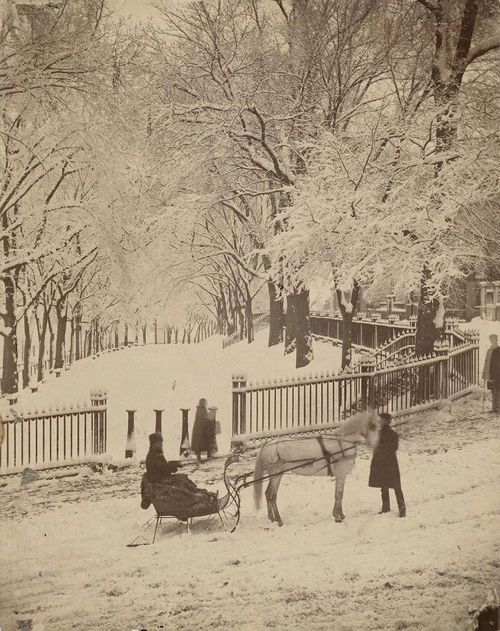


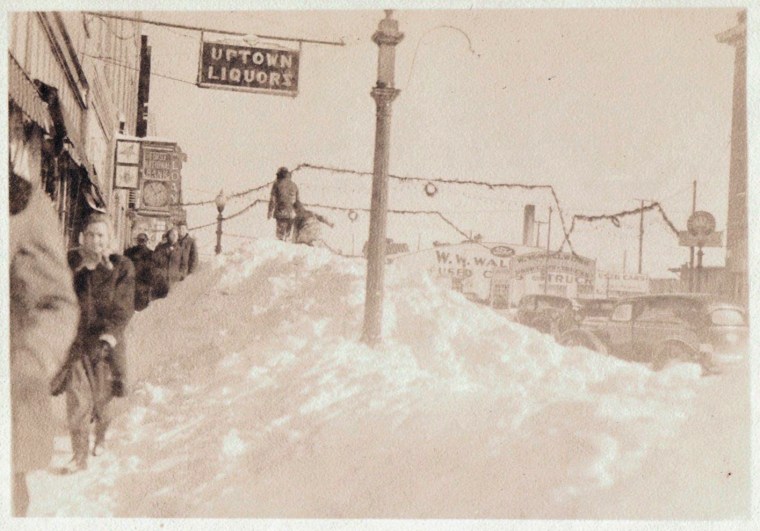
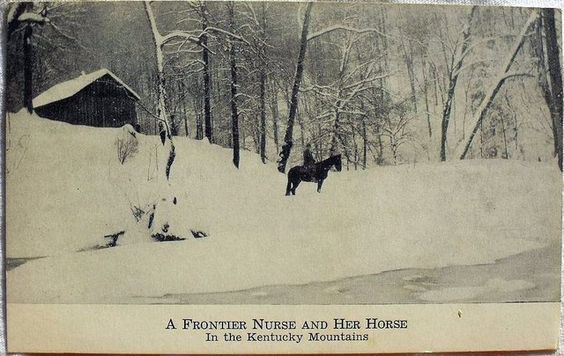


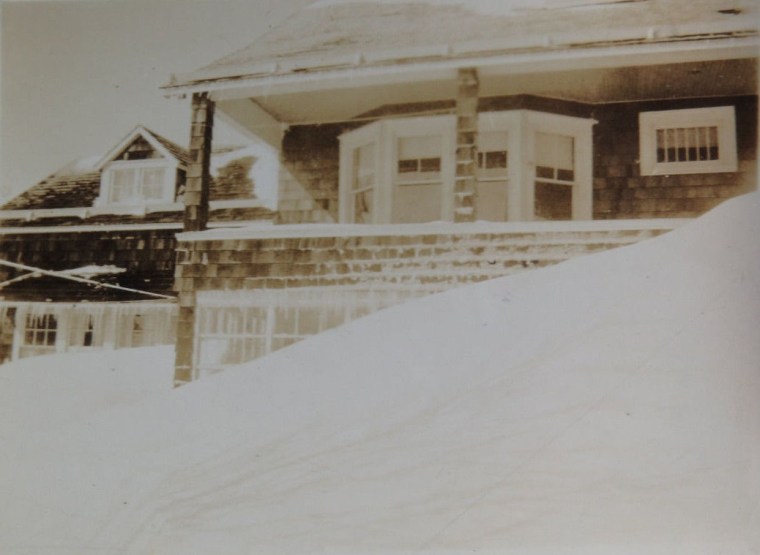
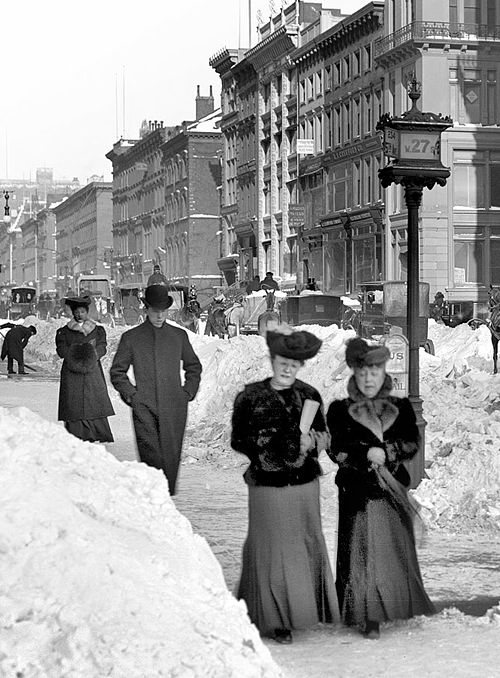


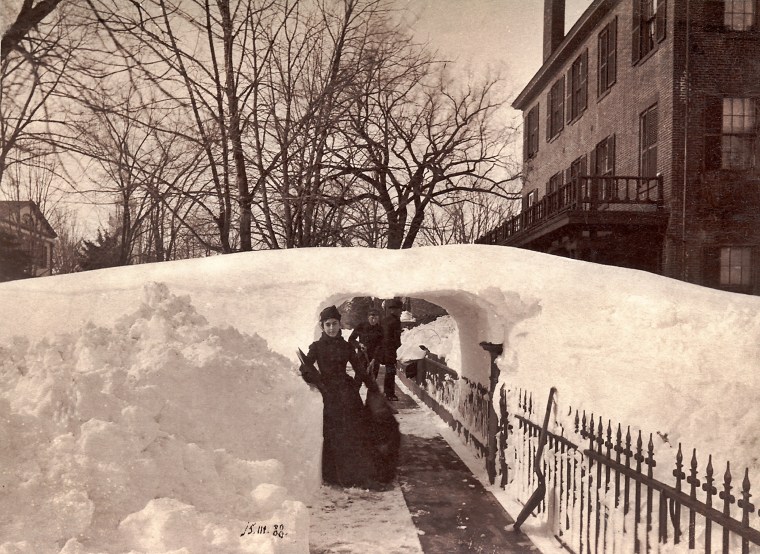






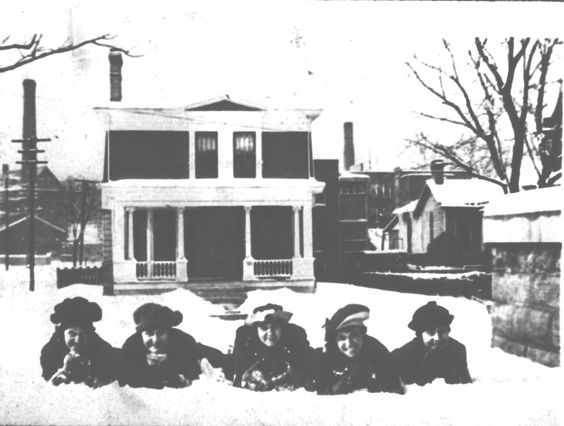

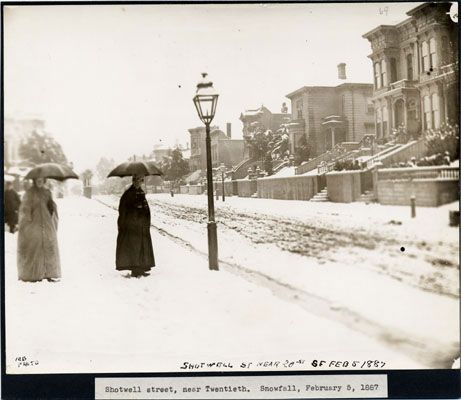


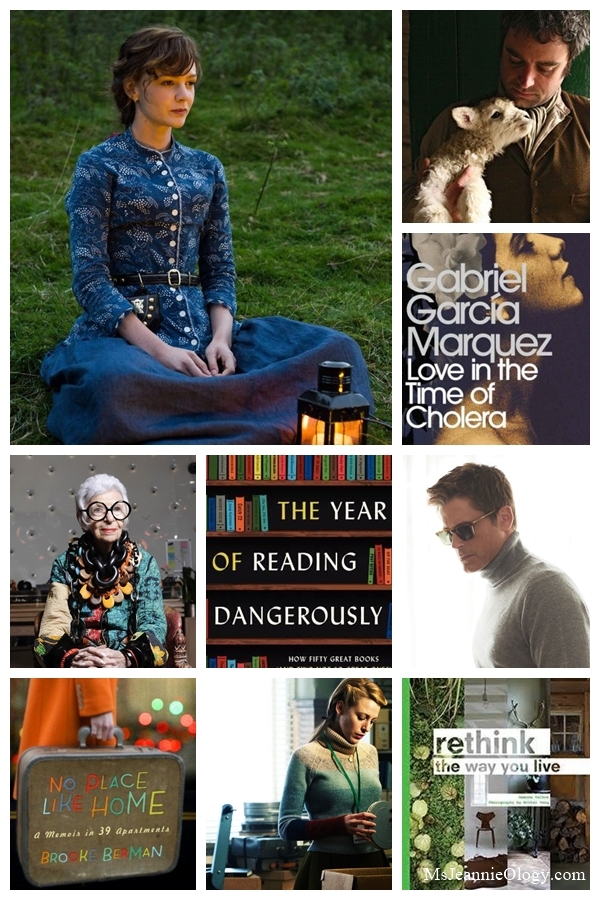







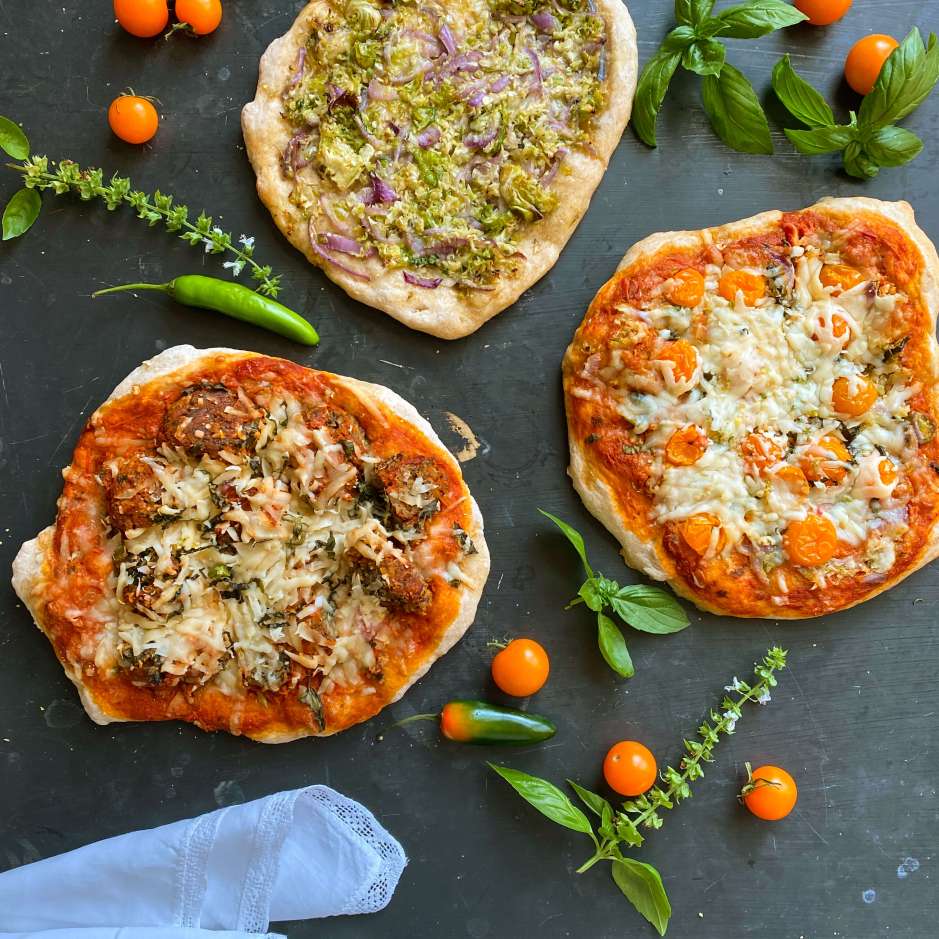
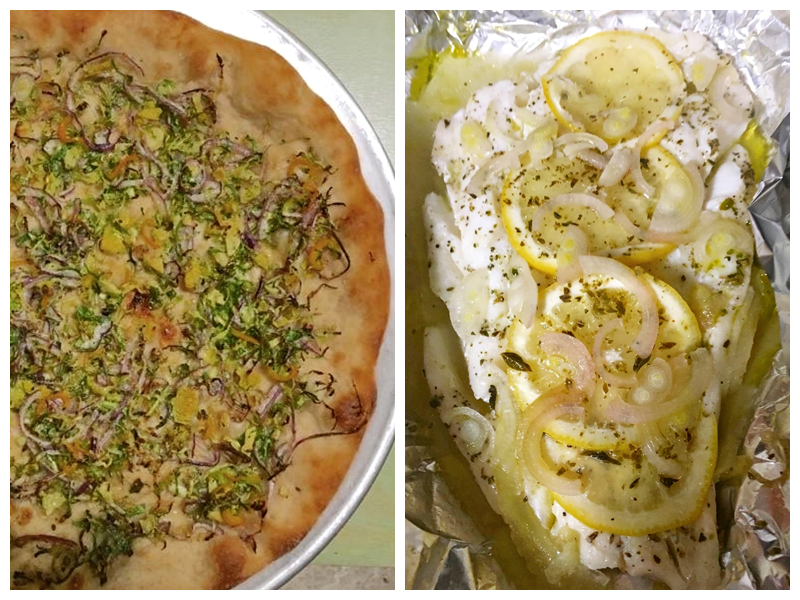
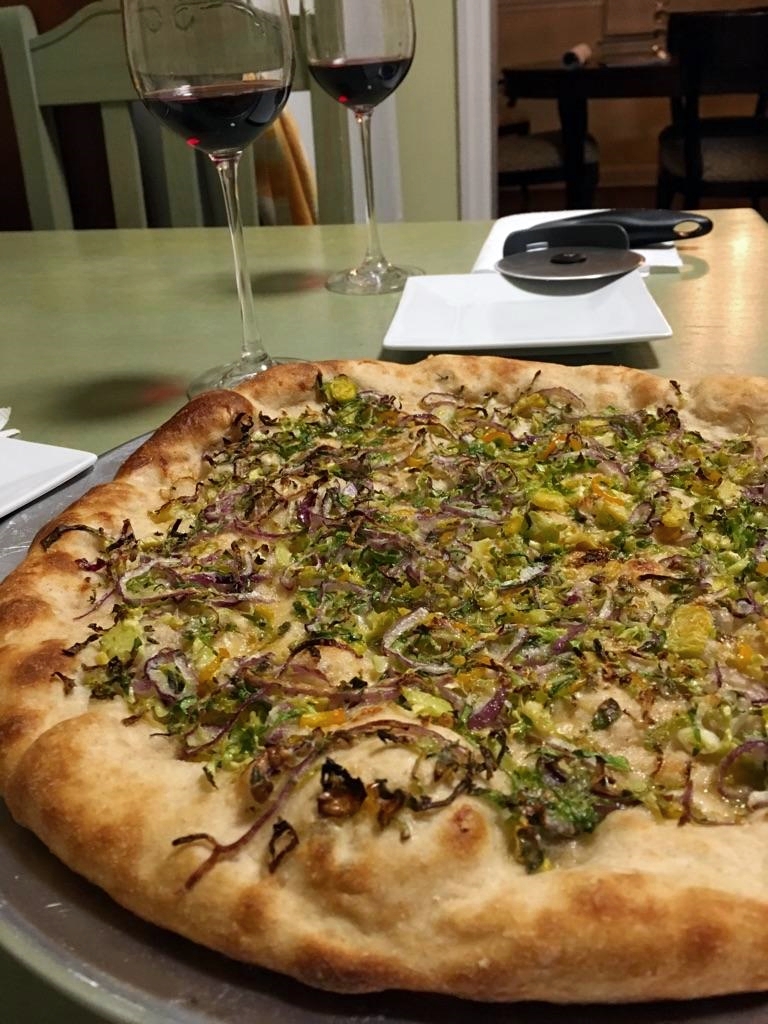
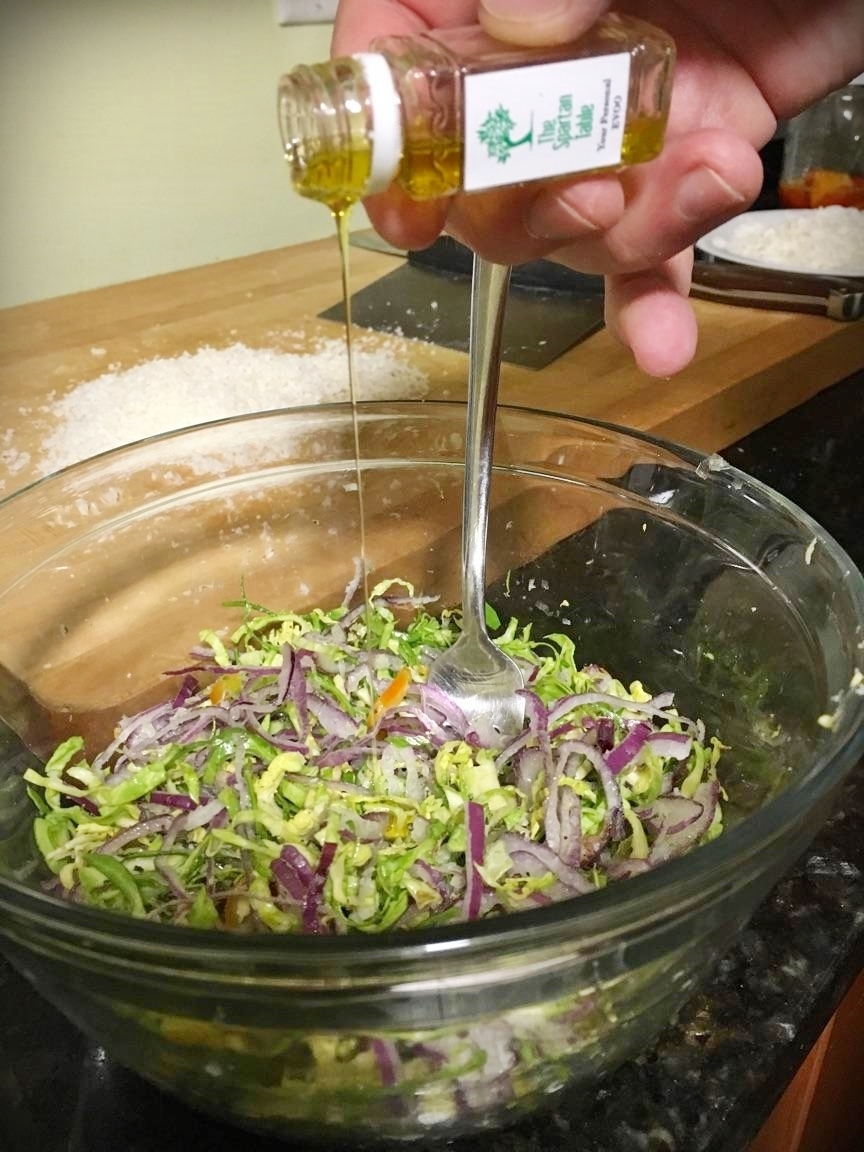
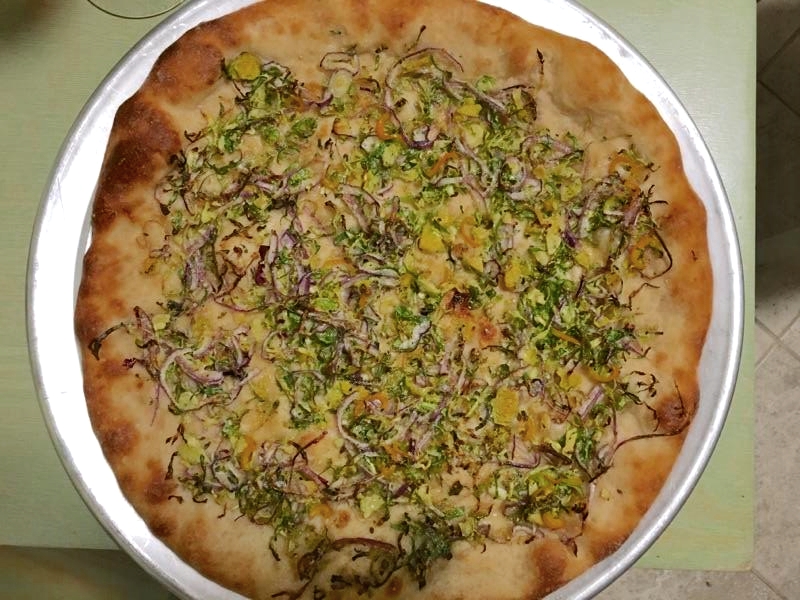
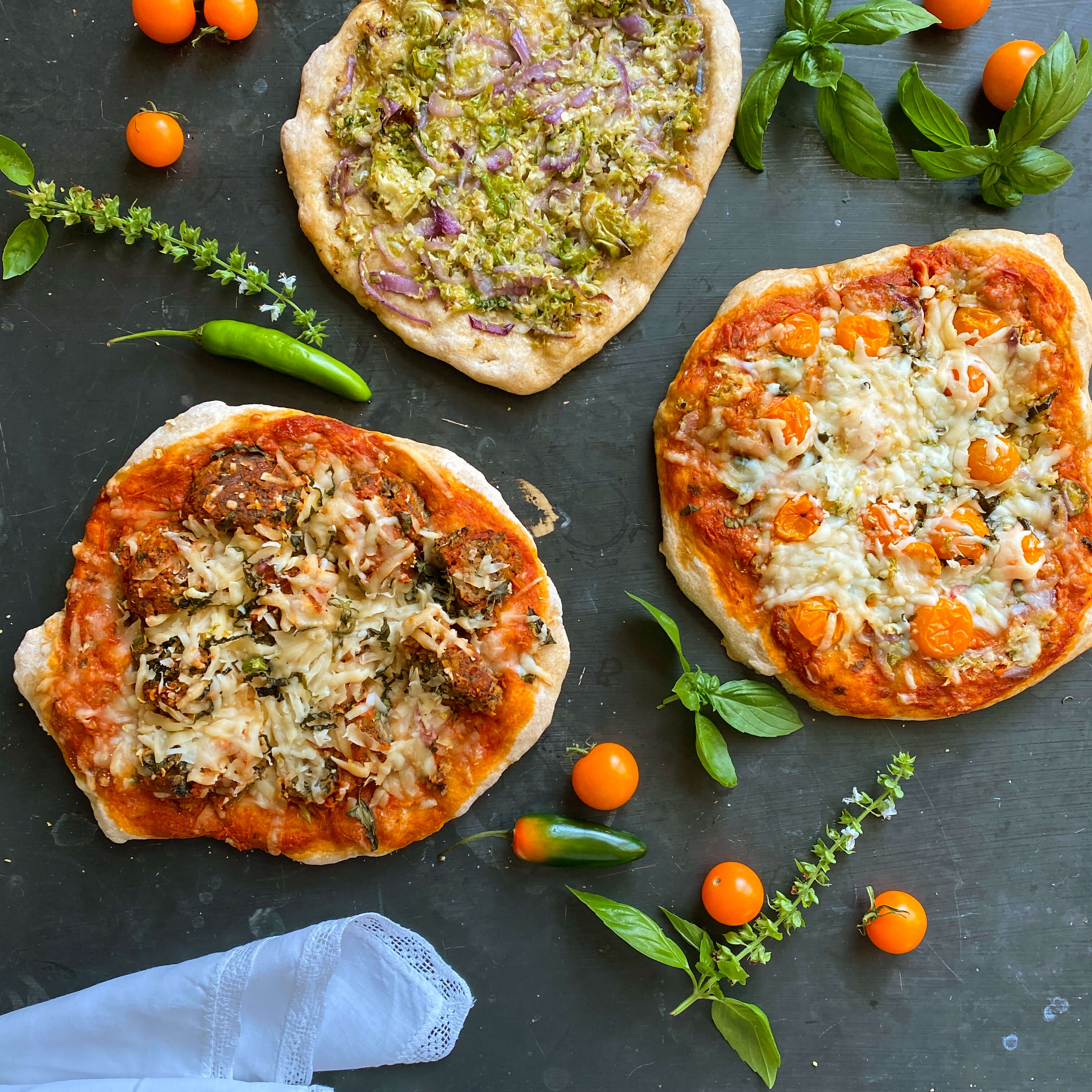
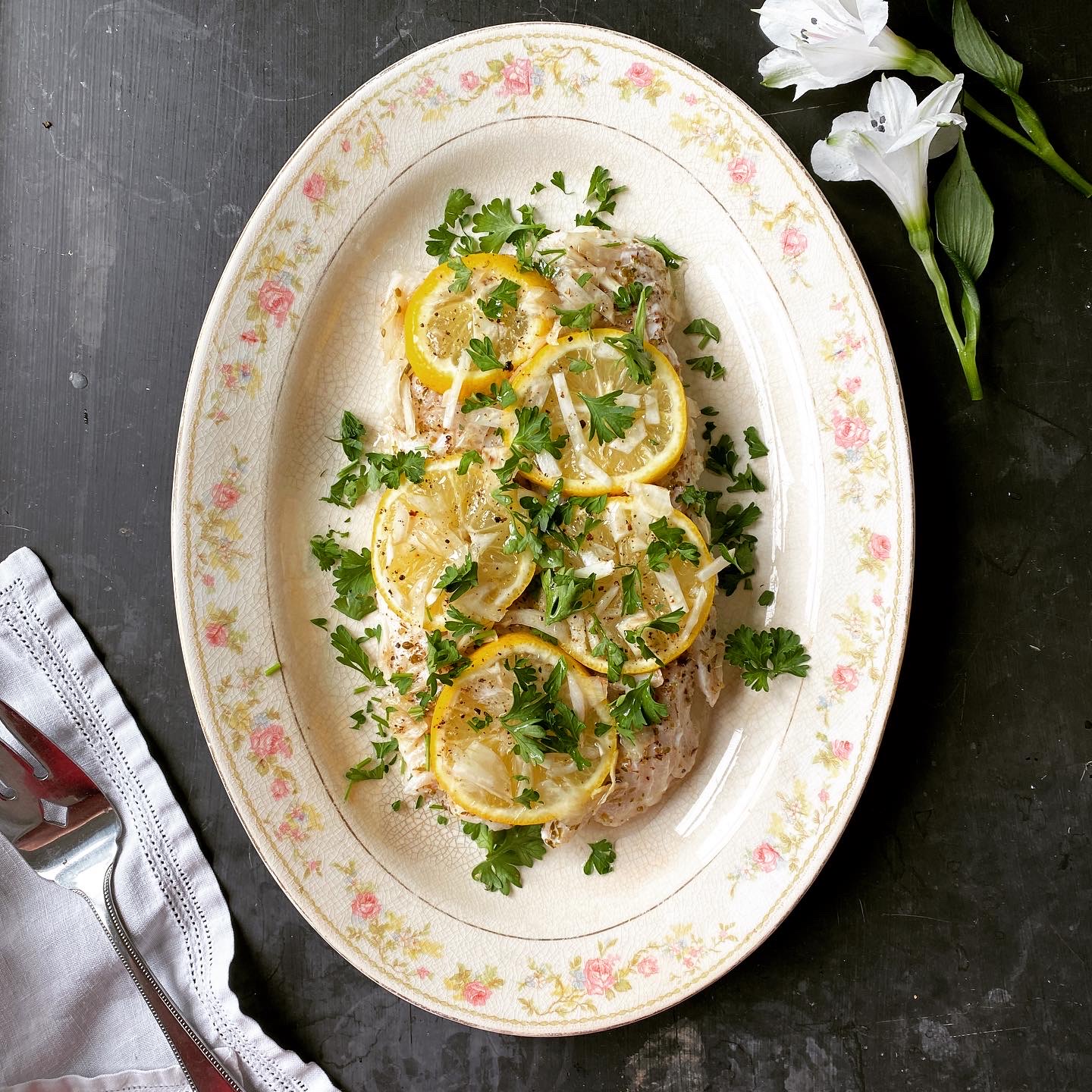
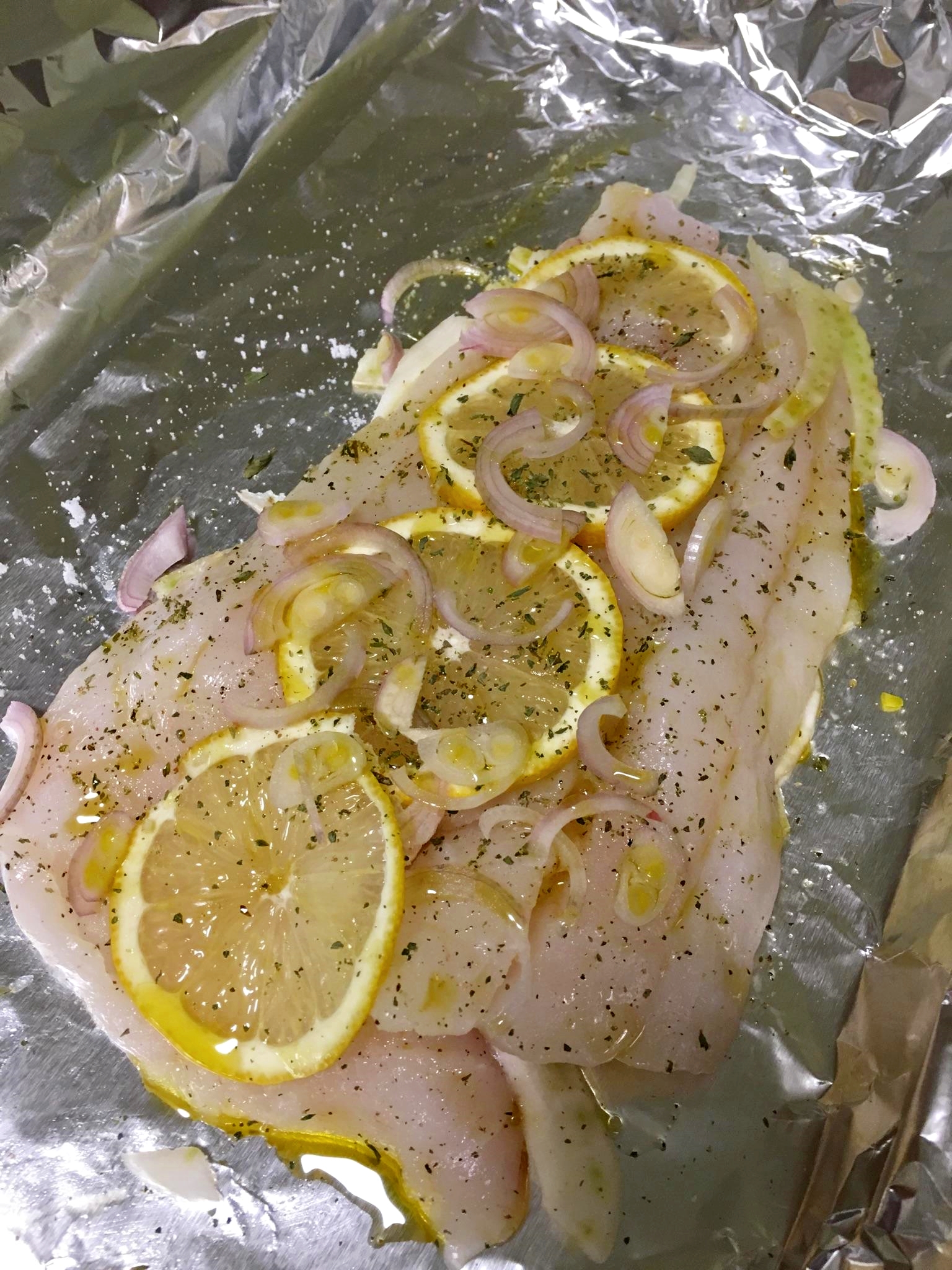
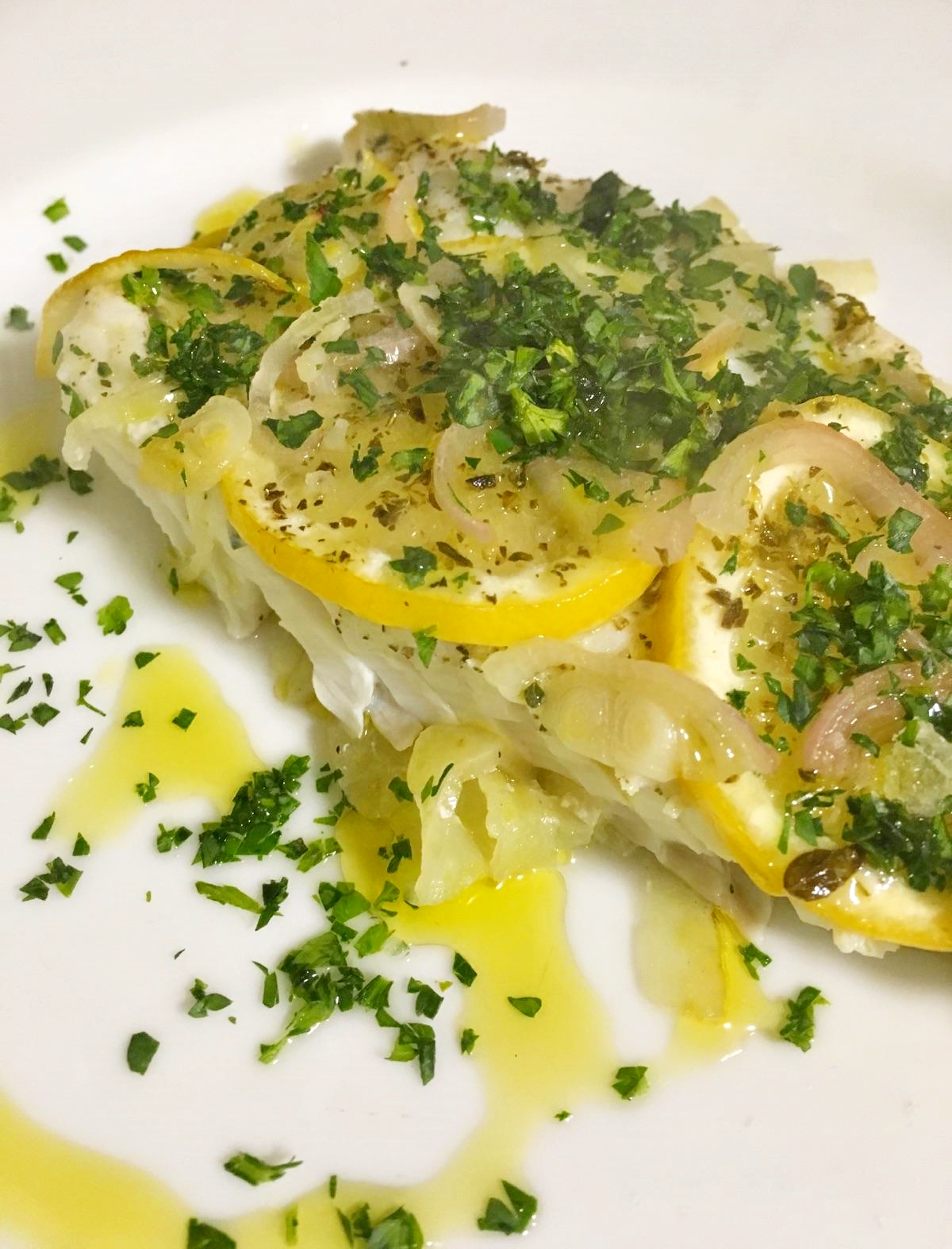
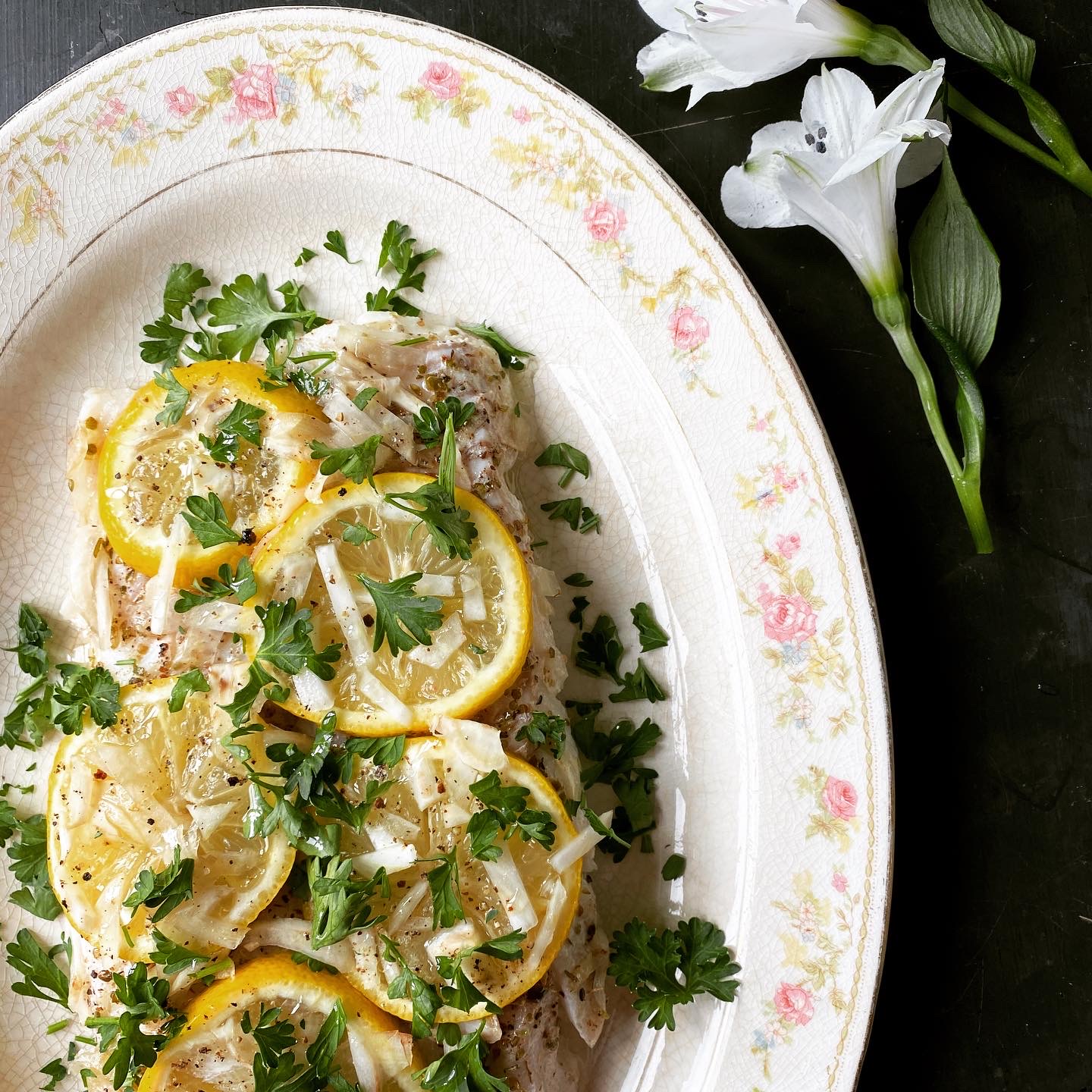




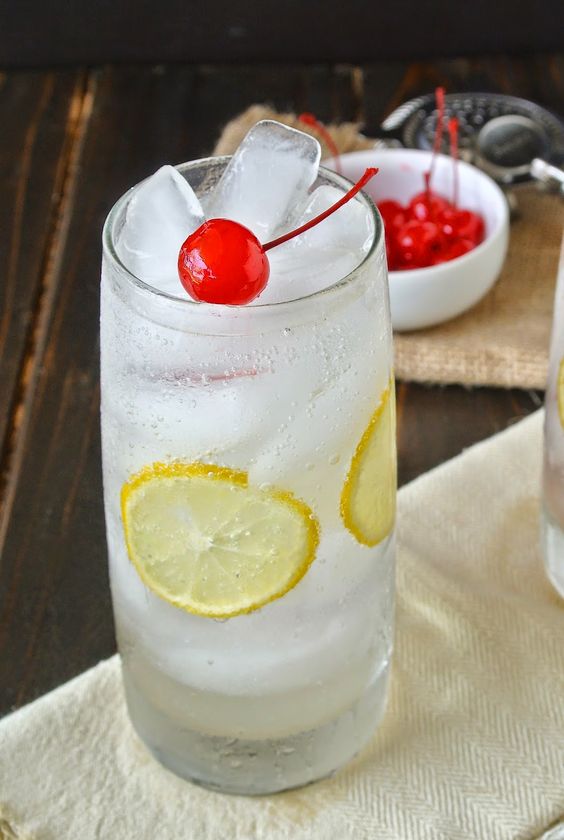


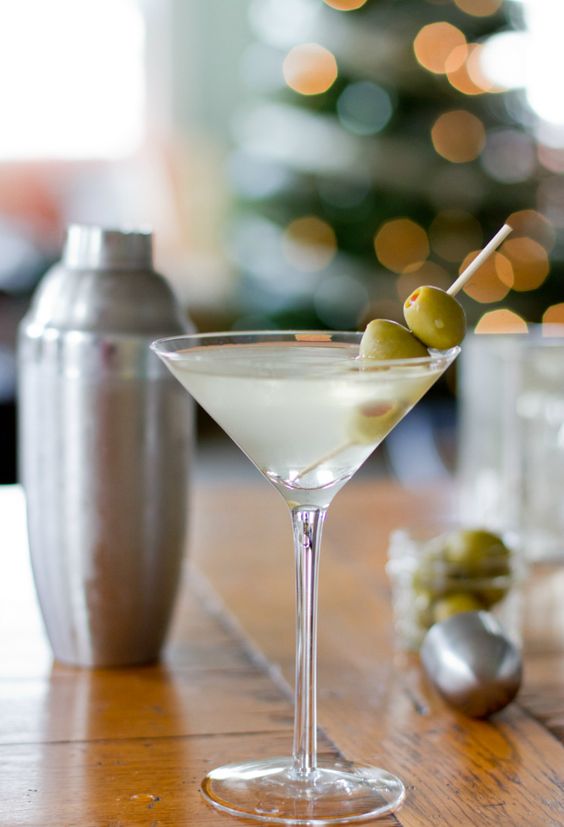

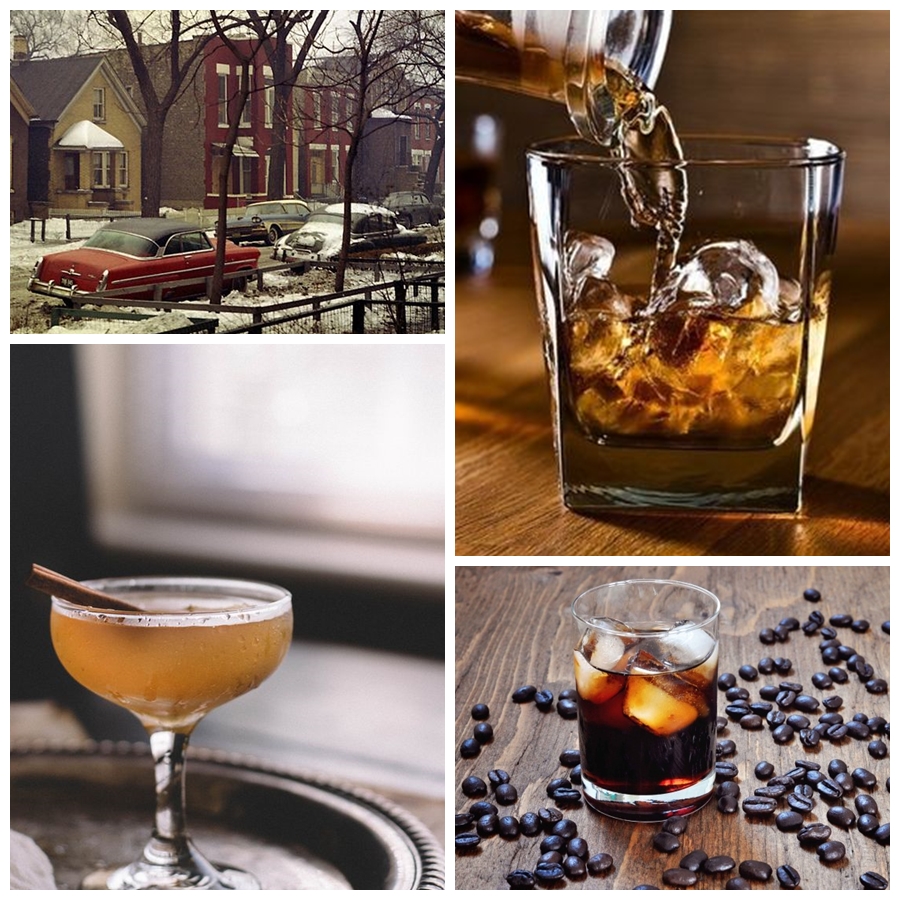


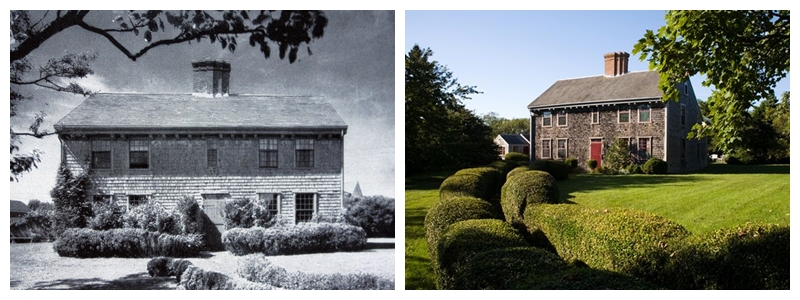
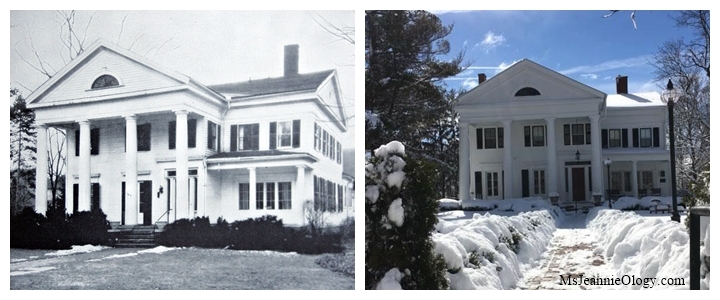


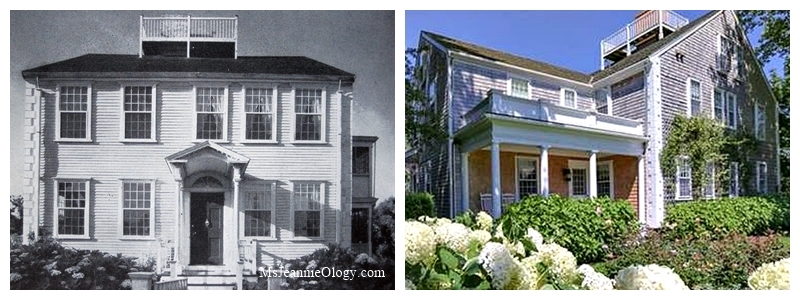


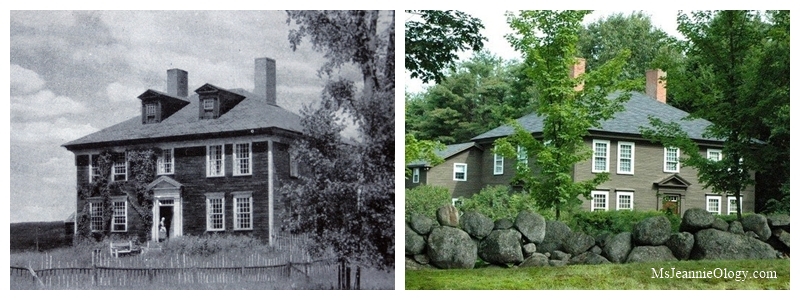


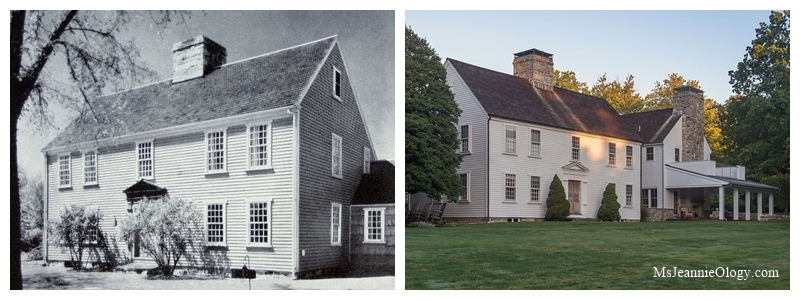






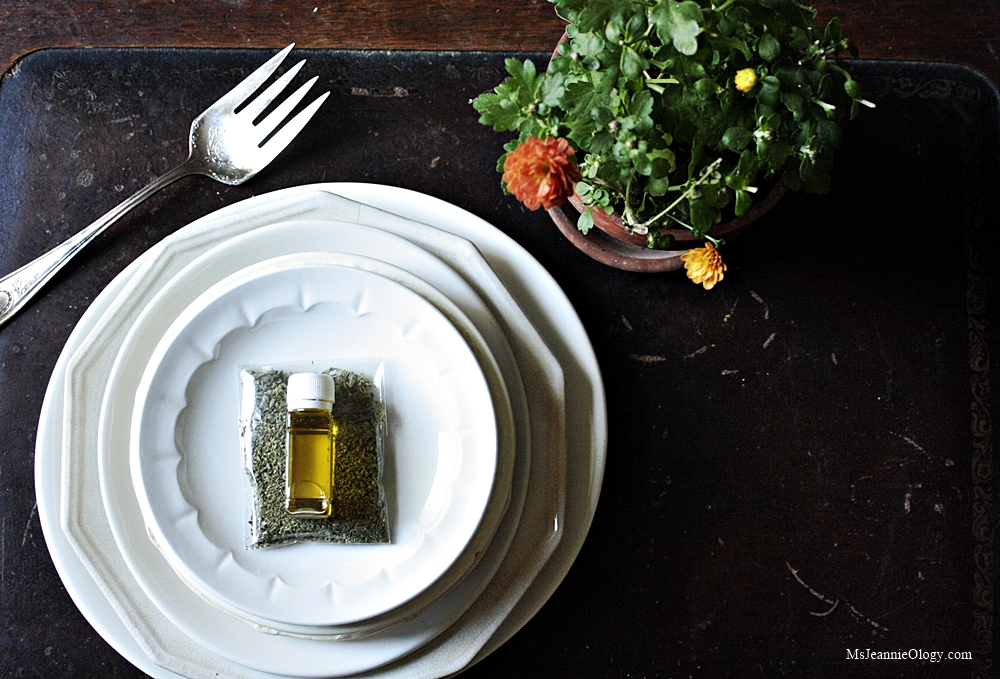
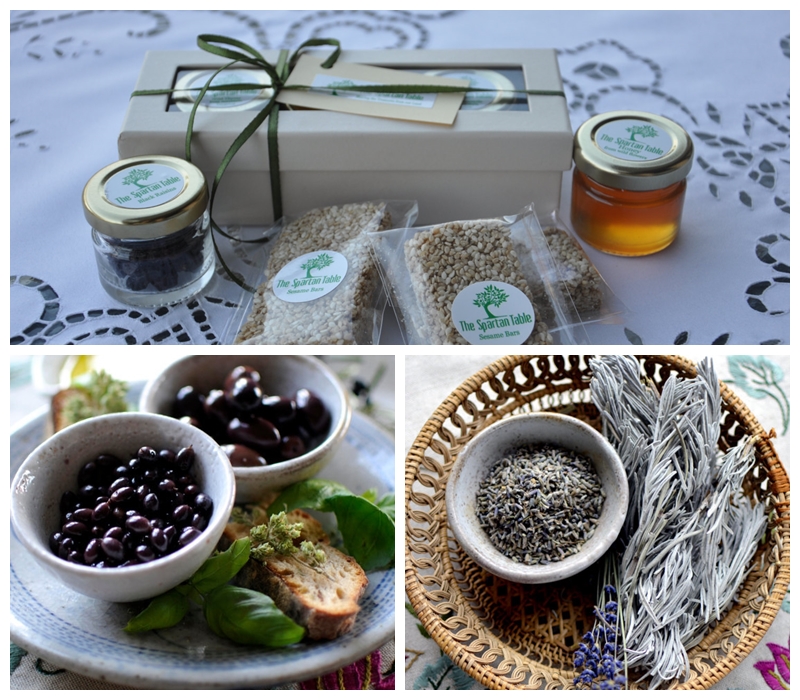


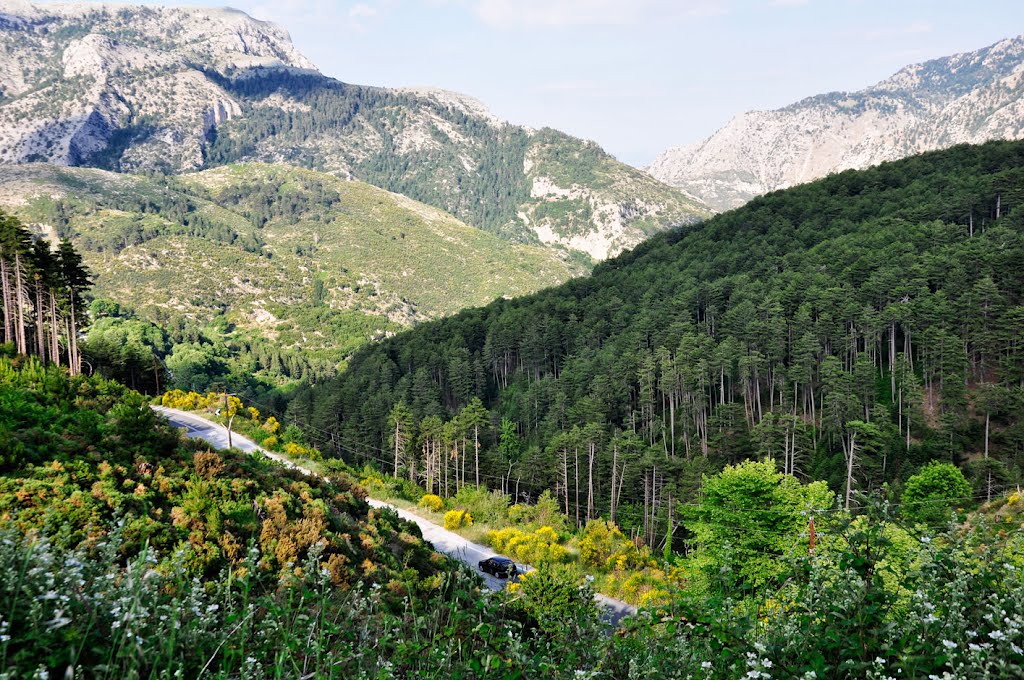
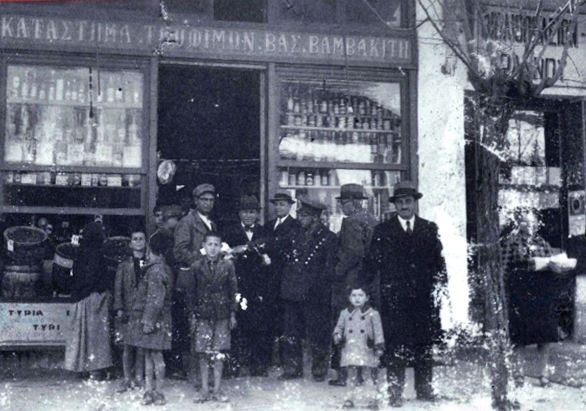


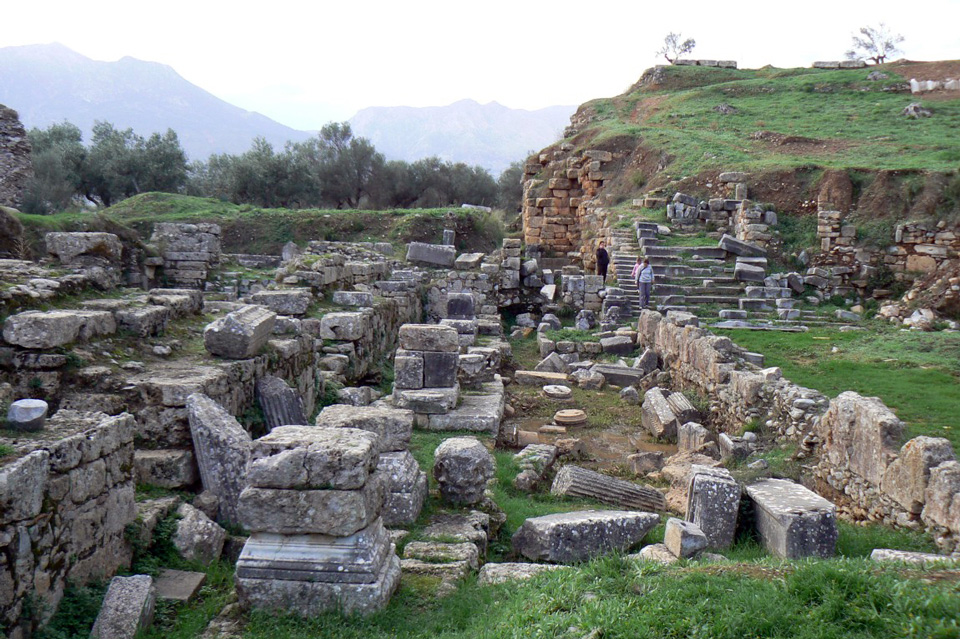


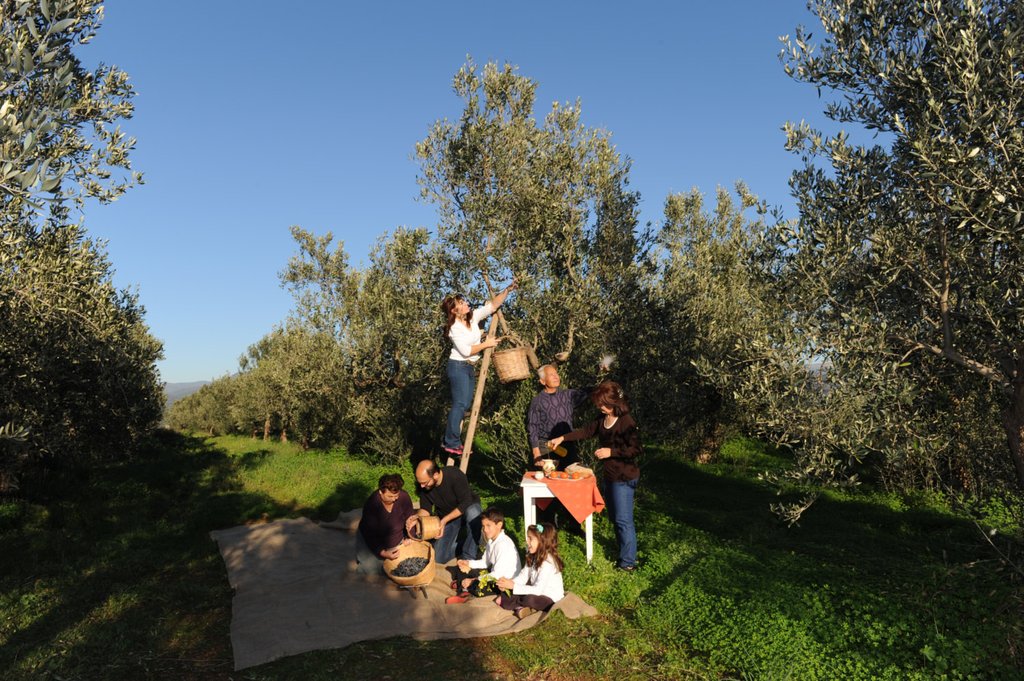




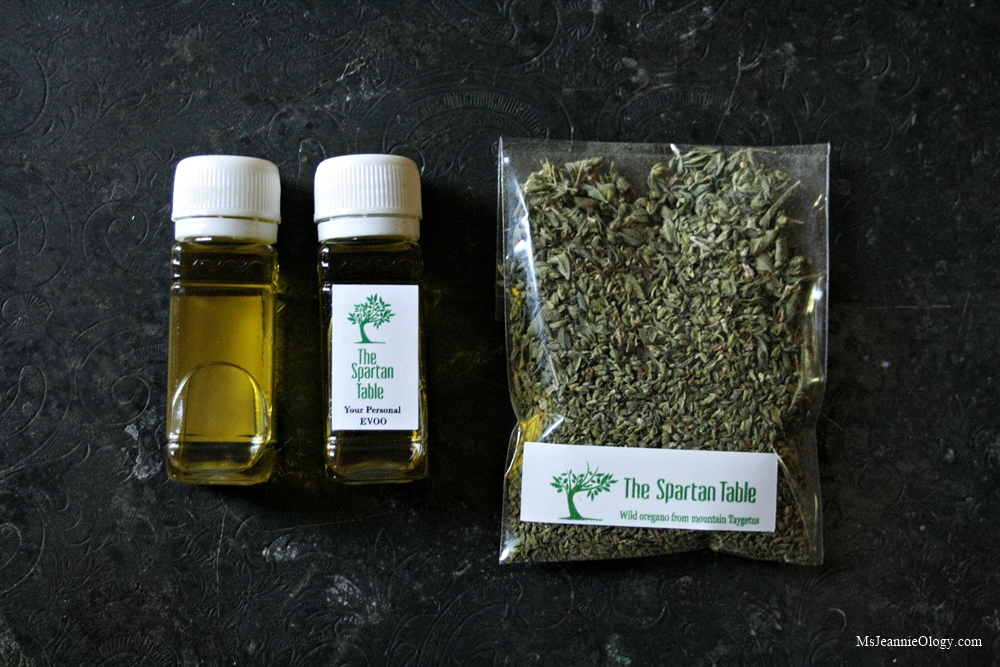


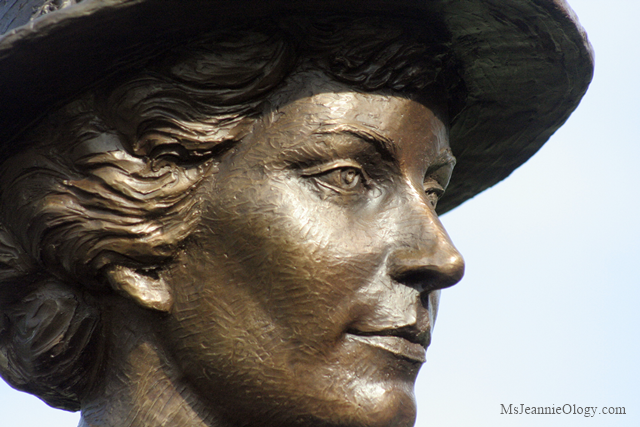





 In the Vintage Kitchen: Where History Comes To Eat