The first week in May is quite spectacular this year as we celebrate Kentucky Derby, Cinco de Mayo, James Beard’s birthday and a very special Paris themed giveaway all in one week. That means you’ll be hearing from the Vintage Kitchen every day for the next six days (an unprecedented amount of communication from us!) as we pay proper tribute to each event. Hope you will be as excited about the week ahead as we are!
The giveaway kicks off all the festivities with a special blog post tomorrow announcing the specifics of the prize and a feature that will transport you to life in the magical city of Paris. Enter for your chance to win between now and 12 noon CST on Wednesday, May 2nd by signing up for the Vintage Kitchen shop newsletter here. One winner will be selected at random on Wednesday afternoon and will be notified via email and announced here on the blog and on Instagram. Stop by tomorrow and see what we have in-store for all you fans of France…
There once was a border collie from the Scottish Highlands who ate nothing but turnip greens and lived to be over 20 years old. Dogs in the 14th century ate bones and bread, goat milk and bean broth, meat, and eggs. In the latter half of the 19th century, dogs ate wheat meal, beetroot, and beef blood. In the early 20th century, they ate horsemeat. Today, dogs eat a variety of assorted things ranging from buffalo to chicken, brown rice to broccoli, fruit to fish oil.
Ken-L was the first canned dog food debuting in 1920 and featured horse meat. They added beef in 1921. Still, a popular ingredient through the 1960s, both horse meat and ground horse bone can be seen in the ingredient list on the mid-century can at right.
Since dogs were first domesticated over 12,000 years ago their diets have varied depending on geographic location, activity, and ownership. As descendants of wolves who eat mostly birds, fish, deer, rabbits, and other hoofed animals, dogs’ appetites have evolved to include vegetables, herbs, protein, and grains making food options more than abundant and diverse today.
There has never before been a time in history when there has been so much choice available in the dog food industry. From traditional shelf-stable canned and dried foods to fresh meat patties, freeze-dried jerky, frozen bones and a bouquet of vitamin supplements, feeding your dog today involves nothing more than practical understanding and common sense.
James Spratt, the father of food for dogs, commercially speaking. Photo courtesy of chestofbooks.com
We have this guy, James Spratt to thank for first coming up with the idea to commercialize dog food in the 1860s. He invented the world’s first dog biscuit after he observed England’s seaside dogs fighting over hardtack biscuits that were cast aside by sailors down at the docks. This ignited James’ interest in the idea of creating a whole canine meal that came in a compact shape, just like a biscuit – something that was easy to carry, easy to dispense, and easy to store. Spratt’s Meat Fiberine Dog Cakes were born shortly after.
An 1876 ad for Spratt’s Meat Fribrine Dog Cakes.
The cakes became so popular many companies started making their own versions, thus creating competition and a burgeoning marketplace. Now, pet food is a $31 billion a year industry just in the U.S. alone, and feeding your dog has gone from Spratt’s biscuits in the 19th century to basic canned meats in the 20th century to gourmet ready-to-eat dinners in the 21st century. That’s quite an evolution in less than 200 years.
With all this choice, it can be tricky to navigate all the options of what to feed your dog- especially if you walk down the pet food aisle at your local grocery store and see a bamboozlement of advertising with each brand declaring their food the best, the most nutritious, the most natural or organic or beneficial. You can feed your dog like a wild wolf or a pampered princess or a farm animal. You can spend $5.00 on a giant economy bag of dry dog food or $20.00 on a petite gourmet bag of artisan-crafted pellets. There’s canned food that comes in a solid lump with ingredients that you can’t pronounce and there are ready-to-eat meals in plastic tubs that resemble the beef stew you are making for your own dinner.
So which food does Indie, the enthusiastic taste-tester of the Vintage Kitchen eat? None of the above.
Instead, every day she gets a combination of fresh foods consisting of easy-to-gather ingredients that are readily available. Indie is a sociable pup and meets a lot of people in her city travels on a day-to-day basis. If there is one comment that she receives most often it is how soft and shiny her coat feels. It’s been described as everything from a plush blanket to a mink coat to a thick carpet. People think that she is completely pampered with lots of regular trips to the groomer but Indie is a tom-boy at heart and could care less about her pretty fur. She’s never been to the groomer, and she’s only had three baths ever, (each of which she totally hated). We attribute her great state – her glossy coat, her bright eyes, her abundant energy level and her eager appetite all to the good food she eats.
By making her own dog food, we have the opportunity to eliminate preservatives, fillers, by-products and known skin-allergy-causing ingredients like corn, wheat, and soy from her diet. We have better control over her overall health and can feed her the nutrition she needs based on weekly changes in her activity and lifestyle levels. That means on days she is more active, she gets more protein and more carbs to fuel all her running and jumping. On days she’s less active she gets more vegetables and less carbs so that she doesn’t put on sedentary weight and get lethargic. We have been feeding Indie this way for over five years now. Needless to say, she’s been an enthusiastic eater from her first bowl forward!
You might think that making your own dog food is labor-intensive, time-consuming, and expensive, but it is actually the complete opposite. As we learned above from dogs throughout history, their diet is pretty diverse just like ours. All her dog food ingredients come from the same place where we shop for our food – the farmers market, the grocery store, etc.. It takes about one hour to prepare a week’s worth of food (up to 14 meals) or 15 minutes a day if we decide to cook for her each night. Cost-wise on average, we spend about $10-$12 a week on the ingredients that make up her meals.
There are three main components to a healthy dog diet – protein, vegetables, and grains. Amounts of each vary depending on your dog’s size and activity level (for example, the more active your pup is, the more protein they should eat), but every day, in every bowl Indie’s meal consists of at least one element from each of these three categories for balanced nutrition.
PROTEIN
Indie’s main source of protein is primarily salmon. Usually, it’s canned salmon that includes the skin and bones. Sometimes she eats fresh salmon or frozen as long as it’s wild-caught. Occasional additions of chicken, eggs, beans and homemade broth also round out her main protein sources. Once every few months she’ll have a little bit of beef, pork, or lamb for variety. There is a theory about serving your dog raw proteins but we always cook Indie’s (with the exception of the canned salmon) just to be on the safe side as far as bacteria. We cook her protein in one of three ways – sauteed in olive oil on the stove, poached in broth or baked in the oven. Eggs are usually scrambled or hard-boiled. And beans are canned.
VEGETABLES
As a true gourmand, Indie loves most vegetables. Her regular rotation includes sweet potatoes, spinach, kale, apples, potatoes, carrots, peas, cucumbers, tomatoes, parsley, pineapple, beets, celery, pumpkin, zucchini, butternut squash, acorn squash, bell peppers, broccoli, cauliflower, strawberries, avocado, pears, collard greens, cabbage and okra. Her vegetables either come from the farmer’s market or the grocery store. She mostly eats what’s in season, except for sweet potatoes and apples which she eats pretty much year-round. And while she eats all of these vegetables mentioned above, she doesn’t eat this whole list all at once. Generally, she eats 2-3 different types of vegetables in one meal.
GRAINS
Primarily her main grain is white rice but sometimes we’ll add in cooked oatmeal, barley, wild rice or quinoa for variety. White rice is better than brown rice because dogs have short digestive tracts (unlike people who have long digestive tracts) so rice passes through their system quite quickly. The main benefit of brown rice is that it acts like a scrub brush for the digestive system making it great for people but not necessary in dogs since it passes through too fast to benefit.
The part that takes the longest when in it comes to making homemade dog food is baking the potatoes (one hour in a 425-degree oven) and cooking the rice (15 minutes). While the potatoes are baking and the rice is cooking, we prepare the vegetables by chopping them into bite-sized pieces, and either sauteeing, boiling, or roasting them. We also use this time to boil the eggs, open the beans and/or cook the proteins as well.
By the time the potatoes are done – all the other dog food components are ready too. We let everything cool down to room temperature before adding all the ingredients together in one large mixing bowl and tossing it all to combine. When we make a big bach like this for the week, we divvy up the mixture into smaller, daily dose-sized containers and store them in the fridge.
Indie’s dinnertime bowl consisting of 1/3 cup canned salmon, 3/4 cup cooked white rice, one sauteed carrot, one half of a hard-boiled egg, two finger-sized sweet potatoes (with skin), a handful of sauteed spinach and one small new potato (with skin).
MEASUREMENTS
Indie eats usually 1 1/2 cups of cooked rice, 2/3 cup of protein and 2-3 cups of vegetables per day. She eats twice a day – breakfast and dinner. She weighs 55 lbs and is moderately active as far as exercise. What we feed her reflects her lifestyle and activity level so if you want to start making your own homemade dog food too, use it as a guide only and not specific measurements. Adjustments and modifications will need to be made for your own dog’s size and energy level as well as how often you feed your dog per day and their own individual appetite preferences. Large dogs obviously need more food, small dogs less.
When we were visiting our friend’s house for the weekend, Indie let everyone know her true thoughts on the raw kale we newly introduced to her diet. No thank you!
PERSONALITY QUIRKS
One of the things that will become immediately apparent when you start making your own dog food is how quirky your buddy can be. For instance, Indie will only eat her kale if it is sauteed in a little bit of olive oil. If it’s included in her bowl raw, she’ll pick out all the pieces and lay them next to her bowl. Her not-so-subtle hint that kale is only great when it’s cooked! She also usually likes most of her vegetables cooked unless they are finely grated like we sometimes do with raw carrots, celery, zucchini or broccoli. Usually, we just chop and boil, sautee, or oven-roast all of her vegetables until soft, but not mushy.
If you start making your own pup’s food, there are a few simple things to keep in mind when determining what’s good and bad for canine consumption…
A FEW FOODS NOT TO ADD
Never add salt or pepper to your pup’s protein while cooking. (If you are using boneless, skinless chicken breasts or fresh fish cook them in olive oil instead of butter.)
Onions
Chocolate
Rhubarb
Spices
Apple seeds and cores
Raisins, grapes or plums
Lemons or Limes
Bones of any kind (except the ones in canned salmon are fine)
ADDITIONAL FUN THINGS TO ADD ON OCCASION IN MODERATION
Greek Yogurt
Peanut Butter
Olive Oil
Cheese
Applesauce
Bread
Nuts (finely chopped)
Basically, when it comes to cooking for your dog think of it like cooking for yourself. If you are making scrambled eggs for yourself for breakfast, portion some out for your pet too. If you are making steamed broccoli for your dinner, steam some extra for your pup. Or if you are making a traditional spinach salad for your lunch, chop up some extra spinach, bacon and egg for the dog bowl. You’ll discover how fun and creative cooking can be for both you and your pal.
If you are uncertain whether or not you want to switch your dog’s diet to a 100% homemade one – start small with baby steps and throw in a cooked egg or a few slices of apple with their food and see how they like it and then expand little by little.
The nice thing about feeding your pup the food you make is that you can see results or benefits within a few days. Depending on how much fresh food you introduce, their coats will be shinier, their energy levels more balanced and their attention more focused (especially at mealtime!). You will also be able to monitor their health by what’s going in and what’s coming out. We have to pick up after Indie, since we live in the city so it’s a good opportunity to tell if everything is in balance and processing well. If her waste is runny or mucousy-looking rather then firm and solid then we know an ingredient is upsetting her stomach lining and we can quickly recall and identify which ingredients we’ve recently fed her and can adjust her fresh foods from there.
All in all, we hope that making your own dog food will be fun and enjoyable for both you and your pup. If you already make your own homemade dog food, please share your story in the comments section below so that we can continue to learn together and create delicious meals for our wonderful companions. Indie is ALWAYS ready to test out a new recipe!
Cheers to our canine pals and to all the fresh dinners they inspire. Happy cooking!
There are sibling rivalries, legendary love affairs, epic business successes and terrible company failures. There are cross-continent travelers, centenarians who never age and homebodies who would never think of leaving. There are the everlasting partiers, the quiet dignifieds, and the rebel-rousers with battle scars to show. Forget all the drama that’s occurring on your tv screen or on your phone. Compelling, real-life adventures are happening right in front of you, right on your kitchen table. Welcome to the dramatics of the age-old dishes. They carry the stories of what we’ve eaten across our imaginations and over time.
Today we are highlighting some of the stories that make table settings more interesting and conversations more memorable. When we stock plates and curate collections in the shop we are looking for unusual designs and elegant patterns that can easily be incorporated into your everyday routine for a splashy bit of decadence in both the thought and feel department. We like old china to look old because that’s what ignites the imagination. To us, there is nothing more disappointing then standing in front of a dish trying to decide if it’s new-to-look-old or old but so brand-new looking that you just know it’s never ventured out of the china cabinet. In the Vintage Kitchen, we like dishes that bring some story to the table with an extra added dose of depth and charisma to enhance the food that we prepare.
A few weeks ago on Instagram, we did a before and after photoshoot of a simple yogurt and coffee breakfast to demonstrate the difference and the impact of ordinary vs. extraordinary. On the left is plain, modern, basic American-made dishware. On the right is colorful vintage handpainted dishware that is more than 60 years old and comes from another country. Don’t you think the mood of the morning changes dramatically just with a hint of some old time interest?
The dishware on the left are all modern pieces in basic white. The dishware on the right features a 70-year-old handpainted saucer and a 60-year-old gold-rimmed monogrammed teacup.
A plate is a plate, you might say. But it’s really so much more than that too. It’s someone’s artwork. It’s a town’s business and a country’s export. It’s an owner’s style expression and a collector’s pride and joy. It’s a plate but it’s also a passion.
Take this one for example… a 9.25″ inch white ironstone plate with a 10- sided polygon shape. It’s hefty, weighing close to one pound, and its speckled with age spots that resemble the shadowy craters of the moon. There is a long delicate crack that measures almost 7″ inches right across the middle and I fear that any day now, it will split the plate in two. When it touches down on another surface, no matter how gently, it broadcasts a two beat thump like a hollow footstep. I think that’s the history of the plate trying to talk. A spirit wanting to tell some secrets. This plate carries a lot of those. It’s 183 years old.
If it was used once a day, every day, for 183 years it would have served a total of more than 60,000 meals throughout its life so far. A remarkable feat for any piece of kitchen equipment, let alone one of a fragile, easy-to-break nature. How many times over the course of its life has this plate been set down and picked up? Whose hands touched it and where did they carry it?
Made in England by C & WK Harvey between 1835-1853, it tells the story of the hustle-bustle days of English pottery making. The Harveys were a father/son team made up of the Charles’ (Sr. & Jr.) and William K. Their pottery plant was located at the Stafford Street Works in the town of Longton, Stoke-on Trent, England – a section of town that Charles Sr. built in 1799 to house factories for a number of different pottery makers.
Stafford Street Works then and now.
In the early 1800’s, Stoke-on- Trent was the hub of pottery manufacturing for the entire country of England and employed hundreds of thousands of workers. Parts of the Works are still there today, although now it is a mixed-use commercial neighborhood, primarily consisting of retail storefronts. Almost all of the potteries once associated with it are now gone.
For things like salads, and cheese and crackers, fruit, scrambled eggs and dessert, the old Harvey plate gets used all the time. It’s shiny and smooth and substantial under the touch of fingertips. It’s bright white and pale tea and watery grey in color. It’s got so much crazing, you barely even notice all those zillion fine lines running every which way. It’s simple and it’s extraordinary all in one. It appears often in the Vintage Kitchen photo shoots.
Photos clockwise from top-left: The prop behind the pineapple; serving Carrot Risotto, breakfast time with Jessie Hartland’s Crepes, holding onto the frozen figs and behind the stacks of sugar cookies.
Now so rare in availability pieces from this pottery maker are mostly seen only in museum collections. It’s moved with me four times since I found it more than 10 years ago. With each move, it gets wrapped in a thick sweater and then an even thicker blanket and then transported in the clothes boxes (the best place to pack your most treasured dishes!) to ensure a safe arrival. The crack hasn’t gotten the best of it yet. Fingers crossed, that it never does.
Somewhere along the timeline of its long life, the Harvey plate crossed the ocean from England to America and eventually found its way into an antique shop in the rural South where I found it. Exactly how it got from the U.K. to the U.S.A. is where imagination takes off and the topic of conversation begins. Perhaps it came by boat, packed in someone’s steamer trunk in the late 1800’s. Maybe along with a matching set of dishes destined for a new home in a new country. Or perhaps it embarked on a lengthy 1930’s journey through the mail and then via train where it chugged through cities and states, time zones and territories. Maybe it sat on a festive dinner table celebrating the end of slavery or the rise of the civil rights movement. Or maybe it arrived in America much later – in the 1980’s via airplane – a treasured find from a jet-set vacationer who fell in love with the antique history of England.
We’ll never know the exact story but it is fun to speculate on all the possibilities. Many a dinner party have been enjoyed discussing this very plate’s past. Often times, the more wine poured the better the story gets. Since it is an active worker in the Vintage Kitchen you’ll never see it available in the shop but we do offer many others with equally interesting stories to tell.
Clarice Cliff and her pretty floral plates were designed in the 1930’s for Royal Staffordshire. Clarice was a legend in the English ceramics world from the 1920’s to the 1960’s, designing hundreds of eclectic pieces that were admired by collectors the world over.
Clarice Cliff (1899-1972)
Considered one of the most remarkable ceramic artists of the 20th century, Clarice is revered not only for her artistic merit but also her devotion to finding beauty in unusual shapes, colors and designs that were considered very unorthodox in relation to other kitchenwares produced during her lifetime. She was also a brilliant businesswoman – savvy not in an aggressive sales-driven sense, but intrinsically smart, using her own intuition and infectious love of her craft to guide her career, thus attracting a devoted fan base. Her Dimity pattern plates burst with the bright colors of spring. We paired them in two different mix and match collections combining similar colors and unique shapes to compliment the bright and fun-loving personality of Clarice herself.
There is the story of the Willow pattern that has been captivating romantics since the 1850’s. The tale is English in origin but it was based on the original Blue Willow porcelain pattern that was made in China during the 1700’s. The tale involves a wealthy girl who falls in love with her father’s accountant. Her father, who does not approve, forbids the romance and arranges his daughter’s marriage to another man more suited to the family’s prominent social standing. The night before her arranged marriage, as the Willow tree starts shedding its blossoms, romance wins and the accountant and the girl run away together living happily for many years. One day the other suitor finds out where the couple is living and kills them. After death, the young lovers are reunited in the form of birds flying high above the landscape.
All the elements of the story are drawn out on the plate. You’ll notice the palace where the girl grew up, the bridge that takes her and her lover away, the island where they live happily together and the birds they eventually become overhead. Lots of china companies caught onto the fact that this was a popular pattern and an even more popular story and began producing their own versions in different colors. This red willow plate was made by famous American pottery company Homer Laughlin in the 1940’s. We combined it with two other Asian inspired plates to create our own fabled love story collection…
A three-piece set containing Asian themed dinner plate, bread plate and mini dish.
Similiar to the story of the Harvey plate, the Meakin brothers, Alfred, George and James, ran several potteries in Stoke-on-Trent and Tunstall, England. Alfred, produced this stunner, the Medway Blue under his own pottery label Alfred Meakin England in 1897. Exquisitely detailed, it’s hard to imagine that anyone could or would part with this beautiful plate, but like the Harvey, it somehow migrated over to America. Its journey wasn’t without fault or flaw – there’s a sign of adventure lurking in a small very old pencil point sized chip near one side of the rim.
Celebrating over 120 years of life, this plate holds all the dinnertime stories. 44,000 of them. When we look at it, we see the pretty pattern but we also see faces. People through history who stared down at its contents. Their hair-dos and their makeup, their tuxedoed bow-ties and their evening gowns, their earrings and their mustaches. We imagine the conversations while they ate their chicken and fish and game meats. Would we be discussing the same dramas of the day if we served a slice of pizza on top of the same plate?
Other patterns on other dishes ignite similar questions and thought process. When we look at this golden-edged Pope-Gosser plate made in Ohio in the 1920’s we see Jay Gatsby written all over it. Funny enough, it’s pottery founder I . Bentley Pope, an English transplant to America, was a swashbuckler of a salesman and a charming wordsmith. Perhaps he had a bit of the Gatsby or the F. Scott in him too.
Last September, when we discussed the book A Taste of Paris, we learned from author David Downie that the original dinner plate was nothing more than a flattened loaf of bread on which food was piled high. Between that primitive time and now, it is amazing to think how far we have come since the days we ate our dishes. If you are interested in learning more about other plate histories, visit the shop and see which ones spark your heart. We’ve listed both collections and single plates in case you want to mix and match yourself. If you have a favorite from any featured above, share it in the comments section below. We’ll be excited to learn which ones appeal to you and why!
These are some of the other unique stories… feuding brothers, vanishing nature and celebratory statehood. Find them all in the shop here.
To celebrate all the ladies in your life that would appreciate a homemade dinner served on a lovely plate we are having a 20% off sale in the shop which runs now thru May 13th. The discount is available for all items in the shop and will be applied to your entire order. Use the coupon code MOTHERSDAY at checkout to receive the discount.
Cheers to all the adventurers out there who keep life interesting, both plates and people! May the stories continue and the memories bloom.
You could assume a lot of things about Bette Davis. Perhaps you’ve watched her movies (all 100+ of them) and you know her characters… smart, complicated, dramatic… and you think, personally, she must have been like that too. Or maybe you’ve read her books and know that her life hasn’t always been charming or easy, and you might think she bravely dealt with a lot of disappointment. Or perhaps you’ve seen her past interviews on television or youtube and witnessed how funny and polished and magnetic she was even in the off hours of her professional life.
All those instances might lead you to assume things about Bette, making you define her as one thing more than another – brassy, smart, privileged, funny, vulnerable, demanding, narcissistic, intense, wise, melodramatic, sincere, even terrifying. Thanks to Kathryn Sermak’s new book, Miss D & Me, we can put our assumptions aside and know first-hand that Bette was a little bit of all those things. And so much more.
It is always fascinating to me to read about the behind-the-scenes lives of people in the public eye. Especially those stories shared by people who worked closely with a celebrity on a daily, detailed basis. Mostly because it breaks down the perception barrier of thinking that famous lives are so much more different than our own. That somehow fame and notoriety have morphed them into other-worldly figures washed clean from weakness and frailties. We generally only get to see one side of a famous person’s life depending on which part the media chooses to focus on, but with behind-the-scenes stories, you are offered a glimpse into a much more diverse landscape than any two-minute news clip or ten-minute interview could provide.
Ordinary people that work alongside extraordinary people are witness to the three-dimensional side of stardom – all the good and all the bad wrapped up in one experience. Like the relationship between Katharine Hepburn and her cook Norah, or Frank Sinatra and his valet George Jacobs or Madonna and her brother Christopher we are offered the chance to understand that the lives of these seemingly mythical creatures are really just fellow human beings, both flawed and fabulous.
When Kathryn Sermak first came to work as Bette’s assistant in 1979, Kathryn was a young, carefree Californian who spelled her name the classic way – Catherine – and had just newly spelled out a dream of one day living in France. Bette was in her 70’s, still working and very much set in her ways. Kathryn thought she was taking a simple summer job that would enable her to fund her way to France – not even really aware of who Bette Davis actually was. In turn, Bette thought she was getting a competent, sophisticated assistant in Kathryn whom would be both professional and perfunctory. Both were in for a very big surprise.
In the early, uncertain days, Kathryn didn’t expect to eventually count Bette as one of her best friends and Bette absolutely never entertained the idea that Kathryn would become like a daughter to her. At first, everything was wrong for both women. On Bette’s side, Kathryn was not enough – she wasn’t cultured, she wasn’t able to anticipate needs, she wasn’t sophisticated, nor groomed for the level of lifestyle that Bette had grown into. On Kathryn’s side Bette was too much… too demanding, too overbearing and too controlling. Both thought they would never last the first week together.
The turn in their relationship from bad to better came down to one simple little thing – an egg. Bette’s breakfast most always consisted of a three-minute egg. The proper cooking of it was her litmus test as to the value of any good assistant’s worth. There’s not much to cooking a three-minute egg. It involves a pan of boiling water, an egg still in its shell and three minutes of simmering. But Bette added a twist to this simple test. How do you cook a three-minute egg in a hotel room with no stove, no pots and pans and no kitchen? Perplexed, Kathryn had no idea until Bette motioned to the in-room coffee pot. Then hot water was brewed. The egg was placed in the glass coffee carafe and the time was monitored on a wristwatch for 3 minutes exactly. In this small test of skill, it wasn’t that Kathryn failed to quickly and cleverly assess the options of impromptu cooking in a kitchenless room, but instead, it was the trainability of her actions that caught Bette’s attention.
That was the beauty of their relationship and the bud that ultimately bonded them together. The fact that Kathryn was young, fresh and naive while Bette was experienced, opinionated and worldly proved a combination of character traits that formed a tight friendship that lasted the rest of Bette’s life. It wasn’t always easy for these two women learning about life and each other day by day, but by the end the experience was invaluable.
There were outlandish moments, like when Bette insisted Kathryn change the spelling of her name from Catherine to Kathryn so that she would be more memorable (which she did!). There were all the lessons Kathryn had to endure… etiquette, elocution, table manners, how to walk properly, how to dress effectively, how to eat with decorum and how to hold court at a table full of strangers.
There were awkward moments, when Bette’s insistence on how to appropriately handle certain social situations was so outdated, that Kathryn would bear the brunt of the embarrassment. This was especially apparent when Bette insisted on dressing Kathryn for a formal dance in Washington DC complete with fur coat, gloves, a designer dress, expensive jewelry and dance lessons only for Kathryn to encounter a room full of denim-clad twenty-somethings casually hanging out in a dance hall.
There were the vulnerable moments when Bette crumpled up in the face of public humiliation as her daughter wrote an unflattering tell-all book, or when Bette threw off her wig in the car one day and embarked on a temper tantrum that was heartbreakingly child-like. There was oodles of advice about men and relationships and sticking up for oneself in the face of adversity. And there were the laughs and the conversations and the sweet letters that Bette would write to Kathryn expressing all the appreciation she felt for her darling assistant and her close friend. There were silent treatments and long work days, elegant cocktail hours and thoughtful gifts, tears and tenacity, laughter and luxury. There was life, with all its good and all its bad.
And there were eggs – lots of eggs. Bette and Kathryn traveled the world together and ate at many fine restaurants, but the food Bette would choose to make for herself or her family on days off was simple fare that harkened back to her New England roots. Homemade burgers, cucumber salad, cornish game hen, wine spritzers, clam bakes, fresh berries with cold cream… those are the foods that she liked to make. For this post, our breakfast menu inspired by Bette Davis includes the following:
It’s a simple menu symbolizing all that was Bette Davis – sweet, salty, fresh, traditional, colorful, warm, cool and classic. It takes just a few minutes to make and is so easy it doesn’t even require detailed instruction. Simply boil an egg for 3 minutes. Slice some homemade bread and slather it with jam. Bake a potato in the oven for an hour and then finely chop it up with some scallions and salt and pepper and add the mix to a pan with some olive oil and let it cook until it turns brown and crusty. Adorn the plate with fresh fruit. Tah-dah! Breakfast, Bette Davis style, is ready!
Kathryn would be the first person to tell you that life with Bette was extraordinary for her last ten years. That the talented movie star was never far from the actual woman. That there was a glamorous side to her, a practical side, a petulant side and a vulnerable side that made her interesting and unique and ultimately endearing. That she was far from perfect but perfectly real.
“That’s me: an old kazoo with some sparklers, ” Bette once said.
The many faces of Bette Davis throughout her 55-year career.
Cheers to Bette for tackling life head-on, with grace and style and fortitude and being 100% unique about the whole affair until the very end. Cheers to Kathryn to giving us a very real look into the life of real woman and cheers to three-minute eggs – a new breakfast favorite here in the Vintage Kitchen!
This post is part of a blogathon hosted by In the Good Old Days of Classic Hollywood featuring the life and film Career of Bette Davis. Read more about this incredible woman and her work in a variety of posts contributed by a dozen different film bloggers here.
Find the vintage cookbooks that contributed recipes to this post in the shop here.
Find the recipe for homemade brown bread from a previous post here.
Find out more about Kathryn Sermak and her book, Miss D & Me here.
Happy Easter! Hope everyone is enjoying a lovely day filled with little whimsies and delicious treats. Our table centerpiece this holiday was inspired by the 1939 children’s book, The Country Bunny and the Little Gold Shoes. If you aren’t familiar with the book it’s a story about a mama bunny who wants to become one of the five Easter bunnies that deliver eggs to children all over the world.
The Country Bunny and Little Gold Shoes by Dubose Heyward
Traditionally, the five Easter bunnies have always been boys. They chide Mama Bunny for wanting to become one of them, not only because she is a girl but also because she is from the country and not as sophisticated as their city selves.
The boy bunnies – handsome in appearance but antiquated in their thinking.
Mama doesn’t let those boy bunnies stop her. And they don’t. Following her dreams isn’t easy but with the help of some golden shoes she proves everyone wrong and delivers the last, most beautiful egg of the season to a brave little boy who has battled a sickness for a long, long time.
Even though this book was written 79 years ago, the story seems especially fitting this year with the rise of women and the empowerment that we are all feeling. To stand strong, t0 be ourselves and to realize our dreams are all the same things the country bunny wanted for herself. It is such a hopeful story. And this, a hopeful time of year when nature is blossoming and new ideas are being born.
The handpainted golden eggs of our holiday table are a small homage to the Country Bunny and her perseverance to never give up on what she decided was important, no matter what anyone else said. The eggs are fragile, but dreams are strong, and the meanings behind them powerful. On this hopeful holiday, we are raising a glass to all the ladies out there going after their dreams. Mama Bunny would be so proud of you and we are too.
Happy holiday all you adventurers. May you achieve all that you desire.
If you are looking for a fun dessert to make for Easter dinner or you are heading out to someone else’s house for the holiday and want to bring something new (but old) along, we recommend the little known but amazingly delicious Rhubarb Custard Pie. It has been an Easter tradition in my family since the 1960’s when my mom first started making it with the help of her husband’s grandfather’s homemade pie crust recipe and Betty Crocker’s 1950 Picture Cookbook.
Rhubarb in its natural state.
Rhubarb is one of those quirky vegetables. Some people call it pink celery. Understandably, it really does resemble the green hued variety with its long stalks and tufted green leaves. But rhubarb is actually part of the buckwheat family and celery is part of the parsnip family so their similarities end at face value. Unlike the subtle soapy taste of celery, rhubarb is tart like a Granny Smith apple and more spongey in texture than a crisp stalk of celery. It’s ideal baking consistency is soft like a ripe pear with a bright white interior and a pale pink exterior. The general rule of thumb when it comes to selecting rhubarb for purchase is the firmer and redder the stalk the tarter the taste. Ideally, you want something in-between – slightly spongy to the touch and a 40/60 ratio of stalks ranging from deep red to pale pink for dynamic flavor.
Two important factors go into making this pie a repeat favorite year after year – the filling and the pie crust. Most people (and pie recipes) pair rhubarb with fresh strawberries, which is a good Spring combo since both are usually in season at the same time. Sometimes though, these two put together can result in a watery pie which makes the crust soggy and each bite extra drippy. The secret addition to the rhubarb custard pie is the eggs. They act like a binder holding everything in place, so that you get all the sweet-tart taste of the filling without the thin and liquidy consistency. Betty Crocker’s 1950’s version is easy to prepare and always delicious.
The second important factor to this pie (and to all pies, really) is the homemade pie crust. It only takes about 10 minutes and four ingredients to make no-fail pie dough and it cooks beautifully and consistently every time. Passed down through the generations, this recipe is so good it has been in active use in my family for almost 100 years thanks to this guy who taught everyone how to make it in the very beginning…
Bacon & Dolly Day in Montana circa 1950’s/1960’s
Meet Bacon Day and his wife Dolly. Bacon (yes, that’s his real name!) first moved to Montana in the 1920’s where he married his bride, Dolly, in Missoula and went straight to work in the rural mining town of Gold Creek, as the train depot clerk for Northern Pacific Railroad. The railroad was so eager to have Bacon join the team, that they gave he and Dolly two railcars to live in and set up homekeeping. Bacon was originally from St. Paul and Dolly from Seattle, so this railroad life was a whole new and exciting adventure for the newlyweds.
1930’s Northern Railroad travel poster
We don’t have any pictures of Dolly and Bacon in their rail car housing but we can imagine that it looked something like these two (now serving as luxury hotel accommodations in Montana)…
Or maybe it looked something like the rail car library built in 1926 that serviced the reading needs of Montana’s lumberjack and logging communities…
Library rail car built in 1926 to serve the literature names of logging camps in early 20th century Montana. Read more about the library car here.
Either way, it must have been a pretty unusual first home for Bacon and Dolly, and a pretty unusual life for two people new to a state that was not quite yet developed. 1920’s Montana wasn’t for the timid or the faint of heart. Interesting but also tumultuous, it was stunning in topography, erratic in business opportunity, progressive in gender equality and rebellious when it came to law and decorum. Especially when it came to train life.
Northern Pacfic Railroad Advertising 1910-1920’s
When the railroad companies first started building tracks out west with the ultimate goal of connecting the East coast to the West coast, Montana was marketed to new settlers as a land of stunning beauty and abundant farming opportunities. Homesteaders came from the East coast with intentions of building farms, raising livestock and growing food for commerce. But when these newcomers arrived they experienced a climate far different then what they knew back home. The winters were longer, the temperatures were colder, the open prairies were vast and resources were scarce forcing everyone to be immediately self-reliant. By the early 1900’s, livestock brought in from the East (mostly cows) had arrived in such excess they depleted the natural prairie grasses and upset the delicate balance of the natural eco-system, basically reducing the landscape to bare patches. Add-in an almost decade-long drought that occurred in the 1920’s, and the typography of Montana came to look more like a dessert of death than a lush and verdant valley of promise that all the postcards had been promoting..
Butte, Montana postcard from the 1920’s
The rail companies wanted to keep tourism and homesteading moving through the state though, so they would pay local homesteaders $1000 to grow the most attractive crop they could manage from the poor soil and then took those displays back East to show people how wonderful the agriculture was in Montana.
Montana Homestead Poster
This unscrupulous marketing ploy worked, and new settlers came by the train-full to start a fresh life in green and growing Montana. Only when they got they got off the train, they could see the landscape was devasted and the dry soil virtually unmanageable. Bacon, in his train depot office, would have been witness to all the excitement and disappointment that came through his station, especially when he worked in Gold Creek which was known for its gold mining potential.
Eventually, all this agriculture business got sorted out once the rains came and residents were properly educated on how and what to grow in this new environment. Montana began to thrive once again. Leaving Gold Creek, Dolly and Bacon moved on to settle into another rural rail town, Phillipsburg, where Bacon worked as a train conductor on a transportation line for livestock and mining equipment.
Now an abandoned track, these are recent photos of the train line running through Phillipsburg with views that Dolly and Bacon would have seen on a daily basis. Photos courtesy of D & D Travel.
From their wedding forward, Bacon and Dolly lived in Montana and loved it. Dolly often wrote poems about the natural beauty of her surroundings. They both mastered baking – Bacon with his pies and Dolly with her bread. Stories have been passed down that tell of breakfast at their house – often fresh caught trout and a homemade loaf of bread, served possibly with a slice of pie. For over 55 years, these two watched the growth and evolution of their marriage, their state, their family and their landscape all from the vantage point of the railroad tracks that ran through their lives and their hearts.
In some future posts, there will be more stories about Dolly and Bacon and their wild Montana life, but in the meantime, we have a holiday to celebrate and a pie to bake so it’s back to the rhubarb custard.
I recommend preparing the filling first. It can sit off to the side for a little bit while you make your pie crust.
Betty Crocker’s Rhubarb Custard Pie Filling
Makes enough filling for one 9″ inch pie
3 eggs
2 2/3 tablespoons milk
2 cups sugar (I use cane sugar)
4 tablespoons flour
3/4 tsp. nutmeg
4 cups chopped fresh rhubarb (about 8-10 long stalks)
1 tablespoon butter
Preheat the oven to 400 degrees. Wash, dry and cut the rhubarb into small bite-size pieces.
In a medium mixing bowl, beat 3 eggs slightly. Add the milk and then mix again before adding the sugar, flour and nutmeg.
Toss in the rhubarb and mix thoroughly. Then set aside while you make the pie crust.
Great-Grandpa Bacon’s Fool-Proof Pie Crust
2 cups flour
1/2 tsp salt
3/4 cup butter or shortening ( I always use butter)
1/2 cup ice cold water
1/8 cup milk (reserved until the end)
In a bowl, mix the flour and salt. Roughly chop the butter and add to the flour mixture. With a fork press the butter into the flour until the mixture resembles course meal. If its easier, you can also do this quickly using your hands – jus don’t crumble the butter so much that it starts to melt from your body heat.
Once the butter is mixed in, add the ice-cold water (the colder the water the better). Mix until the dough clumps together and you can easily form a crumbly yet cohesive ball.
Place the dough on a lightly floured pastry cloth, board or marble slab and cut in half with a sharp knife. Place one half of the dough ball off to the side. Roll out the remaining half of the dough with a wooden roller that has been dusted with flour. If you don’t have a wooden rolling pin you can use a wine bottle, or a cylindrical jar or vase (if you use either make sure to dust it with flour). Roll the dough out as much as possible without tearing it. Makes sure it is big enough to accommodate your pie dish. Once the dough is the right size, gently fold the dough in half on the cloth.
Line the crease of the fold line up with the center of your pie dish and gently lay the crust (still folded) down so that it covers just one side of your dish, then unfold the other half to cover the other half of the dish. There should be excess dough hanging off the sides of the dish. It should like this…
Pour the rhubarb mixture into the pie dish and set aside.
Next, in the same fashion as before, roll out the other half of the dough ball. In order to make a basket weave design for the top crust, you’ll need a sharp knife to cut strips of dough.
Place the first strip of dough vertically on the pie and the second strip of dough horizontally so that it forms a cross. Next weave the remaining strips in an over-under pattern, alternating each slice as you go.
Next, cut away the excess dough along the sides, leaving a collar of about 1 inch of extra dough all the way around the rim. Pinch the edges of the top and bottom crust together.
When finished dot the exposed holes with the remaining tablespoon of butter and brush the top crust lightly with milk.
Bake for 50-60 minutes until the crust is golden brown and the rhubarb custard is bubbling. Let cool on a wire rack before serving. This pie is very versatile in the presentation department – serve it warm, cold or at room temperature.
Like pecan pie it is pretty sweet as it is, so you don’t need to add whipped cream or ice cream. Its ideal companion is a hot cup of coffee. And no one would look twice if you wanted to enjoy a slice for breakfast. Sometimes that’s the best time of day for a little decadence. If he was still alive, Bacon would be right there with you, enjoying a plate of breakfast trout.
If you get a chance to try this recipe, please let us know how you liked it. And if you have any questions on how to make your pie crust please comment below and we’ll get right back to you.
In the meantime, cheers to all the recipes that turn into traditions and cheers to Bacon and Dolly for always being a part of our most delicious holiday celebrations.
2024 Update!
This 2018 blog post became the linchpin in solving a mystery in 2021 surrounding a lost heirloom, and it’s 20 year journey back home to its original owners. It’s a true story of fate, family, persistence, and the incredible kindness of strangers that seems like something straight out of a fiction novel or a film, but it’s even better because it’s real life. Read all about it as the mystery unfolded in real time in our five part series on the blog starting here.
If you’ve been a long-time reader of the blog, you’ll know what big fans we are of Katharine Hepburn. Last Fall, we made her famous Lace Cookies. The ones that were in constant request at both her city house and her country house, so much so that extra batches were kept on hand, either freshly baked or on standby in the freezer. Was Katharine always the one baking away? Sometimes. But mostly it was Norah, Katharine’s longtime personal cook, domestic helper and treasured friend.
Norah Considine. Photo from the book At Home With Kate.
Norah Considine worked for Kate for 30 years, day in and day out, making the kind of food that Katharine loved best – simple, hearty, and well-balanced. Sometimes, though, Norah would sneak in her own recipes, a combination of food from her Irish heritage and dishes that she made up on the fly to feed her five kids. With guests continuously coming and going from the Turtle Bay city townhouse and from Fenwick, the Hepburn family compound in Connecticut, mealtimes were always eventful, and Norah was always up to the task to make them as delicious as possible. Cooking for everyone with equal aplomb, making meals that were thoughtfully prepared and proven to please, Norah was accustomed to feeding an ever-evolving crowd that ranged from household staff to famous celebrities. In turn, she became a little bit famous herself, with returning guests regularly requesting her rum cake, or her beef stew, or her creamed chipped beef on toast.
Katharine Hepburn’s townhouse in the Turtle Bay neighborhood of NYC
Even though Kate liked to run a tight ship, she was generous with her friends and her staff. Every year on St. Patrick’s Day, Kate would leave New York City and head to Fenwick so that Norah could have the townhouse to herself to entertain her friends and family for St. Patrick’s Day. This party was no small gathering, sometimes counting over 100 people or more. But no matter what the attendance numbers were, large or small, Kate always wanted Norah to be the star of the show for her special event, so she’d graciously leave in order to give Norah the run of the place.
For a change, Norah would cook for herself and her friends, and she would relax into the traditional celebrations of her heritage day. At these parties, you didn’t always know who was going to be attending – friends and family flew in, drove in and walked over from all corners of the city, the country, and the world. There were homemade costumes and contests, musicians and dancers and tables full of traditional food and drinks. One of the edibles Norah always made for these parties was her cousin’s Irish Soda Bread, a recipe that traveled all the way from Ireland.
This was the soda bread recipe that was legendary in Norah’s family and in Katharine’s house. It has fed hundreds of people throughout hundreds of parties, and like Kate’s Lace Cookies, it represents wonderful memories and extraordinary experiences. Not bad for a humble bread born out of lean economic times. With a consistency somewhere between a fluffy cake and a crumbly cornbread, Norah’s cousin’s Irish Soda Bread is a decadent little treat, both sweet and hearty in a satisfyingly nourishing way. One slice makes you understand how it fortified a country for two and a half centuries.
Although technically, not really Irish in origin (the Native Americans were the first to come up with the general idea), Ireland has been proclaiming soda bread a national staple since the 1830s. Because it contains no yeast, an expensive ingredient in times past, soda bread gets its bulk from baking soda, which chemically raises the dough when combined with flour and any acidic property like sour milk, buttermilk, or, in Norah’s case, sour cream. Some people even add a touch of orange juice or lemon rind to their soda bread for an extra dose of certainty that the chemical reaction will yield a tall and fluffy loaf.
There are lots of variations on the traditional soda bread recipe, but Norah’s is interesting because it includes caraway seeds, sour cream, and just a little bit more butter. Super fast and easy to put together, this recipe only takes about 15 minutes to prepare and bakes to a crunchy, golden brown within an hour. Norah recommended enjoying it warm, just minutes out of the oven, or if you want to wait a bit, let it cool to room temperature and toast it with a little butter right before you are ready to serve it. The one drawback of Irish soda bread is that it dries out quickly – so if you are not going to serve it the day you make it, then it is best to freeze it and reheat it when the occasion arises.
Not as hard as biscotti and not as dense as cornbread, Irish soda bread lands somewhere in the middle as far as form. It pairs beautifully with any salty meat like ham, sausage or brisket for a savory-sweet combo, and would be marvelous with a soft creamy-textured cheese like Brie or goat cheese. In an adventurous mood, we might even top a toasted slice with cream cheese and bacon and kale for an interesting brunch option or serve it alongside baked apples or a chopped salad of pear and fig. In the next couple of months, we’ll be experimenting with Norah’s soda bread recipe, trying out some different food pairings. Once we’ve determined our favorites, we’ll post them here on the blog.
In the meantime, we encourage you to try this delicious holiday bread and look forward to hearing your thoughts on it.
Norah’s Cousin’s Irish Soda Bread
4 cups unbleached flour* plus more for dusting (*Norah liked King Arthur flour best)
4 teaspoons baking powder
1 cup granulated sugar
2 cups raisins
4 teaspoons caraway seeds
4 eggs
1 pint sour cream (2 cups)
1 teaspoon baking soda
1 1/2 sticks, salted butter, plus more for pan
Preheat the oven to 375 degrees. In a large mixing bowl, combine the flour, baking powder, sugar, raisins, and caraway seeds.
Roughly chop the butter into the flour mixture and combine to the point that the mixture looks like coarse meal. You can do this with the tines of a fork, a wooden spoon, or your own two hands. Set aside.
In a small bowl combine the sour cream, eggs, and baking soda.
Mix well and then slowly add the liquid mixture to the dry ingredients…
Mix until combined and until the bread is no longer sticky. You might need to add as much as 1/4 cup extra flour to this process, but be careful not to overmix the dough.
Ideally, you want the dough to be just smooth enough so that you can pick it up in your fingers and transfer it to a lightly floured cutting board without it sticking to your hands.
On the board, shape the dough and then transfer it to a greased 2-quart baking pan. Keep in mind, the dough expands to fit its baking container and then rises – so if you are using something other than a 2-quart dish, just be aware that it will grow in size.
Bake for 1 hour. Cool on a wire rack for a few minutes before removing from the pan and slicing.
However you choose to spend St. Patrick’s Day, whether it be at a big house party like Norah’s, or at a simple celebratory supper for a few (much more Kate Hepburn style), we hope you have a wonderful holiday full of good food, good friends, and good spirits!
Cheers to Kate and to Norah and to Norah’s cousin, whose family recipe has traveled across countries, continents, kitchens, and time. Happy St. Patrick’s Day with much love from In The Vintage Kitchen.
That’s Norah (wearing the polka dot blouse) in the midst of her St. Patrick’s Day merrymaking.
In Sweden, in 1939, as Nazi troops began their invasion of Norway, a young American journalist staying in Stockholm began delivering eyewitness accounts of the historic event. She was 28 years old and the only correspondent in that section of the world broadcasting live stories for CBS Radio. Her name was Betty Wason and her vantage point was intimate. Her reports were well-written, authentic, and timely in the transmission of details. She was brave, dedicated, and determined, eventually getting close to Nazi troops in Norway in order to tell the stories of wounded British soldiers and all that they had seen. She was a woman alone in a war zone, a thoughtful writer in a chaotic environment, and a new traveler out discovering foreign lands. But for all the things Betty was, there was one thing she wasn’t. She was not a man.
And that affected everything.
Gender discrimination runs rampant in every field throughout history, except maybe one…. radio news broadcasting in the 1930s and the 1940s. Mainly because there wasn’t any argument against the discrimination. Things were simply done and not done and there were rules to abide by. One of those rules concerned women. Women simply did not, were not, allowed to read the news over the air. It was firmly believed that the feminine register could not convey the seriousness and importance of hard-hitting news stories. Instead, women’s voices were relegated only to entertainment-type shows… cooking lessons, homemaking stories, commercial ads and literature readings. Anything more serious or historically significant was left up to men to communicate on-air. This proved a problem, for our gal Betty.
Growing up in Indiana in the 1920s, Betty was a creative spirit from the start with interests in music, art and fashion design. After graduating from Perdue University with a degree in home economics in the early 1930s, Betty bounced around a few jobs in her home state before realizing she wanted a more exotic life than Indiana could provide. As a young woman full of vivaciousness and adventure and a desire to see the world, Betty went to New York and settled into a two-year job working at McCall’s magazine. But even in the exciting city of New York, her wanderlust could not be quelled. Europe was calling and Betty wanted to travel.
Vintage 1930’s travel posters to Czechoslovakia show the beauty and attraction of foreign travel. This was one of the countries Betty would visit and report from.
Not having the financial means to live abroad without working, Betty contacted TransRadio Press who was willing to pay young journalists overseas for eyewitness stories concerning World War II. A brief stint in Europe trying to make a go of it as a correspondent didn’t yield enough money for Betty to live on, so she came back to New York only to try again less than a year later. On her second go-around though, she worked with CBS who was desperate to get any and all international news they could get their hands on in regards to the war. That’s when Betty headed to Sweden, just before Hitler arrived in Norway.
Betty’s contact at CBS was Paul White who was in charge of news broadcasting.
There were many male war correspondents living and working overseas at this time, but they were mainly focused on print pieces suitable for newspapers and magazine readers. Radio was becoming more and more popular in terms of delivering news, but the seasoned overseas reporters, so focused on their writing, were out of the loop on the fact that radio news was rising in popularity. There was a niche market blooming in quick, short news briefs for ears instead of eyes and Betty saw an opportunity to be a part of it.
A 1940’s radio
Since Betty was the only correspondent in the Scandinavian region, she was recording and filing her own reports for CBS and being paid on a weekly basis. But quickly, CBS determined that Betty’s voice was a problem (too light, too feminine, too high in pitch). It was believed, even in times of war, especially in times of war, that radio listeners didn’t want to hear a delicate voice reporting on death and destruction. Her reporting content was strong though, so CBS said that she had to find a male counterpart to step in as the voice in front of her work.
Betty was upset that she couldn’t speak the words that she was writing, but she wanted to keep her job, so she trained Winston Burdett, an American newly arrived in Stockholm, in the art of journalism for a radio audience, and he read her reports for her. Incidentally, she trained Burdett so well that she wound up working herself right out of Sweden. Burdett was after all a man and now (thanks to Betty) a good broadcaster.
Winston went on to have a lengthy career as a broadcast journalist at CBS. In 1955, he admitted to being a communist spy during the 1930s and 1940s when Betty worked with him.
Trying to find another unique vantage point like she had in Stockholm, Betty went to the Balkan Islands, and to Turkey before settling in Greece where she again sent reports home to CBS. Again, CBS said she needed a male counterpart to vocally relay her stories. And again Betty complied, this time working with a male Embassy secretary, who, at least, introduced himself on-air as “Phil Brown speaking for Betty Wason.”
Betty Wason in Greece. She made her own uniform to appear more professional since there was no dress code for correspondents. Photo courtesy of Hard News: Women in Broadcast Journalism.
As the Nazis occupied Greece, Betty’s bravery was called upon again as she reported eyewitness occurrences on a regular basis through her Embassy mouthpiece. While there, she endured house arrest under Nazi supervision for two months before the regime flew her and several other journalists to Europe for questioning. Concerned that Betty might be a spy, the Nazis detained her for an additional week by herself before eventually allowing her to fly back home to the US, where she was greeted with fanfare for having endured captivity and detainment.
Invigorated by the attention she received upon returning home and by the contributions she had made to broadcast journalism overseas, Betty naturally went to the CBS offices in New York to inquire after more work or a new assignment. Shockingly, executives at CBS refused to acknowledge that she played any significant part in the broadcasting realm overseas and denounced her requests for more story assignments. In an instant, Betty was dismissed like she had never been a part of the reporting team in the first place. Immediately, her work was marginalized even though CBS had been using her content repeatedly throughout the war, finding it valuable enough at the time to pay her for it. But upon Betty’s return, none of that seemed to matter. Had Betty been a man she would have been offered a position like Winston Burdett or handed a new assignment and sent to another corner of the globe. She would have been encouraged and supported by her colleagues and eventually been able to dispel the ridiculous notion that women couldn’t vocally report the news. But that didn’t happen.
After being turned away by CBS, Betty left New York and went on to Washinton DC, where she joined forces with other women in broadcasting, collaborating on various news shows and continuing on with her writing. Those few years of dangerous foreign reporting and her budding career of broadcast journalism didn’t turn out the way Betty expected, but ultimately, good things came out of this redirection in her life. Her ability to believe in her own talents and to creatively work around roadblocks with persistence and perseverance led her to a fulfilling career as a writer, on her own terms.
A sampling of Betty’s cookbooks published from the 1950s-1980s
Inspired by her travels and her curiosity to learn more about local cultures and customs, Betty was devoted to exploring the history and the food scene in all the countries she visited, each eventually yielding their own distinct cookbook. Through her explorations in The Art of Spanish Cooking,The Art of German Cooking… of Vegetable Cooking… of Mediterranean Cooking… Betty wanted readers to experience the sights, sounds, smells, and tastes of her favorite places. That genuine, awestruck wonder led to over 20 beautifully written books that pull readers (and home cooks!) in from page one…
How I wish I were about to fly to Greece again, to relive once more that special thrill of seeing from the sky the ragged ochre shoreline with its-jewel-like border of turqouise merging into the royal blue of the Aegean…(from the introduction of her Greek cookbook)
Betty pictured here with her daughter Ellen, in 1963, aboard a TWA flight bound for Spain to research recipes for The Art of Spanish Cooking.
In the Vintage Kitchen, we were introduced to Betty through her Greek cookbook simply titled Betty Wason’s Greek Cookbook, a stained and splattered edition worthy of its adventurous war correspondent author.
If a cookbook could ever be a travel guide, it would be Betty’s style of approaching food. Not only does she include authentic recipes, but she writes about them with the eye of a curious tourist learning a country in detail. In her Greek Cookbook, published in 1969, in addition to 200 recipes, she also included a state-by-state reference guide on where to buy authentic Greek ingredients in the US, a glossary of Greek terms, and special tips and tricks to make sure that the cooking experience remained as easily replicated as possible.
Yesterday, it was Betty’s birthday and today it is International Women’s Day. We couldn’t think of a better post to publish than this one on the forgotten lady of broadcast journalism and now the remembered author of important vintage cookbooks. In celebration, we made her recipe for Spanakopeta from her Greek cookbook. With spinach now coming into season, it is an ideal dish for Spring and a guaranteed crowd-pleaser for upcoming holidays like Easter and Mother’s Day. If you have never had Spanakopeta before, it is similar to quiche…. a mixture of cheese and spinach and herbs stuffed between two layers of phyllo dough.
Betty Wason’s recipe for Spanakopeta, A Greek version of Spinach Pie
It’s light in texture and constitution so it can be enjoyed as a side dish or a small dinner or a brunch accompaniment. Betty suggested that it could be served hot or at room temperature, which makes picnic basketing an option too. It reheats well and can sit in the fridge for a few days without getting soggy so if you are a make-ahead meal planner this recipe will be effortlessly easy and valuable.
Betty Wason’s SPANAKOPETA
Serves 6
12 phyllo pastry sheets
2 pounds fresh or frozen spinach (we used fresh)
1 teaspoon fresh dill, minced and chopped
2 tablespoons fresh parsley, minced
Salt to taste (optional)
2 eggs
1/2 lb. Gruyere-type cheese, feta cheese or dry pot cheese (* see notes)
1/2 cup melted butter or olive oil (we combined 1/4 cup of each)
Preheat the oven to 350 degrees.
If frozen spinach is used, cook as directed on package and drain well. If fresh spinach is used, wash and clean the leaves to remove any traces of dirt and pat dry. Heat a large saucepan over medium-high heat. Do not add any butter, oil or water to the pan. Working in batches, add as many large handfuls of spinach as will fit reasonably in the pan and toss with a wooden spoon until all spinach is wilted (about 2-3 minutes per batch). You may have to do this step in several batches depending on the size of your pan. Spread each cooked batch of spinach out on a cookie sheet to cool.
Once all the spinach is cooked, it will look like this…
At this point, you’ll need to wring as much water out of the spinach as possible. The easiest way to do this is to grab clumps in your hand and wring them out forming tightly packed meatball-like shapes. The drier the spinach the better so wring as much water out as you can.
Next, on a cutting board roughly chop each of the spinach balls. Mix in the dill, parsley, and salt to taste and toss until combined. I found there to be enough natural salt in the spinach and the cheese, so we didn’t add any extra salt to this dish at all, but season it to your preference.
Add one egg to the spinach and herbs and toss to combine. Grate the cheese. We can only find Gruyere at our grocery store occasionally, so I used Danish Fontina which is similar. Other options are Jarlsberg, Swiss or Feta.
Add the second egg to the grated cheese and mix to combine.
Butter a square 9×9 baking dish and place 6 sheets of phyllo pastry in the bottom. Brush each sheet with the olive oil and/or butter. Then add the spinach, and top with the cheese.
Cover with six more sheets of phyllo, each brushed in butter/olive oil. Don’t forget to brush the top layer.
Ready for the oven!
Bake in a 350-degree oven for 35 to 40 minutes until pastry is golden. Remove from the oven, let cool until the dish can be handled,
then turn out upside down on a baking sheet and return it to the oven so that the undercrust can become crisp and golden (about 15-20 minutes).
Back into the oven!
Remove from the oven, flip back over and cut into squares. Serve while hot or wait for it to cool to room temperature. We served our spanakopeta with a glass of sauvignon blanc and a simple side salad tossed in olive oil and lemon juice. Other additional sides that would be lovely with this include hard-boiled eggs, olives, mixed nuts, prosciutto, or roasted sweet potatoes.
Light, airy, and full of subtle flavors that are a little bit nutty (the cheese), a little bit zesty (the herbs) and a little bit earthy (the spinach), Betty’s spanakopeta is packed full of good, healthy nutrients, providing a simple introduction to the lovely world of Greek food.
It’s a good-for-your-spirit food mirroring Betty’s healthy outlook on life. She cast aside all the bitterness and resentment that could have filled her up in the post-CBS days and instead stuffed her life full of light, bright joy that enriched her spirit and fed her soul. Cheers and happy birthday to Betty for continuing to inspire women around the world with your writing.
Interested in learning more about Betty and her Greek recipes? Find her cookbook in the Vintage Kitchen shop here.
By day they are executives in New York City but by night (and most weekends too) they are culinary wizards adventuring their way around the inventive kitchen. Meet blog reader Michael, one of the winners in last month’s Spartan Souvenir giveaway and his lovely wife Renee.
As soon as their prize of Greek olive oil and wild mountain oregano hit their mailbox they started daydreaming about what they could make. Possibilities abounded of course, but it didn’t take very long before they settled on two Mediterranean-style dishes that highlighted their new winnings and captured the simple fresh flavors of their farmer’s market palates. In a lovely spirit of community, these two home chefs not only sent back a follow-up note on their gift receipt but also included recipes and photos of everything they made with their Sparta samplings. Fantastic! Here is what they made…
“The olive oil has such a nice fruitiness and the oregano is slightly floral and delicate,” shared Renee. “We love it!”
Long-time connoisseurs of make-it-yourself pizza they first prepared a Mediterranean style Greek pizza with homemade dough and an inventive brussels sprout topping. Next, (just in time for Fish Friday) they made a simple Greek-style baked cod using local fish and an array of herbs.
Michael and Renee’s recipes couldn’t have come at a better time in our calendar year. If you are still entertaining holiday house guests the Greek Pizza makes for a fun party pleaser and can be doubled or tripled in size to fit all appetites. Or if you find yourself ready to put the heavy plates of the holiday season behind you then the Greek Baked Cod would be just the ticket for a light and refreshing meal. Both recipes highlight the unique flavor of the olive oil and oregano from Sparta, Greece which you can find at thespartantable.com All other ingredients can be locally sourced from your grocery or market.
Greek Pizza
Note: Michael and Renee followed Jim Lahey’s lead on the pizza dough preparation. You can find a step-by-step guide here which includes a casual video on the making of it all. If you have never made homemade pizza dough before don’t feel intimidated, it’s very easy and this is a no-knead recipe which makes it even easier. If you can’t sacrifice the time for the dough, start out simple with a pre-raised dough ball from Trader Joe’s or the fresh bakery department at most supermarkets.
(for the dough)
3.5 cups all-purpose flour ( M&R veered slightly from the dough recipe and incorporated some whole wheat flour as well. This recipe reflects their version.)
1/2 cup whole wheat flour
1/4 teaspoon active dry yeast
2 teaspoons fine sea salt
1 1/2 cups water
(for the topping)
1/2 red onion, thinly sliced and placed in a bowl, covered with water for at least 30 minutes, then drained and dried
1 Serrano chili pepper, thinly sliced (remove the seeds and veins if you are averse to heat or if your chili is super strong)
8-10 raw brussels sprouts, shaved
1/4- 1/3 cup (plus more for topping) Parmesan cheese, freshly grated
5 ounces Spartan Table Extra Virgin Greek olive oil
Salt and Pepper to taste
Prepare dough as directed. Preheat oven to 475 degrees. Add pizza stone about one hour prior to baking. Mold the dough into a circle on a pizza peel lined with semolina flour to prevent sticking and for easy sliding.
Place all topping ingredients together in a bowl and mix in olive oil and salt and pepper to coat.
Scatter your toppings evenly on top of the dough. Bake until bubbly and slightly browned about 10-12 minutes. Depending on your oven, this could take more or less time. Finish with olive oil, sea salt, and extra Parmesan cheese.
In The Vintage Kitchen UPDATE! August 2021 – The sky is the limit when it comes to experimenting with this homemade pizza recipe. Greek olive oil and wild mountain oregano pair beautifully with an array of toppings…
including mushroom meatballs, fresh basil, cherry tomatoes and this heirloom Italian sauce recipe. Featured here are (clockwise from top) Greek Pizza; Italian Cherry Tomato; and Meatless Mushroom Meatball.
Greek Baked Cod (serves 2)
Fresh, local cod (enough for two portions)
1/2 teaspoon Spartan Table Greek oregano
5 ounces Spartan Table Greek olive oil for drizzling and finishing
1 quarter of a large organic lemon, thinly sliced
1 half of a medium shallot, thinly sliced
1/4 quarter cup of thinly sliced fresh fennel (from the bulb)
Salt and pepper to taste
1/2 tablespoon fresh parsley, finely minced, for finishing
Preheat oven to 425 degrees.
Add cod to two pieces of foil paper (doubled so that it doesn’t leak) placed on a baking sheet. Drizzle fish with the olive oil, oregano, and salt and pepper. Arrange the shallot slices on the bottom of the foil, place the cod filet on top with the fennel and lemon slices.
Close the foil (like a packet) and bake for about 20-25 minutes, depending on your oven and size of the cod. Ours took about 20 minutes to cook. Finish with an extra drizzle of the oil, sea salt and parsley.
In the land of the Vintage Kitchen, it is very exciting to have such an enthusiastic (and delicious!) response to a blog post. Hopefully, Michael and Renee’s recipes will help pave the way for more culinary adventures discovered by our readers. Having come full circle with an interview that originated months ago in the faraway, mystical olive groves of Greece and ended up finally on the kitchen table of two New York foodies, this post feels a bit like magic. Even though a zillion miles separates us from Sparta and Nashville and New York we now share a commonality in the history of a food. And our cross-culture community feels a bit more close-knit. As Homer said, “the journey is the thing.”
Again, a big thank you to Jehny and George for carrying on the family tradition of olive-growing in Greece and to Michael and Renee in New York for inspiring us with two new recipes fit for a feast.
If you missed the interview with Jehny and George from The Spartan Table find it here. If you have any questions regarding Michael and Renee’s recipes post them in the comment box and we’ll get them answered ASAP.
Cheers or opa, as they say in Greece, to the final days of 2016. May they be both merry and bright.
On this day 68 years ago, Edgar T. Wherry, a well renowned mineralogist was celebrating an accomplishment with a certain bouquet of flowers that had just come into bloom. March 11th, 1948 was publication day for his springtime book…
At the time of publication, Edgar was living in Philadelphia and teaching botany at UPenn. The weather that day was cloudy and cool, with temperatures only reaching the mid 40’s. Not rainy but not sunny either, it was another grey day in a long stretch of grey days that would mark March the cloudiest month of the entire year in Philadelphia. Daylight savings time wouldn’t arrive until April 25th, 1948; which means the light was weak, the landscape was heavy and the overall climate was dreary. Edgar, like his contemporaries today, was tired of the winter snow, the freezing rains, the ice covered sidewalks. Spring couldn’t come soon enough.
Edgar at work. Photo courtesy of American Mineralogist
But finally a mental break came for all Northerners on March 11th, when this gem of a treasure hit bookshelves for the first time. Bright and beautiful, it lightened spirits everywhere in the form of color plates and caring words. Flowers were blooming if not in the garden at least on the page.
In his book, Wild Flower Guide: Northeastern and Midland United States, Edgar compiled hundreds of different types of wild flowers native to these two regions in an effort to highlight their importance in the natural landscape. Mixed in with descriptions of each flower were both color plates and black and white illustrations describing shape and size and color. Edgar wanted to make it as easy as possible to help identify, propagate and encourage long-lasting growth of species facing possible extinction.
Edgar T. Wherry at home in his garden alongside his wife, Gertrude. Chevy Chase, MD circa 1921. Photo: Library of Congress
As an ecologist and a nature lover, Edgar like many mid-century conservationists, was concerned that urbanization and lack of attention to natural green space was going to eradicate many of the flowers that make the varied North American landscape one of the most beautiful and diverse in the world.
His dedication in the opening pages of the book praises efforts made on behalf of the flowers …
Considered a visionary for his forward thinking about protecting what some people considered “weeds,” Wherry was determined to educate people about the importance of incorporating native plants into garden design. 1948 was the perfect time to launch his book. Victory gardens established during the war years introduced a whole new wave of home horticulture enthusiasts. Excitement revolving around the concept of building backyard vegetable gardens was proud patriotism at its best and captured the hearts of all ages from the young to the old.
Victory gardeners. Photo via pinterest
Edgar rode the wave of people’s interest in making even the smallest garden a productive one. Benefits for people and plants abounded. Edgar teamed up with illustrator Tabea Hofmann to show readers just how pretty a weed could be and how useful it was to the big garden picture. Edgar’s book is chock-full of interesting fun facts about plants including special notes that inform and entertain. Here he explains how the touch-me-not flower helps soothe poison ivy.
Edgar managed to combine both practicality and dreaminess in one volume. With names like Golden Alexander, Star Violet, Queen of the Prairie, Fairyslipper, and Rosybells, he seduced people in 1948. This book of botany was, and still is, pretty scintillating stuff for anyone who has just come through the freezing month of February. It doesn’t matter if it was 60 years ago or six minutes ago, Edgar still has the ability to soothes us, to inspire us, to teach us. Spring will come. The cold air will warm. The flowers will bloom. And what a sight it will be.
The fanciful fairyslipper!
This post is dedicated to all our readers who live in colder climates and just can’t bear one more day of winter. Hang tight! Spring is coming! The flowers are stirring! Edgar said so.


 The first week in May is quite spectacular this year as we celebrate Kentucky Derby, Cinco de Mayo, James Beard’s birthday and a very special Paris themed giveaway all in one week. That means you’ll be hearing from the Vintage Kitchen every day for the next six days (an unprecedented amount of communication from us!) as we pay proper tribute to each event. Hope you will be as excited about the week ahead as we are!
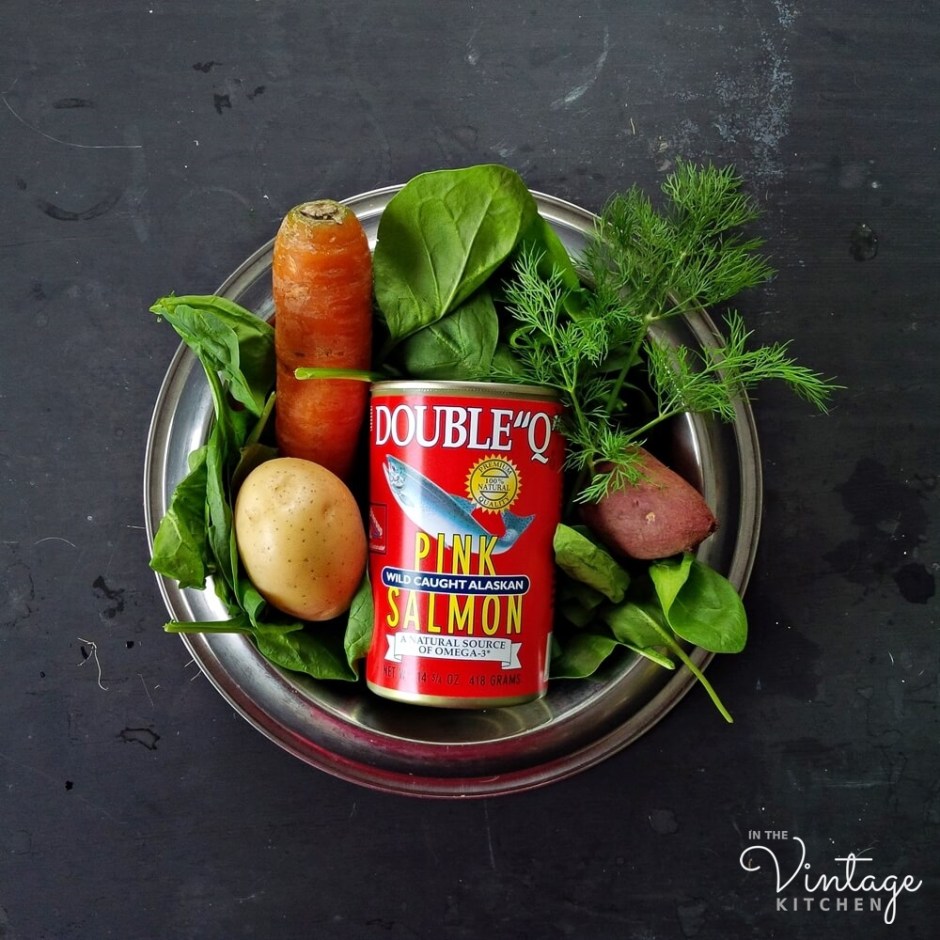

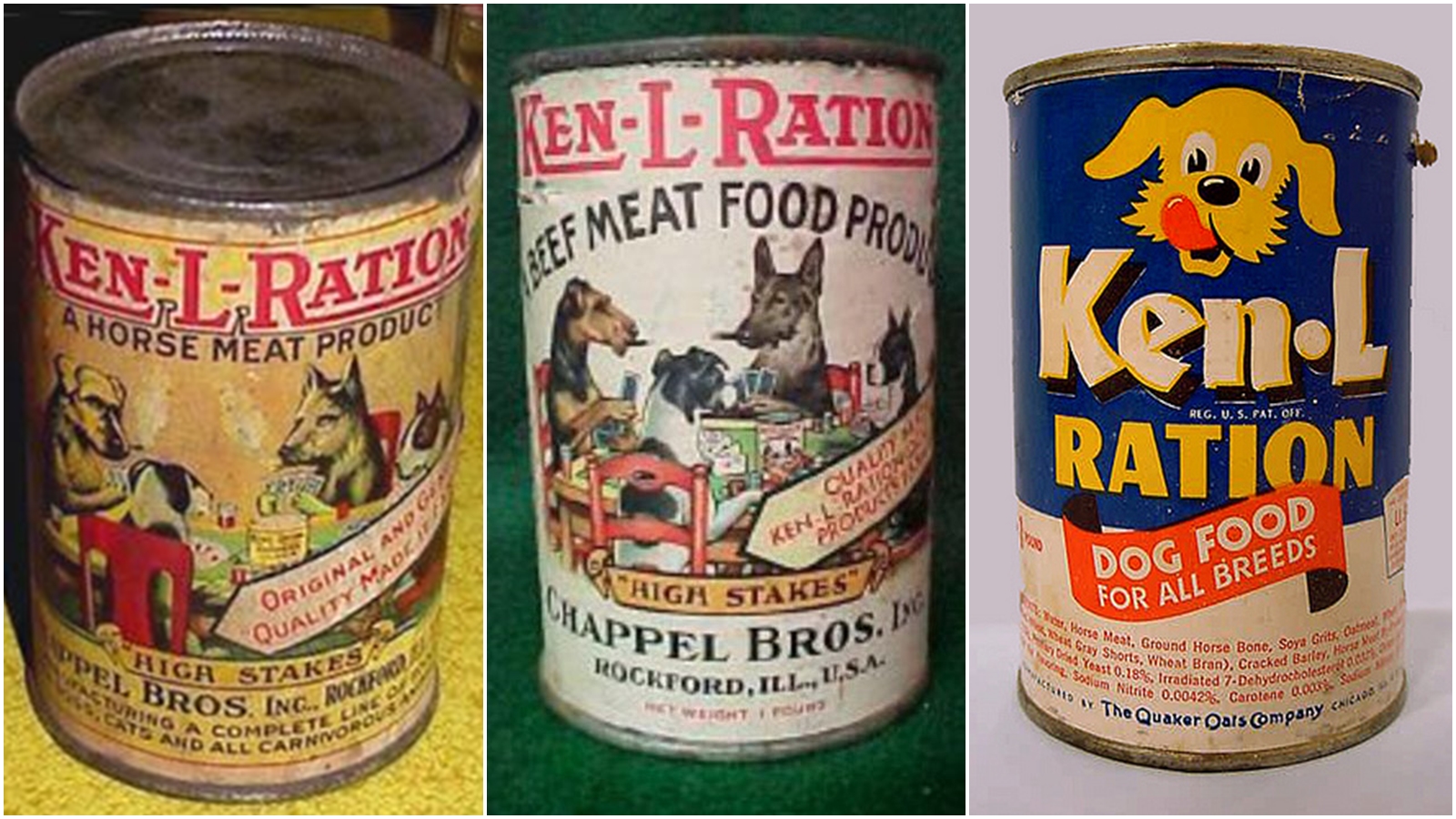
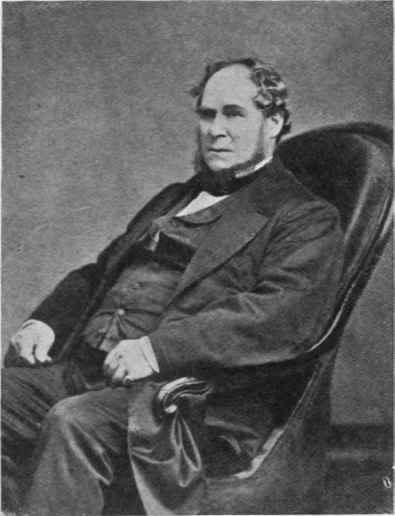


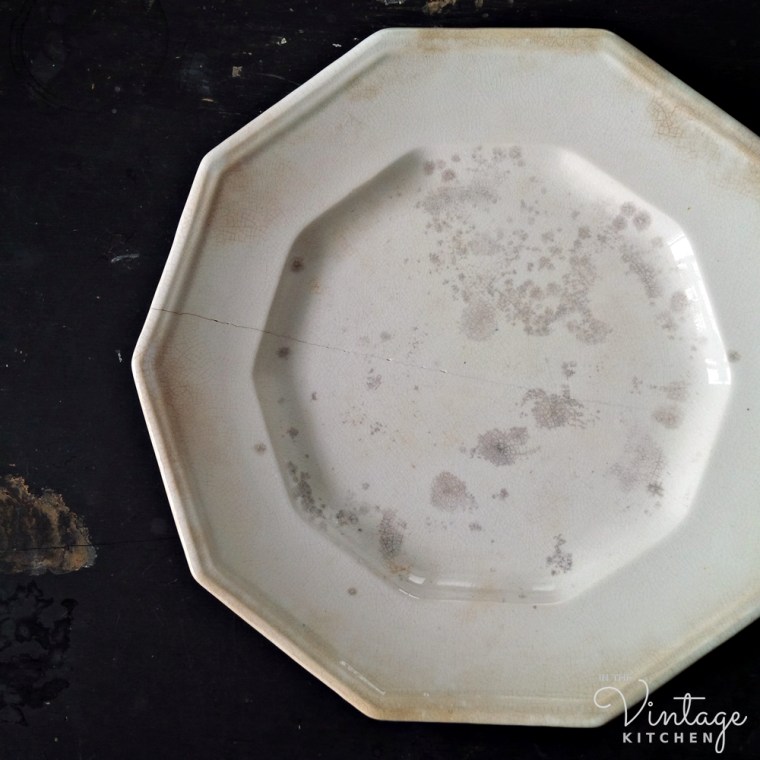


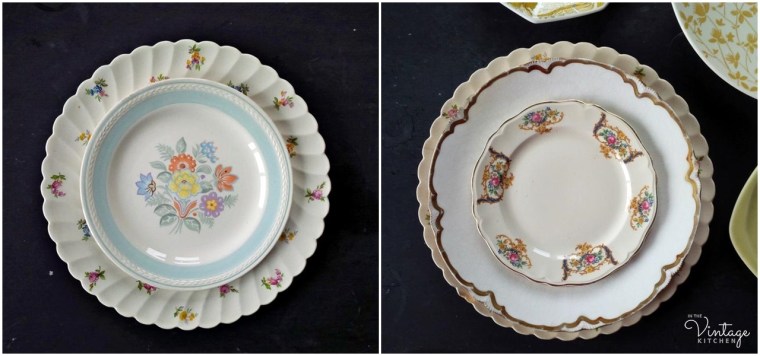


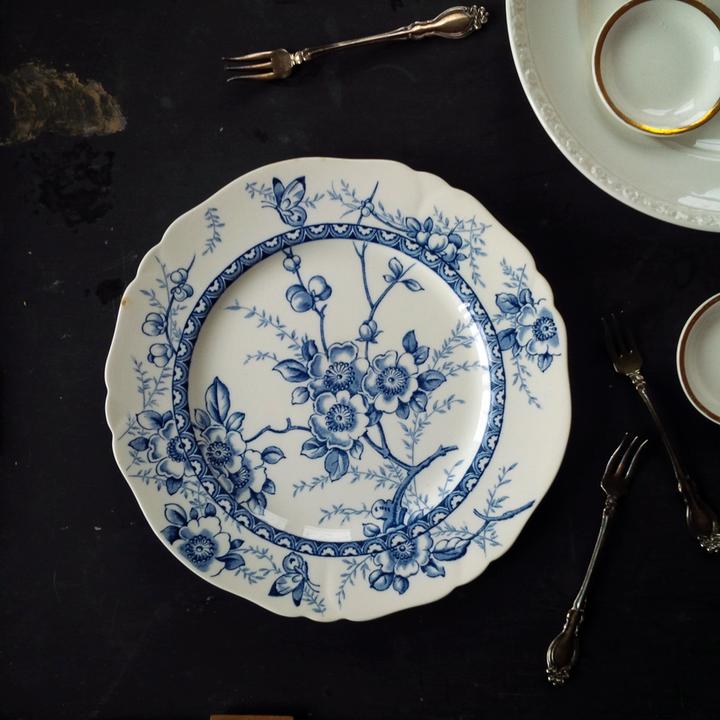


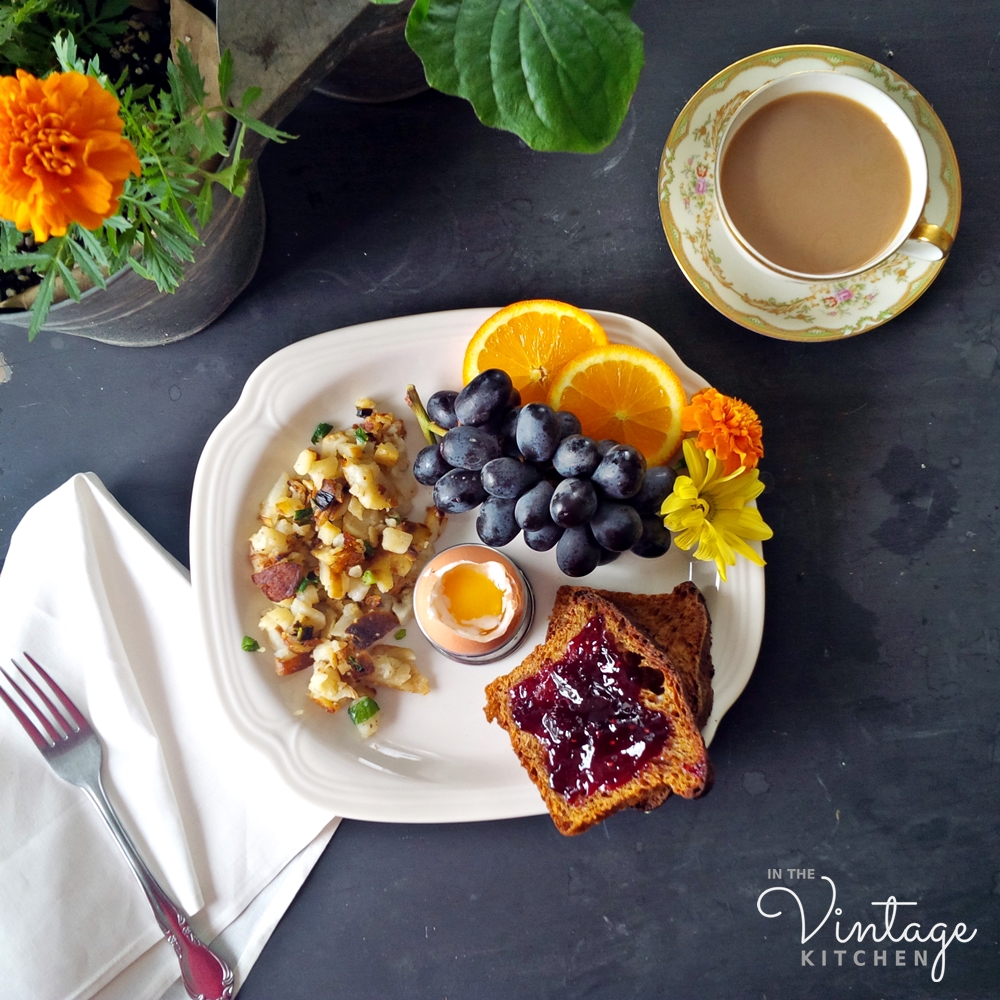


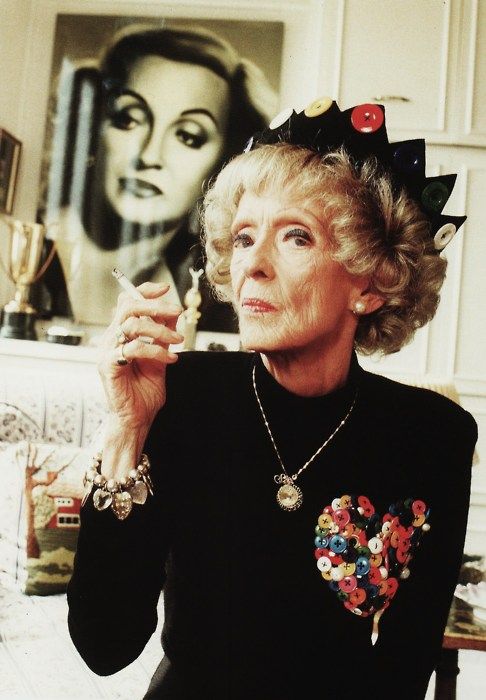


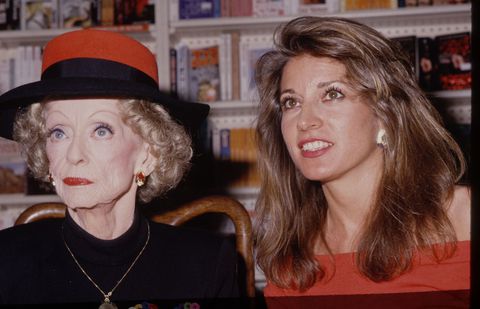


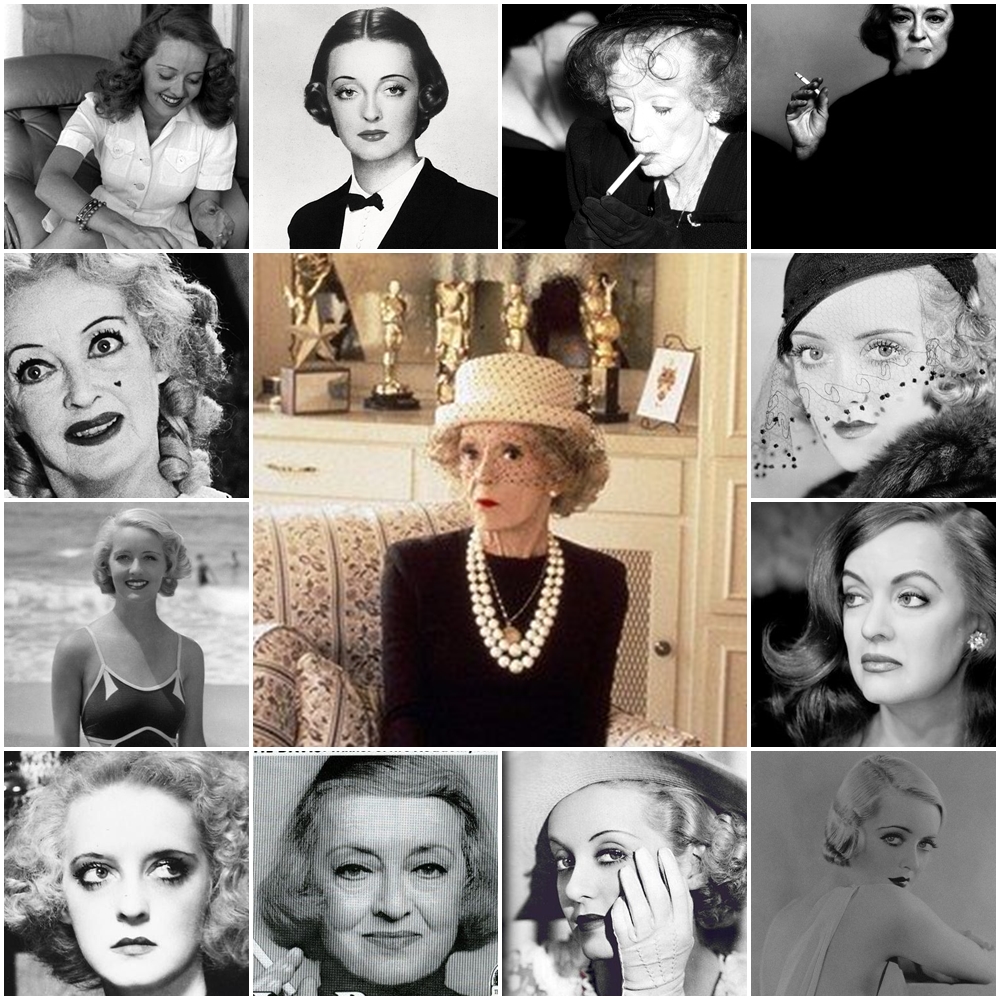


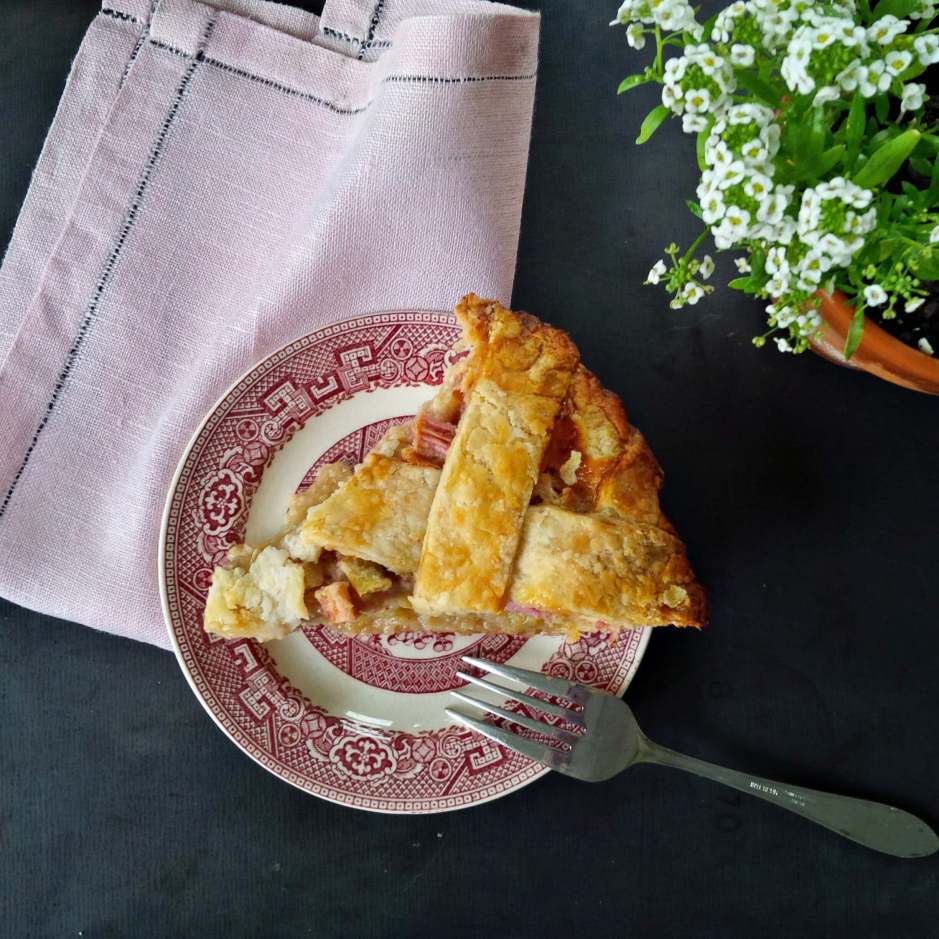


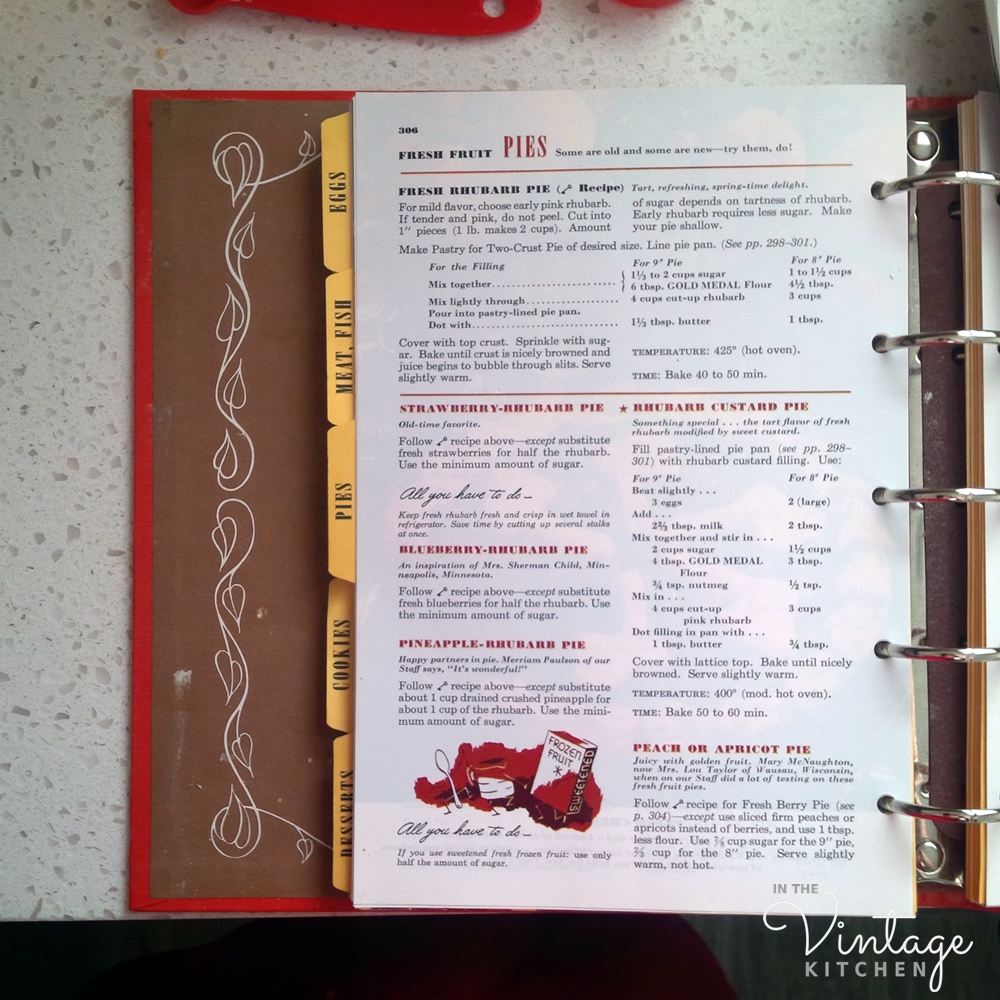

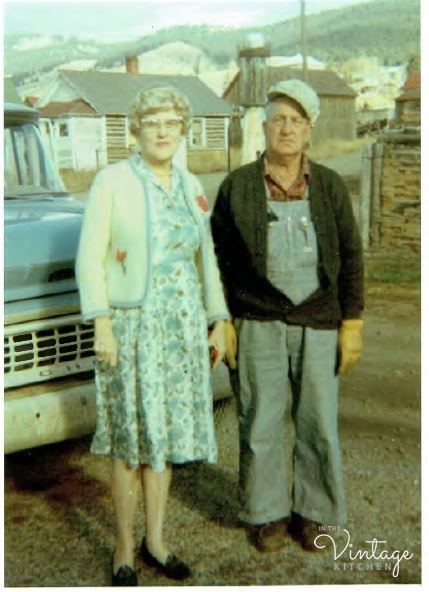

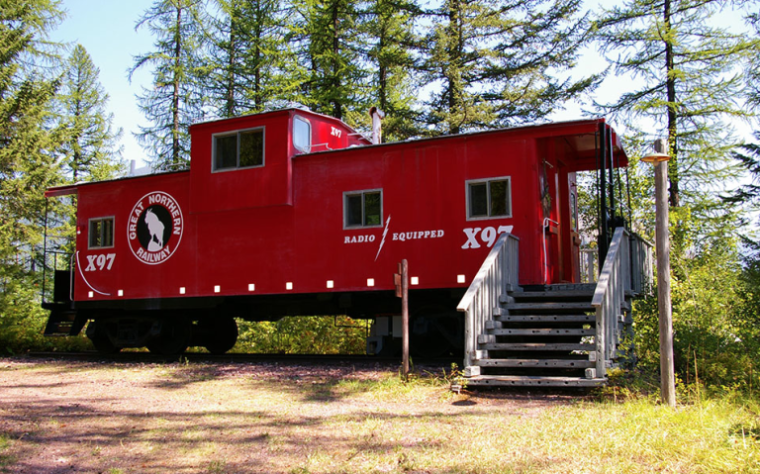

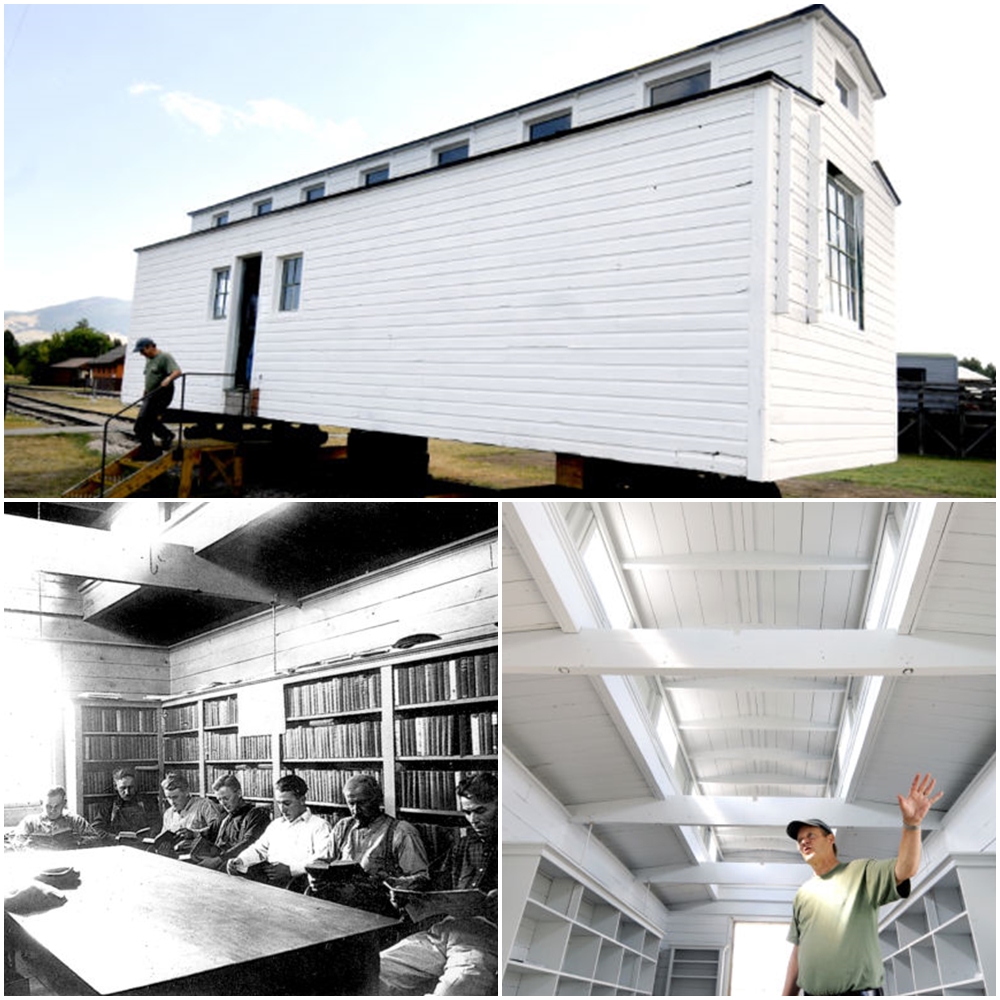


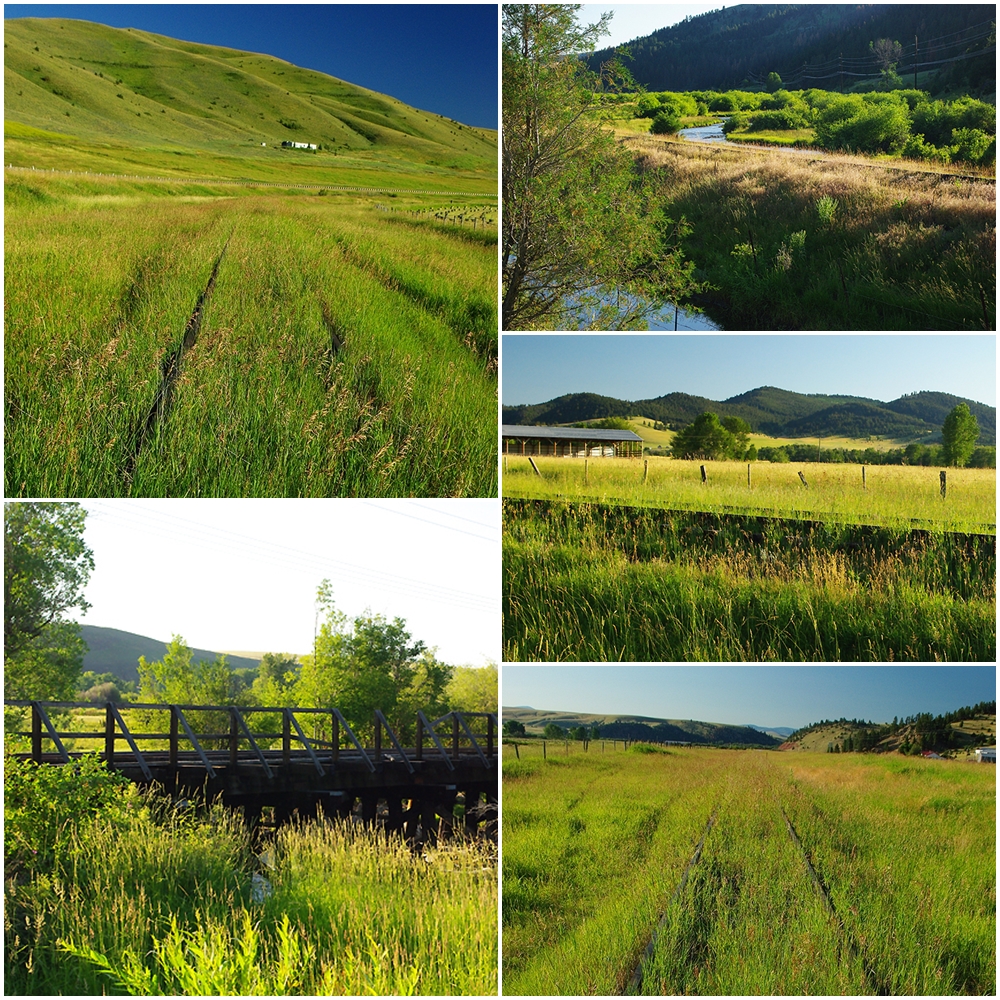


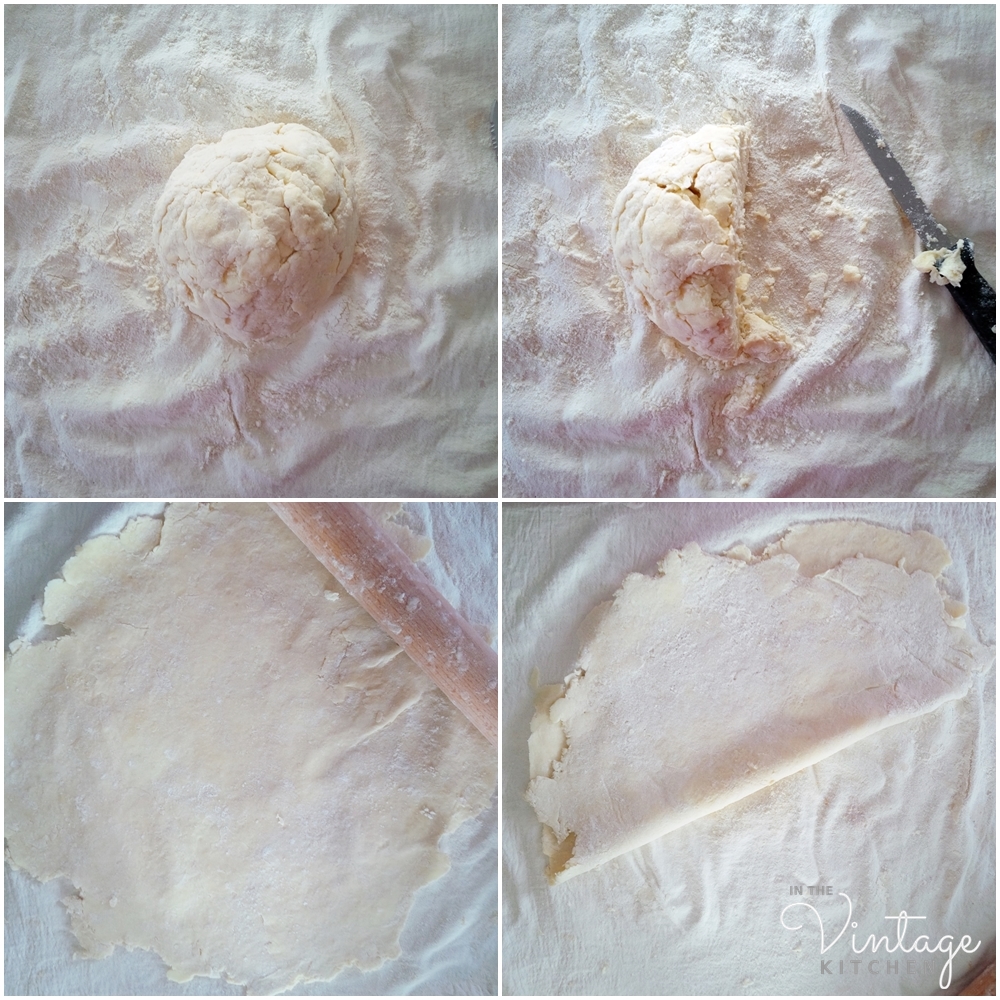

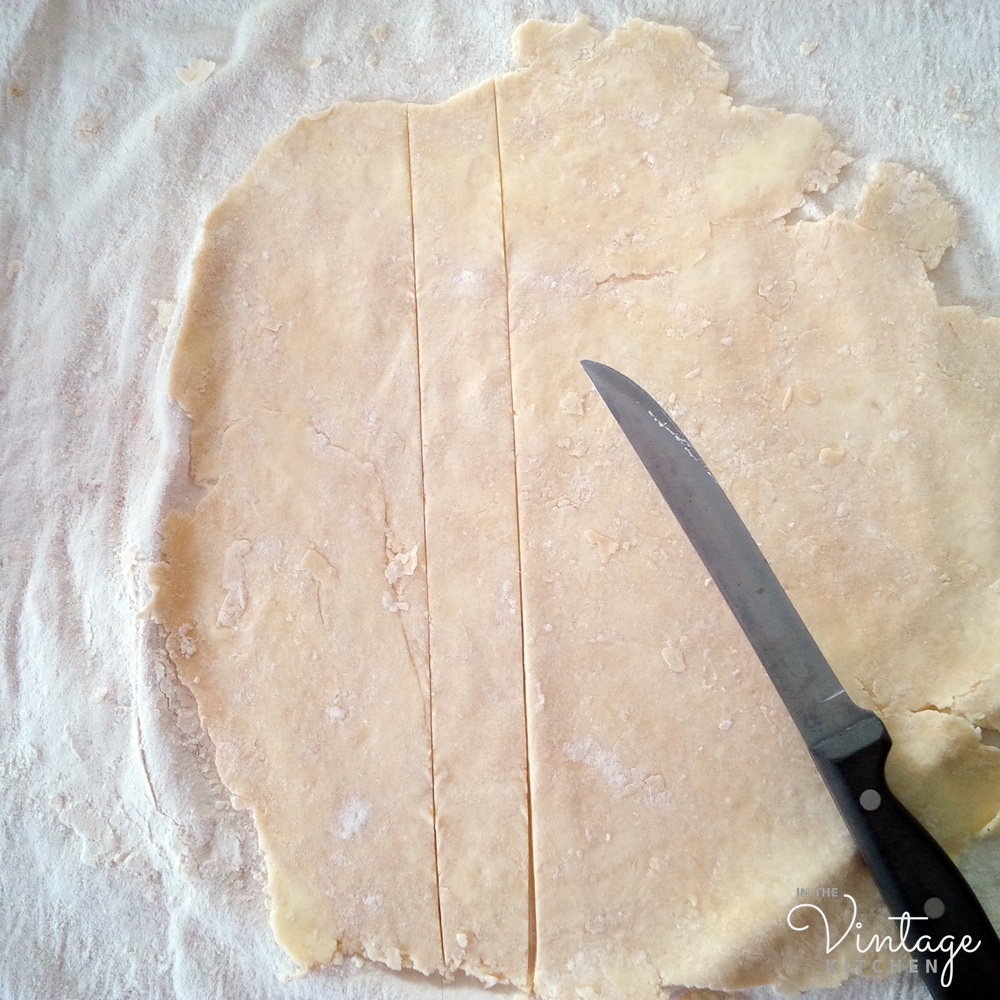


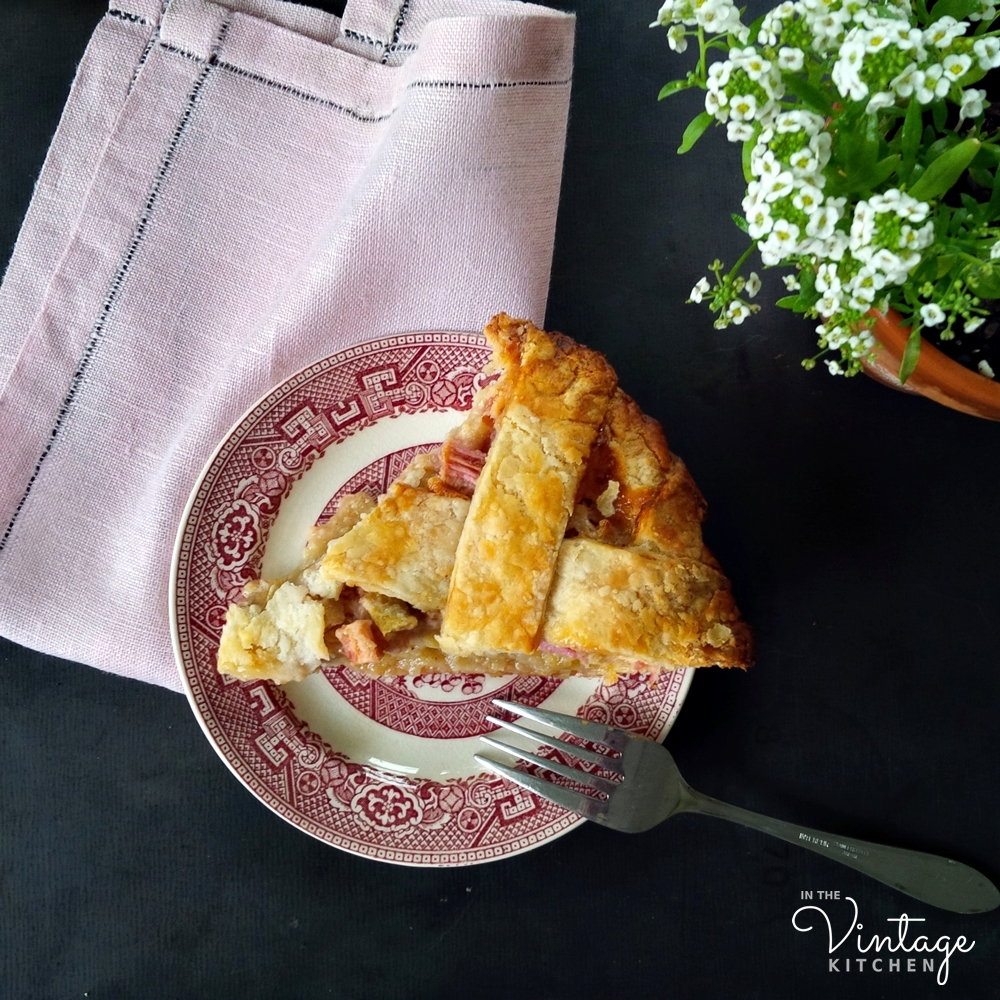


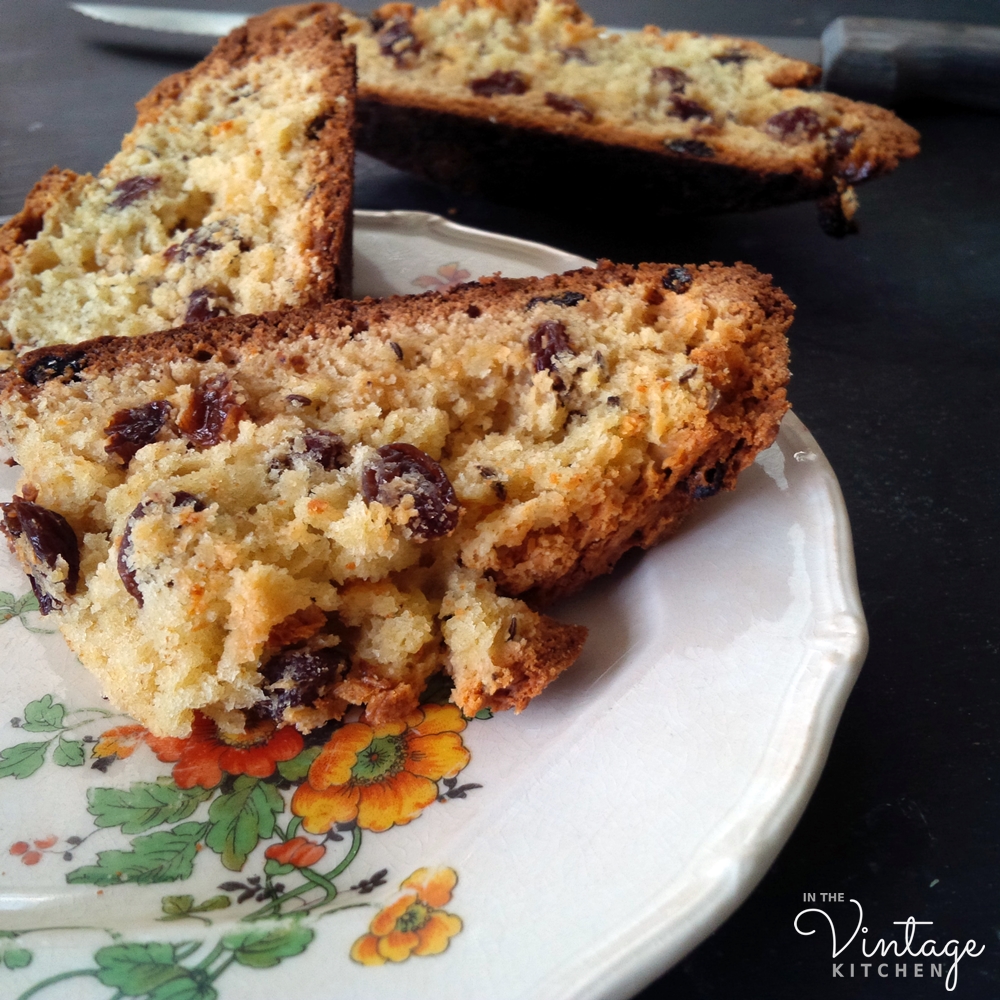


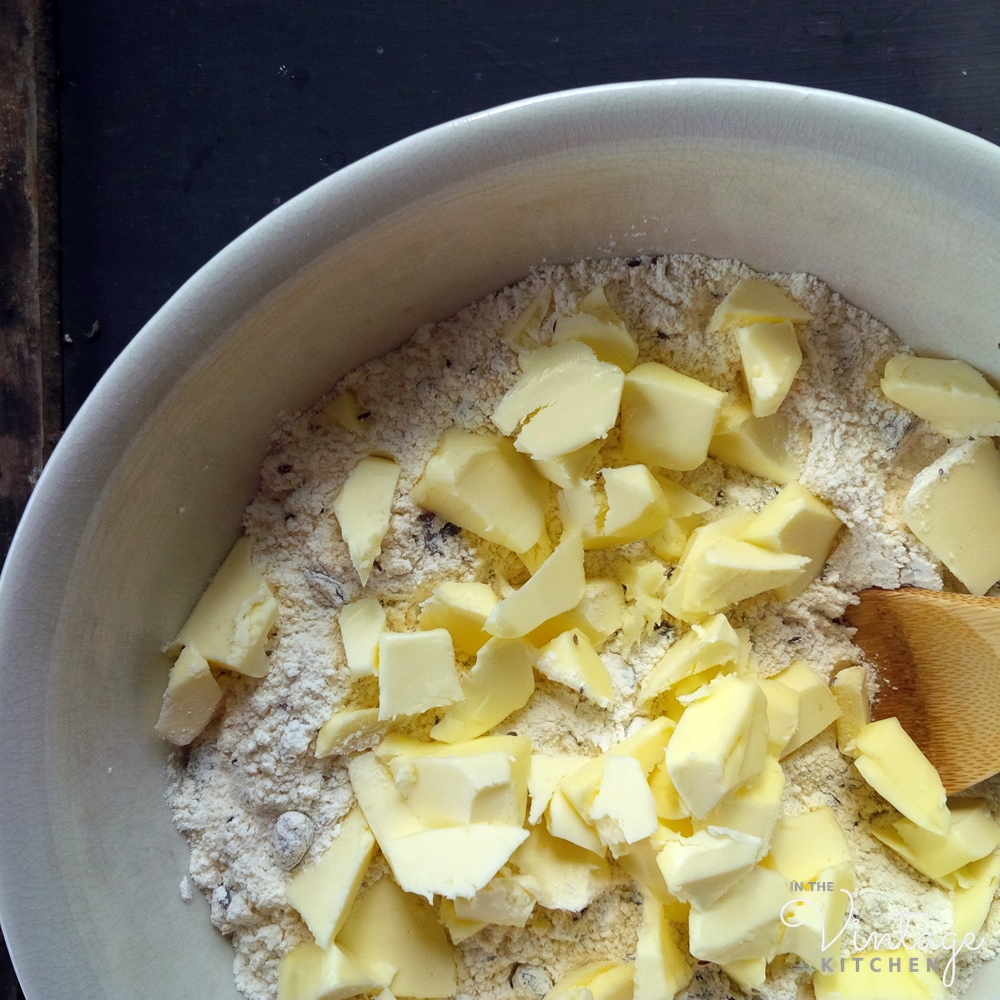


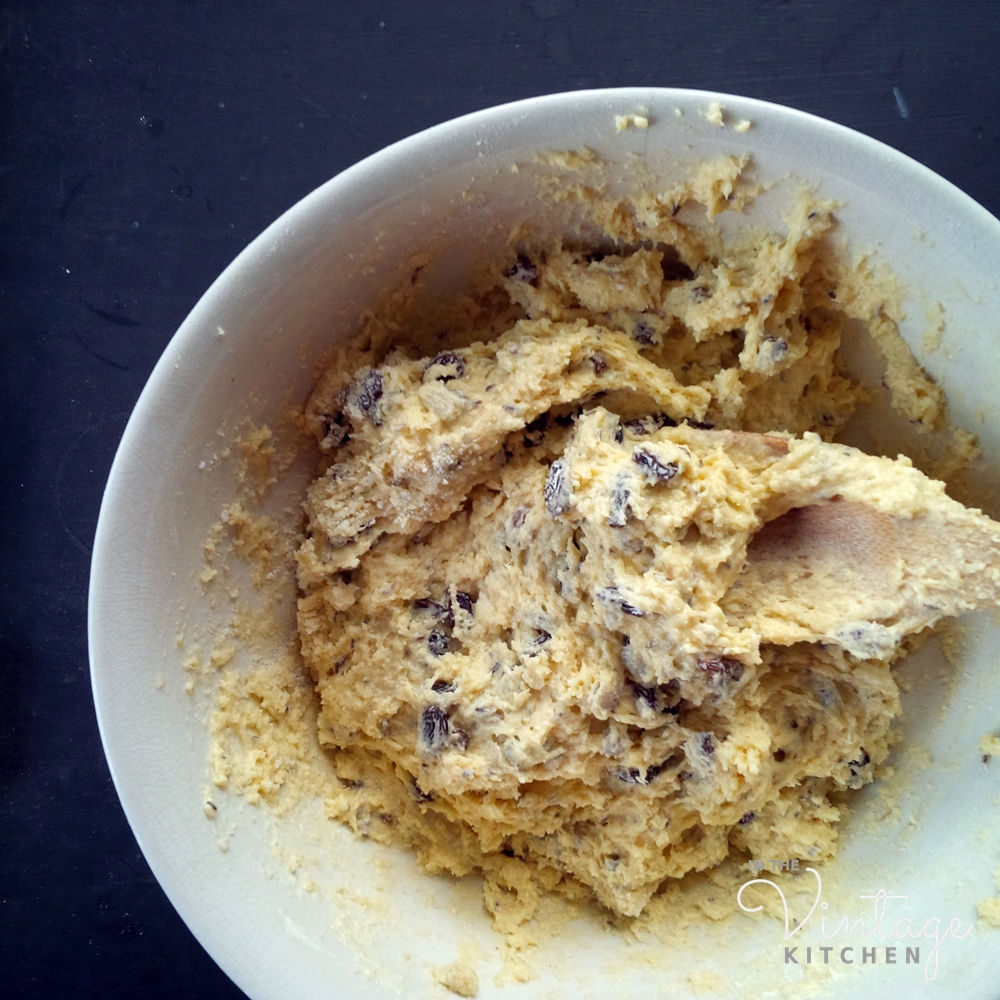

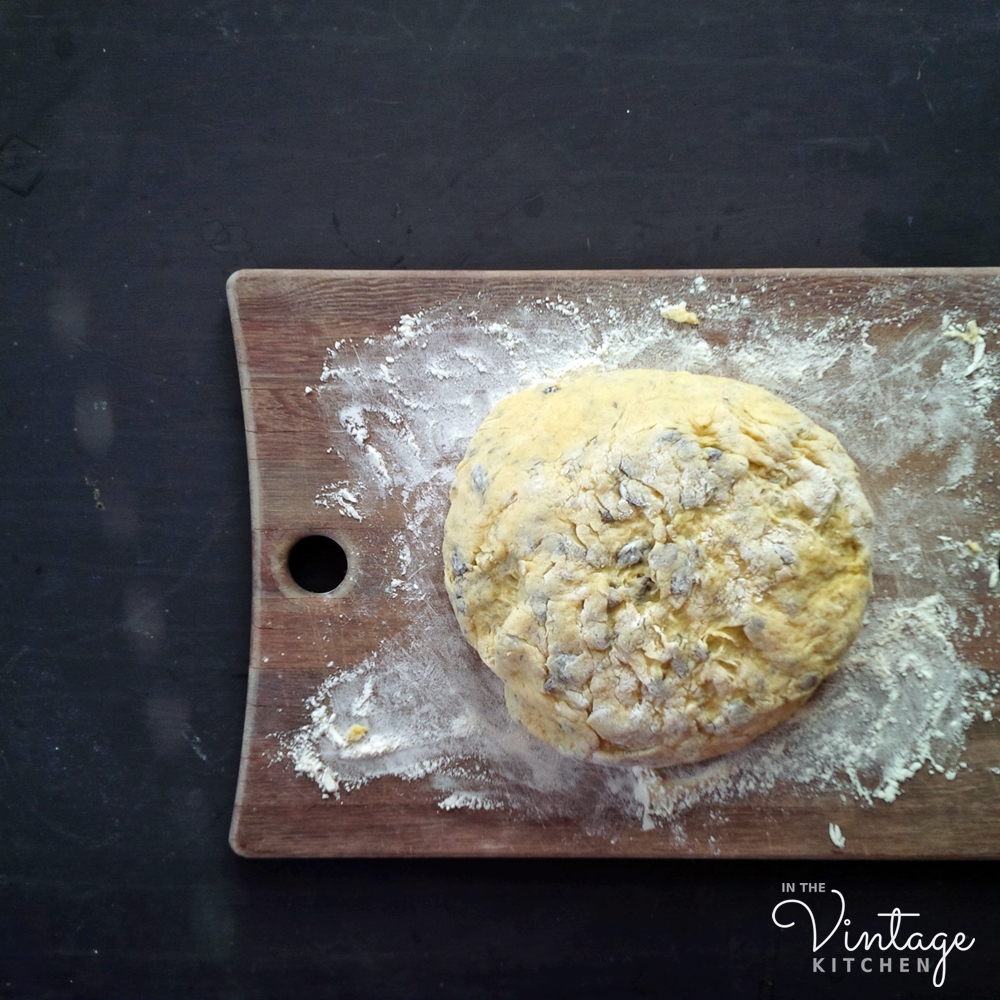
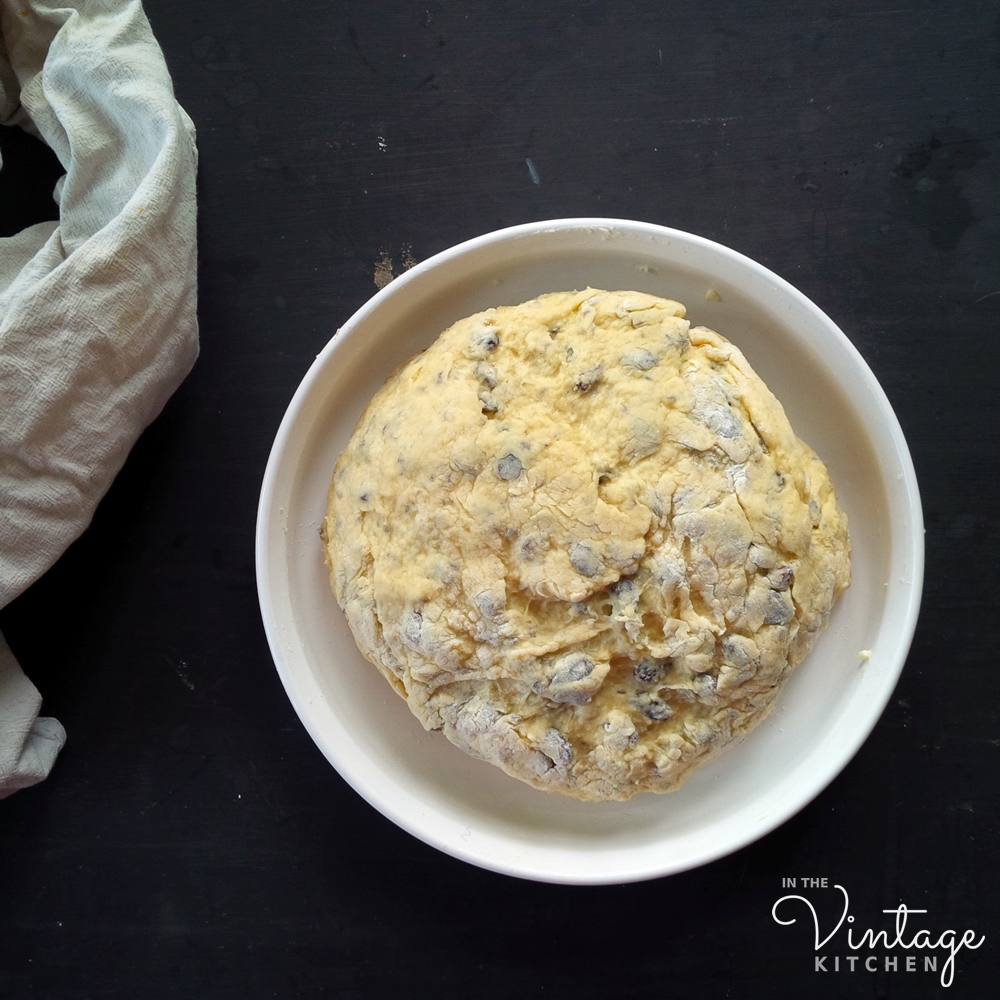
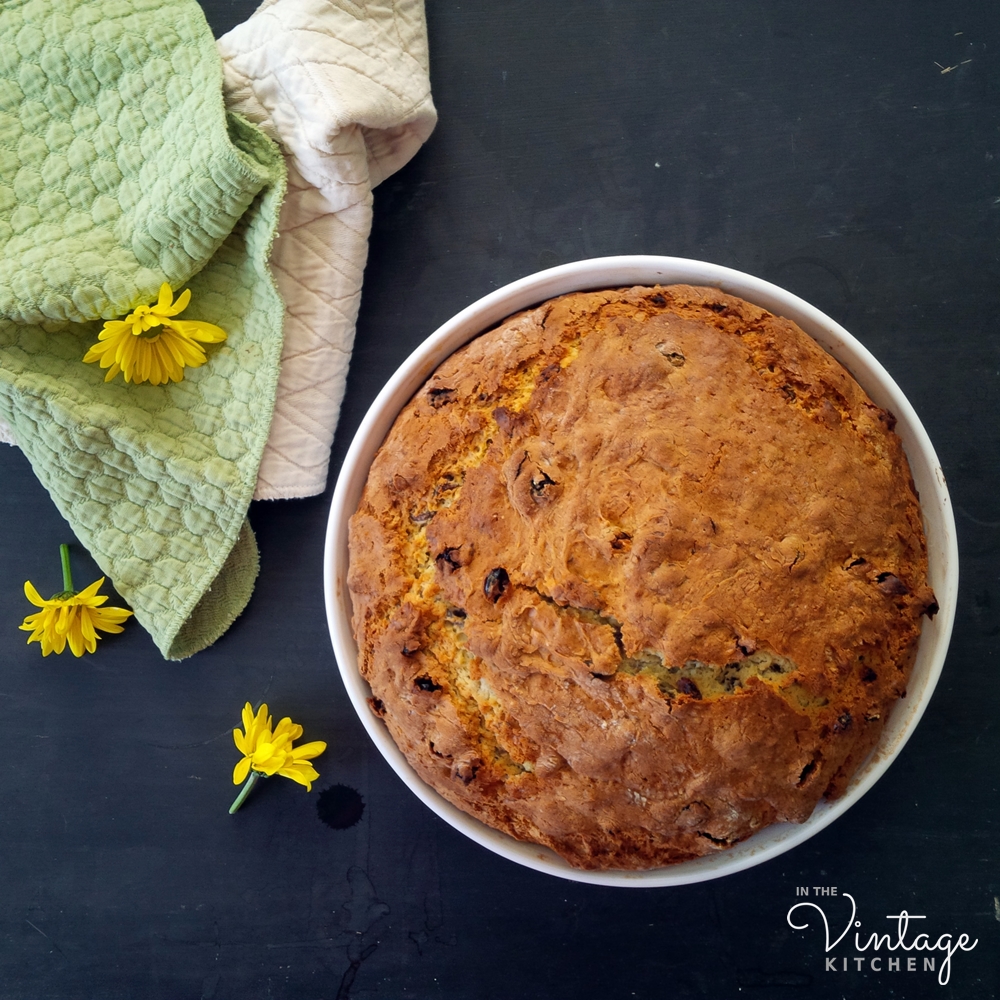


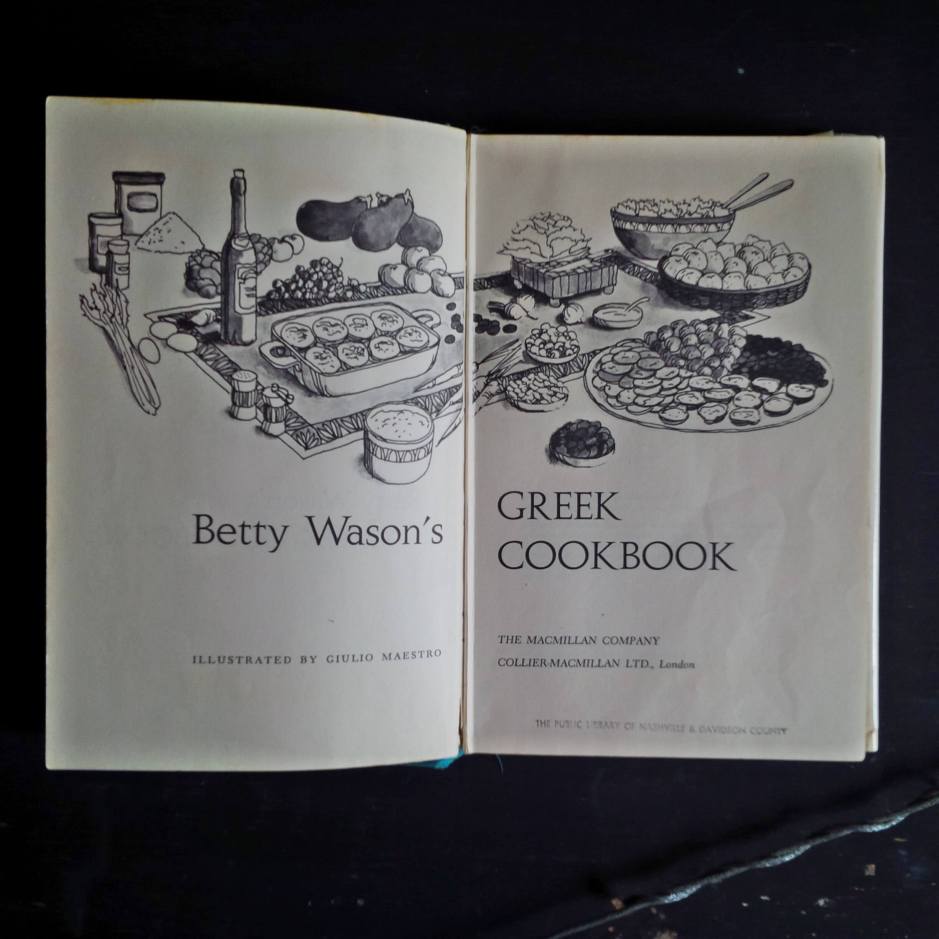


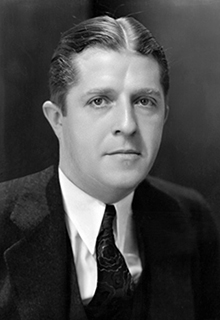
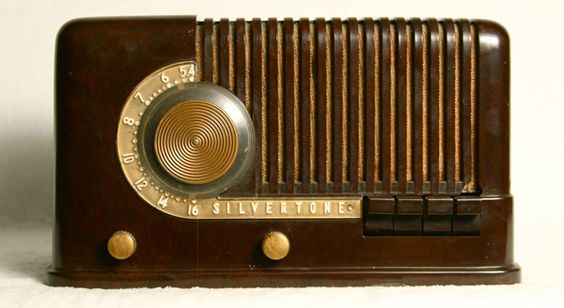

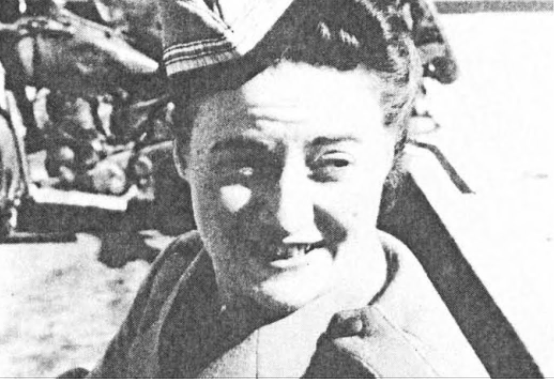

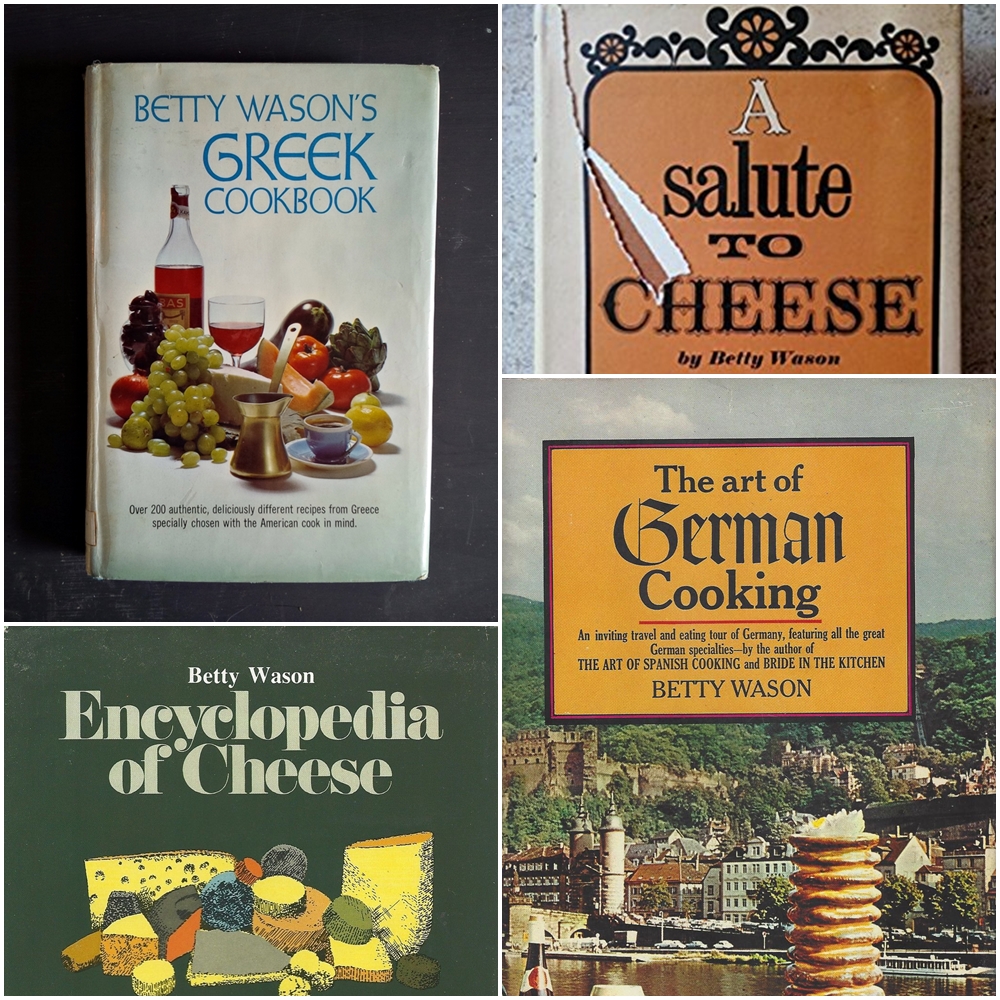


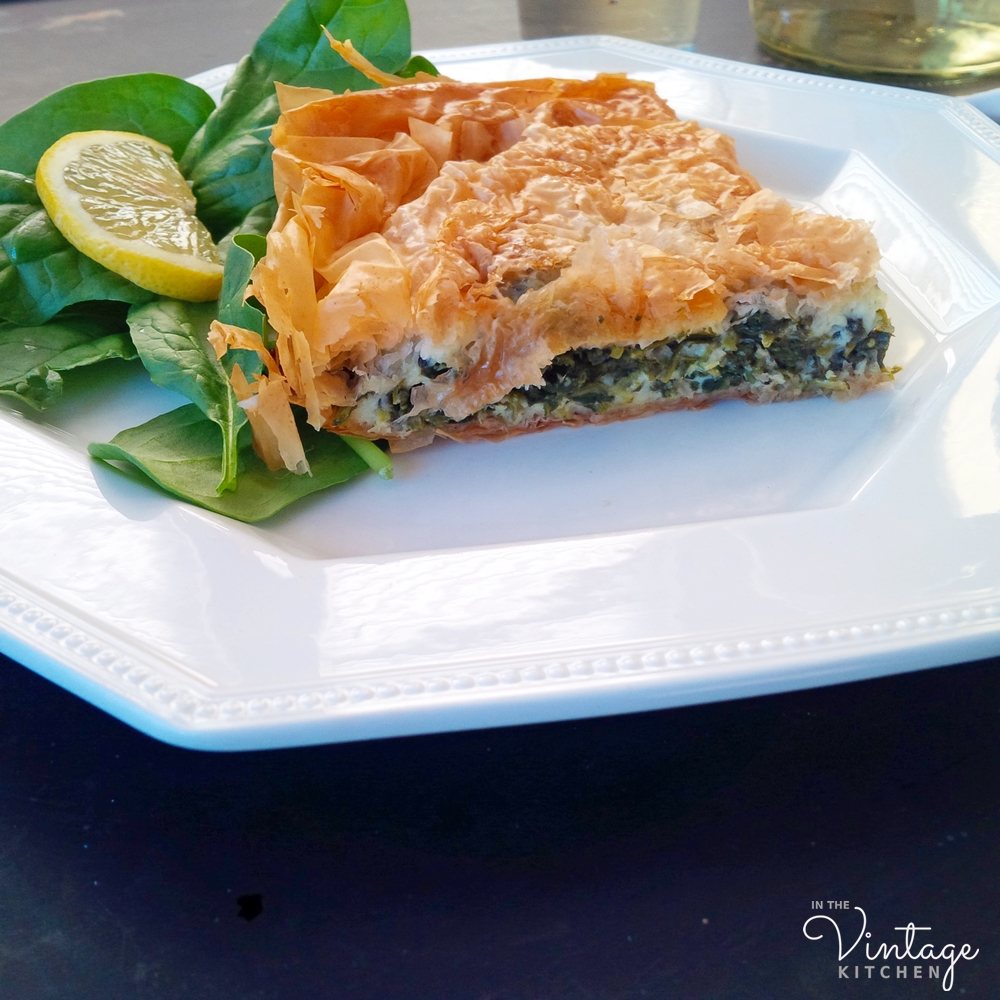

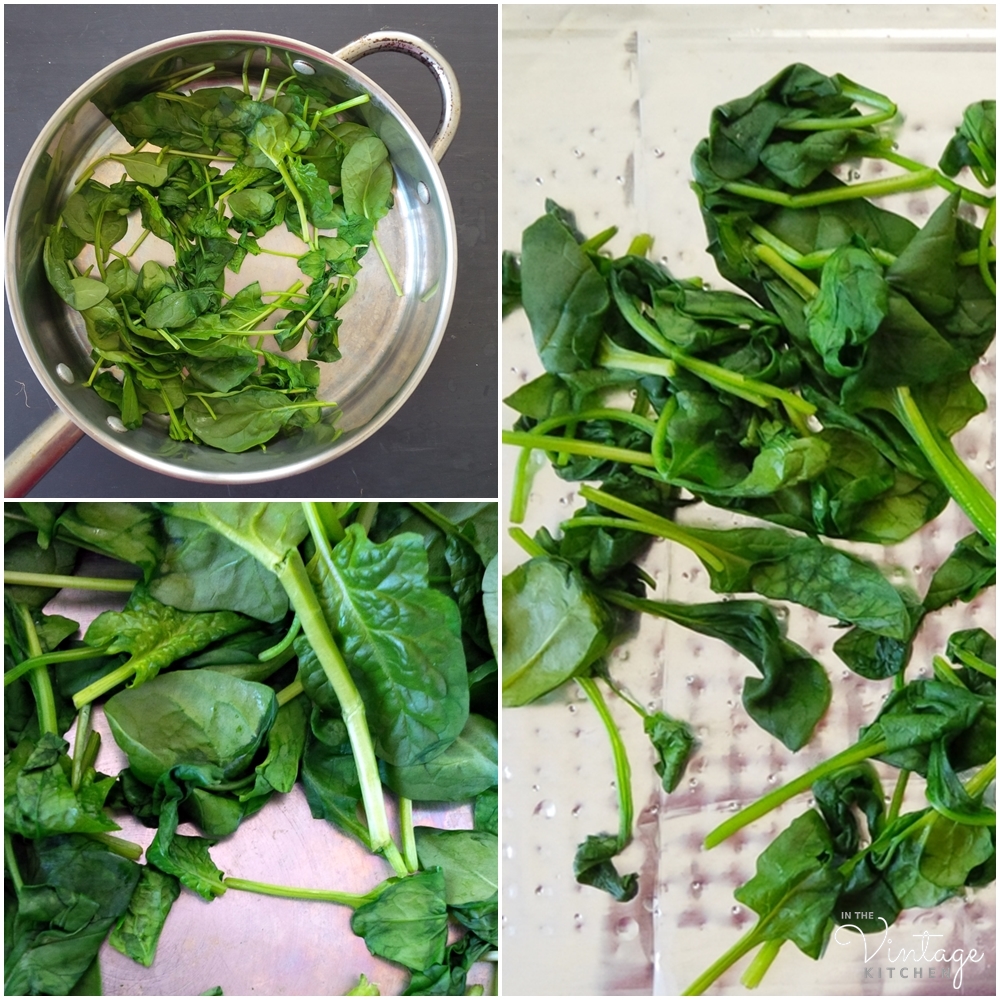
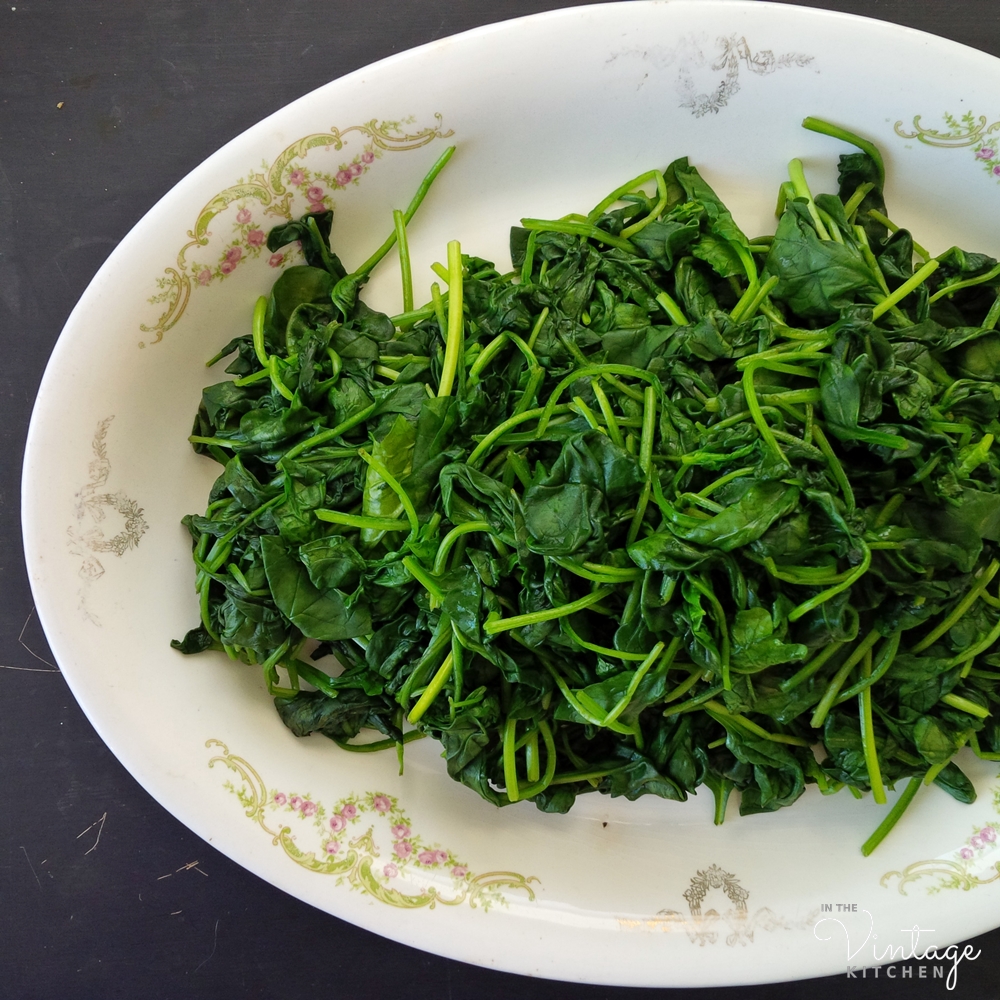
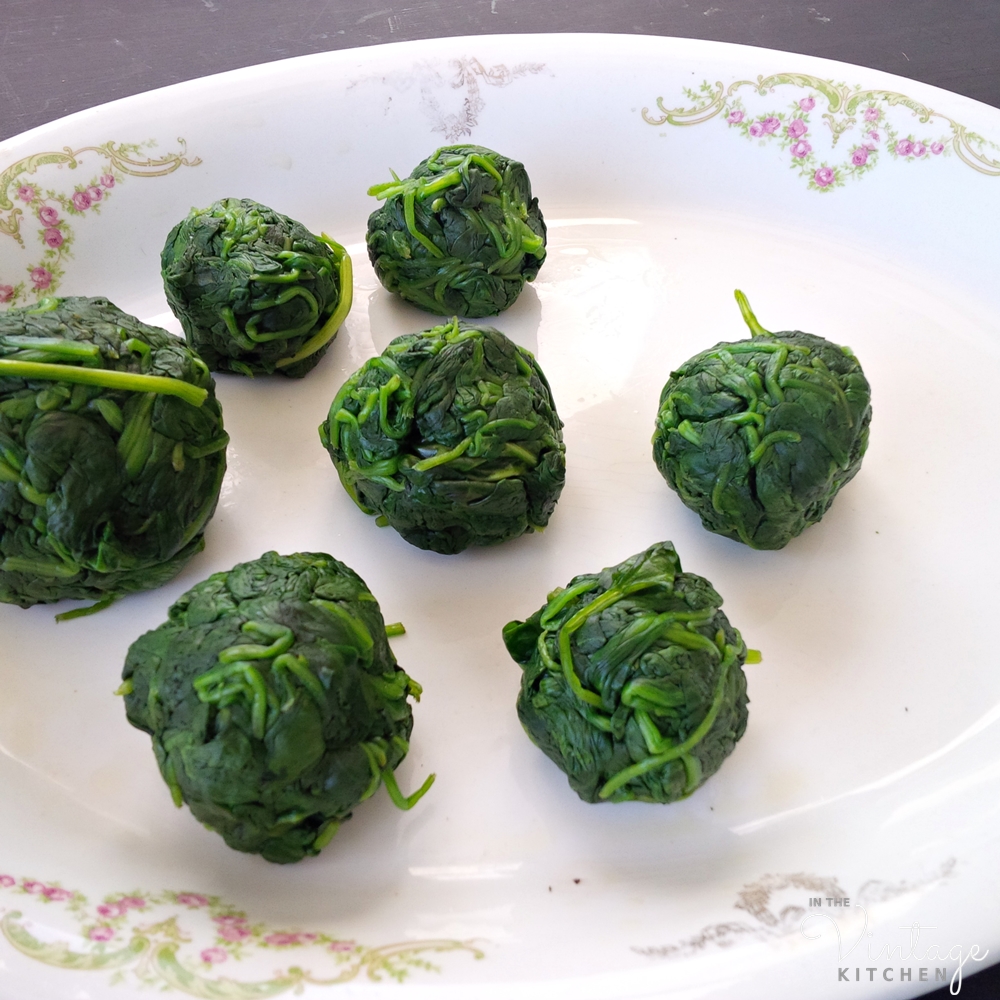
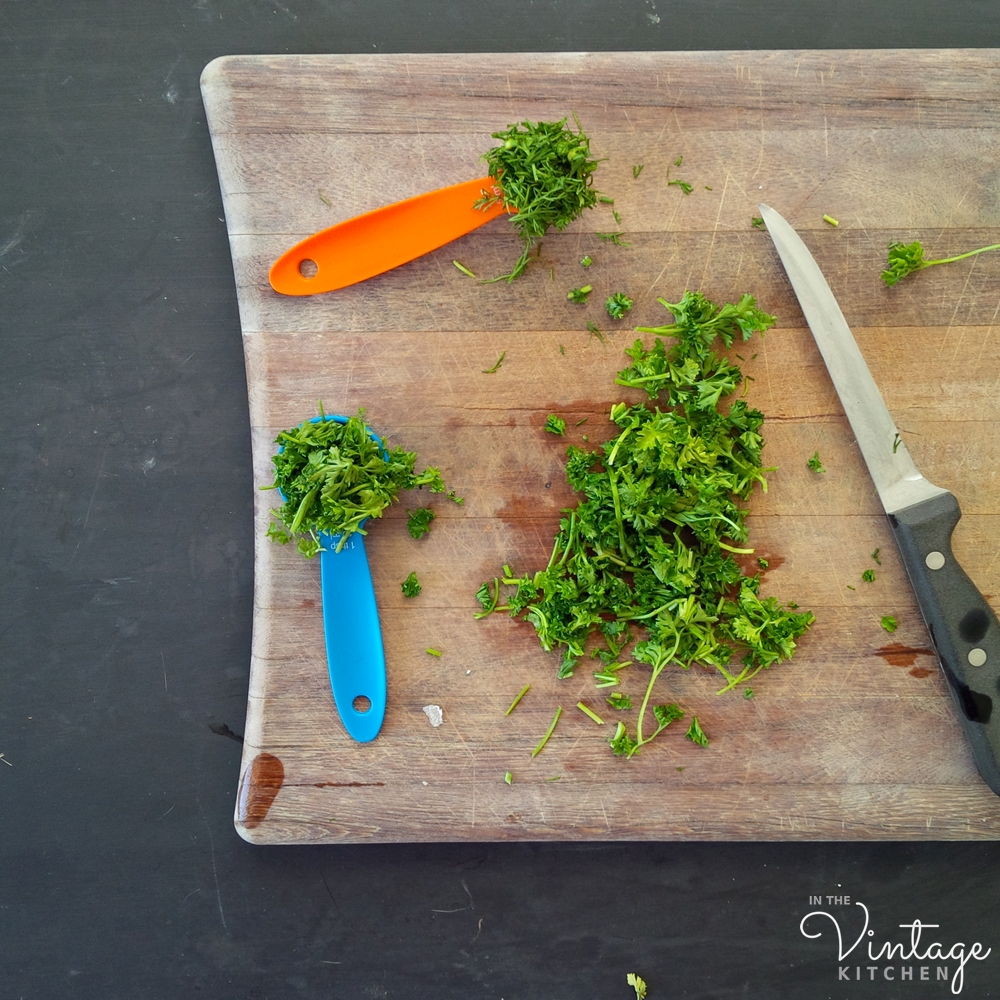
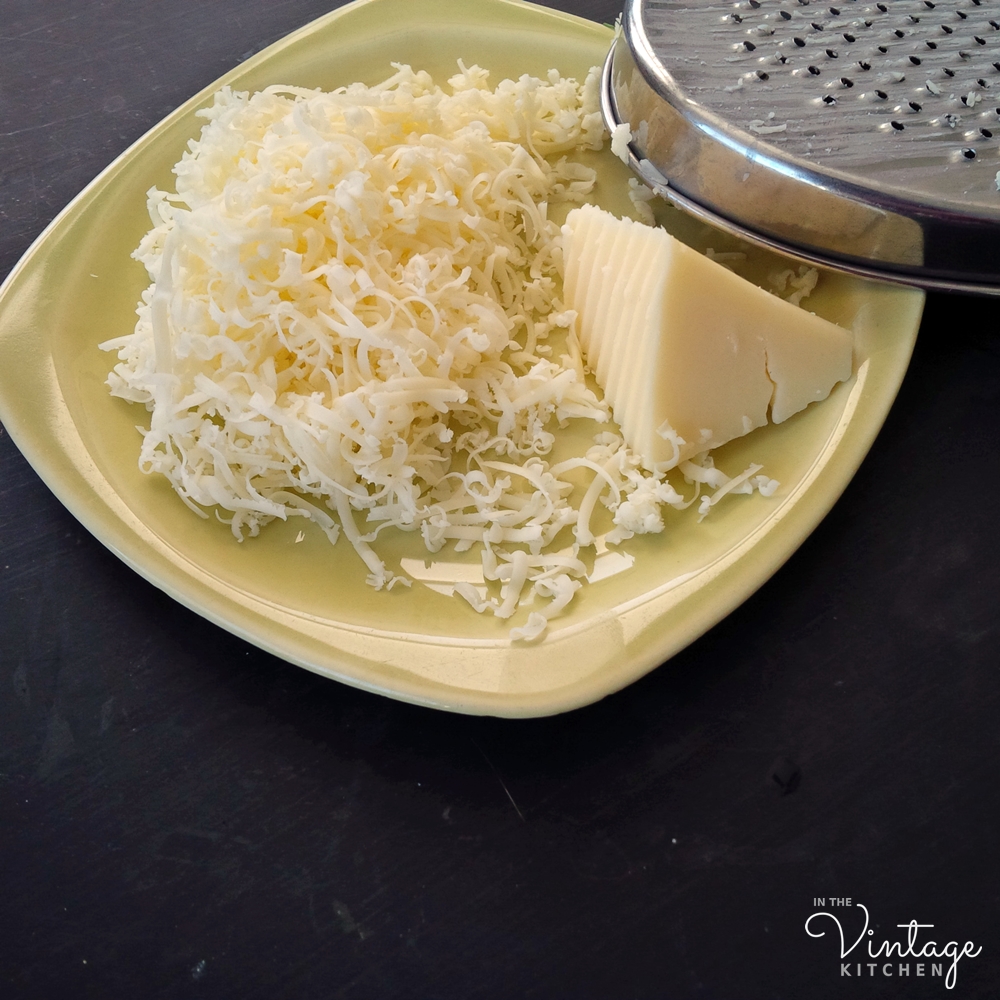
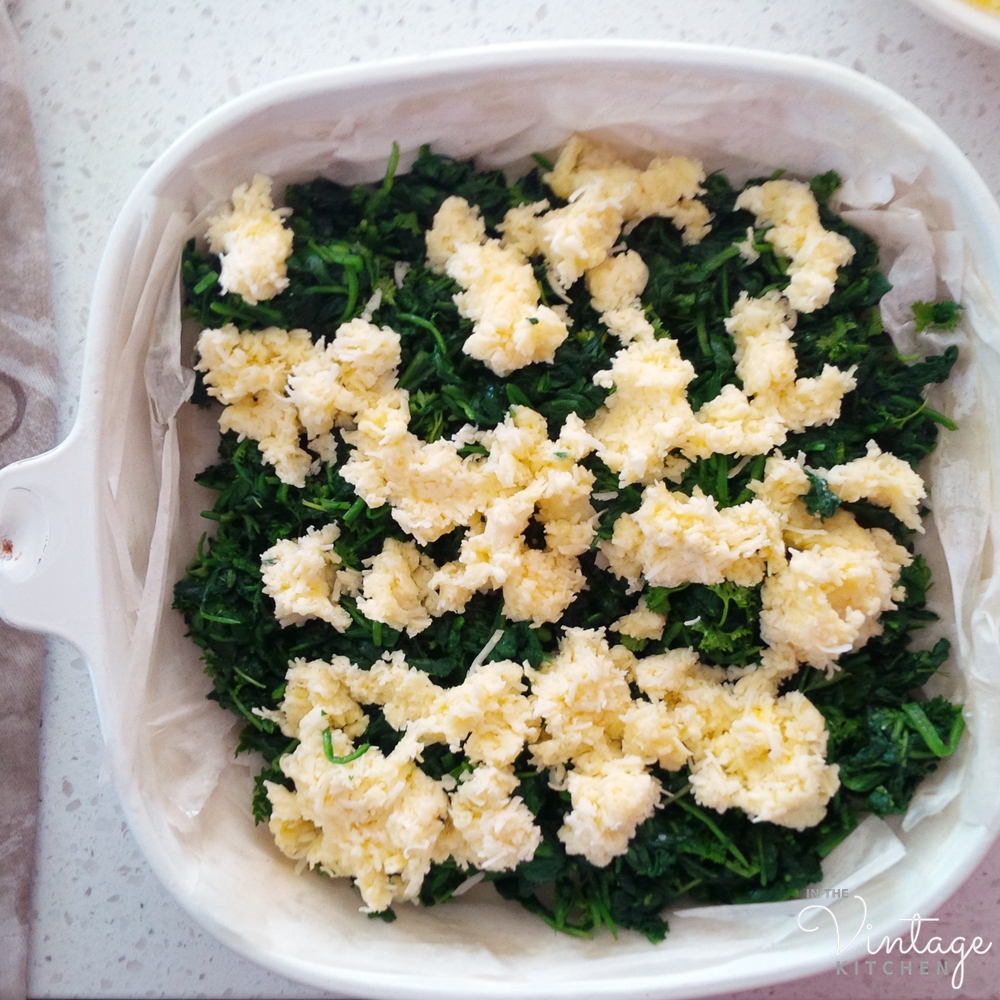
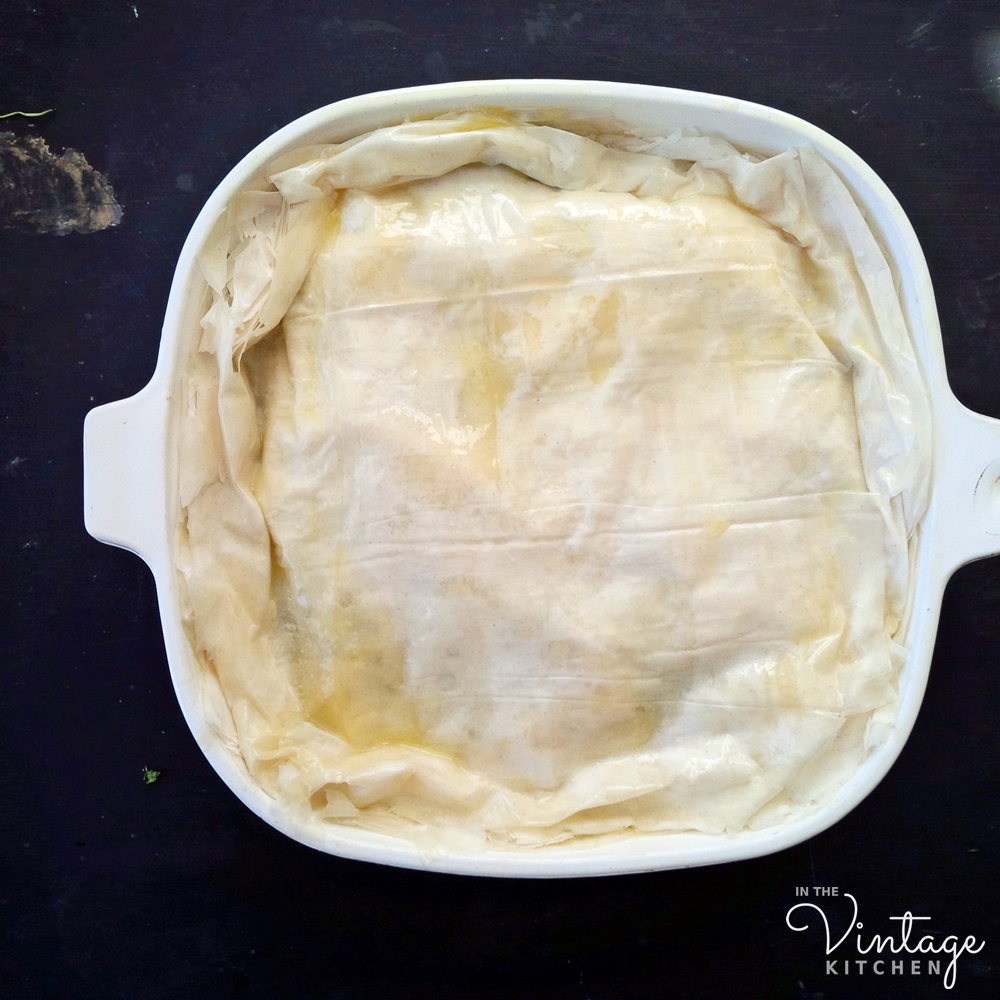
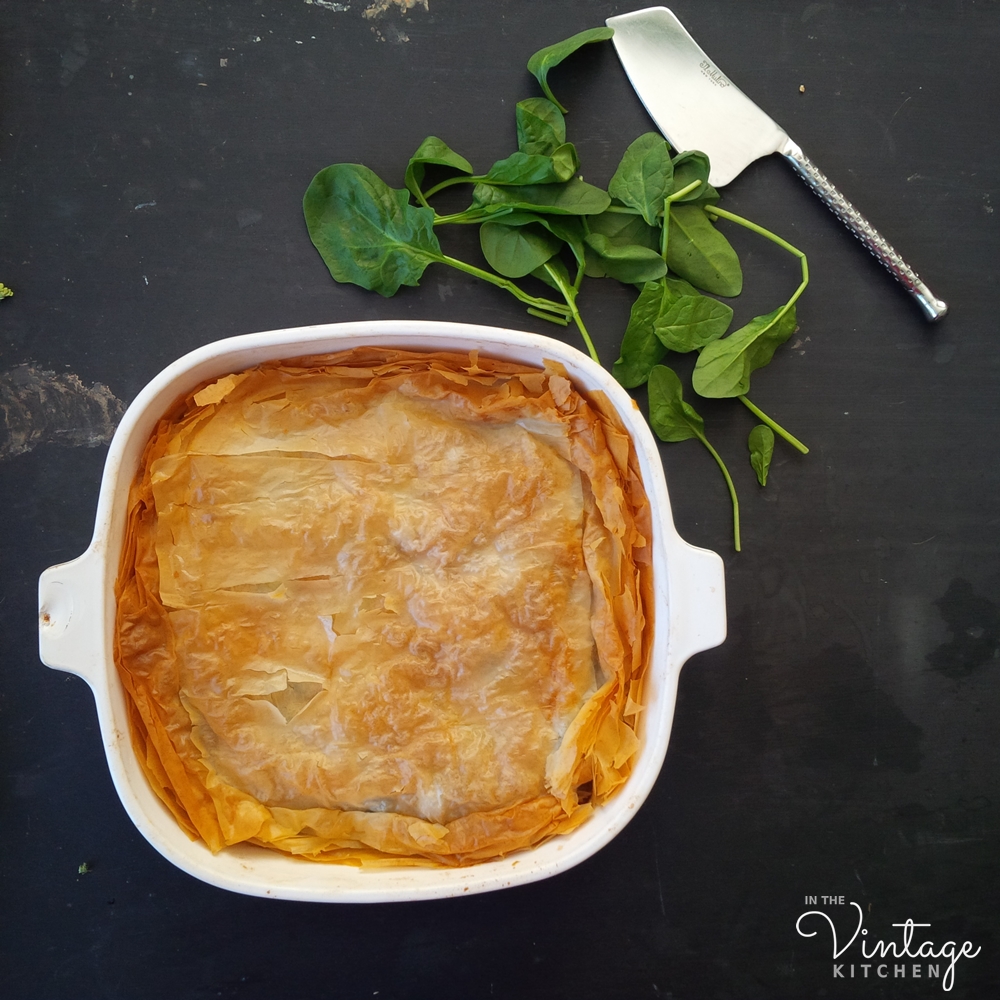
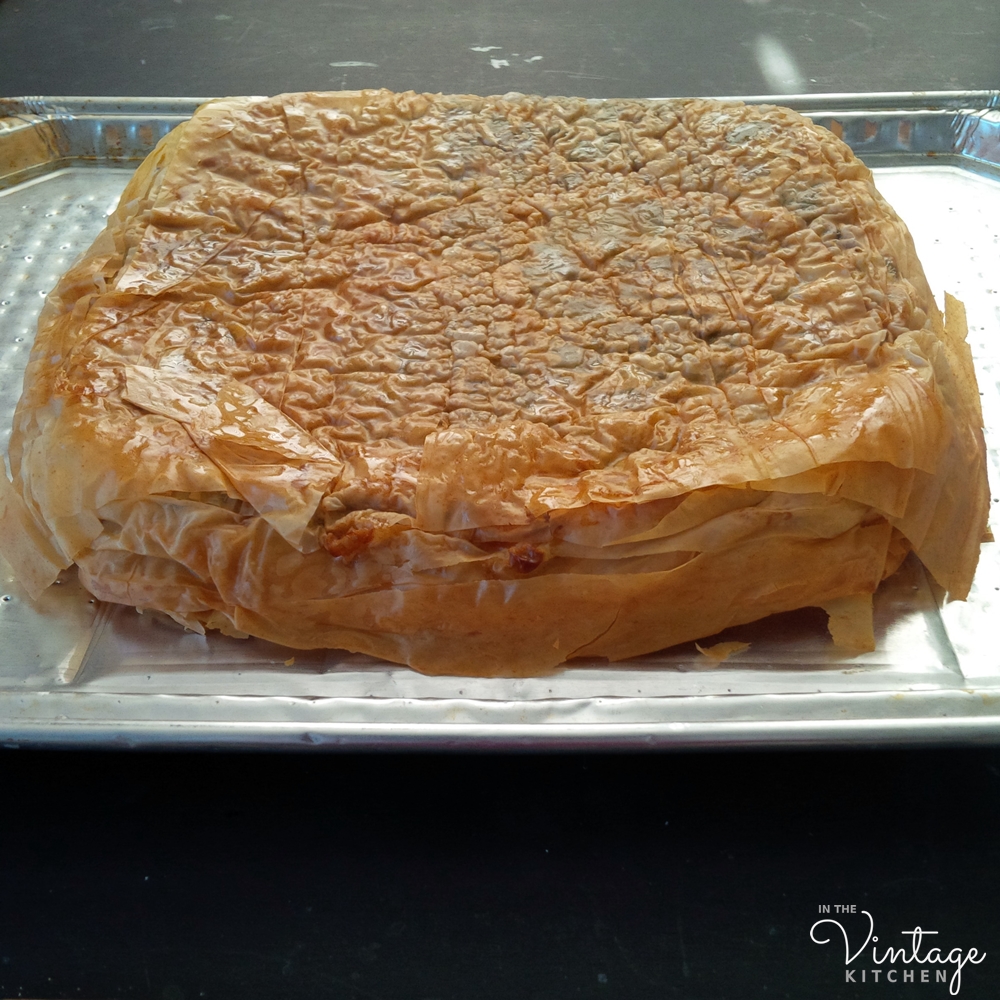
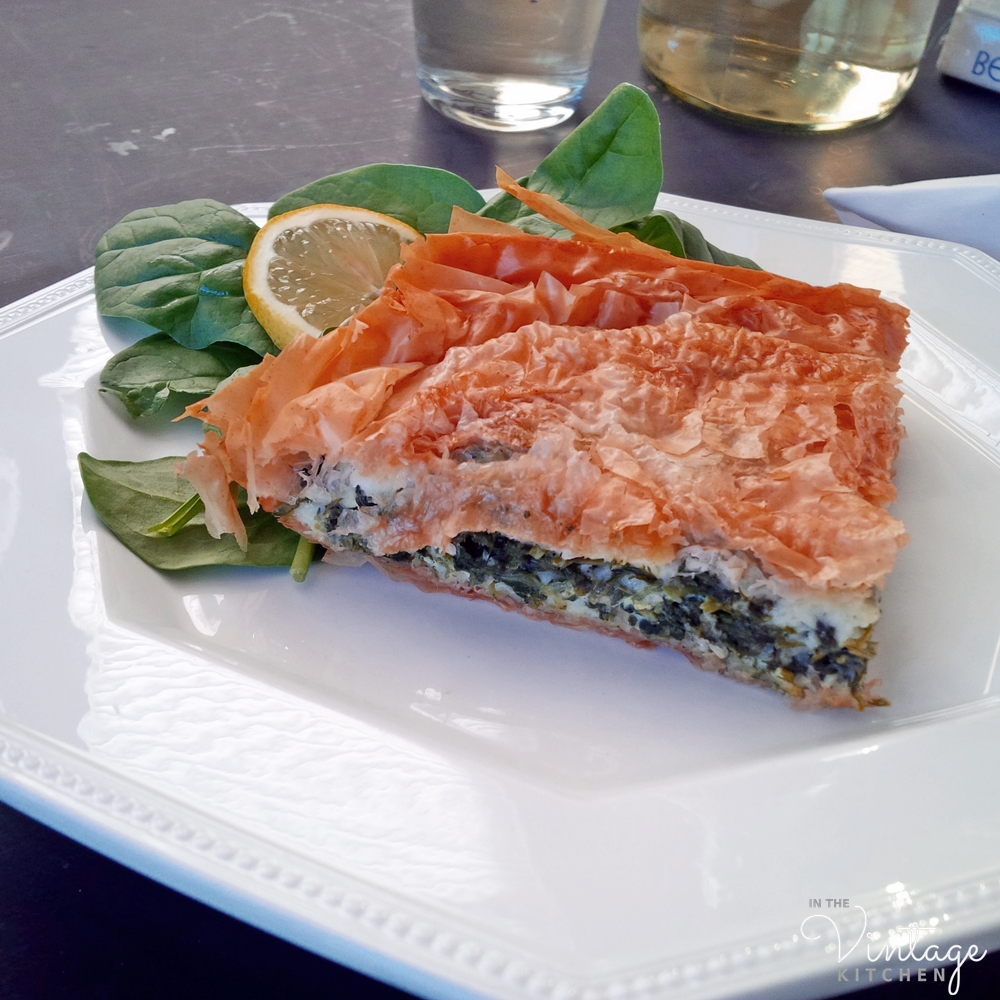
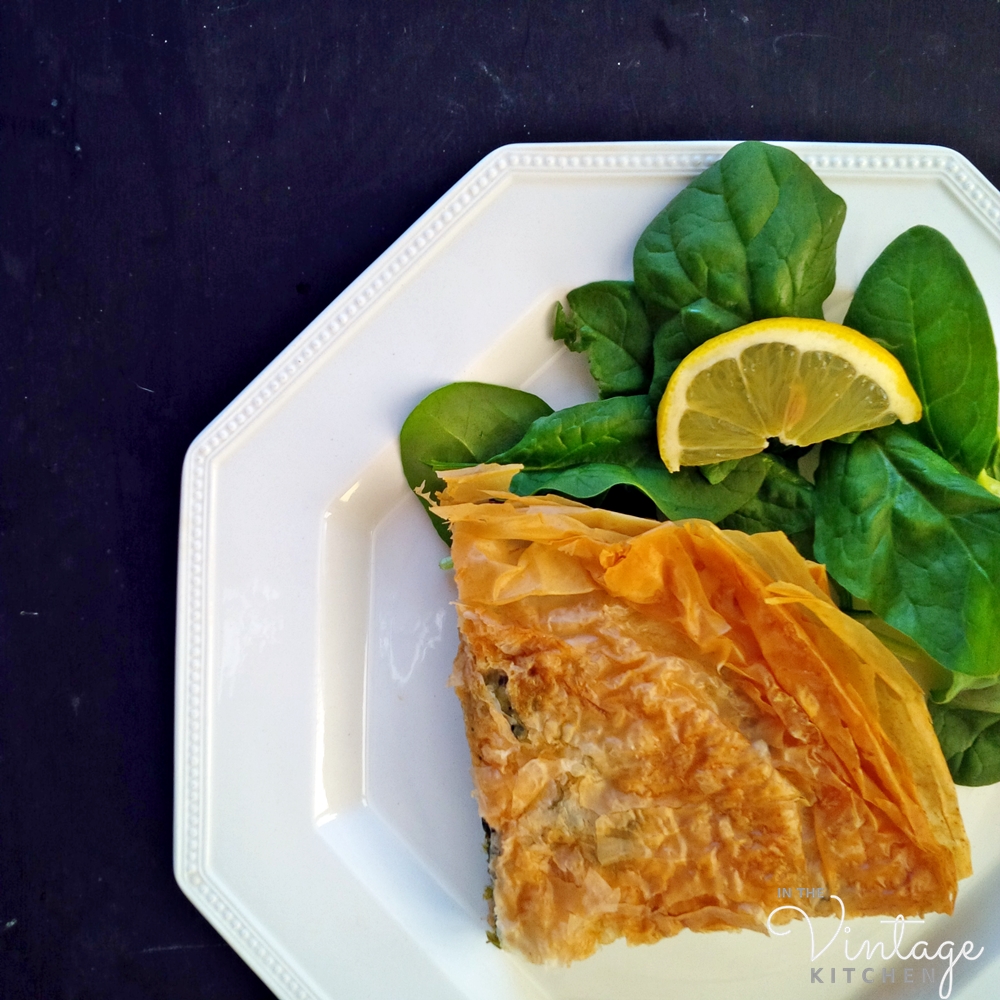
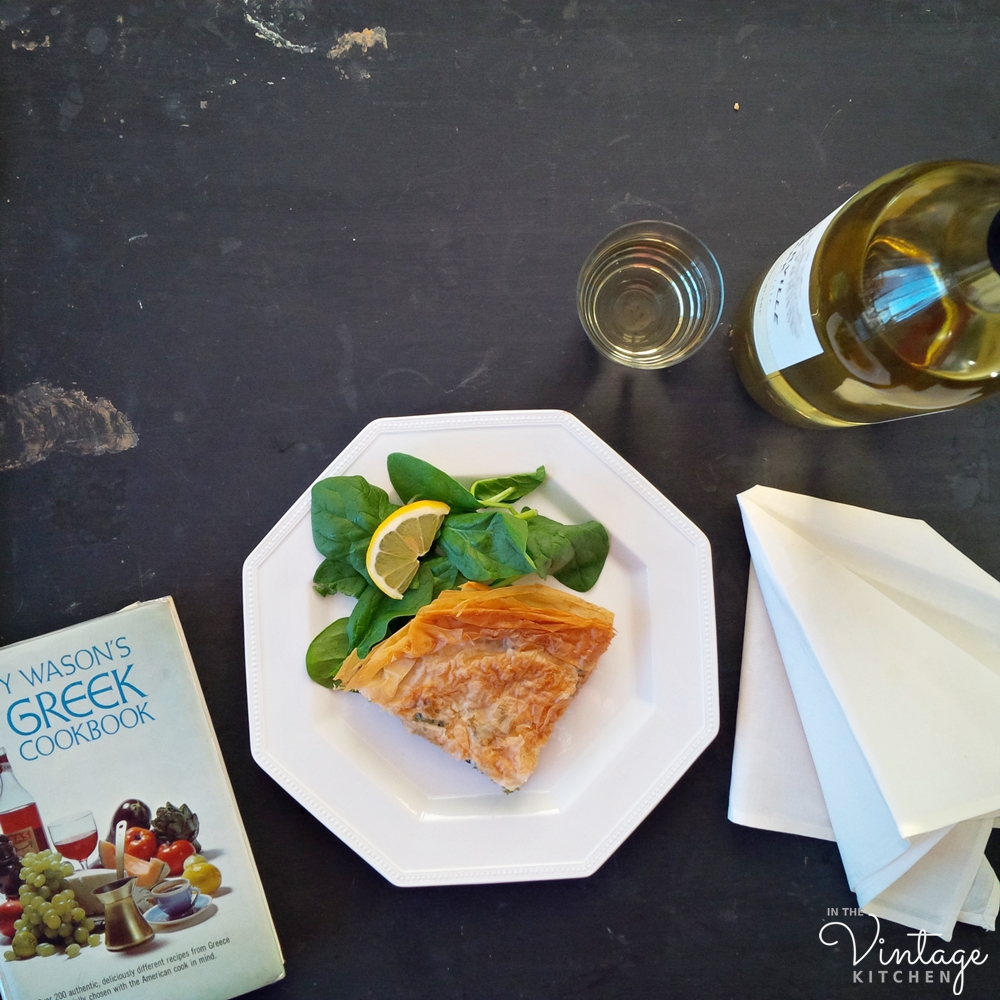

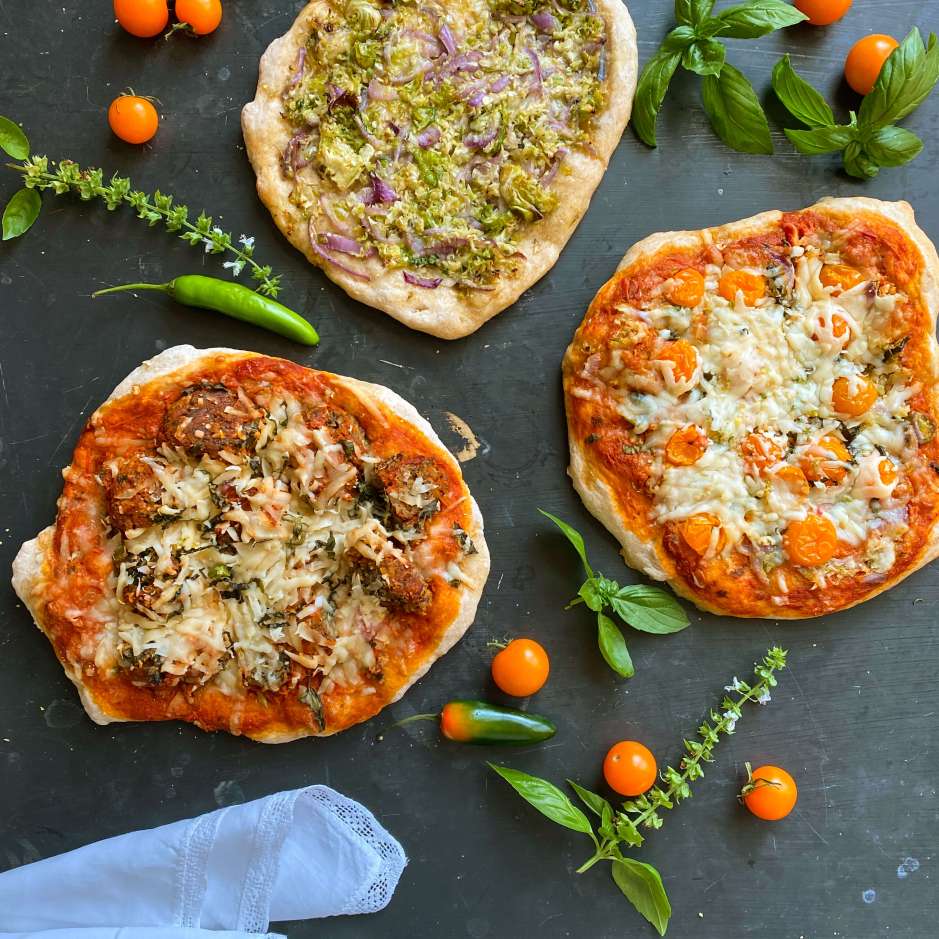
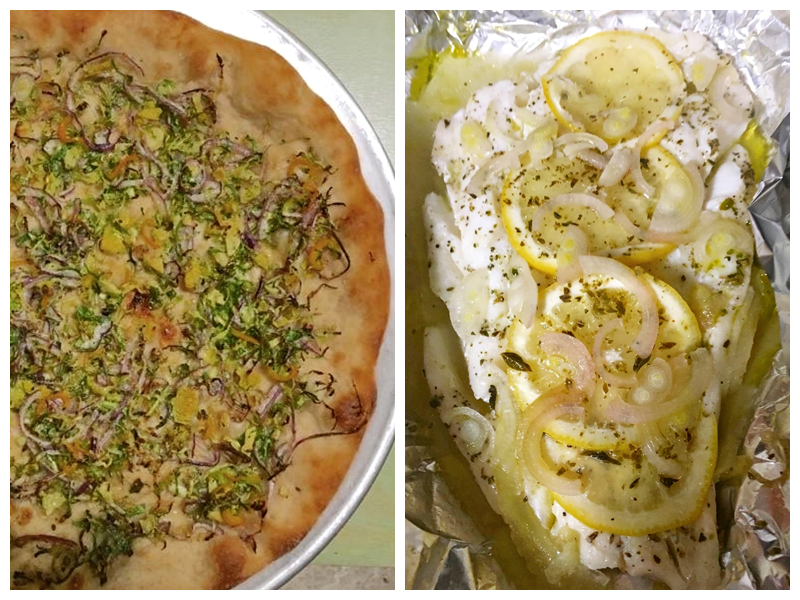
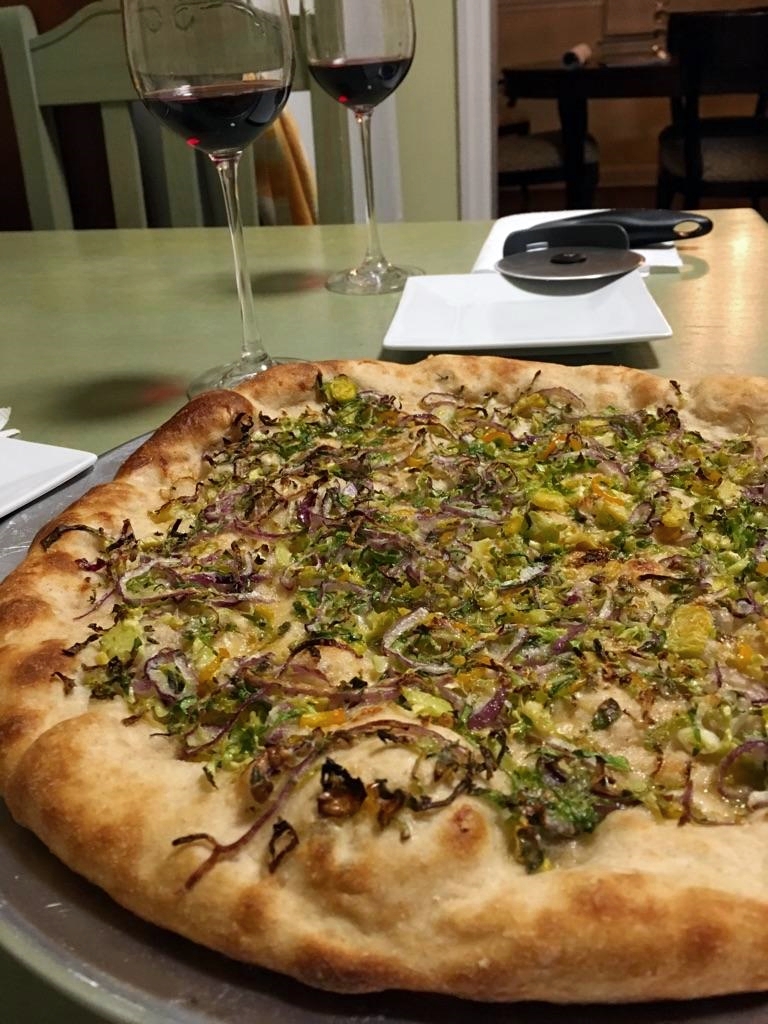
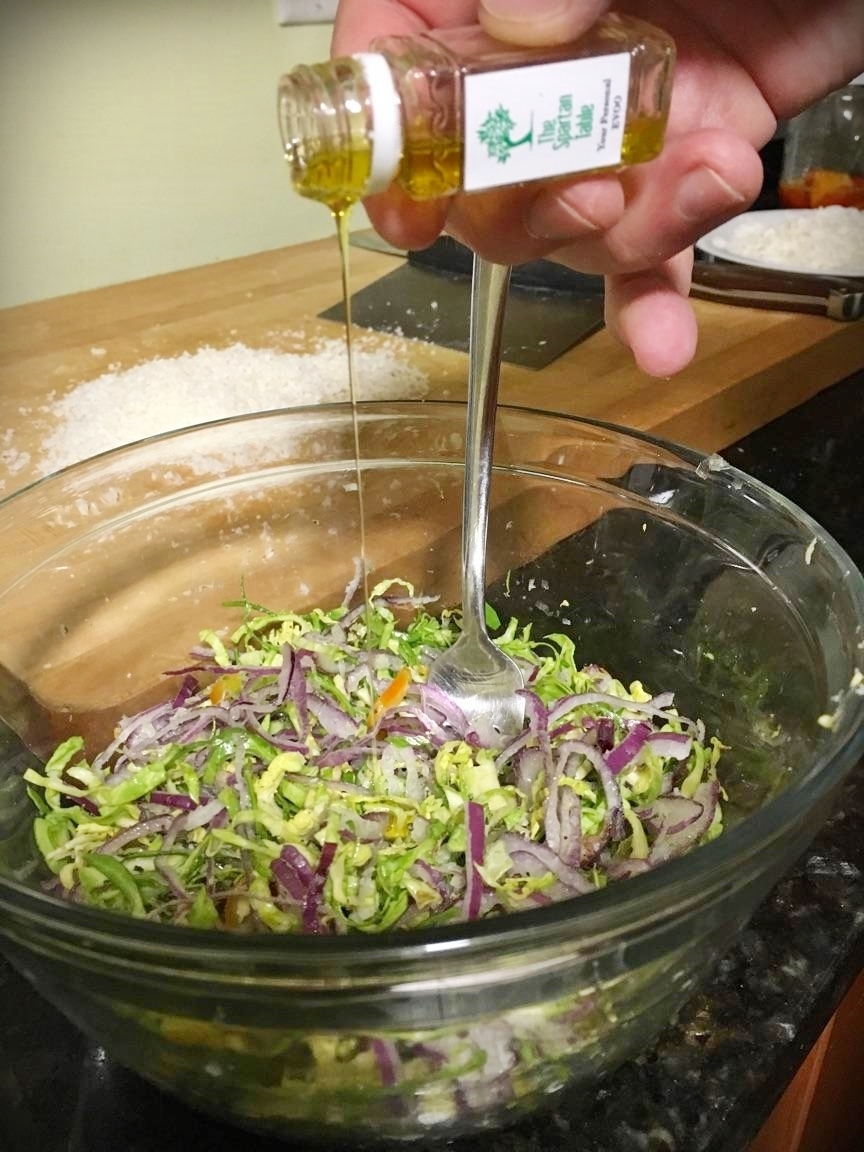
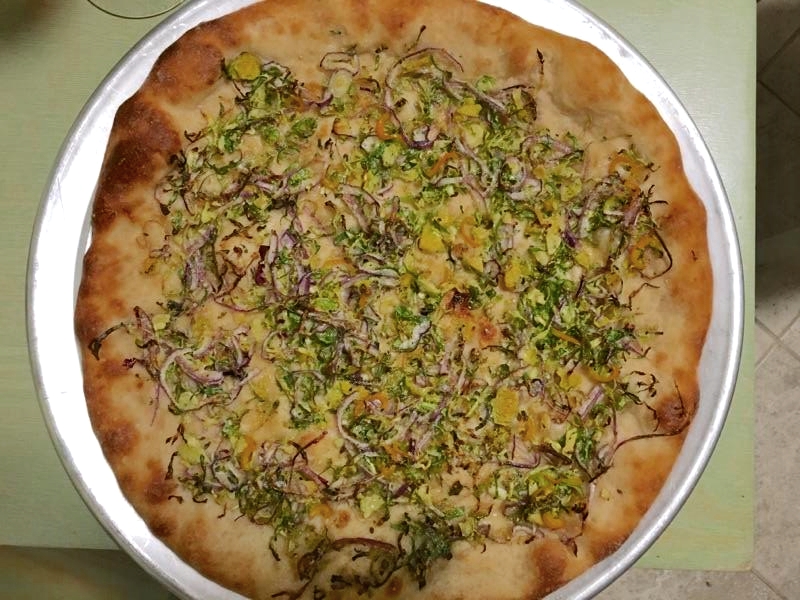
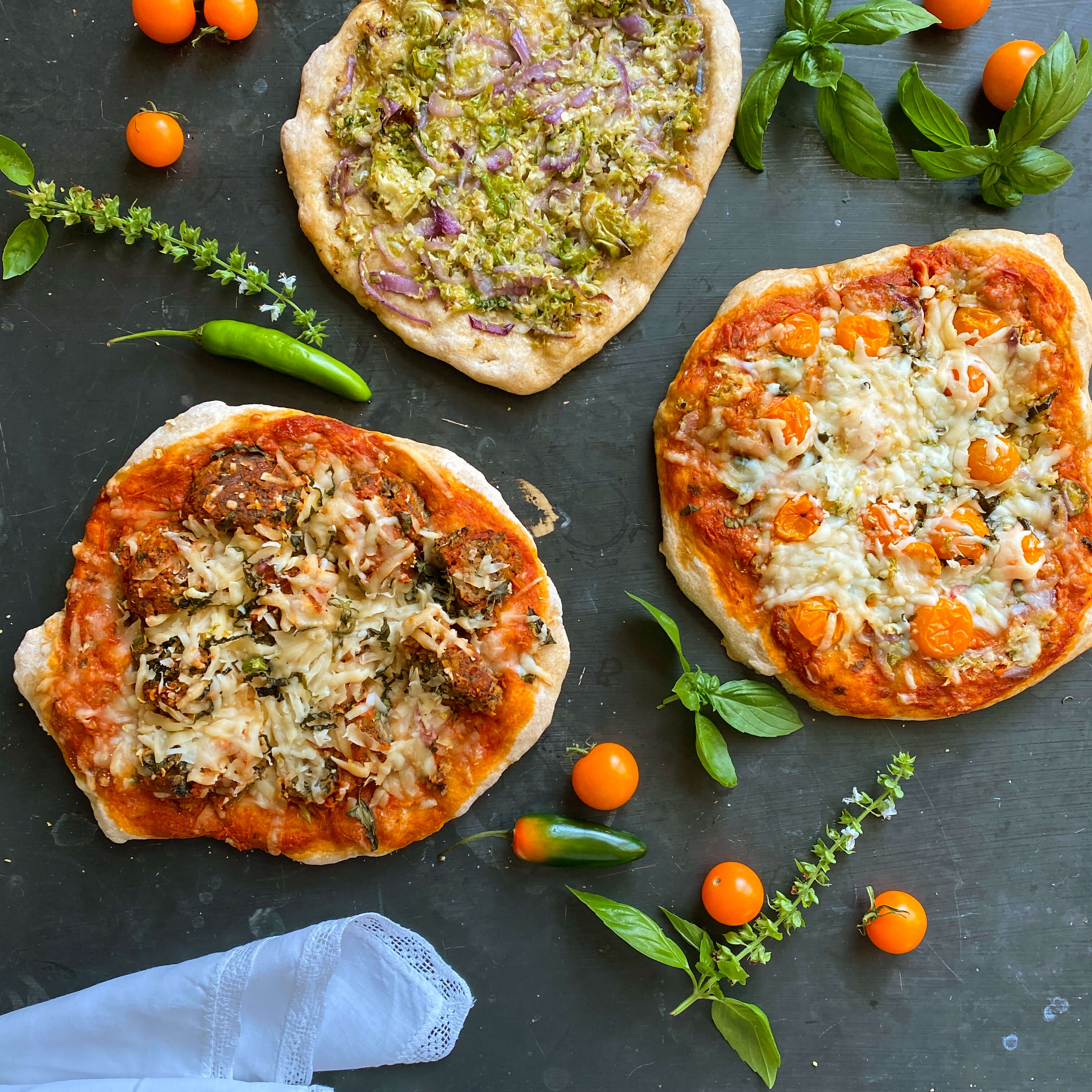
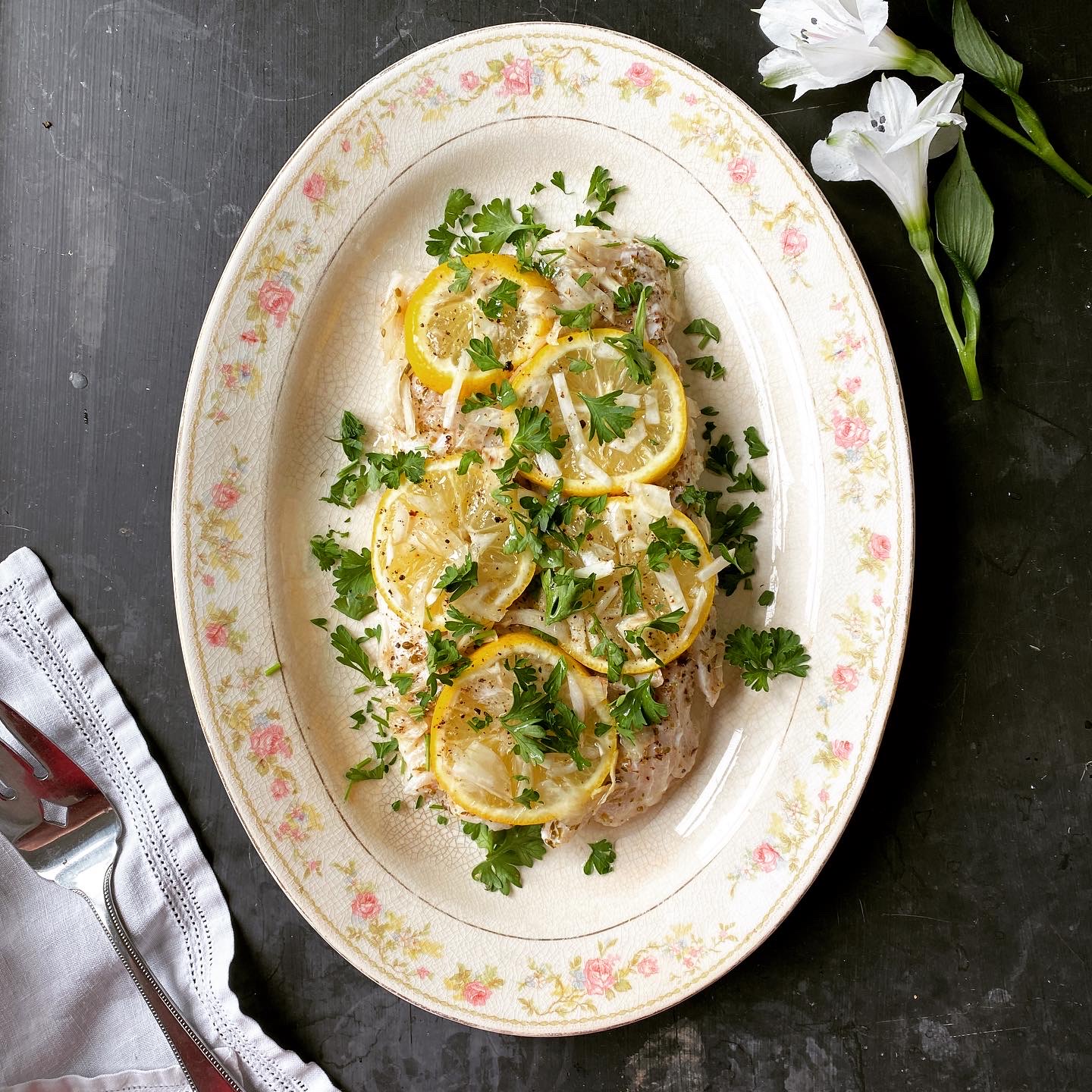
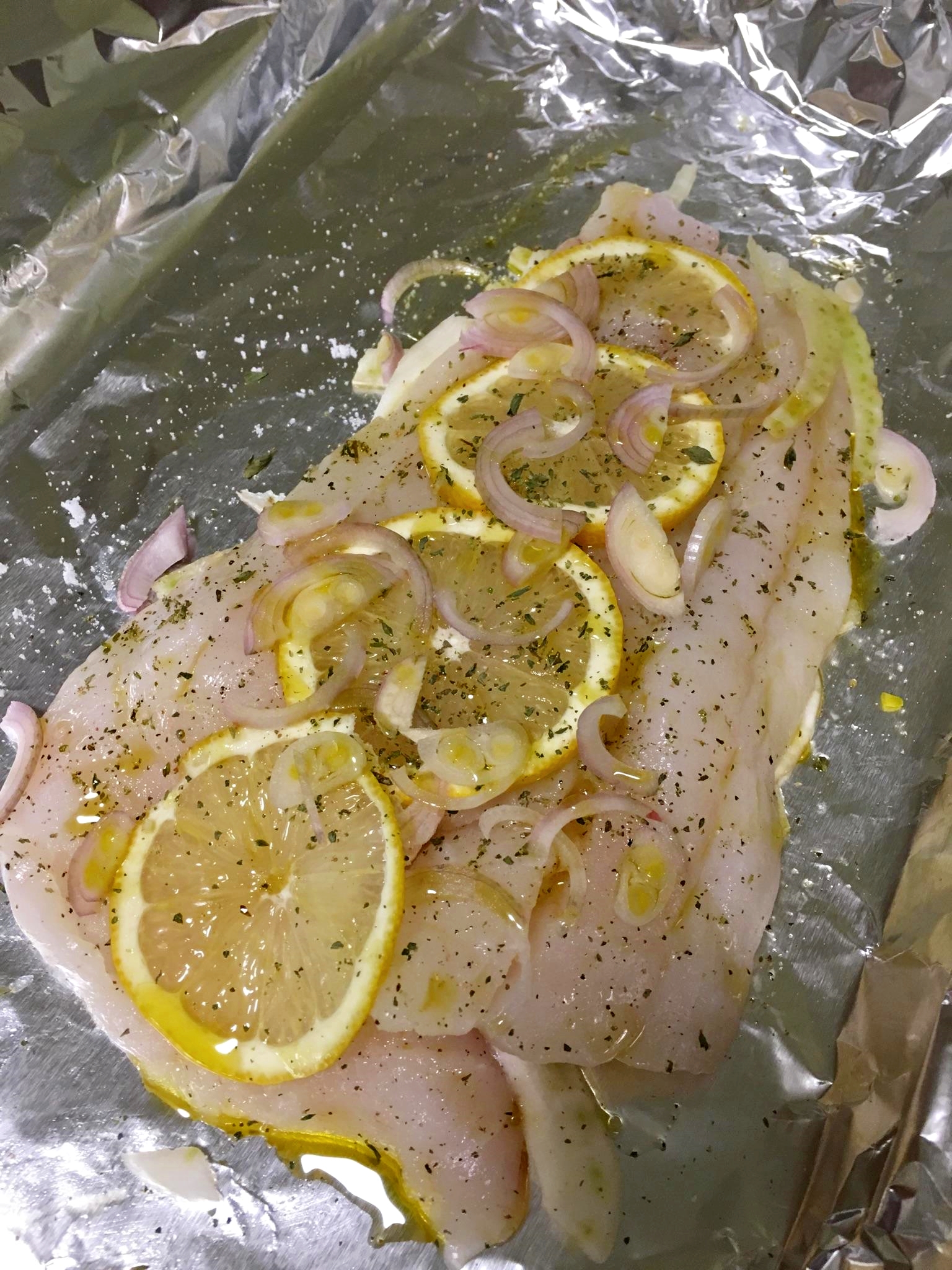
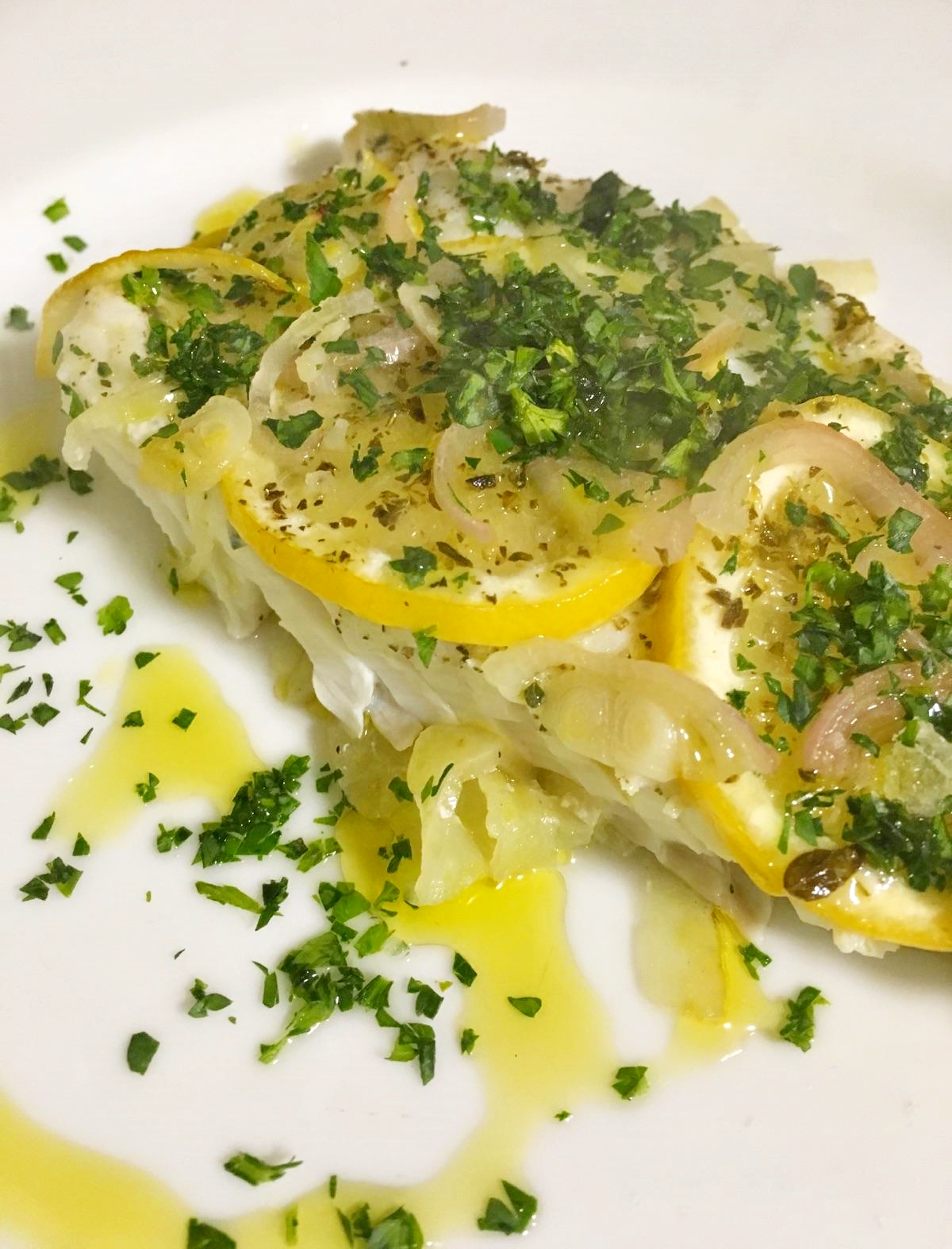
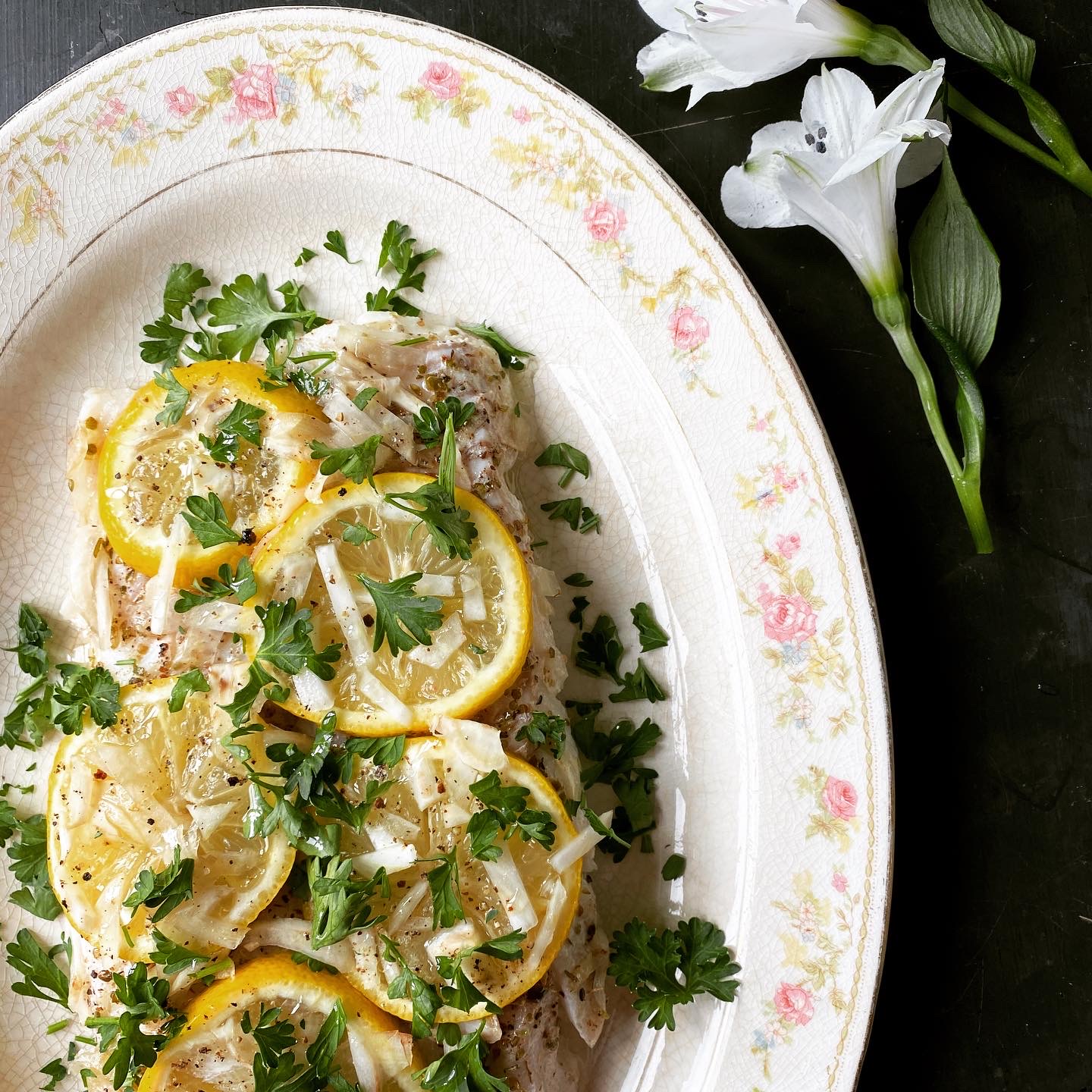





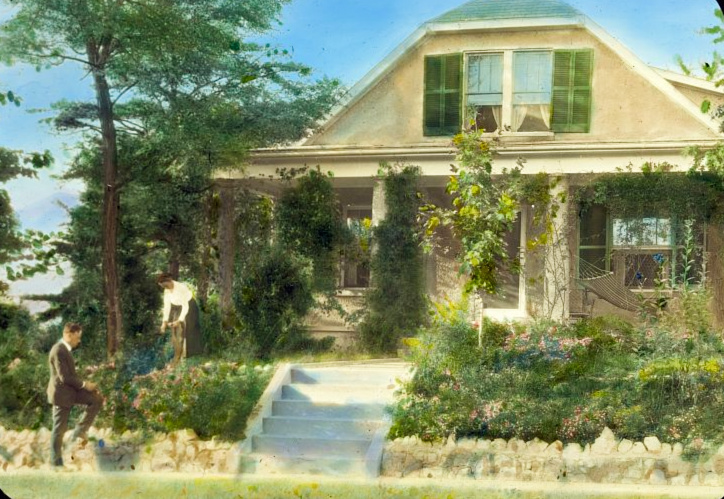






 In the Vintage Kitchen: Where History Comes To Eat