Mark Your Calendars: Our Annual 40% Off Sale is Sunday, November 2nd!

Autumn 2025 comes to 1750 House in a blanket of color.

It’s hard to believe that our annual once-a-year shop sale is just two weeks away, especially since our last blog post left off with baking bread in the middle of a summer heatwave. And yet, now here are, firmly swaddled in a blanket of autumn leaves with the woodpeckers performing their yearly tap tap tapping on the shingles of 1750 House reminding us that seasonal celebrations are close at hand. Lots has happened between now and that day in July when the kind bread was rising as high as the humidity and the garden was growing right along with the shop stories.

The lemon balm… one of our star growers in the herb garden this year.

I’m very excited to catch up, especially when it comes to hashing out the happenings of the herb garden and the triumphs and tragedies it endured over our experimental summer. But before we get to all that, I wanted to give everyone a quick calendar reminder in this post about the shop sale since it’s coming up right around the bend.
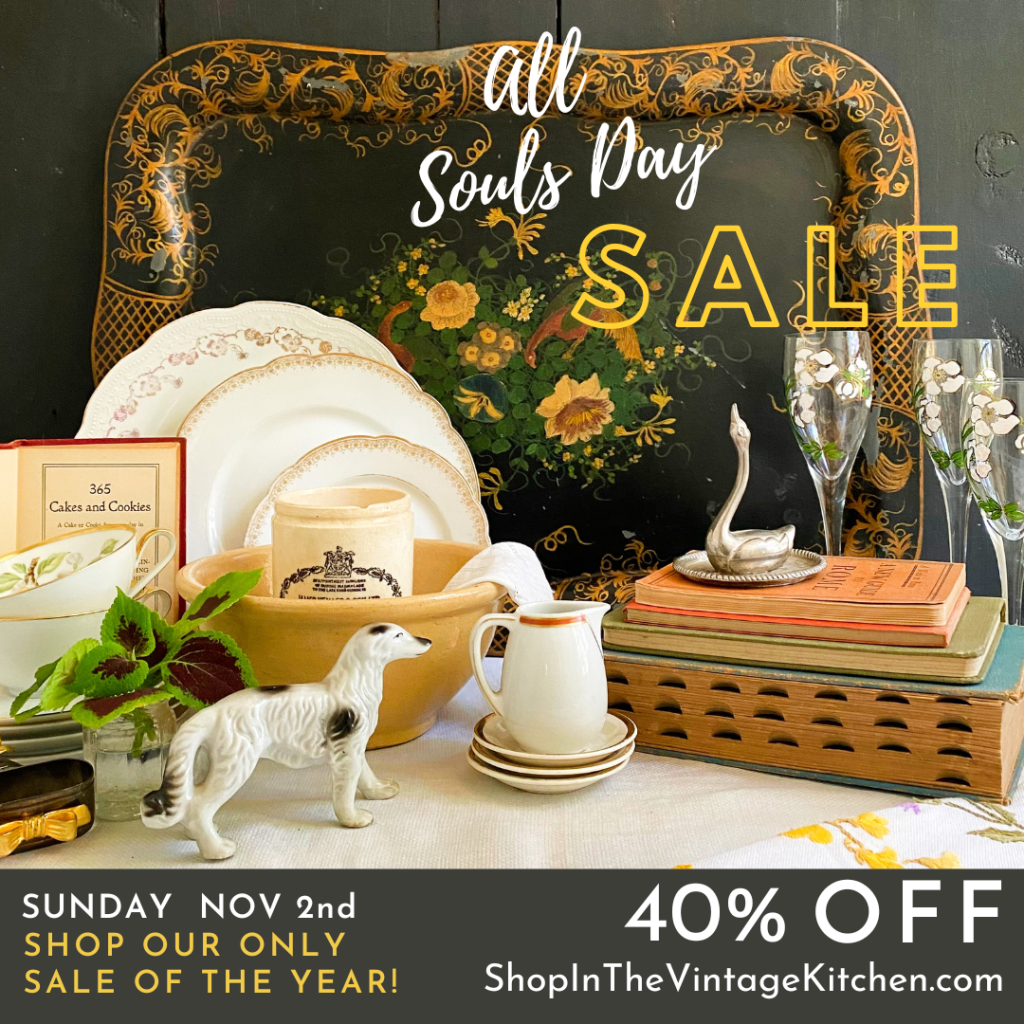
Two very exciting things are happening this year in regards to the sale. 2025 marks our 5th year of the sale, and it also happens to occur this year on the same day as daylight savings time, so you’ll be able to fall back and enjoy an extra hour of shopping should you so choose.

If you are a regular visitor to the shop, you’ll know that we adore a good floral and that the shop is forever covered in blooms no matter what the time of year. But when it comes to the change of seasons from summer to fall, the shop starts filling with heirlooms that embrace this cozy time of year by reflecting the colors in the landscape that help create autumn vibes in the kitchen and a beautiful feast for the Thanksgiving table. Whether its cookbooks, dishware, or decorative pieces, this year you’ll find some unique heirlooms that not only speak of history but of harvest time too…

If you are new to the All Souls Day sale, every year, November 2nd marks 40% off everything in the Vintage Kitchen shop for one day only. We call it the All Souls Day sale, not for the Catholic holiday that it shares the day with, but for the heirloom history that it encompasses.

All Souls Day is the only communal holiday in the calendar year that celebrates and remembers all deceased ancestors, and to us, that seems like the perfect time to celebrate vintage and antique heirlooms too. None of our shop items would be here today if they had not traveled through time, cherished and cared for in the hands of the people before us.

It’s up to the ITVK team to curate the shop, but the heirlooms do all of the storytelling. Each year, these heirlooms share new insights into the past that help shed light on things in the present. Since no two items in the shop are ever exactly alike, no sale from year to year is ever exactly the same either.

Just like the majority of one-of-a-kind heirlooms that can be found In The Vintage Kitchen, unique stories offer glimpses into culinary history and garden life that occurred decades ago or even centuries earlier. Hidden histories are everywhere and they tend to show up in ways that consistently surprise and delight. Just when you think a napkin is a napkin, a plate is a plate, a book is a book, a detail will jump out from in its history and take us on a marvelous trip through time to understand and explore other places and faces. These are some of the unique heirlooms you’ll find in this year’s sale…

A Rare Chesapeake & Ohio Railroad Luncheon Plate c. 1923
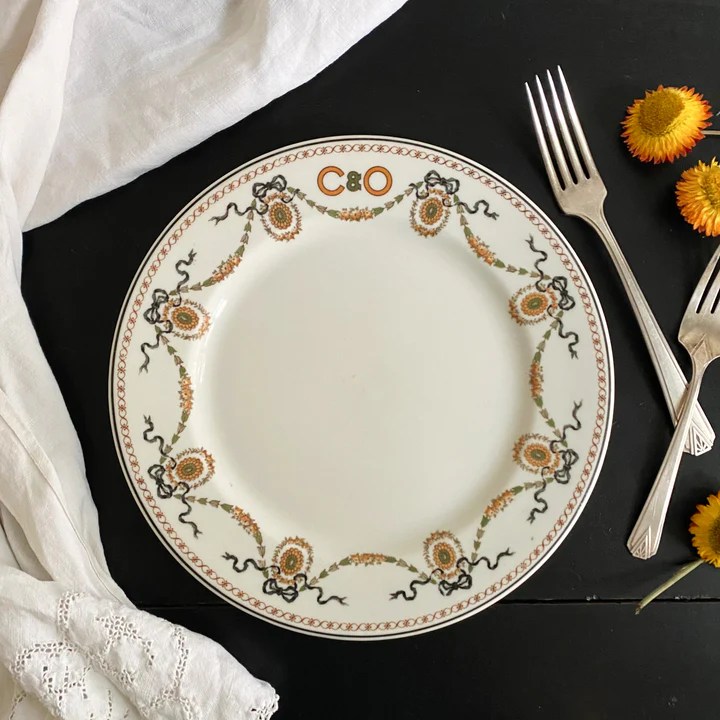
With its roots extending all the way back to canal transportation in the 1790s, the C&O Railroad has a long and winding history through the American landscape. Throughout most of its life, C&O trains hauled coal, agriculture, retail products, and travelers between Virginia, the Midwest, the Northeast, and parts of Canada up until the 1980s. In the 1920s, the decade in which this luncheon plate was made, the C & O trains looked like this…

Dining service aboard C&O started in 1899 and was only offered on their luxury lines. Signature menu items included shirred eggs, Saratoga chips, broiled sea fish, baked apples and cream, Spring lamb chops, and French toast with marmalade. 

A Signed First Edition of Alice’s Restaurant Cookbook circa 1969

Not every cookbook comes with it’s own theme song, but when Alice May Brock (1941-2024) befriended a young Arlo Guthrie, the whimsical world Alice lived in was all the inspiration Arlo needed to write a hit song called Alice’s Restaurant Massacree, which in turn inspired a cult classic film of the same title. The cookbook came after the song and the movie, but shares the recipes that made Alice a local legend in New England as the proprietor of three restaurants and a catering company. A free-spirit, an artist, and a lover of food and friends, this cookbook features some of the favorites served in her restaurants and at her famous home-hosted dinner parties. It also includes still photos from the movie, Alice’s illustrations, and photos of Arlo and their friends who made a good time out of every meal. Adding an extra layer of the joie-de-vivre she embodied, this particular book is also signed by Alice.

A Collection of Original Floral Feed & Flour Sacks circa 1930s-1940s

You can’t really get any closer to touching real-life history than these floral feed and flour sacks. Stitched into traditional sack shape, similar to a pillowcase, these bound together fabrics were once the commercial packaging that held a variety of pantry staples, including flour, sugar and grain. Made by the manufacturing industry in response to the financial burdens placed upon American families during the Great Depression, this cotton sack packaging was made solely for the purpose of recycling.
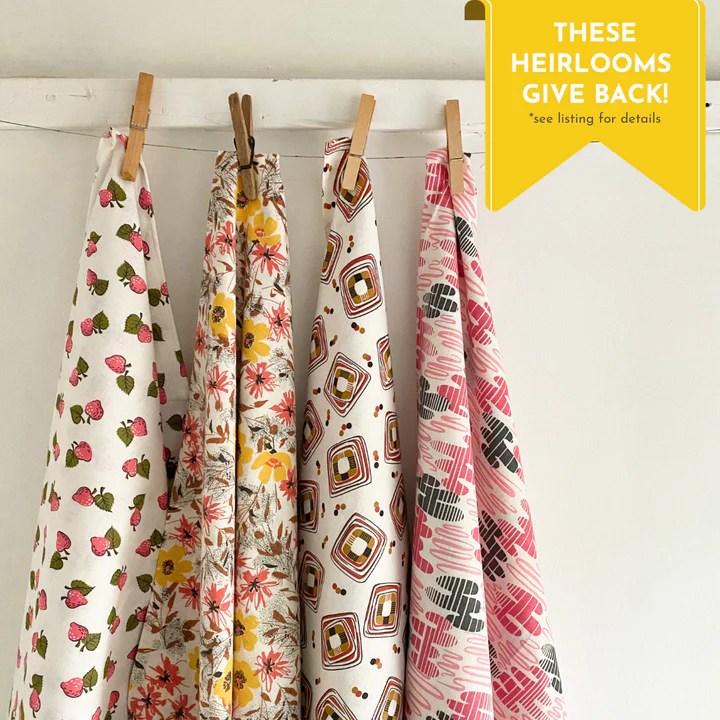
Knowing how thrifty and creative the American seamstress was, and knowing how tight household budgets were during the Great Depression and World War II years, grain and food manufacturers packaged their products in these floral cloths specifically so that women could repurpose them by turning the fabric into clothing, household linens, toys, rugs, curtains etc. It was a winning collaboration that not only responded to and eased economic stress, but also showed unwavering care, support and appreciation for customers during one of the most challenging times in American history. This batch in the shop came from a private collector and was so well-cared for across ninety years that each piece of fabric looks practically brand-new. Two of the sacks even retained traces of grain remnants hinting at the original products contained within.
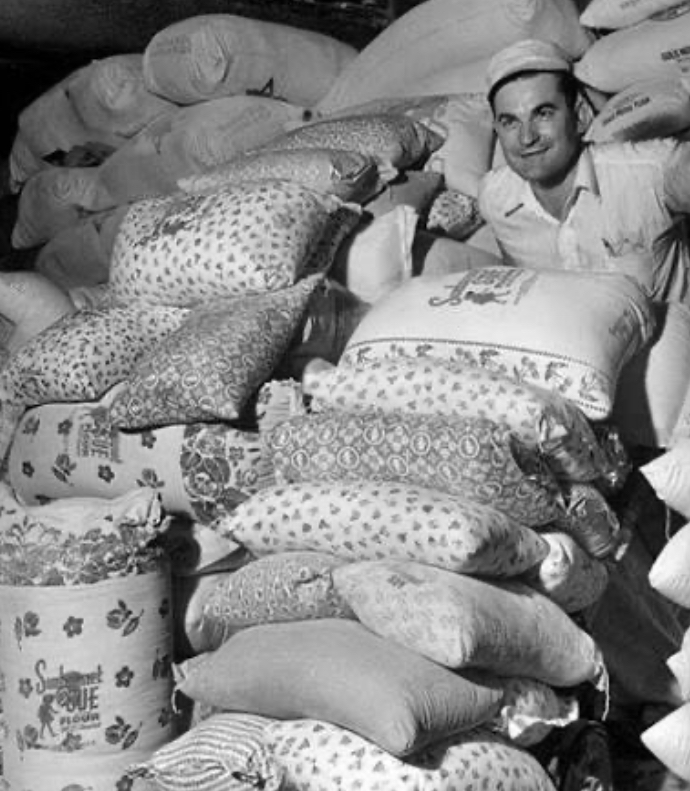
Cotton flour sacks full of flour featured in a 1940s photograph published in LIFE magazine

An Antique Basin Bowl & Wash Pitcher That Changed the American Plumbing Industry

It’s hard to imagine life without modern conveniences like indoor plumbing and bathrooms, but back in the 18th and 19th centuries, this wash basin and pitcher was your gateway to cleanliness, both literally and figurately. Made by Maddock’s Lamberton Works in Trenton, New Jersey, between 1888-1902, the British-born Maddock family were the first immigrants to realize that America needed their own sanitaryware pottery manufacturer. Up until they opened up shop, all basin bowls, wash pitchers, slop jars, chamber pots and grooming sets were imported from England. The Maddocks changed that by producing American chamber sets using local clays, and in doing so, revolutionized the plumbing industry in the process. Recognized as pioneers in the world of sanitary toiletry products, the Maddock family patented several plumbing innovations before they eventually sold the pottery in 1929 to American Radiator & Sanitary Corporation, who would go on to create our country’s indoor heating and plumbing infrastructure including radiators, sinks, bathtubs, and toilets for households across the country.  

An Intimate Glimpse into the Life of a Literary Hostess
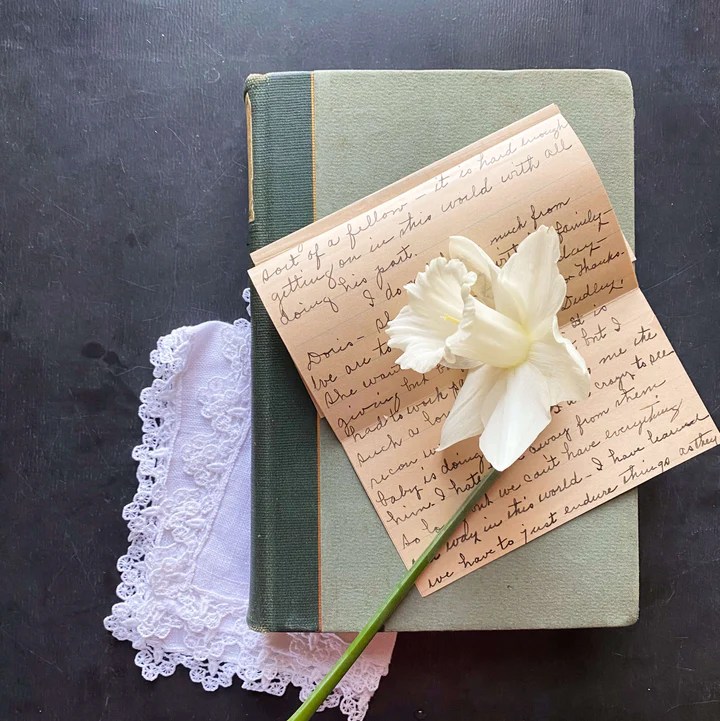
Guests at the Boston literary salon of Mr. James & Annie Fields were a veritable who’s who of prominent 19th-century writers. Mark Twain, Charles Dickens, Sarah Orne Jewett, Ralph Waldo Emerson, Henry Wadsworth Longfellow, Bret Harte, Henry James, Bronson Alcott, Nathaniel Hawthorne and Harriet Beecher Stowe, to name a few among were just some of the visitors that spent time in their home along with other notable painters, actors, musicians, and political activists. 

In addition to being a writer, activist and philanthropist herself, as well as the wife of distinguished Boston publisher James Fields, Annie Adams Fields (1834-1915) was also a charming, kind-hearted hostess and keen observer of conversation amongst her literary friends. Never interested in self-promotion, scandal or gossip, she regularly recorded bits and pieces of conversations among her friends in diaries that she kept throughout her life. Sketches of dialogue, character traits, pressing matters of the day, viewpoints on life and literature all freshly detailed the lives of extraordinary figures, painting them as humble, human, fallible beings tackling life, their passions and their creativity as anyone might. 

Before Annie passed away in 1915, she granted noted biographer Mark Antony DeWolfe Howe Jr. access to all her diaries in his pursuit to record the friendships enjoyed between the Fields and their artistic community. She had one caveat, though, in sharing her books. That Mark’s book not be about her but about the extraordinary friends whom she knew and loved so well. What resulted is this book, Memories of A Hostess: A Chronicle of Eminent Friendships, published in 1922.

Highlighting correspondence, diary entries, cultural events, and touchpoints from history for context, Mark Antony DeWolfe Howe pieced together an intimate glimpse into the lives of the 20th century’s greatest thinkers and artistic minds, courtesy of Annie and James’ record-keeping collection.

Annie’s husband, James Fields

Uncovering a portrait to attach to each heirloom’s story is one of our ultimate joys. In this year’s sale, you’ll also meet many new faces. This year, we shared stories of Attia, Alfredo, Pamela, Freddie, Doris, John, Judy, Miroslav, and Marjorie along with her daughters, Kate and Susan…
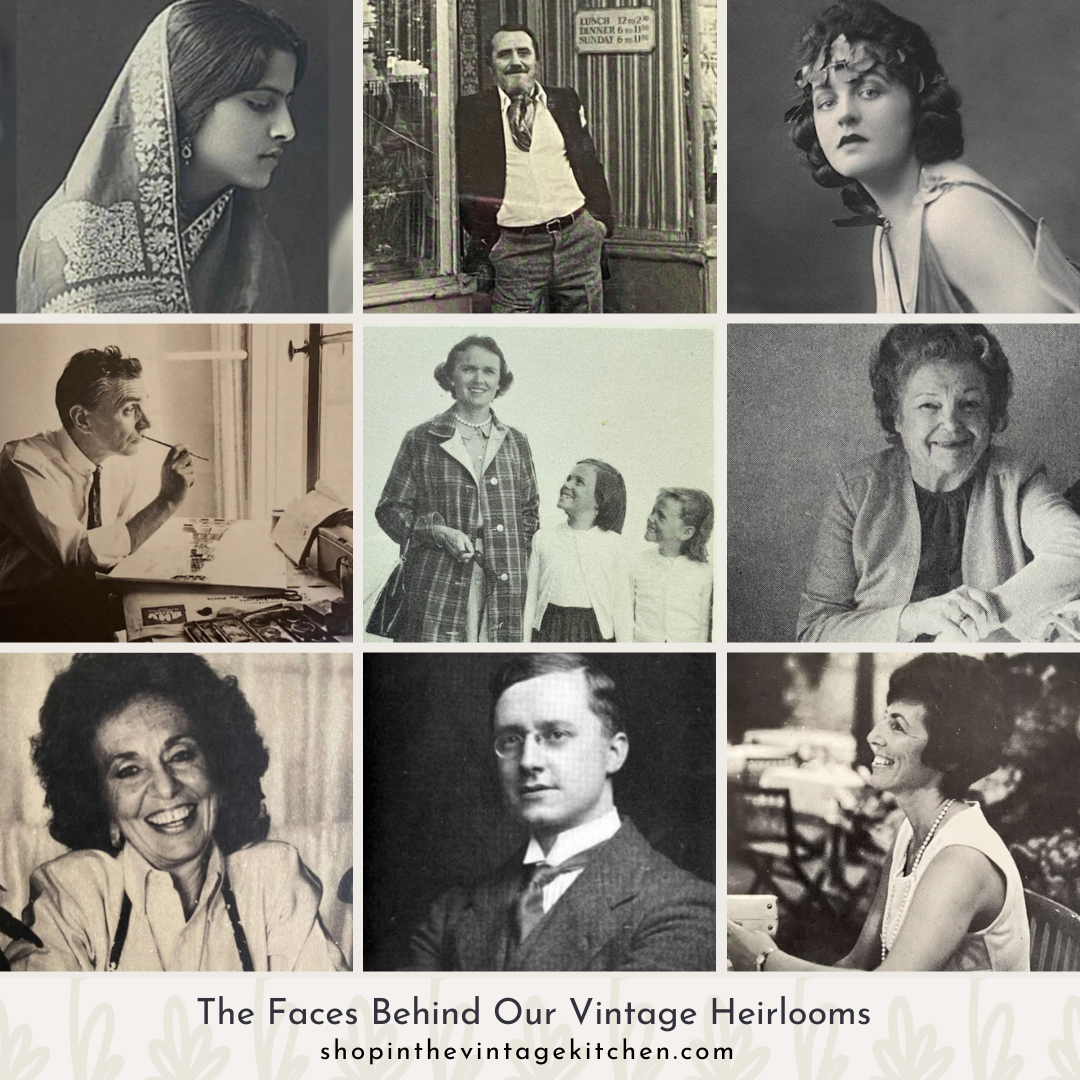
Clockwise from top left: Attia Hosain, Alfredo Viazzi, Pamela Lyndon Travers, Freddie Bailey, Doris Muscatine, John Ramsbottom, Judy Gethers, Miroslavo Sasek, Marjorie Winslow and daughters.

Each brought many new perspectives of history to life. Attia Hosain (1913-1998) was a writer, actor, cook, broadcast journalist and intellectual focusing on stories of India and British post-colonialism. Freddie Bailey (1904-1992) was famous in Mississippi for her hot pepper jelly along with other regional favorites that made her kitchen the epicenter of Southern food, flavor and hospitality. In the 1930s, Pamela Lyndon Travers (1899-1996) introduced the world to Mary Poppins, who still remains 90 years later, the globe’s most well-known and most beloved nanny. Alfredo Viazzi (1921-1987) was the proud owner of a popular Greenwich Village restaurant known for its convivial atmosphere, great food and reasonable prices. Judy, Doris, Marjorie and Miroslav shared their artistic talents via saucepan and sketchbook. British mycologist John Ramsbottom (1885-1974) taught gardening enthusiasts all about the fascinating world of fungi.

This year also introduced personal stories shared by readers and their families. One of our favorites is that of Beverly, whose collection of handwritten recipes is not just a set of random cards in a box. They are the story of her. Of one woman’s culinary journey as she grew from a young, inexperienced midwestern bride, who barely knew how to boil an egg, into a confident, seasoned California cook and recipe collector over the course of her entire adult life.

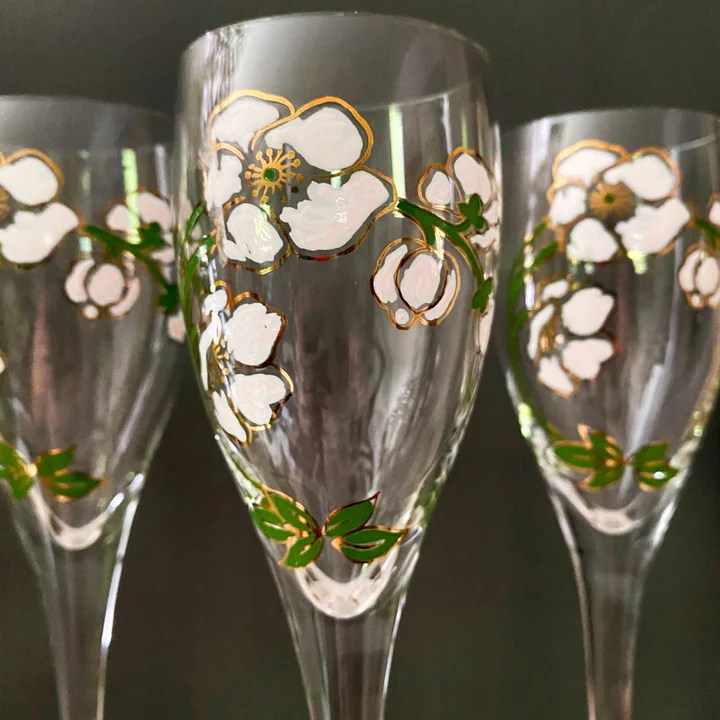
Familiar favorites can be spotted in the shop sale too, bringing with them their marvelous heritage stories that are worth retelling again and again. This stemware is the story of champagne, of “drinking the stars,” of a husband and wife couple, Pierre Perrier and Rose Jouet, who created the first true champagne made from the Chardonnay grapes in the Champagne region of France in the early 1800s. Together, with Rose in the vineyard and Pierre in the sales office, they launched Perrier-Jouet Champagne in 1814, a brand that still continues to enchant wine enthusiasts around the world today.
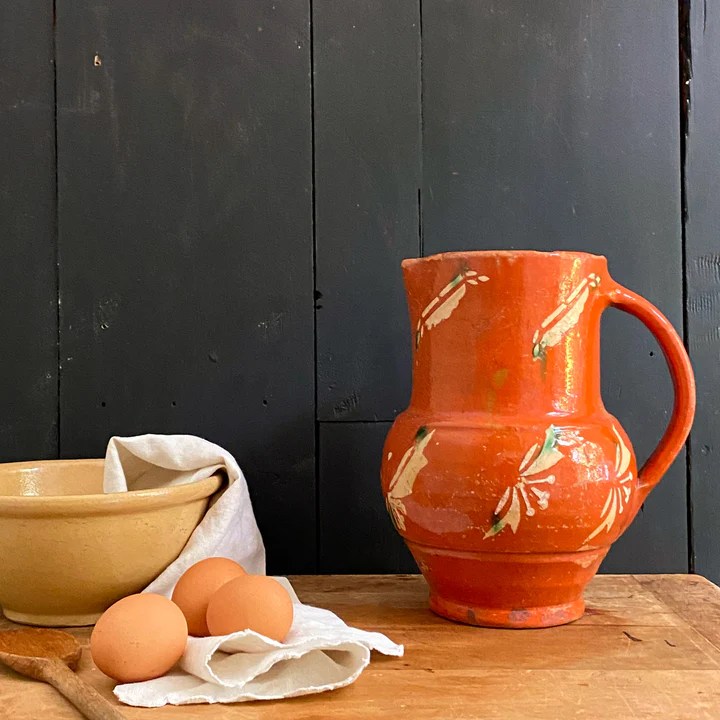
Every year we also like to spotlight the oldest antique in the sale. In this year’s case, it’s this French pottery water pitcher that dates to the 1850s…
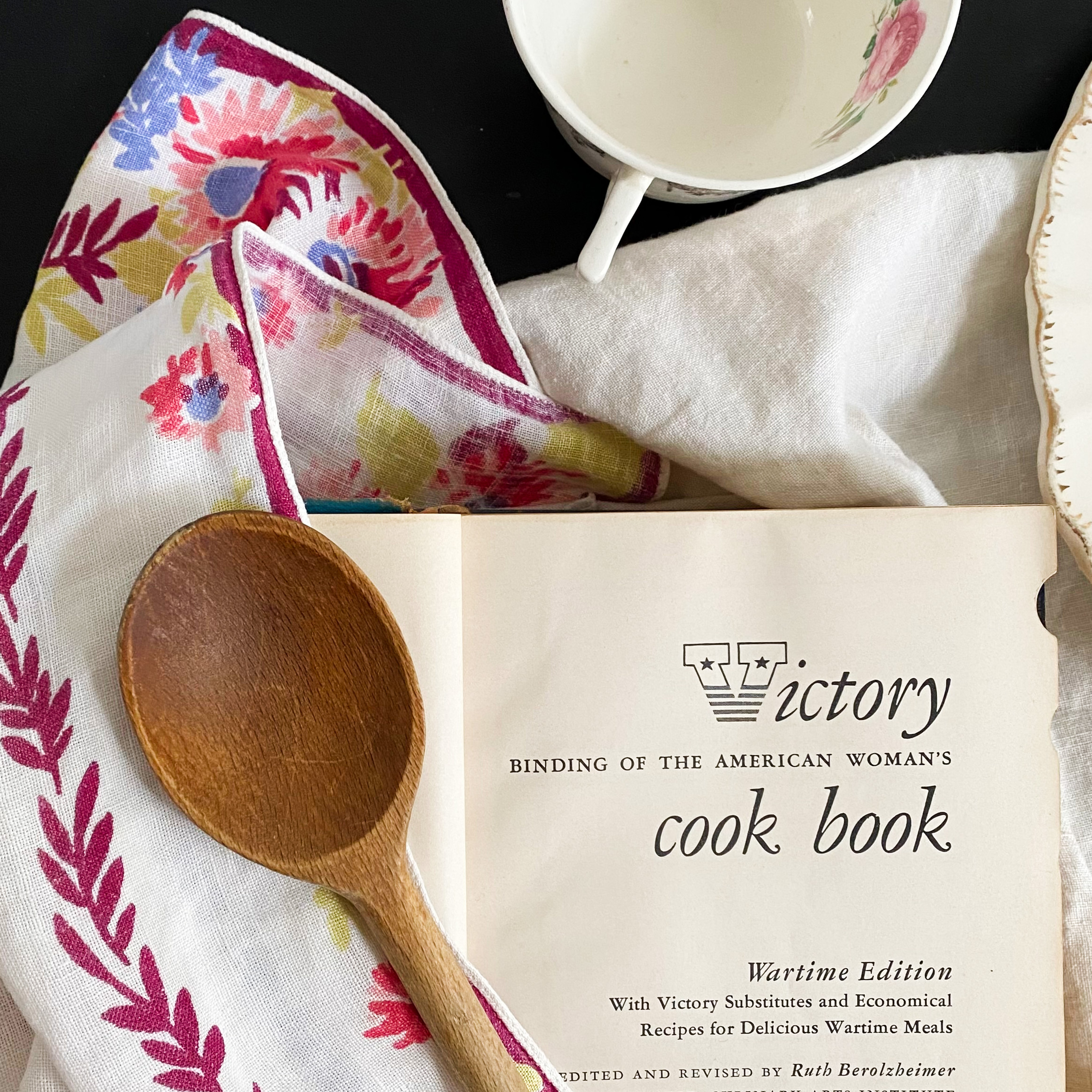
More history floats. More stories emerge. In the shop, a cookbook is never just a cookbook. It’s a tactile understanding of what WWII cooking really looked like for women in the 1940s. Its a story of how they had to portray strength, creativity, courage, ingenuity and optimism at every meal, every day while creating delicious, nutritious and interesting meals on limited war rations, tight budgets, and victory garden harvests.
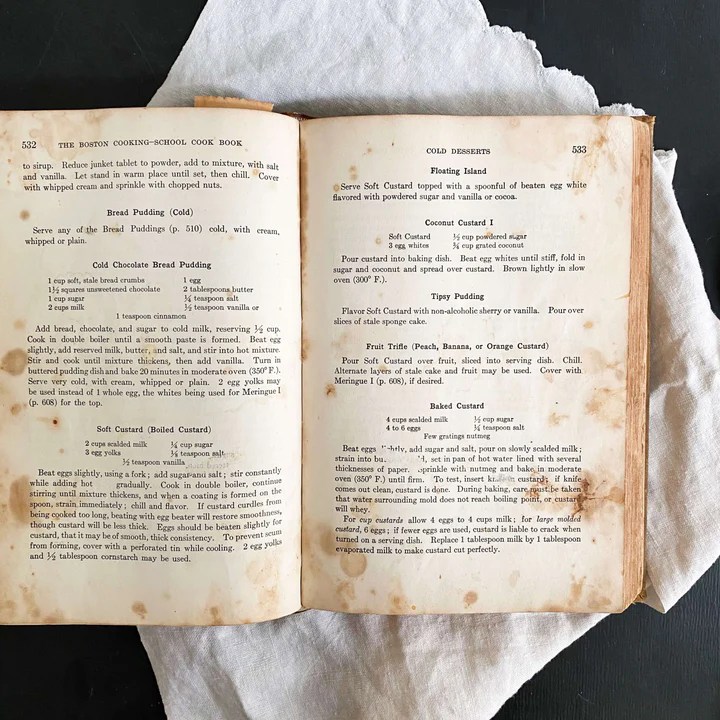
Cookbooks in the shop tell intimate stories not only of their authors but also their owners too. This 1931 edition of the Boston Cooking School Cook Book showcases the enduring legacy of Fannie Farmer (1857-1915), who not only raised generations of home cooks but shared recipes that still inform regional New England cuisine today. It also highlights, through a myriad of cooking splatters and stains, the adventures of a previous cook (or cooks) who cherished the recipes so much their culinary endeavors have turned into an artful aesthetic.
Also every year, there’s one stand out cook, who warrants days or sometimes even weeks of research thanks to a fascinating life lived. This year, it was Lois Burpee (1912-1984)…

who married into the Burpee Seed Company family in the 1930s and managed to carve out an incredible cooking, gardening, and philanthropic career that lasted her entire lifetime.

Other equally interesting cookbooks in the shop sale this year include two rare compendiums of culinary curiosity that offer suggestions on what to make and what to bake every day for a year…

Decorative pieces in this year’s sale highlight the handmade arts. An antique tole tray, a vintage hand-carved wooden swan, a vintage print of a tulip painting dating all the way back to 1827, a hand-embroidered linen…

These are just a few examples of the people, places, and stories that have found their way into the Vintage Kitchen shop in 2025. I hope at this year’s sale you discover an heirloom that captivates your attention, that steals your heart away to another time or another country, and that inspires new creativity from history’s forgotten muses.
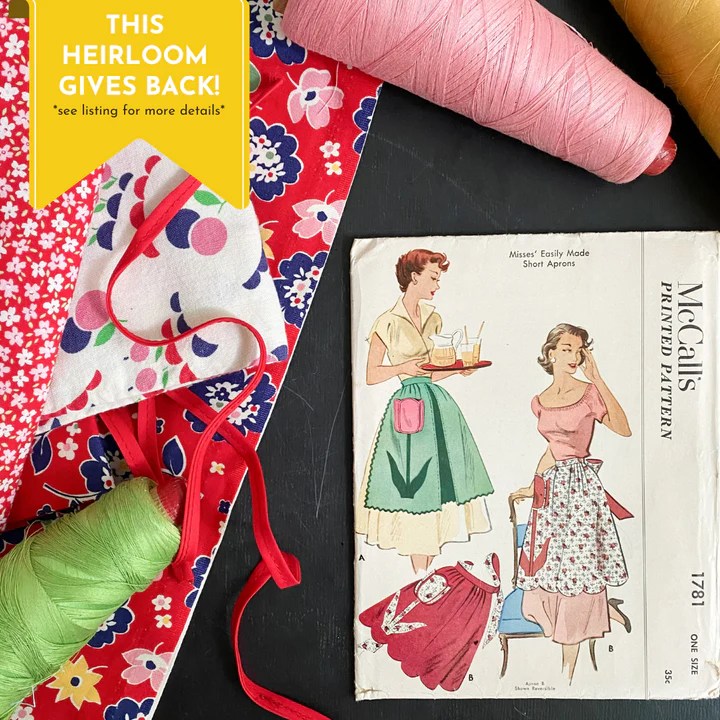
At this year’s sale, just like last year’s, you’ll notice that some heirlooms sport a festive yellow banner in their listing photos. Those banners signify a donation program that we launched in 2024. Any heirloom that you see in the shop that says This Heirloom Gives Back qualifies for a 20% donation to Feeding America, a nationwide non-profit network of food banks, food pantries and local meal programs dedicated to providing nutritious meals to food-insecure communities around the United States. Not all heirlooms in the shop qualify for this program, so be sure to look for the yellow banners if you would like to participate.

The sale begins at 12:00am (EST) on Sunday, November 2nd, 2025 and runs through 11:59pm that same night. Discounts are automatically tallied upon checkout, so there is no need to enter any coupon codes or discount phrases to receive 40% off.

New heirlooms continue to be added to the shop daily, so stop by for fresh vintage and antique finds leading all the way up to the sale. And, as always, if you are looking for something that we no longer have in stock, please send us a message. We’ll be happy to add your name and needs to our waitlist.

Whether you are interested in experimenting with a new cuisine, looking for a new favorite vintage dish pattern, or starting a collection that recalls memories of a happy time from your past, I hope you find something in the shop that calls to your heart and adds extra delight to your kitchen.

Cheers to all the old souls that inspire the shop each and every day. Cheers to all the heirlooms that they have been passed on to us to love and cherish just as much. And cheers to the kitchen for being the one spot in the house where everyone is always welcome.

Explore The Shop: Our 40% Off Sale is Today!

It only happens once a year and today it’s here! Our annual 40% off sale runs now through midnight (EST). Some highlights from the shop this year include these faces and features…

Feminist, cookbook author, and magazine editor, Sarah Field Splint (1883-1959) published The Art of Cooking and Serving in 1931.

The oldest bowl in the shop is this one that dates to the 1830s.

Over one hundred years ago, this is how you dried your wet laundry linens and clothing.

The design of this 1940s vase was inspired by museum relics from the Chinese Imperial dynasty.

These first-generation Greek immigrant women turned a collection of recipes for a humble church fundraiser into a bestselling cookbook in the 1950s.

This is a very rare set of midcentury restaurant ware dessert plates.

Henri Toulose-Lautrec was not only a talented French artist but a talented cook and a true gourmand in the kitchen too. This is a collection of his recipes and the colorful art that adorned his hand-drawn menus, which were given to all guests who came to dine at his table.

A trip to North Carolina in the 1930s introduced Katharine Beecher to her first homemade butter mint. She fell so in love with them that she started making them herself. Less than a decade later she was the proud owner of a multi-million dollar candy company.

This is a very rare 1920s children’s coloring and painting book by American artist Florence Notter (1884-1960). She was quiet and unassuming in personality but her art was bright, full of character and color and immensely beloved by children around the country.

These are just a few examples of the unique stories behind some of our heirlooms in the shop. Find many more as you explore our vintage and antique cookbooks, dishes, linens, decorative pieces and kitchenware.

Hope this year’s sale sparks something new and inspirational for you. Cheers, and happy shopping!

Italy’s Chicken Canzanese and The Family of Artists Behind The Recipe

It’s just the start of 2024, but here in the Vintage Kitchen, there is a finish line coming into view. This year we will be wrapping up a five-year project that first started here on the blog in 2020. I’m so happy to say welcome back to The International Vintage Recipe Tour.

international-vintage-recipe-tour

What started out as an intended year-long project of cooking 50 recipes from 45 different countries in 2020 has now taken five years to complete just to the halfway mark. A pandemic, a tornado, a big cross-country move and 1750 House renovations have waylaid plans far more than ever anticipated, but this project has always been such a joy I never wanted to not finish it. So here we are, at the start of 2024 finishing things up from 2020.

For a quick recap and for anyone new to the blog, The International Vintage Recipe Tour takes home cooks and readers on an around-the-world adventure via the kitchen, as we cook our way through a collection of recipes featured in the 1971 New York Times International Cookbook.

the-new-york-times-international-cook-book
The vintage 1971 cookbook that launched the Vintage Recipe Tour.

Throughout the Tour, we are visiting 45 countries via the kitchen and making at least one traditional heritage food from each, sharing both the recipe and the cooking experience here on the blog. To add context to the food we are making, and to spark some new conversations around the table, every visit to a new destination is paired with a unique cultural story from that country’s history.

So far we’ve visited twenty-four countries via the kitchen on this tour… Armenia, Australia, Austria, Barbados, Belgium, Brazil, Canada, Ceylon, China, Colombia, Cuba, Czechoslovakia, Dahomey, Denmark, England, Fiji, France, Germany, Greece, Haiti, Hungary, India, Indonesia, and Israel. It’s been a whirlwind of fun, friendship and delicious food.

Highlights from the Recipe Tour!

We chatted with an author and a food columnist via Armenia, met a descendant of the designer of the Statue of Liberty via Germany, and embraced our inner bula in Fiji. We discussed tropical architecture in Haiti, made floating paper lanterns to celebrate the Hungry Ghost Festival in China and donated funds from shop sales to help save the koalas injured in the Australian wildfires. We discussed women’s fashion in India, interviewed a Cuban-American farmer in Miami, and learned about a long-lost African-American dance in Dahomey. On the food front, we curried in Ceylon, baked Queen Mother’s Cake in Australia, made homemade mustard in Denmark, learned that not all fondue comes in a hot pot in Belgium, and took a much-needed virtual vacation to Corfu via Greece.

A visit to Corfu

Our latest stop on the tour was Israel, which lined up with the 2021 holiday season. To celebrate we made a Hannukah wreath, cooked two recipes for dinner, and dove into the history of both the Jewish flag and the Jewish star. Now, our next stop on the International Vintage Recipe Tour takes us to Italy, one of the most beloved cuisines in the world. Here we’ll make a provincial meal meant for sharing and meet an artist whose family recipes formed the basis of a life-long passion with food. Welcome to Italy.

It’s impossible to write about Italy without writing about family. And you can’t write about this recipe, Chicken Canzanese without writing about a specific family. Like France and China, Italy is one of the largest chapters in the New York Times International Cookbook. There are literally dozens of recipes to choose from, a switch from some countries that had less than a handful.

Besides the long wait to get the Tour started again, the hardest part about starting up again with Italy was which recipe to choose and which cultural treasure to spotlight. Contenders in that department were Stanley Tucci’s gorgeous Searching for Italy show, the multi-generational novel The Florios of Siciliy and the genealogy of the love apple (aka the tomato). There were all the pastas and all the sauces, lovely vegetable side dishes, and quite a few desserts to pick from, but the recipe that I kept coming back to was a one-pot chicken dish that was credited to an artist.

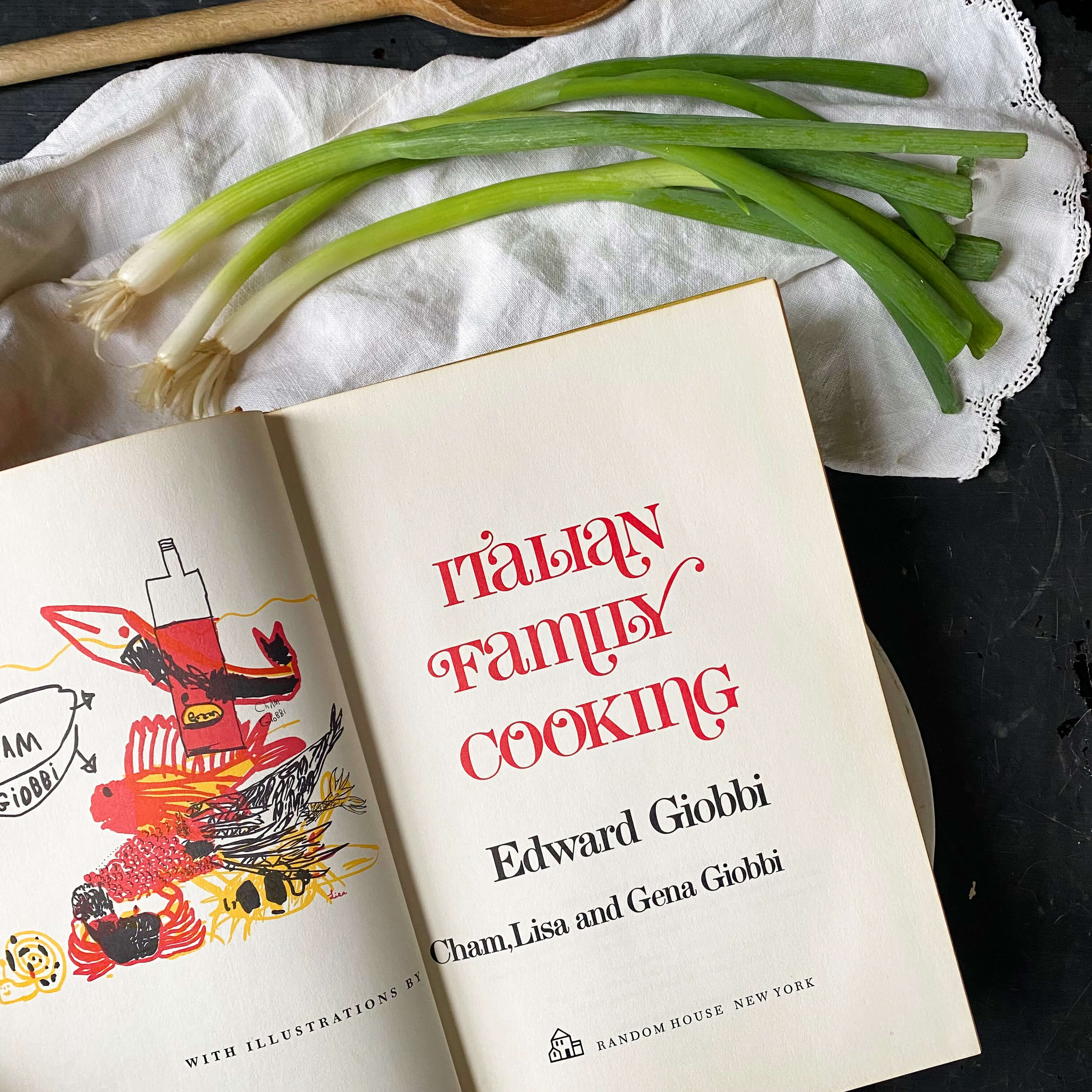
Last fall, while visiting a local bookshop, I discovered a bright yellow 1970s Italian cookbook. To my sheer delight and surprise, it was written by the same artist mentioned in the New York Times International Cookbook. A quick peek inside revealed the same exact recipe that was also featured in the NYTimes cookbook. The same recipe by one artist in two different books. It was a sign. This was the right Italian recipe for the Tour and the right time to tell a story about a creative spirit, who also happened to be an Italian cookbook author.

The artist is Edward Giobbi, a second-generation Italian-American born in Connecticut in 1926. Still painting today from his home studio in Katonah, New York, at the age of 98, Edward’s lived his entire life in pursuit of art and food. The book that made him well-known in the culinary world was his Italian Family Cookbook, first published in 1971. Selling over 30,000 copies by the 1980s, it offered home cooks a sincerity that resonated on multiple levels when it came to preparing economical and creative meals in true Italian style. The recipe featured here today, the one that appears not only in Edward’s cookbook but also in the New York Times International Cookbook, is his Chicken Canzanese, a slow-simmered one-pot made of chicken, herbs, wine, spices, and prosciutto.

A lovely selection for these end-of-winter days when the weather is jockeying back and forth between spring-like temps and snowstorms, this recipe is both light and hearty, depending on the sides that accompany it. It’s easy to prepare, has a warm, rich, earthy fragrance thanks to the prosciutto, garlic, and herbs, and can definitely be labeled a healthy comfort food since it contains no added fat.

The cooking prep is also interesting. There is a cold water brine, a unique set of flavor pairings, and a few very precisely measured spices… twelve peppercorns… six whole cloves… two sage leaves. I always find precise measurements like this fascinating. What was the process that a cook went through to determine that perfect balance of six versus seven cloves or nine versus twelve peppercorns? Would three sage leaves as opposed to two send the whole meal over the edge?

Edward Giobbi, tasting and testing in his kitchen circa 1971. Image courtesy of The News Messenger. Aug 12, 1971

As it turns out, Edward’s style of cooking and how he first learned it was based on quality but also frugality. Growing up during the Great Depression taught him and his family the value of growing your own food and utilizing agricultural resources close to home. Nutrition was key to keeping everyone healthy. Nothing was wasted or under-appreciated. Every bit of joy that you could scrape from an experience mattered. As an adult, Edward approached food in much the same way.

In the NYTimes cookbook, the recipe for Chicken Canzanese is simply attributed to Ed Giobbi, the artist. But in Edward’s cookbook, Italian Family Cooking, it’s attributed to Edward’s mother by way of a woman who lived in Canzano, in the Abruzzi region of Italy.

The Abruzzo region of Italy. Photo courtesy of iStock.

Located in the middle of the boot, Italy’s beautiful Abruzzi/Abruzzo region borders the Adriatic Sea and also the Apennines Mountains, both of which provide ample agricultural opportunity. Canzano is 105 miles east of Rome, and 230 miles southeast of Florence, and although geographically considered central Italy, the culture and food traditions of this area mirror that of Southern Italy.

Abruzzo, Italy. Photo: Sterlinglanier Lanier.

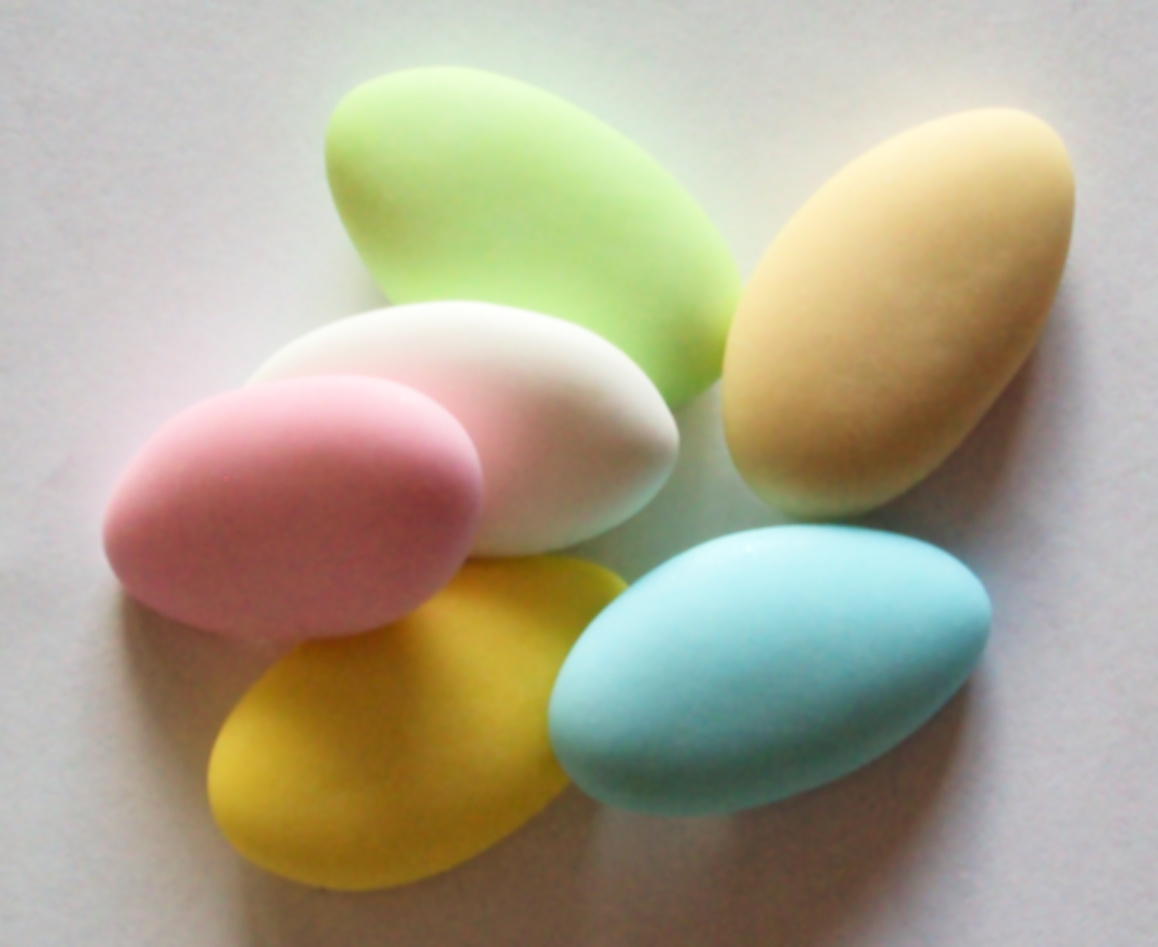
Full of food specialties ranging from provincial fish soups to local lamb dishes to plates of handmade pasta the traditional foods of Abruzzo favor both its maritime and mountain environs. Incidentally, this area of Italy is also known for a food often consumed at weddings here in the US. It’s the birthplace of the pastel-colored, candy-coated Jordan Almond, also called Italian Confetti locally.

All the pretty pastel shades of a Jordan Almond.

Edward’s parents immigrated to the US in the early 1900s first to Pennsylvania and then to Connecticut where they labored in factories and mills. Even though they both just had a third-grade level education, his parents had an appreciation for food, art and music which made a strong impression on Edward during his childhood. The Giobbi family kitchen would come alive at night and on weekends with the scents and flavors of his parent’s home country.

Life with Flowers. Edward Giobbi. 1958

Once he left home to pursue his art, his mom’s heirloom recipes became a vital part of the creative process as he perfected each one in his own kitchen, practicing them over and over again, until they met her standards and his memories. That dedication to good food and good eating, combined with artistic sojourns to stay with extended family in Italy sealed his love of cooking indelibly.

By the time Edward married and had his own family, preparing daily meals was a pleasure equal to painting. In his children, he instilled a similar joy. Art and cooking became a throughline that ran strong in the new generation of the Giobbi family members.

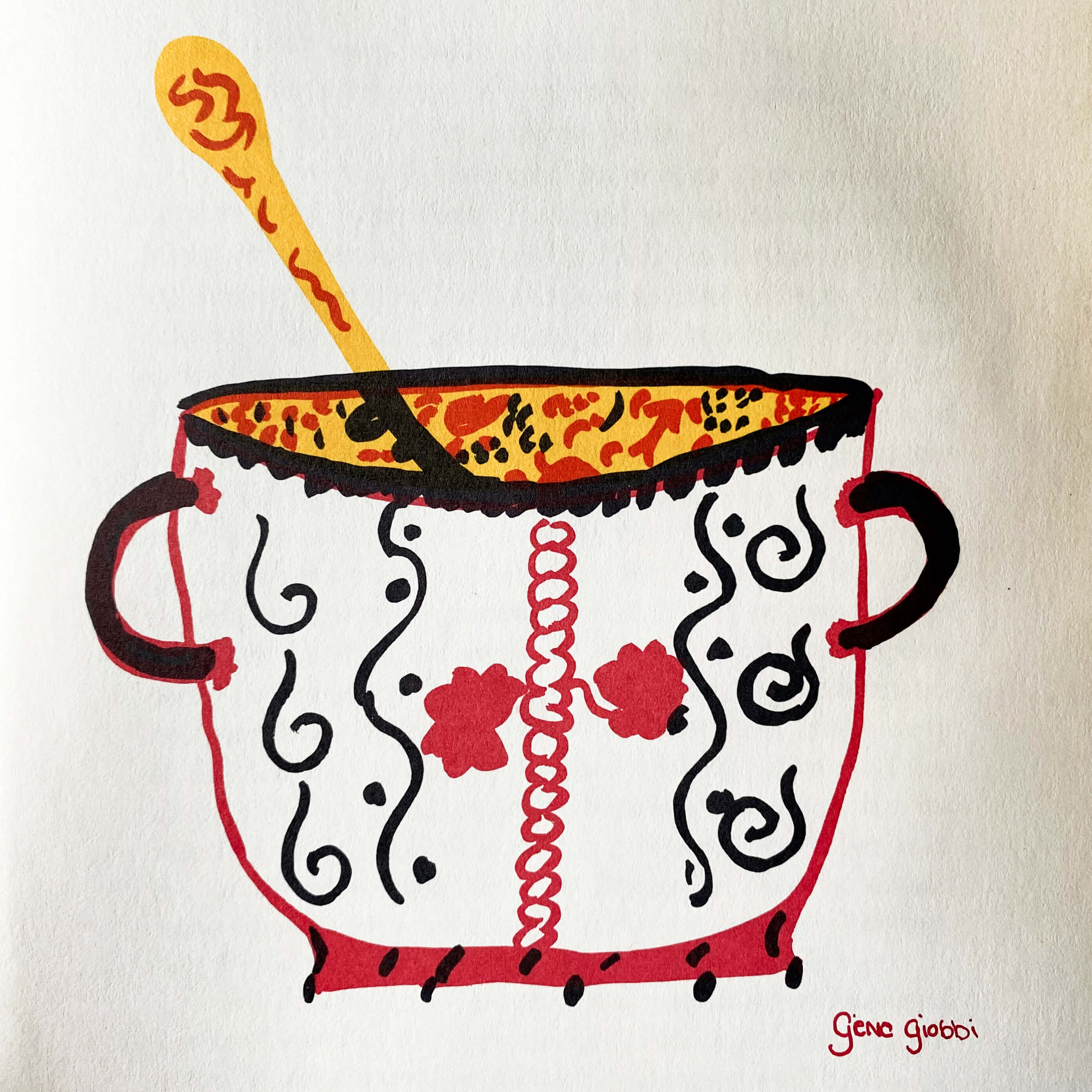
Apart from the myriad of wonderful traditional Italian recipes in Edward’s cookbook, the illustrations stand out with vibrant appeal and eye-catching charm. The art was executed not by a hired freelancer or a publishing industry dynamo. It wasn’t executed by a professional food photographer or a graphic design studio. Instead, the illustrations for his cookbook were illustrated by a collection of painters entirely new to the world – his children, Cham, Lisa and Gena who at the time ranged in age from six to nine.

Edward gave his kids no direction when he asked them to paint pictures for the cookbook other than to say “draw a fish, or a soup pot or a bottle of wine.” Each of his artists offered their own interpretation.

Whimsical and sweet, Edward Giobbi’s Italian Family Cookbook was indeed, in all ways, a family affair from kids to parents to extended relatives. It didn’t stop at this cookbook either. Edward went on to write another successful cookbook, Eat Right, Eat Well: The Italian Way (1985) and his band of illustrators grew up to pursue their own careers in art, dance, music and food science.

In keeping with the Giobbi clan’s combined love of the kitchen, nothing seems more fitting than presenting this recipe on a Sunday night when family dinner rules the kitchen in most Italian households. Named for the town in which it hails, Chicken Canzanese is a meal intended for communal family dining. Simple to make, it’s a two-step process that involves a one-hour wet brine and forty minutes of cooking time. True to Edward’s nature and his mother’s style of cooking, it’s made of simple ingredients and offers a bevy of creativity in the side dishes in which you choose to serve with it. More on those thoughts follow the recipe.

Edward Giobbi’s Chicken Canzanese

Serves 4

One 3 lb chicken, cut in pieces

2 sage leaves

2 bay leaves

1 clove garlic, sliced lengthwise

6 whole cloves

2 sprigs fresh rosemary or 1/2 teaspoon dried

12 peppercorns, crushed

1 hot red pepper, broken and seeded (optional) or 1 teaspoon dried red pepper flakes

1/4 lb prosciutto, sliced 1/2 inch thin or one 4oz package of pre-sliced prosciutto*

1/2 cup dry white wine

1/4 cup water

Salt for brine (see note)

Place the chicken pieces in a mixing bowl and add cold water to cover and salt to taste. *Note: I used a large mixing bowl and 1/8 cup of sea salt to 6 cups of water. Cover with plastic wrap and store in the fridge for 1 hour.

Drain the water and rinse the chicken pieces completely before patting dry with paper towels.

Arrange the chicken pieces in one layer in a skillet. Add the sage, bay leaves, garlic, whole cloves, rosemary, peppercorns and red pepper. Cut the prosciutto into small cubes and sprinkle it over the chicken. *Note: If using pre-sliced prosciutto, remove all the paper or plastic sheets between each slice. Stack the prosciutto one on top of the other, and cube the whole stack at once.

Add the wine and water. Do not add any additional salt, since the prosciutto will season the dish. Cover and simmer 40 minutes. Once the chicken has cooked to an internal temperature of at least 165 degrees. Uncover and cook briefly until the sauce is reduced slightly. Serve hot.

Rustic and earthy, Chicken Canzanese is tender and full of subtle flavors. The broth itself is fairly salty on its own thanks to the simmered prosciutto, but soak it up with a piece of crusty bread, and the briny flavor mellows. There were no serving suggestions mentioned in Edward’s recipe nor the NYTimes, but the broth would be lovely tossed in a warm bowl of pasta, spinach, peas, potatoes or mushrooms. If you are feeling decadent you could add a dash of cream to the broth to balance all the flavors. As Edward says in the introduction…”Cook the food in this book with a free hand, using your own creativity with the freshest ingredients you can get.”

Collected by museums and galleries around the world, throughout Edward’s long art career his style has varied…

Summer Shower, Pescara, Italy. Edward Giobbi. 1951

Dried Flowers #14. Edward Giobbi. 1999

Hanover, Triptych. Edward Giobbi. Exact date unknown – possibly 1970s.

He dislikes labels or being lumped into a certain type of painting, but he one thing Edward consistently strives for in his art instead is honesty. The same could be said for his cooking. All of his recipes are celebrations of local eating. They reflect riding the highs and lows of economy, of balancing cooking constraints with bounty, and the importance of identifying local resources. His recipes are interesting, creative, nourishing. They are of the earth and of the moment. I think that’s what makes Italian food so appealing. It’s a cuisine rooted in a waste-not culture that appreciates what’s right there in front – all the bounty that the earth can offer.

Fall Still Life- Edward Giobbi. Photo courtesy of Chroma Fine Art Gallery. Find out more about this painting here.

My favorite piece in Edward’s catalog of work is this one. I think it’s the most food and family-like of all his art. In my interpretation of it, I can see his whole entire world. His whole lineage in mixed media. There are blue fish in the sea at the bottom right. A mountainous landscape in the middle. There’s red for blood, life, wine and energy. I see flowers, woodland foraging, and garden soil. In my mind, that blob of brown represents all the possibilities that might grow from a simple swatch of ground. And the tree. The beautiful, exuberant tree surrounded by dots of confetti-like splatters and stars. That’s the Giobbi tree. The one that represents the vitality of nature, the sparkle of life, of wife, of children all rolled up in one. I could be reading too much into it. Maybe it’s just what the title says - Fall Still Life. Maybe it’s an autumn landscape in Canzano, Italy. Or a pairing of items Edward arranged in his home studio in Katonah, New York. Maybe it represents a lot more or even possibly a lot less. Or maybe… just maybe… it’s the word, the work, that Edward’s been striving for all along.. honesty.

Cheers to Edward for sharing his family’s Italian heritage with us here in America via books, art and storytelling. Cheers to his kids, Cham, Lisa and Gena for their fantastic illustrations. And finally, cheers to the unnamed woman in Canzano, who passed this recipe along. I wish we knew your name so we could credit you properly for the delicious dish.

If you’d like to catch up with the recipe tour from the very beginning days in 2020, start here or click on any of the country links mentioned above to visit those specific posts.

Next up on the International Vintage Recipe Tour, it’s a trip to Jamaica via the kitchen. Hope you’ll join us!

Reading While Eating: Seven Favorite Books Discovered in 2023

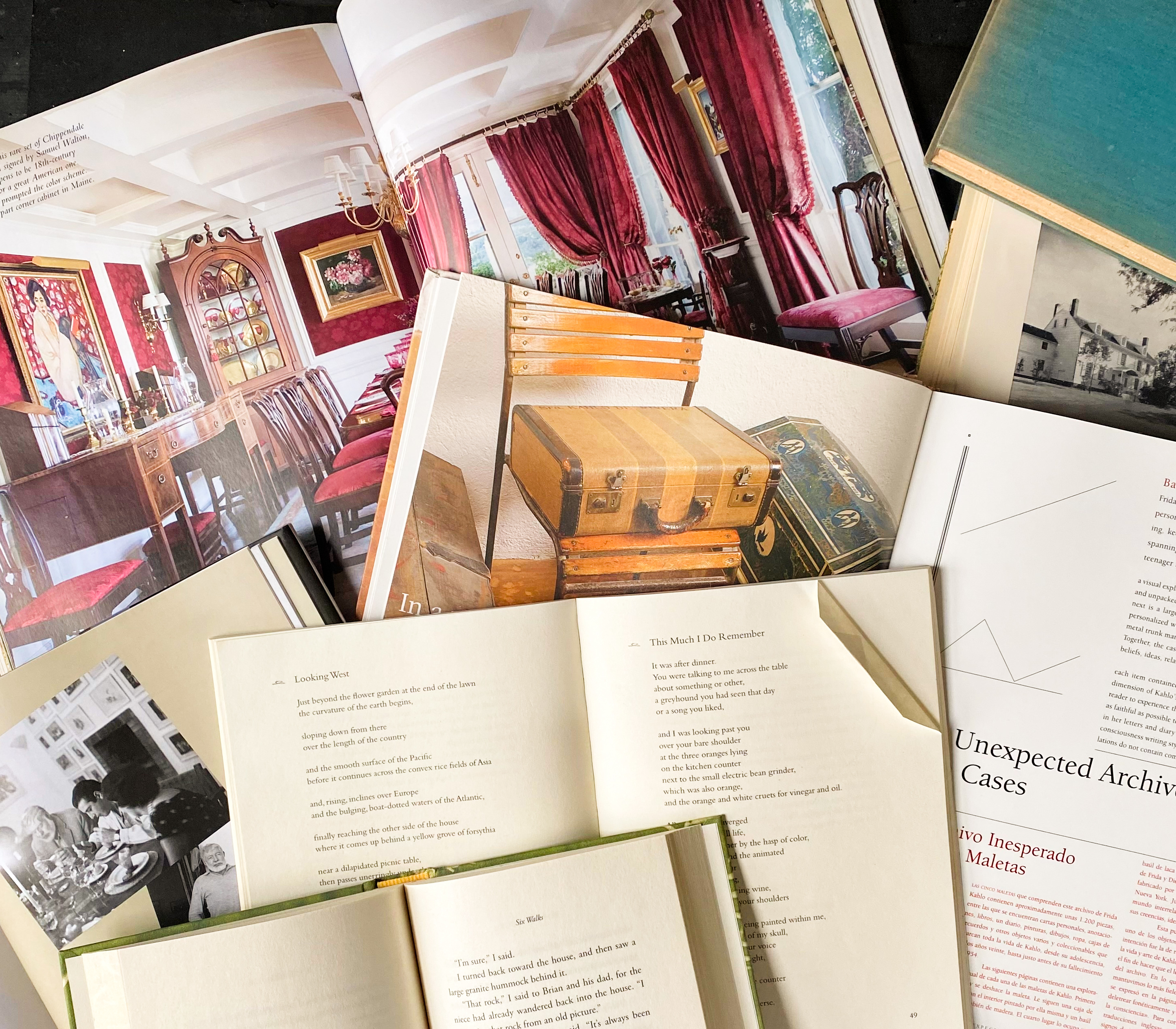
Just in time, before we say goodbye to 2023, I didn’t want the year to leave without posting the annual recommended book list that has become a favorite here on the blog. This year’s selections center around nature, literary figures, artists, the art of collecting, and the curation of home in all the ways that make it personal and unique.

As is the way every year, these books were randomly discovered while doing research for other projects. They popped up while uncovering origin stories for shop heirlooms, researching story snippets for the blog, or understanding context surrounding a vintage recipe.

Serendipitous in their arrival on the bookshelf, yet ironically all connected via some common themes, these books were new to me this year but not newly published this year. The oldest one in this batch hails from 1979 and the newest one debuted just last year in 2022. All deal with historical subjects in one way or the other, but each one brings a very unique and fresh perspective to its subject matter. They take us on adventures from the wild beaches of coastal Massachusetts to an out-of-the-way antique shop in Mexico. We are introduced to a famous performer’s real-life home in California and a fictional version of a real-life literary figure’s farm in Georgia. They feature one Ernest, two Barbaras and three oranges. There’s eccentricity and domesticity, color and craft. But above all, there is captivating storytelling right from the first page. Let’s look…

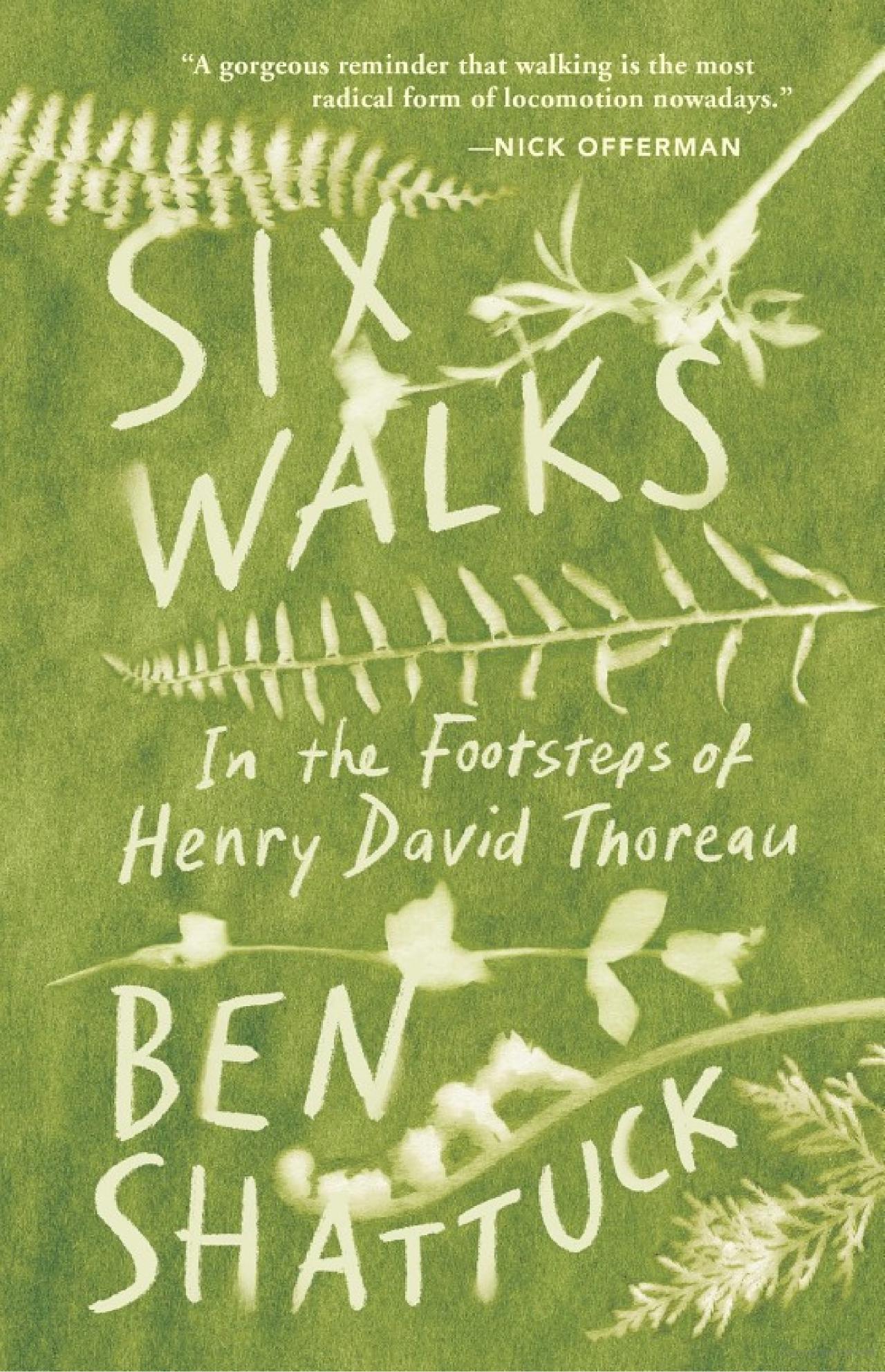
Six Walks by Ben Shattuck (2022)

What is it like to walk in the footsteps of Henry David Thoreau? Do you see the same trees, smell the same air, touch the same ground, feel the same breeze? Henry lived and wrote and walked around the woods in Massachusetts over one hundred years ago and the impact it made on his life made his life. During the pandemic, trying to process a breakup and a general malaise that hovered over his thoughts like unsettled storm clouds, Ben Shattuck rediscovered Henry’s journals. Henry’s words so inspired Ben that he set out to see the world through “someone else’s eyes for a change,” hoping that he might gain some new perspective to help him past his grey days.

Henry David Thoreau (1817-1862)

Following six of the same walks that Thoreau once took in the early to mid-1800s, Ben was searching for a new perspective, and a new understanding on life, love, and his place in it. For Henry, the walks were about looking at nature, about describing his surroundings, and about drawing comparisons between the natural world, human evolution and the emotional and spiritual impact on both. For Ben, walking was a form of therapy to help him move past some darker days, all the while submerging himself in the comfort of a favorite writer’s words and viewpoint. What results is this incredibly gorgeous book about nature writing, about escapism, about processing emotional trauma, and about seeing the real beauty that surrounds us every day.

On the walks, Ben meets an interesting array of characters. He goes in search of his ancestral homeplace, canoes down rivers that feel wild and untamed, and walks down long stretches of the beach until his feet are bloody and blistered. Funny, tender, thought-provoking and beautifully written, Ben’s perspective and lovely turns of phrase are just as illuminating as Henry’s. Part travel memoir, part therapy session, part sketchbook, Six Walks is one of the most beautifully written books about journeying that I’ve read in a really long time.

Finding Frida Kahlo – Barbara Levine (2009)

Written in both English and Spanish, this book is a fascinating portrait on the act of collecting and the art of curating. Finding Frida Kahlo is the true story of discovering a set of trunks belonging to Frida Kahlo in a Mexican antique shop. The woman who discovered these historical heirlooms was Barbara Levine, a former exhibitions director at the San Francisco Museum of Modern Art who had recently moved to Mexico and was trying to assimilate into the culture. A trip with a few friends to an out-of-the-way antique shop led to the discovery of several trunks belonging to Frida Kahlo each filled with all sorts of her treasures – clothing, paintings, recipes, letters and personal heirlooms.

Image of the trunks from Finding Frida Kaho by Barbera Levine.

This discovery started a storytelling chain that is movie-like in scope and plot, unfolding all the unusual circumstances that led to the ultimate understanding of how trunks from one of the world’s most revered, most studied, and most collected artists could possibly have wound up quietly sitting on the floor of an antique shop practically unnoticed. Throughout the story, there is Barbara’s commentary on the processing of the collection, interviews with the antique shop owners, the detailed history of communication with the collector who held the suitcases originally, and consultations with the Fridos (the last remaining group of artists and writers who personally knew Frida Kahlo). I won’t share any more of those details here so as not to spoil the pacing of the story, but only to say you’ll be engaged right from Barbara’s first sentence… “I have long been a collector.”

Non-spoilers aside, Barbara tackles her discovery with a museum curator’s mindset, methodically documenting and photographing each item in each trunk with an unbiased approach. Frida’s objects come to life on the page. And in turn, Frida herself comes to life. You can see her handwriting, her diary entries, her sketches. You can see her clothing, her scrapbooks, her trinkets. You can see the weathered wood of the trunks in exquisite detail. There’s fabric and masks and stuffed taxidermy. There are recipes for Chicken Fried with Garlic in Peanut Sauce and another one for Spicy Salsa (more to come on that front in 2024). There are graphic, grotesque medical drawings of bloody amputations and beautiful brightly-colored paintings of birds and flowers. All along, these heirlooms are accompanied by Frida’s handwriting and you come to understand how all these objects formed her heart and her art.

The Mansions of Long Island’s Gold Coast – Monica Randall (1979)

Built by wealthy business tycoons as getaway “cottages,” trophy houses, entertainment venues, weekend retreats and flamboyant examples of architectural artistry, the opulent mansions that dotted the Gold Coast of Long Island reveal fascinating insights into American culture, wealth and folly.

Beautiful and haunting, The Mansions of Long Island’s Gold Coast spotlight incredible stories about the architects, owners, domestic staff, and modern mid-century families who all spent time in these grand estates. A book of architectural history could easily become boring if you stick with just the well-known, well-documented facts but Monica’s meticulously researched biographies, interviews with local residents, and first-hand experiences growing up in the area have brought forth only the most interesting details of each property.

Told in brief snippets, there are romantic love stories, untimely deaths, bizarre occurrences, ghostly apparitions, lavish design details and tragic degradation. House after house exposes the highs and lows of the ultra-wealthy during the 19th and 20th centuries and all that they celebrated but also all that they destroyed. Some of these estates still stand today, carefully maintained as examples of grand domesticity but many featured in this book were torn down, broken down, burned down, or fell down due to neglect and the lack of capital to maintain them. Monica captures each one in the state that she finds it in the 1970s, focusing on what they once were and what they now have become.
A Good Hard Look – Ann Napolitano (2011)

A fiction novel based in the real town of Milledgeville, Georgia, A Good Hard Look centers around an imagined recounting of the real-life writer Flannery O’Connor (1925-1964). It opens with a wedding in town of a doted daughter of the community, Cookie, and her fiance, Melvin – a wealthy New Yorker who is not used to Southern culture or the tight-knit atmosphere of small-town life. Like Nick Carraway in The Great Gatsby, we see this town, these characters, and Flannery herself through Melvin’s eyes who fully wants to commit to his new wife and his new life, but finds the peculiarities and the general mood of the town unsettling.

Flannery O’Connor’s farm, Andalusia, where she wrote her best-known books. Photo courtesy of exploregeorgia.org

The plot twists and turns, so I won’t say more so as not to spoil the story, but one of the things I loved most was all the detail about Flannery’s peacocks. As central characters in the book, you learn so much about these big, beautiful, boisterous, unruly birds who played not only a big part in the story but a big part in Flannery’s life too.

Flannery O’Connor at home with her beloved peacocks. Photo courtesy of the Atlanta Journal-Constitution, Joe McTyre

This book reminded me a little bit of Midnight In The Garden of Good and Evil mixed with the storytelling styles of William Faulkner, John Updike, and Anne Tyler. Once finished, it also prompted its own further research into Flannery’s life. Especially regarding the peacocks. Beautiful, territorial, protective and also very loud, the peacocks act as both a soundtrack and a symbol. Ann shares details on their personalities, their temperaments, and their physical presence on the farm offering such interesting descriptions of them it will leave you considering whether you should invite a peacock as a pet into your own life.

My Passion for Design – Barbra Streisand (2010)

All the buzz around Barbra Streisand this holiday season concerns her newly released memoir, My Name Is Barbra, but I’d like to shine a light on another book of hers published in 2010, My Passion for Design about building her dream house in California. It’s a memoir in and of itself, but it’s also a design book showing you (not telling you) how to build and fill a space with things you love. Barbra’s not following trends here. She’s following her heart and what results is a home packed with intimate stories of how it came to be. Included at each step are a bevy of sketches and before and after photos, many of which Barbra took and drew herself.

Barbra’s front entrance to the main house.

A lifelong antique collector, a lover of old houses, and a creative outside-of-the-box thinker, Barbra’s step-by-step building project is a captivating look at her creative journey towards fashioning the ideal homeplace. Even though she references films and performances along the way, you forget that Barbra is a world-famous singer, actor and director. Here in this book, she’s simply a woman on a mission to create a space she loves. Her vision for what she wants is mostly clear, but she does stumble and change directions sometimes too, and occasionally she has to compromise when the ideas in her head can’t feasibly match a comparable reality. It’s all very relatable.

Located right on the cliffs above the ocean, with views of the water from the backyard, Barbra’s compound is a conglomeration of buildings that includes two barns, a mill house, a 1950s ranch house, and a big main house. She thoughtfully designed and decorated each space from the ground up, but she’ll be the first to say that she’s the “idea” person only not the actual contractor, and never had any inclination to swing a hammer or erect a wall herself. Instead, she left all that up to her team of contractors and specialists – the talented individuals who had the tenacity to deal with her perfectionism, a trait she fully recognizes can be a bit difficult to work with.

What I really loved about this book was how Barbra talked about the idea of home and the creative touches that give a space meaning. She’s really thoughtful about every detail and wasn’t willing to compromise on something if she felt it wasn’t right. Intuitive and observant, she discusses her design inspirations (a certain painting, a detail from a movie set, the color of the sky at sunset) to the extent that you get the sense that she’s always on the lookout for objects, colors, textures, and patterns that stir a personal emotion. Even though her design style is not exactly my design style, it is refreshing to read an interior design book about someone who wholeheartedly embraces what she loves unapologetically. Instead of following trends or typically accepted interior design layouts, she follows her heart and her interests. What results is a home that is entirely her own.

Decorated endpapers feature a few of Barbra’s notes and sketches.

Even the exterior gets her thoughtful attention as she color coordinates all the flowers and landscaping to each building so that complimentary shades float freely in and out of doors. To accommodate changing moods and seasons, to find surprise and joy year by year, to delight the senses, to calm and also energize the spirit all while maintaining a sense of unique charm and character – those were what Barbra was reaching for in building her perfect place. By books end you can see that she accomplished all that, and maybe even a little bit more.

Ernest Hemingway: Artifacts From A Life Edited by Michael Katakis (2018)

I haven’t completely finished this book yet, but I knew it was going to be on the Best Of list just for the introduction by Michael Katakis alone. His perspective on memories and how they can be shaped or reshaped, defined or redefined, based on the truths and the fictions you want or are led to believe is compelling. He shares an incredible story that links the death of his mother to the assassination of John F Kennedy to the discovery that Ernest Hemingway lived in the same neighborhood as his relatives – all events that occurred within a few days of each other. Of course, all these big events affected him deeply, but it was Ernest’s writing that brought emotional comfort and mental escapism during that difficult time. A lifelong interest in the author and his work bloomed and would eventually make him the manager of the Ernest Hemingway Estate, and the editor of this book.

There’s so much that has already been written and recycled about Ernest Hemingway, that it’s difficult to separate the man from the myth. And you might suspect it would be difficult to present any sort of new factual information about him. But in Artifacts From A Life, there is an assortment of little-known or at least lesser-known details that paint Ernest in a new light.

Famous for writing short, succinct sentences – his hallmark style – I always thought that was something Ernest developed over time, but actually it was a writing tip received during his first newspaper job. He was advised to stick with short sentences and to leave out the adjectives. Ernest adapted that way of writing and stuck with it for the rest of his career. Had the newspaper dictated that he write long, flowery sentences we might of had a completely different Ernest Hemingway experience altogether.

Packed with never-before-seen photographs, paper ephemera, letters and objects from his personal estate, there’s much to learn about Ernest and his strengths, weaknesses and vulnerabilities. One of things of particular interest is Michael’s commentary as he manages Hemingway’s estate and discovers the wealth of information that it contains. He brings a unique perspective to the task and a wistful reverence for how things used to be that is so fresh and compelling.

“There are over eleven thousand photographs, bullfighting tickets and scraps of paper with lists of what books a struggling writer should read,” Michael writes. “There are airline, train and steamship tickets that are so lovely they seem a page from an illuminated manuscript and demonstrate how much beauty there once was in the artifacts of daily commercial exchanges. As I went through his things I realized how much tactile aesthetic has been sacrificed and replaced with a severe digital practicality.”

Opposite Michaels’ words on that topic are images of a beautiful 1930s receipt from a Paris bookstore with its stylish logo and sales clerk handwriting itemizing the books that Ernest had purchased that day. It’s that kind of thoughtful attention to history and to Ernest’s life that make this book a page-turner, and a truth, from the very beginning.

Picnic, Lightning – Billy Collins (1998)

Speaking of truth, I’ve never read Billy Collins’ work before, even though he’s considered to be America’s favorite poet and was the actual Poet Laureate of the United States in the early 2000s. But just this past fall, I discovered his 1998 book of poems Picnic, Lightening and fell absolutely in love with the one on page 49. It’s titled This Much I Do Remember

It was after dinner.
You were talking to me across the table
about something or other,
a greyhound you had seen that day
or a song you liked,

and I was looking past you
over your bare shoulder
at the three oranges lying
on the kitchen counter
next to the small electric bean grinder,
which was also orange,
and the orange and white cruets for vinegar and oil.

All of which converged
into a random still life,
so fastened together by the hasp of color,
and so fixed behind the animated
foreground of your
talking and smiling,
gesturing and pouring wine,
and the camber of your shoulders

that I could feel it being painted within me,
brushed on the wall of my skull,
while the tone of your voice
lifted and fell in its flight,
and the three oranges
remained fixed on the counter
the way stars are said
to be fixed in the universe.

Then all the moments of the past
began to line up behind that moment
and all the moments to come
assembled in front of it in a long row,
giving me reason to believe
that this was a moment I had rescued
from the millions that rush out of sight
into a darkness behind the eyes.

Even after I have forgotten what year it is,
my middle name,
and the meaning of money,
I will still carry in my pocket
the small coin of that moment,
minted in the kingdom
that we pace through every day.

“This Much I Do Remember” by Billy Collins.  Picnic, Lightning (University of Pittsburgh Press, 1998).

Oranges have been a real theme in the kitchen in these past three months. We made a vintage Parisian orange cocktail for the blog this month, shared a vintage recipe for orange sugarplum cookies in last week’s email newsletter and now there is this vintage poem about oranges sitting on a kitchen counter. It’s funny how things come together like that.

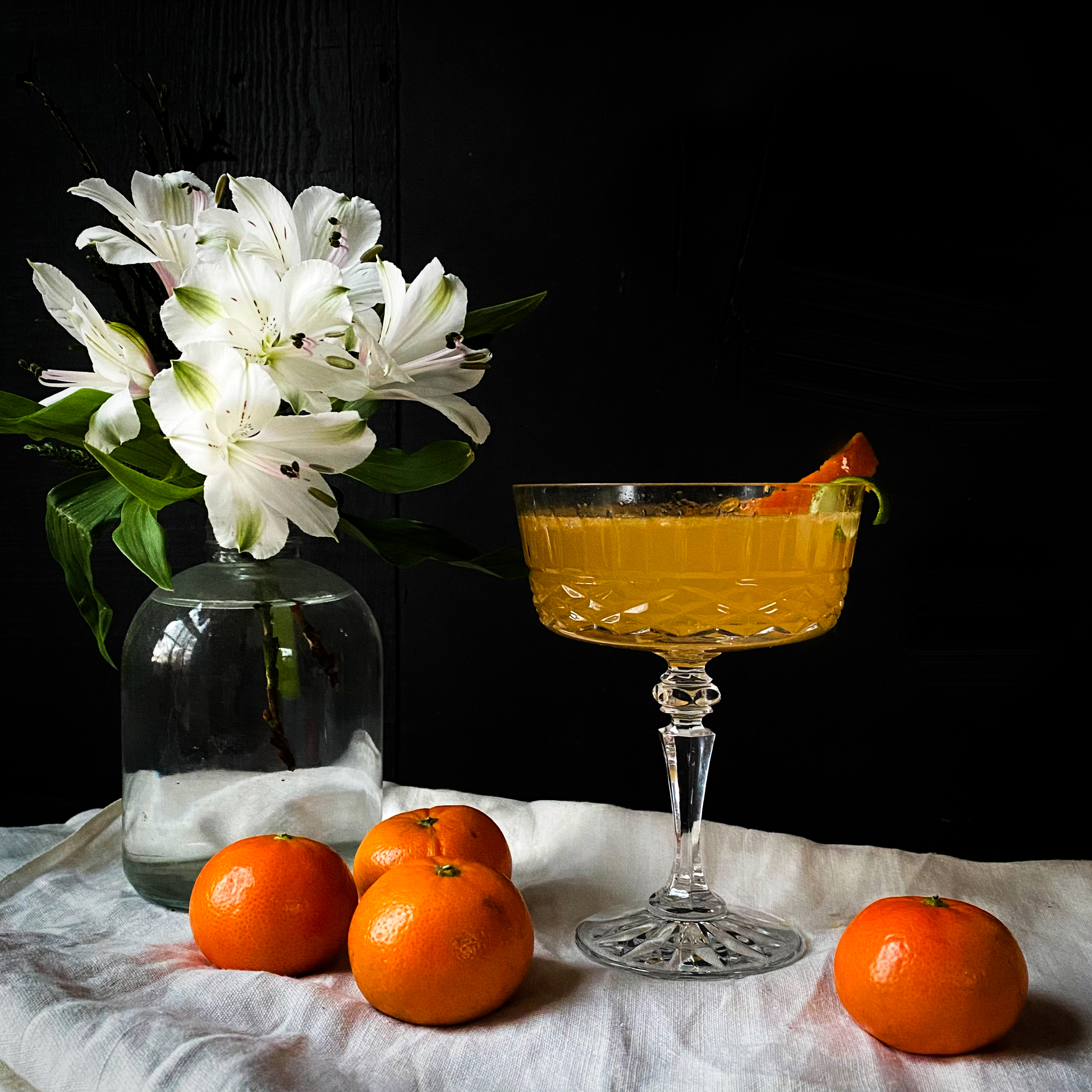
Bar Hemingway’s Ritz 75 cocktail.

The whole sensory experience that Billy sets up in this snippet of life with the camber of shoulders, the tone of voice lifting and falling in flight, the hasp of color, the painting within is just gorgeous. I love the way he likens the oranges fixed on the counter to the way the stars are said to be fixed in the universe. So beautiful. 

Billy Collins (b. 1941) served as Poet Laureate of the United States from 2001-2003. Photo by Marcelo Noah.

So far Billy has published 18 books of poetry, starting with Pokerface in 1977 and just recently Musical Tables which came out in 2022. Picnic, Lightning was book number six debuting in the late 1990s. If you are new to Billy’s work, there is lots to choose from but I recommend starting with page 49 of Picnic, Lightening and working your way around his words from there.

Reading This Much I Do Remember was such a nice way to wrap up this past year – another one that was so full of tumultuous world events, political upheavals, and powerful weather occurrences. I love how in the poem, a natural peace was found in the kitchen. I love that time stopped. That the moment was recognized and appreciated before being committed to memory. I love that this poem is about a confluence of small, unassuming details that turn out to make a big lasting impression. Cheers to more of that in 2024.

And cheers to Ben, Henry, Frida, Ann, Flannery, Ernest, Billy, Michael, Monica, Barbra S. and Barbara L. for sharing such wonderful insight into the passions that move the world forward through art and storytelling. Hope your new year overflows with equal joy. And I hope you find a book or two to fall in love with from this list. Thank you so much for being a part of our wonderful community. We can’t wait to share more favorites in 2024. Happy New Year!

Bar Hemingway’s Ritz 75: A Vintage Champagne Cocktail from Paris

The history behind Bar Hemingway’s Ritz 75 runs long. If a cocktail could talk this one would tell many stories. Included in its 100-year lifespan are snippets about several greats – Ernest Hemingway, a New York nightclub, a French hotel and the best bartender in the world. And those are just tips of the ice cube. Even more stories lay below the gin line.

This cocktail’s core combination of ingredients – champagne, lemon juice, sugar and ice date back to the early 1900s when it was known as a French 75. Named after WWI field artillery, the drink was likened on first sip, to the quick jolt of a particular French canon’s blast. That immediate burst of flavor was the combination of champagne and lemon juice – the signature components that gave this cocktail a powerful little pucker.

The Stock Club in New York City circa 1944. Photographed here are filmmaker Orson Welles (bottom left corner smoking a cigar), talk-show host Morton Downey (bottom right corner), club owner Sherman Billingsley at center table, actress Margaret Sullivan (at table just above Orson Welles cigar) and Broadway producer, Leland Hayward to the right of Orson Welles’ shoulder.

In the 1920s, it took on a new sense of depth, flavor and revelry when gin was added to the sugary juice mix. That mixture was then tossed with ice in a cocktail shaker and finished in a glass topped off with champagne just before serving. Sparkly and citrusy, that was how the popular French 75 was prepared at New York City’s most famous nightspot, The Stork Club. From 1929-1960s, you could pretty much see every sort of movie star, politician, society maven, sports figure and writer all enjoying the cocktails provided by the club’s owner, Sherman Billingsley, a former bootlegger turned Manhattan business maverick. There, the French 75 made its fans.

The Hotel Ritz Paris on Place Vendome. Photo by Frederic de Villamil.

In Paris, in the late 20th century, the cocktail took on a new persona and a new name thanks to the elegant Ritz hotel and its beloved bartender, Colin Peter Field. Colin presided over Bar Hemingway, the snug drinking nook located inside the Ritz for thirty years up until this past summer 2023.

Bar Hemingway at Hotel Ritz, Paris. Photo by Pablo Sanchez.

Named after Ernest Hemingway, who frequented the hotel and drank many a martini there from the 1920s-1950s, when it was called Le Petite Bar, Bar Hemingway is filled with memorabilia featuring the writer’s life and literary works, many of which were curated by Colin himself. Model Kate Moss even added some vintage typewriters to the decor to compliment the aesthetic.

Under Colin’s hand, Bar Hemingway became a popular spot in the hotel and also the city, frequented by Hemingway lovers who wanted to walk in the footsteps of the literary giant. Ultimately though it was Colin who really stole the show each night. With his attentive presence, discreet mannerisms, head for literature and eye for art, Colin mixed up passion, dynamic conversation, and elegant drinks at Bar Hemingway night after night for three decades. He was so successful at his job, so devoted to his trade, that he was deemed the Best Bartender in the World by several leading travel magazines and won numerous awards throughout France for his bartending skills.

In 2001, Colin wrote a cocktail book containing recipes that he served at the bar along with interesting stories that surrounded them. Delightfully illustrated by Japanese artist, Yoko Ueta, this book is both a primer on how to be a thoughtful, intuitive mixer of drinks and a historical story guide detailing the origin stories of many classic cocktails.

Colin Peter Field as illustrated by Yoko Ueta.

Included in the book is Colin’s version of the French 75. It features freshly squeezed mandarin orange juice in addition to the already called for lemon juice, sugar, gin and champagne. The mandarin brightens the color of the cocktail from a hazy lemon yellow to a pale orange, similar to the flickering flame of candlelight. A garnish of both lime and mandarin rind at the edge of the glass adds a little extra flair. Renamed, this version is now known as the Ritz 75.

With a taste similar to Orangina, Ritz 75 is a refreshingly crisp and clean cocktail. The champagne adds an extra bit of sparkle and a festive air to the season. Without being syrupy sweet, and given its light citrus notes, it’s lovely as an aperitif for cocktail parties or for pre-dinner welcome drinks. It is also an excellent partner to hors d’oeuvres that lean towards the rich and buttery side of the palate like cheese trays, charcuterie boards and anything tucked inside a puff pastry. Just like its cousin, the Mimosa, the Ritz 75 is easily adaptable to all sorts of occasions beyond the holiday season too. It could be served at brunch, or perhaps your next book club meeting when Hemingway is on the list, or when the weather turns warm, it easily transitions out of doors for picnics and garden parties.

Illustration by Yoko Ueta

I don’t think Colin would mind what time of year you served the Ritz 75, just as long as it accompanied a good story and a pleasant environment. Ernest would definitely second the story part. Together, the two I’m sure would be happy to clink glasses and call it a festive night, so we’ll do the same. Cheers to the holiday season and to Colin and to Ernest whose books continue to capture our attention. Here’s to hoping your December is full of flavor, merriment, and a little something sparkly.

Ritz 75

From Cocktails of the Ritz Paris by Colin Peter Field circa 2001. Serves two.

1 1/2 oz lemon juice

1 1/2 oz mandarin juice, freshly squeezed

1 teaspoon of sugar

1 1/2 oz gin

Champagne to finish

Mandarin and lime rinds to garnish

Mix the lemon juice, mandarin juice, and sugar in a cocktail shaker. Fill with ice, and then add the gin. Shake a few times. Pour the mixture evenly into two glasses, then fill the rest of the glass with champagne. Garnish with slices of lime and mandarin. Add a cherry (optional) for additional color.

Cheers!

Thoughts on Love, Dinner and New Discoveries Courtesy of Brazil

Happy Valentine’s week fellow kitcheners! Since love and romance are dominating the spotlight right now, it’s wonderfully fortuitous that the featured destination on our International Vintage Recipe Tour this week wound up being Brazil. It’s not good to generalize people or countries, but Brazil is known to be a passionate place.

Beautiful Brazil!

Consistently included in top ten lists as one of the world’s most romantic nationalities, it’s safe to say that Brazil is in love with love. And we are not just talking romantic relationships here. Brazilians are known to be equally passionate about their hometown  soccer team, their spouse, their favorite carnival and their kitchen.  Ah serendipity! On this week of hearts and roses and pink colored everything, a romantic holiday dinner awaits us here in the Vintage Kitchen.

Or so I imagined!

I was hoping that our vintage recipe was going to highlight a dinner food that matched the passionate place from which it came.  Surprisingly  that wasn’t quite the case. On today’s menu we are making Picadinho a Brasileira, a recipe that roughly translates to “Minced to the Brazilian” in Portuguese. A popular heritage dish especially in Southeastern Brazil, there are two main versions of picadinho – one a hearty beef stew with whole vegetables and the other a slow simmered light and fluffy ground beef cooked with wine and vegetables.

Picadinho a Brasileira

Our recipe this week involves the latter.  Not exactly one of the glamour foods usually touted on Valentine’s Day menus (steak, lobster, oysters, anything drenched in champagne or chocolate) ground beef always tends to get relegated to more humble, homey everyday recipes like meatloaf, burgers, tacos and casseroles. It’s never a dish you see people eating in romantic movies. It’s never the culinary centerpiece tucked in between candlelight and flower bouquets. And it’s definitely not the most tantalizing type of meat to photograph.

I don’t know exactly what I expected of Brazilian food at the start of Week 6, but I think I was hoping for something a little more exotic in the food spectrum, something that matched the passion of the people. A recipe that involved colorful fruit perhaps or a sea swimmer from the waters of the Atlantic. Picadinho a Brasileira is neither of those two things. But after making this recipe and thinking about it for a bit, I came to realize that it is in actuality, an absolutely wonderful and appropriate dish to share with your sweetheart or your gaggle of loved ones on Valentine’s Day. More reasons on that shortly.

Tonight we’ll dive right into the recipe so that we can talk about the unique aspects and attributes of it after all the steps are laid out. A super easy recipe to make (a nice reprieve after the confusing fondue affair of last week!) Picadinho a Brasileira is a one pot dish that slow simmers on the stove for almost two hours.  It includes half a bottle of wine, a satisfying amount of vegetable chopping and six eggs (something that originally sounded a bit unusual). It’s also low-maintenance thanks to the slow cooking so it conveniently allows time for you to do other stuff while its simmering away. Maybe that’s where you can fit some extra time for romance:)

Picadinho a Brasileira

Serves 6-8

1/2 cup olive oil

1 large onion, finely chopped

4 cloves garlic, coursely chopped

2 lbs ground beef (I used grass-fed)

6 eggs

2 ribs celery, including leaves, finely chopped

1 green pepper, cored, seeded and finely chopped

1 cup finely chopped parsley

2 cans (17 oz. each) Italian style tomatoes

Salt and freshly ground pepper to taste

1 1/2 cups dry red wine (I used Storyteller Red Blend)

Hot red pepper flakes to taste

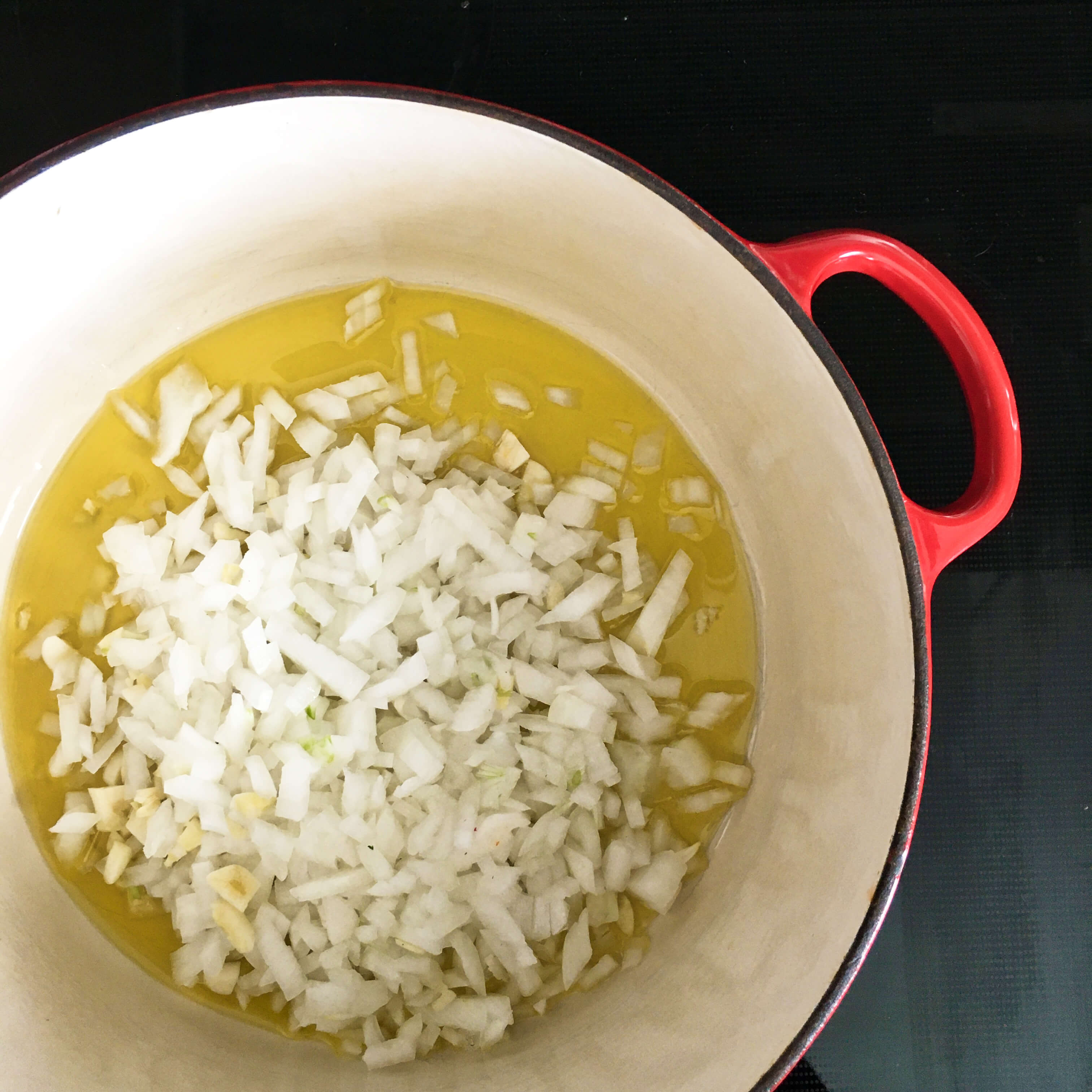
Heat the oil in a large, deep saucepan and add the onion and garlic. Cook until golden brown, stirring frequently.

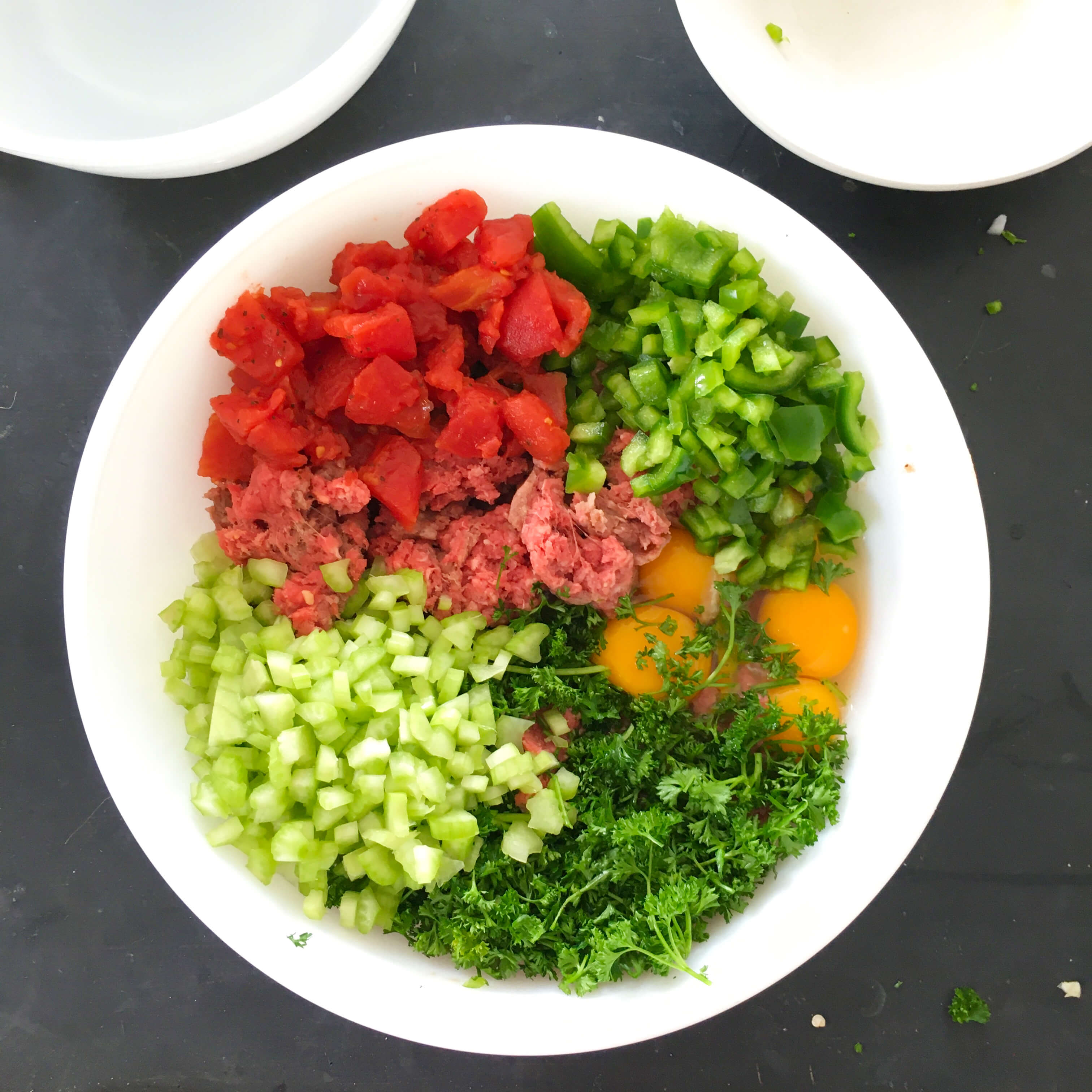
While the onions are cooking, place the meat in a large bowl. Add the eggs, celery, green pepper, parsley and tomatoes.

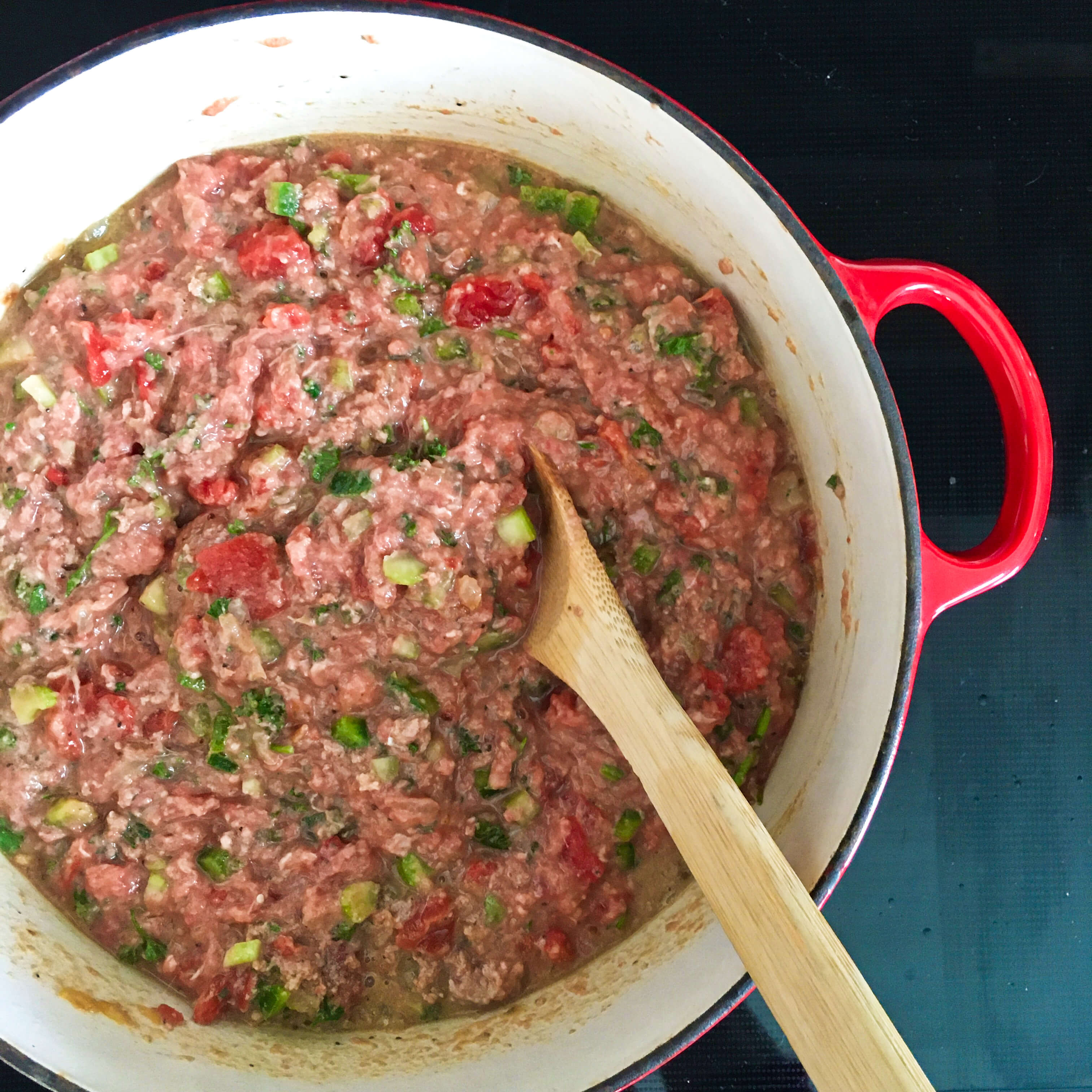
Combine everything together with your hands until it is thoroughly mixed. (Note: This step is a little soupy and a little sludgy not to mention both visually and tactile-wise pretty unappealing, but don’t worry, it gets better soon.)

Add the mixture to the onions in the pan and cook stirring until well blended and the meat loses its red color. Cook the mixture 15 minutes and then add the salt (I used about  1 1/2 teaspoons), pepper (I used about 1/2 teaspoon) and one cup of wine. Cover and cook 15 minutes longer.  (Side Note:  If you are following the Recipe Tour over on Instagram too, you can see a  little video of this step in the Highlights section. Every Sunday, I post a sneak peek video of the recipe coming up, so if you are big into previews come visit the Vintage Kitchen Instagram page on Sundays!)

Now back to the recipe!

Add the remaining wine  and red pepper flakes (I used about two pinches), then partly cover and cook, stirring occasionally, one hour or longer. At the beginning of the one hour of cooking, the picadinho will be very liquidy, but as it cooks over the next 60 minutes, it will dry out and all of the moisture will evaporate. At that stage it will look like this…

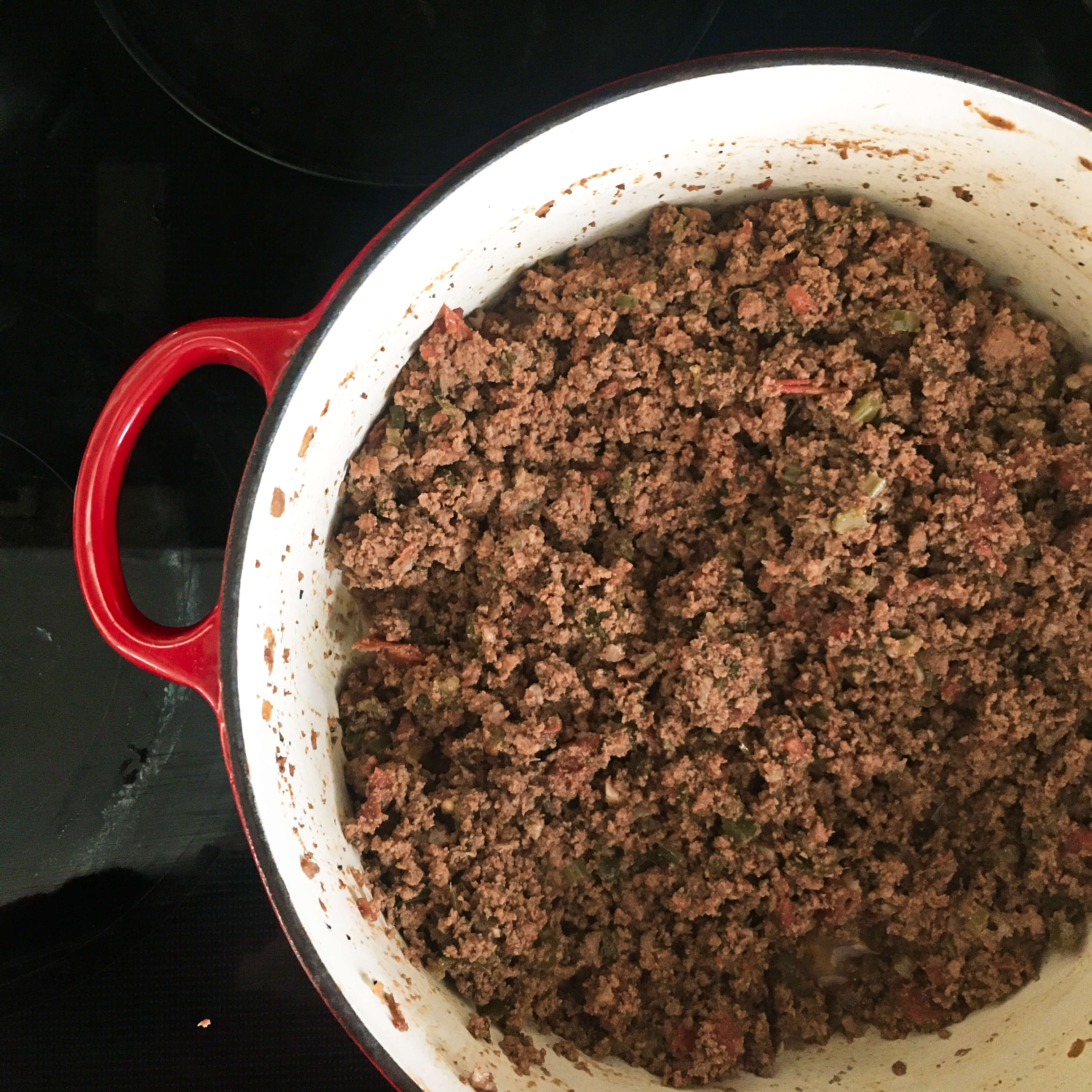
…a  mixture that mirrors taco meat but is much lighter and fluffier. Once all the liquid has evaporated the dish is done and is ready for serving.

Traditionally, you’d accompany Picadinho  a Brasileira with white rice or farofa (which is a Brazilian form of farina – something similar to cream of wheat). However, I wasn’t that excited about either option when it came to pretty plating,  visual appeal and a Valentine vibe. As you can see the picadihno has lost most of its vegetable color and is pretty much in the end just one shade of brown. It is not the most visually striking dish that we have made so far, but what it lacks in appearance it more than makes up for in delicious flavor.

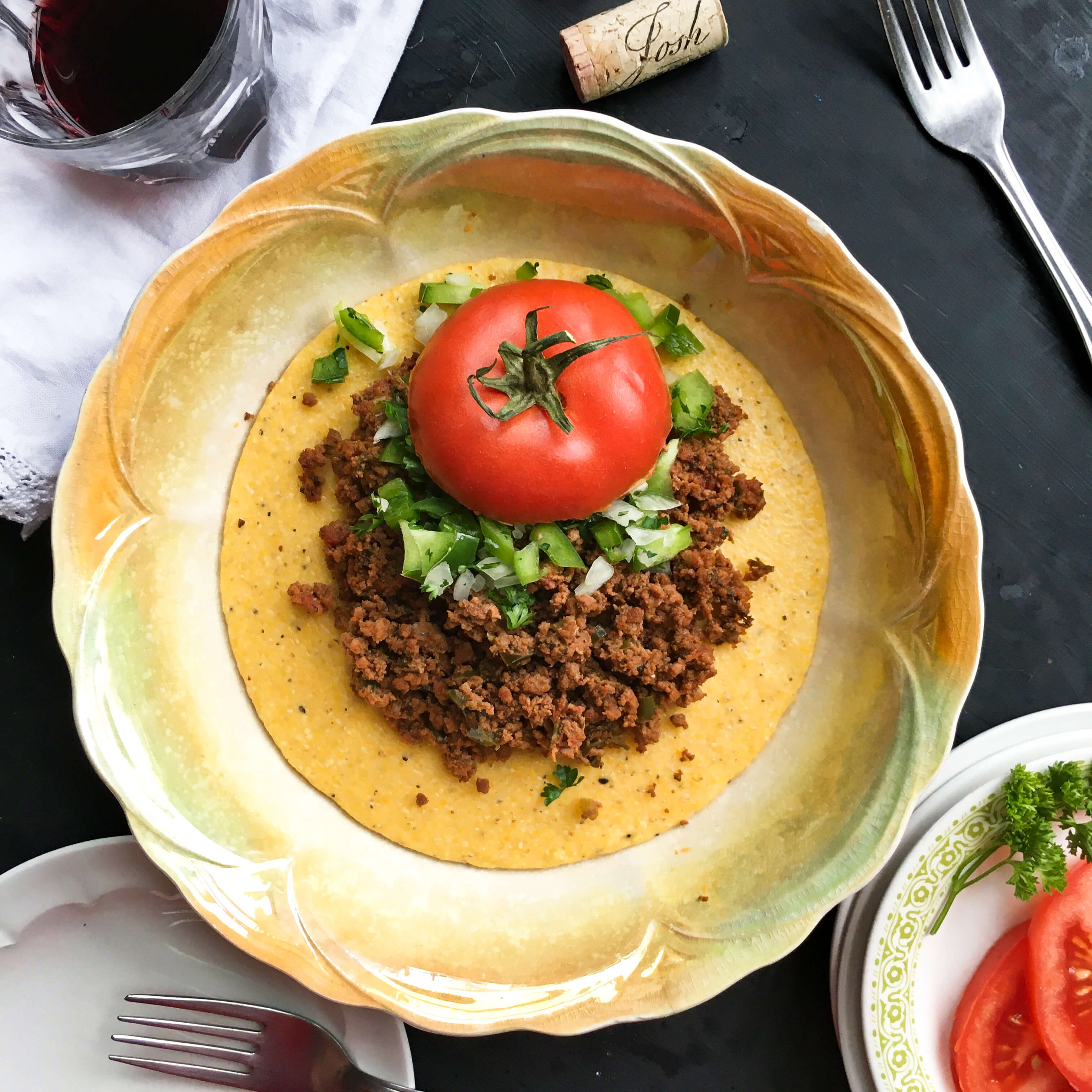
Between the fruity notes of the wine, the citrus notes of the tomatoes and the sweetness of the onions, combined with the fact that it looks a lot like taco meat, my first impression upon tasting it was to pair it with something in the corn family. Something like tortillas. Although this dish would be fantastic with such a companion, corn tortillas are not widely consumed in Brazil, so to stick a little closer to a more authentic meal, I chose corn grits since they are more similar to the consistency of farofa. Made with milk, Parmesan cheese and butter, the grits add color, a creamy texture and a complimentary corn flavor that blends all the ingredients in the picadinho together so well. I also added some freshly chopped onion, parsley and green pepper for a burst of fresh crunch and more color.

All sorts of other garnishes like sour cream, cheddar cheese, olives, avocado, cilantro, basil (basically anything you enjoy on a taco)  would also be delicious here, albeit not very Brazilian. But that, I discovered, was really the fun of this recipe. It is open to creativity, to interpretation, to personal touch. Which brings us back to why this recipe is actually a very good choice for Valentine’s Day. Let’s look…

  1. It has the ability to showcase your own creative flair and your personal passion for cooking. Wrap it up in pastry dough like empanadas, stuff it into pasta shells, serve it over potatoes or transform it into a patty melt. It’s yours to experiment with, to make, to mold, to accent and to call your own. It’s a love letter to your culinary ingenuity!
  2. For all the lovebirds that like to eat together, it’s a shareable meal.
  3. It’s family friendly, thanks to its basic ingredients, making it inclusive for all the ones you share your life with.
  4. It feeds a crowd, so if you wanted to throw a galentine party this Valentine’s Day it’s a delicious option for both entrees or hors d’oeuvres.
  5. It’s a food that stimulates the art of conversation and encourages new ideas, which means it’s pretty much guaranteed to keep the attention of fellow diners for at least a little while.

Picadinho a Brasileira may not be chocolate covered strawberries or lobster thermidor or a fancy special occasion food brought out once a year, but any Brazilian would tell you that love deserves to be extended, extolled and celebrated every moment, every day, not just on February 14th. Romance doesn’t have to be elaborate in order to be understood or received. A simple meal served to someone special is such a sincere act of love. The enjoyment that follows – tasting something new, talking about the experience and exploring some culinary curiosities leads to unexpected discoveries. This one dish opened up a whole conversation between myself and my valentine of a husband about spices that had us chatting and speculating the day away. Also, while researching this blog post,  I discovered some new favorites courtesy of Brazil…

Two new vintage books to read by Brazilian authors Paulo Coelho and Jorge Amado

and a new art book to explore…

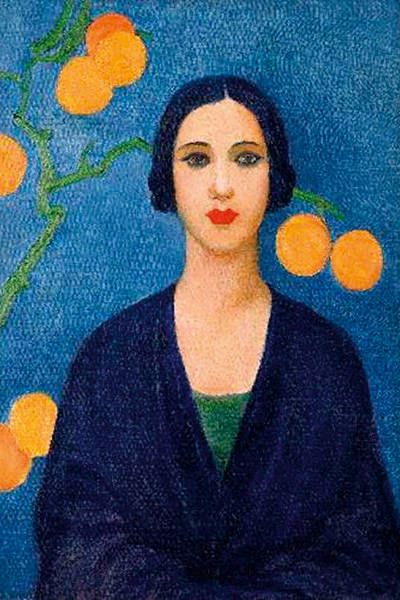
And it also led to the discovery of two new artists. I love this 1920’s era portrait, untitled, but referred to as Woman with Lemons by Brazilian artist Tarsila do Amaral (1886-1973)…

and the colorful botanical collage paintings of Brazilian-born artist Beatriz Milhazes…

So you just never quite know where your dinner will wind up taking you!  At the start of this particular cooking adventure, I thought this post was going to be all about a traditional romantic Valentine’s Day worthy dinner. An idea I understand now sort of bordered on the cliche side of things. But in reality, this seemingly unromantic Brazilian ground beef recipe turned out to be quite a little passionate catalyst that produced new loves in art, literature and conversation. That’s pretty romantic after all!

I hope this Valentine’s Day your hearts and bellies are full to the brim with thoughts and  foods that you make you feel happy, loved and inspired. Cheers to the holiday and cheers to foods that surprise and satiate us not only physically but mentally and emotionally!

Next week finds us making a sweet treat that hails from the land that Meghan and Harry now call home…Canada! Until then, happy cooking!


Congratulations to…

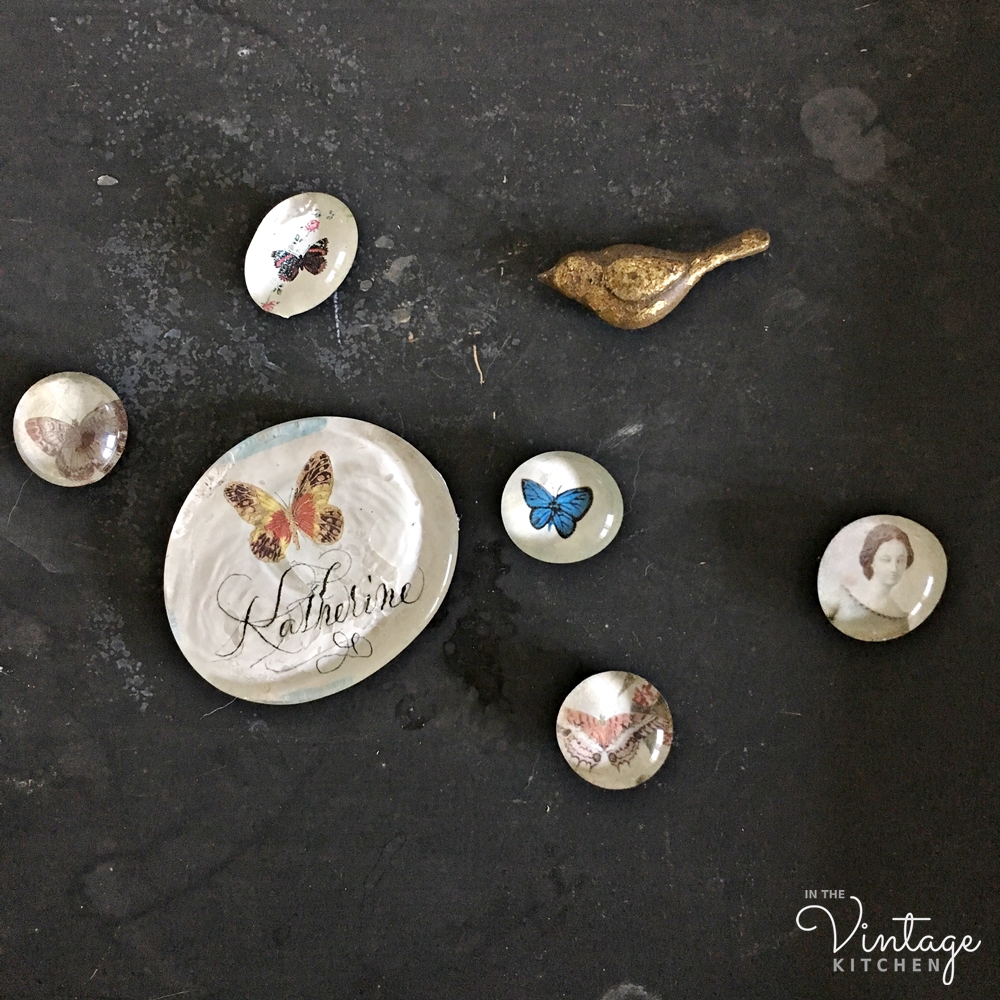
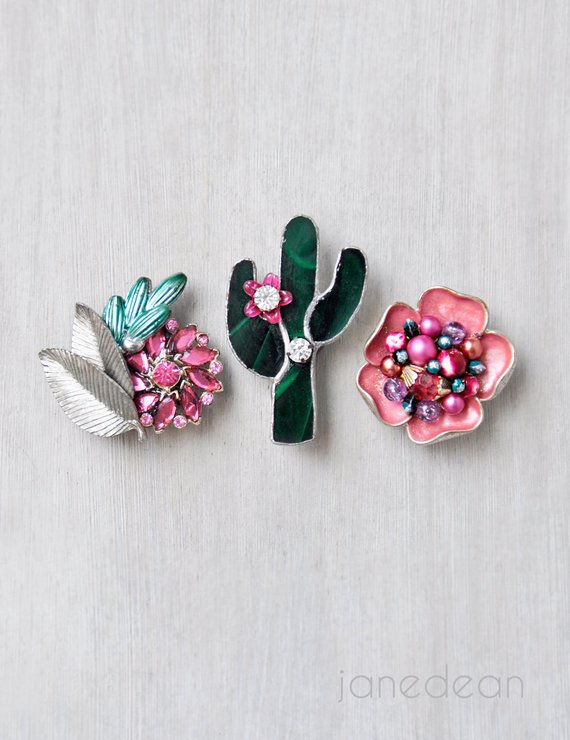
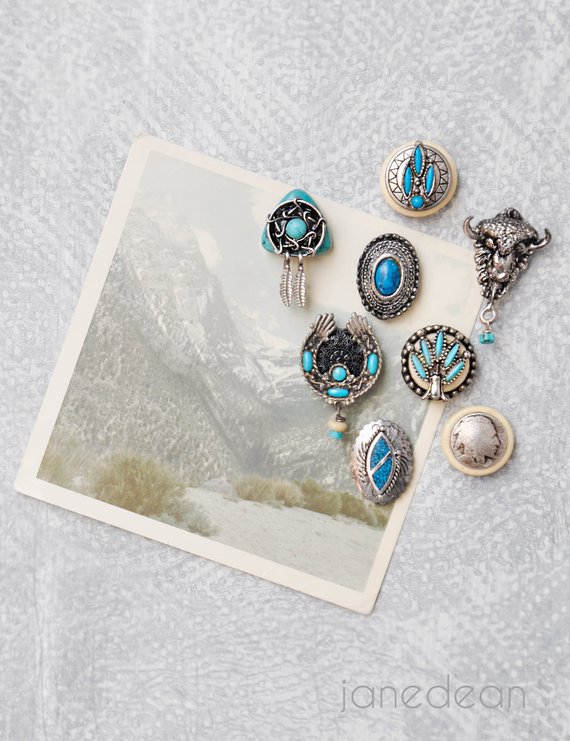
We are very excited to announce that we have a winner for the floral fridge magnet giveaway! Congratulations to…

theZoebird who submitted a guess over on Instagram. Our winner thought they might be pieces from a crystal chandelier, which was close, since these magnets certainly are sparkly!

If you are sad that you didn’t win this pretty giveaway, don’t fret, visit Jane Dean Gems and shop for a set yourself. Heather’s got lots of lovely handmade magnets in her shop, the hardest part will be deciding on your most favorite ones. If you missed her interview yesterday, catch up here and read all about the special lady who inspired all this fridge art in the first place.

Thanks again to everyone who participated in the guesswork of this giveaway. Your enthusiasm was infectious!


No Plain Jane: How One L.A. Based Artist Draws Inspiration From Her Grandmother’s Jewels

If you had to look one kitchen appliance in the eye and consider it most human which would you pick?  Your coffee contraption that wakes you up each morning? Your mixer because it sings as the beaters whirl and whip? Or maybe it is your dependable dishwasher who is always so eager to clean a mountain of dirty pots and pans.

If I had to choose one such appliance, I would pick the fridge. It’s human height, its doors open like arms and even though you stock it yourself, there always seems to be something unexpected going on in there. Whether it’s restaurant leftovers you forgot about, a surprise treat added by a family member or a curious case of bacteria sprouting on last week’s loaf of bread, the fridge is the one appliance that consistently brings a little personality to each new day.

It’s also the one that gets the most use. Every day, you open the doors and close the doors so much so that you don’t even think about the physical action of that process anymore – the pulling and the pushing – but at the same time you are also careful with it. You reorganize it. Sometimes more than once a day. You jockey things around from shelf to shelf to make sure everything fits. You clean it and you care for it. You worry about it. If the power goes out, then what? You think about it in the middle of the night. Will the Thanksgiving turkey fit? Will the watermelon suck up too much cold air? Will the icebox pie set firmly?

If you are like my mom, you also outfit it. You buy lots of clear glass storage dishes and a label maker and you get to work making the inside of that fridge look like a beacon of efficiency and organization with this there and that here. Or you take the opposite approach and just stuff things in as they come with less rigidity and more relaxed effort.

And that’s just the inside.

The outside of a fridge is an equal blank canvas. It seems this school of thought has two camps – the people who decorate and the people who don’t. Do you prefer a plain, sleek front to your fridge or a personalized collection of life’s pieces in papers? Here in the Vintage Kitchen, we like the outside of our fridge decorated. Right now, ours contains a family photo, a calendar, three business cards, one Chinese takeout fortune cookie message (which proclaims that this is the year that ingenuity stands high on the list!), two stickers from a recent comedy show, two love notes, one watercolor painting, one recipe and one autograph. All these are held together by a collection of magnets that my niece, Olivia,  made for me when she was 11…

That was eight years ago. Now she is off at college, and these magnets were and will always be prized possessions.  A lovely gift and a pretty memory all wrapped up in one, they also were the start of my love affair with magnets. Thanks to Olivia’s gift, I re-discovered that magnets were an invaluable tool providing the ability to help hang on to the little bits of life that I didn’t want to forget about (like that fortune cookie message!). This leads to the topic of today’s post. Yesterday I promised to reveal the contents of this mystery box that one lucky winner in our giveaway will receive…

Are you ready to see what’s inside?

Ta-dah! It is a trio of floral fridge magnets handmade from vintage costume jewelry.  These beauties are the work of Heather Dean, the Los Angeles based artist behind Jane Dean Gems, an online jewelry and home decor shop that specializes in pieces made from vintage items and found objects.

As one of the original pioneering artists of Etsy, Heather has been around the handmade marketplace since 2005 but her designs and ultimate inspiration go way back to her grandmother Jane Dean, whose name Heather not only borrowed for her shop but whose collector’s spirit Heather tries to instill in all her pieces. What I love about Heather’s work is that she is a storyteller in sparkles and shimmer, offering a new way of looking at familiar objects from a finder’s point of view. A brooch becomes a magnet, a bauble becomes a bracelet, an arrow becomes a compass in the same way that your commonplace, everyday, utilitarian refrigerator suddenly becomes the canvas for a glamorous work of art.

In today’s post, we catch up with Heather, interview style to learn more about the muse behind the magnets, how her grandmother helped lead her down the handmade road and where to find the best places for artistic inspiration in all of L.A.

In the Vintage Kitchen: First of all, let’s talk about the name of your shop. I understand it is named after your grandmother, Jane. Please share a little bit about her with us.

Heather:  My grandmother’s name was Jane but I called her “Mimi.” When I was a little girl I was enchanted by her large collection of costume jewelry. She had drawers full of colorful brooches, sparkly rhinestone earrings and long beaded necklaces. I loved opening her jewelry boxes, examining the pieces and trying them on. My grandmother was a working woman who didn’t have a lot of money, but she knew how to put herself together on a budget. She shopped at the Garment District in downtown LA  (now known as the Fashion District) to find good deals on clothes, and she accessorized her outfits with jewelry and beautiful silk scarves. It just seemed fitting to name my business after her since I use vintage pieces in my own designs. I also love the simplicity and traditional character of the name, Jane. It goes well with vintage style.

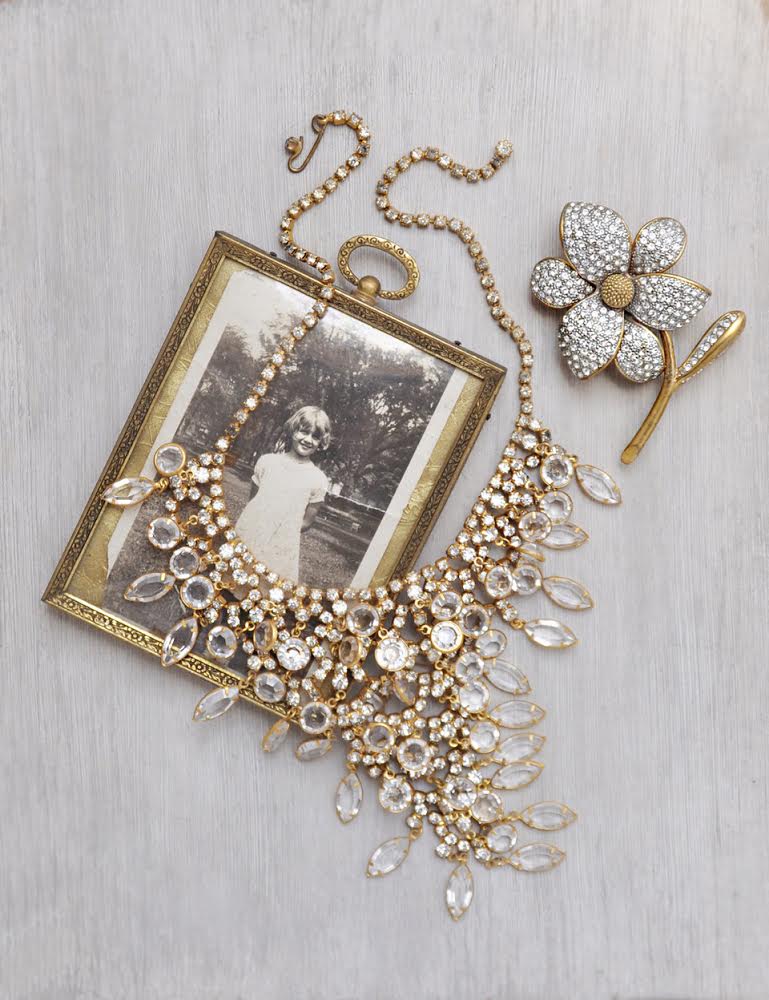
Jane as a young girl with one of the necklaces she acquired later on.

Did Jane teach you a lot about jewelry or did you learn through your own natural fascination? What attracts you to it?

I was certainly inspired by my grandmother’s love of jewelry and flair for accessorizing, but I definitely had my own fascination with vintage items. I started collecting vintage jewelry as a teenager in the 1980s, when more was more. I would go to garage sales and second-hand shops looking for interesting pieces at great deals. I loved old rhinestone choker necklaces, sterling silver bracelets and rings (I wore one on every finger, including mid-knuckles). Back then, pre-internet, I would go to the library to learn about the vintage treasures I had found. Researching vintage is sooo much easier these days, thanks to the internet!

These fridge magnets are desert themed! Everybody needs a little cactus, don’t you think? Find this trio in her shop here.

How did you happen upon the idea of refurbishing vintage jewelry into fridge magnets? Such a cool idea!

I had been buying box lots of old jewelry so I could use the components in my own designs. I was mostly looking for pieces that could be used in necklaces and charm bracelets, but I ended up with a surplus of broken bits and bobs, orphan earrings, etc. that didn’t really work for my jewelry making. One day, I decided to glue magnets on the back of a few old pieces and they turned out really cool! They sold well and soon became my favorite things to make. My first magnet sets were fairly simple but over the years they have become much more complex, with several pieces stacked on top of each other and often embellished with paint, rhinestones and charms. I also love using rustic found objects like old bottle caps, rusty washers and miscellaneous thingamabobs. I’m always finding things on the ground and putting them in my pocket to be used later in a creative project. When I do my laundry I usually find some kind of nut, bolt or pebble in the lint trap, because I always forget about the little treasures in my pockets!

Small treasures lying in wait for Heather’s unique designs.

Please explain a little bit about the process of making magnets – does one piece set the wheels in motion for a particular collection or does a set evolve as each magnet is made, or do you figure out a color palette and then go from there?

I create magnet sets based on one fabulous piece, or a color combination that I love, or using one of several themes that I work with over and over again. Some of my most popular themes are beachy seashell mixes, Southwestern, Day of the Dead, Victorian and robot (made out of junk and google eyes). I have also made many custom magnet sets to coordinate with people’s kitchen colors and for wedding message boards. I’ve even had customers send me their own vintage jewelry to turn into magnetic keepsakes.

It’s easy for me to pull sets together because I keep my huge collection of jewelry bits very organized. I have a large vintage letterpress cabinet, several craft drawers, boxes and glass jars full of stuff. Everything is sorted by type; hearts, flowers, animals, celestial, bead clusters, rhinestones… that way I can find what I need quickly!

Heather’s wonderfully organized cabinet!

Are there jewelry magnets on your own fridge?! And if so, what are they like?

I do have magnets on my own refrigerator. My favorite one is made out of a big rhinestone flower brooch that belonged to my grandmother… I was never going to wear it so I turned it into a functional object that I get to see every day in my kitchen!

Find this set of 8 Southwestern mini fridge magnets available in her shop here.

Is there a holy grail of costume jewelry that you are forever on the hunt for? Do you have a favorite vintage designer or type that you like to collect?

Because I sell vintage in my other shop, CuriosityCabinet, I’m always on the hunt for sterling silver. I love unique handmade jewelry….Southwestern, Native American, Mexican, and mid-century artisan pieces. But for my handmade work, I honestly look for junk! I love the challenge of turning something broken or damaged into something new and fabulous. A lot of my supplies are things many people would throw away. I don’t use anything collectible or valuable.

Who are your top three most favorite artists and why?

It’s difficult for me to pick favorites because I appreciate so many artists and creative mediums, but having recently returned from Mexico, I’m still thinking about the magnificent murals I saw painted by “Los Tres Grandes” the leaders of the Mexican muralism movement; Diego Rivera, David Alfaro Siqueiros and José Clemente Orozco. The enormous size of the works, with their bold colors and emotional subject matter really made an impression on me. It’s nothing like studying them in books and on slides! One piece by Sequeiros actually brought me to tears when I saw it.

From top left: Jose, David, Diego and the trio as pictured in the 1940s.

Because I’m an avid recycler of junk, one my favorite contemporary artists is El Anatsui, a Ghanaian sculptor who creates enormous, flexible tapestries made out of salvaged bottle caps and metal pieces from liquor bottles. They have the fluidity of fabric and can be bent and formed into different positions. They are truly magnificent and are created entirely out of recycled materials!

The art of El Anatsui

Back when you were studying art in college, did you always plan on opening your shops, Janedean Gems and Curiosity Cabinet, or did they just evolve naturally over time?

I never ever thought I would be able to do what I’m doing now! I definitely didn’t plan it. After working various retail jobs for many years, I went back to school in 2000 to study art history at UCLA, thinking I wanted to work in a museum or gallery. I bought my very first computer to use for school and discovered Ebay at the same time. For fun, I puta few pieces of my handmade jewelry up for auction to see if I could sell them. I was so excited when they sold, that I made more pieces and sold those too! Soon I’d created a nice little side business. That’s when I first starting selling my jewelry magnets.

In 2005, I read an article in the Los Angeles Times about a new selling site specifically for handmade products called Etsy.com. I signed up that same day and have been selling in my janedean shop ever since! In 2007, I opened a second Etsy store, CuriosityCabinet to sell some extra supplies but it soon turned into a vintage shop when I realized how much I love finding, researching and selling unique vintage and antique pieces. Now I balance 2 shops on etsy and 2 accounts on ebay.

Find Heather’s second shop Curiosity Cabinet here

So it is technology that allows me to do what I do. Computers and digital photography have changed my life, allowing me to offer my handmade items and curated vintage collections to people all over the world, from the comfort of my own home. Nothing could have suited my personality better! I’m an independent loner who likes to make my own schedule (and work in my pjs) and I’m now able to use my years of retail and life experience to benefit my own business.  I’m maker, buyer, merchandiser, photographer, advertiser, packer, shipper and I love it!

A fun sampling of items that you’ll find in the Curiosity Cabinet… from top left: Vintage Southwestern Brass Cuff, Portrait of Robert Browning, Vintage Carved Horn Bird Brooch, Antique Brass Hand Paperweight, Vintage Brass Elephant Figurine.


Name 5 things that inspire you.

1. Creativity- other people’s creative works inspire me constantly… from designers, crafters, artists, film makers… when I see what fellow human’s brains and hands are making, it inspires me to come up with new ideas of my own.

2. Walking- from beach walks to nature hikes to urban exploring, I always get inspired by things I see when I’m on a walk! When I’m out and about I like to take lots of pictures with my phone and gather small objects that intrigue me, which can end up being sources of inspiration later on.

Collecting in Heather’s hands looks like this!
3. Nature- I just love the natural world, in all its perfection and/or rustic beauty. From gardens to beaches to mountains, I love being surrounded by plants, flowers, trees, rocks, water and wildlife. I love the sights, smells and sounds of being out in nature.
4. Animals-  I love animals of all kinds, domestic and wild. They fill me with happiness and joy. I’m a cat lady for sure, but I love dogs, little critters, watching wild birds and I am continually inspired by the biodiversity on this earth.
5. Music- Finding just the right mix of music to suit my mood really helps inspire me when I work. I have eclectic taste so it may be anything from jazz to old country to punk music, depending upon how I feel that day.

What top five places would recommend to visitors in L.A. (based solely on what you think is great – not necessarily what is typical to tourists).

I’m not into hot spots or the latest trendy restaurants and if I’m going to brave the nightmare of LA traffic I want to see art, culture or nature!

From top left: The Los Angeles County Museum of Art (LACMA); the Museum of Contemporary Art (MOCA); The Getty Villa; The Broad; The Fowler Museum at UCLA; the Bergamot Art Center; The Natural History Museum; La Brea Tar Pits

I love museums so that’s what I’d recommend the most! The major art museums, LACMA, MOCA, The Getty and The Broad are must-sees, of course. The Getty Villa on Pacific Coast Highway has a fascinating collection of ancient art, housed in a Roman villa overlooking the gorgeous Pacific Ocean. The Fowler Museum at UCLA has some fantastic exhibits of African, Asian, and arts of the Americas. One of my very favorite places to visit is Bergamot Arts Center (previously Bergamot Station) in Santa Monica. It is a collection of art galleries located in an old railroad station that showcases local and contemporary artists. I also love the Natural History Museum and La Brea Tar Pits because I love science and I’m fascinated with prehistoric animals.

The beach bike path weaving its way along the California coast. Photo via pinterest.

My favorite outdoor place is the beach. I love walking along the water, watching the shore birds and gathering seaside specimens. There is a beach bike path where I live that winds for about 25 miles from Pacific Palisades to Santa Monica to Venice, then Marina del Rey to Manhattan, Hermosa and Redondo beaches. My favorite time to go is early in the morning, or in late afternoon/early evening during the long days of summer.

If you could have dinner and drinks with five famous people (living or dead) who would you choose and why?

I’d love to have dinner with David Attenborough, the naturalist and documentary film writer, producer and presenter. I would enjoy talking to him about animals great and small, evolution, and what we can do to protect our environment and the future of this planet.

Heather’s dinner guests(from top left)… David Attenborough, Mike Leigh, Paul Thomas Anderson, Akira Kurosawa and Ingmar Bergman.

I would also love to talk with a few of my favorite film directors about their processes; Ingmar Bergman and Akira Kurosawa, who have passed, Mike Leigh and Paul Thomas Anderson who are still working. These directors have made some of my favorite films of all time and I have lots of questions.

Having been a part of the Etsy community since 2005, you are a true pioneer. Share with us how your journey has changed over 13 years. Is it a continuous process of refinement in what you offer and what you design and what buyers want?  If Etsy did not exist, would you still have wound up in the same place you are today?

I can’t even believe I’ve been on Etsy for 13 years! Where did the time go? If Etsy never existed I might have just stayed on at Ebay full-time or started selling through my own website. Etsy is a very different site than it was in the early years but I try to roll with the changes the best I can, and make them work for my business. If it ever stops feeling like a good fit for me I’ll probably sell through my own website and maybe do more craft fairs (which I don’t do now… too much work!)

I actually still make many of the same things that I have since the early 2000’s, but for a while I got worried that magnets were becoming obsolete when stainless steel refrigerators starting taking over the market, but recently they have started making them magnetic again (yay). I guess some people were sad when they discovered they couldn’t stick their favorite magnets or kid’s pictures on the fridge.

Jandean has become more of a side business the past couple of years, since selling vintage has taken over my life! I don’t have the energy to run them both at full throttle so I tend to make jewelry and magnets when the creative bug strikes. It’s nice because I can just make what I want when I want to, and don’t feel that I have to turn out as many pieces as I did in the past, which can cause burn out.

I do plan to devote more energy to the handmade side of my business this year. I’ve been feeling very inspired lately and have started lots of new projects. I’m hoping to fill up my janedean shop with lots of new one of a kind, recycled goodies very soon!

We can’t wait to see what Heather has in store, for her stores, in the coming months.  Will there be more sparkly magnets in our future? I sure hope so! Keep up with Jane Dean Gems here and with Curiosity Cabinet here.

In the meantime thank you to everyone who popped in with guesses for the giveaway.  Possibilities ran the gamut from handmade candles to antique salt cellars to wooden kitchen utensils, showcasing what a creative bunch all you readers are. The winner of the giveaway will be announced on the blog tomorrow night from the random pool of guesses submitted yesterday here on the blog and via Instagram. 

Cheers to Heather for finding beauty in found objects,  for turning fridges into glamour girls and for providing all the gorgeous pictures throughout this post of her shop and workspace.

Can A Painting Inspire Dinner?

Can a painting inspire dinner? Absolutely! That’s exactly what happened when I found this tropical painting while out curating items for the shop. It’s a petite folk art landscape scene from Haiti with a handmade wooden frame and stretched cotton cloth instead of canvas. The colors are so vibrant…

and the brush strokes so full of energy.  The whole scene sings with the colorful island vibes that the Caribbean is known for.  Immediately it made me think of the 1960’s cookbook in the shop – The Art of Caribbean Cookery – another midcentury treasure that also sings songs of colorful island life.

The painting hails from Haiti, just one of the 28 islands that make up the Caribbean, but the cookbook, written by Carmen Aboy Valldejuli, includes all the cultural influences of all the islands… Puerto Rico, Cuba, the Dominican Republic, Haiti, Jamaica, etc.  Carmen is Puerto Rican herself and grew up in a traditional island household of the 1920’s, a world where servants cooked and children were not encouraged to help.

Old San Juan, Puerto Rico in the 1920s. Photography by Charles Martin courtesy of National Geographic

As Carmen explains in the introduction of her cookbook,  it was deemed improper for well-brought-up young ladies to perform menial household chores, cooking included. “Only occasionally was I ever allowed to enter the vast room where food was actually prepared, and how I regretted that.”

Carmen and her family’s house, Casa Aboy, in Puerto Rico,  including a photo of the dining room. These images were taken in the 1980’s by Felix Julian Delcampo

This is the house as it appears today, bright and pretty. Photo via pinterest.

But things changed once she met her husband, Luis, in the late 1930’s. Luis was an unashamed food zealot – an eater, a cooker, and a recipe collector.  He had a day job in engineering but on nights and weekends, he and Carmen crafted their time together around the glorious subject of food. Bolstered by one another’s support and enthusiasm,  the two indulged their culinary interests in a fun and curious way, which turned out to be the only encouragement Carmen needed to realize her life-long passion for cooking. What used to be forbidden was now a freedom.

carmen-aboy-valldejuli-and-luis-valldejuli
Carmen and Luis – the Carribean’s cooking dynamite team. Luis was always in charge of the cocktails.

Carmen took on this new interest with gusto. She and Luis dined their way through the islands, exploring offerings at family tables, fancy restaurants and everything in between. They traipsed around sugar plantations and farms and fruit groves. They listened and questioned and learned from everyone they encountered about cooking methods and techniques, about family stories and recipes passed down through generations. After each escapade, they’d return home to their own kitchen in Puerto Rico ready to dissect what they had discovered. As Carmen learned first hand, cooking in the Caribbean was a vast wonderland of food, flavor, and influence from other countries far from the tropics.

Vintage Caribbean travel posters from the 1950s and 1960s.

Floating between the Gulf Of Mexico and the Atlantic Ocean, with the United States, Mexico and South America acting as surrounding neighbors, the Caribbean is made up of an incredibly diverse population – an exotic tribe of people from Europe, Africa, Mexico, the Mediterranean coast, the United States and the U.K.

Vintage 1960s travel poster designed by Paul Loweree

Originally there were the first inhabitants, the Arawak Indians, but then came the British, French, Dutch, Danish, and Spanish settlers along with slaves from Africa who worked the sugar plantations and ex-pats from America looking for escapism. All these cultural influences grew diversity on the islands and greatly layered the cuisine of the Caribbean, making it not just one type of food, but a blend of many nationalities.

the-art-of-caribbean-cookery-carmen-aboy-valldejuli

In the painting, there is no sign of food, but its very essence pulls your imagination towards sandy beaches, tropical drinks, coconuts, rum, pineapple, papayas. Carmen is quick to explain that cooking in the Caribbean is not all “roast pig and ritual,” that food varies from island to island, built upon six centuries of history and the cohabitation of many cultures.  It was with that in mind that I chose, a recipe from Carmen’s cookbook that is an authentic Carribean dish marinated in generations of foreign influence. For today’s post, we are making a recipe that combines elements of Spain with two Caribbean staples – olives and capers. The dish is called Pescado Dorado or Golden Fish and it is a lovely meal to wrap up the end of summer with since it shines best with garden tomatoes fresh off the vine.

Carmen’s recipe recommended using a whole fish but I used cod filets instead since I couldn’t find a whole tropical-looking fish at our neighborhood market.  The recipe serves 8 but if you don’t want to make a big dinner out of it, simply cut all the ingredient measurements in half and you’ll wind up with a smaller serving for four.

PESCADO DORADO – GOLDEN FISH

(serves 8)

1 fish weighing 4 lbs, cleaned (or 4lbs of fish filets – I used cod)

2 large limes

2 tablespoons salt

1/2 teaspoon pepper

2 medium onions, peeled and sliced

2 bay leaves

12 green olives

1 tablespoon capers

1 tablespoon liquid from jar of capers

1/2 cup water

1/2 cup olive oil

2 cloves garlic, peeled and mashed

1 1/4 pounds tomatoes

2 canned pimientos

If using a whole fish, wash it inside and out. Ignore this step if using fish filets.  Cut 2 slight gashes on both sides of the fish or filets. Place the fish in a baking dish. Squeeze the juice of the limes over the fish and sprinkle with salt and pepper.

Arrange the rest of the ingredients from the onions to the tomatoes on top and around the sides of the fish.

Preheat oven temperature to 550 degrees.* Bake fish for 15 minutes. Lower temperature to 425 degrees and bake for 25 minutes longer, basting fish occasionally.

Heat pimientos and serve as a garnish on top of fish.

*A note on cooking time and temp – In 1963, Carmen’s oven reached 550 degrees. In 2018, the hottest my oven gets is 525 degrees. I cooked the fish at 525 degrees for the first 15 minutes and then reduced it to 425 degrees and cooked it for the remaining time with no problems.

Carmen Aboy Valldejuli’s Pescado Dorado

What emerged from the oven, after it was done baking, was a flaky cloud of codfish that was swimming in a salty citrus sea. To say that this dish was anything but delicious would be an understatement. Sometimes fish dishes are very light and leave you still feeling hungry, but this one is robust in flavor and is filling enough on its own.  I paired this fish dish with a handful of sauteed spinach and garlic but rice would also work or a side salad. Dessert was kept equally simple with a fresh fruit board that included pineapple, mango, papaya and fresh coconut.

We also had a little musical accompaniment during dinner from Harry Belafonte, one of the most iconic singers of Caribbean folk songs in the world. About a month ago, I heard the song Cocoanut Woman for the first time…

and instantly loved it. Further discovery led to his Calypso album, a bestseller full of Caribbean folk songs that was released in 1956. In its first year, this album sold a million copies landing Harry on top music charts and making him an international superstar. If you are unfamiliar with his work, you’ll find a big collection of his songs on here including the Jamician folk song Day-O about dock workers loading banana boats and the island love song, Jamaica Farewell.

Between the three – painting, music, and food – this dinner felt like a mini island vacation all in itself.  If you find that your summer has come and gone and left you without the chance to relax as much as you wished, try spending the evening with Carmen and Harry and Emmanuel (the painter) and see if your spirit can’t be soothed by a little slice of creative paradise. A glass of rum helps spread the cheer too.

Incidentally, I tried to find out more about my muse for this post, the artist named Emmanuel who painted the Haitian landscape that started all this to begin with. But he was elusive. As it turns out, there are LOTS of painters named Emmanuel in the Caribbean. That’s okay, though, it doesn’t matter that he can’t be tracked down further.  Muses aren’t exactly known for their easy accessibility.  Bob Dylan believed that the highest purpose of art was to inspire. In that case, Emmanuel certainly fulfilled his role, at least during dinner time in the Vintage Kitchen. As for Carmen, she went on to become an expert, the expert, of Caribbean cuisine, publishing several cookbooks throughout her life. Even though she died in 2005, she is still regarded as the classic authority on Caribbean island cuisine.

So as you can see, a painting can indeed inspire dinner and also a little more. Hope this post inspires you just as much. Cheers to soaking up the essence of the islands without ever leaving home.

Find the cookbook and the painting in the shop here and here. Find Harry Belafonte’s music on our Vintage Caribbean Vibes Spotify playlist here.
The Pineapple, The Sea Captain and How a Legend Began…

Sailors are known for their stories. You’d be hard-pressed to go to any ocean enthusiast’s house and not hear a tale of the extraordinary fish caught, or the summer storm turned sour, or the port city that lured like a siren song.  But did you ever hear the story about the pineapple? The one that tells how it became one of the most iconic symbols in the world? Today in the Vintage Kitchen, we’ve got a legend on the table.

There are a few versions surrounding the pineapple and how it became known as the universal symbol of hospitality. Some stories claim it was a gift of peace offered to foreign explorers by local Caribbean tribes.  Other stories state it was a sought-after souvenir traded around South America until it eventually was welcomed in Europe for experimental gardening. Another explains that it was a status symbol of the very rich and the very royal who used it as a party decoration to signify the extent of their wealth, visually reinforcing the fact that they could indeed offer the best of everything to their guests, no matter what the cost. But our favorite version in the Vintage Kitchen, of how the pineapple came to be a hospitality icon, is the one that dates to the 1700s in the time of the sea captains.

That legend states that merchant trading ships like this…

A Chesapeake Bay style sloop was a common merchant ship traveling between the West Indies and the Eastern Atlantic coast.

carried cargo (mainly sugar, tobacco, rum, and molasses) back from the Caribbean islands to various ports in New England. Included in their bounty was the exotic tropical pineapple, a fruit so unusual in its beauty, so incredible in its sweetness and so valuable in its price, it was treated delicately just like its most precious counterpart, sugar.

When the ship was back in port and safely unpacked, the captain would return home to his New England house with a pineapple in hand.  He would spear this fruit on the front garden gate to signify to friends and neighbors that he had returned from his ocean voyage and was ready to entertain visitors with good stories and good food.

The centuries-old houses of Kennebunkport, Maine where many a sea captain lived.

With just the right amount of whimsy and practicality, it is not hard to see how such a story and such an action could have spread throughout the village, and then the state, and then the coastline, so that within time, hundreds of garden gates across many states were bearing pineapples – a symbol of friendly invitation, warm welcome and kind generosity.

Pineapple gates in Odessa, DE

No one yet has accurately been able to authenticate the first-time connection between pineapples and hospitality, but this sea captain story may help explain why you’ll find pineapples incorporated into outdoor architectural details all over the East Coast from Maine to Florida.

Appearing in gardens both ancient and new…

Permanent pineapples in the garden.

…history tells of America’s long-standing love affair with this hospitable fruit.  You’ll see it on the front doors of old houses like this one…

The historic Hunter House in Newport, Rhode Island built in 1748.

There’s the pineapple above the door, welcoming all who enter.

and this one…

Virginia’s Shirley Plantation, completed in 1738, which boasts a three-foot tall pineapple in the middle of the roofline…

and in the decorative details of brand new, modern days houses…

Pineapple-themed door knockers, welcome signs, doorbells, and house number plaques announce an age-old symbol on brand-new exteriors.

You’ll also find them indoors…

Most often as finials on front entry staircases…

blending classic and traditional elements from past centuries to the present century…

Pineapples in all modern ways useful… ice bucket, lamp, bookends, flower vase.

Last week we added a new vintage pineapple to the shop…

This one was neither a finial nor an exterior facade detail but instead at one point in its life had adorned the top of a fountain.  The fountain wasn’t as big as Charleston’s famous Waterfront Park pineapple…

Waterfront Park, Charleston SC

but she is an ideal size for many design possibilities including lighting, decoration, and display.  And she carries forth the sea captain’s theme of good stories and good food in a most beautiful way.

Even though we might never be able to uncover where and how the pineapple became involved with the convivial idea of good hospitality, we still love the idea of one fruit bringing together three centuries worth of parties and people. Critics would say that the sea captain story is flawed because pineapples were expensive and traders wouldn’t put a small fortune out in plain view for anyone to steal. But hospitality is about extending and offering, not squandering and hiding, so clearly, the argument could go either way.

If you were a sailor in the 1700s, at sea for long stretches of time, with life and death equally close at hand, perhaps you needed a little frivolity upon returning home to family and friends and the pineapple provided just that. A simple yet beautiful billboard. One that symbolized rich with life lived instead of rich with monetary wealth.

Cheers to the legends that stick around and to the fruits that travel through time!

Channel your own inner sea captain and set the stage for your next night of entertainment. Find the vintage fountain topper pineapple piece in the shop here!